My Father’s Journey: From Service Station to Horse Ranch

GROFF MEDIA 2024© TRUTH ENDURES IMDBPRO

Presented by benandsteve.com By: Benjamin Groff II©s

4–5 minutes

Today, as I write, I ponder what story to share. Specific recollections stand out, shaping my life in ways that make them worth remembering.
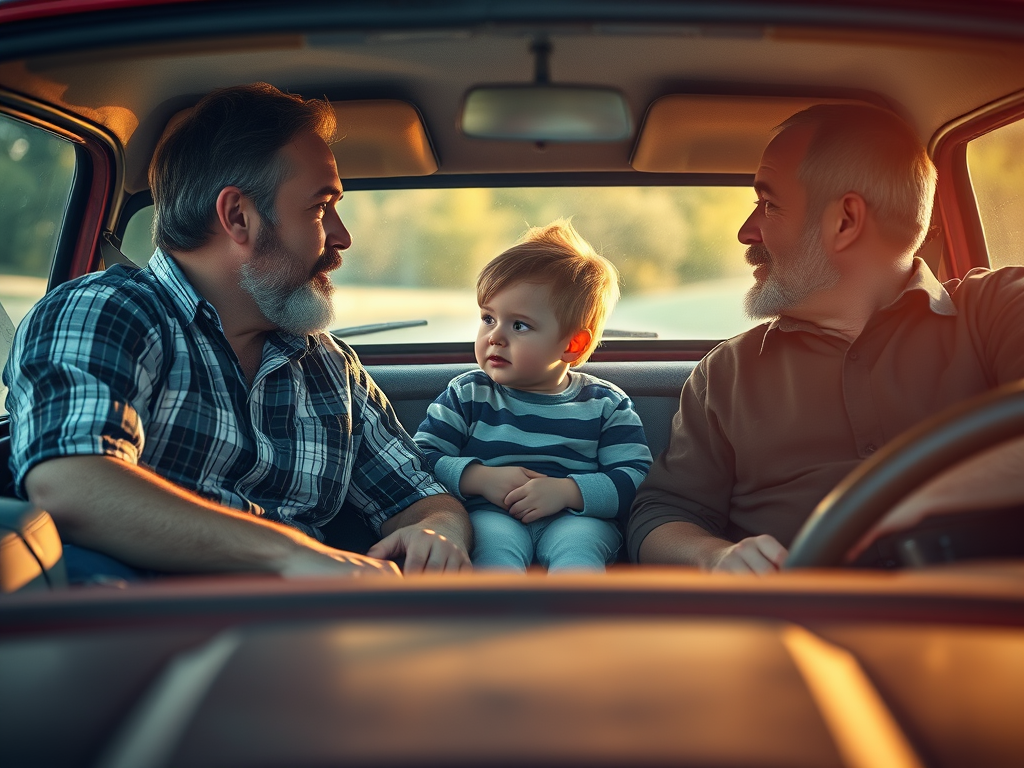

One of my fondest memories is traveling with my father and one of his friends. These journeys often involved a horse—whether for a rodeo, a parade, or taking a mare to be bred. I remember sitting in the middle of the pickup seat. The air conditioning blasted my face. The two men talked nonstop. The smell of their cigarettes filled the cab; they never cracked a window. Though I never smoked a day in my life, I suspect I passively inhaled enough to equate to thirty packs.

This was the early 1970s when smoking held no taboos, even around children. My father eventually quit in his late fifties, relieved to be free of nicotine’s grip. Sadly, six months later, he responded to a chlorine leak at a swimming pool. While shutting off the container, he inhaled the toxic gas, permanently damaging his lungs. From then on, breathing was a struggle. The medications he took to manage his condition weakened his bones. By 63, he was no longer capable of walking. He passed away shortly after. But in those 63 years, he packed in a lifetime of experiences.


Reflecting on my childhood, I marvel at how my parents managed to supply for six children. We weren’t wealthy, yet they kept us clothed, fed, and engaged—horse riding, basketball, piano lessons, and football. We started in a beautiful three-bedroom brick home in a great community. My father owned a Texaco service station and volunteered as a fireman. Some neighbors even urged him to run for city council, but his passion lay elsewhere. He dreamed of owning a quarter-horse farm, a dream that required sacrifice.


The first step was selling our home. We moved into a one-bedroom rental, with my parents in the sole bedroom and us kids on foldout couches. My father attended barber school, planning for the future. A year later, he purchased forty acres in a small town 35 miles away. He used the money from selling the house and service station. The land was densely wooded, and my father and three older brothers worked tirelessly to clear it for a home.


He found a house nearby for sale, provided it was moved. It had four rooms downstairs, one upstairs, and disconnected kitchen and bathroom additions. Two trucks transported the house 28 miles to our new farm. Once settled, we designated rooms: the kitchen, living room, and bedrooms. The steep stairs to the upstairs bedroom often left me bruised from falls. I loved that room. It had windows at both ends, letting a breeze flow as I gazed at the valley. I imagined future adventures.
I discovered my secret hideout underneath those stairs, meant to be my sister’s closet. Small enough to squeeze deep inside, I stayed undetected until I was spotted and lost my perfect hiding place.


Life on the farm lacked modern conveniences, including indoor plumbing. My father found an abandoned outhouse and positioned it over a dry well. Inside, we had two five-gallon buckets of water for drinking, with a dipper hanging above and another for washing dishes. Each day, my father refilled them after closing his barbershop in town.


We also had no phone service at first. When we finally got a phone, I was about eight. The company laid a single line down the rural road. We shared it with three other families on a party line. Each household had a distinct ring. Still, anyone might eavesdrop. Power outages were frequent, lasting days during snowstorms or severe thunderstorms, making access to our home difficult in bad weather.


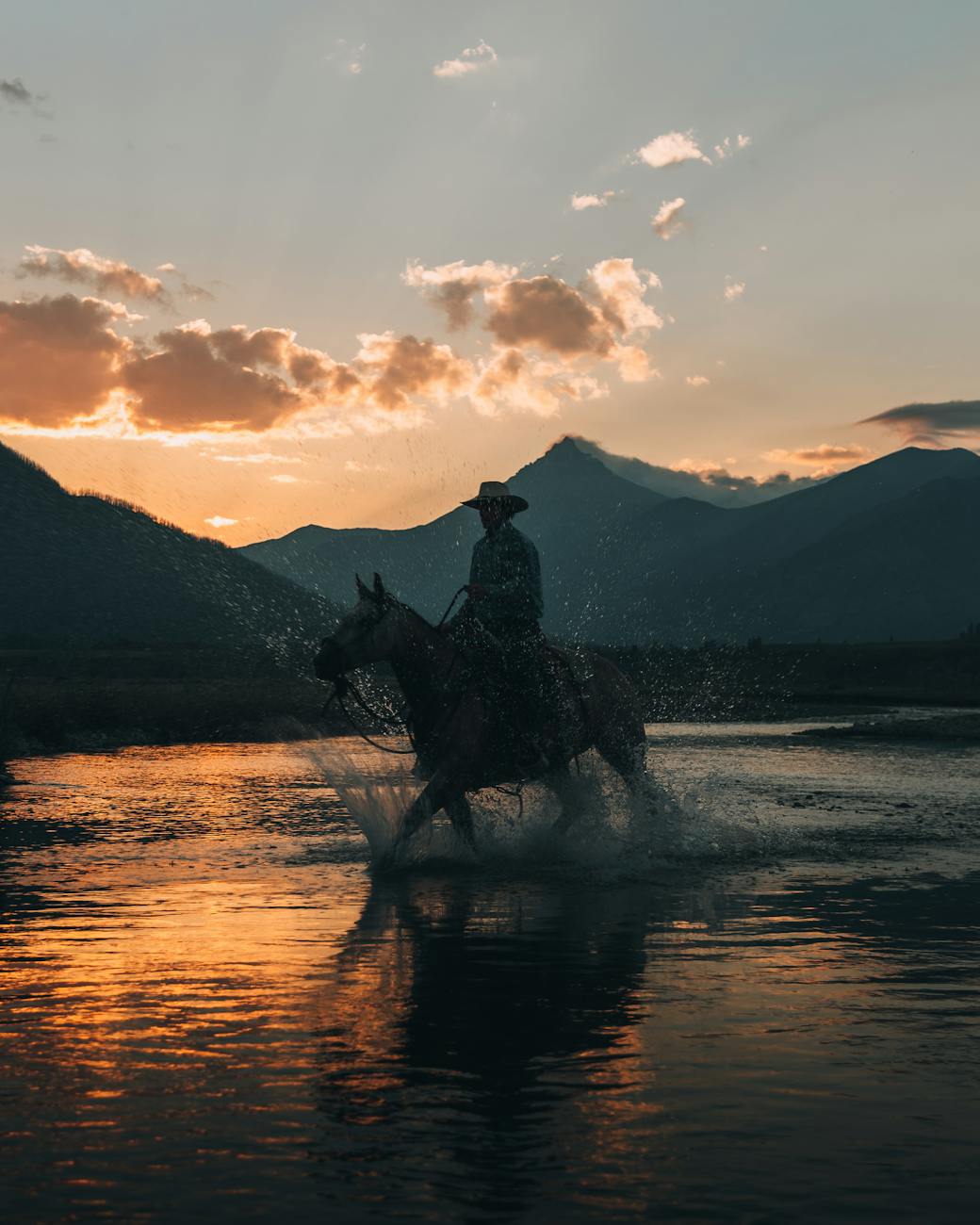
My father and brothers built horse barns south of our home. At one point, we had over forty horses. Spring was the busiest, with foals being born. My father hosted roping events, where friends gathered to rope all day. Eventually, he installed arena lighting, allowing him to ride even after long days in the barbershop. I joined him often, eating more red sand from falling off horses and calves than I care to remember.


Over time, the horses dwindled to just mine and his. My siblings had moved on from riding. My father worried that his aging stud horse was no longer suitable for breeding. That’s when he became a ranger at the Girl Scout camp, changing my world entirely. Life on the farm transitioned into something new and unknown. What I learned at the camp shaped me. It taught me the value of acceptance. The lessons in resilience have stayed with me through life’s most challenging moments. But that, as they say, is another story entirely.

To end, I want to include a question I recently asked my 95-year-old mother:

“You went through so much. It all started after selling the brick home. You moved from the life we had in the city. Knowing all this, would you do it again?”

She replied,

“in a heartbeat!”
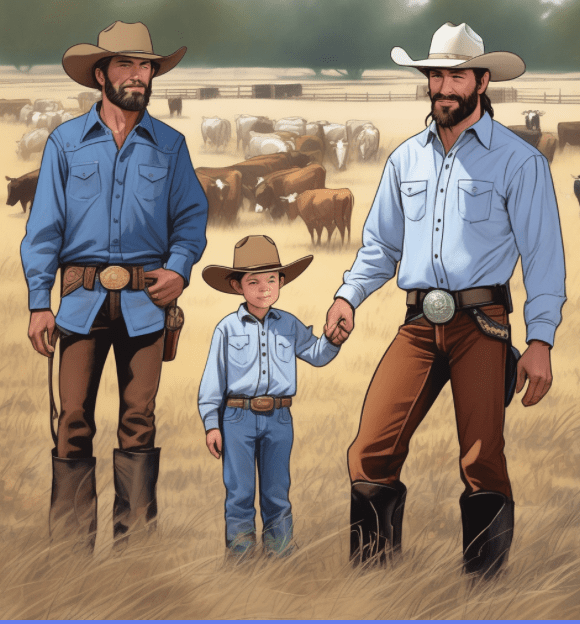
George’s Story About Going TO A Horse Sale With His Dad And Friend Maynord

George was a happy-go-lucky sort of kid. His father raised quarter horses, and together, they were buddies. They go nearly everywhere together. George and his father’s friend Maynord, an older gentleman, probably a few years older than George’s father, spoiled George, treating him especially grandly. George didn’t emphasize the letter ‘s’ in some of his words, and some words he would say might need to be clarified. His father was known as a horseman and stern man, yet respected by most people, eyebrows raised to the bible-toting folks.

Maynord had a grown daughter who had already left home, but he and his wife had never had a son. With George, Maynord had the time of his life. As did George. The two were better buddies than Maynord, and George’s father became. But George would never say that to his father. Maynord treated George to parades, cheeseburgers, and ice cream cones and even got him a dog. George named the pooch, Ryder after Maynord’s last name.

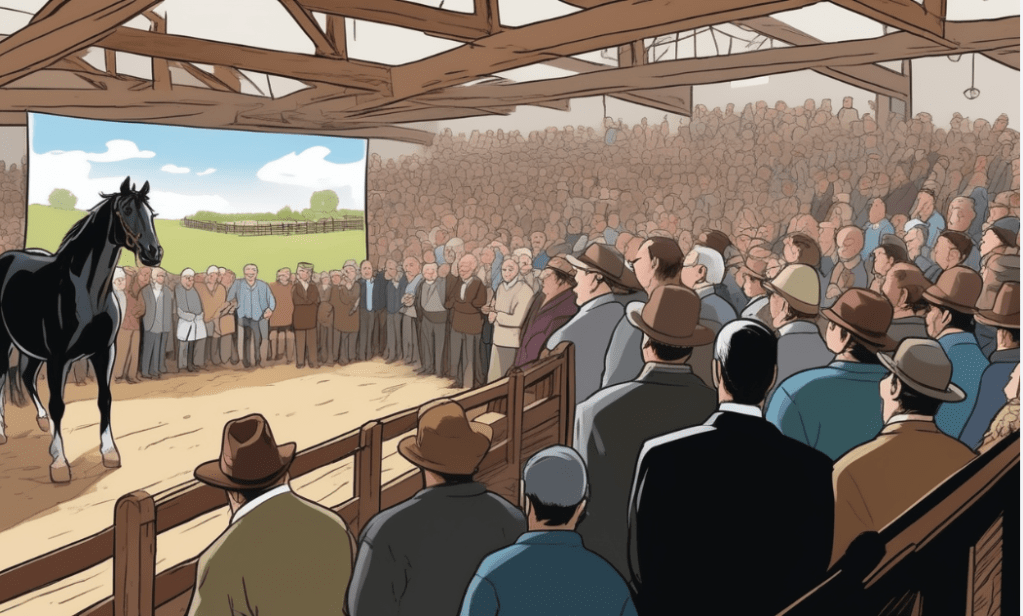
The two looked forward to Friday and Saturday nights. That is when George’s dad would take George and Maynord to auction barns in nearby cities where horses were sold. There, they would watch the many horses come through the sale ring, and the owners talk them up, saying how great of an animal the horse is, and try to sell it for top dollar. Of course, George’s father had always arrived before the auction to watch the horses lead in so he could see how they handled it and whether they were challenging to work with in getting to holding pens. He could also see if any auction workers tried to ride the horses before entering the sale ring and if the horses handled well. There were always little mishaps in the sale ring, a rider losing his grip and falling off, or a horse doing what the owner said it would not do. Or donkeys would be brought in, which always made George and Maynord laugh. They would jokingly suggest George’s father buy several to go with his quarter horses. The biggest thrill of the sales barn adventures was the cafe located within; that is where, halfway through, George and Maynord would slip away and eat cheeseburgers and drink soda pop.

The horse sales, as George and his father referred to them, caused the problem. Maynord didn’t help with the situation because he referred to the auctions as horse sales. And he had never referred to the auctioning of horses as anything else.

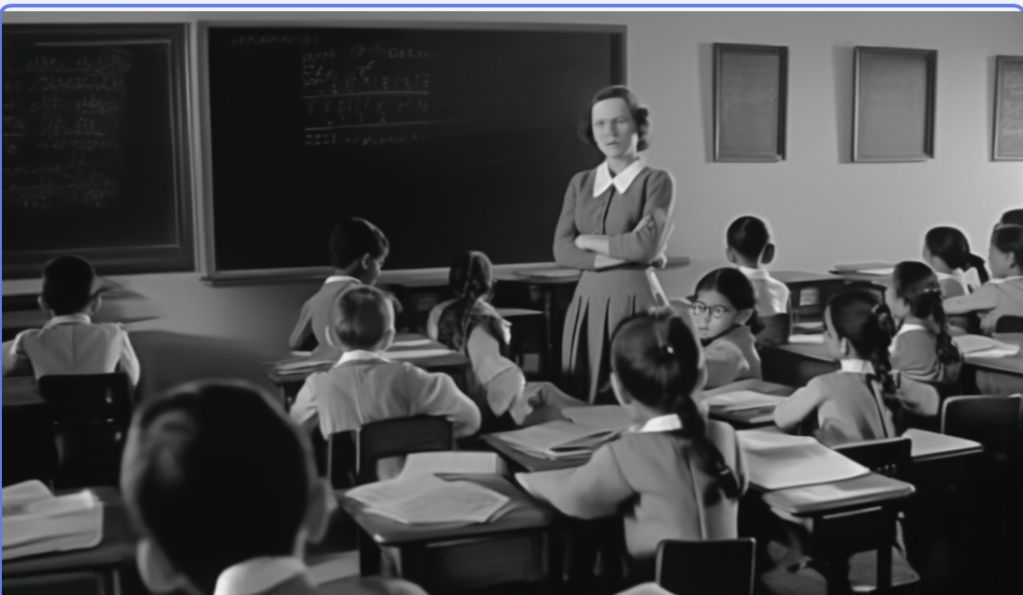
It was in the classroom one Monday morning when the third-grade teacher asked the class for each student to stand and say what the most fun activity they took part in over the weekend was. The town had just had a fair, and the teacher expected the students to explain their actions while visiting the celebration. And that is what the students did until coming to George. 

George stood and said –––

“My dad and our friend Maynord took me to the city horse sale, and my dad bought two. 

The teacher said –––

“George, you went where, and your dad what?”

George replied –––

“My dad took me to a horse sale and bought two. His friend Maynord helped with one of them. They made me watch from the pickup.” 

The teacher, turning pale, said –

“George, stop talking; that is enough! Class, that is enough of what we enjoyed this weekend. I will have George explain what he did to the principal.”

George was perplexed. Hasn’t anyone ever watched a horse being sold and loaded into a livestock trailer? Why would the principal need to hear about it? Indeed, he knows about people selling horses.

In the office, the principal was being informed by the teacher about what she had heard and how terrible it was that this father and his friend had taken an 8-year-old boy to whore house and had him watch the goings on with two women. The principal then asked George what exactly did you say to your teacher? 

Which George explained –––

“I just told her ––– My dad, Maynord, and I went to a horse sale, where my dad bought two horses. They made me get in the pickup and watch them while loading the horses so I wouldn’t get hurt or in the way. There have been days, I have even held on to some guys horse when he had too many to handle. But I didn’t get to explain it in such detail because the teacher told me to stop talking before I could tell more about what I was talking about. We go to horse sales every weekend. I don’t know what the big deal is!”

The principal and now the school’s superintendent were both in the office. Their faces were beet red, and they were trying to keep from laughing. The teacher, now understanding the situation, felt overreactive and apologizing. 

Meanwhile, George is confused and asks everyone in the room –––

“Haven’t you all ever heard of horse sales? Horse sales? Horse Sales! A Place where a man can sell his horse? My dad, Maynord and I go to them every Friday and Saturday night, you should come with us and see what it is all about. If you get bored with the horse sale, you can get a cheeseburger, as I sometimes do. I don’t understand what this is all about just because I told my story about going to the horse sale with my dad and Maynord.”

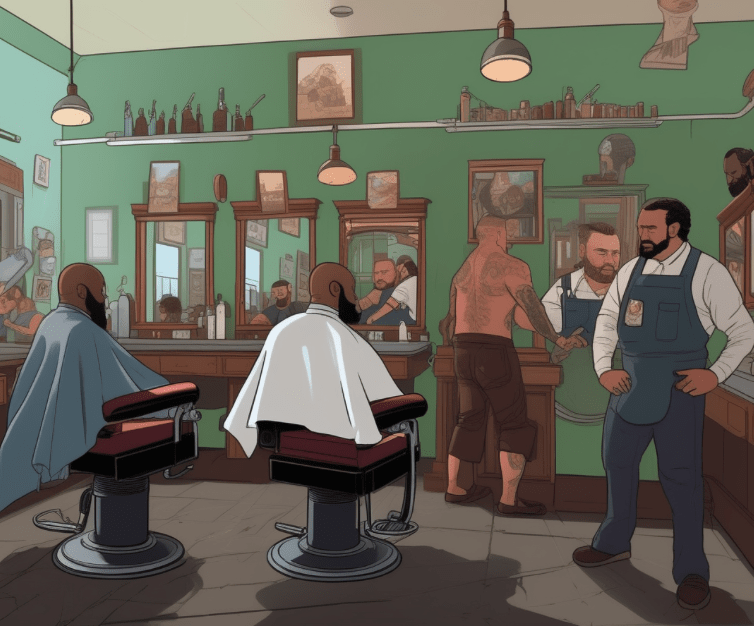
George’s dad, the town barber, was called and told of the situation. He later held court in his barber’s chair with his shop’s regulars. There, they had the bursts of laughter the school officials experienced.

Leaving the office, it was the loudest laughter George can ever remember hearing to this date. It wasn’t until he was older did he understand the rhyming of the words between horse and whores and how it could sound to others when saying to them ––– 

“You are headed to a horse sale to see what you can find.”

~ ROSE ~ A WILD HORSE FOR A SUMMER WITH BUD (Continued – Ending.)

Photo by Skitterphoto on Pexels.com

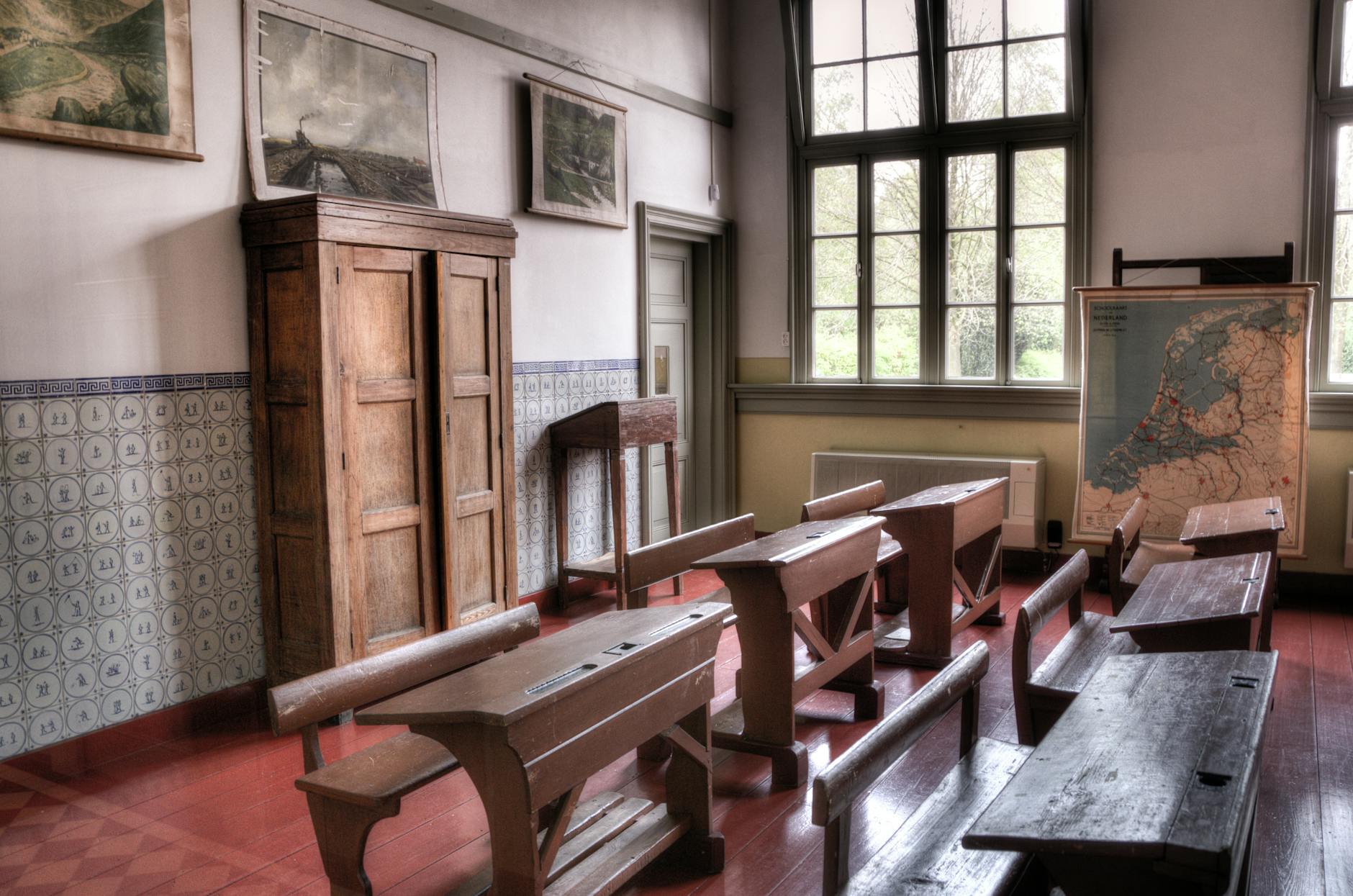
If there was anything Bud hated more than waking up to catch the school bus, it was getting to school and sitting in a classroom all day long. He couldn’t keep his mind on anything in a book. He could often find himself gazing out a classroom window and dreaming of riding his horse: anything but reading, writing, or arithmetic. His teacher knew his fondness for drifting into daydreams and would call his attention back to reality, usually asking if he knew what they were discussing. He didn’t, but he tried to fake it, bringing laughter to his classmates. It was test time, and it mattered, so he tried hard to pay attention because Bud didn’t want to be held back a year and have to repeat a grade level.

Photo by Edward Eyer on Pexels.com

The week came for the test, and Bud had tried hard to study, fitting time between his farm chores and breaking his new horse, Rose. Unlike any horse Bud had ever owned, she was a delight to have. She even became friendly with Bud, meeting him at the pen gate and following him around as he cleaned out the barn. Staying in the pen was unusual; typically, horses would take to the pasture when the gates were open and get their exercise and run. She might go out for a spin, but she would return and spend most of the time with Bud, nudging him as he did his work. Which sometimes became a nuisance since scooping out the barn required much physical work, and she wanted his attention. After his chores, he always gave her a rub down, which Rose seemed to eat up. As he took the brush and rubbed down her back and hips, she would extend her neck into the air and twist her upper lip in a pleasing gesture. Bud thought this was strange for a horse someone had never touched until a few months ago. But what Bud doesn’t know is Rose would only let his father and Bud have anything to do with her. 

Bud finished the rub down and told Rose,

Rose nudged Bud’s shoulder; he thought maybe she understood.

The next day, Bud hated getting up at sunrise to catch the bus and go to school. He could do so many better things, but he did anyway. At school, those tests were waiting. He managed to get through all the day tests and, thanks to the new testing system, learned he had passed them all. He hoped the teacher would pass him on to the next grade. It depends on more than just grades at the school; it also includes conduct, attendance, and interests in subjects. The school would only send that notification in the middle of the summer. The excellent news for Bud is the last test meant that school was over for the season, and he was free for the summer. Once he got home, he didn’t have to catch that school bus for another three months.

It was later than usual when Bud rolled in on the school bus; it had run the route backward due to it being the last day of school and letting the students at the end of the route get home first for the last day of school. It was a trade-off for getting home first all the other days of the year for Bud. She was angry when he got to the Barn and Rose’s pen, nickering up a storm. Bud came in with hay, a gallon of oats, and a brush. He put the oats and hay in her feed bin, and as she began to eat, he gave her a rubdown. Which she immediately melted into.

Bud said to Rose as he calmed her,

Bud said to Rose patting her on the hips,

He closed the pen gate and went to the house. The day was about to come to a close. Now, he was looking forward to waking up at sunrise; he had Rose to get to and a day of riding.

Sunrise came sooner than Bud thought it would, and it was a bit tougher to get up than he thought it would, but he managed to get to the floor and get going the following day. He grabbed a quick bite of breakfast and was off to the barn and Rose’s pen. Bud found his horse ready to see him; Bud gave her a brush down and then saddled her up. He told her we leave the riding arena today and go to work.

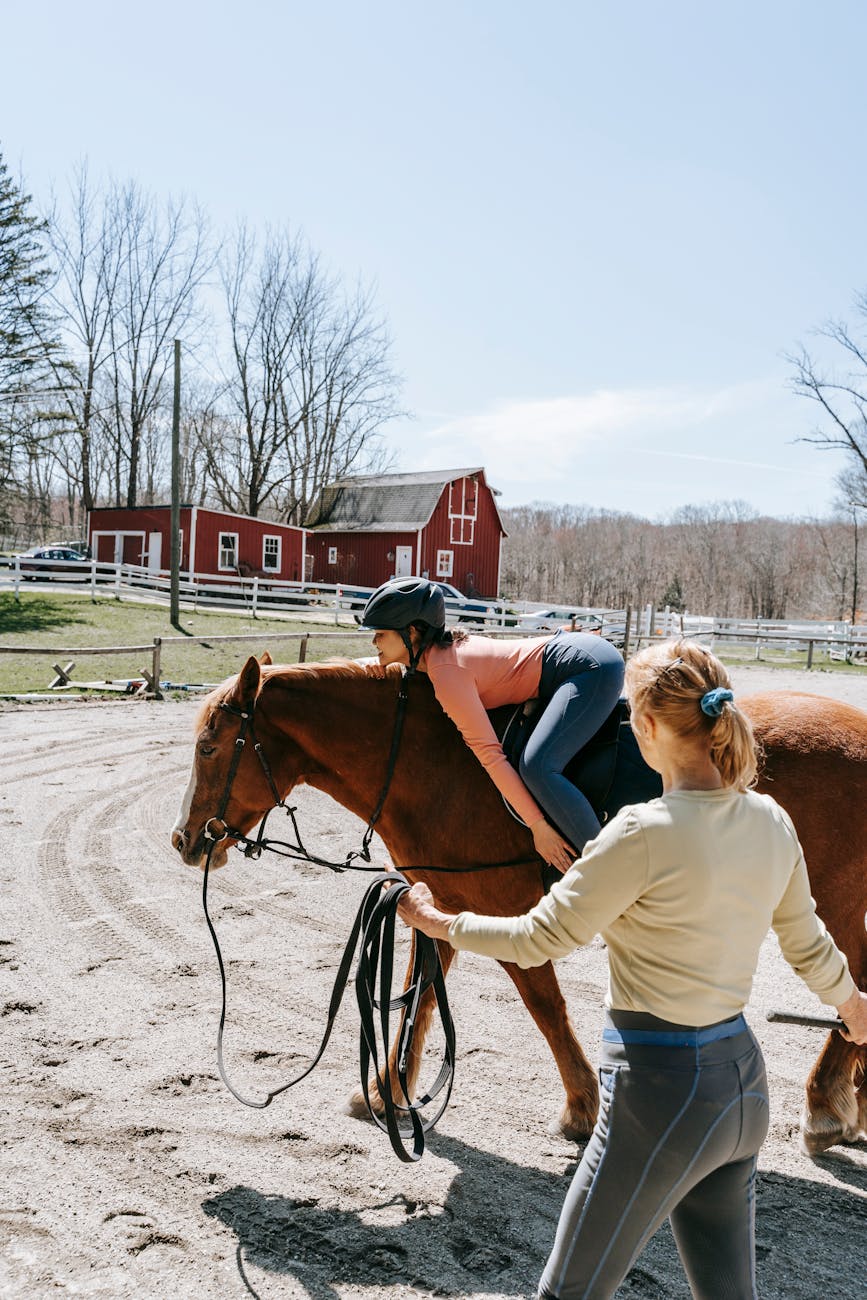
Bud slipped on a bridal and a new set of roping reins that lightly touched Rose’s neck. She noticed that the thick plow reins were gone and that the light touch of the new reins seemed more to her liking. As Bud stepped into the left stirrup, rounded his right leg over Rose’s back, and settled into the western-made saddle, Rose shifted her feet and became comfortable with his mount. Having him aboard brought a prance to her step. When the two rode with others, comments were being made about how the Rose and Bud appeared so confident together, and the Rose’s stride was so prideful. She had a specila gate, rather than at a walking pace or when she loped. Rose had a trot that went a step beyond that of a fox trot and a lope that didn’t bounce Bud. She was the Caddilac ride!

On the first day, Rose proved to be as great of a horse as those riding five- and six-year-olds. She took every step. Rose never shied away from anything, and in every task Bud asked of her, Rose met. Bud even got off her several times to fix a fence post or pull up a wire along a fence line, and she never left his side; the other riders had to tie their horses off and walk back to them after fixing fence lines, but Rose, stayed right along wherever Bud went. 

A month into summer, Bud’s father suggested he begin training Rose to cut cattle. To do so, Bud would begin having Rose train on turning goats in the roping arena. Rose took to it like she was born to do it. She was so swift at turning with the goats that she nearly caused Bud to lose his mount several times. However, Bud learned to sit with Rose, and the two became masters in cutting goats, cattle, or dogs if needed. 

By the end of summer, Rose had become well-muscled and was turning four years old. She had begun to fill out. Bud’s father suggested that he breed the horse and get a colt from the horse for next spring, saying that he had a good horse. So Bud’s father made arrangements with a neighboring horseman to have Rose visit his stud, and a few weeks later, the news came that Rose would be expecting a colt next spring. While waiting, Bud began getting Rose ready to show in the upcoming county fairs.

Rose stood proudly in the county and several city fairs, and walking alongside Bud, she won several Blue and Red ribbons. It was a great experience to prepare her for riding in parades and rodeos. Bud did bring Rose to town several times; she walked proudly and enjoyed the crowds of people who looked on as she pranced down the streets or through the rodeo arenas.

Bud grew up fast, and so did Rose; she had several colts over the years. Bud would train them like he had Rose, usually selling them and putting them in a savings account when he got older. Rose remained loyal to Bud, and they rode nearly daily, even with school going on. It was something for Bud to look forward to after getting out of school. Living so far out in the country, neighbors weren’t nearby, and Rose was his best friend, at least closest to home.

When Bud turned 17, he got a pickup with the money he had saved. This was also the time his father began downsizing his horse farm. Rose was one of the last horses left in the place. One morning, Bud’s father came to him and said ––

“You know, Rose is at a good point for selling, and you will be moving away in a few months. You should think about selling her to your brother. And your saddle, too.”

Bud was heartbroken because he knew his father was right. He had been thinking about what to do for months. He knew that he would be leaving home for his first job in a few months, one that would require him to move away and that would not allow him to have Rose. Plus, his father had aged and was becoming unable to care for horses. That was the reason for the downsizing. Bud’s father had already sold all his horses and saddle. Something Bud never thought he would see happen.

Bud slept on it overnight; the following day, he talked to Rose, and she didn’t nudge him back when he spoke to her. He knew she understood. And she, too, was heartbroken. He closed the gate on her pen and walked away.  

The End.

~ ROSE ~ A WILD HORSE FOR A SUMMER WITH BUD

Photo by David Dibert on Pexels.com

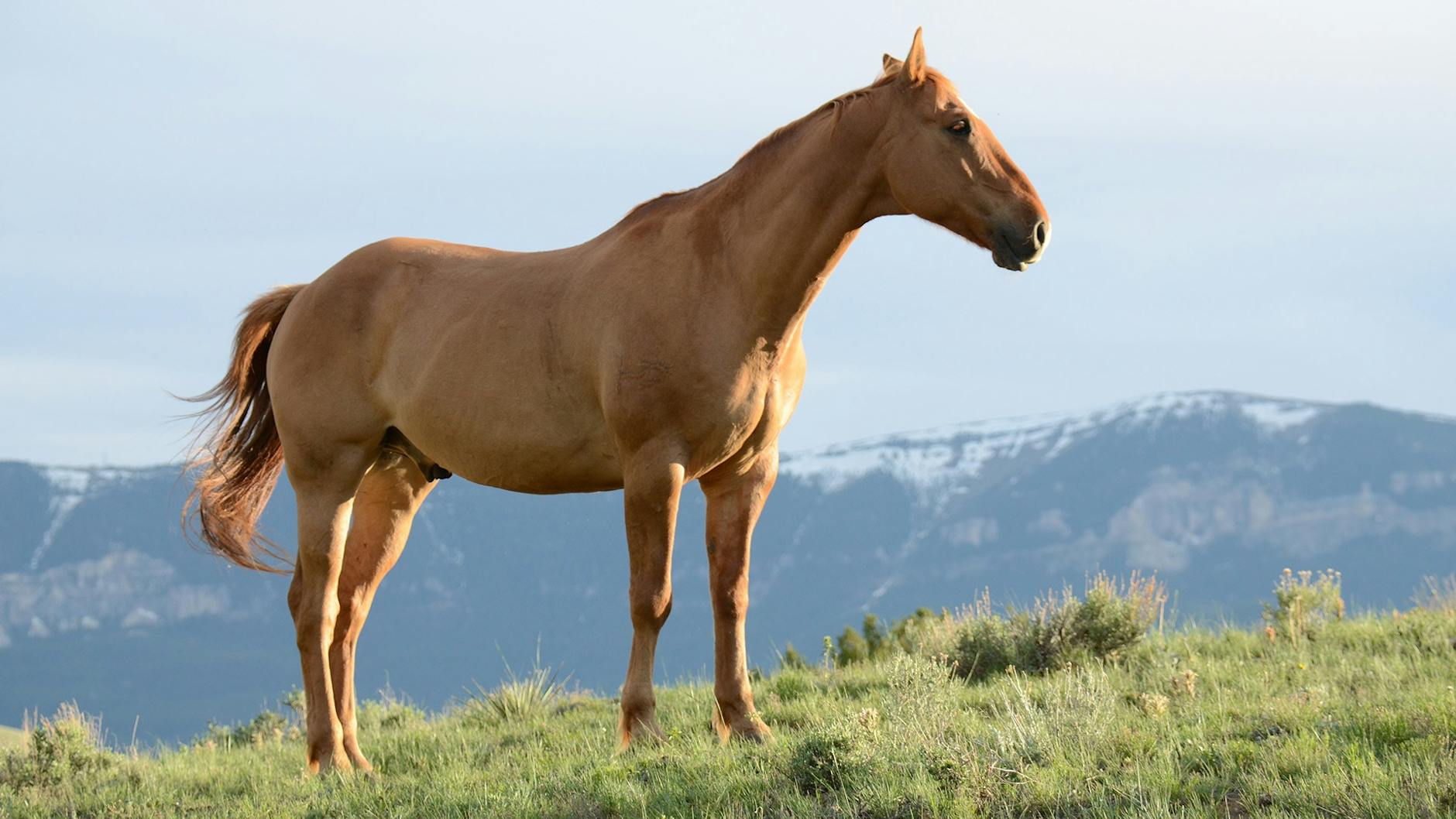
Bud was only 14 when he first met what would become his best friend for the summer. She had never been around people running wild in a pasture since birth. A 3-year-old Dunn filly, a horse commonly referred to in the region as a Red-River-Dunn for its color, a reddish tint coat with black stockings, mane, and tail. She had darker red hair around her mane and ears, slicked down her jacket, and features made for a beautiful horse.

Bud’s dad bought her at a horse auction, and he and Bud went to load Rose; she had never been touched. Getting a rope to place a halter on her was a rodeo of itself in the lots behind the auction house. Getting her loaded into a trailer was a site to see. She reared and fought, tearing the trailer’s tail lights, clearance lights, and various fixtures off the trailer before finally getting into the trailer, most likely tiring from repeated attempts to load. No whips or harsh attempts were made to get Rose into the trailer; she never saw such strange things and was frightened by their appearance.

After a ride home, Bud wondered if the new horse would still be standing; it was long after midnight when they arrived back at the farm. As they pulled into the barnyard, Bud’s dad backed the trailer into an empty pen and unloaded the horse. The father and son gave the horse some hay and water and a gallon of oats. Then, the two went to the house; it had been a long night.

A technique known as plow-driving or plow-reining

A few hours later, which most people would describe as the following day, Bud and his father were up with sunrise. That is the way you work on a farm. They went to do their chores. By the time Bud got to the barn where the new horse was, he was shocked to see his dad had a saddle on it and was behind it, plow-driving it. Plow-driving is a process where one runs a rope from each side of the bridal through the stirrups of a saddle to about ten feet behind the horse to teach it reign before mounting it and training it at riding; it is very similar to what you would see a farmer doing to guide his draw-horse behind a plow on a farm.

Bud had always heard of how his dad had a magic touch with horses but never witnessed the gift so many spoke about. What happened next would deepen the mystery even greater.

Bud’s dad saw him entering the pen and said,

“I am glad you are here; it is time for you to get on her. I think we will call her Rose.”

The father then proceeded to gather the reigns in his hands and walked up to steady the bridal and hold the horse steady. As he did, he angled the horse’s head, and Bud could see his father quietly speaking into the horse’s ear. Then his father said,

“It is ok now. You can get on.”

Bud stood there thinking that not 8 hours earlier, they had watched this horse, which a human had never touched, nearly destroy an endgate on a stock trailer, taking over an hour to load from a dock where it usually takes five minutes for the most problematic cases. But Bud trusted his dad and knew he would never place him in danger, so he went up. He was expecting to be going for an 8-second Bronco ride.

After Bud settled in the saddle, he first experienced what he would describe to friends and family as the Cadillac ride. Using just two leather reins from a halter and not a bridle, he clicked his mouth for Rose to go, and she began walking. He reigned her using the plow-rein system; he gradually began using neck touch reining by letting the rein on the neck tell the horse which direction you wanted it to go. Rose was incredibly talented, a fast learner, and became acquainted with people fast. On the first day, the father and son had the horse performing levels of training that typically take weeks or months for other horses.

Bud’s dad said, as the day progressed,

“Rose will be yours for the summer. We sold Sam, which was your horse, so I wanted to buy this green horse to get you something to work on.”

A green horse needs training in horsemanship, riding, leading, mannerisms, and behavior. Bud feared Rose would be a challenge if she had any flashbacks and wanted to return to her before human days. 

The next day, Bud’s biggest concern was the end of school before Summer break. He had fourth-quarter tests to pass. Rose would have to hold until he had his schooling squared away, but he knew she’d be waiting for the summer that was about to come.

Watch for part 2 tomorrow!