

Presented by benandsteve.com By: Benjamin Groff II©
Groff Media 2024© Truth Endures IMDbPro
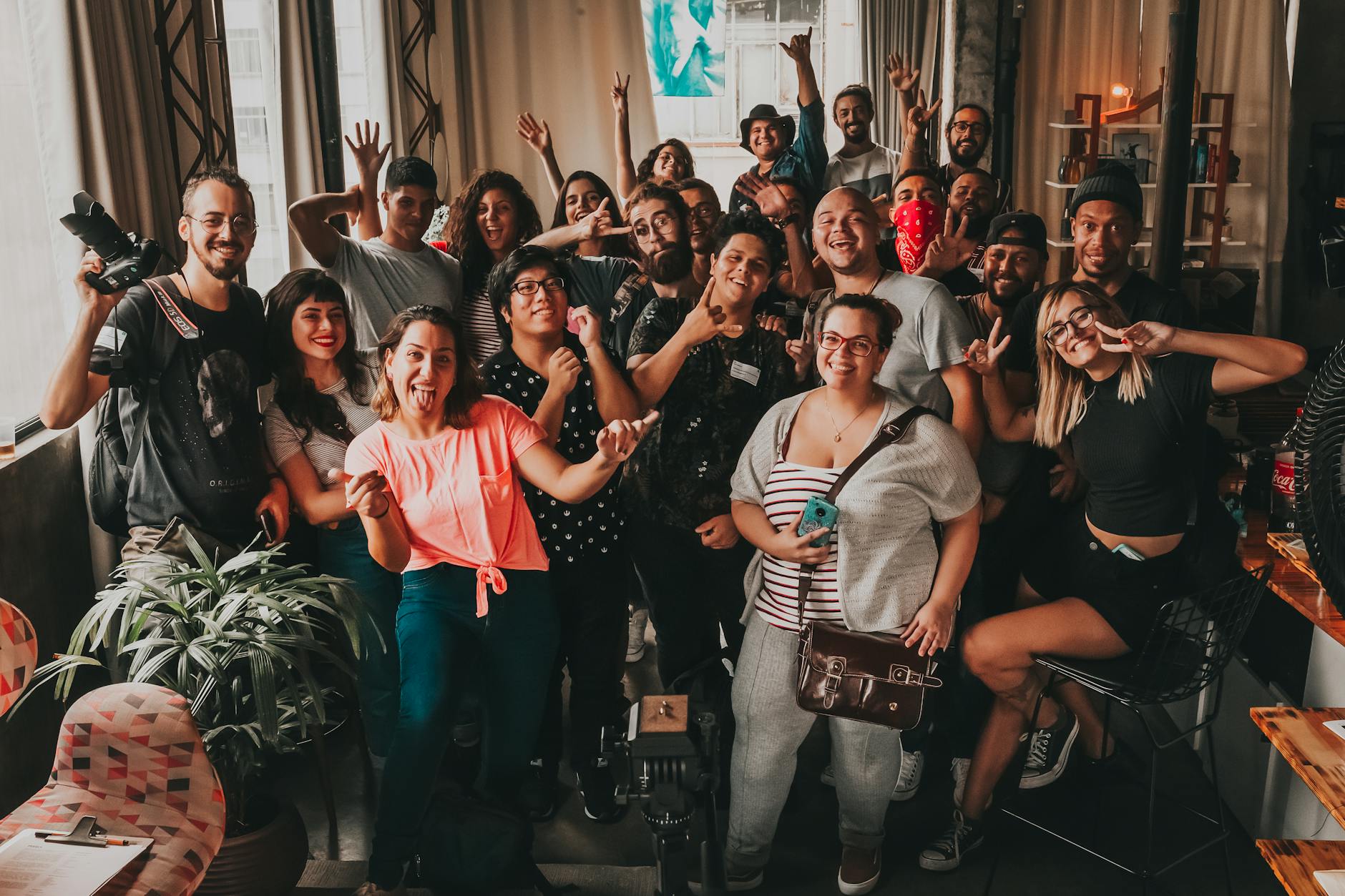
The fall of 2024 found a vibrant small community town hall filled with locals from every walk of life. The walls became lined with a diverse array of familiar faces of the neighborhood—retired teachers, young activists, military veterans, and longtime friends who had lived through decades of change, some of it hard-won, others bittersweet. On the stage, with a sign reading “Let’s Talk About Greatness,” stood a panel, each holding their idea of what that greatness looked like.
Jared, a man in his late sixties with a MAGA hat perched atop his head, leaned forward as he spoke, –––
“I want my kids and grandkids to grow up in a country that feels strong, proud, and united—like it was back then. We all knew our neighbors. Families were close-knit. There was a sense of American unity.”
Dolores, a retired history teacher, nodded beside him. But as the crowd listened, some exchanged looks. –––
“So, Jared, I get what you’re saying,” a young local journalist interrupted Lena. But when we say ‘back then,’ do we mean the same thing?”
Jared paused, looking thoughtful, as Dolores took the microphone. –––
“We tend to remember the good and forget the rest,” she said gently. I remember growing up in the fifties and sixties. It was stable and ideal for some of us, but not everyone. This ‘great’ past we want to go back to meant certain people couldn’t vote. Others had to hide who they loved. And women—our dreams were seen as distractions to a family.”
There was a hush as Dolores’s words hung in the air.
“I don’t think Jared meant that,”
––– came a soft voice from the audience. It was Naomi, a single mother and community organizer.
“But when we say we want to ‘Make America Great Again,’ we have to ask—for whom? The history we’re returning to was not the same experience for everyone.”
The community members exchanged glances. Jared turned back to the crowd. –––
“I respect what you’re saying, Naomi,”
he replied, genuinely thoughtfully. –––
“When I say ‘greatness,’ I’m not talking about racism or inequality. I’m talking about hard work, pride, patriotism—things that feel like they’re slipping away.”
Naomi nodded understanding, fostering a sense of mutual respect and value for each other’s perspectives, highlighting the importance of open and respectful dialogue in the community.
“But the word again implies that we want to go backward,”
––– Lena pointed out.
“And, for me, that’s concerning. I love this country and respect what’s gone into making it better. I mean, we have interracial marriage, legal protections for LGBTQ+ people, voting rights for everyone.”
––– Lena paused, looking at Jared.
“To me, that’s American greatness—now.”
As the meeting unfolded, the debate deepened. Various members shared stories of progress and hardships. Kayla, a small business owner, spoke about her pride in balancing work and motherhood.
“When I hear traditional values, I think of something different than my grandmother might have,”
––– she said.
“My values include family, hard work, women’s rights, and equal opportunities.”
Another voice said,
“Look, I served in the military, and I believe in protecting this country,”
––– said Tom, a retired Marine and a man with a thick gray beard.
“I fought for an America that moves forward and doesn’t leave anyone behind. ‘Greatness’ is complex—strong enough to protect everyone’s rights.”
The meeting wrapped up with the group realizing that “greatness” was many things, each person’s version holding personal meaning. Dolores took the microphone one last time:
“Maybe we can remember this—our vision of a truly great America embraces both the good of the past and the advancements we’ve made. To build greatness, we don’t go backward. We keep moving and evolving, ensuring that each generation has the opportunity to contribute to a better America, instilling a sense of hope and optimism in the audience for the future.”
The room echoed with nods of agreement, and as the townspeople filed out, they carried forward a renewed understanding: that the road to greatness was not paved with nostalgia alone but with a willingness to grow beyond it.
The term “Make America Great Again” has a different meaning, and it stands on the grounds that to make America Great Again, there has to be the revoking of rights that have been attained by groups over the last fifty years. Those groups include blacks, Native Americans, Hispanics, Asians, the LGBTQI+ Community, and others. Because of that angle, this space will discuss the topic in the November 1st, 2024 posting.
Understanding the range of meanings attributed to “Make America Great Again” offers insight into the complexities of contemporary American identity and the societal debate over what “greatness” truly entails in an evolving multicultural landscape.

 benandsteve.com