Reaction on Capitol Hill was swift—and, at times, confused.
By: B.H.Groff II Groff Media 2026
WASHINGTON, D.C. — In a move that has surprised residents, historians, and seasonal tourists alike, the White House has issued an executive directive calling for the immediate removal of all cherry trees within the District of Columbia.
According to preliminary details released late Monday evening, the plan calls for the trees—long associated with the city’s springtime identity—to be cut down and processed for transport out of the nation’s capital.
Administration officials described the decision as part of a broader “landscape reassessment initiative,” though specifics surrounding the timing and necessity of the removal remain unclear.
“We’re clearing them out. Making room for more air and real estate!”
“This is about taking a fresh look at long-standing traditions and evaluating their place in a modern framework,” one official said, speaking on condition of anonymity. “No element, no matter how iconic, is exempt from review.”
The cherry trees, many of which trace their origins to a 1912 gift from Japan, have been a defining feature of Washington’s Tidal Basin and surrounding areas for more than a century. Each year, the blossoms draw visitors from around the world during peak bloom.
Despite their cultural significance, crews have reportedly already begun staging equipment near key locations, with early removal efforts expected to begin within days.
TEXAS TO PLAY KEY ROLE IN DISPOSAL
In an unexpected interstate partnership, officials confirmed that the State of Texas has agreed to assist in the disposal process.
Under the arrangement, National Guard units from Texas would be deployed to Washington to process the felled trees, converting them into wood chips for transport back to the state.
Sources familiar with the plan say the material is expected to be repurposed for use in large-scale outdoor cooking operations, particularly during football season.
“We understand Texas has both the capacity and the appreciation for this kind of resource,” one official noted. “They see it as a practical solution.”
Texas officials have not released a formal statement but are said to be “fully prepared” to mobilize personnel once federal clearance is finalized.
“The Cherry Trees changed into woodchips would be perfect for smoking meats at football tailgate parties”
“The Cherry Trees changed into woodchips would be perfect for smoking meats at football tailgate parties” according to Texas officials.
CONGRESS WEIGHS IN
Reaction on Capitol Hill was swift—and, at times, confused, as lawmakers attempted to clarify both the intent and implications of the proposed cherry tree removal.
“It goes toward the whole DUI thing,” said one longtime, hood-covered House member, before being quietly corrected by a senator who clarified it was DEI—Diversity, Equity, and Inclusion.
“We don’t have to have cherry trees for equality,” the senator added, “but they are nice for flavoring vodka.”
Another lawmaker expressed frustration with the annual bloom. “These white flowery things get everywhere,” he said. “It’s a damn mess if you get a bunch of them in your hair.”
Not all were in favor of the removal.
“You know how bad this place is going to smell without them?” one visibly irritated member asked. “At least the trees covered up some of it.”
One senior committee chair, speaking in a tone usually reserved for matters of national security, offered a more technical justification.
“Cherry trees create a false sense of seasonal stability,” he said. “When citizens begin to expect predictable blooming cycles, it undermines our broader messaging on uncertainty. Removing them restores balance.”
While no formal vote has yet been scheduled, sources indicate bipartisan discussions are ongoing, with several members privately acknowledging they were unaware the trees were not, in fact, native to Texas.
PUBLIC REACTION MIXED
Residents and visitors expressed a range of reactions as news of the directive spread.
“I don’t know what Washington looks like without them,” said one local resident near the Tidal Basin. “It’s like taking away spring.”
“I don’t know what Washington looks like without them,” said one local resident near the Tidal Basin. “It’s like taking away spring.”
Tourism officials are reportedly monitoring the situation closely, with some expressing concern over the potential economic impact if the trees are removed before peak bloom.
Others, however, appeared less concerned.
“They’re just trees,” one passerby said. “I’m more worried about parking.”
IMPLEMENTATION TIMELINE UNCLEAR
Federal agencies have yet to release a detailed timeline for the project, though internal memos suggest the work could begin as early as this week.
Environmental groups have not yet issued formal responses, but several advocacy organizations indicated they are reviewing the directive.
As crews prepare for what could be one of the most visible changes to the city’s landscape in decades, officials continue to emphasize that the effort is part of a broader evaluation of federal properties.
No official cost estimate has been released.
FINAL NOTE
Officials confirmed the directive will take effect at midnight on April 1st.
One senator from Texas is reportedly backing the measure with a special addendum, citing concerns he said arose during a recent winter vacation to Cancun. According to the senator, a video he viewed on YouTube suggested the original cherry trees—gifted by Japan in 1912—may have been engineered with embedded surveillance capabilities.
“Given what we now know,” he stated, “it would be irresponsible not to take a closer look.”
In the end, the cherry trees remain—and so does the tradition of April Fools’ Day.
“Trump may be first U.S. President to mythically cut down a cherry tree since George Washington,” top aide says!
*No trees were harmed in the making of this report—only expectations. Happy April Fools’ Day.
EDITOR’S NOTE: The “Final Note” in this story tells you this piece is satire—but in today’s climate, it doesn’t feel nearly as far-fetched as it should. As you move through the rest of the year, keep this in mind. We are living in a time when reality often outpaces even our most exaggerated imagination.
An argument disrupted a party at Conan O’Brien’s Christmas Party. Now Conan is reportedly “wracked with guilt” over what happened in his home that night. Guests at the party said the younger Reiner was “freaking out”. Nick was reportedly going from guest to guest asking them “if they were famous?” Which is believed to have started a dispute between he and his father. Conan thinks he should have intervened when he looks back. Instead, he said all three of the Reiners left his party and went home.
On December 14, 2025, the world was shaken by the devastating news. Rob Reiner, one of America’s most beloved artists and civic voices. And his wife photographer Michele Singer Reiner, were found fatally wounded. Murdered in their Brentwood, Los Angeles home. Their their son, Nick Reiner, now charged with their murders. Leaving a profound void in Hollywood and in public life. And stunning the hearts of millions who admired their work and their lives around the world. (1)
A Life in the Arts — From Screen to Story
Rob Reiners rise to prominence was nothing short of extraordinary. Rob was born in the Bronx in 1947. He was born to entertainment royalty — his father was the legendary comedian Carl Reiner. Rob built a career that spanned decades and mediums. He first captured America’s imagination as Michael “Meathead” Stivic on All in the Family. This performance earned him Emmy recognition. It also made him a household name. (2)
But it was behind the camera that Reiner truly reshaped American cinema. As a director and producer, he brought to life some of the most cherished films of the late 20th century:
This Is Spinal Tap — a cult classic that redefined mockumentary comedy. (2)
Stand by Me — a timeless coming-of-age masterpiece. (2)
The Princess Bride — a fairy tale beloved by generations. (2)
When Harry Met Sally… — one of the great romantic comedies in film history. (2)
A Few Good Men — a gripping courtroom drama that became a cultural touchstone. (2)
His storytelling was more than entertainment; it was empathetic, insightful, and deeply human — reflecting the best of American imagination.
A Partner in Life and Purpose
Standing beside Rob was Michele Singer Reiner, his wife of more than three decades. Michele’s talents went beyond her role as a devoted partner and mother. She was a gifted photographer and producer. Michele was celebrated in her own right. Her work included collaborations on various cultural projects. Her creative eye helped shape the visual landscape of many endeavors they pursued together. (2)
Michele was not merely a support to Rob. She was an equal force of creativity, compassion, and conviction. She embodied a deep commitment to both art and advocacy.
Champions of Humanity and Civic Duty
Rob and Michele Reiner were not content to rest solely on artistic laurels. They were passionate advocates for causes that show the best instincts of our nation. Rob’s political engagement spanned early childhood education, civil rights, and marriage equality. His involvement made him a fierce public voice for inclusion, justice, and the dignity of all people. He helped co-found influential organizations and leveraged his platform to support progressive civic causes. (3)
Michele’s activism and advocacy were equally meaningful. She championed marginalized communities through her work with LGBTQ+ organizations and children’s welfare initiatives. She lent her voice to efforts that made tangible differences in people’s lives. (2)
Together, they represented a model of creative achievement married with civic responsibility. This reminds us that success in culture and in conscience are not mutually exclusive. Instead, they are mutually enriching.
A Loss Shared by the Nation
The response to their deaths reflects the breadth of lives they touched. Tributes poured in from Hollywood friends like Billy Crystal, Albert Brooks, and Martin Short. Political figures across the spectrum also honored their legacy and mourned the immense loss. Friends called them a “special force devoted to public betterment,” highlighting their generosity, their creativity, and their tireless spirit. (3)
Why We Should Honor Them
The Reiners lived by the same ethic exemplified by Jimmy and Rosalynn Carter. They shared a commitment to service, compassion, and purpose. Like President Carter, they devoted themselves to doing good whenever they can. They aimed to help for as long as possible and in many ways.
If America needed to memorialize a pair, they would choose Rob and Michele Singer Reiner. Their lives reflected the highest values of artistic brilliance. They showed humanitarian commitment and civic leadership. The Reiners embody artistic brilliance and humanitarian dedication. Civic leadership was a fundamental part of their legacy. They stand at the top of that list. Their tragic end came at the hands of a loved one struggling with personal demons. This only deepens the poignancy of their story. It underscores life’s fragility, even for those who seem larger than it.
To remember them is not only to celebrate iconic films and photographs. It is also to proclaim a narrative about what it means to care for one another. It shows how to invest in the common good. Ultimately, it encourages us to leave the world better than we found it — through art, action, and advocacy.
A highway will probably never bear their name. It is unlikely that a statue will stand in their likeness at the center of a campus. No one will demand that students memorize every detail of what they did — and that is just fine. They would not have sought those honors anyway. The Reiners never worked for recognition; they worked for purpose. And that is precisely why they will forever be remembered as heroes to so many. The Reiners — the truest expression of what an American life can be.
This Story Originally Appeared On November 1st, 2025. On November 26th a shooting resulted in Washington D.C. It looks as if it resulted from pressure placed on an individual. A person identified from a sect or community. You can read the story connected to that event here. then consider the contents of this story and decide for yourself. It is not difficult to have predicted. More will come.
10–16 minutes
In every generation, the United States stands at a crossroads of its own making. From the outside, our country can look unstoppable. From the inside, we often feel the push and pull of competing values. These include hopes and fears. Beneath the headlines and politics are real people—neighbors, families, workers—trying to live meaningful lives. When pressure builds in a society, it rarely announces itself with fanfare. Instead, it creeps in quietly, showing up as worry, disconnection, or a sense that something familiar is shifting. This story isn’t about sensational headlines but about those quiet pressures—economic, social, and cultural—that can change a nation’s future.
Deportation, Prejudice, and the Risk of History Repeating
When governments treat specific communities as disposable, they create wounds. These often fester into something more dangerous. Today in the United States, many Hispanic families live under the shadow of deportation. They are sometimes sent to countries that are not their place of origin. Worse still, many are denied fair hearings or meaningful access to justice before being removed.
This pattern, though uniquely American in its details, has historical echoes elsewhere.
Lessons from Israel and Its Neighbors
Globally, people are voicing similar worries. Inflation, poverty, unemployment, and corruption rank highest worldwide. Local details differ, yet the underlying pressures on ordinary families are strikingly alike from one country to another.
In the Middle East, decades of restrictive policies have shaped the relationship between Israel and its neighbors. Palestinians have endured travel restrictions, settlement expansion, home demolitions, and barriers to full participation in civic life. While not every individual responds with violence, these systemic grievances have fueled a climate where radical groups gain traction. Street shootings, bombings, and attacks on innocent civilians are, in part, the tragic outcome of exclusion and marginalization.
When justice is denied, resentment grows. History shows us what happens when exclusion takes root. Will the U.S. repeat Israel’s mistakes?
The lesson is not that oppression always leads to terrorism. Yet, when large communities feel silenced, denied justice, or stripped of dignity, it becomes easier for extremism to take root.
The American Parallel
For many Hispanic communities in the U.S., there is growing concern that the same cycle begins here. Families who have lived in this country for years are uprooted without warning. Children who know no other homeland are deported to countries where they have no ties. Legal safeguards that should guarantee fairness are often bypassed through expedited removal or administrative shortcuts.
Deportation without dignity doesn’t just break families—it risks breaking society. Lessons from abroad show what happens when whole communities are silenced.
The danger is not only humanitarian—it is practical. Alienation breeds resentment. Resentment, left unchecked, can lead to anger that is so strong it erupts in harmful ways. If citizens and residents consistently feel betrayed by the very government meant to protect them, feelings of betrayal grow. Over time, these feelings lead to instability akin to that seen in other parts of the world.
A Cautionary Reflection
The United States faces a choice. It can double down on policies that treat Hispanic people as outsiders. Alternatively, it can recognize that fairness, dignity, and due process are not luxuries—they are stabilizers. By ensuring justice and compassion, the U.S. can protect both its people and its principles.
History reminds us that exclusion never produces lasting peace. Inclusion does. If America forgets this, it risks repeating a painful lesson already written across borders far from its own.
Exclusion never creates peace. Inclusion does. The United States must choose which future it wants.
As this report was being prepared on September 10, 2025. Conservative activist Charlie Kirk was fatally shot during a speaking event at Utah Valley University in Orem, Utah. He was addressing an audience as part of his “American Comeback Tour.” When a gunman, described as wearing tactical gear, opened fire from a nearby building. The event was not just violent in its outcome. It’s now being discussed widely as an example of how political tensions, rising polarization. Public rhetoric can set the stage for tragedy. AP News+3Reuters+3People.com+3
This shooting stands as a stark reminder of what happens when communities feel threatened, unheard, or unfairly treated. When specific policies—like deportations without fair hearings, rhetoric that pits “us vs. them,” or laws that strip rights from people—are merged with public disdain, alienation can grow. As with Kirk’s death, violence doesn’t happen in a vacuum. It is often preceded by months or years of escalating division, distrust, and dehumanizing language toward some group.
If similar pressures continue—where people feel they are being denied justice. Or they will be forced into exile, or silenced—the risk is not only that isolated individuals will lash out. More of these attacks will spill into public spaces, become more common, and target more people. Charlie Kirk’s shooting is tragic and shocking. Still it also foreshadows a pattern we’ve seen before elsewhere: oppression + exclusion + inflammatory rhetoric = violence.
THE QUESTION NOW FACING THE UNITED STATES
The U.S. be trailing a path? Is government policy and public rhetoric pushing some communities to a breaking point? Exclusion and injustice be more than grievances, becoming catalysts for violence?
Israel offers a stark example. It shows what can happen when a nation attempts to dominate or control another people or region. Despite decades of military action, surveillance, imprisonment, and harsh policies, the country faces ongoing terrorist attacks. These actions occur within its own borders. History shows that no matter the tactics, attempts to subjugate or marginalize an entire population often breed resentment. Such approaches lead to cycles of violence rather than lasting security.
Recent polling reveals Americans’ top worries focus on daily life basics. These include the economy, healthcare costs, inflation, and Social Security. Economic anxiety has become the leading stress point—and understanding it is key to shaping effective public policy.
In the United States, millions of people belong to the LGBTQI community—transgender, gay, intersex, and beyond. If laws or court rulings increasingly target these groups with discriminatory restrictions or hardships, the effect won’t just be legal. It will erode their existing rights and impact them deeply on a human level. People who feel cornered, threatened, or stripped of dignity often turn to protest, activism, and self-defense. Families, friends, and allies of LGBTQI individuals will stand with them. History shows that when marginalized communities are pushed too far, their collective response grows stronger. They become more determined, whether through the courts, the ballot box, or public action.
There are case studies in why inclusion and fairness matter. Disenfranchisement can occur across many lines. These include ethnicity, religion, gender, disability, or economic status. Prevention starts with recognizing early warning signs. It involves pushing for fairness and empathy. Other groups and individuals will be targeted in this sweeping of Americans’ rights.
1. Immigrant and Refugee Communities Beyond Latin America
People from African nations, the Middle East, or Asia sometimes experience parallel challenges. They face deportation, limited due process, and suspicion tied to their nationality or religion. Policies that reduce refugee admissions, delay asylum processing, or tighten visa rules disproportionately affect them.
2. Religious Minorities
Muslims, Sikhs, Jews, and other smaller faith groups have seen spikes in harassment or targeted legislation. Surveillance, mosque or temple zoning battles, and hate crimes all increase when public rhetoric frames these groups as”others.”
3. Indigenous Peoples
Tribal communities continue to face legal battles over land, water, and sovereignty. Changes to federal protections or environmental rules can undermine their rights. This fuels deep distrust and potential standoffs (for example, Standing Rock and other pipeline protests).
4. People With Disabilities
Budget cuts or shifts in healthcare, accessibility regulations, or education funding can affect people with physical or cognitive disabilities. Without legal protections and enforcement, they risk losing access to accommodations and services they depend on.
5. Women and Reproductive Rights
If policies continue restricting reproductive healthcare and bodily autonomy, many women feel increasingly alienated. This is especially true for those in rural and low-income areas. Such feelings lead to organized protest. It also heightens tensions.
6. Workers in Precarious or Gig Jobs
With unions weakened and worker protections often rolled back, low-wage and gig-economy workers are also vulnerable to systemic neglect. Economic insecurity can create fertile ground for unrest, especially if merged with racial or immigration-related grievances.
On a hot summer’s day, if you stir any of these pots, something unhappy will happen. Similarly, if you keep someone locked out on a cold winter’s day, the outcome will be negative. It used to be the explosive reaction we referred to as Cabin-Fever when someone no longer can take the pressure. When so many groups are pushed to the point of not being capable to handle it. What happens? America already has more firearms than any country in the world. It shouldn’t take much research to realize that becoming Palestine-Israel would be easier than ever. It would also be more violent than people thought.
Exclusion never creates peace. Inclusion does. America must choose which future it wants.
There are Americans who are also to be considered part of the LGBTQI community. If laws or Supreme Court rulings turn against the transgender, Gay members, or Intersex community, these laws can cause hardships. Further restrictions can come into their lives. At some point, they and their families, friends, and supporters are going to find ways to defend themselves.
Yes — beyond the Hispanic and LGBTQI communities already discussed, there are several other groups. Experts and advocates often recognize these groups as vulnerable. These groups are often affected by shifts in policy, public sentiment, or legal rulings. Here’s a quick overview:
How Many Transgender People Have Been Mass Shooters?
This chart shows just how rare transgender or nonbinary mass shooters are in the U.S.—less than 1% of cases compared to an overwhelming majority by cisgender men. It’s a clear reminder that public narratives blaming LGBTQ+ people for mass violence are unsupported by facts.
How many trans shooters are there in real life?
Officially, the short answer: very, very few. Credible databases don’t systematically record gender identity. Still, the best available analyses show well under 1% of U.S. mass shooters have identified as transgender or nonbinary—i.e., only a handful of cases across many decades. Social Sciences and Humanities College+1
A few notes for context:
The Violence Project’s long-running database (public mass shootings, 4+ killed) shows hundreds of incidents since 1966. Researchers and fact-checks confirm that transgender perpetrators account for less than 1% of cases. This is in the low single digits in total. The Violence Project+1
News reporting that tries to tally specific incidents similarly finds just a few cases. It also cautions that many official datasets code by sex, not gender identity, which limits precision. Newsweek
Independent fact-checks conclude that claims of a “rise” in transgender mass shooters are unsupported. The vast majority of mass shooters are cisgender men. Reuters
Bottom line: Exact counts are hard to pin down because of data limitations. The evidence consistently shows that transgender people make up a vanishingly small share of U.S. mass shooters.
“Fewer than ten transgender athletes out of 510,000 NCAA players.
Yet, they’re at the center of a multi-million-dollar political storm.”
This makes sense—transgender people represent a very small part of the population, and their visibility often makes them targets. Out of more than 510,000 NCAA college athletes nationwide, it’s estimated that fewer than ten are openly transgender. Historically, families—including our grandparents and their grandparents—have coexisted with transgender individuals without controversy. Only in recent years have political attacks escalated, turning a once-private aspect of life into a public battleground. These attacks have generated hundreds of millions of dollars. Groups and politicians use transgender people as a wedge issue. They target individuals who are simply trying to live their lives.
What We Know (or Think We Know)
According to the Williams Institute at UCLA, about 300,000 youth aged 13–17 recognize as transgender in the U.S. Williams Institute
Of those, some studies suggest ~40.7% of transgender high school students play on at least one sports team. Applying that to the population estimate gives around 120,000+ transgender high school student-athletes Williams Institute
Nonetheless, when it comes to more specific breakdowns (e.g. how many play in women’s teams, or how many are in college/pro sports), the numbers are much smaller. For example, GLAAD reports that among ~510,000 NCAA college athletes, there are fewer than 10 known transgender athletesGLAAD
Key Takeaways & Limitations
Small in relative terms: Tens of thousands of transgender youth join in high school sports. Still, they are still a very tiny fraction of all athletes.
Very few at higher levels: At the college or professional levels, the known, openly transgender athletes are very rare (under 10 in the NCAA among all those athletes, per recent reports) GLAAD+1
Data gaps: Many sports associations don’t track gender identity carefully. Privacy concerns, inconsistent reporting, and changing eligibility rules make precise numbers hard to nail down.
Exclusion never creates peace. Inclusion does. The United States must choose which future it wants.
Yet even in times of strain, The United States of America greatest strength has always been its capacity to self-correct. Communities do not simply absorb pressure—they also adapt, innovate, and rise to meet challenges. We have the chance now to choose empathy over division, solutions over rhetoric, and inclusion over exclusion. If we remember that the country’s heart beats strongest when its people are treated with fairness and dignity. Then the same forces that threaten to divide us can also become the sparks that unite us. This is not just a warning—it’s an invitation to hope.
This content was originally intended to be posted on September 11, 2025. Due to unfolding events at that time, its publication was postponed until November 1, 2025. The research began weeks before events on September 10, 2025 in Utah. If extra events have occurred since then, this report reflects the level of concern. It highlights the growing sense of unease emerging across the United States.
About the Author:
Benjamin Groff is a former police officer and radio news anchor. He has hosted programs for CNN and ABC News affiliates in Colorado and Wyoming. His career in law enforcement began in 1980 and lasted more than two decades. This gave him firsthand insight into the criminal mind and public safety. Moreover, it provided him with an understanding of the human stories that often go untold. His writing draws on these experiences, blending street-level truth with a journalist’s eye for the bigger picture.
The Howard family always seemed so functional to their neighbors in Bessieville. Their home glowed warmly in the evenings. The paint was always fresh, the hedges trimmed. To the outside world, the Howard’s — Frank, Lois, and their three boys — were the picture of American perfection.
Frank Howard worked as a supervisor at the local airplane plant. Lois split her time between home and the grocery store checkout. Their sons, Mark, Tim, and John, were the type of kids people admired. Others often said, “Now there’s a good family.”
So when Lois stumbled across the box in John’s room, she felt her stomach drop. Inside were pamphlets, flyers, and web printouts — literature no parent ever expects to find.
Frank walked in just as she was holding one, her hand trembling. “Ann,” he said, “what’s going on?”
“I—I hope this is for a school paper,” she stammered. “I don’t know why he’d have this stuff. There’s so much of it!”
Frank thumbed through the stack. “Holy hell. Does he even know what this thing does to people? We raised him better than this.”
Moments later, Mark dropped by to visit. Seeing his parents in his brother’s room, he asked, “What’s up? You two look like you just found a body.”
Ann handed him a pamphlet. Mark’s eyes widened. “Where’s he get this? Do you think he’s…?”
Both parents answered in unison: “No! God no!”
Before they speculate further, Frank’s phone buzzed. It was their middle son, Tim. “Hey Pop, I’ve been calling the house — Ma not answering again? Everything okay?”
Frank hesitated. “We just have… a situation. Did you ever notice your brother getting into anything strange lately?”
Tim laughed. “What’d he do, join a cult?”
Ann shouted from across the room: “Yes! That’s exactly what it looks like!”
Within the hour, Tim was racing home. A few fraternity brothers were in tow. He called them his “Frat-Team.”
When they arrived, Frank showed them the contents of the box. One of the frat boys, a computer science major, said, “Let’s check his laptop.” Within minutes, they uncovered a disturbing digital trail. When they turned the screen toward Frank, he muttered, “I need a drink.”
By now, the grandparents had arrived. The house was full. They decided to wait for John’s return, convinced they “save” him from whatever this was.
At 8:30 sharp, the back door creaked open. “Hey,” John said, stepping inside. “What’s with all the cars? Mom selling Tupperware again?”
“Sit in the yellow chair,” Frank said. His voice left no room for argument. “And don’t say a word.”
John sat, confused. “Son,” Lois began, “are you… flirting around with extremists?”
John blinked. “What? Ma, I don’t think so.”
Frank held up one of the pamphlets. “Then what’s this?”
Suddenly, John’s tone hardened. His face twisted with anger. “You people are blind! You sit here preaching love and tolerance while the country rots from the inside out. You call it compassion — I call it weakness!”
The room fell silent.
Grandpa Howard stood, slapped his knee, and gasped. “My God — he’s a conservative!”
Grandma wailed, “Frank! Ann! You’ve got yourselves a Republican!”
Mark leaned back in his wheelchair, groaning. “It’s worse. He’s been indoctrinated. He’s deep into it — the algorithms, the podcasts, the memes…”
Ann sobbed. “How did this happen? We raised him right. We had PBS, not Fox!”
Frank gritted his teeth. “We can fix this. There’s a camp that reverses it. Teaches kids empathy again.”
The frat boys nodded. “Or we can bring him to a few Pride Parades,” one said. “Exposure therapy.”
That’s when John exploded. He cursed his family. He hurled coasters across the room. He shouted about “real patriots” and “fighting the deep state.”
No one noticed the faint red light blinking on one frat boy’s phone. They’d been recording the whole scene.
Moments later, two uniformed officers stepped inside — Toby and Rex. Toby, a family friend, looked bewildered. “Good Lord, what’s going on here? Is he possessed?”
Rex shook his head solemnly. “No. I’ve seen it before. Same thing happened to my parents. They started watching those ‘news’ streams online. By Thanksgiving, they were threatening to burn our pronoun mugs.”
Ann gasped. “Oh sweet Jesus.”
Frank turned toward his son, voice trembling between rage and heartbreak. “John, listen to me. We can still get you back. But we have to act now. Before it’s too late.”
John sneered. “Too late for what? To stop me from voting?”
And with that, he stormed out the door, leaving the room in stunned silence.
Grandpa finally muttered, “Well, guess the boy’s all grown up now.”
The family sat frozen — the hum of the refrigerator filling the void where laughter used to live.
In the background the local television news reported bloody attacks on black students leaving a GED Class that evening. The suspects identified as young white males. Who used Molotov cocktails yelling white power and God chooses a white America as they escaped on bicycles.
Outside, the streetlight flickered over the Howards’ perfect little home. It was still warm and still well-kept. Now, forever, it is just a little bit haunted.
Antifa, short for “anti-fascist,” is a decentralized, far-left political movement that opposes fascism, racism, and other forms of far-right extremism.
It is not a single, unified organization with a national leader or headquarters. Rather, it is a loose network of autonomous local groups and individuals. They share a common ideology.
History
European origins: Modern anti-fascist movements have historical roots in early 20th-century Europe. Groups like Germany’s Antifaschistische Aktion fought against rising fascism and Nazism in the 1920s and 1930s.
American development: In the United States, groups like the Anti-Racist Action (ARA) influenced the modern movement in the 1980s. They confronted Neo-Nazi skinheads at punk rock concerts.
Resurgence: Antifa gained significant public attention and saw a revival in activity after the 2016 U.S. presidential election. This was especially true during clashes with far-right groups. These occurred at events like the 2017 “Unite the Right” rally in Charlottesville, Virginia.
Beliefs and ideology
Anti-authoritarianism: Adherents subscribe to a range of left-wing views. These include anarchism, socialism, and communism. They hold anti-authoritarian and anti-capitalist positions.
Direct action: The movement prioritizes direct action over electoral politics. They believe it is necessary to disrupt what they see as hateful and oppressive activities. These disruptions are crucial before such activities can grow.
Confrontation: Supporters believe that hate speech is not free speech and advocate for the active suppression of fascist organizing efforts.
Tactics
Antifa tactics range from nonviolent to militant and vary widely among autonomous groups.
Nonviolent techniques: These include community organizing, publicizing the activities of far-right groups (“doxing”), and distributing flyers.
Militant techniques: Some adherents use confrontational tactics, including physical violence and property damage, which critics condemn as counterproductive and dangerous.
“Black bloc”: During protests, some activists engage in “black bloc” tactics. They dress in all black with their faces covered. This is done to keep anonymity and solidarity.
Controversy and criticism
Terrorist label: For several years, President Donald Trump has said he would label Antifa as a terrorist organization. As recently as September 2025, he reiterated this stance. Still, legal and civil rights experts have stated such a designation would be unconstitutional. They argue it is challenging to apply to a decentralized movement rather than a structured group. Former FBI Director Christopher Wray has also described it as an ideology rather than an organization.
Use of violence: Antifa’s use of violence has been condemned by both Republican and Democratic politicians. Some critics draw false equivalencies between Antifa violence and far-right extremist violence.
Misinformation: The movement has often been the topic of persistent disinformation campaigns. Right-wing groups and social media accounts promote false rumors and hoaxes about its activities.
Right now in U.S. politics, “Antifa” is not a formal organization. Instead, it is a loosely applied label meaning “anti-fascist.” It refers to people who oppose far-right extremism. In recent years, some political figures have used the term as a catch-all. Donald Trump is included among those who use it this way. They apply it to anyone who protests or opposes their policies. That means the word is often used more as a political weapon than a precise description.
If someone opposes the GOP or criticizes Trump’s policies, that alone does not make them “Antifa.” Certain media outlets or political figures call them that. It’s a rhetorical strategy to stigmatize opposition. This labeling is not a reflection of an actual membership or affiliation. Historically, in the U.S., dissent against a party or president has always existed without being automatically labeled as extremist.
So, in short: at the “current rate” of framing, you are called Antifa if you oppose Trump. Nonetheless, that’s a label applied by others. It is not an actual classification or legal designation. It’s essential to recognize the difference between rhetoric and reality.
The island had been buzzing with a quiet energy. Families were settling into huts near the shoreline. Farmers had begun turning fertile soil into gardens. Fishermen reported an abundance of food from the sea. For a brief time, it felt like paradise was within their grasp.
But no paradise, it seemed, live without Order.
The elected leader, Brant Harrow, stood on a makeshift platform in the town square. His voice carried over the crowd like the tide: calm, confident, and commanding.
“We are a community now,”
He declared, “and no community can survive without rules. These rules are not punishment, but protection. They will guide us. They will keep Haven’s Reach strong.”
The first rules were simple enough: no theft, no violence, no waste. At first, the people welcomed them. After all, who can argue against peace, honesty, and thrift?
Yet Brant added one more:
“All voices must flow through the Council before being spoken to the community. This ensures unity.”
Some shifted uneasily at that, but most nodded. They wanted peace. They wanted Order. And Brant gave them just that—or so they believed.
That night, lanterns glowed along the shoreline as fishermen mended their nets. Farmers laughed over bowls of stew. Children ran between the huts, playing games under the moonlight. The air was filled with a fragile joy.
But inside his quarters, Brant sat with a small group of men.
“It begins here,”
He told them.
“Control the speech, control the thought. The rest will follow.”
Haven’s Reach was still blissfully unaware. It took its first quiet step toward becoming something far different. It was unlike the dream its people had imagined.
The first year on Haven’s Reach flew by in a haze of construction and cooperation. Houses multiplied along the beaches. Farmers coaxed green shoots from the dark volcanic soil. Randall Crane’s speeches echoed over bamboo loudspeakers in every settlement. His message was always the same: “We are building something the world will envy.”
At first, people agreed. The council meetings were spirited yet polite, with neighbors sharing ideas and coconuts. But as the population grew, so did friction. Disputes over fishing rights, building permits, and clean water began to flare up. Crane’s solution was to create The Harmonies — a set of “guiding rules” posted on hand-painted boards throughout the island.
The Harmonies looked harmless enough:
Respect your neighbor.
Keep your area clean.
No outside media without approval.
Dress in community-appropriate attire for public events.
Most residents shrugged off the changes. After all, they had voted for Crane. But a few quietly asked why a paradise needed rules about newspapers or clothing colors. Crane’s answer was reassuring, almost fatherly:
“Order now means freedom later.”
Meanwhile, Crane’s temporary overseers quietly expanded. What began as a handful of volunteers became a uniformed Steward Force, assigned to “help” with compliance and “resolve” disputes. They wore sky-blue jackets and smiled often, but their presence changed the feel of the markets and beaches.
By the time the first festival arrived, everyone had noticed the difference. The music still played. Torches still flickered under the palms. Yet, eyes darted toward the Stewards. People were checking for disapproval. Without realizing it, Haven’s Reach was slowly stepping from a dream into something else.
There was another problem. Almost all those who relocated there had signed a contract. They were committing to ten years of service on the island. If they left for any reason, they would lose all their investments. This included property, banking accounts, and any holdings invested in the government. The contract included that if illness required them to leave the island. Yes, the contract was unforgiving, even for the survivors of the dead.
By the second year, Haven’s Reach felt less like a community project and more like a company town. The Harmonies had been revised into a formal code. It was called The Charter of Unity. It is now distributed in little booklets stamped with Randall Crane’s signature and the island’s crest. Most people tucked them into pockets like good-luck charms. Yet, a few began to notice how many pages dealt with “acceptable behavior.”
Crane’s speeches became less about freedom and more about “protecting our way of life.” The Steward Force expanded again, adding patrols to docks and market squares. At first, they were only “checking in.” Then, they began quietly recording names. They noted those who grumbled too loudly about water rations, building zones, or the newly instituted curfew bells.
A subtle yet unmistakable social pressure began to creep in. Neighbors hesitated before speaking. Vendors checked who was listening before discussing shortages. And at community gatherings, some citizens arrived wearing the “approved” island-blue shirts. Those who didn’t wear them were ushered to the back.
It wasn’t only about rules. The island’s media center, once a hub of news and music from around the world, now played only “local” content. The official explanation was that outside broadcasts were “unverified” and “destabilizing.” At first, few noticed. One morning, a popular journalist was no longer at the market. The rumor was they had “relocated to another settlement.” No one really knew.
Yet, on the surface, Haven’s Reach still looked idyllic. Palm trees swayed. Children played along the beaches. Gardens bloomed under the volcano’s shadow. The illusion held — but for how long?
It started as a dream, or at least that’s how the people remembered it. Scattered across the globe, 100 million souls were united by frustration with their governments. Yearning for a fresh start, they pooled their resources to find an untouched island deep in the South Pacific. Satellite maps showed a teardrop of lush green, ringed with beaches and hidden coves. They named it Haven’s Reach, because it promised a haven — and it was finally within Reach.
At first, everything felt almost magical. The climate was gentle, the soil fertile, and the air clear in a way few remembered from their crowded cities. People camped near waterfalls, planted vegetables along ridges, and built simple homes from bamboo and volcanic rock. There was no central authority; instead, councils of volunteers coordinated the distribution of food and medical supplies. It was as close to utopia as anyone could imagine.
Soon, the newcomers realized they’d need a leader to coordinate large projects, like roads, water treatment, and electricity. Randall Crane emerged from the chaos. He was a silver-haired businessman with a booming voice. His ability to command a crowd was uncanny. He promised fairness, transparency, and freedom. They applauded, relieved to have someone stepping ahead to organize their new society. Crane appointed “temporary overseers” for security and public Order, but few gave it a second thought. After all, they trusted him. This was their new beginning.
There would be no sprawling bureaucracy watching over their every move—no big government, no visible chains of regulation. People would live as they believed life was always meant to be lived. They would “live and let live,” but only so long as it conformed to the Order. This Order was not just a way of thinking. It was a quiet, unyielding code. It was built on God, guns, and a rigid notion of freedom.
Any “laws” were drawn from sacred texts. For most American and English residents, that meant the Bible. For others, it is the Torah or the Tripitaka, the ancient Buddhist canon. In their minds, all these scriptures whispered the same universal truths. Yet beneath that illusion of harmony, a single doctrine of control waited. It was patient and absolute.
They had arrived and begun their grand experiment with a country of their own. Self-designed to represent their basic needs and oversee their paramount security. These people, in a new land, had started what few in life had ever dared to hope for. They established their own country and a bill of rights. They elected a leader to oversee their needs. This was achieved quickly. They succeeded without ever firing a single shot in protest or against another nation.
A million people invested in their own lives and invested in one another. Most of all, they invested in an island that is now a country. It is led by a person with full power. He can choose to give anything necessary for those living there. Alternatively, he can decide to use the resources just for himself.
Representatives from each village were elected to represent those populations. They also elected a senator for each sector of the island. This formed two houses of government. Much like the United States has. Given that all these people share a common ideology, the political slant was, of course, mainly conservative. As a result, the elected leader held enormous power without checks and balances.
Some days in history roar with drama. Others whisper their significance so softly we almost miss it. October 20 is one of those whispering days. Yet, it carries lessons about resilience. It also teaches about change and the long arc of progress.
On October 20, 1803, the U.S. Senate ratified the Louisiana Purchase Treaty, doubling the size of a young America. It wasn’t just a land deal; it was a leap of faith in a still-unfolding national experiment. The deal shaped the destiny of millions who had not yet been born and transformed how people saw opportunity. That’s one perspective on October 20. It reminds us that big things often start quietly. They are inked onto paper while the world goes about its business.
Fast-forward to October 20, 1973 — the “Saturday Night Massacre” during Watergate. The Attorney General and his deputy resigned rather than obey President Nixon’s order to fire the Watergate special prosecutor. It was a night of constitutional crisis, but also a night when individuals drew lines they would not cross. In retrospect, it became a defining moment of accountability, integrity, and public trust.
Even in culture, October 20 pops up. It’s the birthdate of artists, athletes, and ordinary people whose work changed lives. It’s also National Youth Confidence Day. It’s a chance to celebrate the courage of young people. They are forging their own paths, as each generation must.
So what does this all mean for us on October 20, 2025?
Maybe it’s a nudge to honor the quiet decisions. It is about the unsigned papers and the moments of private courage. These shape our futures just as much as public fireworks. Maybe it’s a reminder to invest in tomorrow. Take the risk. Speak the truth. Double down on hope, even when nobody’s watching.
October 20 is not a “holiday” in the traditional sense. It is a hinge day. It is one of those unassuming points on the calendar. History reminds us that the choices we make today become the landmarks of tomorrow.
What difference does it really make — who we are or who we love? We accept without question that some people like black hair, others like blondes, and some like redheads. Some are tall, some are short, some are in between. Yet history shows us how quickly an innocent difference can become a target.
Imagine if tomorrow there was an eruption of public hatred toward blondes. They dye their hair to avoid detection. Or if short people were suddenly ostracized, they try to stay inside except during “short hours.” Many people already camouflage parts of themselves—how they speak, dress, or behave—to stay safe in public. But not everyone can change.
That’s what today’s reflection is about: What do we do with differences that can’t be hidden or changed? When does society’s discomfort become cruelty? Should people who can’t “blend in” be cast aside, alienated, or worse? We’re at our best when we challenge these questions. We must remind ourselves that our shared humanity matters far more than our differences.
A Hopeful Call-to-Action
If differences can be used to divide, they can also be used to unite. Every person you meet carries something unique—something you can’t see at first glance. Rather than asking people to blend in or hide, we can create a world where authenticity is safe and celebrated. Each act of kindness is important. Each open conversation contributes to understanding. Each refusal to judge by appearance fosters inclusivity. These are steps toward a society that values humanity over uniformity. The question isn’t how we can camouflage ourselves—it’s how we can build a place where no one needs to.
How did we arrive at our current state? It is a question a lot of people are asking. It didn’t happen all at once. Getting to where we are, was forever in the making. Before anyone alive today was here. There have been people making decisions, some not so great. Life happens. It is a popular saying for some people. And as you can tell through this date in history. October 10th was a great day for history to be set. It doesn’t explain everything that has happened. But it does give one an idea of how history can pile up on any given day.
Here’s an evocative image of a calendar marking October 10. It serves as a visual prompt for a day rich in history. This day includes milestone events and global observances.
October 10: A Crossroads of History, Culture, and Global Awareness
A Time-Honored Legacy
1845 – U.S. Naval Academy Founded
In Annapolis, Maryland, the Naval School opens with its first class of 50 midshipmen. This event lays the foundation for the modern U.S. Naval Academy.(1)
1911 – Wuchang Uprising Ignites Revolution This bold move sets the stage for the fall of China’s Qing dynasty. It also leads to the emergence of the Republic of China.(2)
1935 – ‘Porgy and Bess’ Debuts on Broadway
George Gershwin’s groundbreaking opera, featuring an all-Black cast, premieres to widespread acclaim.(3)
1964 – Tokyo Olympics Start: A Global Broadcast
Making history, these Summer Games are the first to be televised live worldwide.(4)
1973 – Vice-President Agnew’s Resignation
Spiro Agnew steps down amid tax evasion charges, a rare and dramatic political moment in U.S. history.(5)
October 10, 1973: A Domino That Changed the Presidency
On October 10, 1973, U.S. Vice President Spiro T. Agnew resigned in disgrace. He pleaded no contest to tax evasion charges. These charges stemmed from a bribery scandal dating back to his time as Maryland’s governor. A sitting Vice President had never stepped down under criminal accusations before. This event sent shockwaves through American politics.
The resignation created an immediate power vacuum. Under the 25th Amendment, passed just six years earlier, President Richard Nixon was capable of nominating a new Vice President. His choice was Michigan Congressman Gerald R. Ford, a steady Republican leader respected across party lines. Congress confirmed him in December 1973, setting in motion a sequence of events no one predicted.
Only months later, the Watergate scandal deepened. Nixon’s credibility unraveled under the weight of investigations into the cover-up of the break-in at the Democratic National Committee headquarters. With impeachment looming, Nixon resigned on August 9, 1974—the first U.S. president to ever do so.
In that instant, Gerald Ford became president. He told the American people in his swearing-in speech:
“Our long national nightmare is over.”
Ford’s ascent to the Oval Office was accidental. He became the only person to serve as both Vice President and president without being elected to either office.
Looking back, it’s clear that Agnew’s resignation on October 10 wasn’t just a scandal. It was a turning point in American history. Had he remained Vice President, Agnew—not Ford—would have been next in line when Nixon resigned. The nation, already reeling from Watergate, faced the reality of a president tainted by his own corruption charges. Instead, Ford’s calm, if brief, presidency offered a bridge back to stability.
👉 OCTOBER 10, 1973 stands as proof of how a single resignation reshaped the presidency. It altered the line of succession. It changed the course of American political history.
October 10 is more than a date—it’s a living mosaic of pivotal moments, human emotion, progress, and remembrance. It reflects how history shapes us and how we, in turn, continue writing it.
Statues and names aren’t just honors—they’re reminders. By keeping the names of hate in public view, we offer the right context. This turns symbols of division into warnings for the future.
2–3 minutes
Why We Should Keep the Names of Hate in the Public Eye
We’re living in a time of debate across the country. Communities are considering whether to remove statues and rename highways. There’s also discussion on erasing the public memory of people who promoted hate, bigotry, and division. It’s an understandable impulse: why honor those who harmed others? But erasure carries a hidden risk—forgetting.
History teaches us that forgetting the darkest chapters makes it easier for them to repeat. When names are scrubbed away, the context can be lost. Future generations will not know the full weight of what those people stood for. Worse still, without clear memory, others try to rehabilitate these messages. Some try to whitewash them. Others rebrand the hateful messages into something even more dangerous.
Keeping those names visible—in the right way—turns them from tributes into lessons. A highway named after a segregationist can become an outdoor museum. A statue of a tyrant can stand in a public square. A plaque can explain exactly what they did. It can also explain why it was wrong. By preserving their presence as warnings, not celebrations, we turn the symbols of hate into tools for education.
This is not about reverence. It’s about responsibility. Public memory should hold two things at once. First, the good we want to emulate. Second, the evil we must never repeat. We can’t do that if we pretend the evil never existed.
The Takeaway
We remember the names of those who promoted hate and division. By doing so, we deny them the chance to be rebranded as something they were not. Their actions stay tied to their identities. Their legacy becomes a constant, unavoidable reminder of how close we once came to tearing ourselves apart. If we truly want a brighter, more united future, we need both inspiration—and warning signs along the way.
When Politics Turns Deadly: What Recent Shootings Reveals About America’s Pressures
Political Violence in the U.S.: A Historical Lens Political Pressure Pots That Are Exploding
On September 10, 2025, conservative activist Charlie Kirk was fatally shot while speaking at Utah Valley University. The attack shocked audiences nationwide and revived a painful question: Is political violence becoming more common in the United States? While the details of this case continue to unfold, history offers context. The Kirk shooting is tragic, but it’s not unprecedented—political assassinations and attacks have occurred before. Understanding that history can help us prevent future violence.
Political Violence in the U.S.: Then and Now
Throughout U.S. history, public figures have been targeted for their beliefs, activism, or positions of power. These events—though rare—often show deep social, political, or cultural tensions. Below is a timeline of key moments, followed by how they compare to today.
Timeline of Notable U.S. Political Murders/Assassinations
Year / Victim / Role / Context / Motive
On April 14, 1865, Abraham Lincoln, the U.S. President, was assassinated by John Wilkes Booth, a Confederate sympathizer.
1901 William McKinley, U.S. President, was killed by anarchist Leon Czolgosz.
1935 Huey Long, U.S. Senator / LA Governor, was shot by Carl Weiss amid political turmoil in Louisiana.
1963 Medgar Evers, a Civil Rights Activist, was shot outside his home for his activism in Mississippi.
In 1963, President John F. Kennedy was assassinated while riding in a motorcade in Dallas, Texas. Lee Harvey Oswald was arrested for the crime. He was shot and killed by Jack Ruby before standing trial. The official record names Oswald as the lone gunman. The motive has remained an issue of widespread debate and speculation for decades.
1965 Malcolm X, a Civil Rights Leader, was killed during a public speech in Harlem.
1968 Robert F. Kennedy, the Presidential Candidate, was shot after a campaign rally in Los Angeles.
On April 4, 1968, Dr. Martin Luther King Jr.—American Baptist minister, civil rights leader, and Nobel Peace Prize laureate—was assassinated. He was standing on the balcony of the Lorraine Motel in Memphis, Tennessee when it happened. James Earl Ray, an escaped convict, was arrested for the murder two months later and later pleaded guilty. Ray claimed he was part of a larger conspiracy. He later tried to recant his confession. Nonetheless, the official record names him as the assassin. The motive remains the topic of debate. King led the civil rights movement. He opposed systemic racism. These actions made him a frequent target of threats and hostility.
1969–70s Various bombings & shootings Political & protest-related Weather Underground, far-right and far-left extremist groups.
2011 Gabrielle Giffords (survived), U.S. Representative, was shot at a constituent event in Arizona; six others were killed.
High profile, targeted instances of political violence
Charlie Kirk shooting*
Killed
Orem, Utah
Kirk was shot and killed while speaking at an event on the campus of Utah Valley University. Kirk was a well-known conservative activist who founded Turning Point USA.
Sept. 2025
*Officials have not confirmed that the shooting was politically motivated.
*Officials have not confirmed that the shooting was politically motivated.
Minnesota lawmaker shootings
2 killed, 2 injured
Minneapolis, Minnesota
A gunman targeted several Minnesota election officials. He killed Minnesota House of Representatives member Melissa Hortman and her husband Mark Hortman in their home. State Sen. John Hoffman and his wife Yvette Hoffman were shot and injured in their home.
June 2025
Minnesota lawmaker shootings
Two killed, two injured
Minneapolis, Minnesota
A gunman targeted several Minnesota election officials. He killed Minnesota House of Representatives member Melissa Hortman and her husband Mark Hortman in their home. State Senator John Hoffman and his wife Yvette Hoffman were shot and injured in their home.
June 2025
Minnesota lawmaker shootings
Two killed, two injured
Minneapolis, Minnesota
A gunman targeted several Minnesota election officials. He killed Minnesota House of Representatives member Melissa Hortman and her husband Mark Hortman in their home. State Senator John Hoffman and his wife Yvette Hoffman were shot and injured in their home.
June 2025
Pennsylvania Gov. Josh Shapiro’s home arson
No injuries
Harrisburg, Pennsylvania
The Pennsylvania Governor’s Residence was set on fire while Shapiro and his family slept inside.
April 2025
Pennsylvania Gov. Josh Shapiro’s home arson
No injuries
Harrisburg, Pennsylvania
The Pennsylvania Governor’s Residence was set on fire while Shapiro and his family slept inside.
2025 Charlie Kirk, Conservative Activist, was shot while speaking at Utah Valley University; investigation ongoing.
Timeline of Notable Political Murders And Attacks In The U.S.(1865-2025)
Patterns and Parallels
Public Rhetoric Matters: In nearly every case, rhetoric and polarization preceded the violence.
Violence Rarely Comes From Nowhere: These events are almost always linked to broader grievances, social tensions, or extremist ideologies.
Modern Amplifiers: Today’s social media, 24/7 news, and intense partisanship can supercharge grievances faster than in past eras.
Lessons for Today
The Kirk shooting reflects how quickly divisions can escalate. This happens when marginalized or politically active groups feel threatened. It also occurs when public discourse frames opponents as existential enemies. Left unchecked, the result can spill over from online posts and protests into public spaces and deadly attacks.
History shows that violence rarely ends the debate—it deepens it. The antidote is not silence but inclusion, dialogue, and guardrails on how we treat one another, even when we disagree.
Closing Thoughts
The U.S. is not doomed to repeat its worst moments, but it does need to recognize them. Political violence grows where alienation and fear fester. The Charlie Kirk tragedy, like earlier assassinations, should not only shock but also instruct. By confronting polarization and reinforcing democratic norms, communities can prevent these cycles from repeating.
About the Author:
Benjamin Groff is a former police officer and radio news anchor. He has hosted programs for CNN and ABC News affiliates in Colorado and Wyoming. His career in law enforcement began in 1980 and lasted more than two decades. This gave him firsthand insight into the criminal mind and public safety. Moreover, it provided him with an understanding of the human stories that often go untold. His writing draws on these experiences, blending street-level truth with a journalist’s eye for the bigger picture.
He wasn’t the strongest. He wasn’t the wisest. Yet, he fluttered about with enough charm and bluster. This convinced the people he belonged in power. They laughed at his antics, mistaking arrogance for confidence and confusion for brilliance. By the time they realized he had taken control of their trust, it was too late. He spoke, and they listened.
Whenever things went wrong, he had an answer ready: “It’s a hoax.” Crops failed? A hoax. Jobs vanished? A hoax. Storms swept through the land? A hoax. Even the things they see with their own eyes, he dismissed with a sneer. And they believed him, because it was easier than admitting they had been deceived.
Slowly, their lives unraveled. Families quarreled. Neighbors turned on one another. Their fields lay empty, their towns hollow, their hopes spent. Yet they clung to his words like a drowning man clings to driftwood. In truth, their downfall wasn’t his alone—it was their own. For had they stood up, had they questioned, had they said “enough,” they stopped him. Instead, their faith in his lies became the noose that choked their future.
Moral
A hoax repeated becomes a truth only in the minds of the foolish. To see clearly, one must dare to doubt the man who profits from your blindness.
Will Americans loose more Civil Rights With Republicans In control? Mike Lee, Trump, and others are pushing the Project 2025 Playbook. It sure looks like the Constitution’s articles are under threat and today’s GOP will lead to its undoing.
THE RESPONSE
You’ve raised a critical concern. The answer is: yes. Under a Republican administration, there is influence exerted through tools like Project 2025. Many observers, civil‑rights organizations, and news outlets warn of significant threats to civil liberties and democratic norms.
What Is Project 2025?
Project 2025 is a policy blueprint authored by The Heritage Foundation. Contributions from former Trump staffers are included. It advocates for a sweeping restructuring of the executive branch. The plan expands presidential control over key agencies like the DOJ, FBI, DHS, and Department of Education. It seeks to install ideologically vetted loyalists, dismantle agency independence, and extend power across the executive branch.(1)
Critics label it an authoritarian and Christian-nationalist roadmap. It threatens civil rights protections. It also endangers democratic checks and balances and the rule of law.(2)
Key Threats to Civil Rights
Dismantling DEIA and Affirmative Action Safeguards
Executive Orders signed in January 2025 have abolished government DEI (Diversity, Equity, Inclusion, Accessibility) initiatives, rescinded affirmative action mandates (e.g., EO 11246), and set in motion mass firings of employees affiliated with DEIA roles.(3)
Eroding Oversight of Discrimination
Project 2025 proposes ending the collection of race and gender data by the EEOC. This decision would cripple the government’s ability to detect and tackle employment discrimination. (4)
Weakening Voting Rights and Census Equity
The plan promotes a citizenship question on the census, which will suppress representation and resources for immigrant and minority communities. It also proposes limiting the DOJs role in election protection. Additionally, it suggests reforms to the FEC that would shift power to politically appointed commissioners.(4a)
Suppressing LGBTQ+, Black, Immigrant, and Other Communities’ Protections
Policies aim to curtail reproductive freedoms, strip LGBTQ rights, and dismantle educational protections—particularly in schools and public institutions. (5)
Consolidating Executive Power and Undermining the Courts
Project 2025 advocates for weakening independent oversight, firing Inspectors General, and enforcing loyalty tests—subverting professional integrity and rule of law.(6)
Shifting Federal Civil Rights Enforcement
Politicizing Justice Leadership
Appointments like that of Pam Bondi raise concerns about fairness in civil and voting rights enforcement. Their lack of independence from political influence is particularly worrisome.(7)
Broader Repercussions Reported by News Sources
Project 2025 has already sparked real-world impacts, like:
Mississippi implementing stricter abortion bans, voting restrictions, education rollbacks, and book censorship—reflecting Project 2025’s influence.(8)
Cancellation of Latino cultural festivals due to intensified ICE enforcement, demonstrating an atmosphere of fear in immigrant communities.(9)
A marked rollback on civil rights enforcement and protections in education and beyond. (9a)
In Summary
There is clear, mounting evidence.Republicans are in positions of control. They are involved in Project 2025. This involvement poses an existential threat to several pillars of civil rights. Republicans are in positions of control. Project 2025 is a concern. There is a threat to several pillars of civil rights. This threat includes dismantling DEI programs. It involves undermining federal oversight. Additionally, it consolidates executive power and targets marginalized communities across voting, education, employment, and beyond.
What You Can Do
Support and amplify the work of:
Civil rights organizations: ACLU, NAACP LDF, Urban League—many are actively litigating (e.g., National Urban League v. Trump contesting anti-DEIA executive orders) (10).
Voting and immigrant rights groups tracking suppression and census issues.
Local advocacy and grassroots movements fostering solidarity and resistance.
When I first wrote this piece during election season, I thought it spoke to a particular moment. But the truth has a way of staying relevant. Looking around today, it feels just as necessary—maybe even more so.
1–2 minutes
THE TRUTH IS THE HARDEST THING TO LOOK AT AND ACCEPT
There was a time in American politics. Back then, slinging mud was considered the lowest, most dishonorable act a candidate would commit. Those who spread lies were branded untrustworthy. Decent people would never cast a vote for them. Back then, communities had a different rhythm. You knew your neighbors. You checked on the widow down the street. You went out of your way to support local businesses because of family ties. Courtesy was second nature. You didn’t blare your horn because someone hesitated at a stop sign. You didn’t sneer at people who looked different from you. When you traveled to another town for a ballgame, you were respectful. You treated their facilities with the same respect you expected for your own.
Politics, too, carried that sense of respect. When someone won an election—whether at the local, state, or national level—it wasn’t the end of the world. It simply meant they had earned the right to represent their community for a set term. Neighbors didn’t conspire to punish one another for “voting the wrong way.” They did not claim elections were fraudulent just because their candidate lost. They accepted the truth, even when it was difficult, because truth was what held the fabric of the community together.
What’s striking is that no one sought to destroy the lives of those who disagreed with them. Debate can be sharp, but it stopped short of hatred. People understood that democracy required trust. It required trust in the process. It required trust in one another. It also required trust that truth—no matter how uncomfortable—would endure. That same truth remains today. Still, it asks something of us. It requires the courage to look it in the eye. We must accept it and live by it.
The Cost of Cutting Costs: Where Are the Savings Going?
In recent years, the Trump Administration has made headlines for its policy stances. It has also garnered attention for the sweeping federal cutbacks. These cutbacks have redefined the size and role of the federal government. Thousands of government employees have been laid off. Hundreds of federal offices have been shuttered. A wide range of services — from healthcare to environmental aid — has been reduced or eliminated entirely.
The administration has championed these actions as part of a broader effort to “drain the swamp.” They aim to reduce federal spending and ultimately return power and resources to American taxpayers. The rationale has been clear. A leaner federal government would lead to significant cost savings. It would result in a more efficient use of tax dollars. But many Americans are beginning to ask a critical question: Where are the savings?
Massive Reductions, Unclear Results
Among the most significant cutbacks:
Layoffs: Tens of thousands of federal workers across agencies have been laid off or had positions eliminated.
Office Closures: Many government-run facilities have been closed. These include Social Security branch offices and rural USDA outreach centers. This closure reduces accessibility for millions of Americans.
Social Programs Slashed: Legislation was recently passed. As a result, funding for programs like Medicaid and Medicare has been reduced. Food assistance and global humanitarian aid are also affected. Preventive services and outreach initiatives that once supported millions are being dismantled or left underfunded.
These cutbacks, in theory, should have freed up hundreds of billions of dollars from the federal budget. Many believed this money would reduce personal tax burdens. Others thought it would be used to invest in infrastructure or support domestic economic growth.
Yet, for the average citizen, these savings have not become visible.
Where Is the Relief?
If the government is spending less, why aren’t Americans seeing a difference in their tax bills? Why are services harder to access, but costs stay the same — or even rise?
Economists point to several possible explanations:
Redistribution of Savings: Much of the money saved through cutbacks has not been returned to taxpayers. Instead, it has been redirected toward defense spending and border enforcement. There are also tax breaks for corporations and high-income earners.
One-Time Costs of Downsizing: Severance packages, contract terminations, and administrative restructuring often generate short-term costs that offset early savings.
Unseen Long-Term Consequences: Cuts to health and humanitarian programs will result in higher long-term costs. These range from emergency medical care to international instability.
A Shift in Priorities
The Trump Administration has often framed these reductions as a necessary reset. They see it as a chance to shrink government. It is also viewed as an opportunity to re-center American values around individual responsibility and self-reliance. Nonetheless, critics argue that the effects are disproportionately felt by the vulnerable. The elderly and rural communities are significantly affected. Those who rely most on public services are also affected.
Meanwhile, for those expecting an immediate drop in taxes, there is little evidence to support those hopes. The same applies to a boost in services funded by savings.
Conclusion: The Hidden Costs of Cutting
In the end, the administration claims victory in trimming government “fat.” Yet, the benefits of those savings stay largely invisible to the average voter. Instead, Americans are paying the same or more for fewer services. They experience longer wait times and less support.
The promise of efficiency has been delivered, but at a human cost. The American people are still waiting for their return on investment.
🔍 Report: “Cutbacks, Promises, and Missing Payoffs”
1. The Layoff Machine
Estimated decline: Over 275,000 federal civil-sector layoffs have been announced under Trump’s second term—roughly 12% of the 2.4 million workforce—comprising 58,000 confirmed cuts, 76,000 buyouts, and 149,000 planned layoffs en.wikipedia.org.
Net reductions: As of March, the Office of Personnel Management reported a single-quarter decline of about 23,700 jobs. This signifies a 1% drop. The federal workforce has been reduced to approximately 2.29 millionreuters.com.
Legal rollback: A federal judge blocked mass layoffs at HHS. The judge deemed them “arbitrary and capricious.” This decision halted over 10,000 planned terminationsen.wikipedia.org+3thedailybeast.com+3apnews.com+3.
“The American people deserve a government that is lean. It should be efficient and focused on core priorities,” OPM Acting Director Charles Ezell said. He framed the downsizing as a fiscal win reuters.com+6federalnewsnetwork.com+6foxnews.com+6.
2. Agency-by-Agency Fallout
Health & Human Services: Targeted a 25% workforce reduction—about 20,000 jobs eliminated—affecting the CDC, FDA, NIH, and CMS apnews.com.
National Science Foundation: Paused or canceled 1,600 grants. It slashed fellowships by 75%. It also dismantled peer-review independence—a move scientists warn will cost U.S. innovation and “a generation of talent” theguardian.com.
National Park Service: Permanent staffing fell by 24%. There were only 4,500 seasonal hires, which is far short of the needed 7,700. This resulted in maintenance backlogs and delayed emergency responses staffingindustry.com+3sfgate.com+3govexec.com+3.
3. The Savings That Never Materialized
DOGE’s bold claims: The Department of Government Efficiency (DOGE) announced $160 billion in savings. They achieved this via contract cancellations, leases, and workforce cuts en.wikipedia.org+5en.wikipedia.org+5cbsnews.com+5.
Reality check: Independent analysts argue that actual cost reductions are closer to $80 billion, and note caveats:
~$135 million lost from disruption.
Contract “savings” often overstated—e.g., a $655 million USAID contract cut was restated at just 35 cents reuters.com.
Budget context:
Federal outlays rose by over $200 billion in Trump’s first 100 days. This amount was more than what was spent in nine of the prior ten years.
Debt-service climbed too: $94 billion in interest payments in one month vs. $80 billion a year earlier reuters.com.
DOGE’s savings amount to just 2.6% of discretionary spending—effectively negligible overall visualcapitalist.com.
4. Impact on Taxpayers & Services
Despite layoffs:
No direct tax relief for average Americans.
Essential services have been impaired: reduced access for Medicaid/Medicare beneficiaries, eroded scientific research, delayed park maintenance, weakened emergency response.
Budget cuts amount to a drop in the bucket. Mandatory expenditures like Social Security, Medicare, defense, veterans’ benefits, and debt interest consume around two-thirds of the federal budget. sfgate.com+1wsj.com+1.
5. Public Opinion & Potential Fallout
Public sentiment: 55% of Americans believe cuts to federal employees and services will harm the economy; only 31% disagree ourpublicservice.org+1cbsnews.com+1.
Economist takeaway:“To cut federal spending significantly, focus on Medicare, Medicaid, and Social Security. Interest spending must also be addressed,” notes AEIs Nat Malkus cbsnews.com.
Even a 10% workforce cut yields only ~$25 billion per year—less than 1% of total federal outlays investopedia.com.
📊 Summary Table
Cutback Type
Scale of Reduction
Estimated Savings
Caveats / Impact
Federal layoffs
~275,000 announced; ~23k net cut
$25–80 B annually
Disruptive, costly; limited fiscal effect
Agency-specific job cuts
HHS (20k), NSF grants (1.6k), NPS (24%)
Not fully quantified
Services degraded: health, science, park management
DOGE-reported cuts
Claimed $160 B
$80 B real impact?
Misdocuments, redistribution to defense/veteran spending
Overall federal spending
Up $200 B first 100 days
–
Outlays still increasing due to fixed costs and one-off obligations
🧾 Conclusion
The Trump Administration’s aggressive federal cutbacks have certainly shrunk parts of government. Yet, they haven’t translated into noticeable savings for average taxpayers. Most reductions target lower-tier programs instead of trimming the core federal budget. Mandatory spending, including defense, healthcare, pensions, and debt interest, continues unchecked. Meanwhile, disruptions to critical services—public health, national parks, scientific research—have been significant.
Bottom line: The headline of a leaner government resonate politically, but the economic reality for taxpayers is murky—and bleak. Unless cuts touch the big-ticket mandatory spending items, true budget relief remains elusive.
Recent coverage on Trump cutbacks
THE BOTTOM LINE
If you’ve got less than $10,000 in the bank, here’s the truth. You’re not cashing in on any of this. The deals and decisions being made right now will fatten the pockets of the top money makers—not yours.
What you will see is the fallout:
Higher grocery bills
Rising medical costs
More expensive fuel
By year’s end, everything you need will cost more, while your paycheck buys less. The framework isn’t built for you to win—it’s built for you to keep paying. And that is the bottom line!
There is a quiet discussion about the concern. People are worried about the destruction of the structures at the Grand Canyon’s North Rim area. Especially if you mention whether Trump will arrange the sale of the property to an investor. Some prospective property companies are considering this, and they have shown interest in the area since it burned last week. The Sale Is –– Not Likely!
It’s doubtful that the U.S. government (i.e., the National Park Service, which manages Grand Canyon National Park) will sell off the burned North Rim properties to private investors. BUT there are always an exception!
“Selling the Canyon: What If the North Rim Was for Sale?”
Private investors will rebuild the lost structures by purchasing the property and assuming control of the North Rim. This would take the burden off the Federal Government. Additionally, it would bring a commercial attraction to the area, increasing yearly traffic compared to the current level.
We have seen with the Trump Administration that the members of his office do not adhere to general practices. These practices are important to ethical principles. They are not below ignoring court orders, laws, and regulations to do what they please. The Administration can obtain anything it asks for with the current House, Senate, and Supreme Court. If Trump asks for a clear title for the Grand Canyon Properties, he would get one. He wipes it from the National Historical Places Monuments list. He removes select pieces of property from the protections of the National Park System.
Don’t think he would, or should? Try stopping renaming a Military Base after a Civil War figure from the Confederacy. Try stopping a military parade on his birthday. Try stopping him from cutting medical insurance coverage for millions of Americans. Inform him that everyone is entitled to civil liberties and must be permitted due process through a legal hearing.
Then, say selling off property in a National Park will never happen. Many do not believe the House and Senate will support Trump’s actions. They will not give him the papers he needs. This includes doing what he wants with the smoldering remains of the North Rim. It also affects any National Park.
🇺🇸 Enter the Trump Administration
Federal law strictly prohibits the sale of national park lands. Nonetheless, recent administrations—especially under Donald Trump—have shown a willingness to test those boundaries. Presidential influence has set a precedent for reshaping public lands policy. Protections in Bears Ears and Grand Staircase-Escalante have been reduced. Formerly protected lands have been opened to oil and gas leases. The Trustee of the National Land and Parks Service will face a force from the Trump Administration. Survival is uncertain if Trump and Company aim to dismantle it.
Sources close to high-level real estate firms claim interest has spiked since the North Rim Lodge was destroyed. The timing has raised questions among environmentalists. They wonder if the destruction of federal structures paves the way. An administration unconcerned with precedent or preservation will try a land transfer.
🏛️ Legal Hurdles (and How They Might Be Circumvented)
Legally, the sale of Grand Canyon National Park land is almost impossible under existing statutes. Some fear the standard rules no longer apply. This fear arises from a cooperative Congress. Additionally, an activist Supreme Court and a President with a record of executive overreach contribute to this concern.
There are those close to the Canyon who are saying – “It’s unlikely, but not unimaginable. In 2020, no one thought sacred tribal lands would be opened to mining. Yet it happened. If political winds shift hard enough, even the Grand Canyon is not be safe from the bulldozer.”
Speaking for the Nay side.
Why a sale isn’t feasible:
There are several points to consider. These points explain why the sale of land owned by the Park Service would not transfer to private ownership. This is due to certain reasons and should be considered. Anyone wishing to ought to consider them further.
The North Rim Is Part of a National Park
The North Rim once included the Lodge, cabins, ranger headquarters, and other structures. It is now part of a federally protected unit of the National Park System. That land is held in trust for the public and can’t be sold or transferred to private ownership.
The area is of Historic and Cultural Significance (does it matter?)
The Grand Canyon Lodge was designated a National Historic Landmark in 1982. It was also listed on the National Register of Historic Places (1). Federal law prevents the disposal of such historic properties without a formal and rare delisting process—something that’s practically unheard of.
Park Policy and Public Trust Doctrine now objects to sale or misuse of property.
The NPS mission requires preserving federal land for future generations. Selling land—even after a disaster—is contrary to this mission and the principles of public trust.
Federal Law on Disposal (would have to be changed.)
Federal agencies must prove the land is excess under laws like the Property Act. The Federal Lands & Policy Management Act also requires this. They must prepare environmental assessments. Agencies must also undergo public notice and comment before any disposal occurs. That’s a lengthy, bureaucratic process—and it rarely results in the sale of park lands.
What’s likely to happen instead:
Reconstruction & Restoration
Park officials and the State of Arizona are more focused on fire investigation. Governor Katie Hobbs is pushing for accountability. There is emphasis on environmental remediation and rebuilding. The North Rim will be closed for the rest of the 2025 season (2).
Congressional/Agency Funding
Efforts now will center on securing federal and state funding to rebuild the Lodge, cabins, ranger facilities, and other infrastructure.
Fire Response Review
Investigations are underway into the decision to let the Dragon Bravo Fire burn before it exploded. Arizona’s government has demanded a thorough, independent review (3).
The burned structures are integral parts of Grand Canyon National Park—they’re not eligible for sale. Instead, the focus will be on recovery, restoration, and rebuilding what was lost, all within the park’s management framework.
Nevertheless, I reserve this statement. We have observed this with the Trump Administration. The members of his office do not adhere to general practices that are germane to ethical principles. They are not below ignoring court orders, laws, and regulations to do what they please. The current House and Senate, along with the Supreme Court, support the Administration. This means the Administration can obtain anything it asks for. If Trump asks for a clear title for the Grand Canyon Properties, he would get one.
Editor’s Note:
I’ve always had something like a sixth sense—premonitions, you can call them. Strangely, the ones I write about never seem to come true. It’s the ones I keep to myself that have a way of becoming reality. – Peace!
On July 17th, a report came out from an Arizona Television News Outlet. The report identified the location as GRAND CANYON NATIONAL PARK, AZ (AZFamily). Arizona’s Family learned a crucial member of the crew was not called in promptly to help. The Dragon Bravo Fire blew up and burned dozens of buildings over the weekend.
As of Thursday, there is still no containment of the wildfire at the Grand Canyon’s North Rim. Six hundred firefighters are working to put out the flames. The wildfire has grown to more than 11,000 acres.
Meteorologists are key to fire management. The Dragon Bravo Fire didn’t have one on scene until Monday. This was several days after the damage was done.
It adds to concerns about how the fire was handled after being sparked by lightning on the Fourth of July. In this case, aside from the actual flames, the weather played a significant role in the destruction.
Strong winds blew up from within the canyon and fanned the flames. Crews on the ground didn’t have an incident meteorologist with them over the weekend. This expert have been capable of warn them ahead of time.
For days, the National Park Service took a “confine and contain” approach. They allowed flames to consume the underbrush. At the same time, they protected the structures within the national park. Nonetheless, that changed on July 11. Firefighters reported that “strong northwest wind gusts were uncommon to the area. These winds jumped multiple containment features.”
Ultimately, the result was more than 70 structures destroyed by flames, including the historic lodge.
On a breezy Saturday morning in Kansas City, a young girl named Ava stood on the steps of Union Station. She was playing a melody her grandfather once taught her. It was soft, trembling, then bold. People stopped. A man on his bike pulled over. A mother hushed her toddler. A retired Marine tapped his foot.
Without a word, a banjo player joined in. Then a trumpet. Someone brought a drum. Across the plaza, a gospel choir leaving rehearsal couldn’t help but add their voices. Tourists lifted their phones, but eventually set them down, choosing instead to simply listen.
The news spread. Within days, public squares from Birmingham to Boise lit up with spontaneous concerts. There were folk and funk, jazz and country, hip-hop, mariachi, and bluegrass performances. No auditions. No politics. Just people showing up and playing.
The sound swept across the country. Arguments quieted. Strangers talked again. Community cookouts popped up. Elders shared stories. Kids danced. People stopped comparing flags and started waving them together.
A Simple Note
It wasn’t shouted or broadcast. It didn’t flash across screens or scroll across headlines. It was just a single, simple note—played quietly on a porch in a small town.
No one knew where it came from at first. A child said it sounded like home. An old man wiped his eyes. A woman humming nearby forgot why she’d been angry. People paused. They listened.
The note turned into a song—one people didn’t realize they remembered. Neighbors began to gather. Strangers smiled. Across the country, others started to hear it too. Not through wires or speakers—but in hearts that had been waiting for something to believe in again.
It wasn’t about sides, slogans, or speeches. It was about belonging.
One simple note… And a nation began to find its way back to itself.
They called it the Harmony Movement—but there was no name when it began. Just one song, from one girl, on one morning, reminding a fractured nation what it still shared:
A rhythm. A voice. A chance to listen. And something worth singing for.
The Baptists are at it again. They are raising a protest over who should be allowed to marry. It is as though they alone have the final word. Yet, let us be clear: They are opposing who can walk into a county or state office. They do not want everyone to ask for a marriage license or enter into a legally recognized civil contract. That is not a religious rite. It is a legal agreement—filed, signed, and validated by the state. What the Baptists are trying to do is assert control over who can enter into that civil contract. Moreover, that is where their argument starts to fall apart.
One can understand a church’s wish to define marriage for its faith tradition. For example, it only performs holy matrimony for male-female couples. That is their theological prerogative. Furthermore, the LGBTQI+ community is better served by choosing faith institutions that embrace and affirm their unions. Those places do exist. They conduct beautiful, sacred ceremonies filled with love and meaning.
The Baptists alleged to be upset over same-sex couples marrying are not fighting for “Holy Sanctioned” marriage. Their effort is a thinly veiled effort to legislate bias. They aim to stir up fear and rally support for political agendas. When the current battle over trans rights no longer generates the same heat, they will seek another issue. This will be the next fire they try to stoke. It will be another wedge to deepen divisions. They will build up the offering plate and feed the partisan machine.
Trying to impose a ceremony on a church that fundamentally rejects it leads to resentment. Such an action only reinforces division. It is counterproductive. The real problem arises when religious institutions try to dictate who can access civil marriage through the state. That is not about faith. That is about politics, prejudice, and, frankly, power.

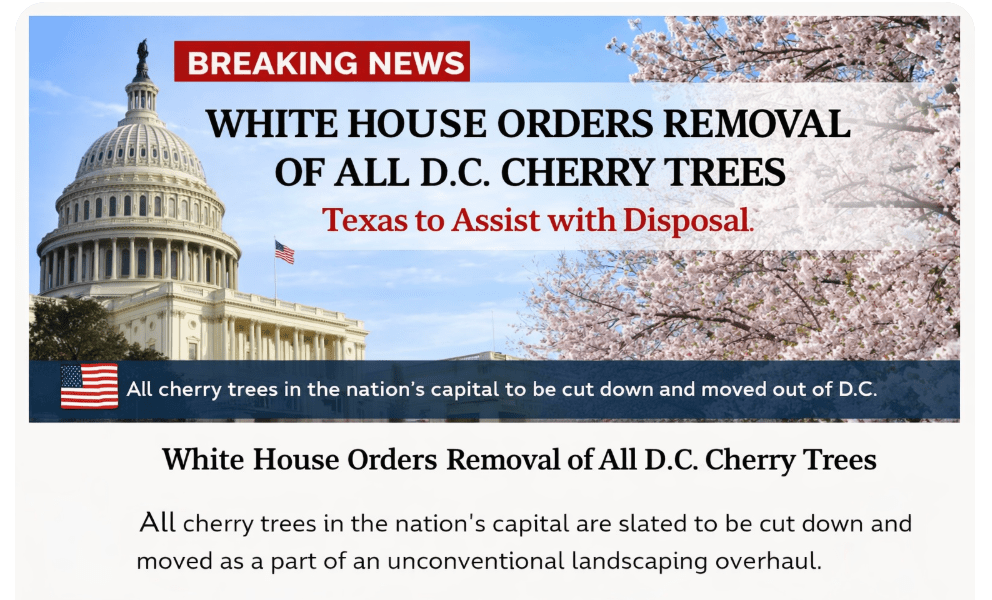



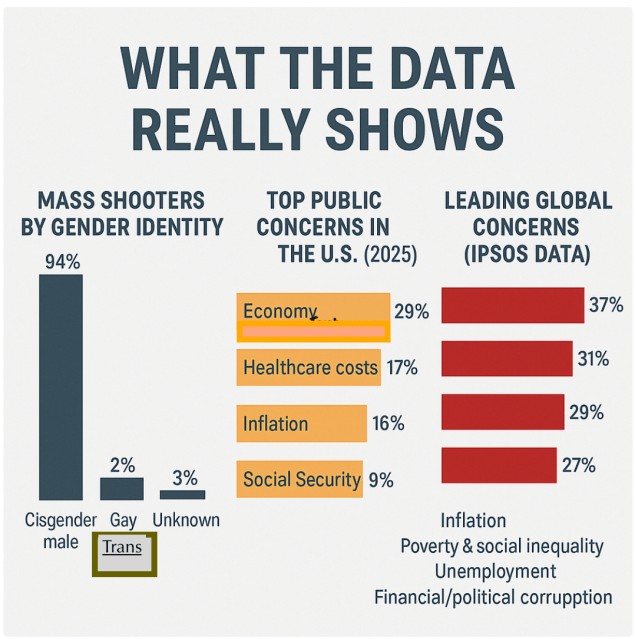
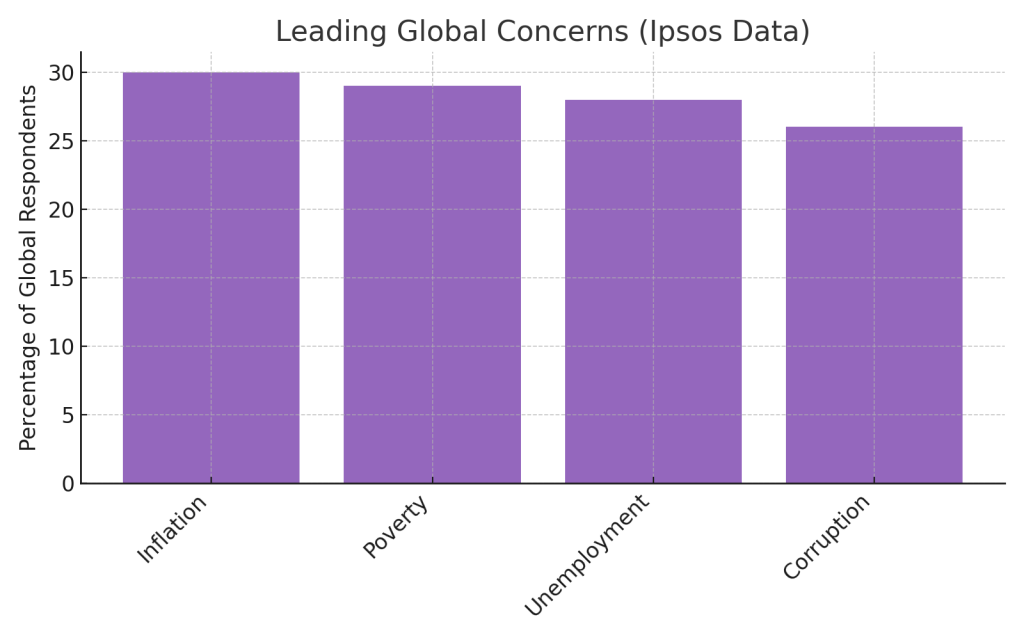
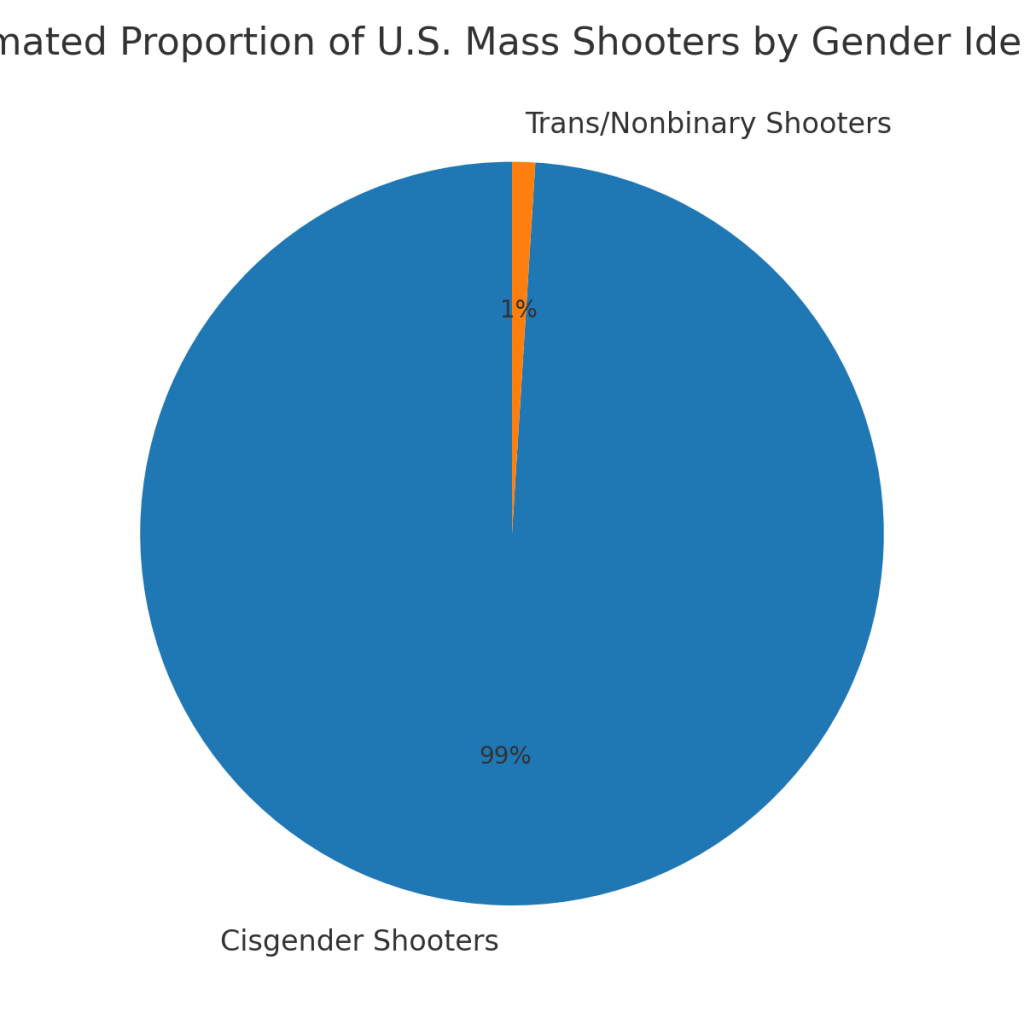







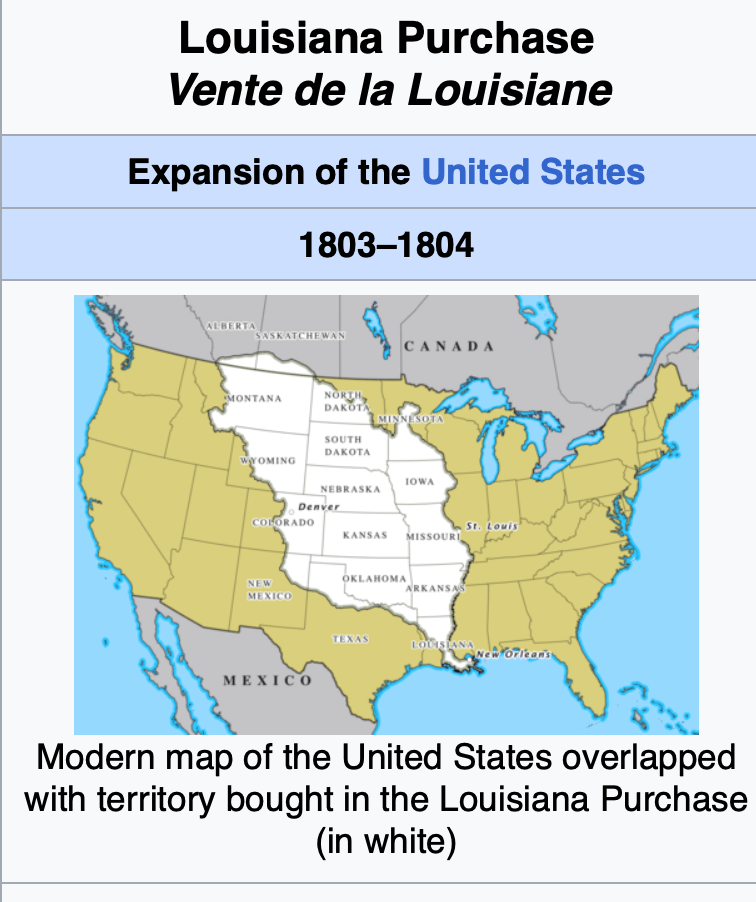


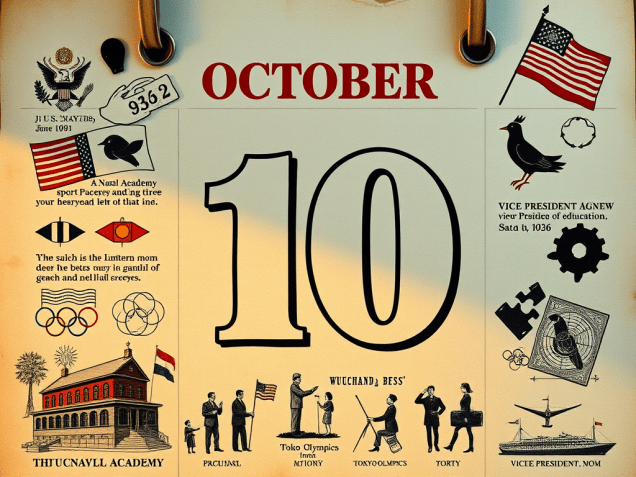
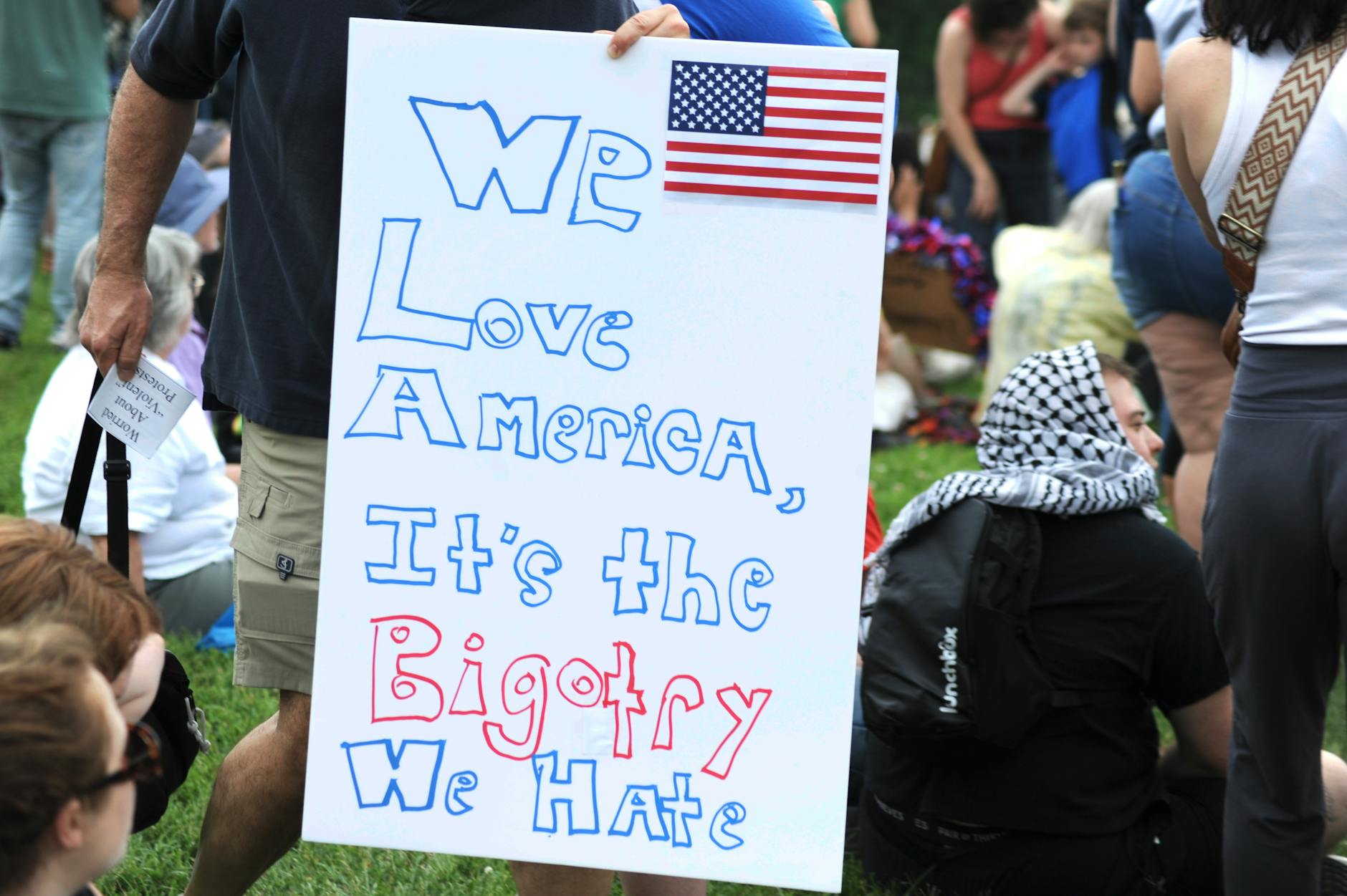




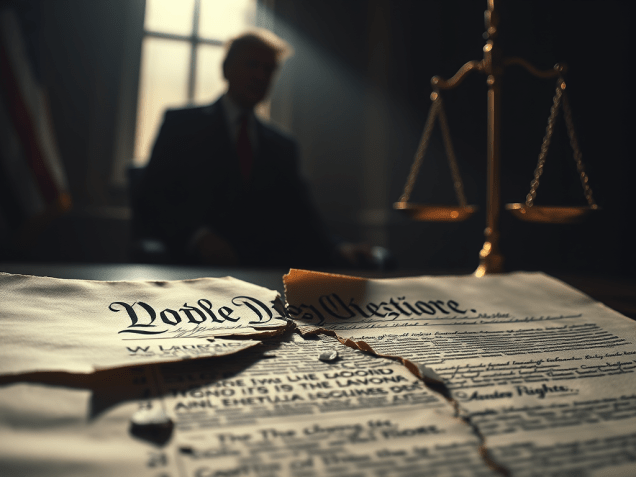
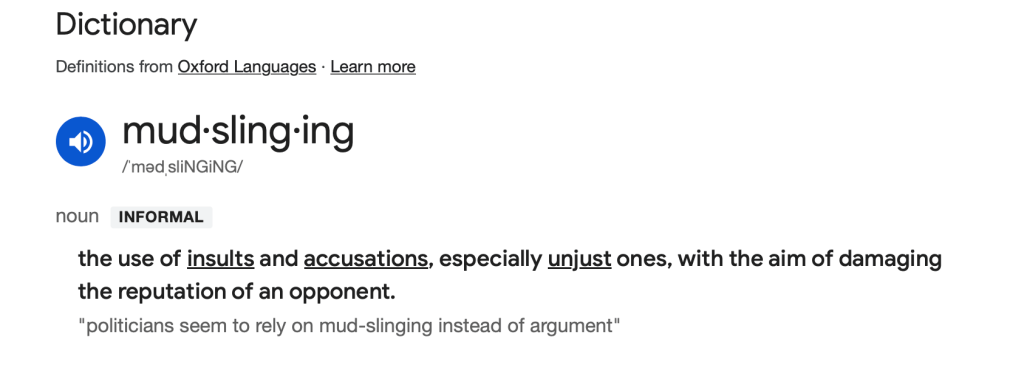

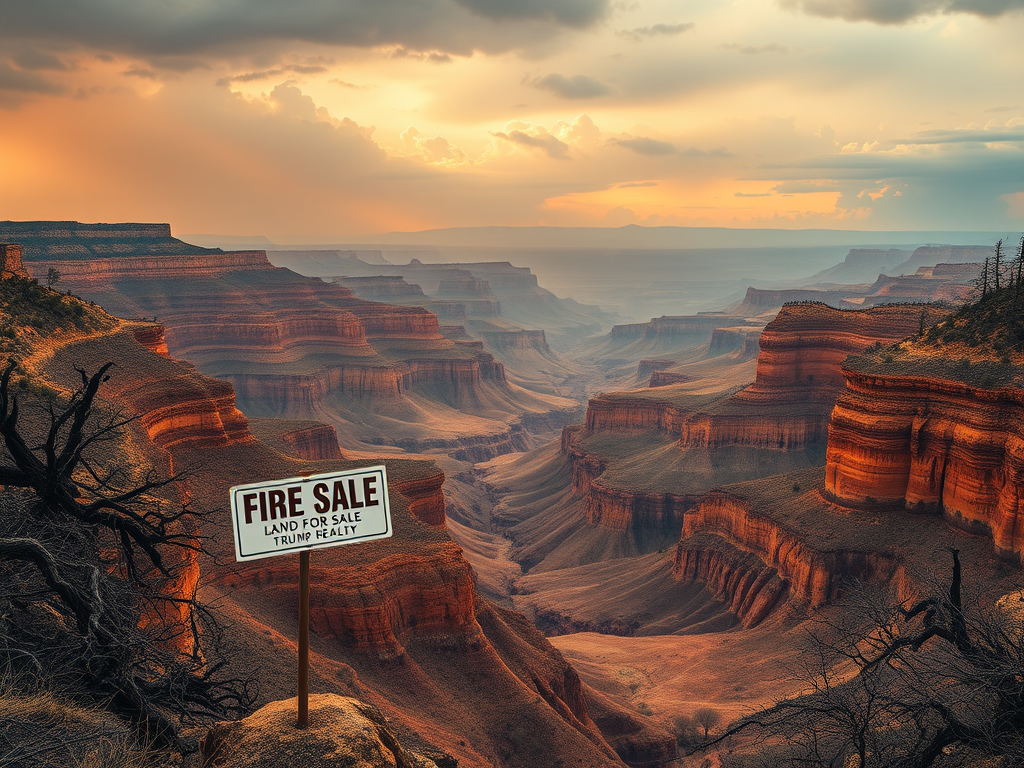



 benandsteve.com