Rethinking the National Guard: A Return to Local Focus

6–9 minutes

What if the National Guard went “back to basics”? 

Instead of roaming the country as a military force, it can return to its roots. It should focus on protecting communities, fighting disasters, and standing ready at home. This was how it was initially intended.

Traditionally, the National Guard is a reserve part of the U.S. Armed Forces with a dual state and federal mission. Its primary duties include:

  • Disaster response: helping with hurricanes, floods, wildfires, tornadoes, and other natural disasters.
  • Civil support: assisting with search and rescue, law enforcement support, and humanitarian aid.
  • Community protection: maintaining order during emergencies like riots or public unrest (when activated by a governor).
  • Military readiness: training to serve as backup for overseas missions if federally activated.

In recent years, the Guard has been used much more often as a deployable military force nationwide and abroad. Instead of focusing mainly on disaster relief and state emergencies, units have often been:

  • Sent overseas for long deployments (Iraq, Afghanistan, and other global missions).
  • Deployed domestically for extended periods to reinforce border security.
  • Called into action for large-scale protests or high-profile events (sometimes more as a security force than a disaster-relief one).

This “running about the country” role shows the impact of federal activation. It often overrides the state-level, community-first role the Guard was created for.

If the Guard were not being tasked so heavily with nationwide or military-style deployments, they would be more focused on:

  • Local readiness involves staying in their communities and training for natural disasters and emergency responses.
  • Rapid-response teams: being first on the ground for wildfires, floods, and major storms.
  • Community integration: building stronger ties with local emergency agencies, fire, police, and hospitals.
  • Relief from strain: soldiers wouldn’t be stretched between frequent national missions and their civilian lives (jobs, families).

In short, without the current expanded use, the Guard would essentially serve as a state-based safety net. It would not work as a roaming military or quasi-police force.

Back to Basics: Rethinking the Role of the National Guard

The National Guard has long been the “citizen-soldier” force of the United States, built to serve both State and country. In recent decades, its role has changed. It has drifted toward functioning as a national military extension. It is constantly deployed across the country and overseas. What if, instead, the Guard returned to its roots?

1. Local First: Anchored in Communities

At its best, the Guard is a local safety net. Guardsmen live, work, and raise families in the same communities they serve. Units should primarily focus on state-based missions. This focus ensures the Guard would be ready to respond within hours to natural disasters. They would also be prepared for civil emergencies or infrastructure crises. Imagine a Guard that spends more time training with local fire departments, EMTs, and hospitals than on federal deployments.

2. Disaster Response as the Core Mission

Hurricanes, floods, tornadoes, wildfires—these are the events that disrupt American lives far more often than foreign conflict. A back-to-basics Guard would prioritize:

  • Maintaining rapid-response disaster teams in every State.
  • Stockpiling equipment is tailored for local threats. This includes boats in flood zones, fire suppression gear in the West, and snow mobility in the North.
  • Conducting community disaster drills ensures that both citizens and Guardsmen are equally prepared.

Units would no longer be pulled away for distant missions. They would focus on being the first and best resource for emergencies at home.

3. Training for Peace, Not Just War

Right now, Guard training often mirrors active-duty military requirements, preparing for combat tours. In a reset model, training would also emphasize:

  • Engineering & rebuilding skills (bridges, roads, communications).
  • Medical readiness to help hospitals in crises.
  • Cybersecurity units to defend state and municipal systems.
  • Community relations, so Guardsmen stay trusted neighbors rather than distant enforcers.

This would shift the Guard’s culture back toward being helpers before fighters.

4. Federal Role: Truly Exceptional, Not Routine

Of course, the Guard must stay capable of federal service in extreme situations—war, national catastrophe, or extraordinary need. Yet, deployments abroad or cross-country should be rare exceptions, not the default. By limiting federalization, Guardsmen can balance their civilian careers and military service, reducing burnout and attrition.

5. Why It Matters

A back-to-basics Guard would mean fewer fatigued families. It would result in stronger ties to local communities. This approach ensures a quicker, more reliable response when disaster strikes. America’s Guard would not be stretched thin across the globe. It would once again stand where it was meant to: in the towns and states it calls home.

What if you read notices in your local news that read?

PRESS RELEASE

FOR IMMEDIATE DISTRIBUTION

Governor Announces New “Back to Basics” Model for the National Guard

Kansas, June 32, 1901 — Governor Sample, today, announced a renewed vision for the role of the National Guard. He prioritized disaster response, community protection, and local readiness. These take precedence over routine national or overseas deployments.

“For too long, our Guard has been stretched thin. They have been asked to serve as a roaming military force. Their greatest value lies right here at home,” said Governor Sample. “This back-to-basics approach ensures readiness. When disaster strikes—whether it’s a wildfire, flood, storm, or cyberattack—the Guard will be here for the people of Kansas.”

The new model emphasizes:

  • Local Focus: Units stay in-state and train alongside fire, police, and emergency services.
  • Disaster Response Core: Stockpiles of equipment tailored to regional needs (boats, fire suppression, snowmobiles).
  • Civil Support: Enhanced training in medical aid, engineering, and cybersecurity.
  • Federal Deployment Limits: Guard units will be reserved for exceptional national missions, not routine overseas tours.

“Our citizen-soldiers are not only protectors—they are neighbors, coworkers, and family members,” The Governor added. 

“By keeping them rooted in our communities, we strengthen both readiness and trust.”

The announcement received praise from emergency officials. Guard families also praised it. They say the plan reduces the strain on soldiers. These soldiers balance military duties with civilian life. 

“This will make the Guard what it was always meant to be—a safety net for the people. It was not meant to be a shadow army,” said Major General Example, Adjutant General of the Kansas National Guard.

  • OR –

National Guard to Refocus on Community, Disaster Relief Under New State Plan

Pingpong, CA. Feb.30th, 1901 — The National Guard in California will soon change their focus. They will be trading extended deployments and national security missions for a renewed focus closer to home. In a press conference yesterday, Governor Pixel outlined a “back-to-basics” approach. This approach emphasizes disaster response, community support, and local readiness as the Guard’s primary mission.

The plan follows many years of frequent Guard call-ups across the country. These call-ups range from border security and protest response to overseas rotations. Critics have long argued these duties stretch citizen-soldiers too thin, pulling them away from their families, jobs, and communities.

Under the new model, Guard units would focus on in-state needs, like wildfire suppression, flood response, and medical assistance. Specialized equipment would be stockpiled based on regional threats. Training would shift toward engineering, emergency medicine, and cybersecurity. The focus would be less on combat deployments. Federal missions wouldn’t disappear, but would be reserved for “extraordinary circumstances.”

“This change will transform the Guard. It will achieve its true purpose,” said Major General Mission, Adjutant General of the California National Guard. “It will become a force that’s ready to protect and serve right where its soldiers live.”

Community leaders praised the proposal, noting the Guard’s quick local response during past disasters. Families of Guardsmen also welcomed the change, saying the plan reduces the strain of juggling civilian and military life.

The proposal has yet to be tested. It signals a shift in priorities. The Guard is rooted not in constant deployments. Its foundation lies in its mission as a local safety net for the people of California.

Returning the Guard to its original purpose –

📌 Top 3 Changes in the Guard’s Role

1. Local First

Guard units will stay primarily in-state, training with fire, police, and emergency services for quicker disaster response.

2. Disaster Response Core

Specialized equipment stockpiles—boats, wildfire gear, snowmobiles—tailored to each region will be prioritized over combat readiness.

3. Federal Deployment Limits

Units will only be sent on national or overseas missions for extraordinary emergencies, not as a routine practice.

That day will probably never come for a great many who read this report. For others who do, it serves as a goal. It becomes something to aim for when trying to look to a brighter future.


By Benjamin GroffMedia© | benandsteve.com | 2025 

The world is going to POT, and we are watching it go!

A view of the world as it is today by: Benjamin Groff II© Groff Media 2024© Truth Endures IMDbPro

My dad and grandfather are gone now, but neither would support a liar, cheat, rapist, insurrectionist, dictator, or someone who supports one, or generally speaking, a creep or ‘weirdo.’ 

There are other reasons you can look at as well. For instance, a candidate such has a sexual offense judgment against him, and he is under indictment for countless federal crimes; in the last year, one of the candidates was in the air, flying, on their way to being arrested, just as much as he was campaigning at one point. 

One or more of those reasons would have been reason enough to consider looking into the person’s background. And three to four, would have been reason enough to reject a person all together. Someone who was strongly running for public office would have been rejected. Now, the GOP considers it a qualification required for all Republican candidates.

The candidates have endorsements from KKK members. They boast about, a presidential politician having endorsements from dictators. They wallow in such markings, and candidates publicly brag about laws they will violate first, if elected. And this makes them the most qualified candidate. Going as far as boasting about becoming a dictator. Going about telling people this is the last election they will have to worry about voting in. 

Why? Does that mean the Constitution is going to get ripped apart, shredded, and there will no longer be a United States where the people choose its leaders? It appears it doesn’t matter to the people who are numb and following this character. They appear to have zoned out of reality. 

My grandfather, father, uncles, aunts, and even a few dogs and horses I’ve had would not have allowed the goings on to persist. The greatest generation has died chiefly off; fewer of them now than ever are living, which sadly shows in our world. They were the ones who knew what happens when the world that falls to fascism. When reality hits and the world dies. It is beginning as America will turn grey; it will become a black-and-white construct of anything anyone remembers of its being, if these destructionists are permitted to have their way with the country. We only hope enough voters come to the polls and and vote, and save our America!

My dad had a favorite saying: the older I got, the wiser he’d get. And he was right; I wish he were here to help us out of this madness!

JD Groff At Rest And Getting Wiser Every Day!

Providing Pivotal Role For Family Members In Runup To Election Day! How Family Matters…

A Report By: Benjamin Groff II© Groff Media 2024© Truth Endures IMDbPro

During the run-up to any election, families play a pivotal role in supporting and understanding one another. This period, filled with political debates, media coverage, and public discourse, can stir emotions and create an intensely charged atmosphere. The emotional toll of election season can affect even the most resilient individuals, making the support of one’s family crucial and invaluable. Families are the core unit, providing a comforting and reassuring presence. It is essential that the role model (be it a father, older sibling, uncle, or aunt,) when possible, show support, care, and empathy. Doing so should be cultivated, and providing emotional backing and physical presence can help members navigate the turmoil of an upcoming election.

Election seasons amplify the daily stressors people face. Whether it is work pressure, financial struggles, or personal challenges, these become compounded by the uncertainty of political outcomes. Each family member may carry their political convictions, hopes, and anxieties, and these can sometimes clash with those of others. This emotional burden often deepens as people speculate about the possible outcomes—who they hope will win, who they fear will lose, and how the results will shape their future. The thought of losing an election can become so overwhelming that it leads to despair, disappointment, or even anger. For some, this emotional strain can develop into mental health issues, making it vital for families to remain vigilant about one another’s well-being during this time and to seek professional help if needed.

In the most extreme cases, the stress associated with an election’s outcome can drive individuals to become a threat to themselves or others. This is especially true when political messaging often stokes fear, resentment, and division. Individuals who place too much faith in a particular candidate or political party may feel personally attacked when that candidate loses. The sense of loss may not just be political; it can be internalized as a personal failure, leaving individuals feeling disillusioned or even desperate. Families must observe signs of distress, such as prolonged periods of sadness or withdrawal, recognize potential harmful behavior, like verbal or physical aggression, and intervene when necessary. It is crucial to remain proactive, offering emotional support and, if needed, involving professionals or authorities to prevent escalation.

The role of misinformation and campaigns lies in discussing election-induced emotional volatility. Many political campaigns thrive on pushing false narratives, spreading misleading information to sway voters. Misinformation, which includes false or inaccurate information that is spread deliberately to deceive, can reinforce individuals’ beliefs to dangerous levels. The spread of misinformation fuels emotional intensity and gives people a sense of justification for actions that, under normal circumstances, would seem unreasonable or extreme. When individuals have been repeatedly exposed to incorrect information, their convictions can become so ingrained that they believe their behavior—whether confrontation, violence, or drastic action—is justified.

In such situations, the line between reason and irrationality blurs. What may begin as passionate support for a candidate can spiral into dangerous behavior if an individual believes they are defending a “truth” that is, in fact, built on lies. This is why it is imperative for families to communicate openly about politics, encouraging fact-checking and critical thinking. Recognizing when a loved one’s emotional engagement has become unhealthy is not just crucial, but empowering. In these moments, reporting potentially dangerous behavior to the appropriate authorities is not an act of betrayal but one of care and protection for the individual and others around them, reinforcing the sense of responsibility and control within the family.

As elections approach, the pressure intensifies, with it, the emotional strain on families. However, families can also be a force for positive change, weathering the storm of political tension together by staying connected, offering support, and observing each other’s mental health. It is essential to create a space where emotions can be expressed freely but responsibly and where misinformation is challenged rather than accepted at face value. In doing so, families not only protect one another but also contribute to a more balanced and less volatile society during the electoral process, fostering a sense of hope and optimism for a brighter future.

Political Mission Set In Fictional future Yet Sparks Of Reality Shines Through!

A Story By Benjamin H Groff© Groff Media Copyright 2024©

The tides of change swept through every street, home, and heart in the nation’s heart. It was an era marked by uncertainty and tension as a rising conservative movement began to reshape the very fabric of society. The once-balanced scales of politics now tipped heavily in favor of those who believed in tradition, order, and a return to what they called “the good old days.”

~
Emma Caldwell, a liberal activist and journalist, sat in her small apartment, the glow of her laptop illuminating her worried face. She had spent years fighting for progress—campaigning for equal rights, environmental protection, and social justice. But now, every headline seemed to bring another blow to the causes she held dear, intensifying the urgency of her mission.

~


The latest news was the most disturbing yet: a proposed amendment to the constitution that would severely restrict freedom of speech and assembly, effectively silencing dissent and opposition. Emma’s fingers flew across the keyboard as she typed out an article, her words mixing passion and desperation. She knew that getting the truth out was more important than ever.


Across town, in a grand office overlooking the city, Senator Marcus Reid, a leading figure in the conservative movement, reviewed the day’s agenda. He believed sincerely in his cause, convinced the country had lost its way in a maze of liberal policies and needed to return to its core values. To him, the changes were necessary, even if they were painful.


As the days passed, protests erupted across the nation. Streets filled with a sea of faces—young and old, united by a shared fear of losing their rights. Emma was among them, her camera capturing the raw emotions of the crowd. She interviewed people from all walks of life: the single mother worried about her children’s future, the college student anxious about the loss of academic freedom, the elderly couple who had fought for civil rights decades ago and now saw history repeating itself.


Despite the growing unrest, the conservative agenda pushed forward relentlessly. The lawmakers passed laws at a dizzying pace, each chipping away at the freedoms many had taken for granted. These laws included [specific laws], which directly affected [specific groups of people]. The country seemed to be spiraling into a new era of authoritarianism, and the hope that once burned brightly in the hearts of liberals began to dim.


Emma found herself at a crossroads. Her work was censored, and her voice was stifled by the very government she had once trusted to protect her freedoms. But she refused to give up. Gathering a small group of like-minded individuals, she formed an underground network dedicated to preserving and disseminating information. Their determination was a silent but powerful force, inspiring others with their unwavering resolve.


Senator Reid, now one of the most powerful men in the country, began to sense the growing resistance. He dismissed it at first, confident that his vision was the right path. However, as the underground movement gained momentum, Senator Reid realized that silencing dissent was more complex than passing laws. The human spirit, he discovered, was not so quickly subdued.
One evening, Emma received a message from an anonymous source—a high-ranking government official who had grown disillusioned with the conservative regime. The source provided her with classified documents detailing the administration’s plans to tighten their grip on power further.

These documents revealed [specific details], a dangerous revelation, but Emma knew it was the spark needed to ignite a more significant movement.


She leaked the documents to the public with the help of her network. The revelations shook the country, and the streets again filled with protesters. This time, their numbers were more significant, and their resolve was more robust, demonstrating the potential impact of collective action. The conservative government, facing unprecedented pressure, began to falter.


Senator Reid watched as the country he had tried to reshape slipped from his grasp. He had underestimated the people’s power and ability to unite and fight for their rights. As the conservative movement began to crumble, a new era of political awakening dawned.


Emma stood on the capitol’s steps, her camera in hand, capturing the momentous events unfolding before her. She knew the battle was far from over, but she felt a glimmer of hope for the first time in a long while. The changing times had tested the nation’s spirit, but in the end, its people’s resilience and determination prevailed.

The Last President: A Tale of Democracy’s Demise

The Last President

It was the end of October, and the nation seemed to be in a state of distraction, unaware of the critical choice before them. Two men were vying for the highest office in the land, each bringing with him a starkly different vision for the future. The contrast between their characters and intentions was as clear as day, yet the people’s attention was elsewhere. The urgency of the situation was palpable, but the people were yet to realize the gravity of their decision.

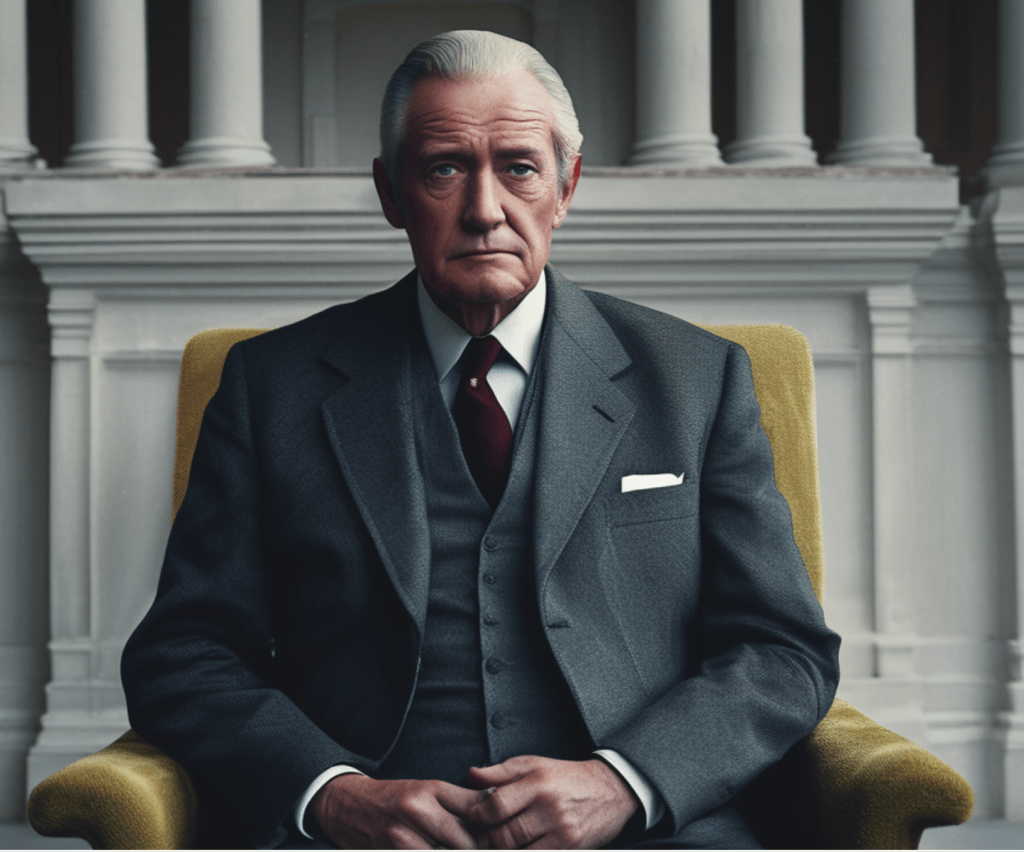
The first candidate was an elder statesman, a man whose career in public service spanned decades. He had held nearly every elected position imaginable, from local government to the halls of Congress. His dedication to the country was unwavering, a testament to his deep-seated patriotism. His life’s work, a reflection of his commitment to protecting the essence of the country he loved, was a beacon of trust and reliability for the nation.

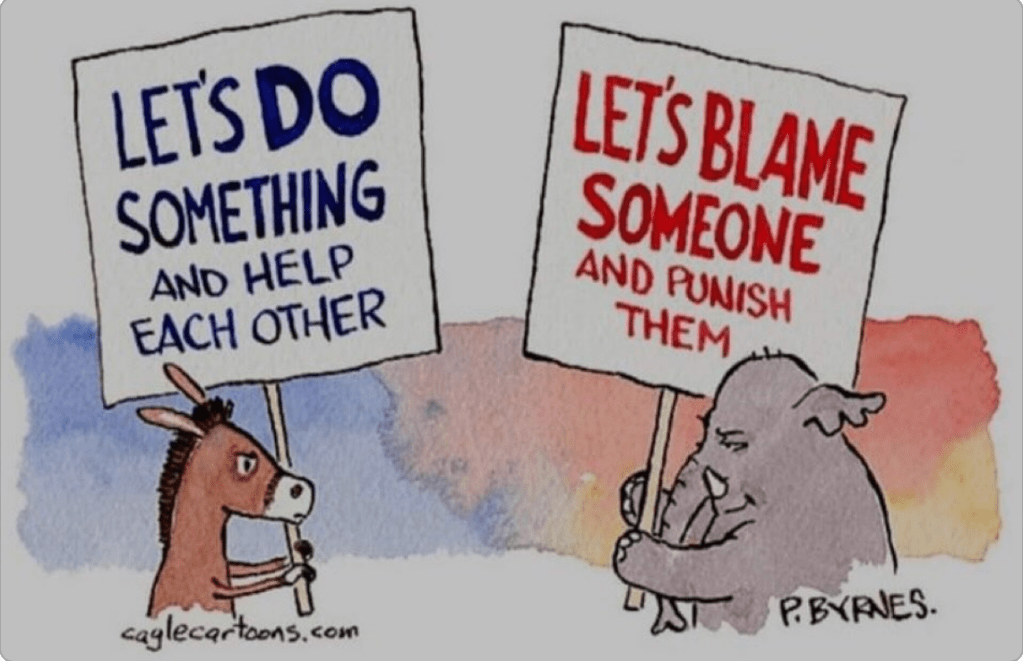
In stark contrast stood the second candidate, a man whose motives were as transparent as they were troubling. Self-serving and careless, he made no secret of his intentions. He openly declared that, if elected, he would rule with an iron fist, punishing his enemies and consolidating power from day one. His rhetoric was filled with hate, yet the people, weary of the same old political games, dismissed his threats as mere bluster. This transparency, however, should have been a warning sign, a call for vigilance in the face of such extremism.

The campaign’s intensity grew as the days turned into weeks, yet the nation’s focus remained elsewhere. Perhaps it was the fatigue of constant political turmoil or the distractions of everyday life, but the electorate seemed indifferent, almost numb. They laughed off the second candidate’s tirades, convinced that such extremism could never take root in their democracy.

Election day arrived, and with it, a shocking outcome. The self-serving, hateful man had won. The people who had laughed at his threats now watched in stunned silence as he took the oath of office. His promises of dictatorship were not idle threats; they were his blueprint for governance, a reality that had suddenly come to pass. This was not just the result of one man’s ambition, but a collective decision made by the electorate.

From the very first day, the new President began to reshape the government to suit his whims. He targeted his opponents with a vengeance, using the full power of his office to silence dissent. Civil liberties and democratic institutions were eroded and undermined. The press, once the people’s watchdog, was muzzled. The judiciary, a bulwark against tyranny, was co-opted. His actions, such as [specific actions], tightened his authoritarian grip and spread fear like wildfire.

The oldest-ever President, now retired, watched in horror as the nation he had served so faithfully became dismantled piece by piece. His warnings had gone unheeded, his life’s work seemingly undone in months. Once so dismissive of the threat, the people found themselves powerless to stop the descent into chaos. The retired President, too, felt the weight of his powerlessness, a stark contrast to his years of service and influence.

It was the end of the nation, an Ending which the country could have avoided.nation. An Ending that could have been avoided.

Biden’s Victory Speech: Uniting America for Progress | Biden Wins

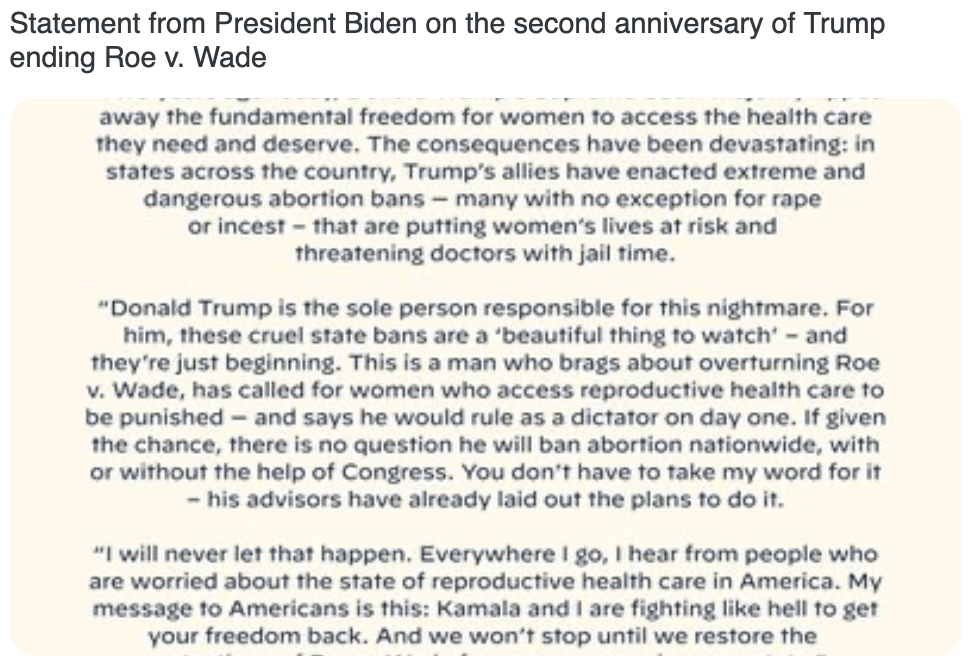
Before the presidential debates on Thursday, posts from supporters of President Biden are getting noticed. President Biden is getting noticed for his comment on the second anniversary of the revocation of ROE vs. Wade, a process that he says is caused by Donald Donald Trump.

    Three Presidents Who Are Respected Around The World
    There Is A Giant Difference Between The Two. When You Vote – It Is For Freedom!

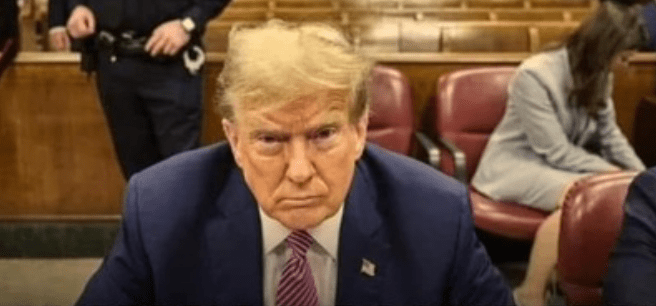
    Former President Donald Trump was widely mocked after claiming to a crowd of supporters that he has “wounds all over my body” that they could see if he took his shirt off.

    Trump delivered the keynote address at the “Road to Majority” conference in Washington, D.C., organized by the conservative Christian political advocacy group, Faith and Freedom Coalition, on Saturday.

    For example, Presidents Abraham Lincoln, James Garfield, William McKinley, and John F. Kennedy were assassinated while still in office.

    Notably, Ronald Reagan was the victim of an attempted assassination in 1981 when a bullet fired by John Hinckley Jr. shot him in the underarm, broke one of his ribs, and punctured one of his lungs, causing significant internal bleeding. Reagan went on to serve two terms in office.

    In one of the more oddball moments in American history, Andrew Jackson in 1835 was attacked by an unemployed house painter whose pistols misfired—and promptly beat his failed assassin with his walking cane.

    And it is perhaps darkly comic that Theodore Roosevelt survived a 1912 assassination attempt after the assassin’s bullet became lodged in a folded copy of a speech Roosevelt was carrying in his breast pocket at the time.

    By contrast, Trump has never been in a similar position. Nor has he ever served in combat or sustained any wounds whatsoever considering he infamously dodged the Vietnam War draft by claiming he had bone spurs in his foot (a fact he has periodically downplayed).

    See the full report here!

    Winning at Any Cost: The Deterioration of Political Ethics

    Mudslinging, once the most reprehensible act a political contestant could commit, was a behavior that branded the perpetrator as untrustworthy, someone respectable voters would never support. These were the days when community bonds were robust. Neighbors were familiar faces, and the widow down the street was always checked on. People went out of their way to support a friend’s business, driven by loyalty and the value of relationships.

    Courtesy was not just a virtue, it was a way of life. You didn’t honk at the car ahead for hesitating at a stop sign, and everyone, regardless of race, was treated with respect. You honored their facilities at sporting events in neighboring towns, expecting the same respect in return during your homecoming games. These were the values that held our society together, and their erosion is a cause for concern.

    Winning an election was once a sign of trust in the democratic process. It meant the elected individual would represent the community, county, state, or nation for their term. There was no need for your parents to rally the neighbors, seeking to punish those who voted differently or to overturn the results. They trusted the process and the enduring truth. However, today, this trust has seemingly eroded, and the need for reflection and change in our political and social interactions is more pressing than ever.

    Today, it seems that the aim is not just to win, but to annihilate the opponent’s life and reputation.