It Was A BedTime Story My Grandmother Would Tell Me, But It Was The Weekend That I Loved To Spend!

By: Benjamin Groff II© Groff Media 2024© Truth Endures IMDbPro

It was a bedtime story my grandmother used to tell me when I visited their home on weekends. They lived about forty miles west of the farm we had bought, but they had been farmers in the same area. As they grew older, they sold their place and moved to a larger town, closer to conveniences like supermarkets, doctors, hospitals, and stores. I visited them at least one weekend a month, sometimes more, either hopping a westbound Trailways bus or catching a ride with one of my dad’s friends heading out to Texas. On travel days, I dressed to the nines, careful not to show up looking like a bum, especially since people back then still took pride in looking sharp for such things. Times were changing, though. In the sixties, you started seeing folks on the bus with beads, bell bottoms, and cut-off t-shirts, their hair long, male or female.

I was five years old when I first started traveling with my grandparents, and it became a cherished tradition until my grandmother passed when I was eleven. Even as times changed, my routine remained the same. My grandfather would always park in front of the local drugstore that served as the bus stop in their town. A large courthouse sat in the center of the square, and the bus had to make a loop around it before stopping. The airbrakes would hiss, and I was always be the first one off. The bus driver ensured it, especially since I sat beside him on my suitcase for the whole ride.
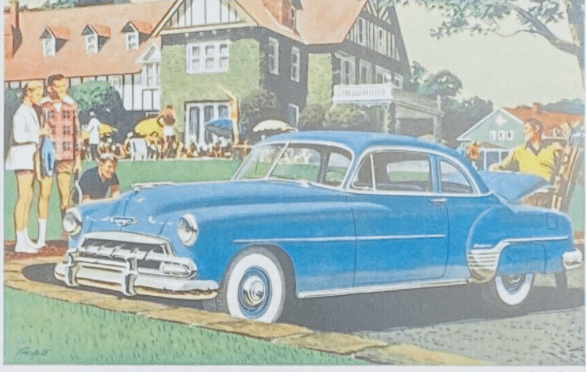
My grandfather, whom I called Pop, would be waiting by the trunk of his 1952 Chevrolet Coupe. As I stepped down those bus steps, the driver would already have handed my suitcase to Pop, who would smile and say, ––––

“Let’s scoot. Mom’s got dinner about ready at home!”

And it was home. My home away from home. I often dreamed of moving there, living with them, and even telling them so. I wanted my dad and our horses to come too because, in my child’s mind, my grandparents loved me so much that they’d love my dad and our horses too.
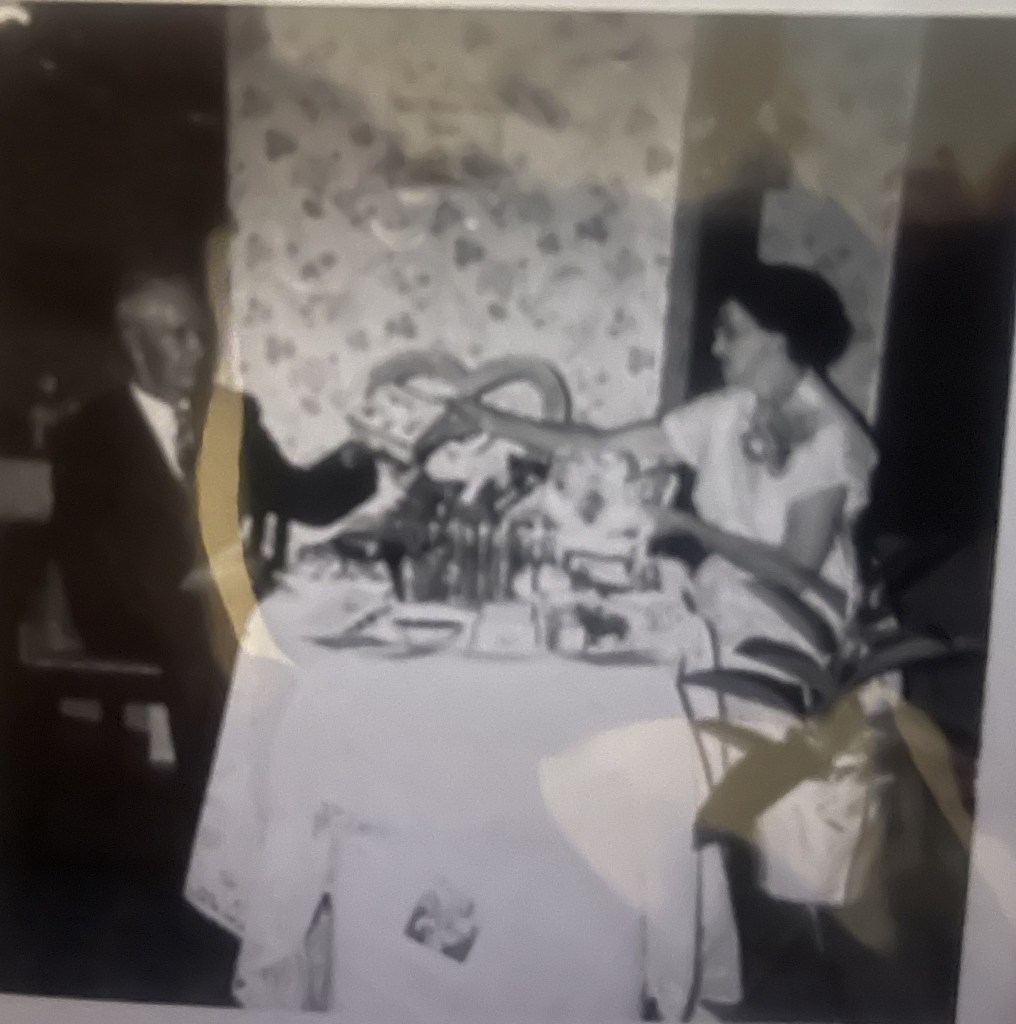
Pop had a habit of smoking a pipe—or rather, puffing on one. I could spend hours watching him puff smoke into the air in their cozy den. He liked to mix cherrywood tobacco with Prince Albert, and the sweet scent lingered long after he finished, complementing the smells of my grandmother’s cooking, making you want to eat whatever she was making. There was no television after dinner on most evenings. Instead, we’d listen to the ticking of the clock and talk. It was simple, but those talks meant more to me than the grandest concerts I’ve ever attended.

There were exceptions, though. Saturday evenings, we’d watch the news, then Lawrence Welk and Porter Wagoner, followed by a local music show hosted by a furniture store owner. But the TV was always off once Pop went to bed. That’s when my grandmother and I would click it back on for our secret ritual—watching championship wrestling from Oklahoma City. She loved it, getting so worked up that she’d tear tissues to pieces while her favorite wrestlers fought. I’d hand her a new tissue each time she shredded the last one. No one knew about this passion of hers except me, and she confided that she only got to watch wrestling when I visited. It made me feel needed by these two people I loved so much.

At night, I slept on a cot in their bedroom. It was as comfortable as any five-star hotel bed. But before I bedded down, my grandmother would let me crawl between her and Pop in their bed while she told me stories. One of my favorites was when she grew up in East Texas. She’d laugh so hard telling it, tears streaming down her face. It always made me laugh, too.
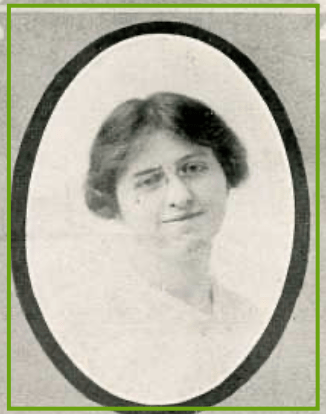
Mom, Florence Lula McElroy, Groff1914

She and her sister Ethyl were watching their little brother, Sam, who had just turned four. The rest of the family worked in the fields when the weather worsened. A funnel cloud was forming in the west, and the sisters, frightened, grabbed Sam and rushed into the farmhouse. Back then, there was no electricity, phones, or fundamental utilities, let alone cars. The girls did the only thing they could think of: they got under the heavy kitchen table, crying as the storm approached.

Not understanding what was happening, Little Sam asked, ––– “What should I do?”

My grandmother told him, ––– “Sam, you should pray!”

But the only prayer the boy knew was the table grace, so he began, ––– “Dear Lord, we thank you for what we are about to receive…”

That’s where the story always stopped because my grandmother would laugh so hard she couldn’t go on. I never knew if the house got hit or the storm blew the farm apart. All I remember is her laughter and how I’d move to the cot, hugging her and giving her a sloppy kiss goodnight.

Years later, I asked my Uncle Sam about that storm. He chuckled and said, ––– “Pots and pans were flying everywhere, and the two sisters were laughing like tea parties. We didn’t lose the house, but it scared me.”

Uncle Sam became my favorite great uncle after that.

I loved hanging out with Aunt Ethyl at family reunions. She dipped snuff—real tobacco, not the stuff you see now. She’d sniff it and tuck some into her upper lip. I could never keep up with her, and my grandmother would have been after me if she ever caught me trying.

On Sunday afternoons, my dad drove to pick me up from the farm. I was always happy to see him but hated leaving my grandparents. I didn’t want to return to the town near our farm—it was never as pleasant as the time spent with Mom and Pop. When I was five, I never imagined that they’d leave this world or that I’d grow up. Life takes the airplane, and time takes the train.

Meeting Mendez

A Story By: Benjamin Groff© Groff Media 2024© Truth Endures

Ralph and Kevin had been friends for over twenty years, sharing a modest two-bedroom apartment in a cozy part of the city. Both were in their fifties and lived parallel lives, working different jobs—Ralph as a graphic designer and Kevin as a financial advisor—but always finding time for each other. They joked about finding “the one” someday, but their hope had always been tinged with sarcasm. At their age, they felt the ideal guy might never show up.

But then something shifted.

It started on an ordinary Monday morning. They sat at the kitchen table, sipping their coffees, when Kevin casually mentioned he had met someone the night before. “His name is Mendez,” he said, a sly smile across his face. “And Ralph, he’s… everything.”

Ralph’s stomach did a somersault. He had indeed met someone, too. Just last night, after his art gallery event, he found himself in a dimly lit bar, the kind that seemed to exist in a world of its own. And there, perched at the corner of the bar, was Mendez—a man who could only be described as strikingly handsome, with dark eyes that seemed to hold a universe of secrets, a soft-spoken charm that was as disarming as it was alluring, and a smile that could light up the darkest of rooms.

“Funny you say that,” Ralph replied. “I met someone, too. His name’s also Mendez. We hit it off.”

Kevin chuckled, taking a long sip from his coffee. “What are the odds?”

Their conversations in the following days were filled with similar stories of their encounters with Mendez. Kevin would describe how they had shared a romantic evening stroll by the river, and Ralph would excitedly mention how they had gone dancing the same night. Their descriptions of this enigmatic Mendez were eerily similar—his chiseled jawline, his gentle laugh, the way he seemed to know exactly what to say to make them feel like the only person in the room. Yet neither of them suspected anything was off. After all, Mendez was a common enough last name, right?

But as the weeks passed, their mutual friends noticed something strange. At morning coffee with their usual crowd, Ralph and Kevin would each gush about their dates from the night before. They discussed romantic dinners, late-night jazz clubs, and private rooftop moments. Their stories mirrored one another so closely that their friends couldn’t help but wonder—were they seeing the same man?

“Wait a minute,” said Lisa, a close friend, during one of their coffee meetups. “You both met this guy named Mendez? And you’re telling me he took you both to the same jazz club on different nights?”

The group laughed, but the tension between Ralph and Kevin grew. Were they falling for the same guy? They started to second-guess every detail—his favorite wine, his weekend plans, the way he called them “his secret muse.”

Still, neither wanted to believe it. Kevin would ask, “Did your Mendez talk about his job?”

Ralph would reply, “Yeah, he mentioned something about being in real estate.”

“Same here. But, come on, we’re seeing different guys. That’s impossible.”

Finally, the tension reached a breaking point. One Saturday night, the two friends finally agreed to go out together to introduce themselves to their respective Mendez. They picked a lively nightclub known for its cool vibe and easy conversation. Ralph’s heart raced as he considered the possibility of confronting the truth.

When they arrived, they scanned the crowd, both eager and nervous. And then, there he was—Mendez, standing by the bar, smiling warmly at them.

Only to their utter surprise, there were two of them.

Ralph and Kevin exchanged bewildered glances as the two men, identical except for subtle differences, made their way over. The Mendez brothers—Marco and Luis—stood side by side, charming as ever.

Kevin burst into laughter. “You’ve got to be kidding me!” he exclaimed, his amusement contagious.

Ralph shook his head, grinning in disbelief. “Twins? Really?”

The four sat down, exchanging stories and laughing about the coincidence. As it turned out, Marco had met Kevin at one bar, and Luis had met Ralph at another. They had no idea their new romantic interests were roommates.

It wasn’t the love triangle they had feared—it was something far better, a delightful twist that brought them closer.

And just like that, Ralph and Kevin realized that sometimes, the universe works in mysterious—and surprisingly humorous—ways, leaving them and their friends in fits of laughter.

The Legend Of Earl and Maynard And Boy Scout Troop 159 – High Atop Mount Sopris!

A Story By: Benjamin Groff II© Groff Media 2024© Truth Endures

The wind howled through the pines as Boy Scout Troop 159 huddled together, trying to keep warm. Their campfire flickered weakly in the clearing, barely enough to fight the growing cold. The storm was coming, the first winter blast of the season. It had crept in on them like an ambush, driven by the low-pressure system spinning in from California’s Baja Peninsula.

Scoutmaster Pearson sat by the fire, pale and shivering. He’d confidently led them into the wilds of Mount Sopris, but now he looked lost, his breaths shallow. His assistant, Mr. Haines, leaned against a tree, coughing into a handkerchief. The boys had whispered that it could be Covid-19, but no one wanted to say it aloud.

“We sleep here,” Pearson rasped, his voice barely louder than the crackling fire. The boys exchanged worried glances, unsure of what to do.

“Shouldn’t we move, sir?” asked Danny, the oldest scout, his voice steady despite the fear in his eyes. “Get lower before the snow hits?”

Pearson shook his head weakly. “Too far… it’s… it’s better to stay.”

They had marched for hours, though the cold terrain made it feel like days. Each step felt heavier as they passed by the marker where it was said John Denver had written “Rocky Mountain High.” The mountains loomed like sentinels in the fading light, watching the troops struggle.

But it wasn’t the storm that haunted their thoughts. It was the legend.

As they had set out that morning, Mr. Haines had told stories of Earl and Maynard, the two mysterious backwoodsmen who supposedly lived on the mountain. Most people thought they were fictional characters, spun from the drunken memories of old-timers in Carbondale’s pubs, but the boys had listened with wide eyes as Haines spoke, their imaginations running wild with the possibilities.
“No one ever sees ’em,” Haines had said, his voice low and conspiratorial. “But those who’ve been lost on this mountain and lived to tell the tale always say they felt… something. It’s like someone was watching. Some even claim Earl and Maynard saved them.”

With the snow already beginning to fall, Danny thought back to that tale. His gut twisted with uncertainty. Was there any truth to it?

“Come on, guys, get your sleeping bags out,” Danny urged, trying to sound calm despite his racing heart. The sky had darkened, and the storm clouds were heavy with snow. The wind snapped through the clearing like the mountain was breathing down on them. Fear and uncertainty hung in the air, thick and palpable.

Something rustled in the trees as the boys settled in for the night. Danny jerked his head up, his eyes scanning the darkness beyond the fire. He strained to listen, but the wind masked everything.

“Did you hear that?” one of the younger boys, Jacob, whispered.

Danny shook his head, not wanting to frighten the others, but deep down, he had heard it too. Something—or someone—was out there.

Hours passed, and the storm hit hard. Snow piled up quickly, covering their small camp in a thick, white blanket. The fire had gone out, and the temperature dropped below freezing. Danny shivered uncontrollably in his sleeping bag, his mind racing through every possible scenario. They were lost. They had sick leaders. And the storm was only getting worse.

Then, something changed.

In the middle of the night, Danny sat up when the wind howled loudest. The air felt different—calmer, almost still. He blinked in the dim light and noticed something strange. Just beyond the edge of their clearing, the snow had been disturbed. Large footprints—deep, wide, and unmistakable—led from the forest to the edge of their camp.

His heart pounded as he nudged Jacob awake. “Look at that,” Danny whispered, pointing to the unmistakable footprints. Jacob’s eyes widened in shock and disbelief. “Who-what is that? No one’s been out here!” he exclaimed, his voice a mix of fear and wonder.

Jacob’s eyes widened. “Who—what is that? No one’s been out here!”

Suddenly, the sound of snapping branches filled the air. The boys froze, their breath catching in their throats. The smell of wood smoke drifted through the clearing from the shadows, though their own fire had long since died out.

“Come on,” Danny said, his voice shaky but determined. He grabbed a flashlight and motioned for Jacob to follow. “We’ve got to see where this leads.” Their fear was palpable, but they refused to let it paralyze them.

They followed the tracks, their boots crunching in the snow. The prints led them deeper into the woods, winding through the trees. The further they walked, the more a strange warmth surrounded them—almost unnatural, given the biting cold of the storm.

Then, they saw it.

An old cabin stood nestled between the trees, its roof sagging under the weight of the snow, but smoke curled from its chimney. The door creaked open slightly as if someone had left in a hurry.

Without thinking, Danny pushed the door wider. Inside, there was no one. But there was warmth. A fire roared in the stone hearth, and two tin mugs of coffee steamed on the table. More importantly, there were blankets, canned food, and an old map tacked to the wall with a safe path marked in pencil that led directly back to the mountain’s base.

The boys exchanged wide-eyed glances. “Who… who do you think was here?” Jacob whispered.

Danny shook his head slowly. His eyes drifted to the wall, where a small, yellowed note was pinned next to the map. Scrawled in faded ink were the initials, E&M.

“Do you think…?” Jacob began, but Danny cut him off with a glance. He didn’t know what to think.

The boys gathered supplies and hurried back to camp, guiding the others to the cabin. By dawn, the storm had eased, and they began their descent down the mountain, safe and warm.
No one spoke of the tracks, the fire, the cabin, or the initials on the wall.

But as they reached the base of the mountain, the legend of Earl and Maynard lived on—alive, as ever, in the back of their minds.

The Cat On The Pole

A Story By: Benjamin Groff© Groff Media 2024© Truth Endures

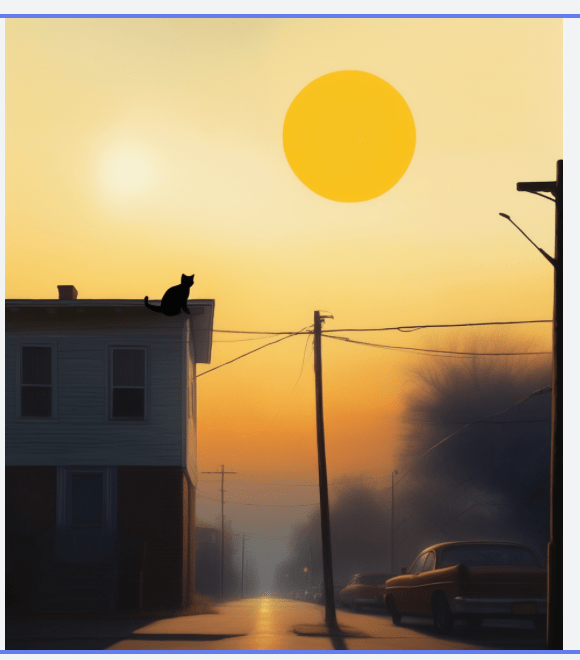
In a quiet little neighborhood, there lived a curious cat named Whiskers. Whiskers was the cat who couldn’t resist exploring every nook and cranny of the world around him. From chasing butterflies in the garden to sneaking into open windows, there was nowhere Whiskers wouldn’t go.

One sunny afternoon, Whiskers spotted something new and intriguing: a tall, wooden utility pole standing proudly in the middle of the neighborhood. Its wires stretched from its top, leading off in every direction like a spider’s web. With his insatiable curiosity, the pole towered high above everything else, and Whiskers decided that he just had to climb it.

With a spring in his step, Whiskers leaped onto the base of the pole and began his ascent. He dug his claws into the rough wood, inching higher and higher. As he climbed, he felt the breeze tickling his fur, and the view of the neighborhood became more expansive. He could see the tops of trees, the roofs of houses, and even a distant hill he had never noticed before.

But as Whiskers reached the halfway point, something changed. Whiskers looked down and realized just how high he had climbed. The ground seemed so far away, and the pole suddenly felt narrow and precarious. His heart started to race, and Whiskers felt a twinge of fear for the first time.

He tried to turn around and head back down, but climbing down was more challenging than going up. His claws struggled to find a grip, and the pole seemed to sway slightly beneath him. Whiskers froze, unable to move up or down, his tiny body clinging to the pole in desperation.
Below, a few neighbors noticed the little cat stranded high above the ground. They gathered around, their faces filled with concern and their voices hushed in worry. One of the children shouted, “Look! A cat’s stuck on the pole!”

Word spread quickly, and soon, the entire neighborhood had gathered. Some suggested calling the fire department, while others considered using a ladder to rescue Whiskers. But the pole was too high, and the cat was too scared to move.

Finally, old Mr. Thompson, who lived in the corner house, shuffled to the scene. He was known in the neighborhood as the “Cat Whisperer” because he had a way with cats that no one could explain. With a calm and gentle voice, he looked up at Whiskers and said, “Come on down, Whiskers. It’s okay.” His presence alone brought a sense of hope to the worried crowd.

Whiskers recognized Mr. Thompson’s voice. He had often visited Mr. Thompson’s garden, where Whiskers always got greeted with treats and soft pats on the head. The familiar voice gave him a sense of comfort, and he slowly turned his head to look down.

Mr. Thompson continued to speak softly, coaxing Whiskers with soothing words. He knelt, holding his arms as if to catch the little cat. “You can do it, Whiskers. Just take it one step at a time.”

With newfound courage, Whiskers began to inch his way down the pole. It was slow and nerve-wracking, but Mr. Thompson’s voice kept him calm with every step. The neighbors watched silently, holding their breath as the cat descended. His bravery was a sight to behold, and it filled the onlookers with a sense of pride.

Finally, after what seemed like an eternity, Whiskers finally reached the pole’s bottom. As soon as his paws touched the ground, he dashed into Mr. Thompson’s arms, trembling but safe. The crowd erupted in cheers and applause, relieved that the brave little cat was back on solid ground.

Mr. Thompson patted Whiskers gently and whispered, “There you go, little one. Safe and sound.”

From that day on, Whiskers stayed close to the ground, content to explore the gardens and alleys instead of the towering heights. And every time he passed the old utility pole, he would glance at it but never again feel the urge to climb. After all, he had learned that some adventures are best left untried.

From A Horse Sale To A “CB” Coffee Break”

A True Story By: Benjamin Groff© Groff Media 2024© Truth Endures

Join Us For a Coffee Break!

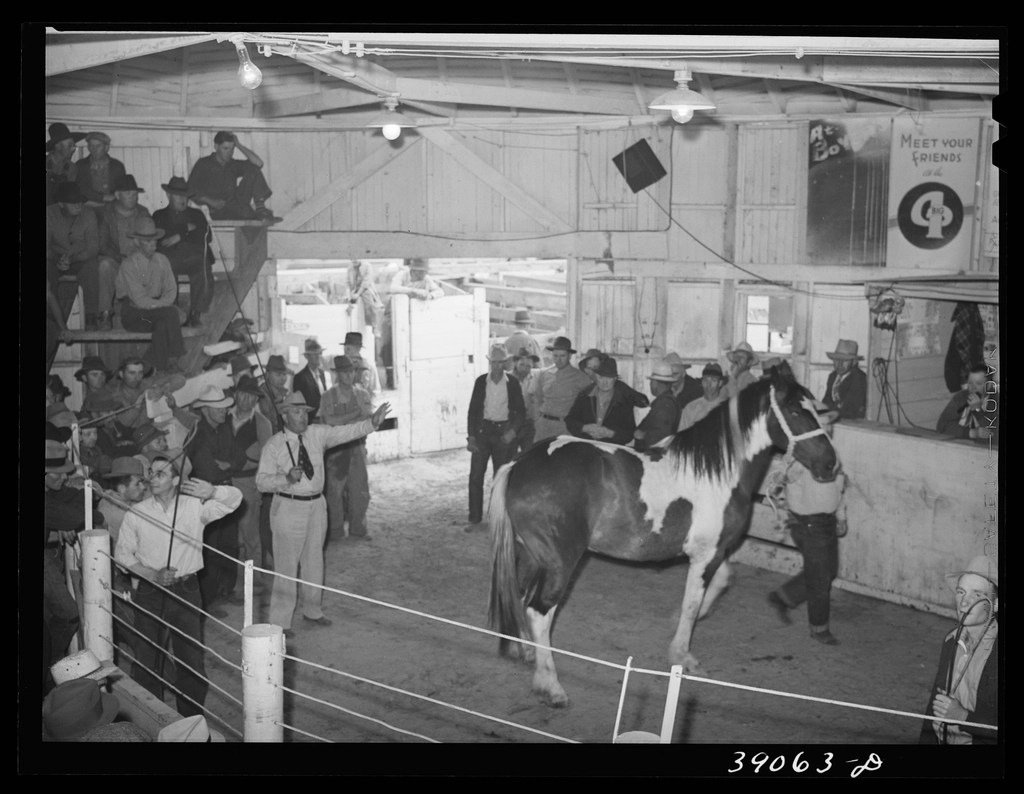
If you’ve read previous stories about my dad and me heading to horse sales during my youth, you’ll know it was a ritual we performed every Friday and Saturday night. It wasn’t just about the horses but the time we spent together and the bond we shared. Somewhere, someplace, we could always find a horse sale. And if the horse sales took a break in the summer, we’d catch a rodeo, no matter how far we had to drive.

I saw more of Oklahoma at night than I ever did during the day. That’s when my dad and I would drive the state highways, venturing wherever the road took us. But this particular trip was different. We were going to our regular sale in the city, about 30 miles from home.

It was the 1970s, and Citizen Band (CB) radio had become all the rage. I had three older brothers, all grown, who installed CB radios in their vehicles, catching my dad’s attention. Before long, we also had one in our pickup, tuned in, and received signals from all over. Dad outfitted our rig with twin whip antennas and a power mic; he even considered adding an amplifier but decided against it after hearing the FCC might crack down on him. My dad always did things by the book. So we were content rolling down the highway, our handles “Big Jake” for him and “Gentle Ben” for me.

We’d pick up reports about ‘Bears in the Air’ and ‘Bear Setups’ just down the road. Although we were doing the speed limit, Dad would ease up on the accelerator to humor me, making me think those reports were helping. On our way to the horse sale that night, we heard a spectrum of new voices on the air—voices we’d never heard before.

I told my dad they were coming in too consistently and clearly to be skip signals; they had to be close.

He said, “Let’s listen to them a minute.”

As we tuned in, these voices discussed being in Indian City and staying set up all night. They invited anyone to come by, mentioning they were at the Coffee Break on the east side of town, near the rodeo grounds. The ‘Coffee Break’ was a popular gathering spot for CB radio enthusiasts to meet, socialize, and share their experiences.

Indian City was the nickname for Anadarko, where we were headed for the horse sale. The town was known for its tourist attraction, Indian City, USA, with teepees and all—a gimmick that drew in visitors.

Dad keyed up the mic and gave a breaker. One of the new voices responded. Dad explained we were headed to a horse sale and might drop by for a cup if the horses weren’t any good later.

They said,

“Come on by! Have you ever been to one of our Coffee Breaks?”

Dad replied,

“That’s a big negatory!”

Well then,” they said,

“park wherever you can and find Booth 12—that’s where we’re set up.

We went to the horse sale, and I spied a horse or two I thought Dad might be interested in. But around 11:00 PM, he nudged me and said,

“Let’s go to the Coffee Break. I want to see what it’s about, and I’m sure you do, too.”

I wanted to say yes, but those two horses had not come up. We had a herd of horses back home, so missing one or two wouldn’t matter. Besides, I was curious about what we’d get into at this place.

When we arrived at the rodeo grounds, the area was full of campers, RVs, and tents—huge tents, at least to me. The tent poles seemed massive, with lighting strung throughout by wire. I wasn’t sure if it was safe, but I trusted my dad as he led the way.

We found what we thought was Booth 12, where a lady sat in a folding lawn chair. She looked up at me and said, 

“Hi, sweetie. You run away from home?”

I quickly replied,

“Oh no, I’m here with my dad; we’re looking for Booth 12.”

She smiled, a crooked grin on her face, and said,

“You’re looking for Honey Badger! HONEY BADGER, GET YOUR ASS OUT HERE!”

From around the corner came a short man with a balding head and a potbelly. He hadn’t shaved in a week and said,

“What is it, Wilda? You don’t have to yell! Oh, hello.”

I whispered to my dad,

“The lady’s name is Wilda,”

Mimicking the style of Sgt—Friday and Officer Bill Gannon on Dragnet.

My dad looked down at me and used his favorite phrase when I tried to do impressions: 

“Don’t be stupid.”

Honey Badger had sharp ears because when he heard Dad’s voice, he said, 

“I know him—that’s Big Jake. We talked to you a few hours ago, and I’ve heard you before when we passed through these parts. I’m Honey Badger. Let me show you around. Wilda, you want to watch the boy?”

Dad told me to stay with Wilda, promising he’d be right back. I wasn’t sure what was happening, but I decided to start searching if I didn’t hear from him by the top of the hour. For all I knew, these could be aliens from another planet up to something strange. I had just turned ten, and the year before, my dad and I had to walk home after the truck we test-drove broke down on our way home from a horse sale. I could take on whatever might be behind those dark tents—or at least that’s what I told myself.

In the meantime, Wilda and I managed to strike up a friendship. She told me they were from Kansas and had retired. Honey Badger worked with honeybees as a hobby, hence his CB name. She said,

“And I’m the Queen Bee; I get on that radio and just Buzz.”

Wilda looked like a much older Ms. Kitty—a short, broad, ancient Ms. Kitty. Her voice reminded me of one of the blonde girls on The Andy Griffith Show who gave Andy and Barney a hard time. She was a sweet soul who must’ve lived quite a life. She got me a hot cup of Pepsi and talked about missing her TV show to come on this trip with Honey Badger. But she said, –––

“It’s worth it. You don’t know when one of you is going to die. You want to do all the things in life you can before you call it quits.”

She shared stories about her and her husband’s adventures, and I did my best to look interested, though I only sometimes followed along.

Dad must have been gone for thirty minutes. I had no idea what he was doing, but I sure had a lot of intelligence gathered from Queen Bee to share with him.

When he finally returned, he scooped me up, thanked Queen Bee for having us over, and assured her we’d made friends on the southern plains that stretched far north.

As we got into the pickup and headed home, I noticed Dad pushed his hat back on his head, just like he did at Christmas when he and one of my uncles secretly toasted shots at my grandparents. He was in such a good mood, so I shared my findings. –––

“So,” I began, “Wilda—or Queen Bee—said they’ve been to several states doing Coffee Breaks because she can’t have kids, and he doesn’t want any. He also has some car problems that he can’t fix. She told me he lost his left nut in the war. But I don’t think he’s still driving the same car he had when he was in the war.”

At the time, I thought whatever Dad had been up to must’ve been a lot of fun because he laughed all the way home. Within a year or two, I realized Honey Badger hadn’t lost a lugnut at all—but maybe it was better when he had.

There are Memorials left behind for those CB Radioer’s who’ve met up and passed on by clicking here.

The Bird That Couldn’t Fly Forward. A Case For The NSA And NASA

A Story By: Benjamin Groff© Groff Media 2024© Truth Endures

The bird that couldn’t fly forward. A family of birds hatched in a tree on a busy street in Brooklyn, on a branch above Olive Avenue. The tree stretched out over the sidewalk, and Cindy and Chad, two twins inside a set of apartments, could see the birds as they hatched. They called the birds Larry, Harry, and Barry. After characters from a children’s program, they watched each day.

Larry and Harry had wings with feathers that reasonably matched one another, but Harry had one white feather on his left wing that set him apart. Barry had white feathers on both wings and a white feathered head. He could have similar makings of a bald eagle, only had he been larger. The two kids enjoyed watching the mother feed the birds and often would get upset at how Larry and Harry seemed to bully Barry—sometimes stealing food that the mother was feeding to give to the birds.

When the birds grew older, their mother began nudging them out of the nest to teach them to fly. They would plummet to the ground, only to be lifted by the mother and nudged out of the nest again until they began to flap their wings and fly. Larry and Harry flapped their wings and began to fly short distances, finding branches to land on and steadying their weight before the mother would unbalance them and make them fly further. Barry was a different story.

When nudged out of the nest, Barry flapped his wings in the wrong rotation; his feathers seemed to ruffle in the opposite direction, and he began to fly backward. The kids sat in the window and laughed at first, thinking the bird would stop this funny maneuver and change his movement to flying forward, but his backward flying motion intensified.

Barry appeared to have an inner radar that guided him around obstacles that would be in his way that other birds would typically use their eyesight. He managed to fly better than typical birds and became famous in the neighborhood. People took videos and photos of the backward-flying bird and posted them on the internet, and Barry, the Backward Flying Bird, became a Viral Sensation worldwide.

NASA, NSA, and the National Security Agency also began noticing. Is this bird some device planted by an adversary, or did someone utilize some secret plan that was supposed to remain hidden at NASA? How could an animal mysteriously fly around and go backward?

As Barry’s fame spread, his unique ability to fly backward attracted the attention of curious onlookers and influential organizations. The NSA and NASA couldn’t ignore the viral videos any longer. The agencies began to speculate that Barry might be a highly advanced drone or an experiment gone awry. Was he an alien probe sent to observe Earth? Or a covert government project that had somehow been released into the wild? They needed to find out—and fast.
Cindy and Chad noticed unmarked vans parked on their street and people in suits and dark glasses speaking into earpieces one bright morning. The twins immediately knew that Barry had drawn more attention than anticipated. They watched anxiously from their window as the agents set up strange equipment under the tree where Barry and his brothers had hatched.

“They’re going to take him away!”

Chad exclaimed, worried.

“We can’t let that happen,”

Cindy said with determination.

The twins, fueled by their determination and love for Barry, quickly devised a plan. They now knew Barry’s flight pattern by heart; they had spent countless hours watching him. They waited until the agents were distracted, then quietly slipped out of their apartment, sneaking up to the tree.

“Barry!”


Cindy whispered, holding out her hand. Amazingly, Barry recognized her voice and fluttered down, hovering just above her palm, still flying backward. Their bond was unbreakable, a testament to the power of friendship.
At that moment, one of the agents noticed them.

“Hey! Get away from that bird!”

He shouted, but it was too late. Cindy and Chad sprinted down the street with Barry flying backward above them, just out of reach.

The chase through Brooklyn was both thrilling and chaotic. Barry’s backward flight confused the agents, unsure how to capture a bird that never flew where they expected. Barry expertly navigated through alleyways, over fences, and even under bridges, always just one step—or flap—ahead.

Meanwhile, the twins led him toward a nearby park, hoping to find some refuge. As they ran, Chad had an idea.

“We need to get him to the highest point in the park,”

He said. He can use that to his advantage.

They raced to the top of a hill, where a tall statue stood. Barry, sensing what they wanted him to do, flew to the top of the statue and perched there, still facing backward. The agents surrounded the park, closing in on them, but something unexpected happened.

Barry began to spin in circles, faster and faster, like a small whirlwind. The wind picked up around him as he did, swirling the leaves and dust into a mini-tornado. The agents, caught off guard, were forced to step back.

“Look at him!”

Chad shouted, amazed.

Barry created a vortex of air, using his unique flying ability to generate a mighty wind that pushed the agents back. The twins realized that Barry’s backward flying wasn’t just a quirk but a gift. And now, it was saving them.

The wind grew stronger, and soon, the agents were struggling to stay on their feet. With a final burst of energy, Barry released the vortex, sending a wave of air that knocked the agents off balance and caused them to tumble down the hill. The twins cheered as Barry floated down, landing gently on Chad’s shoulder. It was a victory, a testament to the power of uniqueness and friendship.

By the time the agents recovered, it was clear they were outmatched. Barry wasn’t just any bird; he was unique and had proven it.

Realizing they couldn’t take him away, the agents called off their operation. Later, they approached the twins with respect, not threats.

“We were wrong about Barry,”

One of the agents admitted.

“He’s not a threat—he’s remarkable. We want to study him, but only if you agree.”

Cindy and Chad looked at each other, then at Barry, who was now perched between them.

“You can study him,”

Cindy said carefully,

“but only if he stays free. He’s not just a bird—he’s our friend.”

The agents agreed, and from that day on, Barry became a symbol of curiosity and wonder. Scientists from NASA and the NSA studied his flight patterns from afar, learning from him without interfering in his life. Barry, the Backward Flying Bird, became an even bigger sensation, hailed as a hero for saving the day in Brooklyn.

Cindy and Chad’s bravery was recognized, too. The twins were invited to NASA to meet with scientists and learn about aerodynamics, space, and more. Their friendship with Barry became the subject of documentaries, books, and even a children’s program that other kids watched and loved.

Ultimately, Barry continued to fly backward, defying all logic and expectation. And while he may have seemed like a small bird in a big city, to Cindy and Chad—and the world—he was nothing short of extraordinary.

Taking A Stand IN The Oklahoma Hills Where I was Born, My Uncle Sam Shows How

A Story By: Benjamin Groff© Groff Media 2024© Truth Endures

In the backwoods of Eastern Oklahoma’s hill country, an older man named Sam McElroy and his wife, Dora, lived a quiet life. Sam, my great uncle, was a man of grit and stubbornness, traits that only deepened as he aged. Their modest cabin, tucked away from the world, sat outside a small community known as Eagle Town, home to the oldest post office in Oklahoma.


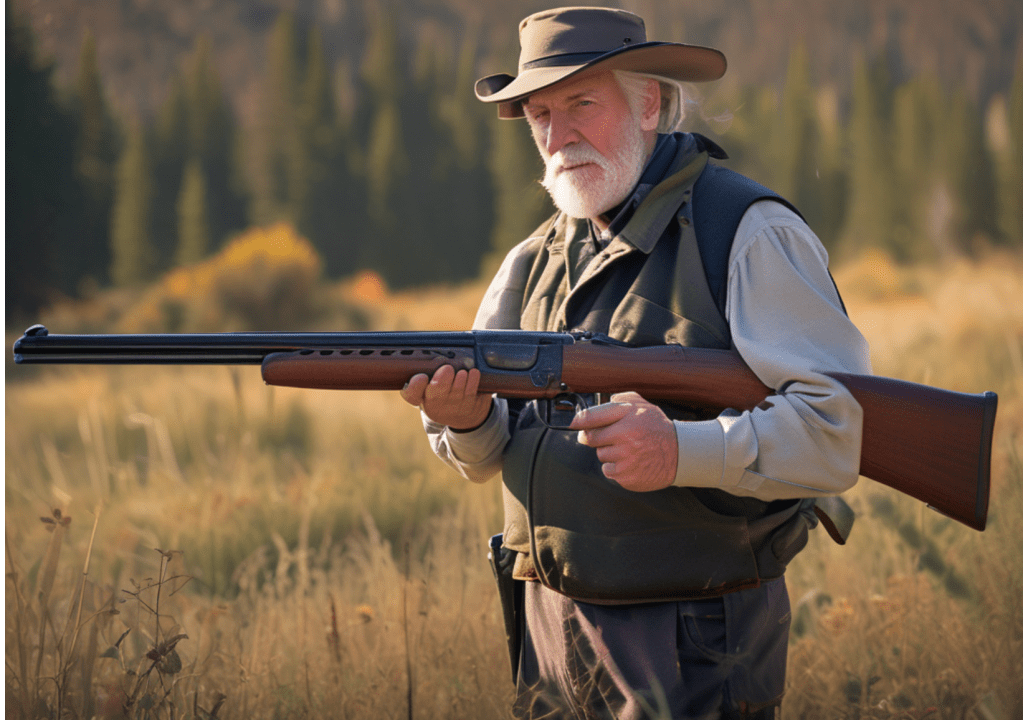
Despite his years, Sam’s marksmanship was legendary. His eyesight might have dimmed for reading, but he could still shoot a rock off a ledge from a hundred yards away with his trusty .22 rifle. He favored his 12-gauge shotgun up close, dispatching targets with the same precision. But Sam found no thrill in shooting at rocks; they didn’t challenge him. His absolute joy came from hunting squirrels, rabbits, and other small game—creatures that could run, making every shot a test of skill.


“There’s no sport in shooting something that can’t run,” he’d say, “and you can eat them too!”


In the mid-1970s, the tranquility of Sam and Dora’s life was disturbed. Tree-logging companies began encroaching on their land, felling the tall trees and sending them off on giant semi-trucks to be milled. The loud and reckless trucks sped down the dirt road past their cabin, kicking up dust that settled on everything, including Dora’s freshly washed laundry.


One day, Sam had had enough. He stopped one of the drivers and firmly requested that the trucks slow down on Tuesdays, the day Dora hung her laundry out to dry. The driver nodded but dismissed the request as soon as he drove away.


The following Tuesday, as trucks roared by again, covering Dora’s linens in dust, Sam’s patience snapped.


“This is it!” Sam declared. “They’re going to goddamn stop today if it’s the last thing I do!”

“This is it!” Sam declared. “They’re going to goddamn stop today if it’s the last thing I do!”

He grabbed a cane-bottom chair from the porch, slung his 12-gauge shotgun over his shoulder, and marched to the dirt road. There, he placed the chair, sat down, and waited.


It wasn’t long before a truck barreled down the road, only to screech to a halt in front of Sam. The driver, bewildered, got out and demanded,

“I need to get through here.”


“My wife needs to get her laundry dry without you jackasses throwing dirt on it,” Sam retorted. “I asked you to slow down on Tuesdays, and you ignored me. Now, you can sit here until her laundry is dry!”


The driver, clearly irritated, shot back,

“We’ll see about that, old-timer!”

He climbed back into his truck and radioed his boss. Soon, more trucks lined up behind the first, and another from the opposite direction joined the standstill. Sam remained steadfast, his shotgun resting across his lap.


Minutes later, a man in a company pickup arrived. He introduced himself as Mike Williams, the logging company supervisor. He informed Sam that blocking the road cost them a lot of money.

“And you’re costing us clean clothes!”

Sam shot back.

“You’ve been speeding past here every week, covering my wife’s laundry in dust.”


Williams threatened to call the sheriff, to which Sam responded,

“Go ahead.”


Forty-five minutes later, McCurtain County Sheriff Joe Phillips arrived at the scene. The road was clogged with trucks, stretching ten deep in both directions. After hearing the situation, the sheriff walked over to Sam’s porch, grabbed another cane-bottom chair, and carried it to the middle of the road. He sat beside Sam, pulled out a stick and pocket knife, and began whittling.


“How long do you think it’ll take for the laundry to dry?”

the sheriff asked.


“A couple of hours should do it,”

Sam replied.


Sheriff Phillips turned to the drivers and Mike Williams.

“Well, we’ll be here for at least two more hours. Might as well kill your engines and save some fuel.”


From that day forward, the logging trucks were no longer scheduled to run on Tuesdays between 10:00 AM and 4:00 PM. Sam’s act of defiance earned him respect, and he soon became a valuable liaison for Mike Williams, helping the logging company identify landowners in the Oklahoma Hills, where they sought to expand. Sheriff Phillips also found a trusted ally in Sam, who knew the remote areas of the county like the back of his hand.


Today, the old cabin is little more than a dilapidated shack, barely standing along the dirt road north of Eagle Town. But the legend of my Uncle Sam lives on, echoing through the hills where I was born.

Winning Big, By Realizing How Not To Spend It – A Jackpot In Vegas

A Story by: Benjamin Groff© Groff Media2024© Truth Endures

Vernon and Bernice had traveled from Pumpkin Center, Oklahoma, to Las Vegas to attend a conference paid for by Bernice’s employer, the Magic Pipe Copper Company. The company was not involved in magic, pipes, or cups despite its name. Its primary function was to handle hotel bookings, changes, and cancellations. Any calls unrelated to these services got transferred to another company, Heads Turning Company, which was not affiliated with the Magic Pipe Copper Company.

Bernice’s conference was to begin tomorrow, and Vernon had saved for his part of the trip for nearly a year, knowing he would get to go about Las Vegas alone while Bernice attended the conference during the daytime. Bernice had told Vernon that she didn’t mind if he gambled but didn’t want him to go overboard and go broke. He promised her that he would tell her immediately if their finances changed. She told him that if you win something big, it better be enough for us to live forever because the company would probably fire me for it. She was kidding, but Vernon thought she was serious. He had read about a company in Russia that had all but killed an employee who won big in Las Vegas and tried to stay in the USA with their winnings. Vernon was from a small town and never caught on to the more significant influences of life.

As Bernice left for her conference, she kissed Vernon and said,

“You behave today, and we will go to the all-you-can-eat buffet tonight!”

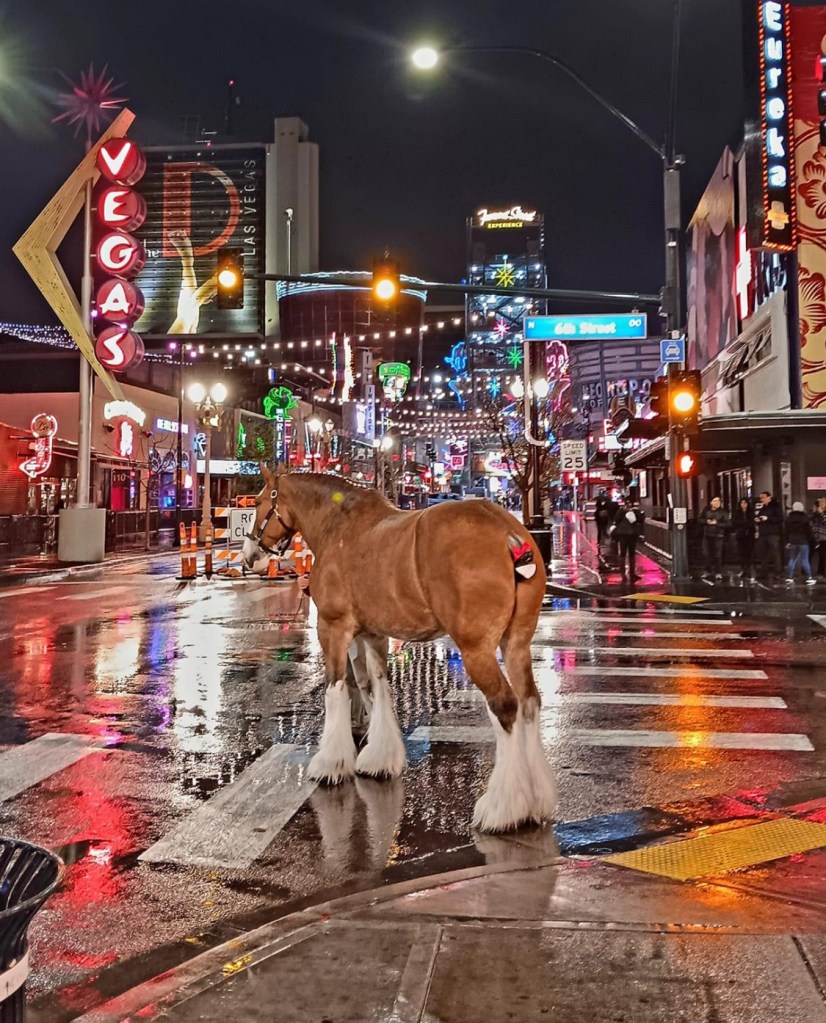
He agreed and returned her kiss. After she left, Vernon hurried around, finished dressing, and checked his cash. He was sure he kept his big bills hidden. Some were in his zipper-hidden belt; some were in his socks under his feet and inside his shoes, and some were in a pocket hidden inside his waistband. Then he had a hundred and fifty folded into a money clip. In his wallet, he kept fifty-ones. To make it look like that was all his money should a robber hold him up. He checked the news for a quick update, and the headlines reported that a horse was blocking Fremont Street near downtown Las Vegas. Suitable for Vernon, he had planned to stay inside the casino most of the morning.

As Vernon left the couple’s hotel room, he double-checked to ensure he locked the room door and had the key card to get back in. Check. Everything was in order. Vernon walked to the elevator and proceeded to the ground floor.

The doors opened onto the Gaming Floor, and one-armed bandits were ringing and rolling, lights were flashing, and loud sounds were banging. All of the attractions caught Vernon’s attention and drew him in closer.

A lady sitting behind one of the machines screamed,

“I just won $1000!” and began jumping up and down.

A man a few rows over hollered,

“I won $100!”

Vernon thought, here I am with my money clip and $150. I have to see what I can win. Vernon sat down, put $20.00 in a slot machine, hit ‘bet everything,’ and rolled suddenly. The screen lit up with “JACKPOT,” and the machine went wild. Nothing came out of the machine, but the sounds were incredible. And people began crowding in around Vernon. People were making all kinds of gestures and comments; Vernon, not knowing what he had just done, said, I don’t know what happened; did I break it? A lady in the crowd said,

“Did you break it? Ha! HE WANTS TO KNOW IF HE BROKE IT”

The crowd erupted into laughter and cheers, their excitement palpable.

The lady replied to Vernon,

HONEY, you didn’t break it. You might have broken the house but didn’t break the machine. You just won a bunch of money—from the looks of things, you just won about Fifty Million Dollars!

Vernon was left in a state of shock. How did a mere $20 bill transform into this? And how was he going to break the news to his wife? He still needed to collect the money, but should he? These thoughts raced through Vernon’s mind when a man in a suit suddenly approached him.

Are you the one who played this machine?

Vernon replied,

Yes, I put in $20 and played, and it started doing this.

The man put a key into the machine, printed a paper, and told Vernon to come. The crowd cheered him as he left. The man took Vernon to the Hotel’s office and asked him to be seated. He then told Vernon that he had just won $92 million and asked if he would like that paid out in cash, check, or wired to his bank. The man told him the law requires him to pay taxes on the winnings, which the bank had already performed. That is why he was only getting $52 million. Vernon was speechless. He said his wife was attending a conference and asked if she had to pay her share too, and the man said no, this takes care of everything. Vernon said how about the business that she works for? Will they get any of it like the guy from Russia had to? The man laughed and said no, this is the United States; for now, with our form of government, those things do not happen here. However, if we allow the wrong people into leadership, that could easily change. So be careful of who you support when you go to vote.

Vern told the man he wanted all but twenty thousand deposited in their home banking account and would take the twenty thousand in cash. Vernon liked it in a bag that wouldn’t draw attention. So the man went to the casino and obtained shopping bags for children’s toys. He returned to the office and showed it to Vernon, letting him pick which bags he wanted to put money in. Then, Vernon left carrying twenty thousand dollars out of the office in children’s toy bags. Vernon returned to the hotel room and waited for Bernice to return from her conference.

At 4:00 PM, Bernice returned from her conference. Vernon asked if she was attending the sessions the next day. She said she was. He told her he had seen all he wanted of Las Vegas and was about ready to go home. She suggested he could surely play poker or slots tomorrow, or wondered if he might have lost all his money. Vernon explained he had not lost all his money, but they would be going home with more than they came with, and that is where he wanted to leave it.

Bernice said,


Let me go to the morning session, at least. There will be a bonus for us doing that. Lord knows we can use the money.

Vernon replied

You know we have all the money we need. More than we will ever need.

Bernice suggested he must have fallen and hit his head. Or he had been drinking the tall drinks the bartender was trying to sell because they always needed more cash come payday.

Vernon explained to her that has changed.

Today, Bernice, that all changed. I won a jackpot, and they put $52 million in our checking account and looked in these toy bags. That is the cash I kept for us to go home on.

Bernice nearly fainted as she looked at the cash and suggested he must have robbed a bank. He explained to her he had won on the first spin of the one-armed bandit and showed her a photo of him accepting the winnings at the hotel lobby. She pointed out they offered an increase in comfort for the two to experience, like a suite, free meals, and bar service. They were giving you a complete complimentary setup.

Vernon dryly said –––

They did, but I told them we already had this one paid for.

Bernice, shockingly looking amazed, –––

You know they would give you a suite and a nice upgrade for free.

Vernon, in his state of innocence, pleaded –––

You are the only sweet I want, and I don’t need to upgrade.

Bernice, looking defeated, thinking out loud –––

What do we need all that money for? You will always need help understanding how to use it.

Vernon agreed with her.

The moral of this story is that the people who win jackpots are rarely the ones who truly have any business access to one.

The Preacher Who Didn’t Believe In God

A Story By Benjamin Groff© Groff Media2024© Truth Endures

Frank Johnson was not your run-of-the-mill pastor. He delivered sermons each Sunday that never bored his parishioners. Never since being hired by the Shady Grove Baptist Church Governing Body had they been so excited about their evangelical image having such a trophy behind the altar. Pride be damned, they couldn’t take another year of losing members to the metro church in the nearby city.

There was one more thing about Frank Johnson that was not typical: He didn’t believe in God. He felt the bible was dogma, the souls tossing their money in the offering plate fools, and Frank felt that one might have issues if they thought they would join their loved ones in the hereafter. If they said it was because God didn’t think their sin was no longer a big deal, he felt them to be mental. He tried to preach that prayer wasn’t an answer to your needs but to your peace.

Frank’s unconventional sermons attracted even more attention as the weeks passed. Though veiled in traditional language, his messages subtly nudged the congregation towards introspection rather than blind faith. He spoke of personal responsibility, community power, and compassion’s importance. Shady Grove Baptist Church members started to see their faith not as a means to an end but as a guide for living a meaningful life.
One Sunday, Frank decided it was time to reveal his true beliefs. He stood at the pulpit, looking at the faces that had come to trust and respect him. Taking a deep breath, he began.

“My dear friends, I need to share something deeply personal with you today. It’s something that has weighed on my heart for a long time. I do not believe in God. I never have, and I never will. This confession, though it may shock some of you, comes from a place of deep conviction and honesty. I hope you can see the courage it took for me to share this with you.


A gasp rippled through the congregation, but Frank continued, his voice steady and calm.


“I know this might come as a shock to many of you. You may feel betrayed or confused. But I ask you to hear me out. My disbelief in God does not diminish the value of the lessons we’ve explored together. If anything, it enhances them. For I believe that the true power of our faith lies not in the promise of an afterlife, but in the strength and kindness we show one another in this life.”


He paused, letting his words sink in. The silence was palpable, but no one left their seat.


“Think about the times you’ve felt most connected to your faith. Was it in moments of quiet prayer or in the acts of love and service you performed for others? Was it in the rituals or the genuine care you showed to a needy neighbor? Faith, to me, is not about believing in something unseen. It’s about believing in each other. It’s about creating a community where we support and uplift one another.”


Frank could see the wheels turning in their minds. He pressed on, his conviction growing stronger.


“I challenge you all to consider this: What if we took the principles we hold dear – love, compassion, kindness – and applied them not because we seek divine approval but because we know it makes the world a better place? What if our faith was a commitment to each other rather than an unseen deity? This challenge is not meant to undermine your beliefs, but to encourage you to think critically about the role of faith in our lives.”

Murmurs of agreement began to spread through the congregation. Frank knew he had to drive the point home.


“We don’t need to believe in God to be good people. We don’t need the promise of heaven to motivate us to do what’s right. We can find strength and purpose in each other, in our shared humanity. So, will you join me on this journey? Will you help me build a community based on trust, respect, and love without the need for divine justification?”

One by one, the members of the congregation stood up, some with tears in their eyes, others with resolute expressions. They walked to the front of the church, forming a circle around Frank. In this moment, we were not a group of individuals with differing beliefs, but a united community, bound by our shared values and commitment to each other.


In that moment, Shady Grove Baptist Church transformed. It became a place where faith in humanity, rather than God, was the cornerstone. Frank had not only shared his truth but also inspired his congregation to see the power within themselves and in each other. In doing so, he had created a new kind of faith—one that was grounded in the reality of human connection and the potential for goodness in everyone.

The ENDING – Monday Morning Was A Killer For One Neighborhood – Ding Dong

A Story By Benjamin Groff© Groff Media2024© Truth Endures

It was a Monday morning, and everyone was starting their week. Neighbors were running about getting to their cars to hit the road and begin to work. John and Mary Wagner were still at home. Both had stayed in their vehicles since arriving home for the weekend, but no one noticed. It wasn’t unusual. They were known for locking their doors on weekends and never leaving the house, so staying home all weekend didn’t signal any concerns.

However, on Monday morning, John was usually the first to leave. He was out of the house and on the road by 6:00 AM to beat rush hour traffic, and Mary would leave by 7:00 AM with their two children, Max and Terri. So what was happening that day? The neighbor two doors down was a lady named Alice Morgan. She watched the neighborhood, curious about the Wagners’ home. 

Why aren’t they moving about this Monday? She asked herself

As the neighborhood drivers leaving for work thinned out, Alice meandered to the Wagners. Walking to the front door, she peered through the front bay window and saw no one inside. She went on up to the door and rang the bell, 

DING DONG, BING, BING, DING, DING, BONG

Alice thought to herself, what a weird doorbell ring. She rang it again to listen to the rhythm,

DING, DONG, BING, BING, DING, DING, BONG

No one came to the door. Curious about the cars remaining in the drive, Alice went to look inside them to see if there was anything strange about them.

Walking under an A-Frame carport, she saw two people in each car. She went up to the first vehicle, a 2017 Ford Pickup, and started to knock on the window before seeing that John Wagner appeared to be stone dead sitting behind its driver’s wheel. He had what looked like a gunshot to his forehead, and a trail of dried blood ran down his head to his chest. Startled, she ran over to Mary’s vehicle to find that Mary also appeared to have been shot in the same manner. The two kids lay dead in the back seat of Mary’s car, a blue 2020 Volvo XC60. Seeing this, Alice began screaming bloody murder and ran down the street, screaming louder and louder as she went toward her home. 

Once inside her home, Alice called 911 and told the operator that she had just found four dead people at her neighbor’s house, and she thought someone murdered four people. The 911 operator asked why she felt someone murdered the four people, and she said they had all had a single gunshot to the forehead and laid over in a car at their home.

Within two minutes, the City of Appleton Police Department had police officers on the scene. Alice Morgan was in the middle of the crime scene, pointing to the dead bodies and explaining the ding-dong doorbell to police officers. They asked her to sit in a patrol unit so they could get a statement from her in writing and a recording of her saying how and what she had discovered. They put her in the back of a patrol unit while she was still talking non-stop, closed the door, and walked away.

Burt Johnson was the lead detective assigned to investigate what had happened to the family. 

A seasoned detective with a knack for piecing together even the most cryptic of puzzles, Burt Johnson arrived on the scene shortly after the first responders. He assessed the surroundings with a practiced eye, noting the position of the vehicles, the broken glass, and the eerie stillness that hung over the Wagner household.

The forensics team was already at work, taking samples and photographing the scene. Burt walked over to the patrol unit where Alice Morgan sat, her face pale and her hands trembling. He opened the door and crouched down to her level.

“Alice, I’m Detective Johnson. Can you walk me through what you saw this morning?”

Alice took a deep breath and recounted her morning, the odd stillness, the peculiar doorbell chime, and the horrifying discovery of the bodies. Burt listened intently, nodding occasionally.

“Thank you, Alice. You’ve been accommodating,” he said, gently patting her hand. “We’ll get someone to take you home soon. For now, try to relax.”

Burt then moved to the vehicles, examining the positions of the bodies. The gunshot wounds were precise, execution-style. These shootings were not random acts of violence; someone put planning into carrying them out. He noted the positions of the vehicles, the lack of struggle, and the fact that the shooter targeted both parents and children.

A uniformed officer approached Burt. “Detective, we found something in the mailbox. It’s an envelope addressed to you.”

Burt’s eyebrows shot up. He took the envelope, carefully opened it, and pulled out a letter. The handwriting was neat, almost meticulous.

“Detective Johnson, You’re getting warmer. This family was just the beginning. Find me before I find my next target.

  • “The Avenger”

Burt felt a chill run down his spine. The Avenger was a name he was all too familiar with – a shadowy figure who had been linked to several high-profile murders, always leaving behind cryptic notes and taunting the police.

Back at the precinct, Burt convened his team. They pored over the evidence, looking for clues that might lead them to the Avenger. The forensic team reported that no fingerprints or DNA were left behind, but they had found traces of a rare chemical compound used in industrial cleaning agents.

Burt’s mind raced. He remembered a case from years ago involving a disgruntled former employee of an industrial cleaning company. The man, Thomas Greene, had a history of mental instability and a vendetta against those he felt had wronged him. Could Thomas be the Avenger?

With a possible suspect in mind, Burt and his team delved into Thomas Greene’s past, uncovering a pattern of behavior that matched the Avenger’s MO. They also discovered that Thomas recently had been in Appleton.

A breakthrough came when a witness reported seeing a man matching Thomas’s description near the Wagner’s home on Sunday night. Burt mobilized his team, and they tracked Thomas’s movements through security footage and witness statements.

Their efforts paid off. They found Thomas hiding in an abandoned warehouse on the outskirts of town. Burt and his team moved in and apprehended him without incident.

Back at the precinct, under intense interrogation, Thomas eventually broke down. He confessed to the murders, revealing that he had been following the Wagner family for weeks, meticulously planning their deaths. He saw himself as an avenger, righting perceived wrongs with his twisted sense of justice.

The Appleton community breathed a sigh of relief as news of Thomas Greene’s arrest spread. Burt, exhausted but relieved, knew there would be more work to ensure Thomas was prosecuted and put away for good. But for now, he could take comfort in justice being served for the Wagner family.

Still shaken but grateful, Alice Morgan found solace in knowing that her vigilance had played a crucial role in solving the case. The neighborhood, once again, felt safe.

And as Burt Johnson left the precinct that night, he couldn’t help but think about the families still haunted by the Avenger’s previous crimes. He promised to continue his pursuit of justice, no matter where it led him.

The Comm Commander’s Typical Night In Communications At The Police Department

A Story By Benjamin H Groff© Groff Media Copyright 2024©

The Comm Commander had been very busy at 2 AM. After telling the girls his war stories from his previous assignment at a different department, his shift became busy booking prisoners. Officers began bringing in subjects they arrested for Driving Under The Influence and Public Intoxication following the closing of several nightclubs and bars in the city.

As prisoners piled up in the booking area, one of the girls who had stayed over from an earlier shift moved the booking typewriter over on the book-in counter to open a ledger to log in prisoners’ names. As she was moving the typewriter, a prisoner became offensive and began fighting with the police officers, and two officers had to lift and plant his body down on the counter to get control of him. As they were putting handcuffs back on the man, the officer’s physical strength caused the man’s head to face plant into the typewriter.

The Comm Commander continued to ask book-in questions ––

“do you have any health concerns we should know about?

Prisoner ––––

“I probably do now, with my head in this machine!”

Comm Commander –––

“I will note that you have a typewriter about your head when booking.”

The night was busy until dawn, and there were still officers bringing prisoners in as the day shift began to arrive to start their duties.

As the light of day became brighter, a call came into Communications about a severe auto accident on Interstate 40 east of the city near an overpass involving several vehicles. Dispatch responded to a fire department rescue, fire truck, two ambulances, and two police units. The Comm Commander contacted the Oklahoma Highway Patrol on a point-to-point frequency, requesting they send a state trooper; the first arriving police unit reported back that there were two confirmed fatalities in a burning vehicle. The accident was in Washita County. The Comm Commander notified the Washita County Sheriff’s Office in Cordell, Oklahoma, to send a coroner, and they advised they also had a deputy en route. Such accidents were common in the area, and the department regularly responded to them as a mutual aid agreement with area jurisdictions.

These activities were shared during a night for the Comm Commander during his shift in Communications.

Gigglewood Midnight Squad: Adventures of an Unconventional Police Team

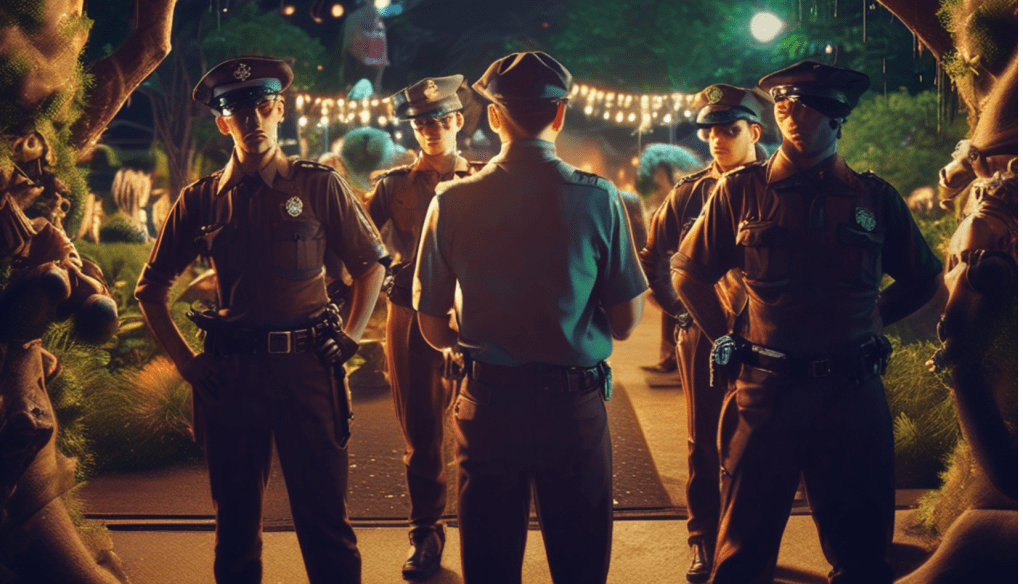
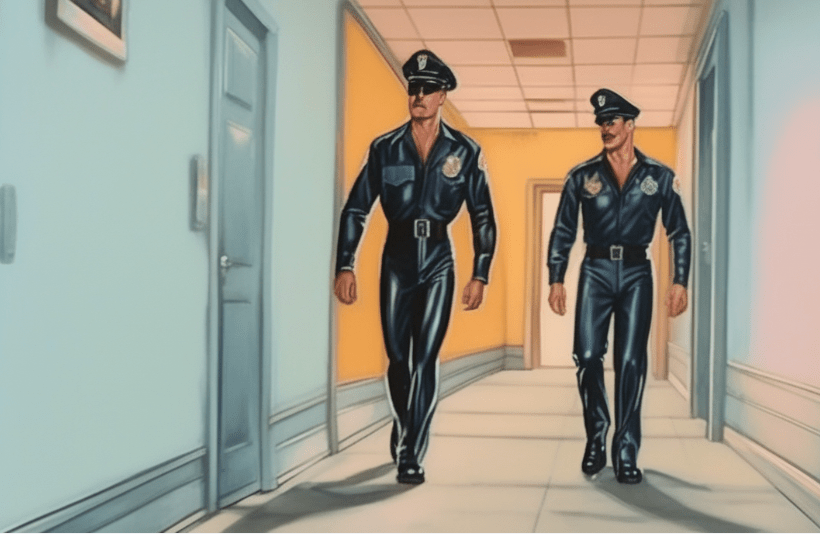
In the bustling city of Gigglewood, a place known for its vibrant nightlife and quirky inhabitants, the streets came alive at night, lit up not just by neon signs but also by the laughter and antics of its most beloved, albeit unconventional, police team: the Midnight Squad, comprised of six dazzlingly attractive officers, their presence was always a spectacle. They donned the sexiest, tight-fitting uniforms that accentuated their gym-sculpted bodies, causing heads to turn and hearts to flutter.

Officer Mia Valentine, the squad’s fearless leader, was known for her killer curves and unrelenting determination. A bisexual dynamo with a wicked sense of humor, Mia could easily switch from laying down the law to cracking up her team. Her second-in-command, Officer Alex Steel, was a trans man with the charm of a movie star and the strength of a superhero. Alex’s journey inspired the whole team, and his quick wit often saved them from the trickiest of situations. “Hey, Alex, ready to save the day again?” Mia would often tease, to which Alex would reply with a smirk, “Always, boss.”

Officers Jen and Lily were inseparable, both on and off duty. The two women, partners in every sense, had a knack for getting themselves into and out of ridiculous predicaments. Jen’s tech skills and Lily’s strategic mind made them a formidable duo, though their constant banter often left their colleagues in stitches.

Then there were Officers Mark and Kyle, whose bromance blossomed into a full-fledged romance. Their goofy camaraderie and over-the-top displays of affection often lightened the mood during tense moments. With his boyish charm and impressive physique, Mark was the team’s undercover expert, able to blend in with any crowd. Meanwhile, Kyle, a former gymnast, was their go-to for anything requiring agility and acrobatics, often using his skills to distract the bad guys during high-stakes operations.

One balmy night, the Midnight Squad faced their most absurd challenge yet. A call came in about a mysterious disturbance at the Gigglewood Zoo. “Looks like we’ve got a situation with the animals,” Mia said, raising an eyebrow. “Let’s roll, team!” The absurdity of the situation was not lost on the squad, and it only served to heighten their determination and sense of humor.

The squad arrived at the zoo to find it eerily quiet. As the officers cautiously approached the entrance, a peacock suddenly strutted by wearing a tiny police hat. “This is definitely not part of the zoo’s usual dress code,” Mia whispered, her hand on her holster. 

“I have a bad feeling about this,” 

Alex muttered, his eyes scanning the shadows.

Jen and Lily, always up for a challenge, split off to check the reptile house. They soon discovered that all the snakes had somehow gotten loose and were now tangled together in a giant, writhing ball. The sight was both terrifying and strangely mesmerizing, like a scene from a horror movie directed by a clown. 

“Why does it always have to be snakes?” 

Jen groaned. 

Lily just shook her head, pulling out a bag of marshmallows. 

“Let’s lure them back with something they can’t resist,” 

She said, handing Jen a stick. 

They proceeded to toast marshmallows and lure the snakes back into their enclosure with the sugary treats.

“You know, Jen, this is probably the weirdest thing we’ve ever done,”

Lily said, trying to stifle a laugh.

“And that’s saying something,”

Jen replied, a mischievous twinkle in her eye.

Meanwhile, Mark and Kyle headed to the primate exhibit, only to find that the monkeys had broken into the zookeeper’s bananas and energy drinks stash.

“Looks like they’re planning a wild night,”

Mark joked, as they watched the monkeys swing wildly from tree to tree, their fur standing on end from the caffeine rush.

 “Monkey rave,” 

Kyle exclaimed as they watched the primates swing wildly from tree to tree. 

“We need to tire them out,” 

Mark suggested, grabbing a nearby boom box. Moments later, the air filled with the sounds of the latest dance hits, and Mark and Kyle led the monkeys in an impromptu dance-off until the exhausted primates fell asleep in a heap.

Back at the central plaza, Mia and Alex stumbled upon the mastermind behind the chaos: a rogue parrot with a flair for mischief.

 “Polly wants a key to the city,”

 It screeched, perched atop the mayor’s statue. 

Mia rolled her eyes. 

“Not tonight, featherbrain,”

She said, brandishing a net.

The parrot led them on a merry chase through the zoo, but Alex, with his agility and speed, cornered it in the butterfly house.

“Nice try,” 

He said, gently capturing the bird. 

“But you’re coming with us.”

With the zoo back in order, the Midnight Squad regrouped.

 “Another night, another crisis averted,”

 Mia said, looking at her team with pride. 

“And another story for the ages,”

 Mark added, wrapping an arm around Kyle.

As they returned to the station, the team couldn’t help but laugh at the absurdity of it all. They were a ragtag bunch, each with their quirks and charms, but together, they were unstoppable. The Midnight Squad wasn’t just a team; they were a family, united by their love for each other and their city, ready to face whatever craziness the night would bring next. The audience is invited to share in this sense of belonging and unity, making them feel a part of the Midnight Squad’s unique world.

New Haven: Rebuilding Humanity After the First Contact War

In 2147, the world was altered irrevocably by the catastrophic aftermath of the First Contact War, a conflict that erupted when humanity made its first contact with an alien civilization. This discovery, instead of being the peaceful meeting of cultures and ideas that many had hoped for, led to a devastating war that ravaged Earth, leaving it a shadow of its former self, with much of the planet in ruins.

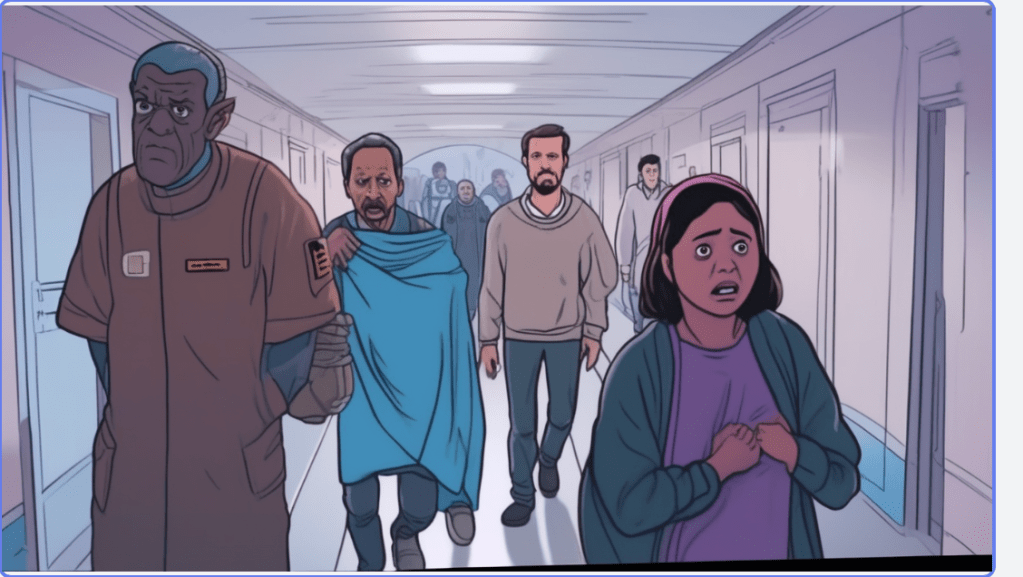
Amidst the desolation, small pockets of survivors, resilient and determined, tried to rebuild their lives. One such place was the settlement of New Haven, a converted underground research facility that provided refuge to humans and non-humans alike. In the dimly lit corridors of New Haven, it was here that a group of survivors, their spirits unbroken, made their way to the main meeting hall.

Leading the group was Dr. Rithian Torvak, a Xelorian biologist from a race that had formed a crucial alliance with humanity against the common enemy. The Xelorians, known for their green, textured skin, and elongated ears, were a race of peaceful scholars who had never engaged in warfare before. Despite the prosthetic arm—a reminder of the war’s brutal cost—he was a source of strength and wisdom, a testament to the unity forged in the face of adversity.

Anaya Patel, a young woman who had become a beacon of hope for many, closely followed Dr. Torvak’s research. Anaya had emerged as a natural leader, her compassionate heart and unyielding spirit rallying the survivors, united in their struggle, through their darkest days. Her parents had perished defending their home, but she had sworn to honor their memory by protecting those who remained.

Beside him, clutching a tattered blue blanket, was Samuel Grant, a former engineer who had lost his family in the initial invasion. Samuel’s eyes appeared haunted, but he found solace in aiding Dr. Torvak with his research, hoping their efforts might lead to a brighter future. His knowledge of pre-war technology was invaluable in keeping New Haven operational.

As they walked through the corridor, the walls echoed with the murmurs of the other residents, each carrying their own stories of loss and survival. The group was heading to a crucial meeting to discuss the latest developments in their efforts to reclaim the surface and search for other survivors.

The corridor opened into a large room filled with makeshift tables and chairs. On one wall, a digital display showed the map of their known world, with red zones marking areas still too dangerous to explore. These zones, remnants of the war, were filled with mutated creatures and unstable terrain, posing a constant threat to anyone who dared to venture into them. The air was thick with a mix of hope and desperation, as the survivors were acutely aware of the dangers that lurked just beyond their reach.

Dr. Torvak stepped forward to address the gathered crowd.

“We have received a transmission from what we believe to be another survivor enclave. This communication could mean there are more of us out there than we thought.”

The room buzzed with whispers. Anaya, her voice steady but filled with emotion, raised her hand, silencing the crowd.

“If there are more survivors, we must find them and bring them here. Every life matters, and together, we can rebuild.”

Her words, a testament to the hope that still burned within them, resonated with the survivors, filling the room with a renewed sense of purpose and determination.

Samuel nodded in agreement.

“We have the technology to send a team, but it will be dangerous. We must prepare for anything.”

Dr. Torvak glanced around the room, his eyes filled with determination.

“We have faced darkness and survived. Now, it is time to reclaim our world, to rebuild what we have lost, and to forge a future where all races can live in peace.”

His words, a rallying cry for the survivors, echoed in the room, filling them with a renewed sense of determination and unity.

As the meeting concluded, the survivors of New Haven felt a renewed sense of purpose. They knew the road ahead was perilous, but they believed, with a flicker of hope in their hearts, they could overcome any obstacle together. In the shadows of their broken world, they found the strength to hope, fight, and dream of a brighter, more peaceful tomorrow.

Despite their broken world, hope remained to rebuild even in the presence of a mixed culture of individuals—all who were put together not out of choice but out of a twist of fate!

Victor: A Man of Mystery and Resilience | Uncovering the Lost Relic in Haunting Mansion

A forgotten mansion, shrouded in mystery, stood in the heart of the old city, nestled among the cobblestone streets and gothic architecture. Its grandiose facade, though worn by time, still retained an enigmatic elegance. On a stormy evening, Victor, a man of mystery and resilience, found himself drawn to this mansion, its secrets whispering to him.

Victor, a man of mystery and resilience, had always been a seeker of the unusual, the arcane. His latest obsession had led him to this mansion, rumored to be the repository of a lost relic. He was a formidable presence in his black leather attire, adorned with silver studs and zippers. His attire, a blend of functionality and style, spoke volumes of his readiness for whatever the night might bring.

The mansion’s interior was a haunting blend of past grandeur and eerie decay. The flickering candlelight cast eerie shadows on the portraits of stern-faced ancestors that lined the walls, their eyes seeming to follow him as he made his way through the dimly lit halls. The air was thick with the scent of old books and the faint, lingering traces of incense, and the floorboards creaked under his weight.

Victor’s destination was the study; a room said to contain a hidden compartment where the relic was concealed. He had done his homework; old blueprints and cryptic notes had led him here. With a determined stride, he entered the study, its heavy wooden door creaking ominously.

The room was a testament to the mansion’s former glory, with rich mahogany shelves lined with ancient tomes, a grand fireplace, and a massive desk that dominated the space. Victor approached the desk, his leather-clad fingers tracing the intricate carvings on its surface. He had a hunch that the key lay in the hidden compartment of the desk itself.

After a meticulous search, Victor’s fingers found a small, concealed latch. A secret drawer slid open with a soft click, revealing a velvet-lined compartment. Inside lay an ornate box, its surface inlaid with mother-of-pearl and silver filigree. Victor’s heart raced as he carefully lifted the box and opened it.

Inside, nestled in velvet, was the relic: an ancient amulet, its center a polished obsidian stone encircled by symbols of power and protection. As Victor held it, a surge of energy coursed through him, confirming the amulet’s authenticity; this was what he had been searching for. The amulet, rumored to hold the key to immortality, was a prize coveted by many.

His triumph was interrupted by the sound of footsteps echoing through the hall. Victor quickly stashed the amulet in his belt pouch and closed the drawer, his senses on high alert. He had been cautious, but it seemed he was not alone in his quest.

The door to the study burst open, and a figure clad in dark robes stepped in. ‘You have something that belongs to me,’ the intruder hissed, eyes glinting with malice. ‘You’re too late,’ Victor replied, his voice steady. ‘The amulet is mine now.’

Victor stood his ground, his hand instinctively moving to the hilt of his concealed dagger. “The amulet is not yours to claim,” he replied coolly. “It belongs to no one but itself.”

A tense silence filled the room, broken only by the distant rumble of thunder. The intruder moved with surprising speed, lunging towards Victor. But Victor was ready. In a swift, fluid motion, he drew his dagger and deflected the attack, the blade glinting in the dim light. His heart pounded in his chest, his senses heightened as he focused on the task at hand.

The fight was a whirlwind of intensity. Victor’s combat training and the intruder’s desperate aggression clashed in a flurry of movement. The air crackled with tension as they circled each other, each seeking an opening. In the end, Victor’s skill and determination prevailed. The intruder, defeated and disarmed, lay on the floor, gasping for breath.

Victor looked down at his defeated opponent, his eyes a mix of pity and resolve. ‘Leave now and never return,’ he ordered, his voice firm but tinged with a hint of sadness. ‘The amulet’s power is beyond your understanding.’

The intruder, cowed and beaten, scrambled to his feet and fled into the night. Victor watched him go, his eyes filled with a mix of pity and resolve. He knew his journey was far from over. The relic’s true power and purpose were yet to be revealed, and he was resolute in his determination to unravel its mysteries.

With the amulet safely in his possession, Victor left the mansion and stepped into the stormy night. Lightning illuminated his path, and the rain washed away the remnants of the battle. As he disappeared into the shadows, one thing was sure: Victor’s legend was only beginning.

The Heartwarming Story of Jello: From Community Beloved Dog to Honorary Mayor of Millbrook

Jello, a spirited dog with golden fur, floppy ears, and a tail that wagged like a metronome, lived in the quaint town of Millbrook. He was a free spirit, beloved by all, and a fixture of the community, embodying the warmth and unity of Millbrook.

Jello had his routines. Every morning, he would trot to the bakery where Mrs. Thompson would have a fresh scone waiting for him. Then, he’d visit the school playground, where children would shower him with affection and sneak him bits of their lunches. Jello often spent afternoons lounging in the sun outside the library, where Mr. Caldwell would read to him from the latest novels. By evening, he would make his rounds at the town square, greeting everyone with a joyful bark before curling up under the big oak tree for the night. The community’s love for Jello was palpable, creating a sense of unity and togetherness.

The townspeople adored Jello so much that someone humorously suggested nominating Jello for Mayor when the mayoral election came around. The idea quickly gained traction. “Who better to represent our town than Jello?” they said. “He’s loyal, kind, and brings everyone together.” And so, in an unprecedented turn of events, Jello’s name appeared on the ballot.

As the election drew near, excitement buzzed through Millbrook. Posters of Jello, donning a makeshift mayoral sash, adorned shop windows and bulletin boards. The slogan “A Mayor Who Cares” echoed through the streets. But a week before the election, something terrible happened: Jello went missing.

Panic spread like wildfire. Where could he be? The entire town, deeply concerned, rallied to search for him. Kids formed search parties, calling his name through the woods and fields. Shopkeepers closed early to join the search; even the local police were on high alert. There were flyers everywhere: ‘Missing: Jello. Our Town Hero. Please Help!’. The town’s reaction to Jello’s disappearance was a testament to their deep empathy and concern.

As days passed with no sign of Jello, whispers of foul play began to circulate. The thought was too dreadful to bear, but the town’s unity shone through their worry. They held candlelight vigils, their collective hope a beacon in the darkness, a testament to their resilience and unity.

On the eve of the election, a familiar bark echoed through the town square just as hope was waning. It was Jello, looking a bit dirty and tired but otherwise unharmed. The townspeople greeted Jello with cheers and tears of joy. Mr. Caldwell, who had been leading a search party near the old mill, found him trapped in an abandoned shed, likely having chased a squirrel inside and gotten stuck.

The town’s relief was palpable. Shopkeepers cleaned him up, fed him his favorite treats, and gave him more attention. Election day arrived, and with Jello safe and sound, the town celebrated their unusual but heartwarming choice for Mayor. After tallying the votes, it was no surprise that Jello won by a landslide. Although the title of Mayor was symbolic, the gesture embodied the spirit of Millbrook: a community united by love, kindness, and the belief that sometimes the best leaders remind us of the simple, unspoken bonds we share.

Jello, the dog who roamed freely but belonged to everyone, was now the honorary Mayor of Millbrook. His tale became a cherished legend, reminding all who heard it of the power of community and the unexpected ways in which leaders can emerge.

The Paradox of Charlie North

The man whose loving heart brought conflict and rift with unexpected rewards he showered on others.

Charlie North was a familiar figure in the small town of Millbrook, known for his heart as expansive as the sky. He would readily abandon his own tasks to assist a neighbor with a leaky roof or chauffeur an elderly friend to a medical appointment. His acts of kindness and warmth were unparalleled, and everyone who crossed paths with Charlie held a special place for him in their hearts.

Yet, Charlie’s well-intentioned nature had a flip side that often led to discord: he was overbearing. His eagerness to assist frequently transformed into a forceful insistence that his approach was superior, and his constant involvement in others’ lives often left them feeling suffocated. This dichotomy of love and overbearingness earned him a mixed reputation.

One sunny morning, Charlie decided to help Mrs. Henderson with her garden. The widow was grateful for the help but soon became overwhelmed by Charlie’s detailed plans and strict schedules. He dictated the type of flowers to plant, the precise soil mixture, and the exact watering schedule. Mrs. Henderson, who enjoyed gardening as a leisurely and personal hobby, felt her joy drained by Charlie’s micromanagement.

“I appreciate your help, Charlie, but I think I’d like to do some of this on my own,”

Mrs. Henderson said, trying to sound polite.

Charlie was taken aback. He wanted to help, but he needed help to see how his thorough plans were anything but beneficial.

“But, Mrs. Henderson, if we don’t follow the schedule, the flowers won’t thrive as they should,”

he insisted.

As the weeks went by, similar incidents unfolded. At the community bake sale, Charlie’s meticulous organization turned into a rigid control. Initially, the townsfolk appreciated his dedication, but soon they felt stifled and unappreciated. The once vibrant community events started to lose their charm, replaced by a silent resentment towards Charlie’s overbearing ways.

One evening, as Charlie sat on his porch, his lifelong friend, Tom, joined him. Tom was one of the few people who could speak candidly to Charlie.

“Charlie, I’ve known you forever,” Tom began gently. “You’ve got a heart of gold, but sometimes you don’t realize how you come across to others.”

Charlie frowned, puzzled. “I just want to help, Tom. I want everything to be perfect for everyone.”

“I know you do, and that’s what makes you so special,”

Tom said, choosing his words carefully.

“But people need space to make their own choices, even if things don’t turn out perfectly.”

Determined to change, Charlie began to pull back. He continued to offer his help, but he consciously tried to listen more and dictate less. Charlie volunteered at the next community event but let others take the lead. He bit his tongue when things didn’t go as he would have planned, learning to appreciate the different ways people approached problems.

It was a difficult adjustment for Charlie, and he often felt the urge to step in and take control. But slowly, he noticed a difference. Mrs. Henderson’s garden flourished in its way; it was not perfect, but vibrant and full of life. The bake sale was a chaotic success, filled with laughter and camaraderie. People began to welcome Charlie’s presence again without the undercurrent of tension that had once accompanied his help.

Over time, Charlie found a balance. He channeled his love and generosity in ways that empowered others rather than overshadowing them. He was still the same Charlie North—big-hearted and always ready to lend a hand—but had learned to temper his overbearing nature. This transformation made him not only loved but truly appreciated, a testament to the power of self-awareness and the enduring strength of a loving soul.

That night, Charlie lay awake, wrestling with Tom’s words. He reflected on the times his help had been more of a hindrance, the faces of his friends and neighbors flashing through his mind—grateful at first but then strained and unhappy.

And so, Charlie’s story became one of growth and redemption, a testament to the power of self-awareness and the enduring strength of a loving soul.

Verdantia: The Rainbow City and the Festival of Lumina

Once upon a time, in a small, unassuming town named Verdantia, an extraordinary phenomenon brought magic to the lives of its residents. Verdantia was known for its picturesque streets lined with red-brick buildings and verdant trees, but what truly set it apart was its ability to produce the most stunning rainbows anyone had ever seen.

One late afternoon, after a sudden downpour, the clouds parted, and the sun cast its golden rays across the wet streets. As the townsfolk went about their business, a magnificent rainbow began to form, arching over the town’s central square. It wasn’t just any rainbow; it was a double rainbow, with vibrant colors so vivid they seemed almost tangible.

The people of Verdantia, who had grown accustomed to the beauty of rainbows, stopped in their tracks, mesmerized by the sight. The rainbow appeared to touch down at two significant landmarks in the town—the spire of the old church and the ancient oak tree standing proudly at the intersection of Main Street and Elm.

As legend had it, Verdantia was a place where rainbows were believed to be portals to realms of wonder and enchantment. The townspeople knew this was no ordinary occurrence. The elders of the town, keepers of its history and secrets, gathered quickly. They had long awaited the appearance of such a rainbow, a sign foretold in their lore that marked the beginning of a special event known as the Festival of Lumina.

The Festival of Lumina was a rare celebration that took place once every hundred years, marked by a rainbow so grand that it stretched across the sky, connecting the past with the future, the ordinary with the extraordinary. This festival was a time when the boundaries between the human world and the world of magic blurred, allowing dreams and reality to intertwine.

As the double rainbow shimmered, a soft, melodic hum filled the air. Children giggled with delight, and adults felt a warm, nostalgic pull at their hearts. The air around the rainbow seemed to sparkle, and for a moment, time itself felt as if it had slowed down. From the base of the rainbow at the church, a figure emerged—a guardian of the ancient lore, known as Seraphina, the Keeper of Light.

Seraphina, with her radiant presence and flowing silver robes, held out a staff that glowed with the colors of the rainbow. She spoke in a voice that resonated like the soft chime of bells, “People of Verdantia, the time has come to celebrate the Festival of Lumina. Today, the veil between worlds is thin, and the magic of the rainbow is at your command.”

The town erupted in joyous celebration. Musicians played enchanting melodies, artisans displayed their finest crafts, and bakers offered sweet treats that seemed to shimmer with a magical glaze. Children ran around, chasing the elusive ends of the rainbow, hoping to find hidden treasures and secret wonders.

As evening fell, the rainbow’s glow intensified, casting a luminous light over Verdantia. The townspeople gathered under the ancient oak tree, where Seraphina led a ritual to honor the rainbow and its magic. She spoke of unity, hope, and the power of dreams, encouraging everyone to embrace the wonder within their hearts.

The Festival of Lumina continued through the night, with stories of old being shared around bonfires, and dances that seemed to weave through the very fabric of the rainbow’s light. As dawn approached, the double rainbow slowly faded, but the magic lingered in the hearts of the people.

Verdantia, forever touched by the beauty and enchantment of the rainbow, became a place where dreams were cherished, and the magic of the Festival of Lumina was remembered and celebrated in smaller ways every day. The rainbow city, as it came to be known, stood as a beacon of hope, joy, and the enduring power of wonder.

Midnight: Guardian of Secrets in Solstice Hollow

In the small, forgotten town of Solstice Hollow, days bled into each other with the relentless monotony of time. The sun hung heavy and perpetually on the horizon, a blazing sphere casting an otherworldly glow over the desolate streets. It was always twilight here, neither night nor day, as if the town existed in a pocket of suspended reality.

The alley in the photograph was known as Whispering Lane, a narrow pathway flanked by crumbling buildings that seemed to sigh with the weight of their own history. Shadows stretched long and lean across the cracked pavement, and the air was thick with the scent of old wood and dust. At the intersection of the lane and Main Street stood an old house, its paint peeling and windows dark, a silent sentinel in this forgotten part of the world.

On the roof of this house sat a black cat, its eyes glinting like emeralds in the perpetual twilight. The cat, known to the townsfolk as Midnight, had been there for as long as anyone could remember. Legend had it that Midnight was not an ordinary cat, but a guardian of secrets, a keeper of the town’s strange and sorrowful tales.

One such tale was that of Eleanor Weaver, a young woman who had lived in Solstice Hollow many decades ago. Eleanor was a spirited and curious soul, always wandering the boundaries of the town, seeking something beyond the endless dusk. She was fascinated by Whispering Lane, drawn to its eerie silence and the whispers that seemed to emanate from the very walls.

One evening, Eleanor ventured further down the lane than ever before. The sun, fixed in its eternal descent, bathed the alley in a warm, golden hue, casting long shadows that seemed to beckon her forward. As she walked, she heard faint murmurs, indistinct yet strangely comforting, as if the lane itself were sharing its secrets with her.

At the end of the lane, where the shadows were deepest, Eleanor discovered a hidden door set into the side of an old brick building. The door was ancient and weathered, its surface etched with cryptic symbols. With a mixture of trepidation and excitement, she pushed it open and stepped inside.

What Eleanor found beyond the door was a realm beyond her wildest imaginings—a place where time flowed differently, and the laws of reality were mere suggestions. She wandered through dreamlike landscapes, met beings of light and shadow, and learned the true nature of Solstice Hollow. She discovered that the town was a sanctuary, a refuge for those who had lost their way in the world. The perpetual twilight was a barrier, a protective veil that kept the town hidden from the rest of existence.

Days turned into weeks, and weeks into months, yet Eleanor felt no urge to return. She had found her place, her purpose, in this otherworldly dimension. But as with all who ventured too far into the unknown, a time came when she had to make a choice: remain in the dreamscape forever, or return to the world she had left behind.

Eleanor chose to return, carrying with her the knowledge and serenity she had gained. She emerged from the hidden door, back into the eternal twilight of Whispering Lane. The townsfolk noticed a change in her—a quiet wisdom in her eyes, a sense of peace that seemed to radiate from her very being. She never spoke of what she had seen, but Midnight, the ever-watchful cat, seemed to understand.

Years passed, and Eleanor’s tale became part of the whispered legends of Solstice Hollow. The hidden door was never found again, and some began to doubt it had ever existed. Yet, on still evenings when the sun cast its golden glow over Whispering Lane, the whispers could still be heard, faint but persistent, as if the alley itself remembered.

Midnight remained on the rooftop, a silent guardian, watching over the town and its secrets. And in the timeless twilight of Solstice Hollow, life continued, a delicate dance between reality and the unknown.

The WIndscreen Phenomenon

Earl’s Service Station was well known in town. It had to be. It was on the corner of Broadway and Main, downtown. Everybody in the city went to get their cars serviced, and the gasoline tank filled up there; they had to; it was the only gas station in the small town. Working in a gas station, Earl or his son Skip would wash the windows of cars while they were filling up. They would still be trying to scrub the bugs off the windshield on warm summer nights, long after the gas had clicked off.

Cars that didn’t need gas would pull in, and without being asked, he would get out to work on their windshield cleaning with squeegees and sponges. It was on the house because Earl had a “full service” operation. When you bought gasoline there, anytime you stopped in, you got service. Everyone knew that you didn’t have to purchase gasoline for the service. Earl provided the work because that was the reputation of his business.

It was the 1960s, and business ran steadily through the 1970s. However, as the 1980s crept in, a truckstop up the road near the big highway had put in giant tanks that held truckloads of fuel and could undersell Earl. It was self-serve, and the drivers had to clean their windshields. They’d have to check their oil and steering fluid, but now, all that didn’t matter. 

Earl still had enough local customers and monthly charge accounts to keep his business open; repairing flat tires and selling accessories like windshield wipers, fluid, and antifreeze would keep him afloat. And it did through to the time he retired and handed the business over to his son Skip, who had been working in his father’s station since he was out of high school. 

Skip noticed changes over the years, something more than people going to the big station up the road; the cars coming into the service station didn’t have bugs on the windshield. He had watched a television program a month or two earlier and remembered hearing about the windshield phenomenon. 

It had a more scientific explanation, but Skip explained it to a group of local coffee drinkers as locals began noticing changes in their community due to the unnecessary killing of insects using insecticides that are too potent for their intended uses. The next phase would change the growth of trees in the region, which could harbor diseases that would wipe out other natural grasses and trees known to the area. 

The coffee drinkers howled insults at Skip ––– 

Skip, you are the gasoline island science professor.

Another said,  

Yeah, just like the professor on Giggi’s Island or whatever they named that old show.

The coffee drinkers had a good laugh on Skip’s behalf and left it at that. Skip went on about his business, knowing he was on to something. A few days passed, and an agent from the county’s local university agriculture extension program came into the service station for refueling. Skip introduced himself and said ––

 Hey, do you have anything to do with bugs where you work?

The agent said –––

I do. I am responsible for a survey we do every Spring, Summer, Fall, and Winter. We have traps about twenty-five miles outside town and collect and count insects. See their type, how many, where they came from, and if they are locals or travelers. Why do you ask?

Skip replied –––

Windshields. There are hardly any bugs on windshields these days. When I was growing up, it took forever to scrub them off; now, there are hardly any. 

The Agent replied –––

It is because of insecticides. The bugs are getting killed off in masses, and they are not coming back. When they do, it kills everything down the line and up the line. It just goes on and on! 

The agent’s words hit Skip like a ton of bricks. The number of insects was plummeting drastically, and it was a catastrophe in the making. Without insects, entire food chains would collapse. No crops would get pollinated, leading to a scarcity of food for birds, amphibians, reptiles, and even us. The ripple effect was clear-as the frogs die off, the animals that feed on them would also perish, leading to a devastating impact on the entire ecosystem.

Skip said,

WOW! Such a chain of events is indeed a catastrophe; no one knows about it because all attention is focused on global warming.

The agent told Skip,

Well, only some of the attention. We are trying to educate farmers and homeowners living in rural areas about how to use insecticides and pleading with people not to kill off bee colonies. Plus, quit killing insects. We need them, ants and all, to survive. Remember, the insects will die off with global warming affecting them too; they can’t live where their habitat is changing and are no longer welcoming to their living conditions. It isn’t just the insecticides that we are dealing with. Some areas are turning into deserts; others are seeing floods, and others are experiencing storms like never before. These extreme weather events are all linked to global warming, which is also contributing to the decline of insects.

Skip told the agent that he had tried explaining the issue to his buddies at the coffee shop; however, they didn’t think he knew what he was talking about. The agent said you were right and good for you! I am interviewing with the local media. Tell your friends to watch for it this weekend.

On Sunday morning, Skip stopped at the local cafe for coffee with the crew. As he walked in, everyone began cheering. 

“There’s the man” There’s Mr Smarts!”

It wasn’t until Skip sat down that he learned that the Agriculture Agent had referred to him in the interview as what an alert citizen was representative of; he had noticed the changes in his environment and said something.

An ‘alert citizen’ is someone who is observant and proactive in reporting changes in their environment, like Skip. Something so great caused the local agency to alert farmers to stop using all level 1 and 2 pesticides.

At least until the Extension Service looked into the lack of insects in the region. The news article then explained the importance of insects to the livelihood of all living creatures, just as the agent and Skip had talked about.

Learn more about the windscreen phenomenon visit here!