When we first moved to the farm, my father bartered for just about everything. It was the 1960s. He had a wife and six kids. My young uncle, who felt more like an older brother, was also part of the family. He had plenty of mouths to feed. There were also many projects to tackle.
One of his deals involved tearing down an old house on a neighbor’s property in exchange for the lumber. It wasn’t a one-man job—my three older brothers, my uncle, and even my mother had to pitch in. My two sisters and I were assigned a very important task: holding down the tailgate of the pickup truck.
We were told in no uncertain terms to stay put. We knew exactly what that meant. From our perch on the tailgate, we watched as our dad and brothers clambered across the roof, tossing down boards. My mother hustled to pick them up, stacking them onto a flatbed trailer and into another old truck.
I still don’t know exactly why my mother did what she did next. Maybe she wanted to check on us; maybe she wanted to warn us again. But as boards kept flying off the house, she walked around to where we sat—into what my dad had firmly declared “the danger zone”—and yelled:
“You three stay away from here, or you’ll get hit in the head with a board with a rusty nail!”
And no sooner had the words left her mouth than—WHACK! A board sailed down and smacked her right on the head. Of course, it had a rusty nail. Of course, she screamed. And of course, all three of us screamed right along with her.
Almost instantly, my dad’s head popped up over the roof’s edge.
“What the hell are y’all screaming about?”
We all shouted at once:
“Mama’s bleeding! A board hit Mama in the head! There’s a nail in her head!”
My dad scrambled down the ladder, muttering adult words under his breath.
“Shit. Goddammit, Marge, why the hell were you standing where we told the kids not to go?”
My mother, ever unflappable, shot back:
“You threw that board at me on purpose!”
He glared at her.
“Dammit, I didn’t even know where you were. Kids, get off the tailgate and sit on that log. I gotta take your mother into town.”
They drove off toward Doc’s office, leaving my brothers to finish tearing down the house and loading up the wood. The sun set. The old trucks were filled. My brothers piled us into the pickup. They drove the mile and a half back home.
When we pulled into the yard, our parents were just arriving. My dad helped my mom out of the truck and told us she was fine—just a scratch, he said. Doc had cleaned her up, given her a tetanus shot, and sent her home with something “to relax her.”
Naturally, we kids had to see the wound for ourselves. It didn’t look like much—just a small cut hidden in her hair, surrounded by a bruise. Not exactly a house falling on someone’s head. But it had bled plenty, enough to scare us all.
That night, we sat around eating a casserole that had baked while we were gone, everything back to normal. Or so it seemed.
Later, as my mom recounted what happened, the story took on a life of its own. Over the years, at family gatherings and on phone calls, we’d hear her say,
“Well, you know, the day that house fell on my head…”
In the background, my dad’s familiar sigh would follow:
“Dammit, Marge. It was just a board. And it wouldn’t have hit you if you’d stayed where I told the kids not to go.”
But she never wavered. Even now, at 95, if you ask her, she’ll tell you straight:
The man whose loving heart brought conflict and rift with unexpected rewards he showered on others.
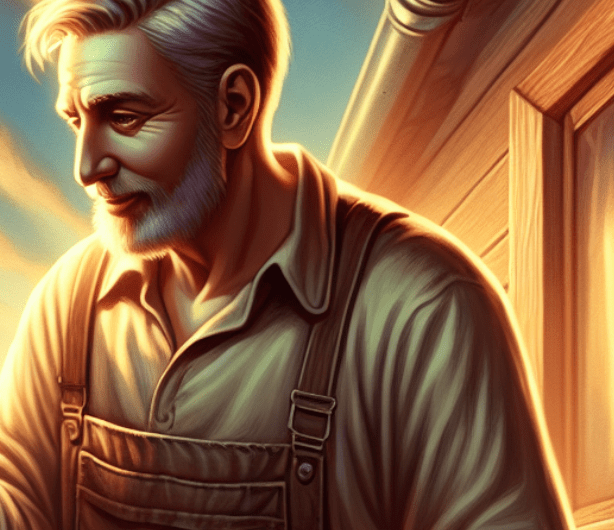
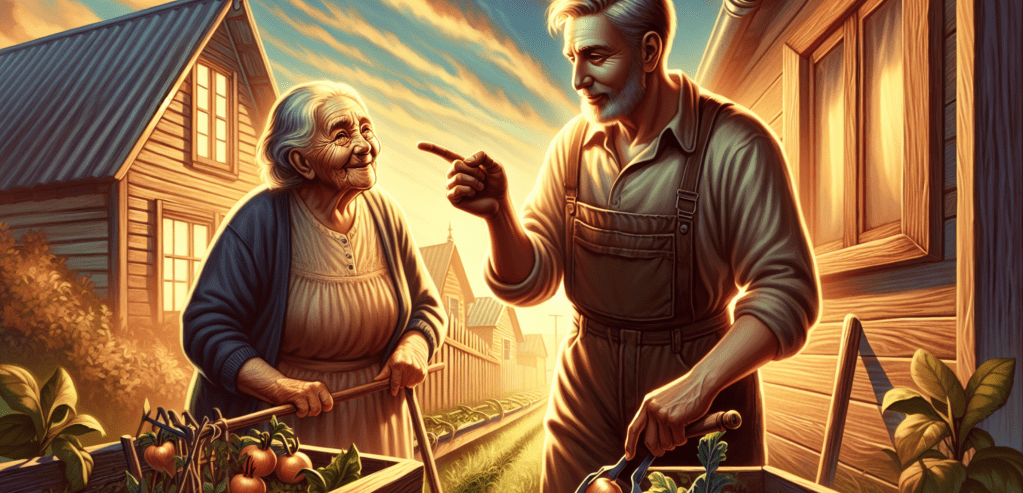
Charlie North was a familiar figure in the small town of Millbrook, known for his heart as expansive as the sky. He would readily abandon his own tasks to assist a neighbor with a leaky roof or chauffeur an elderly friend to a medical appointment. His acts of kindness and warmth were unparalleled, and everyone who crossed paths with Charlie held a special place for him in their hearts.
Yet, Charlie’s well-intentioned nature had a flip side that often led to discord: he was overbearing. His eagerness to assist frequently transformed into a forceful insistence that his approach was superior, and his constant involvement in others’ lives often left them feeling suffocated. This dichotomy of love and overbearingness earned him a mixed reputation.
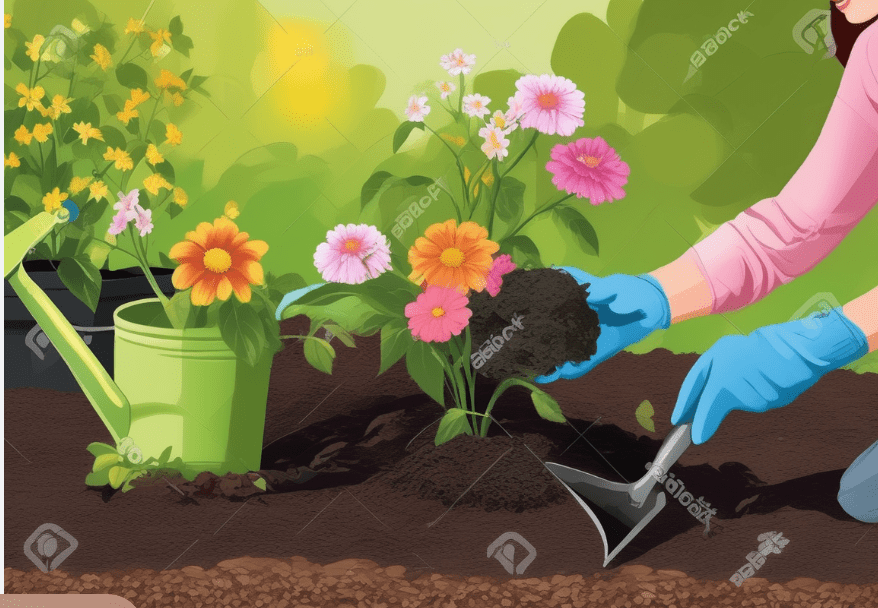
One sunny morning, Charlie decided to help Mrs. Henderson with her garden. The widow was grateful for the help but soon became overwhelmed by Charlie’s detailed plans and strict schedules. He dictated the type of flowers to plant, the precise soil mixture, and the exact watering schedule. Mrs. Henderson, who enjoyed gardening as a leisurely and personal hobby, felt her joy drained by Charlie’s micromanagement.
“I appreciate your help, Charlie, but I think I’d like to do some of this on my own,”
Mrs. Henderson said, trying to sound polite.
Charlie was taken aback. He wanted to help, but he needed help to see how his thorough plans were anything but beneficial.
“But, Mrs. Henderson, if we don’t follow the schedule, the flowers won’t thrive as they should,”
he insisted.
As the weeks went by, similar incidents unfolded. At the community bake sale, Charlie’s meticulous organization turned into a rigid control. Initially, the townsfolk appreciated his dedication, but soon they felt stifled and unappreciated. The once vibrant community events started to lose their charm, replaced by a silent resentment towards Charlie’s overbearing ways.
One evening, as Charlie sat on his porch, his lifelong friend, Tom, joined him. Tom was one of the few people who could speak candidly to Charlie.
“Charlie, I’ve known you forever,” Tom began gently. “You’ve got a heart of gold, but sometimes you don’t realize how you come across to others.”
Charlie frowned, puzzled. “I just want to help, Tom. I want everything to be perfect for everyone.”
“I know you do, and that’s what makes you so special,”
Tom said, choosing his words carefully.
“But people need space to make their own choices, even if things don’t turn out perfectly.”
Determined to change, Charlie began to pull back. He continued to offer his help, but he consciously tried to listen more and dictate less. Charlie volunteered at the next community event but let others take the lead. He bit his tongue when things didn’t go as he would have planned, learning to appreciate the different ways people approached problems.
It was a difficult adjustment for Charlie, and he often felt the urge to step in and take control. But slowly, he noticed a difference. Mrs. Henderson’s garden flourished in its way; it was not perfect, but vibrant and full of life. The bake sale was a chaotic success, filled with laughter and camaraderie. People began to welcome Charlie’s presence again without the undercurrent of tension that had once accompanied his help.
Over time, Charlie found a balance. He channeled his love and generosity in ways that empowered others rather than overshadowing them. He was still the same Charlie North—big-hearted and always ready to lend a hand—but had learned to temper his overbearing nature. This transformation made him not only loved but truly appreciated, a testament to the power of self-awareness and the enduring strength of a loving soul.
That night, Charlie lay awake, wrestling with Tom’s words. He reflected on the times his help had been more of a hindrance, the faces of his friends and neighbors flashing through his mind—grateful at first but then strained and unhappy.
And so, Charlie’s story became one of growth and redemption, a testament to the power of self-awareness and the enduring strength of a loving soul.
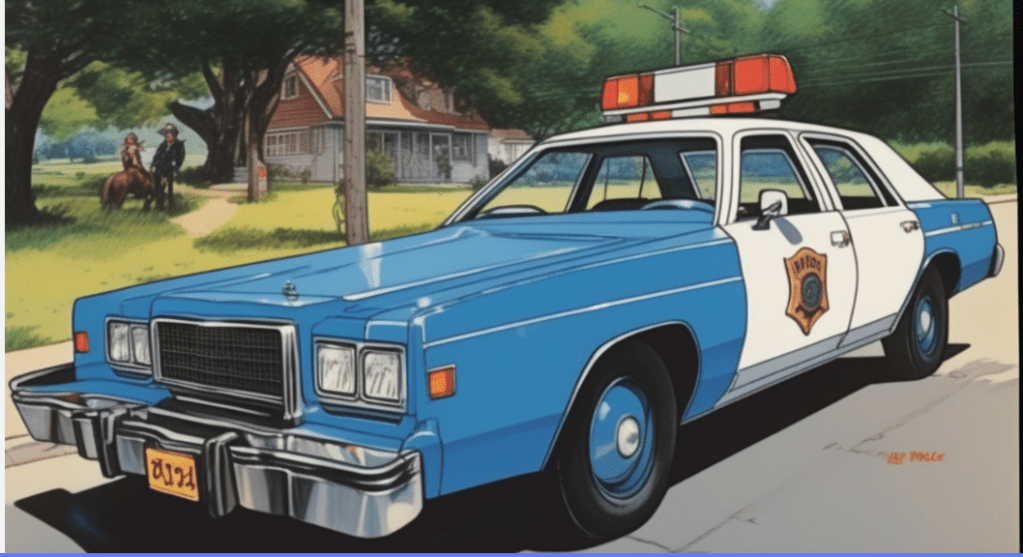
The city of Riverton never slept, nor did Detectives Jake Harris and Sam O’Reilly. Partners for over a decade roamed the nocturnal streets with the kind of synergy only best friends could muster. Their squad car, an unremarkable blue-and-white cruiser, was a beacon of hope for some and a symbol of fear for others.
Jake, with his gruff exterior and piercing blue eyes, was the kind of cop who could read a crime scene like a book. Sam, a lean figure with a quick wit and a knack for defusing tense situations, complemented Jake perfectly. Together, they led the department in felony arrests, arriving at calls faster than anyone else and building relationships with the community that others could only dream of.
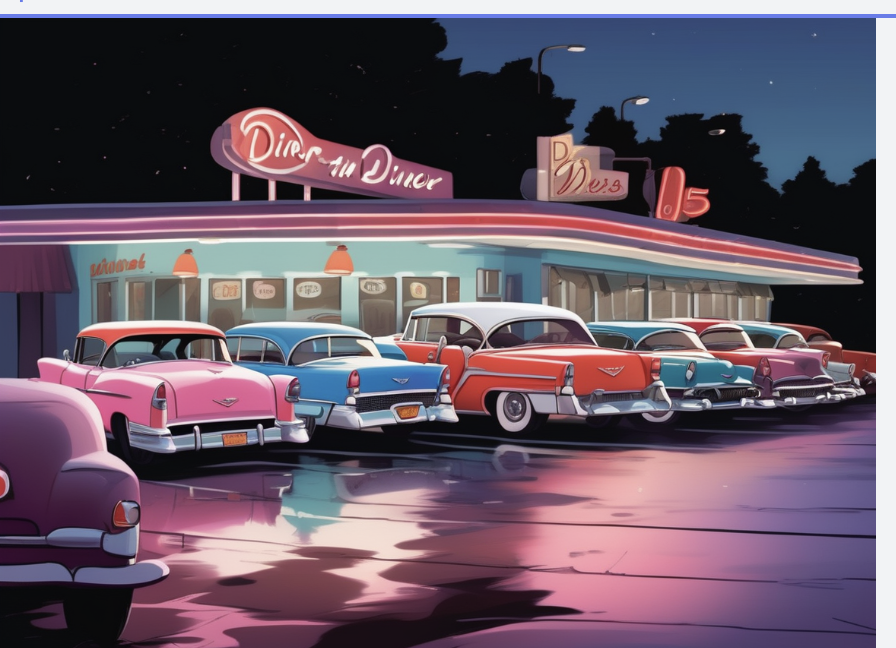
One brisk autumn night, their radio crackled to life with a call that made their hearts race: an armed robbery in progress at the 24-hour diner on 5th and Maple. Without a word, Jake hit the lights and sirens, and they sped through the dimly lit streets. They arrived in just under three minutes, a record even for them.
The diner was eerily quiet as they approached, save for the distant hum of neon lights. Inside, a masked man brandished a gun, demanding cash from the terrified cashier. Jake motioned for Sam to flank the back entrance while he took the front.
Jake entered slowly, his voice calm but authoritative. ––––
“Riverton PD, drop the weapon and come out with your hands up.”
The gunman whipped around, eyes wide with panic.
“Stay back! I’ll shoot!”
From the rear, Sam’s voice cut through the tension.
“No, you won’t. You don’t want to hurt anyone. Put the gun down, and we can talk.”
The gunman’s grip on the weapon faltered. In that split second, Jake lunged forward, disarming him with a swift, practiced motion. Sam was at his side instantly, cuffing the man and guiding him to the squad car.
As they processed the scene, the cashier, a young woman named Maria, approached them with tears in her eyes.
“Thank you. I don’t know what would’ve happened if you hadn’t come.”
Jake gave her a reassuring nod. “Just doing our job, ma’am.”
The rest of the night was a blur of paperwork and patrols. But their most memorable interaction came just before dawn. While cruising through a quieter part of town, they spotted a boy sitting alone on a bench, clutching a backpack to his chest. They pulled over, and Sam approached him gently.
“Hey there, buddy. Everything alright?”
The boy, who couldn’t have been more than ten, looked up with tear-streaked cheeks.
“I ran away from home. My parents are always fighting.”
Sam sat next to him, listening with the patience of a father and says –––
“I get it, kid. Sometimes, home can be tough. But running away won’t solve anything. Let’s get you back home and see if we can help sort things out.”
Jake contacted the boy’s parents while Sam spoke with him. The sun was peeking over the horizon when they returned the boy home. Now more worried than angry, the parents hugged their son tightly and thanked the officers.
As they drove back to the station, Jake glanced over at Sam, sighs then says –––
“Another night, another set of stories, huh?”
Sam chuckled. “Wouldn’t have it any other way.”
In Riverton, one could become a legend in the shadows, and for Jake and Sam, every night was another chance to protect and serve, forging connections and fighting crime in ways that others could only admire.
Harrison, a young boy with a mop of unruly hair, was not yet old enough to attend the local school with his siblings. For that, he was delighted. The thought of shuffling off to a gloomy classroom with many kids making noise and a teacher telling him what to do was a nightmare. He’d rather be where he was, in his dad’s bustling barber shop, sitting high on the shoeshine chair overlooking the men sitting and waiting for a haircut. His dad, a tall and burly man with a booming voice, had three barber chairs, but he was the lone barber in the shop and wanted to keep it that way. The two extra chairs were great for the overflow customers who missed their chance to sit in one of the chairs against the wall. Harrison, always curious, wanted to ask the group if they were getting haircuts for a Sunday funeral, which usually draws such a crowd to his dad’s shop. But he didn’t dare ask such a question, knowing his father would object.
An older gentleman sitting in one of the chairs waiting for his turn in the barber’s chair spoke up –––
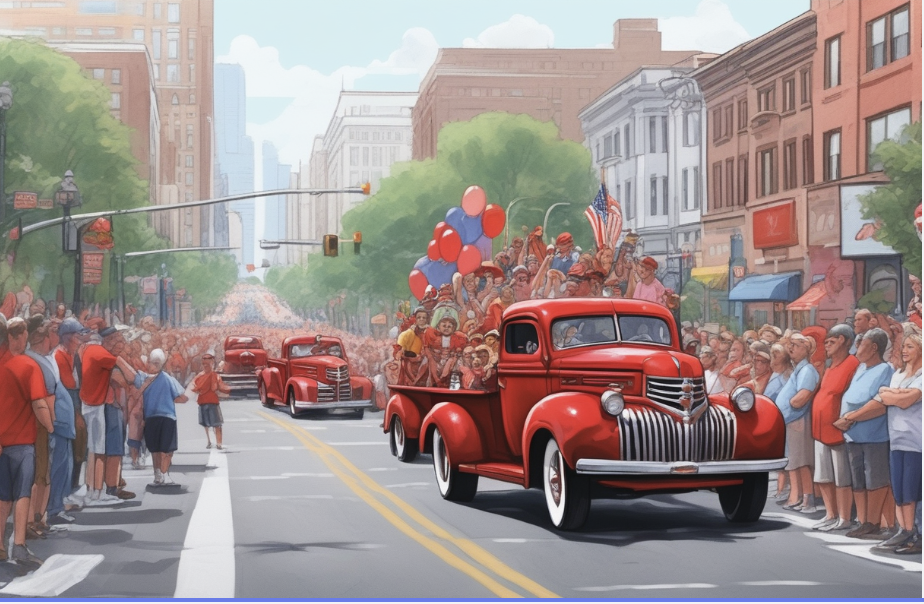
“There’s a grand parade coming down Main Street this afternoon, right in front of your shop, Harrison. The Governor and a Star Baseball Player from the Yankees are expected to ride in the banker’s convertible Cadillac. It’s going to be quite a spectacle,”
the man in the chair shared, his voice filled with anticipation.
Only Harrison’s dad remarked,
“I guess they’ll have to do it without my help; I have hair to cut.”
His dad’s voice was dry, and his humor was just as much, and the tone in which he laid out the line caused those waiting for a haircut to laugh. He pulled the towel from around the neck of the main sitting in his chair, removed the barber cape covering him, shook it out, and said –––
That’ll be a buck! Next!
Harrison watched as the man in the chair, a middle-aged man with a kind smile and a twinkle in his eye, smiled and handed his dad a crisp dollar bill. They exchanged pleasantries, their voices filled with warmth and familiarity, before the man stepped down from the chair, revealing a fresh, neatly trimmed haircut. As the man left the shop, the doorbell jingled behind him, the sound echoing in the empty space.
The following customer shuffled forward, settling into the vacated barber chair. He was a tall, lanky man with a worn-out cowboy hat perched atop his head, his face weathered and etched with lines of a life spent outdoors. Harrison recognized him as Mr. Jenkins, the ranch owner just outside town, a man known for his quiet wisdom and his love for his horses.
“Hey there, Mr. Jenkins,”
Harrison’s dad greeted warmly, draping the striped barber cape around his shoulders.
“What’ll it be today?”
Mr. Jenkins leaned back in the chair, adjusting his hat slightly.
“Well, I reckon I need a trim for the Missus’s birthday dinner tonight. Can’t be looking like a tumbleweed on such an occasion,”
He chuckled.
Harrison grinned from his perch on the shoeshine chair, enjoying the banter between his dad and Mr. Jenkins. As his dad began clipping away at Mr. Jenkins’ hair, the old rancher glanced over at Harrison with a twinkle in his eye.
“You excited about that parade, son?”
he asked, his voice carrying a hint of amusement.
Harrison nodded eagerly.
“Sure am, Mr. Jenkins! I heard the Governor and a Yankees player will be there.”
Mr. Jenkins chuckled, nodding in agreement.
“Yep, quite the spectacle, I reckon. But you know what they say, Harrison, sometimes the best show in town ain’t the one with the fanciest floats. There’s more to this parade than meets the eye,”
Mr. Jenkins said, his eyes twinkling with a hint of mystery. His words hung in the air, leaving Harrison with a sense of intrigue and a thousand questions.
Harrison furrowed his brow, intrigued by Mr. Jenkins’ cryptic comment. Before he could inquire further, his dad finished the haircut, removing the barber cape with a flourish.
“All set, Mr. Jenkins. That’ll be a buck,”
He said with a grin.
Mr. Jenkins handed over the payment with a tip, tipping his hat to Harrison and his dad before heading out the door confidently.
Harrison’s dad turned to him with a smile.
“Well, son, it’s your turn to shine. How about you polish those shoes while I tidy up here?”
Harrison’s heart raced with excitement as he reached for the Polish brush, his mind buzzing with anticipation for the parade and Mr. Jenkins’s mysterious words. He couldn’t help but wonder what the old rancher meant. Was there something more to this parade than just a grand spectacle? Little did he know, this ordinary day in the barbershop would soon become an extraordinary adventure he would never forget.
After Mr. Jenkins left the barber shop, Harrison’s dad glanced at the clock on the wall and realized it was almost time for the parade. With a quick sweep of the broom, he tidied up the shop and then turned to Harrison with a grin.
“Looks like we’ve got a front-row seat, son. Let’s go see what all the fuss is about,”
He said, grabbing his coat from the hook by the door.
Excitedly, Harrison followed his dad outside, his steps quick and light. He joined the growing crowd lining Main Street, his eyes scanning the area for the best view of the parade route. The air was charged with anticipation as people jostled for the best view of the parade route. Harrison’s heart raced with excitement as he tried to catch a glimpse of the Governor and the Yankees player, his eyes darting from one end of the street to the other.
Harrison’s eyes widened with wonder as the first drumbeats echoed in the distance, signaling the parade’s approach. The air was filled with the scent of freshly popped popcorn and cotton candy, and the sound of children’s laughter mingled with the lively tunes played by the marching bands. Colorful floats adorned with balloons and streamers rolled by in a kaleidoscope of colors. Marching bands played lively tunes, their music filling the air. Costumed performers danced along the street, their movements a blur of energy and excitement.
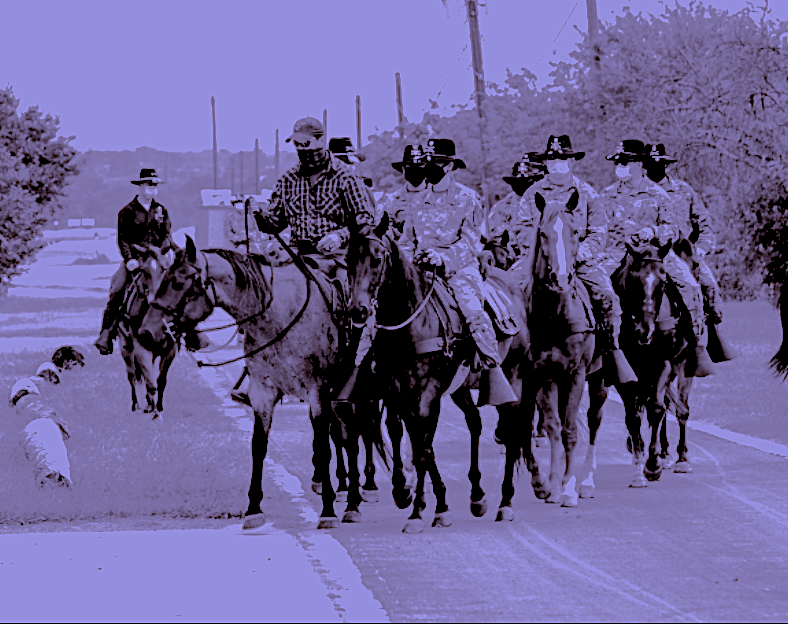
But amidst the fanfare, Harrison noticed something unusual. At the back of the parade, a group of riders on horseback trotted along, their faces obscured by bandanas, their horses sleek and powerful. They were followed by a wagon covered in a tarp, pulled by a team of sturdy horses. The air around them seemed to crackle with an energy different from the rest of the parade, a sense of mystery and intrigue. Harrison couldn’t help but wonder who they were and what they were doing in the parade.
Curiosity piqued, Harrison tugged on his dad’s sleeve.
Unable to suppress his curiosity, Harrison tugged on his dad’s sleeve, his eyes fixed on the enigmatic riders. His voice was filled with a mix of excitement and intrigue as he asked his dad about them.
He asked, pointing to the mysterious riders.
His dad frowned, scanning the procession.
“I’m not sure, son. They don’t look like part of the official parade.”
Just as the parade climaxed, a sudden turn of events caught Harrison’s attention. A wagon, covered in a mysterious tarp, veered off the parade route, rumbling down a side street.
Instinctively, Harrison’s dad grabbed his hand, his expression grave.
With a sense of foreboding, Harrison’s dad grabbed his hand, his expression grave.
“Stay close, Harrison. Something doesn’t seem right here,”
he said, his voice filled with concern.
With a sense of foreboding, Harrison and his dad followed the wagon, their footsteps echoing through the side streets and alleyways. The sound of the parade grew fainter with each turn, replaced by the distant hum of the town. Eventually, they emerged into a deserted square on the outskirts of town, where the wagon had come to a stop.
As they approached cautiously, they heard muffled voices and metal clinking. Peering around a corner, Harrison’s heart raced as he witnessed a group of masked figures unloading crates from the wagon, their faces twisted in sinister determination.
Harrison realized that the mysterious riders were thieves and were about to commit a robbery right under the town’s nose.
Harrison’s dad pulled him back into the shadows without hesitation, his eyes darting urgently.
“We need to get help, son. Stay here and stay quiet. I’ll be back as soon as I can.”
Harrison’s mind raced with fear and adrenaline as his dad sprinted into the night. Alone in the darkness, he knew he was the only one who could stop the thieves and save his town from disaster.
Summoning his courage, Harrison crept closer to the scene, his heart pounding. Little did he know, this chance encounter at his dad’s barbershop would thrust him into the heart of an adventure filled with danger, bravery, and the true meaning of heroism.
As Harrison watched the thieves unload their crates in the deserted square, he knew he had to act fast. With a steely resolve, he devised a plan to thwart the robbery and protect his town.
Silently, Harrison slipped through the shadows, keeping his movements as quiet as possible. Drawing upon the skills he had learned from listening to his dad’s stories of bravery and courage, he maneuvered closer to the thieves, carefully avoiding detection.
Harrison quickly glanced around the square and spotted a stack of crates nearby. Acting swiftly, he grabbed a handful of pebbles from the ground and began to hurl them toward the crates, creating a diversion.
The thieves, startled by the sudden noise, turned towards the sound, their hands instinctively reaching for their weapons. Seizing the opportunity, Harrison sprang into action, darting towards the wagon with lightning speed.
With a burst of adrenaline, Harrison leaped onto the back of the wagon, his heart pounding in his chest. Ignoring the shouts of the thieves behind him, he frantically searched for something to use as a weapon.
His eyes fell upon a coil of rope lying in the corner of the wagon. Without hesitation, Harrison grabbed the rope and began to lash out at the thieves, swinging it with all his might.
Caught off guard by Harrison’s unexpected attack, the thieves stumbled backward, their faces contorted with shock and surprise. Sensing their momentary confusion, Harrison seized the opportunity to disarm them, knocking their weapons out of their hands with well-aimed blows.
As the tide of the battle turned in his favor, Harrison felt a surge of triumph and adrenaline coursing through his veins. With a determined resolve, he fought with all his strength, refusing to back down in the face of danger.
In the end, it was Harrison’s bravery and quick thinking that saved the day. With the help of his dad and the townspeople, he apprehended the thieves and prevented the robbery from taking place.
As he stood victorious in the square, surrounded by cheers and applause from the grateful townsfolk, Harrison knew that he had discovered the true meaning of heroism. And though his adventure had been filled with danger and peril, it had also taught him the importance of courage, resilience, and the power of standing up for what is right.
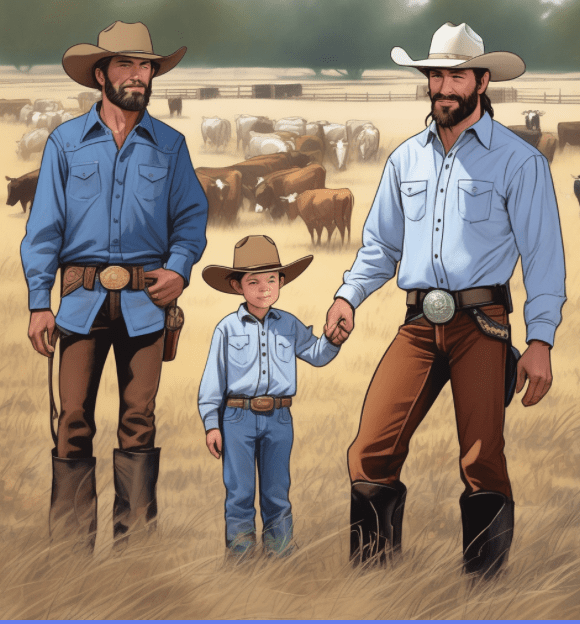
George was a happy-go-lucky sort of kid. His father raised quarter horses, and together, they were buddies. They go nearly everywhere together. George and his father’s friend Maynord, an older gentleman, probably a few years older than George’s father, spoiled George, treating him especially grandly. George didn’t emphasize the letter ‘s’ in some of his words, and some words he would say might need to be clarified. His father was known as a horseman and stern man, yet respected by most people, eyebrows raised to the bible-toting folks.
Maynord had a grown daughter who had already left home, but he and his wife had never had a son. With George, Maynord had the time of his life. As did George. The two were better buddies than Maynord, and George’s father became. But George would never say that to his father. Maynord treated George to parades, cheeseburgers, and ice cream cones and even got him a dog. George named the pooch, Ryder after Maynord’s last name.
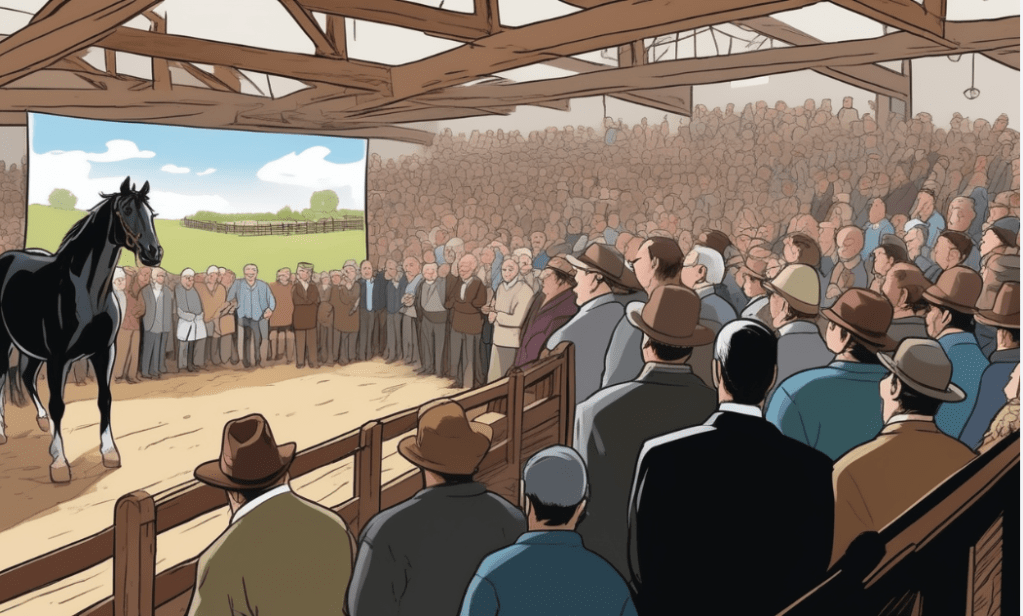
The two looked forward to Friday and Saturday nights. That is when George’s dad would take George and Maynord to auction barns in nearby cities where horses were sold. There, they would watch the many horses come through the sale ring, and the owners talk them up, saying how great of an animal the horse is, and try to sell it for top dollar. Of course, George’s father had always arrived before the auction to watch the horses lead in so he could see how they handled it and whether they were challenging to work with in getting to holding pens. He could also see if any auction workers tried to ride the horses before entering the sale ring and if the horses handled well. There were always little mishaps in the sale ring, a rider losing his grip and falling off, or a horse doing what the owner said it would not do. Or donkeys would be brought in, which always made George and Maynord laugh. They would jokingly suggest George’s father buy several to go with his quarter horses. The biggest thrill of the sales barn adventures was the cafe located within; that is where, halfway through, George and Maynord would slip away and eat cheeseburgers and drink soda pop.
The horse sales, as George and his father referred to them, caused the problem. Maynord didn’t help with the situation because he referred to the auctions as horse sales. And he had never referred to the auctioning of horses as anything else.
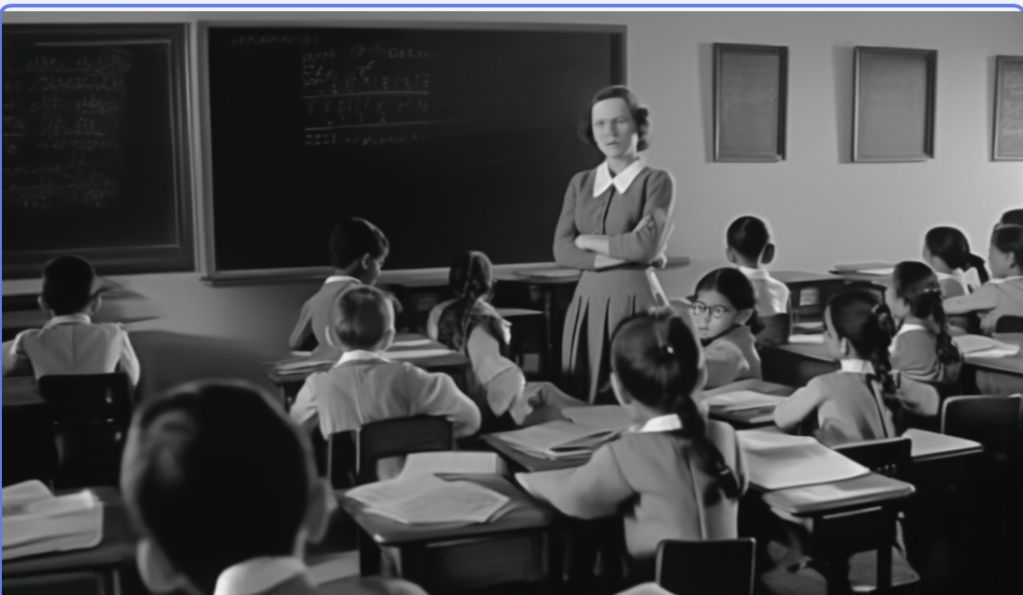
It was in the classroom one Monday morning when the third-grade teacher asked the class for each student to stand and say what the most fun activity they took part in over the weekend was. The town had just had a fair, and the teacher expected the students to explain their actions while visiting the celebration. And that is what the students did until coming to George.
George stood and said –––
“My dad and our friend Maynord took me to the city horse sale, and my dad bought two.
While George was speaking about horses, the teacher heard ‘whore sale.’
The teacher said –––
“George, you went where, and your dad what?”
George replied –––
“My dad took me to a horse sale and bought two. His friend Maynord helped with one of them. They made me watch from the pickup.”
The teacher, turning pale, said –
“George, stop talking; that is enough! Class, that is enough of what we enjoyed this weekend. I will have George explain what he did to the principal.”
George was perplexed. Hasn’t anyone ever watched a horse being sold and loaded into a livestock trailer? Why would the principal need to hear about it? Indeed, he knows about people selling horses.
In the office, the principal was being informed by the teacher about what she had heard and how terrible it was that this father and his friend had taken an 8-year-old boy to whore house and had him watch the goings on with two women. The principal then asked George what exactly did you say to your teacher?
Which George explained –––
“I just told her ––– My dad, Maynord, and I went to a horse sale, where my dad bought two horses. They made me get in the pickup and watch them while loading the horses so I wouldn’t get hurt or in the way. There have been days, I have even held on to some guys horse when he had too many to handle. But I didn’t get to explain it in such detail because the teacher told me to stop talking before I could tell more about what I was talking about. We go to horse sales every weekend. I don’t know what the big deal is!”
The principal and now the school’s superintendent were both in the office. Their faces were beet red, and they were trying to keep from laughing. The teacher, now understanding the situation, felt overreactive and apologizing.
Meanwhile, George is confused and asks everyone in the room –––
“Haven’t you all ever heard of horse sales? Horse sales? Horse Sales! A Place where a man can sell his horse? My dad, Maynord and I go to them every Friday and Saturday night, you should come with us and see what it is all about. If you get bored with the horse sale, you can get a cheeseburger, as I sometimes do. I don’t understand what this is all about just because I told my story about going to the horse sale with my dad and Maynord.”
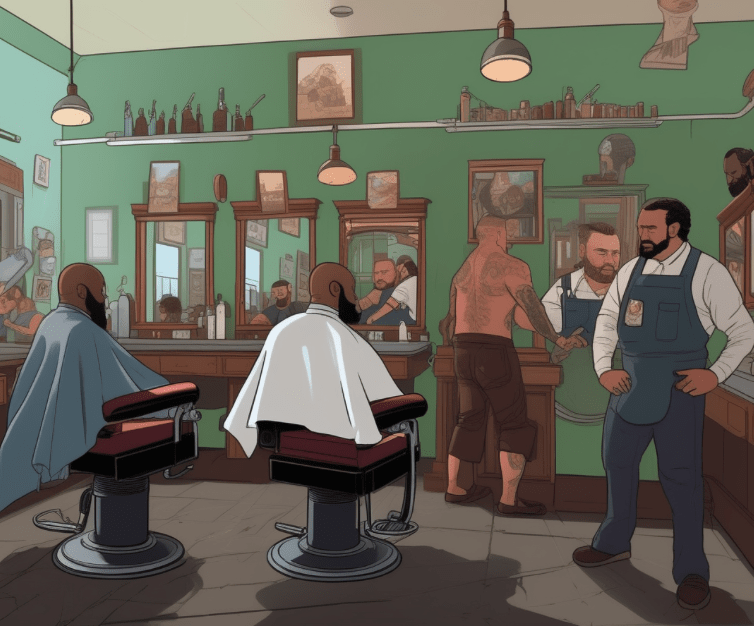
George’s dad, the town barber, was called and told of the situation. He later held court in his barber’s chair with his shop’s regulars. There, they had the bursts of laughter the school officials experienced.
Leaving the office, it was the loudest laughter George can ever remember hearing to this date. It wasn’t until he was older did he understand the rhyming of the words between horse and whores and how it could sound to others when saying to them –––
“You are headed to a horse sale to see what you can find.”






 benandsteve.com