Finding Hope in Difficult Times

GROFF MEDIA 2024ยฉ TRUTH ENDURES IMDBPRO

Presented by benandsteve.com By: Benjamin Groff IIยฉ

2โ€“3 minutes

Every morning, the sun rose over Willow Creek. Clara Jackson would pour herself a cup of coffee. She would then sit by the window and scroll through the news on her phone. Headlines blared with despair. Civil rights were being denied. People were being removed from their families because of their citizenship status. There were natural disasters, economic struggles, and political turmoil. It seemed as if the world was unraveling thread by thread. Each day felt heavier than the last, and Clara found it harder to believe in a brighter tomorrow.

One cold morning, as the weight of the world’s problems sat on her chest, she noticed her elderly neighbor, Mr. Thompson, hobbling down the sidewalk with a broom in hand. His frail figure moved with purpose. He swept the fallen leaves away from everyone’s doorstep. As he worked, he whistled a tune that carried a sense of ease Clara hadn’t felt in a long time.

Curious, she stepped outside and called out,

โ€œMr. Thompson, what are you doing out here so early?โ€

The old man looked up and smiled warmly.

โ€œClearing the way, my dear. Itโ€™s a little thing, but it makes the morning brighter for everyone.โ€

Clara laughed softly.

โ€œWith all thatโ€™s happening in the world, does this really make a difference?โ€

Mr. Thompson leaned on his broom and nodded.

โ€œOh, it does, Clara. You see, the worldโ€™s got its troubles, but right here, right now, we can still bring goodness. You canโ€™t control the storms outside, but you can light a candle inside.โ€

His words settled into Claraโ€™s heart like a gentle breeze pushing away the clouds. That afternoon, instead of drowning in the news, she baked cookies and shared them with neighbors. She took her old paintbrushes out of the closet and added splashes of color to the worn fence outside. And as she handed out treats to passing children, she felt something stir inside herโ€”hope.

Days turned into weeks, and Clara found that small acts of kindness helped her navigate the darkness in the world. She volunteered at the local shelter. She also planted flowers along the sidewalks. Clara spent more time listening to the laughter of children at the park. The news was still grim, but Clara had found something strongerโ€”hope born from action, not fear.

One evening, she closed her book and looked out at the quiet street. She realized the world hadnโ€™t changed overnight. But she had. And that was enough to believe in a brighter tomorrow.

The Opinionated Gentleman: “I used to like him before I heard what he had to say.”

GROFF MEDIA 2024ยฉ TRUTH ENDURES IMDBPRO

Presented by benandsteve.com By: Benjamin Groff IIยฉ

2โ€“3 minutes

Richard Pearce considered himself a fair man, a gentleman of discernment. His friendships were plentiful, his network expansive, and his reputation as a conversationalist well-earned.

He had a knack for summing people up with a single statement, a phrase he used so often it had become a trademark:

“I used to like him before I heard what he had to say.”

It wasn’t meant to be cruelโ€”at least, Richard didn’t think so. It was his way of assessing character, of sorting wheat from chaff. But those who knew him best saw it differently.

One sunny afternoon, Richard found himself at a small cafรฉ in the park. A friend of a friend, Henry Townsend, joined him unexpectedly. Henry, a boisterous man with a ready laugh, was a newcomer to their social circle.

“I hear you’re a man of strong opinions, Richard,”

Henry said as he stirred his coffee.

Richard tilted his head, amused.

“I suppose you can say that. I have a good read on people.”

“Well, let’s see then. What do you think of me?”

Richard smiled politely, his eyes narrowing.

“You’re affable, sharp-wittedโ€ฆ but prone to over-explanation.”

Henry laughed heartily.

“Fair enough! And what do you think about James Potter?”

Richard leaned back, swirling his tea.

“Ah, James. I used to like him before I heard what he had to say.”

Henry’s smile faltered.

“What did he say?”

“Oh, something about how he sees charity as a personal failing in those who accept it. Can you imagine? A man with such shallow views.”

Henry’s brows furrowed.

“Did you ask him why he thought that? Maybe he has a deeper story.”

Richard waved the thought away.

“One’s words show their heart, Henry. Why dig further?”

~

Months passed, and Richard’s circle seemed to shrink. The people he dismissed began avoiding him, and conversations grew shorter. Henry, nevertheless, remained a steadfast presence. One day, Richard couldn’t help but ask.

“Why do you stay, Henry? Surely, I’ve said something to offend you by now.”

Henry grinned.

“Oh, plenty of times! But if I left, you would not get the chance to hear what you haven’t heard yet.”

Richard frowned.

“What do you mean?”

“You write people off after hearing one thing. But people aren’t books you can skim, Richard. They’re libraries. If you only read one page, you miss the whole story.”


That evening, as Richard walked home alone, Henry’s words lingered. The cafรฉ, once bustling with friendly faces, seemed quieter now. For the first time, Richard wondered if he’d been too quick with his judgment, too harsh with his words. He couldn’t help but think, —-

And he couldn’t help but think, โ€“โ€“โ€“โ€“

And he couldn’t help but think, that he had been too quick to judge, too eager to dismiss. He couldn’t help but think โ€“โ€“โ€“โ€“

I used to like myself before I heard what I had to say.

And, before I realized the impact of my words and the depth of my own biases.

The Story Of The Unchecked Mayor

Groff Media 2024ยฉ Truth Endures IMDbPro

Presented by benandsteve.com By: Benjamin Groff IIยฉ

In a small city, one man’s election as Mayor marked a drastic turning point. Traditionally, city decisions required approval from a council of six members, with a majority vote ensuring every person wielded only a little power. But soon after taking office, the Mayor and his political allies on the council pushed through changes that redefined his role. They granted him unprecedented authority to make sweeping decisions for the city and its residents, bypassing the usual oversight.

But that initial optimism soon eroded, giving way to a profound sense of disappointment and betrayal. The Mayor began filling oversight boards and committees with his chosen peopleโ€”none of whom had relevant experience. They promised to “clean house” and end wasteful spending, but their true motives quickly surfaced.

The Commissioner of Streets and Lights, handpicked by the Mayor, promptly fired the street crew and supervisors, many of whom had worked for the city for over fifteen years and were approaching retirement. The Commissioner hired the Mayor’s son’s paving company in their place, and he also contracted two out-of-town electricians for lighting maintenance. These new hires lacked the skills to handle the city’s infrastructure needs, but the Mayor’s orders were clear. The supposed “savings” were diverted into three hidden accounts linked to companies the Mayor quietly operated on the side.

The Mayor restructured Water and Trash Services similarly. Water management was outsourced to a neighboring town with little regard for the community’s best interests. Trash collection was reduced to once a week, and a company from two towns away was hired, offering only minimal service. The Mayor’s promised savings got funneled into an account controlled solely by the Mayor.

Every city department followed the same grim trajectory. Once-dedicated employees were let go and replaced by disinterested newcomers complaining about their low wages and minimal benefits. City services deteriorated rapidly, with potholes on the streets, frequent power outages, and overflowing trash bins, leaving residents dismayed as their quality of life declined.

The townspeople soon noticed their bills creeping upwardโ€”first by ten dollars, then by thirty, with no explanation or improvement in service. This financial strain, coupled with crumbling city infrastructure, directly resulted from the Mayor’s unchecked power and self-serving decisions, placing a heavy burden and stress on the residents.

Residents registered with the opposing political party received letters citing dubious code violations and demanding fines. Those who contested were slapped with even more violations, driving many to leave the city altogether. Once most of his opposition had been driven out, the Mayor enacted a new ordinance requiring his remaining supporters to pay a “privilege to live here” fee. When citizens objected, he sent his security force to arrest vocal dissenters, warning others of eviction if they did not comply.

The Mayor’s reign of intimidation didn’t stop there. He established a “Mayor’s Court,” where anyone accused of a crimeโ€”even minor infractionsโ€”was jailed indefinitely. Their families could “buy” their release, but only at exorbitant prices, often reaching hundreds of thousands of dollars. The city had become a prison, and its leader was a dictator.

Many residents clung to the hope that this nightmare would end with the Mayor’s death. But when he passed away, the townspeople were horrified to learn that city law now dictated his son would inherit his office.

This tale serves as a stark warning: when voting, beware of who you trust with power. Sometimes, that choice can cost more than you ever imagined.

Gerald The Goose Goes Mad On Park Goers Until He Finds Officer Tom A Friend For Life.

Groff Media 2024ยฉ Truth Endures IMDbPro

Presented by benandsteve.com By: Benjamin Groff IIยฉ


In the heart of a bustling city, there was a quaint park known for its serene beauty and vibrant wildlife. Among the ducks and swans was one particularly notorious residentโ€”a mad goose named Gerald. Gerald had a reputation for chasing unsuspecting park-goers, honking furiously and flapping his wings in a display of avian aggression.

One sunny afternoon, the park was filled with families enjoying picnics and children playing games. A commotion erupted as Gerald began his usual antics, sending people scattering in all directions. Exasperated by the chaos, the park’s caretaker decided it was time to call for help. Enter Officer Tom, a kind-hearted police officer known for his patience and love for animals.

Officer Tom arrived at the park, his calm demeanor contrasting sharply with the commotion around him. As he approached Gerald, the goose stopped, tilting his head curiously. Something about Officer Tom intrigued Gerald. Instead of chasing him away, Gerald shuffled to the officer and nuzzled his leg affectionately.

Seeing the unexpected bond forming, Officer Tom decided to take Gerald home. He became the goose’s sole caretaker, and they developed a deep friendship. A gentle loyalty to Tom replaced Gerald’s wild antics, and the two became inseparable. They were a familiar sight around town, with Gerald waddling faithfully beside Tom on his daily patrols.

As the years passed, Officer Tom grew older, and his hair turned silver. Gerald, too, showed signs of aging, but their bond remained as strong as ever. The townspeople grew fond of the duo, often stopping to chat with Tom and feed Gerald treats. They became beloved characters in the town’s story, symbolizing friendship and loyalty.

One day, the town was struck by the sad news of Officer Tom’s passing. The townspeople mourned the passing of their beloved officer, but their hearts also went out to Gerald, who was now alone. Concerned about the old goose, the townspeople gathered to decide what to do.

In a touching display of unity, the town took turns caring for Gerald. Each day, a different family welcomed him into their home, ensuring he was well-fed and loved. Though he missed his dear friend, Tom, Gerald found comfort in the townspeople’s kindness.

And so, Gerald lived out his days surrounded by the love and care of the community. The story of the mad goose and the kind-hearted officer became a cherished legend, reminding everyone of the power of friendship and the importance of looking out for one another.

Leave a comment

This site uses Akismet to reduce spam. Learn how your comment data is processed.

Otis The Dog That Trouble Finds

Groff Media 2024ยฉ Truth Enduresย IMDbPro.

Presented by benandsteve.com By: Benjamin Groff IIยฉ 


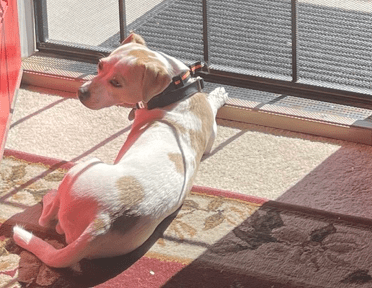
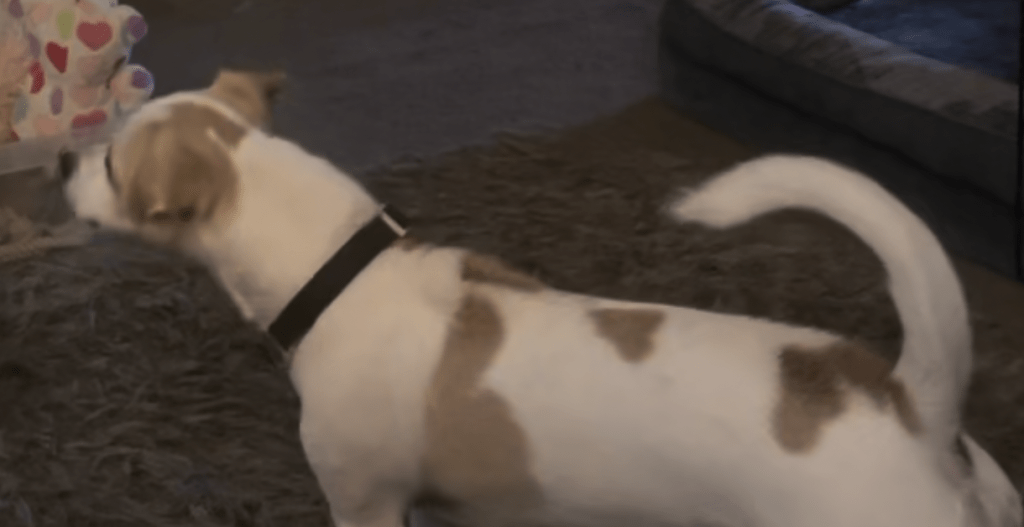
One sunny morning, Otis, a slick Jack Russell Terrier with a gleam in his eyes

and mischief in his heart, woke up. His fur was a brilliant shade of gold, shimmering in the sunlight, and his tail wagged with such enthusiasm that it could power a windmill. The day started innocently enough; we had breakfast at our favorite restaurant and came home. With his wagging tail and big, innocent eyes, Otis welcomed us home and helped us as we tidied up around the house. But Otis is no ordinary dogโ€”trouble seems to find him as a squirrel finds an acorn. He gets these spurts of energy known well as zoomies.

It’s like he’s a magnet for mishaps, a walking comedy show. Wherever he goes, calamity follows. He’s so adorable that it’s impossible not to chuckle when his wrecking ball hits.

It wasn’t long before Otis’s nose led him to the kitchen. The scent of freshly baked bread cooling on the counter was just too tempting. He stood on his hind legs, stretching his neck as far as it would go. Just then, a slight breeze blew through an open window, knocking a paper off the fridge and startling Otis. He yelped and bumped into the counter in a flurry of fur and paws. The bread tumbled down, landing squarely on the floor.

When we walked in, Otis stood over the fallen loaf, his big, brown eyes looking up at us with a mix of innocence and apology. His expression seemed to say, “I didn’t mean to!” It’s hard not to forgive him when he looks at you like that.

We sighed but couldn’t help the tiny smile tugging at your lips. Before picking up the bread, Otis had darted out of the room, ears flapping, tail wagging like a flag, and disappeared into the yard.

As the day went on, Otis’s streak of bad luck continued. While exploring under the porch, he got tangled in a ball of twine that a handyman had left behind. Emerging from the shadows, he looked wide-eyed and confused, like a dog-sized spider web. The neighbors couldn’t help but chuckle when they saw him, tangled and guilty-looking. One even offered to help untangle him, but Otis, being Otis, managed to free himself in a comical fashion.

Capping off his day – Otis’s curiosity got the best of him once more when he found a potted plant by the front door. It only took a nudge from his nose for the pot to tip over, spilling soil all over the welcome mat. He sniffed the dirt, sneezed, and left tiny paw prints leading to his bed, where he flopped down, exhausted.

When found, he looked up with that sweet, guilty face as if saying, I swear, I don’t know how it happened!

Despite the chaos, we knelt and scratched behind his ears. Otis nuzzled into my hand, eyes closing in contentment. As much trouble as he got into, he was ours, and those mishaps only make our days a little more memorableโ€”and a lot more fun. His presence, filled with joy, even amid his mischievous adventures, is a constant reminder of the happiness pets bring into our lives.

Toby and Spitfire The Horse That Had Never Been Rode!

Groff Media 2024ยฉ Truth Endures IMDbPro.

Presented by benandsteve.com By: Benjamin Groff IIยฉ 

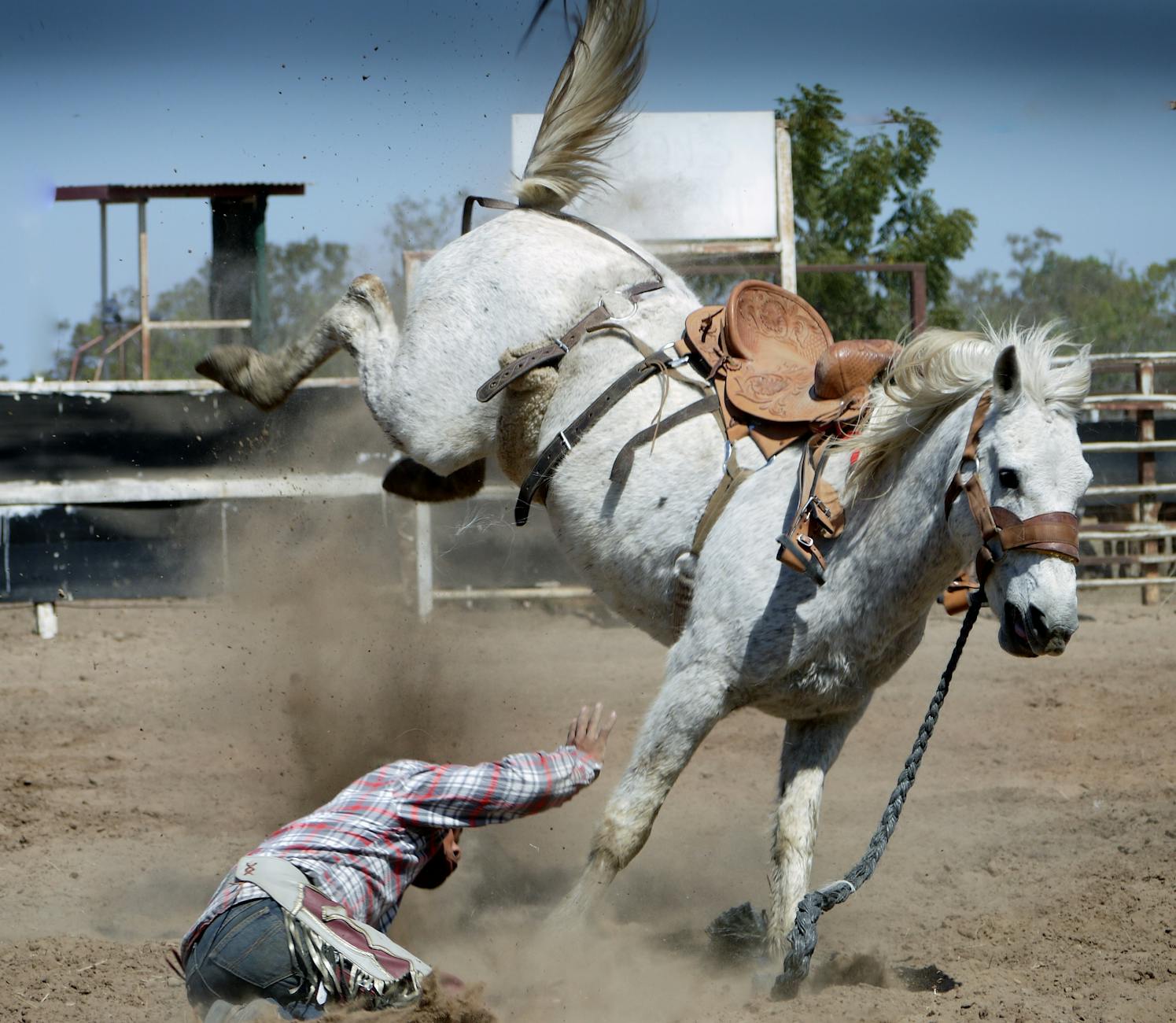
Ranch Hands told stories of Spitfire on the Whispering Pines Ranchโ€”a wild and untamable horse that earned his name with every snort and stomp. Cowboys from every corner of the county had tried to ride him, only to find themselves airborne within moments, landing with bruised pride and sore limbs. Spitfire’s eyes would glimmer with a defiant fire as if daring the next rider even to try.

But one summer day, the world shifted on its axis when a nine-year-old boy named Toby visited the ranch. Toby’s light frame was offset by the quiet resilience of a child who had learned to conquer more obstacles than many seasoned ranchhands. Born with legs that didn’t work like other kids, Toby’s movements were careful and deliberate, assisted by crutches that clinked softly with each step.


Drawn by a gentle breeze and the soft nickering sounds, Toby found himself near Spitfire’s corral. The horse stood apart, tossing his white mane like a storm cloud, eyes wary and sharp. But as Toby watched, something stirred in Spitfire’s gaze; a flicker of curiosity outshone his usual mistrust.


Before anyone could stop him, Toby set his crutches by the fence and used the railings to hoist himself. Spitfire’s ears flicked, muscles tensed, but he didn’t move away. Instead, he watched the boy with an intensity that made time pause.


With tiny movements, Toby approached. He whispered soft words that only the horse could hear, offering no challenge, only companionship. Spitfire took a cautious step forward, then another. The horse’s powerful head bent down a moment later, and his breath warmed Toby’s outstretched fingers.


The ranchhands who came running, yelling warnings, froze as they witnessed the impossible: Spitfire, the proud, untamable beast, knelt in the dust as if making a silent vow. Toby’s smile lit up his face as he settled onto Spitfire’s broad back, and for the first time, Spitfire carried a rider not with rebellion but grace.

They could remember when the horse was born in a south pasture four springs ago and got herded into the corrals for the first time. That someone had got that close and made peace with the critter.


“You couldn’t get close enough to feed him,” โ€“โ€“โ€“ said Harland the leadhand.

“Given how cantankerous he is, how could the kid get that close to him?” โ€“โ€“โ€“ said Orville, an outfitter.

The stunned onlookers could only watch in awe as they moved in perfect harmony. Toby, the boy who faced each day with quiet determination, had found his match in the fierce spirit of a horse that would allow no other. And Spitfire, known for his wild, unbroken heart, found a rider worthy of his trust in a child who saw him as a friend. Not as a challenge. Teaching the ranchhands, as opposed to spurs and whips, a gentle touch can go a long way!

Why Being Different is Special: Spot’s Lesson

A Story By: Benjamin Groffยฉ Groff Media 2024ยฉ Truth Endures

Once upon a time on Cloverfield Farm, there was a little dog named Spot. Despite his name, he didnโ€™t have a single spot on his smooth, white coat. All the other animals had their own unique markingsโ€”some had spots, some had stripes, and even Patch the cat had a patch over one eye. Spot often felt left out, especially when the other animals teased him.

โ€œHey, Spot! Where are your spots?โ€

the goats would bleat, snickering amongst themselves.

โ€œSpot doesnโ€™t even look like a Spot,โ€

the chickens clucked, pecking around the yard as Spotโ€™s ears drooped in embarrassment.

Tired of feeling like he didnโ€™t belong, Spot decided heโ€™d make his own spots. One day, he found some mud by the pond and rolled around in it, making little brown splotches all over himself. He trotted proudly into the barn, thinking he looked just like everyone else.

But the cows mooed with laughter.

โ€œThose spots donโ€™t look real, Spot,โ€

they teased.

โ€œYouโ€™re still plain!โ€

Spot tried again the next day, sneaking into the farmerโ€™s house and dipping his paws in paint from an art set left out on the porch. This time, he dotted his fur with black paint, carefully pressing little paw prints all over his coat. Spot thought he looked quite spotty now, but as he strutted around the barnyard, the animals just laughed louder.

One day, feeling disheartened, Spot wandered to the edge of the pasture and lay down beneath a big shady tree. Just then, a large bullโ€”well, he looked like a bullโ€”ambled over and lay beside him.

โ€œWhatโ€™s the matter, Spot?โ€

asked the bull.

โ€œOh, everyone teases me because I donโ€™t have any spots,โ€

Spot sighed.

โ€œIโ€™ve tried everything to fit in, but they always laugh.โ€

The bull nodded thoughtfully.

โ€œYou know, Spot, they laugh because they donโ€™t understand. And by the way, Iโ€™m not a bullโ€”Iโ€™m a steer.โ€

Spotโ€™s eyes widened.

โ€œA steer?โ€

The steer chuckled.

โ€œYes. I may look like a bull, but Iโ€™m not. And thatโ€™s okay. I learned a long time ago that who you are inside doesnโ€™t need to match what everyone thinks they see on the outside. And it doesnโ€™t have to match what they want, either.โ€

Spot tilted his head, listening.

โ€œYou see, Spot,โ€

continued the steer,

โ€œeveryone has something that makes them different. And sometimes, animals make fun of others because they donโ€™t want their own differences noticed. Itโ€™s easier for them to point at you than to face their own insecurities. But those differences are what make each of us unique.โ€

Spot thought about this for a moment.

โ€œSoโ€ฆ you think itโ€™s okay that I donโ€™t have spots?โ€

โ€œMore than okay,โ€

said the steer with a warm smile.

โ€œYou donโ€™t need spots to be special. Being you is what matters. When youโ€™re proud of who you are, those who tease you may just stop because theyโ€™ll see that you donโ€™t need their approval.โ€

Spot felt something warm and happy inside. For the first time, he realized that maybe being himself was enough.

After that, Spot didnโ€™t roll in mud or try to paint on spots. Instead, he ran and played with the animals, joining in with confidence. He still got a few teasing remarks, but now he just wagged his tail and smiled.

And little by little, the other animals started to see Spot differently. The cows noticed how fast he could run, the goats admired his cleverness, and even Patch the cat stopped by to share stories with him under the big shady tree. Spot was no longer โ€œthe dog without spotsโ€โ€”he was simply Spot, the friend who was comfortable being himself.

And from then on, Cloverfield Farm was a happier place for everyone.

The Pig That Hid Under The Table

By: Benjamin Groff IIยฉ Groff Media 2024ยฉ Truth Enduresย IMDbPro

Growing up, my trips to see my grandparents were always a highlight. We had moved to a farm about forty miles east of where they lived, and at least one weekend a month, I’d take a trip west on the Trailways bus. The bus, winding through the state highways, carried passengers to towns large and small, connecting lives along the way.

Fridays were my day of escape. School let out promptly at 3 PM, and I’d head straight to Mills Cafe to buy my bus ticket for $1. That single dollar bought me a ride and a weekend of stories, comfort, and understanding from my grandparents. After securing my ticket, I’d walk down the street to my dad’s barber shop, four doors from the cafe, to wait. Watching for the bus was a serious affair for me. I kept my eyes trained on the road, anxious I might miss it if I blinked. No bathroom breaks, no distractions. I had a mission: get to my grandparents.

Sometimes, folks in the barbershop would try to chat with me, but I was reserved, even standoffish. Sensing my focus, my dad would beam with pride as he explained to his customers,โ€“โ€“โ€“

“He’s waiting on the bus. He’s off to check on his grandparents for the weekend, ensuring they’re okay!”

The shop patrons would smile and nod, giving me a knowing look and sometimes adding, โ€“โ€“โ€“

“Well, you can’t interrupt a man on a mission.”

But there was another reason I didn’t engage in those conversations. I had a speech impediment that followed me until I was nearly twelve. My words tumbled out wrong, twisted by a thick Eastern accent that stood out in our small Oklahoma town. I’d say “Wooster” instead of rooster or “wise” instead of raise. It sounded right to me, but I was hard to understand to everyone else. My trips to my grandparents were a refuge from the teasing I often faced. They spoke like me, with the same accent, and they took the time to listen.

Bedtime with my grandmother always meant storiesโ€”real ones. One of my favorites was her early days with my grandfather when they lived on a farm in Illinois with his family. Not long after their wedding, my grandfather bartered with a neighbor, offering to harvest an acre of corn for a pig and a cow. The pig was young, newly weaned, and just learning to eat regular feed. The neighbor’s wife, however, was a bit unstable, though harmlessโ€”or so everyone thought.

One afternoon, while my grandfather and his brothers were out in the fields, my grandmother saw the neighbor’s wife marching down the road toward their home. In one hand, she held a knife, her face twisted in rage as she screamed, โ€“โ€“โ€“

“I want my pig!”

My grandmother was still young, not much older than a teenager, and alone in the house. Thinking quickly, she grabbed the little pig, rushed inside, and locked the door behind her. Huddling under the kitchen table, she threw a cloth over the pig, praying it would stay quiet. Outside, the woman’s footsteps grew closer, and her voice turned from angry to menacing.

“I’m going to kill you! I want my pig! Give me my pig!”

The door rattled under the force of the knife stabbing into it, and my grandmother could hear the woman’s curses, slurred with madness. Terrified, she clutched the pig tighter, knowing there was no way she’d give it upโ€”not after my grandfather had worked so hard for it. The pig squirmed in her arms, and she whispered a desperate deal, promising it that if it stayed silent, it would never end up on the dinner table.

The minutes they stretched on like hours. It was sweltering in the kitchen, and my grandmother and the pig were sweaty. The woman outside kept up her assault, pounding on the door and shrieking threats. But the pig, to its credit, didn’t make a sound.

Finally, after an eternity, the woman’s husband happened by in his horse and buggy. He saw her crazed state and managed to coax her away, pulling her back home. My grandmother never saw her again, but for years afterward, she went out of her way to avoid passing that house. And as for the pig? It kept its end of the bargainโ€”staying quietโ€”and lived to see another day, far from the breakfast table.

Hearing that story as a child gave me courage. Just as my grandmother had faced her fear, hiding under a table with a pig, I could face my challenges, too. Whenever I struggled with my speech, I thought of her and that pig. It gave me the strength to keep pushing forward, knowing that silenceโ€”and resilienceโ€”could sometimes be the best defense.

It Was A BedTime Story My Grandmother Would Tell Me, But It Was The Weekend That I Loved To Spend!

By: Benjamin Groff IIยฉ Groff Media 2024ยฉ Truth Endures IMDbPro

It was a bedtime story my grandmother used to tell me when I visited their home on weekends. They lived about forty miles west of the farm we had bought, but they had been farmers in the same area. As they grew older, they sold their place and moved to a larger town, closer to conveniences like supermarkets, doctors, hospitals, and stores. I visited them at least one weekend a month, sometimes more, either hopping a westbound Trailways bus or catching a ride with one of my dadโ€™s friends heading out to Texas. On travel days, I dressed to the nines, careful not to show up looking like a bum, especially since people back then still took pride in looking sharp for such things. Times were changing, though. In the sixties, you started seeing folks on the bus with beads, bell bottoms, and cut-off t-shirts, their hair long, male or female.

I was five years old when I first started traveling with my grandparents, and it became a cherished tradition until my grandmother passed when I was eleven. Even as times changed, my routine remained the same. My grandfather would always park in front of the local drugstore that served as the bus stop in their town. A large courthouse sat in the center of the square, and the bus had to make a loop around it before stopping. The airbrakes would hiss, and I was always be the first one off. The bus driver ensured it, especially since I sat beside him on my suitcase for the whole ride.

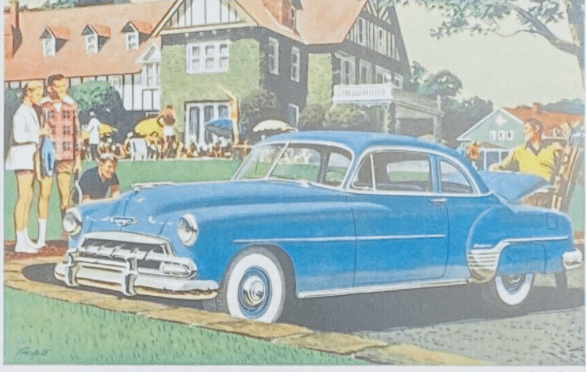
My grandfather, whom I called Pop, would be waiting by the trunk of his 1952 Chevrolet Coupe. As I stepped down those bus steps, the driver would already have handed my suitcase to Pop, who would smile and say, โ€“โ€“โ€“โ€“

โ€œLetโ€™s scoot. Momโ€™s got dinner about ready at home!โ€

And it was home. My home away from home. I often dreamed of moving there, living with them, and even telling them so. I wanted my dad and our horses to come too because, in my childโ€™s mind, my grandparents loved me so much that theyโ€™d love my dad and our horses too.

Pop had a habit of smoking a pipeโ€”or rather, puffing on one. I could spend hours watching him puff smoke into the air in their cozy den. He liked to mix cherrywood tobacco with Prince Albert, and the sweet scent lingered long after he finished, complementing the smells of my grandmotherโ€™s cooking, making you want to eat whatever she was making. There was no television after dinner on most evenings. Instead, weโ€™d listen to the ticking of the clock and talk. It was simple, but those talks meant more to me than the grandest concerts Iโ€™ve ever attended.

There were exceptions, though. Saturday evenings, weโ€™d watch the news, then Lawrence Welk and Porter Wagoner, followed by a local music show hosted by a furniture store owner. But the TV was always off once Pop went to bed. Thatโ€™s when my grandmother and I would click it back on for our secret ritualโ€”watching championship wrestling from Oklahoma City. She loved it, getting so worked up that sheโ€™d tear tissues to pieces while her favorite wrestlers fought. Iโ€™d hand her a new tissue each time she shredded the last one. No one knew about this passion of hers except me, and she confided that she only got to watch wrestling when I visited. It made me feel needed by these two people I loved so much.

At night, I slept on a cot in their bedroom. It was as comfortable as any five-star hotel bed. But before I bedded down, my grandmother would let me crawl between her and Pop in their bed while she told me stories. One of my favorites was when she grew up in East Texas. Sheโ€™d laugh so hard telling it, tears streaming down her face. It always made me laugh, too.

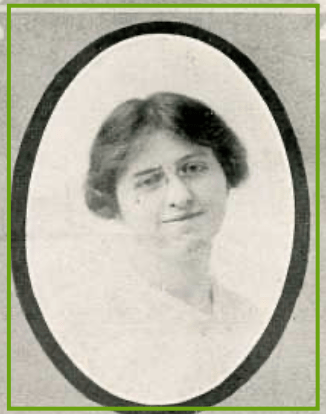
Mom, Florence Lula McElroy, Groff1914

She and her sister Ethyl were watching their little brother, Sam, who had just turned four. The rest of the family worked in the fields when the weather worsened. A funnel cloud was forming in the west, and the sisters, frightened, grabbed Sam and rushed into the farmhouse. Back then, there was no electricity, phones, or fundamental utilities, let alone cars. The girls did the only thing they could think of: they got under the heavy kitchen table, crying as the storm approached.

Not understanding what was happening, Little Sam asked, โ€“โ€“โ€“ โ€œWhat should I do?โ€

My grandmother told him, โ€“โ€“โ€“ โ€œSam, you should pray!โ€

But the only prayer the boy knew was the table grace, so he began, โ€“โ€“โ€“ โ€œDear Lord, we thank you for what we are about to receiveโ€ฆโ€

Thatโ€™s where the story always stopped because my grandmother would laugh so hard she couldnโ€™t go on. I never knew if the house got hit or the storm blew the farm apart. All I remember is her laughter and how Iโ€™d move to the cot, hugging her and giving her a sloppy kiss goodnight.

Years later, I asked my Uncle Sam about that storm. He chuckled and said, โ€“โ€“โ€“ โ€œPots and pans were flying everywhere, and the two sisters were laughing like tea parties. We didnโ€™t lose the house, but it scared me.โ€

Uncle Sam became my favorite great uncle after that.

I loved hanging out with Aunt Ethyl at family reunions. She dipped snuffโ€”real tobacco, not the stuff you see now. Sheโ€™d sniff it and tuck some into her upper lip. I could never keep up with her, and my grandmother would have been after me if she ever caught me trying.

On Sunday afternoons, my dad drove to pick me up from the farm. I was always happy to see him but hated leaving my grandparents. I didnโ€™t want to return to the town near our farmโ€”it was never as pleasant as the time spent with Mom and Pop. When I was five, I never imagined that theyโ€™d leave this world or that Iโ€™d grow up. Life takes the airplane, and time takes the train.

Meeting Mendez

A Story By: Benjamin Groffยฉ Groff Media 2024ยฉ Truth Endures

Ralph and Kevin had been friends for over twenty years, sharing a modest two-bedroom apartment in a cozy part of the city. Both were in their fifties and lived parallel lives, working different jobsโ€”Ralph as a graphic designer and Kevin as a financial advisorโ€”but always finding time for each other. They joked about finding “the one” someday, but their hope had always been tinged with sarcasm. At their age, they felt the ideal guy might never show up.

But then something shifted.

It started on an ordinary Monday morning. They sat at the kitchen table, sipping their coffees, when Kevin casually mentioned he had met someone the night before. “His name is Mendez,” he said, a sly smile across his face. “And Ralph, he’sโ€ฆ everything.”

Ralph’s stomach did a somersault. He had indeed met someone, too. Just last night, after his art gallery event, he found himself in a dimly lit bar, the kind that seemed to exist in a world of its own. And there, perched at the corner of the bar, was Mendezโ€”a man who could only be described as strikingly handsome, with dark eyes that seemed to hold a universe of secrets, a soft-spoken charm that was as disarming as it was alluring, and a smile that could light up the darkest of rooms.

“Funny you say that,” Ralph replied. “I met someone, too. His name’s also Mendez. We hit it off.”

Kevin chuckled, taking a long sip from his coffee. “What are the odds?”

Their conversations in the following days were filled with similar stories of their encounters with Mendez. Kevin would describe how they had shared a romantic evening stroll by the river, and Ralph would excitedly mention how they had gone dancing the same night. Their descriptions of this enigmatic Mendez were eerily similarโ€”his chiseled jawline, his gentle laugh, the way he seemed to know exactly what to say to make them feel like the only person in the room. Yet neither of them suspected anything was off. After all, Mendez was a common enough last name, right?

But as the weeks passed, their mutual friends noticed something strange. At morning coffee with their usual crowd, Ralph and Kevin would each gush about their dates from the night before. They discussed romantic dinners, late-night jazz clubs, and private rooftop moments. Their stories mirrored one another so closely that their friends couldn’t help but wonderโ€”were they seeing the same man?

“Wait a minute,” said Lisa, a close friend, during one of their coffee meetups. “You both met this guy named Mendez? And you’re telling me he took you both to the same jazz club on different nights?”

The group laughed, but the tension between Ralph and Kevin grew. Were they falling for the same guy? They started to second-guess every detailโ€”his favorite wine, his weekend plans, the way he called them “his secret muse.”

Still, neither wanted to believe it. Kevin would ask, “Did your Mendez talk about his job?”

Ralph would reply, “Yeah, he mentioned something about being in real estate.”

“Same here. But, come on, we’re seeing different guys. That’s impossible.”

Finally, the tension reached a breaking point. One Saturday night, the two friends finally agreed to go out together to introduce themselves to their respective Mendez. They picked a lively nightclub known for its cool vibe and easy conversation. Ralph’s heart raced as he considered the possibility of confronting the truth.

When they arrived, they scanned the crowd, both eager and nervous. And then, there he wasโ€”Mendez, standing by the bar, smiling warmly at them.

Only to their utter surprise, there were two of them.

Ralph and Kevin exchanged bewildered glances as the two men, identical except for subtle differences, made their way over. The Mendez brothersโ€”Marco and Luisโ€”stood side by side, charming as ever.

Kevin burst into laughter. “You’ve got to be kidding me!” he exclaimed, his amusement contagious.

Ralph shook his head, grinning in disbelief. “Twins? Really?”

The four sat down, exchanging stories and laughing about the coincidence. As it turned out, Marco had met Kevin at one bar, and Luis had met Ralph at another. They had no idea their new romantic interests were roommates.

It wasn’t the love triangle they had fearedโ€”it was something far better, a delightful twist that brought them closer.

And just like that, Ralph and Kevin realized that sometimes, the universe works in mysteriousโ€”and surprisingly humorousโ€”ways, leaving them and their friends in fits of laughter.

In The Heat Of A Phoenix Stakeout, Two Police Officers Survive The Night By Having Each Other’s Back!

A Story By Benjamin Groffยฉ Groff Media 2024ยฉ Truth Endures -“Heat of the Night”

The sweltering summer heat of Phoenix had already claimed its territory, with temperatures still hanging in the triple digits long after the sun had sunk below the horizon. Officers Danny Vega and Clyde “CJ” Johnson sat in their aging, air-conditioner-less police unit parked under a flickering streetlight in a worn-out neighborhood. Their mission was to monitor the run-down house across the street, where they suspected a group of outlawsโ€”wanted for heinous crimes from murder to rape and child abuseโ€”were holed up.

Vega, a seasoned officer in his mid-thirties, wiped the sweat off his brow and leaned back in his seat.

“Man, it feels like we are cooking in here,”

he muttered, glancing at his partner, who sat silently. CJ, a younger officer relatively new to the force, looked straight ahead, his face a mask of concentration.

The silence between them was thick, palpable, as though the heat had baked it into something more solid than discomfort. Danny had been paired with CJ only a few months ago, and though they worked well enough together, there was a distance, an unspoken tension. Vega was a no-nonsense, street-smart officer who had grown up in Phoenix, and he was not sure what to make of the rookieโ€”an out-of-towner who seemed too clean, too by the book for the brutal reality of their work.

CJ shifted in his seat, his uniform sticking to his skin. He glanced sideways at Vega.

“Think they are really in there?”

CJ’s voice was steady, but the doubt lingered.

Vega shrugged, his gaze never leaving the house.

“I would not be surprised. The word is out on them. They have no place else to hide. This neighborhood – it is the perfect cover. No one asks questions here.”

The hours passed slowly, sweat dripping from their faces and soaking through their uniforms. The house across the street remained dark and silent. The only noise came from the occasional shout in the distance or the hum of insects in the oppressive night air.

At some point, Vega pulled a crumpled cigarette from his pocket. He held it momentarily as if debating whether to light it.

“You smoke?”

he asked CJ.

CJ shook his head.

“Quit a couple of years back. My old man, well, it killed him, so I figured I would try to live a bit longer.”

Vega raised an eyebrow.

“Good for you.”

He tossed the cigarette out the window, respecting the sentiment. It was the most they had spoken since starting the stakeout, but Vega was not about to get personal.

Still, the night stretched on, and there was nothing but the two of them and the quiet of the deserted street. CJ finally broke the silence.

“You ever wonder if this is it? Like sitting here, baking alive, waiting for something to happen?”

Vega snorted.

“All the time. However, it is the job. It is what we signed up for.”

CJ leaned forward, resting his forearms on the steering wheel.

“Yeah, but I did not sign up to just sit and watch while guys like those,” he nodded toward the house, “hurt people and get away with it.”

Vega studied him for a moment, something clicking into place.

“You think I do not feel the same?”

CJ did not respond right away, and Vega continued.

“Look, kid, I have been doing this a while. It eats at one, they know. But rushing in and losing one’s head is how one makes mistakes. And mistakes? One will cost them or someone else their life.”

CJ turned to face him, eyes intense.

“So we just wait?”

Vega’s jaw tightened.

“Yeah. We wait. We stay smart. We stay sharp.”

A crackle of the radio interrupted them. The dispatcher’s voice was hushed but urgent.

“Unit 12, suspects confirmed inside the target location. SWAT en route. Hold position.”

Vega nodded to CJ, who picked up the receiver.

“Copy that. Holding position.”

The tension ramped up as the house finally stirred with movement. Shadows flitted past the windows. The outlaws were inside, and the knowledge settled like a weight between the two officers.

The time they crawledโ€”minutes that stretched into an hourโ€”SWAT was not coming fast enough. Vega kept his eyes trained on the house while CJ’s fingers drummed on the wheel, nerves on edge.

Suddenly, a door to the house slammed open. A figure darted outโ€”one of the suspects, carrying a duffel bag. Without thinking, CJ moved, reaching for the door handle.

“Wait!

Vega hissed, grabbing his arm.

“Let him go. SWAT will be here any minute.”

However, CJ’s body was coiled, ready to spring.

“He is getting away.”

Vega tightened his grip.

“No, he is not. He will circle back. Trust me.”

CJ’s jaw clenched, but he held back, fighting the urge to act. It took everything in him to stay in the car. Seconds later, the figure disappeared into the shadows of the alley.

Vega let out a slow breath.

“Good call, staying put.”

CJ glanced at him, eyes wide with disbelief.

“Good call? He has gone!”

“No,”

Vega said, his voice calm.

“He is not.”

A low rumble filled the air, and CJ turned to see SWAT units pulling into the street, lights flashing, breaking the stillness. Vega gave him a tight smile.

“See? Patience.”

The raid unfolded quickly after that, with the SWAT team storming the house and bringing out the suspects in cuffs. CJ and Vega watched from the sidelines, the rookie still coming to grips with how close he had been to jumping the gun.

When it was over, they sat back in their sweat-soaked seats, exhausted but relieved.

CJ broke the silence again.

“You were right back there. About not rushing in.”

Vega chuckled.

“Guess the old-timer knows a thing or two.”

CJ smiled, the first real smile Vega had seen from him.

“Thanks, man. For having my back.”

Vega nodded.

“You would do the same for me.”

As the sun rose, casting long shadows over the empty street, the two men sat in the heat of the Phoenix dawn, no longer just partners but something moreโ€”a bond forged in sweat, silence, and survival.

Moreover, in that shared quiet, they realized that they had each other’s back no matter what came next.


Potbellied Pig Sheriff Ensures Peace: A Story from Lost Animals Farms

A Story By Benjamin Groffยฉ Groff Media 2024ยฉ Truth Endures

In the small, dusty town of Lost Animals Farms, nestled in the Arizona desert, Sheriff Leroy trotted proudly along, his hefty belly swaying side to side as he made his rounds. With a shiny badge on his chest, a snout that could sniff out trouble from miles away, and a well-worn cop hat resting above his beady eyes, Leroy was the heart of this farm town. The Sheriff’s trusty tool? A yellow Club Cadet golf cart that purred across the dusty paths, a squeaky siren perched on top. At the wheel sat Peppy, a scrappy border collie with a knack for precision driving.

Leroy and Peppy patrolled Lost Animals, a sprawling farm with over five hundred animal residents. From the cows in the meadow to the chickens in the coop, Leroy knew every critter by name, and they all knew Leroy.

“Leroy! Good mornin’!

A sheep called out as the cart hummed past.

“Howdy, Shirley!”

Leroy tipped his hat, his deep voice carrying through the air like a calm breeze.

“Everything good on your end?”

“Couldn’t be better, Sheriff!” 

Shirley baaahed back with a cheerful nod.

Lost Animals Farms had been a peaceful place under Leroy’s watch for years. Every day, he visited homes, ensured the animals were doing fine, and dealt with the occasional squabble over whose turn it was to drink from the watering hole. But today felt different. As Peppy skillfully maneuvered the golf cart down Main Trail, a sense of unease hung in the warm Arizona air.

The call came just after noon.

 Rufus, a frantic rooster, flapped his way to the station, feathers flying everywhere.

Leroy raised his snout from his snack, eyeing Rufus beneath his hat.

“What’s the ruckus, Rufus?”

Rufus crowed, jumping in circles.

Leroy’s small eyes narrowed, his mind racing. Break-ins? CRIME! It wasn’t the kind of thing Lost Animals was known for. Peppy jumped into the cart and started the engine with a low growl. “Let’s roll, Sheriff.”

The cart zipped off, dust kicking up as they sped to the barn. Leroy adjusted his gun belt, making sure his handcuffs jingled in place. Peppy barked at the animals scattering in the path, the word “crime” spreading like wildfire.

When they arrived, the barn doors were wide open. Inside, chaos ruled. Hay bales were scattered, feed buckets overturned, and a shadowy figure rifled through Farmer Brown’s old toolbox in the corner.

 Leroy hollered, his voice booming.

The figure spun around, revealing none other than Slick Ricky, the sly raccoon known for his sticky paws. He’d been caught in minor mischief before, but this was bigger.

Ricky smirked, raising his little hands as he slowly backed toward the barn door.

Leroy wasn’t about to let Ricky get away this time.

With a sharp bark, Peppy sped the golf cart in front of the barn doors, trapping Ricky inside.

Ricky darted left, then right, his beady eyes darting for an escape, but it was useless. Leroy lumbered forward, his massive frame intimidating despite his plump size. He pulled out his handcuffs with a snouty snort.

“Ricky, you’re done here. You’ve caused enough trouble in this town.”

Just as Leroy was about to slap the cuffs on, Ricky dropped a bag of stolen goods and – out spilled carrots, apples, and even some shiny trinkets from the horse stalls.

Ricky sneered.

“Wrong,” 

Leroy said firmly.

“Lost Animals is a peaceful place, and we won’t tolerate thievin’ here.” 

With one quick motion, Leroy cuffed Ricky’s tiny paws.

As Peppy wagged his tail in approval, the animals gathered outside the barn, murmuring. Word of the break-ins had spread fast, and now they watched as Leroy marched the criminal out of the barn and toward the golf cart.

“Good riddance, Ricky!” 

a horse neighed from the crowd.

“About time!” – ย squawked a chicken.

Leroy loaded Ricky into the back of the golf cart, keeping a firm eye on him. As they drove back to the station, Peppy turned and winked at Leroy.

“Another job well done, Sheriff.”

Leroy chuckled, his potbelly bouncing as they cruised down the trail.

“Yep, another day, another collar.”

With peace restored once more, Leroy, the potbellied pig sheriff, continued his patrol, knowing that as long as he was around, Lost Animals Farms would stay safe for everyone who called it home.

The End.

Freddy the Frog: Embracing Adversity with Grace and Grit

A Story By Benjamin Groffยฉ Groff Media 2024ยฉ Truth Endures

Once upon a time, a frog named Freddy lived in a quiet woodland pond nestled at the edge of a neighborhood. Freddy’s life was simple and peaceful. His favorite spot was a cozy little lily pad shaded by tall reeds. Each morning, Freddy would wake to birds chirping, the soft rustle of leaves, and the shimmering sunlight dancing on the water.

That all changed one day when loud machines rolled in, and men in hard hats began building a new home next to the pond. Freddy watched in horror as the construction grew closer and closer until, one day, his beloved lily pad was torn from the water, and the pond shrunk into a muddy puddle.

With his home destroyed, Freddy had no choice but to leave. He hopped through the woods, searching for a new place to live. Days passed, and Freddy grew tired and hungry. Then, just as he was about to give up, he stumbled upon a lush, green golf course. In the middle of a pond sat a large and perfect lily pad, just waiting for a frog like him. Freddy couldn’t believe his luck.

Excitedly, he leaped onto the lily pad and settled in. The pond was clear, the grass was trimmed, and the sun shone warmly on his new home. Freddy thought he had found paradiseโ€”until the first golf ball landed in the water with a loud plop.

Startled, Freddy dove underwater, only to resurface to see a man with a long club fishing the ball out. “Hmm, must’ve sliced it,” the golfer muttered as he walked away.

Freddy shrugged it off and continued his day, but the peace didn’t last long. Soon, more golf balls began raining down from the sky, thudding into the water and onto his lily pad. Some would bounce off with a dull thud, while others would send ripples through the pond, unsettling everything around him.

Every day, Freddy’s new lily pad became a target. No matter how much he tried to ignore the golf balls, they kept coming. He would sit quietly, only to be startled by a ball splashing into the water inches away. Some days, the barrage was so constant that Freddy could hardly rest, his nerves frazzled from dodging incoming projectiles.

At first, Freddy thought about leaving again, but where would he go? The golf course pond was the only place he could find, and despite the constant bombardment, it was still a safe place to sleep. So, Freddy decided to adapt, showing a determination that inspired all who witnessed his struggle.

One evening, after narrowly avoiding yet another ball, Freddy had an idea. He gathered twigs, leaves, and small stones, building a tiny fortress around his lily pad. With each piece he added, the pad grew sturdier, able to withstand the impact of the golf balls.

Days turned into weeks, and Freddy became a master at navigating his chaotic new world. He could now sense a golf ball before it hit, leaping into the water just in time or taking cover behind his makeshift shield. Strangely, he began to enjoy the challenge. The golf balls that once terrorized him now felt like a gameโ€”a test of his agility and wit. His transformation from fear to enjoyment was a powerful testament to the resilience of the mind.

One afternoon, a young boy approached the pond as Freddy sat on his pad, watching the golfers. He had lost his ball, and as he peered into the water, he noticed Freddy sitting calmly on his lily pad fortress. “Hey, look!” the boy called to his dad. “A frog is living here!”

The boy and his father stood by the pond, smiling at Freddy. The father chuckled, “Seems like he’s figured out how to deal with all the golf balls, huh?” His admiration for Freddy’s resilience was evident in his tone.

Freddy, proud of his resilience, croaked contentedly. His new home wasn’t perfect, but he had made it his own. No matter how many golf balls came his way, Freddy the Frog would always find a way to bounce back.

And so, Freddy lived on his golf course lily pad, a small but mighty frog who turned adversity into adventure, embracing his unpredictable new life with grace and grit. His story serves as a reminder that no matter what life throws at us, with resilience and adaptability, we can always find a way to bounce back.

The end.

Where Will An Individual Be When They Get There?

An Insight By Benjamin Groffยฉ Groff Media 2024ยฉ Truth Endures

Gregory Halloway, a man who had spent much of his life navigating a world filled with expectations and routines, found himself unable to shake a persistent question:ย “Do you know where you will be when you get to where you are going?”ย This question, seemingly simple at first, grew more complex and intriguing the more he pondered it.

One morning, he decided to take this question to the streets. He asked his co-workers, neighbors, and even strangers passing by in the park. Everyone offered a different answer, often shaped by their immediate concernsโ€”a promotion, a dream home, or retirement. However, to Gregory, none of their answers captured the depth of what he sought.

As days went by, the question began to evolve. It was not about a physical location or a milestone. Gregory realized he was asking about something more profound:ย the essence of one’s journey in life.ย Did societal pressures predetermine it, or was there a self-will that guided each step? Were people truly aware of where their decisions were taking them, or were they drifting from one event to another on autopilot?

Gregory sat down with an old mentor, Mrs. Callahan, who had always seemed to possess a quiet wisdom. Over tea, he asked her the question. She looked at him thoughtfully and replied,

“Where I am going is not a place on a map but a state of mind. It is peace, it is fulfillment, it is the discovery of who they are beyond the roles I play. The ‘where’ is fluid and shaped by what they are willing to confront within themselves.”

Her answer struck Gregory deeply. Was this the missing piece? Realizing where they are going is not just external but internalโ€”a product of understanding themselves, their desires, their fears, and their drive.

For the next few weeks, Gregory delved deep into his own life, questioning his motivations. Were they truly his, or were they borrowed from the expectations of others? He noticed how often he pursued goals without considering their significance, and how fear and insecurity often dictated his path, steering him away from uncomfortable but necessary choices.

And then, the revelation dawned on him: self-will. The ultimate destination was not just about achieving a tangible goal but about aligning with one’s inner purpose. Gregory’s understanding of life’s journey shifted. It was less about a final destination and more about the transformative process of becoming who one was meant to be.

Gregory returned to his question, but this time, he asked himself:ย 

“Do I know where I will be when I get to where I am going?”

Gregory smiled, realizing he did not need an answer. The beauty of the question was that it forced him to confront the process, not the end. It was a way of understanding that wherever Gregory ended up, it would be shaped by how consciously he lived each moment, how much of his true self Gregory brought into each decision, and how deeply he understood his drive.

The ultimate journey was not about getting to a place but about who Gregory would become.

The World Of One

A Story By Benjamin Groffยฉ Groff Media 2024ยฉ Truth Endures

Tom Richardson awoke one ordinary morning with an extraordinary conviction: he was the sole individual of significance. He did not consider himself to be isolatedโ€”others still surrounded him. However, in his perception, they were merely silhouettes, existing solely to fulfill his desires, frustrations, and caprices. The needs, emotions, and experiences of all others were simply ambient noise, inconsequential to the grand narrative of his existence. In this self-centered realm, Tom stood as the sole inhabitant, a solitary monarch in a realm of his own creation.

Tom was entitled, cutting to the front of lines, talking over people in meetings, and driving through red lights without hesitation. He believed the world should move at his pace, bulldozing through daily interactions with unchecked arrogance.

At work, Tom’s behavior was incredibly disruptive. His coworkers noticed how he monopolized conversations during meetings, often interrupting others and steering the discussions towards his own agenda. He frequently dismissed ideas he did not like, making it challenging for his colleagues to express their opinions freely. Additionally, Tom had a habit of taking credit for work he had not done, which created a toxic environment of mistrust and resentment among the team. His colleague Melissa, in particular, had spent months pouring her energy and creativity into a project, only to watch Tom take the spotlight during the presentation without acknowledging her contributions. Her face burned with frustration and disappointment, but Tom was already basking in the praise, completely unawareโ€”or uncaringโ€”of the hurt he had caused. As a result of his actions, the morale of the team suffered, productivity decreased, and valuable talent began seeking opportunities elsewhere. The tangible consequences of Tom’s behavior were felt deeply by those around him, and the weight of his actions continued to impact the work environment.

  • Outside the office, Tom’s interactions were just as callous. In a crowded coffee shop, he snapped at the barista for taking too long with his order. When the woman in front of him politely asked if she could move ahead to grab her drink, Tom scoffed and said, “Wait your turn, like the rest of us.” It never occurred to him that her child was crying in the car outside or that her day might unravel.

In relationships, Tom’s selfishness is all-consuming. His girlfriend, Kate, was initially patient, excusing his behavior as stress. However, as time passed, she realized that Tom’s wants and needs dictated every conversation, every plan, and every moment they shared.

“Can we ever do something I want?”

she asked one evening. Tom shrugged, dismissing her words as if they were background noise.

“It is not that important,”

he replied, flipping through the TV channels as she sat beside him, feeling smaller every second.

The world began to push back.

  • At work, Melissa and other colleagues stopped inviting Tom to meetings. His input was more a hindrance than a help. Projects moved more smoothly without his constant interruptions. The team thrived in his absence, but Tom remained blissfully unaware, believing that his exclusion was a sign of jealousy or resentment, never his behavior.
  • On the streets, strangers grew cold. People who once offered pleasantries started to avoid him. The barista, usually polite despite his rudeness, began greeting him with silent, stony indifference. Tom, of course, assumed they were having bad days.
  • “Not my problem,” โ€“โ€“โ€“ he muttered each time.

At home, Kate left. Her final words echoed through their now-empty apartment:

“You do not see me, Tom. Tom, never will you see me!.”

Tom stood in the doorway, confused and angry, unable to comprehend why she was so upset. As far as he was concerned, everything had been fineโ€”because everything had always been about him.

However, despite the growing distance between him and the world, Tom did not connect the dots. The problem, as far as he was concerned, was not him. It was everyone else. Why didn’t people understand that he was in charge of his life? Why didn’t they see that his needs were urgent, his time valuable, his presence essential? His self-centeredness was creating a chasm between him and the rest of the world, a gap that was widening with each passing day.

The final straw came one quiet evening. Tom sat in a restaurant, dining alone โ€”โ€“โ€“ a common occurrence now. He waved the waiter over impatiently, complaining about the wait for his meal. The waiter, a man in his late fifties with graying hair and tired eyes, looked at Tom and sighed.

“You are not the only person in the world, you know,” the waiter said softly, his voice edged with exhaustion. “You act like we are all here just for you, but we are not.”

Tom bristled at the remark, ready to retort with something biting to remind the man of his place. However, the waiter’s words hung in the air momentarily, their truth unsettled. The weight of his words, heavy with truth, began to sink in, stirring something deep within Tom.

For the first time in a long time, Tom looked around. The restaurant was filled with peopleโ€”couples sharing meals, families laughing, servers rushing between tables. Each of them had their own stories, struggles, and lives. They were not shadows. They were not here for him. They were living their own lives, just as vivid and real as his.

The weight of it settled on Tom like a cold wave. For years, he had moved through the world as if it were his stage, oblivious to the people around him. He had interrupted their lives, stepped over their feelings, and demanded their attention without a second thought. He had bulldozed his way through, never considering the damage he left behind.

And then, in a moment that would change his life, he saw it. For the first time, Tom indeed saw the world around him, not as a stage for his performance, but as a rich tapestry of lives, each as important as his own.

Tom left the restaurant without finishing his meal, the waiter’s words echoing in his mind. As he walked down the street, past people he had never noticed, a strange feeling stirred in himโ€”something akin to humility, though he would not have called it that. It was a shift in his attitude and his perception of the world.

The world did not revolve around himโ€”it never had. Perhaps, for the first time in his life, Tom realized just how much he had lost because of it.

As just as he did, not expecting for it to happen, Jesus Christ popped in and said he is going to vote for Kamala Harris!

The End

The Man Who Worked Everywhere

A Story By: Benjamin Groffยฉ Groff Media 2024ยฉ Truth Endures

Leroy Jones lived a simple life three towns away from the bustling city where he believed he worked. Each morning, he would wake up at precisely 6:00 a.m., put on his neatly pressed work clothes, and head out the door with his lunchbox. The route was always the sameโ€”past the old gas station, through the sleepy neighborhoods, and over the rickety bridge that creaked with every car that crossed it. Leroy never noticed the subtle changes in his surroundings as he arrived at his “workplace” each day.

But Leroy’s workplace wasn’t just one place. Each day, he entered a different building, convinced it was the office where he had been employed for the last 25 years. On Monday, he might stroll into a bakery, slipping on an apron as if it were the most natural thing in the world. He would knead dough, chat with customers, and even operate the register when needed. The bakery staff never questioned his presence; he was just another part of their daily routine, his dedication to the ‘job’ unwavering.

On Tuesday, Leroy would find himself in a mechanic’s garage, wiping grease from his hands and sliding under cars to fix mysterious engine problems. He’d swap stories with the other mechanics, his laughter echoing through the shop as if he had been working there for years.

Wednesday brought Leroy to an office building downtown. He would sit at a desk, typing furiously at a computer, answering phones, and filing paperwork. The office workers treated him like any other coworker, nodding in acknowledgment as they passed by his desk.

Thursday saw him behind the counter of a small bookstore, recommending novels and arranging displays with a meticulous eye. Customers appreciated his suggestions, never questioning why a man in his mid-fifties seemed to know every book in the store by heart.

By Friday, Leroy had somehow found his way into a local diner, flipping burgers and pouring coffee for the regulars who called him “Jonesy” with fond familiarity. The servers giggled at his jokes, and the manager would give him a friendly pat, grateful for his hard work.

The strangest part was that no one noticed anything odd about Leroy’s ever-changing jobs. It was as if he belonged everywhere he went, seamlessly fitting into each new role without question. And Leroy himself was blissfully unaware of the peculiar situation. He was content, believing he was fulfilling his duties as an employee, no matter where he happened to be.

The only thing that remained constant was the distance Leroy traveled each day. Three towns away, in his cozy tiny home, his family never suspected a thing. They would ask about his day, and Leroy would share stories that seemed to fit together perfectly, a jigsaw puzzle of experiences from countless workplaces. His wife would smile and nod, proud of her hardworking husband, who, in her mind, had always been reliable and steadfast.

But as the weeks turned into months, a subtle shift began. The people in the various businesses Leroy frequented started to notice something odd. The baker couldn’t recall hiring him, the mechanic couldn’t remember his first day, and the office workers had no recollection of his name on the payroll. Yet, none of them could bring themselves to confront him. After all, Leroy was a good worker and brought a certain charm to their lives that they didn’t want to lose.

One crisp autumn morning, as Leroy entered a flower shop he had never seen before, something unusual happened. The shopkeeper, a kind older woman with silver hair, watched him arrange a bouquet with practiced hands. She approached him with a gentle touch, placing a hand on his shoulder.

“Leroy, do you know where you are?” she asked softly.

Leroy paused, looking around the shop as if seeing it for the first time.

“Why, I’m at work, of course,” he replied warmly.

The shopkeeper nodded, her eyes filled with understanding and sadness.

“Yes, Leroy. You are. But perhaps it’s time to go home now.”

Leroy looked at her, confusion flickering across his face. “Home?”

She guided him to the door, her voice calm and soothing.

“Yes, home. Where you’ve always belonged.”

As Leroy stepped outside, the fog that had clouded his mind for so long began to lift. He looked around at the unfamiliar street, realizing for the first time just how far he had wandered. He turned back to the shopkeeper, who gave him a gentle smile and a wave.

Leroy walked slowly back to his car, the pieces of his life starting to come together in a way that made sense for the first time in years. He drove back the three towns to his quiet, tiny home, where his family waited for him, unaware of the strange journey he had been on. As he stepped through the door that evening, a profound sense of peace washed over him. He was truly home, and he knew he would never leave again.

The businesses he had worked at never saw him return, but they never forgot the man who had, for a brief time, been a part of their lives.

And Leroy? He never spoke of those days again, content to leave the mystery behind, embracing the life he had always known, finally at peace with the place he truly belonged.

Winning Big, By Realizing How Not To Spend It – A Jackpot In Vegas

A Story by: Benjamin Groffยฉ Groff Media2024ยฉ Truth Endures

Vernon and Bernice had traveled from Pumpkin Center, Oklahoma, to Las Vegas to attend a conference paid for by Bernice’s employer, the Magic Pipe Copper Company. The company was not involved in magic, pipes, or cups despite its name. Its primary function was to handle hotel bookings, changes, and cancellations. Any calls unrelated to these services got transferred to another company, Heads Turning Company, which was not affiliated with the Magic Pipe Copper Company.

Bernice’s conference was to begin tomorrow, and Vernon had saved for his part of the trip for nearly a year, knowing he would get to go about Las Vegas alone while Bernice attended the conference during the daytime. Bernice had told Vernon that she didn’t mind if he gambled but didn’t want him to go overboard and go broke. He promised her that he would tell her immediately if their finances changed. She told him that if you win something big, it better be enough for us to live forever because the company would probably fire me for it. She was kidding, but Vernon thought she was serious. He had read about a company in Russia that had all but killed an employee who won big in Las Vegas and tried to stay in the USA with their winnings. Vernon was from a small town and never caught on to the more significant influences of life.

As Bernice left for her conference, she kissed Vernon and said,

“You behave today, and we will go to the all-you-can-eat buffet tonight!”

He agreed and returned her kiss. After she left, Vernon hurried around, finished dressing, and checked his cash. He was sure he kept his big bills hidden. Some were in his zipper-hidden belt; some were in his socks under his feet and inside his shoes, and some were in a pocket hidden inside his waistband. Then he had a hundred and fifty folded into a money clip. In his wallet, he kept fifty-ones. To make it look like that was all his money should a robber hold him up. He checked the news for a quick update, and the headlines reported that a horse was blocking Fremont Street near downtown Las Vegas. Suitable for Vernon, he had planned to stay inside the casino most of the morning.

As Vernon left the couple’s hotel room, he double-checked to ensure he locked the room door and had the key card to get back in. Check. Everything was in order. Vernon walked to the elevator and proceeded to the ground floor.

The doors opened onto the Gaming Floor, and one-armed bandits were ringing and rolling, lights were flashing, and loud sounds were banging. All of the attractions caught Vernon’s attention and drew him in closer.

A lady sitting behind one of the machines screamed,

“I just won $1000!” and began jumping up and down.

A man a few rows over hollered,

“I won $100!”

Vernon thought, here I am with my money clip and $150. I have to see what I can win. Vernon sat down, put $20.00 in a slot machine, hit ‘bet everything,’ and rolled suddenly. The screen lit up with “JACKPOT,” and the machine went wild. Nothing came out of the machine, but the sounds were incredible. And people began crowding in around Vernon. People were making all kinds of gestures and comments; Vernon, not knowing what he had just done, said, I don’t know what happened; did I break it? A lady in the crowd said,

“Did you break it? Ha! HE WANTS TO KNOW IF HE BROKE IT”

The crowd erupted into laughter and cheers, their excitement palpable.

The lady replied to Vernon,

HONEY, you didn’t break it. You might have broken the house but didn’t break the machine. You just won a bunch of moneyโ€”from the looks of things, you just won about Fifty Million Dollars!

Vernon was left in a state of shock. How did a mere $20 bill transform into this? And how was he going to break the news to his wife? He still needed to collect the money, but should he? These thoughts raced through Vernon’s mind when a man in a suit suddenly approached him.

Are you the one who played this machine?

Vernon replied,

Yes, I put in $20 and played, and it started doing this.

The man put a key into the machine, printed a paper, and told Vernon to come. The crowd cheered him as he left. The man took Vernon to the Hotel’s office and asked him to be seated. He then told Vernon that he had just won $92 million and asked if he would like that paid out in cash, check, or wired to his bank. The man told him the law requires him to pay taxes on the winnings, which the bank had already performed. That is why he was only getting $52 million. Vernon was speechless. He said his wife was attending a conference and asked if she had to pay her share too, and the man said no, this takes care of everything. Vernon said how about the business that she works for? Will they get any of it like the guy from Russia had to? The man laughed and said no, this is the United States; for now, with our form of government, those things do not happen here. However, if we allow the wrong people into leadership, that could easily change. So be careful of who you support when you go to vote.

Vern told the man he wanted all but twenty thousand deposited in their home banking account and would take the twenty thousand in cash. Vernon liked it in a bag that wouldn’t draw attention. So the man went to the casino and obtained shopping bags for children’s toys. He returned to the office and showed it to Vernon, letting him pick which bags he wanted to put money in. Then, Vernon left carrying twenty thousand dollars out of the office in children’s toy bags. Vernon returned to the hotel room and waited for Bernice to return from her conference.

At 4:00 PM, Bernice returned from her conference. Vernon asked if she was attending the sessions the next day. She said she was. He told her he had seen all he wanted of Las Vegas and was about ready to go home. She suggested he could surely play poker or slots tomorrow, or wondered if he might have lost all his money. Vernon explained he had not lost all his money, but they would be going home with more than they came with, and that is where he wanted to leave it.

Bernice said,


Let me go to the morning session, at least. There will be a bonus for us doing that. Lord knows we can use the money.

Vernon replied

You know we have all the money we need. More than we will ever need.

Bernice suggested he must have fallen and hit his head. Or he had been drinking the tall drinks the bartender was trying to sell because they always needed more cash come payday.

Vernon explained to her that has changed.

Today, Bernice, that all changed. I won a jackpot, and they put $52 million in our checking account and looked in these toy bags. That is the cash I kept for us to go home on.

Bernice nearly fainted as she looked at the cash and suggested he must have robbed a bank. He explained to her he had won on the first spin of the one-armed bandit and showed her a photo of him accepting the winnings at the hotel lobby. She pointed out they offered an increase in comfort for the two to experience, like a suite, free meals, and bar service. They were giving you a complete complimentary setup.

Vernon dryly said โ€“โ€“โ€“

They did, but I told them we already had this one paid for.

Bernice, shockingly looking amazed, โ€“โ€“โ€“

You know they would give you a suite and a nice upgrade for free.

Vernon, in his state of innocence, pleaded โ€“โ€“โ€“

You are the only sweet I want, and I don’t need to upgrade.

Bernice, looking defeated, thinking out loud โ€“โ€“โ€“

What do we need all that money for? You will always need help understanding how to use it.

Vernon agreed with her.

The moral of this story is that the people who win jackpots are rarely the ones who truly have any business access to one.

The Secret of Willow Woods

A Story By Benjamin Groffยฉ Groff Media2024ยฉ Truth Endures

Tommy was a curious little boy who loved exploring. One summer afternoon, he ventured deep into Willow Woods, a place he had always wondered about. As he wandered through the dense trees, he stumbled upon something extraordinary: a hidden community of miniature people no more significant than his pinky finger.

They lived in tiny homes nestled in the roots of trees, complete with a store, a church, and a post office. There were no cars, for they had not mastered making them so small. Instead, they traveled on foot or used small carts pulled by squirrels.

Tommy was amazed and approached cautiously. The miniature people, initially startled, soon realized he meant no harm. Among them was a little person named Nolin, who became fast friends with Tommy. They spent hours together, sharing stories and learning about each other’s worlds.

One day, Tommy had an idea. He brought a toy car from home and showed it to Nolin. The little vehicle fascinated the miniature people. With Tommy’s help, they began to design tiny vehicles that ran on water. Using miniature engines and the natural resources around them, they created a fleet of small, eco-friendly cars.

The community also harnessed wind and solar power to produce electricity. Tiny windmills spun in the breeze, and miniature solar panels soaked up the sun’s rays. The town flourished, becoming a model of sustainable living.

Their actions not only protected their community but also had a positive impact on the environment, inspiring others to follow their lead.

However, Tommy knew he had to keep their secret safe. He feared that if the grown-ups found out, they might destroy everything the miniature people had accomplished. This responsibility weighed heavily on him.

One day, as he was leaving the woods, he overheard some adults talking about expanding the nearby town, which would infringe on the woods. Tommy’s heart sank. He knew he had to act.

Tommy went back to the miniature town and shared his worries with Nolin. Together, they devised a plan. They would build a protective barrier of thorny bushes around the community, making it difficult for anyone to venture close. The miniature people worked tirelessly, and a dense wall of thorns soon surrounded their town.

The adults did start to clear some of the woods, but they stopped short when they encountered the thorny barrier. Declaring it too much trouble, they left that part of the forest untouched.

Tommy was relieved but knew the barrier was only a temporary solution. He solemnly promised Nolin and the miniature people that he would always protect their secret. This promise was not just a word, but a commitment that he upheld throughout his life, visiting them often but never telling anyone about the wonders hidden in Willow Woods.

In the end, there were no winners and no losers. The miniature community continued to thrive, hidden from the world. Tommy grew up, but he always remembered his tiny friends and the promise he made. His word was his bond, shielding the secret community, allowing it to remain a beacon of what the world could beโ€”sustainable, harmonious, and thrivingโ€”hidden safely in the heart of Willow Woods. This story is a testament to the power of promises and the impact of small actions on a larger scale. 

The story would have ended there if not for the promise so many years ago. The one Tommy gave said he would always shield the little people from the significant adults and intruders wanting the land for greed. Tommy, a successful businessman who had made millions in his dealings, bought the little people’s world’s land and built a protective barrier around the property. He then placed the property in a revolving Trust that would remain untouched, assuring the little people’s world would always be safe from intruders. This time, Tommy returned to tell Nolan, now an elder of the community getting to say,

“WE WON!”

The First Man To Buy A Car In Town – The Model T Pioneer of Binger, Oklahoma

A Story by Benjamin GroffยฉII – Groff Media2024ยฉ Truth Endures

He was the first to buy a Model T in a town east of his farm. I am referring to Benjamin Groff I. The guy everyone called “Pop” was my grandfather. He was not a flashy guy. He wasn’t wealthy. He was a farmer on the lower plains who had survived the Dust Bowl and made a living on the scant meager crops that grew in the 1930s; he battled through the shortages of provisions to provide for his family from 1911 to when his wife died in 1975.

Sometime before 1920, he rode a draft (draught) horse to a small town where a horse trader had just opened a Ford dealership. His mission was not to get a car. It was to sell his horse, get items for the farm, and maybe a pony in trade.

My grandfather was a talker just as quick in his elder years. He must have been a whiz when he was young. He could quietly engage you in a conversation and have you change your view on a subject without knowing how or when you did. And he was good at it. He must have done some slick horse trading because he left the Ford dealership with a New Model T, $100, and an unrestricted driver’s lesson.

He was the first to buy a Model-T in Binger, Oklahoma, and drive to a farm West of Eakly, Oklahoma, in Caddo County. His wife, Florence, who everyone affectionately referred to as “Mom,” stepped out of their kitchen door and pouted out,

“Oh Lord, what have you done now, Pop?”

Replying proudly, Pop said โ€“โ€“โ€“

“Ma Ma Mom, I went and traded that dead head for us a motorized buggy and a way to get around where we will be warm and dry!”

News of Pop’s new car spread like wildfire in the countryside. Their kids had already dashed out of the house and clambered into the vehicle. The oldest had sprinted down the road to the neighbors, proudly announcing their newfound ‘riches ‘. As the news rippled from home to home, a sense of shared excitement and anticipation filled the air. Everyone wanted Pop to accompany them for horse trading, to help them secure a car. It was the start of a bustling Spring, filled with shared goals and a united sense of purpose.

The request for bartering went on for months, and finally, Pop had to stop people coming over and say look, I have to get my crops in for the summer; if you want to help me plow my fields and get my livestock ready for sales I will be glad to catch your bartering, but I am so far behind I won’t be able to feed my family. So when do you want to come over? The calls stopped except for one.

A lady named Loranne had six children and was single. The oldest child was a boy about 15, then a girl about 13, another boy about 10, a boy about 8, a boy about 6, and a baby girl about 2. Her husband had died in a farming accident two years ago. She lived alone with them and had no means of support except for the work she took in from neighbors, such as ironing, washing, helping with food, watching children for families, etc.

Loranne said โ€“โ€“โ€“

“If you can help me get a car, I will plant your fields and care for your animals. You won’t have to do anything.”

Pop said to her โ€“โ€“โ€“

“You won’t do no such thing; your two oldest boys and mine and I will get the crops and livestock taken care of; you can help Mom around the house and do whatever you need for your home. You take care of your children!”

Loranne was grateful for the opportunity and agreed to begin working bright and early the following day.
Pop’s farm, once a quiet expanse of land, now buzzed with life and activity. Loranne’s boys, alongside Pop’s children, worked tirelessly in the fields. Their laughter and shared experiences brought a renewed sense of hope and camaraderie to the farm. Under Pop’s wise guidance, the boys learned the intricacies of farming, infusing the farm with fresh energy and determination. The farm had transformed into a vibrant community hub, a testament to the power of collaboration and shared goals.

Mom and Loranne quickly formed a close bond. While the boys were out in the fields, the women would work together in the house, preparing meals, mending clothes, and sharing stories. Mom’s gentle nature complemented Loranne’s resilience; together, they created a warm and welcoming home for all the children.

Days turned into weeks, and the farm began to flourish. Pop and the boys plowed the fields and planted the crops, and the livestock was well cared for. The hard work and cooperation paid off, and the farm soon thrived once again. Pop kept his promise to help Loranne get a car. After a successful summer harvest, he took her to the Ford dealership, and with his keen negotiating skills, he secured a reliable Model T for her and her children.

The day Loranne drove her new car back to her home was a moment of triumph for everyone involved. The children cheered and joy filled Loranne’s eyes as she thanked Pop and Mom for their generosity and support.

Pop smiled and said, โ€“โ€“โ€“โ€“
“We’re all in this together, Loranne. That’s what neighbors are for.”

As the years passed, the bond between the two families grew stronger. The children grew up, and the farm continued to prosper. Pop’s act of kindness had a lasting impact, changing the lives of Loranne and her children. It also brought the community closer together. His legacy of compassion, hard work, and generosity lived on through the stories passed down by those who knew him, a beacon of hope and inspiration for future generations.

And so, the tale of Pop, the first man in town to buy a Model T, became more than just a story about a car. It was a testament to the power of community, the strength of the human spirit, and the enduring impact of one man’s kindness.