
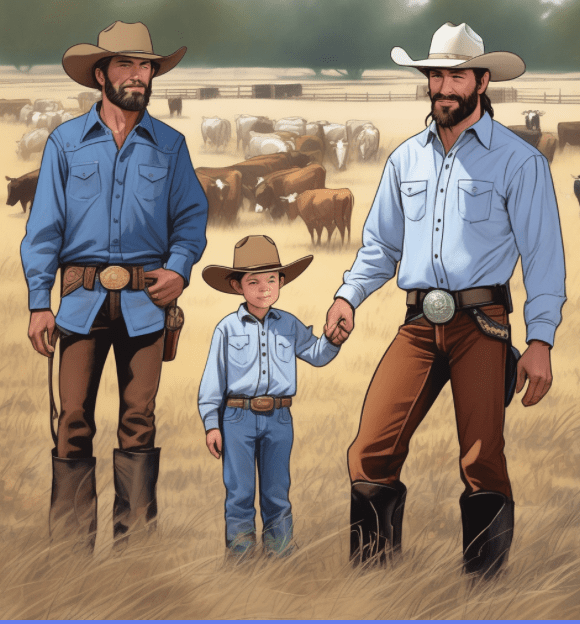
George was a happy-go-lucky sort of kid. His father raised quarter horses, and together, they were buddies. They go nearly everywhere together. George and his father’s friend Maynord, an older gentleman, probably a few years older than George’s father, spoiled George, treating him especially grandly. George didn’t emphasize the letter ‘s’ in some of his words, and some words he would say might need to be clarified. His father was known as a horseman and stern man, yet respected by most people, eyebrows raised to the bible-toting folks.
Maynord had a grown daughter who had already left home, but he and his wife had never had a son. With George, Maynord had the time of his life. As did George. The two were better buddies than Maynord, and George’s father became. But George would never say that to his father. Maynord treated George to parades, cheeseburgers, and ice cream cones and even got him a dog. George named the pooch, Ryder after Maynord’s last name.
The two looked forward to Friday and Saturday nights. That is when George’s dad would take George and Maynord to auction barns in nearby cities where horses were sold. There, they would watch the many horses come through the sale ring, and the owners talk them up, saying how great of an animal the horse is, and try to sell it for top dollar. Of course, George’s father had always arrived before the auction to watch the horses lead in so he could see how they handled it and whether they were challenging to work with in getting to holding pens. He could also see if any auction workers tried to ride the horses before entering the sale ring and if the horses handled well. There were always little mishaps in the sale ring, a rider losing his grip and falling off, or a horse doing what the owner said it would not do. Or donkeys would be brought in, which always made George and Maynord laugh. They would jokingly suggest George’s father buy several to go with his quarter horses. The biggest thrill of the sales barn adventures was the cafe located within; that is where, halfway through, George and Maynord would slip away and eat cheeseburgers and drink soda pop.
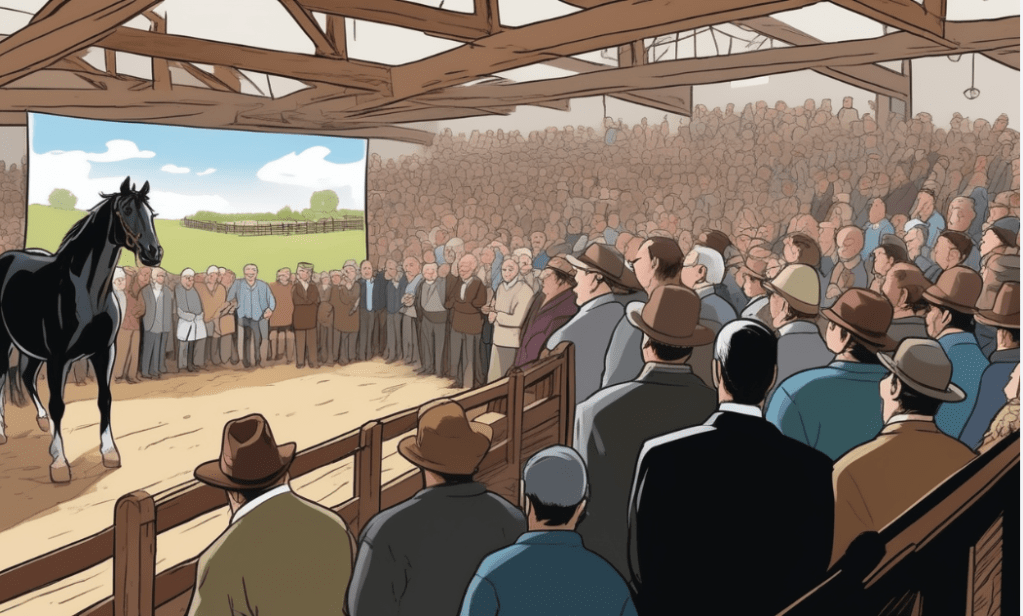
The horse sales, as George and his father referred to them, caused the problem. Maynord didn’t help with the situation because he referred to the auctions as horse sales. And he had never referred to the auctioning of horses as anything else.
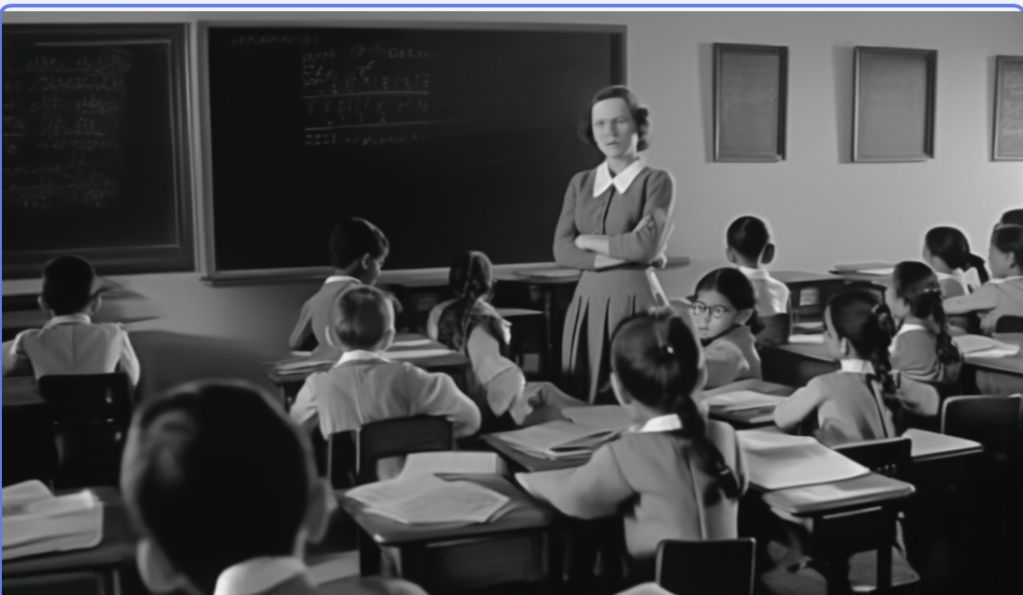
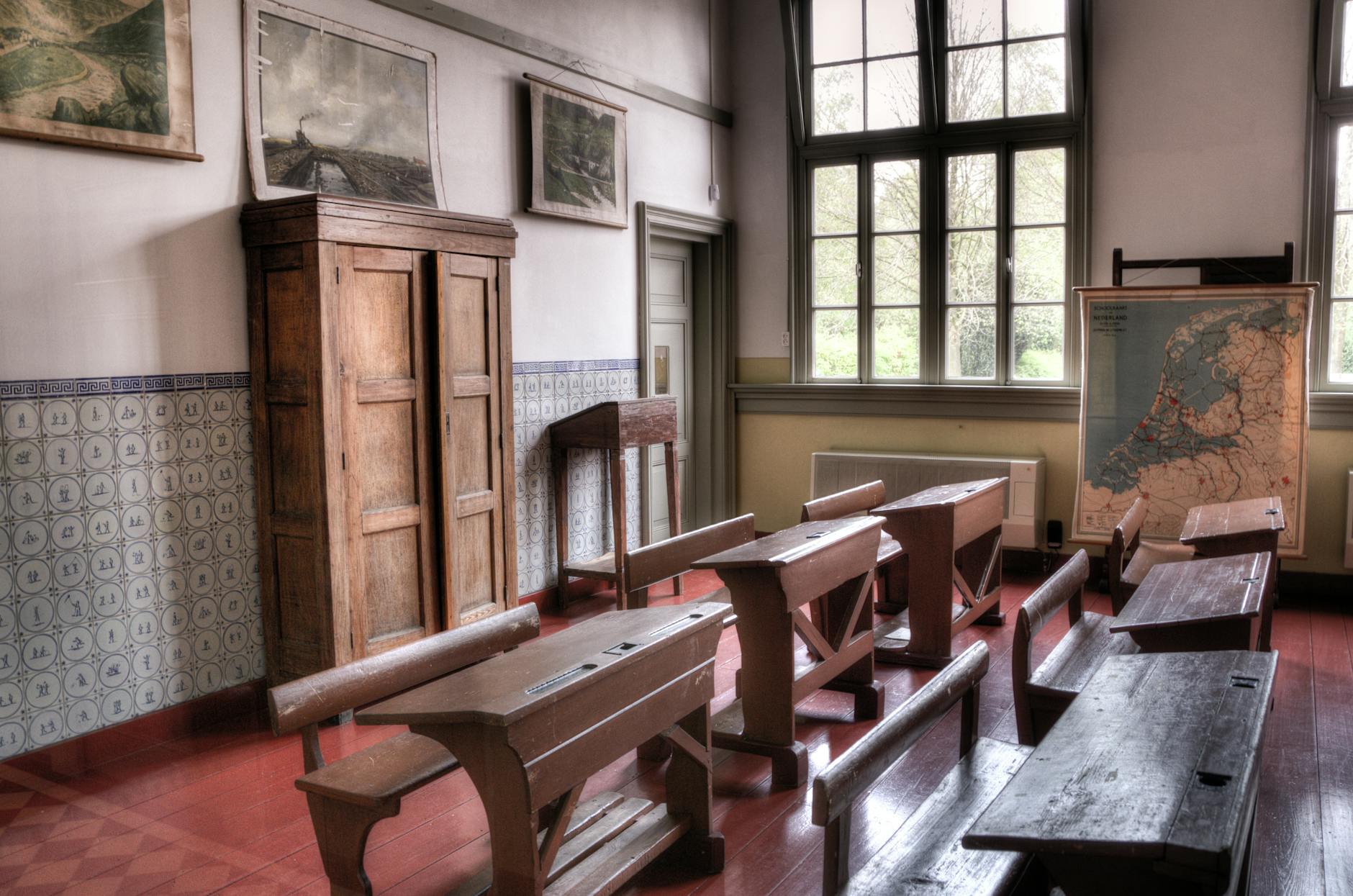
It was in the classroom one Monday morning when the third-grade teacher asked the class for each student to stand and say what the most fun activity they took part in over the weekend was. The town had just had a fair, and the teacher expected the students to explain their actions while visiting the celebration. And that is what the students did until coming to George.
George stood and said –––
“My dad and our friend Maynord took me to the city horse sale, and my dad bought two.
While George was speaking about horses, the teacher heard ‘whore sale.’
The teacher said –––
“George, you went where, and your dad what?”
George replied –––
“My dad took me to a horse sale and bought two. His friend Maynord helped with one of them. They made me watch from the pickup.”
The teacher, turning pale, said –
“George, stop talking; that is enough! Class, that is enough of what we enjoyed this weekend. I will have George explain what he did to the principal.”
George was perplexed. Hasn’t anyone ever watched a horse being sold and loaded into a livestock trailer? Why would the principal need to hear about it? Indeed, he knows about people selling horses.
In the office, the principal was being informed by the teacher about what she had heard and how terrible it was that this father and his friend had taken an 8-year-old boy to whore house and had him watch the goings on with two women. The principal then asked George what exactly did you say to your teacher?
Which George explained –––
“I just told her ––– My dad, Maynord, and I went to a horse sale, where my dad bought two horses. They made me get in the pickup and watch them while loading the horses so I wouldn’t get hurt or in the way. There have been days, I have even held on to some guys horse when he had too many to handle. But I didn’t get to explain it in such detail because the teacher told me to stop talking before I could tell more about what I was talking about. We go to horse sales every weekend. I don’t know what the big deal is!”
The principal and now the school’s superintendent were both in the office. Their faces were beet red, and they were trying to keep from laughing. The teacher, now understanding the situation, felt overreactive and apologizing.
Meanwhile, George is confused and asks everyone in the room –––
“Haven’t you all ever heard of horse sales? Horse sales? Horse Sales! A Place where a man can sell his horse? My dad, Maynord and I go to them every Friday and Saturday night, you should come with us and see what it is all about. If you get bored with the horse sale, you can get a cheeseburger, as I sometimes do. I don’t understand what this is all about just because I told my story about going to the horse sale with my dad and Maynord.”
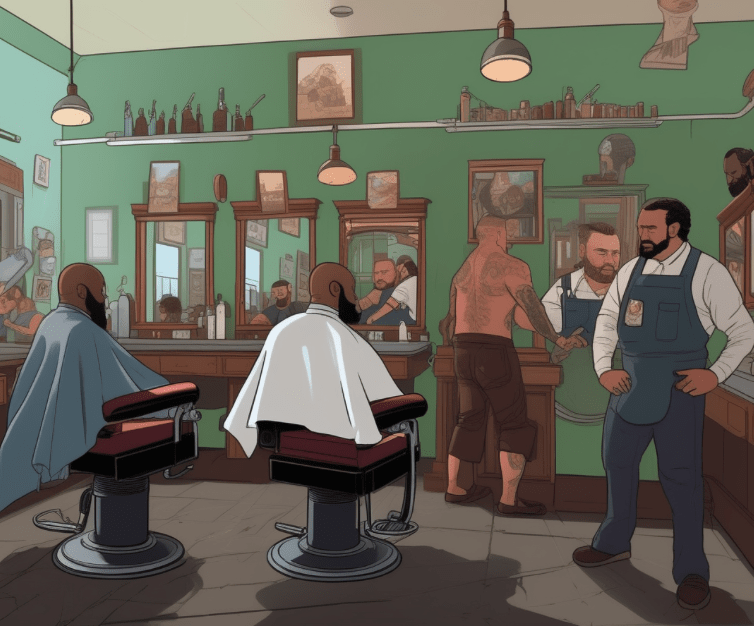
George’s dad, the town barber, was called and told of the situation. He later held court in his barber’s chair with his shop’s regulars. There, they had the bursts of laughter the school officials experienced.
Leaving the office, it was the loudest laughter George can ever remember hearing to this date. It wasn’t until he was older did he understand the rhyming of the words between horse and whores and how it could sound to others when saying to them –––
“You are headed to a horse sale to see what you can find.”




 benandsteve.com