When Ghosts Were Celebrated in Homes

By Benjamin H. Groff II

2–3 minutes

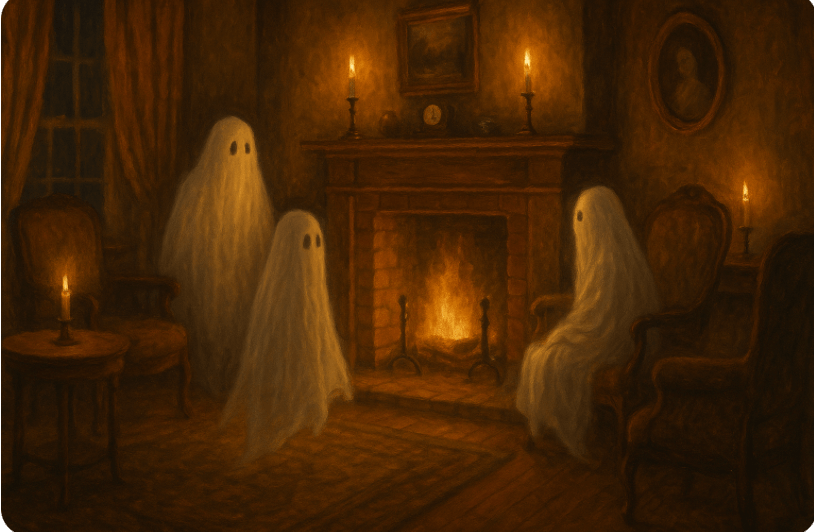
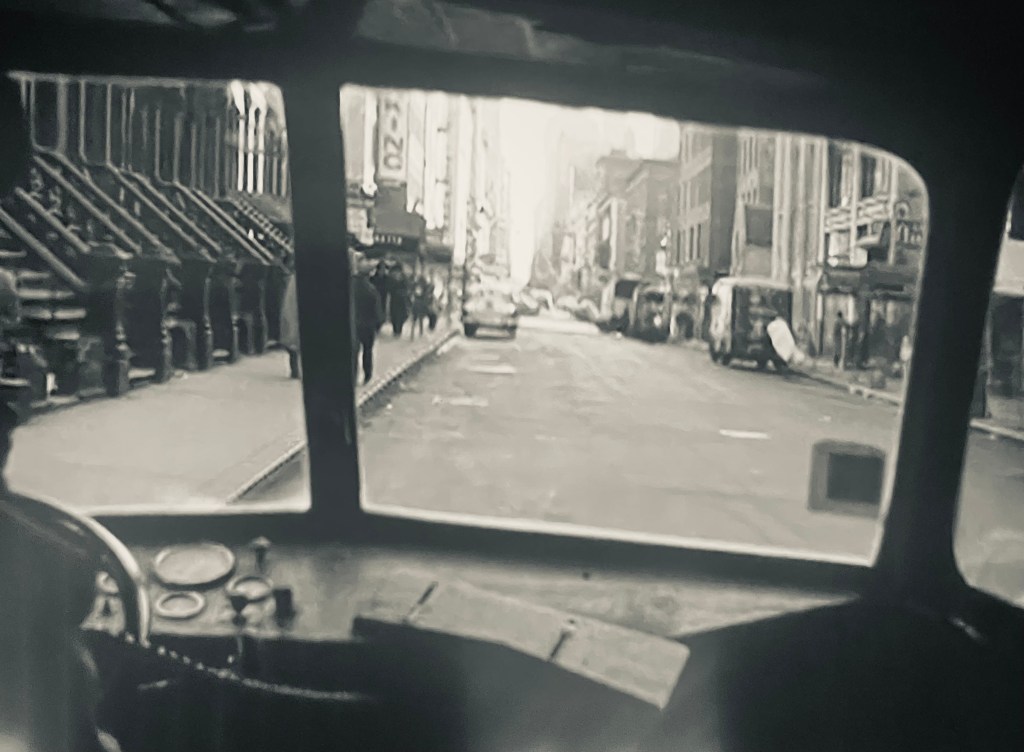
There was a time when ghosts were not feared, but welcomed. Long before the plastic skeletons and fog machines, the presence of the departed inside a home was seen as sacred. It was viewed as even comforting. Hollywood later turned spirits into screams.

In old America, the line between the living and the dead was not sharply drawn. Much earlier in Europe, this line was also blurred. Families left chairs empty at the table for those who had passed. Candles flickered in windows not to frighten away spirits, but to guide them home. A draft whispered through the house. The hallway creaked, or the boards settled. These sounds were spoken of with gentle reverence: “It’s only Mother checking on us.”

Autumn, of course, was the favored season for such visitations. The harvest was done. The air turned cool and thin. This is a time believed to make the veil between worlds soft as gauze. Many homes, especially in rural places, held small gatherings to honor those who came before. Food was left out overnight. The family Bible was opened to the names of the dead. In some corners, the very hearth hosted a spirit or two. They lingered close to the warmth that once gave them life.

Ghosts were part of the household, not intruders. They were reminders — that life continues, even in unseen ways. The wind brushing the curtains or the rocker swaying gently on its own didn’t make people scream. They didn’t call for help. They smiled. They believed their ancestors had found their way home.

It wasn’t until the age of electricity and industrial noise that ghosts were driven out — or at least, ignored. Modern light replaced candlelight, and superstition was traded for science. Yet, as every October rolls around, the scent of woodsmoke returns to the air. We still sense something ancient moving among us. Maybe that’s why we decorate with skeletons and glowing pumpkins — a way, even now, to say: we remember you.

So the old ways weren’t so strange after all. Maybe ghosts were never meant to be feared. Maybe they were simply waiting to be invited back in.


© Benjamin H. Groff II — Truth Endures / benandsteve.com

Winning the Battle for Health, Security, and Equality in America

By Benjamin H. Groff II

3–5 minutes

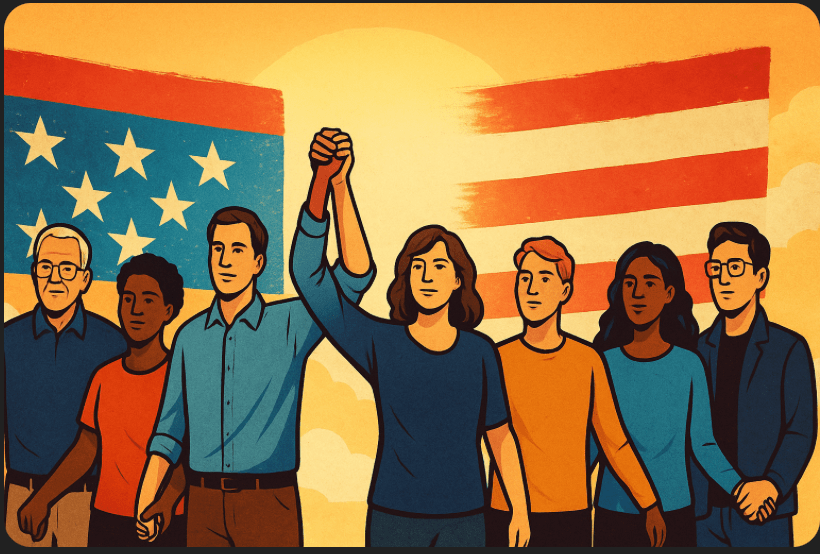
We are living in a time when critical issues are being tossed around like poker chips in Washington. These include health care, Social Security, disability support, and the rights of the LGBTQ+ community. The game has gotten meaner, the stakes higher, and the players more reckless. But if history teaches us anything, it’s that ordinary Americans can outshine the biggest machines of power. They can outlast them when they work smart and stay focused.

This isn’t about red or blue. It’s about who gets to live with dignity and who doesn’t.

1. Protecting What We’ve Paid For

Let’s start with the basics: Social Security and Medicare are not entitlements—they’re earned benefits. Working Americans paid into them every payday of their lives. Yet, each election cycle, someone in Congress floats the idea of “sunsetting” or “restructuring” them. That’s political code for cutting.

The smart move? Make every elected official—Republican or Democrat—go on record promising no cuts to Social Security and Medicare. It’s a winning issue across party lines because nearly every voter depends on it, or soon will. The average monthly advantage for retirees is about $2,000. You can’t afford to lose that—and neither can your parents.

2. The Health Care Frontline

Medicare drug price negotiations are already law, and they’re starting to bite down on Big Pharma. Those savings need to be expanded and defended. Keep the issue local—talk about your neighbor’s insulin cost, your pharmacy’s long lines, and your doctor’s limited hours. These stories hit harder than any campaign ad.

If you live in a state that still refuses Medicaid expansion, that’s another battle worth fighting. States like Oklahoma and Missouri proved that when citizens put Medicaid expansion on the ballot, it wins—even in conservative territory. It keeps rural hospitals open and saves lives. Simple as that.

3. Disability Rights Are Human Rights

For millions of Americans, especially seniors and people with disabilities, Medicaid is the real safety net. It funds long-term care, home health aides, and community services. Most people don’t realize that these programs face constant threats. This occurs at both the state and federal levels.

It’s time to make disability policy visible again. Discuss the waiting lists. Talk about the family caregivers working without rest. Tackle the closures of group homes that once kept people safe. Every one of those stories is a vote for compassion and common sense.

4. Standing Up for the LGBTQ+ Community

Across the nation, hundreds of anti-LBGTQ+ bills have been introduced under the banner of “protecting children.” But what they really do is threaten the safety and rights of already vulnerable people—students, families, and workers.

The answer isn’t more shouting matches. It’s telling real stories. These are parents who want their trans kid to live without fear. There is a teacher who wants to keep their job. Or a couple wants the same hospital visitation rights as anyone else. When the conversation becomes personal, hearts shift—and politics follows.

5. Building Alliances That Win

You don’t win these battles alone. You build coalitions that surprise people. Seniors and veterans defend Social Security. Small business owners back drug price reform. Nurses and church groups advocate dignity in care. That’s how movements grow—through unexpected allies who realize they’re all fighting for the same thing.

The revisionist thrives on division. A winning strategy thrives on unity.

6. How to Get Loud, Smart, and Effective

  • Use your voice locally. County health boards, school boards, and hospital districts make real decisions about care and coverage. Attend those meetings.
  • Tell your story. A 30-second video of your experience with health care or benefits will reach more people than a dozen speeches.
  • Learn it. Agencies post new rules all the time—public comments matter. Gather friends, go to Regulations.gov, and leave thoughtful, factual remarks. Bureaucrats read them.
  • Stick to clear messages:
    • “Protect what we’ve paid for.”
    • “Keep care close to home.”
    • “Freedom to make personal medical decisions.”
    • “Dignity for every family.”

7. The Bottom Line

The fight for affordable health care, strong social programs, and equal rights isn’t about party loyalty—it’s about survival. You can’t eat ideology, and you can’t pay for prescriptions with political slogans.

The people who built this country deserve to live out their years in peace, not fear. The next generation deserves to inherit something more significant, fairer, and more human.

That’s how we win. We don’t hate what’s broken. Instead, we protect what still works. We fight like hell to fix what doesn’t.


© Benjamin H. Groff II — Truth Endures / benandsteve.com

Carol Jane “Penny” Pence Taylor * May 11, 1929 – November 4, 2025

2–3 minutes

Groff Media ©2025 benandsteve.com Truth Endures


Carol "Penny" Pence Taylor
Carol Jane “Penny” Pence Taylor

We are deeply saddened to announce the passing of Carol Jane “Penny” Pence Taylor. She was born on May 11, 1929, and passed away on November 4, 2025. Penny was a pioneering American swimmer, Olympian, mentor, and coach. She was also a beloved figure in the sport of swimming. She died in New Orleans, Louisiana, at the age of 96. 

Life & Accomplishments

Penny Pence was born in Indianapolis, Indiana, and as a young woman rose to national prominence as a breaststroke specialist. She represented the United States at the 1948 Summer Olympics in London. She competed in the women’s 200-metre breaststroke at the age of 19. 

In that era, women’s competitive swimming was still evolving. Swimsuits were made of cotton. Goggles were not yet in regular use. Lane lines and pool technology were far less advanced than today. As noted in

Beyond the Olympics, she achieved multiple national titles in breaststroke and medley relay events. At the 1951 Pan American Games, she won gold in the 3×100 m medley relay. She also secured bronze in the 200 m breaststroke. Which is noted in Olympedia+1

After her competitive career, Penny turned to coaching and leadership. She spent more than three decades as a swim coach in the St. Louis area. She served in various roles with U.S. Swimming organizations. She was a team leader at the 1984 and 1992 Olympics. She worked as a deck marshal at the 1996 Games. She was also the chef de mission at several FINA World Championships. Her backgrounds are well documented on Wikipedia

Legacy

At the 1951 Pan American Games, she won gold in the 3×100 m medley relay. She also secured bronze in the 200 m breaststroke.

Penny Pence’s legacy lives on in many ways. She helped lay the groundwork for women’s competitive swimming in the United States. Her efforts bridged the post-war era into the modern age of the sport. Her dedication as an athlete, coach, administrator, and mentor touched countless swimmers. She had the rare perspective of having raced in the era when the butterfly wing-style was emerging in breaststroke events. Later, she guided new generations. 

A Life Remembered

Penny was admired for her determination, her attention to detail, and her lifelong commitment to the sport she loved. She stayed involved with swimming well into her later years. She attended major events. She offered counsel and shared stories of an era when competitive swimming was very different from today. 

You will find many references to her through Swimming World Magazine

In Tribute

A private celebration of her life is being planned.

Her family requests donations in her name instead of flowers. These can be made to a local swim club. Alternatively, they can be directed to a scholarship fund supporting young swimmers.

Her memory reminds us of the value of perseverance, service, and passion for the sport.

Penny Pence has left the pool. Still, her ripple effect continues in the lanes. It also continues in the lives of all whom she touched. She will be deeply missed and fondly remembered.


A service provided by By Benjamin GroffMedia© | benandsteve.com | ©2025 

🐕‍🕯️ The Legend of the Kyrkogrim — Sweden’s Black Guardian of the Church

By Benjamin H. Groff II | Truth Endures | The Story Teller

2–3 minutes

Tales are whispered across the cold stones of Scandinavia. They speak of an “evil dog” that once haunted the churches of Sweden. But those who truly know the legend say the creature was never evil at all. It was the kyrkogrim — a guardian spirit born not of sin, but of sacrifice.

A Dog Buried Beneath Holy Ground

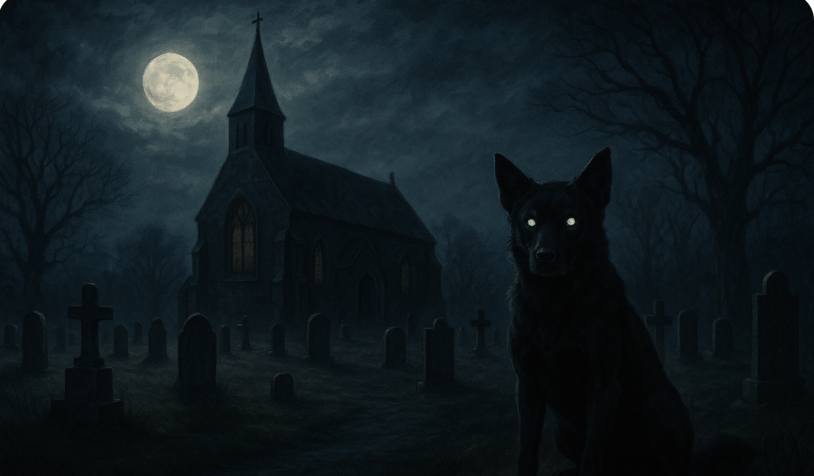
In the centuries when churches first rose across the Nordic lands, builders followed a chilling custom. To guarantee their new sanctuaries would stand against evil, they buried a living creature beneath the cornerstone. This creature was often a black dog. Its final, terrified breath was thought to bind its soul to the ground, forming a spiritual sentinel.

That spirit became the kyrkogrim: the Church Grim. It was always black as midnight. It was condemned to patrol the churchyard. Its duty was to watch over the graves and keep the devil himself from defiling holy ground.

The Protector and the Omen

By day, the kyrkogrim was invisible. But when night fell and candles flickered low, villagers spoke of seeing the great black hound. It was pacing near the church doors. Its eyes glowed like coals in the dark. It was said to snarl at grave robbers and frighten off witches. Yet, for all its protection, it carried a darker burden.

To see the kyrkogrim was to get a warning. The watcher’s death, it was said, would soon follow. The same spirit shielded the church from evil. It also bore the scent of the grave. This grim paradox kept villagers both thankful and fearful of its presence.

The First Soul of the Graveyard

Long before Christianity spread through Scandinavia, ancient peoples offered animal sacrifices to bless new structures and sacred sites. Early Christian builders, inheriting these customs, altered them to fit their faith. The dog buried beneath the first church became “the first soul” in the graveyard. This ensured that no human would have to linger eternally as the church’s guardian.

Thus, the kyrkogrim was not a monster. Instead, it was a martyr. It symbolized the uneasy blend of pagan ritual and Christian devotion. It was the bridge between two worlds: the old gods of the land and the new God of the heavens.

Echoes Through Time

Even today, stories of the kyrkogrim persist in Swedish folklore. Some say the black dog still walks among the headstones on stormy nights, especially near churches centuries old. Others claim that every church has its own silent watcher — unseen, but always there.

What began as a superstition has evolved into something deeper. It reflects the human need to guard what we hold sacred. The kyrkogrim, once buried in darkness, lives on in story — a faithful spirit that never abandoned its post.


By Benjamin GroffMedia© | benandsteve.com | ©2025 

What Is Antifa And Do You Belong To It?

3–4 minutes

Antifa, short for “anti-fascist,” is a decentralized, far-left political movement that opposes fascism, racism, and other forms of far-right extremism.

It is not a single, unified organization with a national leader or headquarters. Rather, it is a loose network of autonomous local groups and individuals. They share a common ideology. 

History

  • European origins: Modern anti-fascist movements have historical roots in early 20th-century Europe. Groups like Germany’s Antifaschistische Aktion fought against rising fascism and Nazism in the 1920s and 1930s.
  • American development: In the United States, groups like the Anti-Racist Action (ARA) influenced the modern movement in the 1980s. They confronted Neo-Nazi skinheads at punk rock concerts.
  • Resurgence: Antifa gained significant public attention and saw a revival in activity after the 2016 U.S. presidential election. This was especially true during clashes with far-right groups. These occurred at events like the 2017 “Unite the Right” rally in Charlottesville, Virginia.

Beliefs and ideology

  • Anti-authoritarianism: Adherents subscribe to a range of left-wing views. These include anarchism, socialism, and communism. They hold anti-authoritarian and anti-capitalist positions.
  • Direct action: The movement prioritizes direct action over electoral politics. They believe it is necessary to disrupt what they see as hateful and oppressive activities. These disruptions are crucial before such activities can grow.
  • Confrontation: Supporters believe that hate speech is not free speech and advocate for the active suppression of fascist organizing efforts. 

Tactics

Antifa tactics range from nonviolent to militant and vary widely among autonomous groups. 

  • Nonviolent techniques: These include community organizing, publicizing the activities of far-right groups (“doxing”), and distributing flyers.
  • Militant techniques: Some adherents use confrontational tactics, including physical violence and property damage, which critics condemn as counterproductive and dangerous.
  • “Black bloc”: During protests, some activists engage in “black bloc” tactics. They dress in all black with their faces covered. This is done to keep anonymity and solidarity.

Controversy and criticism

  • Terrorist label: For several years, President Donald Trump has said he would label Antifa as a terrorist organization. As recently as September 2025, he reiterated this stance. Still, legal and civil rights experts have stated such a designation would be unconstitutional. They argue it is challenging to apply to a decentralized movement rather than a structured group. Former FBI Director Christopher Wray has also described it as an ideology rather than an organization.
  • Use of violence: Antifa’s use of violence has been condemned by both Republican and Democratic politicians. Some critics draw false equivalencies between Antifa violence and far-right extremist violence.
  • Misinformation: The movement has often been the topic of persistent disinformation campaigns. Right-wing groups and social media accounts promote false rumors and hoaxes about its activities. 

Right now in U.S. politics, “Antifa” is not a formal organization. Instead, it is a loosely applied label meaning “anti-fascist.” It refers to people who oppose far-right extremism. In recent years, some political figures have used the term as a catch-all. Donald Trump is included among those who use it this way. They apply it to anyone who protests or opposes their policies. That means the word is often used more as a political weapon than a precise description.

If someone opposes the GOP or criticizes Trump’s policies, that alone does not make them “Antifa.” Certain media outlets or political figures call them that. It’s a rhetorical strategy to stigmatize opposition. This labeling is not a reflection of an actual membership or affiliation. Historically, in the U.S., dissent against a party or president has always existed without being automatically labeled as extremist.

So, in short: at the “current rate” of framing, you are called Antifa if you oppose Trump. Nonetheless, that’s a label applied by others. It is not an actual classification or legal designation. It’s essential to recognize the difference between rhetoric and reality.


By Benjamin GroffMedia© | benandsteve.com | ©2025 

Why Language Choice Is Crucial in Events

3–5 minutes

(inspired by Daria Knupp’s piece at Personify)

We all know words can inspire, connect, and excite—but they can also alienate, offend, or sound tired. Daria Knupp, Sr. Content Marketing Manager at Personify, recently published a thoughtful article. It lists 10 words and phrases we should stop using in the events industry. We should consider avoiding them everywhere. Her list stopped me in my tracks—and it will surprise you, too.

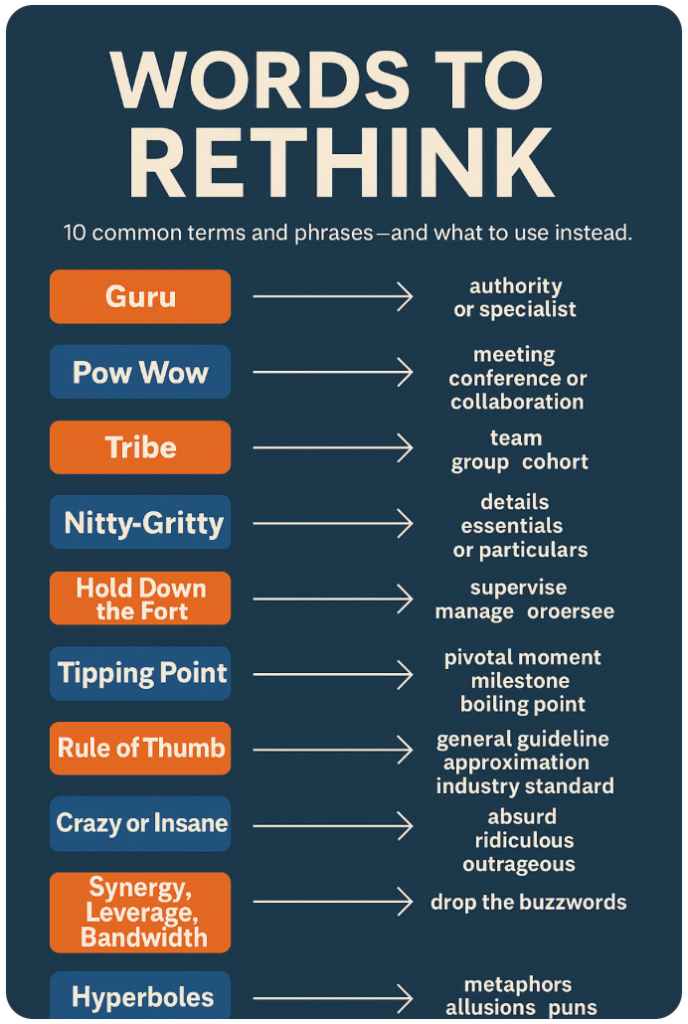
We use these terms often at conferences, in meetings, and in our everyday work to convey intelligence, wit, and creativity. Nevertheless, some have roots in stereotypes, outdated social theories, or even deeply offensive historical contexts. Here are highlights from Knupp’s list. I also include my own reflections on why they matter. Additionally, I explore how we can do better.

  • “Guru” Originally, the title of the highest spiritual leaders in Hinduism and Buddhism. Using it casually—“event planning guru”—can trivialize a sacred role. Try “expert” or “specialist” instead.
  • “Pow Wow” is not just a “quick meeting.” It’s a sacred Native American gathering of community and celebration. Try “meeting” or “collaboration.”
  • “Tribe” is often used to describe a network or support, but it is tied to outdated and harmful stereotypes. Swap in “team,” “group,” or “cohort.”
  • “Nitty Gritty” Commonly meant “the essentials,” but it was rooted in references to the slave trade. Use “details” or “essentials” instead.
  • “Hold Down the Fort” Seems harmless, but it was initially tied to colonial conflicts with Native Americans. Consider “supervise” or “manage.”
  • “Tipping Point” was popularized by Malcolm Gladwell, but historically referred to racial “thresholds” in neighborhoods. Try “pivotal moment” or “milestone.”
  • “Rule of Thumb” Linked—to wife-beating folklore. Safer to say “general guideline” or “industry standard.”
  • “Crazy” or “Insane” Using mental illness terms casually undermines efforts to destigmatize. Replace with “absurd,” “outrageous,” or “ridiculous.”
  • Buzzwords like “Synergy,” “Leverage,” and “Bandwidth” Overuse makes you sound like a cliché. Switch it up with plainer language.
  • Hyperboles. Nothing wrong with exaggeration—but when overdone, it can make you less credible. Mix in metaphors or puns for variety.

I’ve had very close Native American friends who have been like family to me for nearly fifty years. Through countless conversations, shared meals, and life’s ups and downs, similar concerns about language never arose. We always spoke openly and comfortably with one another, and I thought we understood each other fully.

Now, reading about the origins of these words and their potential to harm, I have to ask myself—was I wrong? Did I unintentionally cause pain, even to the people I love and respect? This personal reflection can make the audience feel empathetic and introspective. Did my long-held assumptions give me a sense of being “above” the issue when in reality I wasn’t?

This is why articles like Daria Knupp’s matter. They challenge us to reevaluate. They help us check our blind spots. They make us confront how easy it is to inherit language without questioning it. This can make the audience feel motivated and empowered. I hope that in sharing this, readers will pause. I hope they think: if language is so powerful, what can we do to use it better?

As Knupp points out, we interact with thousands of attendees, exhibitors, colleagues, and friends. Every word choice carries weight. Being mindful of language isn’t about being “too sensitive”; it’s about making sure everyone feels respected and included. And honestly? It makes us sound more intelligent and up-to-date.

For me, this list was surprising because so many of these phrases have been normalized. Seeing their origins laid out in one place makes me rethink my own habits. It also makes me curious—what other everyday expressions are we using without realizing their history?

Language evolves, and so can we. By phasing out these outdated or offensive terms, we show ourselves as thoughtful professionals and better human beings. Words shape experiences. They can also change them—for the better.


By Benjamin GroffMedia© | benandsteve.com | ©2025 

NOTE: We live in a time when there’s a relentless push to roll back equality. Efforts aim to undo hard-won progress toward balancing the scales between the haves and the have-nots. Reports like this stand as a vital reminder. There will always be voices, somewhere, willing to rise for decency, fairness, and moral courage.


Detective Roff’s Unusual Suspect: The Furry Bandit

3–5 minutes

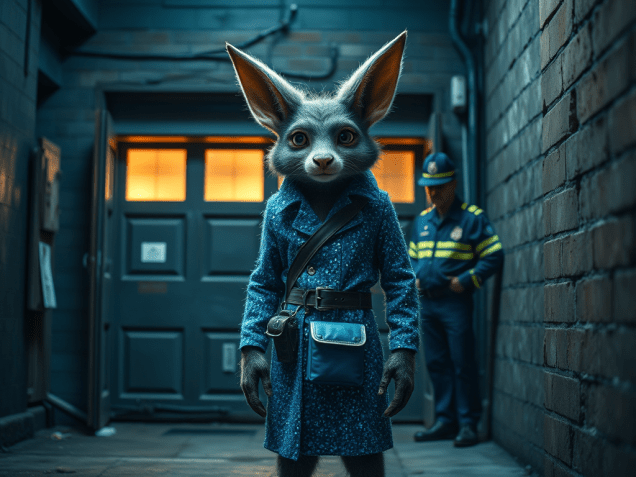
Surveying the town, the Detective realized he was facing a unique challenge. His task was to apprehend the suspect responsible for the laundry mat break-in. Some witnesses described the suspect as an unusual figure. He towered at 6’5 and had distinctive pointy ears. His face was furry.

Wanda, the laundry mat attendant, was first to be interviewed by Detective Jim Roff. She told him the suspect had furry knuckles, too. She had watched through the office’s one-way mirror. He pried open washing machines’ coin boxes. Then, he filled a pouch in his front coat pocket. A coat, she said, was very blue and sparkly.

Merle was standing on the sidewalk outside. He was picking up cigarette butts along the walkway. He said the thief bumped into him while making his getaway. A few of the coins managed to roll down into the parking lot, where Merle had captured them.

“Fifty cents,”

Merle said.

Detective Roff asked Merle if he knew the person who had broken into the machines. Merle told the Detective that the suspect was known on the streets as Carpet Face.

Merle told the Detective,

“The dude used to work for a local carpet layer.” He got right down to his face, stretching the carpet across the floor. They called him Carpet Face. But I don’t think that is why he was named Carpet Face.”

The Detective asked out loud,

“Then why did he have such a furry appearance?”

A doctor who had seen the incident spoke up,

“It’s because of his genes.”

Detective Roff replied,

“His Blue Jeans?”

The Doctor laughed,

“No, his g-e-n-e-s”. “

“Oh,”

Roff said,

My bad.”

“That is ok, he should have been nicknamed Furboy. His real name is Lickery Nickery. He lives on the south side of town. His home is in an alleyway near an old garage. This garage is falling off Hickery Street.”

Doctor Badd, sadly proclaimed, Dr. Badd listed in the phone book as ‘Badd Doctor,’ played a significant role in the case. He informed the Detective that he had been discreetly treating Nickery, attempting to help him achieve a more conventional appearance. Yet, all his efforts with various medications had been in vain.

Detective Roff got into his police car and drove to the area where Nickery was supposed to live. Sure enough, there stood the suspect. Tall, furry, and stirring outside an old garage in an alleyway. Nickery still had a pouch attached to his waist just below a bright blue coat. As the Detective approached, Nickery stood in an offensive position. Detective Ross had brought Dr. Badd with him. This was in case medical attention was required. It would be needed as a result of the pending arrest of either the suspect or the Detective.

Nickery almost instantly stood ready for the capture. He told the Detective he had broken into the machines and taken the coins. It was his only way to get funds to buy food. The Detective asked him about his old carpet-laying job. Nickery told him he was fired after the clients saw him stretching carpet in their home. This frightened them.

The Detective asked Nickery.

“So you thought a life of crime was the answer?”

Nickery -ugh Carpet Face replied in kind,

“Not really, I thought it was a way to get food.”

Dr. Badd chimed in at this point and said,

“I have literally tried everything and can’t get anything to work.”

Detective Roff looked at Nickery, then at Dr. Badd, and finally at the furry blue coat.

The Detective, after a moment of contemplation, shared his insight with the others. He said, “Gentlemen, sometimes the most straightforward solution is the one we fail to see.”

Both stared back at him, puzzled. That’s when Roff pulled a small electric trimmer from his pocket.

“Try this.”

The hum of the clippers filled the alley. Within minutes, Carpet Face began to look less like a legend and more like a man. The crowd that had gathered gasped. Children laughed. Wanda from the laundry mat even clapped.

Nickery blinked at his reflection in a car window and whispered,

“I… I look normal.”

“You look like yourself,”

Roff corrected.

“Now go make something of it.”

And he did. Lickery Nickery was once the scourge of washing machines everywhere. He became a barber’s apprentice. Then he became a shop owner. Finally, he became a beloved mayor. His campaign slogan?

~ Sometimes the simplest solution is the one we overlook. ~


By Benjamin GroffMedia© | benandsteve.com | 2025 

The Island – A Serialized Dystopian Story * Chapter Ten 

1–2 minutes

Haven’s Reach: The Choice

Midnight came with a storm. The people surged into the square, led not by weapons, but by sheer will. They banged pots, rang bells, and carried torches. Harper stood at the front, her vest pockets heavy with rocks, ready for the only weapon she trusted—humiliation over bloodshed.

The guards pushed ahead, but when the first stone struck a helmet, ringing like a bell, the crowd roared. Pebbles, words, laughter—it all became a wall the Council couldn’t breach. The guards faltered. For the first time, they looked uncertain. Some even turned and fled.

By dawn, Haven’s Reach was not free—but it was different. The Council still ruled, but the people had tasted their own power. Harper knew the road ahead would be long. She also knew this: fear never again be the island’s only ruler.


By Benjamin GroffMedia© | benandsteve.com | ©2025 

The Island – A Serialized Dystopian Story * Chapter Nine

1–2 minutes

Haven’s Reach: The Crackdown

The Council struck back swiftly. Patrols doubled. Doors were kicked open in the night. Families disappeared. Loudspeakers blared warnings: Dissent is death. The island, once noisy with trade and chatter, fell into a haunted hush.

Harper was taken in for questioning. They asked her about the singers, about the Quiet Ones, about Eli. She said nothing. For hours, they kept her in a windowless cell. When they finally released her, a slip of paper was shoved into her pocket: The tide rises at midnight. Meet us by the eastern cliffs.

At the cliffs, Harper found the Quiet Ones gathered. Torches flickered against determined faces. 

“The Council has shown us who they are.” 

One whispered. 

Now we must show them who we are.” 

It was no longer about survival—it was about reclaiming Haven’s Reach.


By Benjamin GroffMedia© | benandsteve.com | ©2025

The Island – A Serialized Dystopian Story * Chapter Eight

1–2 minutes

Haven’s Reach: The Spark

It happened on a rainless night in early winter. The Council had banned music in the public square, but a child’s voice broke the silence. A boy no older than ten sang a lullaby his grandmother had taught him, his voice rising above the wind. For a moment, the crowd froze in fear. Then another joined. And another. Soon, the plaza filled with song.

The guards stormed in, batons raised, but the people didn’t scatter. They sang louder. The air trembled with a sound that was part hymn, part rebellion. Harper, standing among them, felt her chest swell. For the first time since Eli’s disappearance, she felt less alone.

The spark was not fire or violence—it was courage in harmony. By dawn, the Council declared the singers enemies of Order. But they had already lit something no decree extinguished.


By Benjamin GroffMedia© | benandsteve.com | ©2025 

The Island – A Serialized Dystopian Story * Chapter Seven

2–3 minutes

Haven’s Reach: The Fracture Extended

By the time autumn winds rolled across Haven’s Reach, something in the air had shifted. The Council’s decrees were no longer whispered with unease. They were shouted from wooden platforms. The decrees were painted on walls and nailed to doors. “Obedience is Freedom,” one sign read. “Order Before All,” declared another. The rules had once been tolerated as minor irritations. Now, they pressed down like a boot on the neck of the people.

It began with curfews. Families were ordered indoors at dusk, lanterns extinguished by the ninth bell. Then came the bans. First, there was one on foreign books. Next, gatherings of more than five were forbidden. Finally, music played in public squares was banned. One by one, pieces of life that had once defined Haven’s Reach fell away. The Council insisted it was “for safety.” But everyone knew better—fear was safer for rulers than for the ruled.

Harper saw it most clearly when her younger brother, Eli, vanished. One evening, he was at the bakery kneading dough by her side. The next morning, his cot was empty. Blankets were folded neatly as though no one had ever lived there. Whispers reached her ears: Eli had spoken too freely about the Council in the market, and someone had reported him. Now he was “detained for questioning.” No one who had been questioned ever came home the same.

Harper’s grief sharpened into something more complex. She began wandering beyond her bakery’s door after curfew, listening at corners, watching shadows. That’s how she stumbled across The Quiet Ones. It was a ragtag circle of neighbors, merchants, and teachers. They took it upon themselves to preserve what the Council feared most: memory. They hid forbidden books in flour sacks. They scribbled children’s rhymes on the backs of ledgers. They whispered songs under their breath in defiance.

When Harper revealed her brother’s name, the Quiet Ones did not look away. An older man with ink-stained hands touched her shoulder and said, 

“You’re one of us now, whether you meant to be or not. The fight isn’t about one boy. It’s about all of us.”

The fracture had come—not just between ruler and ruled, but within the people themselves. Some chose silence and survival. Others, like Harper, chose risk and resistance. Haven’s Reach was no longer simply an island under rule. It was a tinderbox, waiting for a single spark to ignite.


By Benjamin GroffMedia© | benandsteve.com | ©2025

The Island – A Serialized Dystopian Story * Chapter Six 

1–2 minutes

Haven’s Reach: The Fracture

The Council had grown bolder. Every decree was sharper, every rule stricter. Posters lined the streets declaring “Silence is Loyalty” and “Order is Freedom.” 

The town square, which once hosted songs and dances, now echoed with speeches warning against disobedience.

But in the shadows, the first cracks in the island’s facade appeared. Whispers of a hidden circle spread. These were citizens who refused to bow. They scribbled forbidden words in chalk on walls at night. They dared to question the Council’s iron grip. They called themselves The Quiet Ones.

Harper, a baker’s daughter, stumbled upon their meeting one night while searching for her missing brother. What she found shocked her: not rebels with weapons, but ordinary people with books, old radios, and forbidden songs. They weren’t plotting war—they were keeping alive the memory of freedom.

The Council had crushed the voices in the streets, but underground, Haven’s Reach was beginning to murmur again.


By Benjamin GroffMedia© | benandsteve.com | ©2025 

The Island – A Serialized Dystopian Story * Chapter Five 

1–2 minutes

Haven’s Reach: The Vanishing Voices

The island was quieter now. Too quiet.

After the whispers of resistance spread through hidden gatherings, Brant Harrow and his Council acted swiftly. 

One by one, the most outspoken citizens began to disappear. A fisherman dared to complain about rationing. A mother had asked too many questions at the weekly assembly. A teacher was rumored to keep forbidden books. They were gone.

No public trials. No explanations. Only empty chairs at family tables and unlit lanterns where homes once glowed in the night. The Council claimed these people had “chosen exile.” But no one had ever seen the boats return. Children asked where their neighbors had gone, and parents whispered a single warning: 

Don’t ask too loudly.

For those who remained, the silence was deafening. 

Even the ocean seemed to hush its waves against the shore, as if the island itself held its breath. Fear kept voices low. In the dark corners of Haven’s Reach, a few brave souls began to wonder. If the voices of truth were vanishing, who would speak for them when the Council came knocking next?


By Benjamin GroffMedia© | benandsteve.com | ©2025 

The Island – A Serialized Dystopian Story * Chapter Four 

1–2 minutes

Haven’s Reach: Whispers in the Dark

By the time autumn winds swept across the island, Brant Harrow’s “First Rules” had been etched into daily life. They weren’t written on parchment or stone, but repeated so often that they became second nature.

“No theft, no violence, no waste, no words outside the Council.”

At first, the people complied out of respect. Later, they complied out of habit. And slowly, they began to comply out of fear.

It started small. A fisherman’s wife was overheard criticizing the Council for rationing nets unfairly. Days later, her family’s hut was mysteriously stripped of its lantern oil. Her husband’s catch was rejected at the communal market. There was no official punishment or public decree. It was just a quiet reminder of who held sway.

Families learned to whisper in the dark, if they whispered at all. Children were warned not to repeat what their parents said at home. Laughter around the fire grew more careful, guarded, as though shadows themselves carried ears.

Yet not all were cowed. A young teacher named Elara began meeting secretly with her students in the caves near the shoreline. She reminded them of the island’s first days. During those times, the people worked freely together. Voices rang out with no fear of reprisal. She called it 

“The Memory.”

“Don’t let them take The Memory from you,” 

She urged. 

“Because when the memory dies, so do we.”

Above them, in the Council chamber, Brant Harrow and his circle drew lines on a map of the island. They were dividing it into districts. 

“Control the land,”

He muttered, 

“And we control the people.”

Unseen and unspoken, the first embers of resistance flickered in Haven’s Reach.


By Benjamin GroffMedia© | benandsteve.com | ©2025 

The Island – A Serialized Dystopian Story * Chapter Three

1–2 minutes

Haven’s Reach: The First Rules

The island had been buzzing with a quiet energy. Families were settling into huts near the shoreline. Farmers had begun turning fertile soil into gardens. Fishermen reported an abundance of food from the sea. For a brief time, it felt like paradise was within their grasp.

But no paradise, it seemed, live without Order.

The elected leader, Brant Harrow, stood on a makeshift platform in the town square. His voice carried over the crowd like the tide: calm, confident, and commanding.

“We are a community now,”

He declared, “and no community can survive without rules. These rules are not punishment, but protection. They will guide us. They will keep Haven’s Reach strong.”

The first rules were simple enough: no theft, no violence, no waste. At first, the people welcomed them. After all, who can argue against peace, honesty, and thrift? 

Yet Brant added one more: 

“All voices must flow through the Council before being spoken to the community. This ensures unity.”

Some shifted uneasily at that, but most nodded. They wanted peace. They wanted Order. And Brant gave them just that—or so they believed.

That night, lanterns glowed along the shoreline as fishermen mended their nets. Farmers laughed over bowls of stew. Children ran between the huts, playing games under the moonlight. The air was filled with a fragile joy.

But inside his quarters, Brant sat with a small group of men. 

“It begins here,” 

He told them. 

“Control the speech, control the thought. The rest will follow.”

Haven’s Reach was still blissfully unaware. It took its first quiet step toward becoming something far different. It was unlike the dream its people had imagined.


By Benjamin GroffMedia© | benandsteve.com | ©2025 

The Island – A Serialized Dystopian Story * Chapter Two

3–4 minutes

Rules for a Perfect Island

The first year on Haven’s Reach flew by in a haze of construction and cooperation. Houses multiplied along the beaches. Farmers coaxed green shoots from the dark volcanic soil. Randall Crane’s speeches echoed over bamboo loudspeakers in every settlement. His message was always the same: “We are building something the world will envy.”

At first, people agreed. The council meetings were spirited yet polite, with neighbors sharing ideas and coconuts. But as the population grew, so did friction. Disputes over fishing rights, building permits, and clean water began to flare up. Crane’s solution was to create The Harmonies — a set of “guiding rules” posted on hand-painted boards throughout the island.

The Harmonies looked harmless enough:

  • Respect your neighbor.
  • Keep your area clean.
  • No outside media without approval.
  • Dress in community-appropriate attire for public events.

Most residents shrugged off the changes. After all, they had voted for Crane. But a few quietly asked why a paradise needed rules about newspapers or clothing colors. Crane’s answer was reassuring, almost fatherly:

 “Order now means freedom later.”

Meanwhile, Crane’s temporary overseers quietly expanded. What began as a handful of volunteers became a uniformed Steward Force, assigned to “help” with compliance and “resolve” disputes. They wore sky-blue jackets and smiled often, but their presence changed the feel of the markets and beaches.

By the time the first festival arrived, everyone had noticed the difference. The music still played. Torches still flickered under the palms. Yet, eyes darted toward the Stewards. People were checking for disapproval. Without realizing it, Haven’s Reach was slowly stepping from a dream into something else.

There was another problem. Almost all those who relocated there had signed a contract. They were committing to ten years of service on the island. If they left for any reason, they would lose all their investments. This included property, banking accounts, and any holdings invested in the government. The contract included that if illness required them to leave the island. Yes, the contract was unforgiving, even for the survivors of the dead. 

By the second year, Haven’s Reach felt less like a community project and more like a company town. The Harmonies had been revised into a formal code. It was called The Charter of Unity. It is now distributed in little booklets stamped with Randall Crane’s signature and the island’s crest. Most people tucked them into pockets like good-luck charms. Yet, a few began to notice how many pages dealt with “acceptable behavior.”

Crane’s speeches became less about freedom and more about “protecting our way of life.” The Steward Force expanded again, adding patrols to docks and market squares. At first, they were only “checking in.” Then, they began quietly recording names. They noted those who grumbled too loudly about water rations, building zones, or the newly instituted curfew bells.

A subtle yet unmistakable social pressure began to creep in. Neighbors hesitated before speaking. Vendors checked who was listening before discussing shortages. And at community gatherings, some citizens arrived wearing the “approved” island-blue shirts. Those who didn’t wear them were ushered to the back.

It wasn’t only about rules. The island’s media center, once a hub of news and music from around the world, now played only “local” content. The official explanation was that outside broadcasts were “unverified” and “destabilizing.” At first, few noticed. One morning, a popular journalist was no longer at the market. The rumor was they had “relocated to another settlement.” No one really knew.

Yet, on the surface, Haven’s Reach still looked idyllic. Palm trees swayed. Children played along the beaches. Gardens bloomed under the volcano’s shadow. The illusion held — but for how long?


By Benjamin GroffMedia© | benandsteve.com | ©2025 

The Island – A Serialized Dystopian Story * Chapter One

2–4 minutes

Arrival on Haven’s Reach

 Arrival on Haven’s Reach
The Island

It started as a dream, or at least that’s how the people remembered it. Scattered across the globe, 100 million souls were united by frustration with their governments. Yearning for a fresh start, they pooled their resources to find an untouched island deep in the South Pacific. Satellite maps showed a teardrop of lush green, ringed with beaches and hidden coves. They named it Haven’s Reach, because it promised a haven — and it was finally within Reach.

At first, everything felt almost magical. The climate was gentle, the soil fertile, and the air clear in a way few remembered from their crowded cities. People camped near waterfalls, planted vegetables along ridges, and built simple homes from bamboo and volcanic rock. There was no central authority; instead, councils of volunteers coordinated the distribution of food and medical supplies. It was as close to utopia as anyone could imagine.

Soon, the newcomers realized they’d need a leader to coordinate large projects, like roads, water treatment, and electricity. Randall Crane emerged from the chaos. He was a silver-haired businessman with a booming voice. His ability to command a crowd was uncanny. He promised fairness, transparency, and freedom. They applauded, relieved to have someone stepping ahead to organize their new society. Crane appointed “temporary overseers” for security and public Order, but few gave it a second thought. After all, they trusted him. This was their new beginning.

There would be no sprawling bureaucracy watching over their every move—no big government, no visible chains of regulation. People would live as they believed life was always meant to be lived. They would “live and let live,” but only so long as it conformed to the Order. This Order was not just a way of thinking. It was a quiet, unyielding code. It was built on God, guns, and a rigid notion of freedom. 

Any “laws” were drawn from sacred texts. For most American and English residents, that meant the Bible. For others, it is the Torah or the Tripitaka, the ancient Buddhist canon. In their minds, all these scriptures whispered the same universal truths. Yet beneath that illusion of harmony, a single doctrine of control waited. It was patient and absolute.

They had arrived and begun their grand experiment with a country of their own. Self-designed to represent their basic needs and oversee their paramount security. These people, in a new land, had started what few in life had ever dared to hope for. They established their own country and a bill of rights. They elected a leader to oversee their needs. This was achieved quickly. They succeeded without ever firing a single shot in protest or against another nation.

A million people invested in their own lives and invested in one another. Most of all, they invested in an island that is now a country. It is led by a person with full power. He can choose to give anything necessary for those living there. Alternatively, he can decide to use the resources just for himself. 

Representatives from each village were elected to represent those populations. They also elected a senator for each sector of the island. This formed two houses of government. Much like the United States has. Given that all these people share a common ideology, the political slant was, of course, mainly conservative. As a result, the elected leader held enormous power without checks and balances.


By Benjamin GroffMedia© | benandsteve.com | ©2025 

Take Me Back To Yesterday Once More

5–8 minutes

The Farm That Built Me

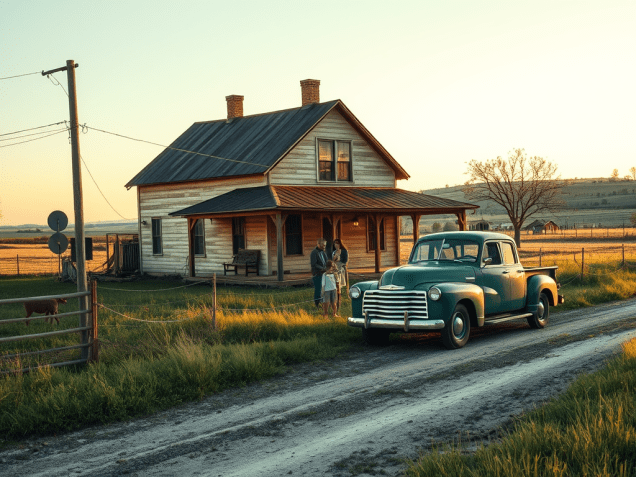
When I look back on my childhood, I’m struck by how much life changed. The changes happened between the time I was born and when I turned eight. We didn’t have indoor plumbing at first. Initially we hauled water from town in five gallon buckets. That was for drinking and cooking. In a big tank in the back of my dad’s truck, water was hauled for the livestock. Eventually water was found on the farm in a well far south of our house. Than ran pipe as far as possible. But, the water pipe stopped about twenty feet shy of our kitchen door. My parents couldn’t afford to run it inside. Every day, we carried buckets from the outdoor faucet to the house. This was still an improvement over hauling water all the way from town.

If you have ever heard of the ‘little brown shack out back.’ Well we had one. We used it even after water was found on the place. Because their wasn’t a bathroom in built in the house. It would be added later. We would walk a trail to the shack in the summer and winter. It wasn’t fancy built at all. It had yellow jackets nest high on the wall. It had a hook and eye lock to secure the door when you were inside. A wooden block turned to keep the door shut when you left. It was cold as ice in winter and hot as hell in the summer. And our company didn’t take to it. It would cut their visits short. And sometimes I wondered if that wasn’t my dad’s plan for having for so long to start with.

Around the same time, we got our first telephone. The line lay exposed down the center of the dirt road. It was shared on a party line with two other houses. Every time the road grader came, the blade cut the wire. We would wait weeks for the phone man to splice it back together. They buried it once, but the sandrock kept them from going deep. The grader still found it. Eventually, someone figured out how to run it four feet off to the side of the road. That man got a promotion—and passed away not long after. These were the everyday challenges of our farm life.

Electricity was another novelty. We had it most of the time. But if it went off during a storm, it was especially bad during a snow event. We would be without lights for a week or longer. They were also the threads that wove our family together. These challenges taught us the value of perseverance. They also brought the joy of shared triumphs.

Heat was another story. Before our fireplace was installed, a single stove in the living room was turned down at night to save propane. We woke up to breath clouds in the cold air before school. Summers weren’t much easier. With no air conditioning, the whole family slept in the living room on pallets. We threw every door and window open. This helped capture the breeze from the five-acre lake a quarter mile south. We’d even open the fireplace flue to pull in a cool draft. It sounds uncomfortable now.

Back then, it was more than just a living arrangement. It was a testament to the value of family closeness. Six kids, two parents, visitors, and dogs—living in one big indoor campsite every night. If you’ve never known family closeness, you’ve missed something truly special. It’s these moments that I look back on with nostalgia and a deep appreciation for the bond we shared.

My father raised American Quarter Horses, and our farm revolved around them. We only kept one stud at a time to avoid brutal fights. Mares were bred individually, often requiring long hauls to other states to introduce new bloodlines. Our horses went everywhere—rodeo circuits, calf-cutting competitions, and even television shows. One star from Gunsmoke, Buck Taylor, called about a horse. Another buyer phoned from New York City during the Garden Square Futurity. He called to thank my dad for the mare Molly. Molly had taken him to the finals. My dad didn’t like us talking about our customers because he valued humility over reputation. As a kid, I didn’t understand. Now I do.

I remember the early 1970s and how tight our family budget must have been. My dad would come home from his barbershop with sacks of horse feed loaded in the back of his truck. He’d park in front of the house. Then, he’d hoist a heavy sack onto his shoulder and walk nearly two city blocks. He’d go down a hill, across a pasture, and all the way to our barn. He had back and leg issues that made every step painful, but he refused to “waste” fuel in his truck.

At the time, I didn’t grasp how precious that gallon of gas was during the oil crisis of the 1970s. To me, it was just Dad doing what he always did. He worked hard. He quietly bore pain. He put his family and animals first. Only now do I understand it was more than thrift; it was discipline and determination passed down like an heirloom.

That simple act—carrying those sacks of feed instead of burning a gallon of gas—left a mark on me. It taught me that sacrifice, resourcefulness, and responsibility are not always loud or dramatic. Sometimes they’re a man. He is alone at dusk, carrying a heavy burden down a path. This happens because it’s the right thing to do.

Everything shifted when Dad took a job at a Girl Scout camp. Horses were sold off until only a few remained for us to ride. We moved to the camp and poured ourselves into cleaning trails, rebuilding facilities, and living outdoors. Yet Dad’s passion for horses never dimmed. We still attended auctions and brought home horses to train. One day, I spotted a skittish dun mare at an auction—Lady. I knew she’d been mistreated and asked Dad to buy her. With patience, grooming, and daily walks, she became the smoothest riding horse I ever had. Lady followed me everywhere without reins, just like a loyal dog. Later, bred to a stud sixty miles away, she gave birth to a colt with the same gentle spirit.

Those years formed me. They were a school of life. They taught me resourcefulness. They also taught patience. I learned how to read the quiet signals of both people and animals. We didn’t have much, but we had each other. And now, decades later, every time a cool breeze brushes my face, I remember those nights in the living room. The windows were open. I hear the sound of our horses in the pasture. These are proof that even the simplest moments can shape a lifetime. The lessons I learned from farm life continue to inspire me. They shape my perspective. I appreciate the value of patience, resourcefulness, and the importance of family.


By Benjamin GroffMedia© | benandsteve.com | ©2025

October 20th — A Day to Reflect on the Strength of Democracy in a Republic

1–2 minutes

October 20: A Day of Quiet Turning Points

Some days in history roar with drama. Others whisper their significance so softly we almost miss it. October 20 is one of those whispering days. Yet, it carries lessons about resilience. It also teaches about change and the long arc of progress.

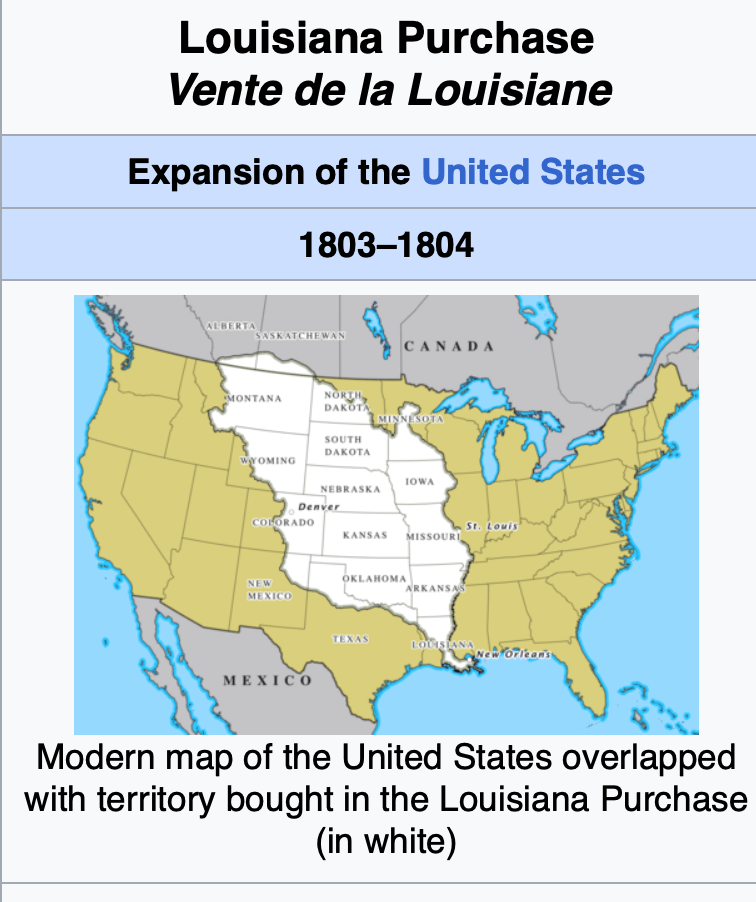
On October 20, 1803, the U.S. Senate ratified the Louisiana Purchase Treaty, doubling the size of a young America. It wasn’t just a land deal; it was a leap of faith in a still-unfolding national experiment. The deal shaped the destiny of millions who had not yet been born and transformed how people saw opportunity. That’s one perspective on October 20. It reminds us that big things often start quietly. They are inked onto paper while the world goes about its business.

Photo by Jacob Morch on Pexels.com

Fast-forward to October 20, 1973 — the “Saturday Night Massacre” during Watergate. The Attorney General and his deputy resigned rather than obey President Nixon’s order to fire the Watergate special prosecutor. It was a night of constitutional crisis, but also a night when individuals drew lines they would not cross. In retrospect, it became a defining moment of accountability, integrity, and public trust.

Even in culture, October 20 pops up. It’s the birthdate of artists, athletes, and ordinary people whose work changed lives. It’s also National Youth Confidence Day. It’s a chance to celebrate the courage of young people. They are forging their own paths, as each generation must.

Photo by Monstera Production on Pexels.com

So what does this all mean for us on October 20, 2025

Maybe it’s a nudge to honor the quiet decisions. It is about the unsigned papers and the moments of private courage. These shape our futures just as much as public fireworks. Maybe it’s a reminder to invest in tomorrow. Take the risk. Speak the truth. Double down on hope, even when nobody’s watching.

October 20 is not a “holiday” in the traditional sense. It is a hinge day. It is one of those unassuming points on the calendar. History reminds us that the choices we make today become the landmarks of tomorrow.


By Benjamin GroffMedia© | benandsteve.com | ©2025 

From the Plains to the Pavement: Agent Bill Johns’ Journey from the Wild West to Philadelphia’s Dark Alleys

4–5 minutes

Bill Johns: The Bureau’s Man in the 1940s

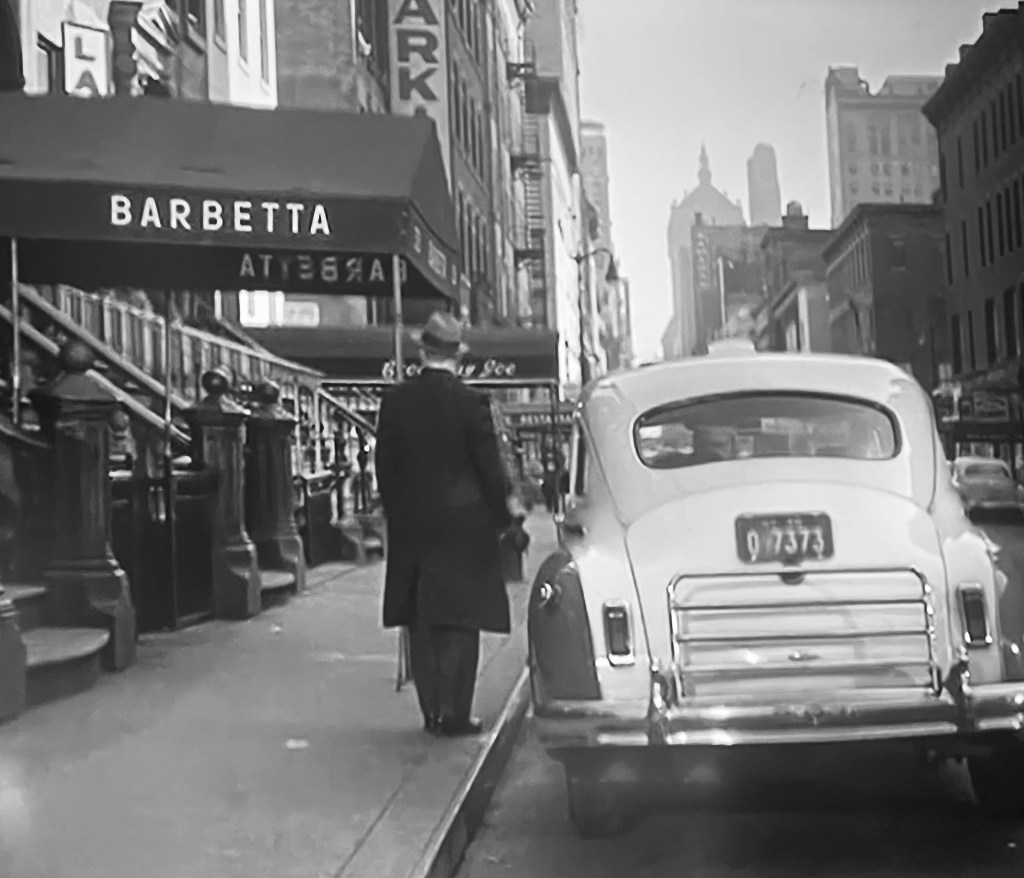
It was the 1940s, and the Bureau had just transferred Bill Johns to the Philadelphia office. He arrived with a reputation built out west. The cases there were more challenging. The distances were longer, and the suspects were meaner. Officially, he was sent to cover Oklahoma, Texas, and New Mexico. Unofficially, he’d become “the best investigating chicken thief agent in the West.” His fellow agents gave him this nickname with a wink.

But Bill Johns had investigated far more than stolen hens. His most significant case had been in Osage County, Oklahoma: three Indian women, each murdered after marrying into money. For nearly three years, Johns chased a trail of false alibis, hidden bank accounts, and hired killers. He and another agent narrowly escaped ambushes five different times. By constantly dropping low and drawing faster than the men who wanted them dead.

Johns wasn’t flashy, but he had something rare—an intuition that couldn’t be taught. He would size up a suspect the way a rancher sizes up a horse. He knew when someone was lying about a bloodstain on a shirt. He knew this the same way he knew when a horse trader was covering up a limp. He followed the tiny clues that led from stolen goods to the back rooms where the real deals happened. He also traced a murder weapon to the man who’d hidden it.

What the Bureau didn’t understand—and still doesn’t—is that this ability isn’t in a handbook. It isn’t taught at the Academy. It’s a gift, as fragile as it is powerful. Use it or lose it. And only a few men like Johns ever had it.

In Philadelphia, this instinct would serve him just as well. He found himself involved with city syndicates. He encountered labor racketeering and noticed spies slipping through the docks at night. The same gut feeling had kept him alive in Osage County. Now it helped him spot the double-talkers in the bars. It also identified the men who lingered just a second too long at a back door.

Johns became known for something unusual—he rarely needed his gun. He’d walk into a situation, lean against a doorway, and just talk. By the time he left, the suspect had revealed more than he intended. John had already secured the evidence. He was no saint. He wasn’t perfect either. Nonetheless, he was a quiet professional in an era when crime was changing. The country was changing too.

The Last Case in Philadelphia

It was a rainy October night in 1947 when Johns’ instincts jolted him awake. An informant had whispered about a shipment coming into the Delaware River docks. This shipment was not whiskey or smuggled textiles. It was microfilm from Europe that would compromise national security. By dawn, he was leaning against a warehouse door. He pulled his collar up against the mist. He watched the shadows move across the slick cobblestones.

Later, back at the Bureau’s office, his supervisor shook his head. “How’d you know?” Johns simply shrugged. He never talked about instinct. He never mentioned gifts. He didn’t say how he’d been listening to his gut since his days chasing killers in Osage County. But he knew this: it wasn’t about being the fastest shot or the toughest agent. It was about reading people, seeing the truth they were trying to hide, and moving before they did.

When the men finally appeared, Johns didn’t draw his gun. Instead, he stepped into the light. Placing his hands in his overcoat pockets. He spoke in the calm, level tone that had unnerved more suspects than handcuffs ever would. One man slipped, trying to hide a satchel, and Johns pounced on him. In seconds, the microfilm was in his hand. The men, rattled and unsure how he’d seen through their plan, dropped their smokes and bolted.

That was Bill Johns’ legacy — an unassuming agent who became legendary not for force, but for foresight. His name rarely made headlines. Still, his quiet successes became the stories younger agents told each other. They shared these stories when they needed courage. Stories that remind you some people are born to find the truth, no matter where it hides.

Even today, his old case files are dusty, brittle, and overlooked. They still read like short stories of the American frontier meeting the modern city. Behind each one is the same simple truth. There’s no substitute for knowing people. No training can replace genuine instinct.


By Benjamin GroffMedia© | benandsteve.com | ©2025 

About the Author:

Benjamin Groff is a former police officer and radio news anchor. He has hosted programs for CNN and ABC News affiliates in Colorado and Wyoming. His career in law enforcement began in 1980 and lasted more than two decades. This gave him firsthand insight into the criminal mind and public safety. Moreover, it provided him with an understanding of the human stories that often go untold. His writing draws on these experiences, blending street-level truth with a journalist’s eye for the bigger picture.