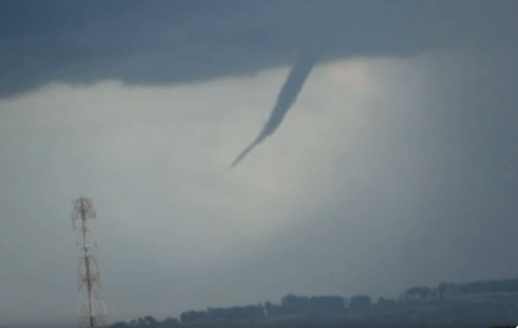
Happy Thanksgiving 2025 – A Day of Gratitude For All

Groff Media ©2025 benandsteve.com Truth Endures

1–2 minutes

This Thanksgiving, I’m reflecting on the many things I’m grateful for. First and foremost is my loving spouse, Steven. Since we met in 1982, our life together has been both challenging and rewarding. I’m thankful every day for the way we support one another. We are not rich, but we’re in good shape—physically and financially—and that’s a blessing in itself.

I’m grateful for my health. It is better than it has been in years. I am also thankful for the simple comforts of home. We have a roof over our heads. There is food on the table. We also have dependable cars that get us where we need to go. Our little dog Otis keeps us laughing and moving. His energy pushes us to stay active. I fully understand now why people say pets add years to your life.

I’m thankful for my siblings, even though time and distance have changed those relationships. Two brothers are gone. Two were adopted and moved in their own directions. The lessons we learned growing up were shaped by my parents. They have stayed with me and helped me through the hardest parts of life.

I’m grateful for good neighbors who look out for one another. They do so without stepping too close. I am also grateful for friends who can be counted on when it matters. And I’m especially thankful for my readers here on WordPress. Regardless of where you are in the world you are included in this day of gratitude. While it is an American Holiday, I do consider all the people in the world as part of it.

Writing something each day has become a personal goal. As long as I’m able, I’ll continue sharing these pieces of my life.

This Thanksgiving, I’m simply grateful to be alive—and for all the riches that can never be taken away.
Happy Thanksgiving!

Benjamin


By Benjamin GroffMedia© | benandsteve.com | ©2025 

Because They Mattered ~ Legacy Lives On

Their Final Chapter Is Not the End

Groff Media ©2025 benandsteve.com Truth Endures

2–3 minutes

In the quiet margins of newspapers, lives flicker out of print. Still, they do not fade out of memory. That is where our magazine steps in. It offers a respectful space for families and community members. They can share and preserve their loved ones’ stories. benandsteve.com believes that every person who mattered deserves more than a line in the obituary section. It doesn’t matter whether they soared in the spotlight or labored in the shadows. They deserve a story that lingers.

At Galaxy8News, a Service of benandsteve.com, we curate the collection Notable Deaths—Gone But Not Forgotten. Our aim is to shine a light on the lives behind the names. We ask the questions no standard notice ever does: What did they believe? What seeds did they plant? Who still carries their echo?

Remembering those who have gone on before.
In State. Gone But Not Forgotten! ~ The Quiet Roll Call of Memory ~ A Place Where Every Life is Honored!

The local teacher’s kindness rippled through generations. The factory worker’s quiet ingenuity saved jobs. Every story reminds us that all lives matter and deserve recognition. Each of them mattered in a way that defies headline fame, and we honor that truth.

When you turn our pages, you are not just scrolling past a date and a funeral notice. You are stepping into a life lived, an unfinished story, and a memory that still speaks. Through these stories, you can feel connected to those who shaped our world in ways that matter deeply to someone.

Join us. Let this edition of Notable Deaths – @ Galaxy8News, a service of benandsteve.com, stand as a testament that we remember — not only the famous, but the faithful. We honor not only the celebrated, but the steadfast. Through meaningful storytelling, we create a space where every life is acknowledged. Each life is valued and preserved. This nurtures a lasting sense of belonging and purpose.

We assure their contributions, their legacy, and their memory are posted. Visit daily to stay connected and informed on the most recent passing’s of those who have departed this world. Their lives mattered, and their stories deserve to be remembered. Bookmark it here! Just remember Galaxy8News, a service of benandsteve.com and Notable Deaths are two different pages. Hosted by the same entity.


By Benjamin GroffMedia© | benandsteve.com | ©2025 

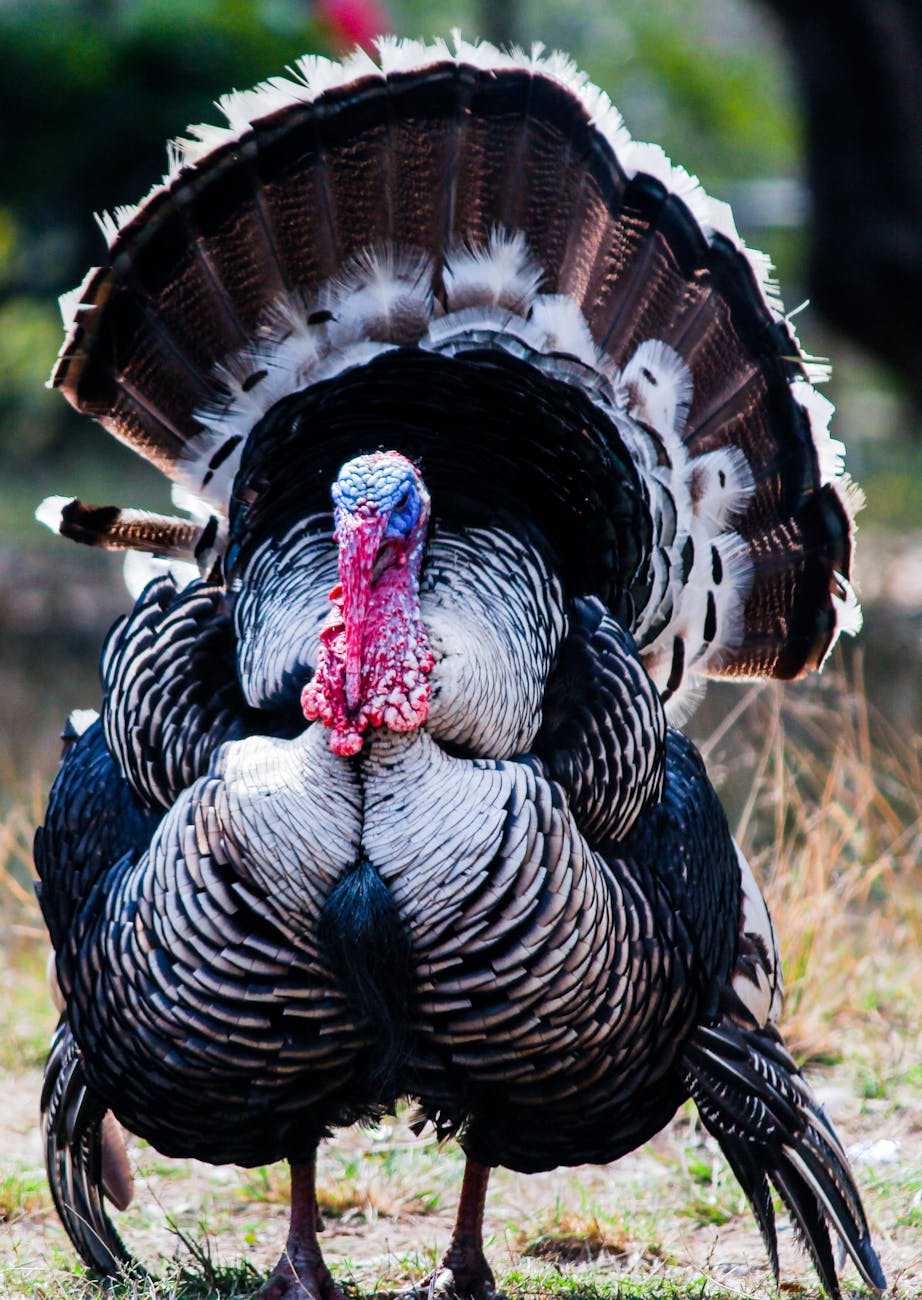
Photo by ASHISH SHARMA on Pexels.com
Don’t Be A Turkey!

Binger Oklahoma Home Of Johnny Bench – The slow vanishing of the heartland!

By Benjamin GroffMedia© | benandsteve.com | ©2025 

7–10 minutes

The next photographs depict an small town in Oklahoma from its birth through current day.

Going to town. Getting groceries, supplies and other needed items were essential trips in the late 1800s and early 1900s. Towns like Binger, Oklahoma were places where such trading centers would become popular. Train depots and later bus lines would bring needed connections to the area.

The above photos capture buildings that no longer stand. They were lost in one of the early fires that shaped the town’s history. The original downtown was once located near the area now known as the Johnny Bench Ball Park. This is at the Fair Grounds. After each fire, the town slowly shifted north. It rebuilt itself one block at a time. Eventually, it settled into its current location. The Post Office was a major accomplishment for any community to achieve. When a post office came, it marked the community’s success. The community became a reliable base for investors, visitors, and tourists.

State Highway 152 now runs through the center of town. Locals know it as Main Street. This familiar stretch has quietly observed generations pass through. This place is not what I call my hometown. But, it remains part of my associations. It is woven into the landscape of where I grew up and the memories that shaped me. During the 1950s to 1980s, hundreds of teenagers gathered on Binger’s Main Street. They saw it as the Main Drag on Friday and Saturday nights. It was as hot as a radio station spinning its latest hit. Both tunes filled the air from the City Hall. Tires spun all the way to the east end by the CO-OP. Button Williams, the towns Police Chief, watching carefully over the towns teen as he had since God’s creation. His Assistant Chief Jerry Wright there to catch calls on off nights.

Binger has always felt like one of those places where sports held the town together. The fields and courts were filled with tough farm kids. They were shaped by long days and dusty roads. Life taught them strength early. Many came from the Caddo and Kiowa Nations. People from other tribes joined them. Together they formed a close-knit spirit. This made every game feel like a community event.

From those humble beginnings came Johnny Bench. He was a local boy who carried his talent all the way to the Cincinnati Reds. He proudly wore number 5. The town still honors him with a small museum. It serves as a quiet reminder of how far a dream can travel from a place like this. And then there was Robert Johnson Jr., who tasted professional baseball but chose the familiar comfort of small-town life instead. In these memories, the heart of Binger lives on. It resides not just in its history. It also lies in the way it shaped those who once called it home. My grandfather bought the first Model T Ford from the town of Binger’s Ford dealership. They came to town to sell them when the Model T’s came out. “Pop” described the Ford outfit as being near where an old Caddo Electric building sets today. If you drive through the town, you will see the big white building. It’s on the corner near US281 and SH-152.

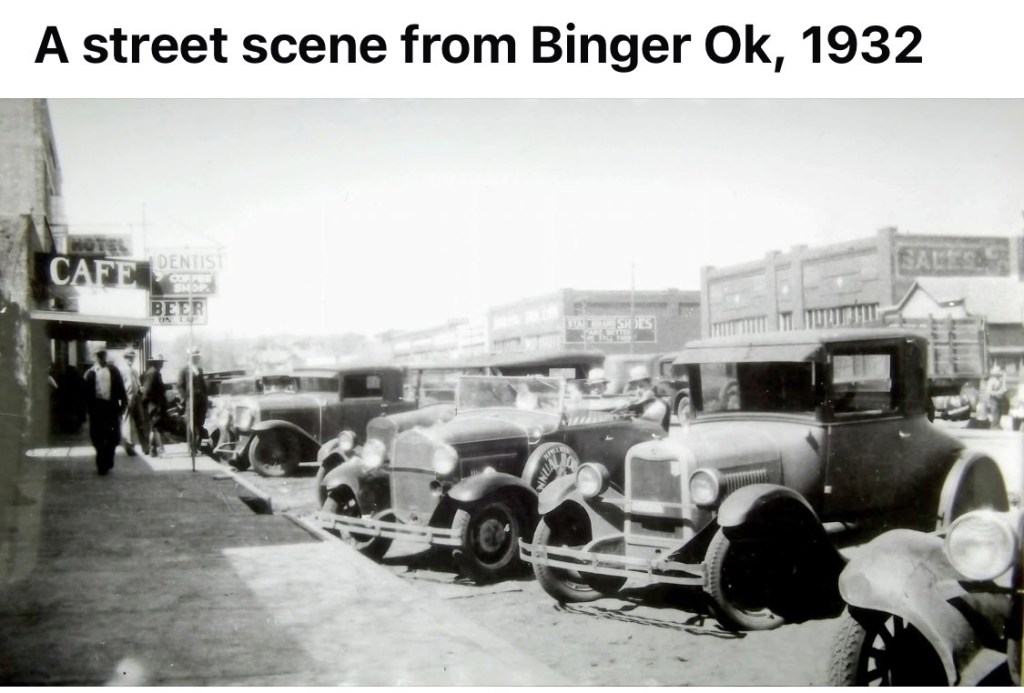
The above photo shows Main Street in Binger, Oklahoma, in 1932. It captures a quiet moment frozen in time. After the town burned twice, it rose again each time. It was rebuilt about a block north of its original location. This carried with it the stubborn spirit of those who refused to let it disappear. This image shows what became the final resting place of that rebuilt heart of town.
When the sidewalks were poured, metal rings were set into the concrete. They were meant to tether horses and wagons. Townsfolk stepped inside to conduct their daily business. For decades, those rings remained. They served as humble reminders of a slower pace and simpler life. In the mid-1970s, new federal accessibility requirements called for lower ramps and fresh pavement. With that change, the old sidewalks were replaced. The iron echoes of the past quietly vanished. Now, only memory and photographs tell their story.
This photo was found behind a old counter in the back of a business in the 1970s. Its dated as being in the 1920s. Which is a possibility. The name of the business is unknown. Yet longtime residents at the time did recognize the business as belonging to the town.
Binger once hosted three cafes and a hardware store. It also had two barber shops, a bar, and a propane company. There was a drug store, a movie theater, and two grocery stores. Additionally, it featured two laundries, a plumbing company, and a funeral home. The town included a post office, an electrical repair shop, a junk-pawn shop, and a pool hall. Binger also had two dry goods stores and a Western Auto. It had a Chevrolet Dealership, a TV Repair Service, and Three Service Stations. These were a Sinclair, a Gulf, and a Git-N-Go. There was also a dress shoppe. There was even a healthy farmer’s Co-Op. There were many other businesses that came and went in between the years. The public school was well respected in the County and had been given financial support to meet its needs.

This is a photo of the buses traveling both directions along Main Street in Binger. I’ve carried it with me for years. I have shared it many times. It always stirs the same familiar sense of remembering. This photo was taken while looking west. It captures the gentle rise at the end of the street — Binger Hill. For generations, this slope has slowed heavy trucks. It becomes unforgiving during icy winter storms.

On the right side, the white building stands just before the line of trees begins. It once served as City Hall. Inside were the fire department, water department, and city clerk. The building also housed a small police office. There was a jail that I can assure you no one was eager to test. The bars were thick, cold steel, reinforced and unyielding. I saw more than a few individuals placed there by the town’s two-man police force. This pair quietly carried more responsibility than most ever realized.

This photograph isn’t just about traffic or buildings. It holds a piece of a time when Binger moved at a gentler pace. The town watched over its own. Every corner held a story waiting to be remembered.


Johnny Bench rode home with the Binger High School baseball team on April 1, 1965. They had just played a game in nearby Riverside. This was a routine trip. It would become a moment forever etched into the town’s history. As the bus crested a hill, the coach suddenly realized the brakes had failed. The vehicle couldn’t slow down. It careened into a curve at dangerous speed. It burst through the guardrail and plunged nearly fifty feet into a ravine below.

The accident claimed the lives of two young teammates, Harold Sims and Billy Joe Wylie. This loss rippled through a small community that mourned deeply. Amid the chaos, Bench survived. He was guided by advice once given by his father. His father was a propane truck driver who understood the dangers of the road. He had told his son that in such a situation, the safest place was the floor of the vehicle. Remembering those words, Johnny dropped down. He instinctively pulled teammate David Gunter with him. This act well have saved both of their lives.

What followed was not just a tale of tragedy. It was also a story of instinct and survival. There was a quiet strength carried forth from a small Oklahoma town into the story of a legendary career.

Johnny Bench, the legendary Cincinnati Reds catcher, was known for the remarkable size and strength of his hands. Many claim he can palm as many as five baseballs in one hand. He famously demonstrated this skill on the television program This Is Your Life in the early 1970s. This moment is still remembered by many longtime fans.


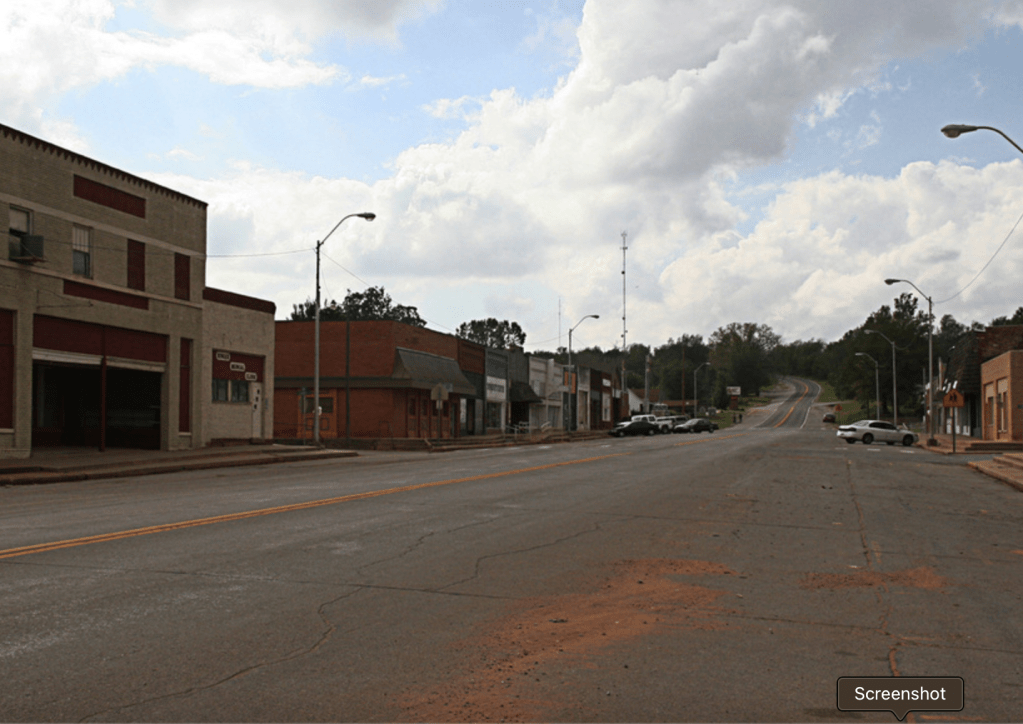
Today the state highway runs right through the town’s middle section. What once was a Main Street with shops and store fronts bustling with shoppers and townspeople is now empty. It is nearly deserted.

Cart’s Lumber on the Town’s East side is one of the few businesses providing services to the town.
The Medical Center reportedly closed some years ago.

There are a few businesses still open in the town. A dollar store, a satellite bank of a local branch is located on the hill. There is one diner. A convenience store. A bar and the Post Office. But for most part, the buildings you find will be empty, boarded up and closed. In the 1970s, the town’s streets were packed with people parking to go shopping on Main Street. Now, the streets are wide open. Many contribute the towns rundown to the Caddo Electric Headquarters moving it’s headquarters three miles east of town. It caused many doing business with the Electric Cooperative to avoid stopping in Binger. It was the first set of nails in the towns casket. The others were placed there when too much faith was placed in the oil industry. Then as shops began to close, people began to move, and the towns center stopped functioning. I know because I was there and watched it. This was the town closest to our farm. I graduated from a school some fifteen minutes away, a place called Lookeba-Sickles. And that place is story for another day!


By Benjamin GroffMedia© | benandsteve.com | ©2025 

The Wound That Would Not Heal

By Benjamin GroffMedia© | benandsteve.com | ©2025 

3–5 minutes

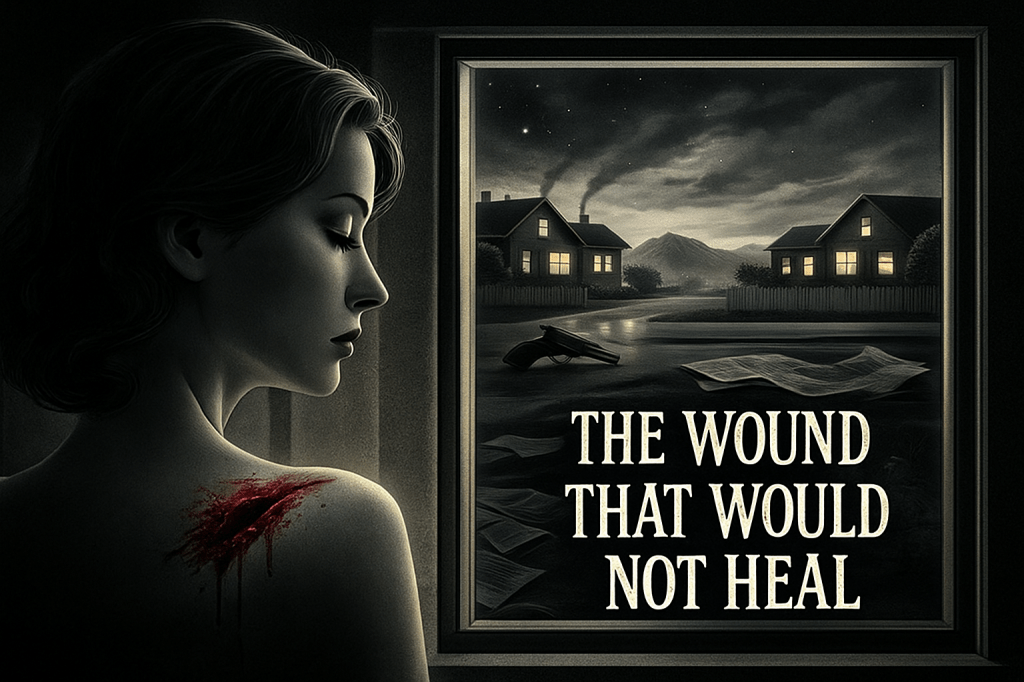
In a quiet town where truth was inconvenient and denial came easily, a single gunshot fractured reality itself. A woman vanished, a neighbor unraveled, and time began to twist like a crooked dream. Somewhere between rumor and retribution, between silence and scream, lies a story where justice does not knock… it whispers — and waits.

No one remembers precisely when the truth first slipped away. They only knew it had happened quietly. It occurred somewhere between the gunshot and the bandage.

Mara Ellison had lived beside Harold Pike for seven years without incident. They exchanged polite nods, sometimes a forced smile across the narrow strip of gravel separating their properties. So when the bullet tore into her foot one late afternoon — fired inexplicably from Harold’s back porch — she assumed the world would respond with reason.

It did not.

The police arrived within minutes, yet their questions drifted strangely away from the obvious. Why had she been standing there? Had she provoked him? Were there prior disagreements she had neglected to mention? Harold, calm and unsettlingly sincere, claimed the gun had “gone off on its own.” Soon, the incident was reclassified as an unfortunate misunderstanding.

Mara limped through the next weeks on swelling and disbelief. Her foot healed slowly. But the real pain settled elsewhere. It lingered in the way neighbors crossed the street to avoid her. It was noticeable in the whispers that followed her like dust. She was suddenly labeled unstable. Dramatic. A troublemaker.

She filed complaints. She documented every detail.

Each report vanished like breath on cold glass.

Harold began mowing his yard at odd hours, staring straight ahead, humming tunelessly as though nothing had happened. His friends brought casseroles. People clapped him on the back. Someone even hung a banner on his fence that read:

WE STAND WITH HAROLD.

Mara woke one morning to discover a court summons slid beneath her door. Harold claimed she had injured herself deliberately. He said it was to ruin his reputation.

The town agreed.

Reality itself began to warp. The scar on her foot throbbed while local newsletters praised Harold for his patience and “strength of character.” A small feature in the paper framed Mara as a disturbed woman seeking attention. Her own name felt foreign in print, warped by accusation.

Street signs near her home began to shift. Directions pointed nowhere. Familiar shops closed overnight. Conversations dissolved mid-sentence when she approached.

One night, she saw herself on the evening news. She looked laughing, cheerful, and perfectly fine. In reality, she sat alone. She stared at the bandage that never quite came off.

The bullet wound refused to disappear.

Nor did the silence that followed everyone’s denial of it.

On the final day anyone heard from her, Mara stood before the cracked mirror of her hallway. She whispered,

“If the world insists I am wrong, then what am I supposed to become?”

Outside, Harold watered his flowers with careful devotion.

Inside, Mara stepped into a reality no longer willing to recognize her. She vanished into a story written by others. This story never spoke the truth. Yet it was repeated loudly enough to become law.

Some said the house stood empty.

Others swore that if you passed it at dusk, you hear the faint echo of limping footsteps. They claimed to hear a voice pleading, again and again, to simply be believed.

Harold, meanwhile, withdrew mysteriously from society after Mara disappeared. He became a recluse, a shadow of the man the town once defended so fiercely.

Mara, in time, became folklore — “the woman no one believed.” Some claimed she had simply self-immolated. Others said she cried herself into nothing. A few insisted they saw her walking away from her home. She moved slowly toward the setting sun. She never once looked back.

Then, exactly ten years to the day of Mara’s shooting, Harold was found dead.

His body bore the evidence of prolonged torment . — Gunshot wounds in both feet, knees, hips, abdomen, hands, elbows, and upper arms. Each injury, save for the final one, had healed. The coroner confirmed a chilling pattern: Harold had been shot, treated, allowed to recover ––and shot again. Repeatedly, over the span of a decade.

The final bullet entered the right side of his head.

Nearby, written in a trembling hand, were the words:
“I can’t take it anymore.”

Had Harold been punishing himself for the truth he buried?
Had Mara’s spirit delivered a slow and deliberate reckoning?
Or had she never left at all — only waited?

Silence and shadows enveloped the town. It learned a lesson far too late: When truth is denied long enough, it finds other ways to speak.


By Benjamin GroffMedia© | benandsteve.com | ©2025 

Island of Pure Silence – The Couldn’t Breed It Out

By Benjamin GroffMedia© | benandsteve.com | ©2025 

3–4 minutes

They called it Eden’s Key — though nothing about what came next resembled paradise.

Five families pooled their fortunes to buy a remote private island. They were unrelated and united only by ideology. The island is miles from any shipping lane. Their goal was singular and chilling. They wanted to build a bloodline so ‘pure’ it would never produce what they considered deviation. This included homosexuality, bisexuality, transgender identity, or anything that threatened their narrow vision of human perfection.

These pilgrims to the island had checked and rechecked each other’s families. There had been no known, reported, or openly known LGBTQI+ members in any of the families. There had also been no mental healthcare admissions involving anyone belonging to the family trees going to the island. There would have been seven families in total but two families didn’t pass the bloodline background. The group was made up of a doctor, chemist, preacher, farmer, carpenter, and a dentist. The plan was for each profession and trade to pass these skills to children. Children who were to be born into families on the island.

They constructed homes of pale stone and imported perfect soil for perfect gardens. Children were raised with strict doctrine. They were taught that love came only in prescribed forms. Anything else was seen as a contamination from a broken world.

And for the first generation, it appeared to work.

The island thrived. Crops grew. Marriages were arranged. Babies were born. And the elders congratulated one another on their success, believing they had outwitted nature itself.

But nature is patient.

Subtle fractures began to surface by the time the third generation came of age. There were lingering glances. Forbidden letters were exchanged. Hands brushed too long in passing. Whispers floated through palm-lined walkways. A daughter cried in secret over feelings she did not understand. A son locked himself in his room for hours. He stared at the ocean, hoping it can answer questions no one else can.

The Council called it sickness.

They tightened rules. Curfews sharpened. Surveillance increased. Shame became the island’s true currency.

Each new generation revealed an undeniable truth. The same percentage of LGBTQI+ identities emerged as existed beyond their shores. The very diversity they sought to erase bloomed organically within their controlled experiment.

The elders gathered in panic, pouring over family trees and blood records, searching for a contaminant that did not exist. The realization crept in slowly and bitterly — they had not escaped the world. They had recreated it.

And worse, they had bred it themselves.

Years later, a young woman named Elia stood on the highest ridge of the island. She held the hand of another girl. Both were trembling. Both were defiant. They were not sick. They were not broken. They were simply human. The ocean wind tangled their hair as the sounds of distant arguments echoed below.

“We were never the disease,” Elia whispered. “Fear was.”

When the first boats began to arrive — outsiders, journalists, doctors, activists — the island’s mythology unraveled. The story of Eden’s Key became a caution whispered across the world. It reminds us that identity can’t be engineered out of humanity.

The families who once prized isolation now faced the same reckoning their ancestors had tried so desperately to avoid.

And from the ruins of control rose a new truth, written not in doctrine but in courage:

You can’t uproot what lives in the soul.

Somewhere on that windswept island, between salt air and forgiveness, a generation finally chose love over fear. In doing so, they found a freedom their founders never imagined possible.


By Benjamin GroffMedia© | benandsteve.com | ©2025 

Photos From Journey’s and Images To Memories

By Benjamin GroffMedia© | benandsteve.com | ©2025 

4–6 minutes

Home Is Where The Heart Is

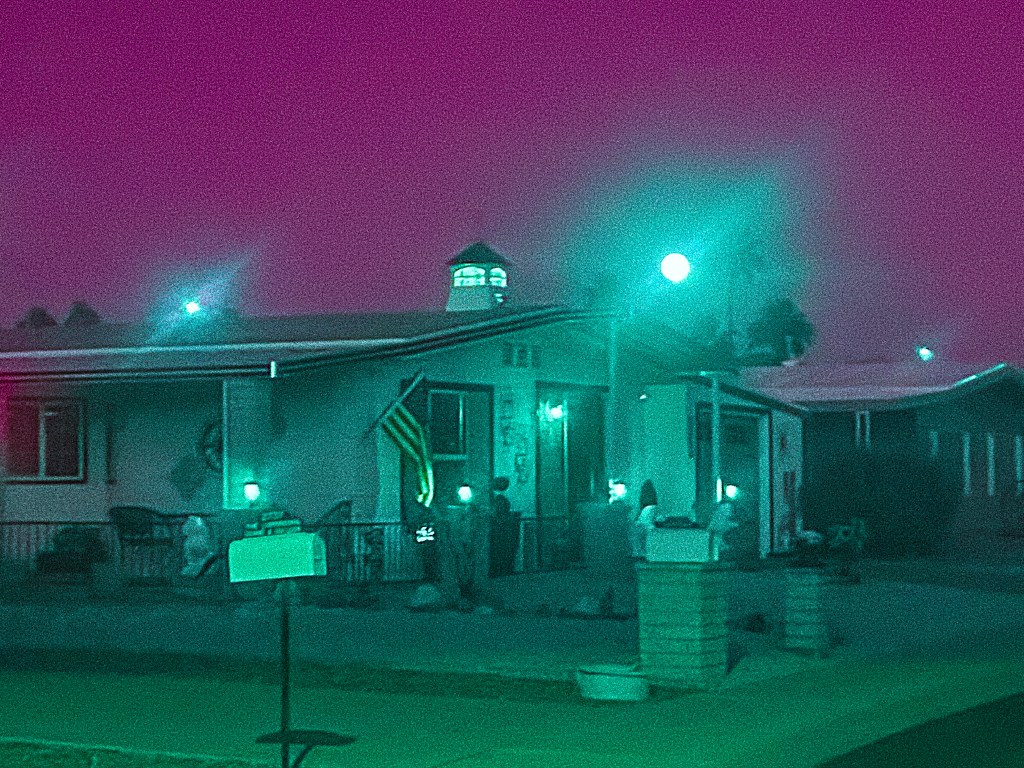
This ditty is possible using a lighting trick. A photo of our home in Arizona on a full moon night in October 2025

Over the years, I’ve taken countless photographs during my travels across the United States. They are not professional grade. Together they tell a story of moments, places, and memories I felt worth sharing. This is the first collection I’m beginning with, and over time I will add more as the journey continues. Depending on how these are received, future sets will follow. For now, I invite you to enjoy this glimpse through my lens.

THE COURT HOUSE

The Washita County Court House. In Cordell, Oklahoma where my
Grandparents hailed from when I was a child.

The Washita County Courthouse, located in Courthouse Square in New Cordell, is the county courthouse serving Washita County, Oklahoma. The Classical Revival courthouse was built in 1910. It was added to the National Register of Historic Places on August 24, 1984. Wikipedia

 111 E Main St, New Cordell, OK 73632

Opened: 1910 Area: 43,560 ft²

Architectural style: Neoclassical architecture

I first attended holiday events with my grandparents here. Later as a police officer I testified at murder trials in the historic court room.

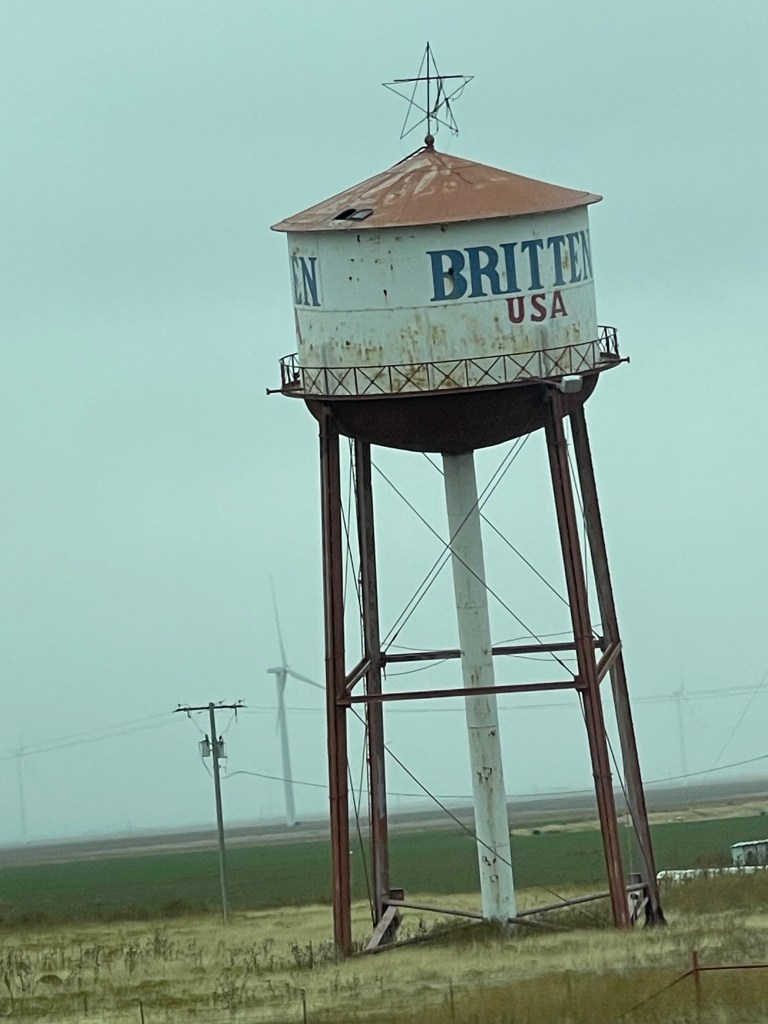
Britten USA

Every time we travel east to visit relatives we pass this landmark in Groom Texas. On this particular day we were heading west hurrying home. A ice storm had been predicted and we were trying to beat it over the mountains.

“Britten USA” most commonly refers to the Britten U.S.A. Leaning Tower of Texas in Groom, Texas, a roadside attraction on Route 66 created by Ralph Britten. Alternatively, it can also refer to Britten Inc., a marketing and branding company that specializes in visual engagement solutions for events and advertising. 

The Leaning Tower of Texas

Current status: It remains a popular tourist attraction and a landmark on historic Route 66. 

What it is: A roadside water tower that is tilted about five degrees from vertical.

Location: Groom, Texas, along the westbound frontage road of Interstate 40 near the historic Route 66 path.

History: Ralph Britten bought the tower from a nearby town. He installed it as a marketing tool for his truck stop and restaurant in the early 1980s. An electrical fire later destroyed the buildings, leaving only the tower.

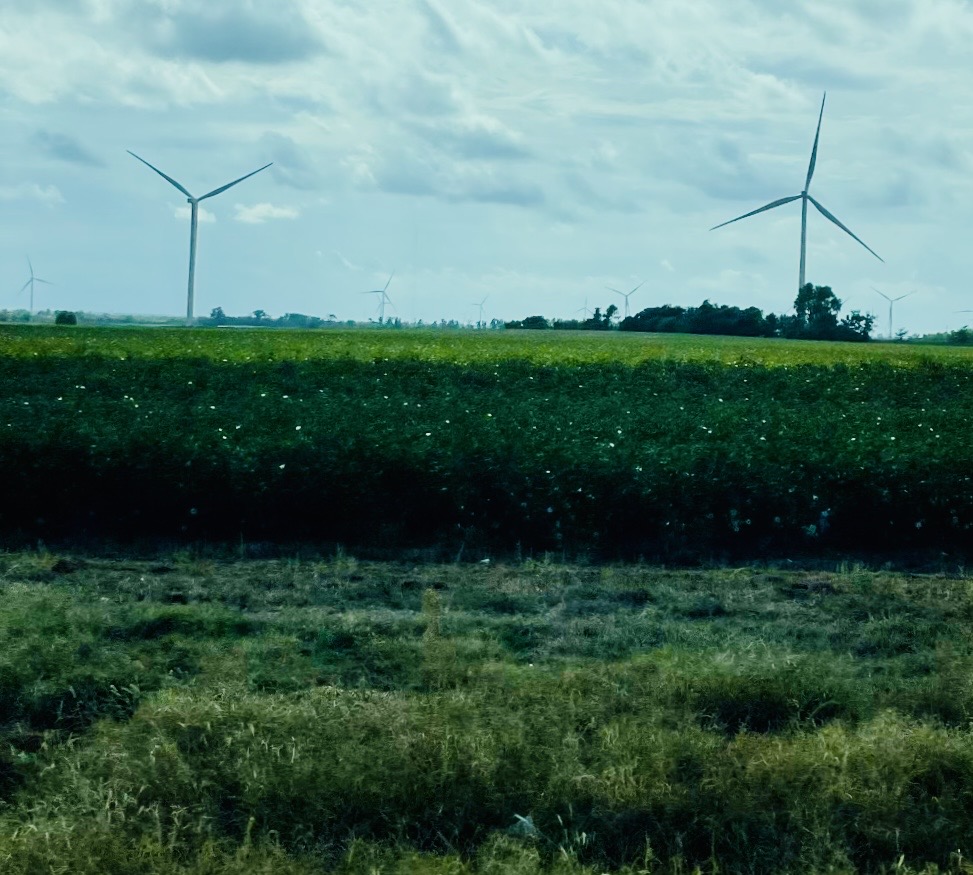
Oklahoma Windmills

Windmills in Oklahoma. A field in Western Oklahoma to be exact.

Windmills stretch across the American landscape. They stand quietly in a field of Western Oklahoma — steady sentinels of what renewable energy can represent. Yet in the current political climate, the future of clean energy in the United States feels increasingly uncertain. Progress once promised innovation and leadership. Now, it risks being slowed by shifting priorities. Resistance at the highest levels of government contributes to this challenge, particularly within the current administration and Republican leadership.

Each pause in advancing renewable energy costs more than time; it costs momentum, opportunity, and global standing. Other nations continue to move ahead. They invest in sustainable solutions and future infrastructure. Meanwhile, America risks falling further behind. This gap is not by years, but by decades. Every delay today echoes as missed potential tomorrow.

MOUNTAINS OF UTAH

This black-and-white industrial scene was captured many years ago. I was accompanying my better half on a business trip to Salt Lake City, Utah. Somewhat surprisingly, the photo was taken from the third-floor window of our modest motel room.

As I looked out, the contrast of rigid industry against the soft sweep of snow-capped mountains stirred something in me. It was a moment that begged to be preserved. It served as a quiet reminder of winter’s presence. This was rare compared to the sun-baked valley we call home near Phoenix. Instinct took over, and I froze the memory in time with a simple click.


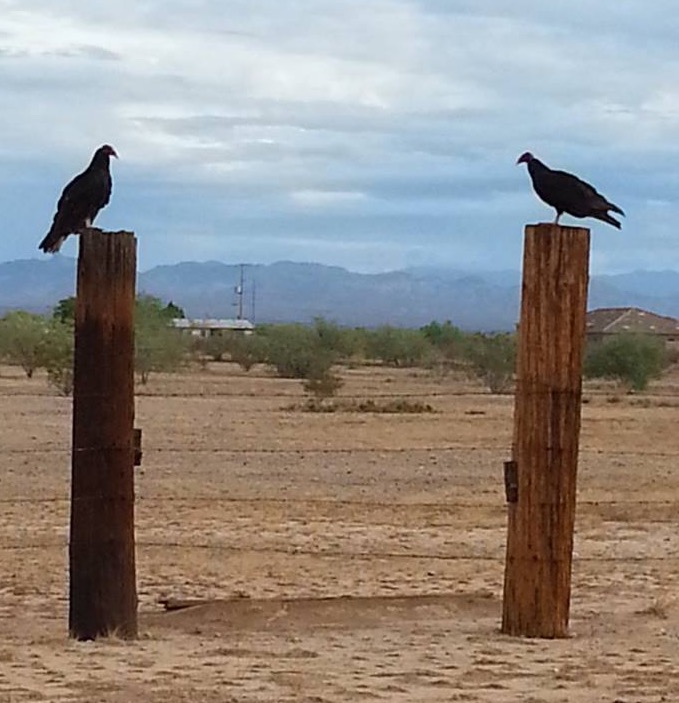
The photo above comes from a much earlier time. It is a fleeting capture of two vultures perfectly perched on weathered fence posts. This scene is in the desert near our old Road’s End Ranch, west of Phoenix, Arizona. We lived there for nearly eleven years, and it remains one of the richest chapters of our lives. Open range, endless sky, and a wildness that felt both rugged and beautiful.

Cattle wandered freely into our yard, trailing no rules but their own. Coyotes called at dusk. Javelina passed through like restless shadows. Rattlesnakes reminded us daily that we were sharing their world. The Western Diamondback (Crotalus atrox) was among the most common. The Mojave Rattlesnake (Crotalus scutulatus) and the Sidewinder (Crotalus cerastes) were also frequent visitors. They were constant guardians of the desert floor.

This particular moment was captured on the fly — literally. We sped through the desert in a golf cart. I clung to the passenger seat. At the same time, I attempted to steady a camera. The vultures sat motionless, almost statuesque, watching over some unseen feast just beyond the fence line. A raw, unplanned moment — and yet one that perfectly reflects the untamed spirit of the life we cherished there.

Sunset at Road’s End Ranch. It was one of the last we were fortunate enough to witness before selling our desert home. We moved to the city in 2013. The White Tank Mountains stretch softly across the western horizon. They catch the fading light in a way only the desert can offer.

This marks the close of the current collection. Many more photographs will be shared in the days, weeks, and months ahead. Thank you for your thoughtful comments, memories, and kind suggestions along the way.

The Day He Lost The Ability To Speak English

By Benjamin GroffMedia© | benandsteve.com | ©2025 

3–4 minutes

Arthur P. Calloway had built a reputation for saying exactly what he thought — and what he thought was rarely kind. He had campaigned against “outsiders.” He railed at city council meetings. He spoke with a confidence born not of wisdom, but volume. English, he often boasted, was the only language this country should ever need.

Arthur opened his mouth one Tuesday morning. He heard flawless Portuguese spill into the quiet of his kitchen. He thought it must be a joke. He assumed it was a trick of the television. It was a dream he had not yet shaken. He tried again. Perfect Mandarin. Then French. Then something that sounded like Arabic, rolling and melodic and utterly foreign to his ears.

“Stop this nonsense,” he commanded himself — only it came out in rapid German, sharp and precise. His heartbeat climbed into his throat.

“Hört auf mit diesem Unsinn!”

Arthur spent the day marching through town in bewilderment, attempting to explain his crisis to clerks, police officers, and neighbors. Every word that escaped him was eloquent and unfamiliar. Some laughed. Some filmed him. A few shook their heads and muttered that he was finally “losing it.”

By afternoon, humiliated and exhausted, he wandered into the small international grocery store he had once tried to shut down. A young woman stood behind the counter. He recognized her instantly. It was Marisol Reyes. She was one of the very people he had publicly accused of “changing the town.” She watched him carefully as he stammered in perfect Spanish.

Her eyes widened. “You never spoke to us before,” she said quietly. “Now you talk like you were born somewhere else.”

“Nunca antes nos habías hablado, ahora hablas como si hubieras nacido en otro lugar.”

Arthur understood.

Arthur’s face burned, but for the first time in years, something softer stirred beneath his anger. Through a strange miracle or curse, he explained everything. He shared his confusion and his fear. He talked about his inability to produce even a single English syllable.

Marisol listened. Not because she owed him kindness, but because she chose it.

Word spread quickly. People from other communities began visiting Arthur, testing his strange gift. He spoke Tagalog with nurses, Swahili with truck drivers, Italian with the old baker whose accent now made perfect sense. Each conversation chipped quietly at the fortress he had built around himself.

Weeks later, as suddenly as it had come, the spell broke. Arthur awoke to find English restored, sitting comfortably on his tongue like an old coat.

But something within him no longer fit.

He returned to Marisol’s store, this time with a hesitant smile and a humility unfamiliar even to himself.

I don’t deserve it,” he said, at last understanding the weight and privilege of those simple words. “But I want to learn. Not just the words. The people.”

Marisol nodded once. Then she gestured to a small bulletin board near the door. It displayed community language classes, cultural nights, and shared meals.

Arthur signed up for every one of them.

The town never quite knew what had caused his transformation. Some called it divine intervention. Others laughed it off as a nervous breakdown. Arthur never explained. He listened more. He spoke less. He walked daily past a world he once hated. Now he heard it. He truly heard it. He listened in every language he had once refused to respect.

And for the first time in his life, he found peace not in being understood… but in understanding.


By Benjamin GroffMedia© | benandsteve.com | ©2025 

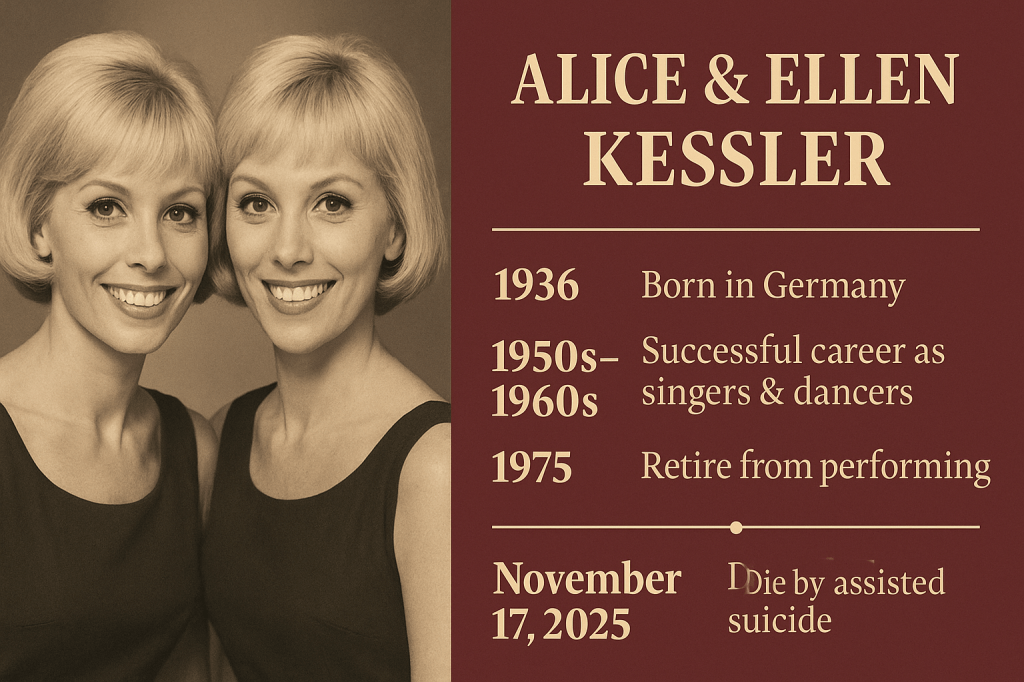
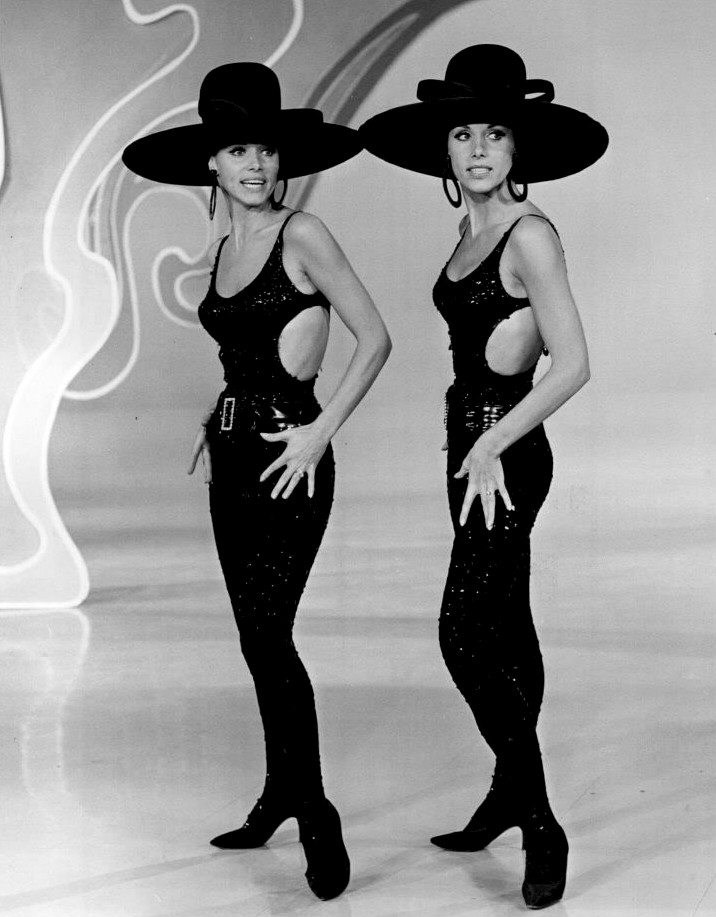
Alice Kessler & Ellen Kessler — Twin Lives, Shared Stardom, and a Final Choice Together

By Benjamin GroffMedia© | benandsteve.com | ©2025 

3–4 minutes

Alice and Ellen Kessler were born on August 20, 1936, in Nerchau, Saxony, Germany. From early childhood, they trained in ballet and performance, eventually emerging as a dazzling twin act in post-war Europe. They became known internationally for their synchronized dancing, singing, and television appearances. They found particular fame in Italy, where they were dubbed “Le gemelle Kessler”.  

They appeared in films like Love and the Frenchwoman and Dead Woman from Beverly Hills . Their careers expanded beyond dance into acting. 

Shared Career, Shared Life 

For decades, they performed as a unit—twins inseparable both on and off stage. Their image of elegance, glamour, and synchronized precision made them icons of entertainment in the 1950s and 1960s. Their bond remained strong even as they stepped away from the spotlight, ultimately returning to Germany and settling near Munich.

Their Final Days & Decision

On November 17, 2025, both Alice and Ellen passed away in Grünwald, Bavaria, Germany, at the age of 89.  Their cause of death is reported as assisted suicide. They made this decision together. It reflects how they had lived life: side by side. 

The sisters had long ago expressed the wish to be cremated together. They wanted their ashes placed in a single urn, according to reports. They had indicated they no longer wished to continue their current life. They chose to end their lives together. 

Why They Made That Choice

While the intimate details of their decision stay personal, the public record suggests the following contributing factors:

  • Age and quality of life: At 89, they faced the realities of aging. Having lived their whole careers, they wished to face death by choice rather than decline.
  • Deep bond: Their identity had been formed around always being together—professionally and personally. The decision to depart together echoes the unity they maintained for nearly nine decades.
  • Autonomy in the final act: In Germany, since 2019, medical aid in dying has been legal under certain conditions. This involves an individual administering prescribed medication themselves. They chose the timing, setting, and manner—affirming their autonomy to the end.

Legacy and Reflection

Alice and Ellen stay symbols of an era of variety-show glamour. They epitomize cross-European entertainment. Their twin synergy is unmatched by few acts. But beyond their performance, their final act raises profound questions about dignity. It also questions companionship and the nature of choice at the end of life.

Their journey is a full-circle narrative for fans, historians, and those intrigued by human stories. They start as childhood ballet students. They become international stars. Finally, they become co-authors of their own end. It shows how life can be lived. It also demonstrates how life can be shared and completed on one’s own terms.

Closing Thoughts Remembering The Kessler Sisters

How many partnerships in life are built to last so long, and so deeply? 

The Kessler twins remind us of devotion not only to craft, but to each other. In their final act, they teach us something tender and unsettling. They reveal the power of choice, the weight of togetherness, and the mystery of closure.

Latest on the Kessler Twins’ passing

NEWS BULLETIN. TUESDAY NOVEMBER 19, 2025

The Kessler Twins have left this world together.

Alice Kessler and Ellen Kessler—German twin sisters who performed as a variety entertainment duo—died by joint assisted suicide at their home in Gruenwald, Germany, on Nov. 17, according to the German Society for Humane Dying (DGHS).

“They had been considering this option for some time,” the association, which advocates for the right to a self-determined death, said in a statement to NBC News. “They had been members of the organization for over a year.”

Explaining that those “who choose this option in Germany must be absolutely clear-headed, meaning free and responsible,” the organization noted that the sisters engaged in thorough discussions with a lawyer and a doctor before setting on this path.

“The decision must be thoughtful and consistent,” the DGHS added, “meaning made over a long period of time and not impulsive.”

Assisted dying is legal in Germany, with the country’s constitutional court ruling in 2020 that an individual has the right to end their life and seek help from a third party under certain circumstances.

MEMORIAL: VIDEO – NOT A DRY EYE IN THE HOUSE


Groff Media ©2025 benandsteve.com Truth Endures

Marketing to Change Minds

1–2 minutes

By Benjamin GroffMedia© | benandsteve.com | ©2025 


Marketing to change people’s views isn’t a new concept—it’s one of the oldest tools of persuasion known to humankind. It begins quietly, almost imperceptibly, with the notion that a particular group or sect isn’t “right” for the community. That whisper grows into a chorus, spreading suspicion from one group to the next. Before long, it becomes an orchestrated campaign designed to win favor with the majority.

Sometimes the purpose is simple—boosting sales or swaying public opinion. Other times it’s darker. It aims to destroy a movement or to silence dissent. It can also trample a people beneath the weight of manipulated perception.

The pattern always begins the same way. A subtle warning disguised as concern. A headline. A slogan. A talking point. Then, as the message gains traction, it becomes sharper, more divisive. The targets shift—left or right, religious or secular, it makes no difference. The goal is control.

In the coming months and years, we will see more of this calculated persuasion. This is marketing that doesn’t sell products but ideas. It spreads fear and hate. It will portray immigrants as criminals, minorities as threats, and neighbors as enemies. The tactic is old, but the technology behind it is new—and more potent than ever.

This isn’t confined to one nation. It crosses oceans and borders, infecting democracies and dictatorships alike. It’s a sickness of the mind and spirit, a global contagion that thrives on division.

To resist it, those who are often isolated in their struggles must unite. Civil rights advocates, faith groups, workers, and artists need to see they are part of the same story. Each citizen must realize their cause is connected. Survival now depends on solidarity. Only by coming together can we create a message stronger than the one designed to tear us apart.


By Benjamin GroffMedia© | benandsteve.com | ©2025 

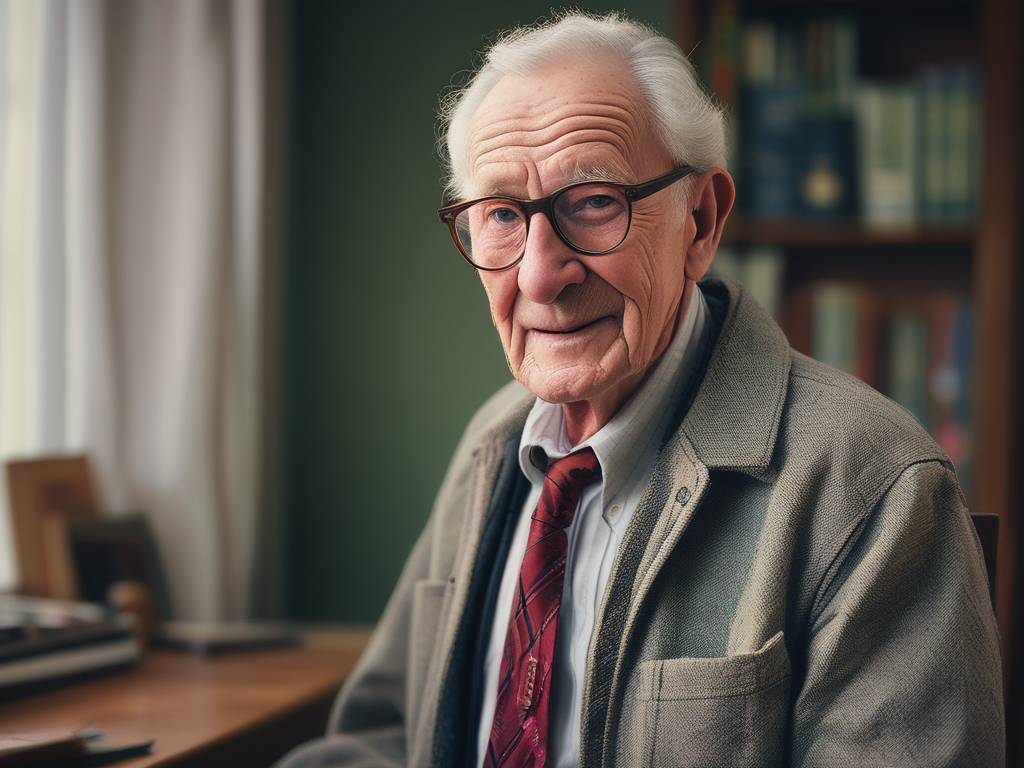
97-Year-Old Country Doctor Delivers 14 Miracle Babies in Small Town Meadowview

A Golden Story Repost From 2024

5–8 minutes

A Story By: Benjamin Groff© Groff Media 2024© Truth Endures


The town coroner was also the same man who delivered most of the people’s babies in town. He was nearly 97 years old and still doing business. His name was Dr. Doodley. Dr. Doodley began working as a doctor when he graduated from Medical School at age thirty in 1957. He made his home in Meadowview. He had a significant other. He was a gentleman Dr. Doodley had met in college. Together, they raised Dr Doodley’s two nephews. They were the sons of Dr. Doodley’s brother, who got killed in an auto accident along with his wife. The community never questioned the couple’s union. They never questioned the children raised by the two men. Everyone welcomed the couple as they joined in events.

Dr. Doodley was the only doctor in the county. He was on call twenty-four hours a day. He would be available seven days a week. With such a schedule, it was common for the family only to see the older family member on the go. He was known for delivering nearly every child in the county for over 70 years. In as much, he declared dead nearly everyone who passed away in the county. This spanned the past 71 years. He had brought into the world and seen many of the same people leave it. He was known to many as an indirect member of their family for his declarations.

On a foggy Tuesday morning, Dr. Doodley received a call for his services. It was from a lady twelve miles from town. At the home, there was also a man. His wife was gravely ill too. It wasn’t until Dr. Doodley arrived that he discovered two other expecting mothers were present. There was also an older man who appeared about to die.

Dr. Doodley was 97 years old and thought to himself, ––

“I hope I am up to this chore. If all these people require my services, I will have my hands complete.”

A young lady at the home received Dr. Doodley, took his hat, and directed him to the kitchen. She had prepared several pans of hot water, clean towels, and sticks there. Dr. Doodley always required those three things to be available. He liked to have hot water for cleaning. Towels for drying and sticks for placing in people’s mouths to bite down on and grit through pain.

The doctor was known to use the sticks himself on occasion to avoid using curse words when he was stressed.

Mildred was a big lady. She was also Dr. Doodley’s first patient and was expecting twins. Her water had broken, and she was about to deliver. The conditions at the home were not ideal for privacy; there was only one room, and everyone was in it.

Mildred yelled ––

It is happening. They’re coming!

Dr. Doodley crunched his 97-year-old body down while Mildred sisters held her hands, trying to do breathing exercises.

Dr Doodley said to Mildred ––

Honey, you have to push, push like there is no tomorrow.

Mildred yelled ––

I’m trying. They’re fighting.

Dr. Doodley trying to soothe Mildred replied ––

They’re not fighting. They’re just taking their time.

Dr. Doodley smiled and, with a cough, shouted.

Looky here, they are here. Mildred! You did it! You got three! Boy, Girl, Boy!

Mildred, exhausted and sweating, shocked stewed back

What’s that, doc? Did you say Three? I was expecting two. Where is the third one from?

Dr. Doodley smiled and laughed,

Mildred, the third one is from you. You had a little hider in you—what a surprise!

The doctor went to announce the new arrivals to the rest of the family. Upon hearing that Mildred had triplets, two of the older family members dropped dead.

The triplets were the first ever born into the family since the 1800s. It was a blessing of riches for the family to get them. An old Irish family tale had always suggested such. The doctor tried to revive the two family members, but their aged bodies were nonrevivable. So he put on his Coroner hat, declared them dead, and called for the funeral home.

Dr. Doodley turned to the family. He told them their two older family members, Elmer and Magnolia, had passed away. He offered his condolences. As he explained the situation, Mildred’s sister, Ethel, entered labor.

Ethel was bigger than Mildred and only slightly smaller than Minnie, her twin sister, who was also expecting. Neither sister knew what they were expecting. They wanted to keep it a surprise for their families. It was also a surprise for the doctor.

Dr. Doodley barely had time to catch his breath before Ethel’s cries filled the room. With a weary but determined look, he wiped his brow and prepared for the next round. He had seen many things in his 97 years. Yet, he had a feeling that today would be one for the books.

Ethel’s contractions came fast and fierce. Dr. Doodley quickly realized that this delivery would be anything but ordinary. He moved swiftly, calling for more towels and hot water, his voice steady despite the chaos around him.

Ethel, gripping her sister Mildred’s hand, screamed out as the first baby appeared.

“Push, Ethel, just a little more,”

Dr. Doodley encouraged. To his astonishment, another head was crowned instantly after the first.

“Twins!”

He announced, but as he cradled the two newborns, he felt another tiny foot.

“Wait—triplets!”

The room buzzed with excitement and disbelief. But Ethel’s labor still needed to be done. With one final push, a fourth baby emerged, making history in the small town of Meadowview.

“Quadruplets!”

Dr. Doodley gasped, his voice cracking with the thrill of the moment. The room erupted in cheers, even as Minnie, the third sister, began to feel the unmistakable pangs of labor herself.

Dr. Doodley was now running on pure adrenaline. He had delivered quadruplets in his nearly seven decades of practice, but never had he faced such a succession. As Minnie’s labor intensified, he steeled himself for what was to come.

Minnie, the largest of the three sisters, began laboring with a determination that matched her size. The room grew quiet, anticipation thick in the air. The first baby arrived, the second, then the third, and when a fourth followed, the room collectively held its breath.

But Minnie wasn’t done. To the astonishment of all, a fifth baby emerged, followed by a sixth. Dr. Doodley, his hands trembling, delivered each child with care, his heart pounding with the sheer impossibility of it all.

“Six babies!”

He declared, his voice a mix of awe and exhaustion. Minnie lay back, breathless but smiling, as the room buzzed with the excitement of the extraordinary event.

Then in the back of the room a cousin named Sissy screamed ––

Doc I think I need you!

As the doctor walked back to her, he could see she had given partial birth to a child, and he said ––

Oh dear, lets get this corrected, and cleaned up. Lay back and hold your aunts hand while we help you!

And that is when the last baby of the night entered the world.

By the end of that foggy Tuesday, Meadowview had welcomed fourteen new babies. It made history in the sleepy little town.

Dr. Doodley, despite his age, had once again proven why he was the most revered doctor in the county. As he looked at the fourteen newborns swaddled and cooing, he couldn’t help but smile. It was a significant day in the history of Meadowview. An elderly man, nearly a century-old, delivered a miracle. No one would ever forget this event.


By Benjamin GroffMedia© | benandsteve.com | ©2025 

No Virginia, “Immigrants Can’t Get Foodstamps, Welfare Or Free Healthcare”

© Benjamin H. Groff II — Truth Endures / benandsteve.com

4–7 minutes

With the 2026 U.S. election season soon underway, you’ll hear a significant amount of disinformation. One major strand targets immigrants in a wholly prejudicial way. It treats them as one homogenous group of “illegal” residents. It claims they all take “welfare benefits,” “food stamps,” or “public assistance programs.” These terms are used as triggers to motivate a particular set of voters. This is a tactic well understood by the most bigoted of candidates.

In reality, U.S. federal law places strict limits on non-citizens’ access to most benefit programs. Among the relevant statutes is the Personal Responsibility and Work Opportunity Reconciliation Act (PRWORA) of 1996. This act sets the baseline framework that governs immigrant eligibility for federal means-tested benefits. (1)


Key Facts

Undocumented immigrants — those who entered without inspection or overstayed visas — are generally ineligible for most federal public benefits. According to the National Conference of State Legislatures (NCSL), people without authorization in the United States can’t access federal public benefits. People who lack authorization in the United States are unable to access federal public benefits. People without authorization in the United States cannot access federal public benefits. Exceptions exist for certain emergency assistance, disaster relief, and non-cash community-level services. (2)

These benefits include major programs. Examples are the Supplemental Nutrition Assistance Program (SNAP, or “food stamps”). Another example is the Temporary Assistance for Needy Families (TANF) cash-assistance program. They also include non-emergency Medicaid. (3)


Lawfully present immigrants, including lawful permanent residents (green-card holders), face further restrictions. Most must wait five years after achieving “qualified immigrant” status before becoming eligible for many federally funded means-tested benefit programs. (4)

Criminal convictions may further affect eligibility. Individuals convicted of a drug–related felony after August 22, 1996 may be barred from receiving SNAP benefits. This is the case in many states. (5)

State-level variation: Federal law sets the baseline. However, individual states may use state funds to extend certain benefits. These benefits are for immigrants who are otherwise ineligible under federal rules. (6)

Quick Facts:
📌 Law: Personal Responsibility and Work Opportunity Reconciliation Act (PRWORA) of 1996
📌 Undocumented Immigrants: Ineligible for SNAP, TANF, and non-emergency Medicaid
📌 Legal Immigrants: Usually face a 5-year waiting period
📌 State Variations: Some states fund limited local programs
📌 Citizen Children: Eligible for benefits if they meet program rules
📌 Exceptions: Refugees, asylees, trafficking victims are exempt from waiting periods

Benefits for U.S. citizen children: A key exception ensures that children born in the U.S. can receive federal benefits, such as SNAP and Medicaid. This is true regardless of their parents’ immigration status, provided they meet all other eligibility requirements. The parents’ immigration status does not disqualify the U.S. citizen child. (7)

Specific exempt categories: Some immigrants are exempt from certain waiting periods or restrictions. These include refugees, asylees, victims of human trafficking, and certain others. (8)


In Summary

The U.S. benefit system places tight limitations on which non-citizens can receive publicly funded assistance. Eligibility depends heavily on:

  • the individual’s immigration status (unauthorized vs. qualified)
  • how long they’ve been residing legally
  • the particular rules of the specific assistance program.

In short: undocumented immigrants have virtually no access to standard federal welfare programs. They also lack access to food-assistance programs, especially if they have a criminal record. Many legal permanent residents must wait years. There are state-funded alternatives and exceptions. However, the broad public claim that “immigrants all use welfare/food stamps” is factually false. This claim serves as a misleading narrative.


Why this matters

When you hear a politician or political advertisement claim that immigrants are draining public benefits, you’re hearing a distorted narrative. It’s a message crafted to provoke emotional responses. It appeals to anxieties. It does not truthfully engage with the specifics of immigration law and benefit eligibility.

Bookmark this post for future reference—especially in the coming campaign months, when such claims will be ramped up. Having the facts on hand helps you call out hyperbole. It separates rhetoric from reality. This keeps the public conversation grounded in truth.

Constitutional Rights of Immigrants

Despite differences in citizenship status, the U.S. Constitution guarantees core rights to all persons within its jurisdiction — including immigrants, regardless of legal status. The Fifth and Fourteenth Amendments protect every “person” (not merely “citizens”) from deprivation of life, liberty, or property. Due process of law is required. They also protect from denial of equal protection under the law. The First Amendment also ensures freedom of speech, religion, and peaceful assembly for all. These guarantees extend to everyone on U.S. soil, whether they are citizens, lawful residents, or undocumented immigrants.

The Supreme Court has repeatedly affirmed these principles — most notably in Plyler v. Doe (1982). It held that undocumented children are entitled to the same public education rights as others. This is echoed in Zadvydas v. Davis (2001), which found that indefinite detention of immigrants violated constitutional due process. While immigration status can affect eligibility for government benefits, it does not erase the fundamental rights guaranteed by the Constitution.


References

  • U.S. Constitution, Fifth Amendment – Protects all persons from deprivation of life, liberty, or property without due process of law.
  • U.S. Constitution, Fourteenth Amendment, Section 1 – Ensures equal protection and due process for “any person” within the United States.
  • U.S. Constitution, First Amendment – Guarantees freedom of religion, speech, press, and peaceful assembly to all persons.
  • Plyler v. Doe, 457 U.S. 202 (1982) – Supreme Court ruled that denying public education to undocumented children violates the Equal Protection Clause.
  • Zadvydas v. Davis, 533 U.S. 678 (2001) – Affirmed that immigrants, even undocumented, are protected by the Due Process Clause against indefinite detention.
  • Yick Wo v. Hopkins, 118 U.S. 356 (1886) – Early Supreme Court case establishing that equal protection applies to non-citizens as well as citizens.

🗳️ Call to Action: Truth Over Talk

In the months ahead, political noise will grow louder, and facts will often take a back seat to fear. Before sharing or believing any claim about immigrants, take a moment to fact-check it. Look for verifiable data. Check reputable sources and legal references. Misinformation thrives when good people stay silent.

Share true information. Challenge falsehoods when you see them.
By doing so, you defend the truth. You also uphold the American promise of fairness and equality under the law.


By Benjamin GroffMedia© | benandsteve.com | ©2025 

Guardians of Memory: Writing Our Truth Before It’s Rewritten

© Benjamin H. Groff II — Truth Endures / benandsteve.com

1–2 minutes

Tell It Like It Is

There comes a time in every nation’s history when silence becomes more dangerous than speaking. We are living in such a time now. Books are being banned, lessons erased, and truths rewritten to serve new agendas. What once stood as collective memory is being scrubbed clean, leaving behind a shell of what was. But history, real history, lives in the people who lived it — and that means you.

If the history of your people, your town, your family, or your country is under attack, write it down. Don’t wait for permission. Don’t assume someone else will record it for you. Every letter and every diary is a piece of the truth. Every recollection of how life was is also a piece of the truth. This includes the food you ate and the songs that played on your street. This truth is something that no one can erase.

Print it. Bind it. Keep it in a box, a drawer, or a chest. Place it anywhere it can be found by those who come after you. Share copies among your family members. Hide one in a place that time itself will forget. Digital memories are fleeting; servers fail, passwords vanish, and what is “deleted” online is often gone forever. But paper endures.

We have the power, still, to protect the soul of a free people — not through politics, but through preservation. Keep the banned books. Read them. Understand why they were silenced. They are often the keys to liberty’s locked door. The stories, poems, and records we save are not only for nostalgia’s sake. They defend against those who claim freedom was always fragile. They made it seem that way to future generations.

When freedom falters, truth is what leads us back.
Write your book. Tell your story.
Save it as if your grandchildren’s liberty depends on it — because one day, it just will.


By Benjamin GroffMedia© | benandsteve.com | ©2025 

Former Zamalek Midfielder Dies in Car Accident at 51

Groff Media ©2025 benandsteve.com Truth Endures

2–3 minutes

🕊️ Mohamed Sabry (1974–2025)

Mohamed Sabry, Former Zamalek Midfielder, Dies at 51

Mohamed Sabry Former Zamelek Midfielder, Dead at Age 51.

The Egyptian football community is deeply saddened to mourn the loss of Mohamed Sabry. He was the former Zamalek and Egypt national team midfielder. He died in a car accident in Cairo’s Fifth Settlement on Thursday. He was 51. Sabry’s untimely passing marks the end of a remarkable life. He dedicated his life to the sport he loved. He helped define it for a generation of fans.

Sabry was a central figure in Zamalek’s golden era throughout the 1990s and early 2000s. This was a decade of triumphs. It cemented the club’s legacy in African football. Between 1993 and 2003, he lifted 15 major titles. These included three CAF Champions League trophies and two Egyptian Premier League championships. Known for his fierce determination, vision, and leadership on the pitch, Sabry was instrumental. He led Zamalek through some of its most celebrated victories. He earned admiration from teammates, opponents, and supporters alike.

Mohamed Sabry

After news of his passing, tributes poured in from across Egypt and beyond. Zamalek icon Mahmoud Abdel-Razek “Shikabala” described Sabry as “a legend of Egyptian football.” He also called him “a symbol of loyalty and devotion to his club and supporters.” His words reflected the views of many who admired Sabry for his exceptional talent. They saw him as a model of dedication and humility. Fans, former teammates, and rival clubs alike joined in remembering a man whose passion for football transcended the game’s rivalries.

Condolences also came from key figures within Egyptian football. Hossam Hassan, the national team coach, offered his sympathy to Sabry’s family. Al Ahly president Mahmoud El Khatib also conveyed his condolences to the wider football community. Tributes continue to flow. Mohamed Sabry will be remembered as one of Zamalek’s most influential midfielders. His achievements, sportsmanship, and loyalty to his club left an indelible mark on Egyptian football history.


Groff Media ©2025 benandsteve.com Truth Endures

Mohamed Sabry (1974–2025): Remembering a Zamalek Legend

“Buying Warner Bros: The GoFundMe Heard ’Round the World”

2–3 minutes

by Benjamin Groff II – this is a fictional story. It was created by the space in my head. In this space, various ideas loom when I read news articles. This makes them more enjoyable.


A GOFUNDME to buy Warner Brothers?

It started as a joke. It was one of those offhand remarks tossed out online. You’ve had just enough coffee and cable-news frustration to believe you do better than a billion-dollar studio.

“Why don’t we just buy Warner Bros.?” I said. “We’ll start a GoFundMe.”

Within minutes, the idea took on a life of its own. A few shares, a few memes, and by nightfall, the campaign had raised $437.17 — most of it from people who thought they were donating to rescue Bugs Bunny.

Of course, the real Warner Bros. — now a corporate hydra known as Warner Bros. Discovery — is valued somewhere north of $20 billion, give or take a Batman sequel. That means we’d need approximately 500 million people donating $40 each to make an offer. A few folks online said that it was doable “if we all skipped Starbucks for a month.”

I’m not saying I was confident, but I did start designing logos: “People’s Pictures Presents…” and “A Groff–Swint Production.” I figured we’d restore Saturday morning cartoons. We would bring back The Bugs Bunny/Road Runner Show. We should stop rebooting the same superhero franchise every six months.

Within days, the comments on the GoFundMe page turned into a movement. Someone pledged $10 and demanded we greenlight Smokey and the Bandit 2: The Electric Pontiac. Another offered $25 “if y’all promise to fire whoever keeps canceling good shows after one season.”

The campaign hit $3,000. Then I got my first call from a lawyer. Apparently, corporate takeovers by crowdfunding are “not standard procedure.” I told him, “Neither is releasing Space Jam 2, but that didn’t stop you.”

Before long, our story went viral. CNN called it “the most optimistic hostile takeover in entertainment history.” One late-night host joked that Americans had finally united. They did not unite to choose a president. Instead, they united to save Looney Tunes.

We never got close to $20 billion. We didn’t even reach the amount needed for one Warner Bros. parking pass. But something magical happened. Fans from around the world flooded the comments. They shared memories of Saturday morning cereal and cartoons that made them laugh before school. For a moment, it wasn’t about money. It was about taking back a piece of joy that corporations can’t own.

So no, we didn’t buy Warner Bros. But in a way, we did something better. We reminded the world who really owns the stories. They are owned by the people who remember them.

As for me, I left the GoFundMe page up. In case Elon or Oprah feels nostalgic.

Still I have a question. If Fans Owned Hollywood — What Would Change First?


By Benjamin GroffMedia© | benandsteve.com | ©2025 

🎬 The Emperor of the North (1973)

By Benjamin GroffMedia© | benandsteve.com | ©2025 
2–3 minutes

Original title: Emperor of the North Pole

Running time: 1h :58m Rating: PG Genre: Period Drama / Thriller

Director: Robert Aldrich Writers: Christopher Knopf, inspired by the works of Jack London

A Ride Through the Great Depression — and Through Human Grit

The film is set in 1933. The Emperor of the North takes place against the backdrop of the Great Depression. During this time, the rails served as a lifeline for the desperate. They also became a battlefield for survival. Ernest Borgnine plays Shack. He is a brutal railroad conductor. Shack rules his train—the Number 19—with an iron fist and a hammer to match. His sworn enemy is the legendary hobo A No. 1, portrayed by Lee Marvin. A No. 1 rides the rails with the confidence of a man. He is cunning and refuses to be beaten by either poverty or authority.

The story becomes a symbolic duel between two men: the enforcer of order and the champion of freedom. Their rivalry becomes a metaphor for a country divided. Some cling to what little control they have. Others have lost everything but their pride.

A Director Who Keeps the Train on Track

Director Robert Aldrich (The Dirty DozenWhatever Happened to Baby Jane?) gives the film a muscular rhythm—every whistle blast and rattling wheel pulse with tension. When you think the film will slow, Aldrich revs it up with a fight. He adds a chase or introduces a moment of quiet resolve. His pacing keeps Emperor of the North from ever running off the rails. It balances moments of raw brutality with haunting glimpses of camaraderie among the downtrodden.

A Cast as Strong as Steel

Lee Marvin and Ernest Borgnine headline a powerhouse ensemble. The cast also includes a young Keith Carradine as Cigarette. He plays the eager, inexperienced hobo who idolizes A No. 1 but still has much to learn about survival and respect. The supporting cast, featuring Malcolm Atterbury, Simon Oakland, Sid Haig, Matt Clark, Elisha Cook Jr., and others, adds authenticity to the Depression-era world. Each actor feels carved from the same rough wood as the era itself—grimy, determined, and vividly alive.

A Story About Class, Pride, and the Price of Survival

Though marketed as an adventure, the movie is a study in pride and power. Shack’s tyranny is born out of fear and obsession; A No. 1’s rebellion comes from principle. The screenplay is inspired by Jack London’s tales of survival and the human spirit. It weaves geography and movement into a dance. This dance stretches across boxcars, over bridges, and into the soul of a broken nation.

“Only one man rides the rails — the other rules them.”

By the film’s climax, we’re left asking who truly wins. Is it the man who guards the system, or the man who defies it? Both emerge scarred by the journey. That’s the real message of Emperor of the North. Survival during desperate times demands both strength and sacrifice.

Verdict: ★★★★☆

A rugged, violent, and beautifully shot Depression-era thriller. Borgnine and Marvin deliver performances as fierce as the clanging of the rails themselves. It’s a story about pride and power. It also explores the peril of trying to be “Emperor” when the world has nothing left to give.


By Benjamin GroffMedia© | benandsteve.com | ©2025 
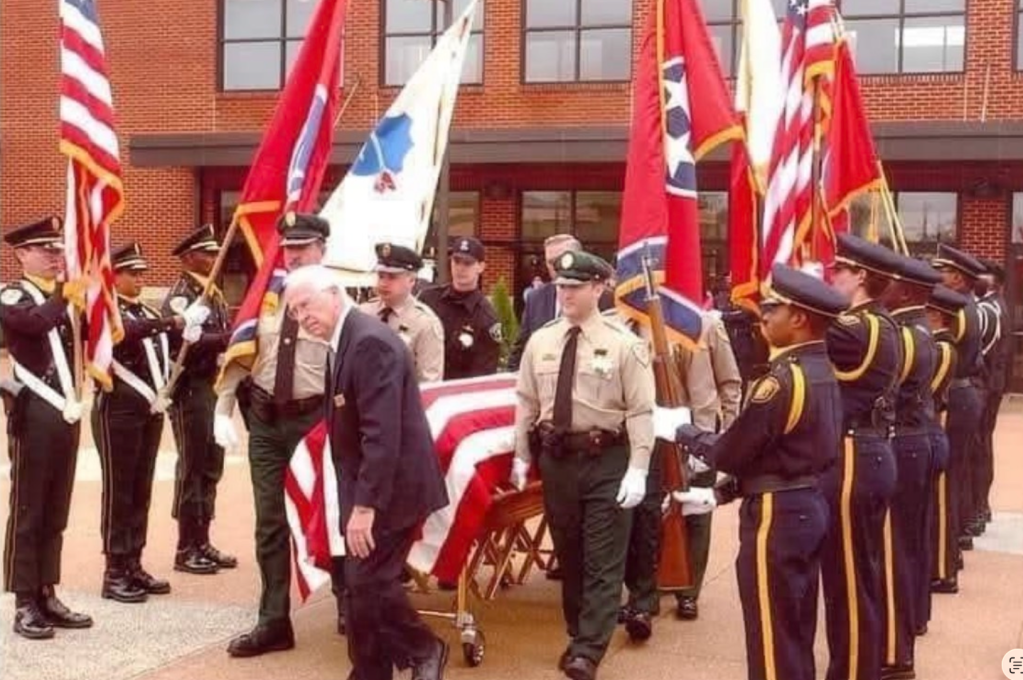
🩸 The Making of a Nightmare

When Progress Buried the Past Beneath Big Canyon Lake

By Benjamin Groff II | The Story Teller – benandsteve.com.

3–5 minutes

As The Story Goes –––

No one had seriously thought it would be real. They all thought what they were doing would be forgotten in only a few weeks. But what followed would go on, and on, and on. And not even those with the worst of intentions have predicted the outcome.

It was the summer of 1941, and spring had brought heavy rains to the Big Canyon, flooding the valley below. The farmers had not yet seen the completion of the WPA projects. These projects began in the late 1930s across most of the country. With those projects came new schools, highways, bridges, and community centers. The last of the projects here was the shoring up of valleys. This involved building dams to control runoff waters from creeks, rivers, and streams. When the heavy rains came, the floods were tamed through a spillway cut deep into the earth.

Now that summer was upon them, workers from the CCC and WPA joined forces. They were building what would be known as the Big Canyon Watershed Project. They used mules and draft horses. With these animals, they pulled wedges and plows. The team cleared the valley floor that would soon disappear beneath the rising water. Every blow of an axe and every groan of timber was heard in the thick air. These sounds seemed to signify progress—or so they thought.

The men bunked in rough-hewn cabins and ate in a mess hall that smelled of kerosene and sweat. They joked about ghosts that will one day swim through the drowned cottonwoods or the abandoned family homesteads. But there was one homestead no one wanted to talk about—the Miller place.


The Miller Mystery

The Millers had lived at the base of the canyon for as long as anyone remember. Their house sat crooked beside a spring-fed creek that never dried, even in the harshest drought. Locals said the spring was sacred to the Washita people long before white settlers arrived. When the government bought out the land for the dam, every family took the offered payment—except the Millers.

Old Henry Miller refused to leave. “This land don’t belong to the government,” he told the surveyors. “It don’t even belong to me. It belongs to the water, and she’ll take it back when she’s good and ready.”

They said he vanished one night in late October, just before the final clearing began. The official report listed him as relocated. But the men who worked the next week swore. They heard hammering at night. They saw a lantern flickering deep in the canyon where the Miller house had stood.

When the first rains came that winter, the spillway gates were opened. The lake began to rise. Within days, the Miller place—and whatever was left of it—was gone.


The Haunting of Big Canyon Lake

By the next summer, Big Canyon Lake became a local attraction. Families came from nearby towns to picnic along the shore and marvel at the engineering wonder. Fishermen swore the lake was bottomless. Divers who dared to explore near the old creek bed spoke of hearing faint knocking under the water. It sounded as if someone were still hammering boards together.

A maintenance crew was at the spillway in 1947. They were inspecting it by draining part of the spillway. During the inspection, they found something jammed in one of the lower gates. It was a section of cabin timber—weathered, darkened, with three hand-carved letters burned into it: H. M.

The lake was drained once more in the drought of 1954. When it receded far enough, the foundation of the old Miller place appeared, blackened but intact. And at its center, where the spring once bubbled up, was a hole—dark, deep, and breathing.

No one went near it. The Army Corps sealed the area, and within weeks, the water rose again.


The Nightmare Endures

Locals say Big Canyon Lake is cursed. On calm nights, when the moon hangs over the still water, you can see a lantern light. It flickers beneath the surface. Fishermen have reported hearing someone tapping on their boats, like a muffled warning.

The government calls it folklore.
The people who live nearby call it memory.

As for the Miller land, they say the water finally took it back. It also took the man who tried to keep it.


© Benjamin H. Groff II — Truth Endures / benandsteve.com

The Howard Family Intervention: When the All-American Dream Met the Algorithm

By Benjamin GroffMedia© | benandsteve.com | ©2025 
4–5 minutes

The Howard family always seemed so functional to their neighbors in Bessieville. Their home glowed warmly in the evenings. The paint was always fresh, the hedges trimmed. To the outside world, the Howard’s — Frank, Lois, and their three boys — were the picture of American perfection.

Frank Howard worked as a supervisor at the local airplane plant. Lois split her time between home and the grocery store checkout. Their sons, Mark, Tim, and John, were the type of kids people admired. Others often said, “Now there’s a good family.”

So when Lois stumbled across the box in John’s room, she felt her stomach drop. Inside were pamphlets, flyers, and web printouts — literature no parent ever expects to find.

Frank walked in just as she was holding one, her hand trembling.
“Ann,” he said, “what’s going on?”

“I—I hope this is for a school paper,” she stammered. “I don’t know why he’d have this stuff. There’s so much of it!

Frank thumbed through the stack. “Holy hell. Does he even know what this thing does to people? We raised him better than this.”

Moments later, Mark dropped by to visit. Seeing his parents in his brother’s room, he asked, “What’s up? You two look like you just found a body.”

Ann handed him a pamphlet. Mark’s eyes widened.
“Where’s he get this? Do you think he’s…?”

Both parents answered in unison: “No! God no!”

Before they speculate further, Frank’s phone buzzed. It was their middle son, Tim.
“Hey Pop, I’ve been calling the house — Ma not answering again? Everything okay?”

Frank hesitated. “We just have… a situation. Did you ever notice your brother getting into anything strange lately?”

Tim laughed. “What’d he do, join a cult?”

Ann shouted from across the room: “Yes! That’s exactly what it looks like!”

Within the hour, Tim was racing home. A few fraternity brothers were in tow. He called them his “Frat-Team.”

When they arrived, Frank showed them the contents of the box. One of the frat boys, a computer science major, said, “Let’s check his laptop.” Within minutes, they uncovered a disturbing digital trail. When they turned the screen toward Frank, he muttered, “I need a drink.”

By now, the grandparents had arrived. The house was full. They decided to wait for John’s return, convinced they “save” him from whatever this was.

At 8:30 sharp, the back door creaked open.
“Hey,” John said, stepping inside. “What’s with all the cars? Mom selling Tupperware again?”

“Sit in the yellow chair,” Frank said. His voice left no room for argument. “And don’t say a word.”

John sat, confused.
“Son,” Lois began, “are you… flirting around with extremists?”

John blinked. “What? Ma, I don’t think so.”

Frank held up one of the pamphlets. “Then what’s this?”

Suddenly, John’s tone hardened. His face twisted with anger.
“You people are blind! You sit here preaching love and tolerance while the country rots from the inside out. You call it compassion — I call it weakness!”

The room fell silent.

Grandpa Howard stood, slapped his knee, and gasped.
“My God — he’s a conservative!

Grandma wailed, “Frank! Ann! You’ve got yourselves a Republican!”

Mark leaned back in his wheelchair, groaning. “It’s worse. He’s been indoctrinated. He’s deep into it — the algorithms, the podcasts, the memes…”

Ann sobbed. “How did this happen? We raised him right. We had PBS, not Fox!”

Frank gritted his teeth. “We can fix this. There’s a camp that reverses it. Teaches kids empathy again.”

The frat boys nodded. “Or we can bring him to a few Pride Parades,” one said. “Exposure therapy.”

That’s when John exploded. He cursed his family. He hurled coasters across the room. He shouted about “real patriots” and “fighting the deep state.”

No one noticed the faint red light blinking on one frat boy’s phone. They’d been recording the whole scene.

Moments later, two uniformed officers stepped inside — Toby and Rex. Toby, a family friend, looked bewildered.
“Good Lord, what’s going on here? Is he possessed?

Rex shook his head solemnly. “No. I’ve seen it before. Same thing happened to my parents. They started watching those ‘news’ streams online. By Thanksgiving, they were threatening to burn our pronoun mugs.”

Ann gasped. “Oh sweet Jesus.”

Frank turned toward his son, voice trembling between rage and heartbreak.
“John, listen to me. We can still get you back. But we have to act now. Before it’s too late.”

John sneered. “Too late for what? To stop me from voting?”

And with that, he stormed out the door, leaving the room in stunned silence.

Grandpa finally muttered, “Well, guess the boy’s all grown up now.”

The family sat frozen — the hum of the refrigerator filling the void where laughter used to live.

In the background the local television news reported bloody attacks on black students leaving a GED Class that evening. The suspects identified as young white males. Who used Molotov cocktails yelling white power and God chooses a white America as they escaped on bicycles.

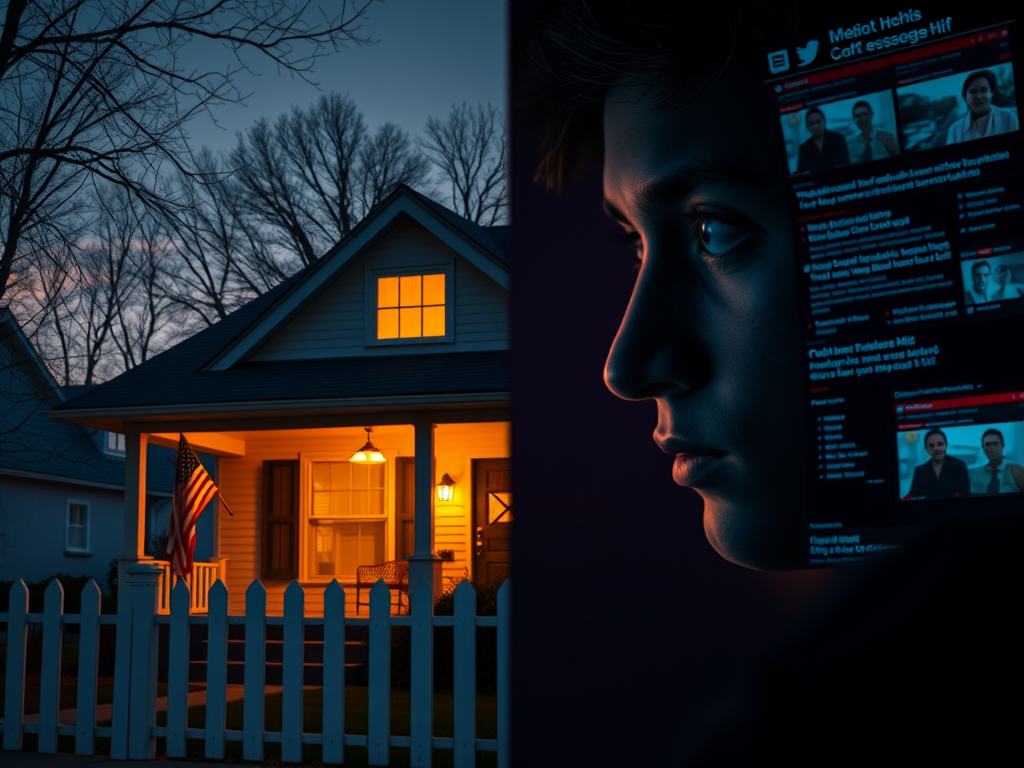
Outside, the streetlight flickered over the Howards’ perfect little home. It was still warm and still well-kept. Now, forever, it is just a little bit haunted.


© Benjamin H. Groff II — Truth Endures / benandsteve.com

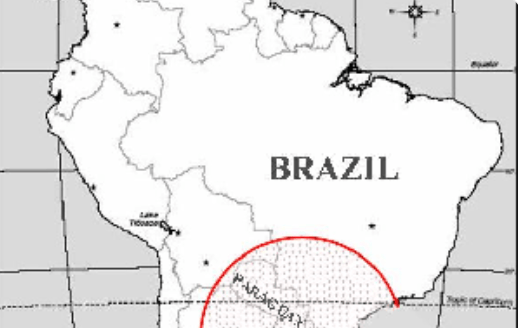
Tornado Activity in Paraná, Brazil: How Common Is It?

2–4 minutes

By Benjamin GroffMedia© | benandsteve.com | ©2025 


Damage caused by tornado strike in Parana’, Brazil November 6, 2025

The state of Paraná, in southern Brazil, does not experience tornadoes as often as North America’s “Tornado Alley.” In contrast, it is one of the more active regions for severe weather. It experiences more frequent severe weather compared to the rest of South America. Tornadoes here are not everyday events, yet they occur often enough to be taken seriously.

Frequency and Historical Records

  • The southern region of Brazil (Paraná, Santa Catarina, and Rio Grande do Sul) records the majority of the country’s tornadoes.
  • A comprehensive meteorological study found around 310 tornado occurrences in southern Brazil. Approximately 87 of those took place in Paraná during the recorded period.
  • (Source: Universidade Federal de Santa Maria – Ciência e Natura Journal)
  • Another catalog lists at least 106 tornadoes that have historically occurred in Paraná alone. Nonetheless, researchers agree that the actual number is probably higher. Many rural or short-lived tornadoes go unreported.
  • (Source: Wikipedia – List of Brazil Tornadoes)

When and Where Tornadoes Occur

  • The peak season runs from September through March or April, corresponding to the warm, storm-prone months in the Southern Hemisphere.
  • Tornadoes in Paraná are typically linked to cold fronts. They are also linked to severe convective systems (supercell thunderstorms). These systems move north from Argentina and Paraguay across southern Brazil.
  • The western and central portions of the state, especially open agricultural regions, experience the highest number of reported events.

Risk and Impacts

Tornado damage
Nov. 6, 2025
  • While far less frequent than in the U.S. Midwest, Paraná tornadoes can still be destructive.
    • One notable event occurred in 2015, when a tornado struck Marechal Cândido Rondon, destroying homes and injuring residents. Meteorologists later classified it as an EF-2 tornado.
      • Damage paths in Brazilian tornadoes are often shorter. Building standards and awareness levels are low. This means that even small tornadoes can still cause significant losses.
  • Meteorologists note that the public’s perception of tornado risk in Brazil is low. This can make isolated events more dangerous due to a lack of preparation or warning infrastructure.

Summary

Aspect Description

Frequency: Dozens recorded over several decades; under-reported

Peak Season September–March (Southern Hemisphere spring to early autumn)

Most Active Areas Western/Central Paraná

Typical Intensity EF-0 to EF-2, occasionally stronger

Risk Level Low overall, but real — capable of significant local damage

In Perspective

Parana’, Brazil Nov. 6, 2025

Tornadoes in Paraná are uncommon but not rare. They sporadically, mostly during severe summer thunderstorms. For locals, this means staying alert during major storm fronts — not living in fear, but with awareness.

Compared to global hotspots, while Paraná’s tornadoes seem minor. In a region better known for lush farmland and waterfalls, a twisting funnel cloud is a striking sight. It remains one of nature’s most potent spectacles. It is also among the most sobering spectacles.

Late on Friday night, a ferocious whirlwind ripped through the southern Brazilian town of Rio Bonito do Iguaçu. It left behind a scene described by officials as “like a war zone.” With winds exceeding 250 km/h (155 mph), the twister flattened homes. The tornado overturned vehicles and claimed at least six lives — including a 14-year-old girl — while injuring hundreds more. Source (Al Jazeera+2AP News+2)

As emergency crews sift through the rubble, the people of this tight-knit community face an uncertain morning. They wonder where to sleep. They consider how to rebuild. They must reckon with nature’s sudden fury. Source (ABC News+1)

This is not just a storm. It’s a stark reminder of how swiftly life can change. This happens when the skies unleash their full power.


By Benjamin GroffMedia© | benandsteve.com | ©2025 
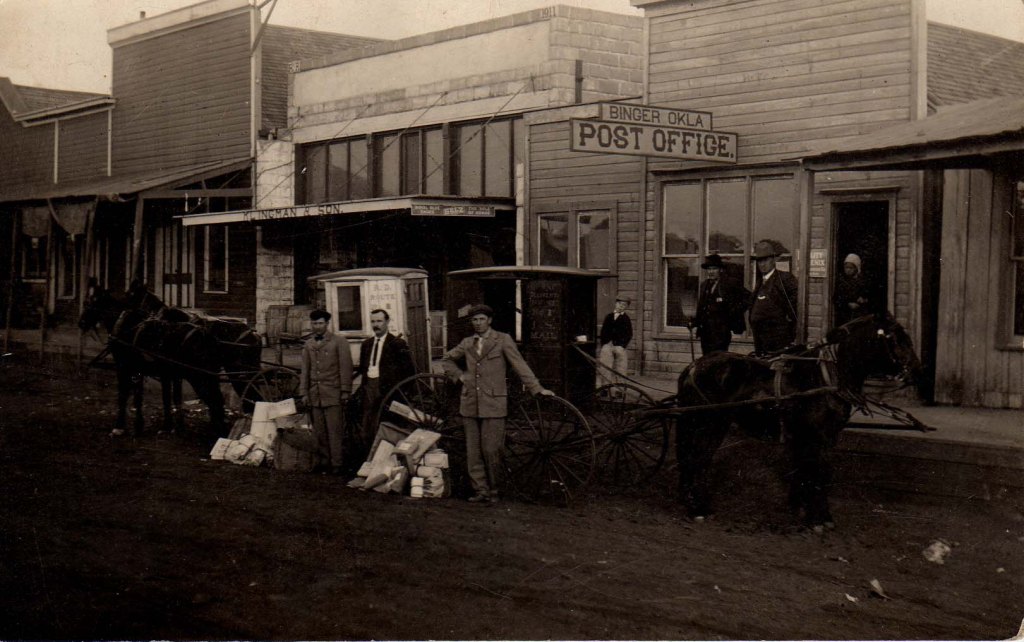
Until The End He Was A Pal – A Second Publishing

8–12 minutes

© Benjamin H. Groff II — Truth Endures / benandsteve.com


This story first appeared some time ago, but it felt right to bring it back — with a little update. It’s about the dogs who’ve shared our lives over the years. Each one has left paw prints on our hearts that never fade. We’ve laughed with them, cared for them through their golden years, and mourned them when they left us. Those memories still tug at the heart, but they also remind us how lucky we were to have them.

And now, there’s Otis. The latest addition to our little family. Otis is, without question, a show all on his own. He is full of personality and quirks that can fill a book. He’s mostly happy, sometimes possessive, and always fiercely protective. His love is big, messy, and unconditional — and we smother him right back with ours. He keeps us laughing with his antics and over-the-top expressions. But one word of advice: don’t ever try to take his food away. Let’s just say you will walk away a finger short.

So to start –

It was a lazy Sunday. We had been at the desert retreat. We had bought it and happily named it the Roads End Ranch. It is west of Phoenix, Arizona. The location was so remote. Cattle still stirred throughout the desert region. They crossed the roadways undeterred by speeding cars. These cars carried new homeowners to neighborhoods built further out of the city. Occasionally, you would see a dead cow with all fours extending straight up. It had fallen victim to a collision with someone from the big town. They were speeding over a hill at night. When we first moved to the Roads End, we brought our fearless terrier, “Buddie.” We built him a castle of a doghouse. It had access to an airconditioned tool building. He was all of ten pounds and fattened on hotdogs. He loved them and would fight the biggest opponent before him and win to get his. Earlier in the summer, Buddy appeared sluggish and started drooping.

We thought he had been caught out in the heat. He had refused to take shelter in the tool shed. Instead, he wanted to fight with a ground squirrel that terrorized him daily. But the more we checked on him, the worse he got. We rushed him to a veterinarian, and testing began. They were baffled for two days. They not conclude what was wrong with this terror of the UPS driver. The little black attack dog would hide behind his favorite bush. He watched the driver unload the truck. Then he would rush up to the fence. He raised Cain with a bark so fierce. It startled the driver every time. Buddie was in trouble. Finally, a phone call came. The Vet’s office tech informed us about Buddie’s test results.

The results confirmed what we had feared — Buddie had advanced Valley Fever. The vet told us it can be deadly if not caught early, and they were deeply sorry. The delay in getting his test results back had cost us precious time. We met later that afternoon at the veterinary office to hear the full diagnosis.

Valley Fever, technically known as coccidioidomycosis, is a fungal infection caused by Coccidioides (pronounced kok-sid-ee-oh-OI-deez). Sometimes called “San Joaquin Valley Fever,” it can cause fever, coughing, fatigue, and other flu-like symptoms. There are two species of the Coccidioides fungus, both commonly found in dry, dusty soil throughout the Southwest. Farming, construction, strong winds—anything that stirs up the earth—can send their spores into the air.

When inhaled, those spores can infect the lungs. In humans, Valley Fever can range from mild to severe. Some cases resolve on their own. Others need antifungal medication. But unlike people, pets can’t tell us when something feels wrong. They rely on us to notice.

Buddie was always digging. He often chased ground squirrels. He buried his nose deep into the dirt. His head was below ground as often as it was above. By the time we recognized the signs, the infection had already taken hold. The fungus had consumed his lungs, leaving no hope for recovery. We had lost our boy — and with him, a piece of our hearts.

We said our goodbyes to Buddie. He slowly went to sleep. We brought him home to the Roads End Ranch. We buried him in his favorite corner. This was the one he liked to catch the UPS man. After his passing, we were finished with the idea of having more pals. Losing him had just been too hard. Besides, we were taking care of Steve’s mother, and she was entering hospice and taking up all of our time. It was all we do to her.

We took the best care of Steve’s mother, keeping her in our home through many ups and downs. Then, in June, she passed early one Sunday morning. It was quiet. Nothing was moving, not even our cat. It had been over a year since losing Buddie. And, now we were experiencing loss again. A month of memorials seemed to take place. We remembered her in Arizona. Then, we returned to Oklahoma to lay her to rest.

Then, we came home. The house was empty. It was just the two of us and the cat, Blanche, a spade female, Siamese. We had brought her with us from the move when we left Wichita, Kansas after 9/11, nearly six years earlier. She only became vocal when something got on her nerves or when I talked to her. She would talk back to Steve if he yelled at her, they had a relationship like that. 

A few months passed, and Steve suggested we drive to the South Phoenix animal shelter and look at dogs. He said we didn’t want to get one—just look to get out of the house. So we left. When arriving, we walked through the outdoor kennel area. There were so many dogs, all barking for attention—except for one. He was a hound dog. He looked pitiful. It was like he had lost his last best friend. He was moping over in a corner of his kennel. He was not excited to see anyone. Yet, he came to us. Steve asked to take him for a walk, and the attendants provided a lead. The hound strolled around with us for ten minutes. He did not seem more excited than Eeyore from Winnie The Pooh.

During our walk with this dog, we decide to adopt an 80-pound, six-month-old American Fox Hound. We get him to our car and load him into the backseat. As both of us sit down up front, his head appears between the seats. He looks at the two of us. I asked Steve what are we calling him? We were listening to a song by an artist named Shooter Jennings, whom we both enjoyed. So, our dog found himself named Shooter at that point. We only put a little thought into it.  

Buddie our first dog saved Shooter’s life!

Valley Fever can show up in dogs in many ways. One of the most common signs is unexplained joint pain, often in a front leg. We learned that too late with Buddie. By the time we understood what was happening, the infection had already taken hold. But when Shooter came limping in one afternoon, crying out at even the lightest touch, we didn’t hesitate. We rushed him to the vet, and the diagnosis was clear — Valley Fever again. This time, though, we were ready. Medication was started right away, and Shooter recovered. In a way, Buddie had taught us how to save Shooter. Our first pal had given his life to save our second — a lesson in love we’ll never forget.

Shooter grew into a 120-pound dog, the most loyal hound a person ever asked for. He never made a mistake or mess in the house. He always strives to please us. His life was one of loyalty. He was a big scaredy-cat but the most excellent protector. He hated thunderstorms. He would only go out in the rain if you went with him. You had to hold an umbrella over him while he did his business. He’d keep it and refuse to go outside if you didn’t offer to take the umbrella. If you had a big juicy bone, you lay a towel down on the floor. Tell him to keep it on the towel. Not a piece of the bone would hit any other part of the floor. He stayed put. He was the perfect boy. He loved other people. Too much sometimes. Steve often accidentally tripped our home alarm. The local police department would arrive. That is when you realize naming your dog Shooter was not the best choice. The first time they were here, we yelled, “Shooter, get down!” The look on the officer’s face was priceless. We were using the wrong tone. It wasn’t how we should have been saying it. The officer asked if we were alone and if we were okay. Are you being threatened?

We had to explain that was the dog’s name. We had to go through the whole dog licensing explanation. Fortunately, I had photo identifications made of ‘Shooter’. I offer them, which brought fun to the moment. After that incident, I took action to make sure the 911 center had a note. It stated that a dog named Shooter lived at our location. They should expect to hear us yelling commands at him because he loves everybody. “Shooter” lived until the age of 14. One summer, a micro-burst struck and tore the roof off our home. During the process, we were reduced to living out of one room of our home while it was under repair. “Shooter” had been showing signs of slowing down. We had been concerned we would find him gone some morning, but he was always there to greet us.

While the house was under construction, “Shooter” seemed worse. We called a veterinarian to come to our home. He not be there until the next day because of the damage. That evening, his breathing became labored, and we cuddled with him, holding our pal. He raised his head, let out two last whines, and died. Our “Shooter-boy” was gone. He had been our best friend and closest family member many times. He was filling in for the loss of others who passed. He taught us how to love and be brave during thunderstorms. In the end, I believe he showed us how even to die.

“Shooter”

Today we have Otis. A Jack Russell Terrier. We describe him as a terror. He is a character. And a handful at times. He keeps us busy. Wanting to play, and running in and out of the house. He is very protective of his home. We have to put him in a safe area when we have company. He needs time to adjust to new people being inside. We wait to see what is up with him each day. Never knowing what he will do next.

“OTIS”

Otis is named after the drunk on the Andy Griffith show. This is mainly because when we went to adopt him, he escaped from the shelter. Four people were chasing him around the parking lot and buildings. He finally was captured. And placed in a holding cell. We couldn’t help but love his innocent look he had after his little run from the law. He has an attitude. He will growl when he has had enough of you. Telling you to let him be. If you notice not any single one of our dogs have a single thing in common. Except that they were rescued from animal shelters. And they live a full and happy life.


By Benjamin GroffMedia© | benandsteve.com | ©2025


Leave a comment

This site uses Akismet to reduce spam. Learn how your comment data is processed.

Marriage Rights at the Crossroads: A Nation in Reflection

By Benjamin H. Groff II | Truth Endures / The Story Teller

3–5 minutes

A Decade After Obergefell

Will You Lose Your Rights To Marry Who You Love?

Ten years after the Supreme Court’s landmark Obergefell v. Hodges decision recognized same-sex marriage as a constitutional right, America finds itself again revisiting questions many thought were settled.

The Court’s ruling in 2015 declared that marriage, in all its forms, is protected by the Fourteenth Amendment. This includes guarantees of liberty and equal protection. As new petitions rise, the conversation has returned to the surface. Shifting public attitudes also contribute to this discussion. Who holds authority over marriage — the individual, the state, or the Constitution itself?


The Current Question Before the Court

A pending petition related to former Kentucky clerk Kim Davis has reignited national attention. Her case asks whether local officials refuse to issue marriage licenses on religious grounds. It also questions whether Obergefell overstepped by forcing states to recognize marriages they once prohibited.

The Supreme Court has not agreed to hear the case. Still, its presence on the docket is enough to open old wounds. It also raises new questions. Some legal analysts believe the current Court will not directly overturn Obergefell. Yet, it will narrow its reach through religious-liberty rulings. It also does so through state-level exceptions. Others assert that stability — not upheaval — best serves the nation and the families already bound under its promise.


Two Visions of Marriage and Rights

One side views marriage equality as part of America’s long arc toward inclusion. They view it as a civil institution that, once granted, should not be rescinded. They see equality before the law as non-negotiable. They fear that revisiting the issue will fragment the nation’s sense of fairness.

The other side argues that Obergefell disrupted centuries of state authority. It affected religious conscience. They believe that restoring local decision-making better reflects democratic process. They point to the tension between personal faith convictions and federal mandates as a conflict yet unresolved.

Between those poles lies a broad middle. These are citizens who do not agree on doctrine. They understand that marriage, whether between a man and woman or same-sex partners, carries profound human meaning. Many simply wish to preserve stability, protect liberty, and allow space for faith and freedom to coexist.


Faith, Law, and Living Together

Scripture has long influenced how societies view marriage. For some, biblical passages define its structure and purpose; for others, they offer moral insight without prescribing civil law. The tension between religious belief and constitutional law is not new. This tension echoes past debates over interracial marriage, divorce, and women’s rights.


In every era, society has had to ask two questions. What happens when faith and law collide? How do we live together without tearing the fabric of our community apart?


Why the Debate Still Matters

Even if the Court declines to hear new challenges, more than two dozen states have laws banning same-sex marriage. These laws are dormant on their books. If Obergefell were ever overturned or weakened, those statutes will return overnight, affecting benefits, inheritance, adoption, and family recognition.

At the same time, many Americans share a common belief. Conservatives and liberals alike think the government shouldn’t dictate the deepest personal choices of its citizens. This belief runs deep in the country’s DNA. – Barred from Hospital Rooms – Declined Visits By Family Funerals – Loss of Shared Property.


A Time for Reflection, Not Division

It is that America is less divided on love than on language. Many citizens who believe marriage is sacred still believe in equal dignity; many who support equality still respect faith’s voice.


The challenge before the nation is to find balance. This also is a challenge for the Supreme Court. It involves preserving both religious liberty and individual freedom. This must be done without sacrificing the dignity of either.

Marriage remains one of the few institutions that bridges our private and public lives. It does this whether one calls it a covenant before God or a contract under law. The real question is not who can marry. It is whether we can continue to respect those who see it differently. Is it a divine institution? One which a person be married and divorced five times, as long as it is to the opposite sex. Or, is it a civil contract between two people which protects their lives, property and future? Capable of being entered into by any two people.


Closing Thought

History rarely moves backward. Nonetheless, it does pause to consider and to recalibrate. It also reminds us that liberty requires both conviction and compassion. As this conversation unfolds, we argue less to win and more to understand.


© Benjamin H. Groff II — Truth Endures / benandsteve.com