The Wild West Legacy: Tim’s Cattle Drive Experience

GROFF MEDIA 2024© TRUTH ENDURES IMDBPRO

Presented by benandsteve.com By: Benjamin Groff II©s

4–6 minutes

Sitting in the large living room, Tim’s father called him down from his upstairs bedroom. As Tim entered, he wondered if he had forgotten to do his chores properly. He also thought about whether his father had bad news to deliver.


Sitting on the fireplace ledge, he faced his father, who sat in his favorite chair.


“I’m helping Jess Paul tomorrow down south of Mingo for Doc. We must drive cattle up from their southern pasture. Then, we will move them into holding pens for transport to the sale barns. We need a third rider to keep the point in key areas, and I’d like you to come with us.”


Tim’s heart leaped. He had never been to Mingo but had always heard about the town. It was one of the last places with a 19th-century reputation. It was known as a wild, lawless settlement. Gunfights on the main street occurred weekly. Jess Paul often talked about how the local cowboys were descendants of the originals who roamed the territory before statehood.


Jess Paul was one of his father’s closest friends. Ten years ago, he lost both legs below the knee in a farming accident. Despite this, he rehabilitated himself and learned to walk using only a cane. Jess Paul can mount a horse and ride all day without showing pain or discomfort. With his two wooden legs, he can break a wild two-year-old stud just as well as any other cowboy. To Tim, Jess Paul was the toughest man Tim had ever known. His hands were massive, and he had a story for every place they went.


Tim’s father instructed his older sister to stop by his school and collect any assignments he’d miss.


“Tell his teacher I need him to work cattle,”

he said matter-of-factly.


The next morning came early. At 4:00 AM, Jess Paul was already up, having slept in his truck’s camper parked in front of their house. Jess Paul’s horse had been kept with the others on Tim’s father’s farm. While his father and Jess Paul gathered saddles and horses, Tim hitched the stock trailer to his father’s pickup.


Jake, Tim’s father, rode his horse, Red Man. Tim mounted Sam, his temperamental gelding, while Jess Paul rode Sonny. With the horses loaded, they set out for Mingo—a journey of over 150 miles. Another 20 miles beyond the town lay the range land where the cattle waited.


Jess Paul talked nonstop during the long drive. Tim had heard some of his stories several times before. Each time, Jess Paul added a new detail to keep them fresh. This made the stories engaging.


After three hours on the road, they arrived and unloaded the horses. Tim dreaded the ride on Sam. The weather was unseasonably cool, and Sam was known for taking off bucking at the worst possible times.


“No cowboying,”

Jake warned.

“We want these cattle to walk to the pens. Just guide them—don’t rush them or get them running.”


Tim nodded. He understood why. Running the cattle would make them lose weight, reducing their value at the auction.


No cattle were in sight from the truck. The trio mounted up and rode south across the prairie. Half an hour later, they spotted the herd—about two hundred head—gathered in a valley, sheltered from the cold north wind. Jake moved wide to one side of the herd. Jess Paul took the opposite side. Tim took position on the hill. He was ready to steer the cattle north toward the pens.

Tim fought to keep Sam still as the cattle approached. The horse was itching to jump, and Tim braced himself, expecting a sudden bucking fit.


The first two turning points went smoothly. Tim maneuvered between the cattle and the next position with ease. But at the final turn, he noticed a devil’s claw tangled around Sam’s hind hoof. The dried-up weed flower was notorious for driving horses wild, making them kick and thrash to free themselves. Tim knew he had to stay calm.

Devils Claw
Proboscidea louisianica


Slowly, he dismounted, working his way around Sam. He reached down with deliberate care. Then, he grabbed the devil’s claw and pulled it free. Using his boot, he brushed it away. Miraculously, Sam stood still.


Tim half expected the horse to explode at any moment. The last time Sam went full rodeo, they had been riding a narrow trail along a canyon. On one side was a dirt wall; on the other, a hundred-foot drop. Sam had bucked the entire way down to the canyon floor. Tim had held on for dear life. He cursed the horse with every bounce. Tim’s father scolded him for not stopping the horse. Tim never dared argue back. He had just been trying to survive the ride.


Now, with Sam behaving, Tim remounted and guided the cattle through the final turn. The herd moved steadily into the holding pens, where hay and grain had been spread.
After the last cow entered, the trio loaded their horses back into the trailer, and the gates clanged shut. The job was done. They had answered the call south of Mingo, and now it was time to head home.

Riding home meant Jess Paul would tell more stories.

Nostalgia and Popcorn: A Journey Through Memories

GROFF MEDIA 2024© TRUTH ENDURES IMDBPRO

Presented by benandsteve.com By: Benjamin Groff II©s

1–2 minutes

The Smell of Popcorn

Daniel stepped into the old movie theater, greeted by the warm, buttery aroma of freshly popped popcorn. It was the same scent from childhood when he remembered Saturday matinees with his father. His fingers were sticky from too much caramel corn. He heard the comforting rustle of a paper bag in his lap.

Tonight, the theater was nearly empty. A black-and-white classic was playing, something from Daniel’s father’s era. Daniel barely glanced at the screen. As he moved to the concession stand, the current blurred with the past in his mind.

“Large popcorn, extra butter,”

he said out of habit.

The teenage worker scooped the golden kernels into a striped bag, the scent thick and intoxicating. The warm, buttery aroma enveloped Daniel, transporting him back in time. He inhaled deeply. For a moment, he was seven years old again. He held his father’s hand as they walked down the carpeted aisles. They found their usual seats in the middle row.

“You always gotta have popcorn, kid,”

his father had said, grinning.

“It’s part of the experience.”

Daniel took his seat and set the bag beside him. His father should have been sitting there, too. The empty chair, a stark reminder of his absence, felt heavier than it should.

The smell of popcorn filled the air, wrapping around him like a familiar embrace. He closed his eyes, listening to the distant crackle of the projector. He almost heard his father’s voice, whispering about the film’s history like Daniel always did.

Daniel reached into the bag with a soft smile and tossed a handful of popcorn into his mouth. The taste was salty and warm, each kernel bursting with flavor. The theater didn’t feel so empty for the first time in years.

Midnight Drives: A Journey of Freedom and Reflection

GROFF MEDIA 2024© TRUTH ENDURES IMDBPRO

Presented by benandsteve.com By: Benjamin Groff II©

1–2 minutes

The Open Road at Midnight

For Jake, the best time of his life wasn’t marked by grand achievements or milestones. It wasn’t a wedding, a promotion, or a once-in-a-lifetime trip. It was far more straightforward—something that came in the quiet hours when the rest of the world seemed to sleep.

He lived for those midnight drives. The highways stretched out before him like ribbons of endless possibility, empty and open beneath the glow of streetlights. There was something sacred in those moments. He would roll the windows down and let the wind rush in. It carried away the day’s weight. The music was always loud—classic rock, country, sometimes blues—whatever fit the night’s mood.

With no destination in mind, Jake would drive. Sometimes, it was the backroads, where the stars shone brighter than the city’s glow. Other times, it was the interstate. The hum of his tires and the engine rhythm became part of the melody.

Those drives were freedom and escape. There were also the rare moments when Jake’s thoughts never became tangled in the past or anxious for the future. He wasn’t Jake, the overworked employee, or the guy who never quite figured things out. He was just a man, a car, the night, and the music.

One night, he pulled onto a deserted stretch of highway. The wind whipped through his hair. Tom Petty’s Runnin’ Down a Dream poured from the speakers. He pressed the gas just a little harder. He felt the weightlessness of it all. He experienced a unique peace. No one was around to remind him of the world’s expectations.

He wished he had bottled that feeling—the weightlessness and possibility. The night seemed to whisper that everything would be okay, even if it wasn’t.

But maybe that was the beauty of it. It wasn’t meant to last forever—just long enough to remind Jake of what it felt like to be alive.

The Evolution of Fun: From Classic TV to Modern Joys

GROFF MEDIA 2024© TRUTH ENDURES IMDBPRO

Presented by benandsteve.com By: Benjamin Groff II©

2–4 minutes

GOOD TIMES REMEMBERED

Crosby & Hope

For many, the good times meant youth spent without barriers. Kids rode bicycles freely around town or through the countryside. They explored wherever curiosity led. They just had to be home before dark or by 10 p.m. It was when running to a friend’s house, unannounced was safe. It felt just as natural for them to show up at yours. We all cherish that time of freedom and spontaneity.


Your version of the good times began when you got first place as a young adult. You also got hooked up to cable television. Gone were the days of only three channels. Now, there were forty or more. Channels like MTV, HBO, and SHOWTIME offered endless entertainment. Some kept their televisions locked on MTV 24/7, not wanting to miss the latest music video premiere. The phrase “I want my MTV” wasn’t just a slogan; it was a way of life.


Icons like Downtown Julie Brown, Max Headroom, Randy of the Redwoods, and JJ Jackson became daily companions. They guided audiences through interviews and music video countdowns. These shows entertained us and shaped our memories, creating connection and nostalgia.


Yet, while MTV rocked for many, others fondly recall Saturday mornings. They spent time with classic cartoon characters. They watched Bugs Bunny, Elmer Fudd, Daffy Duck, and Yosemite Sam. Or they enjoyed Speedy Gonzales, the Flintstones, or the Jetsons. These beloved characters live on today, often appearing in rebranded forms and often in commercials that spark nostalgia.


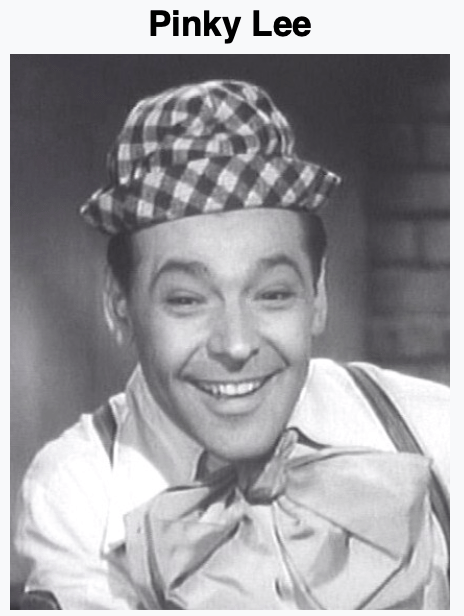
For earlier and later generations, laughter came from entertainers like Pinky Lee or Pee-wee Herman. In the 1950s, Pinky Lee brought his lively antics to television. He appeared first in a primetime variety show. Later, he starred in a children’s program sponsored by Tootsie Roll. His Emmy-nominated show paved the way for future quirky entertainers. Pee-wee Herman was one of them. His distinctive gray Glen plaid suit, red bow tie, and eccentric persona owed much to Lee’s energetic style.


Beyond television, the good times existed in life’s simple pleasures. One was the crackle of a baseball game on the radio during a warm summer evening. Another was the scent of fresh popcorn at a drive-in theater. The excitement of getting that first car was thrilling. Sheer will and a little duct tape held it together.


For some, the best times were spent playing Pac-Man and Donkey Kong in arcade halls. They also glided across the roller rink beneath spinning disco lights. Others made mixtapes from the radio. They hoped the DJ wouldn’t talk over the intro of a favorite song. Others remember cruising on a Saturday night, windows down, music blasting, with no destination—just the pure joy of freedom.
The good times were about more than the entertainment we consumed. They were about the people we shared them with. Families gathered around holiday meals. Friends packed into a car for a spur-of-the-moment road trip. Conversations under a star-filled sky became treasured late-night memories.


Each generation has its version of the good times. These moments shape us and leave lasting impressions. They bring smiles long after they’ve passed. No matter what era you look back on, one thing is sure. The good times do not last forever. But they always roll on in our hearts. They create a sense of continuity and belonging.

What is your favorite best-of-times recollection?

Reliving Harry Caray’s Magic: A Cubs Story

GROFF MEDIA 2024© TRUTH ENDURES IMDBPRO

Presented by benandsteve.com By: Benjamin Groff II©

2–3 minutes

My Afternoons with Harry Caray

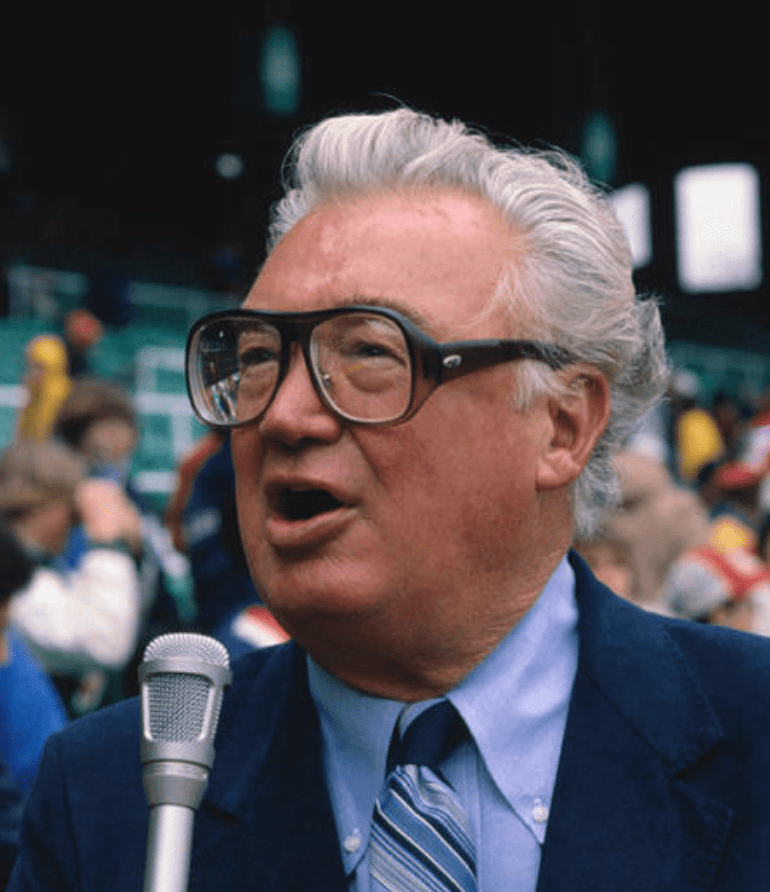
The sun beat down outside. The heat rolled in waves off the pavement. Inside my living room, the air was incredible, and the beer was ice-cold. It was that time of day again—my afternoons with Harry Caray.

The ritual was sacred. A six-pack, fresh from the ice chest, sat beside my recliner, already dripping with condensation. The TV crackled to life. There he was—Harry Caray, larger than life. His voice boomed through the speakers like an old friend stepping through the door.

“Holy cow! It’s a beautiful day for baseball!”

It didn’t matter where the Cubs were playing—Wrigley Field, St. Louis, Los Angeles—Harry brought the game home. The crack of the bat and the crowd’s screaming made each moment vivid. The agony of a blown lead and the thrill of a rally were more alive because Harry was calling it.

I took a long sip of my beer as the game unfolded, Harry’s voice rising and falling with every pitch.

“Ahhh, folks, that one just missed!”

he’d groan after a close ball.

“Boy, oh boy, you gotta be kiddin’ me!”

when the ump made a call against the Cubs. And when a fan made a barehanded grab in the stands?

“Let me tell ya, that guy deserves a contract!”

But no moment was more sacred than the seventh-inning stretch.

The organ at Wrigley Field fired up, and Harry’s voice slurred just enough to let you know he was enjoying the day as much as I was, belted out those legendary words:

“All right, Cubs fans, lemme hear ya! A one! A two! A three!”

And then it began:

“Take me out to the ballgame…”

I stood up from my chair, beer in hand, and sang along like I was in the bleachers. My voice didn’t hold a candle to Harry’s, but that didn’t matter. Our tradition was a shared experience that connected me to every other Cubs fan.

For those few moments, nothing else existed—just me, Harry, and the game.

When the ninth inning came, the excitement peaked. Whether the Cubs had pulled off a miracle or suffered another heartbreak, I lifted my beer. I then raised it one last time toward the screen.

“To you, Harry. Your legacy lives on in every Cubs fan. Holy cow, what a ride.”

Loneliness and Connection: The Maple and the Crow

GROFF MEDIA 2024© TRUTH ENDURES IMDBPRO

Presented by benandsteve.com By: Benjamin Groff II©

2–3 minutes

The Maple and the Crow

In the quiet corner of Oakridge Park stood an old maple tree. Its branches stretched wide, offering shade to picnickers in the summer and a golden glow in the fall. 

It had seen many seasons pass and many creatures come and go, yet it always felt lonely. It never had a friend to share its days with.

Then came the crow.

The bird arrived one blustery afternoon, perching on the maple’s lowest branch with a ruffled look. Its wing drooped slightly, and its usual subdued sharp claws.

“Shoo!” 

The tree whispered as the wind rustled through its leaves. It was not quite ready to accept this new presence in its life.

But the crow did not move.

Day after day, the crow lingered. 

Caw Caw!

It hopped from branch to branch, picking at the bark, watching the world below. It cawed at passing dogs and tilted its head at children chasing kites.

“Why are you still here?” 

The maple finally asked.

“Nowhere else to go,” the crow replied. Its voice carried a hint of resilience. The tree had never heard this before.

The crow replied.

For the first time, the tree understood what it meant to be lonely. The Maple had never considered this feeling before. The sun rose, the rain fell, and its roots dug deep. But watching the crow, it felt something new—a quiet companionship.

The maple began to enjoy the crow’s presence. It let its leaves shiver in the wind to make music for the bird. When the crow felt strong enough to fly, it still returned, perching in the same spot.

Seasons passed. The maple grew older, and its branches were not as strong as they once were. But the crow remained. It brought stories of faraway places. These places had mountains that touched the sky and rivers that sang in the moonlight.

And when winter came, and the tree stood bare, the crow nestled close against its trunk.

“I will stay,”

 The crow promised.

“I know,”

The maple replied.

And so they remained, an old tree and a watchful crow, an unlikely friendship rooted in time.

Mabel the Cow: A Unique Weather Oracle

GROFF MEDIA 2024© TRUTH ENDURES IMDBPRO

Presented by benandsteve.com By: Benjamin Groff II©

2–4 minutes

THE COW THAT FACED EAST AND WEST

Mabel The Cow
Mabel The Cow That Stood East and West

Mabel was no ordinary cow. Unlike her bovine companions, most faced north or south due to the Earth’s magnetic field. She alone possessed the uncanny ability to sense the shifting seasons. Her unique gift made her a figure of fascination and wonder in the town. If she stood facing due west upon stepping from her barn, an early spring was certain. But if she turned east, the town braced itself for six more weeks of winter’s harsh grip.

The people’s trust in Mabel was unwavering. She had consistently met their expectations. She had never let them down. This held true since old Farmer Ed Boyd’s grandfather first noticed her peculiar habit. To them, she was more than just a cow—an oracle of the changing seasons, a symbol of nature’s quiet wisdom. Their collective belief in her was a bond that united the entire community.

On this particular February 2nd, 2025, the excitement was palpable. The air was crisp. The sky was cloudless. The crowd murmured in hushed voices as they watched Farmer Ed lead Mabel from the barn. She had just finished her morning hay and grain, and Ed had completed the daily milking. Now, all eyes were on the old cow.

Mabel stepped into the winter sunlight, surveyed the expectant faces before her, and let out a deep, resonant moo. Then, to everyone’s shock, she did something she had never done before.

She laid down.

Not facing west. Not facing east. But southwest.

A stunned silence fell over the crowd. Uncertainty hung in the air, and people exchanged nervous glances.

“What does it mean?”

whispered Mrs. Thatcher, pulling her shawl tighter around her shoulders.

Farmer Ed scratched his head, bewildered.

“Well, folks, I reckon Mabel’s got somethin’ new to tell us this year.”

Sheriff Dobbs adjusted his hat.

“Maybe it means we’ll have a little of both—some winter, some spring?”

Standing on tiptoe beside his father, Young Tommy Jenkins piped up,

“Or maybe she’s just tired!” 

His innocent humor brought a wave of laughter, momentarily easing the tension.

The laughter helped ease the tension, but the mystery remained. Some of the older farmers nodded knowingly. It was as if they were saying that nature always had its way of keeping folks guessing.

And sure enough, in the next weeks, the weather seemed as indecisive as Mabel had been. One day, warm breezes carried the scent of budding trees. The next day, an icy wind howled through town. It coated the fields with frost. The seasons wrestled for control, neither willing to yield entirely.

By March’s arrival, the town understood—Mabel had been right all along. That year, winter and spring refused to play by the usual rules. It was a season of in-between, cold mornings followed by warm afternoons, snow melting too soon only to return overnight.

From that year onward, the town no longer saw Mabel’s predictions as simple answers. They realized that nature didn’t always give clear signs. It spoke in whispers, patterns, and subtle shifts. Only those who truly paid attention understood these messages.

And so, every February 2nd, the people still gathered at Ed Boyd’s farm. They came not just to see where Mabel would stand. They attended to be reminded of life’s one true certainty—change is always coming.

Mabel, as always, remained the one true expert.

The Power of Storytelling: My Journey Through Words

GROFF MEDIA 2024© TRUTH ENDURES IMDBPRO

Presented by benandsteve.com By: Benjamin Groff II©

3–5 minutes

A Journey Through Words: For Everyone Who Has Liked My Stories Over Time!

Each day, I search the depths of memory for details that can shape a story. Sometimes, I draw inspiration from current events or pressing concerns that resonate with my readers. Usually, the stories I share come from personal experiences; they are events I lived through firsthand or about those close to me. Or, I was involved enough with a concern to know the details intimately.  

As a child, I had a speech defect. It kept me from speaking up in crowds, around strangers, or in public settings. What seemed like a limitation at the time was a gift—it taught me to listen. I became an observer, absorbing conversations, secrets, and moments others have overlooked. I often teased my older relatives that I held onto some of the family’s best-kept secrets. Over time, those secrets became stories—carefully crafted to preserve history while protecting the people behind them. It also helped me to learn how to be invisible, in a sense. When you stay still and always stay quiet, people overlook the kid in the corner. Conversations happen, and they let their guard down. That was a gift of sorts I brought in my adult life.

There’s a line I often use when people ask what I’ve done in life. I tell them, half-jokingly:  

“I’ve done damn near everything.”

And it’s true.  

I started working on our farm at eight, feeding horses, cleaning barns, and doing chores. Later, I rode fences, helped my dad with his duties as a ranger, and ran errands. As a teenager, I worked at the camp he oversaw, mowing lawns and clearing brush. Once I got my driver’s license, I started hauling hay and peanuts with three friends. It was some of the most challenging work I’ve ever done.  

I became a police officer and served in that role until retirement, after which I transitioned into radio broadcasting. I anchored newscasts for a five-state radio network before moving to a larger market as a news director. Eventually, I returned to law enforcement, working for the Department of Corrections, where I tracked down escaped prisoners. Tracking sometimes required undercover jobs—working at bakeries, hardware stores, magazine suppliers, or grocery stores—blending into communities to locate fugitives. I blend into the scenes, always becoming invisible, just as I did when I was younger. I was always successful, though I often found it hard to leave the undercover roles behind.  The people I had met always became colleagues.

After the September 11th attacks, my spouse’s employer offered a transfer from Kansas to Phoenix, Arizona. The decision was easy. I left law enforcement behind. I found work with Ford-Volvo of North America. I became a vehicle test driver at the Arizona Proving Grounds. I assisted the Ford assembly group in the winter. In the summer, I tested the endurance of Volvo cars and SUVs in the Arizona heat.  

In 2008, medical issues forced me to stop driving. That’s when I turned to writing—first with news articles and then by building news sites for small communities. The site you’re reading now was born from that transition. I created this space when I realized traditional employment was no longer a choice.  

When I started using WordPress, it differed from the platforms I had worked with. I learned through trial and error, studying the work of others, adapting, and refining my skills. Over time, I explored your sites. I saw your creativity, dedication, and unique voices. I better understood how to navigate and thrive in this space.  

I’ve always believed that you get back what you put into something. That’s why I make it a point to read the work of others—it broadens my perspective beyond my world. And for that, I’m grateful.  

To all our followers, subscribers, and readers—thank you. Yesterday, I received a message from WordPress announcing that our site has reached **500 likes!** That’s an incredible milestone, especially since I don’t commercially promote these stories or actively drive traffic to them. This achievement is entirely because of your support, shares, and encouragement.  

I truly appreciate every one of you for being part of this journey. It seems trivial to some. But, for someone who overcame a speech defect, getting 500 likes is a big deal. Thank you, indeed!

A Journey Through Fields: Life Lessons from Uncle Neb

GROFF MEDIA 2024© TRUTH ENDURES IMDBPRO

Presented by benandsteve.com By: Benjamin Groff II©

2–3 minutes

An Uncle’s Field of Memories

The older man rocked back and forth on the porch swing, the wood creaking under his weight. His nephew, Jake, sat cross-legged on the wooden planks, listening intently. The evening sun stretched its shadows long across the yard, the golden light flickering through the trees.

“You ever run through a plowed field, boy?” 

Uncle Neb asked, a slow grin spreading across his weathered face.

Jake wrinkled his nose. 

“Why would I do that?”

Ole Neb chuckled.

“Ah, you don’t know what you’re missin’. When I was your age, runnin’ through a fresh-plowed field was the best thing in the world. The dirt was soft, the furrows deep. Felt like jumpin’ across waves in the ocean—only, it was earth beneath your feet, not water.”

Jake smirked. 

“Sounds messy.”

“Sure was!”

Uncle Neb laughed. 

“And I’d get a good whuppin’ from your grandma for trackin’ mud in the house, too.”

He leaned back, sighing. 

“Every spring, my daddy plowed and prepared the land to plant maize and oats. That was our winter feed for the livestock. Down at the bottom of our place, we had an alfalfa field. Grew some of the best in the county, thanks to the floods from the neighbor’s lake.”

“Wait—you let your field flood on purpose?”

Jake asked, wide-eyed.

“Didn’t have a choice, boy! The heavy spring rains would swell that lake, and the water would just roll over into our land. But let me tell you, that soaked ground made the alfalfa thick and green. We never had to worry about our cattle goin’ hungry.”

Jake traced a knot in the porch wood with his finger. 

“You had cattle?”

“Sure did. Horses and chickens, guineas, goats—you name it. Had a big ol’ barn on the west side of the place where we kept ’em. But there was one animal I couldn’t go near—one of our milk cows. It is the meanest thing you have ever seen. That cow would lower her head and charge at me as soon as she spotted me.”

Jake grinned. 

“You were scared of a cow?”

Uncle Neb narrowed his eyes playfully. 

“You woulda been too, boy! Kids had tormented that cow before she came to us. Made her mad as a hornet. Your grandpa had to milk her himself ’cause she wouldn’t let nobody else close.”

Jake laughed. 

“Sounds like she had a grudge.”

“That she did. But that was life on the farm, son. You learned to work with what you had, respect the land, and steer clear of mad cows.”

Ole Neb winked. 

“Now come on, let’s go walk that field out back. Maybe you’ll see why runnin’ through dirt felt like flyin’ to a boy like me.”

Jake hesitated, then hopped up.

“Alright, Uncle Neb. But if I trip, you owe me ice cream.”

Neb laughed, his voice warm as the setting sun. 

“Deal, boy. Deal.”

And together, they walked toward the fields, the past and gift blending with every step.

Quiet Reflections: Harold Whitman’s Final Moments

GROFF MEDIA 2024© TRUTH ENDURES IMDBPRO

Presented by benandsteve.com By: Benjamin Groff II©

2–3 minutes

The Last Day

Harold Whitman woke before dawn, just as he had done for countless mornings. He stretched his aching limbs, feeling the stiffness permanently occupying his bones. The old house was quiet. Only the refrigerator’s soft hum and the occasional creak of settling wood were heard. This familiar symphony accompanied his every awakening.

He shuffled to the kitchen, brewed a pot of coffee, and sat at the window. He watched the sunrise paint the morning sky in shades of orange and pink. He savored the moment. The cup’s warmth was in his hands, and the faint aroma of the beans filled the air. His late wife had always loved those beans.

Today, he decided, would be a good day.

After breakfast, Harold walked to the park, as he had done for decades. He fed the ducks at the pond. He nodded to the joggers and dog walkers. They had become familiar faces over the years. These interactions, though brief, were like tiny rays of sunshine in his otherwise solitary life. A young boy, no older than six, waved at him from the swings. Harold smiled and waved back.

At the corner store, he bought a piece of his favorite caramel candy and an extra for the cashier. Marisol, a sweet girl, constantly reminded him of his granddaughter.

“You spoil me, Mr. Whitman,”

she said, laughing as she unwrapped the treat.

“Someone’s got to,”

he replied with a wink.

In the afternoon, he visited the cemetery. He sat on the bench beside his wife’s headstone, tracing her name with his fingers. The silence of the place soothed his soul. He felt a strange comfort thinking about joining his wife.

“I think I’ll be seeing you soon,”

he murmured.

“Maybe later tonight.”

There was no fear in him—just a quiet knowing.

Before heading home, he stopped by the diner, ordering a slice of apple pie and a cup of black coffee. The waitress, Lucy, patted his shoulder.

“You always get the same thing,”

she teased.

“Because I know what’s good,”

he said with a grin.

That evening, Harold sat in his favorite chair by the window, where the sunset bathed the room in golden light. He opened a book, though he barely read the words and content to hold it.

When sleep came, it was gentle, like slipping into a warm embrace.

Harold’s heart gave its final beat, and he sighed with quiet satisfaction. His last day had been good, a testament to the peace and acceptance that filled his heart.

Why Walter Higby Makes You Smile

GROFF MEDIA 2024© TRUTH ENDURES IMDBPRO

Presented by benandsteve.com By: Benjamin Groff II©

1–2 minutes

There once was a man named Walter Higby. He traveled from town to town. He wore a tweed coat and a bowler hat. He also carried a cane he didn’t need. Walter was a whimsical figure. He had a peculiar habit. He greeted everyone the same way. This added a touch of whimsy to their lives.

“You do,”

he would say with a sly smile.

Usually caught off guard, the person would blink in confusion.

“What?”

“You remind me of a man,”

Walter would continue.

“Who do?”

The person would ask, leaning in, curious now.

“You do,”

Walter would insist, tapping his cane on the ground for emphasis.

The other person would reply,

“I do?”

Which Walter would say,

“No, you do.”

And the reply would be,

“What?”

Which Walter would, in return, say,

“Remind me of a man.”

By this point, the conversation had become a swirling, nonsensical loop, leaving the other person chuckling or scratching their head. Walter never explained why he did it, nor did he ever stay long enough for anyone to figure him out.

One day, a young boy named Tommy stops Walter before he can walk away. “Mister, why do you say that to people?”

Walter looked down at Tommy and grinned. “Because it makes them think, and it makes them smile. That’s enough, don’t you think?”

Tommy thought for a moment, then nodded. “Yeah, I guess so.”

Walter tipped his hat, tapped his cane, and continued down the road. He was ready to meet the next unsuspecting stranger with his playful riddle. The man spoke in circles and kept wandering, leaving a trail of puzzled and amused people in his wake.

Harmony in Chaos: Finding Peace in Urban Sanctuaries

GROFF MEDIA 2024© TRUTH ENDURES IMDBPRO

Presented by benandsteve.com By: Benjamin Groff II©

3–4 minutes

In a bustling city, alive with clashing opinions and hurried lives, everyone respected an unspoken rule. Your space is yours, and in it, you reign supreme. It didn’t matter if it was a sprawling penthouse overlooking the skyline. It is a cozy corner in a crowded apartment. Or it is a patch of pavement under a tattered umbrella. Whatever boundaries you claimed, those were the limits of your kingdom.

Take Mrs. Hargrove, for instance. Behind her red-painted door in a quiet cul-de-sac, the world was a sanctuary of classical music. Fragrant lavender candles filled the air with their scent, and books were piled high in every corner. Her rules were simple: shoes off at the door, cats welcome, and no conversation louder than a murmur. Beyond her door, the city roar with chaos, but inside, her sanctuary hummed with the warmth of gentle living.

A few blocks away, Alejandro held court on a sidewalk square. He was nestled between a lamppost and the entrance of a busy coffee shop. His throne was a battered lawn chair, and his walls were chalk-drawn lines on the pavement. Within those lines, Alejandro was both king and philosopher. Passersby often stopped to chat, offering a coffee or sandwich in exchange for his wisdom. His space, though humble, operated on principles he cherished, like kindness first, stories over silence, and always having respect.

Meanwhile, on the tenth floor of a downtown high-rise, siblings Jordan and Tamara lived in a small two-bedroom apartment. They turned it into a vibrant world of their own making. The walls were covered in murals painted by friends who visited. Their home was a haven of creativity where every night was a celebration of life. “No negativity allowed” was their unspoken law, and those who entered left their worries at the threshold.

Even in the less obvious corners of the city, the principle held firm. Marcy, a young artist, had claimed an unused stretch of wall as her gallery. It was down an alley shaded by fire escapes. She painted over it weekly, layering it with bold, defiant colors. Though the city’s rules forbade graffiti, this was Marcy’s domain, where her voice never gets muted. Locals respected her unwritten sovereignty, even the city workers, who cleaned around her artwork but left it untouched.

The beauty of the unwritten code was not just in the freedom it offered. It was also in the mutual understanding that accompanied it. Disagreements in the public square? Common. Heated debates at the park? Inevitable. But everyone knew that you honored their rules when you stepped into someone else’s space. You argue politics at the corner diner or challenge worldviews in the library. Still, you wouldn’t dare speak out of turn in Alejandro’s chalk-drawn palace or disrespect the tranquility of Mrs. Hargrove’s quiet retreat.

This tacit agreement turned the city into a patchwork quilt of safe havens. Each space was unique. It reflected the ideals and beliefs of its occupant. Together, they wove a sense of unity that was stronger than the chaos beyond their boundaries.

One day, a storm swept through the city, bringing rain that soaked Alejandro’s chalk lines and threatened Marcy’s murals. As the wind howled, neighbors opened their doors to one another. Mrs. Hargrove invited Alejandro into her book-filled retreat. Jordan and Tamara turned their living room into an impromptu art studio for Marcy. Even unlikely alliances formed in those moments. They understood that when someone’s space was threatened, the rest of the city stood ready. They were committed to protect it.

When the skies cleared, the city was quieter, and its people were more thoughtful. The storm had reminded everyone of the fragility of their spaces. It highlighted the strength in preserving them—not just their own but those of their neighbors, too.

And so, the unwritten rule endured. Within your space, you were sovereign. You were free to live, believe, and dream as you saw fit. The city remained a cacophony of voices and lives. Yet, it thrived by quietly revering the small sanctuaries that made it whole.

Time-Travel Adventures in a Cozy Home

GROFF MEDIA 2024© TRUTH ENDURES IMDBPRO

Presented by benandsteve.com By: Benjamin Groff II©

3–4 minutes

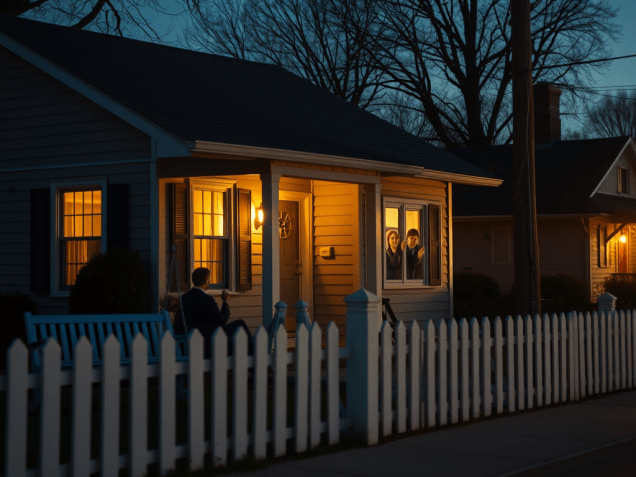
Jane and Mark lived in a cozy little house on a quiet street in nowhere. The house had a white picket fence. A porch swing creaked with every breeze was also part of the house. Life was simple and predictable—until the night the sky split open.

It happened just after dinner. A brilliant ray of golden light shot down from the heavens. It struck the roof of their home with a silent flash. Jane screamed, dropping her fork, while Mark rushed to the window, heart pounding, their minds filled with fear and confusion.

“What was that?” Jane whispered, staring at the glowing beam. It pulsed briefly, then faded away, leaving no trace but a faint shimmer.

They inspected the house, finding no damage, burns, or explanation. But they soon discovered the truth in the strangest way possible.

The next day, Mark walked out to grab the newspaper, and when he stepped back inside, Jane gasped. Jane saw a man in medieval armor standing in the doorway. His eyes were wide with confusion. It wasn’t her husband in his sweatpants and T-shirt.

“Mark?” she stammered.

“Jane! What –– what happened?” Mark looked down at the polished steel covering his chest and arms. “I was outside, and when I came back ––– this happened!”

Jane grabbed his hand and pulled him in. “We need to call someone.”

But before they could dial, their neighbor, Mrs. Clarkson, walked in uninvited, as she often did. When she crossed the threshold, her modern blouse and skirt changed into a flapper dress. Her gray hair was pinned into 1920s finger waves. “My word!” she exclaimed, waving a cigarette holder she didn’t own.

Mark and Jane exchanged terrified glances. Their house was cursed or enchanted or something far beyond their understanding.

Over the next few days, they experimented with the strange phenomenon. Stepping outside and re-entering would send them hurtling through time. Sometimes, they found themselves in ancient Rome. Other times, they landed in the Wild West. Occasionally, they encountered an unsettlingly dystopian future. Even Otis, their golden retriever, came trotting back inside with a Victorian-era bonnet tied to his head.

Jane kept a notebook. “Day three: Entered as myself, exited as a 1970s disco queen. Mark walked in as a cowboy. Not great.”

Eventually, they learned some rules. The effect only lasted while they were inside. Stepping back outside would revert them to their usual selves. But the moment anyone crossed the threshold again, the house chose another era at random.

It wasn’t long before the military took notice. When government agents approached their door, Jane panicked and tried to warn them. “Please, don’t come in!”

Too late. Five suited men instantly transformed into Renaissance courtiers with feathered hats and ruffled collars. “What sorcery is this?” one muttered, spinning in circles.

Mark sighed. “You’re gonna want to take this one up with NASA.”

Despite the chaos, they refused to leave. Strange as it was, the house was still their home. They learned to adapt. They stored era-appropriate clothing in a chest by the door. They prepared themselves for anything from caveman furs to futuristic bodysuits. This showed their resilience and courage in the face of the unknown.

In time, they found unexpected joys in their predicament. They hosted Gatsby-style parties, had tea with Victorian neighbors, and experienced life in eras they never imagined. Their sense of wonder and adventure grew with each new experience.

The little house with the picket fence became legendary. It served as a portal through time. In this house, history was just a step away. Mark and Jane embraced the adventure. After all, who wouldn’t want to live in a place where every day was a different century?

Harold Fenton: The Salesman Who Won Hearts

GROFF MEDIA 2024© TRUTH ENDURES IMDBPRO

Presented by benandsteve.com By: Benjamin Groff II©

3–4 minutes

Harold Fenton was not the world’s most excellent salesman. If there were an award for persistence without progress, Harold would have won it year after year. His thick glasses always slid down his nose. He carried a briefcase that had seen better days. An ever-lasting mustard stain marked his tie. He wandered the same neighborhoods week after week. He sold an assortment of household knickknacks that nobody needed, but they bought them anyway.

“Good afternoon, Mrs. Jenkins!” 

Harold greeted cheerfully as he stepped onto the well-trodden path to her front door. 

“I have a brand-new shipment of vegetable peelers today! They’re sharper, sleeker, and—”

Mrs. Jenkins, a kindly woman in her sixties, smiled warmly. 

“Why, Harold, I still have the five you sold me last month. But you know, one can never have too many peelers. Come on in.”

Harold beamed and entered, opening his battered case to show an array of matching peelers. Mrs. Jenkins sighed as she handed him a few bills. She tucked the latest addition into her kitchen drawer. The drawer now resembled a peeler museum.

Down the street, Mr. Thompson, a retired mechanic, nodded at Harold as he approached. 

“Harold, my boy, back again? What do you have today?”

–––

“A fantastic deal on rubber jar openers!”

Harold declared with gusto. 

“These bad boys can grip the tightest lids with ease.”

Mr. Thompson scratched his head. 

“Well, I reckon I have about twenty of those in my drawer already, but why not?” 

He chuckled, handing Harold a crumpled bill. 

“You’re a persistent fella, I’ll give you that.”

Each household in the neighborhood had its own Harold collection. The Henderson’s had a mountain of Harold’s lint rollers stacked neatly in their laundry room. The Patel family had so many of his never-fail can openers that their entire garage shelf was dedicated to them. And the Cranstons? They jokingly called their basement “Harold’s Home Shopping Network.” It was filled with enough potato mashers to start a catering business.

But no one ever turned Harold away.

“He’s got such heart,”

Mrs. Jenkins often said over tea with the neighbors. 

“Bless him. He tries so hard.”

One day, Harold arrived with a new product—a miracle mop he couldn’t figure out how to show. 

“This mop… uh… well, you see, it swivels… I think. Or it wrings itself. Hold on, I had a pamphlet here somewhere…” 

He fumbled with his case, papers spilling onto the sidewalk.

Mrs. Jenkins and Mr. Thompson exchanged a glance and quickly stepped in. 

“We’ll take a few!” 

They chimed in unison.

Harold left the neighborhood beaming, waving to everyone as he wheeled his suitcase down the block. He whistled a tune with the satisfaction of a man who believed in his mission.

And so the cycle continued. Week after week, Harold brought the same products with the same pitches. The residents kept buying. They did this not out of necessity but of fondness for the bumbling salesman. He brought a little charm and harmless chaos to their otherwise predictable days.

One day, as Harold left Mrs. Jenkins’ house, she whispered to Mr. Thompson, 

“I sure hope he never realizes we’ve got enough peelers to last a lifetime.”

“He won’t,”

Mr. Thompson grinned. 

“And even if he did, I’d still buy another one next week.”

With that, Harold walked down the road. He was ready to bring his boundless enthusiasm. He also carried a suitcase full of peelers to the next unsuspecting yet ever-welcoming home.

Everyone needs to meet a Harold in life.

No More Tomorrow’s Forever

GROFF MEDIA 2024© TRUTH ENDURES IMDBPRO

Presented by benandsteve.com By: Benjamin Groff II©

2–4 minutes

Javier stood at the edge of the city park. Staring out at the bustling streets of his new home in America. The golden autumn leaves danced in the wind, starkly contrasting the memories of his war-torn homeland. Javier had come to the United States to find refuge and hope. Yet, the events unfolding around him now gave him an unsettling sense of déjà vu.

Back in his home country—a place he no longer dared to name aloud—Javier had watched the slow unraveling of society. It had once been a proud nation. Families like his owned small businesses. Children played freely in the streets. Communities were bound together by tradition and trust. Corruption spread throughout the country. Drug lords rose to power. Oligarchs infiltrated and bought influence with cold, hard cash. They sowed fear and discord, and before long, even the police and the government served their interests alone. The people were left with nothing but fear and silence.

He had fled that darkness, believing that America would offer something different. And for a time, it did. He found work, made friends, and even started to dream again. 

But the cracks were showing. The unchecked greed was too familiar. The political maneuvering was too familiar. The way drugs crept into the neighborhoods under the guise of prosperity was too familiar. He watched politicians make promises while corporations tightened their grip on the economy. He saw his neighbors losing faith, their voices drowned out by the same wealth-driven forces he had left behind.

“No more tomorrows forever,” 

Javier muttered under his breath, a phrase his grandfather used to say when hope felt like an illusion. He feared that history was repeating itself, that this land of opportunity was sliding down the same treacherous path.

One evening, Javier visited a local diner. He often met with his friend Michael there. Michael was an old war veteran who deeply loved the country he had served. Javier shared his concerns over cups of bitter coffee, finding solace in Michael’s understanding and wisdom.

“I’ve seen this before, amigo. Back home. The greed, the power, the division. It starts small, but it grows until there’s nothing left.”

Michael nodded, his tired eyes scanning the newspaper headlines. 

“You ain’t wrong, son. This country’s got its problems. But we fight. We speak up. That’s the difference.”

Javier wasn’t so sure. He thought of his own country. There, people had fought and lost. Bullets and bribes had silenced voices for freedom. Yet, deep down, Javier wanted to believe Michael. He tried to think that this place still had a chance, that people could push back against the tide.

Javier left the diner. He looked around at the city skyline. The shining towers and the streets were filled with life. The battle wasn’t over yet, and maybe—just maybe—he could do something to help stop history from repeating itself.

The next day, he enrolled in a local community initiative to support struggling neighborhoods. Passionate individuals like himself led this initiative. They aimed to give resources and support to those most affected by the societal issues he had observed. He would share his story. He shared a warning and his hope. He believed past mistakes didn’t have to define the future. America still had tomorrow’s worth fighting for.

But deep inside, a lingering voice whispered, 

No more tomorrow’s forever!”

Warm Bread, Warm Hearts: A Touching Tale from Willowbrook

GROFF MEDIA 2024© TRUTH ENDURES IMDBPRO

Presented by benandsteve.com By: Benjamin Groff II©

2–4 minutes

The Baker’s Extra Loaf

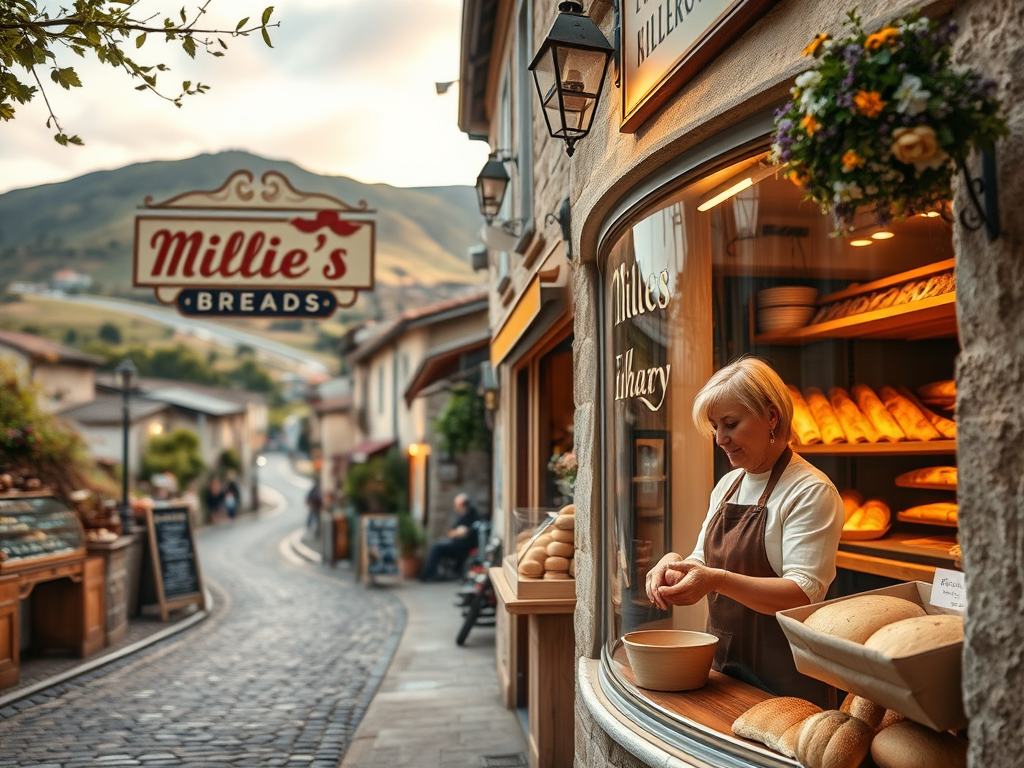
Willowbrook was a quaint town nestled between rolling hills and winding cobblestone streets. In this charming setting, a little bakery called Millie’s Breads stood. Millie, the baker, had spent decades perfecting her craft. She kneaded dough with love, and the air filled with the comforting aroma of fresh bread.

Every morning, without fail, Millie would bake precisely enough loaves to meet the demands of her customers—except for one. Each day, she would bake an extra loaf. The townsfolk often wondered why, but Millie never spoke of it. The extra loaf sat on the counter until closing time. It remained untouched and unnoticed. By morning, it would quietly disappear, adding to the mystery.

Speculations floated through the town. Some believed Millie kept it for herself. She always said she had little appetite for bread after a long baking day. Others whispered that she was feeding a stray cat or a secret admirer. But no one knew the truth.

One chilly winter evening, young Emma, the florist’s daughter, stayed behind after closing. She wanted to help her mother pick up an order of pastries for a town event. As they waited, Emma noticed Millie wrapping the extra loaf in brown paper and slipping out the back door. Emma felt curious, so she decided to follow at a distance. Her eyes were keen, and her heart was open to the possibility of a heartwarming discovery.

Hidden in the shadows, Emma saw Millie stop by an old wooden bench. An elderly man sat on it, wrapped in a tattered coat. His face was weathered, and his hands trembled from the cold. Millie handed him the loaf with a warm smile, exchanging a few kind words before returning to her shop.

Emma’s heart swelled with admiration. The extra loaf wasn’t a mystery after all. It was an act of quiet kindness. A small gesture of compassion that no one ever knew about. The man, known simply as Mr. Thomas, had once been a beloved schoolteacher but had fallen hard after losing his family.

The next day, Emma shared what she had seen with her mother. Word spread through the town, and the townspeople, inspired by Millie’s act of kindness, found their ways to contribute. Some would leave warm clothing on the bench. Others discreetly added a little extra to their purchases at Millie’s bakery. They knew it would go to someone in need.

One evening, as Millie once again delivered the extra loaf, she found Mr. Thomas sitting on the bench with a new coat draped over his shoulders and a gentle smile. He looked at her with gratitude and said,

“Your kindness has brought more than just bread, Millie. You’ve brought me hope.”

His words echoed the profound impact of Millie’s simple act of kindness.

Millie patted his hand, offering her usual warm smile, and returned to her bakery. She never needed recognition, for she believed that kindness, like bread, was best when shared freely.

The baker continued to bake an extra loaf each day. The town of Willowbrook learned that sometimes, the smallest gestures hold the most significant meaning. Millie’s simple act of kindness brought hope to Mr. Thomas and inspired the townspeople to look out for each other, fostering a sense of community and shared responsibility.

Surviving the Darkness: The Krieger Family’s Courage – Shadows In The Dark

GROFF MEDIA 2024© TRUTH ENDURES IMDBPRO

Presented by benandsteve.com By: Benjamin Groff II©

2–3 minutes

In the spring of 1942, the Krieger family vanished from the small town of Marburg, or so their neighbors believed. The truth, though, was a testament to their resilience. Ernst and Klara Krieger lived concealed behind a false wall. Their teenage daughter Lotte was with them in the attic of their modest home. They clung to a fragile existence beneath the ever-watchful eyes of the Nazi regime.

Before the war, Ernst had been a respected tailor, his shop bustling with customers seeking fine suits and dresses. The war machine tightened its grip on Germany, and Jewish families like the Kriegers became targets. They had no choice but to vanish from public view. Ernst’s friend, Herr Becker, was a trusted carpenter. He had built a hidden compartment in their attic. It was a space just large enough for the three of them to survive.

Each day, Klara prepared sparse meals from the dwindling stock of supplies. She rationed every crumb with the precision of a soldier. Lotte, once full of life and laughter, now spent her days in silence. She read the few books they had managed to take with them. Ernst, ever resourceful, repaired uniforms in secret. He exchanged this favor with Herr Becker for smuggled food. They also shared whispers of news from the outside world.

Life under the radar was a delicate balancing act, but the Kriegers refused to let go of hope. They learned to move only when the town slept, their footsteps carefully muffled. They endured bitter winters without fire, their breath hanging in the frozen air like ghosts. Klara kept their spirits up with whispered stories of better days. She spoke of summers at the lake and the scent of fresh bread filling their home. They lived in fear but also in quiet defiance, their hope a beacon in the darkness.

One night, in late 1944, as the war neared its end, a knock at the door sent their hearts racing. Herr Becker’s hushed voice broke through the silence. 

“The Americans are coming,” 

he whispered through the floorboards. 

“Stay hidden a little longer.”

Days passed like years until, at last, the sound of foreign voices filled the streets. The Kriegers dared to peek from their hidden vantage point. What they saw made their hearts swell with cautious hope. They observed Allied soldiers marching through the town. Their uniforms were different, and their faces were filled with determination rather than cruelty.

The danger had finally passed. Ernst and Klara stepped out into the light of a new morning. They held Lotte’s trembling hand. Their survival was a quiet miracle. It was a testament to the resilience, cunningness, and kindness of those who risked it all to help them. Their hearts were filled with gratitude for these unsung heroes.

Life was difficult in the next years, but the Kriegers rebuilt what they had lost. Ernst reopened his shop. Klara baked bread that once again filled their home with warmth. Lotte found her laughter in the sunlight. Though they had lived in the shadows for so long, they emerged stronger and free.

And in the attic, behind the false wall, they left a small inscription: 

We survived. We endured. We are free.

Finding Hope in Difficult Times

GROFF MEDIA 2024© TRUTH ENDURES IMDBPRO

Presented by benandsteve.com By: Benjamin Groff II©

2–3 minutes

Every morning, the sun rose over Willow Creek. Clara Jackson would pour herself a cup of coffee. She would then sit by the window and scroll through the news on her phone. Headlines blared with despair. Civil rights were being denied. People were being removed from their families because of their citizenship status. There were natural disasters, economic struggles, and political turmoil. It seemed as if the world was unraveling thread by thread. Each day felt heavier than the last, and Clara found it harder to believe in a brighter tomorrow.

One cold morning, as the weight of the world’s problems sat on her chest, she noticed her elderly neighbor, Mr. Thompson, hobbling down the sidewalk with a broom in hand. His frail figure moved with purpose. He swept the fallen leaves away from everyone’s doorstep. As he worked, he whistled a tune that carried a sense of ease Clara hadn’t felt in a long time.

Curious, she stepped outside and called out,

“Mr. Thompson, what are you doing out here so early?”

The old man looked up and smiled warmly.

“Clearing the way, my dear. It’s a little thing, but it makes the morning brighter for everyone.”

Clara laughed softly.

“With all that’s happening in the world, does this really make a difference?”

Mr. Thompson leaned on his broom and nodded.

“Oh, it does, Clara. You see, the world’s got its troubles, but right here, right now, we can still bring goodness. You can’t control the storms outside, but you can light a candle inside.”

His words settled into Clara’s heart like a gentle breeze pushing away the clouds. That afternoon, instead of drowning in the news, she baked cookies and shared them with neighbors. She took her old paintbrushes out of the closet and added splashes of color to the worn fence outside. And as she handed out treats to passing children, she felt something stir inside her—hope.

Days turned into weeks, and Clara found that small acts of kindness helped her navigate the darkness in the world. She volunteered at the local shelter. She also planted flowers along the sidewalks. Clara spent more time listening to the laughter of children at the park. The news was still grim, but Clara had found something stronger—hope born from action, not fear.

One evening, she closed her book and looked out at the quiet street. She realized the world hadn’t changed overnight. But she had. And that was enough to believe in a brighter tomorrow.

The Man’s Journey For Two People Who Agree On Everthing

GROFF MEDIA 2024© TRUTH ENDURES IMDBPRO

Presented by benandsteve.com By: Benjamin Groff II©

2–3 minutes

A man named Walter Henshaw lived in a small town. This town was nestled between rolling hills. Walter was known for his insatiable curiosity, always pondering life’s mysteries. One evening, as he sat on his front porch watching the sunset, he wondered aloud,

“Is it possible to find two people in this world who agree on everything?”

The thought consumed him, and soon, Walter embarked on a journey around the world to find the answer. He packed his belongings, bid farewell to his friends and family, and set off on his quest.

Walter’s first stop was Paris, where he met a pair of artists who were painting by the Seine. They seemed in perfect harmony, laughing and finishing each other’s sentences. But when Walter asked them if they agreed on everything, they chuckled.

“Of course not,”

One replied.

“He thinks Monet is the greatest, but I prefer Van Gogh.”

Undeterred, Walter traveled to India, where he visited a monastery high in the Himalayas. There, he met two monks who had lived in silence for decades. Walter was sure he had found his answer, but when he posed his question, one monk smiled and said,

“I prefer tea; he prefers coffee.”

Walter traveled onward. He visited the bustling streets of New York City. Then he experienced the serene countryside of Japan. Finally, he explored the vast plains of Africa. He encountered lifelong friends. He met devoted couples. He even found identical-twins everywhere he went. Nonetheless, no two people ever claimed to agree on everything.

After years of traveling, Walter found himself in a small village in South America. He met an elderly couple who had been together for over seventy years. Patiently, they listened as Walter told them about his journey.

The older man chuckled and said,

“Young man, love is not about agreeing on everything. It’s about embracing differences and finding common ground.”

Walter sat in silence, absorbing the wisdom. He realized then that his journey had taught him more than he ever imagined. The beauty of human connection lies not in absolute agreement but in understanding, compromise, and the joy of diversity.

It also reminded him of one chap he had met in the United States who said to him –––

“Show me any two people who agree on everything, sir, and I will show you a pair of liars!”

Returning home, Walter shared his experiences with his friends and family. He had not found two people who agreed on everything. Still, he discovered something even more valuable. He gained an appreciation for the uniqueness that made each person unique.

Once a seeker of perfect agreement, Walter Henshaw sought harmony. He became a storyteller. He wove tales of his adventures and the lessons he had learned. He realized that life wasn’t about finding someone who thinks as you do. Instead, it is about learning to cherish the differences. These differences make life enjoyable and meaningful.

In the end, Walter’s journey had been about connection, not conformity. He found peace knowing that the world was more prosperous because of its endless variety.

Finding Peace in a Day of Upset

GROFF MEDIA 2024© TRUTH ENDURES IMDBPRO

Presented by benandsteve.com By: Benjamin Groff II©

2–3 minutes

Maggie sat on her porch swing. The soft creak of the old chains was the only sound in the still afternoon air. The sun hung low, casting golden hues across her small Arizona town, but inside her chest, a storm raged. The day had been a whirlwind of mishaps. She missed deadlines at work. She had an argument with her sister. She also nagged worry about her aging father’s health. Each problem was stacked like bricks on her shoulders, weighing her with unresolved concern. She was in the midst of a battle for her Peace.

She sipped her tea. She hoped the warmth would soothe the ache. Yet, peace felt distant, like a mirage on the desert horizon. Her mind churned with “what-ifs” and “should-haves,” a relentless cycle that robbed her of the quiet she desperately craved.

Maggie took a deep breath and closed her eyes. She listened to the distant rustling of mesquite trees. Occasionally, she heard the bark of a neighbor’s dog. The natural sounds around her conveyed a message of resilience and adaptability. Slowly, she exhaled, reminding herself of her grandmother’s words: “You can’t stop the wind, but you can learn to bend.”

She stood and walked to the edge of her yard. Her fingers brushed over the delicate petals of the wildflowers. They had sprung up after last month’s rare rain. Their resilience struck her—fragile yet persistent, thriving even in the harsh desert soil.

Realizing she couldn’t control everything, Maggie focused on the now. She let the day’s stress settle, acknowledging it but not giving it power. She watched the sky darken into twilight. The first stars peeked through. She felt a little lighter with each breath. It was the power of being here, of living in the moment, that brought her Peace.

She realized Peace wasn’t about escaping the chaos but finding a quiet place. And tonight, as the desert cooled and the cicadas began their evening song, she finally let herself rest. The relief was palpable, like a weight lifted from her shoulders, as she surrendered to the tranquility of the night.