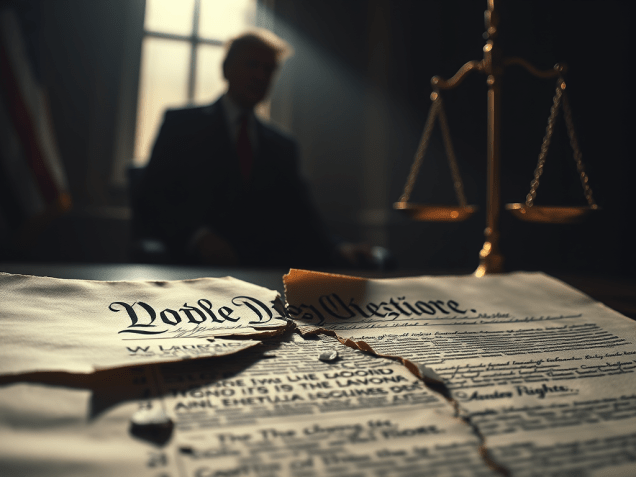
What Will Happen If PLANS To End Social Security Happens?

3–4 minutes

If Social Security were eliminated, the effects would be wide-ranging. It would touch nearly every part of American life. This is especially true for retirees, people with disabilities, and survivors of deceased workers. Here’s how it would unfold:


Social Security now provides monthly benefits to over 70 million Americans, including retirees, disabled individuals, and surviving spouses or children. Without it, many of these households would lose their main or only source of income overnight.

  • Retirees: Many older Americans rely on Social Security for the bulk of their income—especially those without significant savings or pensions.
  • Survivors: Widows, widowers, and children who now get survivor benefits would lose critical support.
  • Disabled workers: People incapable of work due to disability would lose a major safety net.

Before Social Security, poverty among the elderly was extremely high—estimates put it at around 35–50%. The program cut that rate dramatically. Without it, poverty rates among older Americans will return to pre-1935 levels.


The financial burden of caring for elderly or disabled relatives would shift heavily to families. Those without family support be forced into underfunded state programs or charitable care.

  • Families need to delay retirement, take on extra jobs, or house multiple generations under one roof.
  • Local charities and churches would see rising demand for basic necessities like food and shelter.

Social Security benefits aren’t just “checks”—they fuel spending in local economies. Without those payments:

  • Rural and small-town economies (which often have higher percentages of retirees) see sharp declines in consumer spending.
  • Certain industries—especially healthcare, retail, and housing—would feel immediate impacts.

Because Social Security is one of the most popular federal programs, ending it would be politically explosive. It would lead to intense public backlash, large-scale protests, and significant shifts in voter behavior.

  • States try to create their own replacement programs, but poorer states struggle to fund them.
  • The wealth gap would widen sharply. Those without private retirement savings would be left with little to no safety net.

By Benjamin GroffMedia© | benandsteve.com | 2025 

August 2025 commemorates its 90th anniversary. It marks its unwavering commitment to the financial security and dignity of millions of Americans. President Franklin D. Roosevelt signed the Social Security Act into law on August 14, 1935. Since then, the program has grown into one of the most successful and trusted institutions in American history.

“For 90 years, Social Security has stood as a promise kept. It ensures that older Americans have the support they need. It also aids people with disabilities, as well as families facing loss,”

said Commissioner Frank J. Bisignano.

“As we honor this legacy, we are also building a future. This future is where service is faster, smarter, and more accessible than ever before. Through President Trump’s vision, we are protecting and preserving Social Security. We achieve this by delivering extraordinary customer service through technological improvements. Enhanced process engineering also plays a crucial role.”

In an open letter to the American people, Commissioner Bisignano emphasized the importance of Social Security. He highlighted his commitment to strengthening the agency. He also mentioned the significant improvements to customer service achieved in his first 100 days in office.

Read the Letter:  Commissioner Bisignano’s Open Letter to the American People

Today, Commissioner Bisignano also joined President Donald J. Trump at the White House. The President issued a presidential proclamation. He recommitted to always defend Social Security. He recognized the countless contributions of every American senior. They have invested their time, talent, and resources into our Nation’s future. 

Read the Proclamation: Presidential Proclamation: 90th Anniversary of the Social Security Act

The Secrets Behind Earl’s Brothers Benches

2–3 minutes

The Silent Partner

Everyone in town knew Earl’s Brothers Benches. The name was painted in hand-cut wooden letters across the weathered front of the shop. The scent of sawdust lingered in the air like an old hymn. Customers would often ask about the other brother—the one whose name they didn’t see behind the counter.

“Oh, he had to go away for a while,”

Earl would say with a small smile, never elaborating.

“I expect to see him again someday.”

Most people took it at face value, assuming the absent brother was traveling, sick, or otherwise tied up. No one guessed the truth—that “the silent partner” had been dead before the shop even opened. His name was there only out of love and respect. Earl had lost a sibling decades earlier in a winter tragedy. The boy fell through the ice on a frozen pond and never came back.

But the story of the missing brother was more tangled than anyone knew.

The boy who drowned wasn’t Earl’s only brother. Earl didn’t tell customers this. He didn’t even tell his closest kin. As a young man, Earl’s father had been married before. The union was brief and ended when he was drafted into the military. Afraid he would die in service, he’d released his young bride from her vows. She remarried while he was overseas, but not before giving birth to a son—his son.

That son grew up two cities away, unaware of his father’s new life and family. For years, the two boys—half-brothers—lived separate lives. Then, after the drowning, the surviving twin grew restless, convinced there was “someone else out there.” His persistence finally wore down their father, who told him the truth.

In secret, the two half-brothers met. They became friends, confidants—and eventually, quiet business partners. The late brother’s name went on the sign. The living half-brother kept his part in the business quiet. This was a private arrangement that suited them both.

The shop carried on for years until Earl’s death. Only when the will was read did the family learn of a “beneficiary” in another city. He was a man no one recognized. When he arrived, the room fell silent. He looked exactly like Earl.

The resemblance was uncanny—two men from different lives, bound by the same father’s face. Only then did the family start to piece together the truth: the “silent partner” they thought had been long dead had been right there all along…

And now, the other brother stood before them. He was alive and held the keys to a business. This business had carried both their names.

By Benjamin GroffMedia© | benandsteve.com | 2025 
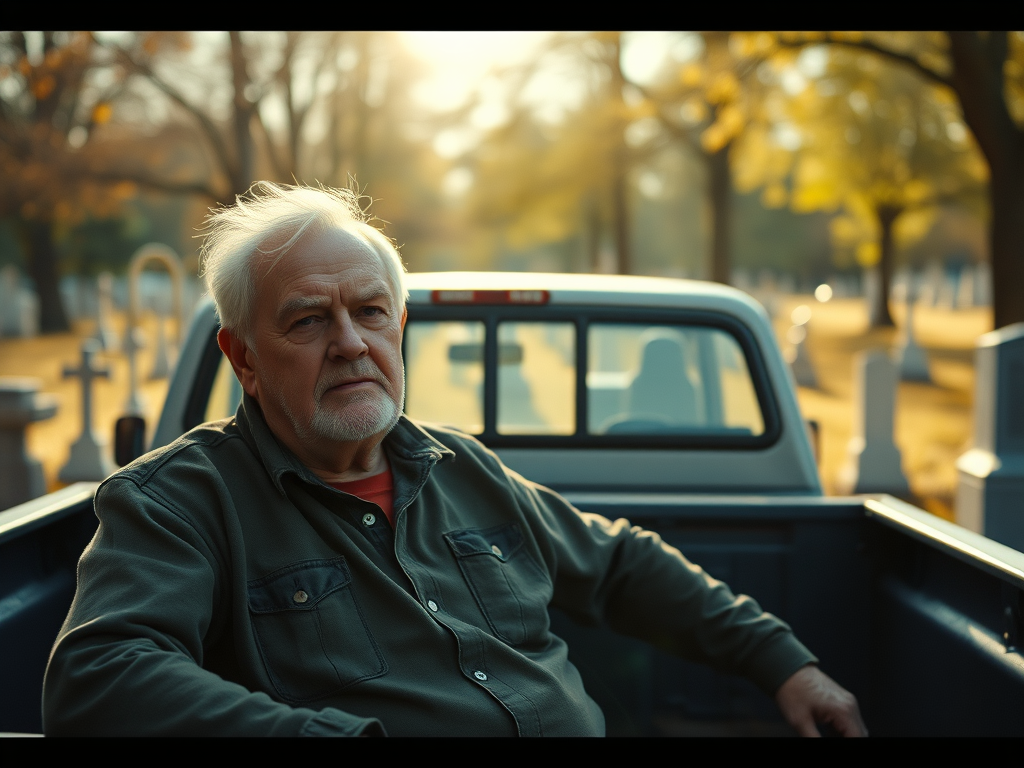
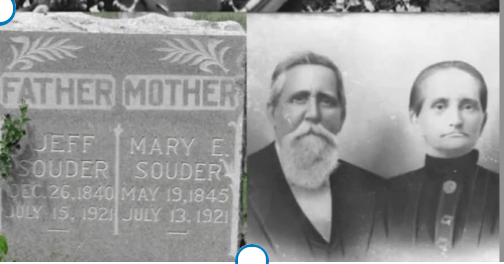
Until Death, Never Did They Part – Thomas & Mary Ellen Souder

In 1921, Thomas and Mary Ellen Souder of Texas proved love doesn’t end at goodbye.

1–2 minutes

A Story of Devotion: Thomas Jefferson Souder & Mary Ellen

In the gentle stillness of Hurst, Texas, Thomas Jefferson Souder and Mary Ellen East Souder shared a quiet love. It spanned six decades. They were married for 60 years. They raised a family and cultivated a home. They remained inseparable through every upturn and downturn of life.

July 1921 brought a cruel twist. Both fell victim to “the flux.” It was a brutal wave of gastroenteritis. It was so swift that it swept Mary Ellen away first, on July 13. Thomas Jefferson, already weakened, succumbed to grief and illness just two days later on July 15.

The community mourned—especially those who believed no bond was stronger than theirs. So it was decided: they would rest together, side by side, in a unique double coffin. Their shared burial echoed their life—inseparable, even in death.

Newspapers of the day captured the sentiment well. The Fort Worth Star-Telegram, on July 16, headlined their story: “Death fails to Separate Couple Wed 60 Years.” They honored not just the passing of two individuals. It was a love that truly endured it all.

More than a century later, their story endures. It is not a tragedy but a testament. True devotion can span lifetimes. It quietly reminds us that love, in its purest form, touches eternity.

Fact-Checked Details

  • Thomas Jefferson Souder and Mary Ellen East Souder were married for about 60 years. They passed within a couple of days of one another in July 1921 (1).
  • Mary Ellen died on July 13, 1921, and Thomas Jefferson followed two days later, on July 15, 1921 (2).
  • Their cause of death was identified as dysentery. It was referred to at the time as “the flux.” This is a severe form of gastroenteritis (3).
  • Both were well-known pioneers of Hurst in Tarrant County, Texas. They were buried together in a double coffin. It was a striking symbol of their lifelong unity (4).
  • Their joint burial made front-page news in the Fort Worth Star-Telegram on July 16, 1921, under a headline expressing how “Death fails to Separate Couple Wed 60 Years”

By Benjamin GroffMedia© | benandsteve.com | 2025 
Orange Noise II: Revenge Unleashed

3–4 minutes

Orange Noise (By Pets Demand.)

By popular demand, this follow-up dives deeper into how the Orange Noise machines ended up producing such deadly results. Here’s the story.

It began as a fad.

“Orange Noise Therapy — the next step in restful sleep. Scientifically engineered to calm your mind and gently drift you into the deepest dreams.”

The commercials showed happy couples. There were slow-motion scenes of blissful smiles beneath soft blankets. In the background, a low, warm hum laced with delicate chimes sounded. It was hypnotic in a way you couldn’t quite describe. It made you want to close your eyes.

And so the orders poured in.

At first, it seemed perfect. People reported sleeping deeper than they had in years. Doctors praised it. Sleep scientists called it “a breakthrough.” Sales skyrocketed.

But then, somewhere in the shadows, something shifted.

A young woman in Warsaw woke to find her bird dead in its cage. The bars bent as if from desperate thrashing. A man in Toronto woke up with deep, bleeding scratches down his legs. He had no memory of how they got there. Reports trickled in, never connected — until they were too many to ignore.

Couples, families, entire households found dead. No signs of forced entry. No fingerprints. No footprints. Just wounds — savage, animal wounds.

But still, no one suspected the pets.

The killings always happened at night. Always when the chimes were playing. And the footage — when it existed — was either corrupted or mysteriously missing. Except for one file.

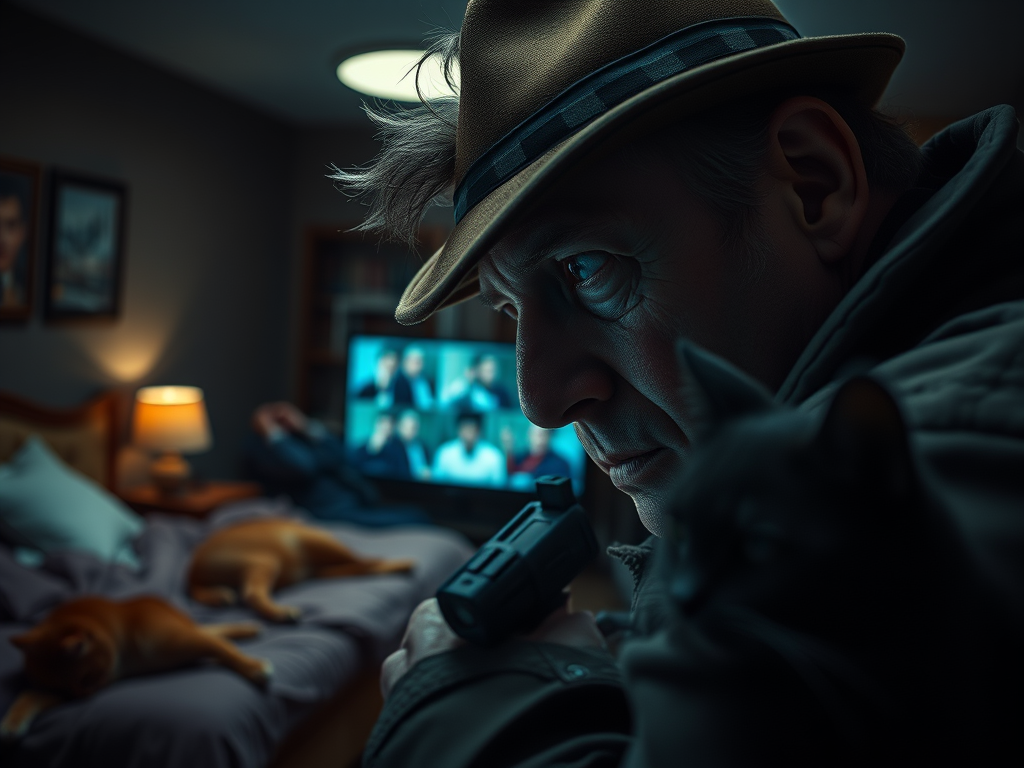
Detective Randall Kerrigan found it in a police evidence server, buried under mislabeled case notes. He watched it alone, the faint hiss of the playback filling his dim office. A couple lay in bed, breathing slow and deep. The chimes played softly in the background.

Then their cat jumped onto the bed. Kerrigan leaned up. The animal froze in place, eyes wide, pupils blown black. Its tail twitched once, twice — and then it lunged.

Kerrigan stopped the video, the cursor trembling in his hand. He replayed it. Again. And again. Each time, the truth pressed heavier on his chest: the Orange Noise wasn’t just calming humans. It was triggering something in animals. Something primal.

By morning, he’d traced dozens of similar cases — all linked to the therapy. The broadcasts were still going out, millions of households unknowingly inviting their killers into their bedrooms each night.

He took the evidence to his superiors. They dismissed it. “Mass hysteria,” they said. “A coincidence.” No one wanted to pull a billion-dollar product off the shelves. No one wanted to admit that bedtime bliss had become a death sentence.

Kerrigan tried to go public, but the networks shut him down. Lawsuits loomed. His badge was taken.

That night, he sat alone in his apartment. He heard it faint at first, then louder. It was the warm hum and the delicate chimes.

They weren’t coming from his speakers. They were coming from outside. From every apartment, every home in the city.

His own dog padded into the room, eyes fixed on him in a way they never had before.

Kerrigan stared back, a sick mix of fear and grief twisting in his gut. He reached slowly for the pistol on the table. Knowing that if he was right, this was the only chance he had. But a part of him hesitated. Because if he was wrong, he’d be killing the last friend he had left.

The dog took a step ahead.

And in that moment, hope and despair became the same thing. It was the hope that he can save himself. It was also the despair of knowing what it would cost him.

Branded You Are Now – Marked!

When the law decides you no longer exist, freedom isn’t about where you live.

It’s about how far you’re willing to lose yourself to survive.

2–3 minutes

Getting Marked – Freedom at a cost

What if you belonged to a group that the government suddenly decided was a problem?

Not because of anything you did. Not because of a crime. Not even because of your beliefs. You were placed quietly and without your knowledge. The current leaders decided that the category was “unjust.”

Illegal.

It didn’t matter that you’d lived here your whole life. That your parents and grandparents had, too. It didn’t matter your race, your sex, your creed, your record. None of that mattered anymore. The only thing that mattered was that you had been identified.

The rules you thought protected you suddenly didn’t apply.

Your home wasn’t yours. Your job will vanish with a keystroke. The bank will empty your account without notice. You weren’t even a “person” anymore, not in the legal sense described by the Constitution you once believed in.

It happened so fast you couldn’t trace the moment when it began. At first, it was a news story about “reforms.” Then, “temporary measures.” Then, new identification cards, “to streamline services.” People told themselves it was nothing — until the cards became color-coded. Until the colors meant everything.

Now the world feels smaller every day. Friends stop calling, not because they don’t care, but because they’re afraid to be seen caring. Even strangers look at you differently, as if they’re silently choosing whether to turn away or turn you in.

You start making plans. Options. But they’re illusions. Leave the country? Borders are closed to you. Fight back? With what? Every avenue seems to end at the same locked door.

Then one night, in the quiet of your apartment, you find a letter slipped under your door. No name. No return location. Just a single sentence:

“There’s a way out, but you can’t take anything with you.”

Your heart pounds. Hope flares in your chest — real, breathing hope for the first time in months. You imagine stepping across a border, leaving all this behind, starting over somewhere no one knows your name.

But then the weight comes crashing back. You can’t take anything with you. Not your family, if they’re marked. Not your home. Not even the history that made you who you are.

The choice is yours. Stay and lose everything slowly, or leave and lose it all at once.

It’s hope. And it’s despair.

And tonight, both feel exactly the same.

By Benjamin GroffMedia© | benandsteve.com | 2025 

Seeking Help Falling Asleep Couples Turn To Orange Noise – Finding A Dangerous Routine – “Sleep. Chime. Kill.”

2–3 minutes

The Orange Noise

It started with an ad.

“Orange Noise Therapy — the next step in restful sleep. Scientifically engineered to calm your mind and gently drift you into the deepest dreams.

Couples bought in right away. Play the chimes before bed, and your mind slips into serenity. The sound was a soft hum. It was tinted with faint bells. It was hypnotic in a way you couldn’t describe. Yet, you couldn’t forget it.

For people, it was heaven. For their pets, it was something else entirely.

At first, it was subtle. A dog pacing more than usual after bedtime. A cat sitting and staring at its owners all night long. Harmless quirks. But soon, reports started to trickle in — mysterious night attacks. Couples found dead in their homes. No signs of forced entry. No fingerprints. Only scratches, bites, and wounds that didn’t make sense.

No one connected it to the Orange Noise. Not the police. Not the doctors. Not the scientists. Because who would suspect the pets?

The murders grew in number and geography. Tokyo. Paris. Chicago. Johannesburg. Always at night. Always when the chimes played. And always with the same eerie detail: the victims had purchased Orange Noise Therapy.

The breakthrough came in a dark, windowless police archive room. Detective Randall Kerrigan sat alone, replaying hours of video footage from a suburban home. He was only watching out of boredom at first. The husband and wife were asleep in bed, chimes faint in the background. Then movement — the couple’s Labrador trotted into view. Kerrigan almost skipped ahead, but something about the dog’s posture froze him.

The tail was stiff. The eyes were locked on the sleeping pair.

And then, without hesitation, the dog leapt.

Kerrigan slammed the pause button, heart thudding in his chest. He rewound and watched again. It wasn’t rage. It wasn’t fear. It was… programmed. Deliberate.

The detective knew the nightmare wasn’t just in this room, or this city. It was global. And the real horror? The chimes were still being broadcast every night. Piped into thousands of homes, turning pets into killers while their owners dreamed sweetly beside them.

No one had thought to turn it off.

By Benjamin GroffMedia© | benandsteve.com | 2025 

The Haunting Experience of a Small Town Funeral Home

2–4 minutes

The Dead Has Gone – A Night Call to the Funeral Home

Jake Roff was a man of routine. Up before the sun, station lights on by 4:30, coffee brewed by 4:35. He liked the quiet hours before the town woke up. There was no traffic and no gossip. Just the hum of the soda cooler and the smell of gasoline.

That’s when the hearse pulled in.

The local funeral director appeared. He was a man who had perfected the art of wearing a solemn face. He maintained this expression even when discussing baseball scores. He leaned out the window and said,

“Jake… I can use an extra set of hands unloading a client.”

Jake wasn’t sure “client” was the right word, but he was too polite to argue. He locked the station door and climbed into the passenger seat. The ride was short. It was a ride where the air feels colder than it should. You can’t shake the notion that someone in back is listening.

At the funeral home, the place was dark. A single light illuminated the hallway. It was the light that leaves more shadows than it removes. The two men wheeled their passenger toward the prep room, the floor squeaking under the gurney wheels.

That’s when Jake’s hip clipped something.

The “something” was another gurney, parked just out of sight. The bump sent the sheet sliding to the floor in slow, terrible motion. It was like a curtain rising before a play no one wants to see.

Underneath was a woman. Her hair was a halo of white, frizzed and jutting out like she’d been caught mid-scream in a lightning storm. Her eyes were wide and glassy, locked on Jake as if she’d been waiting for him specifically. Her jaw hung slack. Her teeth were just visible. It was an open-mouthed stare that made him wonder if she was about to say something.

Jake didn’t stick around to find out. He backpedaled so fast he nearly tipped the “client” he’d come to help with. His heart was pounding. He mumbled something about

“forgetting to check the oil at the station.”

Then, he made a break for the door.

The funeral director called after him. By then, Jake was halfway down the block. He vowed never to set foot in that place again. For the rest of his days, he’d open his station early. Yet, if a hearse rolled in before sunrise, Bill always ensured he had a sudden, urgent appointment anywhere else.

The Show Must Go ON! Miss Ethel Waters Leads First-Ever Screen Sing-Along

1–2 minutes

🎬 MEMORIES FROM MEMORY LANE — “ON WITH THE SHOW!” STRIKES A NEW NOTE 🎶
From Our Entertainment Desk — May 29, 1929

Ladies and gentlemen, the talkies have gone and done it again! Moving pictures with sound became a reality on August 6th, 1926. Just three short years later, Warner Bros. has given the public something new to hum about—literally.

This week, cinema-goers were treated to On with the Show!—a Technicolor extravaganza. It boasted the peerless pipes of Miss Ethel Waters. She delivered the lilting tune Am I Blue with such warmth that even the ushers were swooning. But here’s the rub: for the first time in motion picture history, audiences were invited to sing along!

That’s right, folks—words flashed upon the screen as Miss Waters crooned, urging patrons to join in from their seats. And join they did! Voices rang out from the front row to the peanut gallery. Some were as sweet as a songbird. Others were a touch off-key. All were in the spirit of merriment.

Picture it—gentlemen in their finest straw boaters. Ladies fanning themselves in the glow of the projector. Everyone is swept up in the chorus together. Why, one might call it the first karaoke moment in show business history. We’ve yet to invent such a word!

If this is the future of the pictures, we say—bring on the music! After all, the best part of a song is not just hearing it… it’s singing it together.

A Field Guide to Digshins (and Other Evenings Gone Sideways)

3–5 minutes

From The Greater County Backroads Dictionary, 3rd Edition (self-published, available only at Gus’s Feed & Seed):

Digshin (noun) — /ˈdig-shin/

  1. A lively social gathering resembles a shindig. It features more spirited dancing. It has more questionable music combinations. There is a higher probability of meeting your future ex-spouse.
  2. Any event where the crowd can dance on the floor. They will also dance on the tables.
  3. A party that starts like a potluck. It ends like a family reunion if your family includes a traveling accordion player. Imagine two cousins who know the cha-cha, and a guy named Larry who’s never without his washboard.

Origin: Exact origin unknown. The phrase was first recorded in County gossip circa 1974. Edna Lou Perkins was overheard saying, “That wasn’t no shindig, that was a full-blown digshin.”

Usage:

“We went to the barn dance. We thought it was a shindig, but they had an accordion. There was a conga line and three flavors of moonshine. It was definitely a digshin.”


Around here, folks talk about a shindig and a digshin like they’re just cousins. They are close enough to be in the same family photo. But, they are different enough to fight over who gets the last piece of pie.

A shindig, you probably already know. That’s your wholesome Saturday-night community gathering. Picnic tables sag under the weight of potato salad and baked beans. Music is played by somebody’s cousin on an acoustic guitar. The dancing doesn’t need a permission slip or a chiropractor afterward. Kids run wild between the hay bales. The mayor dances with the school librarian. There’s always that one guy who insists his chili is “just a little spicy.” It makes half the crowd break into a sweat.

A digshin, though? That’s a different animal. I didn’t know that until one fateful summer evening when I mixed the two up.

It started with an invitation. I’d heard the Johnson family was organizing “a big shindig out at the old barn.” Because the Johnson’s know how to cook, I didn’t ask too many questions. I shined up my boots. I wore my good hat. I brought along a peach cobbler. I was hoping it would make me a local legend.

First off, the music wasn’t just country and bluegrass. There was a fiddle in there. It was tangled up with a bass line. The rhythm made my boots twitch without asking permission. Someone had added a washboard player who looked like he’d just wandered in from a Mardi Gras parade. Halfway through the first song, a guy with an accordion joined in. It was as if he’d been waiting all year for this moment.

Second, the crowd was livelier than your average shindig bunch. At a normal shindig, folks will dance — polite, steady, maybe a do-si-do if the caller is feeling bossy. But here? People were spinning, stomping, and swinging their partners until their hats flew off. The mechanic from three towns over was leading a line dance. It kept changing every eight beats. Meanwhile, the feed store clerk had somehow ended up dancing with three partners at once.

See, at a shindig, you can leave anytime you want. Folks will wave, hand you a slice of pie for the road, and tell you to drive safe. At a digshin, you can’t leave without getting pulled into at least one dance. There will be one toast. And there is always one questionable story told by somebody who swears it happened “back in ’78.”

By the time I made it out, my boots were dusty. My cobbler dish was empty. My cheeks hurt from smiling. I still couldn’t tell you exactly what a digshin is, but I know this:

If you’re at a shindig, you’ll go home with a full belly.
If you’re at a digshin, you’ll go home with a full belly. You’ll also have a story you probably shouldn’t tell your grandmother.

If you are ever invited to a Shindig – Digshin crossover event, don’t pass up the chance to go. You will have the time of your life. Especially if you stay for the whole Digshin! (And remember it.)


Your Claim To Sobriety Matters – Will You Be Able To Do It When You Are Asked To Step Up?

When Did Walking The Line Become A Thing?

3–4 minutes

If you’ve ever been told to “walk a straight white line,” the meaning depends a lot on where you’re standing. It also depends on who’s watching. In the Welsh valleys of How Green Was My Valley, the “white line” was a poetic path. It symbolized memory and loss. In American trucker slang, it’s the hypnotic blur of endless road miles. But to a police officer at 1 a.m. on the shoulder of a highway, that white line is all about one thing: sobriety.

A Path in Song and Story

In How Green Was My Valley, the final scene drifts to Alfred Newman’s Finale. It is woven with the Welsh hymn Pen Calfaria. Its the “white line” was a poetic path of memory and loss. “This shall never leave my memory”, feels like a pledge. This pledge is to never forget where you’ve walked. The “white line” here is a metaphorical road. It signifies a way home, a journey of life. It is the one path you try to stay true to.

Road Paint and Real Lines

Outside of metaphor, the first real white lines appeared on American roads in the early 20th century. Two names claim credit:

  • A leaking milk wagon inspired Edward Hines in 1911.
  • Dr. June McCarroll, who proposed painted center lines after a close call in 1917.

Whichever story you buy, the point is safety—keeping drivers in their lane and avoiding head-on collisions. And from there, the idea of “walking the line” naturally started meaning “stay where you’re supposed to.”

Law and Order: The Walk-and-Turn

The “walk the white line” sobriety test isn’t ancient Irish pub lore or a circus stunt. It’s a product of late 1970s American law enforcement. The U.S. National Highway Traffic Safety Administration (NHTSA) funded research to standardize roadside sobriety tests. Out of those studies came the now-famous “Walk and Turn” test:

  • Nine heel-to-toe steps along a straight line.
  • Turn in a prescribed way.
  • Nine steps back.

It’s part of the Standardized Field Sobriety Tests (SFSTs), along with the horizontal gaze test and the one-leg stand. The idea is to challenge both balance and divided attention—two abilities alcohol loves to mess with.

Officers used informal techniques before the SFSTs. They asked suspects to touch their nose. Suspects were also asked to recite the alphabet or, yes, walk a straight line. These early “white line” walks have been inspired by the painted road markings. They also have been inspired by circus balance acts. Alternatively, the practical idea of watching someone try to move in a perfectly straight path have been the inspiration.

Beyond the Pavement

Hymns about life’s journey include the image of a narrow path you must follow. Truckers experience “white line fever.” Country music promises fidelity with songs like Johnny Cash’s“I Walk the Line.” This imagery runs deep in human storytelling. The white line is painted down the middle of a highway, showing control and direction. It can also be imagined across the green hills of Wales. It shows the consequences of straying.

The modern police test feel clinical—clipboards, flashlights, and a yellow legal pad. Nevertheless, the symbolism is the same. Can you keep your feet steady? Is your head clear, and can you stay on the line?

Sometimes, the answer to “where did it come from?” is that it came from everywhere. It came from roads, songs, and courtrooms. It also originated from the human habit of evaluating a person’s worth. This is done by observing how well they adhere to the path.

Before It Gets Ignored By Governing Bodies – History Should Be Reported Far And Wide – Like the Camp Logan Disgrace In Texas

Sharing the history that some would rather hide, destroy, or deny is important. This truth must be told. It’s the very principle on which these United States were founded.

4–5 minutes

Sixty-three black soldiers were represented by one lawyer in the
largest court martial in U.S. history, the first of three that followed
the Houston riot of 1917. In total, 110 men out of 118 were found
guilty, and nineteen were sentenced to death by hanging.

Red Paint, Red History: Camp Logan’s Vandalized Truth

In the wake of Hurricane Harvey’s devastation in September, Houston crews were still hauling out debris. They were drying soaked walls when they stumbled upon something different. Red paint was smeared in thick defiance across a freshly rededicated historical marker at the former site of Camp Logan.

The vandals knew what they were doing. The paint wasn’t random—it covered the part of the inscription that told the uncomfortable truth:

Jesse Moore (right), the
great uncle of Angela Holder

These men were not strangers to segregation; most had grown up in the Jim Crow South. But in uniform, with the eagle on their buttons and rifles in their hands, they expected something closer to equality. Houston didn’t see it that way.

White residents and police officers saw armed Black soldiers as a threat. They were considered a dangerous example. This can inspire local Black citizens to demand the same respect. The insults were constant. Slurs were shouted from sidewalks. “Whites Only” signs were on streetcars. There was harassment for daring to walk where white men didn’t think they should.

Tensions reached a breaking point on August 23, 1917. That is when police arrested a Black soldier for intervening in the arrest of a Black woman. A Black military policeman went to inquire about it. There was an argument, gunfire, and rumors. False ones—that he had been killed and that a white mob was heading for the camp.

In a world already wired with racial hostility, that was enough. Over 100 soldiers grabbed rifles and marched into Houston. Two hours later, sixteen white people were dead—five policemen among them-and four Black soldiers had been killed. It was one of the few riots in U.S. history where more white people died than Black people.

The army’s response was swift and merciless. Martial law. The unit was shipped back to New Mexico. Courts-martial—the first one, the largest in U.S. military history.

Of 118 indicted Black soldiers, 110 were found guilty. Nineteen men were hanged, fifty-three sentenced to life in prison. No white civilians were charged. Two white officers faced trial and were released.

Families have carried the weight for generations. Jason Holt still has a 100-year-old letter from his relative, Private Hawkins. It was written to his mother the night before his execution. In it, he tells her not to grieve. He claims his innocence. He also says he is ready to “take his seat in heaven.”

Charles Anderson spoke bluntly. His relative, Sergeant William Nesbit, was among the hanged. “They sent those soldiers into the most hostile environment imaginable. The riot was a problem that arose from community policing in such hostility.”

Even some descendants of those killed admitted the trial was a travesty. “I have no doubt that the men executed were innocent. They had nothing to do with the deaths,” says Sandra Hajtman, great-granddaughter of a policeman who died that night.

In Houston, the story was buried for decades. Newcomers often know nothing about it. That’s changing—slowly—thanks to historians, museums, and family members pushing for recognition, even pardons. Angela Holder, great-niece of Corporal Jesse Moore, has fought for marked graves and posthumous justice. “We tried during the Obama presidency for a pardon… we can try again.”

And then there’s the final image—December 11, 1917—thirteen ropes swaying from a scaffold. The condemned men were silent, unresisting. Nesbit, moments from death, calling to his men: “Not a word out of any of you men now!”

The red paint on that marker wasn’t just vandalism—it was an effort to silence history. But the truth doesn’t scrub away that easily.

If you strip away the paint, you’ll see the exact words that got buried for decades. It serves as a reminder that justice denied is never fully past. The lessons of 1917 are still waiting to be learned.

The Progressive Magazine originally published a report on this topic and in fact has an extended piece on this incident. You can learn more by visiting Progressive Magazine to read the entire report here.

The Cost Of Doing Away With The Government


How Trump is starting to shape the job market

In recent years, the Trump Administration has made headlines for its policy stances. It has also garnered attention for the sweeping federal cutbacks. These cutbacks have redefined the size and role of the federal government. Thousands of government employees have been laid off. Hundreds of federal offices have been shuttered. A wide range of services — from healthcare to environmental aid — has been reduced or eliminated entirely.

The administration has championed these actions as part of a broader effort to “drain the swamp.” They aim to reduce federal spending and ultimately return power and resources to American taxpayers. The rationale has been clear. A leaner federal government would lead to significant cost savings. It would result in a more efficient use of tax dollars. But many Americans are beginning to ask a critical question: Where are the savings?

Among the most significant cutbacks:

  • Layoffs: Tens of thousands of federal workers across agencies have been laid off or had positions eliminated.
  • Office Closures: Many government-run facilities have been closed. These include Social Security branch offices and rural USDA outreach centers. This closure reduces accessibility for millions of Americans.
  • Social Programs Slashed: Legislation was recently passed. As a result, funding for programs like Medicaid and Medicare has been reduced. Food assistance and global humanitarian aid are also affected. Preventive services and outreach initiatives that once supported millions are being dismantled or left underfunded.

These cutbacks, in theory, should have freed up hundreds of billions of dollars from the federal budget. Many believed this money would reduce personal tax burdens. Others thought it would be used to invest in infrastructure or support domestic economic growth.

Yet, for the average citizen, these savings have not become visible.

If the government is spending less, why aren’t Americans seeing a difference in their tax bills? Why are services harder to access, but costs stay the same — or even rise?

Economists point to several possible explanations:

  • Redistribution of Savings: Much of the money saved through cutbacks has not been returned to taxpayers. Instead, it has been redirected toward defense spending and border enforcement. There are also tax breaks for corporations and high-income earners.
  • One-Time Costs of Downsizing: Severance packages, contract terminations, and administrative restructuring often generate short-term costs that offset early savings.
  • Unseen Long-Term Consequences: Cuts to health and humanitarian programs will result in higher long-term costs. These range from emergency medical care to international instability.

The Trump Administration has often framed these reductions as a necessary reset. They see it as a chance to shrink government. It is also viewed as an opportunity to re-center American values around individual responsibility and self-reliance. Nonetheless, critics argue that the effects are disproportionately felt by the vulnerable. The elderly and rural communities are significantly affected. Those who rely most on public services are also affected.

Meanwhile, for those expecting an immediate drop in taxes, there is little evidence to support those hopes. The same applies to a boost in services funded by savings.

In the end, the administration claims victory in trimming government “fat.” Yet, the benefits of those savings stay largely invisible to the average voter. Instead, Americans are paying the same or more for fewer services. They experience longer wait times and less support.

The promise of efficiency has been delivered, but at a human cost. The American people are still waiting for their return on investment.


1. The Layoff Machine

  • Estimated decline: Over 275,000 federal civil-sector layoffs have been announced under Trump’s second term—roughly 12% of the 2.4 million workforce—comprising 58,000 confirmed cuts, 76,000 buyouts, and 149,000 planned layoffs en.wikipedia.org.
  • Net reductions: As of March, the Office of Personnel Management reported a single-quarter decline of about 23,700 jobs. This signifies a 1% drop. The federal workforce has been reduced to approximately 2.29 million reuters.com.
  • Legal rollback: A federal judge blocked mass layoffs at HHS. The judge deemed them “arbitrary and capricious.” This decision halted over 10,000 planned terminations en.wikipedia.org+3thedailybeast.com+3apnews.com+3.

“The American people deserve a government that is lean. It should be efficient and focused on core priorities,” OPM Acting Director Charles Ezell said. He framed the downsizing as a fiscal win reuters.com+6federalnewsnetwork.com+6foxnews.com+6.

2. Agency-by-Agency Fallout

  • Health & Human Services: Targeted a 25% workforce reduction—about 20,000 jobs eliminated—affecting the CDC, FDA, NIH, and CMS apnews.com.
  • National Science Foundation: Paused or canceled 1,600 grants. It slashed fellowships by 75%. It also dismantled peer-review independence—a move scientists warn will cost U.S. innovation and “a generation of talent” theguardian.com.
  • National Park Service: Permanent staffing fell by 24%. There were only 4,500 seasonal hires, which is far short of the needed 7,700. This resulted in maintenance backlogs and delayed emergency responses staffingindustry.com+3sfgate.com+3govexec.com+3.

3. The Savings That Never Materialized

  • DOGE’s bold claims: The Department of Government Efficiency (DOGE) announced $160 billion in savings. They achieved this via contract cancellations, leases, and workforce cuts en.wikipedia.org+5en.wikipedia.org+5cbsnews.com+5.
  • Reality check: Independent analysts argue that actual cost reductions are closer to $80 billion, and note caveats:
    • ~$135 million lost from disruption.
    • Contract “savings” often overstated—e.g., a $655 million USAID contract cut was restated at just 35 cents reuters.com.
  • Budget context:
    • Federal outlays rose by over $200 billion in Trump’s first 100 days. This amount was more than what was spent in nine of the prior ten years.
    • Debt-service climbed too: $94 billion in interest payments in one month vs. $80 billion a year earlier reuters.com.
    • DOGE’s savings amount to just 2.6% of discretionary spending—effectively negligible overall visualcapitalist.com.

4. Impact on Taxpayers & Services

Despite layoffs:

  • No direct tax relief for average Americans.
  • Essential services have been impaired: reduced access for Medicaid/Medicare beneficiaries, eroded scientific research, delayed park maintenance, weakened emergency response.
  • Budget cuts amount to a drop in the bucket. Mandatory expenditures like Social Security, Medicare, defense, veterans’ benefits, and debt interest consume around two-thirds of the federal budget. sfgate.com+1wsj.com+1.

5. Public Opinion & Potential Fallout

  • Public sentiment: 55% of Americans believe cuts to federal employees and services will harm the economy; only 31% disagree ourpublicservice.org+1cbsnews.com+1.
  • Economist takeaway:“To cut federal spending significantly, focus on Medicare, Medicaid, and Social Security. Interest spending must also be addressed,” notes AEIs Nat Malkus cbsnews.com.
    • Even a 10% workforce cut yields only ~$25 billion per year—less than 1% of total federal outlays investopedia.com.

Cutback TypeScale of ReductionEstimated SavingsCaveats / Impact
Federal layoffs~275,000 announced; ~23k net cut$25–80 B annuallyDisruptive, costly; limited fiscal effect
Agency-specific job cutsHHS (20k), NSF grants (1.6k), NPS (24%)Not fully quantifiedServices degraded: health, science, park management
DOGE-reported cutsClaimed $160 B$80 B real impact?Misdocuments, redistribution to defense/veteran spending
Overall federal spendingUp $200 B first 100 daysOutlays still increasing due to fixed costs and one-off obligations

The Trump Administration’s aggressive federal cutbacks have certainly shrunk parts of government. Yet, they haven’t translated into noticeable savings for average taxpayers. Most reductions target lower-tier programs instead of trimming the core federal budget. Mandatory spending, including defense, healthcare, pensions, and debt interest, continues unchecked. Meanwhile, disruptions to critical services—public health, national parks, scientific research—have been significant.

Bottom line: The headline of a leaner government resonate politically, but the economic reality for taxpayers is murky—and bleak. Unless cuts touch the big-ticket mandatory spending items, true budget relief remains elusive.


Recent coverage on Trump cutbacks

What you will see is the fallout:

  • Higher grocery bills
  • Rising medical costs
  • More expensive fuel

By year’s end, everything you need will cost more, while your paycheck buys less. The framework isn’t built for you to win—it’s built for you to keep paying. And that is the bottom line!

SOURCES:

Recent coverage on Trump cutbacks;

Recent coverage on Trump cutbacks found at;

reuters.com

How Trump is starting to shape the job market

Today

theguardian.com

Scientists warn US will lose a generation of talent because of Trump cuts

Today

sfgate.com

‘Truly devastating’: National Park Service lost nearly a quarter of permanent workforce

Today

vox.com

Does Trump really not understand his huge bill cuts Medicaid?

Today

The King is Gone — and So is the Evidence Locker…

3–4 minutes


A True Law Enforcement Tale from August 16, 1977

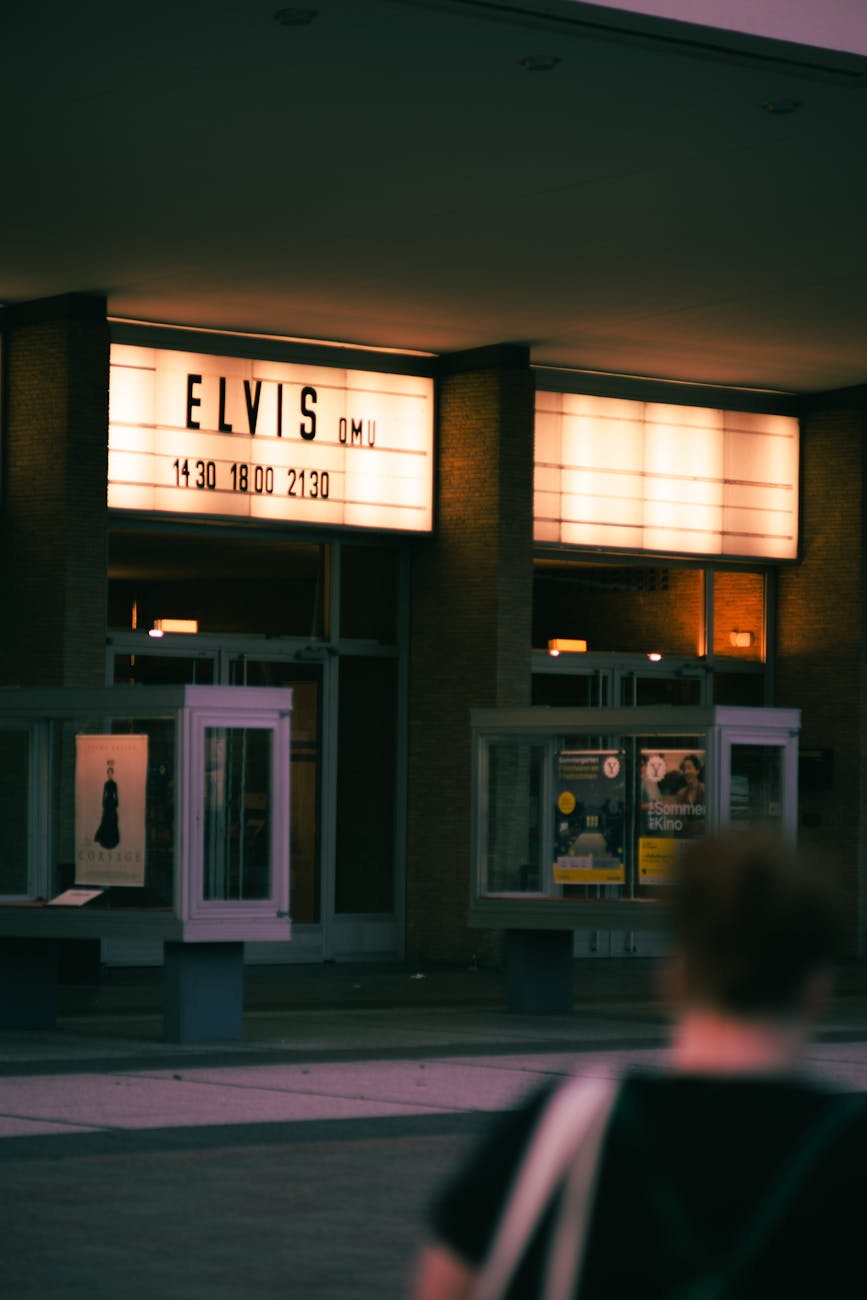
Photo by Paul Volkmer on Pexels.com

On August 16, 1977, the world stopped spinning — at least in Memphis, Tennessee. That was the day Elvis Presley, the King of Rock and Roll, was found unresponsive in the bathroom of Graceland. The global headlines mourned music’s greatest icon. Meanwhile, things were spinning out of control behind the scenes in the world of law enforcement. And not just in Memphis.

Most people don’t know that Elvis’s death caused a minor frenzy. It affected not just fans, but also federal and local law enforcement. This had everything to do with his name, his guns, and his bizarre honorary narcotics badge.

Let’s rewind.

In 1970, Elvis famously met with President Richard Nixon and requested a federal narcotics badge. He did not intend to arrest drug dealers, well, maybe a few. He believed it would grant him special privileges at airports. It would allow him to carry firearms across state lines without hassle. Nixon, eager to impress a celebrity during a slump in his popularity, gave him the badge. Elvis then began collecting honorary police badges from departments across the U.S., often in exchange for autographs, memorabilia, or a simple smile.

By the time of his death, Elvis had amassed over 100 badges. Some were real, others purely decorative, and a few were questionably obtained. The King had a well-known obsession with guns. He owned dozens of pistols and rifles. He even had a few military-grade toys. When the news of his death broke, more than one law enforcement agency quietly wondered. They asked themselves, ‘What did we give that man?’ And can we please get it back?

According to insiders at the time, several local departments began calling Graceland discreetly. They were hoping to retrieve various “loaned” badges and sidearms. One small-town sheriff reportedly said, 

“We didn’t think he’d actually keep the darn thing. It was supposed to be a photo op!”

Even the DEA got involved. They did not act out of malice. Elvis’s collection included a few federal items. These should have never technically left Washington. A flurry of quiet internal memos from late August 1977 hints at an almost comical scramble. They describe recovering government property from the estate of a man. This man had once offered to go undercover as a federal agent “to stop the hippie drug culture.”

This man had once offered to go undercover as a federal agent “to stop the hippie drug culture.”

Meanwhile, fans held candlelight vigils and bought up every Elvis album in sight. Law enforcement agents were busy inventorying his arsenal of firearms and badges. His collection would put most mid-size police departments to shame.

A deputy who had once met Elvis described the moment. They realized the full extent of the collection: 

“I walked into that room. I saw enough shiny shields to start a police academy.”

I half expected them to start talking.

Most of the badges were eventually returned. Some were documented as honorary. Yet, a few were mysteriously “lost to history.” They are reportedly still missing to this day. One turned up on eBay years later. This sparked a brief online turf war between Elvis fans and collectors of obscure police paraphernalia.

August 16, 1977, then, marks not just the day the King left the building. It was also the day law enforcement agencies across the country had a new challenge. They found themselves unexpectedly cleaning up behind him. They tried, with straight faces, to explain to their bosses. Why did Elvis Presley have more police gear than some SWAT teams?

Speeding Into Mortality – A Story About One Land Speed Crew And It’s Driver’s Impermanence

2–3 minutes

A driver aimed to set a land speed record. He was going 283 mph during a racing event at Utah’s famed Bonneville Salt Flats. He died August 3rd, 2025, after losing control of his rocket-like vehicle called the Speed Demon, organizers said.  The team had got detoured due to traffic lanes being improved. They and others would arrive late to the event.

Driver Chris Raschke

Driver Chris Raschke lost control about two and a half miles into a run. He was treated by medical professionals at the scene, but died from his injuries. The Southern California Timing Association has organized the popular land-speed racing event. This event is known as “Speed Week” and has been organized since the late 1940s. 

For decades, the flat, glasslike white surface has drawn drivers from all over. They seek to set new land speed world records. Motorcycle and car fans come to watch. The salt flats are a remnant of a prehistoric lakebed. They are about 100 miles (160 kilometers) west of Salt Lake City. They have also been a backdrop for movies like “Independence Day” and “The World’s Fastest Indian.”

Read the full story here…

There is a question to be answered; why wasn’t there something soft for the man to land on? Case in point, a bouncy house, there is something soft. It would need to be ten or twenty fold. So, when his car popped off course, it would have bounced around the desert without killing anyone. Which is obvious to anyone looking at the desert.

For decades, people have used the flat, glasslike surface at Bonneville Salt Flats. It is located 100 miles (160 kilometers) west of Salt Lake City. They use it to set speed records, sometimes topping 400 mph (644 kph). Speed Week has long been a draw for motorcycle and car fans.

Raschke, 60, drove a streamliner. This long, narrow, aerodynamic car was made to run at high speeds and was known as the Speed Demon. He had worked in motor sports for more than four decades.

According to the Speed Demon racing team’s site, Raschke worked at the Ventura Raceway in the early 1980s. He raced 3-wheelers and cars in the mini stock division. Raschke learned to fabricate and keep race cars when working with an acclaimed engine builder. He later became a driver for the Speed Demon team. 

Keith Pedersen, the association’s president and Speed Week race director, said Raschke was a respected driver within the racing community. He also worked for a company that makes fasteners for race cars.

“He is one of the big ones. He had done all sorts of racing,” Pedersen said.

The Race Week event began on Saturday and runs through Friday. Are you in The Phoenix metro area and want to see vehicles passing the set speeds. All you have to do is drive on any of its freeways. And be safe!

To read the original report from visit here

The Anatomy of a Shooter – Part Five: What We Can Actually Do About It

“Monsters aren’t born overnight. They’re made—in silence, in shadows, in places we refuse to look.”

By Benjamin GroffMedia© | benandsteve.com | 2025 Truth Endures©

3–5 minutes

Part Five: What We Can Actually Do About It

Let’s get one thing straight:
Mass shootings aren’t random.
They’re predictable.
Not in the “we know when and where” way. It is predictable in the “we’ve seen this play before” way. And we’ve seen it enough to know how it ends.

So the question becomes:
What do we do now—actually do?

If all we’ve got are thoughts, prayers, and hashtags, then outrage will burn out in a news cycle. We’re just spectators in someone else’s tragedy.


Enough With the Helplessness

It’s easy to feel like there’s nothing we can do.
But that’s a lie we’ve been sold to stay comfortable.
The truth is, we can’t stop every shooting—but we can reduce them.
We can spot the signs earlier.
We can intervene before someone crosses that line.
And yes, we can have uncomfortable conversations about guns, mental health, and social breakdown without turning it into political theater.

But first, we have to stop pretending we’re powerless.

Photo by MART PRODUCTION on Pexels.com

Real Things That Actually Help

Here’s a short, imperfect list. Not theory—practice.

🔹 1. Speak up—even when it’s awkward.

That kid, coworker, or neighbor who’s spiraling? Say something. Not on Facebook. Not behind their back. To someone who can act. Don’t wait until it’s too late.

🔹 2. Take threats seriously.

If someone is joking about violence, don’t assume they’re kidding. Shooters often telegraph their intentions—sometimes with neon signs.

🔹 3. Support red flag laws that work.

Yes, they’re controversial. But when implemented carefully, they’ve saved lives by allowing courts to temporarily remove firearms from people in crisis.

🔹 4. Don’t give platforms to the shooters.

No names. No manifestos. No fame. Let them fade into anonymity—don’t let them become anti-heroes.

🔹 5. Build better reporting systems.

We need clear, safe ways to report dangerous behavior—at schools, jobs, online—and a system that doesn’t bury it in bureaucracy.

🔹 6. Reinvest in human connection.

Isolation is gasoline for this fire. People with strong relationships, support systems, and a sense of belonging are less to fall into these dark holes. Community isn’t a luxury—it’s a safeguard.


Not Just a Policy Problem—A Culture Problem

Legislation matters. But culture matters, too.

We live in a society that celebrates violence, glorifies vengeance, and teaches boys that emotions are weakness.
We scroll past pain and reward provocation.
We share stories of destruction more than recovery.
We confuse attention with validation.

We can change laws. But until we change us, the cycle will continue.


Final Thought: The Story Isn’t Over—Unless We Let It Be

Photo by Mikhail Nilov
on Pexels.com

This five-part series wasn’t meant to explain every angle of mass shootings.
It was meant to start a conversation. To take you out of the numbness and into the uncomfortable places where change begins.

We don’t need heroes.
We need people who are willing to pay attention, speak up, and give a damn.

Because we’re not just analyzing shooters here.

We’re deciding what kind of society we want to live in.

Closing Note to My Readers

Thank you for walking with me through this five-part series.
I know it hasn’t been easy to read—hell, it wasn’t easy to write. But maybe that’s the point.

This isn’t just about shooters.
It’s about all of us.
What we tolerate. What we ignore. What we pretend not to see until it’s too late.

My hope is that these words spark more than discomfort.
Maybe they spark reflection. Maybe action. Maybe one conversation that changes something.

We want a world where mass shootings stop becoming headlines. To achieve this, we can’t just sit back and consume the story.

We have to be part of rewriting it.

—Benjamin Groff

About the Author:

Benjamin Groff is a former police officer and radio news anchor. He has hosted programs for CNN and ABC News affiliates in Colorado and Wyoming. His career in law enforcement began in 1980 and lasted more than two decades. This gave him firsthand insight into the criminal mind and public safety. Moreover, it provided him with an understanding of the human stories that often go untold. His writing draws on these experiences, blending street-level truth with a journalist’s eye for the bigger picture.

CELEBRATION OF LIFE ANNOUNCED FOR COUNTRY LEGEND JEANNIE SEELY

Jeannie Seely’s 5,398th Opry Show” Set for August 14 at Grand Ole Opry House

1–2 minutes

A public Celebration of Life will honor Grand Ole Opry star and country music icon Jeannie Seely. It will be held Wednesday, August 14 at 10:00 a.m. CT at the Grand Ole Opry House in Nashville. Fittingly titled “Jeannie Seely’s 5,398th Opry Show,” the service will pay tribute to her unmatched legacy.

The event will be broadcast live on 650 AM WSM. It will also be available via livestream at: VIMEO. You can view it live there. Here.

Jeannie Seely passed away on Friday, August 1 at age 85, after complications from an intestinal infection. She held the record for most Opry appearances in history — 5,397 — a milestone unlikely to ever be surpassed.

Tributes from the Country Music Community

Many stars shared heartfelt words:

  • Ricky Skaggs: “She made nervous newcomers feel at peace. We can all take her lead and encourage the next generation.”
  • Pam Tillis: “She had grit, wit, talent—and she was cool.”
  • Larry Gatlin: “She was my champion and inspiration. I miss her already.”
  • John Anderson, Ray Stevens, Mark Chesnutt, Darryl Worley, Billy Dean, and others echoed similar admiration, love, and deep loss.

Legacy

Nicknamed “Miss Country Soul,” Jeannie Seely broke barriers for women in country music. She was the first woman to regularly host Opry segments. She is also a GRAMMY winner and a BMI-awarded songwriter. Additionally, she has been an Opry member since 1967. Her songs were recorded by legends. These include Merle HaggardDottie West, and Willie Nelson. She also shared the screen with Willie Nelson in Honeysuckle Rose. In 2022, she was honored for her historic number of Opry performances. A stretch of road near the venue was renamed the Jeannie Seely Interchange in 2024.

Instead of Flowers

Donations in Jeannie’s name are encouraged to pet-related charities or the Opry Trust Fundopry.com/about/opry-trust-fund

To start viewing events from Jeannie’s life, visit her website here. You can see the music she shared, events celebrated, and the people she loved.

The Anatomy of a Shooter – Part Four: Red Flags and Shrugged Shoulders

By Benjamin GroffMedia© | benandsteve.com | 2025 Truth Endures©

2–4 minutes

Part Four: Red Flags and Shrugged Shoulders

After every mass shooting, the same story unfolds.
News reports reveal the shooter made threats.
He posted disturbing content.
He stockpiled weapons.
He scared people.

And then the world asks, 

“Why didn’t anyone say something?”

Except someone usually did.

They said it quietly to a friend.
They reported it to HR.
They sent up a flare—but it fizzled in a system built to tolerate discomfort until it explodes.


“It Just Felt Off”

Human instinct is powerful.
We know when something doesn’t feel right—when someone is spiraling, simmering, or clinging to rage a little too tightly.
But we’ve been trained to doubt our gut.

Why?
Because:

  • We don’t want to overreact.
  • We don’t want to get someone in trouble.
  • We don’t want to look paranoid or mean or judgmental.

So we say things like:

  • “He’s just blowing off steam.”
  • “He’s always been like that.”
  • “It’s probably nothing.”

Until it’s not.


The Signs Were There. The Action Wasn’t.

Let’s break it down. Red flags can look like:

  • Obsessive talk about violence or past shooters
  • Extreme ideological rants
  • Sudden personality changes or withdrawal
  • Threats—direct or veiled
  • Obsession with weapons or martyrdom
  • Social media posts that scream “notice me”

But here’s the kicker:
Even when these signs are clear, most people don’t act.
And when they do? They’re often ignored, dismissed, or redirected through layers of bureaucracy.

“It’s not our jurisdiction.”
“We can’t do anything unless he acts.”
“He hasn’t broken any laws.”

We treat early warning signs like legal puzzles, not human lives.


Fear of the Awkward Conversation

Red flags aren’t just missed.
They’re avoided—because confronting someone is uncomfortable.

There are times when you have to take the bull by the horns.
  • What if I’m wrong?
  • What if they get mad?
  • What if it ruins my relationship with them?
  • What if it’s not serious?

So instead of leaning in, we back away.

And we let someone else deal with it.
Except, too often, there isn’t someone else.


The Burden of Hindsight

Afterward, the red flags look obvious.
Crystal clear.
Undeniable.

But by then it’s too late.
And we’re left with vigils, flowers, and questions we didn’t ask soon enough.


A Shift in Mindset

We need to stop treating red flags like rumors.
They’re signals. Warnings.
Opportunities to intervene.

That doesn’t mean we accuse people on a hunch.
It means we build systems and cultures that listen.
That act before a weapon is drawn, not after.

Because by the time the police tape goes up, the story’s already been written.


Coming Up in the Series:

Part Five: What We Can Actually Do About It
We’ve identified the patterns. We’ve seen the signs. Now it’s time to talk about real solutions—what works, what doesn’t, and why “thoughts and prayers” aren’t enough.

About the Author:

Benjamin Groff is a former police officer and radio news anchor. He has hosted programs for CNN and ABC News affiliates in Colorado and Wyoming. His career in law enforcement began in 1980 and lasted more than two decades. This gave him firsthand insight into the criminal mind and public safety. Moreover, it provided him with an understanding of the human stories that often go untold. His writing draws on these experiences, blending street-level truth with a journalist’s eye for the bigger picture.

The Anatomy of a Shooter – Part Three: The Myth of the Lone Wolf

“Monsters aren’t born overnight. They’re made—in silence, in shadows, in places we refuse to look.”

By Benjamin GroffMedia© | benandsteve.com | 2025 Truth Endures©

2–4 minutes

Part Three: The Myth of the Lone Wolf

Every time the news breaks, we hear it:
“He acted alone.”
And just like that, the story is framed.
One man. One moment. One monster. Case closed.

But here’s the problem:
It’s not true.
Or at least, it’s not the whole truth.


The Comfortable Lie

Calling someone a “lone wolf” is tidy. It makes the rest of us feel better.
It tells the public:

  • This was a fluke.
  • It couldn’t have been predicted.
  • There’s nothing we could’ve done.

And maybe, if we say it enough, we’ll believe it.

But in reality? Shooters rarely emerge from a vacuum.
They come from families. Communities. Schools. Workplaces. Chatrooms.
They leave trails of clues—behavioral, verbal, digital, emotional.

And more often than not, somebody saw something.


He Was Always Quiet… Until He Wasn’t

We’ve all heard it:

  • “He kept to himself.”
  • “He was a little odd, but polite.”
  • “He never really fit in.”

The thing is, these aren’t descriptions of a mystery. They’re descriptions of a pattern.

Withdrawn doesn’t mean harmless.
Quiet doesn’t mean invisible.

But we’ve trained ourselves to look away.
To shrug off disturbing comments.
To ignore that one guy at work who’s always simmering just below the surface.
Because to speak up feels awkward. And what if we’re wrong?

Well—what if we’re right?


Behind the Shooter Is a System That Failed

Lone wolf? No.
It’s more like a failure of the pack.

The system failed.

  • The family that didn’t ask questions.
  • The school that let him fall through the cracks.
  • The workplace that ignored his meltdown.
  • The internet forums that radicalized him.
  • The society that let him buy a weapon without blinking.

A shooter might pull the trigger alone, yes.
But the road there was crowded.


When “Alone” Is a Strategy

Photo by Danik Prihodko on Pexels.com

Let’s not forget—some shooters want to be seen as lone wolves.
It fits the fantasy: the avenger, the martyr, the misunderstood genius.
They want us to think no one could’ve stopped them.

Because if we believe that, then we stop looking for answers.
And they get to become a headline instead of a warning.


So What Should We Say Instead?

We should say:
“He was one part of a larger failure.”
“This wasn’t random—it was ignored.”
“This wasn’t a mystery—it was a message we didn’t read in time.”


Coming Up in the Series:

Part Four: Red Flags and Shrugged Shoulders
He gave off signs. He said things. He posted warnings. But no one did anything. Why? Because we’re experts at convincing ourselves it’s not our problem—until it is. That is next!


About the Author:

Benjamin Groff is a former police officer and radio news anchor. He has hosted programs for CNN and ABC News affiliates in Colorado and Wyoming. He writes for organizations from his home in Arizona. His career in law enforcement began in 1980 and lasted more than two decades. This gave him firsthand insight into the criminal mind and public safety. Moreover, it provided him with an understanding of the human stories that often go untold. His writing draws on these experiences, blending street-level truth with a journalist’s eye for the bigger picture.

The Anatomy of a Shooter – Part Two: The Internet Never Forgets (or Forgives)

By Benjamin GroffMedia© | benandsteve.com | 2025 Truth Endures©
2–4 minutes

Part Two: The Internet Never Forgets (or Forgives)

The shooter didn’t get here alone.
Not really.

Sure, maybe they sat alone in a bedroom. A basement. A breakroom.
But they weren’t isolated from influence—just the opposite.
They were plugged into a digital bloodstream that fed them exactly what they wanted, and everything they didn’t need.

Welcome to the echo chamber. Population: too many.


Where the Internet Becomes an Incubator

A lonely, angry person finds a tribe. This occurs somewhere between YouTube rabbit holes, toxic forums, and Reddit threads that should’ve been shut down years ago.

Not a real one. Not the kind that helps you move or calls when you’re sick.
But one that says, 

“You’re right to be angry.”
“They are the problem.”
“You don’t need help—you need revenge.”

That validation is addictive.

And the internet is the perfect dealer:

  • Algorithms push increasingly extreme content.
  • “Communities” form around hate, resentment, and fear.
  • Every post, every comment, every manifesto builds a narrative: You are justified.

From Scrolling to Staging

It starts with watching. Then posting. Then commenting.
Then, maybe, fantasizing.
And eventually, planning.

A shooter doesn’t always invent the blueprint.
They download it—literally. From forums that dissect earlier mass shootings like game film. From chat groups where people joke about body counts and praise past killers like fallen heroes.

Some shooters even leave behind digital footprints—manifestos, livestreams, final posts—as if they’re signing off from a sick performance art.

And let’s not pretend it’s rare.
We’ve seen it again and again.
And again.


The Illusion of Community, the Reality of Collapse

Here’s the twisted irony:
Most of these online “connections” are built on mutual isolation.
It’s a virtual group hug from people who hate everything.

They don’t help each other grow—they help each other decay.

Not everyone in these spaces will act violently. Nevertheless, they create an environment where the leap from “I hate them” to “I’ll show them” feels smaller.
More rational.
More inevitable.


We Let the Fire Burn and Call It Free Speech

Let’s be honest:

We’ve been slow—very slow—to acknowledge how much harm can be done behind a keyboard.
We slap “content warning” stickers on hate, shrug off threats as trolling, and hide behind terms like “edgy humor.”

Meanwhile, more lives are lost.

Photo by Bulat Khamitov on Pexels.com

This isn’t about censoring opinions. It’s about recognizing when opinions become weapons.

A shooter adopts a belief before they pick up a gun. They believe that their anger matters more than your life.

And someone, somewhere, probably upvoted that.


Up Next in the Series:

Part Three: The Myth of the Lone Wolf
They always say, “He acted alone.” But did he? Or was he just the only one who pulled the trigger?

About the Author:
Benjamin Groff is a former police officer and radio news anchor. He has hosted programs for CNN and ABC News affiliates in Colorado and Wyoming. His career in law enforcement began in 1980 and lasted more than two decades. This gave him firsthand insight into the criminal mind and public safety. Moreover, it provided him with an understanding of the human stories that often go untold. His writing draws on these experiences, blending street-level truth with a journalist’s eye for the bigger picture.

The Anatomy of a Shooter – Part One: In the Beginning, There Was Silence

“Monsters aren’t born overnight. They’re made—in silence, in shadows, in places we refuse to look.”

By Benjamin GroffMedia© | benandsteve.com | 2025 Truth Endures©

3–4 minutes

Part One: In the Beginning, There Was Silence

Let’s start with a hard truth:
Shooters don’t come out of nowhere. They come out of silence.

Silence from the people around them.
Silence in rooms where pain festered.
And eventually, silence before the gunfire broke it all.

In this series, I’m not asking for sympathy for those who’ve caused unspeakable pain. But I am asking this:

How does a person get to the point where picking up a gun feels like a solution?

If we keep pretending it’s as simple as “they snapped,” we’re not solving a damn thing. If we keep saying “they were crazy,” we’re not solving a damn thing.


The Seed of Isolation

No one wakes up one day and says, “You know what? Today’s the day I destroy lives.”
It begins slowly. Quietly. Almost invisibly.

Maybe they were left out.
Maybe they were bullied.
Maybe they were weird, withdrawn, angry, or awkward.
Maybe they simply felt invisible.

That kind of loneliness doesn’t whisper—it screams. But not everyone knows how to listen to the silence. Some don’t even try.

And so, that person—young or old—starts pulling away from others. Or worse, starts resenting them.


Grievance: The Gateway Drug

Here’s where things shift.

What started as pain turns into blame.
Not just “I’m hurting,” but “They did this to me.”

And they might be:

  • The cool kids at school
  • The coworkers who laughed
  • The family who ignored
  • The ex who left
  • The entire world

Suddenly, it’s not just a personal wound—it’s a mission. A vendetta. A delusion of justice.

And online, there are entire dark corners ready to cheer them on.


When the Weapon Becomes a Microphone

The shooter mindset often merges with a desire to be seen—finally, undeniably.
And that’s what makes these tragedies feel like performances.
Not just an act of violence, but a message broadcast with blood:

“Look at me now.”

That’s not an excuse.
That’s an alarm bell.


What We Rarely Say Out Loud

Yes, mental illness plays a role in some cases. But not always.
Plenty of people struggle with mental health and don’t turn into killers.

What we’re talking about is a toxic cocktail:

  • Isolation
  • Grievance
  • Identity crisis
  • Obsession
  • Ego
  • Easy access to destruction

It’s not one red flag.
It’s a collection of ignored ones.


So, Why Write This?

Because the only thing more dangerous than a shooter is a society that refuses to understand one.

And understanding doesn’t mean excusing.

It means preventing.


Coming Up in the Series:

  • Part Two: The Online Echo Chamber
    How algorithms and angry forums radicalize the already isolated.
  • Part Three: The Myth of the Lone Wolf
    Why shooters aren’t anomalies—they’re symptoms of something bigger.
  • Part Four: Red Flags and Shrugged Shoulders
    What we miss—and why we keep missing it.
  • Part Five: What We Can Actually Do About It
    Solutions that go beyond slogans and shallow politics.

About the Author:
Benjamin Groff is a former police officer. He is also a radio news anchor. He has hosted programs for CNN and ABC News affiliates in Oklahoma, Colorado and Wyoming. His career in law enforcement began in 1980 and spanned more than two decades. This gave him firsthand insight into the criminal mind and public safety. He also learned about the human stories that often go untold. His writing draws on these experiences, blending street-level truth with a journalist’s eye for the bigger picture.