Responding To The Last Call ––– The Last Of The Calls As They Were Reported 16

Groff Media 2024© Truth Endures IMDbPro

Presented by benandsteve.com By: Benjamin Groff II©

It had been a long year. On January 5th, 1983, we lost an officer in the line of duty. That spring, three officers were arrested for stealing from a business they’d responded to on an alarm call. By summer, automobile burglaries and thefts were on the rise. The suspects were careful, leaving no evidence. Their modus operandi was smooth and untraceable—no one ever heard, saw, or interrupted these thieves. Most stolen items ranged in value from around $200, making each theft a felony under Oklahoma law.

The city was facing yet another wave of crime. Typically, it had about 10,000 residents, but the recent oil boom brought an influx, swelling the population to around 25,000. The sudden increase in population put a strain on the city’s resources, leading to a rise in crime. Jobs attracted people from all over, but housing needed to catch up. Tent cities sprang up in the southern sector, and parks filled with tents when vacant lots overflowed. Expecting thousands of oil jobs, many newcomers broke and scraped by.

Among the job seekers were newly released inmates from Cook County Detention in Chicago. Judges offered a stark choice: a one-way bus ticket to Elk City, Oklahoma, or a lengthy jail sentence. Most took the bus ticket. Upon arrival, they had to call the detention center from Elk City’s bus depot to check-in. Ducks in the city park began disappearing as desperate people scavenged for food. In response, the city council enacted a law prohibiting the molestation of ducks, with fines and jail time for violations. Signs reading “DO NOT MOLEST THE DUCKS” popped up, adding a hint of levity to an otherwise grim situation.

But ducks were far from the town’s biggest problem. It wasn’t the bars, the transient hotels renting beds by the shift, or even the “ladies of the night.” The real threat seemed to be the string of broad daylight robberies plaguing the community’s three leading grocery stores, and each hit at least once. One robbery even happened just a block from the police station, with the suspects abandoning their getaway vehicle behind the station in a post office lot.

The police department’s image was suffering. Officers worked 12-hour shifts, often doubling up due to the flood of calls, sometimes stacked five to ten deep. I reported at 5 p.m. for a 6 p.m. start to my 12-hour shift one day, noticing a huddle of high-ranking officers and county deputies outside an office. Figuring I’d get briefed later, I didn’t poke around—I had enough court subpoenas already without getting involved in another incident. And this was one situation I was glad to avoid.

“You have got to be kidding me,”

When my Captain came over, he told me they’d just brought in an officer for raping his daughter. This shocking revelation not only shamed the individual officer’s reputation but cast a shadow on the entire department; as police officers failed, the public’s trust in law enforcement was further eroded.

“You have got to be kidding me,” was all I could say.

This scandal was nearly the final blow for our department, already reeling from the recent departure of a chief struggling with personal issues. Within hours, newspapers and television stations caught wind of the arrest, and the phone lines lit up. Callers unleashed waves of abuse, condemning every officer affiliated with the department. The calls went on for days, creating a hostile environment for all officers and making their jobs even more difficult.

The officers arrested earlier in the year were convicted, further damaging the department’s reputation.

Amid this turmoil, my law enforcement career truly began. Although I had worked in various positions and departments, it was in this community that I found my calling. This city is where I started my adult life and career earnestly. I remained loyal to this place, forming memories with people in the booking area, the jail, and the streets. A shift in the workforce followed, which opened doors for me—an unexpected opportunity in a turbulent time. Could it get any worse? The heat was about to get turned up. In coming stories!

(You’ve been reading the back story for the big news over the next forty years involving several lives and lifetimes.)

Killed Walking Along The Highway – How A Killer Is Captured –– By Two Keen Deputies!

Groff Media 2024© Truth Endures IMDbPro

Presented by benandsteve.com By: Benjamin Groff II©

On a dark, silent night in 1980, the highways through Caddo County near the rural communities of Gracemont and Binger, Oklahoma, were deserted. Residents had long settled in their homes, leaving the quiet stretches of U.S. Highway 281 nearly void of movement. It was a time when law enforcement in rural Oklahoma had limited resources and technology, making cases like this all the more challenging to solve.

That night, an Indigenous man, Jasper Williams, had set out on foot from his home, heading south along a dirt road that eventually led to the pavement of Highway 281. It was common for community members to walk from one home to another, no matter the distance, and Jasper was going to a friend’s house. The night was pitch black, with no moonlight or streetlights to guide him, save for the faint outline of the highway stretching before him.

As Jasper walked, visibility was almost nonexistent. The road was shrouded in darkness, with no nearby lights to help him stay clear of the highway’s center. At some point, as he walked around six miles north of Gracemont—almost midway between there and Binger—tragedy struck. Jasper was hit by a passing vehicle, which left him severely injured on the side of the road. By daylight, he was found deceased, having bled to death, with no car in sight and no immediate reports of an accident.

Upon closer inspection, deputies discovered fragments of evidence scattered on Jasper’s clothing and body: broken glass, bits of chrome, a hubcap, and remnants of a car’s signal light and headlight assembly, as well as traces of paint. With these clues, investigators determined the incident might not be an ordinary accident but potentially a case of vehicular homicide.

Deputy Hamilton drove a
Ford Ranchero

The case was assigned as a homicide due to the absence of witnesses, the lack of any report from the driver, and the fact that the vehicle fled the scene. Caddo County Deputies Hamilton and Ware—both of whom have since passed—took on the painstaking task of finding the person responsible. Armed with the physical evidence, they began an exhaustive search of autobody shops across the county and surrounding areas, hoping to find a vehicle with damage matching the debris at the scene.

After several weeks, their search finally paid off. The deputies located a damaged vehicle that matched the evidence they’d collected. The owner was identified and subsequently interviewed, leading to the arrest of a man named Larry Johnson.

During questioning, Johnson admitted he had left a bar in Binger around 2 a.m. on the night Jasper was killed. On his drive home, he confessed to drifting in and out of sleep, initially thinking he had hit an animal, possibly a dog. However, he chose not to stop. Later, after hearing news of the fatal accident, he realized he was likely the driver involved but continued to hope he was wrong.

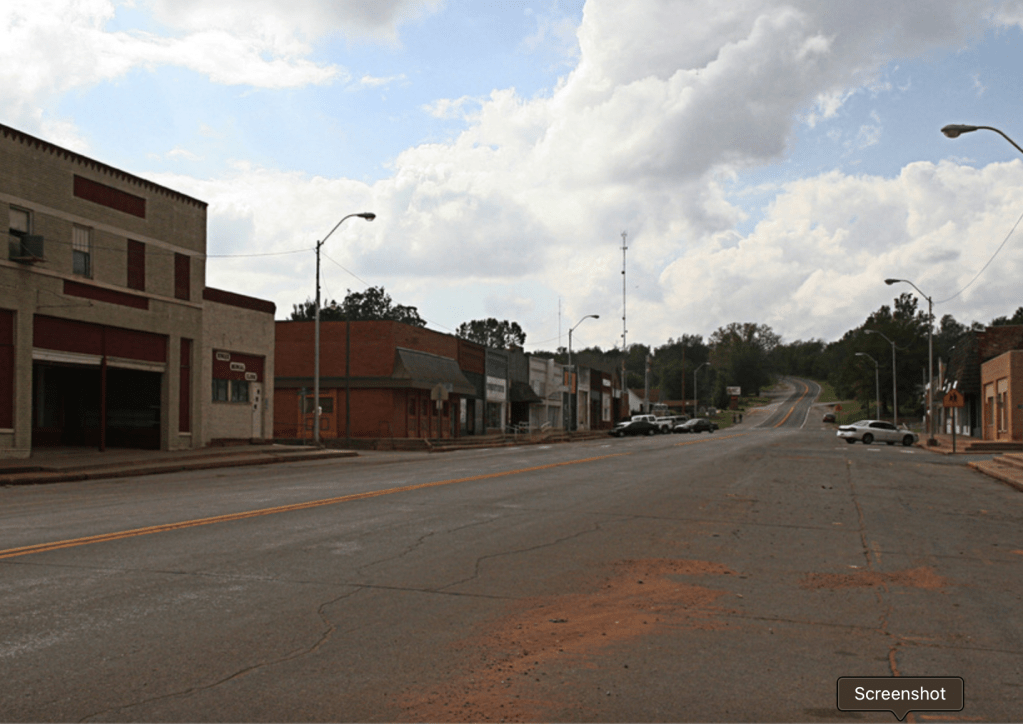
Binger Main St. There Were
Bars On Both Sides of Street.

Johnson was later tried in Caddo County, where a jury found him guilty of manslaughter. He was sentenced to serve 15 years at Oklahoma’s Granite Reformatory.

Note: Some names, dates, and details have been altered to protect individuals’ privacy.

Remembering Henderikus “Pim” Sierks (10 March 1932 – 7 November 2024) The Brave Pilot

Groff Media 2024© Truth Endures IMDbPro

Presented by benandsteve.com By: Benjamin Groff II©

Henderikus “Pim” Sierks, a Dutch aviator known for his bravery and unwavering dedication both in military and civilian aviation, passed away on 7 November 2024, at the age of 92. Born in Haren, Groningen, on 10 March 1932, Sierks devoted his life to the skies, first serving with distinction in the Royal Netherlands Air Force before transitioning to a celebrated career as a commercial airline captain with Transavia.

Sierks trained with the Royal Canadian Air Force, where he gained experience on various aircraft, including the Airspeed Horsa, Auster AOP.6, and Avro 626. Back in the Netherlands, he became one of the foremost pilots of the Hawker Hunter fighter jet, serving over 11 years in the Royal Netherlands Air Force and solidifying his reputation as a skilled and disciplined aviator.

In 1974, Captain Sierks’ legacy was cemented during the infamous French Embassy hostage crisis in The Hague. When three Japanese Red Army members stormed the French Embassy and demanded a French aircraft to facilitate their escape, Sierks bravely volunteered to captain the flight. He skillfully negotiated with the hostage takers, gaining their assurance for the safety of his crew and the hostages, then flew them from Amsterdam to Damascus, Syria, with a critical refueling stop in Aden, Yemen. Sierks’ calm courage in this tense, unpredictable situation was hailed as exemplary, and he returned safely to deliver both the money and weapons back to the French Embassy in Damascus.

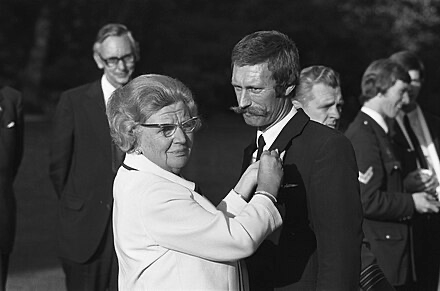
For his heroism, Sierks was awarded the Knight Grand Cross of the Order of Orange-Nassau by Queen Juliana, in addition to the Order of the Netherlands Lion and the Airman’s Cross. His actions that day made him a national hero and exemplified his lifelong dedication to duty, courage, and peace.

Following his career, Sierks moved to West Sussex, England, where he enjoyed a quiet life in retirement. He is remembered as a loving father, devoted friend, and a gentleman whose life and career left a mark on Dutch aviation history.

Otis The Dog That Trouble Finds

Groff Media 2024© Truth Endures IMDbPro.

Presented by benandsteve.com By: Benjamin Groff II© 


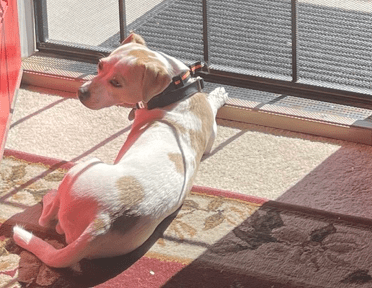
One sunny morning, Otis, a slick Jack Russell Terrier with a gleam in his eyes

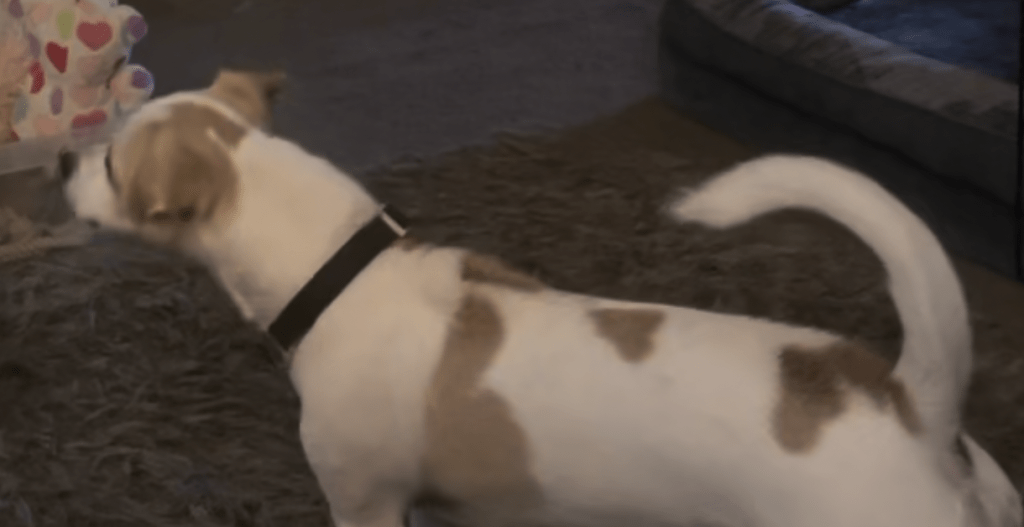
and mischief in his heart, woke up. His fur was a brilliant shade of gold, shimmering in the sunlight, and his tail wagged with such enthusiasm that it could power a windmill. The day started innocently enough; we had breakfast at our favorite restaurant and came home. With his wagging tail and big, innocent eyes, Otis welcomed us home and helped us as we tidied up around the house. But Otis is no ordinary dog—trouble seems to find him as a squirrel finds an acorn. He gets these spurts of energy known well as zoomies.

It’s like he’s a magnet for mishaps, a walking comedy show. Wherever he goes, calamity follows. He’s so adorable that it’s impossible not to chuckle when his wrecking ball hits.

It wasn’t long before Otis’s nose led him to the kitchen. The scent of freshly baked bread cooling on the counter was just too tempting. He stood on his hind legs, stretching his neck as far as it would go. Just then, a slight breeze blew through an open window, knocking a paper off the fridge and startling Otis. He yelped and bumped into the counter in a flurry of fur and paws. The bread tumbled down, landing squarely on the floor.

When we walked in, Otis stood over the fallen loaf, his big, brown eyes looking up at us with a mix of innocence and apology. His expression seemed to say, “I didn’t mean to!” It’s hard not to forgive him when he looks at you like that.

We sighed but couldn’t help the tiny smile tugging at your lips. Before picking up the bread, Otis had darted out of the room, ears flapping, tail wagging like a flag, and disappeared into the yard.

As the day went on, Otis’s streak of bad luck continued. While exploring under the porch, he got tangled in a ball of twine that a handyman had left behind. Emerging from the shadows, he looked wide-eyed and confused, like a dog-sized spider web. The neighbors couldn’t help but chuckle when they saw him, tangled and guilty-looking. One even offered to help untangle him, but Otis, being Otis, managed to free himself in a comical fashion.

Capping off his day – Otis’s curiosity got the best of him once more when he found a potted plant by the front door. It only took a nudge from his nose for the pot to tip over, spilling soil all over the welcome mat. He sniffed the dirt, sneezed, and left tiny paw prints leading to his bed, where he flopped down, exhausted.

When found, he looked up with that sweet, guilty face as if saying, I swear, I don’t know how it happened!

Despite the chaos, we knelt and scratched behind his ears. Otis nuzzled into my hand, eyes closing in contentment. As much trouble as he got into, he was ours, and those mishaps only make our days a little more memorable—and a lot more fun. His presence, filled with joy, even amid his mischievous adventures, is a constant reminder of the happiness pets bring into our lives.

NASCAR FIGURE And Family Man Walter Ballard Sr. Funeral Services Planned For Nov.

A Service Provided By benandsteve.com By: Benjamin©Groff Media2024© Truth Endures

Walter Harvey Ballard, Sr., a pioneering NASCAR figure and beloved family man, passed away surrounded by loved ones. Born on January 12, 1933, in Summerdale, Alabama, he was the second of six boys raised by Bernice Louise and Victor Ballard, Sr. Walter was preceded in death by his parents, his first wife, Rose Ballard; his second wife, Katy Ballard; and his daughter, Anna Marie Lorenzo.

Walter is survived by his children, Wayne and Catherine Henton, Walter Harvey Ballard, Jr., Clinton and Christine Ballard, Stony and Jerry Ann Ballard, Danny and Kim Ballard, and Lee-sa Krapish. He also leaves behind five devoted brothers and their wives: Carlos and Martha, Donald and Merry, Victor and Linda, Harold, and Rita, and Ernest and Beverly, along with fifteen grandchildren, fifteen great-grandchildren, and one great-great-grandchild.

Leaving home at a young age with only a ninth-grade education, Walter forged his path, beginning with service in the U.S. Army during the Korean War, where he served as a Sergeant in France. Following his military service, Walter channeled his ambition into building a successful career around his love of automobiles. He earned NASCAR’s first Rookie of the Year title in 1971 and, despite health challenges, remained deeply involved in racing as a team owner. Walter’s influence extended beyond the racetrack; his wife, Katy, co-founded one of the first NASCAR ladies’ organizations, underscoring their shared dedication to the sport.

To honor Walter’s commitment to helping others, the family requests that memorial gifts be made to St. Jude’s Children’s Hospital or the Wounded Warriors Project, two causes dear to him.

Walter’s life will be celebrated on Monday, November 4 at 2:00 p.m. at James Funeral Home, with burial to follow at Northlake Memorial Gardens. Visitation will be held before the service from 12:00 to 2:00 p.m. at James Funeral Home.

Walter’s memory will be cherished by all who knew him. He was a devoted father, a trailblazer in NASCAR, and a man of strength and kindness.

Former Heavyweight Boxer ‘ Big Zo’ Dead At Age 44 – Alonzo “Big Zo” Butler, 1980 – 2024

Provided a Service of benandsteve.com By: Benjamin©Groff Media 2024© Truth Endures

Alonzo Butler, a beloved former heavyweight boxer known to fans as “Big Zo,” passed away on Monday at age 44, as confirmed by his daughter, Jazlyn. A Chattanooga native who found his home in Knoxville, Alonzo impacted the boxing world and his community. His exceptional athleticism and dedication to his sport are reflected in his professional record of 35-3-2, with 25 knockouts. He fought mainly in Knoxville and East Tennessee, with a notable match in Auckland, New Zealand, in 2014. His achievements are a source of pride and celebration for all who knew him.

Butler’s decision to pursue boxing over football, where his power and precision earned him a devoted following, is a testament to his determination and courage. In 2006, Butler was honored as the Greater Knoxville Sports Hall of Fame’s Professional Athlete of the Year, a recognition he accepted with immense pride. Reflecting on the challenges of his career, Butler once shared, “Ace Miller told me four or five years ago I could be a champion, and I’ve stuck with it through the hard times. I’ve felt a responsibility to be a good model with the kids working with Golden Gloves, and I try to watch myself closely.” His commitment to being a positive role model and his dedication to his sport are qualities that will continue to inspire others.

Guided by legendary trainer Ace Miller, who managed and trained Butler during his undefeated run in the mid-2000s, Alonzo’s talent and warm personality left a mark on everyone he encountered. Miller spoke to Butler’s remarkable speed and strength, noting, “Alonzo could have done well in football because of his speed; at 250 pounds, we’ve timed him at 4.3 in the 40-yard dash. With his pure, warm personality, people want to know how he could be mean enough to be heavyweight champ of the world someday.”

Alonzo Butler’s legacy will endure in the hearts of those who knew him, from family and friends to fans and young athletes he inspired. His impact on the community through his boxing career and his role as a mentor is immeasurable. He leaves behind his daughter, Jazlyn, and a community that will forever be grateful for the kindness and strength he brought to the ring and beyond. His absence will be deeply missed in the lives of those dearest, but his memory will continue to inspire.

The world is going to POT, and we are watching it go!

A view of the world as it is today by: Benjamin Groff II© Groff Media 2024© Truth Endures IMDbPro

My dad and grandfather are gone now, but neither would support a liar, cheat, rapist, insurrectionist, dictator, or someone who supports one, or generally speaking, a creep or ‘weirdo.’ 

There are other reasons you can look at as well. For instance, a candidate such has a sexual offense judgment against him, and he is under indictment for countless federal crimes; in the last year, one of the candidates was in the air, flying, on their way to being arrested, just as much as he was campaigning at one point. 

One or more of those reasons would have been reason enough to consider looking into the person’s background. And three to four, would have been reason enough to reject a person all together. Someone who was strongly running for public office would have been rejected. Now, the GOP considers it a qualification required for all Republican candidates.

The candidates have endorsements from KKK members. They boast about, a presidential politician having endorsements from dictators. They wallow in such markings, and candidates publicly brag about laws they will violate first, if elected. And this makes them the most qualified candidate. Going as far as boasting about becoming a dictator. Going about telling people this is the last election they will have to worry about voting in. 

Why? Does that mean the Constitution is going to get ripped apart, shredded, and there will no longer be a United States where the people choose its leaders? It appears it doesn’t matter to the people who are numb and following this character. They appear to have zoned out of reality. 

My grandfather, father, uncles, aunts, and even a few dogs and horses I’ve had would not have allowed the goings on to persist. The greatest generation has died chiefly off; fewer of them now than ever are living, which sadly shows in our world. They were the ones who knew what happens when the world that falls to fascism. When reality hits and the world dies. It is beginning as America will turn grey; it will become a black-and-white construct of anything anyone remembers of its being, if these destructionists are permitted to have their way with the country. We only hope enough voters come to the polls and and vote, and save our America!

My dad had a favorite saying: the older I got, the wiser he’d get. And he was right; I wish he were here to help us out of this madness!

JD Groff At Rest And Getting Wiser Every Day!

When 20,000 Americans Held a Pro-Nazi Rally in Madison Square Garden in 1939 – Now It’s Happening Again…

Information Produced and Presented By Organizations Other Than Groff Media 2024


Above, two-time Academy Award nominee Marshall Curry presents A Night at The Garden, a film that revisits a night in February 1939 when “20,000 Americans rallied in New York’s Madison Square Garden to celebrate the rise of Nazism — an event largely forgotten from U.S. history.” As we described it back in 2017, the film documents the following scene:

What you’re looking at is the 1939 “Pro-American Rally” (aka Pro-Nazi Rally) sponsored by the German American Bund at Madison Square Garden on George Washington’s 207th Birthday. Banners emblazoned with such slogans as “Stop Jewish Domination of Christian Americans,” “Wake Up America. Smash Jewish Communism,” and “1,000,000 Bund Members by 1940” decorated the great hall.

New York City Mayor Fiorello LaGuardia—an Episcopalian with a Jewish mother—considered canceling the event, but ultimately he, along with the American Jewish Committee and the American Civil Liberties Committee decreed that the Bund was exercising its right to free speech and free assembly.

A crowd of 20,000 filled the famous sports venue in mid-town Manhattan to capacity. 1,500 police officers were present to render the Garden “a fortress impregnable to anti-Nazis.” An estimated 100,000 counter-demonstrators were gathering outside.…

The most disturbing moment in the short film comes at the 3:50 mark, when another security force—the Bund’s Ordnungsdienst or “Order Service” pile on Isidore Greenbaum, a 26-year-old Jewish worker who rushed the podium where bundesführer Fritz Julius Kuhn was fanning the flames of hatred. Valentine’s men eventually pulled them off, just barely managing to save the “anti-Nazi” from the vicious beating he was undergoing.

Made entirely from archival footage filmed that night, A Night at The Garden “transports audiences to this chilling gathering and shines a light on the power of demagoguery and anti-Semitism in the United States.” You can learn more about the film and the 1939 rally at Marshall Curry’s web site.

Any similarity to actual persons, living or dead, or other xenophobic rallies being held this weekend in Madison Square Garden is purely coincidental, of course.

Related Content 

Yale Professor Jason Stanley Identifies 10 Tactics of Fascism: The “Cult of the Leader,” Law & Order, Victimhood and More

Toni Morrison Lists the 10 Steps That Lead Countries to Fascism (1995)

Fascism!: The US Army Publishes a Pamphlet in 1945 Explaining How to Spot Fascism at Home and Abroad

Over a century ago, the United States grappled with a political movement that closely resembled today’s MAGA (Make America Great Again) movement, a populist uprising spearheaded by former President Donald Trump. Like MAGA, this earlier movement thrived on populist discontent, nativist sentiments, and rejection of the established order. If not kept in check, it could have reshaped American democracy in ways that might have undermined its democratic institutions, a peril we must remain vigilant against.

One of the most significant instances was during Theodore Roosevelt’s presidency, a man with intricate political loyalties. In 1912, Roosevelt’s Bull Moose Party brought populist elements into the political mainstream, appealing to working-class voters who felt marginalized by the two major parties. While Roosevelt was not anti-democratic, his charismatic leadership style and his ability to rally crowds around a strongman image set a precedent for future political movements that would seek to undermine democratic norms.

Simultaneously, the rise of the “America First” movement and the Ku Klux Klan spanning the 1920s showed how easily populist rhetoric could veer into exclusionary nationalism and nativism. The Klan’s widespread influence reached local, state, and federal government levels, promoting an agenda that sought to disenfranchise non-white citizens, immigrants, and anyone considered “un-American.” This movement found an audience among rural and working-class Americans who felt left behind by the rapid industrialization and modernization of the country.

At the heart of these movements was a profound distrust of the government, elites, and institutions—just like the anti-establishment fervor that fueled the rise of MAGA. These movements aimed to “restore” a vision of America rooted in racial and social hierarchies, often using violent rhetoric and intimidation to achieve their goals. Had these populist forces gained more traction, they could have severely damaged the democratic foundation of the country, ushering in a more authoritarian regime.

It took concerted efforts from citizens and political leaders to resist these dangerous movements and restore democratic norms. In some ways, the lessons from over a century ago echo loudly today: unchecked populism, especially when it flirts with nativism and authoritarianism, can bring democracy to the brink of collapse. However, this history also reminds us of our power to shape the future of our democracy, offering hope and inspiration for positive change.

Today, as MAGA remains a force in American politics, it is crucial to remember that the battle to preserve democracy requires vigilance. While populism can express legitimate grievances of people who feel left behind, it must not be allowed to erode the institutions enabling democracy to function. History teaches us that democracy’s survival depends on our ability to balance widespread anger with reasoned leadership and respect for the rule of law. We all have a role to play in this ongoing struggle, and our vigilance is required to maintain a true Republic of the People!

Former Chief Deputy A.G. Charles Brandt Dead At Age 82

Announcement A Service Of BenandSteve.com By Benjamin© GROFF MEDIA 2024© Truth Endures.

Charles Brandt, a former Delaware chief deputy attorney general and author of I Heard You Paint Houses, the book that inspired the acclaimed 2019 film The Irishman, passed away on Tuesday at the age of 82.

Brandt, who lived between Lewes, Delaware, and Sun Valley, Idaho, passed at Delaware Hospice at St. Francis in Wilmington. His daughter, Jenny Rose Brandt, a registered nurse and his primary caregiver, shared that he died due to complications from multiple chronic health conditions.

I Heard You Paint Houses, Brandt’s work of narrative nonfiction published in 2005, explores the life of Frank “Big Frank” Sheeran, a towering World War II veteran and former president of Teamsters Local 326 in Wilmington who also worked as a Mafia hitman. Brandt spent five years interviewing Sheeran, who, in those conversations, confessed to the killing of labor leader Jimmy Hoffa. Hoffa disappeared in 1975, and his body has never been found. Sheeran’s chilling accounts, shared in detail with Brandt, suggested he felt freed to speak as those he once feared were no longer alive.

The movie went to the big screen in The Irishman, directed by Martin Scorsese and featuring Robert De Niro and Al Pacino. The epic film, which runs over three hours and garnered 10 Academy Award nominations, brought widespread attention to Brandt’s extraordinary insights into Sheeran’s life and his ties to organized crime.

Charles Brandt leaves behind a legacy in law, literature, and film, his work casting light on some of America’s most notorious mysteries.

The Unlikely Friendship: Lessons in Kindness

By: Benjamin Groff II© Groff Media 2024© Truth Endures IMDbPro

It was a quiet Sunday morning. A knock came at the door as the man leafed through the morning paper. He answered it, and there stood a stranger, looking road-worn but determined. ––––

“Is this where Benjamin Groff lives?”

the stranger asked.

“Yes, it is,”

the man replied, studying the stranger’s face.

“You must be his father,”

the stranger ventured his smile kind and knowing.

“Yes, I am,”

the man replied, both curious and wary.

The stranger introduced himself.

“My name is Samuel Johnson. I’ve driven over seventy miles to meet you, sir. You must have been one remarkable man to raise a son like Benjamin.”

The father, his heart swelling with pride, felt a mix of emotions.

“Thank you, Samuel,”

he said.

“But, please, how do you know my son?”

Samuel nodded as though expecting the question.

“I met Ben at the Oklahoma State Fair last fall. I was just there to do a job—keeping an eye on one of the old buildings. Some local boys had been giving me trouble, but Ben stepped in. Out of all the things he could have done at the fair, he chose to sit down and talk with me. We spoke for hours. Your son has a way of making people feel seen, of looking out for folks. He even asked me if anyone was bothering me, and from that moment on, I felt I wasn’t just working the fair—I was spending time with a friend.”

The father listened, deeply touched.

“That sounds like Ben,”

he said softly, gesturing for Samuel to take a seat.

“Let me wake him—he’ll want to know you’re here.”

Ben’s father went to his son’s room and gently shook him awake.

“Ben, you’ll never guess who’s here to see you,”

he said.

Still half-asleep, Ben slowly got up and followed his father into the living room. To his surprise, there sat Samuel, his old buddy from the State Fair. A smile of joy spread across Ben’s face as memories flooded back.

On that day at the fair, Ben had already taken in the sights, ridden the rides, and wandered through the livestock shows, which, to his surprise, had lost their charm despite his upbringing on a farm. He was winding down, simply walking, when he happened upon Samuel’s post.

Samuel was friendly, the kind of person who seemed to carry his life’s story in the lines of his face. Ben had sensed the man’s kindness right away, trusting him instinctively. They talked for hours, sharing stories. Samuel had offered him cold water from the employee stash and even let him use the private restroom in the back, which felt like a luxury compared to the crowded ones across the fairgrounds. Ben could still recall their easy camaraderie, even though much of what they’d discussed had faded over time.

Before parting, Ben had written down his number and directions to their home, saying,

“If you’re ever in town and need anything, look us up.”

Now, here was Samuel, having made good on that invitation.

After they caught up for a while, Ben suggested a tour of the campground where his father worked as a Ranger. The sprawling property had over 350 acres, six cabins, and a large recreation hall. As they rode around, they laughed about old times and marveled at the twists and turns that brought two unlikely friends together again.

Finally, as the afternoon sun started to wane, Samuel turned to Ben with a smile.

“I’d better head back to the city,”

he said, patting Ben on the shoulder.

“I’m grateful to have met your folks and seen your home—it’s even better than I’d imagined.”

He climbed into his Lincoln Continental, waved as he pulled away, and drove down the dusty road until he was out of sight. That was the last time Ben saw Samuel. But in the years that followed, he often recalled the kindness they’d shared, proof that a simple act of friendship could reach far beyond the boundaries of a single day.

Benjamin stood on the porch as Samuel drove off, watching the dust settle behind the Lincoln. He thought about how Samuel’s visit had bridged two worlds—a fact that didn’t escape him in a town where Black residents were often confined to the southwest corner, seen more as a separate community than as neighbors.


Growing up, Benjamin noticed the prejudices that ran through many families in town but never took root in his heart. His father, a man who saw people for who they were, not where they came from, profoundly influenced him. Samuel’s visit was a powerful reminder of how simple kindness could defy those boundaries, how a shared afternoon at a fair could lead to a journey across miles.

Though he never saw Samuel again, Benjamin often recalled those two encounters. They left him with a lesson he carried into adulthood and his career—a quiet but powerful truth about compassion. Samuel had come to honor Benjamin’s father. Still, Benjamin always remembered Samuel for showing him how friendship and decency could surpass any divide, leaving an enduring mark on his life.

In a way, Samuel had gifted him a legacy of his own: the reminder that sometimes, the connections we make in unexpected places leave the most enduring marks on our lives.

In Memory of Samuel!

The Pig That Hid Under The Table

By: Benjamin Groff II© Groff Media 2024© Truth Endures IMDbPro

Growing up, my trips to see my grandparents were always a highlight. We had moved to a farm about forty miles east of where they lived, and at least one weekend a month, I’d take a trip west on the Trailways bus. The bus, winding through the state highways, carried passengers to towns large and small, connecting lives along the way.

Fridays were my day of escape. School let out promptly at 3 PM, and I’d head straight to Mills Cafe to buy my bus ticket for $1. That single dollar bought me a ride and a weekend of stories, comfort, and understanding from my grandparents. After securing my ticket, I’d walk down the street to my dad’s barber shop, four doors from the cafe, to wait. Watching for the bus was a serious affair for me. I kept my eyes trained on the road, anxious I might miss it if I blinked. No bathroom breaks, no distractions. I had a mission: get to my grandparents.

Sometimes, folks in the barbershop would try to chat with me, but I was reserved, even standoffish. Sensing my focus, my dad would beam with pride as he explained to his customers,–––

“He’s waiting on the bus. He’s off to check on his grandparents for the weekend, ensuring they’re okay!”

The shop patrons would smile and nod, giving me a knowing look and sometimes adding, –––

“Well, you can’t interrupt a man on a mission.”

But there was another reason I didn’t engage in those conversations. I had a speech impediment that followed me until I was nearly twelve. My words tumbled out wrong, twisted by a thick Eastern accent that stood out in our small Oklahoma town. I’d say “Wooster” instead of rooster or “wise” instead of raise. It sounded right to me, but I was hard to understand to everyone else. My trips to my grandparents were a refuge from the teasing I often faced. They spoke like me, with the same accent, and they took the time to listen.

Bedtime with my grandmother always meant stories—real ones. One of my favorites was her early days with my grandfather when they lived on a farm in Illinois with his family. Not long after their wedding, my grandfather bartered with a neighbor, offering to harvest an acre of corn for a pig and a cow. The pig was young, newly weaned, and just learning to eat regular feed. The neighbor’s wife, however, was a bit unstable, though harmless—or so everyone thought.

One afternoon, while my grandfather and his brothers were out in the fields, my grandmother saw the neighbor’s wife marching down the road toward their home. In one hand, she held a knife, her face twisted in rage as she screamed, –––

“I want my pig!”

My grandmother was still young, not much older than a teenager, and alone in the house. Thinking quickly, she grabbed the little pig, rushed inside, and locked the door behind her. Huddling under the kitchen table, she threw a cloth over the pig, praying it would stay quiet. Outside, the woman’s footsteps grew closer, and her voice turned from angry to menacing.

“I’m going to kill you! I want my pig! Give me my pig!”

The door rattled under the force of the knife stabbing into it, and my grandmother could hear the woman’s curses, slurred with madness. Terrified, she clutched the pig tighter, knowing there was no way she’d give it up—not after my grandfather had worked so hard for it. The pig squirmed in her arms, and she whispered a desperate deal, promising it that if it stayed silent, it would never end up on the dinner table.

The minutes they stretched on like hours. It was sweltering in the kitchen, and my grandmother and the pig were sweaty. The woman outside kept up her assault, pounding on the door and shrieking threats. But the pig, to its credit, didn’t make a sound.

Finally, after an eternity, the woman’s husband happened by in his horse and buggy. He saw her crazed state and managed to coax her away, pulling her back home. My grandmother never saw her again, but for years afterward, she went out of her way to avoid passing that house. And as for the pig? It kept its end of the bargain—staying quiet—and lived to see another day, far from the breakfast table.

Hearing that story as a child gave me courage. Just as my grandmother had faced her fear, hiding under a table with a pig, I could face my challenges, too. Whenever I struggled with my speech, I thought of her and that pig. It gave me the strength to keep pushing forward, knowing that silence—and resilience—could sometimes be the best defense.

It Was A BedTime Story My Grandmother Would Tell Me, But It Was The Weekend That I Loved To Spend!

By: Benjamin Groff II© Groff Media 2024© Truth Endures IMDbPro

It was a bedtime story my grandmother used to tell me when I visited their home on weekends. They lived about forty miles west of the farm we had bought, but they had been farmers in the same area. As they grew older, they sold their place and moved to a larger town, closer to conveniences like supermarkets, doctors, hospitals, and stores. I visited them at least one weekend a month, sometimes more, either hopping a westbound Trailways bus or catching a ride with one of my dad’s friends heading out to Texas. On travel days, I dressed to the nines, careful not to show up looking like a bum, especially since people back then still took pride in looking sharp for such things. Times were changing, though. In the sixties, you started seeing folks on the bus with beads, bell bottoms, and cut-off t-shirts, their hair long, male or female.

I was five years old when I first started traveling with my grandparents, and it became a cherished tradition until my grandmother passed when I was eleven. Even as times changed, my routine remained the same. My grandfather would always park in front of the local drugstore that served as the bus stop in their town. A large courthouse sat in the center of the square, and the bus had to make a loop around it before stopping. The airbrakes would hiss, and I was always be the first one off. The bus driver ensured it, especially since I sat beside him on my suitcase for the whole ride.

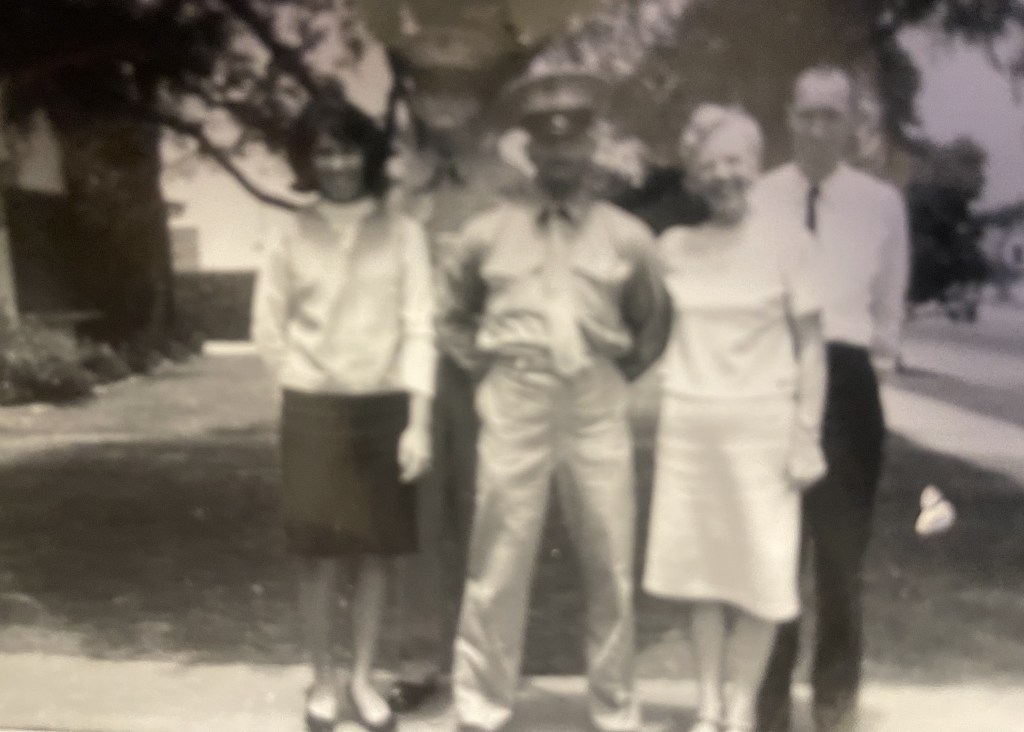
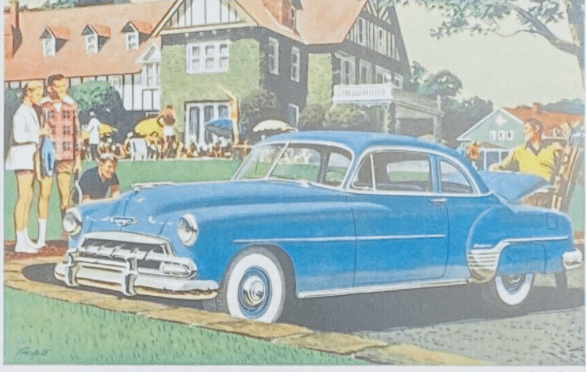
My grandfather, whom I called Pop, would be waiting by the trunk of his 1952 Chevrolet Coupe. As I stepped down those bus steps, the driver would already have handed my suitcase to Pop, who would smile and say, ––––

“Let’s scoot. Mom’s got dinner about ready at home!”

And it was home. My home away from home. I often dreamed of moving there, living with them, and even telling them so. I wanted my dad and our horses to come too because, in my child’s mind, my grandparents loved me so much that they’d love my dad and our horses too.

Pop had a habit of smoking a pipe—or rather, puffing on one. I could spend hours watching him puff smoke into the air in their cozy den. He liked to mix cherrywood tobacco with Prince Albert, and the sweet scent lingered long after he finished, complementing the smells of my grandmother’s cooking, making you want to eat whatever she was making. There was no television after dinner on most evenings. Instead, we’d listen to the ticking of the clock and talk. It was simple, but those talks meant more to me than the grandest concerts I’ve ever attended.

There were exceptions, though. Saturday evenings, we’d watch the news, then Lawrence Welk and Porter Wagoner, followed by a local music show hosted by a furniture store owner. But the TV was always off once Pop went to bed. That’s when my grandmother and I would click it back on for our secret ritual—watching championship wrestling from Oklahoma City. She loved it, getting so worked up that she’d tear tissues to pieces while her favorite wrestlers fought. I’d hand her a new tissue each time she shredded the last one. No one knew about this passion of hers except me, and she confided that she only got to watch wrestling when I visited. It made me feel needed by these two people I loved so much.

At night, I slept on a cot in their bedroom. It was as comfortable as any five-star hotel bed. But before I bedded down, my grandmother would let me crawl between her and Pop in their bed while she told me stories. One of my favorites was when she grew up in East Texas. She’d laugh so hard telling it, tears streaming down her face. It always made me laugh, too.

Mom, Florence Lula McElroy, Groff1914

She and her sister Ethyl were watching their little brother, Sam, who had just turned four. The rest of the family worked in the fields when the weather worsened. A funnel cloud was forming in the west, and the sisters, frightened, grabbed Sam and rushed into the farmhouse. Back then, there was no electricity, phones, or fundamental utilities, let alone cars. The girls did the only thing they could think of: they got under the heavy kitchen table, crying as the storm approached.

Not understanding what was happening, Little Sam asked, ––– “What should I do?”

My grandmother told him, ––– “Sam, you should pray!”

But the only prayer the boy knew was the table grace, so he began, ––– “Dear Lord, we thank you for what we are about to receive…”

That’s where the story always stopped because my grandmother would laugh so hard she couldn’t go on. I never knew if the house got hit or the storm blew the farm apart. All I remember is her laughter and how I’d move to the cot, hugging her and giving her a sloppy kiss goodnight.

Years later, I asked my Uncle Sam about that storm. He chuckled and said, ––– “Pots and pans were flying everywhere, and the two sisters were laughing like tea parties. We didn’t lose the house, but it scared me.”

Uncle Sam became my favorite great uncle after that.

I loved hanging out with Aunt Ethyl at family reunions. She dipped snuff—real tobacco, not the stuff you see now. She’d sniff it and tuck some into her upper lip. I could never keep up with her, and my grandmother would have been after me if she ever caught me trying.

On Sunday afternoons, my dad drove to pick me up from the farm. I was always happy to see him but hated leaving my grandparents. I didn’t want to return to the town near our farm—it was never as pleasant as the time spent with Mom and Pop. When I was five, I never imagined that they’d leave this world or that I’d grow up. Life takes the airplane, and time takes the train.

The Legend of Arizona’s Red Ghost Faris And His Caravan Of Former Calvary

Presented by benandsteve.com By: Benjamin Groff II© Groff Media 2024© Truth Endures IMDbPro

Sailors and an Arab camel herder load
a Bactrian camel aboard the USS Supply
during one of the two expeditions to
procure camels – National Archives

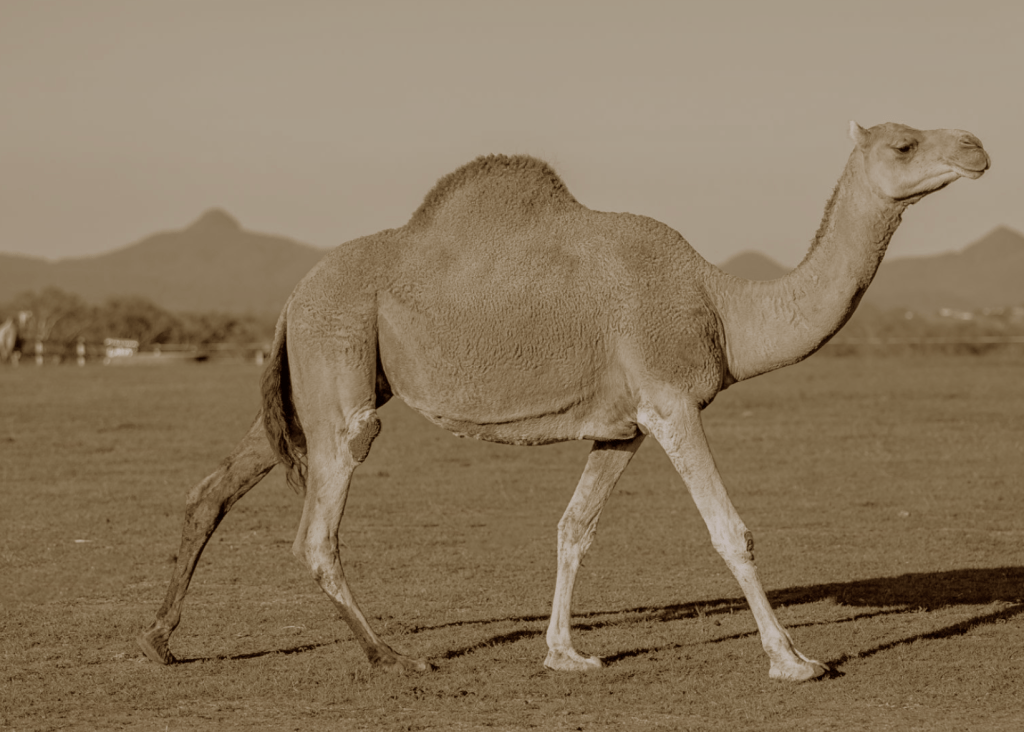
In the sun-scorched deserts of Arizona, the vast emptiness was once filled with the pounding hooves of horses and the steady march of soldiers from the United States Cavalry. But for a brief moment in history, an unlikely companion joined their ranks—the camel. Brought from distant lands, these towering creatures with their humped backs and long legs had intended to be the army’s answer to the challenges of traversing the rugged terrain of the Wild West.

A/I Created Photo

In the mid-1800s, under the guidance of Secretary of War Jefferson Davis, the U.S. government embarked on a truly unique experiment-the ‘Camel Corps’. Camels, renowned for their endurance in desert conditions, were imported to America and tasked with the challenging job of carrying supplies across the barren landscapes where wagons and horses often struggled. The soldiers stationed at the forts in Arizona and New Mexico were initially skeptical. They were baffled by the strange creatures that spit and moaned, their massive feet gliding over the desert sands as if weightless.

Among the camels, one stood out—a massive bull camel named Faris. He had traveled across the seas from the deserts of Egypt, his broad hump towering over his fellow camels. With piercing eyes and a personality as stubborn as the most seasoned cavalrymen, Faris became the pack’s leader, guiding the other camels through endless miles of scorching desert, carrying their loads without complaint.

Library of Congress

But the experiment was short-lived. As the Civil War loomed, funding for the Camel Corps dried up, and the forts in the Arizona desert began to close one by one. With the forts gone and no practical use for the camels, the military made a fateful decision: they turned them loose, setting them free in the vast desert wilderness. The soldiers and settlers who remained watched with mixed emotions as the camels slowly strode off into the horizon, their long necks and humps silhouetted against the setting sun.

Library of Congress

Faris led the herd, now wild, into the vast stretches of land where no human tread. Once tethered and burdened with human supplies, the camels embraced their freedom, roaming the desert, their calls echoing in the canyons and across the mesas.

For years, sightings of the camels became the stuff of legend. Travelers and settlers spoke of giant creatures wandering the wilderness, spooking horses, and disappearing into the dunes as quickly as they were seen. Stories of ‘The Red Ghost’ surfaced, a phantom camel said to be terrorizing ranchers, with strange tracks left in the dust after raids on isolated farms. The mystery deepened with some claiming to see a human skeleton strapped to the back of one rogue camel, but no one knew for sure whether this was fact or fiction.

Library of Congress

Faris, now older but still commanding, led his herd deeper into the desert as the years passed. The camels, with no soldiers to guide them, learned to live off the sparse vegetation, adapting as always. They became masters of the land, surviving where few others could, a testament to their remarkable adaptability.

Generations of Arizonans grew up hearing tales of the camels. Old ranchers would sit by the fire, recounting when they saw a lone camel watching them from the top of a ridge, its eyes gleaming in the moonlight before they vanished into the desert night. Cowboys whispered of Faris, the great camel leader, still roaming the wild, the last of a forgotten army, king of the untamed desert.

So, the camels of the Wild West became more than just a footnote in history—they became legends, ghosts of a time when even the most foreign creatures found a place in the rugged and unforgiving land of the Arizona desert.

A released camel or a descendent of one is believed to have inspired the Arizonan legend of the Red Ghost.

One of the few camel drivers whose name survives was Hi Jolly. He lived out his life in the United States. After his death in 1902, he was buried in Quartzsite, Arizona. His grave is marked by a pyramid-shaped monument topped with a metal profile of a camel.

MAGA Is Not The First To Attempt And Bring Down America. A Populist Movement Nearly Destroyed American Democracy Over 110 Years Ago

Presented by benandsteve.com By: Benjamin Groff II© Groff Media 2024© Truth Endures IMDbPro

Over a century ago, the United States grappled with a political movement that bears striking similarities to today’s MAGA (Make America Great Again) movement, a populist uprising spearheaded by former President Donald Trump. Like MAGA, this earlier movement thrived on populist discontent, nativist sentiments, and a rejection of the established order. If not kept in check, it could have reshaped American democracy in ways that might have undermined its democratic institutions, a peril we must remain vigilant against.

One of the most significant instances of this was during Theodore Roosevelt’s presidency, a man with intricate political loyalties. In 1912, Roosevelt’s Bull Moose Party brought populist elements into the political mainstream, appealing to working-class voters who felt marginalized by the two major parties. While Roosevelt was not anti-democratic, his charismatic leadership style and his ability to rally crowds around a strongman image set a precedent for future political movements that would seek to undermine democratic norms.

Simultaneously, the rise of the “America First” movement and the Ku Klux Klan spanning the 1920s showed how easily populist rhetoric could veer into exclusionary nationalism and nativism. The Klan’s widespread influence reached local, state, and federal government levels, promoting an agenda that sought to disenfranchise non-white citizens, immigrants, and anyone considered “un-American.” This movement found an audience among rural and working-class Americans who felt left behind by the rapid industrialization and modernization of the country.

At the heart of these movements was a profound distrust of the government, elites, and institutions—just like the anti-establishment fervor that fueled the rise of MAGA. These movements aimed to “restore” a vision of America rooted in racial and social hierarchies, often using violent rhetoric and intimidation to achieve their goals. Had these populist forces gained more traction, they could have severely damaged the democratic foundation of the country, ushering in a more authoritarian regime.

It took concerted efforts from both citizens and political leaders to resist these dangerous movements and restore democratic norms. In some ways, the lessons from over a century ago echo loudly today: unchecked populism, especially when it flirts with nativism and authoritarianism, can bring democracy to the brink of collapse. However, this history also reminds us of our power to shape the future of our democracy, offering hope and inspiration for positive change.

Today, as MAGA remains a force in American politics, it is crucial to remember that the battle to preserve democracy requires vigilance. While populism can express legitimate grievances of people who feel left behind, it must not be allowed to erode the very institutions that allow democracy to function. History teaches us that democracy’s survival depends on our collective ability to balance popular anger with reasoned leadership and respect for the rule of law. We all have a role to play in this ongoing struggle, and it is our vigilance that will keep democracy alive.

You can also find a more information concerning this subject at Salon.com click here.

There Goes Patti McGee! Skateboardings First Lady! (1945-2024)

There Goes Patti McGee – An Essay

Presented by benandsteve.com By: Benjamin Groff II© Groff Media 2024© Truth Endures IMDbPro

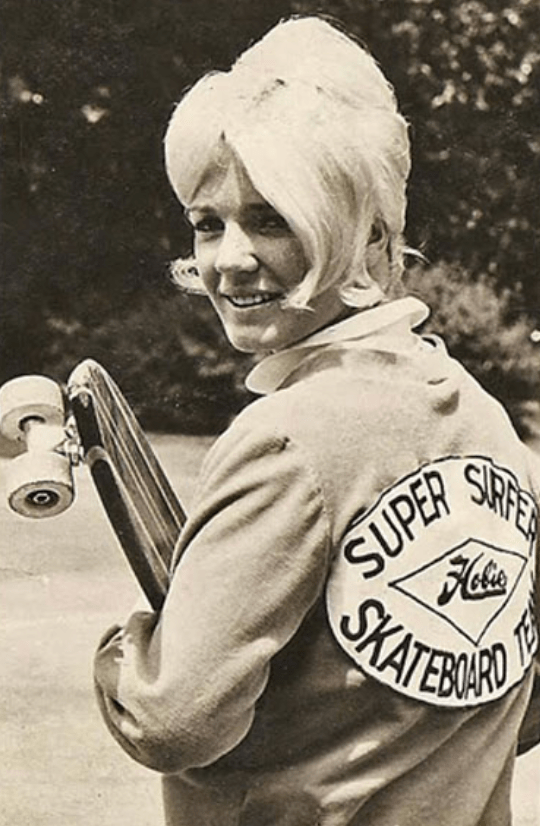
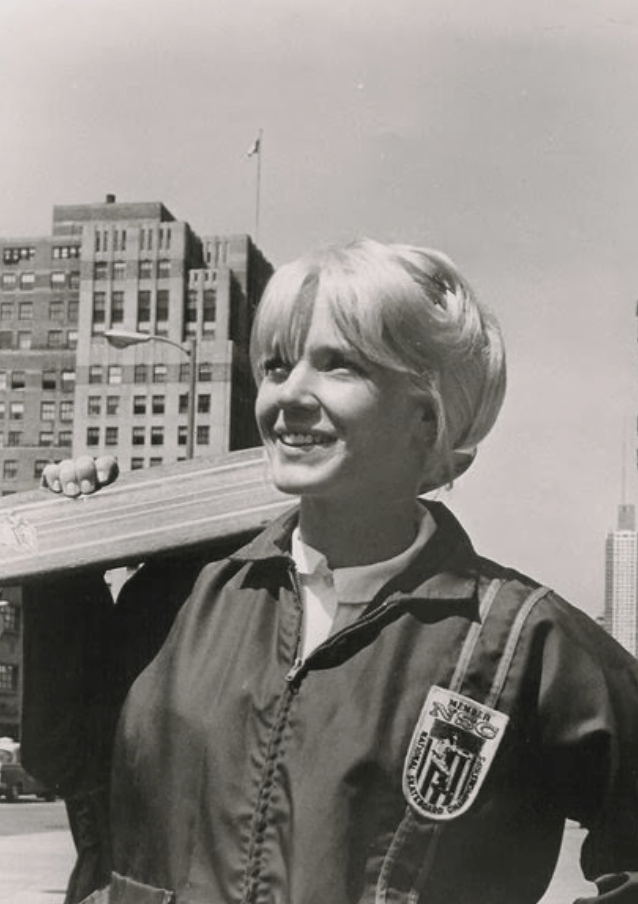
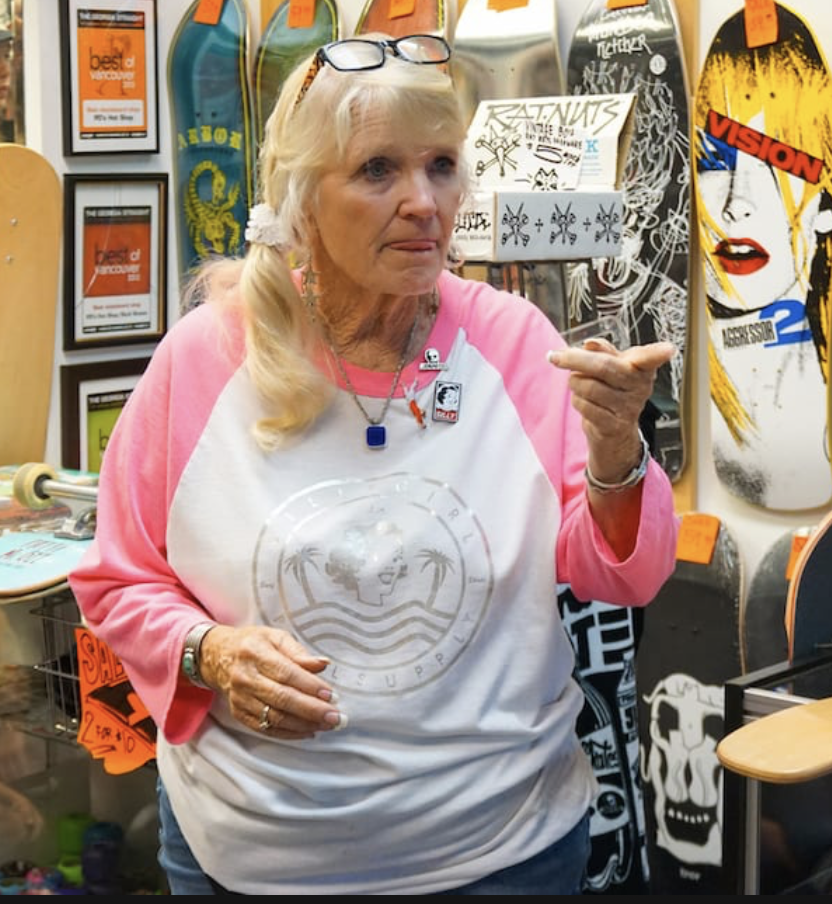
Patti McGee was not just a skateboarder; she was a trailblazer, a pioneer, and a symbol of inclusivity in a sport rapidly emerging in the 1960s. Her journey, which began with a skateboard built by her brother, evolved into a legendary career that broke barriers for women in skateboarding and cemented her place in history as one of the most iconic figures in the sport. She was not just a name in the history books but a person with a passion for skateboarding that was infectious to all who knew her.

Despite the challenges and the sport’s male-dominated nature, Patti’s resilience and determination shone through. Her first skateboard, a humble creation from her brother’s wood shop project, began a journey that would see her rise to national prominence.

In 1964, Patti won the Women’s National Skateboard Championship in Santa Monica, California. Her smooth style, grace, and technical ability on the board distinguished her as a force in the early skateboarding community. Her victory was a breakthrough moment for women in the sport, demonstrating that skateboarding was not just a boys’ game but one where women could excel and lead.

Patti’s career reached heights when she became the first professional female skateboarder, sponsored by Hobie Skateboards and Vita Pak. She traveled the country, performing skateboarding demonstrations, showcasing her talent, and spreading the love of the sport to a broader audience. Her influence was undeniable, helping to popularize skateboarding during its first wave of mainstream attention between 1959 and 1965. As a spokesperson and ambassador, she promoted the sport with passion and determination, ensuring that girls and women also saw skateboarding as a place for them.

In 1965, Patti made history again, becoming the first female skateboarder to appear on the cover of Life magazine. Her iconic photo, smiling while riding a skateboard in mid-air, is still considered one of the most memorable images of early skateboarding culture. Patti’s presence in the media helped legitimize skateboarding as a serious sport, and her charm and skill made her a role model for countless young skaters.

Patti’s contributions to the sport were officially recognized in 2010 when she became the first woman inducted into the Skateboarding Hall of Fame. Her induction was a celebration of her achievements and a reminder of her lasting impact on the sport and the many skaters who followed in her footsteps. Patti’s legacy is a testament to the importance of inclusivity, showing that skateboarding is for everyone, regardless of gender.

Beyond her professional accomplishments, Patti’s impact on the skateboarding community was profound. She continued to inspire new generations of skaters, sharing her love for the sport and advocating for the inclusion of women. Her spirit, determination, and dedication to her craft left an indelible mark on the skateboarding world, connecting her to skaters of all ages and backgrounds.

Patti McGee passed away on October 16, 2024, after suffering a stroke and subsequent complications. Her death marked the end of a remarkable life that helped shape the skateboarding world. As a champion, a role model, and a pioneer, she will be remembered as the matriarch of skateboarding, someone who paved the way for women in the sport and left an enduring legacy of passion and inclusivity. Her absence leaves a void in the skateboarding community that will be felt for years.

Obituary: Patti McGee (1945-2024)

Patti McGee, the world’s first professional female skateboarder and an iconic figure in skateboarding history, passed away on October 16, 2024, following complications from a stroke. She was 79 years old.

Born on August 23, 1945, Patti grew up in the United States, where she developed a love for skateboarding early in life. She first gained national recognition in 1964 when she won the Women’s National Skateboard Championship. Her victory established her as a pioneer in the sport and a role model for future generations of female skaters.

In 1965, Patti became the first woman to appear on the cover of Life magazine, an iconic moment that showcased her talent and helped popularize skateboarding. That same year, she became the first professional female skateboarder, sponsored by Hobie Skateboards and Vita Pak, traveling the country to perform and promote the sport.

Her contributions to skateboarding were formally recognized in 2010 when she became the first woman inducted into the Skateboarding Hall of Fame. Patti’s induction was a crowning achievement in a career filled with groundbreaking moments, solidifying her status as a trailblazer in the sport.

Throughout her life, Patti remained a beloved figure in the skateboarding community. She inspired skaters of all ages and advocated for women’s participation in the sport. Her passion, talent, and dedication left an enduring legacy that will continue to influence the skateboarding world for years.

Patti goes on before her daughter, Hailey, and countless friends and admirers in the skateboarding community. Her life is a remembering of her exceptional achievements, vibrant spirit, and commitment to promoting inclusivity in the sport she loves.

We are grateful for Patti McGee’s life and legacy. She was a true pioneer, a legend, and an inspiration to all who followed in her footsteps. Missing her presence in the world will continue forever, but her legacy will continue to roll on, just like the wheels of the skateboards she rode so gracefully.

May she rest in peace.

Bridge’s Revered Grand Master Ron Smith Has Died. (1947 – October 16, 2024)

Presented by benandsteve.com By: Benjamin Groff II© Groff Media 2024© Truth Endures IMDbPro

Ron Smith, a revered Grand Life Master and world-class bridge player with over 30,000 master points, passed away on October 16, 2024. He had dignitly fought a battle with Parkinsons Disease for the past ten years. Born in 1947, Ron was a fixture in the Bridge world. His competitive spirit, sharp intellect, and deep game love were legendary. He began his Bridge career during the Roth Stone era, known for its more conservative bidding strategies. He continued to evolve his style over the decades, consistently keeping pace with modern techniques.

Hailing from Chattanooga, Tennessee, Ron made a lasting impact on both the national and international Bridge scenes. He became well known for his numerous victories and placements in major tournaments. Ron won several prestigious titles among his many accomplishments, cementing his legacy as one of the Bridge community’s most skilled and consistent players.

Ron’s influence extended beyond the table. His passion for teaching and mentoring others was evident and profound. He played an instrumental role in shaping the careers of many up-and-coming Bridge players, leaving an indelible mark on the game’s future. He is remembered not just for his skill but also for his remarkable humility, kindness, and unwavering dedication to the game and its community.

Ron Smith’s passing leaves a significant void in the world of Bridge, which will be deeply felt by all who know him. His legacy, however, will continue to inspire future generations of players. He is survived by his wife Linda, their family, by countless friends and fellow players who admired him as a competitor and a person.

Rest in peace, Ron. Your contributions to the world of Bridge will forever live.

The Impact Of Loss: Remembering A Childhood Best Friend For Life

A True Story By: Benjamin Groff II© Groff Media 2024© Truth Endures

When I was just eight years old, death was a concept that I hadn’t fully grasped. The only time it touched my life was when my grandparents’ neighbor, a gentleman named Tom, passed away. I was only seven then, and it happened so quickly that it didn’t leave a deep mark. My grandfather had sat up with Tom the night before he passed, a tradition people followed back then—sitting with the dying. It was a tradition, and my dad would continue the practice as I grew up, sitting with many men in our small town of 750 souls. I always wondered why he was asked to do that.

That night, when Pop, my name for my grandfather, went to sit with Tom, it was just my grandmother and me alone in their big, quiet house. It felt different without him there. Early the following day, around 6:00 AM, my grandmother and I were preparing breakfast when Pop came in through the backdoor. He quietly spoke to her, and I suspected what had happened. Mom, my grandmother, suggested I open the dining room door to let the morning light in. As I did, I overheard their conversation growing louder, and when I looked outside, I saw a hearse slowly pulling up to Tom’s house. I knew Tom had passed.

A few days later, my grandmother took me to his funeral, and Pop was one of the pallbearers. It was the first time I ever saw a person in a casket, and Tom still looked like Tom. After the service, my grandmother praised me to my father, saying I behaved so well—sitting quietly and respectfully. I thought I was just being myself. In those days, grandparents didn’t need to ask permission to take their grandchildren anywhere—funerals, courthouses, doctors’ offices, or even jails. The places they took me were some of the most fascinating.

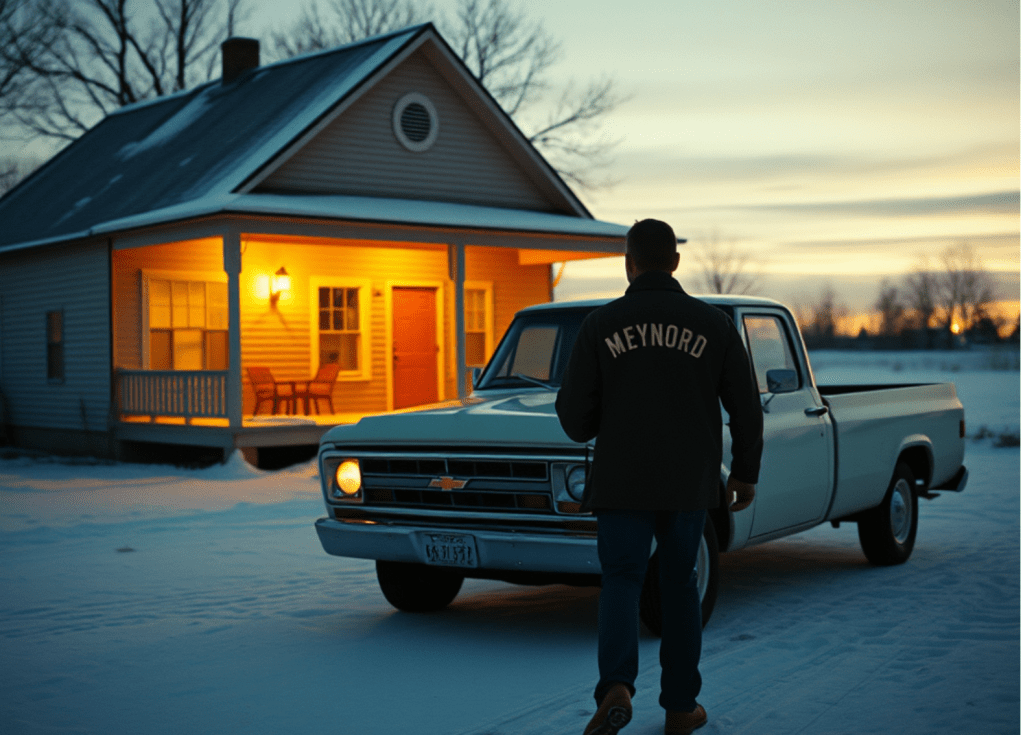
But this story isn’t about Tom. It’s about someone much closer to my heart, a man named Maynord Rider, one of my dad’s dearest friends. Maynord often accompanied us to horse sales on Friday and Saturday nights, and I thought the world of him. He lived two miles south of our farm, a farmer like many others in our area. One cold winter night, our water well froze, and my dad had to drive out over the pasture to fix it. When his headlights passed over Maynord’s bedroom windows, Maynord, instinctively knowing we were in trouble, got out of bed, climbed into his old white Chevrolet pickup, and drove to our house. He pulled up with a five-gallon water thermos and asked if our well had frozen. My mother was surprised—how could he have known? When my dad returned, he asked,

“Maynord, what are you doing here?”

They talked, and it turned out Maynord had guessed right. My dad told him there was no use in fixing it in the dark, and they’d work on it the next day. My dad promised to let Maynord help him the following morning to get him to leave.

There were many stories about Maynord, but they all ended one Thursday in September 1971.

It was the start of a four-day weekend from school due to a statewide teachers’ meeting. The day was beautiful for September in Oklahoma—warm with the usual breeze. I had been pestering my oldest sister, who was tasked with watching me and my other sister. It was just after noon, and the day felt perfect—no school, no bus to catch, just freedom. Then the phone rang. My oldest sister answered, and I could hear her voice change as she said,

“Oh no!” followed by, “I’m not telling him. You should.”

A moment later, she said,

“Mother wants to talk to you.”

I ran to the phone, stretched the cord as far as it would go, and answered.

“Yes, Mother!”

I said, but I could hear a siren approaching in the background. My mother’s voice was calm but direct,

“Benji, Maynord Rider just dropped dead.”

The words hit me like a punch, and I dropped the phone, screaming.

The news hit me like a physical blow, and I dropped the phone, screaming. The rest of the day is a blur, but I remember Ryder, the dog Maynord had given me, howling at the front door, leaning against it as if he, too, understood what had happened. None of the other dogs made a sound—just Ryder, the one I had named after Maynord’s last name.

I wouldn’t see my dad for hours, but I learned the whole story when I did. Maynord had come in from working on the farm for lunch. He ate, felt a bit of indigestion, and decided to lie down for a nap. While his wife, Bonnie, worked in the kitchen, she heard a moan, and when she went to check on him, she found him unresponsive. Panicked, she called my dad at the barbershop, where he cut hair. When he got the call, he told her to call the ambulance and that he’d be there immediately. He told the customers in his shop what had happened, leaving the man in his chair and the shop open as he rushed out.
Driving his Buick Le Sabre station wagon, my dad said the speedometer hit 120 miles per hour as he raced to Maynord’s farm, hoping to get there in time. Hearing this story comforted me, knowing that my dad did everything he could, even though we had lost one of the best men I had ever known.

That Friday night, my parents took me to see Maynord at the funeral home. It was more complicated than when I had seen Tom in his casket. The grief was overwhelming, and I couldn’t contain my tears. It felt like the worst day of my life. For years after Maynord’s death, I would look up at the sky, hoping for some way to talk to him again, but that day never came.

Eventually, I learned that, in life, there would be days harder than that one—the loss of my grandparents and my dad—, but somehow, we keep going, hoping that one day, someone will see our headlights coming over the hill and come to help us, just like Maynord did for us.

John Owsley Manier, Beloved Nashville Music Entrepreneur, Dies at 77

In Memoriam By: Benjamin H Groff II© Groff Media 2024© Truth Endures

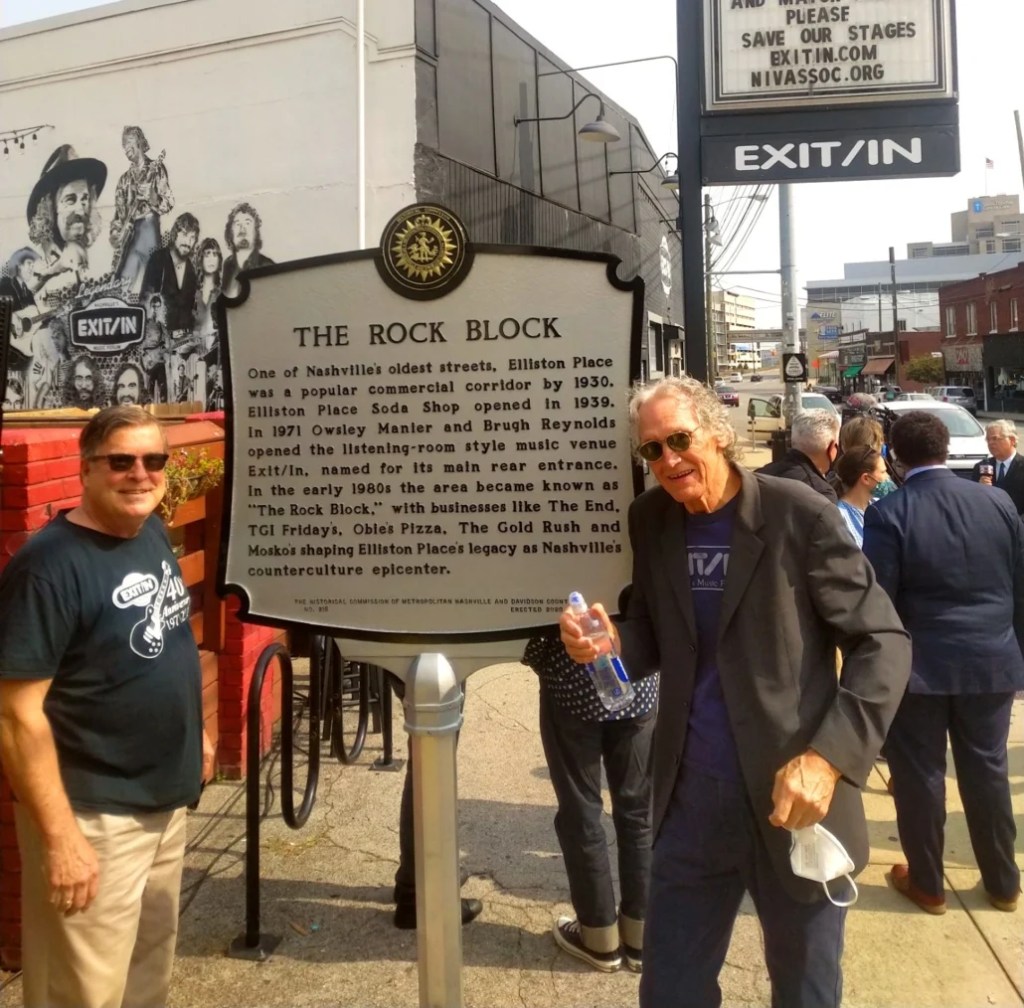
John Owsley Manier, a beloved figure in the Nashville music scene and co-founder of the legendary Elliston Place nightclub, The Exit/In, passed away at his home in Dowelltown, Tennessee, on Friday, October 1. He was 77.

A native of Nashville, Owsley’s passion for music was evident from an early age. 

In the 1960s, he was a member of the rock band The Lemon Charade, but his entrepreneurial spirit left an inerasable mark on the city’s cultural landscape. 

In 1971, alongside Brugh Reynolds, he co-founded The Exit/In, a venue that would become one of Nashville’s most iconic music clubs. What began as a small listening room for local songwriters soon transformed into a celebrated 500-person capacity rock venue in the 1980s.

The Exit/In was not just a stage, but a platform for both local talent and global superstars, hosting a diverse array of artists over its 50-plus years. From The Red Hot Chili Peppers to Etta James, Johnny Cash to R.E.M., The Allman Brothers to Willie Nelson, Linda Ronstadt, and many more, the venue welcomed all, fostering a sense of inclusivity and diversity in Nashville’s music scene. 

It was also the site of numerous memorable moments, such as comedian Steve Martin leading the crowd into the streets for a parade or the venue’s feature in Robert Altman’s 1975 film Nashville.

Over the years, The Exit/In solidified its place in Nashville’s music history and became the anchor of the city’s “Rock Block” on Elliston Place. In 2023, it became listed on the National Register of Historic Places, proof of its enduring cultural significance. 

While the club has seen over 25 owners throughout its history, its influence on the local music scene has remained constant, a testament to its enduring legacy.

Owsley is survived by his son, Aaron Manier, sisters Cynthia Barbour and Helen Bryan, and niece McKeen Butler. A Celebration of Life will be held at The Exit/In on Sunday, October 13, at 3:00 PM, honoring his legacy with the music and stories that shaped his life and career. 

This event is a fitting tribute to a man who has left an indelible mark on Nashville’s music scene.

John Owsley Manier’s contributions to Nashville’s music community will not be forgotten. His enduring legacy continues to reverberate through the legends of artists and enthusiasts passing through the entrances of The Exit/In, leaving a lasting impression that commands respect and admiration.

Joseph Noyes “J.J.” Jeffrey, Beloved DJ and Broadcasting Pioneer, Passes Away at 84

In Memoriam By: Benjamin H. Groff II© Groff Media 2024© Truth Endures

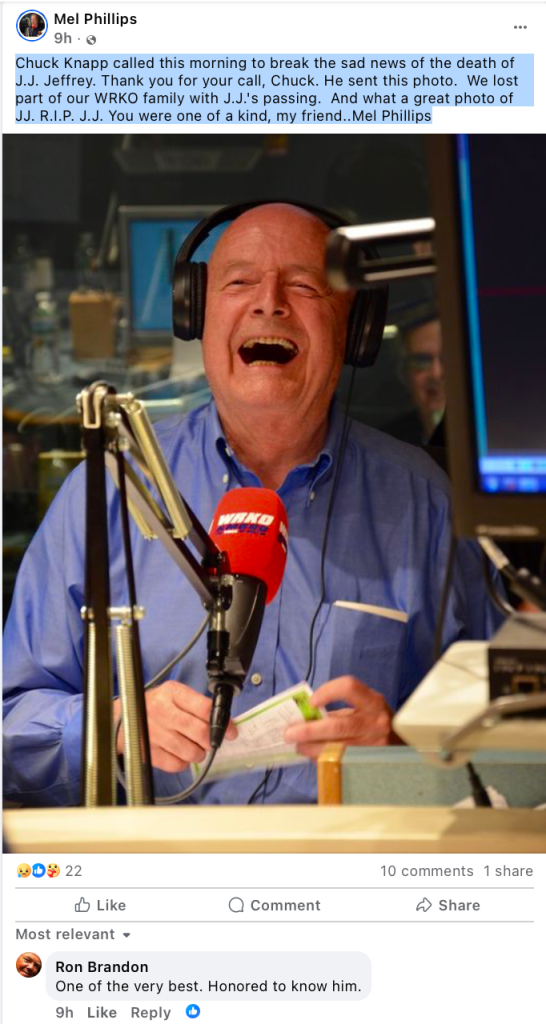
Joseph Noyes “J.J.” Jeffrey, a renowned DJ who became a respected station owner, passed away at the age of 84 following a brief battle with cancer. A native of Portland, ME, Jeffrey began his broadcasting career in his home state in the 1950s. His early career included stints at various local stations, where he honed his signature high-energy style and developed a deep passion for Top 40 radio.

Jeffrey’s career took off when he became the afternoon host at WRKO Boston, one of the nation’s premier Top 40 stations. His success in Boston led to similar roles at two of the biggest Top 40 powerhouses of the time: WFIL in Philadelphia and WLS in Chicago. Known for his vibrant personality and memorable catchphrases, Jeffrey quickly became a household name in each of these markets.

In 1975, Jeffrey transitioned from behind the mic to station ownership, partnering with Bob Fuller to launch Fuller-Jeffrey Broadcasting. Their first acquisition was 102.9 WBLM in Lewiston/Portland, ME. Over the next two decades, the company expanded its reach, owning clusters of stations across the country, including in Modesto, Sacramento, Santa Cruz, Santa Rosa, CA, and Des Moines, IA. Fuller-Jeffrey Broadcasting’s portfolio was sold to Citadel in 1999, forming what is now largely Townsquare Media’s clusters in Portland and Portsmouth, NH.

Not one to rest, Jeffrey and Fuller immediately launched Atlantic Coast Radio, building another prominent radio group in Portland, ME. Their stations included the Sports format “WEEI” on 95.5 WPPI Topsham and 95.9 WPEI Saco, “The Big Jab” 96.3 WJJB-FM Gray, and Conservative Talk 1310 WLOB.

J.J. Jeffrey will be remembered for his contributions to the radio industry, both as a beloved on-air talent and as a visionary station owner. He leaves behind a legacy of passion, innovation, and an enduring impact on the world of broadcasting.