When I first wrote this piece during election season, I thought it spoke to a particular moment. But the truth has a way of staying relevant. Looking around today, it feels just as necessary—maybe even more so.
1–2 minutes
THE TRUTH IS THE HARDEST THING TO LOOK AT AND ACCEPT
There was a time in American politics. Back then, slinging mud was considered the lowest, most dishonorable act a candidate would commit. Those who spread lies were branded untrustworthy. Decent people would never cast a vote for them. Back then, communities had a different rhythm. You knew your neighbors. You checked on the widow down the street. You went out of your way to support local businesses because of family ties. Courtesy was second nature. You didn’t blare your horn because someone hesitated at a stop sign. You didn’t sneer at people who looked different from you. When you traveled to another town for a ballgame, you were respectful. You treated their facilities with the same respect you expected for your own.
Politics, too, carried that sense of respect. When someone won an election—whether at the local, state, or national level—it wasn’t the end of the world. It simply meant they had earned the right to represent their community for a set term. Neighbors didn’t conspire to punish one another for “voting the wrong way.” They did not claim elections were fraudulent just because their candidate lost. They accepted the truth, even when it was difficult, because truth was what held the fabric of the community together.
What’s striking is that no one sought to destroy the lives of those who disagreed with them. Debate can be sharp, but it stopped short of hatred. People understood that democracy required trust. It required trust in the process. It required trust in one another. It also required trust that truth—no matter how uncomfortable—would endure. That same truth remains today. Still, it asks something of us. It requires the courage to look it in the eye. We must accept it and live by it.
As I write this, I am still in recovery—at least, I hope I am. Truthfully, this post was written before my surgery, so I can’t yet say how it all turned out. By the time you read this, several weeks will have passed since the procedure took place. It was scheduled to publish automatically, so here we are. If the doctors didn’t nick a major artery, I’ll be fine. If they didn’t accidentally close me up with a coffee lid inside, I’ll be okay. I will eventually get back to writing these posts daily. Until then, I’ve got a few stories lined up and ready to go.
The other day, I heard a siren blaring in my right ear. That startled me, since my left ear—damaged years ago in a police shooting—usually just rings nonstop. But this sound was sharp, insistent, and real. It kept getting louder, and I was sure it was headed into our neighborhood. I turned to my better half and said:
“Sounds like a house is about to go up for sale.”
He replied:
“Nope. I’m watching a police pursuit on YouTube.”
And we laughed—and I mean, really laughed. That’s the kind of exchange you’ll hear often in a 55+ community. Especially among those of us in the 55–65 age range, and certainly from our older friends beyond that. Because when sirens echo through the streets here, the conversation usually shifts to:
“Did you hear who it was?”
And yes, sadly, “was” is often the operative word. Sirens and flashing lights tend to signal more than just a medical emergency. They also draw a small parade of concerned neighbors. Curious drive-by observers and the always-early realtor, already imagining the next listing, gather quickly.
Now, don’t mistake this for a lack of respect for the sick or the departed. It’s really about staying informed. In a 55+ community, if you miss a couple of days, you could easily fall behind on who passed away. You might not know when the services are. This could affect your pickleball schedule. You could be waiting to play a doubles match that will never happen. The other team has quite literally checked out.
Even the golf course has its quirks. The back nine may suddenly open up if someone didn’t quite finish the front five. It’s the kind of morbid practicality that comes with age—and a bit of wit.
Social gatherings here often revolve around food, especially the cherished potluck lunch. And trust me, in a 55+ community, when they say potluck, they mean luck. You just hope enough actual pots show up to make it a meal by the time noon rolls around.
But all joking aside, living here has been one of the best choices we’ve ever made. Will Rogers once said, “If you don’t like the weather in Oklahoma, just wait a minute.” Well, in a 55+ community, the same could be said about neighbors.
We love this place. In the twelve years we’ve lived here, we’ve only lost three neighbors. This is a testament to the spirit and vitality of this community. Funny enough, when we first moved in, we were technically too young to qualify. But we were here to care for my then 83-year-old mother. After she moved in with my sister and never came back, we decided to stay. Eventually, we aged into the group ourselves and bought a home right here in the neighborhood.
It’s clean, quiet, and secure. There’s 24-hour security. Many of our needs are covered through a very affordable HOA. Less than $100 a month covers trash service, gym access, swimming and tennis. It also includes pickleball courts, a dog park, clubhouse use, and even a monthly newspaper.
So, if you’re nearing that point in life—my advice? Raise the kids and get them out of the house. Then consider moving to a 55+ community as soon as you can. The sooner you arrive, the more life you’ll have to enjoy it. You don’t have to work yourself into the grave. You can laugh your way there instead—one siren, one potluck, one sunrise at a time.
Today, the sun feels closer than usual. The heat presses in like a truth we’ve been avoiding—no politics, no noise, just sweat and breath and reality. July does that. It slows everything down, strips away distractions, and leaves us standing face-to-face with ourselves.
Across the country, people are pausing. People stop to wipe their brow. They take a drink of water or just breathe. There’s a strange unity in the stillness that heat brings. We complain, but the heat has a way of making us kinder, more patient. It reminds us we’re all in this together.
Today is a good day to check on a neighbor. Forgive something petty. Laugh with a stranger. Be the breeze someone needs.
Because on days like this, what matters most isn’t the temperature—it’s the connection.
It came only after failing, suicide and horror. A true story. That matters!
The Tragic True Story of Jean-Michel “Michou” — A Farmer’s Silent Cry
Location: Loire-Atlantique, France Year: 2011 Category: Real Farmer Story | Mental Health | Agriculture Crisis
🌱 Chapter 1: Born in the Soil
Jean-Michel, lovingly called Michou by his village neighbors, was born into a family of farmers in the rural province of Loire-Atlantique, France. His family had been farming for three generations — milking cows, sowing wheat, harvesting barley, and living off the land.
From a young age, Michou learned how to wake before sunrise, milk the cows, repair fences, and drive tractors. Farming wasn’t a job for him — it was identity, love, and legacy.
“City people see cows as business. For us, they are family.” – Michou
🐄 Chapter 2: A Life of Relentless Labor
Michou managed a small dairy farm with 47 cows. He woke every day at 5:00 AM, fed his cattle, and milked them before the sky even turned blue. After that, he toiled in the fields, checking irrigation, sowing seeds, fixing old machines.
He worked 365 days a year — no holidays, no weekends.
Everyone saw him as the “hardworking farmer of the region,” always smiling, always moving.
But inside, Michou was collapsing.
📉 Chapter 3: The Economic Collapse
After 2008, the dairy industry in Europe began to spiral downward.
Milk prices dropped from €0.32/liter to €0.22/liter
Cost of production was €0.30/liter
Michou was losing money with every drop of milk
He took a loan of €24,000. Then another €18,000. Then mortgaged his tractor. Still, the bills kept piling up: electricity, fodder, tractor repairs, fertilizers.
“I’m no longer a farmer. I’ve become a machine that produces milk… and debt.” – from Michou’s diary
💔 Chapter 4: When Support Fades
His wife, Lucie, fell ill — stress and fatigue. His only son, Julien, moved to the city for work.
Michou was left completely alone — with cows and his memories. His best friend Jacques, also a farmer, had taken his own life just a year before. Another neighbor followed the same path.
The village got quieter. Michou got quieter.
🧠 Chapter 5: Silent Depression
One day, Michou wrote:
“One of my cows was sick today. I cried. Maybe because I am sick too.”
He never shared his pain. He would feed the cows and whisper to them… but talk to no one else. Evenings were spent staring at the barn walls, thinking if all his life had been for nothing.
⚰️ Chapter 6: The Last Morning – Continue reading the story click here. The original posting continues with the rest of the story and a turning point that you won’t expect. I wanted to direct you to the original post where you can leave any comments for the author.
The early morning calm in Santa Barbara was shattered at 6:23 a.m. when the earth quaked mightily beneath the coastal city. Buildings shuddered, bricks rained from rooftops, and the streets trembled underfoot. In those precious dawn hours, life had yet to stir—and that spared many. By daybreak, the death toll stood at a modest 13 souls, considering the scale of devastation (1).
Amid the wreckage, sailors from the USS Arkansas joined local workers to dig for survivors. They waded through rubble, their uniforms dusty and stained, hauling beams and calling out names. Looters probed the ruins for valuables, but guards—both Navy and civilian—kept vigilant watch (2).
Yet even as remnants of the old city lay in ruin, a vision for rebirth emerged. Spearheaded by Pearl Chase and other civic leaders, a movement to rebuild in a unified Spanish Colonial style began. The reconstruction led to enduring landmarks. It produced the iconic Santa Barbara County Courthouse, soon hailed as among America’s most beautiful public buildings (3).
Santa Barbara’s quiet elegance faced destruction in one fateful dawn. But the very next dawn laid the foundations of something more beautiful. The earthquake didn’t just shake buildings—it awakened a city’s spirit, forging an architectural legacy that stands to this day.
The most significant cultural threat to occur in my lifetime is occurring as I write today. It deals with our nations stability. The threat to our democracy doesn’t come from a single event—it happens every day. It happens when we ignore what’s unfolding in our city councils, our state legislatures, and in the halls of Congress. It happens when we assume that honorable people are safeguarding our federal institutions.
That complacency is how we arrived at the crisis point we face in 2025.
In the early 1970s, President Richard Nixon was implicated in one of the greatest political scandals in U.S. history: Watergate. His aides admitted to orchestrating a break-in at the Democratic National Committee headquarters. They attempted to steal information to sabotage a political opponent. The House of Representatives held impeachment hearings. Nixon was on the brink of being impeached. He resigned before the Senate took up the case. He was never prosecuted—pardoned instead by his successor, Gerald Ford. That decision set a precedent: presidents commit crimes without real consequence.
Had Nixon faced justice, we wouldn’t be watching the unraveling of the United States today. In 2025, we are witnessing a troubling surge of pro-white nationalist influence within our government. Supremacist ideologies are fueling misinformation campaigns and choking the truth that help heal and unite our country. This is one of the most perilous chapters in our nation’s history. It spells the end of the United States as we have known it.
Ulrich Groff I.
Ironically, the Groff family once fled an oppressive regime in the 1850s, seeking liberty and justice in America. Now, in a cruel twist of history, a direct descendant of Ulrich Groff I —faces a difficult consideration. Will he see himself returning to the very region his ancestors left in search of freedom. Or hope for a miracle. We must not allow the hard-won promises of our democracy to slip away through silence and inaction.
What the world—and especially the United States—needs now is love, sweet love. Not the kind that’s fleeting or sentimental. It should be the steady, courageous kind that listens more than it lectures. It seeks understanding over dominance. Our nation was once bound together by a shared belief in the promise of unity. Now, it is splintered by division. Mistrust and fear further divide us. Political rage, social distrust, and cultural isolation have made enemies of neighbors and strangers of friends.
But love, in its truest form, has the power to mend what anger tears apart. It begins with kindness in daily life—treating others with respect, even when they disagree with us. It grows in empathy—stepping into anothers shoes rather than judging them from afar. If we can choose love over fear, we can start to heal this fractured country. Hope must prevail over hate. Connection should be preferred over separation. This healing won’t happen overnight. It will occur heart by heart, one act at a time.
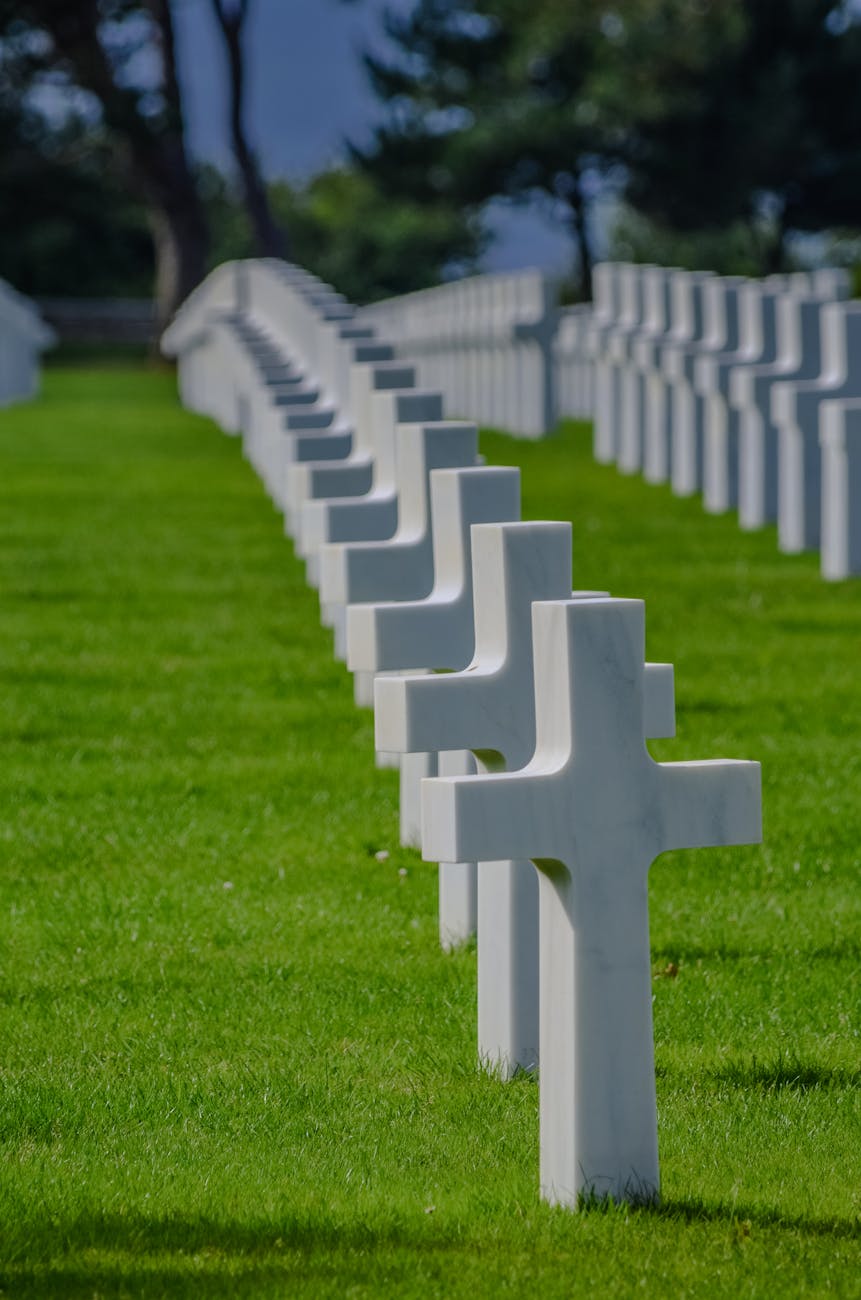
In the aftermath of the American Civil War—a conflict that claimed more lives than any other in U.S. history—communities across the nation were left mourning. By 1865, with the war concluded, families faced the grim task of honoring more than 600,000 soldiers who had died. This collective grief gave rise to a new tradition: a day of remembrance.
Many towns and cities began their own informal commemorations of fallen soldiers. An early observance of what would become Memorial Day occurred in Charleston, South Carolina. It happened on May 1, 1865. There, newly freed African Americans held a ceremony to honor Union soldiers. These soldiers had died in a Confederate prison camp.
During the war, Confederate forces converted the city’s Washington Racecourse. Today, it is known as Hampton Park. They turned it into a prison for Union soldiers. Over 260 Union troops died there from disease and exposure and were buried in unmarked graves. After the Confederacy’s defeat, Black residents of Charleston, many of them formerly enslaved, took action. They worked to give those soldiers a proper burial. They reinterred the bodies. They built a fence around the site. They marked it with a sign that read: “Martyrs of the Race Course.”
On May 1, a crowd of around 10,000 people—including freedmen, Union troops, and white missionaries—gathered for a solemn procession. The event included prayers, singing, speeches, and the laying of flowers. Children marched with armfuls of blossoms, and the day ended with picnics and patriotic performances. This Charleston observance was largely forgotten in the national narrative for decades. Now, many historians recognize it as the first Memorial Day.
Nonetheless, the tradition took broader root a few years later. In 1868, Union General John A. Logan, head of a veterans’ organization called the Grand Army of the Republic, issued a proclamation. He declared May 30 as Decoration Day, a time to decorate the graves of fallen soldiers with flowers. That year, ceremonies were held at over 100 cemeteries across the country. A major event took place at Arlington National Cemetery. Flowers were placed on the graves of both Union and Confederate soldiers.
Over time, Decoration Day evolved into Memorial Day, gradually becoming a national holiday. After World War I, its purpose expanded to honor all Americans who died in military service. In 1971, Memorial Day was declared a federal holiday. It was moved to the last Monday in May. This change ensures a long weekend of remembrance.
Today, Memorial Day is a time for reflection. It is also a time for gratitude. It honors those who gave their lives in service to the United States—from the Civil War to the current day.
The Curious Legacy of Red “Pinky” Green, Known to All as Blue
The little town of Marlow’s Ridge was nestled between dusty hills and a river. This river had long forgotten how to rush. In this quaint setting lived a man named Red Green. His middle name was “Pinky,” a leftover from a grandmother who thought nicknames were good luck. But everyone in town—young, old, shopkeeper, sheriff, or schoolkid—called him Blue.
No one quite remembered how the name Blue came to be. Some said it was due to the denim shirt he always wore. It was frayed at the cuffs and patched at the elbows. Others swore it was because of his eyes. They were deep and stormy. They held stories no one ever heard him tell. Whatever the reason, the name stuck. And so did he.
Blue wasn’t what you’d call important. He wasn’t elected to anything. He didn’t own a business. He didn’t sing in church or march in parades. He wasn’t married and never had kids. He lived alone in a one-room shack on the edge of town. He built it himself, board by salvaged board. His house had a tin roof and a potbelly stove. The garden always grew more vegetables than one man can eat.
He was a fixture more than a figure. You’d see him mending a neighbor’s fence one day. The next day, he is fishing at the creek. Sometimes, he’d sit on the courthouse bench, whittling a stick into something halfway useful. He spoke little, smiled often, and always paid cash—exact change. Kids liked him because he had a knack for fixing broken toys with bits of wire and rubber bands. Adults liked him because he never asked for anything and always showed up when you needed another set of hands.
Blue was what folks called thrifty. He wore the same clothes for years. He repurposed everything. He carried a coffee can full of loose screws like it was a treasure. He never took credit, never owed money, and never once called attention to himself.
He died peacefully, in his sleep, sometime between dusk and dawn. So when he passed, the town mourned. They felt that soft, uncertain way people do when they realize someone quiet had been a cornerstone all along.
There was no family to speak of. The county handled the burial, and someone brought a pie to the service, which seemed appropriate. The people were about to scatter and return to their lives. Just then, the county clerk arrived with a letter in hand.
It was Blue’s ‘Will.’
Written in neat cursive on lined notebook paper, the will was short, but what it said stunned everyone with its unexpected generosity:
To the Town of Marlow’s Ridge,
If you’re hearing this, it means I’ve gone on ahead. It’s no use making a fuss, but I have a few things to leave behind.
First, I’ve set aside $20,000 for the school’s library. I want to make sure the kids get real books with pages they can turn.
Second, I’m giving $15,000 to the fire department. You’ve bailed me out more than once when I let that stove get too hot.
To Miss Delaney at the diner, you’ll find I’ve paid off your mortgage. You gave me free coffee every Monday for ten years. I figured it was time I returned the favor.
To the town mechanic, I left you my truck. It barely runs, but the toolbox in the back can come in handy.
The rest—over $300,000 in cash and savings—I want to put into a fund for the town. I want to fix up the playground, paint the church, and replace the town hall’s roof. You know what needs doing.
You were all my family. Maybe I didn’t say it, but I hope I showed it.
Thanks for everything.
—Red “Pinky” Green, but you knew me as Blue.
There was silence. It was not the kind that follows shock or grief. It was the kind that settles when truth lands heavy and sweet, like the last snowfall of winter.
In the next weeks, the town changed. It didn’t change in the way bulldozers and scaffolding alter things. It changed in how people react when they realize they’ve misjudged someone. Children now whispered stories of Blue’s secret treasure. Adults spoke his name with a new reverence. The diner added a “Blue Plate Special” in his honor. Every kid at school got a brand new library card. His actions inspired a wave of kindness and respect that swept through the town.
The bench outside the courthouse where he used to sit remained empty. Someone carved his name into it, not his full name, just the one that mattered. A simple yet powerful tribute that ensured his memory would never fade.
BLUE
No title. No explanation.
This is just a reminder that sometimes, the quietest lives leave the loudest echoes.
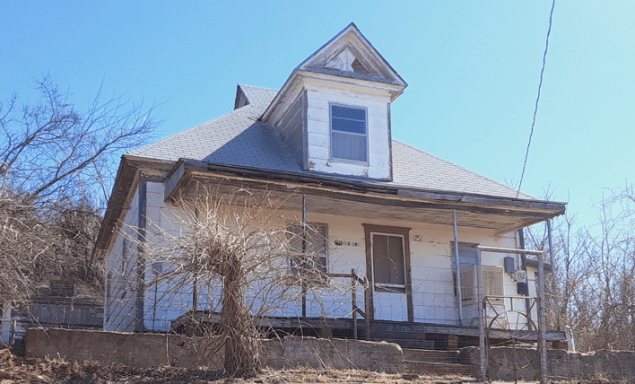
The Groff House, first moved to Binger from Anadarko.
Our move to the farm east of Binger, Oklahoma marked a drastic change in life. It was vastly different from our life in Cordell. My dad had bought a house set on a modest foundation. A propane stove heated it. There was no running water. We had no telephone. The electricity worked until a snowstorm or thunderstorm blew through and took it down. In time, things would improve, but first, we had to learn a new way of living.
Each evening, my dad brought home two five-gallon containers of water and set them on the kitchen floor. Hanging above them was a metal ladle, which we all used to scoop ourselves a drink. It was a crude method, but it worked—and we didn’t think twice about it.
Going to the restroom was another matter. Several attempts had been made to drill wells, but all came up dry. My dad had the holes filled in, except one. Over that one, he placed an old-fashioned outhouse—worn, sun-bleached, and splintered. It looked fifty years old, and maybe it was. But he fitted it with a new toilet seat, and we used it like it was brand new. The worst part? The yellow jacket wasps that swarmed it in summer. They built their cones overnight, and chasing them off was a risky job that none of us looked ahead to.
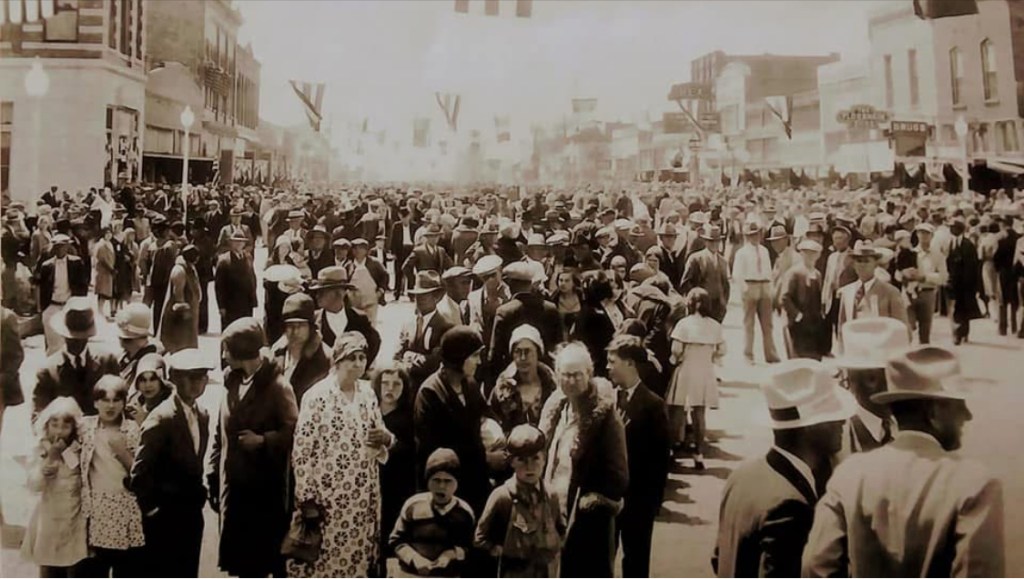
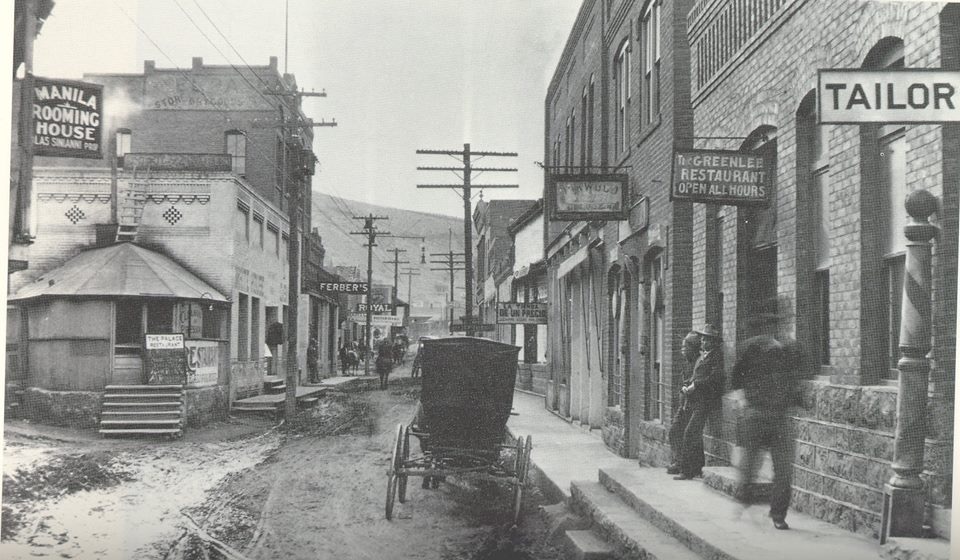
This story isn’t about the outhouse or the water jugs. It’s about the town’s Main Street during that time. The impression it left on me was significant. I was only five years old, but the images are burned into my memory.
My dad was the town barber. His shop sat on a steep sidewalk, at least three feet above the street. Set into the concrete were old metal rings. For the longest time, I had no idea what they were for. One spring morning, I was playing on the sidewalk. I was flipping one of the rings back and forth. An old timer stopped and looked down at me.
“Do you know what that ring is for, Sonny?”
He asked.
I shook my head.
“No.”
He grinned.
“Those were for tying up horses and wagons. Back in the day, folks would come to town on Saturdays—buggies and wagons lined this whole street. Horses everywhere.”
That answered a mystery I’d long wondered about. But there were more to come—and like those rings, they’d slowly be explained to me, one by one.
That same sidewalk saw a lot of stories. I remember one day. A slick Chevrolet four-door pulled up. Two men and their children—a boy and a girl—went into the drugstore next to Dad’s barbershop. My oldest brother had come into town to visit and was sitting in the shop when someone waiting for a haircut suddenly shouted,
“FIRE! FIRE! THAT CAR IS ON FIRE!”
The man bolted into the drugstore to alert the others. Someone must’ve called the fire department—but “fire department” was a stretch. The town had a 1945 fire truck with a rusted tank and an engine that wouldn’t start. They had to tow it with another truck to get it to the fire. My brother ran to the car and had one of the men pop the hood. Without hesitation, he ripped off his shirt and began beating out the flames around the carburetor.
The twins—those two kids—stood next to me on the sidewalk, watching. They would later become my classmates and lifelong friends. That introduction during the chaos would forge a connection we kept through the years.
My brother eventually put out the fire. The fire truck, still leaking water, finally rolled to a stop behind the car—just as the tank began to empty. The scene would’ve been funny if it hadn’t been so sad. Laughter erupted from my dad’s shop. The volunteer firefighters were embarrassed, and I remember feeling bad for them.
It wasn’t the last mishap. Months later, a house caught fire just behind the fire station. The truck’s wheels locked up that time, and it couldn’t even be towed out. The town then decided it was time for a new truck.
Through donations and fundraisers, they finally got one. The arrival of the new fire truck was a significant moment in our town’s history. It was a testament to our resilience and the importance of community support. It was a real point of pride—a saving grace when it finally arrived.
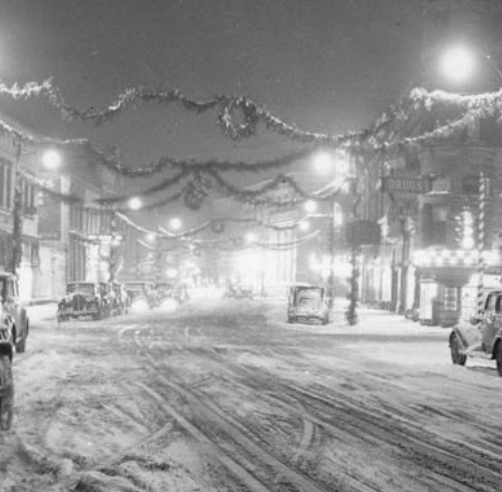
Main Street had its beautiful moments, too, especially at Christmas. The decorations draped across the street like something out of It’s a Wonderful Life. Seeing them lit up at night turned Main Street into a glowing wonderland.
One Christmas, the town threw a parade. The governor came. And so did our hometown hero, Johnny Bench, riding in the back of a convertible. I stood beside my dad in front of his barbershop, watching as they passed by. It was one of the biggest things to happen to our little town of 750 souls.
Main Street had different values back then, too. I remember a funeral procession once drove through town. My dad stopped cutting hair and closed the shop until the last car had passed. Other businesses did the same. That quiet gesture of respect left an impression on me that’s never gone away.
Looking back now, I realize that old Main Street was more than just a stretch of asphalt and storefronts. It was the heartbeat of a simpler time. Life was slower and more mindful then. It taught me about community, kindness, hard work, and the small moments that shape our lives. Those sidewalk rings, flickering Christmas lights, and clunky fire trucks are gone, but the memories stay. And in my heart, Main Street still stands—just as it was.
A few places I’ve been are not just locations on a map. They are experiences, sensations, and moments that can’t be conveyed simply through words or photographs. You would have to have been there to understand.
Take the Grand Canyon, for example. No photo can capture its overwhelming vastness. Standing on its rim, you stare into the depths of time carved into the earth. The wind carries whispers from a million years ago, and the sun paints ever-changing shadows along the canyon walls. To see a picture is to miss how the air smells. You miss how the silence hums. Your perspective on life shifts when faced with something so immense, leaving you in awe of nature’s grandeur.
Groff Media
Washington, D.C., is another place to experience and be understood. Walking among its monuments and institutions is like stepping into a living history book. The weight of past decisions and the ongoing creation of history are tangible. You stand where the nation’s most influential figures have walked. It fills you with a profound connection to the past. It also connects you to the current time. It makes you feel like a part of history.
Groff Media
Then resort cities like Palm Springs, California, Tampa, Florida, and Las Vegas, Nevada. Each city offers a unique atmosphere that cannot be fully captured without being there.
Palm Springs feels like a cinematic escape. It is where you can brush shoulders with a movie star. You will find yourself surrounded by towering mountains on one side. There is an endless sea of wind turbines on the other. It’s all swimming pools, sunshine, and Hollywood glamour between the two. It makes you feel like you’ve stepped into the pages of a luxury magazine.
Tampa, Florida, has its distinct charm. The old cigar district, Ybor City, takes you back in time with its historic brick streets and family-owned restaurants. It offers an eclectic mix of tattoo parlors, jewelry shops, and late-night clubs. Just a short drive away, the sun-drenched beaches of St. Pete offer the perfect contrast—soft sand, rolling waves, and the scent of saltwater in the air.
Groff Media “A Night On The Town”
Las Vegas is a city of dual identities. The Strip dazzles with its colossal casinos, neon lights, and grand-scale entertainment, a modern marvel of excess and spectacle. But downtown, the Fremont Street Experience transports you to old Vegas. Here, the first hotels still stand beneath a digital canopy of flashing lights synchronized to music. Street performers, quirky shops, and hidden gems make it an adventure.
Salt Lake City, Utah, left an impression on me not just for its skyline but for its architecture. The intricate designs of its buildings make the city itself a work of art. The influence of the Mormon faith is woven into nearly every aspect of its layout and culture. This influence gives the town a sense of unity and purpose. It is both fascinating and humbling.
Oklahoma’s Last House StandingGroff Media
And then, there’s Oklahoma and Kansas—where the wind is an ever-constant force, shaping the land and the people. A 40-mph breeze is just another Tuesday, with gusts often reaching 70 mph. Tornadoes and earthquakes occur sometimes at the same time. Many people think Interstate 40 and Interstate 35 are the most significant things to come out of those states. These highways offer an escape route from the relentless winds sweeping across the plains.
Each of these places has left an imprint on me. It’s not just because of what they look like. It’s also because of what they feel like. And no matter how well I describe them, you’ll never truly know unless you’ve been there yourself.
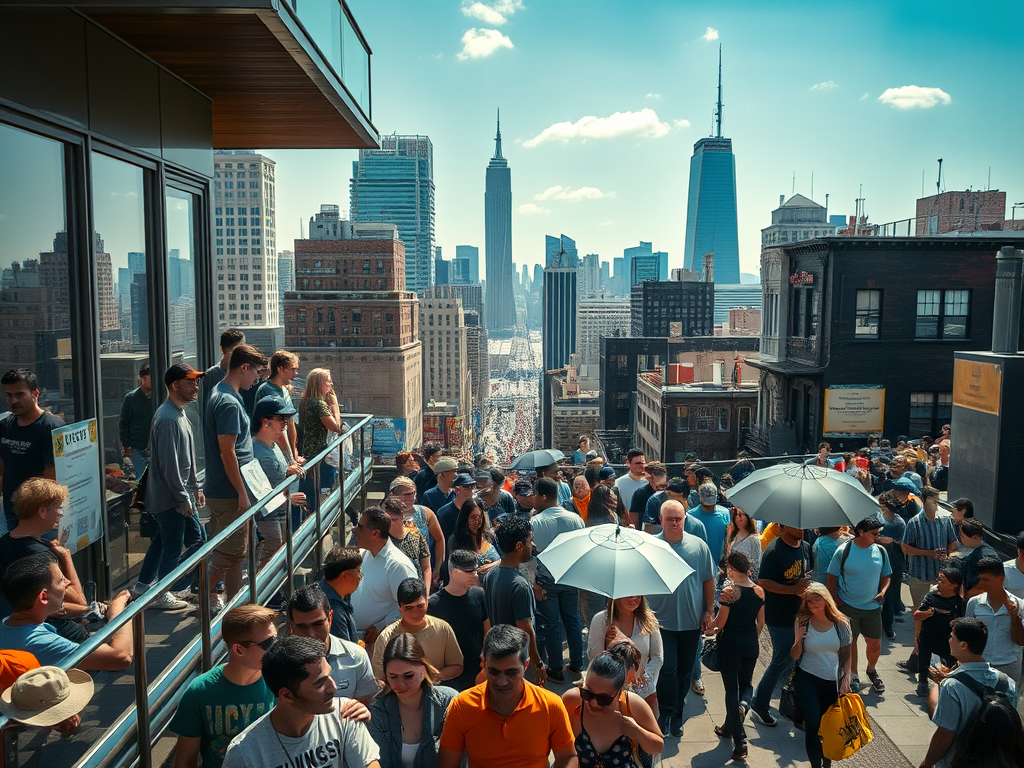
In a bustling city, alive with clashing opinions and hurried lives, everyone respected an unspoken rule. Your space is yours, and in it, you reign supreme. It didn’t matter if it was a sprawling penthouse overlooking the skyline. It is a cozy corner in a crowded apartment. Or it is a patch of pavement under a tattered umbrella. Whatever boundaries you claimed, those were the limits of your kingdom.
Take Mrs. Hargrove, for instance. Behind her red-painted door in a quiet cul-de-sac, the world was a sanctuary of classical music. Fragrant lavender candles filled the air with their scent, and books were piled high in every corner. Her rules were simple: shoes off at the door, cats welcome, and no conversation louder than a murmur. Beyond her door, the city roar with chaos, but inside, her sanctuary hummed with the warmth of gentle living.
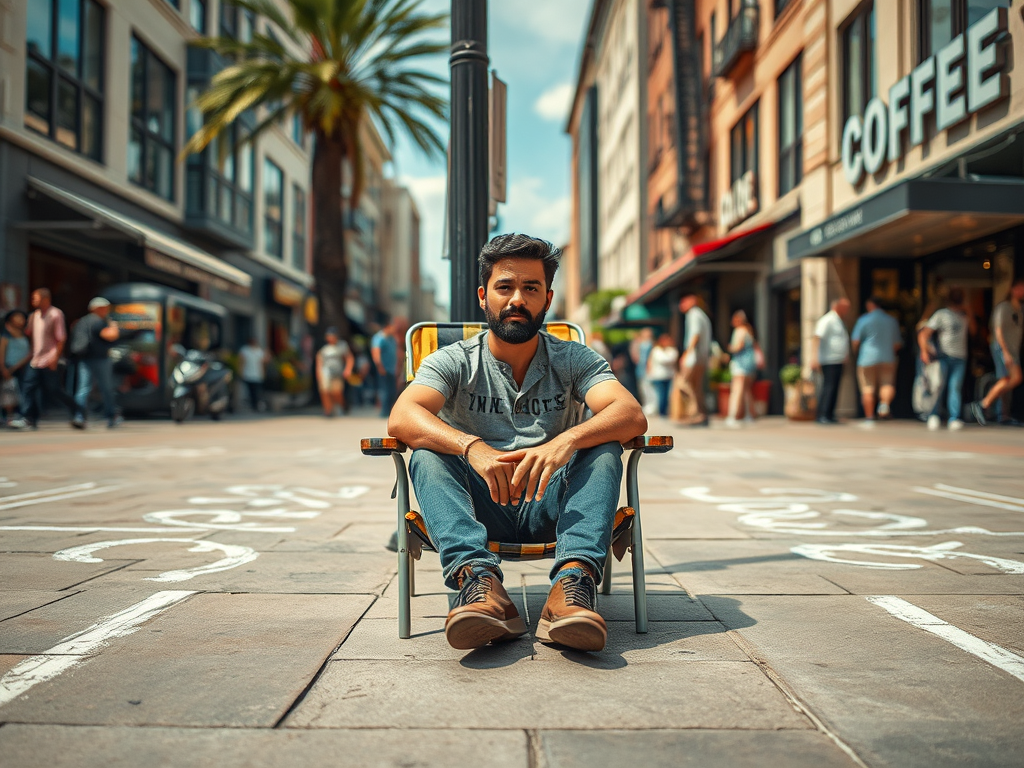
A few blocks away, Alejandro held court on a sidewalk square. He was nestled between a lamppost and the entrance of a busy coffee shop. His throne was a battered lawn chair, and his walls were chalk-drawn lines on the pavement. Within those lines, Alejandro was both king and philosopher. Passersby often stopped to chat, offering a coffee or sandwich in exchange for his wisdom. His space, though humble, operated on principles he cherished, like kindness first, stories over silence, and always having respect.
Meanwhile, on the tenth floor of a downtown high-rise, siblings Jordan and Tamara lived in a small two-bedroom apartment. They turned it into a vibrant world of their own making. The walls were covered in murals painted by friends who visited. Their home was a haven of creativity where every night was a celebration of life. “No negativity allowed” was their unspoken law, and those who entered left their worries at the threshold.
Even in the less obvious corners of the city, the principle held firm. Marcy, a young artist, had claimed an unused stretch of wall as her gallery. It was down an alley shaded by fire escapes. She painted over it weekly, layering it with bold, defiant colors. Though the city’s rules forbade graffiti, this was Marcy’s domain, where her voice never gets muted. Locals respected her unwritten sovereignty, even the city workers, who cleaned around her artwork but left it untouched.
The beauty of the unwritten code was not just in the freedom it offered. It was also in the mutual understanding that accompanied it. Disagreements in the public square? Common. Heated debates at the park? Inevitable. But everyone knew that you honored their rules when you stepped into someone else’s space. You argue politics at the corner diner or challenge worldviews in the library. Still, you wouldn’t dare speak out of turn in Alejandro’s chalk-drawn palace or disrespect the tranquility of Mrs. Hargrove’s quiet retreat.
This tacit agreement turned the city into a patchwork quilt of safe havens. Each space was unique. It reflected the ideals and beliefs of its occupant. Together, they wove a sense of unity that was stronger than the chaos beyond their boundaries.
One day, a storm swept through the city, bringing rain that soaked Alejandro’s chalk lines and threatened Marcy’s murals. As the wind howled, neighbors opened their doors to one another. Mrs. Hargrove invited Alejandro into her book-filled retreat. Jordan and Tamara turned their living room into an impromptu art studio for Marcy. Even unlikely alliances formed in those moments. They understood that when someone’s space was threatened, the rest of the city stood ready. They were committed to protect it.
When the skies cleared, the city was quieter, and its people were more thoughtful. The storm had reminded everyone of the fragility of their spaces. It highlighted the strength in preserving them—not just their own but those of their neighbors, too.
And so, the unwritten rule endured. Within your space, you were sovereign. You were free to live, believe, and dream as you saw fit. The city remained a cacophony of voices and lives. Yet, it thrived by quietly revering the small sanctuaries that made it whole.
Javier stood at the edge of the city park. Staring out at the bustling streets of his new home in America. The golden autumn leaves danced in the wind, starkly contrasting the memories of his war-torn homeland. Javier had come to the United States to find refuge and hope. Yet, the events unfolding around him now gave him an unsettling sense of déjà vu.
Back in his home country—a place he no longer dared to name aloud—Javier had watched the slow unraveling of society. It had once been a proud nation. Families like his owned small businesses. Children played freely in the streets. Communities were bound together by tradition and trust. Corruption spread throughout the country. Drug lords rose to power. Oligarchs infiltrated and bought influence with cold, hard cash. They sowed fear and discord, and before long, even the police and the government served their interests alone. The people were left with nothing but fear and silence.
He had fled that darkness, believing that America would offer something different. And for a time, it did. He found work, made friends, and even started to dream again.
But the cracks were showing. The unchecked greed was too familiar. The political maneuvering was too familiar. The way drugs crept into the neighborhoods under the guise of prosperity was too familiar. He watched politicians make promises while corporations tightened their grip on the economy. He saw his neighbors losing faith, their voices drowned out by the same wealth-driven forces he had left behind.
“No more tomorrows forever,”
Javier muttered under his breath, a phrase his grandfather used to say when hope felt like an illusion. He feared that history was repeating itself, that this land of opportunity was sliding down the same treacherous path.
One evening, Javier visited a local diner. He often met with his friend Michael there. Michael was an old war veteran who deeply loved the country he had served. Javier shared his concerns over cups of bitter coffee, finding solace in Michael’s understanding and wisdom.
“I’ve seen this before, amigo. Back home. The greed, the power, the division. It starts small, but it grows until there’s nothing left.”
Michael nodded, his tired eyes scanning the newspaper headlines.
“You ain’t wrong, son. This country’s got its problems. But we fight. We speak up. That’s the difference.”
Javier wasn’t so sure. He thought of his own country. There, people had fought and lost. Bullets and bribes had silenced voices for freedom. Yet, deep down, Javier wanted to believe Michael. He tried to think that this place still had a chance, that people could push back against the tide.
Javier left the diner. He looked around at the city skyline. The shining towers and the streets were filled with life. The battle wasn’t over yet, and maybe—just maybe—he could do something to help stop history from repeating itself.
The next day, he enrolled in a local community initiative to support struggling neighborhoods. Passionate individuals like himself led this initiative. They aimed to give resources and support to those most affected by the societal issues he had observed. He would share his story. He shared a warning and his hope. He believed past mistakes didn’t have to define the future. America still had tomorrow’s worth fighting for.
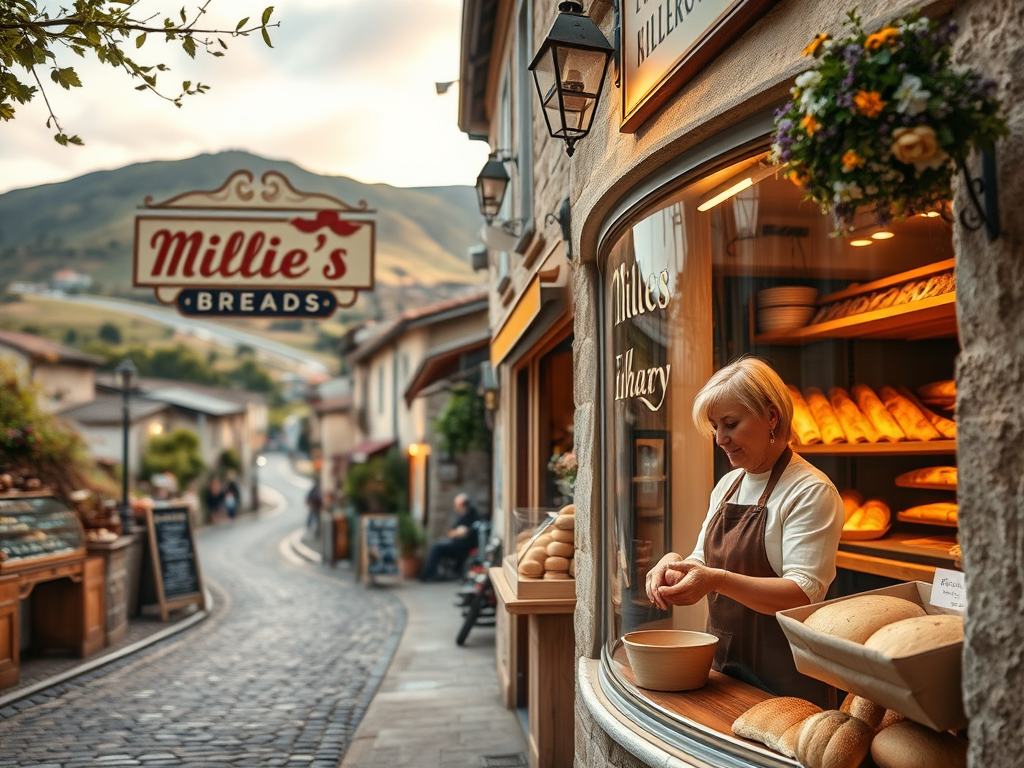
Willowbrook was a quaint town nestled between rolling hills and winding cobblestone streets. In this charming setting, a little bakery called Millie’s Breads stood. Millie, the baker, had spent decades perfecting her craft. She kneaded dough with love, and the air filled with the comforting aroma of fresh bread.
Every morning, without fail, Millie would bake precisely enough loaves to meet the demands of her customers—except for one. Each day, she would bake an extra loaf. The townsfolk often wondered why, but Millie never spoke of it. The extra loaf sat on the counter until closing time. It remained untouched and unnoticed. By morning, it would quietly disappear, adding to the mystery.
Speculations floated through the town. Some believed Millie kept it for herself. She always said she had little appetite for bread after a long baking day. Others whispered that she was feeding a stray cat or a secret admirer. But no one knew the truth.
One chilly winter evening, young Emma, the florist’s daughter, stayed behind after closing. She wanted to help her mother pick up an order of pastries for a town event. As they waited, Emma noticed Millie wrapping the extra loaf in brown paper and slipping out the back door. Emma felt curious, so she decided to follow at a distance. Her eyes were keen, and her heart was open to the possibility of a heartwarming discovery.
Hidden in the shadows, Emma saw Millie stop by an old wooden bench. An elderly man sat on it, wrapped in a tattered coat. His face was weathered, and his hands trembled from the cold. Millie handed him the loaf with a warm smile, exchanging a few kind words before returning to her shop.
Emma’s heart swelled with admiration. The extra loaf wasn’t a mystery after all. It was an act of quiet kindness. A small gesture of compassion that no one ever knew about. The man, known simply as Mr. Thomas, had once been a beloved schoolteacher but had fallen hard after losing his family.
The next day, Emma shared what she had seen with her mother. Word spread through the town, and the townspeople, inspired by Millie’s act of kindness, found their ways to contribute. Some would leave warm clothing on the bench. Others discreetly added a little extra to their purchases at Millie’s bakery. They knew it would go to someone in need.
One evening, as Millie once again delivered the extra loaf, she found Mr. Thomas sitting on the bench with a new coat draped over his shoulders and a gentle smile. He looked at her with gratitude and said,
“Your kindness has brought more than just bread, Millie. You’ve brought me hope.”
His words echoed the profound impact of Millie’s simple act of kindness.
Millie patted his hand, offering her usual warm smile, and returned to her bakery. She never needed recognition, for she believed that kindness, like bread, was best when shared freely.
The baker continued to bake an extra loaf each day. The town of Willowbrook learned that sometimes, the smallest gestures hold the most significant meaning. Millie’s simple act of kindness brought hope to Mr. Thomas and inspired the townspeople to look out for each other, fostering a sense of community and shared responsibility.
Every morning, the sun rose over Willow Creek. Clara Jackson would pour herself a cup of coffee. She would then sit by the window and scroll through the news on her phone. Headlines blared with despair. Civil rights were being denied. People were being removed from their families because of their citizenship status. There were natural disasters, economic struggles, and political turmoil. It seemed as if the world was unraveling thread by thread. Each day felt heavier than the last, and Clara found it harder to believe in a brighter tomorrow.
One cold morning, as the weight of the world’s problems sat on her chest, she noticed her elderly neighbor, Mr. Thompson, hobbling down the sidewalk with a broom in hand. His frail figure moved with purpose. He swept the fallen leaves away from everyone’s doorstep. As he worked, he whistled a tune that carried a sense of ease Clara hadn’t felt in a long time.
Curious, she stepped outside and called out,
“Mr. Thompson, what are you doing out here so early?”
The old man looked up and smiled warmly.
“Clearing the way, my dear. It’s a little thing, but it makes the morning brighter for everyone.”
Clara laughed softly.
“With all that’s happening in the world, does this really make a difference?”
Mr. Thompson leaned on his broom and nodded.
“Oh, it does, Clara. You see, the world’s got its troubles, but right here, right now, we can still bring goodness. You can’t control the storms outside, but you can light a candle inside.”
His words settled into Clara’s heart like a gentle breeze pushing away the clouds. That afternoon, instead of drowning in the news, she baked cookies and shared them with neighbors. She took her old paintbrushes out of the closet and added splashes of color to the worn fence outside. And as she handed out treats to passing children, she felt something stir inside her—hope.
Days turned into weeks, and Clara found that small acts of kindness helped her navigate the darkness in the world. She volunteered at the local shelter. She also planted flowers along the sidewalks. Clara spent more time listening to the laughter of children at the park. The news was still grim, but Clara had found something stronger—hope born from action, not fear.
One evening, she closed her book and looked out at the quiet street. She realized the world hadn’t changed overnight. But she had. And that was enough to believe in a brighter tomorrow.
A man named Walter Henshaw lived in a small town. This town was nestled between rolling hills. Walter was known for his insatiable curiosity, always pondering life’s mysteries. One evening, as he sat on his front porch watching the sunset, he wondered aloud,
“Is it possible to find two people in this world who agree on everything?”
The thought consumed him, and soon, Walter embarked on a journey around the world to find the answer. He packed his belongings, bid farewell to his friends and family, and set off on his quest.
Walter’s first stop was Paris, where he met a pair of artists who were painting by the Seine. They seemed in perfect harmony, laughing and finishing each other’s sentences. But when Walter asked them if they agreed on everything, they chuckled.
“Of course not,”
One replied.
“He thinks Monet is the greatest, but I prefer Van Gogh.”
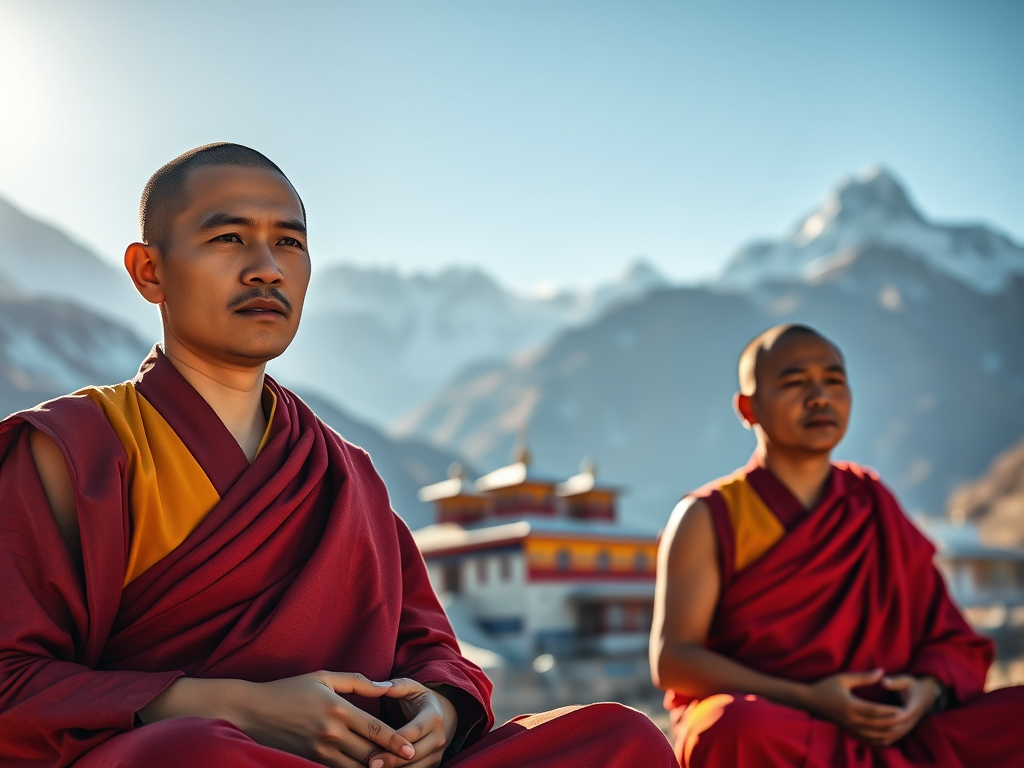
Undeterred, Walter traveled to India, where he visited a monastery high in the Himalayas. There, he met two monks who had lived in silence for decades. Walter was sure he had found his answer, but when he posed his question, one monk smiled and said,
“I prefer tea; he prefers coffee.”
Walter traveled onward. He visited the bustling streets of New York City. Then he experienced the serene countryside of Japan. Finally, he explored the vast plains of Africa. He encountered lifelong friends. He met devoted couples. He even found identical-twins everywhere he went. Nonetheless, no two people ever claimed to agree on everything.
After years of traveling, Walter found himself in a small village in South America. He met an elderly couple who had been together for over seventy years. Patiently, they listened as Walter told them about his journey.
The older man chuckled and said,
“Young man, love is not about agreeing on everything. It’s about embracing differences and finding common ground.”
Walter sat in silence, absorbing the wisdom. He realized then that his journey had taught him more than he ever imagined. The beauty of human connection lies not in absolute agreement but in understanding, compromise, and the joy of diversity.
It also reminded him of one chap he had met in the United States who said to him –––
“Show me any two people who agree on everything, sir, and I will show you a pair of liars!”
Returning home, Walter shared his experiences with his friends and family. He had not found two people who agreed on everything. Still, he discovered something even more valuable. He gained an appreciation for the uniqueness that made each person unique.
Once a seeker of perfect agreement, Walter Henshaw sought harmony. He became a storyteller. He wove tales of his adventures and the lessons he had learned. He realized that life wasn’t about finding someone who thinks as you do. Instead, it is about learning to cherish the differences. These differences make life enjoyable and meaningful.
In the end, Walter’s journey had been about connection, not conformity. He found peace knowing that the world was more prosperous because of its endless variety.
Today, I am sharing a translation of instructions initially posted on the BenandSteve.com Facebook page. These instructions were originally written in Spanish. I have translated them to the best of my ability. The English translation is just below.
TRADUCCIÓN AL INGLÉS A CONTINUACIÓN:
Hoy comparto una traducción de las instrucciones publicadas originalmente en la página de Facebook de BenandSteve.com. Estas instrucciones, escritas en español, han sido traducidas lo mejor posible para aquellos que no hablan, leen ni escriben el idioma. Por favor, tengan en cuenta que estas instrucciones no están destinadas a servir como asesoramiento legal, sino más bien como una guía útil para quienes puedan interactuar con las autoridades. Este espacio se ofrece con el propósito de brindar claridad y apoyo a quienes puedan beneficiarse de esta información.
El guía S.I.R.E.N., a menudo promovido por organizaciones de defensa para informar a las personas de sus derechos durante encuentros con la Patrulla Fronteriza o autoridades de inmigración, significa:
S – Mantente Calmo (Stay Calm)
• Mantente tranquilo y evita escalar la situación.
• No corras, resistas ni obstruyas a los oficiales de la ley.
I – Insiste en tu Derecho a Guardar Silencio (Insist on Silence)
• Ejercita tu derecho a guardar silencio.
• No respondas preguntas sobre tu estatus migratorio, dónde naciste o cómo entraste al país.
• Declara: “Estoy ejerciendo mi derecho a guardar silencio.”
R – Rechaza Dar Consentimiento (Refuse Consent)
• No des tu consentimiento para que registren tu persona, tus pertenencias o tu vehículo sin una orden judicial.
• Di: “No doy mi consentimiento para un registro.”
E – Exige Hablar con un Abogado (Engage an Attorney)
• Solicita hablar con un abogado de inmediato.
• No firmes nada sin antes consultar a un abogado.
N – Nunca Mientas (Never Lie)
• Siempre proporciona información verdadera si decides hablar (aunque tienes derecho a no responder preguntas).
• Mentir a los oficiales de inmigración puede tener graves consecuencias.
Estos pasos están diseñados para ayudar a las personas a manejar estas interacciones mientras protegen sus derechos y aseguran que se respeten las garantías legales. Si necesitas recursos o una orientación más detallada, ¡házmelo saber!
Asociación Americana de Abogados de Inmigración (AILA)
Una asociación nacional que promueve leyes y políticas de inmigración justas y aboga por el desarrollo profesional de sus miembros.
Red de Defensores de Inmigración
Un esfuerzo colaborativo entre organizaciones líderes en derechos de inmigrantes que busca aumentar el acceso a la justicia para los inmigrantes.
Unión Americana de Libertades Civiles (ACLU)
Una organización que ha estado involucrada en muchas luchas legales importantes por los derechos de los inmigrantes.
Consejo Americano de Inmigración
Una organización que utiliza investigaciones, programas y esfuerzos legales y de defensa para dar forma a las políticas y prácticas de inmigración.
Centro de Políticas para Inmigrantes de California (CIPC)
Una organización estatal de derechos de los inmigrantes con oficinas en Los Ángeles, Sacramento y Oakland.
Centro de Estudios de Inmigración
Una organización que proporciona experiencia legal, capacitación, investigaciones y publicaciones.
Today, I am sharing a translation of instructions initially posted on the BenandSteve.com Facebook page. These instructions were originally written in Spanish. I have translated them to the best of my ability. This is for those who do not speak, read, or write the language. Please note that these instructions are not intended to serve as legal advice. They are meant to be a helpful guide for anyone interacting with authorities. This space is being provided for clarity and support for those benefiting from this information.
The S.I.R.E.N. guide, often promoted by defense organizations to inform people of their rights during encounters with Border Patrol or immigration authorities, means:
S – Keep Calm (Stay Calm)
• Stay calm and avoid escalating the situation.
• Do not run, resist, or hinder law officers.
I – Insist on Your Right to Stay Silent
• Exercise your right to stay silent.
• Do not answer questions about your immigration status, where you were born, or how you entered the country.
• Declares: “I am exercising my right to stay silent. “
R – Refuse Consent
• Do not consent to register your person, belongings, or vehicle without a court order.
• Say: “I do not give my consent for a record. “
Engage an Attorney
• Ask to speak to a lawyer promptly.
• Don’t sign anything without consulting a lawyer first.
N – Never Lie (Never Lie)
• Always give truthful information if you decide to speak (although you have the right not to answer questions).
• Lying to immigration officials can have serious consequences.
These steps help people manage these interactions while protecting their rights and respecting legal safeguards. If you need resources or more detailed guidance, let me know!
American Immigration Lawyers Association A national association that promotes fair immigration laws and policies and advocates for the professional development of its members
Immigration Advocates Network A collaborative effort between leading immigration rights organizations that aims to increase access to justice for immigrants
American Civil Liberties Union (ACLU): An organization that has been involved in many major legal struggles for immigrant rights
American Immigration Council An organization that uses research, programs, and legal and advocacy efforts to shape immigration policies and practices
California Immigrant Policy Center (CIPC)A statewide immigrant rights organization with offices in Los Angeles, Sacramento, and Oakland
Center for Immigration Studies An organization that provides legal expertise, training, research, and publications
You can also help fight for immigrant rights by speaking out to elected officials, attending town hall meetings, and voicing your support for immigrants and refugees.
David Caine was a man who seemed to have it all. His sprawling estate overlooked the city, a tangible reminder of his success. He owned a fleet of luxury cars. He mingled with the elite. He was celebrated as a visionary in the tech world. At 42, he had reached heights most can only dream of. But in a single day, it all crumbled.
It started with a phone call. A risky investment had failed spectacularly. The bank froze David’s accounts. His business partner vanished, taking what was left of their company’s assets. By the evening, creditors were knocking, and the media painted him as a cautionary tale of hubris.
Within weeks, David had lost everything—his mansion, cars, friends who had once hung on his every word. He was left with a single suitcase, crashing on the couch of a former employee who pitied him. But even in this dire situation, David’s resilience shone through.
David was once a figure of power and influence. Now, he walked the city streets for the first time in years without recognition. He bought coffee with coins from his pocket and scoured job boards at the local library. The life he had meticulously built felt like a distant dream, a stark contrast to his current reality.
But starting over gave David something he hadn’t had in years: clarity.
As he wandered the city one morning, he noticed a small bakery with a “Help Wanted” sign in the window. He stepped in, drawn by the scent of fresh bread. The owner, a kind woman named Maria, hired him on the spot. The work was simple—baking, cleaning, running deliveries. It was a far cry from the boardrooms he once commanded. But it was honest, grounding work. His days were filled with the aroma of freshly baked bread and the warmth of human connection.
David began to change. He rediscovered the joy of simplicity, the value of community, and the satisfaction of a hard day’s work. Baking bread was a simple act. The warmth of the oven comforted him. The laughter of the regulars at the bakery brought him a joy he had long forgotten.
Months turned into years. David saved enough to rent a modest apartment. Impressed by his dedication, Maria offered him a bakery partnership. Together, they expanded, opening two more locations. This time, David didn’t chase grandeur. He focused on creating jobs, helping others, and finding balance.
One crisp fall morning, David stood outside his bakery, watching customers laugh and chat as they sipped coffee. He had no mansion or luxury cars. His wealth was no longer measured in dollars but in smiles and connections.
David had lost everything, but he found what truly mattered in the process.
And for the first time in years, he felt rich beyond measure.
To Stay or Go: Evaluating the Benefits of Remaining on Facebook in Light of Controversial Changes
Social media platforms have become integral to modern life, offering communication, connection, and community building avenues. Nevertheless, as these platforms evolve, so do their policies and practices, often sparking debate about their social and ethical implications. Facebook, a leading social media giant, has recently faced criticism. This criticism is due to changes in its policies on hate speech, bigotry, and LGBTQI support. For individuals making the decision about staying on or leaving Facebook, they hold the power to be informed. Weighing the benefits of both options is essential for this empowerment.
The Case for Staying on Facebook
Maintaining Connections: Facebook remains a vital tool for staying in touch with family. It also helps keep connections with friends and acquaintances, particularly those spread across different regions or countries. For many, it is a lifeline to relationships that would otherwise be difficult to nurture.
Community and Advocacy Opportunities: Despite policy changes, Facebook still hosts several groups and communities that support marginalized voices. These include LGBTQI organizations, social justice movements, and local advocacy efforts. By staying, individuals can continue amplifying positive messages and supporting important causes.
Access to Events and Local Updates: Facebook excels as a hub for event coordination and news dissemination. Whether it’s discovering community gatherings, charity events, or public discussions, the platform enables users to stay engaged with their surroundings.
Platform for Countering Negativity: Staying active on Facebook allows users to directly challenge hate speech and bigotry. Individuals can use their presence to make a positive impact through reporting mechanisms, creating supportive content, and fostering constructive dialogues.
Professional Networking and Opportunities: Beyond personal connections, Facebook provides professional opportunities through networking, business pages, and advertising. Leaving the platform will limit exposure to these tools, which can be crucial for entrepreneurs, freelancers, or small business owners.
The Case for Leaving Facebook
Moral and Ethical Stance: Users can take a stand by leaving Facebook. They do this against policies they perceive as harmful or contrary to their values. This protest can send a powerful message to the platform and its advertisers, influencing change.
Reducing Exposure to Toxic Content: With the relaxation of hate speech policies, users face more harmful content. They become increasingly exposed to offensive material. Removing oneself from the platform eliminates the mental and emotional toll of encountering such material.
Privacy and Data Concerns: Facebook has faced ongoing scrutiny over its handling of user data. Leaving the platform reduces one’s vulnerability to data misuse, targeted advertising, and potential privacy breaches.
Encouraging Other Platforms: Exiting Facebook can prompt individuals to explore different social media platforms that better align with their values. Platforms like Mastodon, MeWe, or local community forums offer a more supportive environment.
Reclaiming Time and Focus: Many users realize an unexpected advantage when they leave Facebook. They find they have more time for hobbies, personal growth, and face-to-face interactions. The departure can foster a sense of liberation from the constant pull of notifications and algorithm-driven content.
Finding a Middle Ground
For those hesitant to make a definitive choice, there are ways to balance the benefits of staying and leaving. Users can regain a sense of control over their Facebook experience by reducing engagement. They can also limit time spent on the platform. Unfollowing toxic pages or users and curating a positive feed helps as well. Additionally, prioritizing different platforms for personal or professional connections while maintaining a minimal Facebook presence can further enhance this control.
Conclusion
The decision to stay on or leave Facebook is very personal. It depends on one’s values, priorities, and tolerance for the platform’s evolving policies. Staying permits individuals to keep connections. They can use their presence for positive change. Leaving can signify a powerful ethical stance. It can lead to personal growth. Regardless of one’s choice, it is essential to evaluate Facebook’s role in one’s life. People should make a decision that aligns with their values and well-being.
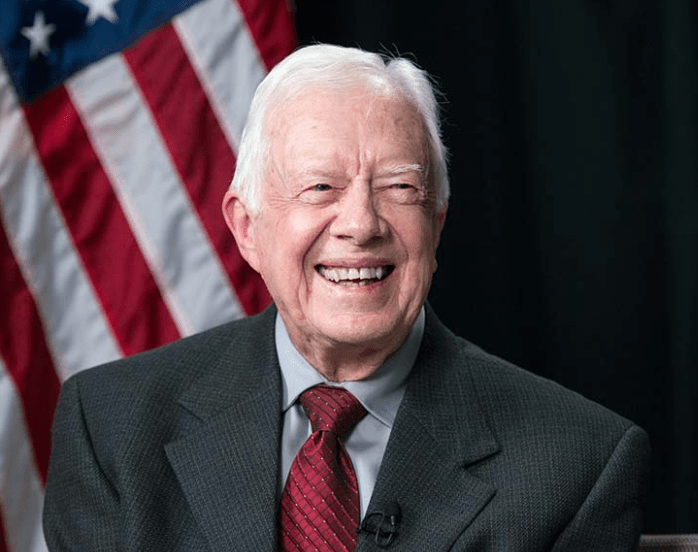
Former President Jimmy Carter’s state funeral was held today at the Washington National Cathedral in Washington, D.C., honoring his legacy as the 39th President of the United States and his extensive humanitarian work. Carter passed away on December 29, 2024, at the age of 100. He was remembered by dignitaries, family, and friends for his dedication to public service. He also made significant global peace efforts.
President Joe Biden delivered an emotional eulogy, highlighting Carter’s unwavering character and lifelong commitment to improving the lives of others. Biden was one of the first senators to endorse Carter’s presidential candidacy. He reflected on their shared values. Carter had a profound impact on the nation. CBS News
All five living U.S. presidents attended the service, including President-elect Donald Trump, who will be inaugurated on January 20, 2025. Trump engaged in a brief but cordial conversation with former President Barack Obama. This marked a rare moment of civility between the two. Reuters
The ceremony featured heartfelt tributes from Carter’s family. His grandson, Jason Carter, praised him as the nation’s “first Millennial,” acknowledging his progressive-thinking approach and enduring legacy. The Sun
Steven Ford, son of the late President Gerald Ford, read his father’s letter for Carter. This action underscored the deep friendship between the two men despite their political rivalry. New York Post
Musical performances added to the solemnity of the occasion. Phyllis Adams, a longtime Delta flight attendant, had earlier performed for the Carters. She delivered a moving rendition of “Amazing Grace.” This fulfilled a special demand made by the late President. CBS News
Security measures were notably heightened for the event, reflecting concerns over potential threats. Despite this, the service proceeded without incident, allowing attendees to focus on honoring Carter’s life and legacy. The Sun
Carter’s remains will be transported to his hometown of Plains, Georgia, after the national ceremony. There, a private service and burial will be held according to his wishes. The Times
From 1977 to 1981, Carter’s presidency was marked by significant achievements. These included the Camp David Accords between Israel and Egypt. They also involved the establishment of diplomatic relations with China. His post-presidential years were equally impactful. He dedicated himself to human rights and diplomacy. This dedication earned him the Nobel Peace Prize in 2002. The Times
The state funeral poignantly reminded us of Carter’s enduring contributions to the nation and the world. It celebrated a life dedicated to service, peace, and the betterment of humanity.
The small town of Boone, nestled in the valley of snow-capped peaks, was no stranger to winter storms. But this one was different. The storm rolled in with icy winds that seemed to pierce every wall and seep through every seam. It coated the town in a thick, glittering layer of ice. The power lines sagged and snapped under the weight. This plunged Boone into darkness. The town’s survival hung in the balance, with temperatures plummeting to subzero.
The urgency of the situation was palpable. Dan Hayes, a seasoned electrician and father of two, was preparing for a quiet evening with his family. His phone buzzed incessantly. Calls came in from neighbors, then from Boone’s mayor himself. The town’s substation, already overwhelmed by the demand for heat, had succumbed to the relentless freeze. Ice had formed on critical equipment, blowing fuses and wiring, leaving the entire town powerless.
“Jimmy, grab my tool bag!”
Dan hollered to his teenage son, who quickly obeyed, bundling up in layers against the cold.
“We’re heading to the substation.”
Driving through the storm in his old but reliable truck, Dan and Jimmy barely see beyond the hood. Fallen branches and icy roads made the journey treacherous. When they finally reached the substation, the sight was worse than Dan expected. The entire structure got encased in ice. Its wires snapped like brittle twigs.
“Jimmy, this is going to take everything we’ve got,”
Dan said, his breath forming clouds in the freezing air.
“I’ll need your help every step of the way.”
Dan quickly assessed the situation, identifying the most critical damage. The main transformer was overloaded, and its fuses were blown. Wires leading to key circuits were severed, and ice threatened to collapse a vital power relay. Dan began carefully thawing the most delicate components using a portable heater from the truck. Meanwhile, Jimmy set up emergency lights and handed his dad tools as he worked.
Word spread that Dan was at the substation. Soon, a small group of townsfolk arrived. This group included the fire chief and a few volunteers. They formed a chain to bring sandbags and materials to reinforce the ice-laden structure. This was a testament to the resilience and unity of the community. One by one, Dan replaced the fried fuses and spliced wires, his fingers numb but his determination unshaken.
Hours passed, and the storm showed no mercy. Dan finished repairing the transformer. Then, the wind knocked a massive branch onto the newly restored lines. This snapped them again.
Dan didn’t flinch.
“We’ve got one shot to do this right,”
He muttered. Calling on his years of experience, he rigged a temporary bypass, rerouting power from a less-affected part of the grid. The fix have been made better, but it would hold until morning.
Finally, as dawn broke and the first rays of sunlight pierced the storm clouds, the lights flickered across Boone. Cheers erupted from the gathered crowd, but Dan was yet to finish. He double-checked every connection, ensuring no one would lose power again that day.
Jimmy looked at his dad with newfound admiration.
“You saved the whole town, Dad.”
Dan smiled, his face weary but proud.
“We did it together, son. Boone’s got a lot of heart, and so do its people. That’s what keeps us warm.”
Back home, Dan and Jimmy were comforted with hot cocoa and blankets from a grateful Mrs. Hayes. Outside, the storm subsided. It left behind a town that had endured the worst. This was thanks to the quiet heroics of a father who wouldn’t let the cold win.
























 benandsteve.com