“Buying Warner Bros: The GoFundMe Heard ’Round the World”

2–3 minutes

by Benjamin Groff II – this is a fictional story. It was created by the space in my head. In this space, various ideas loom when I read news articles. This makes them more enjoyable.


A GOFUNDME to buy Warner Brothers?

It started as a joke. It was one of those offhand remarks tossed out online. You’ve had just enough coffee and cable-news frustration to believe you do better than a billion-dollar studio.

“Why don’t we just buy Warner Bros.?” I said. “We’ll start a GoFundMe.”

Within minutes, the idea took on a life of its own. A few shares, a few memes, and by nightfall, the campaign had raised $437.17 — most of it from people who thought they were donating to rescue Bugs Bunny.

Of course, the real Warner Bros. — now a corporate hydra known as Warner Bros. Discovery — is valued somewhere north of $20 billion, give or take a Batman sequel. That means we’d need approximately 500 million people donating $40 each to make an offer. A few folks online said that it was doable “if we all skipped Starbucks for a month.”

I’m not saying I was confident, but I did start designing logos: “People’s Pictures Presents…” and “A Groff–Swint Production.” I figured we’d restore Saturday morning cartoons. We would bring back The Bugs Bunny/Road Runner Show. We should stop rebooting the same superhero franchise every six months.

Within days, the comments on the GoFundMe page turned into a movement. Someone pledged $10 and demanded we greenlight Smokey and the Bandit 2: The Electric Pontiac. Another offered $25 “if y’all promise to fire whoever keeps canceling good shows after one season.”

The campaign hit $3,000. Then I got my first call from a lawyer. Apparently, corporate takeovers by crowdfunding are “not standard procedure.” I told him, “Neither is releasing Space Jam 2, but that didn’t stop you.”

Before long, our story went viral. CNN called it “the most optimistic hostile takeover in entertainment history.” One late-night host joked that Americans had finally united. They did not unite to choose a president. Instead, they united to save Looney Tunes.

We never got close to $20 billion. We didn’t even reach the amount needed for one Warner Bros. parking pass. But something magical happened. Fans from around the world flooded the comments. They shared memories of Saturday morning cereal and cartoons that made them laugh before school. For a moment, it wasn’t about money. It was about taking back a piece of joy that corporations can’t own.

So no, we didn’t buy Warner Bros. But in a way, we did something better. We reminded the world who really owns the stories. They are owned by the people who remember them.

As for me, I left the GoFundMe page up. In case Elon or Oprah feels nostalgic.

Still I have a question. If Fans Owned Hollywood — What Would Change First?


By Benjamin GroffMedia© | benandsteve.com | ©2025 

🎬 The Emperor of the North (1973)

By Benjamin GroffMedia© | benandsteve.com | ©2025 

2–3 minutes

Original title: Emperor of the North Pole

Running time: 1h :58m Rating: PG Genre: Period Drama / Thriller

Director: Robert Aldrich Writers: Christopher Knopf, inspired by the works of Jack London

A Ride Through the Great Depression — and Through Human Grit

The film is set in 1933. The Emperor of the North takes place against the backdrop of the Great Depression. During this time, the rails served as a lifeline for the desperate. They also became a battlefield for survival. Ernest Borgnine plays Shack. He is a brutal railroad conductor. Shack rules his train—the Number 19—with an iron fist and a hammer to match. His sworn enemy is the legendary hobo A No. 1, portrayed by Lee Marvin. A No. 1 rides the rails with the confidence of a man. He is cunning and refuses to be beaten by either poverty or authority.

The story becomes a symbolic duel between two men: the enforcer of order and the champion of freedom. Their rivalry becomes a metaphor for a country divided. Some cling to what little control they have. Others have lost everything but their pride.

A Director Who Keeps the Train on Track

Director Robert Aldrich (The Dirty DozenWhatever Happened to Baby Jane?) gives the film a muscular rhythm—every whistle blast and rattling wheel pulse with tension. When you think the film will slow, Aldrich revs it up with a fight. He adds a chase or introduces a moment of quiet resolve. His pacing keeps Emperor of the North from ever running off the rails. It balances moments of raw brutality with haunting glimpses of camaraderie among the downtrodden.

A Cast as Strong as Steel

Lee Marvin and Ernest Borgnine headline a powerhouse ensemble. The cast also includes a young Keith Carradine as Cigarette. He plays the eager, inexperienced hobo who idolizes A No. 1 but still has much to learn about survival and respect. The supporting cast, featuring Malcolm Atterbury, Simon Oakland, Sid Haig, Matt Clark, Elisha Cook Jr., and others, adds authenticity to the Depression-era world. Each actor feels carved from the same rough wood as the era itself—grimy, determined, and vividly alive.

A Story About Class, Pride, and the Price of Survival

Though marketed as an adventure, the movie is a study in pride and power. Shack’s tyranny is born out of fear and obsession; A No. 1’s rebellion comes from principle. The screenplay is inspired by Jack London’s tales of survival and the human spirit. It weaves geography and movement into a dance. This dance stretches across boxcars, over bridges, and into the soul of a broken nation.

“Only one man rides the rails — the other rules them.”

By the film’s climax, we’re left asking who truly wins. Is it the man who guards the system, or the man who defies it? Both emerge scarred by the journey. That’s the real message of Emperor of the North. Survival during desperate times demands both strength and sacrifice.

Verdict: ★★★★☆

A rugged, violent, and beautifully shot Depression-era thriller. Borgnine and Marvin deliver performances as fierce as the clanging of the rails themselves. It’s a story about pride and power. It also explores the peril of trying to be “Emperor” when the world has nothing left to give.


By Benjamin GroffMedia© | benandsteve.com | ©2025 

Exploring Viola’s Pumpkin Patch: A Family Adventure

1–2 minutes

https://media.phoenixwithkids.net/spai/q_glossy%2Bret_img%2Bto_auto/www.phoenixwithkids.net/wp-content/uploads/2023/08/img_2669-2048x1536.jpg

Every autumn, Viola’s Pumpkin Patch in Flagstaff, Arizona, turns the crisp October air into pure sunshine, even on cloudy days. Families gather among towering stacks of orange gourds. Kids wander through a cute little hay-bale maze. They also take on a friendly pumpkin scavenger hunt. Dads dramatically debate which pumpkin is the “perfect one.”

What really steals the show, though, is the pumpkin-painting nook. A staff member—always wearing a bright smile—guides little ones in creating wild faces and wacky designs. One three-year-old proudly painted a blue-and-yellow “monster” pumpkin so creatively that adults formed a temporary gallery to admire the work.

By mid-morning, the patch becomes a chorus of giggles. Kids chase painted gourds. Families capture silly selfies. Grandparents weave through pumpkins with apple cider in hand. It’s not just a fall outing—it’s a shared moment of joy.

For many people, including me, it’s the perfect reminder. Even amidst daily tasks, creativity can lift your heart. Laughter and seasonal fun also have this effect. October at Viola’s only lasts a few hours. Still, the warmth it leaves behind stays with you through the whole year.


By Benjamin GroffMedia© | benandsteve.com | ©2025 

Where the Barrel Cactus Sits: Visiting Chiawuli Tak, Arizona

1–2 minutes

Welcome to Chiawuli Tak, Arizona—a sun-drenched speck of a census-designated place nestled in Pima County. The town had just 48 residents in 2020. It has risen to an estimated 112 today. It’s the town where “small population” doesn’t even start to cover it. (And yes, that growth rate of about 6.7% annually is basically like adding a few family reunions per year.) (1)


Once upon a Sunday, locals cheered when a tumbleweed gently tapped on the general store window. They marveled at it, of course. The nearest neighbor hosts alone can use the company. With a population density of around 20 people per square mile, it’s quieter than most people’s living rooms. If you shout “Howdy!” in Chiawuli Tak, you’ll hear your own echo. You also hear the echoes of three generations of family dogs responding in kind. (2)


Despite its tiny size, 19 households call Chiawuli Tak home. Nearly five people per house live there on average. There are a handful of single dads. They are brimming with dad jokes. There are also single moms who know the power of multitasking. Enough cousins exist to start a family band. Everyone’s related, and everyone knows the town gossip by breakfast. (3)


The name Chiawuli Tak comes from the O’odham language and means “the barrel cactus sits.” It is the only town in America deliberately named after a cactus that sat down. This cactus thereby became the most laid-back plant in the desert. (4)


Chiawuli Tak reminds us that it doesn’t take big cities to tell good stories. Sometimes, you just need a handful of folks, a trusty barrel cactus, and a whole lot of unexpected charm. So raise your morning coffee high. Do it for the towns that make you smile. These towns only show up on very sparse maps.


By Benjamin GroffMedia© | benandsteve.com | ©2025 

A Field Guide to Digshins (and Other Evenings Gone Sideways)

3–5 minutes

From The Greater County Backroads Dictionary, 3rd Edition (self-published, available only at Gus’s Feed & Seed):

Digshin (noun) — /ˈdig-shin/

  1. A lively social gathering resembles a shindig. It features more spirited dancing. It has more questionable music combinations. There is a higher probability of meeting your future ex-spouse.
  2. Any event where the crowd can dance on the floor. They will also dance on the tables.
  3. A party that starts like a potluck. It ends like a family reunion if your family includes a traveling accordion player. Imagine two cousins who know the cha-cha, and a guy named Larry who’s never without his washboard.

Origin: Exact origin unknown. The phrase was first recorded in County gossip circa 1974. Edna Lou Perkins was overheard saying, “That wasn’t no shindig, that was a full-blown digshin.”

Usage:

“We went to the barn dance. We thought it was a shindig, but they had an accordion. There was a conga line and three flavors of moonshine. It was definitely a digshin.”


Around here, folks talk about a shindig and a digshin like they’re just cousins. They are close enough to be in the same family photo. But, they are different enough to fight over who gets the last piece of pie.

A shindig, you probably already know. That’s your wholesome Saturday-night community gathering. Picnic tables sag under the weight of potato salad and baked beans. Music is played by somebody’s cousin on an acoustic guitar. The dancing doesn’t need a permission slip or a chiropractor afterward. Kids run wild between the hay bales. The mayor dances with the school librarian. There’s always that one guy who insists his chili is “just a little spicy.” It makes half the crowd break into a sweat.

A digshin, though? That’s a different animal. I didn’t know that until one fateful summer evening when I mixed the two up.

It started with an invitation. I’d heard the Johnson family was organizing “a big shindig out at the old barn.” Because the Johnson’s know how to cook, I didn’t ask too many questions. I shined up my boots. I wore my good hat. I brought along a peach cobbler. I was hoping it would make me a local legend.

First off, the music wasn’t just country and bluegrass. There was a fiddle in there. It was tangled up with a bass line. The rhythm made my boots twitch without asking permission. Someone had added a washboard player who looked like he’d just wandered in from a Mardi Gras parade. Halfway through the first song, a guy with an accordion joined in. It was as if he’d been waiting all year for this moment.

Second, the crowd was livelier than your average shindig bunch. At a normal shindig, folks will dance — polite, steady, maybe a do-si-do if the caller is feeling bossy. But here? People were spinning, stomping, and swinging their partners until their hats flew off. The mechanic from three towns over was leading a line dance. It kept changing every eight beats. Meanwhile, the feed store clerk had somehow ended up dancing with three partners at once.

See, at a shindig, you can leave anytime you want. Folks will wave, hand you a slice of pie for the road, and tell you to drive safe. At a digshin, you can’t leave without getting pulled into at least one dance. There will be one toast. And there is always one questionable story told by somebody who swears it happened “back in ’78.”

By the time I made it out, my boots were dusty. My cobbler dish was empty. My cheeks hurt from smiling. I still couldn’t tell you exactly what a digshin is, but I know this:

If you’re at a shindig, you’ll go home with a full belly.
If you’re at a digshin, you’ll go home with a full belly. You’ll also have a story you probably shouldn’t tell your grandmother.

If you are ever invited to a Shindig – Digshin crossover event, don’t pass up the chance to go. You will have the time of your life. Especially if you stay for the whole Digshin! (And remember it.)


The King is Gone — and So is the Evidence Locker…

3–4 minutes


A True Law Enforcement Tale from August 16, 1977

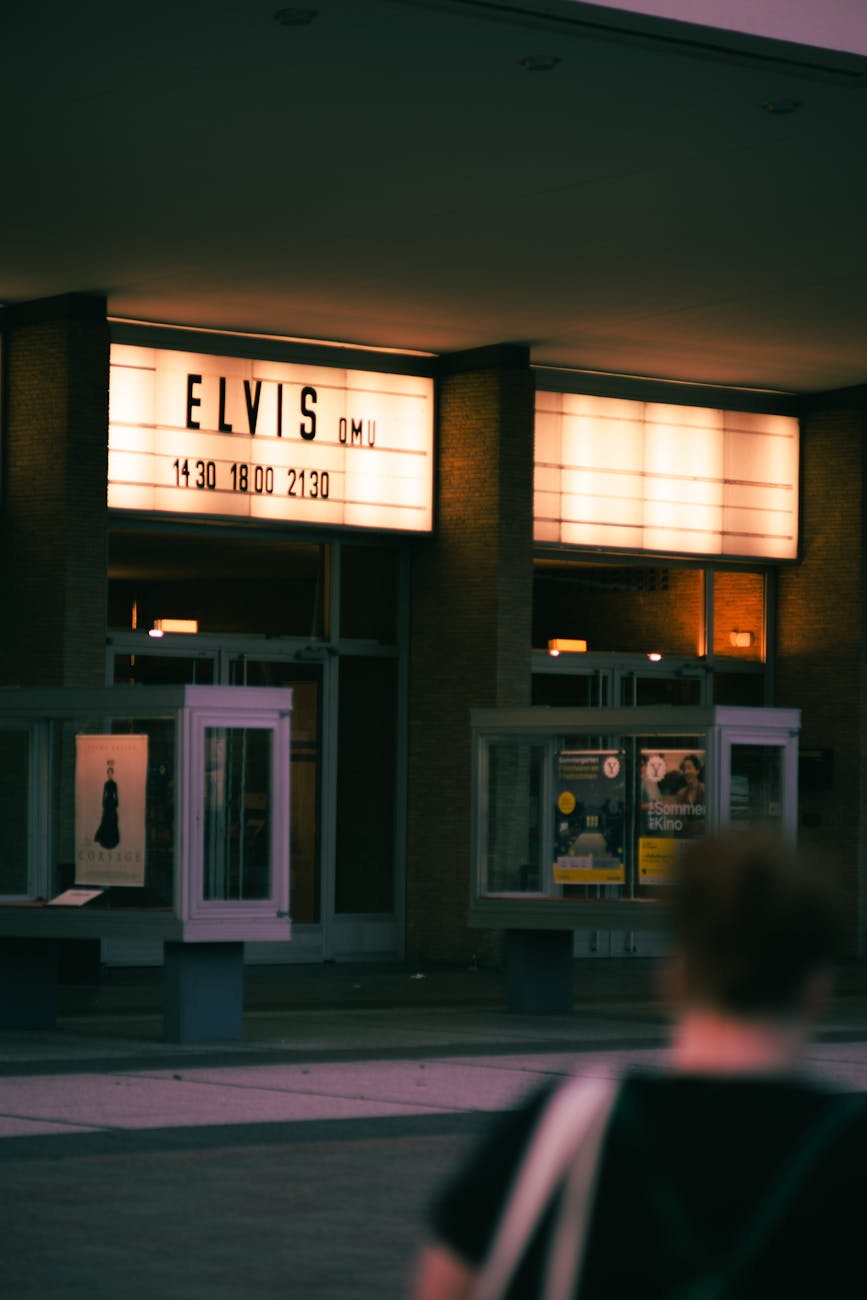
Photo by Paul Volkmer on Pexels.com

On August 16, 1977, the world stopped spinning — at least in Memphis, Tennessee. That was the day Elvis Presley, the King of Rock and Roll, was found unresponsive in the bathroom of Graceland. The global headlines mourned music’s greatest icon. Meanwhile, things were spinning out of control behind the scenes in the world of law enforcement. And not just in Memphis.

Most people don’t know that Elvis’s death caused a minor frenzy. It affected not just fans, but also federal and local law enforcement. This had everything to do with his name, his guns, and his bizarre honorary narcotics badge.

Let’s rewind.

In 1970, Elvis famously met with President Richard Nixon and requested a federal narcotics badge. He did not intend to arrest drug dealers, well, maybe a few. He believed it would grant him special privileges at airports. It would allow him to carry firearms across state lines without hassle. Nixon, eager to impress a celebrity during a slump in his popularity, gave him the badge. Elvis then began collecting honorary police badges from departments across the U.S., often in exchange for autographs, memorabilia, or a simple smile.

By the time of his death, Elvis had amassed over 100 badges. Some were real, others purely decorative, and a few were questionably obtained. The King had a well-known obsession with guns. He owned dozens of pistols and rifles. He even had a few military-grade toys. When the news of his death broke, more than one law enforcement agency quietly wondered. They asked themselves, ‘What did we give that man?’ And can we please get it back?

According to insiders at the time, several local departments began calling Graceland discreetly. They were hoping to retrieve various “loaned” badges and sidearms. One small-town sheriff reportedly said, 

“We didn’t think he’d actually keep the darn thing. It was supposed to be a photo op!”

Even the DEA got involved. They did not act out of malice. Elvis’s collection included a few federal items. These should have never technically left Washington. A flurry of quiet internal memos from late August 1977 hints at an almost comical scramble. They describe recovering government property from the estate of a man. This man had once offered to go undercover as a federal agent “to stop the hippie drug culture.”

This man had once offered to go undercover as a federal agent “to stop the hippie drug culture.”

Meanwhile, fans held candlelight vigils and bought up every Elvis album in sight. Law enforcement agents were busy inventorying his arsenal of firearms and badges. His collection would put most mid-size police departments to shame.

A deputy who had once met Elvis described the moment. They realized the full extent of the collection: 

“I walked into that room. I saw enough shiny shields to start a police academy.”

I half expected them to start talking.

Most of the badges were eventually returned. Some were documented as honorary. Yet, a few were mysteriously “lost to history.” They are reportedly still missing to this day. One turned up on eBay years later. This sparked a brief online turf war between Elvis fans and collectors of obscure police paraphernalia.

August 16, 1977, then, marks not just the day the King left the building. It was also the day law enforcement agencies across the country had a new challenge. They found themselves unexpectedly cleaning up behind him. They tried, with straight faces, to explain to their bosses. Why did Elvis Presley have more police gear than some SWAT teams?

The Broken and the Blessed: Understanding the Depth of Leonard Cohen’s Hallelujah

By Benjamin GroffMedia© | benandsteve.com | 2025 Truth Endures©

2–3 minutes

The True Meaning of Leonard Cohen’s Hallelujah

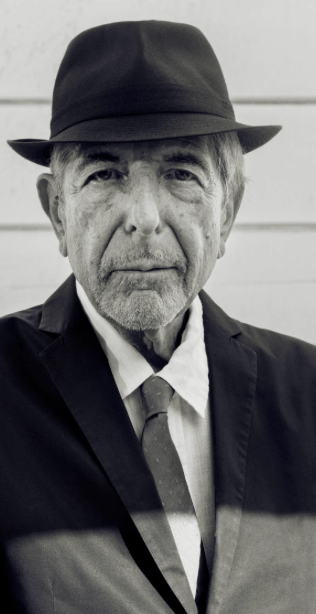
Leonard Cohen

Leonard Cohen’s Hallelujah has become one of the most widely recognized and performed songs in modern music history. It’s played at weddings, funerals, church services, and talent shows. But in all the repetition and repurposing, something essential has been lost.

Cohen never intended Hallelujah to be simply beautiful. He intended it to be rawComplexHuman.

The song is not a hymn of praise in the traditional sense. Instead, it’s a poem set to music, a confession wrapped in biblical language and erotic undertones. It’s about a man watching a woman undress from a rooftop. He watches not in an act of love, but of longing and helpless craving. He stands in his kitchen, overwhelmed and isolated. The “hallelujah” he utters is not holy—at least not in the religious sense. It is a broken hallelujah. It is born from the ache of wanting and not having. It is the result of touching something divine through deeply human hunger.

Cohen interweaves the sacred and the sensual because, for him, they were never far apart. Verses reference King DavidBathshebaSamson and Delilah—figures whose passions brought them into both ecstatic heights and tragic ruin. Cohen wanted to explore this contradiction. He wanted to understand how love, lust, faith, betrayal, and surrender all live side by side in the human soul.

“There’s a blaze of light in every word. It doesn’t matter which you heard. It could be the holy or the broken hallelujah.”

The tension in Hallelujah is not just between sacred and profane, but between understanding and mystery. Why do we feel what we feel? Why do we cry out “hallelujah” even when we are lost or ashamed?

Later in life, Cohen was said to feel some regret. He was unhappy over how the song had been turned into a feel-good anthem. It was stripped of its edge and stripped of its truth. Many of the popular covers—Jeff Buckley’s, John Cale’s, even k.d. lang’s—choose only a few of the verses, removing the darker or more explicitly sexual lines. What’s left is haunting, but incomplete.

Cohen reportedly wrote over 80 verses for Hallelujah. The versions we know today are fragments—reflections of reflections. But they carry within them that strange, shimmering truth: that pain and praise can live in the same breath.

In one interview, Cohen said:

“This world is full of conflicts and full of things that can’t be reconciled. But there are moments when we can… and the song ‘Hallelujah’ is about those moments.”

Those moments—the mingling of joy and sorrow, flesh and spirit, light and shadow—are what make Hallelujah more than a song. They make it a mirror.

We don’t all shout our hallelujahs from rooftops. Some of us whisper them from the corners of our kitchens, alone, longing, and unsure. But that doesn’t make them any less true.

That’s the Hallelujah Leonard Cohen wrote.

Learn About The Lady In Mickey Gilley’s Song – The Girls All Get Better At Closing Time.

‘I know Robert Redford, even Lola Hall…’

By Benjamin GroffMedia© | benandsteve.com | 2025 Truth Endures©

4–6 minutes

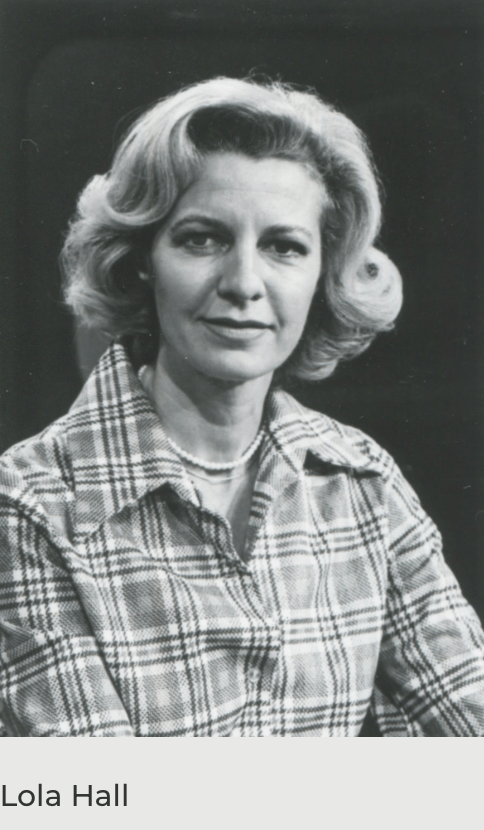
Lola Hall: Oklahoma’s Weather Girl Who Became a Legend

In the heart of America, television was becoming the central storyteller of the modern household. During this time, one woman in Oklahoma City quietly became a beloved figure. She was cherished across living rooms, farms, and small-town diners alike. Her name was Lola Hall, the poised and personable weather girl for KWTV Channel 9. Through the 1960s and 1970s, Lola transitioned from forecasting the weather. She began anchoring the morning news. She carved out a legacy of warmth, professionalism, and unexpected celebrity.

A Humble Start on Channel 9

Lola Hall wasn’t born into the limelight. She was raised in Oklahoma. She considered herself an ordinary woman. “I’m just a plain girl with a good work ethic,” she once said. She never imagined she would become a fixture in households across the state. She also didn’t foresee that her name would one day be immortalized in a hit country song.

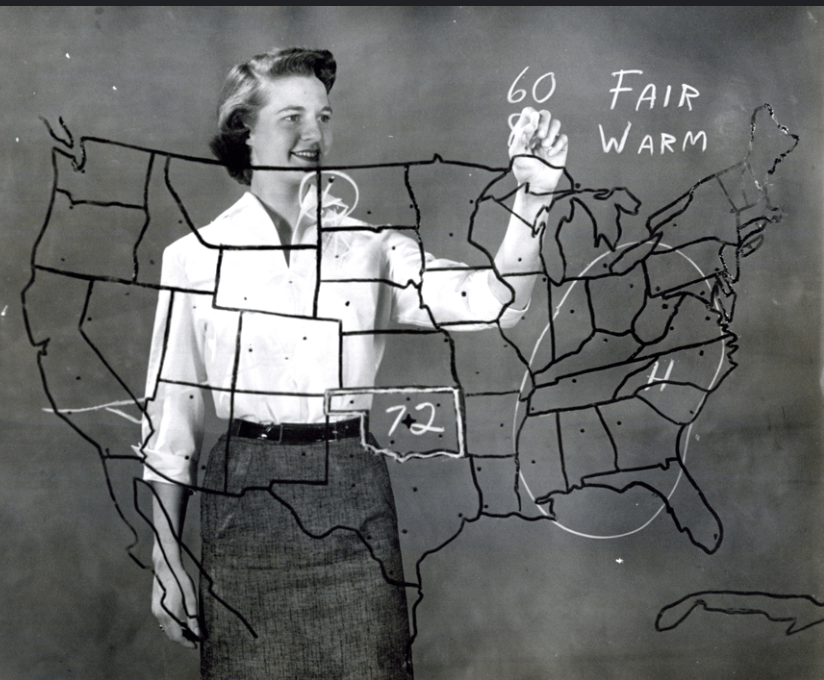
She started at KWTV in the early 1960s. Television was still finding its footing then. Local personalities were becoming stars in their own right. Initially billed as a “weather girl,” a common term at the time, Lola did more. She did more than point at cloud symbols and smile at the camera. She brought a genuine understanding of weather patterns. Her calm demeanor during storms was notable. She had a natural charisma that made viewers trust her.

The Weather Girl also known as the Weather Lady, and Lola Hall

Lola quickly stood out not only for her delivery but for her grounded, approachable nature. She didn’t talk down to viewers or play a character. She was simply Lola — smart, steady, and relatable.

Rising to Anchor the Morning News

As her popularity grew, so did her responsibilities. By the early 1970s, Lola earned a promotion to co-anchor the morning news. This was a significant achievement for a woman in broadcasting. In that early morning slot, she became the face viewers saw as they sipped coffee. People watched her while packing school lunches. They prepared for long days on the farm or at work.

Her calm voice and natural empathy helped set the tone for the day. But it wasn’t a solo act.

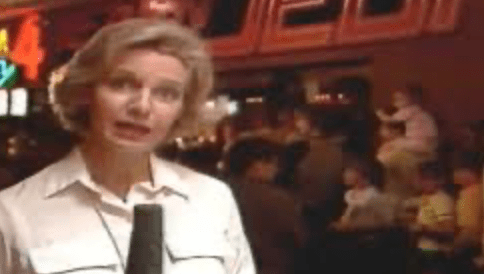
Near the end of her career, she welcomed two of Oklahoma’s most trusted newsmen. Bill Haire and Wayne Lyle joined her on the morning show. Both were widely respected for their skill in agricultural reporting — essential content for Oklahoma’s large farming population. The trio became a necessary part of daily life for rural viewers. Farmers tuned in for weather and headlines. They also relied on Bill and Wayne for dependable reports on crop forecasts. Their reports covered market conditions and farming trends.

Lola, Bill, and Wayne worked together to form an Oklahoma morning news trifecta. They delivered information with clarity, sincerity, and a deep respect for their audience. They weren’t just broadcasters; they were neighbors.

A Country Music Cameo

But, Lola’s story wouldn’t be finished without an interesting twist. One of her career’s most surprising moments was an unexpected brush with country music fame.

Lola Hall, KWTV Channel 9′s beloved weather girl and morning news anchor, pictured during a 1970s broadcast. Her calm presence and signature charm made her a household name across Oklahoma.

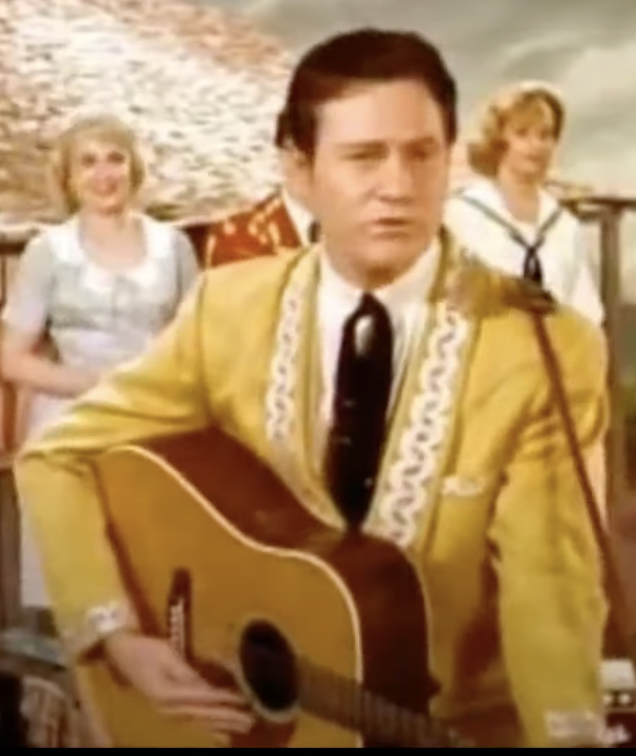
During an interview with country star Mickey Gilley, Lola found herself momentarily flustered. Gilley, known for chart-topping hits and honky-tonk swagger, was in Oklahoma City promoting his music when he confessed on air.

He told Lola that back in his younger days, he grew up in rural east Texas. KWTV Channel 9 was one of the few stations they could pick up. And Lola Hall, with her grace and good looks, was a celebrity to the local boys.

“You were the hottest thing we’d ever seen,” 

Gilley smiled, adding that Lola had made such an impression that he mentioned her by name in his song.

 “The Girls All Get Prettier at Closing Time.”

For a brief moment, Lola lost her composure — laughing, blushing, and turning to the crew off-camera. It was a rare crack in her usually calm exterior, and viewers loved it. She quickly recovered, continuing the interview with her usual charm, but later admitted she was shocked.

“I thought I was just the girl telling them to grab an umbrella,” 

She joked.

A Lasting Legacy

Lola Hall stepped away from the news desk eventually. She left behind a legacy built not on flash or fame. Instead, it was built on trust, relatability, and professionalism. During an era when women in broadcasting often had to work twice as hard, Lola rose through the ranks. Her long-lasting connection with viewers stood as a quiet revolution.

She may never have considered herself glamorous. She may not have thought of herself as remarkable. But, to thousands of Oklahomans—and at least one country legend—she was both.

You know it each time you hear the song and Gilley sings the line,

“I know Robert Redford even Lola Hall!”

Lola Hall wasn’t just the weather girl. She was part of the fabric of Oklahoma life. Her name, her voice, and her smile are still remembered by those who welcomed her into their homes each morning.

For a personal take on her career click here and be taken to an interview with Lola Hall!

To truly dive into the story of Lola Hall and other trailblazing women of the 1950s and ’60s, prepare yourself. They were often known then as “weather girls.” Grab your favorite refreshment and settle in. This captivating podcast offers a rich glimpse into their rise to popularity. Back in the day, we just called it a recording—but whatever the name, you’re in for something special.

The Legacy of Lefty Frizzell: Influencing Country Legends

By Benjamin GroffMedia© | benandsteve.com | 2025 Truth Endures©

1–2 minutes

“The Voice That Taught a Generation”

Lefty Frizell

In the summer of 1950, a determined young singer named Lefty Frizzell stood outside Jim Beck’s recording studio. He was in Dallas, Texas. He was ready to make his mark. At just 22, he had already weathered a storm of heartbreak, barroom gigs, and run-ins with the law. Lefty had slicked-back hair and a crooked grin. A battered guitar was slung over his shoulder. He aimed for more than just a break. He was pursuing his destiny.

William Orville Frizzell was born in Corsicana, Texas, in 1928. He earned the nickname “Lefty” as a boy. Stories about how he got the nickname vary, from a boxing match to being left-handed. What was undeniable, though, was his voice. Smooth, elastic, and full of feeling, it wrapped around words in a way that captivated everyone who heard it.

That day in Dallas, Lefty recorded a few songs. He included one he had penned during his time in jail, ‘If You’ve Got the Money (I’ve Got the Time).‘ Within a few weeks, Columbia Records released it, and just like that, Lefty was catapulted into stardom.

By the end of 1950, he had four songs in the country Top Ten—a feat unheard of at the time. His singing style was marked by stretched syllables and graceful phrasing. It would later profoundly influence legends like Merle Haggard, George Jones, and Willie Nelson. We are forever appreciative for this influence.

Yet fame came with a cost. Lefty struggled with alcohol and the pressures of the spotlight. Though his career saw ups and downs, his voice never lost its magic. Even before he died in 1975 at the age of 47, he would sing for country artists. They would still gather around to hear him. They wanted to remember the man who changed the sound of country music forever.

Merle Haggard once said, 

“I can’t think of anyone who has influenced me more.”

Lefty Frizzell didn’t just sing songs—he bent time with his voice and taught a generation how to feel every word.

The Legend of Bick Bickerstaff: Ticketing Liberace in Oklahoma

Benjamin GroffMedia© | benandsteve.com | 2025 Truth Endures©

3–4 minutes

The Man Who Wrote Liberace a Speeding Ticket

Lloyd Joe “BICK” Bickerstaff

When I was young, I had the privilege of working alongside some genuinely seasoned police officers. These were men who had been in the profession for decades. They carried with them a wealth of stories and experience. One of the most unforgettable among them was my Captain, Loyd “Bick” Bickerstaff.

Captain Bickerstaff was the first person I met when I interviewed for the job. He pulled for me to get hired, though I never quite knew why. Maybe he saw himself in me. He was around sixty when we met. At the time, I didn’t know much about his background. I quickly learned through stories from others that he was a legend in Oklahoma law enforcement.

Officers came from various places. If they stopped by our agency, they either knew Bickerstaff or had heard of him. He had that reputation. And if he happened to be off-duty during their visit, they left visibly disappointed.

I remember one particular day when I was on desk duty. A reporter from Time-Life came in. He said he was working on a piece about Route 66. He asked if he could interview Captain Bickerstaff. I told him to wait while I went to get the Captain.

Now, Bick wasn’t the type to jump at the chance to talk to the press—unless he had something to say. But when I mentioned a Time-Life reporter was here to see him, he promptly came out into the booking lobby and, in classic Bick fashion, boomed:

“I bet you want to ask me about that son of a bitch I wrote a ticket to back in the 1950s!”

At that moment, I thought, Well, this will be a PR nightmare. But to my surprise, he and the reporter hit it off. They wandered around the station talking and laughing. They even went outside. The photographer snapped pictures of Bick behind the wheel of a patrol car.

Maybe this won’t turn out so bad after all, I thought.

Still, I couldn’t help but wonder. What kind of ticket did someone get back in the ’50s? It still had reporters chasing the story.

When Bick returned, he shook the reporter’s hand, sent him off, and then strolled back to where I was working.

“I can tell your brain’s buzzing,” he said with a grin. “You want to know what that was all about?”

I nodded.

“Yeah, I’d say so. Stuff like this doesn’t happen every day.”

And so he told me.

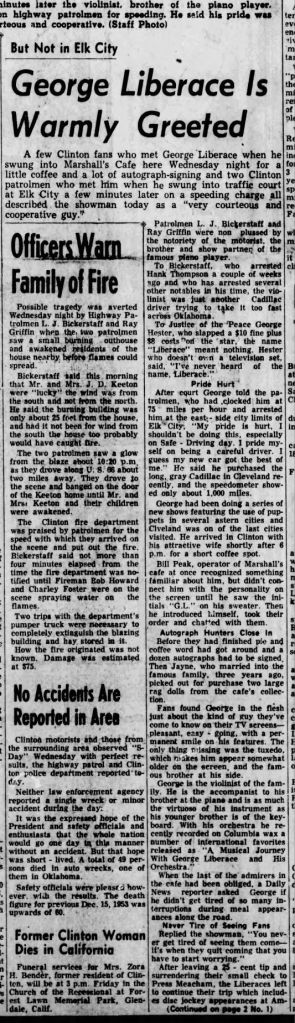
In the 1950s, Bick was a trooper with the Oklahoma Highway Patrol. In those early days, he patrolled on a motorcycle. One night, near Elk City, Oklahoma, a flashy car with California plates sped by him on Old 66. It was doing over 75 miles per hour or more.

He took off after it and got the car pulled over. It was late, and as he walked up to the driver’s window, the man inside said:

“Surely, you’re not going to write me a ticket. Don’t you know who I am?”

To which Bick famously replied:

“I don’t care if you’re Liberace—you’re driving like a bat out of hell. Yes, I’m writing you a ticket!”

And as it turned out, it was a Liberace. Liberace’s Brother George!

Bick wrote the ticket anyway. George Liberace followed Bick to the courthouse, paid it on the spot, and went on his way.

A few weeks later, Bick’s supervisor got a call from one of Liberace’s agents. They wanted to fly Bick to Hollywood to be on The Liberace Show. They thought it would be significant: the highway patrolman who dared to ticket a star. Bick said he couldn’t say no. The department thought it was good publicity, and it was.

Years later, people still talk about it. Unknowingly, I worked with the man who once wrote Liberace’s brother a speeding ticket. Bick told me –––


“Liberace brought me out on stage. He announced that I was the highway patrolman who wrote his Brother George a speeding ticket!”

A Life of Humility: The Story of Wayne Handy

Benjamin GroffMedia© | benandsteve.com | 2025 Truth Endures©

3–4 minutes

In Memory of Wayne Jackson, Handy ––– The Unlikely Rock and Roller

Wayne Handy

Wayne Jackson Handy was a man whose velvet voice once crooned over the airwaves of American Bandstand. His voice later soothed those navigating the mortgage banking world. He passed away peacefully on April 1, 2025, at 89. Wayne started from humble beginnings on a farm in Eden, North Carolina. He then moved on to the dazzling lights of 1950s television. Later, he found the quiet steadiness of a career in finance. Wayne lived an entire and remarkable life. It was defined not by fame or fortune but by kindness, creativity, and unwavering devotion to his family.

Wayne’s love and commitment to his family were unwavering. The youngest of five children, Wayne was born in Eden and raised helping his parents in the fields. He graduated from Reidsville High School in 1953. Two years later, he married the love of his life, Marjorie Louise Smith of Cassville. He charmed her at a local baseball game. This was a story he told with a twinkle in his eye. His smile hinted at the hopeless romantic within. Their marriage endured over six decades. It was a bond marked by deep affection and laughter. Their steadfast partnership lasted until Marjorie’s passing in 2018.

Wayne’s musical talent was a source of inspiration for many. His velvet-smooth voice and playful way with melody, often accompanied by his ukulele, were a joy to behold. In 1957, his passion for music led him to a national stage. He performed on American Bandstand. He shared the screen with some of rock and roll’s earliest stars there. His brush with fame was brief. Yet, it left a glimmer of rockabilly stardust. This touch of stardust was on a life otherwise grounded in humility and grace.

After enlisting in the U.S. Army in 1958, Wayne served two years in Alaska as a field radio operator. Upon returning home, he pursued higher education. He studied business at North Carolina State University and the University of North Carolina at Chapel Hill. He graduated in 1962. His career in mortgage banking took him and his family across the Southeast. They even moved to Utah. His career eventually culminated in his time with Carolina Bank in Greensboro. He worked there until his retirement in the mid-2000s.

In every chapter of his life, Wayne’s character remained consistent: humble, gracious, patient, meticulous, and quietly dignified. He gave generously of himself, donating blood regularly and ringing the Salvation Army bell during the holidays. He was profoundly artistic and playfully inventive. His children celebrated him for his affectionate nicknames. Adults also appreciated his funny songs, silly voices, and irrepressible sense of the absurd.

Despite his many accomplishments, Wayne’s humility was a defining trait. He was never one to boast. He preferred to show love through small, steady acts. This included a freshly repaired item. It was a perfectly stacked rock wall, a gentle word, or a slow walk in the evening light. He was a natural storyteller. He was a dapper dresser. His gentle Southern accent and kind eyes conveyed a rare and genuine warmth.

He is remembered with love and admiration. His children include Christopher Handy, Jeff Handy, and Meredith Brunel (Richard). His grandchildren include Louise, Henri, Carlene, Charlotte, Erendira, and Matthew. He is also remembered by his great-grandchildren. Wayne was predeceased by his beloved wife, Marjorie, with whom he now reunites in eternal peace.

A graveside gathering and inurnment of ashes will occur at Bethesda Presbyterian Church in Ruffin. The date is yet to be announced.

Wayne Handy lived with a quiet brilliance. He was a rock and roller by surprise, a banker by choice, and a gentleman by nature. His life reminds us that grace, humor, love, and a good melody can carry us further than fame ever could.

Rest well, Wayne. You sang your song, walked your path, and left the world a gentler place.

A Personal Journey Through America’s Must-See Cities

GROFF MEDIA 2024© TRUTH ENDURES IMDBPRO

Presented by benandsteve.com By: Benjamin Groff II©s

3–4 minutes

A Few Of The Places I’ve Been

Photo by Rajiv Krishnan on Pexels.com

A few places I’ve been are not just locations on a map. They are experiences, sensations, and moments that can’t be conveyed simply through words or photographs. You would have to have been there to understand.

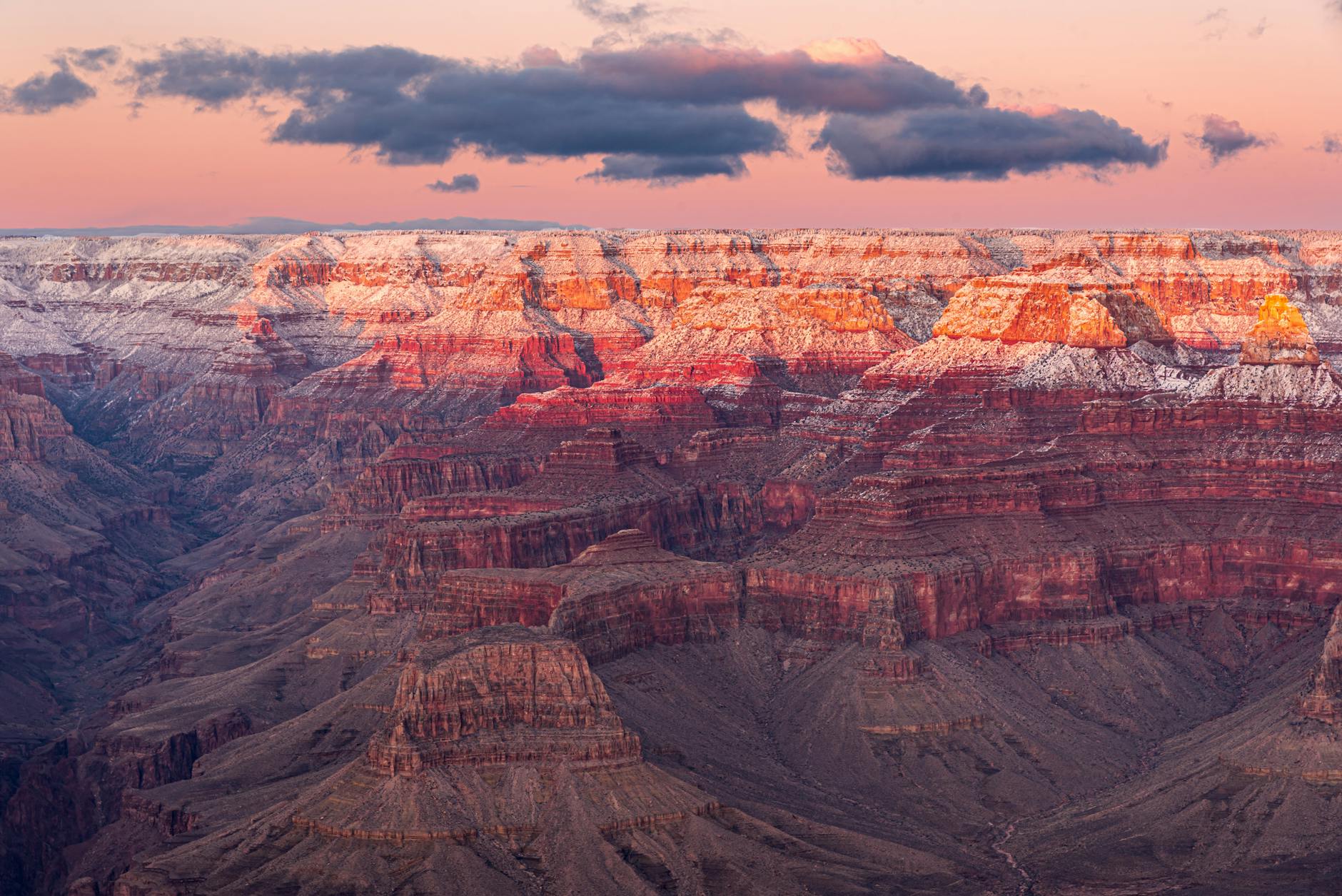
Take the Grand Canyon, for example. No photo can capture its overwhelming vastness. Standing on its rim, you stare into the depths of time carved into the earth. The wind carries whispers from a million years ago, and the sun paints ever-changing shadows along the canyon walls. To see a picture is to miss how the air smells. You miss how the silence hums. Your perspective on life shifts when faced with something so immense, leaving you in awe of nature’s grandeur.

Groff Media

Washington, D.C., is another place to experience and be understood. Walking among its monuments and institutions is like stepping into a living history book. The weight of past decisions and the ongoing creation of history are tangible. You stand where the nation’s most influential figures have walked. It fills you with a profound connection to the past. It also connects you to the current time. It makes you feel like a part of history.

Groff Media

Then resort cities like Palm Springs, California, Tampa, Florida, and Las Vegas, Nevada. Each city offers a unique atmosphere that cannot be fully captured without being there.

Palm Springs feels like a cinematic escape. It is where you can brush shoulders with a movie star. You will find yourself surrounded by towering mountains on one side. There is an endless sea of wind turbines on the other. It’s all swimming pools, sunshine, and Hollywood glamour between the two. It makes you feel like you’ve stepped into the pages of a luxury magazine.

Tampa, Florida, has its distinct charm. The old cigar district, Ybor City, takes you back in time with its historic brick streets and family-owned restaurants. It offers an eclectic mix of tattoo parlors, jewelry shops, and late-night clubs. Just a short drive away, the sun-drenched beaches of St. Pete offer the perfect contrast—soft sand, rolling waves, and the scent of saltwater in the air.

Fremont Street
Groff Media “A Night On The Town”

Las Vegas is a city of dual identities. The Strip dazzles with its colossal casinos, neon lights, and grand-scale entertainment, a modern marvel of excess and spectacle. But downtown, the Fremont Street Experience transports you to old Vegas. Here, the first hotels still stand beneath a digital canopy of flashing lights synchronized to music. Street performers, quirky shops, and hidden gems make it an adventure.

Salt Lake City, Utah, left an impression on me not just for its skyline but for its architecture. The intricate designs of its buildings make the city itself a work of art. The influence of the Mormon faith is woven into nearly every aspect of its layout and culture. This influence gives the town a sense of unity and purpose. It is both fascinating and humbling.

Oklahoma
Oklahoma’s Last House Standing Groff Media

And then, there’s Oklahoma and Kansas—where the wind is an ever-constant force, shaping the land and the people. A 40-mph breeze is just another Tuesday, with gusts often reaching 70 mph. Tornadoes and earthquakes occur sometimes at the same time. Many people think Interstate 40 and Interstate 35 are the most significant things to come out of those states. These highways offer an escape route from the relentless winds sweeping across the plains.

Each of these places has left an imprint on me. It’s not just because of what they look like. It’s also because of what they feel like. And no matter how well I describe them, you’ll never truly know unless you’ve been there yourself.

Lessons from Gene Hackman’s Powerful Characters

GROFF MEDIA 2024© TRUTH ENDURES IMDBPRO

Presented by benandsteve.com By: Benjamin Groff II©s

2–3 minutes

Late-Night Lessons with Gene Hackman

Staying up late on a Saturday night was a rare privilege. My parents were strict about bedtime but sometimes let me stretch the rules on weekends. That night, I curled up on the living room carpet, my chin propped up on my hands. I stared wide-eyed at the glow of our old television. The movie was Bonnie and Clyde, and it was my first time seeing Gene Hackman.

Left – Gene Hackman as Buck Barrow. Right – Warren Beatty as Clyde.

He portrayed Buck Barrow, Clyde’s older brother—loud, reckless, and desperate. His movements and voice, cracked with both joy and fear, captivated me. He wasn’t just a character. He was a man caught between love and loyalty. He wavered between the thrill of rebellion and the weight of consequence. Despite the inevitable doom of the Barrow gang, Buck was more than a criminal. He was a flawed person yet strangely likable.

The film stuck with me. It made me wonder where the line between right and wrong sits. Was it drawn in law books or people’s choices when they had no good options? I didn’t have answers, but I knew I wanted to understand.

Right – Nathan Lane. Left – Gene Hackman

Years later, another late-night movie changed something in me. This time, I was older—long out of high school, I think—and the film was The Birdcage. The movie is a comedy about a gay couple who pretend to be straight for a conservative family. It challenged societal norms and expectations. I hadn’t planned to watch it but was hooked when I saw Robin Williams and Nathan Lane. 

And then there he was again. Gene Hackman appeared this time as a conservative senator. He was trapped in the most absurd, hilarious, and strangely heartfelt situation.

I watched him stumble through a world he didn’t understand, forced to confront something outside his comfort zone. His discomfort was funny. Beneath it, there was something tangible. He clung to the rules he’d built his life around. He struggled with the idea that maybe, just maybe, he was wrong.

By the time the credits rolled, a profound shift had occurred within me. Bonnie and Clyde sparked my curiosity about the limits of the law—who writes the rules, follows them, and breaks them? The Birdcage had prompted a more personal question. It asked who I was and whether I dared live outside the expectations of others. These films, through the characters portrayed by Gene Hackman, ignited a journey of self-discovery and reflection.

In those movies, Gene Hackman embodied two distinct characters. Buck Barrow laughed in the face of fate, and Senator Keeley was trapped in his rigid beliefs. Yet, in both roles, he was undeniably human—flawed, confused, and trying. His characters were not just roles but mirrors reflecting the complexities of the human condition.

And maybe so was I.

Childhood Memories and Roberta Flack’s Influence

GROFF MEDIA 2024© TRUTH ENDURES IMDBPRO

Presented by benandsteve.com By: Benjamin Groff II©s

2–3 minutes

The First Time I Ever Saw Your Face, It Was Killing Me Softly

I was between six and eight years old. That was the first time I heard The First Time I Saw Your Face. I also heard Killing Me Softly with His Song for the first time then. My oldest sister, Julie, adored those songs. She was taking piano lessons at that time. She often attempted to play them. Her fingers hesitantly found their way across the keys.

I still remember the old upright piano my parents got for her from a family friend. It was massive and heavy as a full-grown ox. My brothers struggled to carry it to the front wall of our living room. That’s where it stayed for years. Some of the keys stuck, while others refused to make a sound. But a piano tuner visited us. Afterward, the old instrument came to life. It was ready to echo through the house with Julie’s music.

Those long summer days when school was out were filled with Roberta Flack’s voice drifting through our home. Julie played her albums endlessly, the lyrics weaving into my young mind. I remember watching Play Misty for Me. It was my first real brush with suspense. I was more worried about Roberta Flack than I was about Clint Eastwood’s character. My parents had to reassure me that it was just a movie and that no one was in danger.

The First Time I Saw Your Face became inseparable from that film in my memory. In the same way, Killing Me Softly with His Song later found its way into About a Boy. I saw that one at the old Caddo Theater on Main Street in Binger, Oklahoma. My parents never let Julie go to the movies alone, so I was always sent as her reluctant chaperon. At the time, I was too small to protect her from anything. Still, I suppose my presence was enough to keep her out of trouble. At least that’s what my parents hoped.

All these years later, those songs still surface in my mind, uninvited but always welcome. They sneak in when I try to fall asleep while studying and when I need to concentrate. They echo my childhood memories. They replay in the corners of my mind. They are tethered to the days when Julie sat at that old upright piano. She tried to master the melodies.

And for that, I owe it all to Roberta Flack. Shall she rest in peace.

Vern Gosdin’s Legendary Blizzard Concert Experience

GROFF MEDIA 2024© TRUTH ENDURES IMDBPRO

Presented by benandsteve.com By: Benjamin Groff II©s

3–5 minutes

The Night Vern Gosdin Played for Twenty

Harry had worn many hats in his life. One of his most memorable roles was as a news director. He also served as an operations manager at a radio station in the lower Great Plains. His job included ensuring that touring musicians arrived at their venues without issue. He also ensured that their shows went off without a hitch.

Artists like Dan Seals, Davis Daniel, and Vern Gosdin have passed through the area over the years. They brought country music to fans eager to taste Nashville. But one night in particular stood out—the night Vern Gosdin played for twenty.

Gosdin, known as “The Voice,” was a country music legend. His pedigree included stints with the Golden State Boys, The Byrds, and collaborations with George Jones. He had a rich, smooth baritone. It gave life to timeless hits like Set’ Em Up Joe. He also brought If You’re Gonna Do Me Wrong, Do It Right to life. Another classic was Chiseled in Stone. Fans were eager to see him live. He was scheduled to sing at a local college auditorium and field house. This event was set for one Saturday night in January.

On Friday, Harry arrived at the venue to oversee the setup. Everything was in place—sound, lighting, seating—and aligned with the band’s requirements. The only concern was the weather. Forecasts hinted at snow, but the storm was expected to stay north of the region. Gosdin’s tour bus had pulled in behind the venue by noon on Saturday. The final checks were made, and everything looked good to go.

Then, the storm took a turn.

By late afternoon, the sky darkened, and the wind began howling. Within hours, blizzard-like conditions descended on the area, dumping nearly a foot of snow. Whiteout conditions made travel treacherous. The state highway department issued warnings urging motorists to stay off the roads unless it was an emergency.

By showtime, only twenty dedicated souls had managed to reach the venue. The sold-out crowd was nowhere to be seen, trapped by the snow. Their decision to be there showed strong dedication. They braved treacherous conditions as a testament to their love for Vern Gosdin and his music.

Despite the dismal turnout, Vern Gosdin and his band took the stage as if playing to a packed house. Gosdin stepped to the microphone, wore a warm smile, and said, –––

“We made it. For those of you here, we will play!”

The Voice filled the nearly empty hall with his opening number. He sang “I’m Gonna Be Moving,” a gospel tune. It resonated with many of his fans. He followed with “I Can Tell By the Way You Dance.” The concert became extraordinary from that moment on.

The crew saw rows of empty seats. They decided to clear a space near the stage, which was turned into a dance floor. The twenty die-hard fans swayed, twirled, and laughed as Gosdin played every song from his setlist. It was no longer just a concert but an intimate, once-in-a-lifetime experience, a privilege they can claim. Between songs, Gosdin and the band chatted with the audience, taking requests and sharing stories.

The small but mighty crowd erupted into cheers when he played his final song and left the stage. Their enthusiasm filled the hall, and they refused to let the night end.

A minute later, Gosdin and his band returned.

He picked up his guitar for his encore and grinned at his audience. He broke into I’m Moving On. Then, he followed with That Just About Does It. The twenty lucky souls in attendance soaked up every note, knowing they were part of something special.

Outside, more than fifteen inches of snow had blanketed the town. The roads were treacherous, but Gosdin’s bus driver was determined to push ahead. He asked Harry to lead them to the highway, where they would inch their way north. Harry agreed, and with the radio station’s car guiding the way, the tour bus crept through the snow-covered streets.

After twenty miles, the highway finally began to clear. As the bus picked up speed, the driver gave a long honk. It was a final thanks to Harry for helping them through the storm. It was also for an unforgettable night on the Great Plains.

The twenty who braved the blizzard that night in Goodwell, Oklahoma, gained more than a concert experience. They had seen a legend up close. It was a personal meeting in a performance that would be talked about for years to come. The memories of that night, the laughter, and the music will stay with them forever. The sense of community was also unforgettable. This is a testament to the enduring power of live music.

The Evolution of Fun: From Classic TV to Modern Joys

GROFF MEDIA 2024© TRUTH ENDURES IMDBPRO

Presented by benandsteve.com By: Benjamin Groff II©

2–4 minutes

GOOD TIMES REMEMBERED

Crosby & Hope

For many, the good times meant youth spent without barriers. Kids rode bicycles freely around town or through the countryside. They explored wherever curiosity led. They just had to be home before dark or by 10 p.m. It was when running to a friend’s house, unannounced was safe. It felt just as natural for them to show up at yours. We all cherish that time of freedom and spontaneity.


Your version of the good times began when you got first place as a young adult. You also got hooked up to cable television. Gone were the days of only three channels. Now, there were forty or more. Channels like MTV, HBO, and SHOWTIME offered endless entertainment. Some kept their televisions locked on MTV 24/7, not wanting to miss the latest music video premiere. The phrase “I want my MTV” wasn’t just a slogan; it was a way of life.


Icons like Downtown Julie Brown, Max Headroom, Randy of the Redwoods, and JJ Jackson became daily companions. They guided audiences through interviews and music video countdowns. These shows entertained us and shaped our memories, creating connection and nostalgia.


Yet, while MTV rocked for many, others fondly recall Saturday mornings. They spent time with classic cartoon characters. They watched Bugs Bunny, Elmer Fudd, Daffy Duck, and Yosemite Sam. Or they enjoyed Speedy Gonzales, the Flintstones, or the Jetsons. These beloved characters live on today, often appearing in rebranded forms and often in commercials that spark nostalgia.


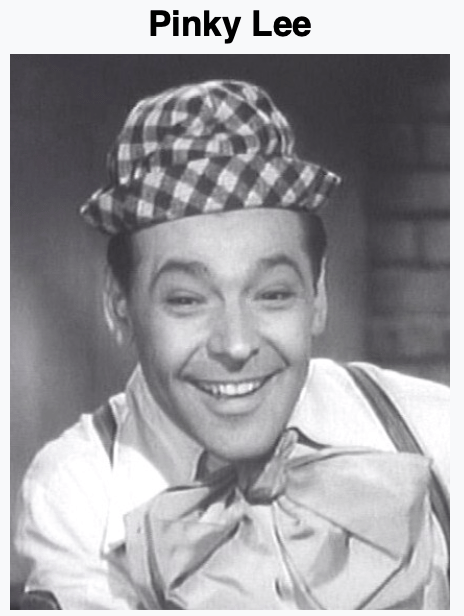
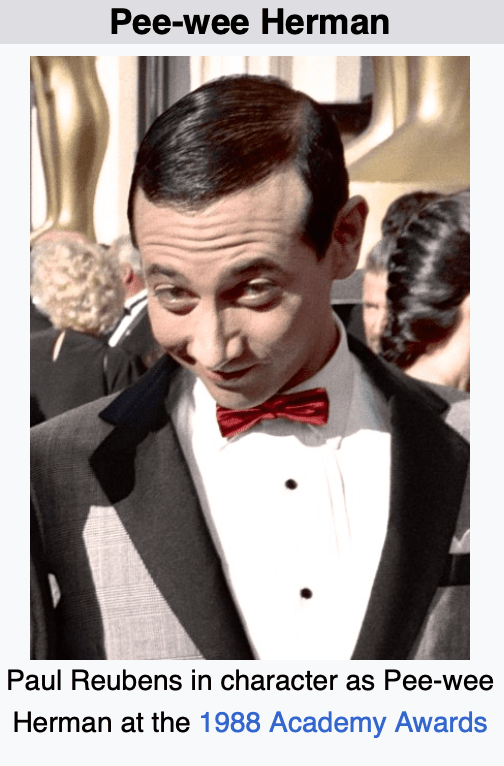
For earlier and later generations, laughter came from entertainers like Pinky Lee or Pee-wee Herman. In the 1950s, Pinky Lee brought his lively antics to television. He appeared first in a primetime variety show. Later, he starred in a children’s program sponsored by Tootsie Roll. His Emmy-nominated show paved the way for future quirky entertainers. Pee-wee Herman was one of them. His distinctive gray Glen plaid suit, red bow tie, and eccentric persona owed much to Lee’s energetic style.


Beyond television, the good times existed in life’s simple pleasures. One was the crackle of a baseball game on the radio during a warm summer evening. Another was the scent of fresh popcorn at a drive-in theater. The excitement of getting that first car was thrilling. Sheer will and a little duct tape held it together.


For some, the best times were spent playing Pac-Man and Donkey Kong in arcade halls. They also glided across the roller rink beneath spinning disco lights. Others made mixtapes from the radio. They hoped the DJ wouldn’t talk over the intro of a favorite song. Others remember cruising on a Saturday night, windows down, music blasting, with no destination—just the pure joy of freedom.
The good times were about more than the entertainment we consumed. They were about the people we shared them with. Families gathered around holiday meals. Friends packed into a car for a spur-of-the-moment road trip. Conversations under a star-filled sky became treasured late-night memories.


Each generation has its version of the good times. These moments shape us and leave lasting impressions. They bring smiles long after they’ve passed. No matter what era you look back on, one thing is sure. The good times do not last forever. But they always roll on in our hearts. They create a sense of continuity and belonging.

What is your favorite best-of-times recollection?

Robert Machray-May 4, 1945 – Jan. 12, 2025

GROFF MEDIA 2024© TRUTH ENDURES IMDBPRO

Presented by benandsteve.com By: Benjamin Groff II©

2–3 minutes

Obituary: Robert Machray––– May 4, 1945 – January 12, 2025

Robert Machray IMDb

Robert Machray (Ward) was a talented and versatile stage and television actor. He passed away on January 12, 2025, in Los Angeles, California. He was 79 years old. Many remember him for his memorable role as Fire Marshal Captain Dobbins in the iconic sitcom Cheers. Machray left an indelible mark on the world of entertainment. His career spanned more than three decades.

Born in San Diego, California, on May 4, 1945, Machray displayed a passion for performing arts from a young age. He pursued a vibrant stage career. He brought characters to life in major productions at Shakespeare festivals. Esteemed venues like the Los Angeles Civic Light Opera, Hartford Stage, and Playwrights Horizons hosted these performances. His dedication to the craft of acting earned him respect and admiration in the theatrical community.

In 1977, Machray transitioned to film and television, debuting in the television film Panic in Echo Park. He quickly gained recognition for his comedic timing and adaptability, leading to roles in series like Operation Petticoat. Over the years, he became a familiar face on many popular programs. These included Roseanne, Life Goes On, The Drew Carey Show, Suddenly Susan, Profiler, and Three’s Company. His film credits include Cutting Class, where he portrayed Mr. Conklin and The Master of Disguise.

Machray’s career highlights included a summer stage production of My Fair Lady in 1983. This production showcased his vocal talents. It also highlighted his theatrical talents. In his later years, he delighted audiences with a guest appearance in the beloved satirical sitcom Parks and Recreation. He retired in 2011 after a fulfilling and impactful career.

Outside of his professional achievements, Machray was known for his wit, kindness, and love of storytelling. He cherished time spent with friends and family, often sharing humorous anecdotes from his life in the entertainment industry.

Robert Machray (Ward) is survived by his extended family. A wide circle of friends and colleagues will remember him fondly. They cherish his warmth, talent, and enduring contributions to the arts.

Instead of flowers, the family asks for donations. Please contribute to organizations supporting aspiring actors and artists. This honors Robert’s lifelong dedication to nurturing creativity and performance.

A private memorial service will be held in Los Angeles to celebrate his life and legacy.

The Island of No Return

GROFF MEDIA 2024© TRUTH ENDURES IMDBPRO

Presented by benandsteve.com By: Benjamin Groff II©

3–4 minutes

Three men sat at the edge of a dock. Each was worn down by the ceaseless hum of modern life. Their gazes were fixed on a small, uninhabited island that shimmered in the midday sun. A mile off the coast, the island was lush with palm trees, surrounded by crystal-clear water, and untouched by civilization. It was perfect, a blank canvas for a life free from the chaos they had come to despise.

The trio’s leader, Warren, a former corporate executive, was the mastermind behind the escape. To buy the island, he’d sold everything—his penthouse, yacht, and stock portfolio.

“Gentlemen,”

he said, gesturing at the island,

“we’re about to start over. No emails, no alarms, no societal nonsense. Just us and the land.”

Tom, a rugged carpenter with calloused hands, nodded.

“I’ll build us the finest cabins you’ve ever seen. Give me trees and tools, and we’ll have a paradise.”

The third man, Elliott, a quiet botanist, adjusted his glasses and smiled faintly.

“And I’ll make sure we know which plants are safe to eat. Nature will supply for us if we respect it.”

They packed their small boat with essentials: tools, seeds, books, and fishing gear. They agreed to leave their phones behind, cutting ties with the rest of the world. “Once we’re there,” Warren declared, “there’s no turning back.”

Arrival

The island greeted them with pristine beaches and a dense jungle that hummed with life. They worked tirelessly in the first weeks. Tom constructed three sturdy cabins near the shoreline. Warren rigged up a rudimentary system for collecting rainwater. Elliott explored the interior, cataloging edible plants and marking trails.

At night, they sat by a fire, listening to the waves and reveling in the simplicity of their new existence.

“This is freedom,”

Warren said one evening.

“We’ve escaped the madness.”

But as the weeks turned to months, cracks began to form in their idyllic retreat.

Isolation

Elliott was the first to show signs of unease.

“The flora here is fascinating,”

he said one night, staring at the fire,

“but I miss my research. Sharing discoveries with others… it gave my work purpose.”

Tom, who had poured his energy into the building, grew restless after the cabins were completed. 

“There’s only so much wood to chop, so many things to fix. I feel… stagnant.”

Warren dismissed their concerns.

“We didn’t come here for purpose or projects. We came to live. You’ve forgotten why we left.”

But Warren, too, struggled. He’d envisioned a utopia, a life stripped of complications, but the endless quiet gnawed at him. Without the structure of his old life, he felt adrift.

The Turning Point

One stormy night, a ship appeared on the horizon. Its lights pierced the darkness, a beacon of their forsaken world.

“Do we signal it?”

Tom asked, his voice wavering.

Warren’s face hardened.

“No. We agreed: no contact.”

Elliott hesitated.

“What if they’re in trouble? Or what if… what if we are?”

The men argued for hours as the storm raged. Ultimately, they let the ship pass without making contact. But the moment lingered, a reminder of the life they’d left behind—and the choice they’d made to stay.

Conclusion

In time, the men adapted. They found a rhythm in the island’s isolation, but each carried a quiet longing for the world they’d abandoned. They didn’t regret their choice, but they understood it now for what it was: a trade, not an escape.

Years later, the island was still theirs, but they were no longer the same men who had arrived. They had built a new life, not without struggles or sacrifices, but one that was undeniably theirs.

They never saw another ship. They often looked out at the horizon. They wondered what have been if they’d signaled that one stormy night.

The Little Puppy That Was Capable To Do What Others Said Thought He Couldn’t

Groff Media 2024© Truth Endures IMDbPro

Presented by benandsteve.com By: Benjamin Groff II©

2–3 minutes

A small town was nestled by rolling hills and surrounded by fields of wildflowers. In it, there lived a scrappy little puppy named Patches. He was a mix of this and that, with one ear that stood up and the other that flopped down. Patches was small for his age. But, he had something that set him apart. He leaped higher than any dog anyone had ever seen.

At first, no one noticed Patches’ gift. He spent his days chasing butterflies and rolling in the grass like any other puppy. It was a sunny afternoon. The town’s children were setting up a lemonade stand. A gust of wind came through and carried their banner high into the branches of an old oak tree.

“Oh no!”

“How will anyone know about our lemonade?”

Cried Emily, the youngest of the children.

Patches, who had been snoozing nearby, perked up. He tilted his head, wagged his tail, and, without hesitation, bounded toward the tree. He made a mighty leap and soared through the air. He snatched the banner in his teeth. Then, he landed gracefully on the ground.

The children cheered.

“Patches saved the day!”

From that moment on, Patches became the town’s little hero. Patches fetched lost kites from rooftops. He rescued baby birds from precarious ledges. Simply bringing smiles with his high-flying antics was enough to prove his worth. Patches proved that being small didn’t mean you couldn’t do big things.

One day, during the annual Harvest Festival, a gust of wind toppled the mayor’s prized pumpkin from the display podium. The enormous gourd rolled straight toward a table of pies, threatening to ruin the event. The crowd gasped.

Without a moment’s hesitation, Patches darted into action. He landed on the pumpkin with a mighty leap, planting his tiny paws firmly to slow its roll. The pumpkin came to a stop just inches from the table. The crowd erupted into applause, and the mayor declared Patches the town’s official mascot.

From then on, Patches wore a little red cape stitched by Emily’s grandmother. Wherever he went, he reminded everyone that sometimes, the smallest among us can do the most extraordinary things.

Jimmy Carter: The Country Music President

Groff Media 2024© Truth Endures IMDbPro

Presented by benandsteve.com By: Benjamin Groff II©

2–3 minutes

The year was 1977, and Jimmy Carter had just taken the oath of office. A peanut farmer from Georgia, he brought a unique sensibility rooted in his Southern upbringing and a deep love for American culture, particularly country music. This unique combination of his Southern roots and his love for country music not only shaped his personal life but also influenced his presidency, allowing him to connect with the struggles and joys of everyday Americans.

Waylon Jennings Family

When he stepped into the White House, Carter made it clear that the arts, especially music, would have a place of honor in his administration. He often reminisced about listening to gospel and country music on the family radio back in Plains, Georgia, where the soulful twang of artists like Hank Williams and the Carter Family resonated with the struggles and joys of everyday Americans, a sentiment he deeply shared.

One evening, during a White House dinner, Carter invited Willie Nelson to perform on the South Lawn. The night was balmy, and as the country star strummed his guitar under a canopy of stars, Carter took the opportunity to speak.

White House Photo – Carter Library

“Country music,” he said, “is the heart and soul of America. It tells the story of our struggles, faith, and hope.”

Carter’s admiration wasn’t just lip service. He actively promoted the genre, ensuring it received the recognition it deserved as an integral part of American culture. He invited artists like Loretta Lynn, Johnny Cash, and Dolly Parton to the White House. He even arranged for country music showcases at international events to share a slice of Americana with the world. His unwavering efforts significantly influenced the genre’s rise to mainstream respectability during the late 20th century.

Bill Anderson with The Carters

But Carter’s legacy extended far beyond his love of country music. He brokered the Camp David Accords, a landmark peace agreement between Egypt and Israel that demonstrated his diplomacy skills and commitment to global peace. He championed human rights globally, making them a cornerstone of U.S. foreign policy. He also pushed for energy conservation, installing solar panels on the White House roof long before climate change became a widely recognized issue.

After leaving office, Carter’s achievements only grew. He founded The Carter Center, dedicated to promoting democracy, fighting disease, and mediating conflicts worldwide. His work eradicating diseases like Guinea worm, even in his post-presidential years, demonstrated his enduring compassion and determination to make the world better.

As for country music, Carter’s genre promotion left a lasting legacy. Many country artists credited him with helping to elevate their art to a global stage. Even decades later, when asked about his presidency, Carter would smile and say,

“If I could broker peace and get people to tap their feet to country music, then I’ve done my job.”

Jimmy Carter’s presidency may not have been perfect. Still, his love for the arts, his commitment to peace, and his tireless work for humanity made him a leader whose legacy resonates far beyond the Oval Office.