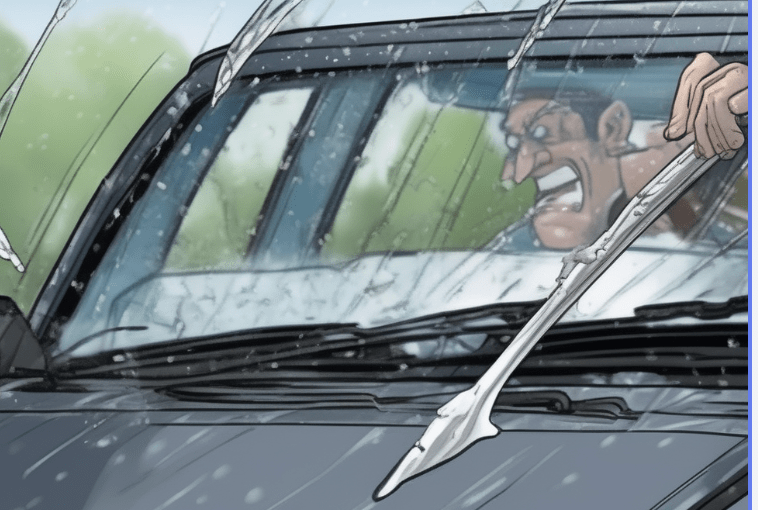
Exciting News! benandsteve.com and our media links are thrilled to be featured on Medioq – Happy Thanksgiving…

Groff Media 2024© Truth Endures IMDbPro

Presented by benandsteve.com By: Benjamin Groff II©

1–2 minutes

benandsteve.com is going places—online and in life. We are proud to announce that we are being listed by Medioq, which connects news and information sites and exchanges information with you online.

“Exciting News! We are thrilled to be featured on Medioq, a premier platform connecting individuals with top-notch media, news, and broadcasting companies worldwide. Explore our profile to stay informed, entertained, and associated with the latest news and updates: https://www.medioq.com/XX/Unknown/1582006558765140/Galaxy8News

The Unlikely Friendship: Lessons in Kindness

By: Benjamin Groff II© Groff Media 2024© Truth Endures IMDbPro

It was a quiet Sunday morning. A knock came at the door as the man leafed through the morning paper. He answered it, and there stood a stranger, looking road-worn but determined. ––––

“Is this where Benjamin Groff lives?”

the stranger asked.

“Yes, it is,”

the man replied, studying the stranger’s face.

“You must be his father,”

the stranger ventured his smile kind and knowing.

“Yes, I am,”

the man replied, both curious and wary.

The stranger introduced himself.

“My name is Samuel Johnson. I’ve driven over seventy miles to meet you, sir. You must have been one remarkable man to raise a son like Benjamin.”

The father, his heart swelling with pride, felt a mix of emotions.

“Thank you, Samuel,”

he said.

“But, please, how do you know my son?”

Samuel nodded as though expecting the question.

“I met Ben at the Oklahoma State Fair last fall. I was just there to do a job—keeping an eye on one of the old buildings. Some local boys had been giving me trouble, but Ben stepped in. Out of all the things he could have done at the fair, he chose to sit down and talk with me. We spoke for hours. Your son has a way of making people feel seen, of looking out for folks. He even asked me if anyone was bothering me, and from that moment on, I felt I wasn’t just working the fair—I was spending time with a friend.”

The father listened, deeply touched.

“That sounds like Ben,”

he said softly, gesturing for Samuel to take a seat.

“Let me wake him—he’ll want to know you’re here.”

Ben’s father went to his son’s room and gently shook him awake.

“Ben, you’ll never guess who’s here to see you,”

he said.

Still half-asleep, Ben slowly got up and followed his father into the living room. To his surprise, there sat Samuel, his old buddy from the State Fair. A smile of joy spread across Ben’s face as memories flooded back.

On that day at the fair, Ben had already taken in the sights, ridden the rides, and wandered through the livestock shows, which, to his surprise, had lost their charm despite his upbringing on a farm. He was winding down, simply walking, when he happened upon Samuel’s post.

Samuel was friendly, the kind of person who seemed to carry his life’s story in the lines of his face. Ben had sensed the man’s kindness right away, trusting him instinctively. They talked for hours, sharing stories. Samuel had offered him cold water from the employee stash and even let him use the private restroom in the back, which felt like a luxury compared to the crowded ones across the fairgrounds. Ben could still recall their easy camaraderie, even though much of what they’d discussed had faded over time.

Before parting, Ben had written down his number and directions to their home, saying,

“If you’re ever in town and need anything, look us up.”

Now, here was Samuel, having made good on that invitation.

After they caught up for a while, Ben suggested a tour of the campground where his father worked as a Ranger. The sprawling property had over 350 acres, six cabins, and a large recreation hall. As they rode around, they laughed about old times and marveled at the twists and turns that brought two unlikely friends together again.

Finally, as the afternoon sun started to wane, Samuel turned to Ben with a smile.

“I’d better head back to the city,”

he said, patting Ben on the shoulder.

“I’m grateful to have met your folks and seen your home—it’s even better than I’d imagined.”

He climbed into his Lincoln Continental, waved as he pulled away, and drove down the dusty road until he was out of sight. That was the last time Ben saw Samuel. But in the years that followed, he often recalled the kindness they’d shared, proof that a simple act of friendship could reach far beyond the boundaries of a single day.

Benjamin stood on the porch as Samuel drove off, watching the dust settle behind the Lincoln. He thought about how Samuel’s visit had bridged two worlds—a fact that didn’t escape him in a town where Black residents were often confined to the southwest corner, seen more as a separate community than as neighbors.


Growing up, Benjamin noticed the prejudices that ran through many families in town but never took root in his heart. His father, a man who saw people for who they were, not where they came from, profoundly influenced him. Samuel’s visit was a powerful reminder of how simple kindness could defy those boundaries, how a shared afternoon at a fair could lead to a journey across miles.

Though he never saw Samuel again, Benjamin often recalled those two encounters. They left him with a lesson he carried into adulthood and his career—a quiet but powerful truth about compassion. Samuel had come to honor Benjamin’s father. Still, Benjamin always remembered Samuel for showing him how friendship and decency could surpass any divide, leaving an enduring mark on his life.

In a way, Samuel had gifted him a legacy of his own: the reminder that sometimes, the connections we make in unexpected places leave the most enduring marks on our lives.

In Memory of Samuel!

There Once Was A Clown Named Ho Ho!

A True Story By Benjamin Groff© Groff Media 2024© Groff Media 2024© Truth Endures

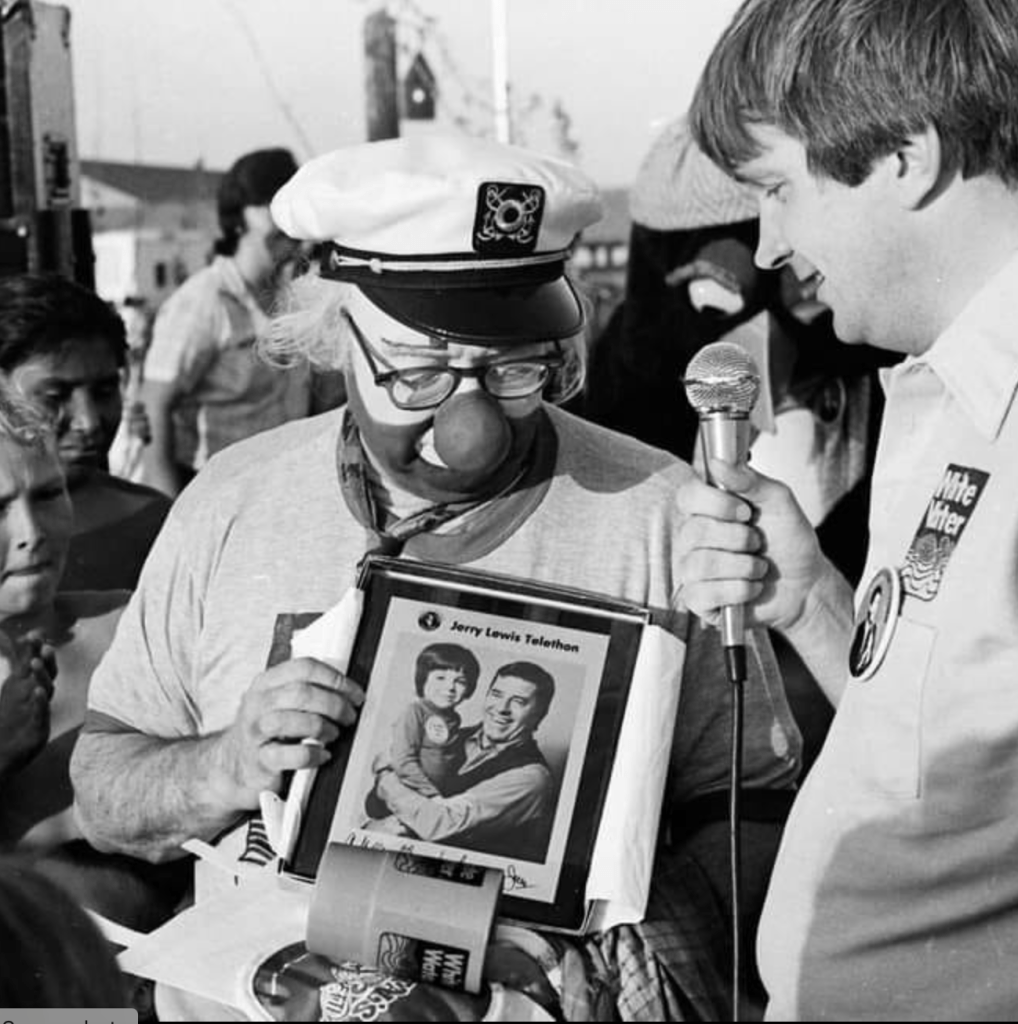
Ho-Ho the Clown, known to Oklahoma City children from the 1960s to the 1980s, was more than a TV character. Born Edward Birchall on July 16, 1923, in Colchester, Connecticut, he carried a heart of gold beneath his red nose and clown makeup. After serving in the Army Air Forces during WWII, Ed pursued his love of entertainment, eventually becoming the beloved Ho-Ho on KOCO-TV.

Behind the character, Ed Birchall was a regular dad raising six kids in Bethany, Oklahoma, with his wife, Beebe. Regina, one of his daughters, recalls him coming home with clown makeup smeared after a long day, trying to balance the unusual demands of being a full-time clown and father. His work often kept him away from family, but they later realized the personal sacrifices he made and how many lives he touched, instilling a deep sense of gratitude and respect.

For 29 years, Ho-Ho brought joy to children with shows like Lunch with Ho-Ho and Ho-Ho’s Showplace. His bright personality and whimsical sidekick, Pokey the Puppet, lit up local TV screens, helping him become a household name. Yet his role as an entertainer extended beyond the studio—Ed frequently visited children’s hospital wards, delighting patients with his warmth and humor. It wasn’t just his clowning that touched people; his kindness, dedication, and how he made every child feel seen.

When Ed passed in 1988, his funeral was a testament to his impact. It took three services to accommodate the thousands of well-wishers, including an honor guard of clowns. Ed Birchall’s legacy, carried on by his children and remembered by the community, continues to bring smiles to those who grew up with Ho-Ho’s charm, fostering a sense of belonging and shared memory among us all.

The Puppeteer Bill Howard Passed away On January 9th, 2013. Bill Howard, who entertained children as “Pokey the Puppet” on the Ho Ho the Clown show on KOCO in Oklahoma City, has died.

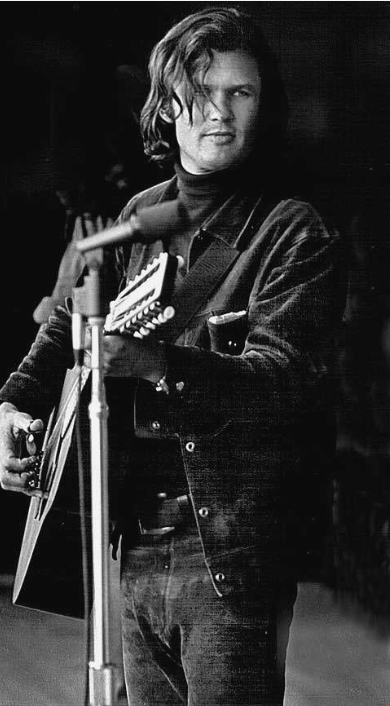
Remembering Kris Kristofferson: A Personal Tribute

A Tribute to Kris Kristofferson by Marion Toehay Jr., Friend and Former Chief of Police

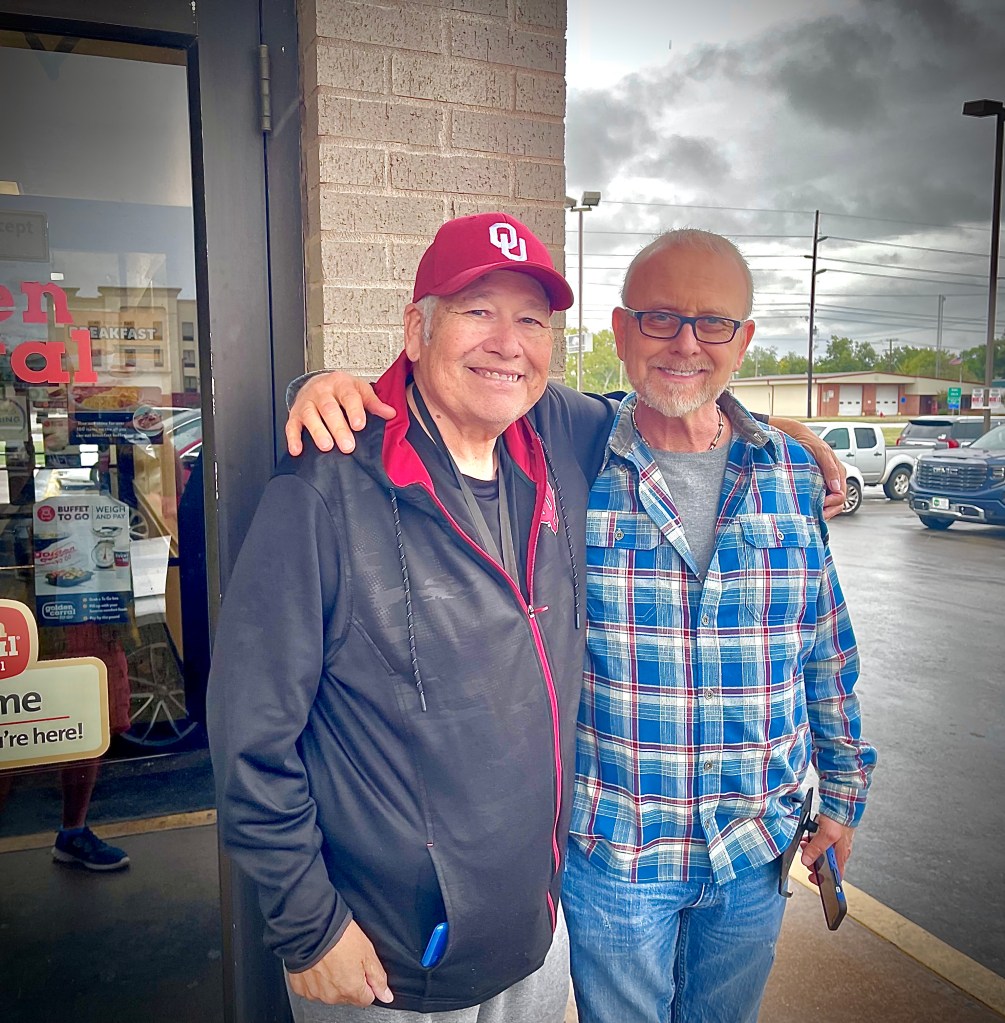
Marion Toehay JR. (Left)
Benjamin Groff (Right)

Marion Toehay Jr., a close friend of Benjamin Groff II, who typically authors this page, shares his heartfelt memories today as the world mourns the passing of Kris Kristofferson. The legendary singer-songwriter passed away on Saturday at age 88 in Hawaii. Marion met Kris in the summer of 1968, during the early days of Kristofferson’s career, at the Silver Dollar Saloon in Phoenix, Arizona.

In 1980, Marion became Benjamin’s first Chief of Police in Oklahoma, and today, he reflects on the unforgettable encounter he had with Kris all those years ago:


Kris Kristofferson was one of a kind. I had the chance to meet him when I was just 13 years old, working with my stepdad during the summer of 1968. We were selling produce to bars around Phoenix, Tucson, and the mining towns in the White Mountains. On our last stop in Phoenix, at a place called the Silver Dollar Saloon in what was known as Cowtown, we went inside—and there he was.

I remember seeing Kris Kristofferson stand up from a table and walk right over to us. He greeted my stepdad like an old friend, saying, “Y’all come sit down and have a beer.” At the table with him were none other than Johnny Cash and Waylon Jennings.

My stepdad had always told me he knew Kristofferson, Cash, and Jennings, but up until then, I hadn’t met them myself. Every time we passed through, they just weren’t there. I was starting to think I’d never get the chance to meet them. But that evening, out of nowhere, they were larger than life. It was like a dream come true for me—a 14-year-old kid with a love for country life.

We spent the evening laughing, sharing stories, and, yes, drinking some beer. When we finally headed home, my mom awaited us, wondering why it had taken so long. I told her about meeting Kris, Johnny, and Waylon, and she just smiled and said, “Oh, okay,” as if it was no big deal. She’d met them before, too, thanks to my stepdad. But for me, it was the highlight of the summer—and a memory I’ll never forget.

Hearing about Kris Kristofferson’s passing is sad for everyone who admires him. My family and I send our deepest condolences and hope he rests in peace.

Roger Palm, 75, Swedish Drummer for ABBA, Dies from Complications of Alzheimer’s Disease

By: Benjamin. Groff Media 2024© Truth Endures

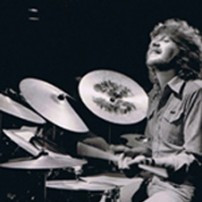
Roger Palm, a revered Swedish drummer whose beats helped define some of ABBA’s most iconic hits, passed away on September 21st., 2024 at the age of 75 due to complications from suffering from Alzheimer’s disease.

Born on March 31, 1949, in Kyrktåsjö, Sweden, Palm showed an early passion for music and began his professional drumming career at seventeen. His talent quickly garnered attention, leading him to become a member of the Swedish bands The Gimmicks and later The Beatmakers. By 1970, Palm had cemented himself as a highly sought-after session musician.

Roger Palm’s association with ABBA began in 1971 when he played on a session for a Frida single produced by Benny Andersson. A year later, in 1972, he laid down the drums for “Rock’n’Roll Band,” marking his first contribution to the ABBA sound. Though Ola Brunkert was the primary drummer for the band, Palm’s unmistakable rhythms enriched many of ABBA’s greatest hits, including “Mamma Mia,” “Dancing Queen,” “Take A Chance On Me,” and “Thank You For The Music.”

A studio musician of prodigious skill and vast discography, Palm was instrumental in creating timeless tracks that resonated around the world. His legacy, particularly his contributions to ABBA’s musical tapestry, will live on in the hearts of fans and music lovers worldwide.

He is survived by a loving family, friends galore and fans worldwide. Private services will be held at a later date.

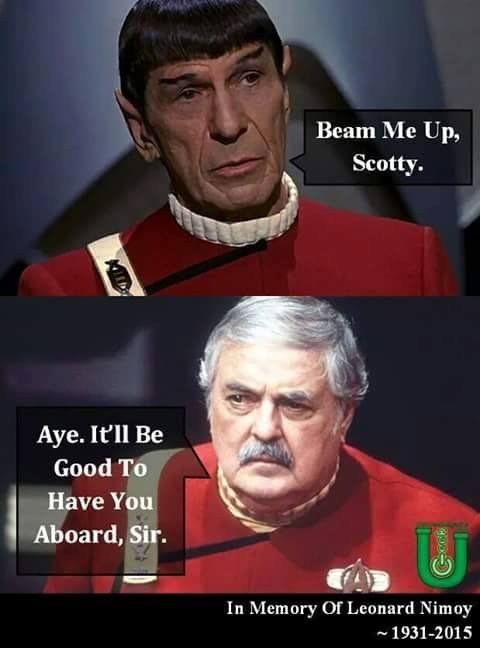
Star trek – Space The Final Frontier – A Five Year Mission – Bonds That Did And Didn’t Last A Lifetime

Reposted By: Benjamin Groff© Groff Media 2024© Truth Endures

In the storied annals of the Star Trek universe, what began as a television series in the 1960s blossomed into a cultural phenomenon, giving birth to a vision of a harmonious future that fans continue to embrace. Behind the scenes, however, the camaraderie portrayed on screen did not always extend to real life. The tensions between certain cast members, notably William Shatner (Captain Kirk) and George Takei (Hikaru Sulu), became a topic of public interest, casting a shadow over the show’s legacy.

Though these actors became involved in personal feuds for decades, their occasional joint appearances remain momentous for fans. Alongside Walter Koenig, who portrayed Pavel Chekov, these three actors are the last surviving members of the original cast, each representing a connection to the show’s storied past. Koenig, notably, has managed to stay above the fray, providing a calm contrast to his costars’ more public disagreements.

A particularly memorable gathering took place at the 2016 Destination: Star Trek Convention in Birmingham, England. Here, a faithful recreation of the Enterprise Bridge set the stage for a rare photo featuring Shatner, Takei, and Koenig. Unlike what some may have assumed, this gathering was going to be a gathering of friends celebrating their accomplished successes, which created such longevity. Instead, it was a simple yet significant moment—a testament to the enduring bond, however complicated, between them.

For fans, this image was a bittersweet reminder of a time when the entire cast of the original series still walked among us. With Nichelle Nichols (Uhura) still alive at the time, the photo symbolized the resilience of these iconic figures and the passage of time. It was a moment captured not as an epitaph but as a celebration of survival, legacy, and the stories that continue to bring joy to generations.

As the years pass and opportunities for such reunions grow less likely, this photograph—and the event it commemorates—becomes even more meaningful. While the on-screen unity may not always have reflected real-life relationships, the lasting impact of Star Trek remains undeniable. Even with its complexities, the shared history of these actors continues to evoke nostalgia and appreciation for the universe they helped to create.

The World Of One

A Story By Benjamin Groff© Groff Media 2024© Truth Endures

Tom Richardson awoke one ordinary morning with an extraordinary conviction: he was the sole individual of significance. He did not consider himself to be isolated—others still surrounded him. However, in his perception, they were merely silhouettes, existing solely to fulfill his desires, frustrations, and caprices. The needs, emotions, and experiences of all others were simply ambient noise, inconsequential to the grand narrative of his existence. In this self-centered realm, Tom stood as the sole inhabitant, a solitary monarch in a realm of his own creation.

Tom was entitled, cutting to the front of lines, talking over people in meetings, and driving through red lights without hesitation. He believed the world should move at his pace, bulldozing through daily interactions with unchecked arrogance.

At work, Tom’s behavior was incredibly disruptive. His coworkers noticed how he monopolized conversations during meetings, often interrupting others and steering the discussions towards his own agenda. He frequently dismissed ideas he did not like, making it challenging for his colleagues to express their opinions freely. Additionally, Tom had a habit of taking credit for work he had not done, which created a toxic environment of mistrust and resentment among the team. His colleague Melissa, in particular, had spent months pouring her energy and creativity into a project, only to watch Tom take the spotlight during the presentation without acknowledging her contributions. Her face burned with frustration and disappointment, but Tom was already basking in the praise, completely unaware—or uncaring—of the hurt he had caused. As a result of his actions, the morale of the team suffered, productivity decreased, and valuable talent began seeking opportunities elsewhere. The tangible consequences of Tom’s behavior were felt deeply by those around him, and the weight of his actions continued to impact the work environment.

  • Outside the office, Tom’s interactions were just as callous. In a crowded coffee shop, he snapped at the barista for taking too long with his order. When the woman in front of him politely asked if she could move ahead to grab her drink, Tom scoffed and said, “Wait your turn, like the rest of us.” It never occurred to him that her child was crying in the car outside or that her day might unravel.

In relationships, Tom’s selfishness is all-consuming. His girlfriend, Kate, was initially patient, excusing his behavior as stress. However, as time passed, she realized that Tom’s wants and needs dictated every conversation, every plan, and every moment they shared.

“Can we ever do something I want?”

she asked one evening. Tom shrugged, dismissing her words as if they were background noise.

“It is not that important,”

he replied, flipping through the TV channels as she sat beside him, feeling smaller every second.

The world began to push back.

  • At work, Melissa and other colleagues stopped inviting Tom to meetings. His input was more a hindrance than a help. Projects moved more smoothly without his constant interruptions. The team thrived in his absence, but Tom remained blissfully unaware, believing that his exclusion was a sign of jealousy or resentment, never his behavior.
  • On the streets, strangers grew cold. People who once offered pleasantries started to avoid him. The barista, usually polite despite his rudeness, began greeting him with silent, stony indifference. Tom, of course, assumed they were having bad days.
  • “Not my problem,” ––– he muttered each time.

At home, Kate left. Her final words echoed through their now-empty apartment:

“You do not see me, Tom. Tom, never will you see me!.”

Tom stood in the doorway, confused and angry, unable to comprehend why she was so upset. As far as he was concerned, everything had been fine—because everything had always been about him.

However, despite the growing distance between him and the world, Tom did not connect the dots. The problem, as far as he was concerned, was not him. It was everyone else. Why didn’t people understand that he was in charge of his life? Why didn’t they see that his needs were urgent, his time valuable, his presence essential? His self-centeredness was creating a chasm between him and the rest of the world, a gap that was widening with each passing day.

The final straw came one quiet evening. Tom sat in a restaurant, dining alone —–– a common occurrence now. He waved the waiter over impatiently, complaining about the wait for his meal. The waiter, a man in his late fifties with graying hair and tired eyes, looked at Tom and sighed.

“You are not the only person in the world, you know,” the waiter said softly, his voice edged with exhaustion. “You act like we are all here just for you, but we are not.”

Tom bristled at the remark, ready to retort with something biting to remind the man of his place. However, the waiter’s words hung in the air momentarily, their truth unsettled. The weight of his words, heavy with truth, began to sink in, stirring something deep within Tom.

For the first time in a long time, Tom looked around. The restaurant was filled with people—couples sharing meals, families laughing, servers rushing between tables. Each of them had their own stories, struggles, and lives. They were not shadows. They were not here for him. They were living their own lives, just as vivid and real as his.

The weight of it settled on Tom like a cold wave. For years, he had moved through the world as if it were his stage, oblivious to the people around him. He had interrupted their lives, stepped over their feelings, and demanded their attention without a second thought. He had bulldozed his way through, never considering the damage he left behind.

And then, in a moment that would change his life, he saw it. For the first time, Tom indeed saw the world around him, not as a stage for his performance, but as a rich tapestry of lives, each as important as his own.

Tom left the restaurant without finishing his meal, the waiter’s words echoing in his mind. As he walked down the street, past people he had never noticed, a strange feeling stirred in him—something akin to humility, though he would not have called it that. It was a shift in his attitude and his perception of the world.

The world did not revolve around him—it never had. Perhaps, for the first time in his life, Tom realized just how much he had lost because of it.

As just as he did, not expecting for it to happen, Jesus Christ popped in and said he is going to vote for Kamala Harris!

The End

 A Blinding Prank That Wasn’t FoolProof

A Story By Benjamin H Groff© Groff Media Copyright 2024©

In the small town of Havenbrook, two blind men, Al and Bert, were renowned for their cunning and mischievous antics. Despite their lack of sight, they possessed a sharp wit and an uncanny ability to navigate the world around them. They orchestrated elaborate practical jokes daily, relishing in the townspeople’s reactions.
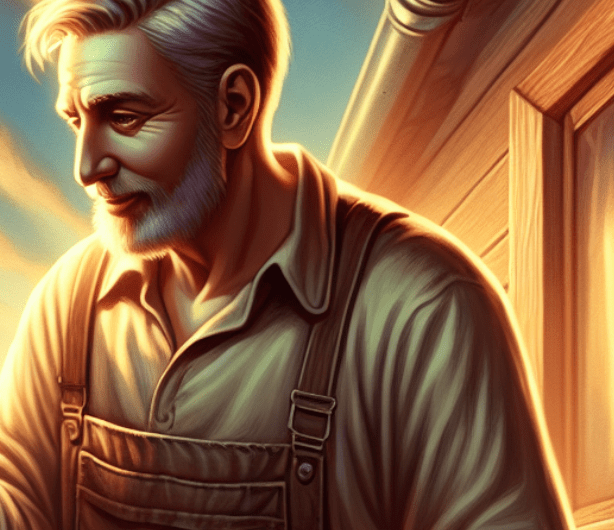
Yesterday, Al and Bert made an unusual purchase: a driverless car. They had saved up for months, and now their latest scheme was about to unfold. The sleek, shiny vehicle arrived at their doorstep, and the two friends couldn’t contain their excitement.

“This is going to be legendary!” Al exclaimed, his face lighting up.

Bert nodded, grinning from ear to ear. “Let’s give Havenbrook a show they won’t forget.”

That morning, Al and Bert put on a show. They dressed in a deliberately disheveled manner, with their clothes inside out and their hair tousled. They staggered down the street, feigning confusion and disorientation. The townspeople looked on in bewilderment as the two blind men stumbled around, bumping into things and seeking directions.

“Excuse me, can you help us? We seem to have lost our way,” Bert asked a passerby, his voice trembling with fake desperation.

The kind-hearted woman pointed them in the right direction, her face filled with concern. Al and Bert thanked her profusely before stumbling off in the opposite direction, leaving the woman and the other townspeople in a state of amused bewilderment.

Their antics continued throughout the day, with Al and Bert putting on an Oscar-worthy performance. They wandered into shops, interrupted conversations, and generally caused chaos wherever they went. Each time someone offered help, the duo responded with exaggerated confusion, leaving the townspeople scratching their heads and bursting into laughter at the same time.

By midday, they decided it was time to unveil the pièce de résistance. Al and Bert climbed into their driverless car, pretending to argue about who should take the wheel.

“You drive, Al! I can’t see a thing!” Bert insisted, his voice rising in mock panic.

“Neither can I, you fool! We’re both blind!” Al shot back, throwing his hands up in frustration.

The car, programmed to respond to voice commands, smoothly pulled out of the driveway and began its route through town. The sight of two blind men driving a car sent shockwaves through Havenbrook. People gawked, some laughed, and others chased after the vehicle, shouting warnings and pleas for them to stop, adding to the chaotic and humorous scene.

Inside the car, Al and Bert were beside themselves with laughter. They marveled at the chaos unfolding outside, their faces aching from so much smiling.

“Look at them! They think we’re driving!” Al gasped, clutching his sides.

Bert nodded, tears of joy streaming down his cheeks. “Best prank ever!”

The car continued its journey, obediently following its pre-programmed path. Realizing they got duped again, the townspeople couldn’t help but chuckle at the elaborate ruse. Al and Bert’s reputation as the town’s resident tricksters became cemented even further.

As the day drew close, the car returned to their home, and the two friends climbed out, exhausted but exhilarated. They high-fived each other, basking in the success of their latest prank.

“Well, Bert, we’ve done it again,” Al said, a satisfied smile on his face.

Bert nodded in agreement. “Indeed we have, Al. Indeed we have.”

In the days that followed, the story of the blind men and their driverless car became the stuff of legend in Havenbrook. Al and Bert continued their daily pranks, always finding new ways to keep the townspeople on their toes. And though their sightless eyes never saw the results of their efforts, their hearts were full of the joy and laughter they brought to their beloved town.

Jamie: The New Face of Laughter in the Land of Sorrow

In a land where laughter was the currency of happiness, the funniest person on earth was Charlie, “Buckles” McGuffin –– who reigned supreme. His wit was sharper than the finest blade, and his laughter was contagious enough to cure the deepest sorrows. As everyone fondly called him, Buckles had the uncanny ability to turn the gloomiest days into festivals of joy with just a word or a gesture.


Then, one fateful day, Buckles was found lifeless in his cozy little cottage. The news spread like wildfire, and an unimaginable hush fell across the country. Once bustling with joy and merriment, the towns and cities became silent, their streets echoing with the void left by his absence. Even the skies seemed to mourn, covered with a blanket of gray clouds that mirrored the people’s collective sorrow.


The days turned weeks and weeks into years, but the silence persisted. The theaters, once filled with roaring laughter, were now empty. The cafes, where friends gathered to share jokes and stories, were now quiet. The country’s heart had stopped beating, its lifeblood of laughter drained with the passing of Buckles. No one could fill the void he left behind, and the silence was a constant reminder of the irreplaceable loss.


Years later, a child named Jamie was born in a small, forgotten village on the outskirts of the country. From the moment he could speak, it was clear that Jamie had a gift. His first word wasn’t “Mama” or “Dada,” but a hilarious mispronunciation of “banana” that had his parents in stitches. As he grew, his knack for humor became more evident. He had an innate ability to see the world in a light that others couldn’t, turning mundane situations into comedic gold.


By the time Jamie was a teenager, his reputation had spread. People would travel from far and wide to hear him speak. His humor was fresh, and his perspective was unique. He didn’t mimic Buckles; he brought something new to the table. His jokes blended innocence and cleverness, and his laughter was a beacon of hope in a land shrouded in sorrow.


Jamie’s rise to fame was meteoric. His performances began to draw crowds that were more significant than any seen since Buckles’ time. Theaters filled with fans once more, and the streets echoed with laughter. It wasn’t long before Jamie’s influence spread beyond his village, reaching the farthest corners of the country. The silence that had gripped the land for years dissipated, replaced by the joyous sound of laughter and celebration.


The people, initially hesitant, found themselves embracing this new wave of humor. Jamie’s presence was a breath of fresh air, a reminder that while no one could ever replace Buckles’, the spirit of laughter and joy could live on. The country began to heal. The wounds became soothed by the gift that Jamie brought. He wasn’t a replacement for Buckles but a new chapter in the book of laughter.


Jamie’s name became synonymous with joy in time, just as Buckles’ had been. Once plunged into darkness, the light of his humor now illuminated the nation. The silence became broken, and in its place, a new era of laughter and happiness began. Buckles’ legacy lived on, not in the form of a shadow but as a foundation upon which Jamie built his own unique brand of comedy, forever changing the land and restoring the laughter that was its lifeblood.

What Is It That Makes Country–Country Music?

The True Legends: From Jimmie Rodgers to Willie Nelson

Country music, a genre deeply ingrained in the tapestry of American culture, draws its strength from the trials, joys, and heartaches of everyday life. From its modest beginnings to its monumental ascent, the narrative of country music is a tapestry woven with characters and stories that resonate with unwavering authenticity and passion. The true legends of country music—Jimmie Rodgers, Hank Williams, George Jones, Hank Locklin, Faron Young, and many others—have left an indelible mark on this genre, each contributing to its legacy with a unique and profound resilience.

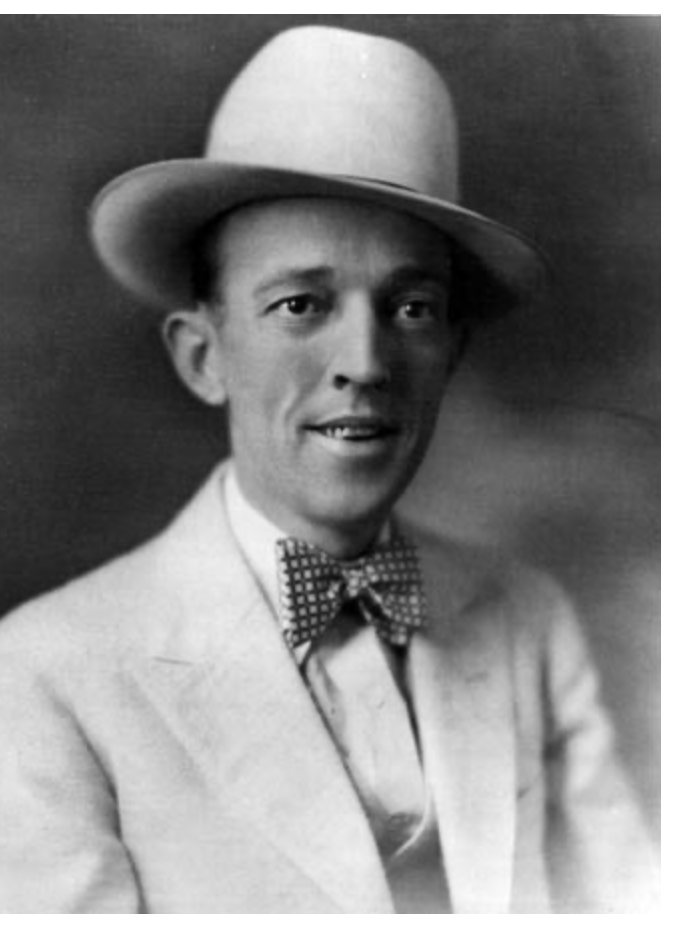
Jimmy Rodgers

Jimmie Rodgers, known as the “Father of Country Music,” was one of the first to bring the genre into the national spotlight. Born in Meridian, Mississippi, Rodgers combined the sounds of rural southern blues with the yodeling of Swiss folk music, creating a distinctive style that captivated audiences. His songs, like “Blue Yodel” and “In the Jailhouse Now,” spoke to the struggles and stories of ordinary folk, setting the stage for future country artists to follow.


Hank Williams, often hailed as the “King of Country Music,” continued this tradition with his poignant lyrics and heartfelt delivery. Songs like “Your Cheatin’ Heart” and “I’m So Lonesome I Could Cry” became anthems of sorrow and longing, touching the hearts of millions. Williams’ influence is so profound that his music still echoes the work of contemporary country artists.

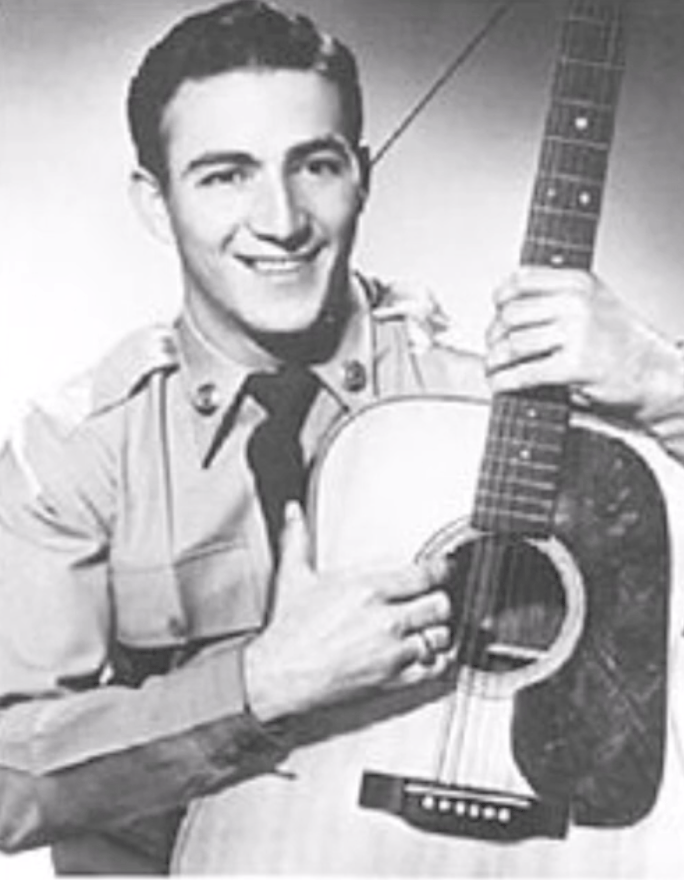
Faron Young

George Jones brought a new depth to country music with his rich, expressive voice. Known for his rollercoaster life and tumultuous relationships, Jones channeled his experiences into his music, producing forever hits like “He Stopped Loving Her Today” and “The Grand Tour.” His ability to convey raw emotion made him a beloved figure in country music, earning him the nickname “The Possum.”

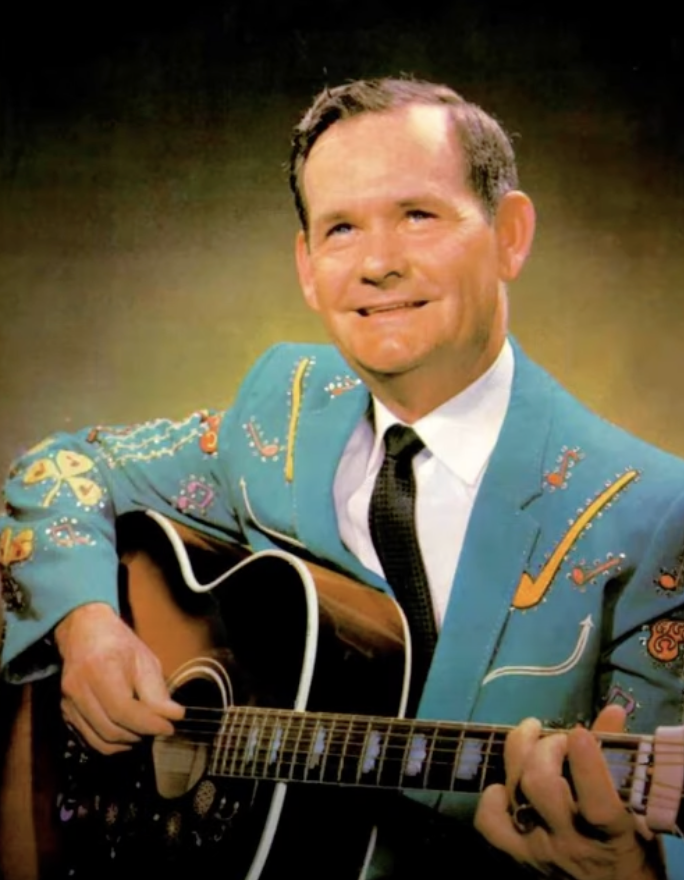
Hank Locklin

Hank Locklin and Faron Young also shaped the country music landscape. With his smooth tenor voice, Locklin was known for hits like “Please Help Me, I’m Falling” and “Send Me the Pillow You Dream On,” showcasing his unbelievable talents to blend traditional country with pop sensibilities. Young, on the other hand, brought a honky-tonk edge to his music with songs like “Hello Walls” and “Live Fast, Love Hard, Die Young,” capturing the rebellious spirit of the genre.

These legends performed everywhere—from the hills and hollows to the bustling streets of New York City. They sang in juke joints, honky-tonks, street corners, and county fairs, sharing their music with anyone who would listen. Their songs spoke of the heart and soul of America, touching on themes of love, loss, cheating, and redemption. They didn’t rely on flashy gimmicks or expletive-laden lyrics; their music and performances were a testament to their genuine connection with the audience. They thrived on the crowd’s energy, dressed to the nines, ready to pour their hearts out on stage.

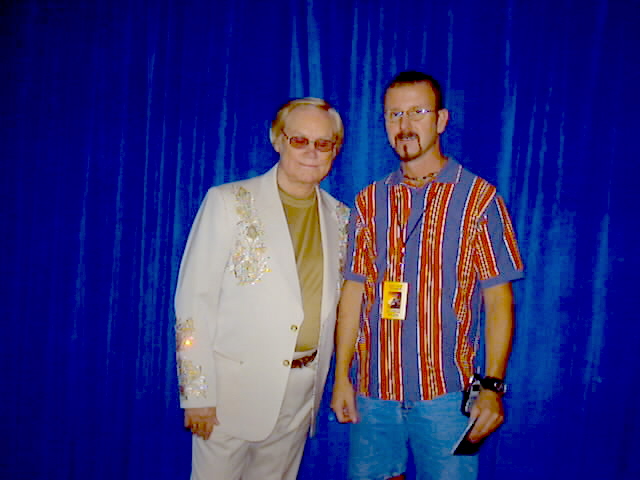
George Jones & Ben G.

Having had the honor of spinning records at AM and FM stations nationwide and serving as a news reporter, I’ve witnessed firsthand how the magic of country music resonates with people. Unfortunately, today’s radio often fails to capture the essence of what made country music great. It has lost its way, drowned in a sea of commercialism and superficiality. As a devoted follower of country music, I find solace in satellite radio, particularly Willie’s Roadhouse, where the spirit of authentic country music lives.

Willie Nelson, one of the few remaining legends from the golden age of the country, continues to be a beacon of authenticity in the genre. His music, characterized by its sincerity and simplicity, reminds us of what country music once was and still can be. His influence and contributions are immeasurable, and I extend my best wishes to him and heartfelt thanks to everyone who has kept the spirit of country music alive. 

Willie Nelson

In conclusion, country music is not just a genre; it is a reflection of the American experience. The legends shaped it with their talent, integrity, and a deep connection to their audience. Their music continues to resonate because it speaks to the universal themes of life—love, heartache, joy, and sorrow. As we look to the future, let us remember and honor these true legends who paved the way. Let their legacy inspire a new generation of country artists to keep the heart and soul of this beloved genre alive, preserving its spirit for generations to come.

Victor: A Man of Mystery and Resilience | Uncovering the Lost Relic in Haunting Mansion

A forgotten mansion, shrouded in mystery, stood in the heart of the old city, nestled among the cobblestone streets and gothic architecture. Its grandiose facade, though worn by time, still retained an enigmatic elegance. On a stormy evening, Victor, a man of mystery and resilience, found himself drawn to this mansion, its secrets whispering to him.

Victor, a man of mystery and resilience, had always been a seeker of the unusual, the arcane. His latest obsession had led him to this mansion, rumored to be the repository of a lost relic. He was a formidable presence in his black leather attire, adorned with silver studs and zippers. His attire, a blend of functionality and style, spoke volumes of his readiness for whatever the night might bring.

The mansion’s interior was a haunting blend of past grandeur and eerie decay. The flickering candlelight cast eerie shadows on the portraits of stern-faced ancestors that lined the walls, their eyes seeming to follow him as he made his way through the dimly lit halls. The air was thick with the scent of old books and the faint, lingering traces of incense, and the floorboards creaked under his weight.

Victor’s destination was the study; a room said to contain a hidden compartment where the relic was concealed. He had done his homework; old blueprints and cryptic notes had led him here. With a determined stride, he entered the study, its heavy wooden door creaking ominously.

The room was a testament to the mansion’s former glory, with rich mahogany shelves lined with ancient tomes, a grand fireplace, and a massive desk that dominated the space. Victor approached the desk, his leather-clad fingers tracing the intricate carvings on its surface. He had a hunch that the key lay in the hidden compartment of the desk itself.

After a meticulous search, Victor’s fingers found a small, concealed latch. A secret drawer slid open with a soft click, revealing a velvet-lined compartment. Inside lay an ornate box, its surface inlaid with mother-of-pearl and silver filigree. Victor’s heart raced as he carefully lifted the box and opened it.

Inside, nestled in velvet, was the relic: an ancient amulet, its center a polished obsidian stone encircled by symbols of power and protection. As Victor held it, a surge of energy coursed through him, confirming the amulet’s authenticity; this was what he had been searching for. The amulet, rumored to hold the key to immortality, was a prize coveted by many.

His triumph was interrupted by the sound of footsteps echoing through the hall. Victor quickly stashed the amulet in his belt pouch and closed the drawer, his senses on high alert. He had been cautious, but it seemed he was not alone in his quest.

The door to the study burst open, and a figure clad in dark robes stepped in. ‘You have something that belongs to me,’ the intruder hissed, eyes glinting with malice. ‘You’re too late,’ Victor replied, his voice steady. ‘The amulet is mine now.’

Victor stood his ground, his hand instinctively moving to the hilt of his concealed dagger. “The amulet is not yours to claim,” he replied coolly. “It belongs to no one but itself.”

A tense silence filled the room, broken only by the distant rumble of thunder. The intruder moved with surprising speed, lunging towards Victor. But Victor was ready. In a swift, fluid motion, he drew his dagger and deflected the attack, the blade glinting in the dim light. His heart pounded in his chest, his senses heightened as he focused on the task at hand.

The fight was a whirlwind of intensity. Victor’s combat training and the intruder’s desperate aggression clashed in a flurry of movement. The air crackled with tension as they circled each other, each seeking an opening. In the end, Victor’s skill and determination prevailed. The intruder, defeated and disarmed, lay on the floor, gasping for breath.

Victor looked down at his defeated opponent, his eyes a mix of pity and resolve. ‘Leave now and never return,’ he ordered, his voice firm but tinged with a hint of sadness. ‘The amulet’s power is beyond your understanding.’

The intruder, cowed and beaten, scrambled to his feet and fled into the night. Victor watched him go, his eyes filled with a mix of pity and resolve. He knew his journey was far from over. The relic’s true power and purpose were yet to be revealed, and he was resolute in his determination to unravel its mysteries.

With the amulet safely in his possession, Victor left the mansion and stepped into the stormy night. Lightning illuminated his path, and the rain washed away the remnants of the battle. As he disappeared into the shadows, one thing was sure: Victor’s legend was only beginning.

The Heartwarming Story of Jello: From Community Beloved Dog to Honorary Mayor of Millbrook

Jello, a spirited dog with golden fur, floppy ears, and a tail that wagged like a metronome, lived in the quaint town of Millbrook. He was a free spirit, beloved by all, and a fixture of the community, embodying the warmth and unity of Millbrook.

Jello had his routines. Every morning, he would trot to the bakery where Mrs. Thompson would have a fresh scone waiting for him. Then, he’d visit the school playground, where children would shower him with affection and sneak him bits of their lunches. Jello often spent afternoons lounging in the sun outside the library, where Mr. Caldwell would read to him from the latest novels. By evening, he would make his rounds at the town square, greeting everyone with a joyful bark before curling up under the big oak tree for the night. The community’s love for Jello was palpable, creating a sense of unity and togetherness.

The townspeople adored Jello so much that someone humorously suggested nominating Jello for Mayor when the mayoral election came around. The idea quickly gained traction. “Who better to represent our town than Jello?” they said. “He’s loyal, kind, and brings everyone together.” And so, in an unprecedented turn of events, Jello’s name appeared on the ballot.

As the election drew near, excitement buzzed through Millbrook. Posters of Jello, donning a makeshift mayoral sash, adorned shop windows and bulletin boards. The slogan “A Mayor Who Cares” echoed through the streets. But a week before the election, something terrible happened: Jello went missing.

Panic spread like wildfire. Where could he be? The entire town, deeply concerned, rallied to search for him. Kids formed search parties, calling his name through the woods and fields. Shopkeepers closed early to join the search; even the local police were on high alert. There were flyers everywhere: ‘Missing: Jello. Our Town Hero. Please Help!’. The town’s reaction to Jello’s disappearance was a testament to their deep empathy and concern.

As days passed with no sign of Jello, whispers of foul play began to circulate. The thought was too dreadful to bear, but the town’s unity shone through their worry. They held candlelight vigils, their collective hope a beacon in the darkness, a testament to their resilience and unity.

On the eve of the election, a familiar bark echoed through the town square just as hope was waning. It was Jello, looking a bit dirty and tired but otherwise unharmed. The townspeople greeted Jello with cheers and tears of joy. Mr. Caldwell, who had been leading a search party near the old mill, found him trapped in an abandoned shed, likely having chased a squirrel inside and gotten stuck.

The town’s relief was palpable. Shopkeepers cleaned him up, fed him his favorite treats, and gave him more attention. Election day arrived, and with Jello safe and sound, the town celebrated their unusual but heartwarming choice for Mayor. After tallying the votes, it was no surprise that Jello won by a landslide. Although the title of Mayor was symbolic, the gesture embodied the spirit of Millbrook: a community united by love, kindness, and the belief that sometimes the best leaders remind us of the simple, unspoken bonds we share.

Jello, the dog who roamed freely but belonged to everyone, was now the honorary Mayor of Millbrook. His tale became a cherished legend, reminding all who heard it of the power of community and the unexpected ways in which leaders can emerge.

The Paradox of Charlie North

The man whose loving heart brought conflict and rift with unexpected rewards he showered on others.

Charlie North was a familiar figure in the small town of Millbrook, known for his heart as expansive as the sky. He would readily abandon his own tasks to assist a neighbor with a leaky roof or chauffeur an elderly friend to a medical appointment. His acts of kindness and warmth were unparalleled, and everyone who crossed paths with Charlie held a special place for him in their hearts.

Yet, Charlie’s well-intentioned nature had a flip side that often led to discord: he was overbearing. His eagerness to assist frequently transformed into a forceful insistence that his approach was superior, and his constant involvement in others’ lives often left them feeling suffocated. This dichotomy of love and overbearingness earned him a mixed reputation.

One sunny morning, Charlie decided to help Mrs. Henderson with her garden. The widow was grateful for the help but soon became overwhelmed by Charlie’s detailed plans and strict schedules. He dictated the type of flowers to plant, the precise soil mixture, and the exact watering schedule. Mrs. Henderson, who enjoyed gardening as a leisurely and personal hobby, felt her joy drained by Charlie’s micromanagement.

“I appreciate your help, Charlie, but I think I’d like to do some of this on my own,”

Mrs. Henderson said, trying to sound polite.

Charlie was taken aback. He wanted to help, but he needed help to see how his thorough plans were anything but beneficial.

“But, Mrs. Henderson, if we don’t follow the schedule, the flowers won’t thrive as they should,”

he insisted.

As the weeks went by, similar incidents unfolded. At the community bake sale, Charlie’s meticulous organization turned into a rigid control. Initially, the townsfolk appreciated his dedication, but soon they felt stifled and unappreciated. The once vibrant community events started to lose their charm, replaced by a silent resentment towards Charlie’s overbearing ways.

One evening, as Charlie sat on his porch, his lifelong friend, Tom, joined him. Tom was one of the few people who could speak candidly to Charlie.

“Charlie, I’ve known you forever,” Tom began gently. “You’ve got a heart of gold, but sometimes you don’t realize how you come across to others.”

Charlie frowned, puzzled. “I just want to help, Tom. I want everything to be perfect for everyone.”

“I know you do, and that’s what makes you so special,”

Tom said, choosing his words carefully.

“But people need space to make their own choices, even if things don’t turn out perfectly.”

Determined to change, Charlie began to pull back. He continued to offer his help, but he consciously tried to listen more and dictate less. Charlie volunteered at the next community event but let others take the lead. He bit his tongue when things didn’t go as he would have planned, learning to appreciate the different ways people approached problems.

It was a difficult adjustment for Charlie, and he often felt the urge to step in and take control. But slowly, he noticed a difference. Mrs. Henderson’s garden flourished in its way; it was not perfect, but vibrant and full of life. The bake sale was a chaotic success, filled with laughter and camaraderie. People began to welcome Charlie’s presence again without the undercurrent of tension that had once accompanied his help.

Over time, Charlie found a balance. He channeled his love and generosity in ways that empowered others rather than overshadowing them. He was still the same Charlie North—big-hearted and always ready to lend a hand—but had learned to temper his overbearing nature. This transformation made him not only loved but truly appreciated, a testament to the power of self-awareness and the enduring strength of a loving soul.

That night, Charlie lay awake, wrestling with Tom’s words. He reflected on the times his help had been more of a hindrance, the faces of his friends and neighbors flashing through his mind—grateful at first but then strained and unhappy.

And so, Charlie’s story became one of growth and redemption, a testament to the power of self-awareness and the enduring strength of a loving soul.

Riverton Police: A Night in the Life of Detectives Jake and Sam

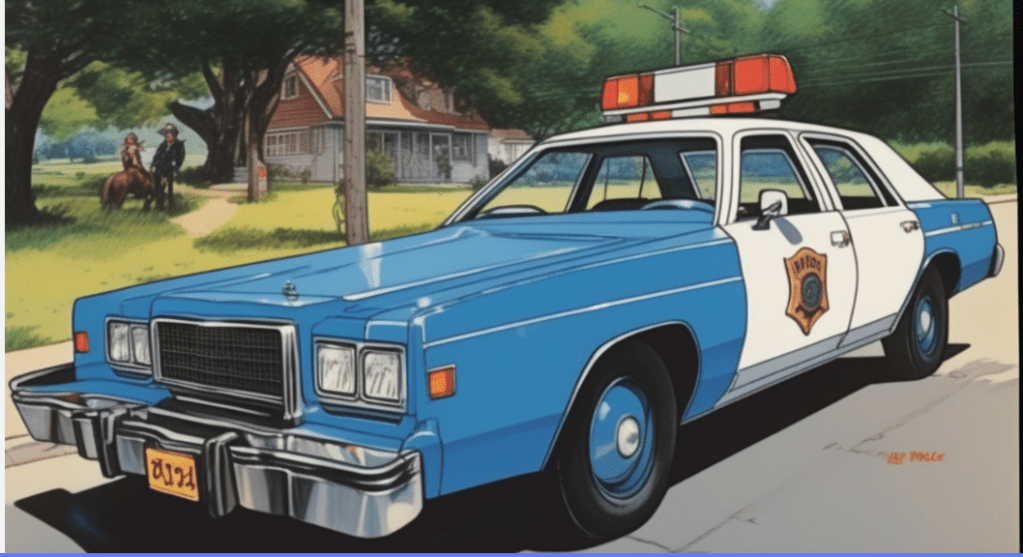
The city of Riverton never slept, nor did Detectives Jake Harris and Sam O’Reilly. Partners for over a decade roamed the nocturnal streets with the kind of synergy only best friends could muster. Their squad car, an unremarkable blue-and-white cruiser, was a beacon of hope for some and a symbol of fear for others.

Jake, with his gruff exterior and piercing blue eyes, was the kind of cop who could read a crime scene like a book. Sam, a lean figure with a quick wit and a knack for defusing tense situations, complemented Jake perfectly. Together, they led the department in felony arrests, arriving at calls faster than anyone else and building relationships with the community that others could only dream of.

One brisk autumn night, their radio crackled to life with a call that made their hearts race: an armed robbery in progress at the 24-hour diner on 5th and Maple. Without a word, Jake hit the lights and sirens, and they sped through the dimly lit streets. They arrived in just under three minutes, a record even for them.

The diner was eerily quiet as they approached, save for the distant hum of neon lights. Inside, a masked man brandished a gun, demanding cash from the terrified cashier. Jake motioned for Sam to flank the back entrance while he took the front.

Jake entered slowly, his voice calm but authoritative. ––––

“Riverton PD, drop the weapon and come out with your hands up.”

The gunman whipped around, eyes wide with panic.

From the rear, Sam’s voice cut through the tension.

“No, you won’t. You don’t want to hurt anyone. Put the gun down, and we can talk.”

The gunman’s grip on the weapon faltered. In that split second, Jake lunged forward, disarming him with a swift, practiced motion. Sam was at his side instantly, cuffing the man and guiding him to the squad car.

As they processed the scene, the cashier, a young woman named Maria, approached them with tears in her eyes.

“Thank you. I don’t know what would’ve happened if you hadn’t come.”

Jake gave her a reassuring nod. “Just doing our job, ma’am.”

The rest of the night was a blur of paperwork and patrols. But their most memorable interaction came just before dawn. While cruising through a quieter part of town, they spotted a boy sitting alone on a bench, clutching a backpack to his chest. They pulled over, and Sam approached him gently.

“Hey there, buddy. Everything alright?”

The boy, who couldn’t have been more than ten, looked up with tear-streaked cheeks.

“I ran away from home. My parents are always fighting.”

Sam sat next to him, listening with the patience of a father and says –––

“I get it, kid. Sometimes, home can be tough. But running away won’t solve anything. Let’s get you back home and see if we can help sort things out.”

Jake contacted the boy’s parents while Sam spoke with him. The sun was peeking over the horizon when they returned the boy home. Now more worried than angry, the parents hugged their son tightly and thanked the officers.

As they drove back to the station, Jake glanced over at Sam, sighs then says –––

“Another night, another set of stories, huh?”

Sam chuckled. “Wouldn’t have it any other way.”

In Riverton, one could become a legend in the shadows, and for Jake and Sam, every night was another chance to protect and serve, forging connections and fighting crime in ways that others could only admire.

Verdantia: The Rainbow City and the Festival of Lumina

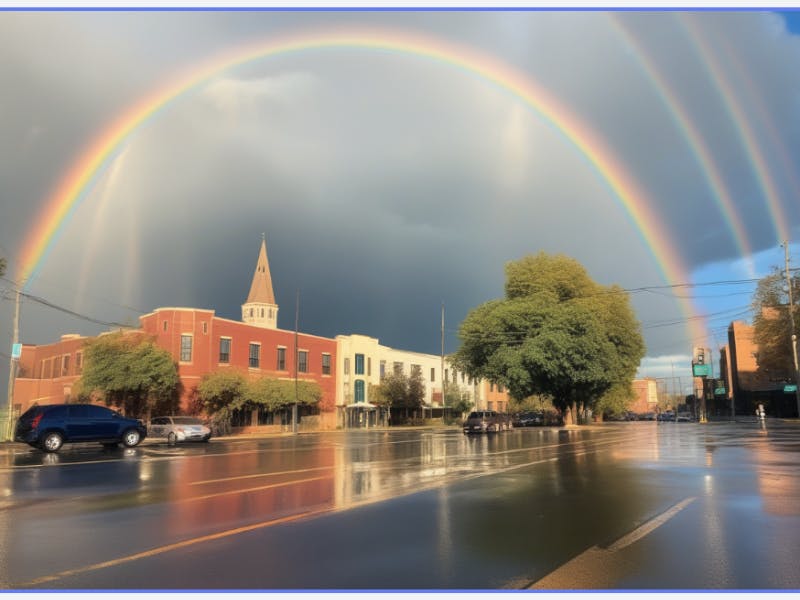
Once upon a time, in a small, unassuming town named Verdantia, an extraordinary phenomenon brought magic to the lives of its residents. Verdantia was known for its picturesque streets lined with red-brick buildings and verdant trees, but what truly set it apart was its ability to produce the most stunning rainbows anyone had ever seen.

One late afternoon, after a sudden downpour, the clouds parted, and the sun cast its golden rays across the wet streets. As the townsfolk went about their business, a magnificent rainbow began to form, arching over the town’s central square. It wasn’t just any rainbow; it was a double rainbow, with vibrant colors so vivid they seemed almost tangible.

The people of Verdantia, who had grown accustomed to the beauty of rainbows, stopped in their tracks, mesmerized by the sight. The rainbow appeared to touch down at two significant landmarks in the town—the spire of the old church and the ancient oak tree standing proudly at the intersection of Main Street and Elm.

As legend had it, Verdantia was a place where rainbows were believed to be portals to realms of wonder and enchantment. The townspeople knew this was no ordinary occurrence. The elders of the town, keepers of its history and secrets, gathered quickly. They had long awaited the appearance of such a rainbow, a sign foretold in their lore that marked the beginning of a special event known as the Festival of Lumina.

The Festival of Lumina was a rare celebration that took place once every hundred years, marked by a rainbow so grand that it stretched across the sky, connecting the past with the future, the ordinary with the extraordinary. This festival was a time when the boundaries between the human world and the world of magic blurred, allowing dreams and reality to intertwine.

As the double rainbow shimmered, a soft, melodic hum filled the air. Children giggled with delight, and adults felt a warm, nostalgic pull at their hearts. The air around the rainbow seemed to sparkle, and for a moment, time itself felt as if it had slowed down. From the base of the rainbow at the church, a figure emerged—a guardian of the ancient lore, known as Seraphina, the Keeper of Light.

Seraphina, with her radiant presence and flowing silver robes, held out a staff that glowed with the colors of the rainbow. She spoke in a voice that resonated like the soft chime of bells, “People of Verdantia, the time has come to celebrate the Festival of Lumina. Today, the veil between worlds is thin, and the magic of the rainbow is at your command.”

The town erupted in joyous celebration. Musicians played enchanting melodies, artisans displayed their finest crafts, and bakers offered sweet treats that seemed to shimmer with a magical glaze. Children ran around, chasing the elusive ends of the rainbow, hoping to find hidden treasures and secret wonders.

As evening fell, the rainbow’s glow intensified, casting a luminous light over Verdantia. The townspeople gathered under the ancient oak tree, where Seraphina led a ritual to honor the rainbow and its magic. She spoke of unity, hope, and the power of dreams, encouraging everyone to embrace the wonder within their hearts.

The Festival of Lumina continued through the night, with stories of old being shared around bonfires, and dances that seemed to weave through the very fabric of the rainbow’s light. As dawn approached, the double rainbow slowly faded, but the magic lingered in the hearts of the people.

Verdantia, forever touched by the beauty and enchantment of the rainbow, became a place where dreams were cherished, and the magic of the Festival of Lumina was remembered and celebrated in smaller ways every day. The rainbow city, as it came to be known, stood as a beacon of hope, joy, and the enduring power of wonder.

Midnight: Guardian of Secrets in Solstice Hollow

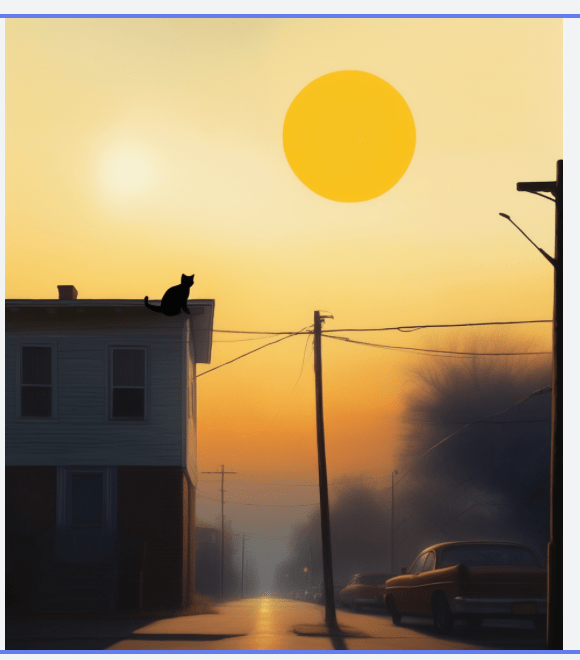
In the small, forgotten town of Solstice Hollow, days bled into each other with the relentless monotony of time. The sun hung heavy and perpetually on the horizon, a blazing sphere casting an otherworldly glow over the desolate streets. It was always twilight here, neither night nor day, as if the town existed in a pocket of suspended reality.

The alley in the photograph was known as Whispering Lane, a narrow pathway flanked by crumbling buildings that seemed to sigh with the weight of their own history. Shadows stretched long and lean across the cracked pavement, and the air was thick with the scent of old wood and dust. At the intersection of the lane and Main Street stood an old house, its paint peeling and windows dark, a silent sentinel in this forgotten part of the world.

On the roof of this house sat a black cat, its eyes glinting like emeralds in the perpetual twilight. The cat, known to the townsfolk as Midnight, had been there for as long as anyone could remember. Legend had it that Midnight was not an ordinary cat, but a guardian of secrets, a keeper of the town’s strange and sorrowful tales.

One such tale was that of Eleanor Weaver, a young woman who had lived in Solstice Hollow many decades ago. Eleanor was a spirited and curious soul, always wandering the boundaries of the town, seeking something beyond the endless dusk. She was fascinated by Whispering Lane, drawn to its eerie silence and the whispers that seemed to emanate from the very walls.

One evening, Eleanor ventured further down the lane than ever before. The sun, fixed in its eternal descent, bathed the alley in a warm, golden hue, casting long shadows that seemed to beckon her forward. As she walked, she heard faint murmurs, indistinct yet strangely comforting, as if the lane itself were sharing its secrets with her.

At the end of the lane, where the shadows were deepest, Eleanor discovered a hidden door set into the side of an old brick building. The door was ancient and weathered, its surface etched with cryptic symbols. With a mixture of trepidation and excitement, she pushed it open and stepped inside.

What Eleanor found beyond the door was a realm beyond her wildest imaginings—a place where time flowed differently, and the laws of reality were mere suggestions. She wandered through dreamlike landscapes, met beings of light and shadow, and learned the true nature of Solstice Hollow. She discovered that the town was a sanctuary, a refuge for those who had lost their way in the world. The perpetual twilight was a barrier, a protective veil that kept the town hidden from the rest of existence.

Days turned into weeks, and weeks into months, yet Eleanor felt no urge to return. She had found her place, her purpose, in this otherworldly dimension. But as with all who ventured too far into the unknown, a time came when she had to make a choice: remain in the dreamscape forever, or return to the world she had left behind.

Eleanor chose to return, carrying with her the knowledge and serenity she had gained. She emerged from the hidden door, back into the eternal twilight of Whispering Lane. The townsfolk noticed a change in her—a quiet wisdom in her eyes, a sense of peace that seemed to radiate from her very being. She never spoke of what she had seen, but Midnight, the ever-watchful cat, seemed to understand.

Years passed, and Eleanor’s tale became part of the whispered legends of Solstice Hollow. The hidden door was never found again, and some began to doubt it had ever existed. Yet, on still evenings when the sun cast its golden glow over Whispering Lane, the whispers could still be heard, faint but persistent, as if the alley itself remembered.

Midnight remained on the rooftop, a silent guardian, watching over the town and its secrets. And in the timeless twilight of Solstice Hollow, life continued, a delicate dance between reality and the unknown.

The WIndscreen Phenomenon

Earl’s Service Station was well known in town. It had to be. It was on the corner of Broadway and Main, downtown. Everybody in the city went to get their cars serviced, and the gasoline tank filled up there; they had to; it was the only gas station in the small town. Working in a gas station, Earl or his son Skip would wash the windows of cars while they were filling up. They would still be trying to scrub the bugs off the windshield on warm summer nights, long after the gas had clicked off.

Cars that didn’t need gas would pull in, and without being asked, he would get out to work on their windshield cleaning with squeegees and sponges. It was on the house because Earl had a “full service” operation. When you bought gasoline there, anytime you stopped in, you got service. Everyone knew that you didn’t have to purchase gasoline for the service. Earl provided the work because that was the reputation of his business.

It was the 1960s, and business ran steadily through the 1970s. However, as the 1980s crept in, a truckstop up the road near the big highway had put in giant tanks that held truckloads of fuel and could undersell Earl. It was self-serve, and the drivers had to clean their windshields. They’d have to check their oil and steering fluid, but now, all that didn’t matter. 

Earl still had enough local customers and monthly charge accounts to keep his business open; repairing flat tires and selling accessories like windshield wipers, fluid, and antifreeze would keep him afloat. And it did through to the time he retired and handed the business over to his son Skip, who had been working in his father’s station since he was out of high school. 

Skip noticed changes over the years, something more than people going to the big station up the road; the cars coming into the service station didn’t have bugs on the windshield. He had watched a television program a month or two earlier and remembered hearing about the windshield phenomenon. 

It had a more scientific explanation, but Skip explained it to a group of local coffee drinkers as locals began noticing changes in their community due to the unnecessary killing of insects using insecticides that are too potent for their intended uses. The next phase would change the growth of trees in the region, which could harbor diseases that would wipe out other natural grasses and trees known to the area. 

The coffee drinkers howled insults at Skip ––– 

Skip, you are the gasoline island science professor.

Another said,  

Yeah, just like the professor on Giggi’s Island or whatever they named that old show.

The coffee drinkers had a good laugh on Skip’s behalf and left it at that. Skip went on about his business, knowing he was on to something. A few days passed, and an agent from the county’s local university agriculture extension program came into the service station for refueling. Skip introduced himself and said ––

 Hey, do you have anything to do with bugs where you work?

The agent said –––

I do. I am responsible for a survey we do every Spring, Summer, Fall, and Winter. We have traps about twenty-five miles outside town and collect and count insects. See their type, how many, where they came from, and if they are locals or travelers. Why do you ask?

Skip replied –––

Windshields. There are hardly any bugs on windshields these days. When I was growing up, it took forever to scrub them off; now, there are hardly any. 

The Agent replied –––

It is because of insecticides. The bugs are getting killed off in masses, and they are not coming back. When they do, it kills everything down the line and up the line. It just goes on and on! 

The agent’s words hit Skip like a ton of bricks. The number of insects was plummeting drastically, and it was a catastrophe in the making. Without insects, entire food chains would collapse. No crops would get pollinated, leading to a scarcity of food for birds, amphibians, reptiles, and even us. The ripple effect was clear-as the frogs die off, the animals that feed on them would also perish, leading to a devastating impact on the entire ecosystem.

Skip said,

WOW! Such a chain of events is indeed a catastrophe; no one knows about it because all attention is focused on global warming.

The agent told Skip,

Well, only some of the attention. We are trying to educate farmers and homeowners living in rural areas about how to use insecticides and pleading with people not to kill off bee colonies. Plus, quit killing insects. We need them, ants and all, to survive. Remember, the insects will die off with global warming affecting them too; they can’t live where their habitat is changing and are no longer welcoming to their living conditions. It isn’t just the insecticides that we are dealing with. Some areas are turning into deserts; others are seeing floods, and others are experiencing storms like never before. These extreme weather events are all linked to global warming, which is also contributing to the decline of insects.

Skip told the agent that he had tried explaining the issue to his buddies at the coffee shop; however, they didn’t think he knew what he was talking about. The agent said you were right and good for you! I am interviewing with the local media. Tell your friends to watch for it this weekend.

On Sunday morning, Skip stopped at the local cafe for coffee with the crew. As he walked in, everyone began cheering. 

“There’s the man” There’s Mr Smarts!”

It wasn’t until Skip sat down that he learned that the Agriculture Agent had referred to him in the interview as what an alert citizen was representative of; he had noticed the changes in his environment and said something.

An ‘alert citizen’ is someone who is observant and proactive in reporting changes in their environment, like Skip. Something so great caused the local agency to alert farmers to stop using all level 1 and 2 pesticides.

At least until the Extension Service looked into the lack of insects in the region. The news article then explained the importance of insects to the livelihood of all living creatures, just as the agent and Skip had talked about.

Learn more about the windscreen phenomenon visit here!

Bella Saves The Day

Once upon a time, in the idyllic countryside of Cloverfield, there lived a milk cow named Bella. Bella, with her gentle eyes and a coat that was brown and white as snow, was the heart and soul of a small family farm nestled between rolling hills and vibrant meadows. Her reputation preceded her, known throughout the village for her abundant milk and her kind and serene demeanor.

Each day, Bella’s world would brighten with the first light of dawn. 

As the sun peeked over the horizon, Farmer Joe, a kind-hearted man with a weathered face and a perpetual twinkle in his eye, would greet Bella with a warm smile, his voice filled with affection,

“Good morning, Bella!”

Bella, in turn, would respond with a soft moo, her eyes sparkling with joy at the sight of her favorite human.

Farmer Joe would lead Bella to the milking shed, where she would stand patiently, chewing on sweet clover while Farmer Joe hummed old folk tunes. He had a gentle touch, and Bella never felt any discomfort. As the rhythmic sound of milk filling the pail echoed through the shed, Bella felt a deep sense of contentment, knowing her milk would soon nourish the family and their neighbors.

Bella’s milk was known for its rich and creamy texture. Every morning, Farmer Joe’s wife, Martha, would churn some of the milk into butter and cheese, filling their kitchen with delicious aromas. Martha’s dairy products were the talk of the town, and people from neighboring villages would come to buy them. But Martha always saved a special treat for Bella: a handful of fresh, juicy apples.

After her morning milking, Bella spent her day grazing in the lush pastures, enjoying the company of her fellow cows and the playful calves that bounded around. She had a special friend among the herd, a young and curious calf named Daisy. Daisy followed Bella everywhere, imitating her every move and looking up to her as a wise and gentle mentor.

One day, as Bella and Daisy were grazing near the forest’s edge, they heard a faint, distressed bleating. Bella’s ears perked up, and she looked around to find the source of the sound. It didn’t take long to spot a tiny lamb stuck in a thorny bush, its wool tangled and its eyes wide with fear.

Bella, with her calm and reassuring presence, approached the lamb slowly. Daisy watched in awe as Bella, displaying a courage that belied her gentle nature, gently used her nose to nudge the lamb free from the thorns. Once the lamb was free, it nuzzled Bella in gratitude before scampering to find its flock.

Daisy trotted up to Bella, eyes wide with admiration.

“Bella, you’re so brave!”

she exclaimed.

As the sun began to set, casting a golden glow over Cloverfield, Farmer Joe came to bring Bella and the other cows back to the barn. He noticed a new spring in Bella’s step and the proud look in Daisy’s eyes.

“Had an adventure today, did we?”

he asked, patting Bella affectionately. Bella responded with a contented moo, happy to be home and looking forward to another peaceful night.

Inside the barn, Bella settled into her cozy stall filled with fresh straw. As she lay down, she felt a deep sense of fulfillment. Bella had her family, friends, and the beautiful Cloverfield to call home. She closed her eyes, listening to the soft rustling of the barn and the distant hoot of an owl, grateful for the life she led and the small joys of each day. The tranquility of the night enveloped her, promising a peaceful sleep and a new day filled with possibilities.

And so, Bella the milk cow drifted off to sleep, dreaming of green pastures and new adventures, ready to face whatever the next day would bring with her steady heart and gentle spirit.

Fred and Matilda

Fred and Matilda had been retired for over ten years. They had passed their silver years and were entering their golden years. Both had begun to experience forgetfulness, which was not severe but inconvenient. Fred would forget his wallet when he left home to go to town, or Matilda would forget to put extra tissues in her purse. She needed them to keep her nose wiped due to spring’s seasonal allergy season.

Today, Fred and Matilda left their modest bungalow midcentury home on East Kiowa Street in Corprol, Oklahoma. They traveled thirty miles to see the couple’s son nearby. Due to Fred’s’ safe’ driving, the drive should take just over fifty minutes. He never exceeded fifty miles an hour and usually kept their ’53 Chevrolet Coup topped at 45 miles per hour. Matilda was known for always talking to Fred when he was driving. She never shut up.

Matilda would say to him –––

“Fred, ease to the left, honey; now go back to the right and watch it. Oh no—a car is coming! Now, someone is behind us. Wait, a car is approaching us; I think the guy behind us will pass us.

Fred and Matilda’s son, Bill, looked at the clock at 1:00 PM. His parents should have been at his place at 11:00 AM. He thought they stopped by their old farm and got lost in time, recalling days when they had lived in the farming area for more than forty years, and everyone knew them. Even so, the people from those days mainly had moved on just as they had. So, it was unusual to find a two-hour distraction without calling him to let him know they would be delayed.

Matilda, a constant verbal navigational bird, was a familiar presence to Fred. Her chatter, a constant companion during their drives, was a source of comfort to him. He had grown accustomed to her voice, finding solace in the sound. Fred’s driving was noticeably worse when she wasn’t there, a testament to her voice’s role in his life.

At 3:00 PM, Bill was beside himself. Where were Fred and Matilda? He called their home to make sure they had not decided to go back home and make the trip another day; the phone just rang and rang. He called Fred’s and Matilda’s cell phones, but no one answered. Bill decided it was time to notify authorities.

Bill called the Ninekakh Police Department, and Officer Nadine Smith answered. Nadine had a strong ‘Okie” accent and a sweet demeanor.

“Ninekakh Police Department, Officer Smith, Who can I help today?”

Bill was stunned by the sweetness and tone of Nadine’s voice and how comfortable she made him feel just by answering the call he had placed. Bill said –––

“Hi, my name is Bill Roth. My parents, Fred and Matilda Roth, are late getting to my home outside Singer; they were driving here from Corprol.”

Knowing Bill was concerned and having met the Roths several times, Nadine knew they were not the type to disappear carelessly. Nadine asked –––

“Bill, honey, how old are your parents? Do you know what they are driving, and do you have any identification to help find them? And what were they doing today?”

Bill was quick to answer –––

My parents are driving a blue 53 Chevrolet Coupe two-door in their mid-70s. They were moving from Corpral to Singer to visit me today. They might have stopped by the old farm to remember old times, but I don’t know. They have never really been this late. Fred always wears grey pants, a white shirt, and a baseball cap, and Matilda usually wears a dress, blue or gray, that extends below the knee, with flat shoes; they both have gray hair. They quit taking photographs twenty years ago because both said it made them look like they were aging to get new pictures taken. They won’t even stand still for someone to get them in a cell phone, selfie-type picture.”

Nadine, taking a deep breath, said –––

Wow! Thank you. That is a whole lot of information, but it isn’t. I will get out and look at the highway between the two towns for them and any side roads. Also, I’ll put this out on the radio for other departments to be on the lookout for. Meanwhile, I suggest you stay where you are if they arrive at your place or call you.

Bill was a nervous wreck. Thoughts raced through his mind of where they could be, what could have happened, and then who could have taken them or could they have been robbed. They could have been running off the road by another driver in a road rage incident. Bill remembered the time he got lost hiking with friends and how much worry it brought his parents. He thought to himself, ‘Payback is hell!’ Exhausted from thinking, Bill yells out loud –

“At least they knew where to start looking for me. I was out hiking, and they had a starting point. Hell, I don’t have a clue where these two old farts are!”

As Nadine was patrolling from the Ninekah Sheriff’s Department heading south toward Corprol, she saw a roadside melon and vegetable sales stand, the type set up to sell from the back of an old truck. She pulled over and talked to the farmer who was selling his goods and asked if he had seen anyone matching the description of Fred and Matilda. 

“Yep, I saw them! They were two feisty people. For their age, I was surprised. 

Nadine surprised that her luck had paid off, asked the farmer what he meant, and he replied –––

“Well, this young guy was here too, and he had one of those cell phones out taking pictures of him and his girlfriend; it could have been his boyfriend. I couldn’t tell by looking. Anyway, he got a picture of the two older people and told them he hoped he and his sweety could be just like them when they got to be antique. And that is when all hell broke loose. The older adults didn’t want those pictures going anywhere. The young couple took off, and the others left behind them. I never saw two older adults driving like that. They were laying rubber.

Nadine called Bill and told him what the farmer told her, and Bill, in a chilling voice, responded,

“Christ, it’s Christmas 2015 all over again. They did the same thing when someone took a photo of them in the background at a convenience store on Christmas Eve of 2015. We saw them again in February. The family of the people who took the photos still hasn’t seen their people. The last report anyone ever heard was that they were trying to outrun an old couple driving a Blue 53 Chevy Coupe.”

Officer Nadine Smith ––– Adam 851 Clear from report at 1700 hours, 15 miles south of Singer, on Highway 41, clear.  

Dispatch to Smith, Affirmative, 1700 hours, KMH 253.

Officer Smith drove to Bill’s home, where she discovered a blue 53 Chevrolet Coupe appearing to stick out of an outbuilding on the property. She went to Bill’s Door and rang the bell. When he answered, she asked if his parents had been in contact. He said they had not. 

Smith asked Bill to walk out and look at the car in the shed, which, to his surprise, was his parents’ vehicle.

How did they get past me? And where are they now?

Fred and Matilda, in their enthusiastic but forgetful state, had indeed managed to return home unnoticed. Bill and Officer Smith, both puzzled and concerned, carefully approached the shed where the car was parked. The vehicle, though covered, was the distinctive blue ’53 Chevrolet Coupe.

“Bill, stay behind me,” 

Officer Smith instructed, her hand resting on her holster just in case.

“Let’s check inside,” Bill suggested.

Together, they slowly lifted the cover off the car, revealing it entirely. The sight brought a mix of relief and confusion to Bill’s face. The vehicle looked unscathed as if a chauffeur had driven the couple from a leisurely trip.

As they peered into the car, they noticed the keys were still in the ignition, and Matilda’s purse was on the passenger seat. But there were no signs of Fred and Matilda themselves.

“Where could they have gone?

 Bill murmured, more to himself than anyone else.

Officer Smith walked around the shed, looking for any further clues. Just then, they heard a faint, familiar sound coming from the back of the house. Following the noise, they discovered Fred and Matilda sitting on a swing in the backyard, calmly chatting and sipping on lemonade.

“Dad! Mom! What on earth happened?” 

Bill exclaimed, running towards them.

Fred looked up, somewhat surprised but pleased to see his son.

“Oh, Bill, there you are! We were wondering when you’d find us.”

With a serene smile, Matilda added,

“We decided to take a little detour to the old farm, but then we thought we’d better come back home when it started getting late. We didn’t want to worry you.”

Torn between relief and frustration, Bill tried to keep his voice steady.

“Why didn’t you call me? We’ve been worried sick!”

Fred scratched his head, looking a bit sheepish.

“Well, son, we did mean to call you, but then Matilda realized she left her phone at home, and mine ran out of battery. By the time we returned, we were so tired we just sat down for a rest.”

Upon witnessing the heartfelt reunion, Officer Smith felt a wave of relief wash over her.

Mr. and Mrs. Roth, it’s good to see you’re both safe. You gave us quite a scare.”

Ever the apologetic, Matilda said,

“We’re sorry, dear. We didn’t mean to cause any trouble. We’ll be more careful next time.”

Fred nodded in agreement.

“Yes, we’ll charge the phone next time and keep it with us.”

Bill sighed deeply, his worry slowly dissipating.

“Just glad you’re both okay. Next time, please, let’s avoid any more detours.”

Fred chuckled. “Deal. How about we all go inside and have some of Matilda’s famous apple pie? It’s been a long day.”

As they walked back into the house, Bill couldn’t help but feel grateful for the small blessings—his parents were safe, and despite their forgetfulness, they still had their spirited sense of adventure. It was another reminder of how precious these moments were, even when they came with a bit of worry.