In a quiet forest stood a skinny cedar tree, so different from all the others. The tall, majestic cedars around him stretched their lush branches high. In contrast, the little tree looked scrawny. It had sparse needles and a slightly crooked trunk.
People often came to the forest to select the perfect Christmas tree, always passing him by.
The other trees whispered and rustled in the wind, teasing him.
“Look at you, Herbie,”
They said, giving him the nickname that stuck.
“No one’s ever going to want you.”
Herbie tried to stand tall, but he knew they were right. Year after year, Herbie remained as the big, beautiful trees were chosen and taken away. The forest changed around him. He stayed in his lonely spot. He dreamed of what it would feel like to be wanted.
Then, one crisp winter morning, the tree cutters came again, their saws buzzing. Herbie didn’t expect to get noticed, but this time, something different happened. As they cleared their path, one of the workers stopped, scratched his head, and said,
“Well, let’s take this little one, too. Someone might like it.”
Herbie felt the sharp blade cut through his trunk. Before he could fully understand what was happening, he was bundled with the others and taken to the city.
A sea of magnificent Christmas trees surrounded Herbie at the tree lot. Their branches glistened with dew, and they stood tall and proud. Compared to them, Herbie felt even smaller, and his crooked trunk made him look even more awkward.
Shoppers strolled by, admiring the grand trees and taking them home individually. Herbie overheard a nearby pine whisper,
“Face it, Herbie, you’re not cut out for this. No one’s going to pick you.”
The lot grew emptier daily, and Herbie’s hope dwindled. By Christmas Eve, he was the only tree left, standing under the dim glow of a street lamp. The wind whistled through his sparse branches, and Herbie prepared for the inevitable—being tossed away, unloved.
But just as Herbie’s spirits hit their lowest, a tiny voice broke through the cold night air.
“Mama, look! That one’s perfect!”
Herbie lifted his branches slightly in surprise. A little boy with messy hair and bright, eager eyes was pointing at him.
“Are you sure, Tommy?”
His mother asked, crouching beside him,
“This tree is so small. And, well, it’s not exactly full.”
––––
“Exactly!”
Tommy said with a grin.
“It’s different, just like me. We’ll make it the best Christmas tree ever!”
Herbie’s heart soared as Tommy and his mother carefully carried him home. Tommy got to work in their cozy living room, stringing popcorn and cranberries across Herbie’s branches. His mother tucked shiny ornaments into every gap, and finally, they placed a glowing star on top.
Herbie couldn’t believe it. For the first time, he felt truly beautiful. He wasn’t just a funny-looking tree anymore—a Christmas tree.
On Christmas morning, Herbie watched with joy as Tommy tore through his presents, his laughter filling the room. The warmth of the fire danced on Herbie’s branches, and he realized he had never felt so happy.
When the holiday ended, Herbie feared getting thrown out like many trees before him. But instead, Tommy’s family carried him to their backyard.
Tommy said, patting his trunk as they planted him firmly in the soil.
“You’re part of our family now, Herbie,”
Year after year, as Herbie grew taller and fuller, Tommy would decorate him anew, even in the coldest winters.
Herbie learned that it wasn’t about how perfect he looked or how he compared to the other trees. The love and care he received—and gave—made him truly special.
And so, Herbie stood proudly, knowing he would always be part of something wonderful: a family.
Every year when All Hallows’ Eve rolls around, I think about a specific night. I remember it vividly. It was when I was sixteen. I was getting ready to go out with friends—excited, dressed up, and ready for a night of harmless fun. As I reached for the door, my father stopped me with a hand on my arm.
He’d never done that before. I was the youngest of six children. By the time I reached my teens, my parents had weathered every imaginable crisis. Their only standing rule was simple: “Be safe and be home before daylight.” But that night was different. Dad’s grip was firm, his eyes serious.
He said quietly, “Look—your Uncle Bennie came upon a man whose head had been cut off and left on a dirt road near our house when I was about your age. They never found who did it.”
I froze. Uncle Bennie had passed away before I was born, so I never had the chance to ask him about it. Dad didn’t offer more details. He only mentioned that Bennie had called the deputies. Bennie told them everything he knew. Then he lived with that memory for the rest of his life.
My father’s next words have stayed with me for decades: “I just want you to be safe. Don’t go where you don’t know where you’re at.”
Those words became a rule for me, a compass I’ve carried ever since. If my gut or my soul told me something wasn’t safe, I backed away. That simple warning guided me through my teenage years. It also helped me during my law enforcement career. Instincts and situational awareness can mean the difference between life and death in that field.
Even today, I don’t know much more than that chilling story about the headless man. But my father’s advice has saved me countless times. It’s taught me that safety isn’t just about the rules of the road. Safety is not limited to the places on a map. It’s about trusting the quiet warnings within yourself.
I share this story with you because maybe it can help someone else, just as it helped me. We live in a world full of distractions, routes we don’t know, and situations that feel uncertain. If you find yourself heading into something that doesn’t feel right, listen to that inner voice. Step back. Choose another path.
Because sometimes, the oldest lessons are the truest: Don’t go where you don’t know where you’re at. Your instincts know the terrain long before your eyes do. And that wisdom—passed from a father to a son—can save your life, too.
I think about my life and often find myself lost in daydreams. I think about what I have done, what I have left undone, and what I have never said. Among those lingering thoughts, my Father stands at the center of many. There is a growing list of moments I wish I had shared with him. Time always held me back. Fear held me back, too. Sometimes, stubbornness was also to blame.
Every child keeps secrets from their parents. It’s an unspoken rule of growing up, a silent understanding that some things are best left unsaid. Some secrets were harmless. Others were reckless. I believed a few were withheld to protect us from disappointment, confrontation, or painful truths.
I never told my dad I put frogs in my sister’s bed. They were scattered all over her room. He didn’t need to be a detective to know who the culprit was, but I never admitted it. It was a childish prank, one of many that shaped my mischievous youth.
I never told my dad I took his prized pickup truck for a drag race down the state highway. I was old enough to drive but not wise enough to make good decisions. By the time I got home that night, I had already faced my punishment. I felt humiliated for losing the race. There was also the quiet shame of knowing I had betrayed his trust. He never confronted me about it, but I suspect he knew. Fathers often do.
I never told my dad this story. One afternoon after school, I thought I had the rare gift of a chore-free evening. Then I opened the refrigerator and found a note beside the cola cans. His handwriting instructed me to bring the tractor to the meadow to help him build a fence.
Frustrated, I stomped outside, my young temper flaring. In my haste, I spun around and dented the fender of his truck. Later, he assumed someone had hit it with a car door while he was in town. I let him believe that. I convinced myself I’d tell him we’d laugh–– when the time was right. That moment never came. And until now, I’ve never told another soul.
But the most significant thing I never told my Father was how much he meant to me. He was my hero. His wisdom shaped me in ways I never fully understood until adulthood. I always thought there would be time to say those words. Yet, life has a cruel way of taking time away before we realize its worth.
I never told my dad that. As I stood before his casket, I saw not just the man who raised me. He was the embodiment of dignity, integrity, and strength. I wanted to tell him then, but it was too late.
But I can tell you.
“I’ll be dead, but the older you get, the wiser I’ll be!” – JD Groff.
JD Groff was the epitome of a great father. He had his flaws, as all men do. Nevertheless, his presence and character were a foundation. His unwavering values were something I always relied on. And though I never spoke the words to him, I hope Dad knew. I hope he felt it in the way I listened. I hope he recognized it in the way I followed his example. I hope he saw it in the life I have tried to live in his honor.
Some things stay unspoken, but they are never forgotten.
Tim had been caring for his father’s White Rock chicken pen for months. It was a new chore he got handed as he got older. Tim collected eggs from nests, fed the chickens, and cleaned the pens. He also ensured plenty of fresh water for the fowl to drink.
One day, Tim’s father came home from work. He told Tim they were going on a short trip. The purpose of the trip was to look at game roosters and hens. He suggested that if Tim wanted to buy one, he should bring the money. Tim had been saving this money from doing chores and receiving it as gifts.
Tim gathered his savings—an impressive $25.00—and he and his father set off to explore this new thing he had just heard about: “Game Chickens.” They arrived at a property owned by the Gaines family about twenty miles away. Tim was surprised to see dozens of small doghouses spread across the backyard.
Mr. Gaines, a middle-aged man, came out of the house, greeted Tim’s father, and asked,
“You’re here about the chickens, aren’t you?”
Tim and his father answered in unison,
“Yes, we are!”
They looked around and discussed their options. Tim’s father purchased five hens and five guineas. Tim proudly bought a rooster with his savings.
When they returned home, Tim’s father explained,
“We’ll use the rooster you bought to encourage these hens to lay eggs. Once we collect enough eggs, we’ll place them in a new incubator I bought. I’ll teach you how chickens lay eggs. You’ll also learn how they set and hatch their eggs.”
It felt like forever to collect enough eggs, but it only took about a week. Once they had gathered a good number, Tim’s father marked each egg with an ‘X’ on one side. He marked an ‘O’ on the other side of each egg. He then placed them in the incubator. He ensured the proper humidity. He added a small amount of water to the bottom tray. A screen was placed over the water, and the eggs were laid on top.
Tim’s father explained, –––
“For the first eighteen days, we must turn the eggs regularly. Turn them at least thrice daily. This prevents the developing chicks from sticking to the shell. The incubator will handle the temperature, but it’s up to us to turn them.”
Tim learned they couldn’t touch the eggs with bare hands, as oils from their skin clog the shell’s pores. They used cotton gloves to handle them. Tim eagerly helped his father turn the eggs daily, hoping to see signs of life inside.
As they approached the last three days, Tim’s father announced, –––
“No more turning. The chicks need to position themselves for hatching now. And we must keep the incubator closed—no peeking!”
It was the hardest thing for a nine-year-old to resist opening the incubator, but Tim managed. Then, on the twentieth day, he heard a faint ––
“Peep, peep!”
“Should we open it and see if they’re okay?”
Tim asked excitedly.
“Not yet,”
His father replied.
“Let’s give it another day or two to make sure they all have time to hatch.”
That was not the answer Tim wanted to hear, but he trusted his father. The next two days felt like an eternity. The soft peep grew louder, and his father finally said, –––
“Let’s open it up and see what we have!”
To their amazement, all fifty eggs had hatched. The incubator was full of tiny, fluffy chicks, chirping loudly in their new world.
Tim holding his Rooster
Over the next month, Tim was responsible for feeding the chicks a unique grain mix. He also provided fresh water with added vitamins to prevent early diseases common in poultry. In about eight weeks, the chicks had grown into young roosters and hens, scattering in all directions across the farm.
Tim learned that game roosters were naturally aggressive toward each other. As they matured, the males had to be separated or butchered. Many ended up in the freezer, while a few got held back as breeders for future generations.
Tim’s father also explained why Mr. Gaines had so many small doghouses in his yard.
“He separates his game roosters to keep them from fighting. Some people sell them, and some even use them for illegal cockfighting, but we’ll never do that. It’s inhumane and against the law.”
As for the guineas, Tim’s father let them roam freely around the farm.
“They’re the best burglar alarms you can have. If anything or anyone unusual comes around, they’ll make a racket.”
Tim discovered the game chickens laid green, blue, and brown eggs. All are in demand by area residents looking to avoid white eggs, and they have added health benefits.
Through this experience, Tim gained a lifelong appreciation for the care and responsibility of raising animals. He learned patience, the importance of careful handling, and how to nurture life from beginning to maturity. This lesson stayed with him forever.
It was an old house on the southeast side of town. The floorboards creaked. The front porch sagged just a little in the middle. Jeb and Lorine lived there with their giant Boxer. The dog was as broad as a barrel. He was just as heavy when he flopped into your lap.
At five years old, Tim sometimes spent his afternoons there, waiting for his dad to pick him up. He had just started kindergarten and hated school—not just kindergarten, but the whole idea for the next twelve years. The only good thing was that, for now, Tim only had to go until noon. Then, most days, he’d end up at Jeb and Lorine’s, where things were much more enjoyable.
One thing about their house always intrigued Tim: the mysterious knocking and pounding under the floor. It was a constant occurrence as if something—or someone—was moving beneath them. Tim had been taught not to be rude and ask questions in other people’s homes. He sat quietly, but his mind was buzzing with curiosity.
Maybe it was the bees. Jeb had a beehive in the backyard and collected honey from it. Tim imagined a massive honeycomb hidden under the house, so big that its weight made the boards creak. He pictured golden honey dripping through the cracks in the floor. But no, that didn’t explain the noise. The sound traveled, shifting from one end of the house to the other.
One afternoon, while playing in the backyard, Tim noticed a small fence blocking off a crawl space beneath the house. It was big enough to hold an animal—maybe even a dog. But why would Jeb fence it off? Was he trying to keep something out? Or ––– keep something in?
Curious, Tim dropped to his hands and knees, peering into a dark hole in the foundation. He squinted, trying to make sense of the shadows. Suddenly, two glassy eyes stared back at him. A jolt of surprise went through his body.
Tim let out a startled yelp and scrambled backward his heart racing. He barely managed to stop himself from swearing in shock.
“WHOA! HOLY COW!”
The eyes moved closer, emerging from the darkness. Tim’s breath caught as the creature stepped into the light.
“A SKUNK!”
He shot to his feet and bolted inside, bursting into the living room where Jeb and Lorine sat.
“There’s a skunk under your house!” he gasped. “You gotta get a shovel—hit it over the head! It’s living under there!”
Jeb and Lorine burst into laughter.
“You met Johnny,” Jeb said, shaking his head. “He’s a buddy of mine. Come on, I’ll let you hold him.”
Tim’s eyes widened.
“Hold him?! Are you crazy? He’ll spray us!”
Jeb chuckled.
“No, he won’t. Johnny had his scent glands removed when he was a baby. He can’t spray.”
His words were like a soothing balm, calming Tim’s nerves.
Tim hesitated, his skepticism clear.
“How can you be so sure?”
He asked, his voice tinged with doubt.
“Because I raised him,” Jeb said, standing up. “Found him in my barn after his mama got hit by a car on the highway. Watched that nest for days, but she never came back. He would’ve died if I hadn’t taken him in.”
Tim followed Jeb outside, still wary. The last thing he wanted was to go home reeking of skunk.
Jeb knelt by the crawl space and softly said,
“Johnny, Johnny, come on out, boy.”
Tim tensed as the skunk waddled into view, its black-and-white fur gleaming in the afternoon sun.
Jeb looked at Tim and grinned.
“Son, I know what you’re thinking. Life’s about trust, taking chances, and finding things out for yourself. You can do all three right now.”
Tim swallowed hard, debating. Does he trust this?
Taking a deep breath, he held out his arms.
Jeb carefully placed Johnny in his hands, and Tim braced himself for the worst. Johnny curled against his chest, nestling under his chin like a kitten. His friendly demeanor melted Tim’s apprehensions.
Tim stood there, stiff at first, then slowly relaxed. The skunk was warm, soft, and oddly ––– pleasant.
After a few minutes, Jeb patted Tim’s shoulder.
“That’s good now. Johnny must return inside, and your daddy’ll be here soon.”
Tim handed Johnny back and followed Jeb into the house. As he sat on the couch, he waited for his dad. He thought about what Jeb had said. It was about trust, taking chances, and learning things for yourself.
When his dad pulled up, Tim climbed into the truck. As they pulled away, his father wrinkled his nose.
“What have you been doing?”
He asked.
“You smell like a skunk!”
Tim just grinned. And said –––
“I’ve been taking a chance on trusting people and other things and learning things for myself.”
I am sharing a writing listed as “Paul Harvey’s Letter To His Grandchildren. It has been tucked away in a drawer. Finally I pulled it out and made use of it.
Paul Harvey was a news commentator for ABC NEWS in the United States and has been heard worldwide. He was known for “The Rest of The Story” and his Noon News Broadcast from the 1960s through the 1990s.. He provided updates well into his elder years, working from home a lot of the time. His son had built a studio in the Harvey Home. This studio allowed him to work as if he were in the News Room. Paul is always dressed in a suit and tie to report the news. Saying he had to look professional to sound professional.
Here is the letter that is attributed to him.
Grandchildren,
We tried so hard to improve our kids’ lives that we made them worse. I’d like better for my grandchildren.
I’d like them to know about hand-me-down clothes, homemade ice cream, and leftover meatloaf sandwiches.
I hope you learn humility by being humiliated and honesty by being cheated.
I hope you learn to make your bed, mow the lawn, and wash the car.
And I hope nobody gives you a brand-new car when you are sixteen.
It will be good if at least one time you can see puppies born. You should also witness your old dog being put to sleep.
I hope you get a black eye fighting for something you believe in.
I hope you have to share a bedroom with your younger brother or sister. It’s all right if you have to draw a line down the middle of the room. But, when he wants to crawl under the covers with you because he’s scared, I hope you let him.
You want to see a movie. If your little brother or sister wants to tag along, I hope you’ll let them.
You must walk uphill to school with your friends and live in a town where you can do it safely.
I hope you don’t ask your driver to drop you two blocks away on rainy days. It would be unfortunate if you didn’t want to be seen riding with someone as uncool as your Mom.
If you want a slingshot, I hope your Dad teaches you how to make one instead of buying one.
I hope you learn to dig in the dirt and read books.
When you learn to use computers, I hope you also learn to add and subtract in your head.
I hope you get teased by your friends when you have your first crush on a boy or girl. When you talk back to your mother, I hope you learn what ivory soap tastes like.
Try to skin your knee climbing a mountain. By accident burn your hand on a stove. Playing around try to you stick your tongue on a frozen flagpole.
I don’t care if you try a beer once. I hope you don’t like it. If a friend offers you dope or a joint, realize they are not your friend.
I sure hope you make time to sit on a porch with your Grandma or grandpa. I also hope you go fishing with your Uncle.
You will feel a mixture of emotions. Sorrow and joy will arise during the holidays at a funeral. You should stop and understand why.
I hope your mother punishes you when you throw a baseball through your neighbor’s window. I also hope she hugs you at Christmas. I hope she kisses you when you give her a plaster mold of your hand.
I wish you tough times and disappointment, hard work, and happiness. To me, these are the only ways to appreciate life!
The End.
Portions of this entry was edited to allow for space and grammar.
From the moment Ben and Steve walked into the shelter, Otis knew they were his people. It wasn’t just how they crouched down to his level. It was the warmth in their eyes and the promise in their voices.
“You’re coming home with us,”
Steve had said. Otis had wagged his tail so hard he nearly toppled over. He vowed then and there to be the best protector any family ask for.
Life in his new home was nothing short of paradise. Otis had a cozy bed by the fireplace, more toys than he can chew, and an endless supply of love. But what truly mattered to him was his duty to keep Ben and Steve safe. He took it upon himself to investigate every rustle in the bushes, every knock at the door. No leaf dared to blow towards his masters without Otis standing his ground.
Otis’s vigilance, nevertheless, had its challenges. After one too many encounters with a growling Otis, the mail carrier learned to toss packages from a distance. Neighborhood passerby’s hoped drop off leaflets and country club newsletters. They were met with a flurry of barks so fierce they often retreated before reaching the door.
Things came to a head one sunny Saturday when their neighbor Marlene, visited. Otis had met her once before and didn’t trust her an inch. She was too loud, animated, and far too close to his people to his liking. When Marlene leaned in to hug Steve, Otis darted between them, barking his warning. Steve scooped him up, carrying him to the laundry room for a “time out.”
“Otis, you need to relax,”
Steve said, his voice equal parts exasperation and affection. Otis stared back, unconvinced. Who would protect them if he wasn’t on duty?
During one memorable stormy night, Otis proved why his protectiveness wasn’t just a quirk—it was his calling. The wind howled, rain lashed against the windows, and the house creaked under the storm’s force. Otis lay at the foot of the bed, his ears perked. Suddenly, a loud crash echoed from the backyard.
Ben and Steve bolted upright. Otis was already off the bed. He growled as he raced to the source of the noise. They found him at the patio door. He barked furiously at a tree branch. The branch had broken off and slammed into the house. While it wasn’t an intruder, Otis’s readiness reassured them that no danger would catch them off guard.
Over time, Ben and Steve learned to appreciate Otis’s protective nature and quirks. They worked with a trainer to help him distinguish between threats and friendly visitors, but his fierce loyalty never wavered. Otis accepted his ‘time outs’ with dignity. He understood that even the most dedicated guardians needed to let their pack relax occasionally.
Otis knew one thing for certain in his heart. Ben and Steve had rescued him from a lonely life. He would spend every day making sure they were loved, protected, and never alone. His love for them was as deep as the ocean, and his loyalty as unyielding as the mountains.
You can welcome a pet into your life if you have the love and resources. Reach out to your local animal shelter. Explore adoption if you’re ready for this commitment. Before taking this step, make sure your heart and home have plenty of space. Your budget should also be ready to support a forever family member. A new family member is waiting for you!
The Chinese Exclusion Act of 1882 marked a pivotal moment in U.S. immigration history, becoming the first significant federal law restricting immigration. It targeted a specific ethnic group driven by economic fears, racial prejudice, and political populism. A review of this historic legislation, alongside the context of its enactment, reveals striking parallels to modern immigration debates. Both historical and contemporary issues illustrate how economic anxieties, cultural misunderstandings, and political opportunism can drive restrictive immigration policies that may ultimately prove disastrous for society.
The Role of Immigrant Labor in Economic Development
In the mid-19th century, Chinese immigrants, despite facing systemic discrimination and being blamed for economic problems, played a crucial role in building the American West. Their resilience and determination were evident in their instrumental role in constructing the transcontinental railroad, tackling some of the most dangerous and demanding jobs in brutal conditions. However, when the Panic of 1873 led to widespread unemployment, populist sentiment scapegoated Chinese immigrants, claiming they were stealing jobs from white workers.
A similar narrative exists today. Immigrant labor is fundamental to the agriculture, construction, and technology industries. Despite this, immigrants are often vilified during economic downturns, accused of taking jobs or lowering wages. This cyclical pattern of scapegoating undermines the reality that immigrants frequently perform jobs that native-born workers are unwilling or unable to do, driving economic growth and innovation. Restrictive immigration policies, such as deportations or bans, risk damaging these essential industries and the broader economy, much like the exclusion of Chinese workers stunted specific sectors in the late 19th century.
Cultural Backlash and Populist Politics
The transcontinental railroad’s completion in 1869 symbolized a remarkable technological achievement but also marked a turning point for Chinese immigrants. Their presence sparked a cultural backlash as they settled in communities like Truckee, California. Fueled by racial prejudice and populist rhetoric, white workers and politicians pushed for their exclusion, culminating in the Chinese Exclusion Act. This act institutionalized xenophobia and created a precedent for racially biased immigration policies.
Today, cultural anxieties continue to shape immigration debates. Concerns about preserving cultural identity and fears of “otherness” fuel resistance to immigrants. Particularly from Latin America, the Middle East, and Asia. Politicians often exploit these fears to rally support, pushing for restrictive measures such as border walls, travel bans, or mass deportations. Such actions not only marginalize immigrant communities but also foster division and xenophobia, hindering social cohesion.
Economic Consequences of Restriction
The long-term economic impacts of the Chinese Exclusion Act highlight the dangers of restrictive immigration policies. By limiting a vital workforce, the law hampered industries reliant on immigrant labor. The exclusion of Chinese workers also set a precedent that discouraged innovation and adaptability in labor markets, contributing to stagnation in certain regions.
Policies that limit immigrant contributions to the workforce have modern parallels. For example, restrictive visa programs and deportations threaten industries like agriculture and technology, which rely heavily on immigrant talent. Moreover, these policies can exacerbate labor shortages, driving up consumer costs and reducing the global competitiveness of U.S. industries. History demonstrates that economic growth thrives on diversity and inclusion, not exclusion.
Lessons from the Past
The Chinese Exclusion Act teaches us that targeting immigrants as scapegoats for economic or social challenges is a shortsighted and counterproductive strategy. Immigration is a cornerstone of American prosperity, fostering innovation, cultural richness, and financial resilience. Policies driven by fear and prejudice, rather than informed analysis, risk repeating the mistakes of the past and should be considered.
Today’s immigration debates echo the populist rhetoric and exclusionary measures of the late 19th century. However, we have the benefit of hindsight to recognize that such policies often create more problems than they solve. To avoid a similar disaster, today’s policymakers must approach immigration with a focus on integration, economic opportunity, and respect for human dignity. By learning from history, we can build a more inclusive and prosperous future, where all individuals feel valued and respected.
It was a quiet Sunday morning. A knock came at the door as the man leafed through the morning paper. He answered it, and there stood a stranger, looking road-worn but determined. ––––
“Is this where Benjamin Groff lives?”
the stranger asked.
“Yes, it is,”
the man replied, studying the stranger’s face.
“You must be his father,”
the stranger ventured his smile kind and knowing.
“Yes, I am,”
the man replied, both curious and wary.
The stranger introduced himself.
“My name is Samuel Johnson. I’ve driven over seventy miles to meet you, sir. You must have been one remarkable man to raise a son like Benjamin.”
The father, his heart swelling with pride, felt a mix of emotions.
“Thank you, Samuel,”
he said.
“But, please, how do you know my son?”
Samuel nodded as though expecting the question.
“I met Ben at the Oklahoma State Fair last fall. I was just there to do a job—keeping an eye on one of the old buildings. Some local boys had been giving me trouble, but Ben stepped in. Out of all the things he could have done at the fair, he chose to sit down and talk with me. We spoke for hours. Your son has a way of making people feel seen, of looking out for folks. He even asked me if anyone was bothering me, and from that moment on, I felt I wasn’t just working the fair—I was spending time with a friend.”
The father listened, deeply touched.
“That sounds like Ben,”
he said softly, gesturing for Samuel to take a seat.
“Let me wake him—he’ll want to know you’re here.”
Ben’s father went to his son’s room and gently shook him awake.
“Ben, you’ll never guess who’s here to see you,”
he said.
Still half-asleep, Ben slowly got up and followed his father into the living room. To his surprise, there sat Samuel, his old buddy from the State Fair. A smile of joy spread across Ben’s face as memories flooded back.
On that day at the fair, Ben had already taken in the sights, ridden the rides, and wandered through the livestock shows, which, to his surprise, had lost their charm despite his upbringing on a farm. He was winding down, simply walking, when he happened upon Samuel’s post.
Samuel was friendly, the kind of person who seemed to carry his life’s story in the lines of his face. Ben had sensed the man’s kindness right away, trusting him instinctively. They talked for hours, sharing stories. Samuel had offered him cold water from the employee stash and even let him use the private restroom in the back, which felt like a luxury compared to the crowded ones across the fairgrounds. Ben could still recall their easy camaraderie, even though much of what they’d discussed had faded over time.
Before parting, Ben had written down his number and directions to their home, saying,
“If you’re ever in town and need anything, look us up.”
Now, here was Samuel, having made good on that invitation.
After they caught up for a while, Ben suggested a tour of the campground where his father worked as a Ranger. The sprawling property had over 350 acres, six cabins, and a large recreation hall. As they rode around, they laughed about old times and marveled at the twists and turns that brought two unlikely friends together again.
Finally, as the afternoon sun started to wane, Samuel turned to Ben with a smile.
“I’d better head back to the city,”
he said, patting Ben on the shoulder.
“I’m grateful to have met your folks and seen your home—it’s even better than I’d imagined.”
He climbed into his Lincoln Continental, waved as he pulled away, and drove down the dusty road until he was out of sight. That was the last time Ben saw Samuel. But in the years that followed, he often recalled the kindness they’d shared, proof that a simple act of friendship could reach far beyond the boundaries of a single day.
Benjamin stood on the porch as Samuel drove off, watching the dust settle behind the Lincoln. He thought about how Samuel’s visit had bridged two worlds—a fact that didn’t escape him in a town where Black residents were often confined to the southwest corner, seen more as a separate community than as neighbors.
Growing up, Benjamin noticed the prejudices that ran through many families in town but never took root in his heart. His father, a man who saw people for who they were, not where they came from, profoundly influenced him. Samuel’s visit was a powerful reminder of how simple kindness could defy those boundaries, how a shared afternoon at a fair could lead to a journey across miles.
Though he never saw Samuel again, Benjamin often recalled those two encounters. They left him with a lesson he carried into adulthood and his career—a quiet but powerful truth about compassion. Samuel had come to honor Benjamin’s father. Still, Benjamin always remembered Samuel for showing him how friendship and decency could surpass any divide, leaving an enduring mark on his life.
In a way, Samuel had gifted him a legacy of his own: the reminder that sometimes, the connections we make in unexpected places leave the most enduring marks on our lives.
When I was just eight years old, death was a concept that I hadn’t fully grasped. The only time it touched my life was when my grandparents’ neighbor, a gentleman named Tom, passed away. I was only seven then, and it happened so quickly that it didn’t leave a deep mark. My grandfather had sat up with Tom the night before he passed, a tradition people followed back then—sitting with the dying. It was a tradition, and my dad would continue the practice as I grew up, sitting with many men in our small town of 750 souls. I always wondered why he was asked to do that.
That night, when Pop, my name for my grandfather, went to sit with Tom, it was just my grandmother and me alone in their big, quiet house. It felt different without him there. Early the following day, around 6:00 AM, my grandmother and I were preparing breakfast when Pop came in through the backdoor. He quietly spoke to her, and I suspected what had happened. Mom, my grandmother, suggested I open the dining room door to let the morning light in. As I did, I overheard their conversation growing louder, and when I looked outside, I saw a hearse slowly pulling up to Tom’s house. I knew Tom had passed.
A few days later, my grandmother took me to his funeral, and Pop was one of the pallbearers. It was the first time I ever saw a person in a casket, and Tom still looked like Tom. After the service, my grandmother praised me to my father, saying I behaved so well—sitting quietly and respectfully. I thought I was just being myself. In those days, grandparents didn’t need to ask permission to take their grandchildren anywhere—funerals, courthouses, doctors’ offices, or even jails. The places they took me were some of the most fascinating.
But this story isn’t about Tom. It’s about someone much closer to my heart, a man named Maynord Rider, one of my dad’s dearest friends. Maynord often accompanied us to horse sales on Friday and Saturday nights, and I thought the world of him. He lived two miles south of our farm, a farmer like many others in our area. One cold winter night, our water well froze, and my dad had to drive out over the pasture to fix it. When his headlights passed over Maynord’s bedroom windows, Maynord, instinctively knowing we were in trouble, got out of bed, climbed into his old white Chevrolet pickup, and drove to our house. He pulled up with a five-gallon water thermos and asked if our well had frozen. My mother was surprised—how could he have known? When my dad returned, he asked,
“Maynord, what are you doing here?”
They talked, and it turned out Maynord had guessed right. My dad told him there was no use in fixing it in the dark, and they’d work on it the next day. My dad promised to let Maynord help him the following morning to get him to leave.
There were many stories about Maynord, but they all ended one Thursday in September 1971.
It was the start of a four-day weekend from school due to a statewide teachers’ meeting. The day was beautiful for September in Oklahoma—warm with the usual breeze. I had been pestering my oldest sister, who was tasked with watching me and my other sister. It was just after noon, and the day felt perfect—no school, no bus to catch, just freedom. Then the phone rang. My oldest sister answered, and I could hear her voice change as she said,
“Oh no!” followed by, “I’m not telling him. You should.”
A moment later, she said,
“Mother wants to talk to you.”
I ran to the phone, stretched the cord as far as it would go, and answered.
“Yes, Mother!”
I said, but I could hear a siren approaching in the background. My mother’s voice was calm but direct,
“Benji, Maynord Rider just dropped dead.”
The words hit me like a punch, and I dropped the phone, screaming.
The news hit me like a physical blow, and I dropped the phone, screaming. The rest of the day is a blur, but I remember Ryder, the dog Maynord had given me, howling at the front door, leaning against it as if he, too, understood what had happened. None of the other dogs made a sound—just Ryder, the one I had named after Maynord’s last name.
I wouldn’t see my dad for hours, but I learned the whole story when I did. Maynord had come in from working on the farm for lunch. He ate, felt a bit of indigestion, and decided to lie down for a nap. While his wife, Bonnie, worked in the kitchen, she heard a moan, and when she went to check on him, she found him unresponsive. Panicked, she called my dad at the barbershop, where he cut hair. When he got the call, he told her to call the ambulance and that he’d be there immediately. He told the customers in his shop what had happened, leaving the man in his chair and the shop open as he rushed out.
Driving his Buick Le Sabre station wagon, my dad said the speedometer hit 120 miles per hour as he raced to Maynord’s farm, hoping to get there in time. Hearing this story comforted me, knowing that my dad did everything he could, even though we had lost one of the best men I had ever known.
That Friday night, my parents took me to see Maynord at the funeral home. It was more complicated than when I had seen Tom in his casket. The grief was overwhelming, and I couldn’t contain my tears. It felt like the worst day of my life. For years after Maynord’s death, I would look up at the sky, hoping for some way to talk to him again, but that day never came.
Eventually, I learned that, in life, there would be days harder than that one—the loss of my grandparents and my dad—, but somehow, we keep going, hoping that one day, someone will see our headlights coming over the hill and come to help us, just like Maynord did for us.
Robella, a woman with physical differences, was born into a world that seemed to reject her. Her hair grew out long and kinky on one side and short and stubby on the other, and she was nearly bald in the back. Her left leg was shorter than the right. The elbow on her right arm is three inches higher than the left. Her nose had a long mole on end, which, when she was in school, all the children nicknamed her ‘witchy-pooh.’ Her body had grown misshaped, and she had to wear specially-made clothes that she made since her parents had distanced themselves from her for being so embarrassing.
Robella, often misunderstood and feared, would rummage the town’s alleys for whatever she could find. She would growl feverishly at anyone who said hello to her or offered to help her, a response born out of years of rejection. However, even this didn’t stop the town’s nicest people from trying to help her. Mrs. Meyers, who ran the bakery, would make a point to set a hot loaf of bread out on the back steps of her store every Monday, knowing that Robella would soon be looking for items the store owners had discarded. Robella would rummage through the cans and junk in the alley until she got to the bread, every week she would sniff it and say out loud,
“Mrs. Myers Bakery always forgets and leaves a loaf of bread in the oven over the weekend. My gain!”
She proceeded down the alley, finding other items that store owners had carefully placed for her, knowing where she would look for them. Robella would find the goods, and she would let out a grunt and laugh and proceed on.
One cold winter day, as Robella made her usual rounds through the alley, she stumbled upon something unexpected. There was a small, wrapped package with a note attached among the carefully placed items. Curiosity piqued, and she hesitated before picking it up.
The note read:
“To Robella, You are special and loved just as you are. Please join us at the town square tonight for a surprise.
With love, Your Neighbors”
Robella frowned and grumbled to herself, unsure what to make of it. Despite her mistrust, a flicker of curiosity and hope stirred within her. She decided to see what kind of joke the townspeople might be playing on her.
As the evening approached, Robella made her way to the town square, staying in the shadows so she would not be seen. To her surprise, the square was transformed into a magical wonderland, filled with lights and decorations. The townspeople had gathered, and a large table was set with all kinds of delicious food. At the center of it all stood Mrs. Meyers, holding a beautifully decorated cake.
“Robella, we’ve been waiting for you,”
Mrs. Meyers called warmly, spotting her in the shadows. The crowd turned, and they all smiled at her, to her amazement.
“Come, join us, “ one of the townspeople said, extending a hand towards her.
“We’ve prepared a feast in your honor.”
Robella hesitated, unsure of what to make of this unexpected show of kindness. But Mrs. Meyers, sensing her hesitation, walked over and gently took her hand, leading her to the center of the square.
“This is for you, dear. We want you to know that we see you, we care about you, and we want you to be part of our community. Your differences are what make you special, and we celebrate them.”
Tears welled up in Robella’s eyes. For so long, she had felt nothing but rejection and loneliness. Now, faced with genuine kindness and acceptance, her hardened exterior began to crack. She felt a mix of emotions-disbelief, gratitude, and a glimmer of hope. Could it be that she was finally finding a place where she belonged?
“But I’m so different,” she whispered, looking down.
“And that makes you unique and wonderful,” Mrs. Meyers replied.
“We all have our differences, which makes our community rich and beautiful.”
The townspeople came forward one by one, each offering a word of kindness or a small gift. They shared stories of their struggles and how they had overcome them with the support of each other. Robella listened, her heart slowly warming with each tale.
As the night went on, Robella felt something she hadn’t felt in years: a sense of belonging. She realized that she didn’t have to be alone or angry anymore. These people truly cared for her, and they wanted her to be a part of their lives. Their kindness, their acceptance, had the power to transform her life.
From that day forward, Robella became an integral part of the community. She used her skills to help others, sewing clothes for those in need and sharing her resourcefulness. The townspeople, in turn, included her in their daily lives, and she formed deep, meaningful friendships. It was the collective acceptance and kindness of the community that had transformed her life, showing her that she was not alone and that her differences were not a barrier to belonging.
Robella’s heart softened, and her once harsh demeanor transformed into one of kindness and warmth. She learned to smile and laugh genuinely, and the townspeople celebrated her unique qualities, seeing the beauty in her differences. She became an integral part of the community, using her skills to help others, sewing clothes for those in need and sharing her resourcefulness. The townspeople, in turn, included her in their daily lives, and she formed deep, meaningful friendships.
Jello, a spirited dog with golden fur, floppy ears, and a tail that wagged like a metronome, lived in the quaint town of Millbrook. He was a free spirit, beloved by all, and a fixture of the community, embodying the warmth and unity of Millbrook.
Jello had his routines. Every morning, he would trot to the bakery where Mrs. Thompson would have a fresh scone waiting for him. Then, he’d visit the school playground, where children would shower him with affection and sneak him bits of their lunches. Jello often spent afternoons lounging in the sun outside the library, where Mr. Caldwell would read to him from the latest novels. By evening, he would make his rounds at the town square, greeting everyone with a joyful bark before curling up under the big oak tree for the night. The community’s love for Jello was palpable, creating a sense of unity and togetherness.
The townspeople adored Jello so much that someone humorously suggested nominating Jello for Mayor when the mayoral election came around. The idea quickly gained traction. “Who better to represent our town than Jello?” they said. “He’s loyal, kind, and brings everyone together.” And so, in an unprecedented turn of events, Jello’s name appeared on the ballot.
As the election drew near, excitement buzzed through Millbrook. Posters of Jello, donning a makeshift mayoral sash, adorned shop windows and bulletin boards. The slogan “A Mayor Who Cares” echoed through the streets. But a week before the election, something terrible happened: Jello went missing.
Panic spread like wildfire. Where could he be? The entire town, deeply concerned, rallied to search for him. Kids formed search parties, calling his name through the woods and fields. Shopkeepers closed early to join the search; even the local police were on high alert. There were flyers everywhere: ‘Missing: Jello. Our Town Hero. Please Help!’. The town’s reaction to Jello’s disappearance was a testament to their deep empathy and concern.
As days passed with no sign of Jello, whispers of foul play began to circulate. The thought was too dreadful to bear, but the town’s unity shone through their worry. They held candlelight vigils, their collective hope a beacon in the darkness, a testament to their resilience and unity.
On the eve of the election, a familiar bark echoed through the town square just as hope was waning. It was Jello, looking a bit dirty and tired but otherwise unharmed. The townspeople greeted Jello with cheers and tears of joy. Mr. Caldwell, who had been leading a search party near the old mill, found him trapped in an abandoned shed, likely having chased a squirrel inside and gotten stuck.
The town’s relief was palpable. Shopkeepers cleaned him up, fed him his favorite treats, and gave him more attention. Election day arrived, and with Jello safe and sound, the town celebrated their unusual but heartwarming choice for Mayor. After tallying the votes, it was no surprise that Jello won by a landslide. Although the title of Mayor was symbolic, the gesture embodied the spirit of Millbrook: a community united by love, kindness, and the belief that sometimes the best leaders remind us of the simple, unspoken bonds we share.
Jello, the dog who roamed freely but belonged to everyone, was now the honorary Mayor of Millbrook. His tale became a cherished legend, reminding all who heard it of the power of community and the unexpected ways in which leaders can emerge.
The man whose loving heart brought conflict and rift with unexpected rewards he showered on others.
Charlie North was a familiar figure in the small town of Millbrook, known for his heart as expansive as the sky. He would readily abandon his own tasks to assist a neighbor with a leaky roof or chauffeur an elderly friend to a medical appointment. His acts of kindness and warmth were unparalleled, and everyone who crossed paths with Charlie held a special place for him in their hearts.
Yet, Charlie’s well-intentioned nature had a flip side that often led to discord: he was overbearing. His eagerness to assist frequently transformed into a forceful insistence that his approach was superior, and his constant involvement in others’ lives often left them feeling suffocated. This dichotomy of love and overbearingness earned him a mixed reputation.
One sunny morning, Charlie decided to help Mrs. Henderson with her garden. The widow was grateful for the help but soon became overwhelmed by Charlie’s detailed plans and strict schedules. He dictated the type of flowers to plant, the precise soil mixture, and the exact watering schedule. Mrs. Henderson, who enjoyed gardening as a leisurely and personal hobby, felt her joy drained by Charlie’s micromanagement.
“I appreciate your help, Charlie, but I think I’d like to do some of this on my own,”
Mrs. Henderson said, trying to sound polite.
Charlie was taken aback. He wanted to help, but he needed help to see how his thorough plans were anything but beneficial.
“But, Mrs. Henderson, if we don’t follow the schedule, the flowers won’t thrive as they should,”
he insisted.
As the weeks went by, similar incidents unfolded. At the community bake sale, Charlie’s meticulous organization turned into a rigid control. Initially, the townsfolk appreciated his dedication, but soon they felt stifled and unappreciated. The once vibrant community events started to lose their charm, replaced by a silent resentment towards Charlie’s overbearing ways.
One evening, as Charlie sat on his porch, his lifelong friend, Tom, joined him. Tom was one of the few people who could speak candidly to Charlie.
“Charlie, I’ve known you forever,” Tom began gently. “You’ve got a heart of gold, but sometimes you don’t realize how you come across to others.”
Charlie frowned, puzzled. “I just want to help, Tom. I want everything to be perfect for everyone.”
“I know you do, and that’s what makes you so special,”
Tom said, choosing his words carefully.
“But people need space to make their own choices, even if things don’t turn out perfectly.”
Determined to change, Charlie began to pull back. He continued to offer his help, but he consciously tried to listen more and dictate less. Charlie volunteered at the next community event but let others take the lead. He bit his tongue when things didn’t go as he would have planned, learning to appreciate the different ways people approached problems.
It was a difficult adjustment for Charlie, and he often felt the urge to step in and take control. But slowly, he noticed a difference. Mrs. Henderson’s garden flourished in its way; it was not perfect, but vibrant and full of life. The bake sale was a chaotic success, filled with laughter and camaraderie. People began to welcome Charlie’s presence again without the undercurrent of tension that had once accompanied his help.
Over time, Charlie found a balance. He channeled his love and generosity in ways that empowered others rather than overshadowing them. He was still the same Charlie North—big-hearted and always ready to lend a hand—but had learned to temper his overbearing nature. This transformation made him not only loved but truly appreciated, a testament to the power of self-awareness and the enduring strength of a loving soul.
That night, Charlie lay awake, wrestling with Tom’s words. He reflected on the times his help had been more of a hindrance, the faces of his friends and neighbors flashing through his mind—grateful at first but then strained and unhappy.
And so, Charlie’s story became one of growth and redemption, a testament to the power of self-awareness and the enduring strength of a loving soul.
Once upon a time, in the idyllic countryside of Cloverfield, there lived a milk cow named Bella. Bella, with her gentle eyes and a coat that was brown and white as snow, was the heart and soul of a small family farm nestled between rolling hills and vibrant meadows. Her reputation preceded her, known throughout the village for her abundant milk and her kind and serene demeanor.
Each day, Bella’s world would brighten with the first light of dawn.
As the sun peeked over the horizon, Farmer Joe, a kind-hearted man with a weathered face and a perpetual twinkle in his eye, would greet Bella with a warm smile, his voice filled with affection,
“Good morning, Bella!”
Bella, in turn, would respond with a soft moo, her eyes sparkling with joy at the sight of her favorite human.
Farmer Joe would lead Bella to the milking shed, where she would stand patiently, chewing on sweet clover while Farmer Joe hummed old folk tunes. He had a gentle touch, and Bella never felt any discomfort. As the rhythmic sound of milk filling the pail echoed through the shed, Bella felt a deep sense of contentment, knowing her milk would soon nourish the family and their neighbors.
Bella’s milk was known for its rich and creamy texture. Every morning, Farmer Joe’s wife, Martha, would churn some of the milk into butter and cheese, filling their kitchen with delicious aromas. Martha’s dairy products were the talk of the town, and people from neighboring villages would come to buy them. But Martha always saved a special treat for Bella: a handful of fresh, juicy apples.
After her morning milking, Bella spent her day grazing in the lush pastures, enjoying the company of her fellow cows and the playful calves that bounded around. She had a special friend among the herd, a young and curious calf named Daisy. Daisy followed Bella everywhere, imitating her every move and looking up to her as a wise and gentle mentor.
One day, as Bella and Daisy were grazing near the forest’s edge, they heard a faint, distressed bleating. Bella’s ears perked up, and she looked around to find the source of the sound. It didn’t take long to spot a tiny lamb stuck in a thorny bush, its wool tangled and its eyes wide with fear.
Bella, with her calm and reassuring presence, approached the lamb slowly. Daisy watched in awe as Bella, displaying a courage that belied her gentle nature, gently used her nose to nudge the lamb free from the thorns. Once the lamb was free, it nuzzled Bella in gratitude before scampering to find its flock.
Daisy trotted up to Bella, eyes wide with admiration.
“Bella, you’re so brave!”
she exclaimed.
As the sun began to set, casting a golden glow over Cloverfield, Farmer Joe came to bring Bella and the other cows back to the barn. He noticed a new spring in Bella’s step and the proud look in Daisy’s eyes.
“Had an adventure today, did we?”
he asked, patting Bella affectionately. Bella responded with a contented moo, happy to be home and looking forward to another peaceful night.
Inside the barn, Bella settled into her cozy stall filled with fresh straw. As she lay down, she felt a deep sense of fulfillment. Bella had her family, friends, and the beautiful Cloverfield to call home. She closed her eyes, listening to the soft rustling of the barn and the distant hoot of an owl, grateful for the life she led and the small joys of each day. The tranquility of the night enveloped her, promising a peaceful sleep and a new day filled with possibilities.
And so, Bella the milk cow drifted off to sleep, dreaming of green pastures and new adventures, ready to face whatever the next day would bring with her steady heart and gentle spirit.
Harrison, a young boy with a mop of unruly hair, was not yet old enough to attend the local school with his siblings. For that, he was delighted. The thought of shuffling off to a gloomy classroom with many kids making noise and a teacher telling him what to do was a nightmare. He’d rather be where he was, in his dad’s bustling barber shop, sitting high on the shoeshine chair overlooking the men sitting and waiting for a haircut. His dad, a tall and burly man with a booming voice, had three barber chairs, but he was the lone barber in the shop and wanted to keep it that way. The two extra chairs were great for the overflow customers who missed their chance to sit in one of the chairs against the wall. Harrison, always curious, wanted to ask the group if they were getting haircuts for a Sunday funeral, which usually draws such a crowd to his dad’s shop. But he didn’t dare ask such a question, knowing his father would object.
An older gentleman sitting in one of the chairs waiting for his turn in the barber’s chair spoke up –––
“There’s a grand parade coming down Main Street this afternoon, right in front of your shop, Harrison. The Governor and a Star Baseball Player from the Yankees are expected to ride in the banker’s convertible Cadillac. It’s going to be quite a spectacle,”
the man in the chair shared, his voice filled with anticipation.
Only Harrison’s dad remarked,
“I guess they’ll have to do it without my help; I have hair to cut.”
His dad’s voice was dry, and his humor was just as much, and the tone in which he laid out the line caused those waiting for a haircut to laugh. He pulled the towel from around the neck of the main sitting in his chair, removed the barber cape covering him, shook it out, and said –––
That’ll be a buck! Next!
Harrison watched as the man in the chair, a middle-aged man with a kind smile and a twinkle in his eye, smiled and handed his dad a crisp dollar bill. They exchanged pleasantries, their voices filled with warmth and familiarity, before the man stepped down from the chair, revealing a fresh, neatly trimmed haircut. As the man left the shop, the doorbell jingled behind him, the sound echoing in the empty space.
The following customer shuffled forward, settling into the vacated barber chair. He was a tall, lanky man with a worn-out cowboy hat perched atop his head, his face weathered and etched with lines of a life spent outdoors. Harrison recognized him as Mr. Jenkins, the ranch owner just outside town, a man known for his quiet wisdom and his love for his horses.
“Hey there, Mr. Jenkins,”
Harrison’s dad greeted warmly, draping the striped barber cape around his shoulders.
“What’ll it be today?”
Mr. Jenkins leaned back in the chair, adjusting his hat slightly.
“Well, I reckon I need a trim for the Missus’s birthday dinner tonight. Can’t be looking like a tumbleweed on such an occasion,”
He chuckled.
Harrison grinned from his perch on the shoeshine chair, enjoying the banter between his dad and Mr. Jenkins. As his dad began clipping away at Mr. Jenkins’ hair, the old rancher glanced over at Harrison with a twinkle in his eye.
“You excited about that parade, son?”
he asked, his voice carrying a hint of amusement.
Harrison nodded eagerly.
“Sure am, Mr. Jenkins! I heard the Governor and a Yankees player will be there.”
Mr. Jenkins chuckled, nodding in agreement.
“Yep, quite the spectacle, I reckon. But you know what they say, Harrison, sometimes the best show in town ain’t the one with the fanciest floats. There’s more to this parade than meets the eye,”
Mr. Jenkins said, his eyes twinkling with a hint of mystery. His words hung in the air, leaving Harrison with a sense of intrigue and a thousand questions.
Harrison furrowed his brow, intrigued by Mr. Jenkins’ cryptic comment. Before he could inquire further, his dad finished the haircut, removing the barber cape with a flourish.
“All set, Mr. Jenkins. That’ll be a buck,”
He said with a grin.
Mr. Jenkins handed over the payment with a tip, tipping his hat to Harrison and his dad before heading out the door confidently.
Harrison’s dad turned to him with a smile.
“Well, son, it’s your turn to shine. How about you polish those shoes while I tidy up here?”
Harrison’s heart raced with excitement as he reached for the Polish brush, his mind buzzing with anticipation for the parade and Mr. Jenkins’s mysterious words. He couldn’t help but wonder what the old rancher meant. Was there something more to this parade than just a grand spectacle? Little did he know, this ordinary day in the barbershop would soon become an extraordinary adventure he would never forget.
After Mr. Jenkins left the barber shop, Harrison’s dad glanced at the clock on the wall and realized it was almost time for the parade. With a quick sweep of the broom, he tidied up the shop and then turned to Harrison with a grin.
“Looks like we’ve got a front-row seat, son. Let’s go see what all the fuss is about,”
He said, grabbing his coat from the hook by the door.
Excitedly, Harrison followed his dad outside, his steps quick and light. He joined the growing crowd lining Main Street, his eyes scanning the area for the best view of the parade route. The air was charged with anticipation as people jostled for the best view of the parade route. Harrison’s heart raced with excitement as he tried to catch a glimpse of the Governor and the Yankees player, his eyes darting from one end of the street to the other.
Harrison’s eyes widened with wonder as the first drumbeats echoed in the distance, signaling the parade’s approach. The air was filled with the scent of freshly popped popcorn and cotton candy, and the sound of children’s laughter mingled with the lively tunes played by the marching bands. Colorful floats adorned with balloons and streamers rolled by in a kaleidoscope of colors. Marching bands played lively tunes, their music filling the air. Costumed performers danced along the street, their movements a blur of energy and excitement.
But amidst the fanfare, Harrison noticed something unusual. At the back of the parade, a group of riders on horseback trotted along, their faces obscured by bandanas, their horses sleek and powerful. They were followed by a wagon covered in a tarp, pulled by a team of sturdy horses. The air around them seemed to crackle with an energy different from the rest of the parade, a sense of mystery and intrigue. Harrison couldn’t help but wonder who they were and what they were doing in the parade.
Curiosity piqued, Harrison tugged on his dad’s sleeve.
Unable to suppress his curiosity, Harrison tugged on his dad’s sleeve, his eyes fixed on the enigmatic riders. His voice was filled with a mix of excitement and intrigue as he asked his dad about them.
He asked, pointing to the mysterious riders.
His dad frowned, scanning the procession.
“I’m not sure, son. They don’t look like part of the official parade.”
Just as the parade climaxed, a sudden turn of events caught Harrison’s attention. A wagon, covered in a mysterious tarp, veered off the parade route, rumbling down a side street.
Instinctively, Harrison’s dad grabbed his hand, his expression grave.
With a sense of foreboding, Harrison’s dad grabbed his hand, his expression grave.
“Stay close, Harrison. Something doesn’t seem right here,”
he said, his voice filled with concern.
With a sense of foreboding, Harrison and his dad followed the wagon, their footsteps echoing through the side streets and alleyways. The sound of the parade grew fainter with each turn, replaced by the distant hum of the town. Eventually, they emerged into a deserted square on the outskirts of town, where the wagon had come to a stop.
As they approached cautiously, they heard muffled voices and metal clinking. Peering around a corner, Harrison’s heart raced as he witnessed a group of masked figures unloading crates from the wagon, their faces twisted in sinister determination.
Harrison realized that the mysterious riders were thieves and were about to commit a robbery right under the town’s nose.
Harrison’s dad pulled him back into the shadows without hesitation, his eyes darting urgently.
“We need to get help, son. Stay here and stay quiet. I’ll be back as soon as I can.”
Harrison’s mind raced with fear and adrenaline as his dad sprinted into the night. Alone in the darkness, he knew he was the only one who could stop the thieves and save his town from disaster.
Summoning his courage, Harrison crept closer to the scene, his heart pounding. Little did he know, this chance encounter at his dad’s barbershop would thrust him into the heart of an adventure filled with danger, bravery, and the true meaning of heroism.
As Harrison watched the thieves unload their crates in the deserted square, he knew he had to act fast. With a steely resolve, he devised a plan to thwart the robbery and protect his town.
Silently, Harrison slipped through the shadows, keeping his movements as quiet as possible. Drawing upon the skills he had learned from listening to his dad’s stories of bravery and courage, he maneuvered closer to the thieves, carefully avoiding detection.
Harrison quickly glanced around the square and spotted a stack of crates nearby. Acting swiftly, he grabbed a handful of pebbles from the ground and began to hurl them toward the crates, creating a diversion.
The thieves, startled by the sudden noise, turned towards the sound, their hands instinctively reaching for their weapons. Seizing the opportunity, Harrison sprang into action, darting towards the wagon with lightning speed.
With a burst of adrenaline, Harrison leaped onto the back of the wagon, his heart pounding in his chest. Ignoring the shouts of the thieves behind him, he frantically searched for something to use as a weapon.
His eyes fell upon a coil of rope lying in the corner of the wagon. Without hesitation, Harrison grabbed the rope and began to lash out at the thieves, swinging it with all his might.
Caught off guard by Harrison’s unexpected attack, the thieves stumbled backward, their faces contorted with shock and surprise. Sensing their momentary confusion, Harrison seized the opportunity to disarm them, knocking their weapons out of their hands with well-aimed blows.
As the tide of the battle turned in his favor, Harrison felt a surge of triumph and adrenaline coursing through his veins. With a determined resolve, he fought with all his strength, refusing to back down in the face of danger.
In the end, it was Harrison’s bravery and quick thinking that saved the day. With the help of his dad and the townspeople, he apprehended the thieves and prevented the robbery from taking place.
As he stood victorious in the square, surrounded by cheers and applause from the grateful townsfolk, Harrison knew that he had discovered the true meaning of heroism. And though his adventure had been filled with danger and peril, it had also taught him the importance of courage, resilience, and the power of standing up for what is right.
George was a happy-go-lucky sort of kid. His father raised quarter horses, and together, they were buddies. They go nearly everywhere together. George and his father’s friend Maynord, an older gentleman, probably a few years older than George’s father, spoiled George, treating him especially grandly. George didn’t emphasize the letter ‘s’ in some of his words, and some words he would say might need to be clarified. His father was known as a horseman and stern man, yet respected by most people, eyebrows raised to the bible-toting folks.
Maynord had a grown daughter who had already left home, but he and his wife had never had a son. With George, Maynord had the time of his life. As did George. The two were better buddies than Maynord, and George’s father became. But George would never say that to his father. Maynord treated George to parades, cheeseburgers, and ice cream cones and even got him a dog. George named the pooch, Ryder after Maynord’s last name.
The two looked forward to Friday and Saturday nights. That is when George’s dad would take George and Maynord to auction barns in nearby cities where horses were sold. There, they would watch the many horses come through the sale ring, and the owners talk them up, saying how great of an animal the horse is, and try to sell it for top dollar. Of course, George’s father had always arrived before the auction to watch the horses lead in so he could see how they handled it and whether they were challenging to work with in getting to holding pens. He could also see if any auction workers tried to ride the horses before entering the sale ring and if the horses handled well. There were always little mishaps in the sale ring, a rider losing his grip and falling off, or a horse doing what the owner said it would not do. Or donkeys would be brought in, which always made George and Maynord laugh. They would jokingly suggest George’s father buy several to go with his quarter horses. The biggest thrill of the sales barn adventures was the cafe located within; that is where, halfway through, George and Maynord would slip away and eat cheeseburgers and drink soda pop.
The horse sales, as George and his father referred to them, caused the problem. Maynord didn’t help with the situation because he referred to the auctions as horse sales. And he had never referred to the auctioning of horses as anything else.
It was in the classroom one Monday morning when the third-grade teacher asked the class for each student to stand and say what the most fun activity they took part in over the weekend was. The town had just had a fair, and the teacher expected the students to explain their actions while visiting the celebration. And that is what the students did until coming to George.
George stood and said –––
“My dad and our friend Maynord took me to the city horse sale, and my dad bought two.
While George was speaking about horses, the teacher heard ‘whore sale.’
The teacher said –––
“George, you went where, and your dad what?”
George replied –––
“My dad took me to a horse sale and bought two. His friend Maynord helped with one of them. They made me watch from the pickup.”
The teacher, turning pale, said –
“George, stop talking; that is enough! Class, that is enough of what we enjoyed this weekend. I will have George explain what he did to the principal.”
George was perplexed. Hasn’t anyone ever watched a horse being sold and loaded into a livestock trailer? Why would the principal need to hear about it? Indeed, he knows about people selling horses.
In the office, the principal was being informed by the teacher about what she had heard and how terrible it was that this father and his friend had taken an 8-year-old boy to whore house and had him watch the goings on with two women. The principal then asked George what exactly did you say to your teacher?
Which George explained –––
“I just told her ––– My dad, Maynord, and I went to a horse sale, where my dad bought two horses. They made me get in the pickup and watch them while loading the horses so I wouldn’t get hurt or in the way. There have been days, I have even held on to some guys horse when he had too many to handle. But I didn’t get to explain it in such detail because the teacher told me to stop talking before I could tell more about what I was talking about. We go to horse sales every weekend. I don’t know what the big deal is!”
The principal and now the school’s superintendent were both in the office. Their faces were beet red, and they were trying to keep from laughing. The teacher, now understanding the situation, felt overreactive and apologizing.
Meanwhile, George is confused and asks everyone in the room –––
“Haven’t you all ever heard of horse sales? Horse sales? Horse Sales! A Place where a man can sell his horse? My dad, Maynord and I go to them every Friday and Saturday night, you should come with us and see what it is all about. If you get bored with the horse sale, you can get a cheeseburger, as I sometimes do. I don’t understand what this is all about just because I told my story about going to the horse sale with my dad and Maynord.”
George’s dad, the town barber, was called and told of the situation. He later held court in his barber’s chair with his shop’s regulars. There, they had the bursts of laughter the school officials experienced.
Leaving the office, it was the loudest laughter George can ever remember hearing to this date. It wasn’t until he was older did he understand the rhyming of the words between horse and whores and how it could sound to others when saying to them –––
“You are headed to a horse sale to see what you can find.”
Kick off Pride month with a 5-day festival celebrating our community’s legacy and exciting contemporary stories Showcasing film premieres, filmmaker Q&A’s, and social events May 30 – June 3, 2024
NewFest Pride has it all — premieres of the year’s most anticipated queer films, conversations, parties and outdoor screenings! Check out the full lineup below.
Get A Pass
Membership Plus Members + above get free Virtual Passes.
A HOUSE IS NOT A DISCO (Opening Night Film & Party)
Dir. Brian J. Smith
A compelling, lovingly-captured portrait of Fire Island as queer paradise that sees past and present blur within the iconic beach town as it celebrates its collective legacy and redefines itself for a modern era.
Ticket includes entrance to Opening Night Party at Slate.
MY OLD ASS
Dir. Megan Park
In this fresh coming-of-age story, an 18th birthday mushroom trip brings free-spirited Elliott (Maisy Stella) face-to-face with her wisecracking 39-year-old self (Aubrey Plaza).
HAZE
Dir. Matthew Fifer
A young journalist returns home to investigate the unsolved deaths at an abandoned psychiatric center in this eerie, evocative psychological thriller from writer/director Matthew Fifer (CICADA)
CLOSE TO YOU
Dir. Dominic Savage
Producer and co-writer Elliot Page stars in this emotionally observant drama about returning home as yourself and finding hope in potentially rekindled relationships
FANTASMAS (Episodes 1 & 2)
Dir. Julio Torres
A delightfully wry new series from the imagination of creator, star, writer, and director Julio Torres (LOS ESPOOKYS, PROBLEMISTA)
THE QUEEN OF MY DREAMS
Dir. Fawzia Mirza
Grad student Azra feels worlds apart from her seemingly rigid mother yet uncovers their unexpected connections on a trip to Pakistan in this vibrant festival favorite (TIFF, SXSW) from writer/director Fawzia Mirza. Ticket comes with entrance to Women’s Afternoon Out pre-screening reception
SEBASTIAN
Dir. Mikko Mäkelä
A freelance writer and aspiring novelist on his way to ostensible success in London’s cultural spheres finds a different kind of exhilaration as a sex worker in this Sundance sensation.
AM I OK?
Dirs. Tig Notaro & Stephanie Allynne
Dakota Johnson stars in this uplifting comedy from co-directors Tig Notaro & Stephanie Allynne about self-discovery, life changes, and friendship.
BLACK QUEER PRIDE SHORTS WITH VIMEO
Join NewFest & Vimeo for a celebratory short film showcase by and about Black LGBTQ+ lives, joys, and experiences.
COMING AROUND
Dir. Sandra Itäinen
A young queer woman stands at a crossroads with her devout Muslim mother in a clash between identity and tradition.
THE SUMMER WITH CARMEN
Dir. Zacharias Mavroeidis
While enjoying a day at a clothing-optional queer beach, an aspiring filmmaker and their handsome friend collaborate on a screenplay in this whimsical summer treat.
WE’RE HERE (Season 4 Finale)
Dir. Peter LoGreco
Join NewFest and HBO for an advance screening of the Season Four finale, followed by an exclusive virtual conversation with creators and cast.
TRIXIE MOTEL: DRAG ME HOME (Series Premiere)
Tune in for an advance screening + exclusive virtual Q&A as Trixie and her partner David explore and design a dream home fit for two!
TO WONG FOO, THANKS FOR EVERYTHING! JULIE NEWMAR (Outdoor Screening)
Kick off NewFest’s new partnership with Universal Pictures – “Pride Summer Movie Nights at Rockefeller Center”
IN-PERSON + STREAMING VIP All Access Pass — $185 Discount for NewFest Members All in-person screenings and events (including Opening Night Film & Party, and Women’s Afternoon Out) and virtual screenings. Early access to theater and reserved seats. Learn how to fulfill passes here.
IN–PERSON Individual Film Ticket – $19.50 Discount for NewFest Members In-Person access to a single screening. Does not include A HOUSE IS NOT A DISCO or Women’s Afternoon Out Tickets.
Opening Night Film + Party Ticket – $50 Discount for NewFest Members In-Person access to the Opening Night Film A HOUSE IS NOT A DISCO and the following party.
In-Person All Access Pass — $115 Discount for NewFest Members Includes all in-person screenings, including Opening Night Film & Party, and Women’s Afternoon Out. Learn how to fulfill passes here.
STREAMING Virtual Pass — $30 Discount for NewFest Members Virtual access to select screenings. Does not include in-person Q&A’s, however there are a select number of virtual Q&A’s available. All films screening virtually are available May 30 at 12 PM EST through June 3 at 11:59 PM EST. Streaming anywhere in the United States. Individual tickets are only available for WE’RE HERE and TRIXIE MOTEL: DRAG ME HOME.
Not too long ago, in the quaint town of Willowbrook, there were three inseparable friends: Alex, Maya, and Jake. They worked at the same bustling marketing firm, where Mondays were universally dreaded. However, these three had a secret pact to evade the Monday blues.
On Monday morning, as the sun peeked through the curtains, Alex, the creative genius of the trio, concocted a plan over breakfast. “Guys, I’ve got it! Let’s go on a spontaneous road trip!” Alex exclaimed, a mischievous glint in their eyes.
Maya, the adventurous spirit, beamed with liberation. “Yes! Let’s break free from the chains of mundane Mondays and create unforgettable memories instead!”
“Guys, I’ve got it! Let’s go on a spontaneous road trip!”
Jake, the pragmatic one, hesitated momentarily before a smile spread across his face. “Alright, but let’s make it epic.”
With that, they hastily packed their bags, loaded the car, and set off on an impromptu adventure. They drove through winding country roads, the sun’s golden rays filtering through the lush green trees, belting out their favorite tunes, stopping only for roadside attractions and delectable diners.
As they reached the picturesque town of Willow Grove, they stumbled upon a quaint bed and breakfast nestled amidst rolling hills. The owner, an eccentric but kind-hearted elderly lady named Mrs. Maple, welcomed them with open arms. “You must be tired from your journey,” she said, her eyes twinkling with warmth. “Come in, I’ve prepared some fresh lemonade.”
“We’re on the run from Mondays,” Maya confessed with a wink, and Mrs. Maple chuckled knowingly. “Well then, you’ve come to the right place, my dears. Here, every day feels like a Sunday.”
Their days were filled with laughter, exploration, and newfound friendships. They hiked through lush forests, discovering hidden waterfalls and secret clearings. They picnicked by sparkling streams, the sound of the water providing a soothing backdrop to their conversations. And they shared stories under the starry night sky, the twinkling lights above mirroring the joy in their hearts.
Meanwhile, back at the office, their absence raised eyebrows, but their colleagues couldn’t help but envy their spontaneous escapade. As they stepped back into the familiar hustle and bustle, a mix of nostalgia and determination filled their hearts. They were ready to face the challenges of the week, armed with the memories of their adventure and the strength of their friendship.
As the sun dipped below the horizon on Friday evening, painting the sky in hues of orange and pink, Alex, Maya, and Jake reluctantly bid farewell to Willow Grove. With hearts full of memories and souls rejuvenated, they returned home just in time for the weekend.
And though Monday morning loomed on the horizon, they faced it with a newfound resilience, bolstered by the strength of their friendship. They knew that with friendship and adventure, they could conquer anything—even the dreaded Mondays.
Fire Station 12 stood proudly in the heart of the bustling city, a symbol of protection and service. Named in honor of the fusion of Fire Stations 1 and 2, it held a legacy of bravery and dedication within its walls. At its helm was Hank, the seasoned veteran who had witnessed the evolution of firefighting firsthand.
Hank’s connection to the station ran deep, rooted in the early days when he and the Little Red Fire Truck epitomized heroism. Together, they had faced the fiercest blazes and emerged victorious, earning the community’s admiration. But as time passed, the dynamics shifted, and modernization took hold.
The Little Red Fire Truck, once a beacon of hope, now stood relegated to parades and backup duty. Hank, too, found himself on the sidelines more often, overshadowed by the younger firefighters and their state-of-the-art equipment. Yet, his dedication to the station never wavered.
Fate intervened on a warm afternoon when grass fires raged, and the station buzzed with activity. A desperate call for help echoed through the halls, signaling a mother and child trapped in a burning home. Hank knew he had to act swiftly with the other firefighters tied up on distant calls.
Without hesitation, he usurped the Little Red Fire Truck, a solitary figure against the backdrop of chaos. Ignoring protocol, he raced through the streets, the vintage engine roaring with renewed purpose. Upon Hank’s arrival at the scene, flames licked at the sky, and a crowd gathered, helpless.
Undeterred, Hank sprang into action, orchestrating a daring rescue. With precision born of experience, he deployed the aging truck’s capabilities, tapping into its reservoir of courage and resilience. Hank ventured into the inferno as the flames danced menacingly, emerging triumphant with the mother and child in tow.
The neighborhood erupted in cheers, and the world took notice, captivated by the spectacle of one man and his faithful companion defying the odds. Unbeknownst to Hank, his courage had transcended local acclaim, sparking a global wave of admiration.
But amidst the accolades, Hank remained grounded, his focus unwavering. As he extinguished the last embers of the blaze, a familiar figure approached – the Fire Chief, a mix of pride and relief etched on his face.
In a candid moment, the Chief revealed the bureaucratic hurdles that had hindered the station’s effectiveness, expressing a wish for more like Hank and his beloved Little Red Fire Truck. Yet, Hank, ever humble, pondered the Chief’s words, grappling with the shifting landscape of firefighting.
In the quiet moments that followed, as Hank bid farewell to another day of service, he found solace in the familiar embrace of the Little Red Fire Truck. With a promise to uphold its legacy, he embarked on the journey home, the echoes of the day’s heroics lingering in his heart.
For Hank, retirement loomed on the horizon, a bittersweet inevitability. But as long as the Little Red Fire Truck stood by his side, he knew their legacy would endure, a testament to the timeless virtues of courage, camaraderie, and unwavering resolve.
When a child gets lost in the forest a mother’s wisdom saves the day!
Once upon a time, in a small town located far away from the big cities between rolling hills and lush forests, there lived a young child named Alex. With their adventurous spirit, Alex was always eager to explore the world around them. But one sunny day, their curiosity led them into a problematic situation.
Alex ventured into the woods near their home on a warm summer afternoon. The air was thick with the scent of pine and earth, and the sunlight filtered through the canopy, casting a dappled pattern on the forest floor. With a sense of excitement bubbling inside them, they wandered deeper and deeper into the dense foliage, chasing after the fluttering wings of butterflies and the rustling of unseen creatures.
As the hours passed, Alex became utterly lost in the enchanting beauty of the forest. But as the sun began to dip below the horizon, panic started to set in. They realized they had strayed too far from home and had no idea which direction to go.
Frightened and alone, Alex’s heart raced in their chest. They called for help, their voice echoing through the trees. But there was no response, just the eerie silence of the forest at dusk. Tears welled up in their eyes as they sank to the ground, feeling a mix of hopelessness and fear.
Meanwhile, in the town, Sarah’s worry had transformed into a fierce determination. When her child didn’t return home at their usual time, she didn’t hesitate. She rallied a group of neighbors and friends, her unwavering love for Alex fueling their efforts.
With flashlights and determination in their hearts, they combed through the woods, calling out Alex’s name. Hours passed with no sign of the lost child, and fear gnawed at Sarah’s heart. Her worry turned into a desperate ache, her determination fueling her every step.
Just as she was beginning to lose hope, Sarah heard a faint cry in the distance. With renewed energy, she followed the sound, pushing through the underbrush until she stumbled upon a clearing where Alex sat, trembling and exhausted.
Relief washed over Sarah like a tidal wave as she rushed to her child’s side, her heart bursting with joy. Tears of happiness streamed down her cheeks as she whispered words of comfort and love, her voice a soothing balm to Alex’s trembling form.
Wrapped in their mother’s arms, Alex felt safe and protected, knowing that no matter their adventures, their mother would always be there to guide them home. And on that fateful day, Sarah’s unwavering love and determination saved Alex’s life, proving that a mother’s love knows no bounds. In the aftermath, they both learned the importance of staying close and the strength of their bond.






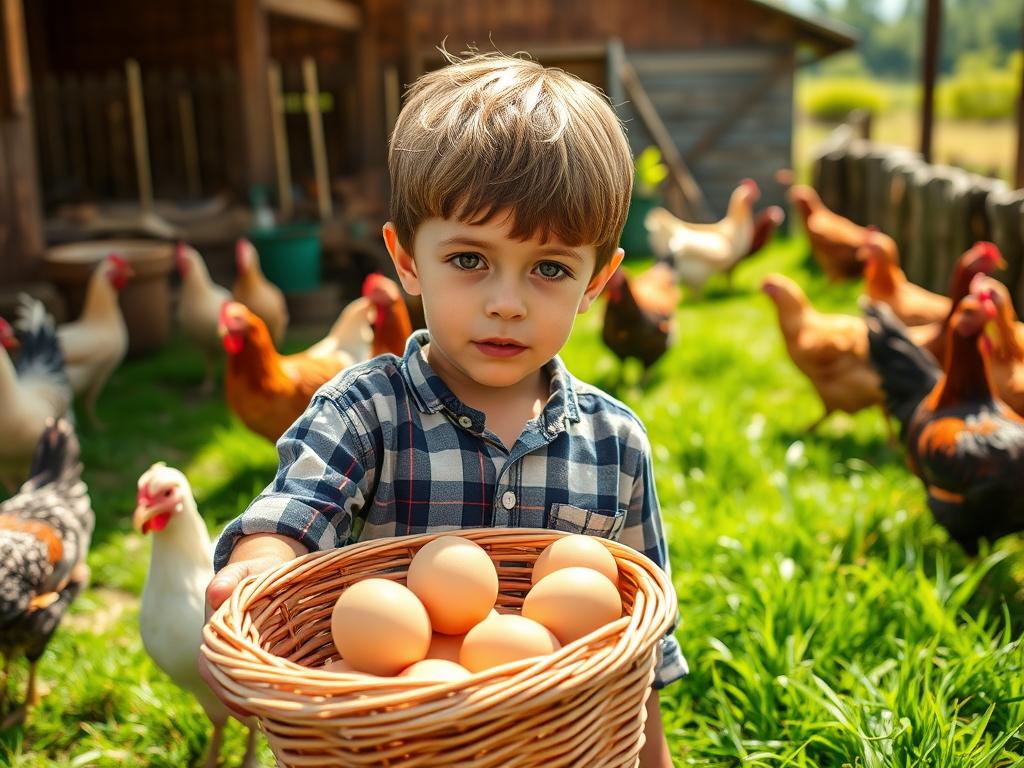
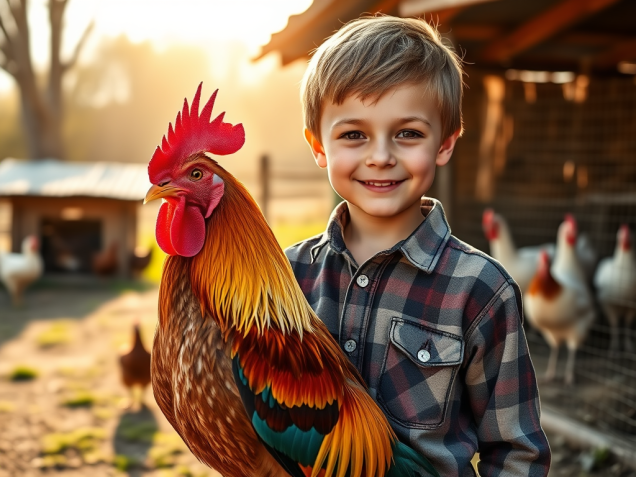


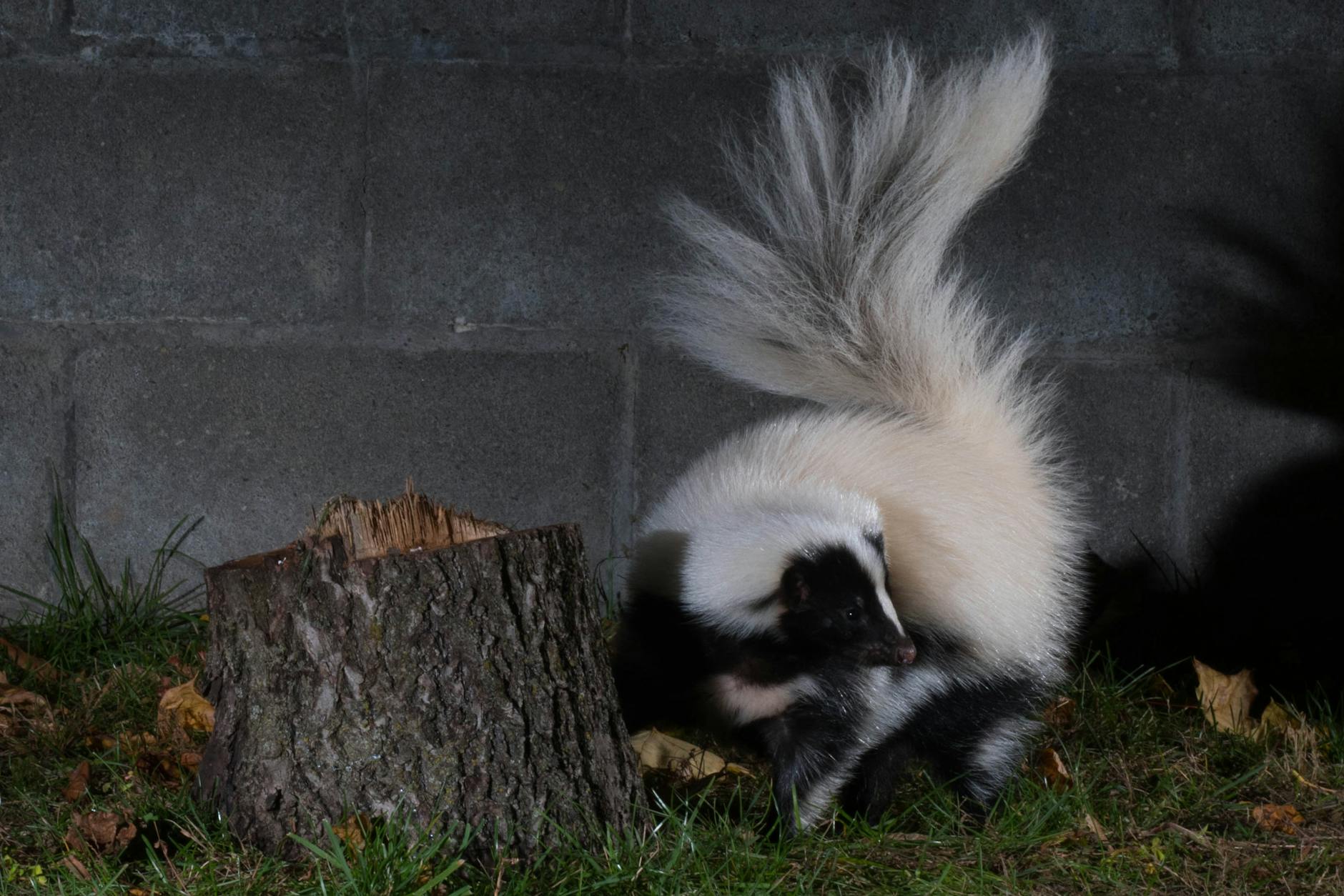

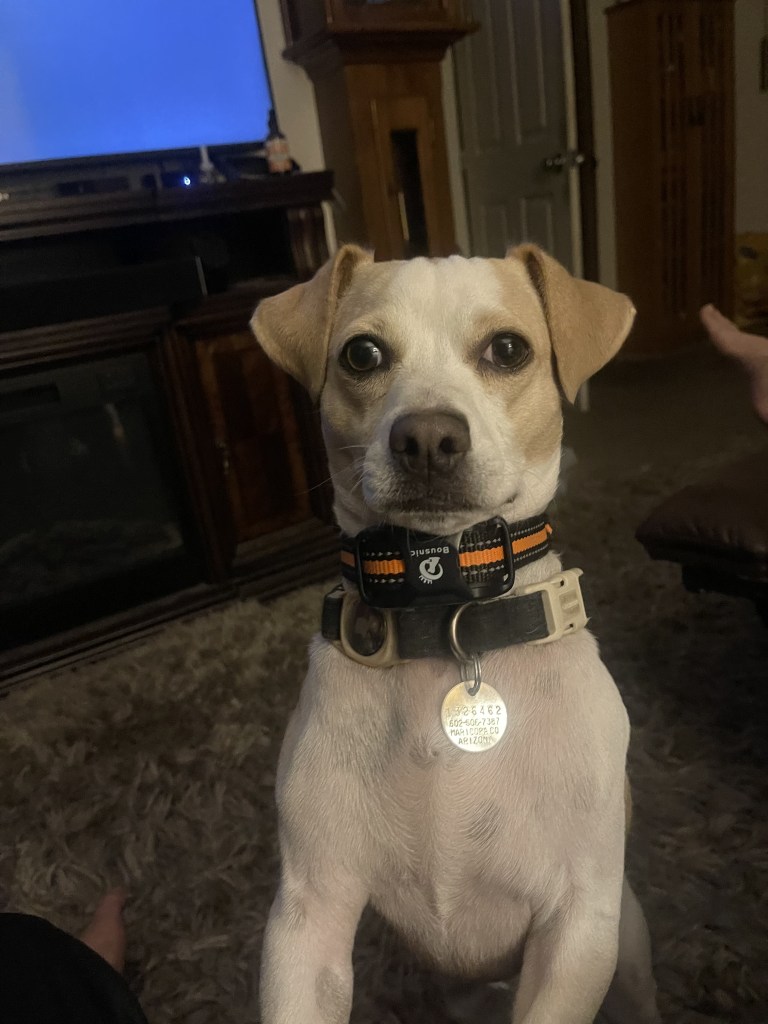
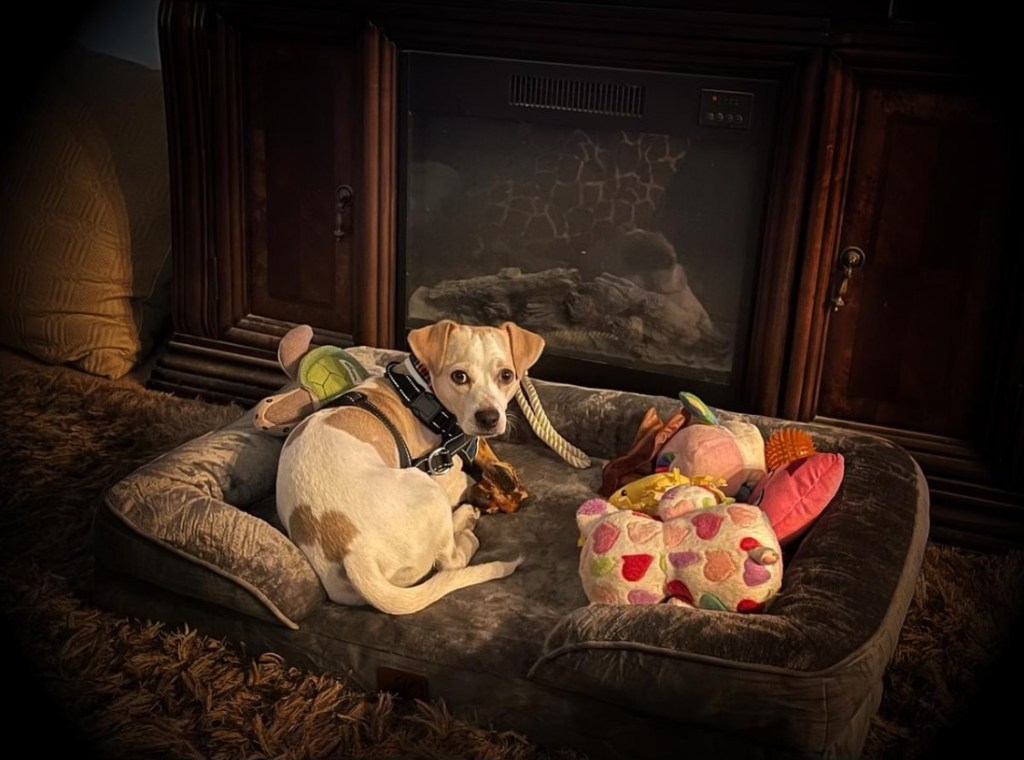



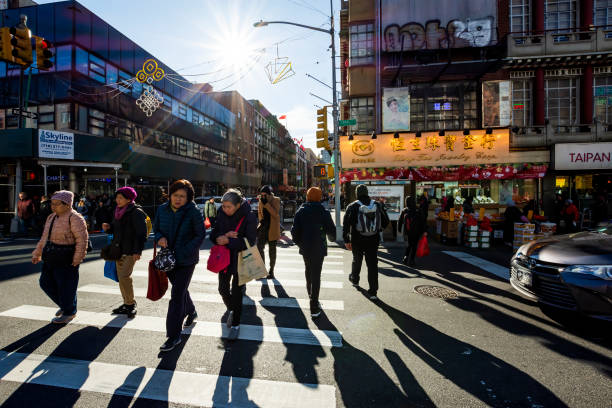




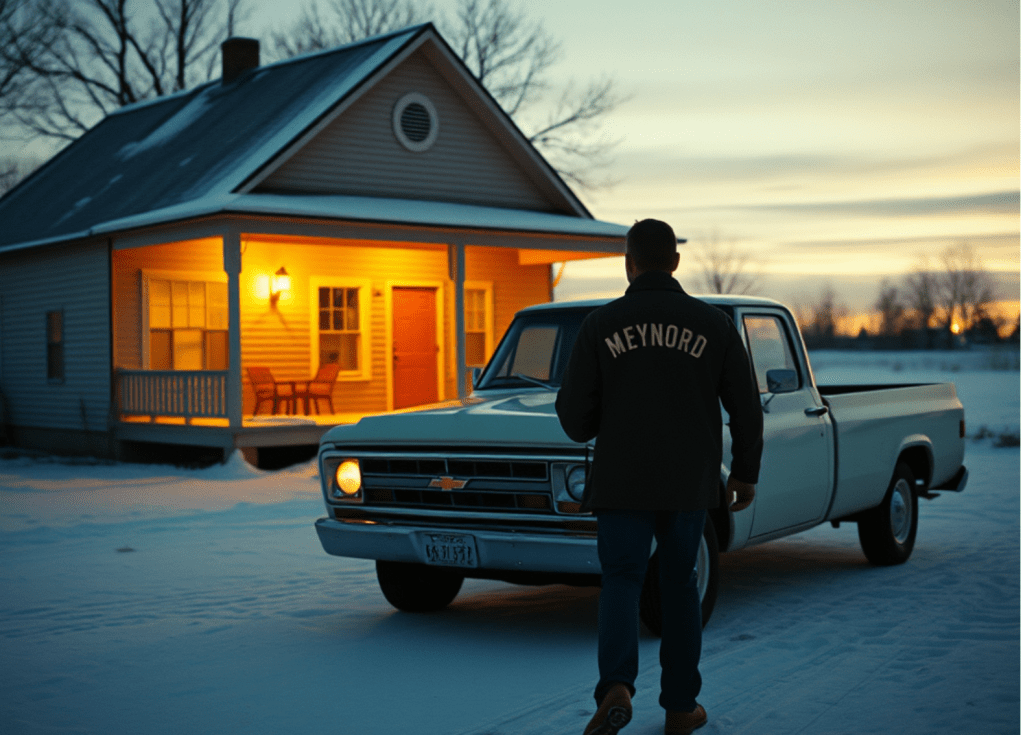


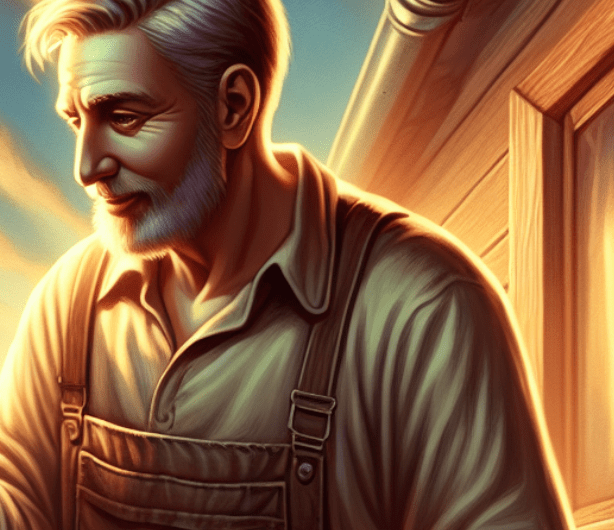
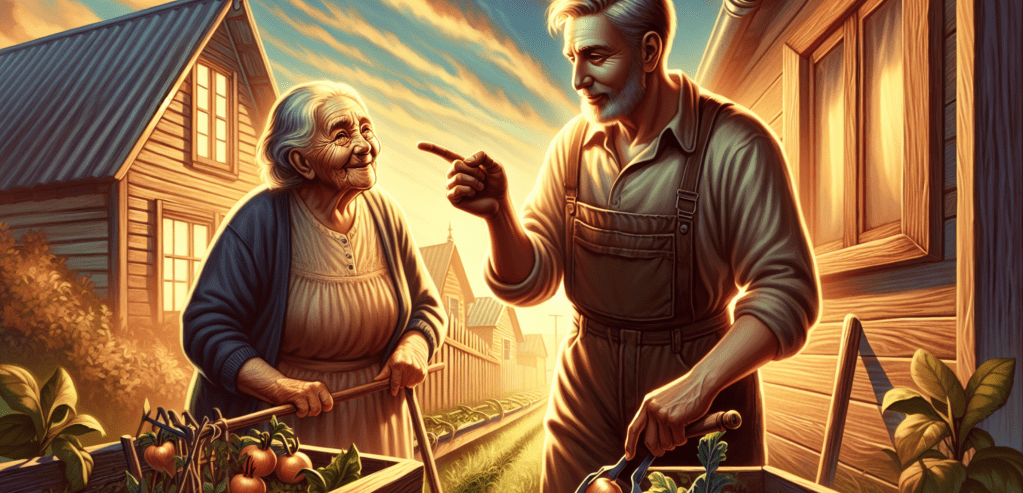


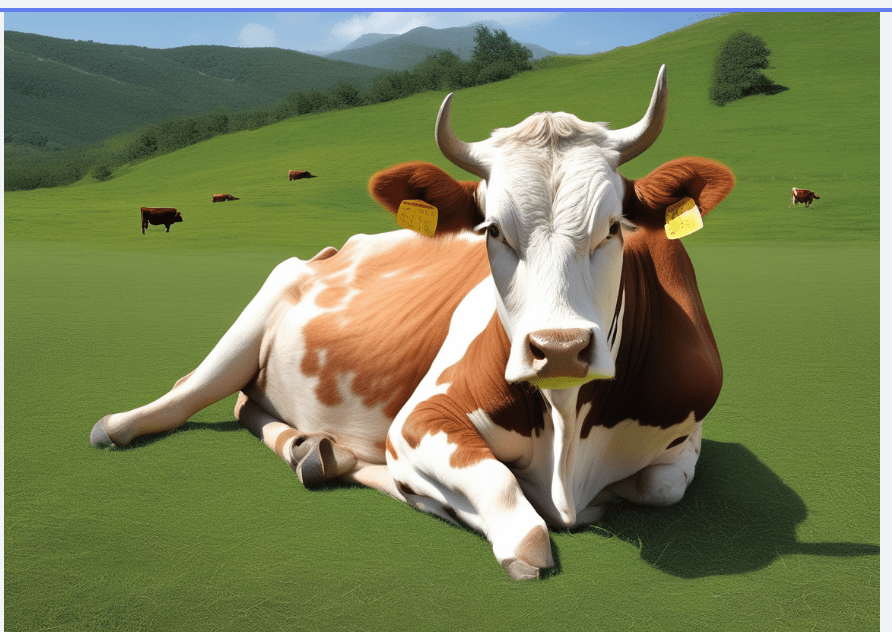

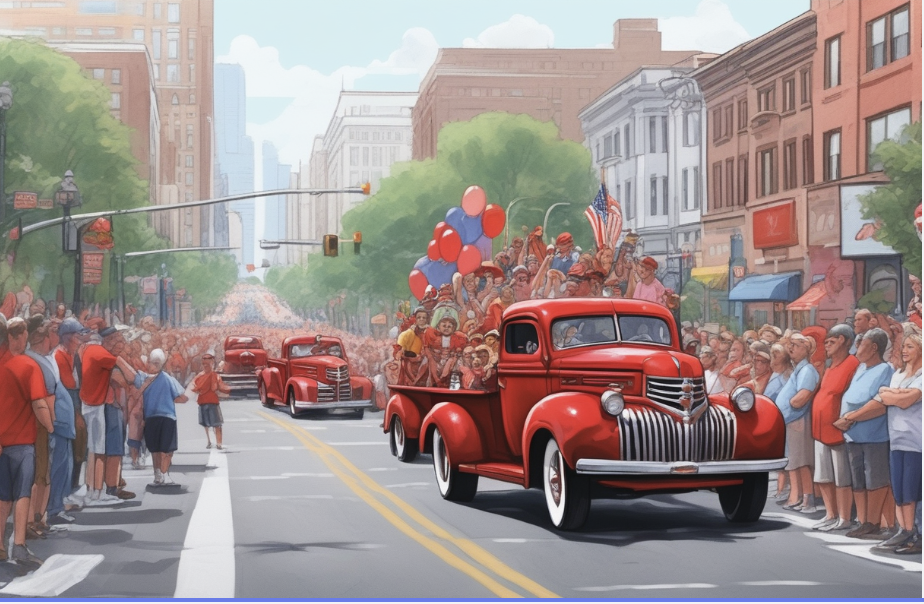
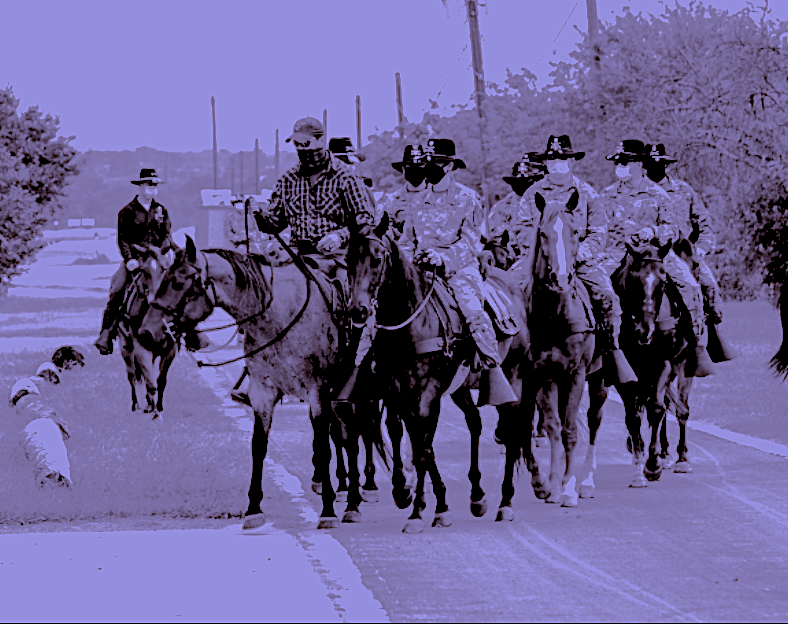
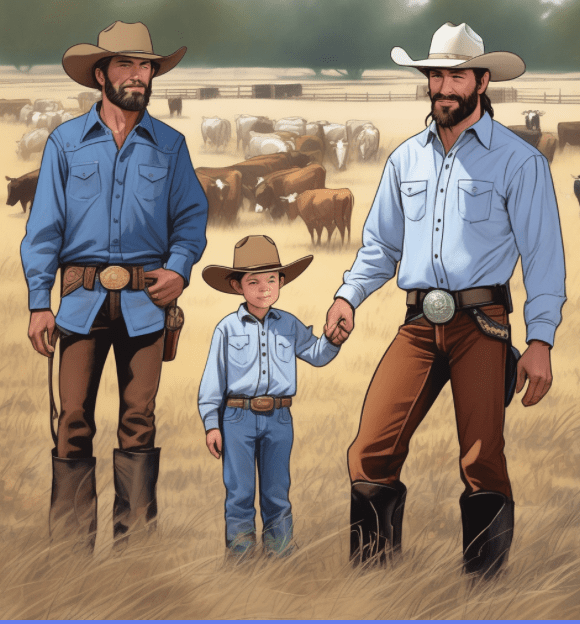
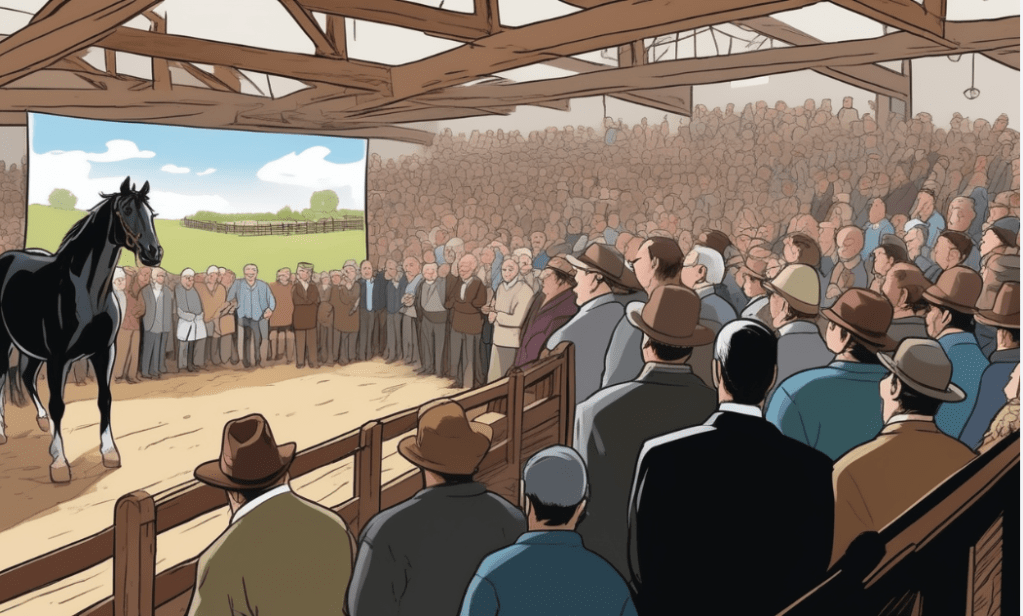
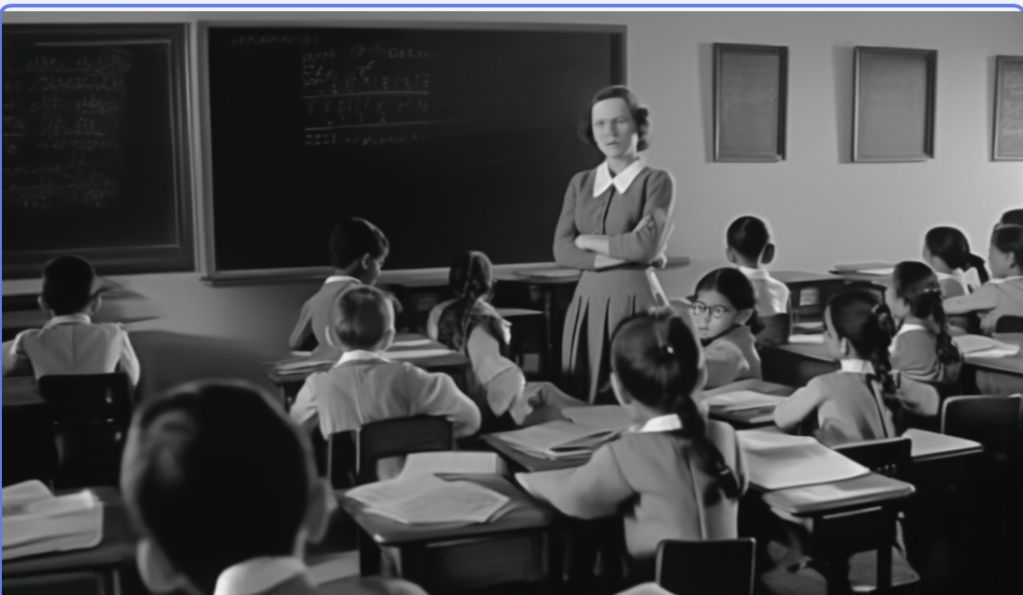
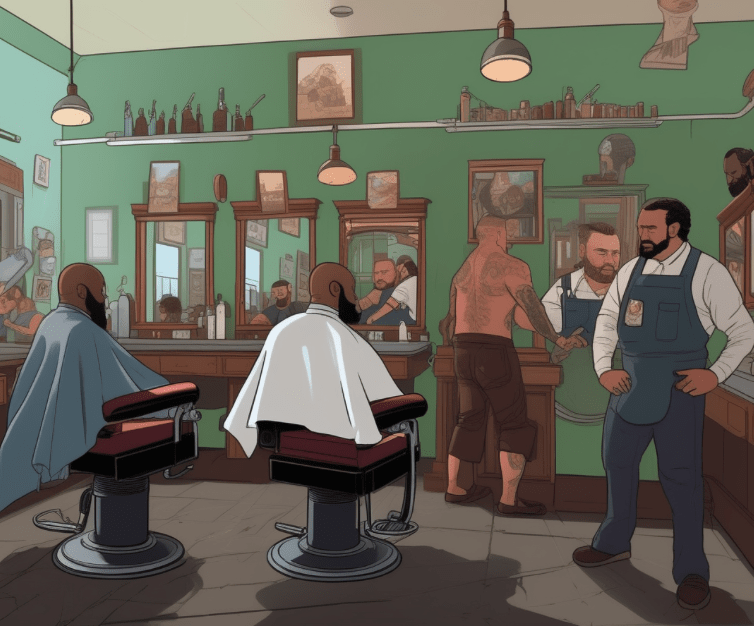














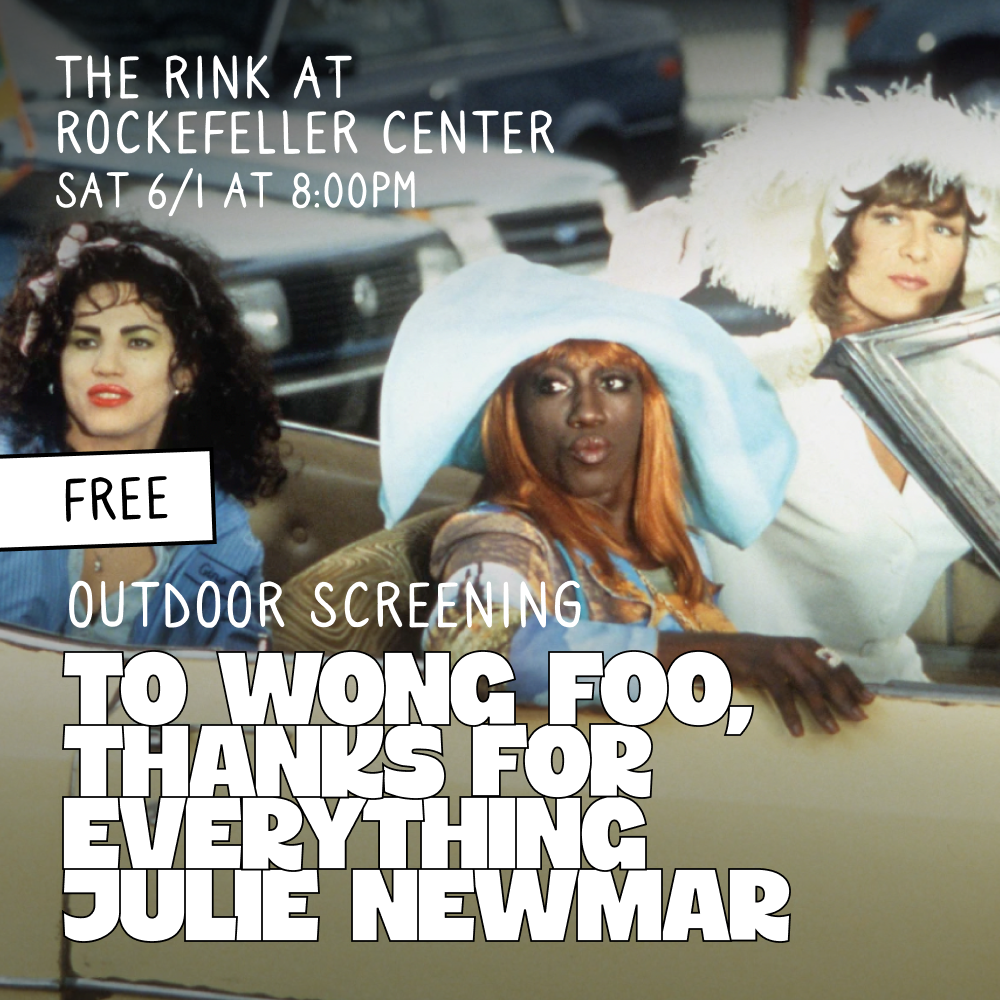











 benandsteve.com