There comes a time when you have to draw a line and decide what you stand for. Because if you don’t stand for something, sooner or later you’ll fall for anything.
“I have made the decision to stop any association with content connected to CBS, CBS News, CNN, FOX, and Flipboard. I can no longer, in good conscience, republish material from these organizations. I also can’t promote content from organizations that use media in ways I find troubling.“
A Change in Direction
There are moments in history when small events start to reveal a much larger shift. What has been happening inside major American media organizations lately is one of those moments. Stephen Colbert is a prominent public voice. He finds himself at the center of controversy shortly after openly criticizing corporate decisions tied to network leadership. This situation naturally raises questions. Is outspoken criticism still welcome within the walls of the companies that broadcast it?
At the same time, reports of internal conflict surrounding the newsroom at 60 Minutes have emerged. These reports involve one of the most respected investigative news teams in television. They have only deepened those concerns. Leadership changes have occurred. Public statements from newsroom figures have surfaced. Accounts of staff unease suggest that journalists inside the organization are feeling pressures. These pressures extend beyond the simple business of reporting the news.
This is where the issue becomes larger than one show, one host, or even one network. The concern is about the atmosphere surrounding journalism itself. When reporters start to sense that pursuing certain stories will carry professional consequences, the chilling effect spreads quickly. Investigative reporting depends on courage, independence, and the understanding that truth—not corporate comfort or political pressure—guides editorial decisions.
My declaration about stepping away from redistributing material from major outlets is rooted in this concern. It is not an attack on journalism. In fact, it is the opposite. It is a defense of what journalism is supposed to be. A free press only remains free when reporters and editors can pursue facts without intimidation. They must be capable of chasing stories without fear of reprisal. Reporters should not have to wonder whether the story they are chasing will upset powerful interests behind the scenes.
Journalists should never have to look over their shoulder before telling the truth. If they do, the public will lose more than just a few television programs. They will also lose newspaper columns. We will lose something far more important. We will lose the ability to trust someone. Somewhere, someone is still willing to ask the hard questions.
History teaches us that the erosion of press freedom rarely begins with a dramatic announcement. It usually starts quietly—with a decision here, a resignation there, a story that suddenly feels too risky to pursue. The public does not notice at first. But journalists do. They feel the shift in the air long before anyone else sees it. When reporters question if the truth cost them their platform, the damage has begun. They question if it risks their career or the support of their newsroom. This damage shows that fear is overshadowing press freedom. My decision to step back from amplifying certain media outlets is not born from anger. It is born from concern. A healthy democracy depends on journalists who can pursue facts without fear. If the press ever needs to seek permission to reveal the truth, the public will suffer. This greater loss impacts more than just a television program or a headline. We will have lost our watchdog.
It is up to us. The average Joe. To start doing something. What will you do?
3 responses to “When the Press Begins to Look Over Its Shoulder”
It’s one of my concerns, too. The job of journalists and reporters becomes risky now. They’re not safe if they tell the truth, especially since powerful people are involved in it. I don’t know about news these days if it’s true or just be polished to protect someone else. The media becomes chaotic, as well as politics. I don’t understand, and I dislike to hear something disgusting about it.
Thank you, Hazel. Many people are torn between speaking up or staying quiet and hoping things change. But dust doesn’t move unless someone disturbs it. Sometimes the only way to slow what’s happening is to challenge it. If my words inspire even one person to act, and that person inspires another, then they have done their job.
One year ago former U.S. President Jimmy Carter passed away. We close this year with a celebration to his life. Recognizing his many accomplishments. Here is one, a promise he had made on the campaign trail before he was elected to office. That if he won the presidency, he would return to Elk City, Oklahoma and thank them. He upheld that promise, as well as many others he made. A man with true humility, honesty and principles. Sorely missed as an example to others.We honor a true a leader by remembering his life!
On March 24th, 1979, President Jimmy Carter returned to Oklahoma. He came to fulfill a campaign promise he had made during his first run for office. While campaigning, he passed through Elk City, Oklahoma, and vowed that if elected, he would return as President. True to his word, he came back to this small western Oklahoma town to connect with its residents.
By then, the memory of President Ford’s near-assassination and other threats against public figures lingered in the national consciousness. Carter was a peanut farmer from Plains, Georgia. He resonated with Oklahoma Citizens through his humility and shared values. This included his Democratic Party affiliation. First Lady Rosalynn Carter was accompanying him. Her warmth and grace complemented her husband. She left a positive impression on the locals.
At the time, Oklahoma’s Governor George Nigh was a celebrated figure in state politics. George Nigh was elected Lieutenant Governor more times than anyone else. He briefly served as Governor multiple times. This occurred when his predecessors resigned to take other offices. Despite some legal challenges about his eligibility, the State Supreme Court affirmed his ability to serve. He was now in his first full term as Governor. His presence at Carter’s visit added to the significance of the occasion.
The visit brought much excitement and preparation to Elk City, a town of about 12,000. The oil boom had not yet transformed the region. The high school’s field house was the largest venue available for the gathering. Elk City did not have an airport that accommodates Air Force One. Thus, the nearby Clinton-Sherman Airbase in Burns Flat, 15 miles east, was reactivated for the President’s arrival. A motorcade transported President Carter and his entourage to Elk City.
The event attracted widespread attention, with media outlets from a five-state area descending on the town. Governor Nigh, Oklahoma’s First Lady, U.S. Senators, Representatives, and many state officials joined the crowd. The field house overflowed with locals eager to witness history.
President Carter took the stage after introductions by various community leaders. His speech was marked by humility, sincerity, and a willingness to engage directly with the audience. During a question-and-answer session, a young girl boldly asked for a kiss. The President graciously obliged. This act endeared him further to the crowd.
Unlike many politicians who have returned to the comfort of Washington, D.C., President Carter chose to stay overnight at the home of Elk City Mayor Larry Wade. While he and Rosalynn rested, Elk City police officers securely guarded their limousine. It was stored in the fire department’s bay. The fire trucks were temporarily parked on the street. This allowed room for the vehicle. The bay doors were locked to make sure its secure.
The next morning, the Secret Service inspected and prepared the limousine for the journey back to the Clinton-Sherman Airbase. At 7:00 AM, President and Mrs. Carter were to be escorted by a motorcade that included local police and the Oklahoma Highway Patrol. But the Carters had been invited to church. And to church they would go. The President’s and First Lady’s Church attendance was unannounced and brief. Two routes were used to guarantee security, though the President’s exact route remains uncertain. By 8:15 AM, all vehicles converged at the church. The Carters left church and went to the Clinton – Sherman Airfield, near Burns Flat. “Nothing is to schedule” one news reporter was noted as saying. And, for the Secret Service, they appreciated it wasn’t. The changes in the planned activity helped create enough of a distraction.
As Air Force One prepared for departure, President Carter and Rosalynn climbed the stairway. They turned to wave goodbye to the assembled crowd. Then, they boarded the plane. Within minutes, the jet’s engines roared to life. It ascended into the blue Oklahoma sky. The departure left behind a community that felt valued and appreciated.
Jimmy Carter’s visit to Elk City exemplified his commitment to keeping promises and connecting with everyday Americans. Years after making his pledge, he returned to this western Oklahoma town. This return reflected the integrity and personal touch that characterized his presidency.
This Story Originally Appeared On November 1st, 2025. On November 26th a shooting resulted in Washington D.C. It looks as if it resulted from pressure placed on an individual. A person identified from a sect or community. You can read the story connected to that event here. then consider the contents of this story and decide for yourself. It is not difficult to have predicted. More will come.
10–16 minutes
In every generation, the United States stands at a crossroads of its own making. From the outside, our country can look unstoppable. From the inside, we often feel the push and pull of competing values. These include hopes and fears. Beneath the headlines and politics are real people—neighbors, families, workers—trying to live meaningful lives. When pressure builds in a society, it rarely announces itself with fanfare. Instead, it creeps in quietly, showing up as worry, disconnection, or a sense that something familiar is shifting. This story isn’t about sensational headlines but about those quiet pressures—economic, social, and cultural—that can change a nation’s future.
Deportation, Prejudice, and the Risk of History Repeating
When governments treat specific communities as disposable, they create wounds. These often fester into something more dangerous. Today in the United States, many Hispanic families live under the shadow of deportation. They are sometimes sent to countries that are not their place of origin. Worse still, many are denied fair hearings or meaningful access to justice before being removed.
This pattern, though uniquely American in its details, has historical echoes elsewhere.
Lessons from Israel and Its Neighbors
Globally, people are voicing similar worries. Inflation, poverty, unemployment, and corruption rank highest worldwide. Local details differ, yet the underlying pressures on ordinary families are strikingly alike from one country to another.
In the Middle East, decades of restrictive policies have shaped the relationship between Israel and its neighbors. Palestinians have endured travel restrictions, settlement expansion, home demolitions, and barriers to full participation in civic life. While not every individual responds with violence, these systemic grievances have fueled a climate where radical groups gain traction. Street shootings, bombings, and attacks on innocent civilians are, in part, the tragic outcome of exclusion and marginalization.
When justice is denied, resentment grows. History shows us what happens when exclusion takes root. Will the U.S. repeat Israel’s mistakes?
The lesson is not that oppression always leads to terrorism. Yet, when large communities feel silenced, denied justice, or stripped of dignity, it becomes easier for extremism to take root.
The American Parallel
For many Hispanic communities in the U.S., there is growing concern that the same cycle begins here. Families who have lived in this country for years are uprooted without warning. Children who know no other homeland are deported to countries where they have no ties. Legal safeguards that should guarantee fairness are often bypassed through expedited removal or administrative shortcuts.
Deportation without dignity doesn’t just break families—it risks breaking society. Lessons from abroad show what happens when whole communities are silenced.
The danger is not only humanitarian—it is practical. Alienation breeds resentment. Resentment, left unchecked, can lead to anger that is so strong it erupts in harmful ways. If citizens and residents consistently feel betrayed by the very government meant to protect them, feelings of betrayal grow. Over time, these feelings lead to instability akin to that seen in other parts of the world.
A Cautionary Reflection
The United States faces a choice. It can double down on policies that treat Hispanic people as outsiders. Alternatively, it can recognize that fairness, dignity, and due process are not luxuries—they are stabilizers. By ensuring justice and compassion, the U.S. can protect both its people and its principles.
History reminds us that exclusion never produces lasting peace. Inclusion does. If America forgets this, it risks repeating a painful lesson already written across borders far from its own.
Exclusion never creates peace. Inclusion does. The United States must choose which future it wants.
As this report was being prepared on September 10, 2025. Conservative activist Charlie Kirk was fatally shot during a speaking event at Utah Valley University in Orem, Utah. He was addressing an audience as part of his “American Comeback Tour.” When a gunman, described as wearing tactical gear, opened fire from a nearby building. The event was not just violent in its outcome. It’s now being discussed widely as an example of how political tensions, rising polarization. Public rhetoric can set the stage for tragedy. AP News+3Reuters+3People.com+3
This shooting stands as a stark reminder of what happens when communities feel threatened, unheard, or unfairly treated. When specific policies—like deportations without fair hearings, rhetoric that pits “us vs. them,” or laws that strip rights from people—are merged with public disdain, alienation can grow. As with Kirk’s death, violence doesn’t happen in a vacuum. It is often preceded by months or years of escalating division, distrust, and dehumanizing language toward some group.
If similar pressures continue—where people feel they are being denied justice. Or they will be forced into exile, or silenced—the risk is not only that isolated individuals will lash out. More of these attacks will spill into public spaces, become more common, and target more people. Charlie Kirk’s shooting is tragic and shocking. Still it also foreshadows a pattern we’ve seen before elsewhere: oppression + exclusion + inflammatory rhetoric = violence.
THE QUESTION NOW FACING THE UNITED STATES
The U.S. be trailing a path? Is government policy and public rhetoric pushing some communities to a breaking point? Exclusion and injustice be more than grievances, becoming catalysts for violence?
Israel offers a stark example. It shows what can happen when a nation attempts to dominate or control another people or region. Despite decades of military action, surveillance, imprisonment, and harsh policies, the country faces ongoing terrorist attacks. These actions occur within its own borders. History shows that no matter the tactics, attempts to subjugate or marginalize an entire population often breed resentment. Such approaches lead to cycles of violence rather than lasting security.
Recent polling reveals Americans’ top worries focus on daily life basics. These include the economy, healthcare costs, inflation, and Social Security. Economic anxiety has become the leading stress point—and understanding it is key to shaping effective public policy.
In the United States, millions of people belong to the LGBTQI community—transgender, gay, intersex, and beyond. If laws or court rulings increasingly target these groups with discriminatory restrictions or hardships, the effect won’t just be legal. It will erode their existing rights and impact them deeply on a human level. People who feel cornered, threatened, or stripped of dignity often turn to protest, activism, and self-defense. Families, friends, and allies of LGBTQI individuals will stand with them. History shows that when marginalized communities are pushed too far, their collective response grows stronger. They become more determined, whether through the courts, the ballot box, or public action.
There are case studies in why inclusion and fairness matter. Disenfranchisement can occur across many lines. These include ethnicity, religion, gender, disability, or economic status. Prevention starts with recognizing early warning signs. It involves pushing for fairness and empathy. Other groups and individuals will be targeted in this sweeping of Americans’ rights.
1. Immigrant and Refugee Communities Beyond Latin America
People from African nations, the Middle East, or Asia sometimes experience parallel challenges. They face deportation, limited due process, and suspicion tied to their nationality or religion. Policies that reduce refugee admissions, delay asylum processing, or tighten visa rules disproportionately affect them.
2. Religious Minorities
Muslims, Sikhs, Jews, and other smaller faith groups have seen spikes in harassment or targeted legislation. Surveillance, mosque or temple zoning battles, and hate crimes all increase when public rhetoric frames these groups as”others.”
3. Indigenous Peoples
Tribal communities continue to face legal battles over land, water, and sovereignty. Changes to federal protections or environmental rules can undermine their rights. This fuels deep distrust and potential standoffs (for example, Standing Rock and other pipeline protests).
4. People With Disabilities
Budget cuts or shifts in healthcare, accessibility regulations, or education funding can affect people with physical or cognitive disabilities. Without legal protections and enforcement, they risk losing access to accommodations and services they depend on.
5. Women and Reproductive Rights
If policies continue restricting reproductive healthcare and bodily autonomy, many women feel increasingly alienated. This is especially true for those in rural and low-income areas. Such feelings lead to organized protest. It also heightens tensions.
6. Workers in Precarious or Gig Jobs
With unions weakened and worker protections often rolled back, low-wage and gig-economy workers are also vulnerable to systemic neglect. Economic insecurity can create fertile ground for unrest, especially if merged with racial or immigration-related grievances.
On a hot summer’s day, if you stir any of these pots, something unhappy will happen. Similarly, if you keep someone locked out on a cold winter’s day, the outcome will be negative. It used to be the explosive reaction we referred to as Cabin-Fever when someone no longer can take the pressure. When so many groups are pushed to the point of not being capable to handle it. What happens? America already has more firearms than any country in the world. It shouldn’t take much research to realize that becoming Palestine-Israel would be easier than ever. It would also be more violent than people thought.
Exclusion never creates peace. Inclusion does. America must choose which future it wants.
There are Americans who are also to be considered part of the LGBTQI community. If laws or Supreme Court rulings turn against the transgender, Gay members, or Intersex community, these laws can cause hardships. Further restrictions can come into their lives. At some point, they and their families, friends, and supporters are going to find ways to defend themselves.
Yes — beyond the Hispanic and LGBTQI communities already discussed, there are several other groups. Experts and advocates often recognize these groups as vulnerable. These groups are often affected by shifts in policy, public sentiment, or legal rulings. Here’s a quick overview:
How Many Transgender People Have Been Mass Shooters?
This chart shows just how rare transgender or nonbinary mass shooters are in the U.S.—less than 1% of cases compared to an overwhelming majority by cisgender men. It’s a clear reminder that public narratives blaming LGBTQ+ people for mass violence are unsupported by facts.
How many trans shooters are there in real life?
Officially, the short answer: very, very few. Credible databases don’t systematically record gender identity. Still, the best available analyses show well under 1% of U.S. mass shooters have identified as transgender or nonbinary—i.e., only a handful of cases across many decades. Social Sciences and Humanities College+1
A few notes for context:
The Violence Project’s long-running database (public mass shootings, 4+ killed) shows hundreds of incidents since 1966. Researchers and fact-checks confirm that transgender perpetrators account for less than 1% of cases. This is in the low single digits in total. The Violence Project+1
News reporting that tries to tally specific incidents similarly finds just a few cases. It also cautions that many official datasets code by sex, not gender identity, which limits precision. Newsweek
Independent fact-checks conclude that claims of a “rise” in transgender mass shooters are unsupported. The vast majority of mass shooters are cisgender men. Reuters
Bottom line: Exact counts are hard to pin down because of data limitations. The evidence consistently shows that transgender people make up a vanishingly small share of U.S. mass shooters.
“Fewer than ten transgender athletes out of 510,000 NCAA players.
Yet, they’re at the center of a multi-million-dollar political storm.”
This makes sense—transgender people represent a very small part of the population, and their visibility often makes them targets. Out of more than 510,000 NCAA college athletes nationwide, it’s estimated that fewer than ten are openly transgender. Historically, families—including our grandparents and their grandparents—have coexisted with transgender individuals without controversy. Only in recent years have political attacks escalated, turning a once-private aspect of life into a public battleground. These attacks have generated hundreds of millions of dollars. Groups and politicians use transgender people as a wedge issue. They target individuals who are simply trying to live their lives.
What We Know (or Think We Know)
According to the Williams Institute at UCLA, about 300,000 youth aged 13–17 recognize as transgender in the U.S. Williams Institute
Of those, some studies suggest ~40.7% of transgender high school students play on at least one sports team. Applying that to the population estimate gives around 120,000+ transgender high school student-athletes Williams Institute
Nonetheless, when it comes to more specific breakdowns (e.g. how many play in women’s teams, or how many are in college/pro sports), the numbers are much smaller. For example, GLAAD reports that among ~510,000 NCAA college athletes, there are fewer than 10 known transgender athletesGLAAD
Key Takeaways & Limitations
Small in relative terms: Tens of thousands of transgender youth join in high school sports. Still, they are still a very tiny fraction of all athletes.
Very few at higher levels: At the college or professional levels, the known, openly transgender athletes are very rare (under 10 in the NCAA among all those athletes, per recent reports) GLAAD+1
Data gaps: Many sports associations don’t track gender identity carefully. Privacy concerns, inconsistent reporting, and changing eligibility rules make precise numbers hard to nail down.
Exclusion never creates peace. Inclusion does. The United States must choose which future it wants.
Yet even in times of strain, The United States of America greatest strength has always been its capacity to self-correct. Communities do not simply absorb pressure—they also adapt, innovate, and rise to meet challenges. We have the chance now to choose empathy over division, solutions over rhetoric, and inclusion over exclusion. If we remember that the country’s heart beats strongest when its people are treated with fairness and dignity. Then the same forces that threaten to divide us can also become the sparks that unite us. This is not just a warning—it’s an invitation to hope.
This content was originally intended to be posted on September 11, 2025. Due to unfolding events at that time, its publication was postponed until November 1, 2025. The research began weeks before events on September 10, 2025 in Utah. If extra events have occurred since then, this report reflects the level of concern. It highlights the growing sense of unease emerging across the United States.
About the Author:
Benjamin Groff is a former police officer and radio news anchor. He has hosted programs for CNN and ABC News affiliates in Colorado and Wyoming. His career in law enforcement began in 1980 and lasted more than two decades. This gave him firsthand insight into the criminal mind and public safety. Moreover, it provided him with an understanding of the human stories that often go untold. His writing draws on these experiences, blending street-level truth with a journalist’s eye for the bigger picture.
By Benjamin H. Groff II | Truth Endures / The Story Teller
3–5 minutes
A Decade After Obergefell
Will You Lose Your Rights To Marry Who You Love?
Ten years after the Supreme Court’s landmark Obergefell v. Hodges decision recognized same-sex marriage as a constitutional right, America finds itself again revisiting questions many thought were settled.
The Court’s ruling in 2015 declared that marriage, in all its forms, is protected by the Fourteenth Amendment. This includes guarantees of liberty and equal protection. As new petitions rise, the conversation has returned to the surface. Shifting public attitudes also contribute to this discussion. Who holds authority over marriage — the individual, the state, or the Constitution itself?
The Current Question Before the Court
A pending petition related to former Kentucky clerk Kim Davis has reignited national attention. Her case asks whether local officials refuse to issue marriage licenses on religious grounds. It also questions whether Obergefell overstepped by forcing states to recognize marriages they once prohibited.
The Supreme Court has not agreed to hear the case. Still, its presence on the docket is enough to open old wounds. It also raises new questions. Some legal analysts believe the current Court will not directly overturn Obergefell. Yet, it will narrow its reach through religious-liberty rulings. It also does so through state-level exceptions. Others assert that stability — not upheaval — best serves the nation and the families already bound under its promise.
Two Visions of Marriage and Rights
One side views marriage equality as part of America’s long arc toward inclusion. They view it as a civil institution that, once granted, should not be rescinded. They see equality before the law as non-negotiable. They fear that revisiting the issue will fragment the nation’s sense of fairness.
The other side argues that Obergefell disrupted centuries of state authority. It affected religious conscience. They believe that restoring local decision-making better reflects democratic process. They point to the tension between personal faith convictions and federal mandates as a conflict yet unresolved.
Between those poles lies a broad middle. These are citizens who do not agree on doctrine. They understand that marriage, whether between a man and woman or same-sex partners, carries profound human meaning. Many simply wish to preserve stability, protect liberty, and allow space for faith and freedom to coexist.
Faith, Law, and Living Together
Scripture has long influenced how societies view marriage. For some, biblical passages define its structure and purpose; for others, they offer moral insight without prescribing civil law. The tension between religious belief and constitutional law is not new. This tension echoes past debates over interracial marriage, divorce, and women’s rights.
In every era, society has had to ask two questions. What happens when faith and law collide? How do we live together without tearing the fabric of our community apart?
Why the Debate Still Matters
Even if the Court declines to hear new challenges, more than two dozen states have laws banning same-sex marriage. These laws are dormant on their books. If Obergefell were ever overturned or weakened, those statutes will return overnight, affecting benefits, inheritance, adoption, and family recognition.
At the same time, many Americans share a common belief. Conservatives and liberals alike think the government shouldn’t dictate the deepest personal choices of its citizens. This belief runs deep in the country’s DNA. – Barred from Hospital Rooms – Declined Visits By Family Funerals – Loss of Shared Property.
A Time for Reflection, Not Division
It is that America is less divided on love than on language. Many citizens who believe marriage is sacred still believe in equal dignity; many who support equality still respect faith’s voice.
The challenge before the nation is to find balance. This also is a challenge for the Supreme Court. It involves preserving both religious liberty and individual freedom. This must be done without sacrificing the dignity of either.
Marriage remains one of the few institutions that bridges our private and public lives. It does this whether one calls it a covenant before God or a contract under law. The real question is not who can marry. It is whether we can continue to respect those who see it differently. Is it a divine institution? One which a person be married and divorced five times, as long as it is to the opposite sex. Or, is it a civil contract between two people which protects their lives, property and future? Capable of being entered into by any two people.
Closing Thought
History rarely moves backward. Nonetheless, it does pause to consider and to recalibrate. It also reminds us that liberty requires both conviction and compassion. As this conversation unfolds, we argue less to win and more to understand.
Antifa, short for “anti-fascist,” is a decentralized, far-left political movement that opposes fascism, racism, and other forms of far-right extremism.
It is not a single, unified organization with a national leader or headquarters. Rather, it is a loose network of autonomous local groups and individuals. They share a common ideology.
History
European origins: Modern anti-fascist movements have historical roots in early 20th-century Europe. Groups like Germany’s Antifaschistische Aktion fought against rising fascism and Nazism in the 1920s and 1930s.
American development: In the United States, groups like the Anti-Racist Action (ARA) influenced the modern movement in the 1980s. They confronted Neo-Nazi skinheads at punk rock concerts.
Resurgence: Antifa gained significant public attention and saw a revival in activity after the 2016 U.S. presidential election. This was especially true during clashes with far-right groups. These occurred at events like the 2017 “Unite the Right” rally in Charlottesville, Virginia.
Beliefs and ideology
Anti-authoritarianism: Adherents subscribe to a range of left-wing views. These include anarchism, socialism, and communism. They hold anti-authoritarian and anti-capitalist positions.
Direct action: The movement prioritizes direct action over electoral politics. They believe it is necessary to disrupt what they see as hateful and oppressive activities. These disruptions are crucial before such activities can grow.
Confrontation: Supporters believe that hate speech is not free speech and advocate for the active suppression of fascist organizing efforts.
Tactics
Antifa tactics range from nonviolent to militant and vary widely among autonomous groups.
Nonviolent techniques: These include community organizing, publicizing the activities of far-right groups (“doxing”), and distributing flyers.
Militant techniques: Some adherents use confrontational tactics, including physical violence and property damage, which critics condemn as counterproductive and dangerous.
“Black bloc”: During protests, some activists engage in “black bloc” tactics. They dress in all black with their faces covered. This is done to keep anonymity and solidarity.
Controversy and criticism
Terrorist label: For several years, President Donald Trump has said he would label Antifa as a terrorist organization. As recently as September 2025, he reiterated this stance. Still, legal and civil rights experts have stated such a designation would be unconstitutional. They argue it is challenging to apply to a decentralized movement rather than a structured group. Former FBI Director Christopher Wray has also described it as an ideology rather than an organization.
Use of violence: Antifa’s use of violence has been condemned by both Republican and Democratic politicians. Some critics draw false equivalencies between Antifa violence and far-right extremist violence.
Misinformation: The movement has often been the topic of persistent disinformation campaigns. Right-wing groups and social media accounts promote false rumors and hoaxes about its activities.
Right now in U.S. politics, “Antifa” is not a formal organization. Instead, it is a loosely applied label meaning “anti-fascist.” It refers to people who oppose far-right extremism. In recent years, some political figures have used the term as a catch-all. Donald Trump is included among those who use it this way. They apply it to anyone who protests or opposes their policies. That means the word is often used more as a political weapon than a precise description.
If someone opposes the GOP or criticizes Trump’s policies, that alone does not make them “Antifa.” Certain media outlets or political figures call them that. It’s a rhetorical strategy to stigmatize opposition. This labeling is not a reflection of an actual membership or affiliation. Historically, in the U.S., dissent against a party or president has always existed without being automatically labeled as extremist.
So, in short: at the “current rate” of framing, you are called Antifa if you oppose Trump. Nonetheless, that’s a label applied by others. It is not an actual classification or legal designation. It’s essential to recognize the difference between rhetoric and reality.
Midnight came with a storm. The people surged into the square, led not by weapons, but by sheer will. They banged pots, rang bells, and carried torches. Harper stood at the front, her vest pockets heavy with rocks, ready for the only weapon she trusted—humiliation over bloodshed.
The guards pushed ahead, but when the first stone struck a helmet, ringing like a bell, the crowd roared. Pebbles, words, laughter—it all became a wall the Council couldn’t breach. The guards faltered. For the first time, they looked uncertain. Some even turned and fled.
By dawn, Haven’s Reach was not free—but it was different. The Council still ruled, but the people had tasted their own power. Harper knew the road ahead would be long. She also knew this: fear never again be the island’s only ruler.
By the time autumn winds swept across the island, Brant Harrow’s “First Rules” had been etched into daily life. They weren’t written on parchment or stone, but repeated so often that they became second nature.
“No theft, no violence, no waste, no words outside the Council.”
At first, the people complied out of respect. Later, they complied out of habit. And slowly, they began to comply out of fear.
It started small. A fisherman’s wife was overheard criticizing the Council for rationing nets unfairly. Days later, her family’s hut was mysteriously stripped of its lantern oil. Her husband’s catch was rejected at the communal market. There was no official punishment or public decree. It was just a quiet reminder of who held sway.
Families learned to whisper in the dark, if they whispered at all. Children were warned not to repeat what their parents said at home. Laughter around the fire grew more careful, guarded, as though shadows themselves carried ears.
Yet not all were cowed. A young teacher named Elara began meeting secretly with her students in the caves near the shoreline. She reminded them of the island’s first days. During those times, the people worked freely together. Voices rang out with no fear of reprisal. She called it
“The Memory.”
“Don’t let them take The Memory from you,”
She urged.
“Because when the memory dies, so do we.”
Above them, in the Council chamber, Brant Harrow and his circle drew lines on a map of the island. They were dividing it into districts.
“Control the land,”
He muttered,
“And we control the people.”
Unseen and unspoken, the first embers of resistance flickered in Haven’s Reach.
Instead of roaming the country as a military force, it can return to its roots. It should focus on protecting communities, fighting disasters, and standing ready at home. This was how it was initially intended.
Regular Role of the National Guard
Traditionally, the National Guard is a reserve part of the U.S. Armed Forces with a dual state and federal mission. Its primary duties include:
Disaster response: helping with hurricanes, floods, wildfires, tornadoes, and other natural disasters.
Civil support: assisting with search and rescue, law enforcement support, and humanitarian aid.
Community protection: maintaining order during emergencies like riots or public unrest (when activated by a governor).
Military readiness: training to serve as backup for overseas missions if federally activated.
Current Use vs. Regular Use
In recent years, the Guard has been used much more often as a deployable military force nationwide and abroad. Instead of focusing mainly on disaster relief and state emergencies, units have often been:
Sent overseas for long deployments (Iraq, Afghanistan, and other global missions).
Deployed domestically for extended periods to reinforce border security.
Called into action for large-scale protests or high-profile events (sometimes more as a security force than a disaster-relief one).
This “running about the country” role shows the impact of federal activation. It often overrides the state-level, community-first role the Guard was created for.
If They Were Not Used in This Way
If the Guard were not being tasked so heavily with nationwide or military-style deployments, they would be more focused on:
Local readiness involves staying in their communities and training for natural disasters and emergency responses.
Rapid-response teams: being first on the ground for wildfires, floods, and major storms.
Community integration: building stronger ties with local emergency agencies, fire, police, and hospitals.
Relief from strain: soldiers wouldn’t be stretched between frequent national missions and their civilian lives (jobs, families).
In short, without the current expanded use, the Guard would essentially serve as a state-based safety net. It would not work as a roaming military or quasi-police force.
Back to Basics: Rethinking the Role of the National Guard
The National Guard has long been the “citizen-soldier” force of the United States, built to serve both State and country. In recent decades, its role has changed. It has drifted toward functioning as a national military extension. It is constantly deployed across the country and overseas. What if, instead, the Guard returned to its roots?
1. Local First: Anchored in Communities
At its best, the Guard is a local safety net. Guardsmen live, work, and raise families in the same communities they serve. Units should primarily focus on state-based missions. This focus ensures the Guard would be ready to respond within hours to natural disasters. They would also be prepared for civil emergencies or infrastructure crises. Imagine a Guard that spends more time training with local fire departments, EMTs, and hospitals than on federal deployments.
2. Disaster Response as the Core Mission
Hurricanes, floods, tornadoes, wildfires—these are the events that disrupt American lives far more often than foreign conflict. A back-to-basics Guard would prioritize:
Maintaining rapid-response disaster teams in every State.
Stockpiling equipment is tailored for local threats. This includes boats in flood zones, fire suppression gear in the West, and snow mobility in the North.
Conducting community disaster drills ensures that both citizens and Guardsmen are equally prepared.
Units would no longer be pulled away for distant missions. They would focus on being the first and best resource for emergencies at home.
3. Training for Peace, Not Just War
Right now, Guard training often mirrors active-duty military requirements, preparing for combat tours. In a reset model, training would also emphasize:
Cybersecurity units to defend state and municipal systems.
Community relations, so Guardsmen stay trusted neighbors rather than distant enforcers.
This would shift the Guard’s culture back toward being helpers before fighters.
4. Federal Role: Truly Exceptional, Not Routine
Of course, the Guard must stay capable of federal service in extreme situations—war, national catastrophe, or extraordinary need. Yet, deployments abroad or cross-country should be rare exceptions, not the default. By limiting federalization, Guardsmen can balance their civilian careers and military service, reducing burnout and attrition.
5. Why It Matters
A back-to-basics Guard would mean fewer fatigued families. It would result in stronger ties to local communities. This approach ensures a quicker, more reliable response when disaster strikes. America’s Guard would not be stretched thin across the globe. It would once again stand where it was meant to: in the towns and states it calls home.
What if you read notices in your local news that read?
PRESS RELEASE
FOR IMMEDIATE DISTRIBUTION
Governor Announces New “Back to Basics” Model for the National Guard
Kansas, June 32, 1901 — Governor Sample, today, announced a renewed vision for the role of the National Guard. He prioritized disaster response, community protection, and local readiness. These take precedence over routine national or overseas deployments.
“For too long, our Guard has been stretched thin. They have been asked to serve as a roaming military force. Their greatest value lies right here at home,” said Governor Sample. “This back-to-basics approach ensures readiness. When disaster strikes—whether it’s a wildfire, flood, storm, or cyberattack—the Guard will be here for the people of Kansas.”
The new model emphasizes:
Local Focus: Units stay in-state and train alongside fire, police, and emergency services.
Disaster Response Core: Stockpiles of equipment tailored to regional needs (boats, fire suppression, snowmobiles).
Civil Support: Enhanced training in medical aid, engineering, and cybersecurity.
Federal Deployment Limits: Guard units will be reserved for exceptional national missions, not routine overseas tours.
“Our citizen-soldiers are not only protectors—they are neighbors, coworkers, and family members,” The Governor added.
“By keeping them rooted in our communities, we strengthen both readiness and trust.”
The announcement received praise from emergency officials. Guard families also praised it. They say the plan reduces the strain on soldiers. These soldiers balance military duties with civilian life.
“This will make the Guard what it was always meant to be—a safety net for the people. It was not meant to be a shadow army,” said Major General Example, Adjutant General of the Kansas National Guard.
OR –
National Guard to Refocus on Community, Disaster Relief Under New State Plan
Pingpong, CA. Feb.30th, 1901 — The National Guard in California will soon change their focus. They will be trading extended deployments and national security missions for a renewed focus closer to home. In a press conference yesterday, Governor Pixel outlined a “back-to-basics” approach. This approach emphasizes disaster response, community support, and local readiness as the Guard’s primary mission.
The plan follows many years of frequent Guard call-ups across the country. These call-ups range from border security and protest response to overseas rotations. Critics have long argued these duties stretch citizen-soldiers too thin, pulling them away from their families, jobs, and communities.
Under the new model, Guard units would focus on in-state needs, like wildfire suppression, flood response, and medical assistance. Specialized equipment would be stockpiled based on regional threats. Training would shift toward engineering, emergency medicine, and cybersecurity. The focus would be less on combat deployments. Federal missions wouldn’t disappear, but would be reserved for “extraordinary circumstances.”
“This change will transform the Guard. It will achieve its true purpose,” said Major General Mission, Adjutant General of the California National Guard. “It will become a force that’s ready to protect and serve right where its soldiers live.”
Community leaders praised the proposal, noting the Guard’s quick local response during past disasters. Families of Guardsmen also welcomed the change, saying the plan reduces the strain of juggling civilian and military life.
The proposal has yet to be tested. It signals a shift in priorities. The Guard is rooted not in constant deployments. Its foundation lies in its mission as a local safety net for the people of California.
Returning the Guard to its original purpose –
📌 Top 3 Changes in the Guard’s Role
1. Local First
Guard units will stay primarily in-state, training with fire, police, and emergency services for quicker disaster response.
2. Disaster Response Core
Specialized equipment stockpiles—boats, wildfire gear, snowmobiles—tailored to each region will be prioritized over combat readiness.
3. Federal Deployment Limits
Units will only be sent on national or overseas missions for extraordinary emergencies, not as a routine practice.
That day will probably never come for a great many who read this report. For others who do, it serves as a goal. It becomes something to aim for when trying to look to a brighter future.
When Politics Turns Deadly: What Recent Shootings Reveals About America’s Pressures
Political Violence in the U.S.: A Historical Lens Political Pressure Pots That Are Exploding
On September 10, 2025, conservative activist Charlie Kirk was fatally shot while speaking at Utah Valley University. The attack shocked audiences nationwide and revived a painful question: Is political violence becoming more common in the United States? While the details of this case continue to unfold, history offers context. The Kirk shooting is tragic, but it’s not unprecedented—political assassinations and attacks have occurred before. Understanding that history can help us prevent future violence.
Political Violence in the U.S.: Then and Now
Throughout U.S. history, public figures have been targeted for their beliefs, activism, or positions of power. These events—though rare—often show deep social, political, or cultural tensions. Below is a timeline of key moments, followed by how they compare to today.
Timeline of Notable U.S. Political Murders/Assassinations
Year / Victim / Role / Context / Motive
On April 14, 1865, Abraham Lincoln, the U.S. President, was assassinated by John Wilkes Booth, a Confederate sympathizer.
1901 William McKinley, U.S. President, was killed by anarchist Leon Czolgosz.
1935 Huey Long, U.S. Senator / LA Governor, was shot by Carl Weiss amid political turmoil in Louisiana.
1963 Medgar Evers, a Civil Rights Activist, was shot outside his home for his activism in Mississippi.
In 1963, President John F. Kennedy was assassinated while riding in a motorcade in Dallas, Texas. Lee Harvey Oswald was arrested for the crime. He was shot and killed by Jack Ruby before standing trial. The official record names Oswald as the lone gunman. The motive has remained an issue of widespread debate and speculation for decades.
1965 Malcolm X, a Civil Rights Leader, was killed during a public speech in Harlem.
1968 Robert F. Kennedy, the Presidential Candidate, was shot after a campaign rally in Los Angeles.
On April 4, 1968, Dr. Martin Luther King Jr.—American Baptist minister, civil rights leader, and Nobel Peace Prize laureate—was assassinated. He was standing on the balcony of the Lorraine Motel in Memphis, Tennessee when it happened. James Earl Ray, an escaped convict, was arrested for the murder two months later and later pleaded guilty. Ray claimed he was part of a larger conspiracy. He later tried to recant his confession. Nonetheless, the official record names him as the assassin. The motive remains the topic of debate. King led the civil rights movement. He opposed systemic racism. These actions made him a frequent target of threats and hostility.
1969–70s Various bombings & shootings Political & protest-related Weather Underground, far-right and far-left extremist groups.
2011 Gabrielle Giffords (survived), U.S. Representative, was shot at a constituent event in Arizona; six others were killed.
High profile, targeted instances of political violence
Charlie Kirk shooting*
Killed
Orem, Utah
Kirk was shot and killed while speaking at an event on the campus of Utah Valley University. Kirk was a well-known conservative activist who founded Turning Point USA.
Sept. 2025
*Officials have not confirmed that the shooting was politically motivated.
*Officials have not confirmed that the shooting was politically motivated.
Minnesota lawmaker shootings
2 killed, 2 injured
Minneapolis, Minnesota
A gunman targeted several Minnesota election officials. He killed Minnesota House of Representatives member Melissa Hortman and her husband Mark Hortman in their home. State Sen. John Hoffman and his wife Yvette Hoffman were shot and injured in their home.
June 2025
Minnesota lawmaker shootings
Two killed, two injured
Minneapolis, Minnesota
A gunman targeted several Minnesota election officials. He killed Minnesota House of Representatives member Melissa Hortman and her husband Mark Hortman in their home. State Senator John Hoffman and his wife Yvette Hoffman were shot and injured in their home.
June 2025
Minnesota lawmaker shootings
Two killed, two injured
Minneapolis, Minnesota
A gunman targeted several Minnesota election officials. He killed Minnesota House of Representatives member Melissa Hortman and her husband Mark Hortman in their home. State Senator John Hoffman and his wife Yvette Hoffman were shot and injured in their home.
June 2025
Pennsylvania Gov. Josh Shapiro’s home arson
No injuries
Harrisburg, Pennsylvania
The Pennsylvania Governor’s Residence was set on fire while Shapiro and his family slept inside.
April 2025
Pennsylvania Gov. Josh Shapiro’s home arson
No injuries
Harrisburg, Pennsylvania
The Pennsylvania Governor’s Residence was set on fire while Shapiro and his family slept inside.
2025 Charlie Kirk, Conservative Activist, was shot while speaking at Utah Valley University; investigation ongoing.
Timeline of Notable Political Murders And Attacks In The U.S.(1865-2025)
Patterns and Parallels
Public Rhetoric Matters: In nearly every case, rhetoric and polarization preceded the violence.
Violence Rarely Comes From Nowhere: These events are almost always linked to broader grievances, social tensions, or extremist ideologies.
Modern Amplifiers: Today’s social media, 24/7 news, and intense partisanship can supercharge grievances faster than in past eras.
Lessons for Today
The Kirk shooting reflects how quickly divisions can escalate. This happens when marginalized or politically active groups feel threatened. It also occurs when public discourse frames opponents as existential enemies. Left unchecked, the result can spill over from online posts and protests into public spaces and deadly attacks.
History shows that violence rarely ends the debate—it deepens it. The antidote is not silence but inclusion, dialogue, and guardrails on how we treat one another, even when we disagree.
Closing Thoughts
The U.S. is not doomed to repeat its worst moments, but it does need to recognize them. Political violence grows where alienation and fear fester. The Charlie Kirk tragedy, like earlier assassinations, should not only shock but also instruct. By confronting polarization and reinforcing democratic norms, communities can prevent these cycles from repeating.
About the Author:
Benjamin Groff is a former police officer and radio news anchor. He has hosted programs for CNN and ABC News affiliates in Colorado and Wyoming. His career in law enforcement began in 1980 and lasted more than two decades. This gave him firsthand insight into the criminal mind and public safety. Moreover, it provided him with an understanding of the human stories that often go untold. His writing draws on these experiences, blending street-level truth with a journalist’s eye for the bigger picture.
Imagine waking up one day and discovering that half the population no longer has a voice in governance. It seems unimaginable. But, by exploring this dystopian scenario, we gain a clearer understanding. Women’s full participation is vital to a healthy democracy.
1. Democracy at Risk: Representation Crumbles
Eliminating women’s voting rights would erode democratic legitimacy. According to Pew Research, no nation has fully rescinded women’s suffrage after granting it. Afghanistan is a rare case. Instability there led to temporary rollbacks of voting rights for women (1).
Political representation would skew drastically without the inclusion of women. This would undermine policies related to education, healthcare, family leave, and equity. These are issues where women often drive progress (2). Removing half the electorate opens the door to unbalanced, unaccountable leadership that ignores countless lived experiences.
2. Social and Economic Inequities Would Widen
The ripple effect of eliminating women’s voting rights would be immediate and profound:
Policy Backslides: In response to women’s demands, early 20th-century legislation emerged. Acts like the Sheppard-Towner Act (maternity care), the Women’s Bureau, and the Cable Act were major milestones. They were built on women’s political influence (3). Lose voting rights, and such gains evaporate.
Stalled Progress for Women of Color: Even after the Nineteenth Amendment in 1920, women of color still faced systemic barriers. Voting was made difficult for them. These barriers persisted in many forms. This was especially true for Black, Native, Latinx, and Asian Americans. These barriers weren’t fully lifted until the Voting Rights Act of 1965 (4). Removing voting rights today would re-introduce even greater marginalization.
3. The 19th Amendment Is Not a Safety Net
The 19th Amendment constitutionally affirms women’s right to vote. Changing that would need another amendment. This presents an extraordinarily high legal and political hurdle. Legal scholars and court precedents affirm its permanence (5).
Still, we must stay vigilant. Recent developments remind us that the spirit of equality is always at risk. These include potential threats to voting access via legislation like the SAVE Act. There is also rhetoric from political figures undermining democratic foundations. (6).
Final Thought
Losing the right to vote wouldn’t be just a policy shift—it’d be a moral and societal unraveling. Not only would women’s voices vanish from ballots, but the very foundations of inclusive democracy would start to crumble. That’s why protecting voting rights isn’t optional—it’s essential.
Chicago is often spotlighted for its crime statistics. Yet, Gary, Indiana consistently ranks higher in many key crime metrics. This is true even when compared on a per-capita basis.
Chicago often dominates headlines for crime. Yet, FBI data and neighborhood crime indexes reveal a different story. Residents in Gary, Indiana, face significantly higher per-capita risks of violent and property crimes. According to NeighborhoodScout, Gary’s violent crime rate stands at roughly 1,180 per 100,000 residents—nearly double Chicago’s rate of 673.5.
President Trump reportedly plans to send National Guard troops to Chicago to tackle crime. If crime is really the concern, those service members should go just across the border to Gary. Decades of statistics show even higher rates staring them in the face. This report includes the data and sources to prove it. So the real question is: why isn’t the Guard going to Indiana? Maybe they know they can’t go back there.
Gary, Indiana — Higher Crime Rates Than Chicago
Violent crime in Gary is approximately 11.8 per 1,000 residents, or 1,180 per 100,000, significantly above national averages and surpassing Chicago’s violent crime rate of 673.5 per 100,000.ReolinkNiche
Your odds of being a victim of violent crime in Gary are about 1 in 112. This is compared to Chicago’s overall violent crime rate.NeighborhoodScout
Property crimes are also markedly higher: a 1 in 35 chance in Gary versus substantially lower in Chicago.NeighborhoodScout
Why Gary Stands Out
Gary’s elevated crime levels have been well-documented over the years. These range from a ‘1993 Murder Capital’ billboard warning to recent statistics. Recent data shows some of the highest violence and theft rates in the nation.The TraceMacrotrends Despite improvements in some categories, Gary remains one of Indiana’s most dangerous cities. It often exceeds Chicago in both violent and property crime rates.
Quick Comparison
City
Violent Crime (per 100,000)
Property Crime Odds
Gary, IN
~1,180
1 in 35 victims
Chicago, IL
673.5
Lower than Gary’s rate
There Is More To Review
Yes—Gary, Indiana, a smaller city just southeast of Chicago, has higher crime rates than Chicago on a per-capita level. Though Chicago may grab more headlines, Gary’s challenges with both violent and property crime are even more severe.
1. Gary, IN — Highest Crime in Indiana
Violent Crime Rate: Gary records approximately 11.8 incidents per 1,000 residents, making it the highest violent crime rate in the state Reolink+1.
Property Crime Chance: On an individual level, the chance of being a victim in Gary is 1 in 112 for violent crime. The odds are 1 in 35 for property crime. NeighborhoodScout.
Daily Crime Risk: Overall, you face a 1 in 27 chance per year of becoming a crime victim in Gary. Check more on Areavibes.
Safety Map Insights: Neighborhood safety varies widely. In central areas, residents face up to a 1 in 67 chance of violent crime. In safer southwestern zones, that drops to 1 in 137Reddit.
Citywide Crime Index: Gary’s total crime rate runs at about 59.75 incidents per 1,000 residents, compared to roughly 33.37 nationallynextdoor.com.
Recent Trends: Encouragingly, Gary’s Police Department reported a notable drop in violent crime and fatal traffic accidents in 2024. They also noted increased proactive patrols in Gary, Indiana.
2. Chicago, IL — Larger Scale, Lower Per-Capita Risk
Comparative Crime Index (Gary vs. Chicago):
Violent Crime: Chicago reports about 21% more violent crime overall. Still, because of its much higher population, the individual risk remains lower than in Gary BestPlaces.
Property Crime: Chicago’s rate is approximately 30% lower than Gary’s BestPlaces.
Detailed Numbers (NeighborhoodScout): The chance of being a victim of violent crime in Chicago is about 1 in 167. In Gary, it is 1 in 112. Property crime risk in Chicago is about 1 in 29, slightly better than Gary’s 1 in 35NeighborhoodScoutAreavibes.
3. Lake County Overview
Lake County averages around 395 violent crimes per 100,000 residents. This figure is slightly higher than national averages near 360 per 100,000. Axios+1Wikipedia+1.
Economic Impact: Crime-related costs, including emotional and tangible losses, are significant across the county.
Quick Comparison Table
Location
Violent Crime Risk
Property Crime Risk
Notes
Gary, IN
1 in 112 (high risk)
1 in 35 (high risk)
Among “most dangerous” cities in Indiana
Chicago, IL
Lower individual risk
Slightly lower than Gary
Larger scale but safer per capita
Lake County, IN
Slightly above average
Mixed
Crime concentrated in urban pockets like Gary
Summary
Gary, Indiana, has significantly higher violent and property crime rates—both per-capita—than Chicago. Despite Chicago’s national notoriety, individuals face greater personal risk in Gary.
Lake County overall carries elevated crime levels, but the burden is not uniform—it’s concentrated in areas like Gary.
Positive note: There are signs of progress, especially in Gary. Proactive policing has reduced violent crime. It has also improved safety initiatives.
Benjamin Groff is a former police officer and radio news anchor. He has hosted programs for CNN and ABC News affiliates in Colorado and Wyoming. His career in law enforcement began in 1980 and lasted more than two decades. This gave him firsthand insight into the criminal mind and public safety. Moreover, it provided him with an understanding of the human stories that often go untold. His writing draws on these experiences, blending street-level truth with a journalist’s eye for the bigger picture.
Will Americans loose more Civil Rights With Republicans In control? Mike Lee, Trump, and others are pushing the Project 2025 Playbook. It sure looks like the Constitution’s articles are under threat and today’s GOP will lead to its undoing.
THE RESPONSE
You’ve raised a critical concern. The answer is: yes. Under a Republican administration, there is influence exerted through tools like Project 2025. Many observers, civil‑rights organizations, and news outlets warn of significant threats to civil liberties and democratic norms.
What Is Project 2025?
Project 2025 is a policy blueprint authored by The Heritage Foundation. Contributions from former Trump staffers are included. It advocates for a sweeping restructuring of the executive branch. The plan expands presidential control over key agencies like the DOJ, FBI, DHS, and Department of Education. It seeks to install ideologically vetted loyalists, dismantle agency independence, and extend power across the executive branch.(1)
Critics label it an authoritarian and Christian-nationalist roadmap. It threatens civil rights protections. It also endangers democratic checks and balances and the rule of law.(2)
Key Threats to Civil Rights
Dismantling DEIA and Affirmative Action Safeguards
Executive Orders signed in January 2025 have abolished government DEI (Diversity, Equity, Inclusion, Accessibility) initiatives, rescinded affirmative action mandates (e.g., EO 11246), and set in motion mass firings of employees affiliated with DEIA roles.(3)
Eroding Oversight of Discrimination
Project 2025 proposes ending the collection of race and gender data by the EEOC. This decision would cripple the government’s ability to detect and tackle employment discrimination. (4)
Weakening Voting Rights and Census Equity
The plan promotes a citizenship question on the census, which will suppress representation and resources for immigrant and minority communities. It also proposes limiting the DOJs role in election protection. Additionally, it suggests reforms to the FEC that would shift power to politically appointed commissioners.(4a)
Suppressing LGBTQ+, Black, Immigrant, and Other Communities’ Protections
Policies aim to curtail reproductive freedoms, strip LGBTQ rights, and dismantle educational protections—particularly in schools and public institutions. (5)
Consolidating Executive Power and Undermining the Courts
Project 2025 advocates for weakening independent oversight, firing Inspectors General, and enforcing loyalty tests—subverting professional integrity and rule of law.(6)
Shifting Federal Civil Rights Enforcement
Politicizing Justice Leadership
Appointments like that of Pam Bondi raise concerns about fairness in civil and voting rights enforcement. Their lack of independence from political influence is particularly worrisome.(7)
Broader Repercussions Reported by News Sources
Project 2025 has already sparked real-world impacts, like:
Mississippi implementing stricter abortion bans, voting restrictions, education rollbacks, and book censorship—reflecting Project 2025’s influence.(8)
Cancellation of Latino cultural festivals due to intensified ICE enforcement, demonstrating an atmosphere of fear in immigrant communities.(9)
A marked rollback on civil rights enforcement and protections in education and beyond. (9a)
In Summary
There is clear, mounting evidence.Republicans are in positions of control. They are involved in Project 2025. This involvement poses an existential threat to several pillars of civil rights. Republicans are in positions of control. Project 2025 is a concern. There is a threat to several pillars of civil rights. This threat includes dismantling DEI programs. It involves undermining federal oversight. Additionally, it consolidates executive power and targets marginalized communities across voting, education, employment, and beyond.
What You Can Do
Support and amplify the work of:
Civil rights organizations: ACLU, NAACP LDF, Urban League—many are actively litigating (e.g., National Urban League v. Trump contesting anti-DEIA executive orders) (10).
Voting and immigrant rights groups tracking suppression and census issues.
Local advocacy and grassroots movements fostering solidarity and resistance.
When I first wrote this piece during election season, I thought it spoke to a particular moment. But the truth has a way of staying relevant. Looking around today, it feels just as necessary—maybe even more so.
1–2 minutes
THE TRUTH IS THE HARDEST THING TO LOOK AT AND ACCEPT
There was a time in American politics. Back then, slinging mud was considered the lowest, most dishonorable act a candidate would commit. Those who spread lies were branded untrustworthy. Decent people would never cast a vote for them. Back then, communities had a different rhythm. You knew your neighbors. You checked on the widow down the street. You went out of your way to support local businesses because of family ties. Courtesy was second nature. You didn’t blare your horn because someone hesitated at a stop sign. You didn’t sneer at people who looked different from you. When you traveled to another town for a ballgame, you were respectful. You treated their facilities with the same respect you expected for your own.
Politics, too, carried that sense of respect. When someone won an election—whether at the local, state, or national level—it wasn’t the end of the world. It simply meant they had earned the right to represent their community for a set term. Neighbors didn’t conspire to punish one another for “voting the wrong way.” They did not claim elections were fraudulent just because their candidate lost. They accepted the truth, even when it was difficult, because truth was what held the fabric of the community together.
What’s striking is that no one sought to destroy the lives of those who disagreed with them. Debate can be sharp, but it stopped short of hatred. People understood that democracy required trust. It required trust in the process. It required trust in one another. It also required trust that truth—no matter how uncomfortable—would endure. That same truth remains today. Still, it asks something of us. It requires the courage to look it in the eye. We must accept it and live by it.
If Social Security were eliminated, the effects would be wide-ranging. It would touch nearly every part of American life. This is especially true for retirees, people with disabilities, and survivors of deceased workers. Here’s how it would unfold:
1. Immediate Loss of Income for Millions
Social Security now provides monthly benefits to over 70 million Americans, including retirees, disabled individuals, and surviving spouses or children. Without it, many of these households would lose their main or only source of income overnight.
Retirees: Many older Americans rely on Social Security for the bulk of their income—especially those without significant savings or pensions.
Survivors: Widows, widowers, and children who now get survivor benefits would lose critical support.
Disabled workers: People incapable of work due to disability would lose a major safety net.
2. Surge in Poverty Rates
Before Social Security, poverty among the elderly was extremely high—estimates put it at around 35–50%. The program cut that rate dramatically. Without it, poverty rates among older Americans will return to pre-1935 levels.
3. Strain on Families and Local Communities
The financial burden of caring for elderly or disabled relatives would shift heavily to families. Those without family support be forced into underfunded state programs or charitable care.
Families need to delay retirement, take on extra jobs, or house multiple generations under one roof.
Local charities and churches would see rising demand for basic necessities like food and shelter.
4. Ripple Effects on the Economy
Social Security benefits aren’t just “checks”—they fuel spending in local economies. Without those payments:
Rural and small-town economies (which often have higher percentages of retirees) see sharp declines in consumer spending.
Certain industries—especially healthcare, retail, and housing—would feel immediate impacts.
5. Political and Social Fallout
Because Social Security is one of the most popular federal programs, ending it would be politically explosive. It would lead to intense public backlash, large-scale protests, and significant shifts in voter behavior.
States try to create their own replacement programs, but poorer states struggle to fund them.
The wealth gap would widen sharply. Those without private retirement savings would be left with little to no safety net.
The Social Security Administration (SSA) stands proud according to a press release by the Trump Administration.
August 2025 commemorates its 90th anniversary. It marks its unwavering commitment to the financial security and dignity of millions of Americans. President Franklin D. Roosevelt signed the Social Security Act into law on August 14, 1935. Since then, the program has grown into one of the most successful and trusted institutions in American history.
“For 90 years, Social Security has stood as a promise kept. It ensures that older Americans have the support they need. It also aids people with disabilities, as well as families facing loss,”
said Commissioner Frank J. Bisignano.
“As we honor this legacy, we are also building a future. This future is where service is faster, smarter, and more accessible than ever before. Through President Trump’s vision, we are protecting and preserving Social Security. We achieve this by delivering extraordinary customer service through technological improvements. Enhanced process engineering also plays a crucial role.”
In an open letter to the American people, Commissioner Bisignano emphasized the importance of Social Security. He highlighted his commitment to strengthening the agency. He also mentioned the significant improvements to customer service achieved in his first 100 days in office.
Today, Commissioner Bisignano also joined President Donald J. Trump at the White House. The President issued a presidential proclamation. He recommitted to always defend Social Security. He recognized the countless contributions of every American senior. They have invested their time, talent, and resources into our Nation’s future.
The Day the Flag Stood Still: The Forgotten Fourth of July on Wake Island, 1942
48 Star Flag Saved Sept 1945
On July 4, 1942, Americans back home celebrated Independence Day with cookouts and parades. Meanwhile, a small group of American civilian contractors and U.S. Navy personnel held a defiant but somber celebration under Japanese captivity on a tiny Pacific atoll called Wake Island.
Just months earlier, in December 1941, Wake Island had made headlines when a handful of U.S. Marines, Navy men, and civilian construction workers miraculously repelled a much larger Japanese force. This was one of the only successful defenses during the early days of World War II. But eventually, Wake fell. Hundreds of Americans were captured and held as prisoners.
Despite their grim reality, the spirit of independence didn’t die. On July 4, 1942, many had celebrated the day at home a year prior. A group of prisoners marked the holiday. They secretly stitched together a makeshift American flag from scraps of clothing and parachute fabric. They hid it under a floorboard in their barracks. That night, after roll call, they quietly raised the flag. It was up for just a few moments. That was long enough for the men to salute it and whisper a rendition of “The Star-Spangled Banner.”
The penalty for such defiance was death. For those men, risking their lives to honor the flag was worth it. The freedom it stood for—even behind enemy lines—justified their risk.
The flag was never discovered. The war ended in 1945. One of the surviving POWs smuggled the flag fragment home. He had sewn it into the lining of his jacket. It now resides in a museum in Kansas as a silent but powerful witness to patriotism under pressure.
Closing Thought:
Freedom isn’t always loud. It isn’t always celebrated with sparklers and song. Sometimes, it’s whispered in the dark. Saluted in secret. Hidden beneath the floorboards. And yet, even in those moments, it shines just as bright.
The Baptists are at it again. They are raising a protest over who should be allowed to marry. It is as though they alone have the final word. Yet, let us be clear: They are opposing who can walk into a county or state office. They do not want everyone to ask for a marriage license or enter into a legally recognized civil contract. That is not a religious rite. It is a legal agreement—filed, signed, and validated by the state. What the Baptists are trying to do is assert control over who can enter into that civil contract. Moreover, that is where their argument starts to fall apart.
One can understand a church’s wish to define marriage for its faith tradition. For example, it only performs holy matrimony for male-female couples. That is their theological prerogative. Furthermore, the LGBTQI+ community is better served by choosing faith institutions that embrace and affirm their unions. Those places do exist. They conduct beautiful, sacred ceremonies filled with love and meaning.
The Baptists alleged to be upset over same-sex couples marrying are not fighting for “Holy Sanctioned” marriage. Their effort is a thinly veiled effort to legislate bias. They aim to stir up fear and rally support for political agendas. When the current battle over trans rights no longer generates the same heat, they will seek another issue. This will be the next fire they try to stoke. It will be another wedge to deepen divisions. They will build up the offering plate and feed the partisan machine.
Trying to impose a ceremony on a church that fundamentally rejects it leads to resentment. Such an action only reinforces division. It is counterproductive. The real problem arises when religious institutions try to dictate who can access civil marriage through the state. That is not about faith. That is about politics, prejudice, and, frankly, power.
Navigating the Crossroads: Challenges and Resilience in the LGBTQI+ Community
In recent years, the LGBTQI+ community has observed both significant strides toward equality and alarming setbacks that threaten these advancements. As societal acceptance grows in some areas, legislative and social challenges persist, underscoring the need for continued advocacy and awareness.
Mental health disparities continue to be a critical issue within the LGBTQI+ community. According to The Trevor Project’s 2024 National Survey, 39% of LGBTQ+ youth seriously considered attempting suicide in the past year. The rates rise to 46% among transgender and nonbinary youth. Factors contributing to this crisis include discrimination, lack of access to affirming care, and societal stigma. (1)
Intersex youth face even more pronounced challenges. A study highlighted troubling findings about intersex respondents. It showed that 77% had someone try to change their sexuality or gender identity. Over 10% had undergone conversion therapy. (2)
Access to quality healthcare is a fundamental right, yet many LGBTQI+ individuals face significant obstacles. The Center for American Progress reported that in 2024, 45% of transgender adults postponed medical care due to affordability issues. Additionally, 60% of intersex adults faced the same issue. Additionally, 37% of transgender adults avoided seeking care out of fear of discrimination. (3)
The political landscape further complicates access to necessary care. A survey by FOLX Health revealed that 90% of trans and nonbinary Americans feared the 2024 presidential election. They were concerned it would negatively impact their healthcare access. Notably, 20% had already lost access due to anti-LGBTQ policies. (4)
Legislation plays a pivotal role in shaping the experiences of LGBTQI+ individuals. In 2024, nearly 500 anti-LGBTQ+ bills were proposed across the United States, with 46 enacted into law. These laws have had profound effects, with over 70% of LGBTQ+ adults reporting negative impacts on their mental health.
Conversely, there have been positive legislative developments. Thirty-seven pro-equality bills were signed into law, focusing on areas like parenting rights and health and safety. (5)
Amid these challenges, community-led initiatives have emerged as beacons of hope. In Connecticut, drag performances educate on health and suicide prevention. They create inclusive spaces for dialogue and support. (6)
The introduction of the Pride in Mental Health Act aims to bolster mental health resources for LGBTQ+ youth. It recognizes the unique challenges they face. The act highlights the importance of affirming care. (7)
The LGBTQI+ community continues to navigate a complex landscape of progress and adversity. While strides have been made in visibility and rights, significant work remains. We need to guarantee fair access to healthcare. Protection under the law is also necessary. Furthermore, societal acceptance must be achieved.
Allies, policymakers, and community members must advocate for inclusive policies. They should support mental health initiatives. It’s essential to foster environments where LGBTQI+ individuals can thrive without fear of discrimination or harm.
Recent Developments Impacting the LGBTQI+ Community
Posted by Movie and Television Show Writer and Actor Del Shores on Facebook –
LGBTQ+ Rights Under Attack in 2025 — And the Fight Continues! But we, as a community, stand firm and resilient.
I posted it many years ago before we could legally marry someone we loved. Before United States v. Windsor struck down DOMA in 2013, and before Obergefell v. Hodges in 2015, we finally gave our love full legal recognition nationwide.
And it became one of the most shared things I’ve ever posted.
WHERE WE ARE NOW, 2025!
2025 has seen an alarming surge in anti-LGBTQ+ bills, with over 500 introduced in the U.S. alone.
Over 774 are specifically anti-trans, and 700 of those are still active.
Texas leads the charge with 127 of these hate-fueled bills.
Many of these bills are pushed by the GOP, wrapped in the Bible, and weaponized with false righteousness. It’s the same tactic — just a different year with more hateful rhetoric than ever.
When I wrote “Southern Baptist Sissies” in 2000. I dreamed it would one day feel like a period piece — a snapshot of a fight we’d won. And yet, in 2025, my character Mark’s words still guide me as I fight for and with my LGBTQ+ family and our beautiful allies:
“Sometimes I close my eyes, and I create a perfect world. A world of acceptance and understanding and love. A world where there’s hope. Even if the hope is just whispered, I hear it.”
To the trans community: we see you, love you, and stand with you in unwavering solidarity.
To the so-called Christians using the Bible to harm: you’re using it wrong.
Romans 13:10 — “Love does not harm its neighbor; therefore, love is the fulfillment of the law.”
Let’s love louder, let’s love more, and let’s love without boundaries.
Let’s keep whispering — and shouting — that hope.
“Dear friends, let us love one another, for love comes from God. Everyone who loves has been born of God and knows God. Whoever does not love does not know God because. God is love.” 1 John 4: 7-8.
The election of Pope Leo XIV—formerly Cardinal Robert Francis Prevost—marks a historic moment. He becomes the first American to lead the Catholic Church. His choice follows the death of Pope Francis. Pope Francis was noted for his progressive stances on social issues. These included LGBTQ+ inclusion .(1)
Implications for the LGBTQI Community
Pope Leo XIV’s past statements suggest a more conservative approach to LGBTQ+ issues compared to his predecessor. In 2012, he expressed concern about popular culture. He believed it was fostering “sympathy for beliefs and practices that are at odds with the Gospel.” He specifically cited the “homosexual lifestyle” and “alternative families comprised of same-sex partners and their adopted children.” He has opposed the inclusion of teachings on gender in schools. He describes the promotion of gender ideology as confusing. (2)
Pope Leo XIV has not publicly addressed LGBTQ+ issues since his election. His earlier positions show a potential shift from the more inclusive tone set by Pope Francis. Pope Francis had endorsed civil unions for same-sex couples. He also allowed blessings for same-sex unions. This signaled a more welcoming approach. (3)
Awaiting Future Developments
As Pope Leo XIV begins his papacy, the global Catholic community will be observing his leadership closely. This includes LGBTQ+ members. They will watch how it will shape the Church’s stance on inclusion and diversity. His actions in the coming months will offer clearer insights. His statements will reveal the direction he intends to take on these critical issues.
The recent rallies by Senator Bernie Sanders and Representative Alexandria Ocasio-Cortez mark a defining moment in contemporary American politics. Across five rallies in three states, tens of thousands gathered. They made a resounding call for change. This signals widespread dissatisfaction with the current political and economic systems. The overwhelming attendance at these events reveals a deep-rooted movement. It is fueled by a demand for economic fairness. There is also a call for political integrity and grassroots-driven reform.
One of the key takeaways from these rallies is the rejection of Trumpism, oligarchy, and authoritarianism. The presence of thousands in North Las Vegas, Tempe, Greeley, Denver, and Tucson shows collective opposition to massive income inequality. Wealth inequality has left many working-class Americans behind. This movement directly responds to a political system. In this system, billionaires hold disproportionate power. They use their wealth to influence elections and dictate policy. The rallies were not simply campaign events; they were gatherings of individuals. They were determined to reclaim democracy from corporate interests. They also wanted to challenge political elites.
Moreover, the movement echoes historical struggles that have shaped the United States. Sanders draws parallels between this modern fight and past movements that have successfully challenged oppression. These include the abolitionist, labor, civil rights, and women’s rights movements. These historical precedents offer a blueprint for today’s progressive movement. They emphasize that real change arises when ordinary people organize. Real change occurs when they take action against systemic injustice.
A critical part of this movement is grassroots organization. Sanders and Ocasio-Cortez stress the need to mobilize people in all 50 states through consistent engagement. Mobilizing thousands of people means not only attending rallies but also translating that enthusiasm into political action. Encouraging progressives to run for office at all levels is crucial. This includes positions from school boards to state legislatures. It is a core strategy to enact lasting change. Local elections, often overlooked in the national political discourse, hold immense power in shaping policies that affect daily life.
Additionally, the movement extends beyond electoral politics. It calls for strong communities where people support one another despite economic and social challenges. The emphasis on solidarity reflects the understanding that political change is inseparable from fostering a culture of mutual aid. It also involves building collective strength. The movement creates networks of engaged citizens. The goal is to counteract the feelings of loneliness that many experience in today’s economic landscape. It also addresses feelings of helplessness.
This movement does not overstate the urgency. Sanders highlights the significance of this moment not only for current generations but also for future ones. Climate change, economic disparity, and political corruption are existential issues that need immediate action. The message is clear: now is the time for mobilization, not despair. The fight for a fair and just society depends on ordinary people. They must be willing to challenge entrenched power structures. They must demand a system that works for all.
Arizona, Nevada, Colorado,
In conclusion, the rallies held across Nevada, Arizona, and Colorado exemplify the strength of a growing progressive movement in America. The record-breaking turnouts illustrate a profound discontent with the status quo and a wish for systemic change. By organizing, running for office, and building community solidarity, this movement can redefine the future of American democracy. The path ahead is not easy. History has shown that when people unite for justice, they can overcome even the most powerful obstacles.
Today, I am sharing a translation of instructions initially posted on the BenandSteve.com Facebook page. These instructions were originally written in Spanish. I have translated them to the best of my ability. The English translation is just below.
TRADUCCIÓN AL INGLÉS A CONTINUACIÓN:
Hoy comparto una traducción de las instrucciones publicadas originalmente en la página de Facebook de BenandSteve.com. Estas instrucciones, escritas en español, han sido traducidas lo mejor posible para aquellos que no hablan, leen ni escriben el idioma. Por favor, tengan en cuenta que estas instrucciones no están destinadas a servir como asesoramiento legal, sino más bien como una guía útil para quienes puedan interactuar con las autoridades. Este espacio se ofrece con el propósito de brindar claridad y apoyo a quienes puedan beneficiarse de esta información.
El guía S.I.R.E.N., a menudo promovido por organizaciones de defensa para informar a las personas de sus derechos durante encuentros con la Patrulla Fronteriza o autoridades de inmigración, significa:
S – Mantente Calmo (Stay Calm)
• Mantente tranquilo y evita escalar la situación.
• No corras, resistas ni obstruyas a los oficiales de la ley.
I – Insiste en tu Derecho a Guardar Silencio (Insist on Silence)
• Ejercita tu derecho a guardar silencio.
• No respondas preguntas sobre tu estatus migratorio, dónde naciste o cómo entraste al país.
• Declara: “Estoy ejerciendo mi derecho a guardar silencio.”
R – Rechaza Dar Consentimiento (Refuse Consent)
• No des tu consentimiento para que registren tu persona, tus pertenencias o tu vehículo sin una orden judicial.
• Di: “No doy mi consentimiento para un registro.”
E – Exige Hablar con un Abogado (Engage an Attorney)
• Solicita hablar con un abogado de inmediato.
• No firmes nada sin antes consultar a un abogado.
N – Nunca Mientas (Never Lie)
• Siempre proporciona información verdadera si decides hablar (aunque tienes derecho a no responder preguntas).
• Mentir a los oficiales de inmigración puede tener graves consecuencias.
Estos pasos están diseñados para ayudar a las personas a manejar estas interacciones mientras protegen sus derechos y aseguran que se respeten las garantías legales. Si necesitas recursos o una orientación más detallada, ¡házmelo saber!
Asociación Americana de Abogados de Inmigración (AILA)
Una asociación nacional que promueve leyes y políticas de inmigración justas y aboga por el desarrollo profesional de sus miembros.
Red de Defensores de Inmigración
Un esfuerzo colaborativo entre organizaciones líderes en derechos de inmigrantes que busca aumentar el acceso a la justicia para los inmigrantes.
Unión Americana de Libertades Civiles (ACLU)
Una organización que ha estado involucrada en muchas luchas legales importantes por los derechos de los inmigrantes.
Consejo Americano de Inmigración
Una organización que utiliza investigaciones, programas y esfuerzos legales y de defensa para dar forma a las políticas y prácticas de inmigración.
Centro de Políticas para Inmigrantes de California (CIPC)
Una organización estatal de derechos de los inmigrantes con oficinas en Los Ángeles, Sacramento y Oakland.
Centro de Estudios de Inmigración
Una organización que proporciona experiencia legal, capacitación, investigaciones y publicaciones.
Today, I am sharing a translation of instructions initially posted on the BenandSteve.com Facebook page. These instructions were originally written in Spanish. I have translated them to the best of my ability. This is for those who do not speak, read, or write the language. Please note that these instructions are not intended to serve as legal advice. They are meant to be a helpful guide for anyone interacting with authorities. This space is being provided for clarity and support for those benefiting from this information.
The S.I.R.E.N. guide, often promoted by defense organizations to inform people of their rights during encounters with Border Patrol or immigration authorities, means:
S – Keep Calm (Stay Calm)
• Stay calm and avoid escalating the situation.
• Do not run, resist, or hinder law officers.
I – Insist on Your Right to Stay Silent
• Exercise your right to stay silent.
• Do not answer questions about your immigration status, where you were born, or how you entered the country.
• Declares: “I am exercising my right to stay silent. “
R – Refuse Consent
• Do not consent to register your person, belongings, or vehicle without a court order.
• Say: “I do not give my consent for a record. “
Engage an Attorney
• Ask to speak to a lawyer promptly.
• Don’t sign anything without consulting a lawyer first.
N – Never Lie (Never Lie)
• Always give truthful information if you decide to speak (although you have the right not to answer questions).
• Lying to immigration officials can have serious consequences.
These steps help people manage these interactions while protecting their rights and respecting legal safeguards. If you need resources or more detailed guidance, let me know!
American Immigration Lawyers Association A national association that promotes fair immigration laws and policies and advocates for the professional development of its members
Immigration Advocates Network A collaborative effort between leading immigration rights organizations that aims to increase access to justice for immigrants
American Civil Liberties Union (ACLU): An organization that has been involved in many major legal struggles for immigrant rights
American Immigration Council An organization that uses research, programs, and legal and advocacy efforts to shape immigration policies and practices
California Immigrant Policy Center (CIPC)A statewide immigrant rights organization with offices in Los Angeles, Sacramento, and Oakland
Center for Immigration Studies An organization that provides legal expertise, training, research, and publications
You can also help fight for immigrant rights by speaking out to elected officials, attending town hall meetings, and voicing your support for immigrants and refugees.
To Stay or Go: Evaluating the Benefits of Remaining on Facebook in Light of Controversial Changes
Social media platforms have become integral to modern life, offering communication, connection, and community building avenues. Nevertheless, as these platforms evolve, so do their policies and practices, often sparking debate about their social and ethical implications. Facebook, a leading social media giant, has recently faced criticism. This criticism is due to changes in its policies on hate speech, bigotry, and LGBTQI support. For individuals making the decision about staying on or leaving Facebook, they hold the power to be informed. Weighing the benefits of both options is essential for this empowerment.
The Case for Staying on Facebook
Maintaining Connections: Facebook remains a vital tool for staying in touch with family. It also helps keep connections with friends and acquaintances, particularly those spread across different regions or countries. For many, it is a lifeline to relationships that would otherwise be difficult to nurture.
Community and Advocacy Opportunities: Despite policy changes, Facebook still hosts several groups and communities that support marginalized voices. These include LGBTQI organizations, social justice movements, and local advocacy efforts. By staying, individuals can continue amplifying positive messages and supporting important causes.
Access to Events and Local Updates: Facebook excels as a hub for event coordination and news dissemination. Whether it’s discovering community gatherings, charity events, or public discussions, the platform enables users to stay engaged with their surroundings.
Platform for Countering Negativity: Staying active on Facebook allows users to directly challenge hate speech and bigotry. Individuals can use their presence to make a positive impact through reporting mechanisms, creating supportive content, and fostering constructive dialogues.
Professional Networking and Opportunities: Beyond personal connections, Facebook provides professional opportunities through networking, business pages, and advertising. Leaving the platform will limit exposure to these tools, which can be crucial for entrepreneurs, freelancers, or small business owners.
The Case for Leaving Facebook
Moral and Ethical Stance: Users can take a stand by leaving Facebook. They do this against policies they perceive as harmful or contrary to their values. This protest can send a powerful message to the platform and its advertisers, influencing change.
Reducing Exposure to Toxic Content: With the relaxation of hate speech policies, users face more harmful content. They become increasingly exposed to offensive material. Removing oneself from the platform eliminates the mental and emotional toll of encountering such material.
Privacy and Data Concerns: Facebook has faced ongoing scrutiny over its handling of user data. Leaving the platform reduces one’s vulnerability to data misuse, targeted advertising, and potential privacy breaches.
Encouraging Other Platforms: Exiting Facebook can prompt individuals to explore different social media platforms that better align with their values. Platforms like Mastodon, MeWe, or local community forums offer a more supportive environment.
Reclaiming Time and Focus: Many users realize an unexpected advantage when they leave Facebook. They find they have more time for hobbies, personal growth, and face-to-face interactions. The departure can foster a sense of liberation from the constant pull of notifications and algorithm-driven content.
Finding a Middle Ground
For those hesitant to make a definitive choice, there are ways to balance the benefits of staying and leaving. Users can regain a sense of control over their Facebook experience by reducing engagement. They can also limit time spent on the platform. Unfollowing toxic pages or users and curating a positive feed helps as well. Additionally, prioritizing different platforms for personal or professional connections while maintaining a minimal Facebook presence can further enhance this control.
Conclusion
The decision to stay on or leave Facebook is very personal. It depends on one’s values, priorities, and tolerance for the platform’s evolving policies. Staying permits individuals to keep connections. They can use their presence for positive change. Leaving can signify a powerful ethical stance. It can lead to personal growth. Regardless of one’s choice, it is essential to evaluate Facebook’s role in one’s life. People should make a decision that aligns with their values and well-being.







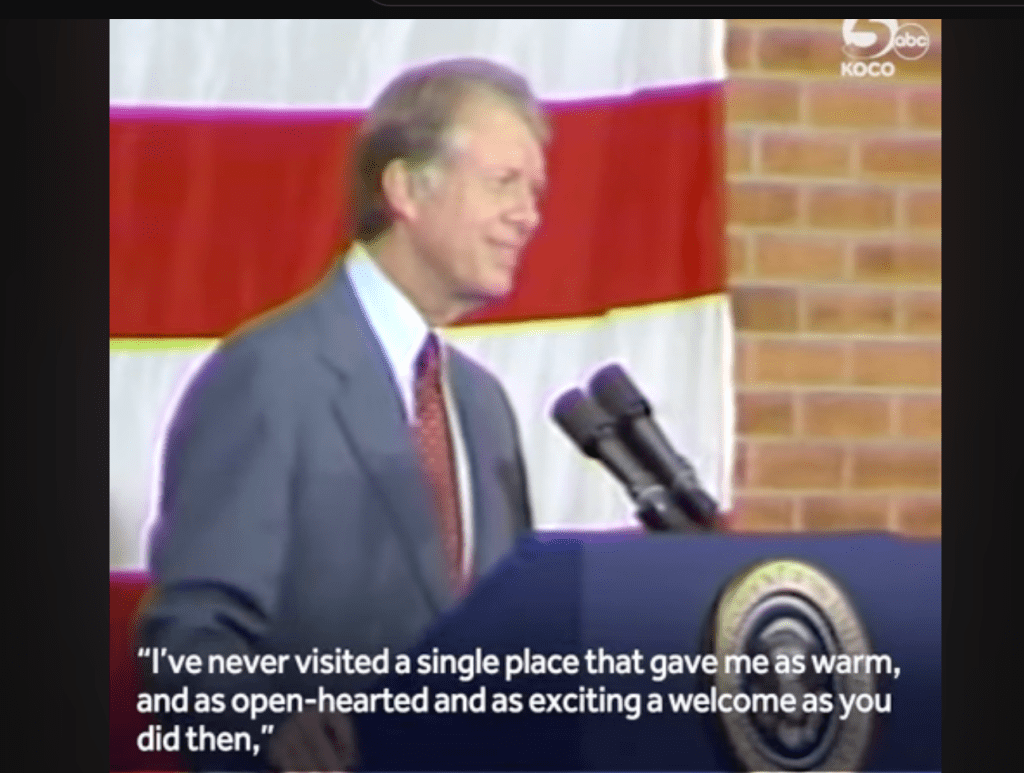

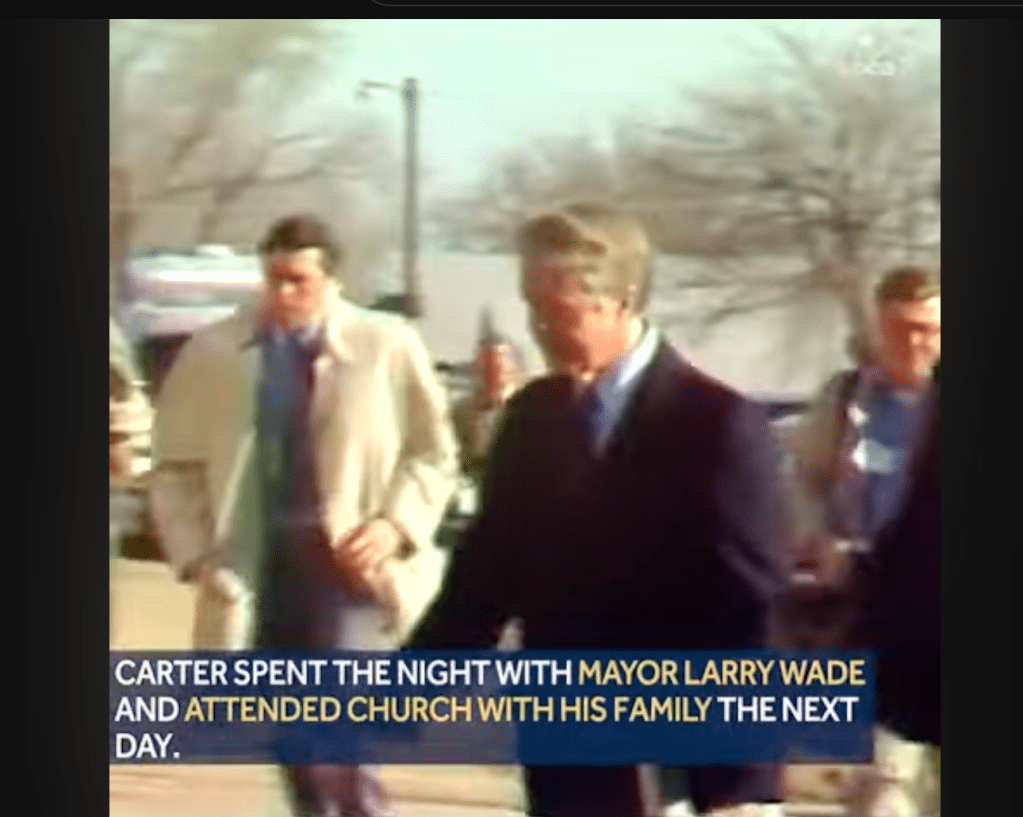

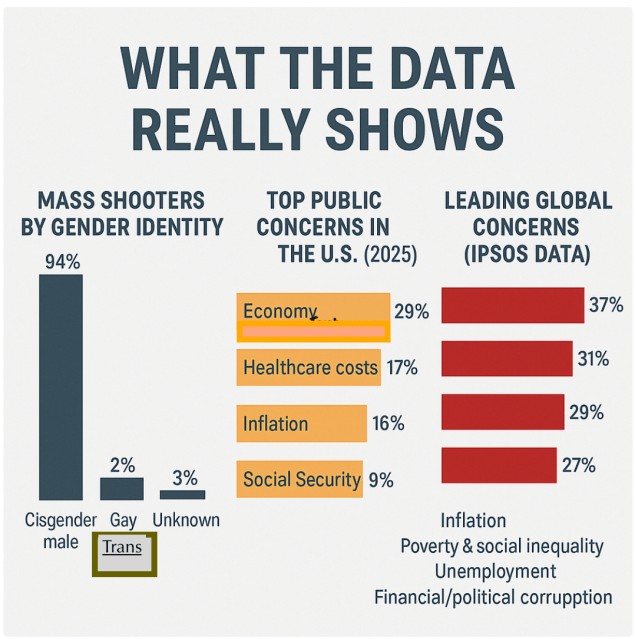
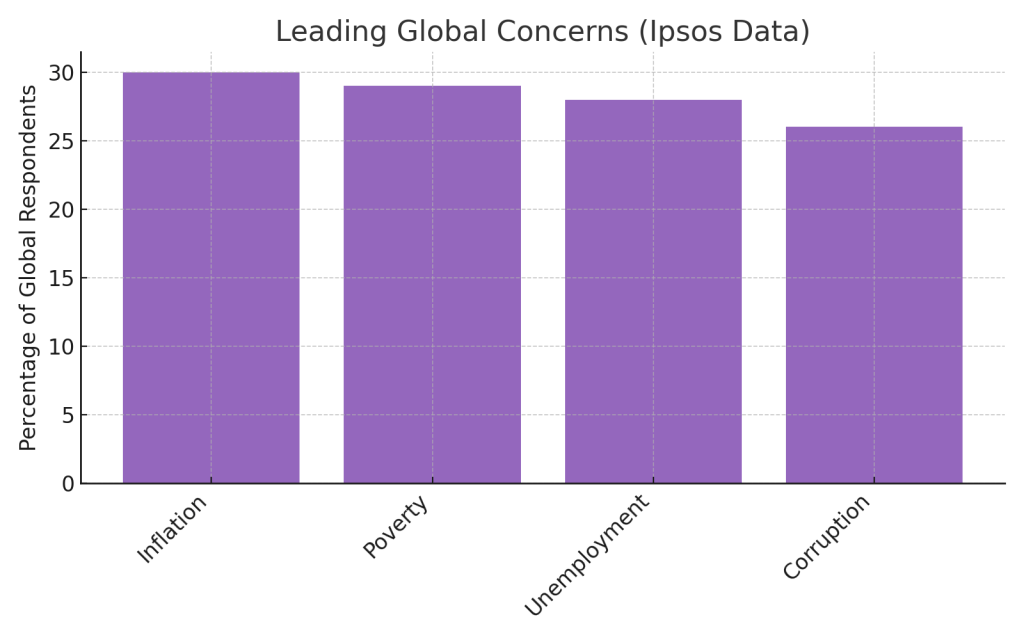
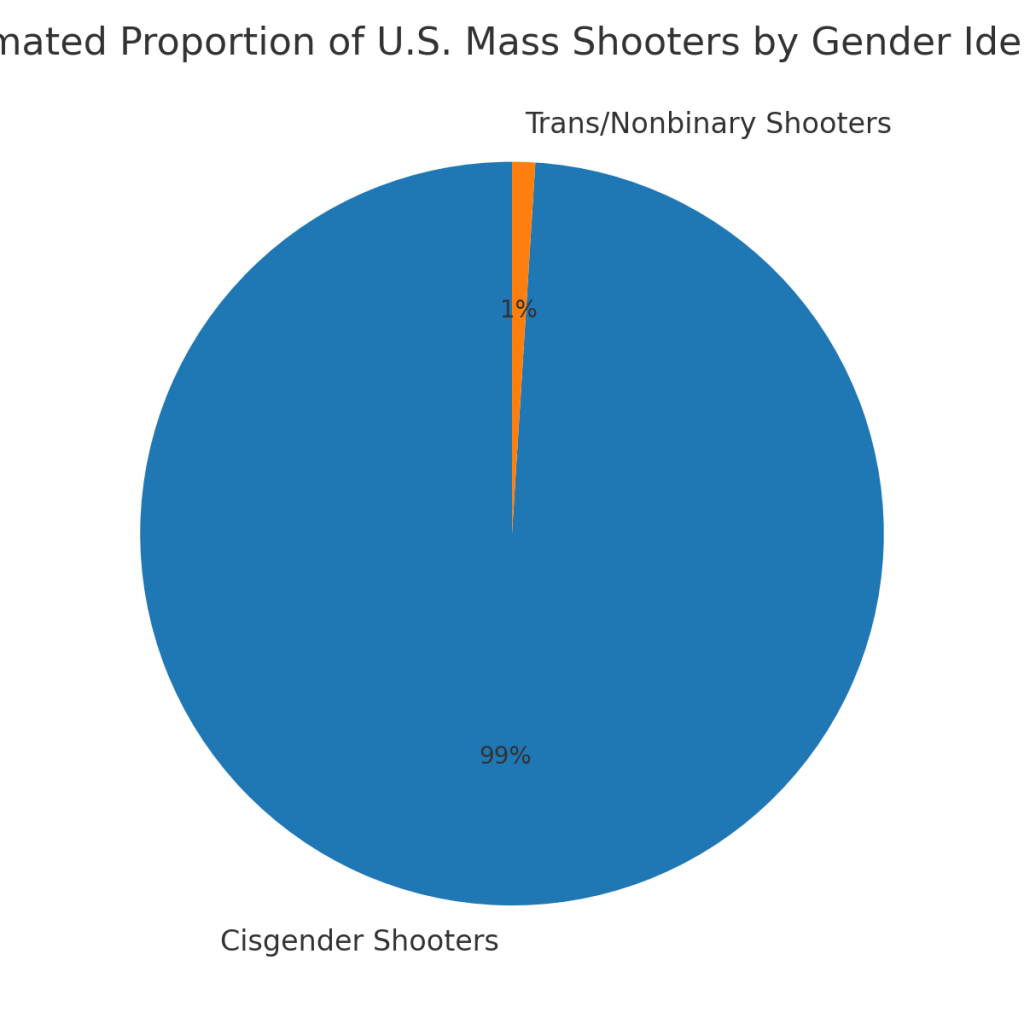






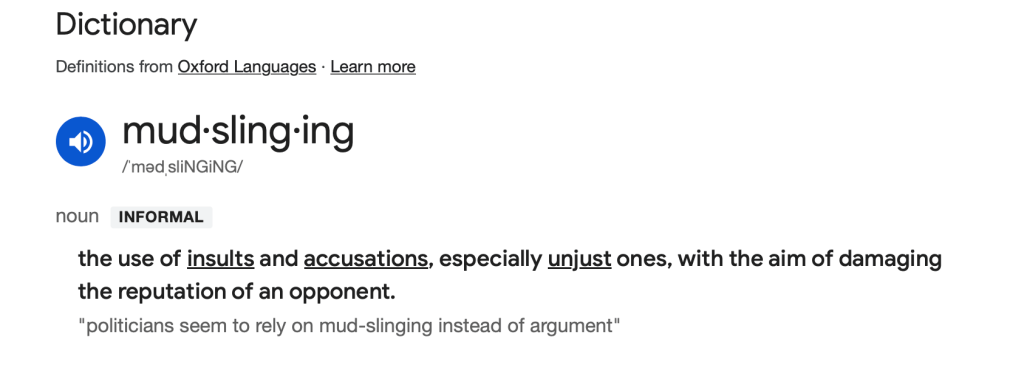


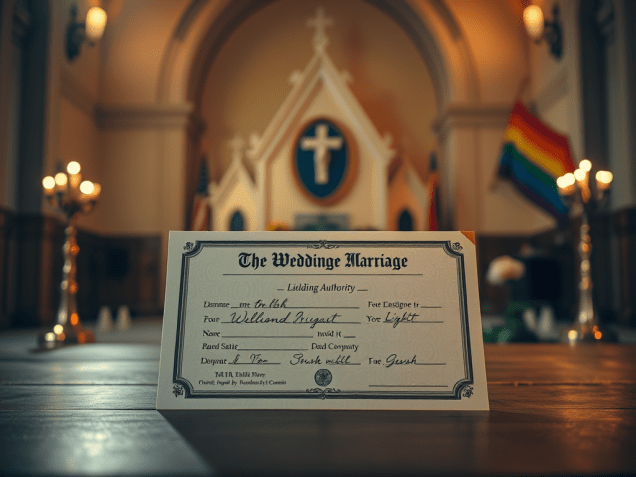

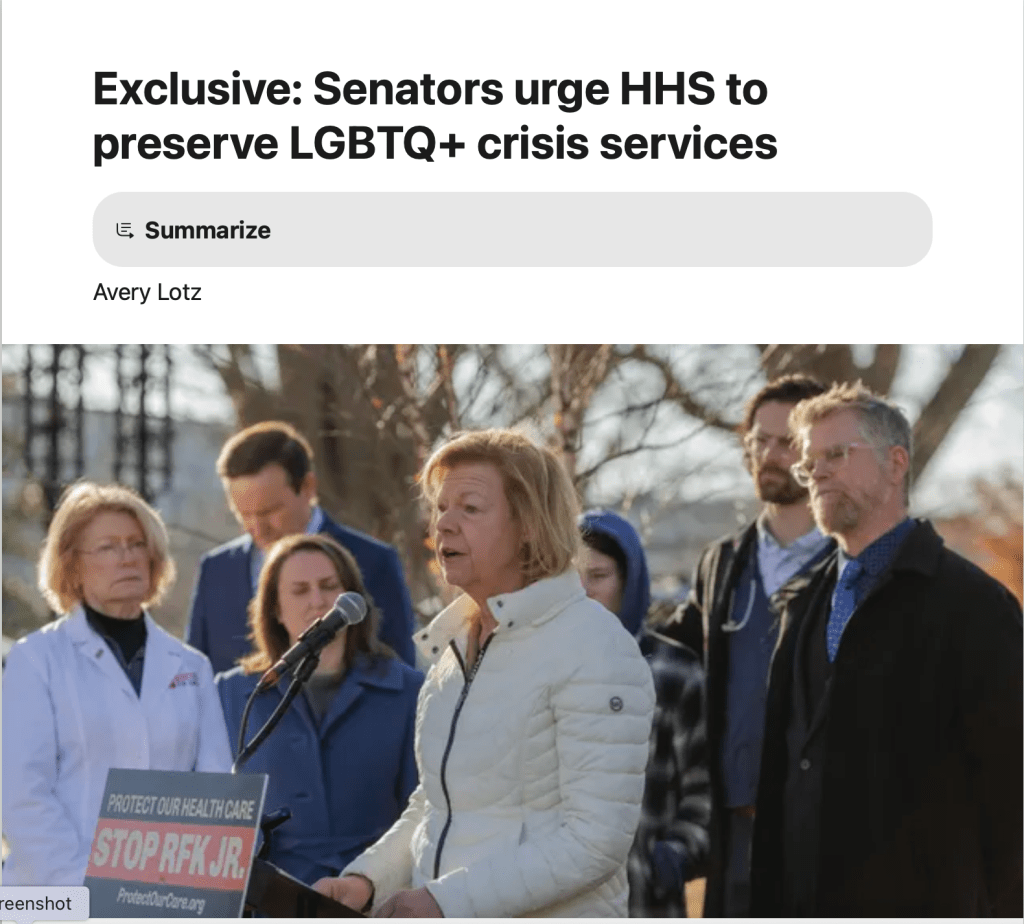


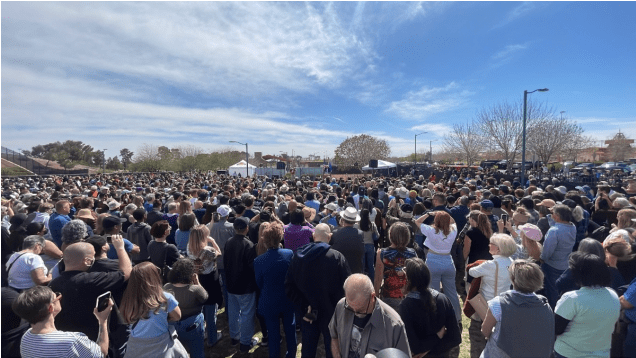


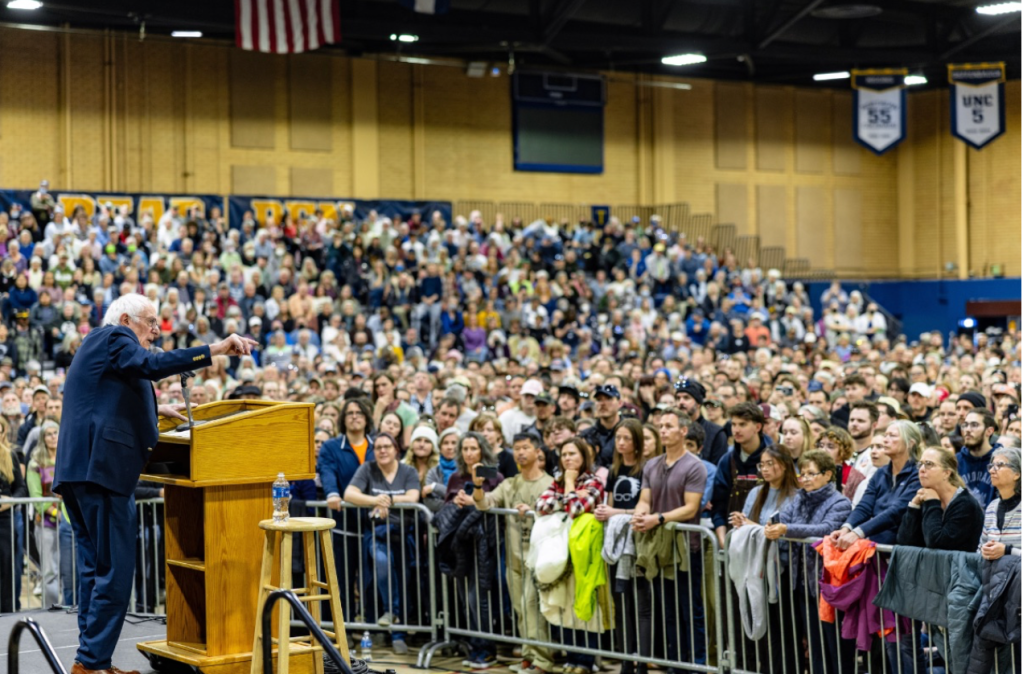



 benandsteve.com
Leave a comment