“Herbie” ––– The Tiny Christmas Tree Searches For A Family

This story is pulled from the archives as a celebration for the season edition.

Groff Media 2024© Truth Endures IMDbPro

Presented by benandsteve.com By: Benjamin Groff II©

3–4 minutes

In a quiet forest stood a skinny cedar tree, so different from all the others. The tall, majestic cedars around him stretched their lush branches high. In contrast, the little tree looked scrawny. It had sparse needles and a slightly crooked trunk.

People often came to the forest to select the perfect Christmas tree, always passing him by.

The other trees whispered and rustled in the wind, teasing him.

“Look at you, Herbie,”

They said, giving him the nickname that stuck.

“No one’s ever going to want you.”

Herbie tried to stand tall, but he knew they were right. Year after year, Herbie remained as the big, beautiful trees were chosen and taken away. The forest changed around him. He stayed in his lonely spot. He dreamed of what it would feel like to be wanted.

Then, one crisp winter morning, the tree cutters came again, their saws buzzing. Herbie didn’t expect to get noticed, but this time, something different happened. As they cleared their path, one of the workers stopped, scratched his head, and said,

“Well, let’s take this little one, too. Someone might like it.”

Herbie felt the sharp blade cut through his trunk. Before he could fully understand what was happening, he was bundled with the others and taken to the city.

A sea of magnificent Christmas trees surrounded Herbie at the tree lot. Their branches glistened with dew, and they stood tall and proud. Compared to them, Herbie felt even smaller, and his crooked trunk made him look even more awkward.

Shoppers strolled by, admiring the grand trees and taking them home individually. Herbie overheard a nearby pine whisper,

“Face it, Herbie, you’re not cut out for this. No one’s going to pick you.”

The lot grew emptier daily, and Herbie’s hope dwindled. By Christmas Eve, he was the only tree left, standing under the dim glow of a street lamp. The wind whistled through his sparse branches, and Herbie prepared for the inevitable—being tossed away, unloved.

But just as Herbie’s spirits hit their lowest, a tiny voice broke through the cold night air.

“Mama, look! That one’s perfect!”

Herbie lifted his branches slightly in surprise. A little boy with messy hair and bright, eager eyes was pointing at him.

“Are you sure, Tommy?”

His mother asked, crouching beside him,

“This tree is so small. And, well, it’s not exactly full.”

––––

“Exactly!”

Tommy said with a grin.

“It’s different, just like me. We’ll make it the best Christmas tree ever!”

Herbie’s heart soared as Tommy and his mother carefully carried him home. Tommy got to work in their cozy living room, stringing popcorn and cranberries across Herbie’s branches. His mother tucked shiny ornaments into every gap, and finally, they placed a glowing star on top.

Herbie couldn’t believe it. For the first time, he felt truly beautiful. He wasn’t just a funny-looking tree anymore—a Christmas tree.

On Christmas morning, Herbie watched with joy as Tommy tore through his presents, his laughter filling the room. The warmth of the fire danced on Herbie’s branches, and he realized he had never felt so happy.

When the holiday ended, Herbie feared getting thrown out like many trees before him. But instead, Tommy’s family carried him to their backyard.

Tommy said, patting his trunk as they planted him firmly in the soil.

“You’re part of our family now, Herbie,”

Year after year, as Herbie grew taller and fuller, Tommy would decorate him anew, even in the coldest winters.

Herbie learned that it wasn’t about how perfect he looked or how he compared to the other trees. The love and care he received—and gave—made him truly special.

And so, Herbie stood proudly, knowing he would always be part of something wonderful: a family.

The Island – A Serialized Dystopian Story * Chapter Six 

1–2 minutes

Haven’s Reach: The Fracture

The Council had grown bolder. Every decree was sharper, every rule stricter. Posters lined the streets declaring “Silence is Loyalty” and “Order is Freedom.” 

The town square, which once hosted songs and dances, now echoed with speeches warning against disobedience.

But in the shadows, the first cracks in the island’s facade appeared. Whispers of a hidden circle spread. These were citizens who refused to bow. They scribbled forbidden words in chalk on walls at night. They dared to question the Council’s iron grip. They called themselves The Quiet Ones.

Harper, a baker’s daughter, stumbled upon their meeting one night while searching for her missing brother. What she found shocked her: not rebels with weapons, but ordinary people with books, old radios, and forbidden songs. They weren’t plotting war—they were keeping alive the memory of freedom.

The Council had crushed the voices in the streets, but underground, Haven’s Reach was beginning to murmur again.


By Benjamin GroffMedia© | benandsteve.com | ©2025 

The Island – A Serialized Dystopian Story * Chapter Two

3–4 minutes

Rules for a Perfect Island

The first year on Haven’s Reach flew by in a haze of construction and cooperation. Houses multiplied along the beaches. Farmers coaxed green shoots from the dark volcanic soil. Randall Crane’s speeches echoed over bamboo loudspeakers in every settlement. His message was always the same: “We are building something the world will envy.”

At first, people agreed. The council meetings were spirited yet polite, with neighbors sharing ideas and coconuts. But as the population grew, so did friction. Disputes over fishing rights, building permits, and clean water began to flare up. Crane’s solution was to create The Harmonies — a set of “guiding rules” posted on hand-painted boards throughout the island.

The Harmonies looked harmless enough:

  • Respect your neighbor.
  • Keep your area clean.
  • No outside media without approval.
  • Dress in community-appropriate attire for public events.

Most residents shrugged off the changes. After all, they had voted for Crane. But a few quietly asked why a paradise needed rules about newspapers or clothing colors. Crane’s answer was reassuring, almost fatherly:

 “Order now means freedom later.”

Meanwhile, Crane’s temporary overseers quietly expanded. What began as a handful of volunteers became a uniformed Steward Force, assigned to “help” with compliance and “resolve” disputes. They wore sky-blue jackets and smiled often, but their presence changed the feel of the markets and beaches.

By the time the first festival arrived, everyone had noticed the difference. The music still played. Torches still flickered under the palms. Yet, eyes darted toward the Stewards. People were checking for disapproval. Without realizing it, Haven’s Reach was slowly stepping from a dream into something else.

There was another problem. Almost all those who relocated there had signed a contract. They were committing to ten years of service on the island. If they left for any reason, they would lose all their investments. This included property, banking accounts, and any holdings invested in the government. The contract included that if illness required them to leave the island. Yes, the contract was unforgiving, even for the survivors of the dead. 

By the second year, Haven’s Reach felt less like a community project and more like a company town. The Harmonies had been revised into a formal code. It was called The Charter of Unity. It is now distributed in little booklets stamped with Randall Crane’s signature and the island’s crest. Most people tucked them into pockets like good-luck charms. Yet, a few began to notice how many pages dealt with “acceptable behavior.”

Crane’s speeches became less about freedom and more about “protecting our way of life.” The Steward Force expanded again, adding patrols to docks and market squares. At first, they were only “checking in.” Then, they began quietly recording names. They noted those who grumbled too loudly about water rations, building zones, or the newly instituted curfew bells.

A subtle yet unmistakable social pressure began to creep in. Neighbors hesitated before speaking. Vendors checked who was listening before discussing shortages. And at community gatherings, some citizens arrived wearing the “approved” island-blue shirts. Those who didn’t wear them were ushered to the back.

It wasn’t only about rules. The island’s media center, once a hub of news and music from around the world, now played only “local” content. The official explanation was that outside broadcasts were “unverified” and “destabilizing.” At first, few noticed. One morning, a popular journalist was no longer at the market. The rumor was they had “relocated to another settlement.” No one really knew.

Yet, on the surface, Haven’s Reach still looked idyllic. Palm trees swayed. Children played along the beaches. Gardens bloomed under the volcano’s shadow. The illusion held — but for how long?


By Benjamin GroffMedia© | benandsteve.com | ©2025 

The Island – A Serialized Dystopian Story * Chapter One

2–4 minutes

Arrival on Haven’s Reach

 Arrival on Haven’s Reach
The Island

It started as a dream, or at least that’s how the people remembered it. Scattered across the globe, 100 million souls were united by frustration with their governments. Yearning for a fresh start, they pooled their resources to find an untouched island deep in the South Pacific. Satellite maps showed a teardrop of lush green, ringed with beaches and hidden coves. They named it Haven’s Reach, because it promised a haven — and it was finally within Reach.

At first, everything felt almost magical. The climate was gentle, the soil fertile, and the air clear in a way few remembered from their crowded cities. People camped near waterfalls, planted vegetables along ridges, and built simple homes from bamboo and volcanic rock. There was no central authority; instead, councils of volunteers coordinated the distribution of food and medical supplies. It was as close to utopia as anyone could imagine.

Soon, the newcomers realized they’d need a leader to coordinate large projects, like roads, water treatment, and electricity. Randall Crane emerged from the chaos. He was a silver-haired businessman with a booming voice. His ability to command a crowd was uncanny. He promised fairness, transparency, and freedom. They applauded, relieved to have someone stepping ahead to organize their new society. Crane appointed “temporary overseers” for security and public Order, but few gave it a second thought. After all, they trusted him. This was their new beginning.

There would be no sprawling bureaucracy watching over their every move—no big government, no visible chains of regulation. People would live as they believed life was always meant to be lived. They would “live and let live,” but only so long as it conformed to the Order. This Order was not just a way of thinking. It was a quiet, unyielding code. It was built on God, guns, and a rigid notion of freedom. 

Any “laws” were drawn from sacred texts. For most American and English residents, that meant the Bible. For others, it is the Torah or the Tripitaka, the ancient Buddhist canon. In their minds, all these scriptures whispered the same universal truths. Yet beneath that illusion of harmony, a single doctrine of control waited. It was patient and absolute.

They had arrived and begun their grand experiment with a country of their own. Self-designed to represent their basic needs and oversee their paramount security. These people, in a new land, had started what few in life had ever dared to hope for. They established their own country and a bill of rights. They elected a leader to oversee their needs. This was achieved quickly. They succeeded without ever firing a single shot in protest or against another nation.

A million people invested in their own lives and invested in one another. Most of all, they invested in an island that is now a country. It is led by a person with full power. He can choose to give anything necessary for those living there. Alternatively, he can decide to use the resources just for himself. 

Representatives from each village were elected to represent those populations. They also elected a senator for each sector of the island. This formed two houses of government. Much like the United States has. Given that all these people share a common ideology, the political slant was, of course, mainly conservative. As a result, the elected leader held enormous power without checks and balances.


By Benjamin GroffMedia© | benandsteve.com | ©2025 

FALL INTO benandsteve.com THIS AUTUMN

1–2 minutes

🍂  You’re in the Right Place This Fall! 🍂

As autumn rolls in, we want to thank every one of you for stopping by BenAndSteve.com. By coming here, you’ve chosen more than just another news site. You’ve found a space where information, perspective, and community come together.

Here you’ll find a variety of voices, stories, and updates. Plus, it’s a place to connect and share opinions. You can also see how others think. Whether you’re here for fresh news, or thoughtful commentary, we’re proud to offer you fresh news every day. We also give thoughtful commentary. You will find a little inspiration here too.

So grab your favorite fall drink, explore the latest posts, and join the conversation. We’re thrilled you’re part of our growing community—and this October is only the beginning of what’s ahead!


By Benjamin GroffMedia© | benandsteve.com | ©2025 

Eldoria’s Shattered Crown: A Tale of Courage and Redemption

2–3 minutes

The Knight and the Shattered Crown

The kingdom of Eldoria lay beneath a shadow. Once filled with music, trade, and the bright laughter of children, its streets had grown silent. A great dragon, black as midnight and wreathed in fire, had descended from the northern mountains. With its arrival, the crown of the king—the source of Eldoria’s unity and prosperity—was shattered into three pieces. These pieces were scattered across the land. Without the crown, the kingdom faltered, its people divided, its armies weakened.

But hope was not lost.

The Oath

Sir Alaric of Bindenvale was no stranger to hardship. He was a knight forged in battles and tempered by loyalty. He was summoned to the king’s side as illness gnawed at the ruler’s strength. The king’s voice was weak, but his eyes burned with command as he entrusted Alaric with a quest: 

“Find the three shards of the crown. Restore it, and our kingdom will live again.”

Alaric bowed deeply, vowing to see the quest through or perish in its pursuit. Armed with his blade, Lion’s Fang, and guided by his unyielding faith, he rode forth.

The Trials

The first shard was said to lie in the Forest of Whispers, guarded by spirits of the old world. There, Alaric endured visions meant to unseat his courage—faces of fallen comrades, echoes of failures long past. But he pressed on, offering words of honor instead of fear, and the spirits relented, gifting him the shard.

The second shard rested in the Abyss of Cindral, a labyrinth of fire and stone. Alaric fought creatures born of molten rock and endured heat that melts steel. At the abyss’s heart, he found the shard embedded in stone, pried free by his resolve rather than brute strength.

The third shard was the most perilous: it lay in the dragon’s lair itself. Alaric faced the beast, its scales impenetrable and its fire endless. Yet he recalled the oath he had made—not to defeat the dragon, but to save the kingdom. Using wit, he lured the beast into a trap of crumbling stone. This gave him just enough time to seize the final shard.

The Return

Weary but unbroken, Sir Alaric returned to Eldoria. The shards were reforged by the kingdom’s smiths into the Crown of Unity. As it was placed once more upon the king’s brow, light returned to the realm, driving back the dragon’s shadow. The people of Eldoria cheered. They celebrated not merely for their crown. They honored the knight whose courage and humility had bound them together once more.

Sir Alaric never sought glory, only service. Yet in taverns and halls for generations to come, his story was told. It was the story of a knight who saved a kingdom not through conquest. Instead, he saved it through honor, sacrifice, and faith.


By Benjamin GroffMedia© | benandsteve.com | 2025 

The Elevator of Life: A Profound Story of Honesty

2–3 minutes

The Whiskey Sea and the Elevators

The man had lived his life in balance—not a saint, not a sinner, but somewhere in between. He had helped when strong. He erred when he was weak. Now, in his elder years, he carried the weight of both. His body ached. His breath came shorter. One night, he sank into a sleep so deep it felt like stepping into another world.

A ship appeared from the darkness. Its hull was blackened with age. It floated on a sea of whiskey. The whiskey shimmered like molten amber under the moonlight. A cigar extended from the deck like a gangplank, smoke curling in lazy ribbons. Hesitant but curious, the man stepped onto the cigar and walked across, balancing himself as if crossing into another reality.

On board, a captain awaited him—tall, weathered, eyes that had seen too much. “I’m here to take you to your next destination,” the captain said, voice low and certain. The man nodded. The ship cut across the whiskey sea. It came to rest before a towering building of glass and brass. Its entrance was lined with golden elevators, each gleaming like judgment itself.

Inside, a sharply dressed man waited in the lobby. His shoes were polished so bright they caught the reflection of the man’s weary face. He gestured toward a chair. “Tell me your life story,” he said.

And so the man spoke. He told of the good—moments of kindness, loyalty, laughter. He confessed to the bad—times of selfishness, anger, and failure. He left nothing out, for what use was there in lying at the end? The suited man listened, not judging, only nodding as though each word was weighed like coin on a scale.

At the end, silence hung heavy. The suited man pressed a single button. The doors of one elevator slid open, glowing with light the man did not quite see. He stepped ahead, heart pounding. Whether the elevator rose or fell, he did not know. But as the doors closed, he understood something profound. The true measure had never been perfection. It was honesty. It was the courage to walk the bridge, board the ship, and face the truth of who he had been.


By Benjamin GroffMedia© | benandsteve.com | 2025 

Simple Moments: How a Bench Transformed a Neighborhood

1–2 minutes

The Bench by the Willow Tree

On the edge of town, near a quiet creek, there’s an old willow tree. Beneath its sweeping branches sits a wooden bench—simple, weather-worn, and unremarkable to anyone passing by. Yet, for the people who live nearby, it has become something more: a gathering place of unexpected kindness.

It started with an elderly woman who came to rest her legs each morning. One day, a teenager walking his dog sat down beside her. They began talking. By the time the boy left, she was smiling in a way her neighbors hadn’t seen in years. The next day, the boy came back—with coffee in hand for her.

Word spread. Soon, others began stopping at the bench. A widower brought extra tomatoes from his garden. A young mom offered homemade muffins. A pair of joggers left fresh flowers tucked into the slats. Strangers became neighbors, and neighbors became friends—all because of an old bench no one ever noticed before.

The willow still stands, and so does the bench. It hasn’t been polished, painted, or rebuilt—it doesn’t need to be. Its gift is not in how it looks. Its gift is in what it holds: conversations, kindness, and the small reminders. Even in a world that feels divided, we can still find each other in the simplest of places.


 The Takeaway: Sometimes hope and connection aren’t found in grand gestures. They aren’t always in perfect plans. Instead, these are found in an ordinary spot where people choose to show up for one another.


By Benjamin GroffMedia© | benandsteve.com | 2025 

Counting Seconds: A New Perspective on Time

2–3 minutes

How Counting Seconds Can Change Your View of Time

He almost walked past the park bench that morning. Another day, another half-forgotten hour drifting into the pile of others. Life, he thought, had been nothing special. Sixty years gone, and what was left? A handful of photographs, some worn-out stories, and too many missed chances.

Something pulled him down onto the bench. An older gentleman sat next to him. The man’s eyes seemed to know something he didn’t. They exchanged the small talk of strangers until the conversation wandered toward time itself.

“You say sixty years is nothing?”

The old man asked with a quiet smile.

“Let’s count it differently.”

He leaned back, gaze fixed on the trees swaying above them.

“In your life, the Earth has spun on its axis more than 21,900 times. That’s 21,900 sunrises and sunsets — not one of them the same. You’ve lived through over 525,000 hours. Do you realize how many conversations, choices, and quiet moments fit into that span? More than 31 million minutes. More than 1.8 billion seconds. And each one a chance to live, to change, to love.”

The man swallowed. He had never thought of it like that. He had always measured himself by birthdays, promotions missed, or years lost to routine. But suddenly his life didn’t seem so small. Each second, he realized, was a story. Every minute, a chance to change one.

“And here’s the wonder,”

the older man continued.

“Every one of those seconds kept you alive. Your heart beat. Your lungs pulled in air. The Earth carried you through another rotation of light and shadow. You’ve orbited the Sun sixty times, son. That’s not nothing. That’s a journey.”

They sat in silence after that. The bench creaked beneath them. The leaves whispered. And for the first time in a long time, he felt his life wasn’t slipping away. Instead, it was unfolding — second by second, minute by minute. It unfolded in ways he had never stopped to count.

As he stood to leave, the old man gave him a final thought:

“Don’t measure your worth in years, or even decades. Measure it in seconds well-lived. Those, my friend, are endless if you pay attention.”

By Benjamin GroffMedia© | benandsteve.com | 2025 

What Will Happen If PLANS To End Social Security Happens?

3–4 minutes

If Social Security were eliminated, the effects would be wide-ranging. It would touch nearly every part of American life. This is especially true for retirees, people with disabilities, and survivors of deceased workers. Here’s how it would unfold:


Social Security now provides monthly benefits to over 70 million Americans, including retirees, disabled individuals, and surviving spouses or children. Without it, many of these households would lose their main or only source of income overnight.

  • Retirees: Many older Americans rely on Social Security for the bulk of their income—especially those without significant savings or pensions.
  • Survivors: Widows, widowers, and children who now get survivor benefits would lose critical support.
  • Disabled workers: People incapable of work due to disability would lose a major safety net.

Before Social Security, poverty among the elderly was extremely high—estimates put it at around 35–50%. The program cut that rate dramatically. Without it, poverty rates among older Americans will return to pre-1935 levels.


The financial burden of caring for elderly or disabled relatives would shift heavily to families. Those without family support be forced into underfunded state programs or charitable care.

  • Families need to delay retirement, take on extra jobs, or house multiple generations under one roof.
  • Local charities and churches would see rising demand for basic necessities like food and shelter.

Social Security benefits aren’t just “checks”—they fuel spending in local economies. Without those payments:

  • Rural and small-town economies (which often have higher percentages of retirees) see sharp declines in consumer spending.
  • Certain industries—especially healthcare, retail, and housing—would feel immediate impacts.

Because Social Security is one of the most popular federal programs, ending it would be politically explosive. It would lead to intense public backlash, large-scale protests, and significant shifts in voter behavior.

  • States try to create their own replacement programs, but poorer states struggle to fund them.
  • The wealth gap would widen sharply. Those without private retirement savings would be left with little to no safety net.

By Benjamin GroffMedia© | benandsteve.com | 2025 

August 2025 commemorates its 90th anniversary. It marks its unwavering commitment to the financial security and dignity of millions of Americans. President Franklin D. Roosevelt signed the Social Security Act into law on August 14, 1935. Since then, the program has grown into one of the most successful and trusted institutions in American history.

“For 90 years, Social Security has stood as a promise kept. It ensures that older Americans have the support they need. It also aids people with disabilities, as well as families facing loss,”

said Commissioner Frank J. Bisignano.

“As we honor this legacy, we are also building a future. This future is where service is faster, smarter, and more accessible than ever before. Through President Trump’s vision, we are protecting and preserving Social Security. We achieve this by delivering extraordinary customer service through technological improvements. Enhanced process engineering also plays a crucial role.”

In an open letter to the American people, Commissioner Bisignano emphasized the importance of Social Security. He highlighted his commitment to strengthening the agency. He also mentioned the significant improvements to customer service achieved in his first 100 days in office.

Read the Letter:  Commissioner Bisignano’s Open Letter to the American People

Today, Commissioner Bisignano also joined President Donald J. Trump at the White House. The President issued a presidential proclamation. He recommitted to always defend Social Security. He recognized the countless contributions of every American senior. They have invested their time, talent, and resources into our Nation’s future. 

Read the Proclamation: Presidential Proclamation: 90th Anniversary of the Social Security Act

Some Memories Are Best Left Unchanged

By Benjamin GroffMedia© | benandsteve.com | 2025 Truth Endures©

3–4 minutes

Some Memories Are Best Left Unchanged

At 62, I’ve lived through six decades of friendships. Every ten years or so, there’s an evolution. New people come into your life. A few stay, and most eventually move on. In that revolving cycle, we come to appreciate each other’s company, character, talents, and sometimes, our usefulness. Life seems to have been designed this way for me. Over time, I’ve even developed an instinct for craving these transitions. Maybe it’s self-preservation. It’s growth.

Recently, I came across a post that stopped me in my tracks. It said, 

“There’s a heavy emotional toll that comes with holding on to dead relationships. They fill your life with noise—unanswered messages, awkward small talk, the guilt of obligation just because something once meant something.” 

That struck a chord.

Because the truth is—life isn’t a museum of past connections. It’s meant to be lived peering ahead, with people who show who you are now, not who you once were.

Outgrowing someone isn’t betrayal. It’s growth. Letting go doesn’t mean you never loved them. Instead, it means you love yourself enough to protect your peace.

That’s how I feel about many past connections. Some, I miss dearly. Others, I’ve outgrown. And a few? I had to run for my survival.

One thing I’ve learned about long-term relationships—whether with people, places, or versions of ourselves—is the importance of taking regular inventory. What am I still carrying? What deserves to come with me into the future, and what needs to be laid to rest?

For me, I try to leave behind no unfinished business where love, sincerity, or kindness once lived. If you hope to rekindle old ties after a long silence, I offer this gentle caution. Some memories are best left untouched. If you plan to relive the past, go ahead. But please, go without me. We survived it once. I’m not eager to tempt fate with a rerun.

These days, I want to do something different. If there’s something we always talked about doing—some dream we never dared to chase—let’s talk about that. Let’s look ahead, not backward.

Getting older has made me clearer about what I want—and what I refuse to carry. It’s also made me think about my father. I remember him telling stories from the war, from his school days, from the old neighborhoods we lived in. He’d speak fondly of his buddies, show me their photos, and share their shenanigans. But he kept them in their place. He never tried to drag them ahead into the current day. He understood something I now understand: some memories belong to a time and place that can’t—and should not—be reentered.

I still get news from “back home,” as I call it. From the town I left 44 years ago. Many of the people I grew up with never left it. And I can’t return there—not fully—without recalling the world I chose to leave behind.

Of the 25 classmates I graduated with, at least eight are gone now. Some were lost to murder, some to accidents, and others to illness. I came from a small farming town where everyone knew everyone. If the death toll isn’t sobering enough, something even more surprising is how many of us turned out differently. This is more than anyone would’ve guessed. Five of my classmates have since come out as gay. A revelation that would have stunned our small-town sensibilities back then.

Interestingly, it’s not the ones who stayed close to home who thrived—it’s the ones who left. Who dared to change? Who moved ahead?

And maybe that’s the lesson.

Some memories deserve our respect—but not our resurrection.

Some people, our gratitude—but not our return.

Because the past has its place—and so do we.

And some memories…

are best left unchanged.

An Update to My Loyal Supporters, Readers, Friends, Family, and Followers…

By Benjamin GroffMedia© | benandsteve.com | 2025 Truth Endures©

1–2 minutes

Benjamin
Benjamin “I’m Cutting Outta
Here For Surgery!”

From Benjamin – Thursday, July 24 – 7:30 AM


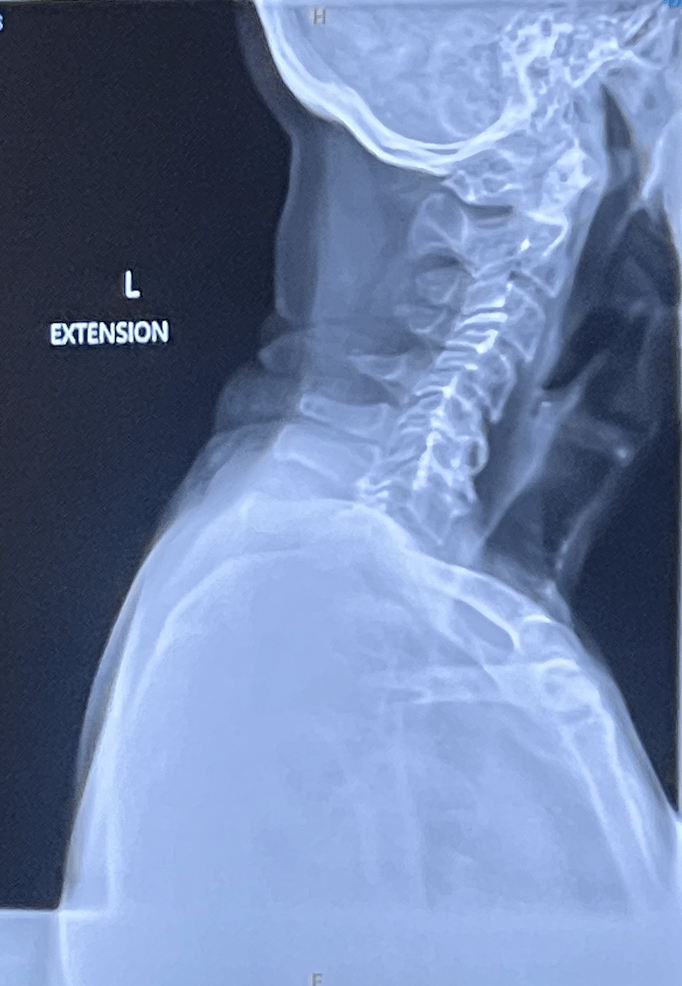
This post is going live as I am entering surgery. The surgery is for an Anterior Lumbar Interbody Fusion. I want to thank all of you for your support, prayers, and encouragement. Your kindness truly means the world to me.

During my recovery, you’ll still see new posts here on the blog. I’ve prepared content in advance. You can continue to enjoy the same quality stories and information. This is what you’ve come to expect from the benandsteve.com blog.

Thanks again for being part of this journey. I look forward to rejoining you soon. Another update will post later today to keep you informed.

Embracing the Constant of Change

By Benjamin GroffMedia© | benandsteve.com | 2025 Truth Endures©

2–3 minutes

“The Constant of Change”

There are stories worth telling—stories shaped by the countless experiences we collect in life. In mine, there have been unforgettable moments. I visited with friends, shared laughter, and exchanged hugs. Then I returned home—only to learn the next day that they were gone. No warning. No signs. One moment, they were part of my world; the next, they had vanished from it.

Those moments taught me a truth that often goes unspoken: nothing in life is definite.

Even when it feels like we’re stuck—repeating the same routines, going through the same motions—life is still moving. The world shifts beneath our feet, often without our awareness, certainly without our consent. Change is not something we invite; it’s something that happens. It shows itself in every breath we take. It appears with every face that enters or leaves our lives. It influences every decision made far beyond our control—from government chambers to hospital rooms.

Change is the only constant.

Sometimes, a change is so small it goes unnoticed—until its effects stretch across history. On February 2, 1959, Waylon Jennings gave up his seat on a chartered airplane to the Big Bopper, J.P. Richardson, who was feeling ill. The plane also carried Buddy Holly and Ritchie Valens. It crashed in an Iowa field just minutes after takeoff. Everyone aboard died.

Waylon Jennings

That one seat swap—an act of kindness, -–– saved Jennings’s life. No one was at fault. But that simple moment, that ordinary change in plan, altered the course of music history and Jennings’s own future. He carried the weight of that change for the rest of his life. And yet, that change gave him more years, more music, more life.

That is how change works. Quiet. Sudden. Unfair. Unpredictable. But real.

When everything feels bleak, we must remember: change is still at work. When loss feels unbearable or the path ahead seems hidden, we must remember: change is still at work. What feels like the end today reveals itself as the beginning of something new tomorrow.

Time moves. People change. Life adapts. Always.

And in that, we find our only real choice: acceptance.

Accepting change—no matter how painful—does not mean surrendering to it. It means choosing to live with eyes open, hearts ready, and spirits willing to grow from what has been lost. We don’t have to like every change. But by accepting it, we start to transform with it—and even rise because of it.


Postscript:

After a tragic 1991 plane crash claimed the lives of several members of Reba McEntire’s band, it was Waylon Jennings—haunted by his own near-miss decades earlier—who offered her a few words she never forgot:

“Reba, you’ll never get over it, but you’ll get through it.”

And that’s the final truth about change. We don’t get over it—we live through it. And somehow, life keeps going.

The Friendship of Happy and Sorrow: A Heartwarming Tale

By Benjamin GroffMedia© | benandsteve.com | 2025 Truth Endures©

2–4 minutes

“The Curious Friendship of Happy Goines and Sorrow Downs”

Happy Goines and Sorrow Downs

There once was a boy named Happy Goines. Not a soul could understand why he was always so terribly sad. His name sparkled like sunshine, but his face wore clouds. He dragged his feet to school. He sighed during recess. He stared out windows like he was watching for something that never came.

No one knew what made Happy so downcast. His parents loved him. His teachers were kind. But he always seemed to carry some invisible weight.

That is, until the day he met Sorrow Downs.

Sorrow was a new kid, just moved to town from a place no one could pronounce. He had the kind of grin that made your face smile back before you even realized it. His laugh was sudden and contagious. Even his freckles looked cheerful.

The teacher introduced him to the class. She said his name aloud—“Class, this is Sorrow Downs”. Everyone waited for a gloomy face or quiet voice. But instead, Sorrow waved both hands and said, “Nice to meet you! I love your shoes!” even though he hadn’t looked at anyone’s feet.

The kids chuckled. Except for Happy, who simply blinked.

At lunch, Sorrow sat across from Happy. Sorrow plopped a jelly sandwich on the table. It looked like a gold trophy.

“You look sad,” Sorrow said matter-of-factly.

“I am,” Happy replied.

Sorrow tilted his head. “But your name’s Happy.”

“I didn’t choose it,” Happy said with a shrug.

Sorrow grinned. “Well, I didn’t choose mine either. Imagine being named Sorrow and feeling like I do! Every day feels like a birthday to me!”

Happy cracked the tiniest smile.

“Tell you what,” Sorrow said, pulling a folded paper from his pocket. “Wanna try trading names for a day?”

Happy blinked. “We can’t just—”

“Why not? Who’s stopping us?” Sorrow stood on his chair and declared, “I am Happy Goines today! And this,” he said pointing down, “is Sorrow Downs!”

Some kids giggled. One clapped.

From that moment, something began to shift.

All day long, “Happy” Sorrow told jokes, made up songs, and danced down the hall. And “Sorrow” Happy, for the first time in ages, felt joy in laughing with someone. It was a different experience from laughing at something.

The two became inseparable.

They swapped shoes, lunches, and names whenever they felt like it. One day they were “Joy and Misery.” Another day, “Up and Down.” They learned that feelings didn’t always have to match what people expected.

One day Happy asked, “Aren’t you ever sad, Sorrow?”

Sorrow thought for a moment. “Sometimes. But I don’t stay there. I just let the sad walk beside me until it’s ready to go.”

And Happy nodded like it was the truest thing he’d ever heard.

As the months passed, Happy wasn’t always happy, and Sorrow wasn’t always cheerful. But together they built a friendship where feelings were safe. Names didn’t define you. A good laugh could turn an ordinary Tuesday into something extraordinary.

You might hear two boys shouting new names if you walk past the old schoolyard now. They could be called Sunshine and Thunder, or Giggles and Grumps. They laugh like the whole world belongs to them.

And maybe, in a way, it does.

The Rebirth of Santa Barbara: From Ruin to Renewal

By Benjamin GroffMedia© | benandsteve.com | 2025 Truth Endures©

1–2 minutes

Dawn of Ruin and Renewal

The early morning calm in Santa Barbara was shattered at 6:23 a.m. when the earth quaked mightily beneath the coastal city. Buildings shuddered, bricks rained from rooftops, and the streets trembled underfoot. In those precious dawn hours, life had yet to stir—and that spared many. By daybreak, the death toll stood at a modest 13 souls, considering the scale of devastation (1).

Amid the wreckage, sailors from the USS Arkansas joined local workers to dig for survivors. They waded through rubble, their uniforms dusty and stained, hauling beams and calling out names. Looters probed the ruins for valuables, but guards—both Navy and civilian—kept vigilant watch (2).

Yet even as remnants of the old city lay in ruin, a vision for rebirth emerged. Spearheaded by Pearl Chase and other civic leaders, a movement to rebuild in a unified Spanish Colonial style began. The reconstruction led to enduring landmarks. It produced the iconic Santa Barbara County Courthouse, soon hailed as among America’s most beautiful public buildings (3).


Santa Barbara’s quiet elegance faced destruction in one fateful dawn. But the very next dawn laid the foundations of something more beautiful. The earthquake didn’t just shake buildings—it awakened a city’s spirit, forging an architectural legacy that stands to this day.

The Art of Embracing Laziness in Summer

By Benjamin GroffMedia© | benandsteve.com | 2025 Truth Endures©

2–3 minutes

The Fine Art of Doing Nothing

There’s a certain magic that shows up in late June. It drifts in on a warm breeze. It wraps itself around your shoulders like a sun-warmed blanket. It whispers, “Slow down a while.”

That was exactly what happened to me last Saturday.

I had plans, mind you. Big ones. Rake the yard. Clean out the garage. Paint that little table I rescued from a flea market. But then the sun was golden and lazy. It was the type of sunshine that doesn’t rush you. It invites you to stay awhile. So, I made a bold decision: I postponed productivity.

Instead of pulling out the rakes and tools, I pulled out a lawn chair. I poured a tall glass of iced tea. Then I plopped down under the shade of the patio covering. I did absolutely nothing. And I mean nothing. No phone. No music. No news. I listened to birdsong and felt a slight breeze. I heard the sound of a neighbor’s sprinkler ticking rhythmically like a metronome for summer’s easy tempo.

I watched the clouds. I counted the dragonflies. I let the world spin on without me—and it did just fine.

The dog lay beside me, belly-up to the sky, offering a solid endorsement for this lazy lifestyle. Even a stray cat, who usually stares at me like staff, sauntered over and decided to join the movement. We were a trio of content creatures, basking in a moment that cost nothing but meant everything.

At the end of the day, the lawn remained a jumble of rocks. The garage was still messy. The table continued to wait. But my heart? My heart was lighter. My shoulders less tense. And my soul? Sun-soaked and satisfied.

Summer has a way of reminding us that rest is not a reward—it’s a right. And sometimes, the most productive thing you can do is give yourself permission to simply be.


Moral of the story:

Don’t underestimate the power of a lazy summer day. It is true that you’re doing nothing—but you are just giving your spirit exactly what it needs.

Where am I going? In July I will be going places…So watch for me here!

By Benjamin GroffMedia© | benandsteve.com | 2025 Truth Endures©

2–3 minutes

A Little Heads-Up About July

Next month, you will notice I won’t be posting daily. Don’t worry—some content will still show up, thanks to the magic of pre-scheduled posts. The reason for the slowdown? I’m finally getting a long-overdue back surgery.

It’s not a procedure I’m exactly excited about. There’s a good chance it’ll knock me off my usual rhythm for a while. That is, of course, if everything goes according to plan. But, there are plenty of ways it not happening:

  • I can experience a sudden, miraculous recovery and cancel the whole thing.
  • My insurance will decide it’s a luxury item and deny the claim.
  • The orderly will wheel me into the wrong operating room.
  • The doctor disappears right before showtime.
  • Or, I will be the one who disappears—just as the doctor walks in, ready to go.
  • Or, the operating table goes missing on the day of the surgery.
Benjamin’s Profile

My hope is that the surgery will go as planned. If so it will ease the constant, gnawing pain I feel. It affects me whether I’m walking, sitting, standing, or trying to sleep. The sharp, stabbing, burning sensations mostly travel down my left leg. Though, they sometimes jump to the right when they get bored. They’ve also been known to zap my arms and hands. This happens especially in the middle of the night. It leaves a tingling, numbing wake.

I still manage to write here and there. I try to sound semi-coherent. I cook the occasional meal. I do my best to avoid going completely coo-coo. This journey has been a slow burn, building over more than fifteen years of other health concerns.

Until then, I’ll keep doing what I do—telling stories, filing reports, and generally pretending everything is completely under control. I’ll keep you posted on the surgery prep as it unfolds. Yes, I’m still obsessively checking my doctors’ reviews on Healthgrades.com. So far, there are no red flags. There are just a few mildly worrying Yelp comments about cold hands and questionable playlist choices in the OR. 

1753360200

  days

  hours  minutes  seconds

until

Ben’s Surgery!

The Grand Tour of Heartbreak and Hope: A Country Ballad in the Courtroom

By Benjamin GroffMedia© | benandsteve.com | 2025 Truth Endures©

3–4 minutes

That just about does it, don’t it? Step Right up Come On In!

The Honorable Judge Bledsoe peered over his glasses, clearly unimpressed. “Mr. Rawlins, you understand this is a legal proceeding, not the Grand Ole Opry?”

“Yes, Your Honor,”

Said Henry Rawlins. He stood tall in his dusty boots and bolo tie. One hand rested on a weathered Bible. The other clutched a crumpled lyric sheet.

Across the courtroom, his soon-to-be ex-wife, Sherry Lynn, sat rigid in her seat, her lawyer whispering furiously in her ear. Henry’s lawyer had already given up and was sitting down, his face red, wiping his forehead with a handkerchief.

Henry cleared his throat.

“But if the court will allow, I’d like to offer my final statement in my own words. I would also like to include the words of a few gentlemen. They helped me understand what went wrong.”

A murmur passed through the courtroom.

Judge Bledsoe sighed.

“Mr. Rawlins, continue—briefly.”

Henry nodded, unfolding the page.

“Your Honor, I ain’t a lawyer. But I know pain, regret, and how a man can lose his way. And those feelings are best told not in legal briefs but in country songs. So I offer my case—in three verses and a broken heart.”

He stepped ahead.

He turned to Sherry Lynn.

“I didn’t fight. I figured I’d already lost. And I didn’t blame her—not entirely. I hadn’t been easy to love.”

The courtroom was silent. Even the bailiff looked up from his crossword.

“Then,” Henry continued,

“I walked through what George Jones called ‘The Grand Tour.’ I opened the closet and saw her dresses hangin’ like ghosts. Our baby’s room still had the mobile spinnin’ slow. The smell of her perfume lingered like a memory that didn’t know how to leave.”

Judge Bledsoe adjusted in his seat, then motioned for him to finish.

“But, Your Honor, here’s the thing. I almost didn’t show up here today. I nearly signed the papers and walked away. But then I heard Randy Travis singing. He was singing ‘On the Other Hand… there’s a golden band.’ It reminded me of someone who would not understand.”

Henry looked again at Sherry Lynn, softer now.

“On one hand, I messed up. I got too comfortable. I stopped listening. I stopped holding her when she needed to be held. But on the other hand, I still believe in us. That golden band still means something to me. Maybe I’m a fool for sayin’ this here in court. I’d rather fight to fix it. I won’t stand here and let it all go to hell while quoting country songs.”

He folded the paper, tucked it into his jacket, and looked down.

“I rest my case.”

A pause. Then Judge Bledsoe leaned back in his chair.

“Well,” 

he said slowly,

“I’ve been on this bench for twenty-three years. I’ve heard lawyers argue using everything from scripture to Shakespeare. But, I’ve never heard anyone use Vern Gosdin.”

The judge turned to Sherry Lynn.

“Mrs. Rawlins, do you still wish to continue with the divorce?”

She was silent for a moment. Her expression softened as she looked at Henry—looked at him—for the first time in months.

“I… I don’t know,” 

She said, her voice barely above a whisper.

“But maybe we should talk. Not here. Somewhere real.”

Judge Bledsoe smiled faintly.

But, on the other hand…The George, Vern and Randy Plea.

“Court is adjourned.”

As the gavel fell, Henry turned to Sherry Lynn.

“There’s a little diner down the road,” 

He said.

“We used to get cherry pie there after church.”

She nodded.

“Maybe one slice… on the other hand.”

The Memory Game: A Humorous Tale of Aging

By Benjamin GroffMedia© | benandsteve.com | 2025 Truth Endures©

2–4 minutes

“The Memory Game”

Earl and Edna had been married for fifty-two years. In those five decades, they had developed a comfortable rhythm, like an old song they both knew by heart. Lately, the lyrics were getting harder to remember.

It all started on a Tuesday morning when Earl stood in the living room, scratching his head.

“Edna,”

He called,

“have you seen my glasses?”

“They’re on your head, Earl,”

Edna replied from the kitchen, her voice tinged with amusement.

Earl patted his scalp and chuckled.

“Well, I’ll be. Guess I’ve been wearing ‘em this whole time.”

But later that day, Edna forgot to turn off the iron. This left a suspicious scorch mark on Earl’s good slacks. That evening, Earl nearly brushed his teeth with muscle ointment. The next morning, Edna scheduled a doctor’s appointment—for both of them.

At Dr. Preston’s office, they sat side by side, holding hands, looking like two nervous schoolchildren awaiting their report cards.

“Doctor,”

Edna began,

“we’re both starting to forget things. Little things, mostly, but…”

Dr. Preston smiled kindly.

“That’s perfectly normal as we get older. One strategy that helps is to write things down. Keep a notepad handy, leave little notes where you’ll see them. It makes a world of difference.”

Earl snorted.

“Write things down? My memory’s just fine. It’s Edna’s that needs the fixing.”

Dr. Preston gave them both a knowing look.

“Just try it. You’ll thank me.”

When they got home, Edna felt a nap coming on and settled into her recliner with a cozy blanket. Earl switched on the TV, flipping channels, landing on a baseball game he wasn’t really watching.

After a while, Edna sat up.

“Earl, dear, would you go to the kitchen and get me a dish of ice cream?”

Earl muted the TV.

“Sure thing, sweetheart.”

“And write it down, so you don’t forget.”

Earl waved her off.

“Nonsense, Edna. It’s a dish of ice cream. I’ve got it.”

“But I’d like strawberries on it too,”

She added.

“And whipped cream.”

Earl tapped his temple confidently.

“Ice cream, strawberries, whipped cream. No problem.”

Edna gave him a skeptical look.

“You sure you don’t want to write it down?”

Earl shook his head and marched into the kitchen.

For the next fifteen minutes, Edna listened as pots clanged. Cabinet doors creaked. The microwave beeped, and something—was that the blender?—whirred loudly.

Finally, Earl returned, triumphant, a plate in his hands.

“Here you go!”

He declared, setting the plate on her lap.

Edna stared at the plate. Bacon. Eggs. A sprig of parsley.

She looked up at him with an exasperated sigh.

“Earl, where’s the toast I asked for?”

Earl blinked, confused.

“Toast?”

Edna shook her head, laughing despite herself.

“Looks like we’re both making notes from now on.”

Earl sat down beside her, rubbing his chin thoughtfully.

“Maybe we should just order takeout.”

And together, they chuckled, holding hands, as the baseball game played softly in the background.

After a moment, Earl squinted at the screen.

“Edna… do you know who’s winning? I can’t tell.”

Edna grinned slyly.

“That’s because, Earl… you’re on first base.”

Earl frowned.

“I’m on first base?”

“No, no,”

Edna said, shaking her head with mock seriousness,

“Who’s on first.”

Earl’s eyes widened.

“Who’s on first?”

Edna corrected, her eyes twinkling.

“No, Who’s on third,”

They both burst out laughing. They cackled until they were wiping tears from their eyes. The baseball game was long forgotten. Their memories were momentarily lost, but their joy was perfectly intact.

Why It’s Okay for Men to Cry: A Lesson in Grief

By Benjamin GroffMedia© | benandsteve.com | 2025 Truth Endures©

3–5 minutes

When I Learned It Was Okay For Grown Men To Cry

Grief is one of the most powerful and complex emotions we can experience. Yet, it’s often the least talked about, especially in front of children. But we must do it. Parents, grandparents, uncles, aunts, caregivers—everyone has a role in helping younger generations understand and process loss in healthy, open ways.

Why This Matters Now Is More Important Than Ever

I recently came across a meaningful article on the Modern Parenting Hub. The article offered guidance on how to talk to children. It also included advice on discussing grief with other family members. This instantly struck a chord with me. These conversations are difficult, yes, but incredibly important. This topic has come up often in my family. My father’s death nearly forty years ago has brought it up many times over the decades.

Despite the passage of time, some of my relatives are still coping with the ripple effects of that loss. It’s a reminder that unspoken grief doesn’t simply go away—it lingers, often silently, until we confront it.

The First Time I Saw My Father Cry

I’ll never forget the first time I saw my father cry. It wasn’t during a national tragedy or a close friend’s funeral. It was when we got the call that my grandmother, his mother, had passed away.

He and I were the first to arrive at my grandparents’ home. My grandfather sat slumped in his favorite chair, overcome with sorrow. My father leaned down and embraced him. Through his sobs, my grandfather whispered:

“We lost Ma Ma.”

My father’s tears came swiftly—tears of deep, unfiltered grief. Until then, I had only seen him cry from laughing too hard at his jokes. This was something entirely different. Something raw. And it changed the way I viewed him.

Grief in Unexpected Places

Years later, when my uncle died in a tragic car and train accident, I saw my parents overwhelmed again. It wasn’t until my father’s funeral that I fully grasped the impact grief can have. Children must witness honest expressions of grief.

My father was a deeply loved man. He had a large circle of close friends. We chose fourteen pallbearers. This number was still too small to honor everyone who had loved him.

The group included cowboys, law enforcement officers, linemen, ranchers, farmers, and local business owners. These men were known for being tough, stoic, and strong. Only family and pallbearers remained in the church during a private moment after the public service. I watched those same hardened men. They broke down in tears.

They weren’t quietly dabbing their eyes. They were crying. Fully, openly, and without shame.

The Lesson I’ll Never Forget

That moment stayed with me. It showed me that strength and vulnerability are not opposites. The ability to express emotion—especially grief—is one of the most courageous things we can do.

I often say that my father’s funeral was the day I learned it was okay for grown men to cry. And I believe that’s a lesson we need to pass down. Our children need to see that real strength includes compassion and empathy. It also consists of the willingness to mourn openly when we’ve lost someone we love.

Bringing Grief Into the Conversation

Grief is universal and should be discussed across all generations. When we make space for these emotions, we also make space for healing. Children gain from understanding that sadness is a natural response to loss. It doesn’t need to be hidden or avoided.

Resources like the Modern Parenting Hub are essential in guiding families through these complex moments. I’ll share their piece with my readers and loved ones, and I encourage you to do the same.

Final Thoughts

Grief doesn’t follow a timeline. It doesn’t play by the rules. We can talk about it. We can face it together. We can help each other navigate the path it carries through our lives. Let’s teach our children that tears are not signs of weakness—they are signs of love, humanity, and deep connection.

Recommended Resource:
Modern Parenting Hub – Talking to Children About Grief

Have You Talked to Your Family About Grief?
Share your experience or thoughts in the comments below. What helped you or your family cope with loss?