This piece is a beautiful reminder that there are countless reasons to smile and listen. No matter your language, its music will leave you yearning for more.
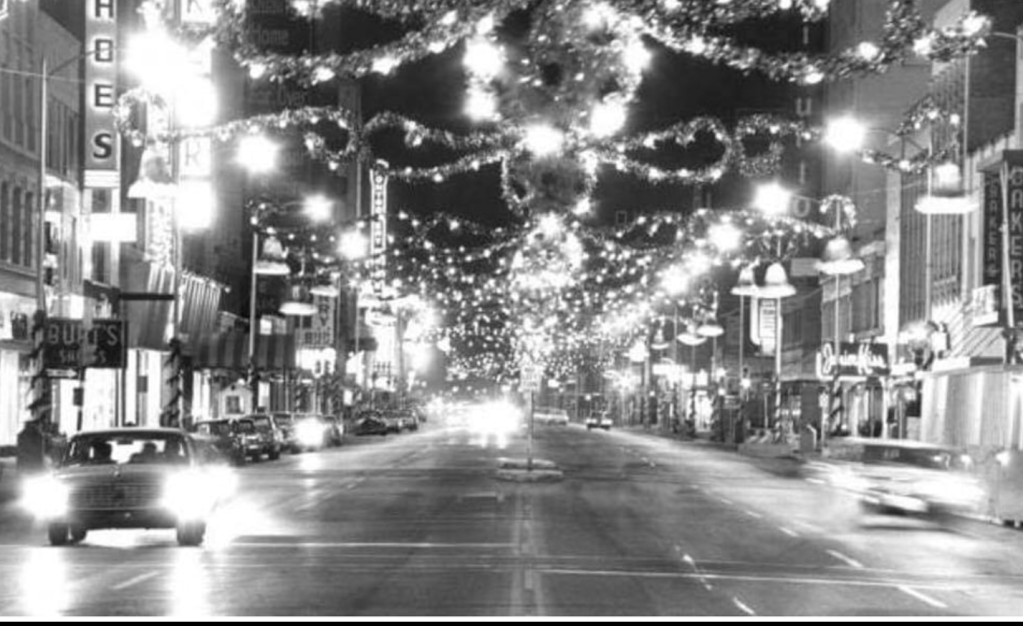

This piece is a beautiful reminder that there are countless reasons to smile and listen. No matter your language, its music will leave you yearning for more.
GROFF MEDIA 2024© TRUTH ENDURES IMDBPRO
Presented by benandsteve.com By: Benjamin Groff II©s
It was cold and snowing the day my dad decided to teach my sister and me how to play poker. We set up a card table in the living room. He brought out his cherished poker chips and cardholder. He placed them carefully in the center.
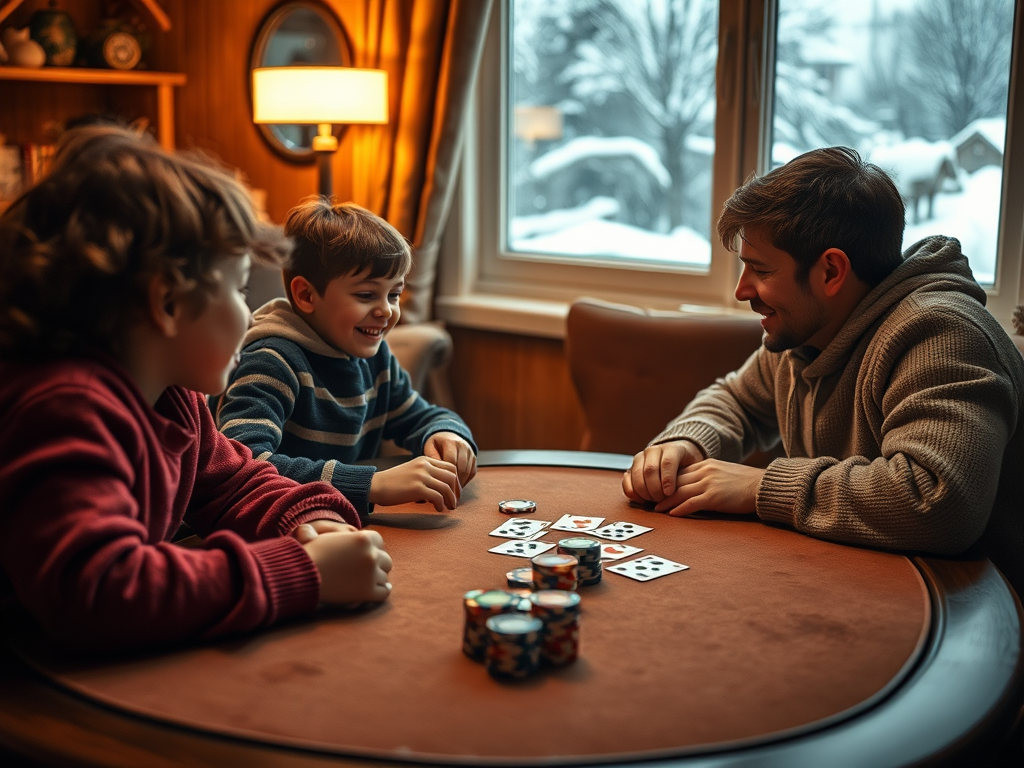
The chips were red, white, and blue. Dad told us not to worry about their dollar value. White was the least expensive. Red was worth more. Blue held the highest value, at least for this game. Then, with a practiced hand, he shuffled the deck and dealt the cards, and our lesson began.
I can’t recall exactly which variation of poker we played. It was Seven Card Stud, Texas Hold’Em, or Five Card Draw. But I remember the three of us sitting around that table. Each had a tall glass of iced tea. The snow piled up outside. With every inch of snowfall, I grew more hopeful that school would get canceled the next day. In my mind, I was already winning.
I caught on quickly, learning to hold onto high-value cards and giving myself a decent advantage. But the real edge came from my dad. He wasn’t just teaching us poker. He was teaching us something more. This lesson would stay with me long after the cards were put away.
A fire crackled in the fireplace, filling the room with warmth, and for a moment, life felt perfect. That house, that evening, that love—it’s a place I often dream of returning to. Yet, it no longer exists beyond memory. And in that memory, my dad shared something else with us. It was a poem—a warm blanket of words that wrapped us in comfort.
It was nonsensical and crude, but it belonged to him, and now it belonged to me. Decades later, I still carry it with me:
DAD’S POEM
I Woke Up Just This Morning
And I Looked Upon The Wall
The Roaches And The Bedbugs
Were Playing A Game Of Ball
The Score Was Six To Nothing
The Roaches Were Ahead
I Got So Doggone Excited
I Jumped Right Out Of Bed
I Ran Downstairs to Breakfast
But The Coffee Was So Stale
It Tastes Just Like Tobacco Juice
Right Out Of The County Jail.
Dad said he wasn’t sure where he’d first heard it—maybe in school as a boy. He had just always known it. And now, it was mine to carry on.
That silly little poem has come in handy more times than I can count. It has bailed me out when I’ve been put on the spot and asked to speak publicly. When I needed to write something quickly for school, it found its way onto my paper. It has brought laughter to gatherings and lightened tense moments. Somehow, it has traveled with me through time. It serves as a testament to the enduring power of shared memories. It is just like the memory of that snowy afternoon.
I never became a poker player, but I went on to work with words, write, and tell stories. I believe it started with that poem.
Presented by benandsteve.com By: Benjamin Groff II©

There once was a man named Walter Higby. He traveled from town to town. He wore a tweed coat and a bowler hat. He also carried a cane he didn’t need. Walter was a whimsical figure. He had a peculiar habit. He greeted everyone the same way. This added a touch of whimsy to their lives.
“You do,”
he would say with a sly smile.
Usually caught off guard, the person would blink in confusion.
“What?”
“You remind me of a man,”
Walter would continue.
“Who do?”
The person would ask, leaning in, curious now.
“You do,”
Walter would insist, tapping his cane on the ground for emphasis.
The other person would reply,
“I do?”
Which Walter would say,
“No, you do.”
And the reply would be,
“What?”
Which Walter would, in return, say,
“Remind me of a man.”
By this point, the conversation had become a swirling, nonsensical loop, leaving the other person chuckling or scratching their head. Walter never explained why he did it, nor did he ever stay long enough for anyone to figure him out.
One day, a young boy named Tommy stops Walter before he can walk away. “Mister, why do you say that to people?”
Walter looked down at Tommy and grinned. “Because it makes them think, and it makes them smile. That’s enough, don’t you think?”
Tommy thought for a moment, then nodded. “Yeah, I guess so.”
Walter tipped his hat, tapped his cane, and continued down the road. He was ready to meet the next unsuspecting stranger with his playful riddle. The man spoke in circles and kept wandering, leaving a trail of puzzled and amused people in his wake.

A huge thank you to everyone who visited benandsteve.com and helped us surpass the incredible milestone of 5,000 visitors on Friday! We’re thrilled to see so many of you checking in, exploring what’s new, and sharing your support. Your enthusiasm and continued engagement mean the world to us, and we can’t wait to keep bringing you more exciting content.
A forgotten mansion, shrouded in mystery, stood in the heart of the old city, nestled among the cobblestone streets and gothic architecture. Its grandiose facade, though worn by time, still retained an enigmatic elegance. On a stormy evening, Victor, a man of mystery and resilience, found himself drawn to this mansion, its secrets whispering to him.

Victor, a man of mystery and resilience, had always been a seeker of the unusual, the arcane. His latest obsession had led him to this mansion, rumored to be the repository of a lost relic. He was a formidable presence in his black leather attire, adorned with silver studs and zippers. His attire, a blend of functionality and style, spoke volumes of his readiness for whatever the night might bring.
The mansion’s interior was a haunting blend of past grandeur and eerie decay. The flickering candlelight cast eerie shadows on the portraits of stern-faced ancestors that lined the walls, their eyes seeming to follow him as he made his way through the dimly lit halls. The air was thick with the scent of old books and the faint, lingering traces of incense, and the floorboards creaked under his weight.
Victor’s destination was the study; a room said to contain a hidden compartment where the relic was concealed. He had done his homework; old blueprints and cryptic notes had led him here. With a determined stride, he entered the study, its heavy wooden door creaking ominously.
The room was a testament to the mansion’s former glory, with rich mahogany shelves lined with ancient tomes, a grand fireplace, and a massive desk that dominated the space. Victor approached the desk, his leather-clad fingers tracing the intricate carvings on its surface. He had a hunch that the key lay in the hidden compartment of the desk itself.
After a meticulous search, Victor’s fingers found a small, concealed latch. A secret drawer slid open with a soft click, revealing a velvet-lined compartment. Inside lay an ornate box, its surface inlaid with mother-of-pearl and silver filigree. Victor’s heart raced as he carefully lifted the box and opened it.
Inside, nestled in velvet, was the relic: an ancient amulet, its center a polished obsidian stone encircled by symbols of power and protection. As Victor held it, a surge of energy coursed through him, confirming the amulet’s authenticity; this was what he had been searching for. The amulet, rumored to hold the key to immortality, was a prize coveted by many.
His triumph was interrupted by the sound of footsteps echoing through the hall. Victor quickly stashed the amulet in his belt pouch and closed the drawer, his senses on high alert. He had been cautious, but it seemed he was not alone in his quest.
The door to the study burst open, and a figure clad in dark robes stepped in. ‘You have something that belongs to me,’ the intruder hissed, eyes glinting with malice. ‘You’re too late,’ Victor replied, his voice steady. ‘The amulet is mine now.’
Victor stood his ground, his hand instinctively moving to the hilt of his concealed dagger. “The amulet is not yours to claim,” he replied coolly. “It belongs to no one but itself.”
A tense silence filled the room, broken only by the distant rumble of thunder. The intruder moved with surprising speed, lunging towards Victor. But Victor was ready. In a swift, fluid motion, he drew his dagger and deflected the attack, the blade glinting in the dim light. His heart pounded in his chest, his senses heightened as he focused on the task at hand.
The fight was a whirlwind of intensity. Victor’s combat training and the intruder’s desperate aggression clashed in a flurry of movement. The air crackled with tension as they circled each other, each seeking an opening. In the end, Victor’s skill and determination prevailed. The intruder, defeated and disarmed, lay on the floor, gasping for breath.
Victor looked down at his defeated opponent, his eyes a mix of pity and resolve. ‘Leave now and never return,’ he ordered, his voice firm but tinged with a hint of sadness. ‘The amulet’s power is beyond your understanding.’
The intruder, cowed and beaten, scrambled to his feet and fled into the night. Victor watched him go, his eyes filled with a mix of pity and resolve. He knew his journey was far from over. The relic’s true power and purpose were yet to be revealed, and he was resolute in his determination to unravel its mysteries.
With the amulet safely in his possession, Victor left the mansion and stepped into the stormy night. Lightning illuminated his path, and the rain washed away the remnants of the battle. As he disappeared into the shadows, one thing was sure: Victor’s legend was only beginning.
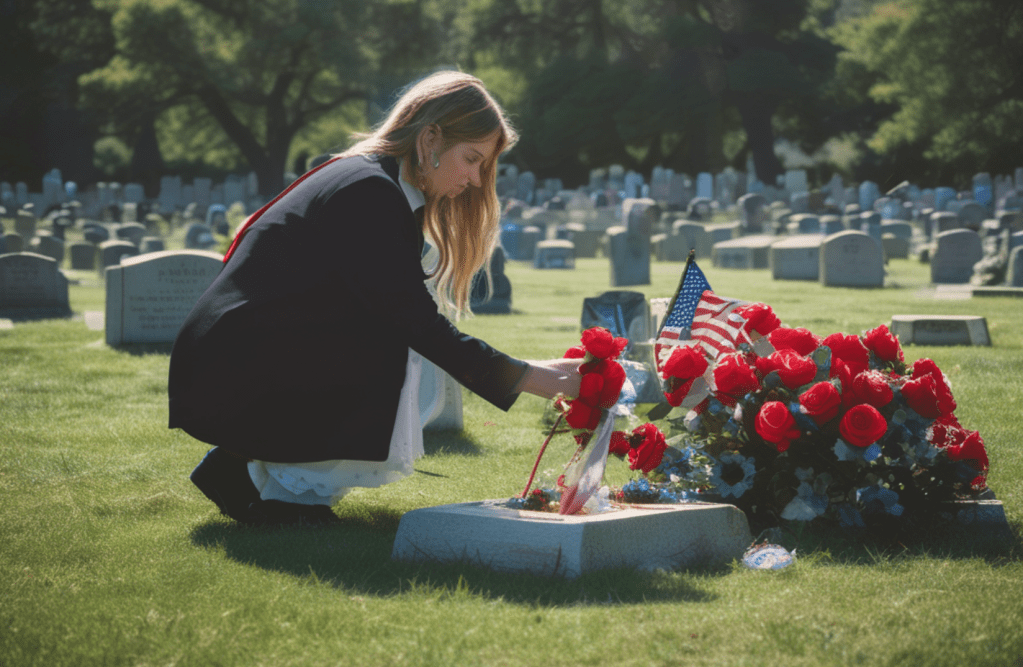
As the sun rose over the small town of Oakwood, its warm rays illuminated the rows of white headstones in the Oakwood Cemetery. The city, steeped in a rich history of honoring fallen soldiers, had always observed Memorial Day with solemn pride. This day, originally known as Decoration Day, was established after the Civil War to commemorate the Union and Confederate soldiers who died in the war. It has since evolved to honor all Americans who have died in military service.
Sarah Thompson stood at the cemetery’s gate, holding a bouquet of red, white, and blue flowers. She was in her late thirties, her eyes reflecting sorrow and strength. Visiting the cemetery was her yearly ritual—a pilgrimage to visit the grave of her brother, Daniel, who had died in Afghanistan a decade ago.
As Sarah walked along the gravel path, she remembered the day they received the news. It had been a bright summer afternoon, much like today. Daniel had always been a source of light and joy in their family, with his infectious laughter and boundless energy. The knock on the door that day had shattered their world.
Sarah reached Daniel’s grave and knelt, gently placing the flowers in front of the headstone. She traced her fingers over his name etched in the cold stone and whispered a prayer. Memories flooded back—playing tag in the backyard, late-night talks about their dreams, and the tearful goodbye when he left for his final deployment.
The cemetery, a place of collective grief and remembrance, began to fill with others who had come to pay their respects. Families, friends, and fellow veterans moved among the graves, their shared sorrow palpable in the air. Some walked in silence, their thoughts a private tribute, while others shared stories, their voices a collective echo of the lives lost.
A familiar voice broke Sarah’s reverie. “Hey, Sarah.”
She turned to see Tom, one of Daniel’s best friends from high school, standing nearby. He held a small American flag, which he placed at the base of the headstone. Tom had served alongside Daniel and had been with him during his last moments.
“It’s good to see you, Tom,” Sarah said, her voice soft.
Tom nodded, his eyes filled with shared grief. “I come here every year. Feels like the least I can do.”
They stood in silence for a moment, their hearts heavy with the weight of their loss. Each lost in their thoughts, memories of Daniel flooding their minds. Then Tom began to speak, his voice steady but emotional, his words a testament to the bravery and selflessness of their fallen friend. ‘Daniel was the bravest person I knew,’ he said, his voice breaking with emotion. ‘He always put others before himself. Even in the end, he worried more about us than his safety.’
Sarah smiled through her tears. “That sounds like him.”
The morning wore on, and more people arrived, each carrying their own memories and gratitude. A group of children from the local school, accompanied by their teachers, placed flags on the graves of all the fallen soldiers, a symbol of their respect and understanding of the sacrifices made. The town’s mayor gave a short speech, his words echoing with the collective gratitude and remembrance of the community. A local choir sang ‘America the Beautiful,’ their voices a poignant reminder of the unity and strength that comes from shared values. The collective remembrance was a powerful testament to the sacrifices made by so many.
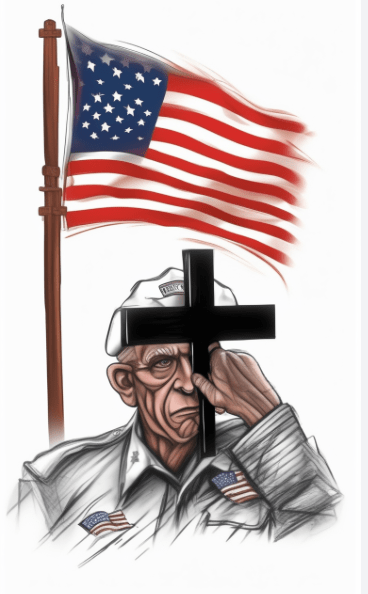
As the ceremony ended, Sarah and Tom lingered by Daniel’s grave a little longer. They shared stories, laughed, and cried, finding comfort in each other’s company.
“Thank you for being here,” Sarah said as they prepared to leave.
“Always,” Tom replied. “He was my brother, too.”
They returned to the cemetery gate together, the sun now high in the sky. As Sarah looked back one last time at the sea of white headstones, she felt a sense of peace. Memorial Day was not just about remembering the fallen; it was about celebrating their lives and the values they stood for.
Driving home, Sarah contemplated the significance of this day and how she would pass on its importance to her children. She understood that as long as they remembered, Daniel’s spirit would continue to live on. Every Memorial Day, she would return to this hallowed ground, ensuring that the memory of her brother and all those who had made the ultimate sacrifice for their country would never fade.
In checking references part of this story may include referencese similar to others found on the internet. The simularities are incidential and are not included intentional. You can find more these simularities RE: New York. Memorial Day. Monument. Dead Soldier. Wheelchair. Handicapped Boy. | Didier Ruef | Photography. https://www.didierruef.com/gallery-image/Aura/G0000Is39GN2Av9w/I0000aHlCvWVZLNc/C0000EU0LcXmMzWo/
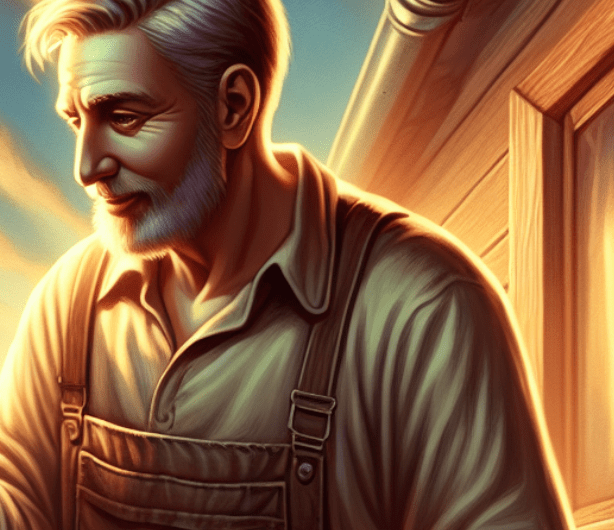
Charlie North was a familiar figure in the small town of Millbrook, known for his heart as expansive as the sky. He would readily abandon his own tasks to assist a neighbor with a leaky roof or chauffeur an elderly friend to a medical appointment. His acts of kindness and warmth were unparalleled, and everyone who crossed paths with Charlie held a special place for him in their hearts.
Yet, Charlie’s well-intentioned nature had a flip side that often led to discord: he was overbearing. His eagerness to assist frequently transformed into a forceful insistence that his approach was superior, and his constant involvement in others’ lives often left them feeling suffocated. This dichotomy of love and overbearingness earned him a mixed reputation.
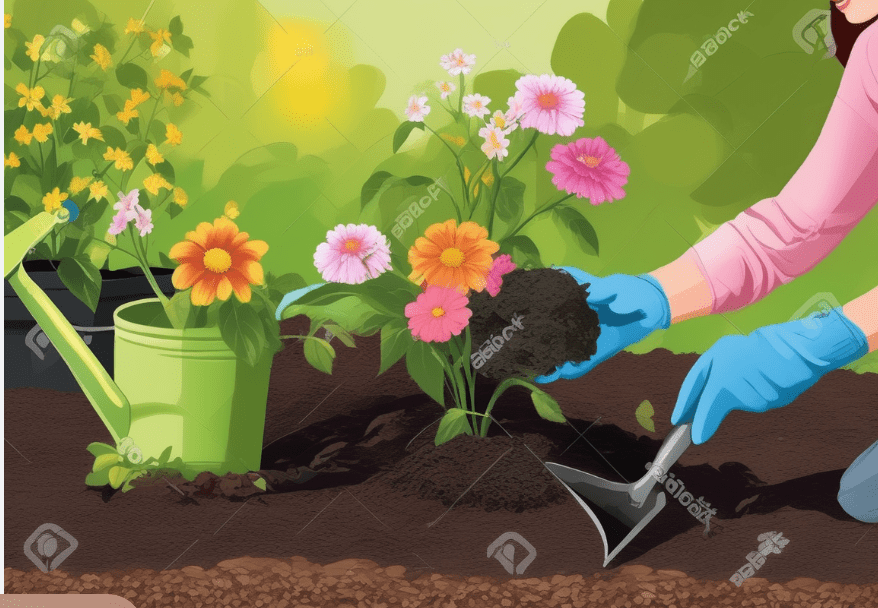
One sunny morning, Charlie decided to help Mrs. Henderson with her garden. The widow was grateful for the help but soon became overwhelmed by Charlie’s detailed plans and strict schedules. He dictated the type of flowers to plant, the precise soil mixture, and the exact watering schedule. Mrs. Henderson, who enjoyed gardening as a leisurely and personal hobby, felt her joy drained by Charlie’s micromanagement.
“I appreciate your help, Charlie, but I think I’d like to do some of this on my own,”
Mrs. Henderson said, trying to sound polite.
Charlie was taken aback. He wanted to help, but he needed help to see how his thorough plans were anything but beneficial.
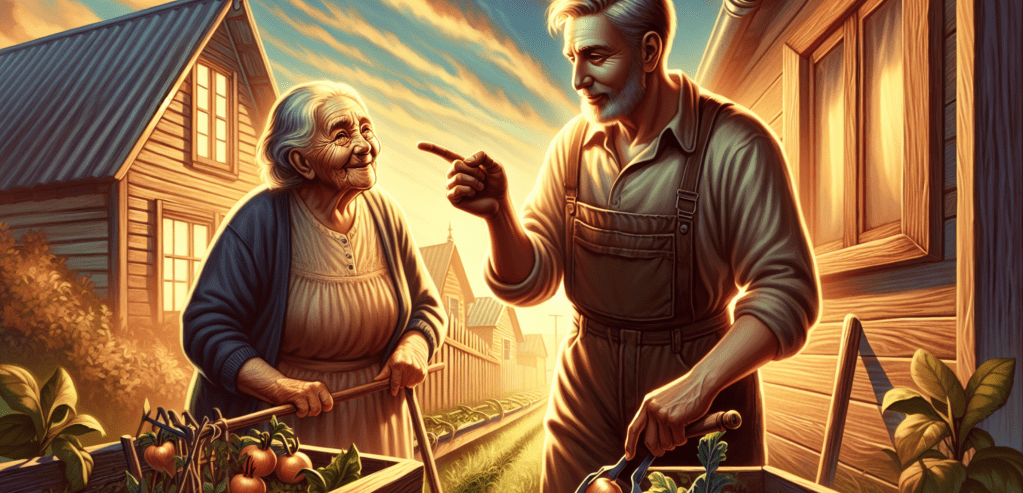
“But, Mrs. Henderson, if we don’t follow the schedule, the flowers won’t thrive as they should,”
he insisted.
As the weeks went by, similar incidents unfolded. At the community bake sale, Charlie’s meticulous organization turned into a rigid control. Initially, the townsfolk appreciated his dedication, but soon they felt stifled and unappreciated. The once vibrant community events started to lose their charm, replaced by a silent resentment towards Charlie’s overbearing ways.
One evening, as Charlie sat on his porch, his lifelong friend, Tom, joined him. Tom was one of the few people who could speak candidly to Charlie.
“Charlie, I’ve known you forever,” Tom began gently. “You’ve got a heart of gold, but sometimes you don’t realize how you come across to others.”
Charlie frowned, puzzled. “I just want to help, Tom. I want everything to be perfect for everyone.”
“I know you do, and that’s what makes you so special,”
Tom said, choosing his words carefully.
“But people need space to make their own choices, even if things don’t turn out perfectly.”
Determined to change, Charlie began to pull back. He continued to offer his help, but he consciously tried to listen more and dictate less. Charlie volunteered at the next community event but let others take the lead. He bit his tongue when things didn’t go as he would have planned, learning to appreciate the different ways people approached problems.

It was a difficult adjustment for Charlie, and he often felt the urge to step in and take control. But slowly, he noticed a difference. Mrs. Henderson’s garden flourished in its way; it was not perfect, but vibrant and full of life. The bake sale was a chaotic success, filled with laughter and camaraderie. People began to welcome Charlie’s presence again without the undercurrent of tension that had once accompanied his help.
Over time, Charlie found a balance. He channeled his love and generosity in ways that empowered others rather than overshadowing them. He was still the same Charlie North—big-hearted and always ready to lend a hand—but had learned to temper his overbearing nature. This transformation made him not only loved but truly appreciated, a testament to the power of self-awareness and the enduring strength of a loving soul.
That night, Charlie lay awake, wrestling with Tom’s words. He reflected on the times his help had been more of a hindrance, the faces of his friends and neighbors flashing through his mind—grateful at first but then strained and unhappy.
And so, Charlie’s story became one of growth and redemption, a testament to the power of self-awareness and the enduring strength of a loving soul.

The city of Riverton never slept, nor did Detectives Jake Harris and Sam O’Reilly. Partners for over a decade roamed the nocturnal streets with the kind of synergy only best friends could muster. Their squad car, an unremarkable blue-and-white cruiser, was a beacon of hope for some and a symbol of fear for others.
Jake, with his gruff exterior and piercing blue eyes, was the kind of cop who could read a crime scene like a book. Sam, a lean figure with a quick wit and a knack for defusing tense situations, complemented Jake perfectly. Together, they led the department in felony arrests, arriving at calls faster than anyone else and building relationships with the community that others could only dream of.
One brisk autumn night, their radio crackled to life with a call that made their hearts race: an armed robbery in progress at the 24-hour diner on 5th and Maple. Without a word, Jake hit the lights and sirens, and they sped through the dimly lit streets. They arrived in just under three minutes, a record even for them.
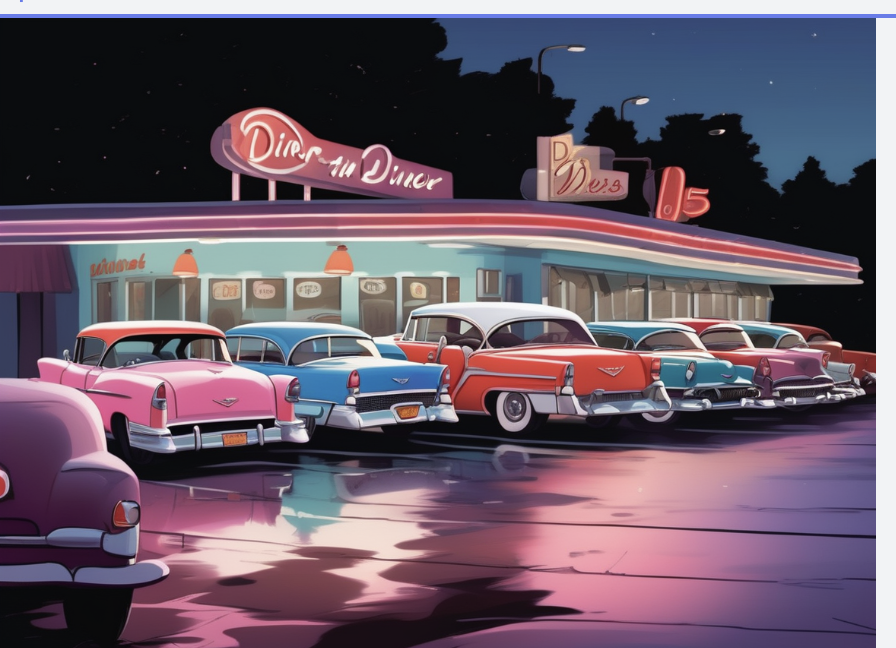
The diner was eerily quiet as they approached, save for the distant hum of neon lights. Inside, a masked man brandished a gun, demanding cash from the terrified cashier. Jake motioned for Sam to flank the back entrance while he took the front.
Jake entered slowly, his voice calm but authoritative. ––––
“Riverton PD, drop the weapon and come out with your hands up.”
The gunman whipped around, eyes wide with panic.
“Stay back! I’ll shoot!”

From the rear, Sam’s voice cut through the tension.
“No, you won’t. You don’t want to hurt anyone. Put the gun down, and we can talk.”
The gunman’s grip on the weapon faltered. In that split second, Jake lunged forward, disarming him with a swift, practiced motion. Sam was at his side instantly, cuffing the man and guiding him to the squad car.
As they processed the scene, the cashier, a young woman named Maria, approached them with tears in her eyes.
“Thank you. I don’t know what would’ve happened if you hadn’t come.”
Jake gave her a reassuring nod. “Just doing our job, ma’am.”
The rest of the night was a blur of paperwork and patrols. But their most memorable interaction came just before dawn. While cruising through a quieter part of town, they spotted a boy sitting alone on a bench, clutching a backpack to his chest. They pulled over, and Sam approached him gently.
“Hey there, buddy. Everything alright?”
The boy, who couldn’t have been more than ten, looked up with tear-streaked cheeks.
“I ran away from home. My parents are always fighting.”
Sam sat next to him, listening with the patience of a father and says –––
“I get it, kid. Sometimes, home can be tough. But running away won’t solve anything. Let’s get you back home and see if we can help sort things out.”
Jake contacted the boy’s parents while Sam spoke with him. The sun was peeking over the horizon when they returned the boy home. Now more worried than angry, the parents hugged their son tightly and thanked the officers.
As they drove back to the station, Jake glanced over at Sam, sighs then says –––
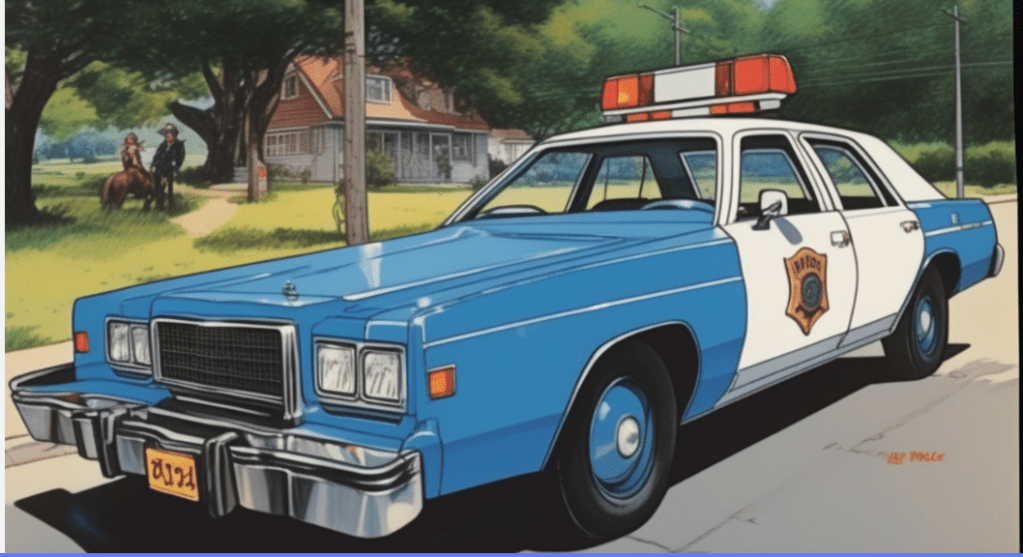
“Another night, another set of stories, huh?”
Sam chuckled. “Wouldn’t have it any other way.”
In Riverton, one could become a legend in the shadows, and for Jake and Sam, every night was another chance to protect and serve, forging connections and fighting crime in ways that others could only admire.
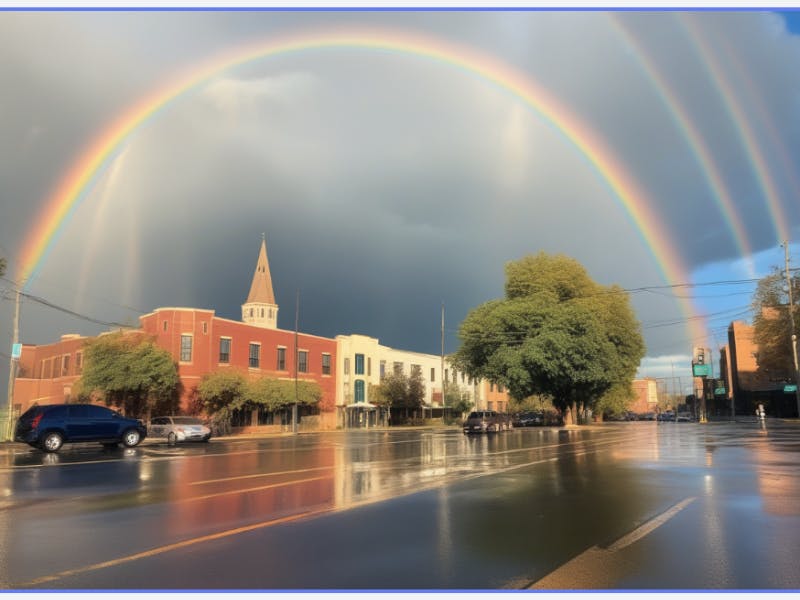
Once upon a time, in a small, unassuming town named Verdantia, an extraordinary phenomenon brought magic to the lives of its residents. Verdantia was known for its picturesque streets lined with red-brick buildings and verdant trees, but what truly set it apart was its ability to produce the most stunning rainbows anyone had ever seen.
One late afternoon, after a sudden downpour, the clouds parted, and the sun cast its golden rays across the wet streets. As the townsfolk went about their business, a magnificent rainbow began to form, arching over the town’s central square. It wasn’t just any rainbow; it was a double rainbow, with vibrant colors so vivid they seemed almost tangible.
The people of Verdantia, who had grown accustomed to the beauty of rainbows, stopped in their tracks, mesmerized by the sight. The rainbow appeared to touch down at two significant landmarks in the town—the spire of the old church and the ancient oak tree standing proudly at the intersection of Main Street and Elm.
As legend had it, Verdantia was a place where rainbows were believed to be portals to realms of wonder and enchantment. The townspeople knew this was no ordinary occurrence. The elders of the town, keepers of its history and secrets, gathered quickly. They had long awaited the appearance of such a rainbow, a sign foretold in their lore that marked the beginning of a special event known as the Festival of Lumina.
The Festival of Lumina was a rare celebration that took place once every hundred years, marked by a rainbow so grand that it stretched across the sky, connecting the past with the future, the ordinary with the extraordinary. This festival was a time when the boundaries between the human world and the world of magic blurred, allowing dreams and reality to intertwine.
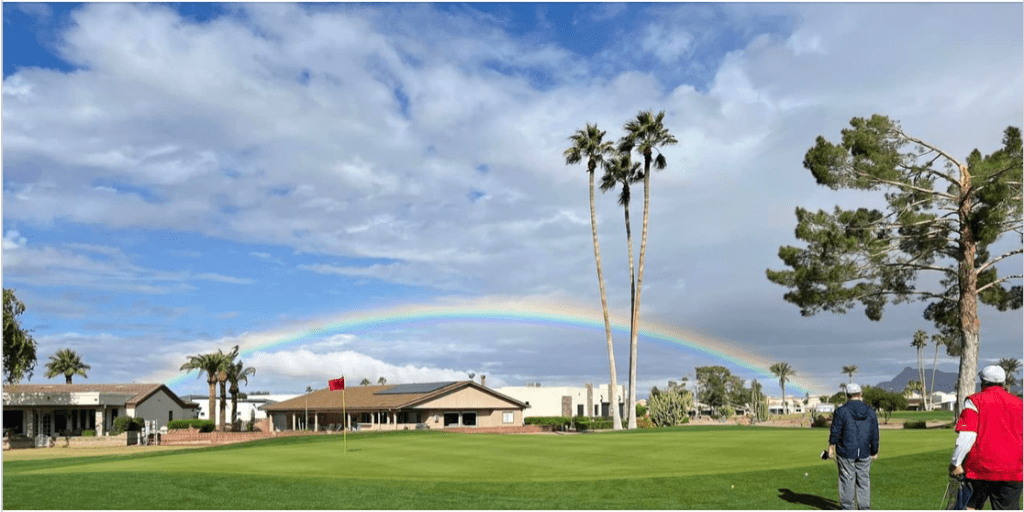
As the double rainbow shimmered, a soft, melodic hum filled the air. Children giggled with delight, and adults felt a warm, nostalgic pull at their hearts. The air around the rainbow seemed to sparkle, and for a moment, time itself felt as if it had slowed down. From the base of the rainbow at the church, a figure emerged—a guardian of the ancient lore, known as Seraphina, the Keeper of Light.
Seraphina, with her radiant presence and flowing silver robes, held out a staff that glowed with the colors of the rainbow. She spoke in a voice that resonated like the soft chime of bells, “People of Verdantia, the time has come to celebrate the Festival of Lumina. Today, the veil between worlds is thin, and the magic of the rainbow is at your command.”

The town erupted in joyous celebration. Musicians played enchanting melodies, artisans displayed their finest crafts, and bakers offered sweet treats that seemed to shimmer with a magical glaze. Children ran around, chasing the elusive ends of the rainbow, hoping to find hidden treasures and secret wonders.
As evening fell, the rainbow’s glow intensified, casting a luminous light over Verdantia. The townspeople gathered under the ancient oak tree, where Seraphina led a ritual to honor the rainbow and its magic. She spoke of unity, hope, and the power of dreams, encouraging everyone to embrace the wonder within their hearts.
The Festival of Lumina continued through the night, with stories of old being shared around bonfires, and dances that seemed to weave through the very fabric of the rainbow’s light. As dawn approached, the double rainbow slowly faded, but the magic lingered in the hearts of the people.

Verdantia, forever touched by the beauty and enchantment of the rainbow, became a place where dreams were cherished, and the magic of the Festival of Lumina was remembered and celebrated in smaller ways every day. The rainbow city, as it came to be known, stood as a beacon of hope, joy, and the enduring power of wonder.
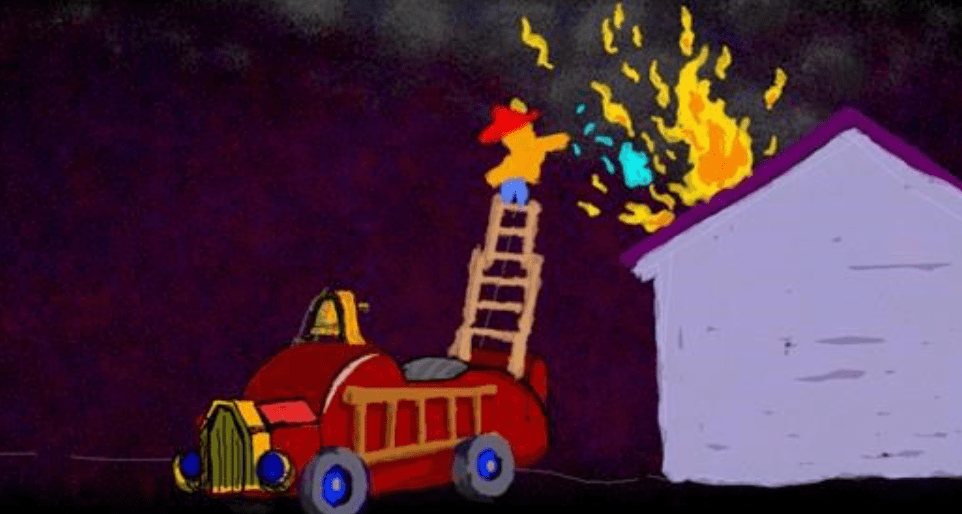
Fire Station 12 stood proudly in the heart of the bustling city, a symbol of protection and service. Named in honor of the fusion of Fire Stations 1 and 2, it held a legacy of bravery and dedication within its walls. At its helm was Hank, the seasoned veteran who had witnessed the evolution of firefighting firsthand.
Hank’s connection to the station ran deep, rooted in the early days when he and the Little Red Fire Truck epitomized heroism. Together, they had faced the fiercest blazes and emerged victorious, earning the community’s admiration. But as time passed, the dynamics shifted, and modernization took hold.
The Little Red Fire Truck, once a beacon of hope, now stood relegated to parades and backup duty. Hank, too, found himself on the sidelines more often, overshadowed by the younger firefighters and their state-of-the-art equipment. Yet, his dedication to the station never wavered.
Fate intervened on a warm afternoon when grass fires raged, and the station buzzed with activity. A desperate call for help echoed through the halls, signaling a mother and child trapped in a burning home. Hank knew he had to act swiftly with the other firefighters tied up on distant calls.
Without hesitation, he usurped the Little Red Fire Truck, a solitary figure against the backdrop of chaos. Ignoring protocol, he raced through the streets, the vintage engine roaring with renewed purpose. Upon Hank’s arrival at the scene, flames licked at the sky, and a crowd gathered, helpless.
Undeterred, Hank sprang into action, orchestrating a daring rescue. With precision born of experience, he deployed the aging truck’s capabilities, tapping into its reservoir of courage and resilience. Hank ventured into the inferno as the flames danced menacingly, emerging triumphant with the mother and child in tow.
The neighborhood erupted in cheers, and the world took notice, captivated by the spectacle of one man and his faithful companion defying the odds. Unbeknownst to Hank, his courage had transcended local acclaim, sparking a global wave of admiration.
But amidst the accolades, Hank remained grounded, his focus unwavering. As he extinguished the last embers of the blaze, a familiar figure approached – the Fire Chief, a mix of pride and relief etched on his face.
In a candid moment, the Chief revealed the bureaucratic hurdles that had hindered the station’s effectiveness, expressing a wish for more like Hank and his beloved Little Red Fire Truck. Yet, Hank, ever humble, pondered the Chief’s words, grappling with the shifting landscape of firefighting.
In the quiet moments that followed, as Hank bid farewell to another day of service, he found solace in the familiar embrace of the Little Red Fire Truck. With a promise to uphold its legacy, he embarked on the journey home, the echoes of the day’s heroics lingering in his heart.
For Hank, retirement loomed on the horizon, a bittersweet inevitability. But as long as the Little Red Fire Truck stood by his side, he knew their legacy would endure, a testament to the timeless virtues of courage, camaraderie, and unwavering resolve.

When a child gets lost in the forest a mother’s wisdom saves the day!
Once upon a time, in a small town located far away from the big cities between rolling hills and lush forests, there lived a young child named Alex. With their adventurous spirit, Alex was always eager to explore the world around them. But one sunny day, their curiosity led them into a problematic situation.
Alex ventured into the woods near their home on a warm summer afternoon. The air was thick with the scent of pine and earth, and the sunlight filtered through the canopy, casting a dappled pattern on the forest floor. With a sense of excitement bubbling inside them, they wandered deeper and deeper into the dense foliage, chasing after the fluttering wings of butterflies and the rustling of unseen creatures.
As the hours passed, Alex became utterly lost in the enchanting beauty of the forest. But as the sun began to dip below the horizon, panic started to set in. They realized they had strayed too far from home and had no idea which direction to go.

Frightened and alone, Alex’s heart raced in their chest. They called for help, their voice echoing through the trees. But there was no response, just the eerie silence of the forest at dusk. Tears welled up in their eyes as they sank to the ground, feeling a mix of hopelessness and fear.
Meanwhile, in the town, Sarah’s worry had transformed into a fierce determination. When her child didn’t return home at their usual time, she didn’t hesitate. She rallied a group of neighbors and friends, her unwavering love for Alex fueling their efforts.
With flashlights and determination in their hearts, they combed through the woods, calling out Alex’s name. Hours passed with no sign of the lost child, and fear gnawed at Sarah’s heart. Her worry turned into a desperate ache, her determination fueling her every step.
Just as she was beginning to lose hope, Sarah heard a faint cry in the distance. With renewed energy, she followed the sound, pushing through the underbrush until she stumbled upon a clearing where Alex sat, trembling and exhausted.
Relief washed over Sarah like a tidal wave as she rushed to her child’s side, her heart bursting with joy. Tears of happiness streamed down her cheeks as she whispered words of comfort and love, her voice a soothing balm to Alex’s trembling form.

Wrapped in their mother’s arms, Alex felt safe and protected, knowing that no matter their adventures, their mother would always be there to guide them home. And on that fateful day, Sarah’s unwavering love and determination saved Alex’s life, proving that a mother’s love knows no bounds. In the aftermath, they both learned the importance of staying close and the strength of their bond.
 benandsteve.com