Reaction on Capitol Hill was swift—and, at times, confused.
By: B.H.Groff II Groff Media 2026
WASHINGTON, D.C. — In a move that has surprised residents, historians, and seasonal tourists alike, the White House has issued an executive directive calling for the immediate removal of all cherry trees within the District of Columbia.
According to preliminary details released late Monday evening, the plan calls for the trees—long associated with the city’s springtime identity—to be cut down and processed for transport out of the nation’s capital.
Administration officials described the decision as part of a broader “landscape reassessment initiative,” though specifics surrounding the timing and necessity of the removal remain unclear.
“We’re clearing them out. Making room for more air and real estate!”
“This is about taking a fresh look at long-standing traditions and evaluating their place in a modern framework,” one official said, speaking on condition of anonymity. “No element, no matter how iconic, is exempt from review.”
The cherry trees, many of which trace their origins to a 1912 gift from Japan, have been a defining feature of Washington’s Tidal Basin and surrounding areas for more than a century. Each year, the blossoms draw visitors from around the world during peak bloom.
Despite their cultural significance, crews have reportedly already begun staging equipment near key locations, with early removal efforts expected to begin within days.
TEXAS TO PLAY KEY ROLE IN DISPOSAL
In an unexpected interstate partnership, officials confirmed that the State of Texas has agreed to assist in the disposal process.
Under the arrangement, National Guard units from Texas would be deployed to Washington to process the felled trees, converting them into wood chips for transport back to the state.
Sources familiar with the plan say the material is expected to be repurposed for use in large-scale outdoor cooking operations, particularly during football season.
“We understand Texas has both the capacity and the appreciation for this kind of resource,” one official noted. “They see it as a practical solution.”
Texas officials have not released a formal statement but are said to be “fully prepared” to mobilize personnel once federal clearance is finalized.
“The Cherry Trees changed into woodchips would be perfect for smoking meats at football tailgate parties”
“The Cherry Trees changed into woodchips would be perfect for smoking meats at football tailgate parties” according to Texas officials.
CONGRESS WEIGHS IN
Reaction on Capitol Hill was swift—and, at times, confused, as lawmakers attempted to clarify both the intent and implications of the proposed cherry tree removal.
“It goes toward the whole DUI thing,” said one longtime, hood-covered House member, before being quietly corrected by a senator who clarified it was DEI—Diversity, Equity, and Inclusion.
“We don’t have to have cherry trees for equality,” the senator added, “but they are nice for flavoring vodka.”
Another lawmaker expressed frustration with the annual bloom. “These white flowery things get everywhere,” he said. “It’s a damn mess if you get a bunch of them in your hair.”
Not all were in favor of the removal.
“You know how bad this place is going to smell without them?” one visibly irritated member asked. “At least the trees covered up some of it.”
One senior committee chair, speaking in a tone usually reserved for matters of national security, offered a more technical justification.
“Cherry trees create a false sense of seasonal stability,” he said. “When citizens begin to expect predictable blooming cycles, it undermines our broader messaging on uncertainty. Removing them restores balance.”
While no formal vote has yet been scheduled, sources indicate bipartisan discussions are ongoing, with several members privately acknowledging they were unaware the trees were not, in fact, native to Texas.
PUBLIC REACTION MIXED
Residents and visitors expressed a range of reactions as news of the directive spread.
“I don’t know what Washington looks like without them,” said one local resident near the Tidal Basin. “It’s like taking away spring.”
“I don’t know what Washington looks like without them,” said one local resident near the Tidal Basin. “It’s like taking away spring.”
Tourism officials are reportedly monitoring the situation closely, with some expressing concern over the potential economic impact if the trees are removed before peak bloom.
Others, however, appeared less concerned.
“They’re just trees,” one passerby said. “I’m more worried about parking.”
IMPLEMENTATION TIMELINE UNCLEAR
Federal agencies have yet to release a detailed timeline for the project, though internal memos suggest the work could begin as early as this week.
Environmental groups have not yet issued formal responses, but several advocacy organizations indicated they are reviewing the directive.
As crews prepare for what could be one of the most visible changes to the city’s landscape in decades, officials continue to emphasize that the effort is part of a broader evaluation of federal properties.
No official cost estimate has been released.
FINAL NOTE
Officials confirmed the directive will take effect at midnight on April 1st.
One senator from Texas is reportedly backing the measure with a special addendum, citing concerns he said arose during a recent winter vacation to Cancun. According to the senator, a video he viewed on YouTube suggested the original cherry trees—gifted by Japan in 1912—may have been engineered with embedded surveillance capabilities.
“Given what we now know,” he stated, “it would be irresponsible not to take a closer look.”
In the end, the cherry trees remain—and so does the tradition of April Fools’ Day.
“Trump may be first U.S. President to mythically cut down a cherry tree since George Washington,” top aide says!
*No trees were harmed in the making of this report—only expectations. Happy April Fools’ Day.
EDITOR’S NOTE: The “Final Note” in this story tells you this piece is satire—but in today’s climate, it doesn’t feel nearly as far-fetched as it should. As you move through the rest of the year, keep this in mind. We are living in a time when reality often outpaces even our most exaggerated imagination.
There comes a time when you have to draw a line and decide what you stand for. Because if you don’t stand for something, sooner or later you’ll fall for anything.
“I have made the decision to stop any association with content connected to CBS, CBS News, CNN, FOX, and Flipboard. I can no longer, in good conscience, republish material from these organizations. I also can’t promote content from organizations that use media in ways I find troubling.“
A Change in Direction
There are moments in history when small events start to reveal a much larger shift. What has been happening inside major American media organizations lately is one of those moments. Stephen Colbert is a prominent public voice. He finds himself at the center of controversy shortly after openly criticizing corporate decisions tied to network leadership. This situation naturally raises questions. Is outspoken criticism still welcome within the walls of the companies that broadcast it?
At the same time, reports of internal conflict surrounding the newsroom at 60 Minutes have emerged. These reports involve one of the most respected investigative news teams in television. They have only deepened those concerns. Leadership changes have occurred. Public statements from newsroom figures have surfaced. Accounts of staff unease suggest that journalists inside the organization are feeling pressures. These pressures extend beyond the simple business of reporting the news.
This is where the issue becomes larger than one show, one host, or even one network. The concern is about the atmosphere surrounding journalism itself. When reporters start to sense that pursuing certain stories will carry professional consequences, the chilling effect spreads quickly. Investigative reporting depends on courage, independence, and the understanding that truth—not corporate comfort or political pressure—guides editorial decisions.
My declaration about stepping away from redistributing material from major outlets is rooted in this concern. It is not an attack on journalism. In fact, it is the opposite. It is a defense of what journalism is supposed to be. A free press only remains free when reporters and editors can pursue facts without intimidation. They must be capable of chasing stories without fear of reprisal. Reporters should not have to wonder whether the story they are chasing will upset powerful interests behind the scenes.
Journalists should never have to look over their shoulder before telling the truth. If they do, the public will lose more than just a few television programs. They will also lose newspaper columns. We will lose something far more important. We will lose the ability to trust someone. Somewhere, someone is still willing to ask the hard questions.
History teaches us that the erosion of press freedom rarely begins with a dramatic announcement. It usually starts quietly—with a decision here, a resignation there, a story that suddenly feels too risky to pursue. The public does not notice at first. But journalists do. They feel the shift in the air long before anyone else sees it. When reporters question if the truth cost them their platform, the damage has begun. They question if it risks their career or the support of their newsroom. This damage shows that fear is overshadowing press freedom. My decision to step back from amplifying certain media outlets is not born from anger. It is born from concern. A healthy democracy depends on journalists who can pursue facts without fear. If the press ever needs to seek permission to reveal the truth, the public will suffer. This greater loss impacts more than just a television program or a headline. We will have lost our watchdog.
It is up to us. The average Joe. To start doing something. What will you do?
3 responses to “When the Press Begins to Look Over Its Shoulder”
It’s one of my concerns, too. The job of journalists and reporters becomes risky now. They’re not safe if they tell the truth, especially since powerful people are involved in it. I don’t know about news these days if it’s true or just be polished to protect someone else. The media becomes chaotic, as well as politics. I don’t understand, and I dislike to hear something disgusting about it.
Thank you, Hazel. Many people are torn between speaking up or staying quiet and hoping things change. But dust doesn’t move unless someone disturbs it. Sometimes the only way to slow what’s happening is to challenge it. If my words inspire even one person to act, and that person inspires another, then they have done their job.
One year ago former U.S. President Jimmy Carter passed away. We close this year with a celebration to his life. Recognizing his many accomplishments. Here is one, a promise he had made on the campaign trail before he was elected to office. That if he won the presidency, he would return to Elk City, Oklahoma and thank them. He upheld that promise, as well as many others he made. A man with true humility, honesty and principles. Sorely missed as an example to others.We honor a true a leader by remembering his life!
On March 24th, 1979, President Jimmy Carter returned to Oklahoma. He came to fulfill a campaign promise he had made during his first run for office. While campaigning, he passed through Elk City, Oklahoma, and vowed that if elected, he would return as President. True to his word, he came back to this small western Oklahoma town to connect with its residents.
By then, the memory of President Ford’s near-assassination and other threats against public figures lingered in the national consciousness. Carter was a peanut farmer from Plains, Georgia. He resonated with Oklahoma Citizens through his humility and shared values. This included his Democratic Party affiliation. First Lady Rosalynn Carter was accompanying him. Her warmth and grace complemented her husband. She left a positive impression on the locals.
At the time, Oklahoma’s Governor George Nigh was a celebrated figure in state politics. George Nigh was elected Lieutenant Governor more times than anyone else. He briefly served as Governor multiple times. This occurred when his predecessors resigned to take other offices. Despite some legal challenges about his eligibility, the State Supreme Court affirmed his ability to serve. He was now in his first full term as Governor. His presence at Carter’s visit added to the significance of the occasion.
The visit brought much excitement and preparation to Elk City, a town of about 12,000. The oil boom had not yet transformed the region. The high school’s field house was the largest venue available for the gathering. Elk City did not have an airport that accommodates Air Force One. Thus, the nearby Clinton-Sherman Airbase in Burns Flat, 15 miles east, was reactivated for the President’s arrival. A motorcade transported President Carter and his entourage to Elk City.
The event attracted widespread attention, with media outlets from a five-state area descending on the town. Governor Nigh, Oklahoma’s First Lady, U.S. Senators, Representatives, and many state officials joined the crowd. The field house overflowed with locals eager to witness history.
President Carter took the stage after introductions by various community leaders. His speech was marked by humility, sincerity, and a willingness to engage directly with the audience. During a question-and-answer session, a young girl boldly asked for a kiss. The President graciously obliged. This act endeared him further to the crowd.
Unlike many politicians who have returned to the comfort of Washington, D.C., President Carter chose to stay overnight at the home of Elk City Mayor Larry Wade. While he and Rosalynn rested, Elk City police officers securely guarded their limousine. It was stored in the fire department’s bay. The fire trucks were temporarily parked on the street. This allowed room for the vehicle. The bay doors were locked to make sure its secure.
The next morning, the Secret Service inspected and prepared the limousine for the journey back to the Clinton-Sherman Airbase. At 7:00 AM, President and Mrs. Carter were to be escorted by a motorcade that included local police and the Oklahoma Highway Patrol. But the Carters had been invited to church. And to church they would go. The President’s and First Lady’s Church attendance was unannounced and brief. Two routes were used to guarantee security, though the President’s exact route remains uncertain. By 8:15 AM, all vehicles converged at the church. The Carters left church and went to the Clinton – Sherman Airfield, near Burns Flat. “Nothing is to schedule” one news reporter was noted as saying. And, for the Secret Service, they appreciated it wasn’t. The changes in the planned activity helped create enough of a distraction.
As Air Force One prepared for departure, President Carter and Rosalynn climbed the stairway. They turned to wave goodbye to the assembled crowd. Then, they boarded the plane. Within minutes, the jet’s engines roared to life. It ascended into the blue Oklahoma sky. The departure left behind a community that felt valued and appreciated.
Jimmy Carter’s visit to Elk City exemplified his commitment to keeping promises and connecting with everyday Americans. Years after making his pledge, he returned to this western Oklahoma town. This return reflected the integrity and personal touch that characterized his presidency.
This Story Originally Appeared On November 1st, 2025. On November 26th a shooting resulted in Washington D.C. It looks as if it resulted from pressure placed on an individual. A person identified from a sect or community. You can read the story connected to that event here. then consider the contents of this story and decide for yourself. It is not difficult to have predicted. More will come.
10–16 minutes
In every generation, the United States stands at a crossroads of its own making. From the outside, our country can look unstoppable. From the inside, we often feel the push and pull of competing values. These include hopes and fears. Beneath the headlines and politics are real people—neighbors, families, workers—trying to live meaningful lives. When pressure builds in a society, it rarely announces itself with fanfare. Instead, it creeps in quietly, showing up as worry, disconnection, or a sense that something familiar is shifting. This story isn’t about sensational headlines but about those quiet pressures—economic, social, and cultural—that can change a nation’s future.
Deportation, Prejudice, and the Risk of History Repeating
When governments treat specific communities as disposable, they create wounds. These often fester into something more dangerous. Today in the United States, many Hispanic families live under the shadow of deportation. They are sometimes sent to countries that are not their place of origin. Worse still, many are denied fair hearings or meaningful access to justice before being removed.
This pattern, though uniquely American in its details, has historical echoes elsewhere.
Lessons from Israel and Its Neighbors
Globally, people are voicing similar worries. Inflation, poverty, unemployment, and corruption rank highest worldwide. Local details differ, yet the underlying pressures on ordinary families are strikingly alike from one country to another.
In the Middle East, decades of restrictive policies have shaped the relationship between Israel and its neighbors. Palestinians have endured travel restrictions, settlement expansion, home demolitions, and barriers to full participation in civic life. While not every individual responds with violence, these systemic grievances have fueled a climate where radical groups gain traction. Street shootings, bombings, and attacks on innocent civilians are, in part, the tragic outcome of exclusion and marginalization.
When justice is denied, resentment grows. History shows us what happens when exclusion takes root. Will the U.S. repeat Israel’s mistakes?
The lesson is not that oppression always leads to terrorism. Yet, when large communities feel silenced, denied justice, or stripped of dignity, it becomes easier for extremism to take root.
The American Parallel
For many Hispanic communities in the U.S., there is growing concern that the same cycle begins here. Families who have lived in this country for years are uprooted without warning. Children who know no other homeland are deported to countries where they have no ties. Legal safeguards that should guarantee fairness are often bypassed through expedited removal or administrative shortcuts.
Deportation without dignity doesn’t just break families—it risks breaking society. Lessons from abroad show what happens when whole communities are silenced.
The danger is not only humanitarian—it is practical. Alienation breeds resentment. Resentment, left unchecked, can lead to anger that is so strong it erupts in harmful ways. If citizens and residents consistently feel betrayed by the very government meant to protect them, feelings of betrayal grow. Over time, these feelings lead to instability akin to that seen in other parts of the world.
A Cautionary Reflection
The United States faces a choice. It can double down on policies that treat Hispanic people as outsiders. Alternatively, it can recognize that fairness, dignity, and due process are not luxuries—they are stabilizers. By ensuring justice and compassion, the U.S. can protect both its people and its principles.
History reminds us that exclusion never produces lasting peace. Inclusion does. If America forgets this, it risks repeating a painful lesson already written across borders far from its own.
Exclusion never creates peace. Inclusion does. The United States must choose which future it wants.
As this report was being prepared on September 10, 2025. Conservative activist Charlie Kirk was fatally shot during a speaking event at Utah Valley University in Orem, Utah. He was addressing an audience as part of his “American Comeback Tour.” When a gunman, described as wearing tactical gear, opened fire from a nearby building. The event was not just violent in its outcome. It’s now being discussed widely as an example of how political tensions, rising polarization. Public rhetoric can set the stage for tragedy. AP News+3Reuters+3People.com+3
This shooting stands as a stark reminder of what happens when communities feel threatened, unheard, or unfairly treated. When specific policies—like deportations without fair hearings, rhetoric that pits “us vs. them,” or laws that strip rights from people—are merged with public disdain, alienation can grow. As with Kirk’s death, violence doesn’t happen in a vacuum. It is often preceded by months or years of escalating division, distrust, and dehumanizing language toward some group.
If similar pressures continue—where people feel they are being denied justice. Or they will be forced into exile, or silenced—the risk is not only that isolated individuals will lash out. More of these attacks will spill into public spaces, become more common, and target more people. Charlie Kirk’s shooting is tragic and shocking. Still it also foreshadows a pattern we’ve seen before elsewhere: oppression + exclusion + inflammatory rhetoric = violence.
THE QUESTION NOW FACING THE UNITED STATES
The U.S. be trailing a path? Is government policy and public rhetoric pushing some communities to a breaking point? Exclusion and injustice be more than grievances, becoming catalysts for violence?
Israel offers a stark example. It shows what can happen when a nation attempts to dominate or control another people or region. Despite decades of military action, surveillance, imprisonment, and harsh policies, the country faces ongoing terrorist attacks. These actions occur within its own borders. History shows that no matter the tactics, attempts to subjugate or marginalize an entire population often breed resentment. Such approaches lead to cycles of violence rather than lasting security.
Recent polling reveals Americans’ top worries focus on daily life basics. These include the economy, healthcare costs, inflation, and Social Security. Economic anxiety has become the leading stress point—and understanding it is key to shaping effective public policy.
In the United States, millions of people belong to the LGBTQI community—transgender, gay, intersex, and beyond. If laws or court rulings increasingly target these groups with discriminatory restrictions or hardships, the effect won’t just be legal. It will erode their existing rights and impact them deeply on a human level. People who feel cornered, threatened, or stripped of dignity often turn to protest, activism, and self-defense. Families, friends, and allies of LGBTQI individuals will stand with them. History shows that when marginalized communities are pushed too far, their collective response grows stronger. They become more determined, whether through the courts, the ballot box, or public action.
There are case studies in why inclusion and fairness matter. Disenfranchisement can occur across many lines. These include ethnicity, religion, gender, disability, or economic status. Prevention starts with recognizing early warning signs. It involves pushing for fairness and empathy. Other groups and individuals will be targeted in this sweeping of Americans’ rights.
1. Immigrant and Refugee Communities Beyond Latin America
People from African nations, the Middle East, or Asia sometimes experience parallel challenges. They face deportation, limited due process, and suspicion tied to their nationality or religion. Policies that reduce refugee admissions, delay asylum processing, or tighten visa rules disproportionately affect them.
2. Religious Minorities
Muslims, Sikhs, Jews, and other smaller faith groups have seen spikes in harassment or targeted legislation. Surveillance, mosque or temple zoning battles, and hate crimes all increase when public rhetoric frames these groups as”others.”
3. Indigenous Peoples
Tribal communities continue to face legal battles over land, water, and sovereignty. Changes to federal protections or environmental rules can undermine their rights. This fuels deep distrust and potential standoffs (for example, Standing Rock and other pipeline protests).
4. People With Disabilities
Budget cuts or shifts in healthcare, accessibility regulations, or education funding can affect people with physical or cognitive disabilities. Without legal protections and enforcement, they risk losing access to accommodations and services they depend on.
5. Women and Reproductive Rights
If policies continue restricting reproductive healthcare and bodily autonomy, many women feel increasingly alienated. This is especially true for those in rural and low-income areas. Such feelings lead to organized protest. It also heightens tensions.
6. Workers in Precarious or Gig Jobs
With unions weakened and worker protections often rolled back, low-wage and gig-economy workers are also vulnerable to systemic neglect. Economic insecurity can create fertile ground for unrest, especially if merged with racial or immigration-related grievances.
On a hot summer’s day, if you stir any of these pots, something unhappy will happen. Similarly, if you keep someone locked out on a cold winter’s day, the outcome will be negative. It used to be the explosive reaction we referred to as Cabin-Fever when someone no longer can take the pressure. When so many groups are pushed to the point of not being capable to handle it. What happens? America already has more firearms than any country in the world. It shouldn’t take much research to realize that becoming Palestine-Israel would be easier than ever. It would also be more violent than people thought.
Exclusion never creates peace. Inclusion does. America must choose which future it wants.
There are Americans who are also to be considered part of the LGBTQI community. If laws or Supreme Court rulings turn against the transgender, Gay members, or Intersex community, these laws can cause hardships. Further restrictions can come into their lives. At some point, they and their families, friends, and supporters are going to find ways to defend themselves.
Yes — beyond the Hispanic and LGBTQI communities already discussed, there are several other groups. Experts and advocates often recognize these groups as vulnerable. These groups are often affected by shifts in policy, public sentiment, or legal rulings. Here’s a quick overview:
How Many Transgender People Have Been Mass Shooters?
This chart shows just how rare transgender or nonbinary mass shooters are in the U.S.—less than 1% of cases compared to an overwhelming majority by cisgender men. It’s a clear reminder that public narratives blaming LGBTQ+ people for mass violence are unsupported by facts.
How many trans shooters are there in real life?
Officially, the short answer: very, very few. Credible databases don’t systematically record gender identity. Still, the best available analyses show well under 1% of U.S. mass shooters have identified as transgender or nonbinary—i.e., only a handful of cases across many decades. Social Sciences and Humanities College+1
A few notes for context:
The Violence Project’s long-running database (public mass shootings, 4+ killed) shows hundreds of incidents since 1966. Researchers and fact-checks confirm that transgender perpetrators account for less than 1% of cases. This is in the low single digits in total. The Violence Project+1
News reporting that tries to tally specific incidents similarly finds just a few cases. It also cautions that many official datasets code by sex, not gender identity, which limits precision. Newsweek
Independent fact-checks conclude that claims of a “rise” in transgender mass shooters are unsupported. The vast majority of mass shooters are cisgender men. Reuters
Bottom line: Exact counts are hard to pin down because of data limitations. The evidence consistently shows that transgender people make up a vanishingly small share of U.S. mass shooters.
“Fewer than ten transgender athletes out of 510,000 NCAA players.
Yet, they’re at the center of a multi-million-dollar political storm.”
This makes sense—transgender people represent a very small part of the population, and their visibility often makes them targets. Out of more than 510,000 NCAA college athletes nationwide, it’s estimated that fewer than ten are openly transgender. Historically, families—including our grandparents and their grandparents—have coexisted with transgender individuals without controversy. Only in recent years have political attacks escalated, turning a once-private aspect of life into a public battleground. These attacks have generated hundreds of millions of dollars. Groups and politicians use transgender people as a wedge issue. They target individuals who are simply trying to live their lives.
What We Know (or Think We Know)
According to the Williams Institute at UCLA, about 300,000 youth aged 13–17 recognize as transgender in the U.S. Williams Institute
Of those, some studies suggest ~40.7% of transgender high school students play on at least one sports team. Applying that to the population estimate gives around 120,000+ transgender high school student-athletes Williams Institute
Nonetheless, when it comes to more specific breakdowns (e.g. how many play in women’s teams, or how many are in college/pro sports), the numbers are much smaller. For example, GLAAD reports that among ~510,000 NCAA college athletes, there are fewer than 10 known transgender athletesGLAAD
Key Takeaways & Limitations
Small in relative terms: Tens of thousands of transgender youth join in high school sports. Still, they are still a very tiny fraction of all athletes.
Very few at higher levels: At the college or professional levels, the known, openly transgender athletes are very rare (under 10 in the NCAA among all those athletes, per recent reports) GLAAD+1
Data gaps: Many sports associations don’t track gender identity carefully. Privacy concerns, inconsistent reporting, and changing eligibility rules make precise numbers hard to nail down.
Exclusion never creates peace. Inclusion does. The United States must choose which future it wants.
Yet even in times of strain, The United States of America greatest strength has always been its capacity to self-correct. Communities do not simply absorb pressure—they also adapt, innovate, and rise to meet challenges. We have the chance now to choose empathy over division, solutions over rhetoric, and inclusion over exclusion. If we remember that the country’s heart beats strongest when its people are treated with fairness and dignity. Then the same forces that threaten to divide us can also become the sparks that unite us. This is not just a warning—it’s an invitation to hope.
This content was originally intended to be posted on September 11, 2025. Due to unfolding events at that time, its publication was postponed until November 1, 2025. The research began weeks before events on September 10, 2025 in Utah. If extra events have occurred since then, this report reflects the level of concern. It highlights the growing sense of unease emerging across the United States.
About the Author:
Benjamin Groff is a former police officer and radio news anchor. He has hosted programs for CNN and ABC News affiliates in Colorado and Wyoming. His career in law enforcement began in 1980 and lasted more than two decades. This gave him firsthand insight into the criminal mind and public safety. Moreover, it provided him with an understanding of the human stories that often go untold. His writing draws on these experiences, blending street-level truth with a journalist’s eye for the bigger picture.
Marketing to change people’s views isn’t a new concept—it’s one of the oldest tools of persuasion known to humankind. It begins quietly, almost imperceptibly, with the notion that a particular group or sect isn’t “right” for the community. That whisper grows into a chorus, spreading suspicion from one group to the next. Before long, it becomes an orchestrated campaign designed to win favor with the majority.
Sometimes the purpose is simple—boosting sales or swaying public opinion. Other times it’s darker. It aims to destroy a movement or to silence dissent. It can also trample a people beneath the weight of manipulated perception.
The pattern always begins the same way. A subtle warning disguised as concern. A headline. A slogan. A talking point. Then, as the message gains traction, it becomes sharper, more divisive. The targets shift—left or right, religious or secular, it makes no difference. The goal is control.
In the coming months and years, we will see more of this calculated persuasion. This is marketing that doesn’t sell products but ideas. It spreads fear and hate. It will portray immigrants as criminals, minorities as threats, and neighbors as enemies. The tactic is old, but the technology behind it is new—and more potent than ever.
This isn’t confined to one nation. It crosses oceans and borders, infecting democracies and dictatorships alike. It’s a sickness of the mind and spirit, a global contagion that thrives on division.
To resist it, those who are often isolated in their struggles must unite. Civil rights advocates, faith groups, workers, and artists need to see they are part of the same story. Each citizen must realize their cause is connected. Survival now depends on solidarity. Only by coming together can we create a message stronger than the one designed to tear us apart.
With the 2026 U.S. election season soon underway, you’ll hear a significant amount of disinformation. One major strand targets immigrants in a wholly prejudicial way. It treats them as one homogenous group of “illegal” residents. It claims they all take “welfare benefits,” “food stamps,” or “public assistance programs.” These terms are used as triggers to motivate a particular set of voters. This is a tactic well understood by the most bigoted of candidates.
In reality, U.S. federal law places strict limits on non-citizens’ access to most benefit programs. Among the relevant statutes is the Personal Responsibility and Work Opportunity Reconciliation Act (PRWORA) of 1996. This act sets the baseline framework that governs immigrant eligibility for federal means-tested benefits. (1)
Key Facts
Undocumented immigrants — those who entered without inspection or overstayed visas — are generally ineligible for most federal public benefits. According to the National Conference of State Legislatures (NCSL), people without authorization in the United States can’t access federal public benefits. People who lack authorization in the United States are unable to access federal public benefits. People without authorization in the United States cannot access federal public benefits. Exceptions exist for certain emergency assistance, disaster relief, and non-cash community-level services. (2)
These benefits include major programs. Examples are the Supplemental Nutrition Assistance Program (SNAP, or “food stamps”). Another example is the Temporary Assistance for Needy Families (TANF) cash-assistance program. They also include non-emergency Medicaid. (3)
Lawfully present immigrants, including lawful permanent residents (green-card holders), face further restrictions. Most must wait five years after achieving “qualified immigrant” status before becoming eligible for many federally funded means-tested benefit programs. (4)
Criminal convictions may further affect eligibility. Individuals convicted of a drug–related felony after August 22, 1996 may be barred from receiving SNAP benefits. This is the case in many states. (5)
State-level variation: Federal law sets the baseline. However, individual states may use state funds to extend certain benefits. These benefits are for immigrants who are otherwise ineligible under federal rules. (6)
Quick Facts: 📌 Law: Personal Responsibility and Work Opportunity Reconciliation Act (PRWORA) of 1996 📌 Undocumented Immigrants: Ineligible for SNAP, TANF, and non-emergency Medicaid 📌 Legal Immigrants: Usually face a 5-year waiting period 📌 State Variations: Some states fund limited local programs 📌 Citizen Children: Eligible for benefits if they meet program rules 📌 Exceptions: Refugees, asylees, trafficking victims are exempt from waiting periods
Benefits for U.S. citizen children: A key exception ensures that children born in the U.S. can receive federal benefits, such as SNAP and Medicaid. This is true regardless of their parents’ immigration status, provided they meet all other eligibility requirements. The parents’ immigration status does not disqualify the U.S. citizen child. (7)
Specific exempt categories: Some immigrants are exempt from certain waiting periods or restrictions. These include refugees, asylees, victims of human trafficking, and certain others. (8)
In Summary
The U.S. benefit system places tight limitations on which non-citizens can receive publicly funded assistance. Eligibility depends heavily on:
the individual’s immigration status (unauthorized vs. qualified)
how long they’ve been residing legally
the particular rules of the specific assistance program.
In short: undocumented immigrants have virtually no access to standard federal welfare programs. They also lack access to food-assistance programs, especially if they have a criminal record. Many legal permanent residents must wait years. There are state-funded alternatives and exceptions. However, the broad public claim that “immigrants all use welfare/food stamps” is factually false. This claim serves as a misleading narrative.
Why this matters
When you hear a politician or political advertisement claim that immigrants are draining public benefits, you’re hearing a distorted narrative. It’s a message crafted to provoke emotional responses. It appeals to anxieties. It does not truthfully engage with the specifics of immigration law and benefit eligibility.
Bookmark this post for future reference—especially in the coming campaign months, when such claims will be ramped up. Having the facts on hand helps you call out hyperbole. It separates rhetoric from reality. This keeps the public conversation grounded in truth.
Constitutional Rights of Immigrants
Despite differences in citizenship status, the U.S. Constitution guarantees core rights to all persons within its jurisdiction — including immigrants, regardless of legal status. The Fifth and Fourteenth Amendments protect every “person” (not merely “citizens”) from deprivation of life, liberty, or property. Due process of law is required. They also protect from denial of equal protection under the law. The First Amendment also ensures freedom of speech, religion, and peaceful assembly for all. These guarantees extend to everyone on U.S. soil, whether they are citizens, lawful residents, or undocumented immigrants.
The Supreme Court has repeatedly affirmed these principles — most notably in Plyler v. Doe (1982). It held that undocumented children are entitled to the same public education rights as others. This is echoed in Zadvydas v. Davis (2001), which found that indefinite detention of immigrants violated constitutional due process. While immigration status can affect eligibility for government benefits, it does not erase the fundamental rights guaranteed by the Constitution.
References
U.S. Constitution, Fifth Amendment – Protects all persons from deprivation of life, liberty, or property without due process of law.
U.S. Constitution, Fourteenth Amendment, Section 1 – Ensures equal protection and due process for “any person” within the United States.
U.S. Constitution, First Amendment – Guarantees freedom of religion, speech, press, and peaceful assembly to all persons.
Plyler v. Doe, 457 U.S. 202 (1982) – Supreme Court ruled that denying public education to undocumented children violates the Equal Protection Clause.
Zadvydas v. Davis, 533 U.S. 678 (2001) – Affirmed that immigrants, even undocumented, are protected by the Due Process Clause against indefinite detention.
Yick Wo v. Hopkins, 118 U.S. 356 (1886) – Early Supreme Court case establishing that equal protection applies to non-citizens as well as citizens.
🗳️ Call to Action: Truth Over Talk
In the months ahead, political noise will grow louder, and facts will often take a back seat to fear. Before sharing or believing any claim about immigrants, take a moment to fact-check it. Look for verifiable data. Check reputable sources and legal references. Misinformation thrives when good people stay silent.
Share true information. Challenge falsehoods when you see them. By doing so, you defend the truth. You also uphold the American promise of fairness and equality under the law.
By Benjamin H. Groff II | Truth Endures / The Story Teller
3–5 minutes
A Decade After Obergefell
Will You Lose Your Rights To Marry Who You Love?
Ten years after the Supreme Court’s landmark Obergefell v. Hodges decision recognized same-sex marriage as a constitutional right, America finds itself again revisiting questions many thought were settled.
The Court’s ruling in 2015 declared that marriage, in all its forms, is protected by the Fourteenth Amendment. This includes guarantees of liberty and equal protection. As new petitions rise, the conversation has returned to the surface. Shifting public attitudes also contribute to this discussion. Who holds authority over marriage — the individual, the state, or the Constitution itself?
The Current Question Before the Court
A pending petition related to former Kentucky clerk Kim Davis has reignited national attention. Her case asks whether local officials refuse to issue marriage licenses on religious grounds. It also questions whether Obergefell overstepped by forcing states to recognize marriages they once prohibited.
The Supreme Court has not agreed to hear the case. Still, its presence on the docket is enough to open old wounds. It also raises new questions. Some legal analysts believe the current Court will not directly overturn Obergefell. Yet, it will narrow its reach through religious-liberty rulings. It also does so through state-level exceptions. Others assert that stability — not upheaval — best serves the nation and the families already bound under its promise.
Two Visions of Marriage and Rights
One side views marriage equality as part of America’s long arc toward inclusion. They view it as a civil institution that, once granted, should not be rescinded. They see equality before the law as non-negotiable. They fear that revisiting the issue will fragment the nation’s sense of fairness.
The other side argues that Obergefell disrupted centuries of state authority. It affected religious conscience. They believe that restoring local decision-making better reflects democratic process. They point to the tension between personal faith convictions and federal mandates as a conflict yet unresolved.
Between those poles lies a broad middle. These are citizens who do not agree on doctrine. They understand that marriage, whether between a man and woman or same-sex partners, carries profound human meaning. Many simply wish to preserve stability, protect liberty, and allow space for faith and freedom to coexist.
Faith, Law, and Living Together
Scripture has long influenced how societies view marriage. For some, biblical passages define its structure and purpose; for others, they offer moral insight without prescribing civil law. The tension between religious belief and constitutional law is not new. This tension echoes past debates over interracial marriage, divorce, and women’s rights.
In every era, society has had to ask two questions. What happens when faith and law collide? How do we live together without tearing the fabric of our community apart?
Why the Debate Still Matters
Even if the Court declines to hear new challenges, more than two dozen states have laws banning same-sex marriage. These laws are dormant on their books. If Obergefell were ever overturned or weakened, those statutes will return overnight, affecting benefits, inheritance, adoption, and family recognition.
At the same time, many Americans share a common belief. Conservatives and liberals alike think the government shouldn’t dictate the deepest personal choices of its citizens. This belief runs deep in the country’s DNA. – Barred from Hospital Rooms – Declined Visits By Family Funerals – Loss of Shared Property.
A Time for Reflection, Not Division
It is that America is less divided on love than on language. Many citizens who believe marriage is sacred still believe in equal dignity; many who support equality still respect faith’s voice.
The challenge before the nation is to find balance. This also is a challenge for the Supreme Court. It involves preserving both religious liberty and individual freedom. This must be done without sacrificing the dignity of either.
Marriage remains one of the few institutions that bridges our private and public lives. It does this whether one calls it a covenant before God or a contract under law. The real question is not who can marry. It is whether we can continue to respect those who see it differently. Is it a divine institution? One which a person be married and divorced five times, as long as it is to the opposite sex. Or, is it a civil contract between two people which protects their lives, property and future? Capable of being entered into by any two people.
Closing Thought
History rarely moves backward. Nonetheless, it does pause to consider and to recalibrate. It also reminds us that liberty requires both conviction and compassion. As this conversation unfolds, we argue less to win and more to understand.
We are living in a time when critical issues are being tossed around like poker chips in Washington. These include health care, Social Security, disability support, and the rights of the LGBTQ+ community. The game has gotten meaner, the stakes higher, and the players more reckless. But if history teaches us anything, it’s that ordinary Americans can outshine the biggest machines of power. They can outlast them when they work smart and stay focused.
This isn’t about red or blue. It’s about who gets to live with dignity and who doesn’t.
1. Protecting What We’ve Paid For
Let’s start with the basics: Social Security and Medicare are not entitlements—they’re earned benefits. Working Americans paid into them every payday of their lives. Yet, each election cycle, someone in Congress floats the idea of “sunsetting” or “restructuring” them. That’s political code for cutting.
The smart move? Make every elected official—Republican or Democrat—go on record promising no cuts to Social Security and Medicare. It’s a winning issue across party lines because nearly every voter depends on it, or soon will. The average monthly advantage for retirees is about $2,000. You can’t afford to lose that—and neither can your parents.
2. The Health Care Frontline
Medicare drug price negotiations are already law, and they’re starting to bite down on Big Pharma. Those savings need to be expanded and defended. Keep the issue local—talk about your neighbor’s insulin cost, your pharmacy’s long lines, and your doctor’s limited hours. These stories hit harder than any campaign ad.
If you live in a state that still refuses Medicaid expansion, that’s another battle worth fighting. States like Oklahoma and Missouri proved that when citizens put Medicaid expansion on the ballot, it wins—even in conservative territory. It keeps rural hospitals open and saves lives. Simple as that.
3. Disability Rights Are Human Rights
For millions of Americans, especially seniors and people with disabilities, Medicaid is the real safety net. It funds long-term care, home health aides, and community services. Most people don’t realize that these programs face constant threats. This occurs at both the state and federal levels.
It’s time to make disability policy visible again. Discuss the waiting lists. Talk about the family caregivers working without rest. Tackle the closures of group homes that once kept people safe. Every one of those stories is a vote for compassion and common sense.
4. Standing Up for the LGBTQ+ Community
Across the nation, hundreds of anti-LBGTQ+ bills have been introduced under the banner of “protecting children.” But what they really do is threaten the safety and rights of already vulnerable people—students, families, and workers.
The answer isn’t more shouting matches. It’s telling real stories. These are parents who want their trans kid to live without fear. There is a teacher who wants to keep their job. Or a couple wants the same hospital visitation rights as anyone else. When the conversation becomes personal, hearts shift—and politics follows.
5. Building Alliances That Win
You don’t win these battles alone. You build coalitions that surprise people. Seniors and veterans defend Social Security. Small business owners back drug price reform. Nurses and church groups advocate dignity in care. That’s how movements grow—through unexpected allies who realize they’re all fighting for the same thing.
The revisionist thrives on division. A winning strategy thrives on unity.
6. How to Get Loud, Smart, and Effective
Use your voice locally. County health boards, school boards, and hospital districts make real decisions about care and coverage. Attend those meetings.
Tell your story. A 30-second video of your experience with health care or benefits will reach more people than a dozen speeches.
Learn it. Agencies post new rules all the time—public comments matter. Gather friends, go to Regulations.gov, and leave thoughtful, factual remarks. Bureaucrats read them.
Stick to clear messages:
“Protect what we’ve paid for.”
“Keep care close to home.”
“Freedom to make personal medical decisions.”
“Dignity for every family.”
7. The Bottom Line
The fight for affordable health care, strong social programs, and equal rights isn’t about party loyalty—it’s about survival. You can’t eat ideology, and you can’t pay for prescriptions with political slogans.
The people who built this country deserve to live out their years in peace, not fear. The next generation deserves to inherit something more significant, fairer, and more human.
That’s how we win. We don’t hate what’s broken. Instead, we protect what still works. We fight like hell to fix what doesn’t.
Antifa, short for “anti-fascist,” is a decentralized, far-left political movement that opposes fascism, racism, and other forms of far-right extremism.
It is not a single, unified organization with a national leader or headquarters. Rather, it is a loose network of autonomous local groups and individuals. They share a common ideology.
History
European origins: Modern anti-fascist movements have historical roots in early 20th-century Europe. Groups like Germany’s Antifaschistische Aktion fought against rising fascism and Nazism in the 1920s and 1930s.
American development: In the United States, groups like the Anti-Racist Action (ARA) influenced the modern movement in the 1980s. They confronted Neo-Nazi skinheads at punk rock concerts.
Resurgence: Antifa gained significant public attention and saw a revival in activity after the 2016 U.S. presidential election. This was especially true during clashes with far-right groups. These occurred at events like the 2017 “Unite the Right” rally in Charlottesville, Virginia.
Beliefs and ideology
Anti-authoritarianism: Adherents subscribe to a range of left-wing views. These include anarchism, socialism, and communism. They hold anti-authoritarian and anti-capitalist positions.
Direct action: The movement prioritizes direct action over electoral politics. They believe it is necessary to disrupt what they see as hateful and oppressive activities. These disruptions are crucial before such activities can grow.
Confrontation: Supporters believe that hate speech is not free speech and advocate for the active suppression of fascist organizing efforts.
Tactics
Antifa tactics range from nonviolent to militant and vary widely among autonomous groups.
Nonviolent techniques: These include community organizing, publicizing the activities of far-right groups (“doxing”), and distributing flyers.
Militant techniques: Some adherents use confrontational tactics, including physical violence and property damage, which critics condemn as counterproductive and dangerous.
“Black bloc”: During protests, some activists engage in “black bloc” tactics. They dress in all black with their faces covered. This is done to keep anonymity and solidarity.
Controversy and criticism
Terrorist label: For several years, President Donald Trump has said he would label Antifa as a terrorist organization. As recently as September 2025, he reiterated this stance. Still, legal and civil rights experts have stated such a designation would be unconstitutional. They argue it is challenging to apply to a decentralized movement rather than a structured group. Former FBI Director Christopher Wray has also described it as an ideology rather than an organization.
Use of violence: Antifa’s use of violence has been condemned by both Republican and Democratic politicians. Some critics draw false equivalencies between Antifa violence and far-right extremist violence.
Misinformation: The movement has often been the topic of persistent disinformation campaigns. Right-wing groups and social media accounts promote false rumors and hoaxes about its activities.
Right now in U.S. politics, “Antifa” is not a formal organization. Instead, it is a loosely applied label meaning “anti-fascist.” It refers to people who oppose far-right extremism. In recent years, some political figures have used the term as a catch-all. Donald Trump is included among those who use it this way. They apply it to anyone who protests or opposes their policies. That means the word is often used more as a political weapon than a precise description.
If someone opposes the GOP or criticizes Trump’s policies, that alone does not make them “Antifa.” Certain media outlets or political figures call them that. It’s a rhetorical strategy to stigmatize opposition. This labeling is not a reflection of an actual membership or affiliation. Historically, in the U.S., dissent against a party or president has always existed without being automatically labeled as extremist.
So, in short: at the “current rate” of framing, you are called Antifa if you oppose Trump. Nonetheless, that’s a label applied by others. It is not an actual classification or legal designation. It’s essential to recognize the difference between rhetoric and reality.
It happened on a rainless night in early winter. The Council had banned music in the public square, but a child’s voice broke the silence. A boy no older than ten sang a lullaby his grandmother had taught him, his voice rising above the wind. For a moment, the crowd froze in fear. Then another joined. And another. Soon, the plaza filled with song.
The guards stormed in, batons raised, but the people didn’t scatter. They sang louder. The air trembled with a sound that was part hymn, part rebellion. Harper, standing among them, felt her chest swell. For the first time since Eli’s disappearance, she felt less alone.
The spark was not fire or violence—it was courage in harmony. By dawn, the Council declared the singers enemies of Order. But they had already lit something no decree extinguished.
The island had been buzzing with a quiet energy. Families were settling into huts near the shoreline. Farmers had begun turning fertile soil into gardens. Fishermen reported an abundance of food from the sea. For a brief time, it felt like paradise was within their grasp.
But no paradise, it seemed, live without Order.
The elected leader, Brant Harrow, stood on a makeshift platform in the town square. His voice carried over the crowd like the tide: calm, confident, and commanding.
“We are a community now,”
He declared, “and no community can survive without rules. These rules are not punishment, but protection. They will guide us. They will keep Haven’s Reach strong.”
The first rules were simple enough: no theft, no violence, no waste. At first, the people welcomed them. After all, who can argue against peace, honesty, and thrift?
Yet Brant added one more:
“All voices must flow through the Council before being spoken to the community. This ensures unity.”
Some shifted uneasily at that, but most nodded. They wanted peace. They wanted Order. And Brant gave them just that—or so they believed.
That night, lanterns glowed along the shoreline as fishermen mended their nets. Farmers laughed over bowls of stew. Children ran between the huts, playing games under the moonlight. The air was filled with a fragile joy.
But inside his quarters, Brant sat with a small group of men.
“It begins here,”
He told them.
“Control the speech, control the thought. The rest will follow.”
Haven’s Reach was still blissfully unaware. It took its first quiet step toward becoming something far different. It was unlike the dream its people had imagined.
The first year on Haven’s Reach flew by in a haze of construction and cooperation. Houses multiplied along the beaches. Farmers coaxed green shoots from the dark volcanic soil. Randall Crane’s speeches echoed over bamboo loudspeakers in every settlement. His message was always the same: “We are building something the world will envy.”
At first, people agreed. The council meetings were spirited yet polite, with neighbors sharing ideas and coconuts. But as the population grew, so did friction. Disputes over fishing rights, building permits, and clean water began to flare up. Crane’s solution was to create The Harmonies — a set of “guiding rules” posted on hand-painted boards throughout the island.
The Harmonies looked harmless enough:
Respect your neighbor.
Keep your area clean.
No outside media without approval.
Dress in community-appropriate attire for public events.
Most residents shrugged off the changes. After all, they had voted for Crane. But a few quietly asked why a paradise needed rules about newspapers or clothing colors. Crane’s answer was reassuring, almost fatherly:
“Order now means freedom later.”
Meanwhile, Crane’s temporary overseers quietly expanded. What began as a handful of volunteers became a uniformed Steward Force, assigned to “help” with compliance and “resolve” disputes. They wore sky-blue jackets and smiled often, but their presence changed the feel of the markets and beaches.
By the time the first festival arrived, everyone had noticed the difference. The music still played. Torches still flickered under the palms. Yet, eyes darted toward the Stewards. People were checking for disapproval. Without realizing it, Haven’s Reach was slowly stepping from a dream into something else.
There was another problem. Almost all those who relocated there had signed a contract. They were committing to ten years of service on the island. If they left for any reason, they would lose all their investments. This included property, banking accounts, and any holdings invested in the government. The contract included that if illness required them to leave the island. Yes, the contract was unforgiving, even for the survivors of the dead.
By the second year, Haven’s Reach felt less like a community project and more like a company town. The Harmonies had been revised into a formal code. It was called The Charter of Unity. It is now distributed in little booklets stamped with Randall Crane’s signature and the island’s crest. Most people tucked them into pockets like good-luck charms. Yet, a few began to notice how many pages dealt with “acceptable behavior.”
Crane’s speeches became less about freedom and more about “protecting our way of life.” The Steward Force expanded again, adding patrols to docks and market squares. At first, they were only “checking in.” Then, they began quietly recording names. They noted those who grumbled too loudly about water rations, building zones, or the newly instituted curfew bells.
A subtle yet unmistakable social pressure began to creep in. Neighbors hesitated before speaking. Vendors checked who was listening before discussing shortages. And at community gatherings, some citizens arrived wearing the “approved” island-blue shirts. Those who didn’t wear them were ushered to the back.
It wasn’t only about rules. The island’s media center, once a hub of news and music from around the world, now played only “local” content. The official explanation was that outside broadcasts were “unverified” and “destabilizing.” At first, few noticed. One morning, a popular journalist was no longer at the market. The rumor was they had “relocated to another settlement.” No one really knew.
Yet, on the surface, Haven’s Reach still looked idyllic. Palm trees swayed. Children played along the beaches. Gardens bloomed under the volcano’s shadow. The illusion held — but for how long?
It started as a dream, or at least that’s how the people remembered it. Scattered across the globe, 100 million souls were united by frustration with their governments. Yearning for a fresh start, they pooled their resources to find an untouched island deep in the South Pacific. Satellite maps showed a teardrop of lush green, ringed with beaches and hidden coves. They named it Haven’s Reach, because it promised a haven — and it was finally within Reach.
At first, everything felt almost magical. The climate was gentle, the soil fertile, and the air clear in a way few remembered from their crowded cities. People camped near waterfalls, planted vegetables along ridges, and built simple homes from bamboo and volcanic rock. There was no central authority; instead, councils of volunteers coordinated the distribution of food and medical supplies. It was as close to utopia as anyone could imagine.
Soon, the newcomers realized they’d need a leader to coordinate large projects, like roads, water treatment, and electricity. Randall Crane emerged from the chaos. He was a silver-haired businessman with a booming voice. His ability to command a crowd was uncanny. He promised fairness, transparency, and freedom. They applauded, relieved to have someone stepping ahead to organize their new society. Crane appointed “temporary overseers” for security and public Order, but few gave it a second thought. After all, they trusted him. This was their new beginning.
There would be no sprawling bureaucracy watching over their every move—no big government, no visible chains of regulation. People would live as they believed life was always meant to be lived. They would “live and let live,” but only so long as it conformed to the Order. This Order was not just a way of thinking. It was a quiet, unyielding code. It was built on God, guns, and a rigid notion of freedom.
Any “laws” were drawn from sacred texts. For most American and English residents, that meant the Bible. For others, it is the Torah or the Tripitaka, the ancient Buddhist canon. In their minds, all these scriptures whispered the same universal truths. Yet beneath that illusion of harmony, a single doctrine of control waited. It was patient and absolute.
They had arrived and begun their grand experiment with a country of their own. Self-designed to represent their basic needs and oversee their paramount security. These people, in a new land, had started what few in life had ever dared to hope for. They established their own country and a bill of rights. They elected a leader to oversee their needs. This was achieved quickly. They succeeded without ever firing a single shot in protest or against another nation.
A million people invested in their own lives and invested in one another. Most of all, they invested in an island that is now a country. It is led by a person with full power. He can choose to give anything necessary for those living there. Alternatively, he can decide to use the resources just for himself.
Representatives from each village were elected to represent those populations. They also elected a senator for each sector of the island. This formed two houses of government. Much like the United States has. Given that all these people share a common ideology, the political slant was, of course, mainly conservative. As a result, the elected leader held enormous power without checks and balances.
Some days in history roar with drama. Others whisper their significance so softly we almost miss it. October 20 is one of those whispering days. Yet, it carries lessons about resilience. It also teaches about change and the long arc of progress.
On October 20, 1803, the U.S. Senate ratified the Louisiana Purchase Treaty, doubling the size of a young America. It wasn’t just a land deal; it was a leap of faith in a still-unfolding national experiment. The deal shaped the destiny of millions who had not yet been born and transformed how people saw opportunity. That’s one perspective on October 20. It reminds us that big things often start quietly. They are inked onto paper while the world goes about its business.
Fast-forward to October 20, 1973 — the “Saturday Night Massacre” during Watergate. The Attorney General and his deputy resigned rather than obey President Nixon’s order to fire the Watergate special prosecutor. It was a night of constitutional crisis, but also a night when individuals drew lines they would not cross. In retrospect, it became a defining moment of accountability, integrity, and public trust.
Even in culture, October 20 pops up. It’s the birthdate of artists, athletes, and ordinary people whose work changed lives. It’s also National Youth Confidence Day. It’s a chance to celebrate the courage of young people. They are forging their own paths, as each generation must.
So what does this all mean for us on October 20, 2025?
Maybe it’s a nudge to honor the quiet decisions. It is about the unsigned papers and the moments of private courage. These shape our futures just as much as public fireworks. Maybe it’s a reminder to invest in tomorrow. Take the risk. Speak the truth. Double down on hope, even when nobody’s watching.
October 20 is not a “holiday” in the traditional sense. It is a hinge day. It is one of those unassuming points on the calendar. History reminds us that the choices we make today become the landmarks of tomorrow.
What difference does it really make — who we are or who we love? We accept without question that some people like black hair, others like blondes, and some like redheads. Some are tall, some are short, some are in between. Yet history shows us how quickly an innocent difference can become a target.
Imagine if tomorrow there was an eruption of public hatred toward blondes. They dye their hair to avoid detection. Or if short people were suddenly ostracized, they try to stay inside except during “short hours.” Many people already camouflage parts of themselves—how they speak, dress, or behave—to stay safe in public. But not everyone can change.
That’s what today’s reflection is about: What do we do with differences that can’t be hidden or changed? When does society’s discomfort become cruelty? Should people who can’t “blend in” be cast aside, alienated, or worse? We’re at our best when we challenge these questions. We must remind ourselves that our shared humanity matters far more than our differences.
A Hopeful Call-to-Action
If differences can be used to divide, they can also be used to unite. Every person you meet carries something unique—something you can’t see at first glance. Rather than asking people to blend in or hide, we can create a world where authenticity is safe and celebrated. Each act of kindness is important. Each open conversation contributes to understanding. Each refusal to judge by appearance fosters inclusivity. These are steps toward a society that values humanity over uniformity. The question isn’t how we can camouflage ourselves—it’s how we can build a place where no one needs to.
We live in a world filled with constant change and uncertainty. One theme keeps bubbling to the surface no matter where you look: economic anxiety. Money-related worries top the charts of what keeps people awake at night. These concerns range from the price of groceries to the dream of owning a home.
What the Numbers Say
A Gallup poll from April 2025 found that:
60% of Americans worry “a great deal” about the economy.
59% lose sleep over healthcare costs.
56% are stressed about inflation.
Nearly half worry about Social Security and the federal budget deficit.
Globally, it’s no different. According to Ipsos, the leading concerns include inflation (30%), poverty (29%), unemployment (28%), and corruption (26%).
To make matters feel even heavier, 77% of Americans believe it’s harder to buy a home today. They feel it’s more difficult than it was for past generations. That frustration touches nearly every household—young people trying to buy, older adults trying to downsize, and families squeezed in between.
How It Touches Our Daily Lives
Staying together through rough times!
This isn’t just about numbers—it’s about people. Rising rent, higher grocery bills, climbing medical costs—each of these chip away at security. Families cut corners, young people delay milestones like marriage or kids, and many retirees wonder if their savings will last.
Economic stress also spills into mental health, relationships, and communities. When you feel like you’re always one paycheck away from disaster, it’s hard to focus on thriving—you’re stuck surviving.
What You Can Do
While we can’t solve inflation or rewrite housing policy alone, there are small, powerful steps we can take:
The Mysteries of Financial Security.
Focus on control: Create a budget and stick to it. Even small wins matter.
Cut back strategically: Trim unnecessary expenses, but give yourself permission to keep the things that bring you joy.
Tap into resources: Community groups, food banks, and local organizations often have programs to ease the burden.
Stay connected: Talking about financial stress reduces shame. You’re not alone.
The Takeaway
The economy, healthcare, inflation—they’re big, intimidating problems. But your response doesn’t have to be. Focus on what you can control. Find support in your community. Remember: sometimes resilience comes not from having more, but from facing less with wisdom, planning, and hope.
How did we arrive at our current state? It is a question a lot of people are asking. It didn’t happen all at once. Getting to where we are, was forever in the making. Before anyone alive today was here. There have been people making decisions, some not so great. Life happens. It is a popular saying for some people. And as you can tell through this date in history. October 10th was a great day for history to be set. It doesn’t explain everything that has happened. But it does give one an idea of how history can pile up on any given day.
Here’s an evocative image of a calendar marking October 10. It serves as a visual prompt for a day rich in history. This day includes milestone events and global observances.
October 10: A Crossroads of History, Culture, and Global Awareness
A Time-Honored Legacy
1845 – U.S. Naval Academy Founded
In Annapolis, Maryland, the Naval School opens with its first class of 50 midshipmen. This event lays the foundation for the modern U.S. Naval Academy.(1)
1911 – Wuchang Uprising Ignites Revolution This bold move sets the stage for the fall of China’s Qing dynasty. It also leads to the emergence of the Republic of China.(2)
1935 – ‘Porgy and Bess’ Debuts on Broadway
George Gershwin’s groundbreaking opera, featuring an all-Black cast, premieres to widespread acclaim.(3)
1964 – Tokyo Olympics Start: A Global Broadcast
Making history, these Summer Games are the first to be televised live worldwide.(4)
1973 – Vice-President Agnew’s Resignation
Spiro Agnew steps down amid tax evasion charges, a rare and dramatic political moment in U.S. history.(5)
October 10, 1973: A Domino That Changed the Presidency
On October 10, 1973, U.S. Vice President Spiro T. Agnew resigned in disgrace. He pleaded no contest to tax evasion charges. These charges stemmed from a bribery scandal dating back to his time as Maryland’s governor. A sitting Vice President had never stepped down under criminal accusations before. This event sent shockwaves through American politics.
The resignation created an immediate power vacuum. Under the 25th Amendment, passed just six years earlier, President Richard Nixon was capable of nominating a new Vice President. His choice was Michigan Congressman Gerald R. Ford, a steady Republican leader respected across party lines. Congress confirmed him in December 1973, setting in motion a sequence of events no one predicted.
Only months later, the Watergate scandal deepened. Nixon’s credibility unraveled under the weight of investigations into the cover-up of the break-in at the Democratic National Committee headquarters. With impeachment looming, Nixon resigned on August 9, 1974—the first U.S. president to ever do so.
In that instant, Gerald Ford became president. He told the American people in his swearing-in speech:
“Our long national nightmare is over.”
Ford’s ascent to the Oval Office was accidental. He became the only person to serve as both Vice President and president without being elected to either office.
Looking back, it’s clear that Agnew’s resignation on October 10 wasn’t just a scandal. It was a turning point in American history. Had he remained Vice President, Agnew—not Ford—would have been next in line when Nixon resigned. The nation, already reeling from Watergate, faced the reality of a president tainted by his own corruption charges. Instead, Ford’s calm, if brief, presidency offered a bridge back to stability.
👉 OCTOBER 10, 1973 stands as proof of how a single resignation reshaped the presidency. It altered the line of succession. It changed the course of American political history.
October 10 is more than a date—it’s a living mosaic of pivotal moments, human emotion, progress, and remembrance. It reflects how history shapes us and how we, in turn, continue writing it.
It began as nothing more than a joke. A character on television—smug, ridiculous—coasted down an elevator while declaring something so absurd that everyone laughed. It was too silly to be taken seriously, too exaggerated to live beyond the moment.
But no one challenged it. And why would they? It was just a laugh, a one-liner, a small puff of smoke that seemed harmless. Yet smoke drifts. It clings. The joke became a line repeated at dinner tables, then in office chatter, then across social media. What started as comedy grew like a weed, tangled and persistent.
You knew it was a lie. You knew from the very beginning. But saying something meant being the one to ruin the joke, the one to argue when everyone else was smiling. It was easier to let it go. Easier to think, Surely this will fade away.
Except it didn’t. The lie ballooned. It threaded itself into conversations, policies, schools, and pulpits. Suddenly your neighbors were quoting it as if it explained the world. Your family repeated it without hesitation. They did not repeat it because they believed it. They found it easier than fighting for the truth.
And now here you are. Watching as the lie isn’t just smoke anymore—it’s a fire, raging and indiscriminate, swallowing millions in its path. The streets fill with people repeating the words that started as a smirk on an elevator ride. And they look to you, because they trust you. Because they think you see what they see.
But you don’t. You know better.
The question is no longer whether the lie is funny. The question is whether you will stand against it now. It is late, but not too late. Otherwise, silence will make you part of it.
When a massacre occurs, we rush to ask why. We sift through social media posts, interviews, and histories, desperate for something that explains the unexplainable. But what’s telling is not just the reasons we find—it’s the reasons we don’t look for.
The overwhelming majority of mass shooters in the United States are heterosexual men. That’s not speculation; it’s data. Yet how often do you see headlines dissecting a killer’s heterosexuality as the cause of their violence? How often do pundits rush online? They demand to see if the shooter once posted about a girlfriend or wore a wedding ring. They use that as “proof” that straight men are dangerous by design. The answer is simple: never.
And yet, when a shooter identifies as LGBTQ+, or is even rumored to, it suddenly becomes fair game for speculation. Sexuality or gender identity—factors with no proven connection to violence—are treated as the smoking gun. It’s as if identity itself becomes a scapegoat, a convenient villain for people already inclined to mistrust it.
This double standard reveals a lot about our cultural biases. Straight people are allowed complexity. They can be troubled, mentally ill, politically radicalized, or angry at the world. They can also be a hundred other things. But LGBTQ+ people are flattened into caricatures, their entire identities blamed for tragedies they commit. Violence is driven by opportunity, ideology, and access to weapons. It is also driven by often untreated pain—not by who someone loves or how they define themselves.
Maybe the question isn’t why people commit atrocities. Instead, we should ask why we frame some people’s motives through the lens of prejudice. Meanwhile, we let others keep their humanity. Until we answer that honestly, we’ll keep mistaking bigotry for truth—and keep missing the real reasons behind the violence.
About the Author:
Benjamin Groff is a former police officer and radio news anchor. He has hosted programs for CNN and ABC News affiliates in Colorado and Wyoming. His career in law enforcement began in 1980 and lasted more than two decades. This gave him firsthand insight into the criminal mind and public safety. Moreover, it provided him with an understanding of the human stories that often go untold. His writing draws on these experiences, blending street-level truth with a journalist’s eye for the bigger picture.

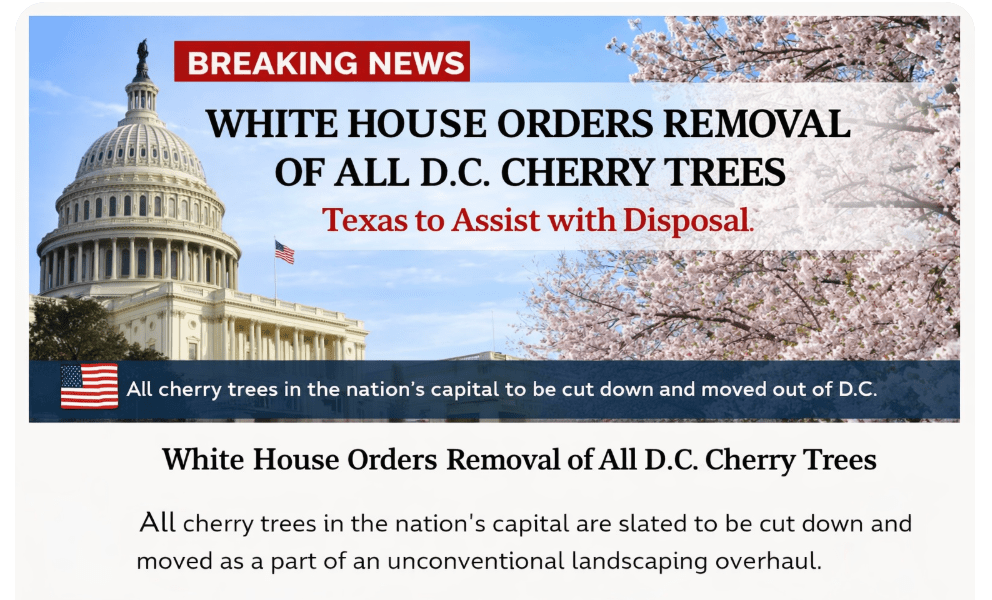








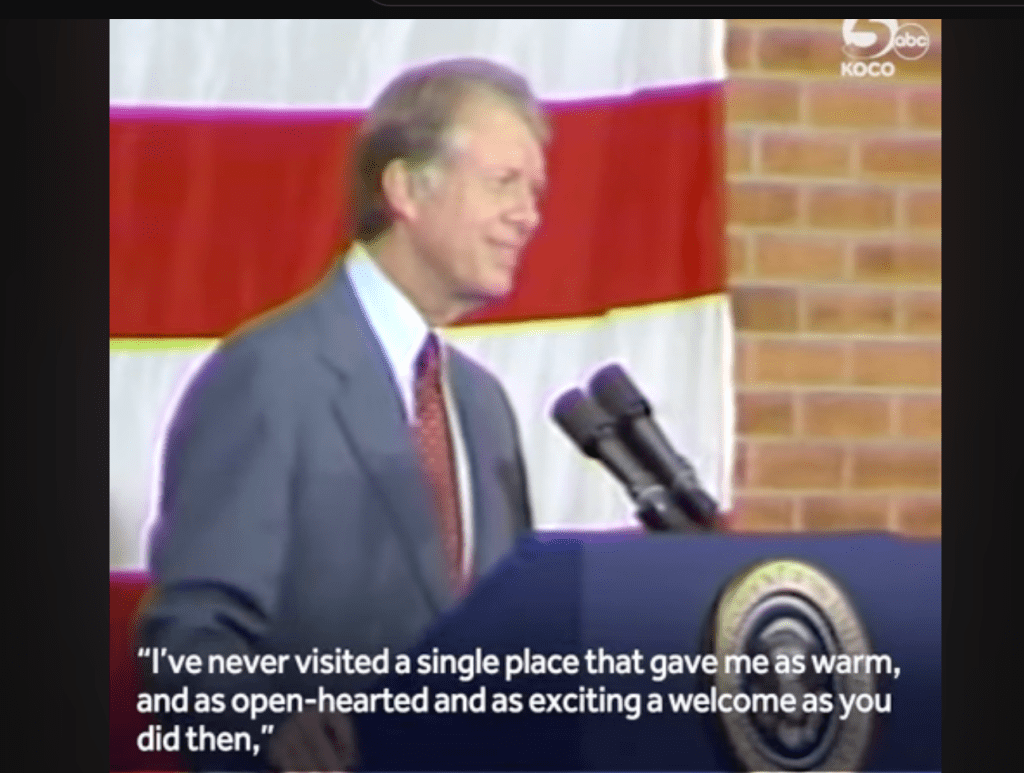

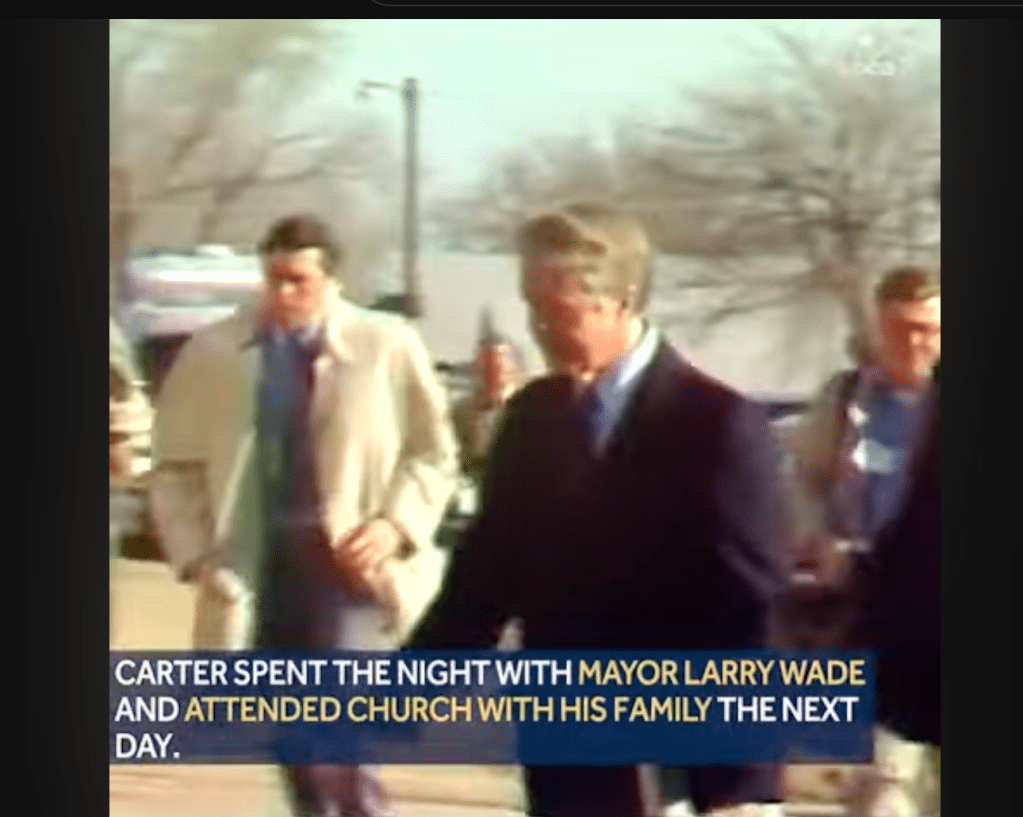
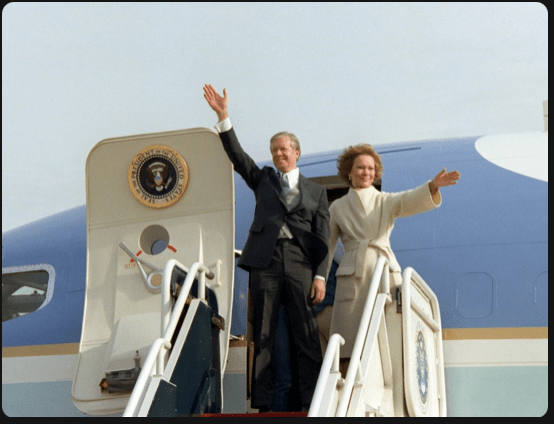
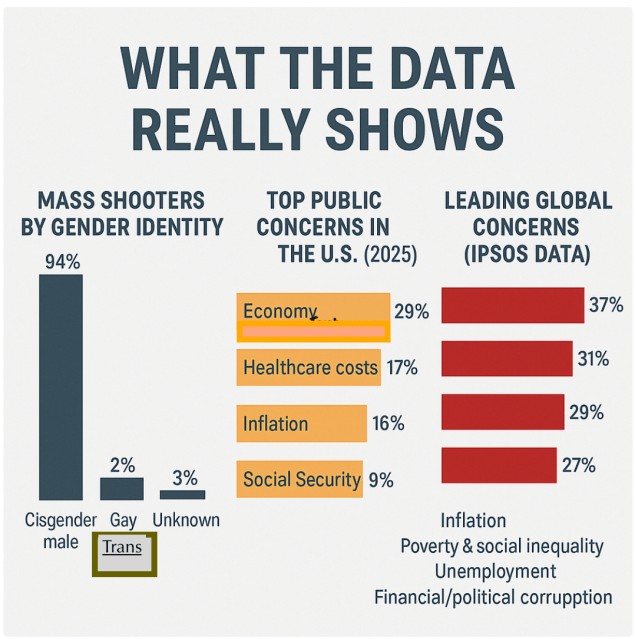
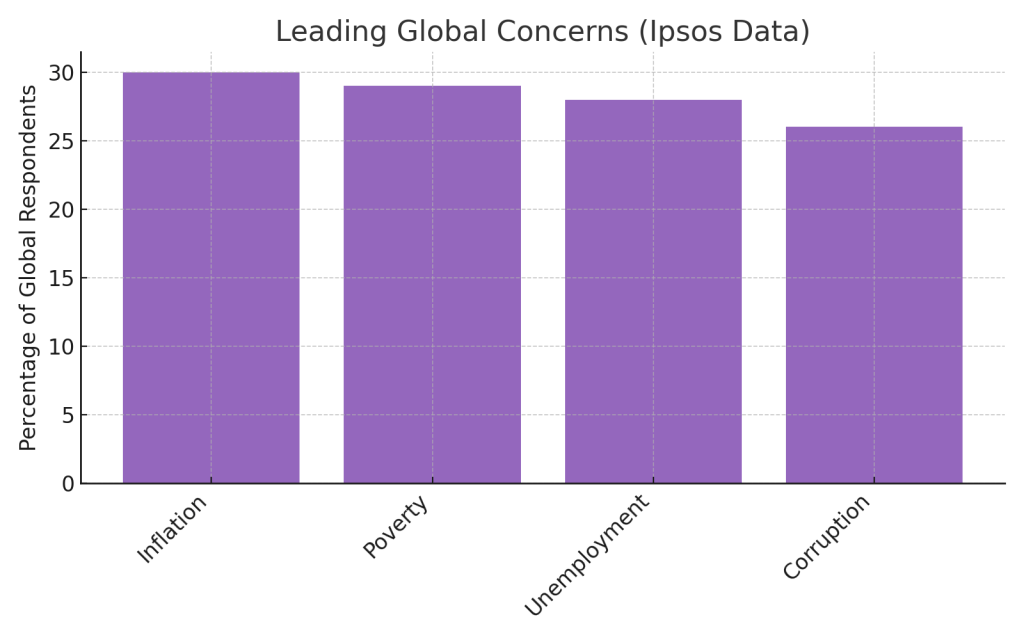
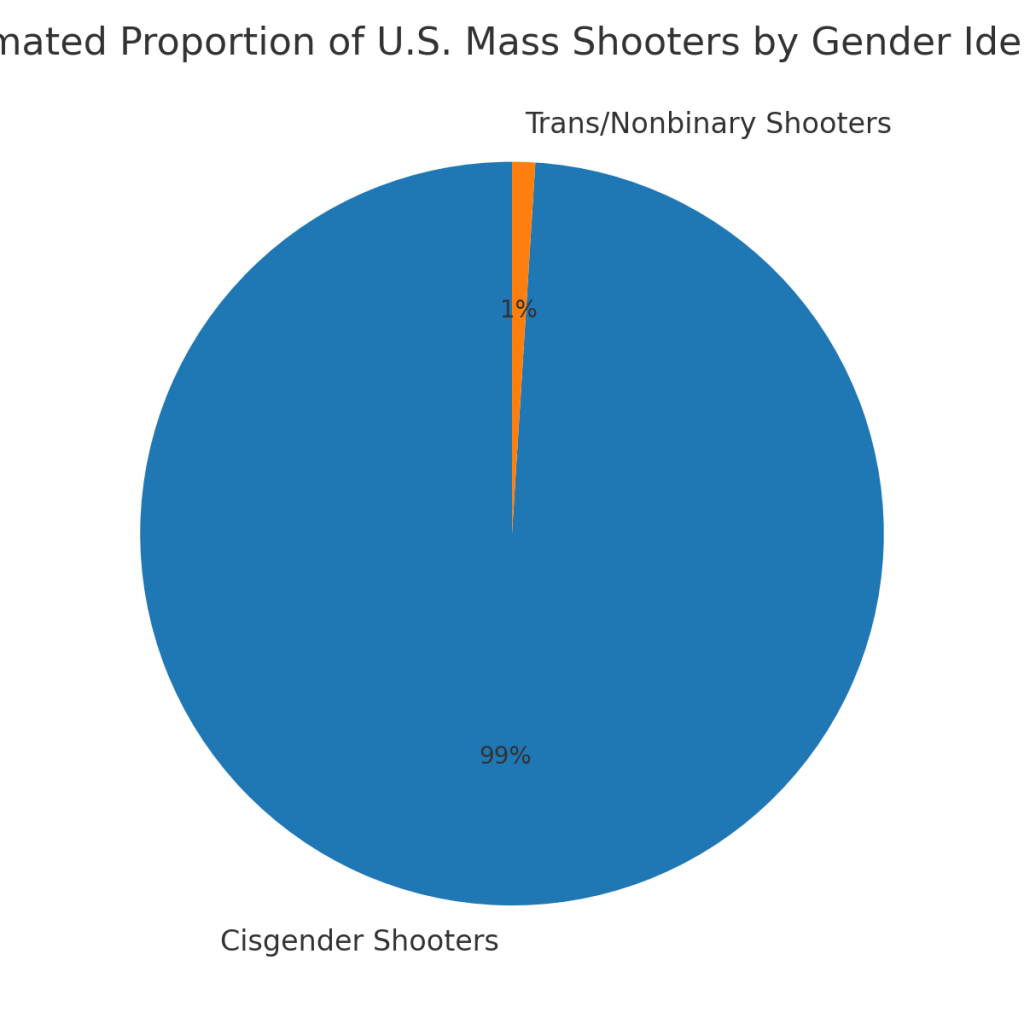





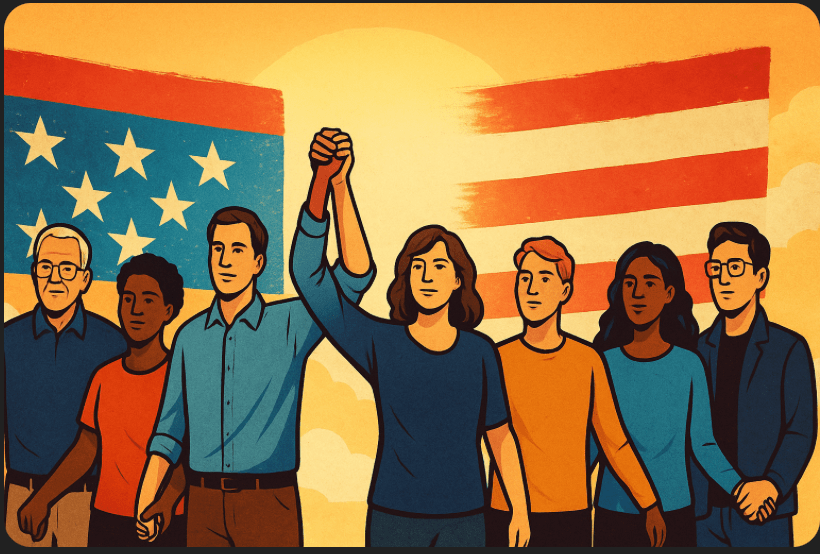



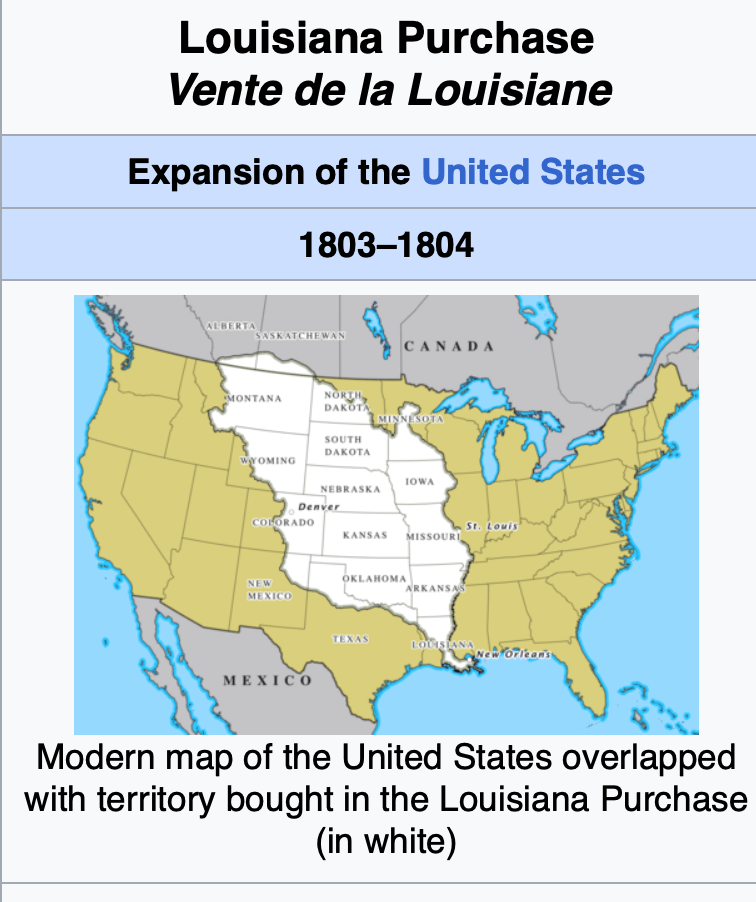


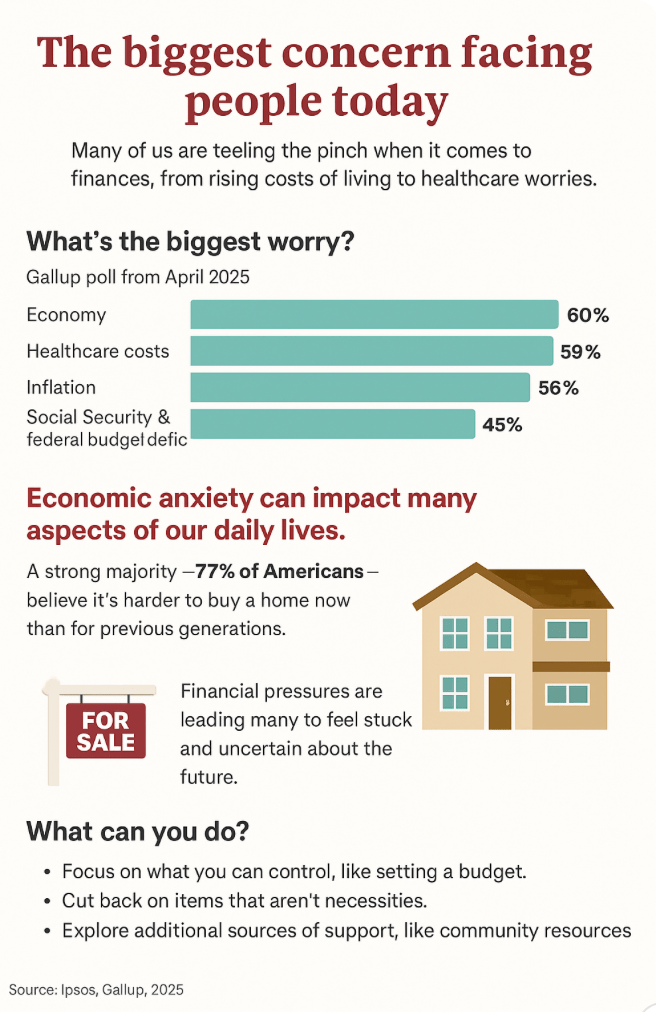


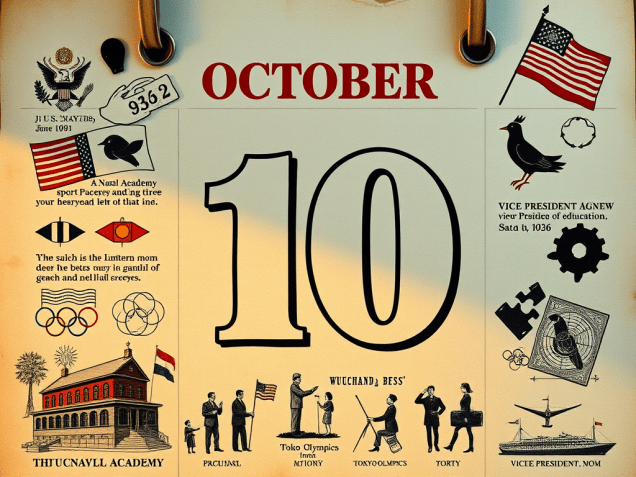


 benandsteve.com
Leave a comment