The Heartfelt Impact of Loss in Law Enforcement

By Benjamin GroffMedia© | benandsteve.com | 2025 Truth Endures©

3–4 minutes

JOHN BLAZEK

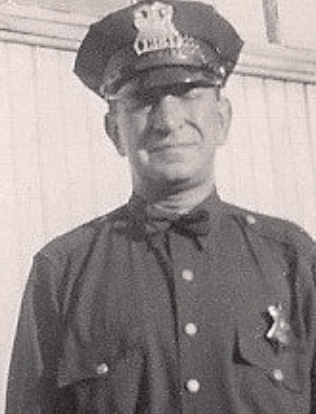
My grandfather had a host of brothers. Their father, Ulrich Groff Jr., had been married twice—the second time after his first wife died. Among my grandfather’s many brothers was one named Frank. In the family, he was known as Grand Uncle Frank or Great Uncle Frank, depending on who was telling. Frank lived a colorful, hard-worn life. He was the one who taught me how to ride a bike and always had a funny story to tell. He was raised on a farm. He worked odd jobs in his youth. Eventually, he found a steady calling with the Chicago Police Department.

Frank’s career on the force was mostly uneventful, at least by police standards. He would occasionally talk about the small-time crooks. He mentioned the drunks and the desperate people. He and his partner had to haul these people off to jail. But there was one story he told with a quiet solemnity—one that never left him. It was a time when being a police officer was a tough job, especially in a city like Chicago. The streets were rough, and the criminals should not be taken lightly.

Frank Groff

It was the night his partner died.

According to Frank, it had been a typical shift. He and his partner had picked up a couple of rowdy men, causing trouble. One of them shoved Frank’s partner during the scuffle. The man was quickly subdued and locked up. As far as Frank knew, it was nothing out of the ordinary. They had handled far worse and walked away without a scratch.

But the next morning, a knock at Frank’s door brought grim news. Fellow officers informed him that his partner, John Blazek, had passed away during the night.

John had hit his head during the scuffle—no one thought much of it at the time, including John himself. Like many men of his era, he brushed it off, finished his shift, and went home. Officer Blazek called a fellow officer to give him a ride. He didn’t feel quite right. Still, no one suspected anything serious. He went to bed and never woke up. The suddenness of his passing left everyone in shock and disbelief.

The official record read:

John Blazek

Patrolman John Blazek died after suffering a head injury. He fell or was pushed to the floor inside the 22nd District’s cell room. This incident occurred at 943 West Maxwell Street the prior night. He did not realize he had suffered a skull fracture. He attempted to go home at the end of his shift at 8:00 am. Blazek did not walk home and called another officer to pick him up. Once he got home, his condition worsened. He passed away the next day from the head injury.

Patrolman Blazek was a U.S. Army veteran of World War I who had served with the Chicago Police Department for 26 years. His sudden and unexpected death left a void in the community. His wife and two sons survive him.

Frank never quite recovered from that night. Though he stayed on the force, something in him changed. He stopped talking about the job as much. When he did, it was with a heavier voice. He had arrested many criminals and survived several street scuffles. Yet, the quiet death of his partner haunted him the most. They didn’t see it coming. He retired a few years later, and we see that the incident had taken a toll on him. He spent his days quietly, often lost in thought.

Years later, after Frank’s retirement, we found a worn copy of the police report. It was on John Blazek’s death and among his things. It was folded carefully into the pages of his Bible. Eventually, Frank passed on. On the back, in his handwriting, were the words:

“We don’t always know the moment something changes us. But we carry it. Always.”

Lloyd Bickerstaff: The Steady Voice of Elk City Police

By Benjamin GroffMedia© | benandsteve.com | 2025 Truth Endures©

3–4 minutes

The Quiet Backbone

Lt. Lloyd J. ‘Bick’ Bickerstaff E.C.P.D.

I keep a photo in a drawer in my desk. It is tucked beneath an old leather-bound notebook and a yellowing map of Beckham County. It’s a photo of Lloyd Joe “Bick” Bickerstaff. The image was taken about a month before his promotion to Captain with the Elk City, Oklahoma Police Department.

In the picture, Bick sits in his unit, his uniform crisp in the late autumn light. The shadows are long. The wind has just started to turn cold. That unmistakable Oklahoma sky behind him stretches flat and wide. It is quiet, open, and full of secrets. He wears a half-smile that says, 

“I’ve seen things, but I’ll carry them quietly.”

Bick and his brother were born in Sentinel, Oklahoma. I only heard his brother’s name once in passing. Sentinel is a patch of land barely big enough to hold the stories it carries. They began their careers as State Troopers with the Oklahoma Highway Patrol. The two brothers wore matching uniforms and chased something bigger than themselves.

But by the time I knew Bick, he rarely mentioned his siblings. I assumed time had done what it often does to families. Maybe there was a falling out—just distance. I never asked, and he never offered.

I knew he had a wife who baked cinnamon rolls on Sundays. He also had two children. One child was off in Sayre, chasing classes at a junior college. The other was a veterinarian who had graduated from Oklahoma State University. His life beyond the badge was quiet but rich. He even operated a small answering service—its operators worked right from his living room. You knew that life grounded him.

Nevertheless, Bick was more than just a veteran officer inside the department. He was the compass.

When rookies came in shaken from their first domestic call, Bick was the one who handed them a cup of bad coffee and said,

“It gets better if you let it.”

He never lectured. He just listened. And when he spoke, it was always worth hearing.

I remember the weeks leading up to his promotion. The department was shifting—a new Chief was being promoted, and a Major was moving up from Captain. Everyone felt the tremors of change. But Bick? He was steady and unmoved. I asked if he was nervous about entering a bigger role during such a turbulent time.

He just smiled that same quiet smile.

“Storms pass,” 

He said.

“Someone’s gotta keep the porch light on.”

He did more than that.

He held the whole house together.

Years passed. And then, like storms do, time took Bick from us. When the news came, I expected many familiar faces at the service. Officers from every corner of the state would be paying their respects. But they didn’t come. Time had moved on, and so had they. Somehow, the news of Bickerstaff’s passing hadn’t brought them back.

Elk City Police Chief Bill Putman did what mattered. He escorted Bick’s casket from Elk City to the Old Soldiers Cemetery in Oklahoma City. That quiet, deliberate ride said more than any ceremony. It was loyalty. It was respect. It was love.

I was there, too, standing back in the shadows as the service ended. I didn’t speak. Didn’t approach the family. I just paused long enough to leave a final tribute at the edge of his resting place. It was a farewell from someone who had seen firsthand what quiet strength looks like.

Maybe Bickerstaff would’ve preferred it this way. No fanfare. There is no parade of names—just those who mattered most.

I like to think I was one of them.

Bick was never the loudest voice in the room. He didn’t need to be.

But when he spoke, the room listened.

And when he left, the silence he left behind was deafening.

The echo he once carried over the radio has gone quiet. And somewhere out in Western Oklahoma, no one will ever hear that calm, steady voice call out again—

“Attention, all stations and units; stand by for a broadcast.”

From Cotton Fields to Sheriff: The Story of Jess Bowling

By Benjamin GroffMedia© | benandsteve.com | 2025 Truth Endures©

4–5 minutes

Sheriff Jess “Pooch” Bowling, Jr.: From Cotton Fields to County Leader

Jess ‘Pooch’ Bowling

Jess Bowling, Jr. was born in Binger, Oklahoma, on August 23, 1924. At just 11 years old, he left behind half his family. He also left the dusty plains of Oklahoma. He sought a new beginning in California. With his father and brother, young Jess traveled west in a weathered 1929 Buick. They finally settled in the small agricultural town of Dos Palos. His mother, two sisters, and another brother stayed behind in Oklahoma—a family split by circumstance but not by love.

Life in California was anything but easy. Jess Jr. rose with the sun. He toiled in the cotton fields until it set. He contributed what he could to help his family survive. It was hard work—grueling and endless—but there was resilience in the struggle. Sheriff later joked, “We did live in the biggest tent in Dos Palos!”

His father, Jess Sr., quickly became a cornerstone of the growing town. He opened a grocery store, invested in rental properties, and became active in local politics. His leadership and business savvy earned him a seat on the city council and, eventually, the title of Mayor.

Jess Jr. worked in the family store while attending school. He graduated from Dos Palos High School with a reputation for dependability and quiet strength. Not long after, fate stepped in when he met Darlene, a young woman from Iowa visiting relatives. The two married in 1945 and raised three children—Sharlynn, Shirley, and Michael.

The Badge and the Beat

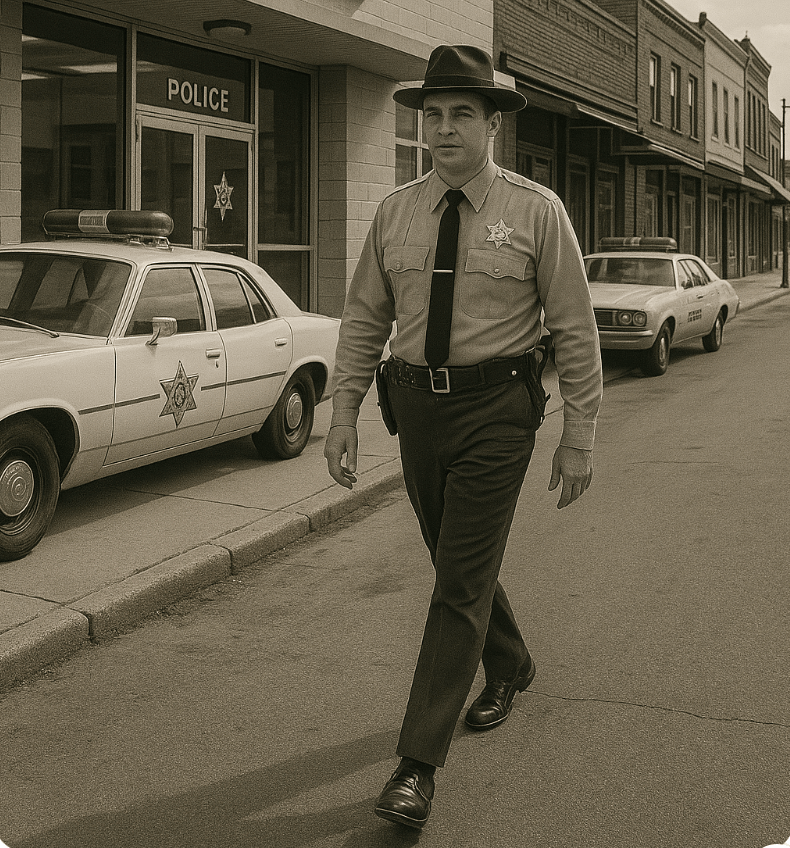
Simulated Photo

Jess Bowling’s journey into law enforcement began in 1953 when he joined the Dos Palos Police Department. His first assignment? Tackling the town’s parking problem. Officer Bowling issued dozens of citations, doing so with a steady hand and a sense of duty. He even issued one to his father, the Mayor. Years later, he found that very ticket among his father’s possessions, a keepsake of humor and integrity.

Although that first stint in law enforcement was brief, it planted a seed. After returning to the family store, Bowling joined the Atwater Police Department in 1956. In 1958, he made the move that would define his career: joining the Merced County Sheriff’s Department.

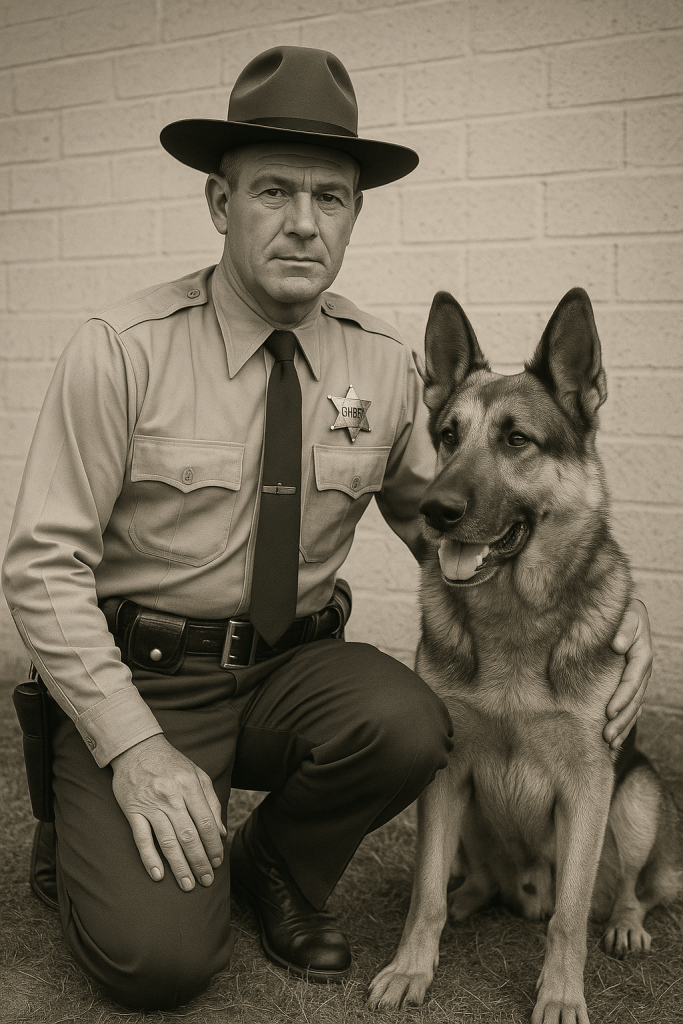
Simulated Photo

In 1963, Bowling became the department’s first-ever canine handler, partnered with a large, loyal German Shepherd named Jim. Together, they helped pioneer a new era of policing.

By 1974, Jess Bowling had risen to the rank of Lieutenant when tragedy struck—the sudden passing of Sheriff Earl McKeown. In the aftermath, Bowling was appointed interim Sheriff. The people had already decided by the time the special election rolled around in May 1975. Bowling’s steady leadership and quiet competence earned him the Sheriff’s badge in his own right.

Reformer, Leader, Trailblazer

Sheriff Bowling led the department through six transformative years. He spearheaded major innovations that professionalized law enforcement in Merced County. Under his administration:

  • The Corrections Division was established, moving jail staffing from deputies to trained corrections officers.
  • Dispatch services were assigned to civilian professionals, freeing up sworn deputies for fieldwork.
  • He launched the county’s first-ever 24-hour patrol, marking the end of the “resident deputy” model.
  • He hired Merced’s first female deputy, breaking gender barriers in local law enforcement.
  • The department acquired its first handheld radios, enabling Bowling to reintroduce the classic “walking beat cop” in areas like Winton.

These weren’t just administrative changes but foundational shifts that shaped the Sheriff’s Department into a modern, responsive force.

His achievements were not only admired—they were preserved. Jess “Pooch” Bowling’s remarkable career is documented in a collection. His family lovingly maintains it as a tribute to a life of service.

Legacy and Final Salute

I had the privilege of knowing the Bowling family. One of my sisters even married Jess’s nephew. Every time he returned to town, Sheriff Bowling brought a yearbook from the department he once led. He proudly pointed out the growth and accomplishments of his former team. The department’s scope, the number of divisions, and the professionalism he helped instill always struck me, as did his accomplishments.

1974 – The first female deputy was sworn in

1974 – First portable transceivers issued to deputies

1974 – The first 24-hour patrol begins

1977 – First Special Emergency Response Team (SERT) organized

1977 – Marshal’s Office established

1980 – Hostage negotiators were trained and included on the SERT team

Merced County Sheriff’s Office, California

But behind the badge was a man who never forgot where he came from. Before the titles and the accolades, Jess “Pooch” Bowling was a boy in a Buick. He was a cotton picker working under the sun. He was a young man doing what he could to help his family survive.

After a doctor advised him to retire due to a serious heart condition, Sheriff Bowling stepped down in 1980. He lived to celebrate his 80th birthday during Merced County’s 150th anniversary in 2005. This honor was fitting for a man who helped shape its modern history.

Jess “Pooch” Bowling passed away on April 18, 2007. He was laid to rest beside his beloved Darlene in Dos Palos Cemetery.

His story is one of grit, integrity, and service. It is a journey from the cotton fields to the highest badge in the county.

A Memorable Day: Taking My Dad Fishing

Benjamin GroffMedia© | benandsteve.com | 2025 Truth Endures©

4–6 minutes

Taking Dad Fishing

When I was a child, my dad and I did countless things together.

We rode horses nearly every weekend if not every evening. We went to rodeos and parades—not just as spectators but as participants. We traveled to horse sales, chasing his dreams of new bloodlines, no matter how far away they seemed. Of course, I realized when I grew up that they weren’t all that far.

A lake at the south end of our property teased me year-round. I saw cars creeping across its dam, people scrambling down its rocky banks, casting lines into its blue water. I dreamed of fishing with my dad. But he never seemed interested.

We had more important things to do. We needed to haul feed for the horses, cut hay, stack bales in the barn, and care for the animals. The farm and all our other activities consumed all our time. There was no time for anything else. School and sleep were crammed in the margins of my day.

Eventually, I grew up and moved away. After a chlorine gas leak injured my dad, he had to sell the last of his horses. He became tethered to the living room; his body slowed, but his mind sharpened. On my days off, I would come home. We would sit on the back patio, drinking iced tea and talking. We watched that same blue lake that had taunted me for so long.

One afternoon, while I was visiting, he said,

“Come look at what I found in the storage shed.”

Out back, he pulled a polished rod from a rack. It was old but cared for. The line had to be a 100-pound test.

“Used to fish with this before you were born,” 

He said. 

“Put it away after you come along. So many kids were drowning in lakes back then… I couldn’t take the chance.”

And now, decades later, he held it out like an invitation.

“Will you take me fishing?”

“Of course,” 

I said.

He smiled, took a puff from his nebulizer, and told me to wait while he got his hat.

“Dad, you need a fishing license.” 

I reminded him, hoping it would buy me time. I needed to figure out how to care for him in a setting I didn’t control.

From the kitchen, Mom called out,

“He got one last week! He’s been waiting for you to come home. Can’t drive that far by himself.”

That settled it. I grabbed my gear from behind the seat of my truck. Then, I loaded Dad up. Finally, I drove us to my secret fishing spot.

The fish were practically leaping from the water. Dad was giddy, casting with the energy of a man half his age. 

He kept asking how I found such a remote place and marveling at the size of the fish we caught.

I thought I had waited 24 years to go fishing with my dad. I didn’t want to use up all my time in one afternoon.

Eventually, the stringer was full, and the sun started slipping.

“We’d better get you home,” 

I said. 

“Mom said you’ve got to be back by two for a breathing treatment.”

He frowned but nodded, and we packed up our catch.

When we got home, the house was empty.

“Was Mom going out today?” 

I asked.

“I think your sister was taking her shopping,” 

He said, unconcerned.

I got Dad set up with his treatment. The hum of the machine had just started when the phone rang.

“Hello?”

“Benji?” 

A familiar voice—my sister’s mother-in-law. Using my childhood name.

“Where have you and your daddy been? We’ve been trying to find you.”

“We went fishing.”

“Fishing? You took JD fishing?”

“Yeah—we caught a nice stringer full.”

There was a pause.

“You’d better put them on ice. Your mother and sister were in a bad accident. A truck hit them head-on out on the bridge. They’re at the hospital in Chickasha. You need to get your daddy down there.”

I turned to him and broke the news gently. He took it quietly, still holding onto the joy of our day. Maybe it hadn’t fully sunk in, or he didn’t want to let go of the moment.

At the hospital, Dad was the first to go in and check on Mom. My sister waited in the hall, shaken but okay. When Dad came out, he looked as calm as ever.

“She’s going to be fine.” 

He said. 

“They’ve got her so doped up she thinks she’s on the moon.”

Catch of The Day

Then someone asked him where he’d been. He grinned.

“Fishing. Caught the biggest fish you’ve ever seen. I swear, some were as long as my arm!”

Everyone laughed.

“That’s a fish story if I’ve ever heard one!”

“Sure, JD. Whatever you say.”

I backed him up, grinning.

“We’ve got them at home. Put them on ice. Big stringer full.”

My oldest sister chimed in, skeptical.

“No, you didn’t.”

“Yes, I did. Slid them into a plastic bag first, then put them in the freezer.”

It was true.

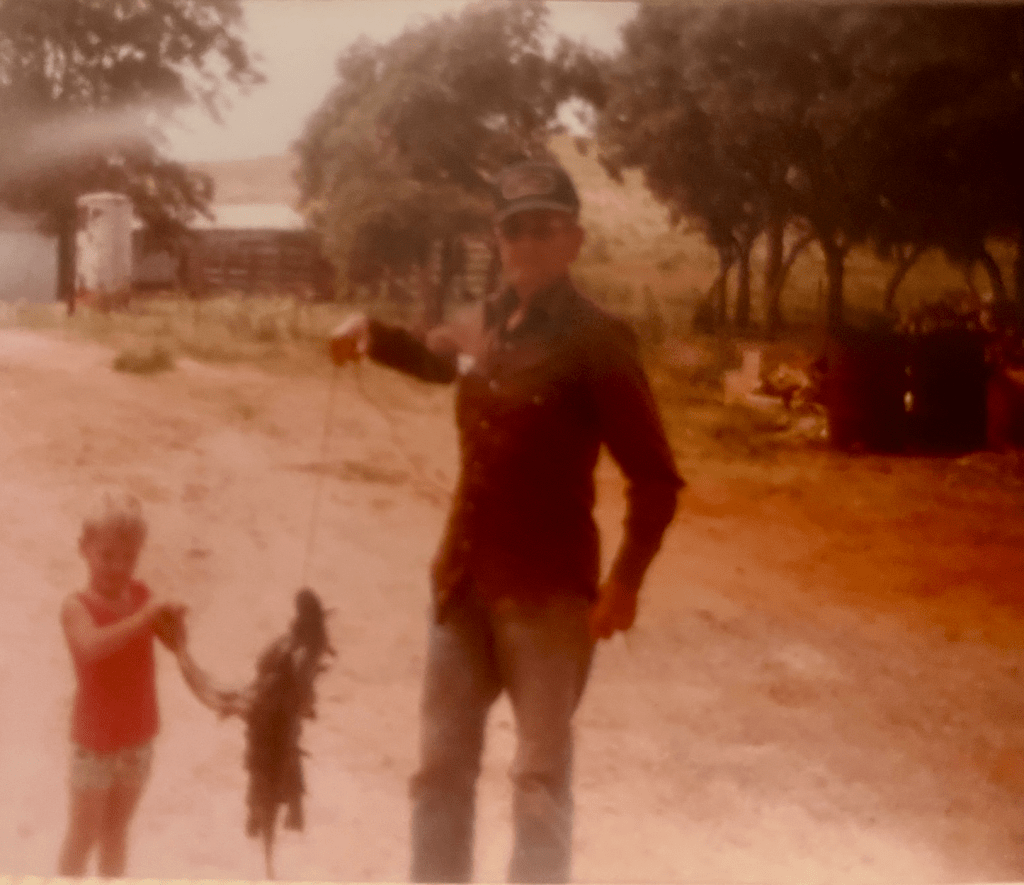
Grandson Raymond, and JD Groff

And that fishing trip wasn’t the last. That summer—his last summer—I ensured we went out as often as possible. Sometimes, it was just the two of us. I had always dreamed of this as a boy, watching the lake from our back porch. Other times, I brought my brother and my nephews along. Dad would hold court on the bank. He told stories and gave advice. He cast his line with the patience of someone who knew the water well. He knew the time was short.

We laughed, caught fish, and built memories like campfires—small moments that glowed long after sunrise.

That summer was magical.

It was the summer, and I finally got to take my dad fishing. And it was everything I had waited for.

The Unlikely Astronaut: Walter Finch’s Accidental Adventure

Benjamin GroffMedia© | benandsteve.com | 2025 Truth Endures©

3–4 minutes

Title: “The Accidental Astronaut”

 Walter Finch had dreamed of the stars.
Walter Finch “The Accidental Astronaut”

Ever since he was a boy, Walter Finch had dreamed of the stars. His bedroom ceiling was a galaxy of glow-in-the-dark stickers. His shelves sagged under the weight of space encyclopedias and toy rockets. He knew the names of every astronaut in the Mercury, Gemini, and Apollo missions. He rattled off orbital mechanics faster than most people recite the alphabet.

There was just one problem.

Walter was terrified of heights.

Not just a little scared. Walter once got stuck on the third rung of a ladder while changing a light bulb. He had to call his neighbor for help. Airplanes? Never. Ferris wheels? A hard no. Balconies on tall buildings? He’d get dizzy just thinking about them.

So he buried his dreams of space travel beneath layers of rationalization. He became an aerospace technician—close enough to the action to feel involved, far enough from the edge to stay sane. Walter worked at the Johnson Space Center. There, he meticulously maintained spacecraft control panels. He also tested simulators and occasionally got to polish a real rocket capsule.

One evening, Walter had a particularly long day prepping a decommissioned capsule for a museum display. He climbed inside to double-check the switches. The interior was warm, quiet, and oddly comforting. He sat back in the pilot’s chair, which had once held real astronauts, and closed his eyes momentarily.

He fell asleep.

And the world moved on.

Somehow, through a wild and improbable series of events, Walter’s capsule encountered several issues. These included miscommunication, a sudden schedule change, and a very distracted launch coordinator. The capsule had been quietly reassigned to a last-minute uncrewed test mission. It was rolled onto the launchpad, sealed, and prepped for liftoff.

Walter awoke to the unmistakable rumble beneath him.

At first, he thought it was a dream. Then, the countdown began.

“Ten… nine…”

Panic hit like a tidal wave. He tried shouting, but the thick insulation swallowed his voice.

“Eight… seven…”

He fumbled with the comm system, but it was already rerouted for the launch.

“Six… five…”

By four, he was crying. At two, he was frozen. And at zero…

The world disappeared.

The force of the launch pinned him to his seat. His breath was ripped from his lungs. His heart pounded like a jackhammer. He blacked out for a second—maybe more.

When he came to, everything was quiet. No more rumble. No more fear.

Just space.

Black velvet studded with stars stretched infinitely beyond the small porthole. The Earth, a swirling marble of blue and green, floated beneath him. The capsule drifted peacefully, like a leaf on the wind.

Walter laughed.

It wasn’t fear anymore. It was a wonder. It was a joy.

For the first time in his life, Walter Finch wasn’t afraid of heights—because there was no height. There was only the infinite.

Mission Control eventually figured out what had happened. There was some yelling, some panicking, and a lot of paperwork.

But by then, Walter had already made history. He was the first untrained man to make it to orbit and back. This was achieved entirely by accident.

They brought him down safely and even gave him a medal. Someone suggested a movie deal. He just smiled and looked up.

From that day on, Walter Finch wasn’t the man afraid of ladders anymore. He was the man who slept his way into space—and found courage among the stars.

And now and then, late at night, he’d climb up to the roof of his house. He would lay on his back and stare at the sky.

He didn’t feel small anymore.

He felt infinite.

Gallows Humor: Essential for First Responders’ Survival

Benjamin GroffMedia© | benandsteve.com | 2025 Truth Endures©

3–5 minutes

We had to invest a lot of time making each other laugh. Honestly, the truth behind what we dealt with every day was so damn depressing. I’m talking about my days in law enforcement. There were long shifts, chaos, and tragedies. We pulled practical jokes to stay sane.

We had an incredibly well-liked lieutenant. I admired him immensely. He was competent, dedicated, and a strong leader. Yet somehow, he always found himself in absurd situations. He was often under fire from the chief. I’ll admit, on more than one occasion, I have played a small role in those misadventures.

One day, we were in the breakroom. It never failed. Just as you were halfway through a cup of coffee, a call would come down. You’d have to bolt. Out of habit, everyone would set their half-filled cups on the vending machine on the way out. When we returned from a call, the lieutenant came in, frustrated. He began to reprimand everyone for making the breakroom look like a pigsty. This was ironic, given the usual state of his desk.

The Coffee Cup Incident
The Coffee Cup Case

He stomped to the vending machine and picked up the abandoned cups. The first few were empty, which he confirmed by holding them up to the light, right over his face. Then he grabbed one that still had coffee and did the same. It spilled directly onto his uniform. He stood there stunned, dripping. The rest of us just sat, silently watching like it was a movie scene.

I walked over, grabbed his tie, and wrung it out. A drip of coffee came out and landed on his boot. The whole shift erupted in laughter. The lieutenant stormed out, fired up his patrol car, and squealed the tires, leaving the station.

Unluckily for him, the chief had parked just down the street to watch the night shift in action. He saw the whole thing and chewed the lieutenant for over an hour.

Despite the pranks, the lieutenant and I had a solid bond. One time, he made a big announcement at shift change in front of everyone. He said he’d be riding with me to assess my patrolling skills. I just looked at him and said, “That’s fine, but you’re gonna have to sit over there and be quiet.” The room burst into laughter. He chuckled and said,

“Only you could get away with saying something like that.”

That was our partnership. He knew I’d undoubtedly have his back, no matter what. Off-duty, we were good friends. We went fishing together. We also vacationed with each other’s families. I had his back more than once when things got real in the field.

There were other moments, too. One traffic officer had a bad habit of leaving his patrol unit running and unlocked outside the station. It was just begging for a prank. One night, another officer and I gave in to temptation. My buddy hopped in the driver’s seat; I took the passenger side. He threw it into drive, and off we went—sirens blaring.

Inside, the officer was digging through his briefcase, organizing reports. When we took off, he jumped so high that he spilled the contents everywhere. Another officer watching couldn’t stop laughing long enough to explain that it was just us. The guy never left his car running again.

Someone had a bright idea once. They sprinkled paper punch-outs and glitter on the ceiling fan blades above the chief’s desk. The switch was right next to where he sat. We all gathered casually in the hallway outside his office the next day as he walked in and sat down. He flipped the fan on, and poof—a cloud of glitter and confetti rained down. He was not amused, but the image of him sitting there covered in sparkles was priceless.

It sounds like a waste of time to outsiders, but these pranks were how we coped. We had seen some of the worst humanity had to offer—child abuse cases, fatal car crashes, suicides. These moments of humor were survival mechanisms. It’s not unique to us; veterans, ER nurses, and paramedics do it. It’s often called gallows humor, and studies have shown it serves a psychological role. A 2022 article in Police1 explains the benefits of using dark humor in traumatic fields. It helps create emotional distance and encourages bonding. It also prevents burnout.

To the public, the jokes sound crude or inappropriate. But behind closed doors, it was how we held onto our sanity. This was true among those who carried the weight of human suffering daily. It was how we kept the darkness from winning.

Unraveling Family Ties: A Crime Scene Journey

Benjamin GroffMedia© | benandsteve.com | 2025 Truth Endures©

4–6 minutes

“The Andersons”

Tim Roff Meets The Andersons
Tim Roff The Andersons Assignment

It was supposed to be a quick assignment.

Officer Tim Roff was headed to a remote corner of the county to interview a key witness. This witness was a young girl named Cissy, the only eyewitness to a serious crime.

Nothing about it sounded very difficult. It was a straightforward drive, with a few questions, and Tim wanted to return for lunch.

He fueled his cruiser and pulled out of Delk View, heading west on the highway. The farther he drove, the thinner the traffic got. Eventually, it was just him and the radio. A long ribbon of blacktop stretched toward the horizon.

Forty miles later, he turned off at a row of faded, leaning mailboxes. They looked like they’d been abandoned decades ago.

A dirt road led up a shallow ridge, ending at a rusted metal gate with a handmade sign nailed to it:

“IF U R HEar TO C the Anderson Folks, U-will walk up here.”

Tim squinted at it.

“Charming.”

He parked the cruiser on the shoulder and climbed the gate, boots crunching dry gravel as he started the walk. It was unusually quiet—no dogs barking, livestock, or even a bird in the trees. That struck him as odd for a farm.

The shack was sagging. It stood at the end of the trail, leaning slightly. It looked like it had given up on fighting gravity. Tim knocked. After a few moments, the door creaked open, revealing a woman standing in shadow.

“Ma’am,” Tim said, flashing his badge. “Officer Roff, Delk View PD. I’m here to speak with Cissy.”

The woman gave him a long, assessing look before replying, 

“I’m her mother. But Cissy ain’t here. She’s up at my great-grandparents’ place.”

Of course, she was.

The woman stepped outside and pointed behind the shack.

“You’ll wanna follow the trail goin’ north. Not northeast, not northwest—north. Climb the hill. When you hit the first house, keep going. That ain’t it. Go around back and find the east trail. That’ll get you to Great-Grand Pap’s.”

Tim nodded, trying to chart the path mentally. 

“Appreciate it,”

He said. 

“Wish I’d worn jeans.”

The trail was steep and rocky, winding uphill through thickets and trees. After nearly an hour of hiking, sweat soaking through Tim’s dress shirt, he reached a cabin. An elderly couple sat out front on mismatched chairs, sipping something cold.

“You lost?”

The old man called out.

Tim waved.

“Looking for Great-Grand Pap’s place. Cissy’s supposed to be there.”

The woman laughed. 

“You’re close. Just head east from here. And watch out for bees—they’ve been feisty.”

Tim scratched his neck, thinking out loud ––

“Bees? Terrific.”

Tim trudged on and eventually reached a much nicer house between two ridgelines. Two cars were parked out back.

“You’ve got to be kidding me,” 

He muttered.

“They have a driveway.”

A white-haired man and woman sat on the stoop, smiling like they’d been expecting him.

“Howdy!”

They chimed in unison.

“Howdy,”

Tim replied, a little breathless.

“I’m Officer Roff. I need to speak with Cissy.”

The couple exchanged a look.

“She’s over at Grand-Uncle Maxwell’s place.”

The old man said.

Tim sighed. 

“Grand-Uncle?”

“Yup. Her grandfather’s brother. She’s watchin’ him today while his wife’s out shoppin’.”

Tim, peeking through his sunglasses, looks up –

“Watching him?”

The great-grandfather nodded. 

“Ain’t much to it. Maxwell’s tied to a tree out front. Forty-foot chain. Keeps him from wanderin’ off.”

Tim blinked. 

“I—what?

“Yeah,”

The old man said. 

“See, Maxwell was showin’ his boy how to clean a rifle last year—told him you never clean a loaded gun. The boy asked why. So Maxwell loaded it up, held the barrel to his head like he was cleanin’ it. And said, ‘Because if you pull the trigger, this could hap—’ And bam. Shot himself right through the nose and out the top of his skull.”

The woman nodded solemnly. 

“He ain’t been the same since. I can’t trust him to stay put. We lost three family members to gun cleanin’ accidents.”

“And y’all still own guns?”

Tim asked.

“Well, of course,”

The old man said. 

“But we’re real careful now.”

Tim rubbed the back of his neck. 

“So… why is he her Grand-Uncle and not a Great-Uncle?”

The old man sat up a little straighter. 

“Well, see, Cissy’s mama’s brothers are her uncles. Her mama’s parents are her grandparents. You followin’? But Maxwell’s her grandfather’s brother—so he’s a grand-uncle—different branch. You followin’? My brothers are Great uncles, just like I am a Great Grandpa.You followin’?

“I think so,”

Tim said. 

“But I’m pretty sure Ancestry.com would call him a great-uncle.”

“City folks,”

The old man muttered, shaking his head.

Eventually, they led Tim to Cissy. She was a wide-eyed girl with a thick accent. Her vocabulary included terms Tim had never heard. She explained what she saw, pointing to where it happened, who was there, and what she heard. Tim took meticulous notes. He jotted down not just the events but also the phrases she used. Some of these need translating in court.

He chuckled softly in the cruiser as he rewound his way to civilization. He thought about the chains and the bees. The hand-drawn family tree in his mind intrigued him. He pondered the odd logic of backwoods kinship.

And he couldn’t help but remember what the old man had told him as he left:

“Cousins are once or twice removed, then after that, well… you can marry ’em.”

Tim hoped the DA had a good sense of humor—and a good translator.

Confronting Darkness: Stories from the Beat

Benjamin GroffMedia© | benandsteve.com | 2025 Truth Endures©

2–3 minutes

In The Dark Of Night

When I began my career in law enforcement, I experienced many “firsts.” One of the earliest was being assigned to a beat. I patrolled the alleys and streets of downtown, checking businesses and parks at night. The darkness was deep and constant. If fear crept in, the silence can feel almost haunting at times.

But I never let the shadows spook me. Not the sudden dash of a stray cat nor the wind rattling loose tin from an awning overhead. For a long time, I found nothing out of the ordinary. That is, until one night.

It happened in the park, beneath a pavilion by the river’s edge. I noticed someone lying across a picnic table. At nearly 2 a.m., the park was supposed to be empty. I stayed alert as I approached. I was constantly aware that people didn’t always travel alone. I didn’t want to be caught off guard.

As I approached, I spotted a can of spray paint beside her. A streak of glossy red paint coated her nose and mouth, dripping down her chin. She was a woman, and visibly pregnant, nearly full-term by the look of her.


I tried to wake her, but she didn’t respond. Her pulse was faint. Luckily, I had just been issued a portable radio—until recently, we’d relied on call boxes for communication. The radio gave me direct access to headquarters.

I keyed the mic and said,

“I need an ambulance under the pavilion at the river’s edge entrance. I have an unconscious female subject who appears to have been huffing paint. She’s approximately nine months pregnant.”

Headquarters confirmed and dispatched an ambulance promptly. Once it arrived, I assisted the paramedics. The woman was transported to a local hospital and then transferred to a larger facility for specialized care.


While searching the area, I found someone nearby who had passed out by the riverbank. I managed to rouse him. He was a man, around 32 years old, clearly intoxicated and unsteady. I placed him under arrest for public intoxication.

As I helped him up to the road, he turned to me and asked quietly,

“Is she going to be okay? I told her not to do that–– but she wouldn’t listen. That’s my baby, you know? I hope she’s alright.”

“Yes,”

I said.

I said,

“I hope the baby is okay, too. I’ve arranged a ride and a safe place for you to sleep tonight.”

The transport unit pulled up. As he climbed in, he paused, looked at me, and said,

“I’m glad you found us. It has saved both of us. Thank you!”

I nodded and replied,

“You’re welcome, try to get some sleep.”

It was one of the few times someone going to jail thanked me for stepping into their life. There would be other moments like this, but not many involving an unborn child.

I later learned the mother’s actions had not affected the baby. She had been admitted for addiction treatment, and hopefully, she stayed through the delivery and beyond. I never saw her again. I often think of that night. I think of how close things came to ending differently. Sometimes, just showing up can change everything.

Witnessing Tragedy: Lessons from a Highway Accident

Benjamin GroffMedia© | benandsteve.com | 2025 Truth Endures©

3–4 minutes

A Winter Night on the Highway

It was evening, and heavy traffic moved steadily along the narrow two-lane highway connecting small towns in the region. The road served as a lifeline, carrying motorists and buses through these quiet Oklahoma communities.

Law enforcement has fascinated me for as long as I can remember. My dad worked night shifts, patrolling the eastern region near the oil fields. In the summers, he served as a ranger at a nearby campsite. Winters drew him to different assignments, often more demanding and remote.

One of the state vehicles always remained parked at the ranger’s residence—our home—while my dad took the other on duty. That night felt like any other.

My bedroom was tucked into the back corner of the house. Even during winter, I often left the window cracked to let in the crisp night air. From there, I heard the distant hum of traffic about a mile to the south. 

As I lay on my bed studying for a test the next day, a sound split the quiet—a crash. Loud. Tires screeched. Then came the unmistakable bang of an impact.

It wasn’t the first time I’d heard it. A stretch of highway nearby had a reputation for accidents. Without hesitation, I grabbed my flashlight, told my mom there’d been a wreck, and jumped into the ranger truck. I had just earned my driver’s license, and the weight of responsibility was fresh on my shoulders.

Once on the road, I grabbed the radio and called it into the local police.

“It sounds bad—there have to be at least two vehicles involved.”

The Chief of Police from the nearest town confirmed he was en route. I pushed down the gas pedal and sped toward the highway. I noticed no cars coming eastbound as I turned onto it—an ominous sign. About two miles west, I saw the wreck.

A Greyhound bus had collided with a pickup truck. Both vehicles were mangled, partially in the ditch and partially blocking the road. The bus’s windshield was gone, and passengers were scattered everywhere—some dazed, others crying out.

The bus driver was lying in a yard 100 feet away. He was still strapped into his seat. The seat had been ejected from the bus. A man lay next to him. Both were dead. The bus had come to rest on the pickup truck, crushing its cab. 

Flames licked at the wreckage. There was no chance anyone inside the pickup had survived.

Before officers arrived, I radioed again:

“Get every ambulance in the county out here. This is bad.”

A bread truck delivery driver had just finished his route and stumbled upon the crash. Without hesitation, he unloaded his remaining bread onto the roadside. He began helping by filling his truck with victims to shuttle them to the hospital.

There had been thirty-two people on board. Survivors said a passenger had been drinking and became increasingly aggressive. The driver warned him to settle down, but the man charged ahead and grappled with the driver. That man now lay dead beside him in the yard.

The response was massive—five police agencies, three fire departments, and four ambulance services. That same night, a basketball tournament had drawn spectators to a nearby town. Many who had been on their way became unexpected witnesses to a horrific scene.

Inside the crushed pickup were two passengers—the aunt and uncle of a local fire chief. The tragedy hit close to home.

Years later, as a police officer, I would respond to countless serious accidents. But none would ever match that cold winter night’s scale. None equaled its raw emotion. It was the first crash I saw with my own eyes.

Embracing Honesty in Self-Reflection

Benjamin GroffMedia© | benandsteve.com | 2025 Truth Endures©

2–3 minutes

On Writing a Sincere Self-Analysis

To Thy Oneself Be True!
To My Ownself I Must Be True!

Writing the most sincere self-analysis is no small undertaking. It asks something of us that we’re not always ready to give. It demands honesty, and not just the kind we wear on our sleeves when trying to be humble or modest. It demands the raw kind. The kind that doesn’t flatter or soften but still doesn’t condemn. A self-analysis worth anything must go beyond the stories we’ve rehearsed for friends. It must also reach deeper than the traits we like to highlight on good days. It must ask: Am I willing to know myself, truly? And, more difficult still: Am I willing to share that knowledge with others, even if it unsettles or embarrasses me?

There’s always a temptation to curate the truth—to include only what paints us in a light we can tolerate. We must focus on growth, accomplishments, and kind-heartedness. We should downplay the envy, impatience, and regrets that tug at us when we’re alone. But sincerity demands more. It asks for balance. The glad moments don’t mean as much without the unhappiness that gives them context. Our kindness shines brighter when we own the times we’ve neglected to be kind. Our strength becomes more meaningful when we admit we’ve been weak.

A true self-analysis is like holding up a mirror. It’s not the forgiving kind in your hallway that you glance at before heading out. It’s the close-up, unfiltered reflection you find under harsh light. There, we meet the layers. First, there’s the child we were. Then, comes the adult we became. Finally, there’s the person we are still trying to be. We see the love we gave and the love we withheld. We know the courage and the fear, the moments of pride and the nights of doubt. And in that space, there is room for grace—because sincerity isn’t about judgment but clarity.

So when you write your self-analysis, ask yourself: will I tell it all? Or just the things I like? Will I dare trace the lines that run through my contradictions, triumphs, and failures? The work isn’t in choosing between the good and the bad. It’s in holding them together and saying,

This is who I am—flawed and hopeful, broken in places but still reaching toward something better.

That’s when you know it’s sincere—not because it sounds perfect, but because it doesn’t try to be.

The Heartbeat of Small Towns: Lessons from Main Street

Benjamin GroffMedia© | benandsteve.com | 2025 Truth Endures©

4–6 minutes

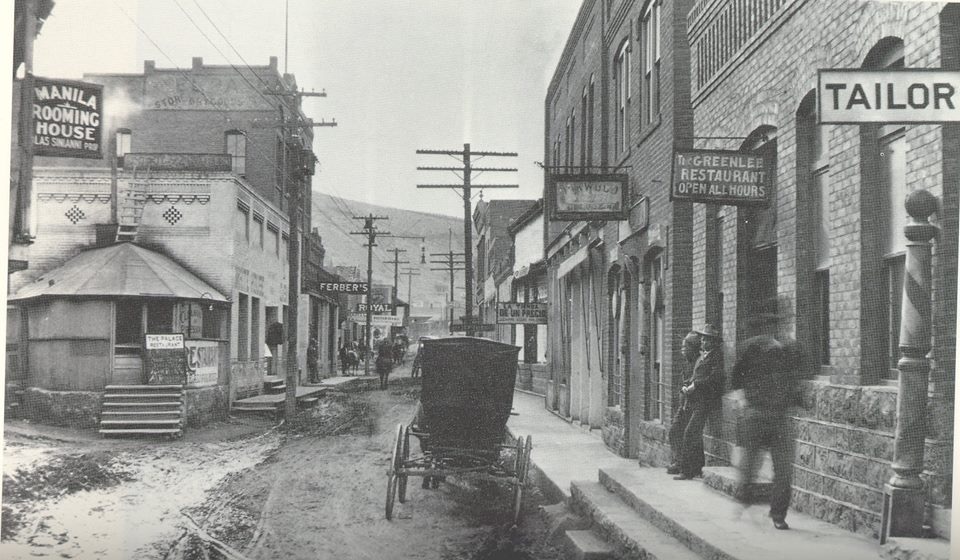
The Old Main Street

The Old Groff House
The Groff House, first moved to Binger from Anadarko.

Our move to the farm east of Binger, Oklahoma marked a drastic change in life. It was vastly different from our life in Cordell. My dad had bought a house set on a modest foundation. A propane stove heated it. There was no running water. We had no telephone. The electricity worked until a snowstorm or thunderstorm blew through and took it down. In time, things would improve, but first, we had to learn a new way of living.

Each evening, my dad brought home two five-gallon containers of water and set them on the kitchen floor. Hanging above them was a metal ladle, which we all used to scoop ourselves a drink. It was a crude method, but it worked—and we didn’t think twice about it.

Going to the restroom was another matter. Several attempts had been made to drill wells, but all came up dry. My dad had the holes filled in, except one. Over that one, he placed an old-fashioned outhouse—worn, sun-bleached, and splintered. It looked fifty years old, and maybe it was. But he fitted it with a new toilet seat, and we used it like it was brand new. The worst part? The yellow jacket wasps that swarmed it in summer. They built their cones overnight, and chasing them off was a risky job that none of us looked ahead to.

This story isn’t about the outhouse or the water jugs. It’s about the town’s Main Street during that time. The impression it left on me was significant. I was only five years old, but the images are burned into my memory.

My dad was the town barber. His shop sat on a steep sidewalk, at least three feet above the street. Set into the concrete were old metal rings. For the longest time, I had no idea what they were for. One spring morning, I was playing on the sidewalk. I was flipping one of the rings back and forth. An old timer stopped and looked down at me.

“Do you know what that ring is for, Sonny?” 

He asked.

I shook my head. 

“No.”

He grinned. 

“Those were for tying up horses and wagons. Back in the day, folks would come to town on Saturdays—buggies and wagons lined this whole street. Horses everywhere.”

That answered a mystery I’d long wondered about. But there were more to come—and like those rings, they’d slowly be explained to me, one by one.

That same sidewalk saw a lot of stories. I remember one day. A slick Chevrolet four-door pulled up. Two men and their children—a boy and a girl—went into the drugstore next to Dad’s barbershop. My oldest brother had come into town to visit and was sitting in the shop when someone waiting for a haircut suddenly shouted, 

“FIRE! FIRE! THAT CAR IS ON FIRE!”

The man bolted into the drugstore to alert the others. Someone must’ve called the fire department—but “fire department” was a stretch. The town had a 1945 fire truck with a rusted tank and an engine that wouldn’t start. They had to tow it with another truck to get it to the fire. My brother ran to the car and had one of the men pop the hood. Without hesitation, he ripped off his shirt and began beating out the flames around the carburetor.

The twins—those two kids—stood next to me on the sidewalk, watching. They would later become my classmates and lifelong friends. That introduction during the chaos would forge a connection we kept through the years.

My brother eventually put out the fire. The fire truck, still leaking water, finally rolled to a stop behind the car—just as the tank began to empty. The scene would’ve been funny if it hadn’t been so sad. Laughter erupted from my dad’s shop. The volunteer firefighters were embarrassed, and I remember feeling bad for them.

It wasn’t the last mishap. Months later, a house caught fire just behind the fire station. The truck’s wheels locked up that time, and it couldn’t even be towed out. The town then decided it was time for a new truck. 

Through donations and fundraisers, they finally got one. The arrival of the new fire truck was a significant moment in our town’s history. It was a testament to our resilience and the importance of community support. It was a real point of pride—a saving grace when it finally arrived.

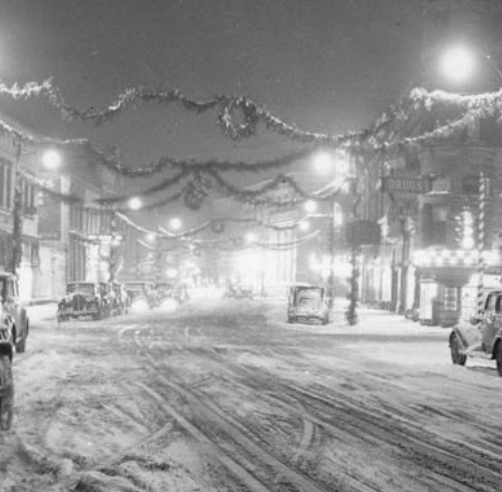
Main Street had its beautiful moments, too, especially at Christmas. The decorations draped across the street like something out of It’s a Wonderful Life. Seeing them lit up at night turned Main Street into a glowing wonderland.

One Christmas, the town threw a parade. The governor came. And so did our hometown hero, Johnny Bench, riding in the back of a convertible. I stood beside my dad in front of his barbershop, watching as they passed by. It was one of the biggest things to happen to our little town of 750 souls.

Main Street had different values back then, too. I remember a funeral procession once drove through town. My dad stopped cutting hair and closed the shop until the last car had passed. Other businesses did the same. That quiet gesture of respect left an impression on me that’s never gone away.

Looking back now, I realize that old Main Street was more than just a stretch of asphalt and storefronts. It was the heartbeat of a simpler time. Life was slower and more mindful then. It taught me about community, kindness, hard work, and the small moments that shape our lives. Those sidewalk rings, flickering Christmas lights, and clunky fire trucks are gone, but the memories stay. And in my heart, Main Street still stands—just as it was.

Lessons from a Fateful Day at Sayler’s Lake

Benjamin GroffMedia© | benandsteve.com | 2025 Truth Endures©

4–6 minutes

A Day at Sayler’s Lake

Sayler’s Lake, SH152 Binger, OK

Growing up, it often felt like there wasn’t much to do. With six siblings and a life rooted on the farm, family trips or outside adventures seemed few and far between. But looking back now, I see how much my parents did to involve us in meaningful experiences.

They took us to local places of interest. They spent time with each of us in ways many parents couldn’t. At the time, I thought we were the ultimate close-knit family. My dad and I shared rodeos, horse sales, parades, and trail rides. He and my mother supported my sister’s love for basketball, attended games, and nurtured her talent. Another sister was given a piano, music lessons, and encouragement toward college. One of my brothers was allowed to buy into the farm and build a home. The two oldest boys had long since charted their paths. One went into the Marines. The other entered a world that eventually led to affluence. But no matter how far they went, they always came home for the holidays.

My mom’s youngest brother—my uncle—was a bonus sibling. He’d been born late in my grandparents’ lives, and as a teen and young adult, he often lived with us. He’d served in Vietnam. Though he was quiet about it, he carried a weight we all respected—even if we didn’t understand it fully.

One weekend, something unexpected happened. When I was 9, my uncle and brothers convinced my dad to take us to the lake. It was a rare outing, especially with all of us. I’d heard stories of him taking the family boating at lakes years before I was born. Yet, he had stopped going by the time I came along.

This lake trip, still, wasn’t a return to those stories. It was just up the road—Sayler’s Lake. It wasn’t much to look at. An old log cabin marked the entrance. The water looked murky and unsettling—it resembled a scene from a horror movie. Locals whispered that the lake had claimed lives—more than a few. It didn’t seem right, but the place had a reputation.

We arrived around 10 a.m. I was eager to get in the water, but my mother insisted I wear a life vest. I didn’t know how to swim, and she wasn’t taking any chances. I hated the bulky vest, but hated the thought of drowning more. My sisters had taken swimming lessons when we lived in town—those services didn’t exist where we were.

I paddled around, watching others enjoy themselves. 

Across the water, people were diving from a rocky cliff. Some men dove headfirst, then climbed back up and did it again. It looked reckless, almost like a dare to death. Then, one of them dove in—and didn’t come back up.

I’ll never forget the girl on the cliff yelling, 

“Where is he?”

People jumped into action. After five or ten long minutes, someone pulled his body from the water and dragged him to shore. The owner of the lake raced down in a pickup and began CPR. I stood there, stunned. It was the first time I’d ever seen someone dead—or nearly dead—pulled from water.

Then, the town ambulance arrived. It wasn’t like the ones you see on TV—it was a white Buick station wagon. An old man climbed out carrying an oxygen tank. When the victim’s friends saw him, they shook their heads and told him it was too late. 

“You need a body bag.” 

One of them said.

I didn’t know what a body bag was. But I figured it out when the old man pulled a stretcher from the back of the car. With the help of bystanders, he loaded the man’s body. Out of compassion, he turned on the red lights and the siren. Then he drove off.

I returned to where our family had set up a picnic. I don’t remember what I said—maybe something a little too grown-up or too curious—but I remember my father flicking me on the ear and speaking sharply, 

“You aren’t quite that old yet.”

I’ve often wondered what that moment meant to him. Maybe he wasn’t angry—he was just shaken. Perhaps he didn’t want me to see what I had seen. That day made me grow up faster than he wanted. He liked to keep things under control, and this wasn’t one of those things.

Life doesn’t always allow us to choose the lessons we learn. Sometimes, they arrive uninvited on an ordinary day by a haunted lake.

When we arrived home that evening, the television was on in the living room. The news was starting. And there it was—Sayler’s Lake. A reporter stood near the very spot we’d been earlier, microphone in hand, delivering details about the drowning. I sat in disbelief, watching the event replay like it belonged to someone else’s world, not ours.

I remember thinking: How did they find out so fast? How had the news team gotten there? How did they film the scene, return to the station, and prepare the report all before dinner? It made the whole thing feel surreal—too real but somehow distant. The reporter confirmed what we had already feared. The man had died.

That moment glued itself to my memory. The sound of the television stayed with me, and the familiar living room around me lingered in my thoughts. The weight of what we had observed just hours earlier was still there. It layered into a quiet understanding. The world outside our farm can change in an instant. Sometimes, there are no answers—just echoes left behind by events too big to fully grasp.

Breaking Habits: Harold Wexley’s Journey

Benjamin GroffMedia© | benandsteve.com | 2025 Truth Endures©

2–3 minutes

Harold Wexley meets Clara.
Harold Wexley Meets Clara And Breaks A Lifetime Habit.

Harold Wexley had long been known as a man of chance, a stochastic gentleman in the truest sense. Every decision he made was determined by a roll of the dice. It is also a flip of a coin, or even the pull of a card from his always on-hand deck. From his morning coffee to his afternoon walk, these decisions were all governed by chance. He couldn’t help himself; he believed the universe spoke best through randomness.

Harold’s peculiar habits started in childhood, much to the frustration of his parents. When asked whether he wanted vanilla or chocolate ice cream, he had a peculiar method. He would spin a top to let its direction decide his fate. By adulthood, his stochastic tendencies had taken total hold of his life. He never planned meetings but let a shuffled calendar decide his day. His wardrobe choices were dictated by pulling slips of paper from a hat. Even Harold’s relationships were governed by chance. If a coin landed on heads, he’d go on a second date. If it landed on tails, he’d never call again.

One day, Harold found himself at an unfamiliar café. That morning, he drew a card from his well-worn deck. It led him three blocks further than his usual haunt. He sat down with his coffee—black, no sugar. The choice was dictated by the number he rolled. He noticed a woman sitting across from him, watching with curiosity. She had auburn hair, a sharp gaze, and a half-smile that suggested amusement.

“You look like a man who just lost a bet,”

She said, sipping her latte.

“Not lost,”

Harold corrected, pulling a die from his pocket and rolling it across the table.

“Just after fate.”

She watched as the die landed on a four. Harold nodded. He reached for a muffin from the café’s showcase. It was as if he had just received permission from the universe.

“And if it had been a five?”

She asked, tilting her head.

“No muffin,”

He replied, taking a bite.

She chuckled.

“So, does chance decide everything for you?”

Harold hesitated. For the first time in years, he found himself unsure. The habit had become so ingrained that Harold had never considered questioning it. But as he met her gaze, something unfamiliar stirred—a wish to choose, not just to follow.

“Not everything,” he admitted, slipping the die back into his pocket.

“At least… not today.”

And for the first time in as long as he remembered, Harold decided without rolling, flipping, or shuffling. He asked for her name.

She smiled.

“Clara.”

He extended a hand.

“Harold.”

The universe held its breath, waiting. But for once, Harold ignored it.

Memorable Family Moments During a Storm

Benjamin GroffMedia© | benandsteve.com | 2025 Truth Endures©

4–5 minutes

My parents rarely attended celebrations, so seeing them at a party in our old town was a significant change. This meant that my two sisters and I would need to stay with my grandparents while they were “in town.” By then, my three older brothers had grown up and left home, marking a shift in our family dynamics.

It was unusual for my sisters to join me and my grandparents in their den. We affectionately referred to them as Mom and Pop. They usually came to the house for a celebration. This could be Christmas, Thanksgiving, or a birthday. We would all gather in the front living room. But we nestled with Mom and Pop this night in their cozy den.

Mom and Pop were old-timey. Mom had a rocking chair. She would rock endlessly in it. Pop sat stoically in his oversized comfort chair. He puffed on his pipe. They habitually glanced out the front door, tracking how often their neighbors left their homes. One neighbor, in particular, drove them crazy by leaving every thirty minutes. They never figured out why.

As evening settled in, the steady ticking of the mantle clock lulled us children into a calming trance. It was a good thing, too, because what was about to unfold would test our nerves.

A thunderstorm at night!

It roared in just as the clock struck seven—thunder, lightning, and a barrage of heavy rain. Mom and Pop had lived through the Dust Bowl. They had seen the Great Woodward, Oklahoma, Tornado. The tornado wiped out the town and claimed many lives in the black of night. Because of that, they had a deep respect for storms. They headed straight for the cellar at the first sign of a tornado threat.

Like an air raid siren, the storm siren was the town’s lifeline. In the early 1970s, we didn’t have the advanced weather alerts we do today. The local police alerted the residents. The fire departments would sound the alarm if a tornado was spotted. This gave residents only minutes to take cover.
My grandmother hushed us, straining to listen for the whistle. Just as she did, a lightning strike took out the electricity—

NO LIGHTS!

Without hesitation, she calmly instructed,

“Pop, go in the bedroom and get the flashlight.”


Pop stood, walked to their bedroom, retrieved the flashlight, and handed it to her.

She scolded him.

“Pop, you could have turned it on, for heaven’s sake. Why didn’t you turn it on?”

Pop replied innocently,

“Well, Mom, you just said go get it—you didn’t tell me to turn it on.”

We sat in the dark, stifling laughter. Then it got worse.
Mom attempted to turn on the flashlight, but nothing happened. She sighed.

“Pop, I thought we got new batteries for this last week?”

“We did, and I put them in,”

He answered confidently.

Confused, she asked,

“Pop, you left the new batteries on top of the chest of drawers, and I had to put them in. You never changed them.”

Pop puffed up.

“Mom, those were the old batteries I put up there after I changed them out.”

Mom groaned.

“Pop, why would you keep the old batteries? Why didn’t you throw them away?”

Pop’s reply ––

“If you saw them there, you’d know I’d already changed the batteries.”

Then Mom ––

“Pop, why would I assume that?”

She took a breath, trying to stay calm.

“Well, I put the old batteries in. So, what happened to the new ones?”

Pop hesitated.

“I thought they were the old batteries… so I threw them away.”

Mom clenched her jaw.

“So now we have no batteries and no flashlight. Wonderful.”

Determined, she announced,

“I’ll go upstairs and get the oil lantern.”

Pop offered to go, but she waved him off.

“No, you’ll mess it up. I’ll take care of it.”

While she was gone, it gave Pop time for improvisation. 

He asked us kids,

“You know where Moses was when the light’s when out?

We all answered,

“No!”

Pop humorously responded,

“He was in the dark!”

He got such a chuckle out of telling it and we of coursed laughed.

Mom carefully navigated the stairs in the dark. Within minutes, she returned with the glowing lantern. The lantern finally illuminated the room.

All the while, my sisters and I sat on the den floor. We were petting Mom and Pop’s chihuahua. We tried to contain our laughter over the events of the evening. We were laughing so hard that, had the siren blown, we couldn’t even hear it. Still, we attempted to keep some composure out of respect for Mom and Pop.

Pop lit up his pipe, turned to Mom, and said

“You ought to put it on your list for when we go shopping to get batteries.”

Our parents didn’t return until nearly ten, when the lights came on. I don’t know how fun their party had been, but ours couldn’t have been any better. Mom and Pop swore us to silence. They didn’t want our dad to think they were becoming forgetful. Until this day, that story has never been privately or publicly shared.

The Secrets We Keep From Our Parents

Benjamin GroffMedia© | benandsteve.com | 2025 Truth Endures©

3–4 minutes

Things I didn’t tell my Father.

JD GROFF

I think about my life and often find myself lost in daydreams. I think about what I have done, what I have left undone, and what I have never said. Among those lingering thoughts, my Father stands at the center of many. There is a growing list of moments I wish I had shared with him. Time always held me back. Fear held me back, too. Sometimes, stubbornness was also to blame.

Every child keeps secrets from their parents. It’s an unspoken rule of growing up, a silent understanding that some things are best left unsaid. Some secrets were harmless. Others were reckless. I believed a few were withheld to protect us from disappointment, confrontation, or painful truths.

I never told my dad I put frogs in my sister’s bed. They were scattered all over her room. He didn’t need to be a detective to know who the culprit was, but I never admitted it. It was a childish prank, one of many that shaped my mischievous youth.

I never told my dad I took his prized pickup truck for a drag race down the state highway. I was old enough to drive but not wise enough to make good decisions. By the time I got home that night, I had already faced my punishment. I felt humiliated for losing the race. There was also the quiet shame of knowing I had betrayed his trust. He never confronted me about it, but I suspect he knew. Fathers often do.

I never told my dad this story. One afternoon after school, I thought I had the rare gift of a chore-free evening. Then I opened the refrigerator and found a note beside the cola cans. His handwriting instructed me to bring the tractor to the meadow to help him build a fence.

Frustrated, I stomped outside, my young temper flaring. In my haste, I spun around and dented the fender of his truck. Later, he assumed someone had hit it with a car door while he was in town. I let him believe that. I convinced myself I’d tell him we’d laugh–– when the time was right. That moment never came. And until now, I’ve never told another soul.

But the most significant thing I never told my Father was how much he meant to me. He was my hero. His wisdom shaped me in ways I never fully understood until adulthood. I always thought there would be time to say those words. Yet, life has a cruel way of taking time away before we realize its worth.

I never told my dad that. As I stood before his casket, I saw not just the man who raised me. He was the embodiment of dignity, integrity, and strength. I wanted to tell him then, but it was too late.

But I can tell you.

“I’ll be dead, but the older you get, the wiser I’ll be!” – JD Groff.

JD Groff was the epitome of a great father. He had his flaws, as all men do. Nevertheless, his presence and character were a foundation. His unwavering values were something I always relied on. And though I never spoke the words to him, I hope Dad knew. I hope he felt it in the way I listened. I hope he recognized it in the way I followed his example. I hope he saw it in the life I have tried to live in his honor.

Some things stay unspoken, but they are never forgotten.

Sophie’s Baseball Blog Is Back At Bat!

Benjamin GroffMedia© | benandsteve.com | 2025 Truth Endures©

1–2 minutes

Spring is here, and that means baseball season is in full swing—just like Sophie’s Baseball Blog! Keeping up with the Phillies and Nationals has never been easier. For a quick way to stay updated, visit benandsteve.com. Click on the NEWS4YOU tab. Then, slide down to Sophie’s page—your one-stop shop for all the latest game insights and highlights. It’s a home run every time! ⚾🔥

Memories of My Grandmother and the Whippoorwill

GROFF MEDIA 2024© TRUTH ENDURES IMDBPRO

Presented by benandsteve.com By: Benjamin Groff II©s

2–3 minutes

My grandmother, whom I affectionately called Mom, often shared childhood memories filled with the enchanting call of the whippoorwill. She spoke of its song with reverence, describing it as a sound of pure beauty that she dearly missed. Her stories wove a special bond between us. They spanned the miles that separated our homes in Northeast Texas, Southwest Arkansas, and Southeast Oklahoma.


Nowhere else, she insisted, did the whippoorwill’s call sound as sweet.


I lived nearly forty miles east of her. It was on a farm where the evenings were alive with the calls of night birds. When Mom visited, I would take her on walks to the barns. We listened to the quail and other birds stirring in the brush.


“Mom, are those the whippoorwills you were talking about?”

I’d ask eagerly.


She would shake her head, smiling softly.

“No, that’s not them.”


Her answer certainly puzzled me. I knew the birds in our region. What I heard matched the description of a whippoorwill. At least, it did to my ears. Yet she remained firm. The sound she longed for existed only in the woods of her childhood, some two hundred miles away.


Mom passed away in April 1975, and with her, I thought, went the mystery of the whippoorwill. But fate had other plans.


Not long after, my parents decided we would take a trip. We went to visit my great-uncle Sam and great-aunt Dora. They lived in the very place where Mom had been born. I expected only a family visit. Yet, something remarkable happened as we settled onto my great-uncle’s front porch.


The evening air cooled as the sun dipped below the horizon. Towering trees stood like silent guardians, their leaves rustling in the gentle breeze. The Ouachita Mountains stretched beyond us, their shadows deepening as dusk settled in. And then, clear as a bell, I heard it.


“Whip-poor-will! Whip-poor-will!”


The call rang through the crisp and melodic trees, carried by the mountains and forest floor acoustics. It was so rich and hauntingly beautiful, unlike anything I had ever heard.

At that moment, I understood.


I knew why Mom had never heard it quite the same anywhere else. Here, and only here, the whippoorwill’s call possessed a magic she had never been capable of finding again.
I have never heard it since.


But in that fleeting moment, I was surrounded by nature’s beauty. I heard the echoes of the whippoorwill’s song. I found peace. It was as if I had brought her wish full circle. I was hearing the sound she longed for. I was honoring her memory in a way that words never could.


And in that sound, I found her again.

Hear the sound in the video below.

Learn about the Whippoorwill here!

The Man Who Walked in Circles: A Journey of Acceptance

GROFF MEDIA 2024© TRUTH ENDURES IMDBPRO

Presented by benandsteve.com By: Benjamin Groff II©s

2–3 minutes

The Man Who Walked in Circles

Everett Langston was trapped in a perpetual orbit. He had been walking in circles for as long as he remembered. It wasn’t a choice, but a fate that had befallen him. Seeing a circular object, even if insignificant, would betray his feet. This sight led him into an endless loop.

Doctors had puzzled over his condition. Some called it a compulsion, others a neurological disorder. But Everett knew the truth: it was a curse.

It started when he was a boy. One autumn afternoon, he saw a pumpkin on his grandmother’s porch. Without realizing it, he walked around it once. Then again. And again. His grandmother, amused at first, soon grew concerned when he wouldn’t stop. His father physically picked him up and carried him inside to break the spell.

As he grew older, the compulsion became more disruptive. A simple trip to the grocery store became an ordeal. Aisles stocked with oranges would catch his eye. The wheels on carts made him spin them in his mind. The bakery’s showcase of bagels would pull him into endless rotations. He learned to avoid certain places. He refused to go near playgrounds. Merry-go-rounds were his nemesis. He avoided tire shops. He walked with his head down in parking lots to keep from spotting hubcaps.

But the world was an entire circle.

One day, Everett found himself in the city’s heart, caught in a storm of misfortune. A coin flipped onto the pavement—a round-the-clock hanging above a storefront. A drain cover was embedded in the sidewalk. He circled each one, his breath coming faster, his steps quick and mechanical. Passersby stared. Some chuckled. Others whispered.

Then he saw it.

In the middle of the city square stood an enormous fountain, its base a perfect, unbroken circle. Panic gripped him. His legs moved before he resisted, pulling him into a slow, deliberate orbit—once, twice, ten times. A police officer approached, asking if he was lost. But Everett only mutter, “I just have to finish.”

The sun dipped below the skyline. His legs ached. His vision blurred. But still, he walked.

And then—just as exhaustion took hold, something remarkable happened.

For the first time in his life, he stopped.

In the fountain’s reflection, he saw the stars above, scattered across the sky in celestial loops, infinite and unending. A smile of understanding crept onto his face. The world had been walking in circles all along, and he was just a part of it.

And so, he kept walking—not because he had to.

He continued to walk. It was not out of compulsion but from a newfound understanding. He accepted his place in the world.

The Merman’s Transformation: Wally Askins’ Final Voyage

GROFF MEDIA 2024© TRUTH ENDURES IMDBPRO

Presented by benandsteve.com By: Benjamin Groff II©s

2–3 minutes

The Merman’s Final Voyage

The Mernan
Wally Askins – The Merman Groff Media©

Wally Askins had spent his life dreaming of the sea. He did not aspire to be a sailor or fisherman, but as something far more elusive—a merman. His belief in the sea was so strong that it seemed to shape his very being. He often spoke of the freedom of the water. It was a world unchained by the burdens of war. It was free from politics and human frailty. He believed neither in heaven nor hell. Still, he knew where he belonged if there was a way to pass into another existence.

His family and friends humored him over the years. They nodded along as he recounted legends of mermaids and mermen. These creatures swam in secret beneath the moonlit waves. Wally passed at seventy-eight. There was no question. His ashes would be scattered in the fabled river he had always spoken of.

On a misty morning, his loved ones gathered at the water’s edge. The river stretched before them like a silver ribbon. It dissolved into the fog. The air was thick, the kind that swallowed sound, leaving only the hush of lapping waves. They carried out his wish with solemn hands, releasing his ashes into the current.

At first, it was just water meeting dust. But then the river stirred.

The mist swirled, deepening, shifting into shapes that moved with intention. A ripple grew into a form—long, sinuous, and glistening like fish scales under moonlight. A figure emerged, half-man, half-sea creature, his eyes glowing with an otherworldly light. It was a sight that left the onlookers breathless, their hearts pounding with a mix of fear and wonder.

Wally Transitions Into A Merman After His Ashes Are Spread
The Merman – The Late Wally Askins Groff Media©

It was Wally.

His beard had turned to strands of seaweed, and his hands webbed like the legends foretold. A great, shining tail flicked behind him, disappearing beneath the water before rising again. The mourners gasped. Their hearts pounded in their chests. They stepped back in awe. Terror filled them at the sight of their beloved Wally transformed into a creature of the sea.

Then, through the thickening fog, a sound echoed—a ship’s bell, distant and struggling. The fog was too dense for a lighthouse beam to cut through. The boat would be lost.

Wally turned toward the river’s mouth, where the sea was called. Without hesitation, he dove ahead, his form shimmering as he swam into the mist. As he did, a soft glow spread in his wake. It was a beacon unlike any other. It guided the ship safely past the unseen dangers lurking in the fog. The sailors, their hearts filled with relief and gratitude, whispered of the merman who had saved them.

From that day on, sailors whispered of a presence in those waters. They spoke of a merman who led lost ships to safety. This happened when lighthouses failed. Some say the river was repaying him for his belief, others that he had found his way home.

His family and friends never spoke of what they saw. Yet, whenever they returned to the river, they would watch the mist. They waited for the shimmer of scales just beneath the surface.

Waiting for Wally.

Lessons from Pa Pa J: The Joy of Simple Traditions

GROFF MEDIA 2024© TRUTH ENDURES IMDBPRO

Presented by benandsteve.com By: Benjamin Groff II©s

1–2 minutes

Pa Pa J.
Pa Pa J., Dad,

We never took a trip or spent a day alone without resorting to Vienna sausages. It was a ritual. Sometimes we’d have crackers with them. Sometimes not. But one thing was sure: the lid of that little can popped open when hunger struck.


I’m talking about my dad, JD. He refused to stop at roadside cafés or even at convenience stores. If we needed gas, we’d pull into a filling station. But for food, we used whatever we brought from home. As a child, I never minded. Sitting there, sharing those sausages with my dad, I saw they tasted better than anything we bought.


Years passed, and I eventually moved out. But my dad’s traditions didn’t stop with me. His grandkids soon got to experience his simple pleasures, though I didn’t realize it then.
Recently, while visiting with my nephew, he shared a memory that made me smile.

“Pa Pa,”

he said,

“always had a can of Vienna sausages when he visited. We’d sit together and share them like he used to do with you.”

But then he added something even more telling about my dad’s practical ways.


One day, they were out on the back patio. When the last sausage was gone, my nephew picked up the empty can. He was ready to throw it away. But Pa Pa stopped him.

“No, give it to me,”

Pa Pa J. said.

He walked to a pipe with an open end. This pipe was leading into the house. He placed the can over it. It fit perfectly, sealing the opening. My nephew chuckled as he realized the simple genius behind it—Pa Pa’s foolproof way of keeping wasps from nesting inside.


And so, somewhere in that old homeplace, if someone tinkering around. They find a pipe with a can stuck inside. They should leave it be. Because if Pa Pa put it there, you can bet it was for a good reason. Unless, of course, they want a house full of Yellow Jackets.