This ditty is possible using a lighting trick. A photo of our home in Arizona on a full moon night in October 2025
Over the years, I’ve taken countless photographs during my travels across the United States. They are not professional grade. Together they tell a story of moments, places, and memories I felt worth sharing. This is the first collection I’m beginning with, and over time I will add more as the journey continues. Depending on how these are received, future sets will follow. For now, I invite you to enjoy this glimpse through my lens.
THE COURT HOUSE
The Washita County Court House. In Cordell, Oklahoma where my Grandparents hailed fromwhen I was a child.
The Washita County Courthouse, located in Courthouse Square in New Cordell, is the county courthouse serving Washita County, Oklahoma. The Classical Revival courthouse was built in 1910. It was added to the National Register of Historic Places on August 24, 1984. Wikipedia
I first attended holiday events with my grandparents here. Later as a police officer I testified at murder trials in the historic court room.
Britten USA
Every time we travel east to visit relatives we pass this landmark in Groom Texas. On this particular day we were heading west hurrying home. A ice storm had been predicted and we were trying to beat it over the mountains.
“Britten USA” most commonly refers to the Britten U.S.A. Leaning Tower of Texas in Groom, Texas, a roadside attraction on Route 66 created by Ralph Britten. Alternatively, it can also refer to Britten Inc., a marketing and branding company that specializes in visual engagement solutions for events and advertising.
The Leaning Tower of Texas
Current status: It remains a popular tourist attraction and a landmark on historic Route 66.
What it is: A roadside water tower that is tilted about five degrees from vertical.
Location: Groom, Texas, along the westbound frontage road of Interstate 40 near the historic Route 66 path.
History: Ralph Britten bought the tower from a nearby town. He installed it as a marketing tool for his truck stop and restaurant in the early 1980s. An electrical fire later destroyed the buildings, leaving only the tower.
Oklahoma Windmills
Windmills in Oklahoma. A field in Western Oklahoma to be exact.
Windmills stretch across the American landscape. They stand quietly in a field of Western Oklahoma — steady sentinels of what renewable energy can represent. Yet in the current political climate, the future of clean energy in the United States feels increasingly uncertain. Progress once promised innovation and leadership. Now, it risks being slowed by shifting priorities. Resistance at the highest levels of government contributes to this challenge, particularly within the current administration and Republican leadership.
Each pause in advancing renewable energy costs more than time; it costs momentum, opportunity, and global standing. Other nations continue to move ahead. They invest in sustainable solutions and future infrastructure. Meanwhile, America risks falling further behind. This gap is not by years, but by decades. Every delay today echoes as missed potential tomorrow.
MOUNTAINS OF UTAH
This black-and-white industrial scene was captured many years ago. I was accompanying my better half on a business trip to Salt Lake City, Utah. Somewhat surprisingly, the photo was taken from the third-floor window of our modest motel room.
As I looked out, the contrast of rigid industry against the soft sweep of snow-capped mountains stirred something in me. It was a moment that begged to be preserved. It served as a quiet reminder of winter’s presence. This was rare compared to the sun-baked valley we call home near Phoenix. Instinct took over, and I froze the memory in time with a simple click.
The photo above comes from a much earlier time. It is a fleeting capture of two vultures perfectly perched on weathered fence posts. This scene is in the desert near our old Road’s End Ranch, west of Phoenix, Arizona. We lived there for nearly eleven years, and it remains one of the richest chapters of our lives. Open range, endless sky, and a wildness that felt both rugged and beautiful.
Cattle wandered freely into our yard, trailing no rules but their own. Coyotes called at dusk. Javelina passed through like restless shadows. Rattlesnakes reminded us daily that we were sharing their world. The Western Diamondback (Crotalus atrox) was among the most common. The Mojave Rattlesnake (Crotalus scutulatus) and the Sidewinder (Crotalus cerastes) were also frequent visitors. They were constant guardians of the desert floor.
This particular moment was captured on the fly — literally. We sped through the desert in a golf cart. I clung to the passenger seat. At the same time, I attempted to steady a camera. The vultures sat motionless, almost statuesque, watching over some unseen feast just beyond the fence line. A raw, unplanned moment — and yet one that perfectly reflects the untamed spirit of the life we cherished there.
Sunset at Road’s End Ranch. It was one of the last we were fortunate enough to witness before selling our desert home. We moved to the city in 2013. The White Tank Mountains stretch softly across the western horizon. They catch the fading light in a way only the desert can offer.
This marks the close of the current collection. Many more photographs will be shared in the days, weeks, and months ahead. Thank you for your thoughtful comments, memories, and kind suggestions along the way.
Welcome to Chiawuli Tak, Arizona—a sun-drenched speck of a census-designated place nestled in Pima County. The town had just 48 residents in 2020. It has risen to an estimated 112 today. It’s the town where “small population” doesn’t even start to cover it. (And yes, that growth rate of about 6.7% annually is basically like adding a few family reunions per year.) (1)
The Town So Quiet…
Once upon a Sunday, locals cheered when a tumbleweed gently tapped on the general store window. They marveled at it, of course. The nearest neighbor hosts alone can use the company. With a population density of around 20 people per square mile, it’s quieter than most people’s living rooms. If you shout “Howdy!” in Chiawuli Tak, you’ll hear your own echo. You also hear the echoes of three generations of family dogs responding in kind. (2)
Despite its tiny size, 19 households call Chiawuli Tak home. Nearly five people per house live there on average. There are a handful of single dads. They are brimming with dad jokes. There are also single moms who know the power of multitasking. Enough cousins exist to start a family band. Everyone’s related, and everyone knows the town gossip by breakfast. (3)
A Name With Flair
The name Chiawuli Tak comes from the O’odham language and means “the barrel cactus sits.” It is the only town in America deliberately named after a cactus that sat down. This cactus thereby became the most laid-back plant in the desert. (4)
Why We Love This Place
Chiawuli Tak reminds us that it doesn’t take big cities to tell good stories. Sometimes, you just need a handful of folks, a trusty barrel cactus, and a whole lot of unexpected charm. So raise your morning coffee high. Do it for the towns that make you smile. These towns only show up on very sparse maps.
Dawn broke over a transformed Ajo. The Mexican beagle crickets, now thoroughly stuffed with peanut butter goodness, retreated to the desert brush. The crickets appeared content. It was as if the agreement had fulfilled their mission. A sense of calm, albeit a wry and weary one, settled over the town.
Buck found himself standing amid the remnants of last night’s epic showdown. Discarded taco wrappers were all around. A few broken garden hoses added to the debris. An old margarita blender lay as if a token of an absurd battle. The Mayor, still in full “wartime” regalia, shook hands with retirees. He even gave a slight nod of respect to Carl for his unorthodox diplomacy.
At the gas station, the local newspaper was already printing the headline:
“PEANUT BUTTER PACIFIST: HOW BUCK MILFORD CALMED THE CRICKET STORM”
— Ajo Today, alongside a coupon for “Buy One, Get One Free – Peace of Mind.”
Buck, ever the humble hero, tipped his hat.
“Sometimes, all it takes is cooler heads…and a couple of sandwiches,”
he remarked dryly.
The final act of the evening unfolded with a local radio show, hosted by Marty the janitor. Marty, now reformed, played a slow, soulful tune. The music blended cowboy ballads with cricket chirps in the background. Buck’s patrol car, dusty and battered, stood as a symbol of resilience against absurdity.
As the sun climbed higher in the sky the next morning, Ajo prepared for another day in the desert. Danger and humor mingled that day. There was also the possibility of another bizarre escapade in the shimmering heat. And Buck, always ready, knew that in a town like this, adventure was never too far away.
The sun dipped low. It cast long shadows over the scorched earth of Ajo. The stage was set for the ultimate confrontation. Every faction had gathered. Mayor Gonzalez stood with her fleet of feisty seniors armed with flyswatters. Carl Sandlin rode his tinfoil-covered dune buggy, banjo in hand. A defiant Barney Fife-lookalike still clutched his oversized ticket book. Buck was caught in the middle, displaying a mixture of resignation and amusement.
Across the dusty open space, the beagle crickets aligned themselves in rows that shimmered in the golden glow. Their usual hum was replaced by a rising, almost militant chorus of chirps. It was a rallying cry that sent a shiver down everyone’s spine (or was it just the cool desert breeze?).
Mayor Gonzalez stepped up, megaphone in hand, and declared,
“Today, we settle this once and for all! You bugs have terrorized our town long enough, and you’re coming to justice!“
At the same time, Carl revved his banjo as if it were a trigger. He let out a wild, improvised yodel. This merged into a banjo riff—a challenge thrown down in musical form. The tension was palpable.
Then came the unexpected moment. Buck acted on pure instinct. His genius shone brightly from a half-forgotten lunch order. He pulled out a thermos of peanut butter sandwiches.
“Folks, and… critters,”
he announced, his voice steady.
“Sometimes all you need is a little tad of nourishment. It’s a reminder of simpler days.”
He scattered the sandwiches across the open space. The crickets, baffled by the offering (and even enticed by the rich aroma), paused their chorus. Slowly, as if savoring each bite, they began to nibble at the offerings. One by one, the insects lowered their guard. In that surreal instant, music and mayhem faded into an almost peaceful tableau.
Barney Fife-like hollered,
“This is it—the bug truce is on!”
While Mayor Gonzalez’s frown slowly morphed into a reluctant smile as her deputies put down their flyswatters.
For a heartbeat, the desert held its breath.
How long can everyone hold their breath? Too long, and we’ll have folks fainting in the streets—because that’s what happens when you forget to breathe! We hope the Mayor will remind the crowd to inhale. Barney Fife or Buck himself might do that too. We need this reminder before we move on to Chapter 10—the final installment of this wild ride.
If you’ve been reading since Chapter 1, you already know how it started. It began with unidentified flying toilets. Additionally, there was a full-blown invasion of Mexican Beagle Crickets across Southern Arizona’s Sonoran Desert. But if you just tuned in now… do yourself a favor—go back to the beginning. Otherwise, you’ll be as lost as the lady in the blue ’74 Buick LeSabre. She’s still sitting at the stop sign outside Ajo. She’s waiting for directions that may never come.
The Mexican Beagle Crickets Hum “Play Misty For Me?
As news of the impromptu peace talks spread, another mystery began simmering like the endless desert heat. The highway crew’s newly installed solar-powered misting stations were intended to cool workers. They were also meant for eager beagle crickets. Nonetheless, they were causing far more problems than anticipated.
While Buck was patrolling near a row of these glistening stations, he noticed something amiss. Where the mist should have provided relief, it instead made the crickets multiply. A bizarre swarm of shiny, water-dappled insects was now marching in almost perfect formation.
Investigating further, Buck discovered that the misting stations weren’t a product of innovative engineering at all. They were part of a shady government contract mixed with local corruption. Additionally, there was a janitor who seemed to know every secret corridor in the county. The janitor was a quiet, stooped fellow known as Marty. He confessed that he had been “tinkering” with the control systems. He did this in exchange for a steady supply of his favorite snack: spicy cactus crisps.
“This here mist is subsidizing a bug bonanza!”
Buck grumbled as he took notes in a dog-eared notebook, the pages fluttering in the arid wind.
Suspicions mounted. Someone is using the misting stations to create a perfect breeding ground for the cricket phenomenon. This move would be designed to turn Ajo into a quirky tourist trap. It also would be a covert experiment in behavioral acoustics. Trust, it seemed, was as scarce as shade in the desert.
Before Buck confronts Marty with a ticket, the misting systems churned out another puff of fog. It sent confused retirees and cricket mediators scattering in every direction. Buck still intended to give Marty a stern talking-to.
Those misting machines didn’t cool things down—they cranked the chaos up a notch! Now, Mexican Beagle Crickets are swarming Ajo and its neighboring towns faster than you can shake a jalapeno-laced stick. Somewhere in the background, the ghostly voice of Karl Malden echoes. It is from a dusty 1978 American Express commercial. “What will you do? What will you do?” That, dear reader, is the burning question for Chapter Nine… and trust us, the heat is just getting started.
Salsa Dancing To A Deal With The Mexican Beagle Crickets
The escalating cricket crisis soon took a bizarre turn. After the Mayor declared martial law, Buck inexplicably found himself roped into a ceasefire negotiation. It was by invitation and circumstance, not entirely by choice.
Under the twilight sky, Buck set up a pair of folding chairs near the old taco stand. It was now decked out as a makeshift negotiation table. He sat alongside Carl Sandlin, who was still sporting his sequined –––
“diplomatic vest.”
An unexpected guest joined them: Gladys “The Negotiator” Ramirez. She is a spry 82-year-old with a background in community organizing and a penchant for peanut butter.
A gentle breeze stirred the desert sand as dozens of beagle crickets gathered in a semicircle. Their chirps and hums intermingled with the soft strumming of Carl’s banjo. It was not a formal diplomatic session at all. Instead, it was a surreal backyard barbecue meeting. Buck found himself as the unintended mediator.
Carl, with a dramatic flourish, announced,
“I propose we work together! You bugs, you stop the invasions, and we guarantee a steady supply of fresh, organic salsa.”
The crickets, of course, did not respond with words, but their synchronized humming seemed to offer a tentative –––
“aye.”
Then, Gladys cleared her throat.
“Now listen here, critters. We are not capable to talk your language, but I do know a thing or two about compromise. How ’bout a trade?”
There was a pause that lasted nearly two seconds in cricket time. A single cricket marched ahead. It tapped an abandoned sombrero with its leg, as if in silent agreement.
Buck, rubbing the bridge of his nose, grinned. He thought,
“I have to admit, this is just the most peculiar peace talk.”
It was indeed the most peculiar peace talk this side of a cactus convention.
The ceasefire was as fragile as the morning dew on the desert floor. For one mystical, humid moment, man and cricket reached an understanding.
Will this agreement hold? The Mexican Beagle Crickets and man—finally in harmony? Or will the crickets grow weary of salsa and develop a taste for avocado dip instead? Will a sudden craving for classic TV jingles like Sanford and Son or The Beverly Hillbillies derail the peace? And what happens when today’s senior citizens pass on—will the next generation need to renegotiate the whole deal? With only a few chapters left, Buck better hustle—answers aren’t going to find themselves!
Mayor DeeDee Gonzalez wasn’t one to take a half-measure. Her town’s only claim to fame was a bug outbreak with a penchant for humming and line-dancing. Mexican beagle crickets had commandeered a taco stand once more. They also interrupted a high-stakes karaoke contest at the community center. She had had enough.
The emergency meeting took place in the town hall. Chairs were hastily arranged in a circle. The table was littered with half-eaten enchiladas. The Mayor banged her gavel with a determined clatter.
“Enough is enough!”
She declared.
“These pests have overstepped their bounds. As of now, martial law is declared on all cricket activity in Ajo!”
In a matter of minutes, local retirees received “bug defense kits.” These kits featured oversized flyswatters and garden hoses. They also included homemade “cricket deterrent” spray (an odd blend of cactus juice and a hint of mint). The newly minted “deputies” marched down Main Street. The Beagle Cricket Brigade paused their evening serenade. It was as if to say, “They brought reinforcements!”
Buck, watching from the window of the Impala, smirked.
“Now that’s what you call bugging out,”
He muttered. He anticipated the chaos. It would ensue when a troop of seniors met a swarm of rhythmic insects.
How dare they! A Taco Stand? Those evil Beagle Crickets! It is only a matter of time before someone is called to main street for a shootout at high noon. But, will Buck’s aim hit something as small as a cricket in a shootout? Would the crime fighter be outmatched by crickets?Or will they challenge him to Karaoke sing off?
Buck Milford wasn’t the type to complain. He’d driven through sandstorms. He had broken up fistfights at quilt raffles. Once, he gave a field sobriety test to a goat wearing sunglasses. That day was different. The Arizona sun scorched the earth like a microwave set on vengeful. Even Buck was close to breaking.
The heat index had hit 127. A road sign melted. Melted. The “SLOW CHILDREN AT PLAY” sign now reads “OW.”
Buck had parked his cruiser under the only tree between Ajo and Yuma. It was a desperate little mesquite. It looked like it had made some poor life choices. He sipped water from his melted ice chest and tilted his hat over his forehead.
That’s when he saw Elvis.
Plain as day.
Standing next to the patrol car, wearing a powder-blue jumpsuit and holding a chili dog.
“Elvis?”
Buck mumbled.
“That you?”
Elvis gave him a nod.
“It’s hot out here, hoss.”
Buck blinked.
“I must’ve been out in the sun too long…”
Suddenly, another figure emerged from behind the tree.
Skinny. Nervous. Clutching a clipboard and a sheriff’s badge held on by Scotch tape.
“Buck! Buck, there’s been a violation!”
The man squeaked.
“A code triple-seven! Unlicensed harmonica discharge in a non-musical zone!”
Buck sat up straight.
“Barney Fife?”
It was indeed Barney Fife. Or instead, it was someone who looked, sounded, and panicked exactly like Don Knotts. This person was holding a ticket book the size of a Bible.
Barney fumbled with his pen.
“Now, now, Buck, I don’t want any trouble, but this whole desert’s outta code. These crickets! The yodeling! There’s dancing! Dancing, Buck! It’s indecent!”
Buck stood up, swaying slightly.
“Barney, are you… real?”
Barney narrowed his eyes.
“As real as a jelly doughnut on a Wednesday morning, Trooper. Now I’m gonna need you to confiscate Carl Sandlin’s banjo and suspend his taco license—right away!”
Behind them, Elvis leaned against the cruiser and took a bite of his chili dog.
“Let the boy yodel, Barney.”
“I will not!”
Barney barked.
“This is law and order, not Hee Haw Live!”
At that moment, Carl himself drove by in a dune buggy. It was covered in tinfoil and wind chimes. He waved like a parade marshal.
“I’m playin’ at dawn!”
Carl shouted.
“Bring earplugs or bring maracas!”
Barney turned purple.
“I’ll have his badge!”
Buck stared in stunned silence.
A cricket landed on his shoulder and began humming ––
“Love Me Tender.”
The next thing Buck remembered was being propped up in a folding chair outside the Ajo gas station. A bag of frozen peas was on his forehead. He had a bottle of Gatorade in each hand.
“You passed out cold.”
Said Melba, the station clerk, who also claimed to be a licensed Reiki therapist.
“Said something about Elvis, Barney Fife, and indecent line dancing.”
Buck blinked.
“I didn’t… wrestle Carl off a unicycle, did I?”
“Not today.”
Buck took a long drink, sighed, and muttered,
“I’m starting to think this desert has a sense of humor.”
A Desert with a sense of humor? Barney Fife? Elvis? Our Crime Fighter has been out in the nether regions of the Sonoran Desert too long. That, or he sees dead people. Whatever it’s going to lead to, it’s another exciting story of Arizona’s most famous crime fighter, Buck Milford!That Mexican Beagle Cricket is sorta cute, isn’t it?
The Mexican beagle crickets arrived five days ago. Already, the Arizona Department of Wildlife had received over 300 complaints. Not about damage, mind you—but about the music.
“They’re too dang punctual,”
one retiree griped.
“They hum like my mother-in-law when she’s judging me,”
wrote another.
One anonymous caller just yelled. “MAKE IT STOP!” for forty-two seconds before hanging up.
Buck Milford was used to desert weirdness. He’d once ticketed a man for driving a dune buggy made entirely of rattlesnake skins. But nothing prepared him for Carl Sandlins latest idea: The Great Cricket Peace Yodel.
“I’ve been listenin’ to ‘em closely,”
Carl explained, pacing in front of his yurt-slash-taco-stand.
“And I think they respond to pitch. What we got here is a musical species. They ain’t hostile—they just need harmony!”
Carl wore what he called his “diplomatic vest.” It was a sequined denim jacket with fringe. He also equipped himself with an old harmonica, a rusted washboard, and a five-gallon pickle bucket labeledAMBASSADOR DRUM.
Buck just stared at him.
“You sure you haven’t been drinking your aloe again, Carl?”
But Carl was undeterred. That night at 2:00 a.m., he set up two lawn chairs. Fifteen minutes before the crickets’ usual humming ritual, he arranged a battery-powered spotlight. He also prepared a megaphone duct-taped to a broomstick.
“Alright, fellas,”
he said into the megaphone.
“Let’s talk tunes!”
Buck sat in the cruiser, sipping lukewarm coffee, radio off. “This is going to end with him either arrested, abducted, or somehow elected,” he muttered.
At exactly 2:15 a.m., right on schedule, the desert came alive with humming.
But this time… Carl joined in.
He yodeled.
He drummed.
He played a harmonica solo that sounded like a walrus stepping on bubble wrap.
And for thirty glorious seconds… the crickets paused.
Then, they hummed louder than ever.
They didn’t just hum The Andy Griffith Show this time. They mashed it up with Achy Breaky Heart. It sounded suspiciously like a 1996 Taco Bell jingle.
Carl dropped his bucket.
“They answered me, Buck! I think we’re collaborating!”
Buck opened his door.
“Carl, I think they’re angry.”
Suddenly, thousands of beagle crickets surged toward the yurt, drawn to the sounds of tin, harmonica, and misguided ambition. They swarmed Carl’s taco stand, leapt onto the megaphone, and—somehow—turned on his margarita blender.
It spun wildly. Salsa flew.
The crickets began line-dancing.
Buck had seen a lot, but beagle crickets doing synchronized grapevines under a disco light powered by solar lawn gnomes? That was new.
The next morning, the bugs had gone quiet. Carl stood in the rubble of his salsa bar. He was shirtless and proud.
“We made contact,”
he said, eyes shining.
“They danced, Buck. They danced!”
Buck surveyed the scene: overturned lawn chairs, chewed speaker wire, a cricket still stuck in a jar of queso.
“Well, Carl,”
he said,
“either they liked your music—or they mistook you for a piñata.”
Carl smiled.
“Doesn’t matter. Tonight, I’m bringin’ in the banjo!”
SO! CARL. He is bringing in the Banjo! Will it be on his knee? And will someone named Ole Susanna show up in Chapter Five if Carl swings that Banjo too wildly? That is a story for tomorrow. So be sure to check back and see if the Mexican Beagle Crickets have segued into classical jazz. Also, will the Highway Patrol get Buck a larger fly swatter?
If there was one thing Arizona didn’t need more of, it was heat.
But if there was one thing Arizonans couldn’t resist, it was a challenge.
Influencer Lacey Blu—a 24-year-old “solar chef” with 1.2 million followers and zero life experience—announced she’d be filming a bacon-cooking demonstration. Doing so on the hood of her Tesla at high noon. Trooper Buck Milford knew it was going to be a long day. Especially since Teslas were along way off from being invented.
“Cooking with the sun is so sustainable,”
she chirped into her phone.
“And so am I! #SizzleWithLace #SolarSnackQueen”
She parked off Highway 85 near a dead saguaro. She laid out her cookware—an iron skillet, three strips of thick-cut hickory bacon, and a side of emotional entitlement.
Buck arrived just as the bacon began to curl. He was curious about the cell phone since those too were new to this century. They were at least twenty five years from being even a brick phone.
“I’m gonna need you to step away from the car, ma’am,”
he said, tipping his hat.
“It’s 119 degrees, and your bacon grease just started a brush fire the size of a toddler’s birthday party.”
Lacey didn’t look up.
“Sir, this is my content.”
Behind her, a small flame began creeping across the sand toward a long-abandoned outhouse that somehow also caught fire. A confused jackrabbit ran out holding what looked like a burning flyer for a 1997 monster truck rally.
“Content’s one thing,”
Buck said, reaching for his fire extinguisher,
“but that yucca plant’s fixin’ to blow like a Roman candle.”
Just then, Carl Sandlin appeared on an electric scooter with a garden hose coiled like a lasso.
“I saw the smoke!”
he cried.
“Is it aliens again? Or someone makin’ fajitas?”
Buck didn’t answer. He was too busy putting out the bacon blaze while Lacey livestreamed the whole thing.
“Look, everyone!”
she squealed to her followers.
“This is Officer Cowboy. He’s putting out the fire I started! So heroic!”
Carl joined in, spraying more bystanders than actual flames.
“We got trouble, Buck! The beagle crickets are back. They were hummin’ ‘Jailhouse Rock’ this time!”
Buck finished dousing the car. He shook the foam off his arms. He wiped a trail of sweat from his forehead. It had been working its way toward his belt buckle since 10 a.m.
“Well, Carl, if the crickets are Elvis fans now, we’re all in trouble.”
The bacon was ruined. The hood of the Tesla had buckled like a soda can. And the only thing Lacey cared about was that the foam had splattered her ring light.
“You just cost me a brand deal!”
she snapped at Buck.
“I was working with MapleFix! It’s the official bacon of heatwave influencers!”
Buck gave her a long, flat stare.
“You can mail your complaints to the Arizona Department of Common Sense.”
That night, the local paper ran the headline:
INFLUENCER IGNITES BACON BLAZE; TROOPER BUCK SAVES CACTUS AND PRIDE — Saguaro Sentinel, pg. 3 next to coupon for 2-for-1 tarpaulin boots.
The Mexican beagle crickets showed up that night, as always. This time, they hummedRing of Fire.
There is a quiet discussion about the concern. People are worried about the destruction of the structures at the Grand Canyon’s North Rim area. Especially if you mention whether Trump will arrange the sale of the property to an investor. Some prospective property companies are considering this, and they have shown interest in the area since it burned last week. The Sale Is –– Not Likely!
It’s doubtful that the U.S. government (i.e., the National Park Service, which manages Grand Canyon National Park) will sell off the burned North Rim properties to private investors. BUT there are always an exception!
“Selling the Canyon: What If the North Rim Was for Sale?”
Private investors will rebuild the lost structures by purchasing the property and assuming control of the North Rim. This would take the burden off the Federal Government. Additionally, it would bring a commercial attraction to the area, increasing yearly traffic compared to the current level.
We have seen with the Trump Administration that the members of his office do not adhere to general practices. These practices are important to ethical principles. They are not below ignoring court orders, laws, and regulations to do what they please. The Administration can obtain anything it asks for with the current House, Senate, and Supreme Court. If Trump asks for a clear title for the Grand Canyon Properties, he would get one. He wipes it from the National Historical Places Monuments list. He removes select pieces of property from the protections of the National Park System.
Don’t think he would, or should? Try stopping renaming a Military Base after a Civil War figure from the Confederacy. Try stopping a military parade on his birthday. Try stopping him from cutting medical insurance coverage for millions of Americans. Inform him that everyone is entitled to civil liberties and must be permitted due process through a legal hearing.
Then, say selling off property in a National Park will never happen. Many do not believe the House and Senate will support Trump’s actions. They will not give him the papers he needs. This includes doing what he wants with the smoldering remains of the North Rim. It also affects any National Park.
🇺🇸 Enter the Trump Administration
Federal law strictly prohibits the sale of national park lands. Nonetheless, recent administrations—especially under Donald Trump—have shown a willingness to test those boundaries. Presidential influence has set a precedent for reshaping public lands policy. Protections in Bears Ears and Grand Staircase-Escalante have been reduced. Formerly protected lands have been opened to oil and gas leases. The Trustee of the National Land and Parks Service will face a force from the Trump Administration. Survival is uncertain if Trump and Company aim to dismantle it.
Sources close to high-level real estate firms claim interest has spiked since the North Rim Lodge was destroyed. The timing has raised questions among environmentalists. They wonder if the destruction of federal structures paves the way. An administration unconcerned with precedent or preservation will try a land transfer.
🏛️ Legal Hurdles (and How They Might Be Circumvented)
Legally, the sale of Grand Canyon National Park land is almost impossible under existing statutes. Some fear the standard rules no longer apply. This fear arises from a cooperative Congress. Additionally, an activist Supreme Court and a President with a record of executive overreach contribute to this concern.
There are those close to the Canyon who are saying – “It’s unlikely, but not unimaginable. In 2020, no one thought sacred tribal lands would be opened to mining. Yet it happened. If political winds shift hard enough, even the Grand Canyon is not be safe from the bulldozer.”
Speaking for the Nay side.
Why a sale isn’t feasible:
There are several points to consider. These points explain why the sale of land owned by the Park Service would not transfer to private ownership. This is due to certain reasons and should be considered. Anyone wishing to ought to consider them further.
The North Rim Is Part of a National Park
The North Rim once included the Lodge, cabins, ranger headquarters, and other structures. It is now part of a federally protected unit of the National Park System. That land is held in trust for the public and can’t be sold or transferred to private ownership.
The area is of Historic and Cultural Significance (does it matter?)
The Grand Canyon Lodge was designated a National Historic Landmark in 1982. It was also listed on the National Register of Historic Places (1). Federal law prevents the disposal of such historic properties without a formal and rare delisting process—something that’s practically unheard of.
Park Policy and Public Trust Doctrine now objects to sale or misuse of property.
The NPS mission requires preserving federal land for future generations. Selling land—even after a disaster—is contrary to this mission and the principles of public trust.
Federal Law on Disposal (would have to be changed.)
Federal agencies must prove the land is excess under laws like the Property Act. The Federal Lands & Policy Management Act also requires this. They must prepare environmental assessments. Agencies must also undergo public notice and comment before any disposal occurs. That’s a lengthy, bureaucratic process—and it rarely results in the sale of park lands.
What’s likely to happen instead:
Reconstruction & Restoration
Park officials and the State of Arizona are more focused on fire investigation. Governor Katie Hobbs is pushing for accountability. There is emphasis on environmental remediation and rebuilding. The North Rim will be closed for the rest of the 2025 season (2).
Congressional/Agency Funding
Efforts now will center on securing federal and state funding to rebuild the Lodge, cabins, ranger facilities, and other infrastructure.
Fire Response Review
Investigations are underway into the decision to let the Dragon Bravo Fire burn before it exploded. Arizona’s government has demanded a thorough, independent review (3).
The burned structures are integral parts of Grand Canyon National Park—they’re not eligible for sale. Instead, the focus will be on recovery, restoration, and rebuilding what was lost, all within the park’s management framework.
Nevertheless, I reserve this statement. We have observed this with the Trump Administration. The members of his office do not adhere to general practices that are germane to ethical principles. They are not below ignoring court orders, laws, and regulations to do what they please. The current House and Senate, along with the Supreme Court, support the Administration. This means the Administration can obtain anything it asks for. If Trump asks for a clear title for the Grand Canyon Properties, he would get one.
Editor’s Note:
I’ve always had something like a sixth sense—premonitions, you can call them. Strangely, the ones I write about never seem to come true. It’s the ones I keep to myself that have a way of becoming reality. – Peace!
On July 17th, a report came out from an Arizona Television News Outlet. The report identified the location as GRAND CANYON NATIONAL PARK, AZ (AZFamily). Arizona’s Family learned a crucial member of the crew was not called in promptly to help. The Dragon Bravo Fire blew up and burned dozens of buildings over the weekend.
As of Thursday, there is still no containment of the wildfire at the Grand Canyon’s North Rim. Six hundred firefighters are working to put out the flames. The wildfire has grown to more than 11,000 acres.
Meteorologists are key to fire management. The Dragon Bravo Fire didn’t have one on scene until Monday. This was several days after the damage was done.
It adds to concerns about how the fire was handled after being sparked by lightning on the Fourth of July. In this case, aside from the actual flames, the weather played a significant role in the destruction.
Strong winds blew up from within the canyon and fanned the flames. Crews on the ground didn’t have an incident meteorologist with them over the weekend. This expert have been capable of warn them ahead of time.
For days, the National Park Service took a “confine and contain” approach. They allowed flames to consume the underbrush. At the same time, they protected the structures within the national park. Nonetheless, that changed on July 11. Firefighters reported that “strong northwest wind gusts were uncommon to the area. These winds jumped multiple containment features.”
Ultimately, the result was more than 70 structures destroyed by flames, including the historic lodge.
I want to delve into the Border Issue, a topic that often dominates national news and political discussions. As a resident of Mesa, Arizona, and a frequent traveler across the state, I’ve never encountered the dramatic scenes that the media often depicts. There have been no families from Central America camping in my front yard or streams of people crossing into nearby towns. This stark contrast between media portrayals and my personal experiences is a puzzle that I’m eager to explore.
It’s interesting to note that I know individuals who firmly believe in these media portrayals. Some have even ventured to Mexico, confident that the Border Patrol would ensure their safety. Upon their return, I eagerly inquired about their experiences, expecting tales of chaos. To my surprise, they described the areas as eerily quiet—almost like ghost towns. They reported no issues crossing the border and found the most challenging part of the journey to be the drive itself.
Despite these personal accounts, the news continues to show what’s framed as thousands of people crossing the border here in Arizona. While I acknowledge that some may exploit entry points or policies, I struggle to find evidence of this on the ground. It raises questions: where are these images and reports coming from, and are they truly reflective of the situation here?
A coyote is threatening our dog on our patio at our home in Arizona, and we have few options to deal with it. The overpopulation of coyotes is a continuing problem, and there is nothing city, county, or state officials say they can do. Now, coyotes bravely walk onto our patio during the evenings and have threatened our dogs. We have witnessed the challenges of other dogs in the neighborhood by pairs of coyotes. Knowing when the animals will try to pass through or how many will appear is challenging. It has become necessary to be present with our dogs whenever we let them out to take breaks in the yard for their safety. We carry sticks and poles to beat the coyotes away. Is there anything someone can do to stop these animals?
The overpopulation of coyotes in many metropolitan areas, including Arizona, California, and Nevada, is a severe issue. This poses a threat to our pets and disrupts the balance of the local ecosystem, leading to potential conflicts with humans and other wildlife.
Immediate Steps to Protect Your Pet
Bring Pets Indoors: When a coyote is spotted nearby, the most effective action is immediately bringing pets inside. Never leave small pets, like dogs or cats, unattended outdoors, especially at night, as they are at high risk. This simple step can significantly reduce the chances of a coyote attack, giving you control over your pet’s safety.Make Noise: If you can do so safely, use loud noises to scare the coyote away. Yelling, clapping, or banging objects can be effective, as coyotes tend to be skittish around loud sounds.
Use Water or Bright Lights: If accessible, spray water or turn on outdoor lights to deter the coyote from staying near your property. Many coyotes dislike sudden light exposure or water splashes.
2. Long-Term Prevention Strategies
Secure Food Sources: Coyotes are drawn to food left outdoors, such as pet food, garbage, or bird feeders. Remove these attractants by keeping pet food indoors, securing trash bins, and cleaning up fallen fruit or food from patios.
Fence Your Yard: Installing a tall, solid fence (at least 6 feet high) with a roller at the top can prevent coyotes from jumping over. A ‘coyote roller’ is a simple yet effective device that one can add to the top of a fence. It consists of a PVC pipe or metal rod that spins freely, making it difficult for coyotes to gain a foothold. Use Coyote Repellents: Commercial coyote repellents around the yard. These products typically use strong odors to discourage coyotes from venturing too close.
3. Legal and Ethical Considerations
Consult Arizona Wildlife Authorities: For ongoing issues, contacting local wildlife or animal control agencies can help address concerns about coyote activity. In Arizona, the Arizona Game and Fish Department offers guidance on wildlife management.
4. Avoid Harmful Methods:
In Arizona, using traps and poison to deal with coyotes is generally prohibited. These methods can pose risks to other wildlife, pets, and even humans, and their use can result in legal consequences. Exploring humane and safe alternatives when dealing with coyote issues is essential. Educate the Community
Organizing neighborhood awareness of wildlife encounters is crucial in building a united approach to preventing conflicts with coyotes. Sharing best practices and staying alert about sightings will benefit other pet owners and encourage community-wide efforts to limit coyote activity. Educating the community can all play a part in keeping our pets and properties safe.
The sweltering summer heat of Phoenix had already claimed its territory, with temperatures still hanging in the triple digits long after the sun had sunk below the horizon. Officers Danny Vega and Clyde “CJ” Johnson sat in their aging, air-conditioner-less police unit parked under a flickering streetlight in a worn-out neighborhood. Their mission was to monitor the run-down house across the street, where they suspected a group of outlaws—wanted for heinous crimes from murder to rape and child abuse—were holed up.
Vega, a seasoned officer in his mid-thirties, wiped the sweat off his brow and leaned back in his seat.
“Man, it feels like we are cooking in here,”
he muttered, glancing at his partner, who sat silently. CJ, a younger officer relatively new to the force, looked straight ahead, his face a mask of concentration.
The silence between them was thick, palpable, as though the heat had baked it into something more solid than discomfort. Danny had been paired with CJ only a few months ago, and though they worked well enough together, there was a distance, an unspoken tension. Vega was a no-nonsense, street-smart officer who had grown up in Phoenix, and he was not sure what to make of the rookie—an out-of-towner who seemed too clean, too by the book for the brutal reality of their work.
CJ shifted in his seat, his uniform sticking to his skin. He glanced sideways at Vega.
“Think they are really in there?”
CJ’s voice was steady, but the doubt lingered.
Vega shrugged, his gaze never leaving the house.
“I would not be surprised. The word is out on them. They have no place else to hide. This neighborhood – it is the perfect cover. No one asks questions here.”
The hours passed slowly, sweat dripping from their faces and soaking through their uniforms. The house across the street remained dark and silent. The only noise came from the occasional shout in the distance or the hum of insects in the oppressive night air.
At some point, Vega pulled a crumpled cigarette from his pocket. He held it momentarily as if debating whether to light it.
“You smoke?”
he asked CJ.
CJ shook his head.
“Quit a couple of years back. My old man, well, it killed him, so I figured I would try to live a bit longer.”
Vega raised an eyebrow.
“Good for you.”
He tossed the cigarette out the window, respecting the sentiment. It was the most they had spoken since starting the stakeout, but Vega was not about to get personal.
Still, the night stretched on, and there was nothing but the two of them and the quiet of the deserted street. CJ finally broke the silence.
“You ever wonder if this is it? Like sitting here, baking alive, waiting for something to happen?”
Vega snorted.
“All the time. However, it is the job. It is what we signed up for.”
CJ leaned forward, resting his forearms on the steering wheel.
“Yeah, but I did not sign up to just sit and watch while guys like those,” he nodded toward the house, “hurt people and get away with it.”
Vega studied him for a moment, something clicking into place.
“You think I do not feel the same?”
CJ did not respond right away, and Vega continued.
“Look, kid, I have been doing this a while. It eats at one, they know. But rushing in and losing one’s head is how one makes mistakes. And mistakes? One will cost them or someone else their life.”
CJ turned to face him, eyes intense.
“So we just wait?”
Vega’s jaw tightened.
“Yeah. We wait. We stay smart. We stay sharp.”
A crackle of the radio interrupted them. The dispatcher’s voice was hushed but urgent.
“Unit 12, suspects confirmed inside the target location. SWAT en route. Hold position.”
Vega nodded to CJ, who picked up the receiver.
“Copy that. Holding position.”
The tension ramped up as the house finally stirred with movement. Shadows flitted past the windows. The outlaws were inside, and the knowledge settled like a weight between the two officers.
The time they crawled—minutes that stretched into an hour—SWAT was not coming fast enough. Vega kept his eyes trained on the house while CJ’s fingers drummed on the wheel, nerves on edge.
Suddenly, a door to the house slammed open. A figure darted out—one of the suspects, carrying a duffel bag. Without thinking, CJ moved, reaching for the door handle.
“Wait!”
Vega hissed, grabbing his arm.
“Let him go. SWAT will be here any minute.”
However, CJ’s body was coiled, ready to spring.
“He is getting away.”
Vega tightened his grip.
“No, he is not. He will circle back. Trust me.”
CJ’s jaw clenched, but he held back, fighting the urge to act. It took everything in him to stay in the car. Seconds later, the figure disappeared into the shadows of the alley.
Vega let out a slow breath.
“Good call, staying put.”
CJ glanced at him, eyes wide with disbelief.
“Good call? He has gone!”
“No,”
Vega said, his voice calm.
“He is not.”
A low rumble filled the air, and CJ turned to see SWAT units pulling into the street, lights flashing, breaking the stillness. Vega gave him a tight smile.
“See? Patience.”
The raid unfolded quickly after that, with the SWAT team storming the house and bringing out the suspects in cuffs. CJ and Vega watched from the sidelines, the rookie still coming to grips with how close he had been to jumping the gun.
When it was over, they sat back in their sweat-soaked seats, exhausted but relieved.
CJ broke the silence again.
“You were right back there. About not rushing in.”
Vega chuckled.
“Guess the old-timer knows a thing or two.”
CJ smiled, the first real smile Vega had seen from him.
“Thanks, man. For having my back.”
Vega nodded.
“You would do the same for me.”
As the sun rose, casting long shadows over the empty street, the two men sat in the heat of the Phoenix dawn, no longer just partners but something more—a bond forged in sweat, silence, and survival.
Moreover, in that shared quiet, they realized that they had each other’s back no matter what came next.
Despite the unbearable desert heat, Otis, a small white and tan dog with soft, sad eyes, bravely limped along the cracked streets of Mesa, Arizona. The sun beat down on him relentlessly, but he refused to give up. Abandoned on the outskirts of town, with nothing but the scorching pavement under his paws, every breath he took felt heavy, every step harder than the last.
He didn’t understand why he’d been left. One minute, he was curling up in the backseat of a car, and the next, the door swung open, and he was pushed out, and the car was speeding away. Otis had waited by the side of the road, panting and confused, hoping they’d come back. But they never did.
Days passed, and Otis grew weaker; the desert offered no relief, just endless heat. But fate wasn’t done with him yet.
At a local rescue center, George and Henry, an older couple known for their kindness to animals, were sitting at home when they got a call. They hadn’t owned a dog since Shooter, their beloved companion, had passed away three years ago. Shooter had been their family, filling their lives with joy and unconditional love. But when they lost him, the grief was so deep they couldn’t imagine having another dog.
Yet, the call they received from the rescue center had them thinking. Animal Control officers found the dog, who would be named Otis, wandering the streets, desperately needing a home. Could they come and see him?
When George and Henry arrived at the shelter, they saw Otis—thin and weary but with a glimmer of hope in his eyes. It reminded them of Shooter, of how he looked at them when he needed comfort. Without a word, George knelt beside the dog, his hand gently resting on Otis’ head. Henry stood beside him, his heart swelling at the sight.
Despite his weakness, Otis leaned into George’s touch, a silent acknowledgment that he was safe. In that moment, a bond was formed, strong and unbreakable. It was as if they had known each other for years, not just a few minutes.
The decision to bring Otis home was not a difficult one. George and Henry knew Otis needed them, but they hadn’t realized how much they needed him. Losing Shooter had left a hole in their hearts, and while Otis could never replace him, he had a way of healing parts of them they hadn’t realized were still broken.
Back at their home, Otis quickly settled in. George would joke that Otis had chosen them just as much as they had chosen him. The dog followed them everywhere, always by their side, as if he couldn’t believe his luck—he had found a family, a real home, where he would never get abandoned again.
As the weeks went by, Otis grew stronger. His coat filled out, his energy returned, and he thrived under the love and care George and Henry gave him. They’d take him on long walks, though always in the early mornings or evenings to avoid the brutal Arizona sun. Otis loved their little garden, where he’d chase butterflies and curl up under the shade of a tree, a far cry from the harsh desert streets where his journey had started.
For George and Henry, Otis brought life back into their home. The house felt warm again, filled with the sounds of paws on the floor and the happy panting of a dog that finally knew he was safe. They talked about Shooter often, his memory always present, but now there was a new energy and chapter that Otis had helped them begin. His joyous presence filled their home with warmth and happiness.
Otis may have started his life alone, abandoned, and lost, but in George and Henry, he found something special—a family who had also been waiting for a second chance at love.
In the cool evenings, as they sat on their porch with Otis at their feet, George would smile at Henry and say,
Welcome to our home chat page, where you will find a wealth of information. Thank you for stopping by. You can visit the main page of our website which has all the goods, this is only a primer! If you go there, you can check the various pages and find on your tour there are plenty of subjects to conquer any interests most people may have. If you are a member of our community and we are missing a view contact us through our contact pages. Again thank you for finding benandsteve.com find a sample of things here!
This Is An Important News Tip That You Should Take Note Of -And, It Should Be In The Mail Boxes Of Everyone You Know!
These 40 House Republicans voted against millions of dollars in federal funding that they secured for their districts
83 House Republicans voted against a bill to fund large portions of the federal government.
40 did so despite securing millions of dollars in funding for their districts.
It’s another example of “vote no, take the dough.”
On Wednesday, 83 House Republicans voted against a roughly $460 billion package of bills to fund large swaths of the federal government.
Forty of them did so despite requesting — and securing — millions of dollars in federal funding for a variety of projects in their districts.
Take Rep. Lauren Boebert for example. The Colorado Republican announced on Wednesday that she would vote against what she dubbed the “Swamp Omnibus,” slamming the bill as a “monstrosity” that “funds the Green New Deal.”
That’s despite the bill including more than $20 million that she herself had requested for projects across the state’s 3rd congressional district, which she recently abandoned to seek reelection in a safer district on the other side of the state.
Read the complete report by visiting BUSINESS INSIDER HERE!
Click the image to get more details!
Visit the image above for details
Congressman Mark Pocan (D-WI) has laid out a path forward for LGBTQ+ equality, which prioritizes defeating Donald Trump in November and pushing the right’s more extreme elements out of the mainstream Republican party. Americans can be convinced to support LGBTQ+ rights, but Trumpism — or, in Pocan’s words, “that hate, base-only mentality” — must be divorced from the Republican party.
Because, outside the most right-wing parts of the GOP base, there isn’t much support for lawmakers spending so much time attacking LGBTQ+ rights. Continue reading the report here…
Missing My Dad’s Funeral
At thirteen, I went to sleepaway camp, consumed by crushes, the Red Hot Chili Peppers, and my father’s worsening battle with aids. By Emily Ziff Griffin
The Last Dance with My Dad Emily Ziff Griffin on a trip with her father before he died of AIDS.
My first memory in life is of my father moving out. We lived in a two-bedroom apartment on the second floor of a carriage house on a quiet, dead-end lane in Brooklyn Heights. It was 1980, and he was leaving because he’d finally admitted to my mother that he was gay. I watched from the doorway of my room as my dad and his friend carried a wide wooden dresser down the stairs. I was two years old, and that moment etched itself in my mind, along with the texture of the apartment’s kitchen floor—white linoleum with little black specks.
My dad eventually settled in the upper half of a brownstone a few blocks away, in a three-story apartment that became the headquarters of an advertising agency my parents started together soon after they separated. I spent Wednesday nights there, along with every other weekend. After work, my father would come downstairs and prepare a small bowl of Lay’s potato chips, and we would watch “CBS Evening News” with Dan Rather. A story about the hijacking of T.W.A. Flight 847, in which passengers with Jewish-sounding names were isolated and threatened, left me concerned. My father wasn’t religious, but he was Jewish, and so was our last name. “They usually let the women and children go,” my mother assured me later when I suggested I use her German name if I ever got a passport.
After the news, my dad would listen to Ella Fitzgerald and cook dinner—steamed artichokes, maybe roasted fish—and I would play “office” alone at one of the desks upstairs, writing important memos and answering phantom calls. “I’m sorry, he’s unavailable—can I take a message?” I’d say, satisfied by the smooth click of the phone connecting with its cradle. My father was a marketing executive who had worked with the Brooklyn Academy of Music in the seventies before he and my mom started their company. He would often take me to see modern dance in Manhattan. Alvin Ailey, Trisha Brown, and Paul Taylor were all clients, and he took every opportunity to expose me to their work. Walking through the lobby of City Center was like striding alongside a prince. My dad was tall, handsome, young, and at the height of his creative powers. He dressed in Armani suits and bold neckties that signaled a hint of irreverence. Everyone in the dance world knew him. It was Dad’s domain, and I felt important because of his identity. In my regular life, I was terrified that my friends would discover that he was gay and that my family wasn’t like everyone else’s. In the theatre, the lights would dim, the curtain would rise, the music would start, and my father would take my hand as the dancers took the stage. For my father, it was one way we connected. We never learned to discuss hard things, but we shared this liminal space where bodies told stories, and words weren’t necessary.
It was very different at my mother’s house, which was quiet and small, a mere six hundred square feet, and where she often seemed tired or, as I imagine now, being a mother myself, weighed down by things. On Sunday nights, we watched the detective procedural “Murder, She Wrote.” Unlike in the world chronicled by Dan Rather, in this show, the crime—the problem—was always solved. On Mondays, it was “Kate & Allie,” a sitcom about two divorced moms who share an apartment. Perhaps their story gave my mother comfort as a young woman whose livelihood intermingled with her ex-husband, who had unceremoniously left her for another man. At the very least, these shows provided enjoyment and filled empty spaces when we didn’t feel like talking.
I found myself looking for normalcy in other people’s real-life families. I would often go to the Millers’ down the street (all names except those belonging to family members made a change in this story). Their daughter, Callie, was around my age, and if I slept over on a Saturday night, on Sunday, the family would invite me to church, where Callie’s father was an Episcopal reverend. We were not religious ourselves—my father didn’t go to the temple, and my mother was a Midwestern Protestant who referred to Christians as “God people.” But, even at seven and eight years old, I loved going to church, the smoke of frankincense and organ tones so deep and rich they seemed to vibrate inside my body. There were no surprises, and I liked bing told God would take care of me. And then, when I was nine, my mom and I left the neighborhood for a slightly more prominent place. We were just a mile away, but I quickly drifted apart from Callie and her family. As I moved into adolescence, I longed for the feeling of escape and safety I had found with them. By then, my father had been diagnosed with aids, something I did not feel I could discuss openly with anyone, not even my parents.
In December of 1991, when I was thirteen, I took the train to Baltimore to visit my best friend from sleepaway camp. Samantha Silverman took up space. She played lacrosse and was opinionated and seemingly unafraid of boys and life. She was also the youngest of three—her older sister was away at college, and her brother Teddy was in high school. Teddy was tall, played water polo, and was obsessed with the Red Hot Chili Peppers. I had never heard of the band, but when I visited Sam, I pretended I had.
I loved being at their house. Sam’s mother, Carol, worked part-time at a local news channel but was first and foremost a mom. She’d put a package of Velveeta in the microwave with a jar of salsa and served it with a mountain of chips and a direct gaze that said, “Come, sit, be, enjoy.” She wore voluminous cashmere sweaters that draped over her soft middle; hugging her felt like embracing a warm cloud. She was a mom who smiled and giggled. They had money—Sam’s dad was a surgeon—and plush wall-to-wall carpeting and a family room with a giant L-shaped sofa and a wide-screen TV, where we spent all our time. It seemed inevitable by then that my father was going to die. I was still afraid to talk about his illness with anyone, yet it was always there, hulking like a monster’s shadow. At least at Sam’s house, the shadow stayed outside, banished by the delicious snacks and the warm cloud of a mother, by a good friend and her handsome older brother. The Chili Peppers’ “Blood Sugar Sex Magik” had been released only a few months earlier, and Teddy would disappear into his room to blast the album. At the same time, I would think of excuses to talk to him, never mind that he was five years older and had a girlfriend and that I was just a kid.
On New Year’s Eve, the Chili Peppers performed on MTV, all shirtless and buff, sweaty with effort. The lead singer, Anthony Kiedis, his long hair swaying behind him, sang “Give It Away,” whose lyrics we (or maybe even more accurately, I) interpreted at the time as unabashedly demanding a girl’s virginity. A silver handprint was pressed onto the crotch of his black skater shorts, like a ghostly mark of desire. Watching him, I imagined that Teddy wanted to cradle a bass guitar and feel the thump and hum of the music surrounding him, to be held by a crowd, to be cheered for and adored. I don’t remember if it was that night or the next, but I found myself alone with Teddy in the family room at some point. Everyone else had gone to bed. We were watching a movie and decided to watch another when it ended. He lay on the floor; I sat on the couch. I pictured him getting up and moving toward me. He would kiss me, and I would let him. We would laugh at the impossibility of it even as it was happening. I would, at that moment, capture this elusive other life I wanted so badly—one where I was unique enough to overcome such barriers as the girlfriend, the age difference, the “sister’s friend” status, and, though it was something he didn’t even know about, the gay father with aids. I don’t know if Teddy was engaged in a parallel fantasy because I didn’t dare to ask, and he never made a move.
The next day, my mother called. My father had been found in his apartment unconscious and was now in the hospital. He was stable, but he couldn’t walk, and he was having trouble speaking. They suspected an infection. They thought he would be OK, but given the nature of aids, they weren’t sure. I said nothing about any of this to the Silvermans. Now, it seems outrageous and heartbreaking that I felt I needed to keep silent, but at that time, many people were afraid to come near an HIV-positive person. The Silvermans might have been angry. They might have been worried. Worse, they might have loved me anyway, and I found it necessary to hide my vast need for their love.
I took the train back to New York and gazed through the window at the bare trees. I felt heat coming through the vents and inhaled the smell of stale coffee drifting down the aisle. I thought about wanting the impossible: Teddy to kiss me, my father to live. The two desires had no overt relationship, yet they seemed to exist in tandem, as though one miracle could make the other possible.
Back in Brooklyn, I went to the local record store and bought “Blood Sugar Sex Magik” on CD. The album was like the tides—throbbing, aggressive tracks like “Suck My Kiss” and “Give It Away” interspersed with softer, more contemplative songs. It sounded like I felt. I wanted to scream into a microphone. I tried to kiss Teddy Silverman and tell him that I thought he was hot and my dad was dying.
That night, I spoke to my father on the phone, and the cord wrapped around my fingers like an anchor. Slurring his words, a mix of fear and steadfastness in his voice. Despite how he sounded, he was calling to let me know he was OK. I told him that I loved him. I didn’t allow myself to cry.
Later, I looked out my bedroom window at the dark winter sky, the neighborhood asleep as Kiedis’s voice drifted through the air: “It’s hard to believe that there’s nobody out there. . . .”
Within days, I went back to eighth grade, and my father went to stay with his parents at their home in Rye, New York. My grandparents, Ruth and Solomon, raised my father and his sister in the Bronx, then, as their circumstances improved, moved to Chappaqua and eventually to Rye, on the other side of Westchester County. Solomon had managed a successful career as a paint distributor, but Ruth had built most of their wealth as an advertising executive.
Their house was grand—two sprawling stories overlooking Long Island Sound, most covered in cream carpeting, like at the Silvermans’. The bathrooms smelled like baby powder and old lipstick. It was late January, cold and barren outside. My father had been relegated to a guest room downstairs, far in every sense from the upstairs living spaces where the family would gather on holidays. As the Sound churned silently beyond the windows, he worked on walking again. My father had been there for a couple of weeks by the time I went to visit. On my first morning, my grandparents and I watched from the hallway outside his room as he slowly made his way up the wide, carpeted staircase. We acted amazed, like encouraging a toddler’s amble across the floor. When he reached the sixth step and turned to come down, my grandmother said, “Tomorrow it will be seven.” My father’s face fell. Decades later, I understand her comment more as a defense against reality than an attempt to shame him into progressing faster. She, too, was trying to keep the monster’s shadow at the door.
In any case, my father wanted to return to his apartment, and within several weeks, he was well enough to do so. By then, he was living in a one-bedroom on the Upper West Side of Manhattan—a lifelong goal. I slept on a convertible sofa in the living room when I visited. My dad was back home, but he still couldn’t walk. Kaposi’s sarcoma now covered his legs in purple lesions. During the day, he had a nurse named Lester who would lift him in and out of his wheelchair and take him for walks. One of his friends, or sometimes my mother or I, would stay with him at night. I don’t remember what we did for dinner—I must have helped serve takeout or bake a frozen pizza. I also don’t remember discussing anything in particular, not how sick he was. One night, while staying there, I was awakened from a deep sleep. My father was calling for me. I stumbled into his room, and he showed me his bedpan, full of excrement. He told me to get surgical gloves from the bathroom, come back and retrieve the pan, dump the contents in the toilet, remove the gloves, and wash my hands. His eyes were glassy, his voice soft—he was embarrassed. I nodded and left his room. I turned on the bathroom light and saw myself in the mirror. Small breasts. Pimples. Long, wavy hair. I was a child and yet not a child. Had I ever even been a kid? I was shaking slightly as my hands reached for the bedpan. I wondered if I could catch aids. Afterward, I went back to the living room. I thought about the Millers and the prayer that they would say at bedtime, which ended, “If I should die before I wake, I pray the Lord my soul to take. . . .” Those words were supposed to be a safeguard against eternal suffering after death. But what about eternal suffering before death? I didn’t want the Lord to keep my father’s soul. I wanted my father to survive.
I didn’t know, as I lay there in the dark, my hands still damp from washing them, that this would be the last night I would spend in my father’s home. After, my parents concluded it was too much responsibility for me to be there alone, too complicated, too risky. They were right. Spring came, and my father got sicker and sicker, more and more frail. School ended, and it was a relief to know I was heading back to Evergreen, the sleepaway camp in Maine where I had gone every summer for the past five years. It was the same camp my father had attended when he was young, and I would be there for eight weeks. The day before I left, my mother and I went to my father’s apartment to spend time with him. I stood on his right as he lay in bed. His fingernails were longer than they should have been. His hands were skin and bones, nothing like the strong hands I had once held in the dark at City Center. I bent down and kissed his hollow cheek. I told him that I loved him. I told him I would miss him and see him when I got back, though there was little doubt in my mind that this was our last goodbye. He kissed me and nodded. Yes, he said. We’ll see each other then. I walked out, past the wide wooden dresser he’d once carried down the street, and into the stark hallway of his modern doorman building, my mother behind me. The following day, I went to camp. It wasn’t until I was sitting with Sam Silverman under the pine trees the first night, loons calling on the lake, a campfire crackling against the chill, that I felt I could breathe.
Days passed, and I settled into camp life. I water-skied over the lake’s glassy surface, my legs solid underneath me, the hum of the boat’s engine the only Sound. I played tennis, where I raged against the ball, screaming through every shot. I thought about my father, but the sunlight, the familiar routines, and a crush I was developing on a boy named Ben Goodstein kept the dark shadows away. On Saturday, July 4th, I woke up in my cabin, which I shared with Sam, two other girls, and a counselor. It was drizzling. The five of us dressed brushed our teeth and hurried to breakfast in ponchos and duck boots. Halfway through the otherwise unremarkable meal, Lynn, the camp director, came to our table and told me she needed to see me after breakfast.
A weird electric wave spread through me. I knew what this meant. I looked at Sam. “You have to come with me,” I said. But she had no idea why Lynn wanted to see me, no idea that seven months earlier, I had left her family’s home in Baltimore while my father was at the hospital in admittance. In some ways, she had no idea who I was.
When Lynn returned at the end of the meal, I asked if Sam could come with me, but Lynn said she needed to speak to me alone. I followed her out the side entrance of the dining hall, across the grass, to the bungalow she shared with her husband, Bill. I glanced at the wood structures that dotted the path: the sailing shed and the other cabins. How long had they stood there? The camp had been in Lynn’s family for decades. My dad had been a camper, then worked there, building the radio station and heading up the theatre program. He and Lynn were the same age; they had been friends. Were these buildings here when they were kids? Had my father walked this exact path before me?
We entered Lynn’s cabin, where Bill awaited us, and we all sat down. “I think I know what this is,” I said. Bill told me that my father had died that morning. I didn’t think about it at the time, but my dad’s death was a loss for Lynn, too. Bill said that I should call my mother.
I went to the phone in the next room. The windows faced the lake. No longer bright and blue under the shining sun, it was almost black as clouds twisted overhead. I dialed my father’s number. My mom answered. Her voice was high and bright with emotion. She said everyone was there—my father’s parents, sister, long-distance boyfriend, and best friend. She said they thought he was gone the night before, but he wasn’t. “He waited for the Fourth,” she said, “so there would be fireworks.” That was very him, I thought. He had always had a sense of occasion.
And then my mother asked me, “Do you want to come home?” Though I had known on some level that my father would not survive my two months away, I hadn’t considered what would happen when he died. I had made no plan. My mother said that my aunt was adamant that I come home and that I would regret it for the rest of my life if I didn’t. But my mom had once told me that when I was born after the chaos of delivery had passed and she was alone with me in her arms, she had looked down at my face and said, “You are not my property.” I was a child, yes, but I was also my person, capable of making decisions about my life. So what did I want to do?
I pictured myself surrounded by adults with tear-stained faces. They’d squeeze my shoulders and leave lipstick marks on my cheeks. Worse, some might be hysterical, and everyone would be looking at me. That poor girl, they’d be thinking as they watched to see what I would do, what I had to say. I didn’t have anything to say. On the way to the dining hall, I wanted to be with my friends, see the pine trees overhead, and feel the crunch of gravel under my feet.
“I want to stay at camp,” I told my mother. “OK,” she said. To this day, being able to stay at camp is one of the greatest gifts my mother ever gave me. My father’s illness had made everything about my life feel abnormal. I didn’t want to go back to that, not yet. Though Lynn and Bill knew the truth, we told my cabinmates that my dad had died of cancer. It seemed more manageable and safer that way. Everyone looked at the floor; none of us knew what else to say.
Because it was raining, there was bingo in the dining hall. I went, but because my dad had just died, I didn’t have to play. I sat alone on the upper level, watching the other campers play below me. My thoughts filled with spaces of drones and letters that were the announcer calls. He’s gone. Gone where? Should I be crying? I didn’t want people’s pity.
I got up and went outside. I walked down to the lake. My father used to swim in this water. I pictured him in the distance as a boy, his arms gliding like oars, his legs kicking to keep him afloat. I thought about him in his apartment where I’d left him, in the bed across from the expansive wooden dresser. I looked to the sky. I wanted a bolt of lightning—a bird. I wanted my father to appear, glowing like a saint. I wanted him to tell me that everything would be all right, that he was still with me. A row of Sunfish sailboats rattled against their moorings. I could feel the kids inside looking at me through the dining hall windows. I went back inside.
After lunch, I found Ben. I told him that my dad had died that morning. He looked confused, then concerned. He reached forward and hugged me. “I’m sorry,” he said. I said that it was OK, the way you might after you accidentally dropped a sandwich on the ground, like, It sucks, but, hey, that’s the way it goes sometimes.
That night was the Fourth of July carnival. Everyone dressed in red, white, and blue and went to a clearing by the lake where partiers placed games. Somebody gave us paper tickets that we could use for throwing a whipped cream pie at a counselor or swinging a sledgehammer like an axe to ring a bell. There was the buzz of girls gossiping, the hoots and hollers of prize-winning kids. The tug of Sam’s hand on my arm—Let’s go here, now there—meant I could be like every other kid that night. I could run, play, laugh. I could whisper about the guy approaching her or how good Ben looked in his chambray button-down and jeans. I could put aside everything except what was right in front of me.
At the end of the carnival, we all headed to the lakefront for fireworks. Fireworks. My mom’s words rocketed through my mind as I sat on the damp ground. My father waited for this. The show was for him, and my being there, watching it, meant that we were together. I sat, with Sam Silverman on one side and Ben Goodstein holding my hand on the other, looking out at the water as the first bloom of sparkling light erupted overhead. I heard the Chili Peppers in my head: “The stare she bares cut me / I don’t care, you see, so what if I bleed?” What if I had told my father a real goodbye? What if I had told everyone the truth? What if I had let people see me cry?
I had entered an alternate reality, not like the one found in a chapel or the rooms of someone else’s house. One that was real—indelible and mine. One in which there was loss, yes, but there was also light bursting in the sky. There was a hand in mine. My mother was back home, honoring my father in the way he deserved. There was my grandmother, Ruth, telling the stories of her son’s young life. And somewhere, there was music, a curtain rising, and dancers ready to take the stage.
~CREDITS~
New Yorker Favorites • A reporter’s relationship with Kurt Cobain before and after the singer’s death. • Who owns London’s most mysterious mansion? • The politics behind the creation of “Harriet the Spy.” • The aesthetic splendor of “The Simpsons.” • Fiction by Alice Munro: “Passion.” Sign up for our daily newsletter to receive the best stories from The New Yorker. Emily Ziff Griffin is a screenwriter, producer, author, and essayist. Her début novel, “Light Years,” was published in 2017.
Because LEVITICUS is so damn important to daily living, and the Christian nation this world is.
The verse tells us we are wasting billions yearly by blocking the borders of nations. If we believe in a God, it is all one, and there are no lines of division. The arguments over the border are sinful in that we are saying God’s people are not allowed to generate among their own. Attempts to vote in favor of those who would cast a vote to block the borders of a nation would be an act of blasphemy. Rev. Groff, Roads End Ranch Chapel.
I recently sat down and tackled a project I had avoided for years. It involved a collection of hundreds of photos of my family. Photos, as far as I can tell, ever since the invention of the camera. Family members I knew, knew of, or who had died before I was born, all there staring back at me. I recollected many of the stories told to me by my grandparents, dad, and mother. So, with these stories, I want to begin sharing some photos with my regular mix of information. There are several already posted at benandsteve.com on the home page. You will also find updates on other pages on the site. ✌️🏼
A poster of Demi Lovato wearing a black colored bondage-style outfit and lying on a crucifix-shaped bed is being banished for causing offenseiveness to Christians.
The title of the singer’s new album clearly alluded to a swear word and, together with the image, linked sexuality to a sacred symbol, the UK’s advertising watchdog found.
Polydor Records said it was artwork designed to promote the album and did not believe it to be offensive.
The poster received four complaints. And, now days that is all it takes!
READ ALL ABOUT IT! Visit the original posting for this report by visiting this website by clicking here!

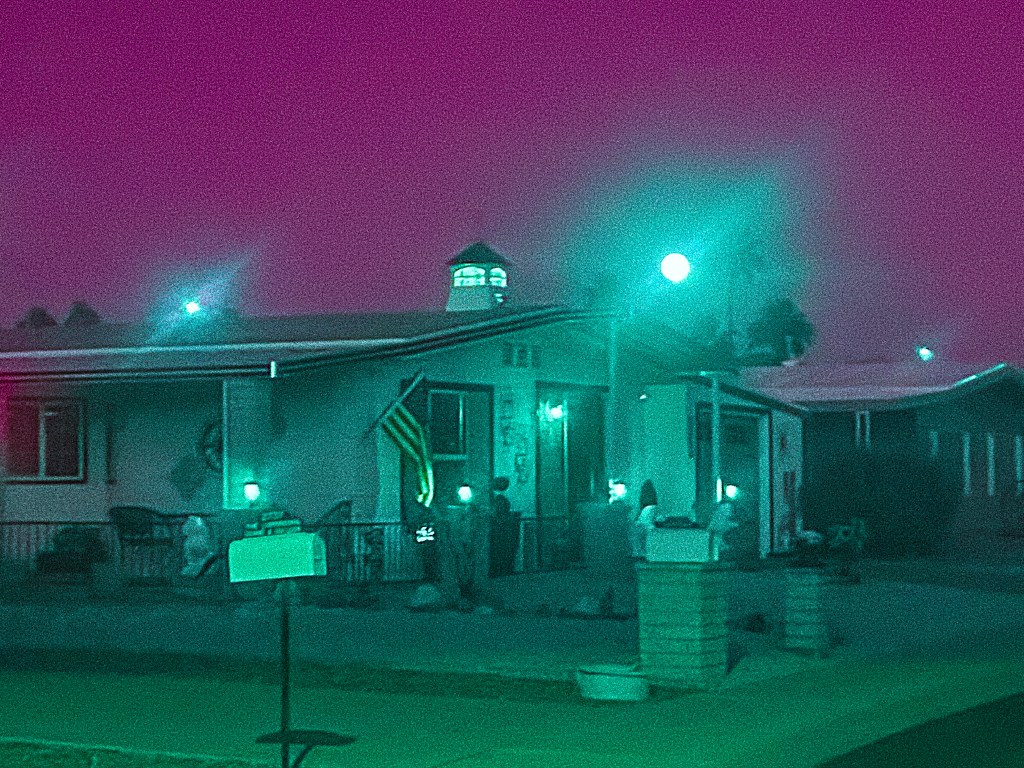

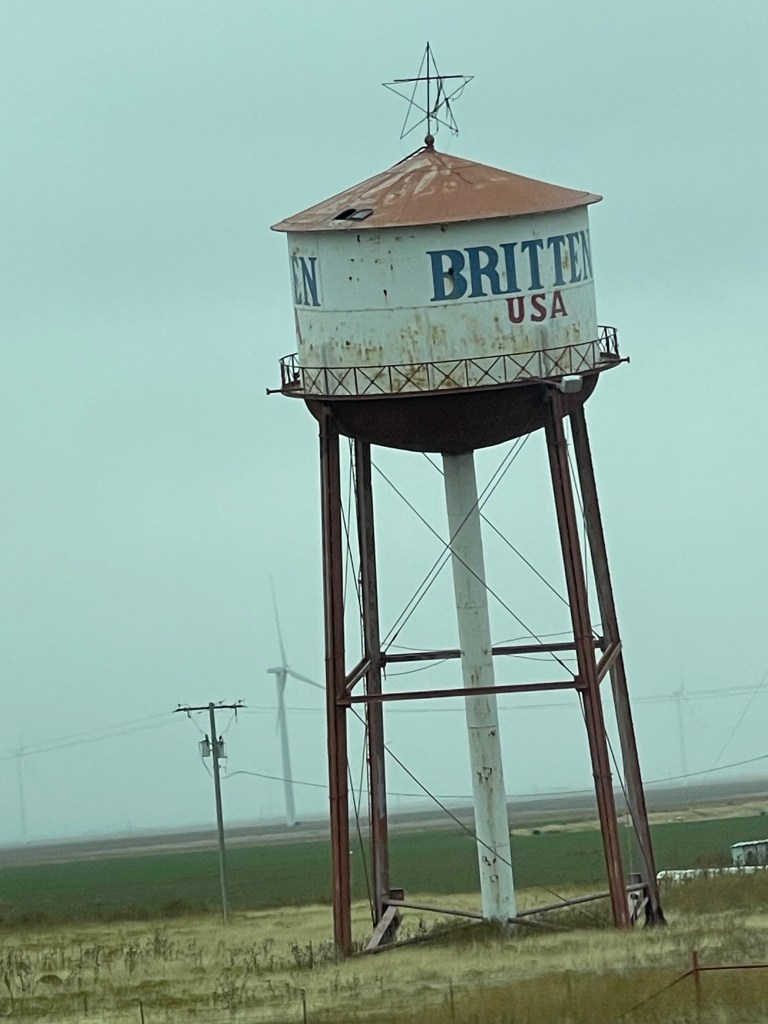
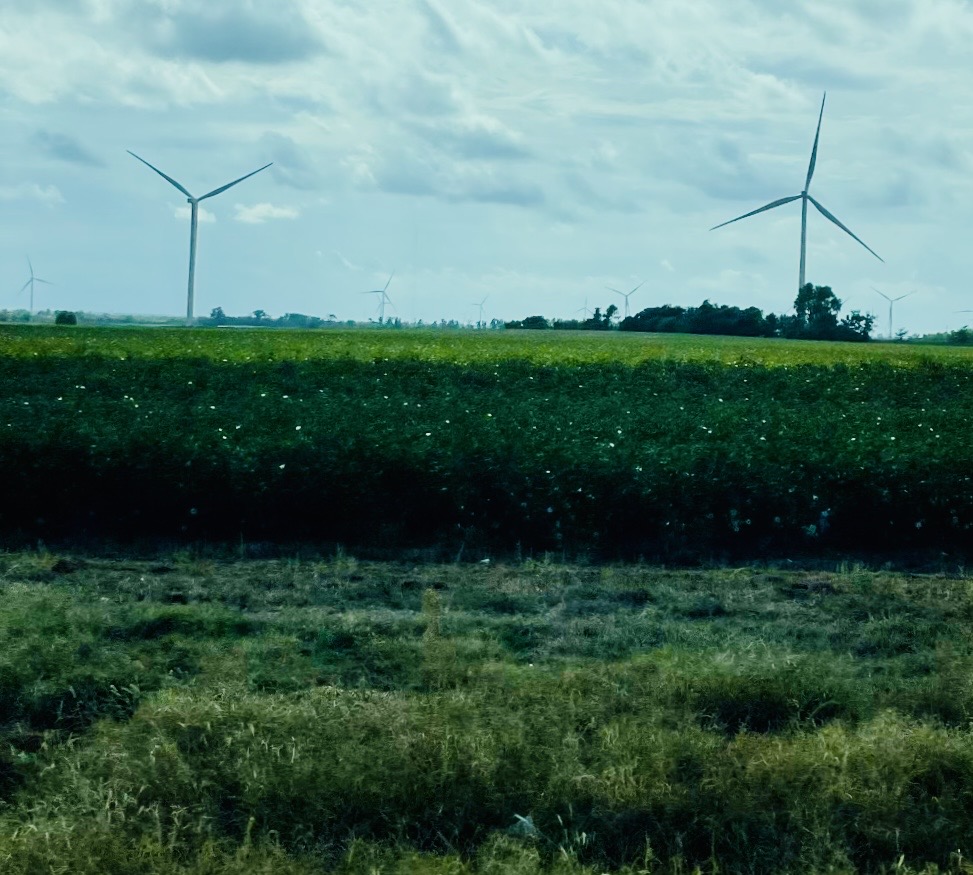

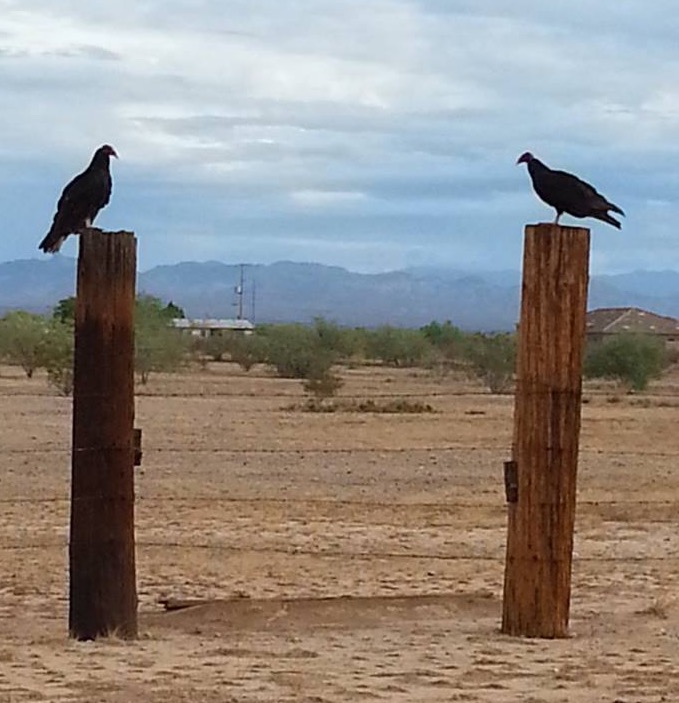
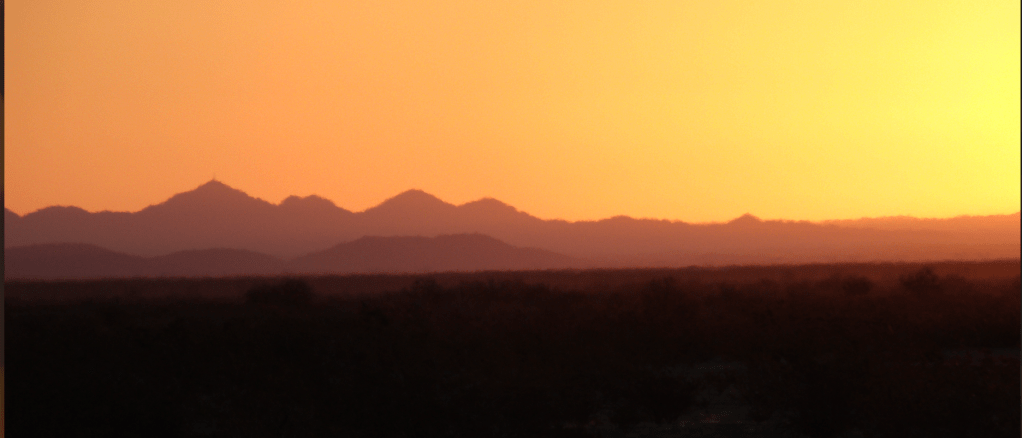


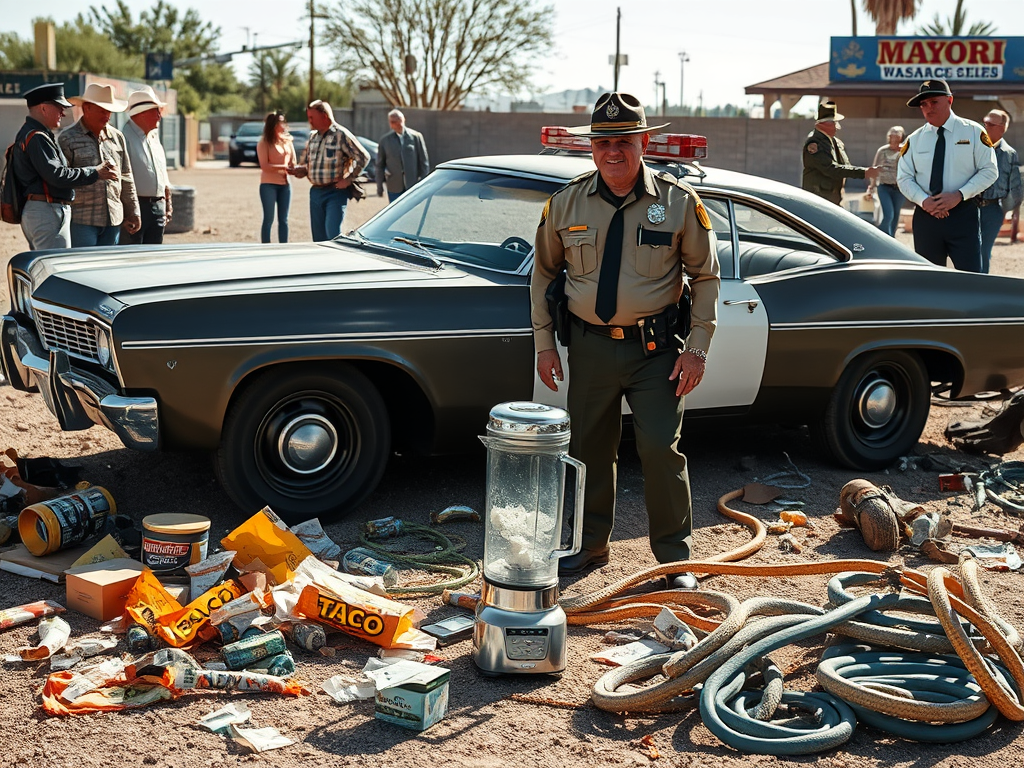
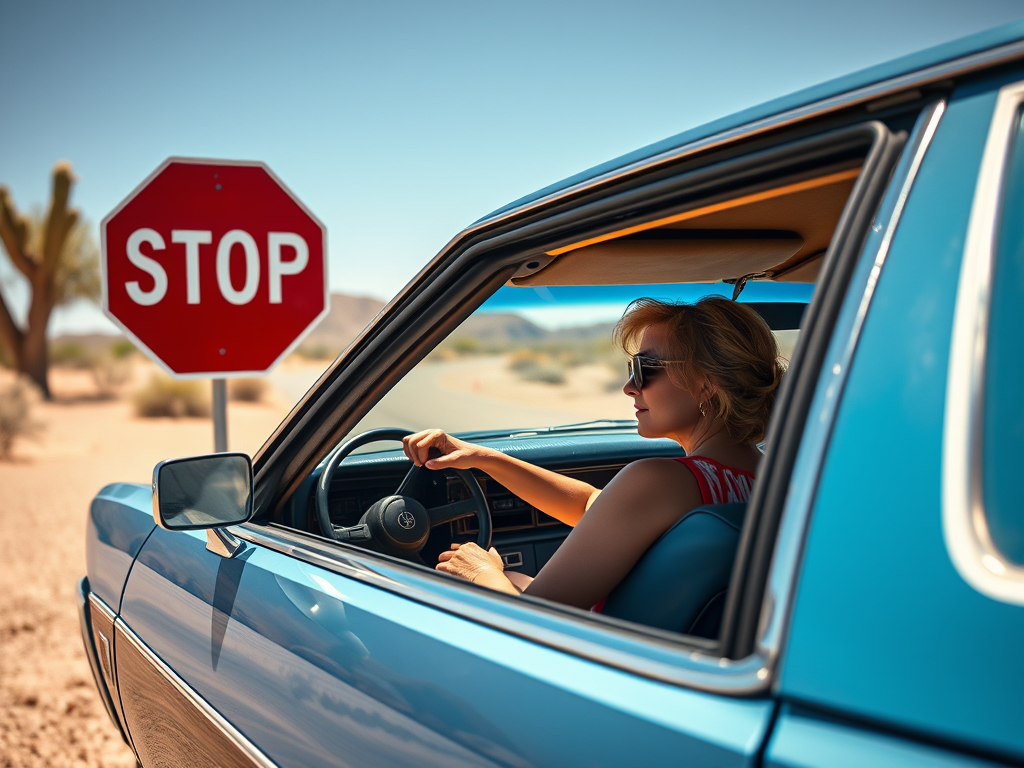
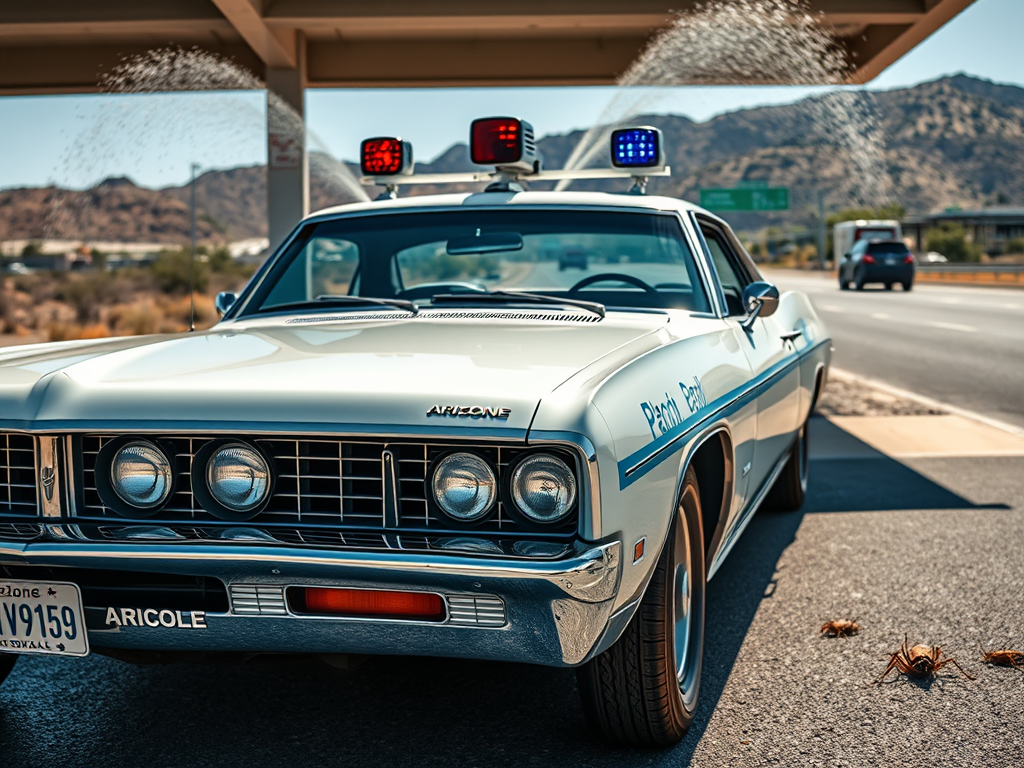


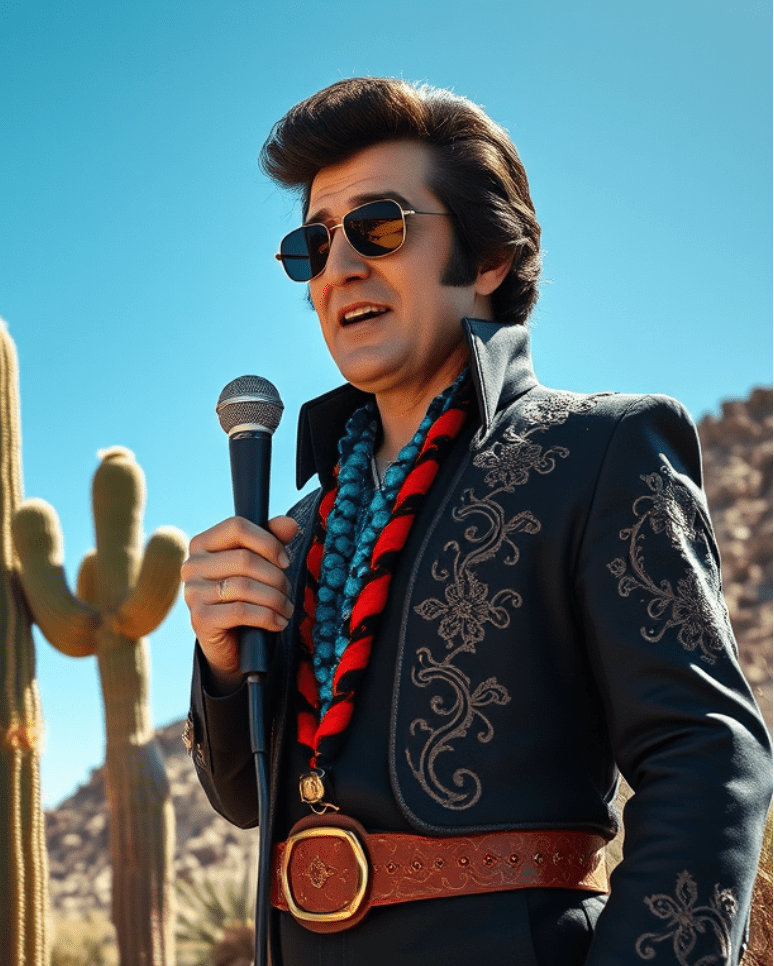

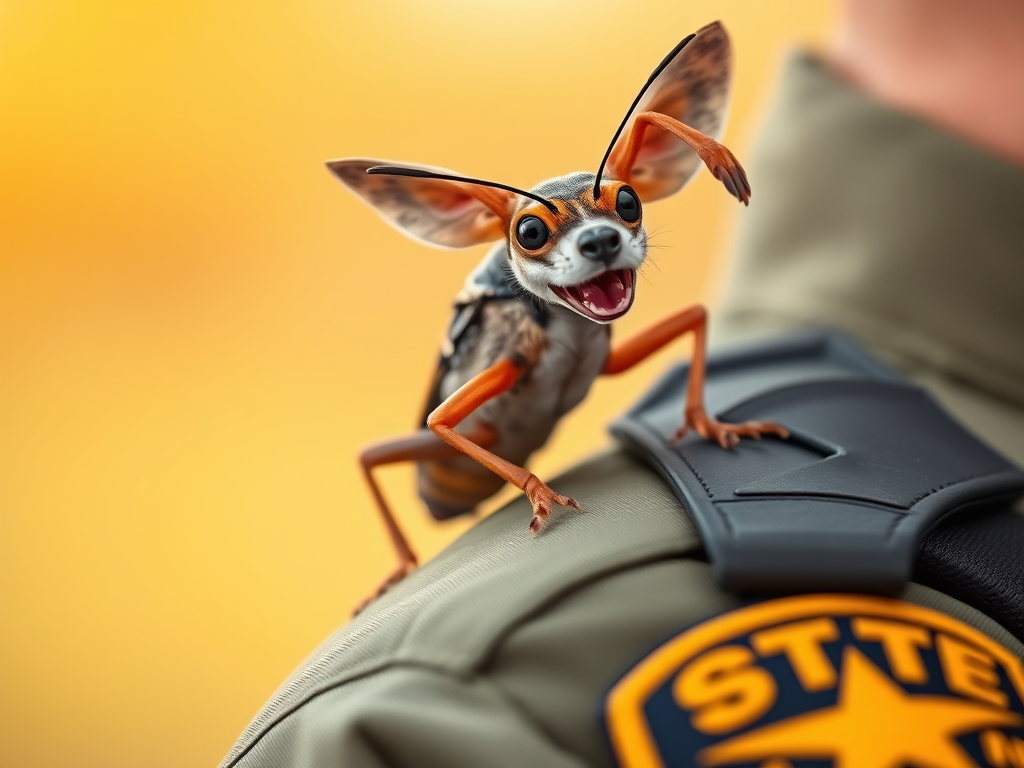
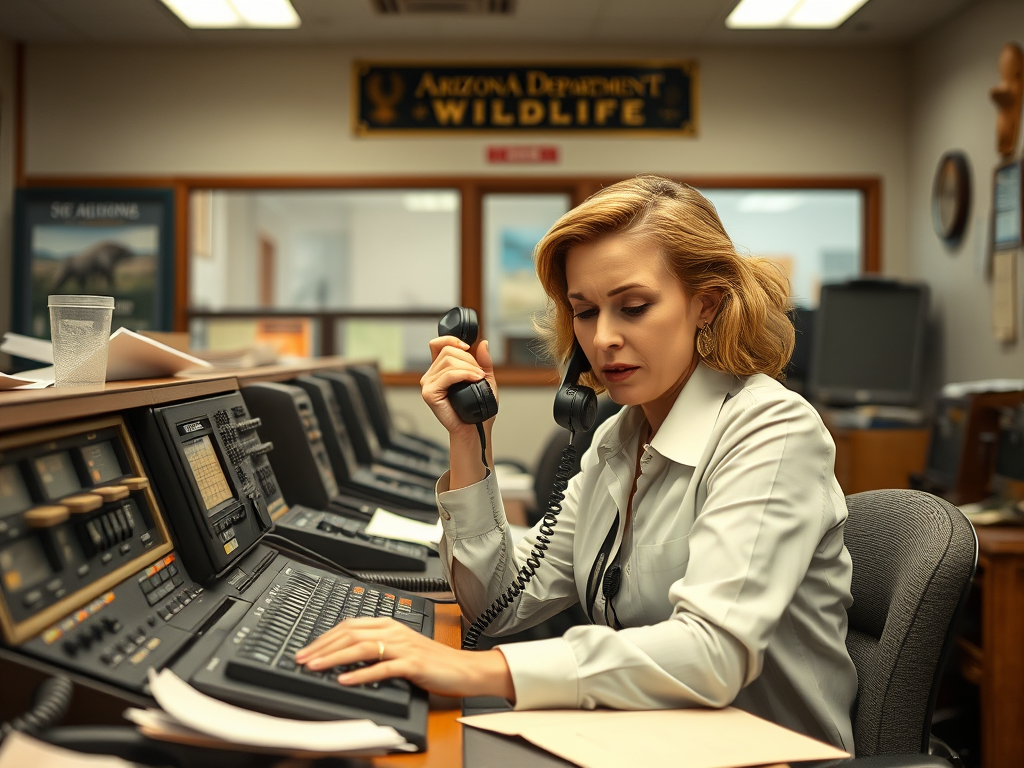

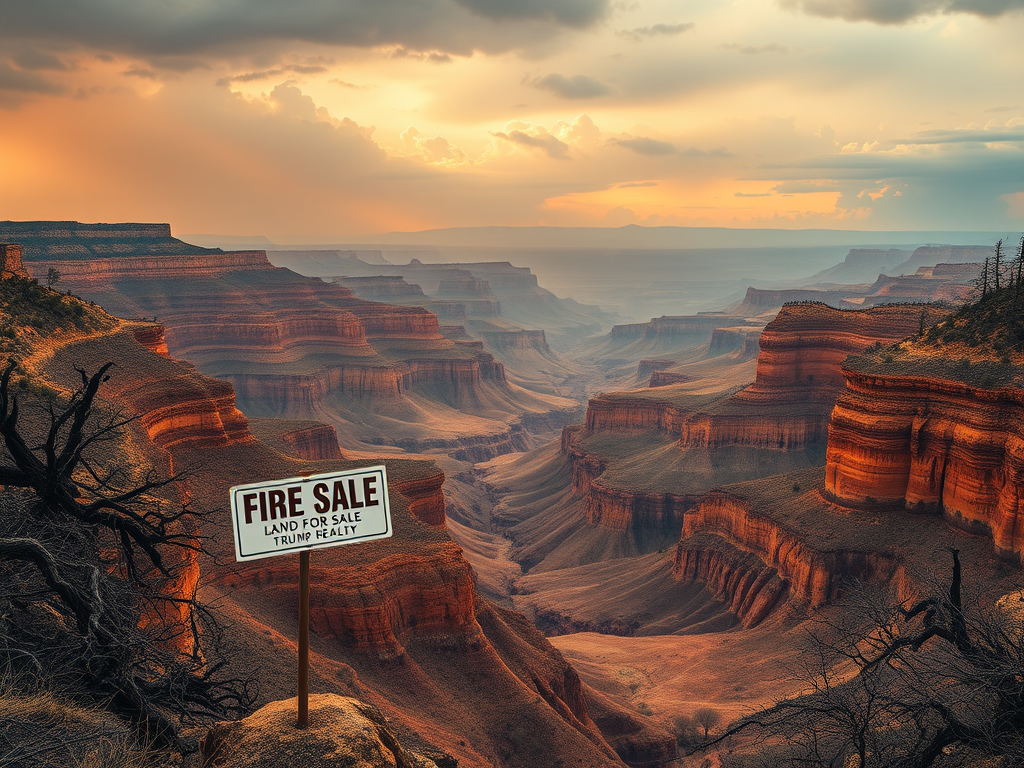
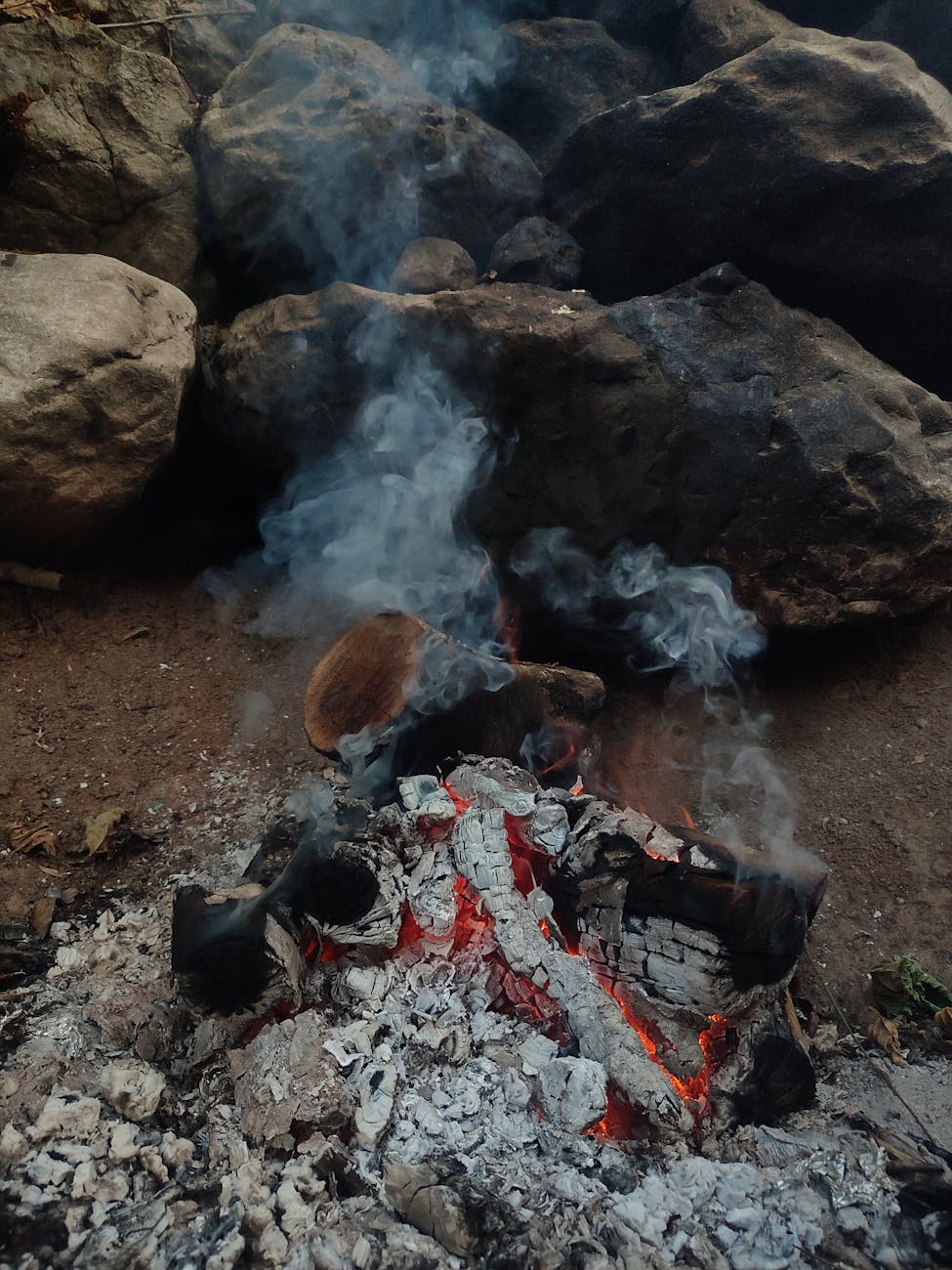

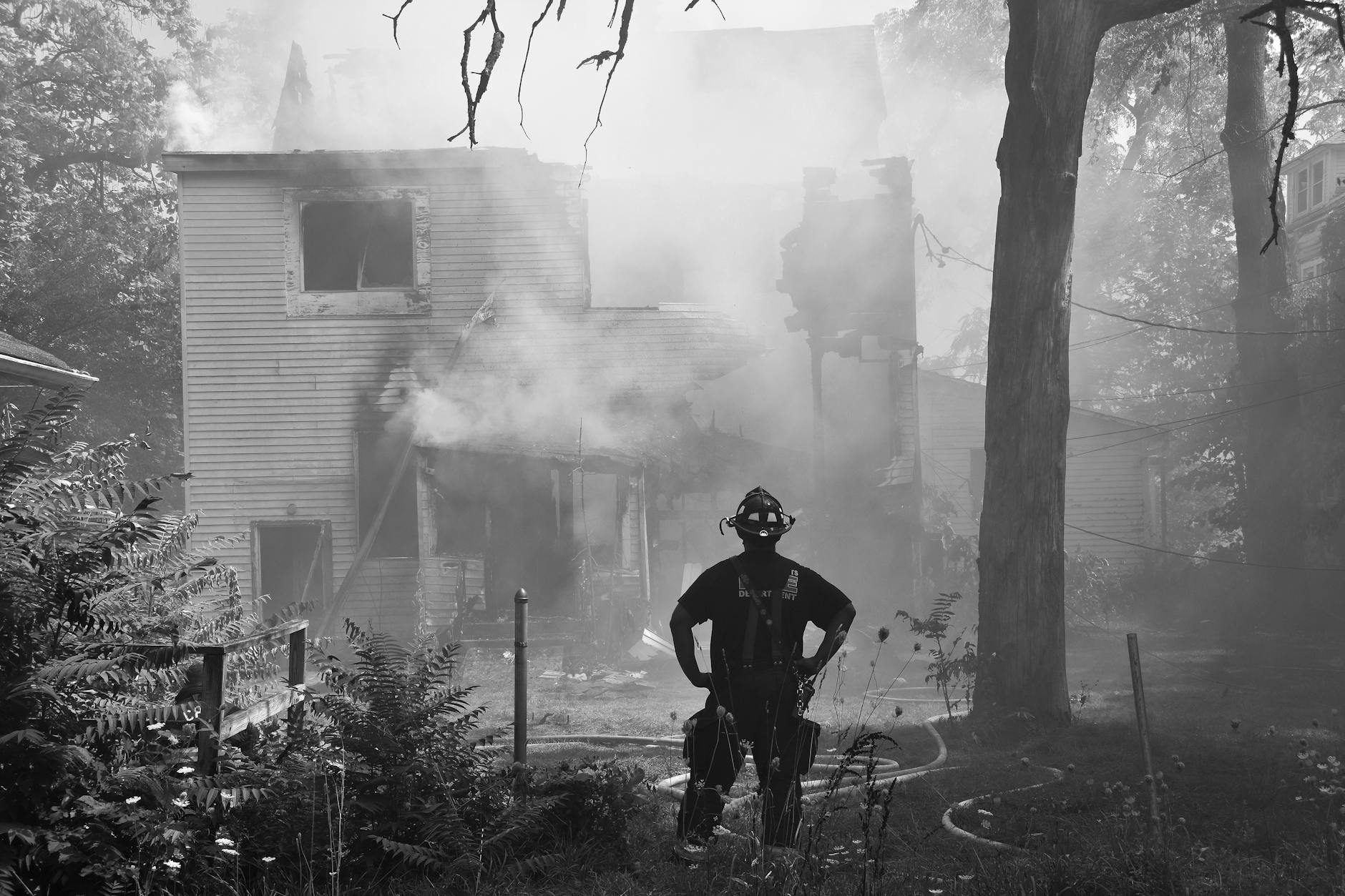

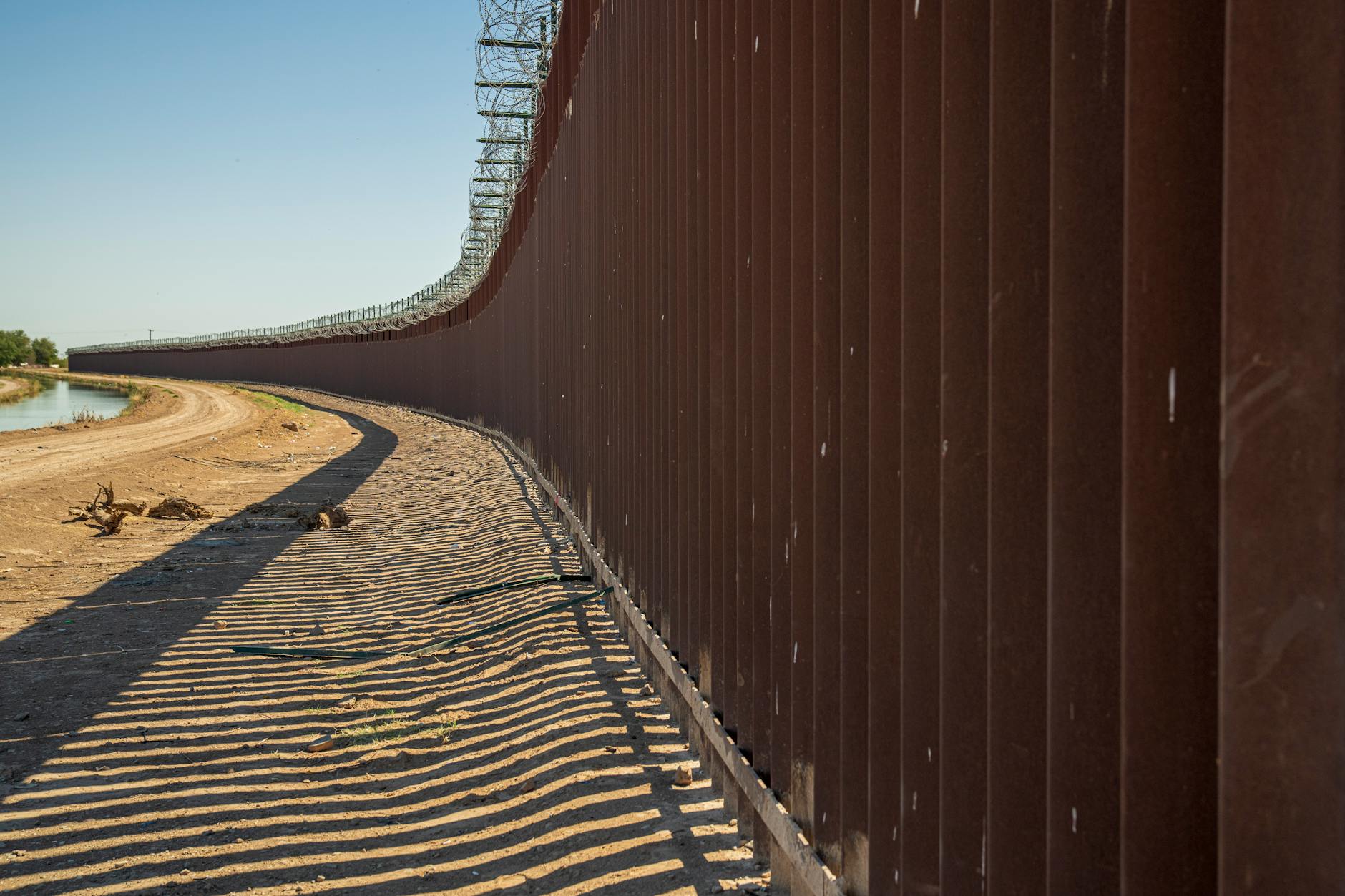
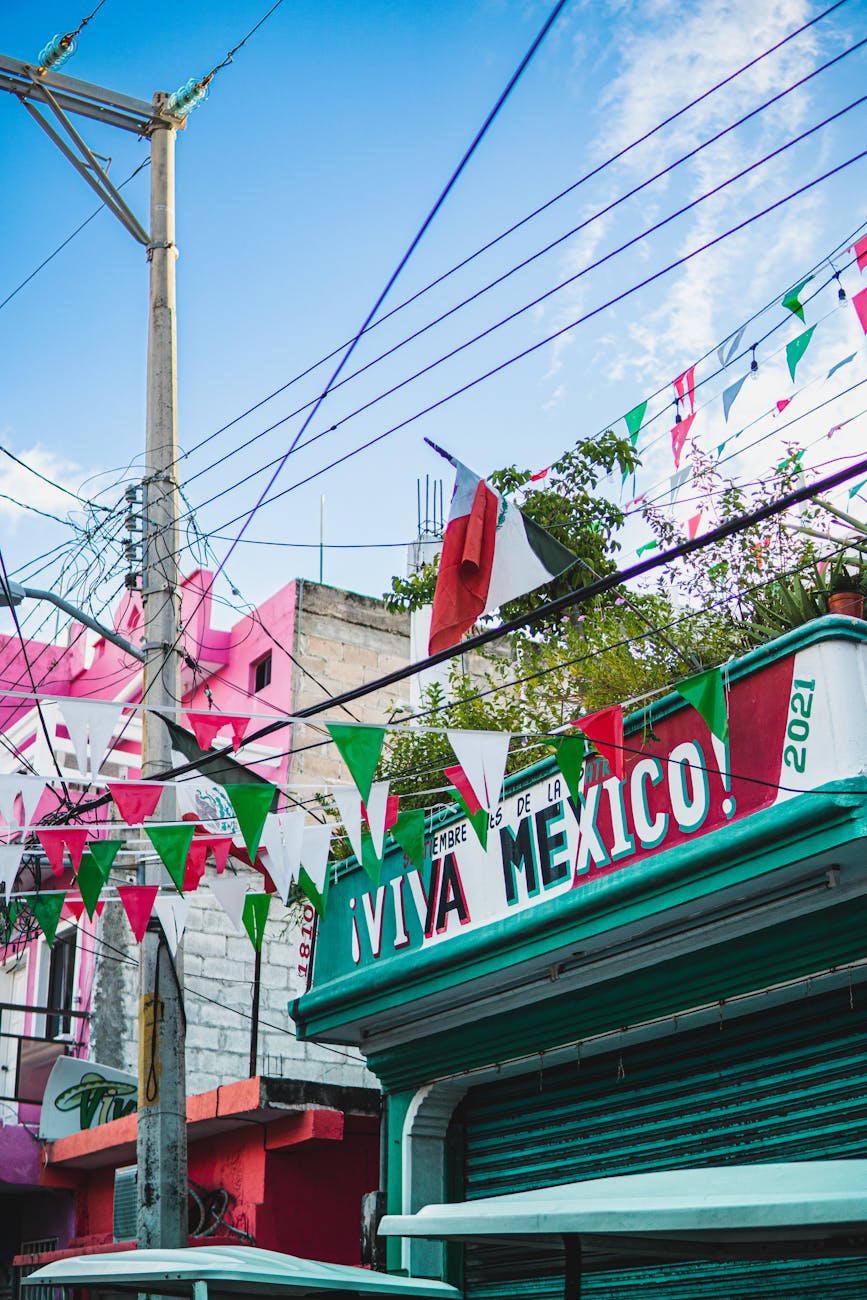


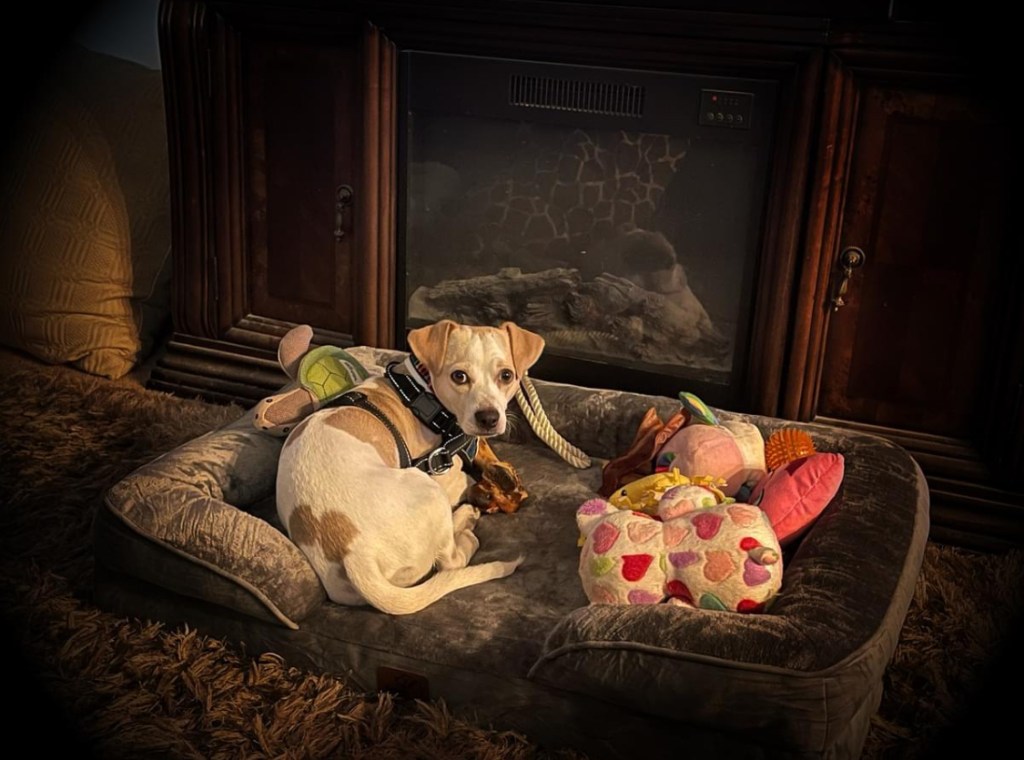
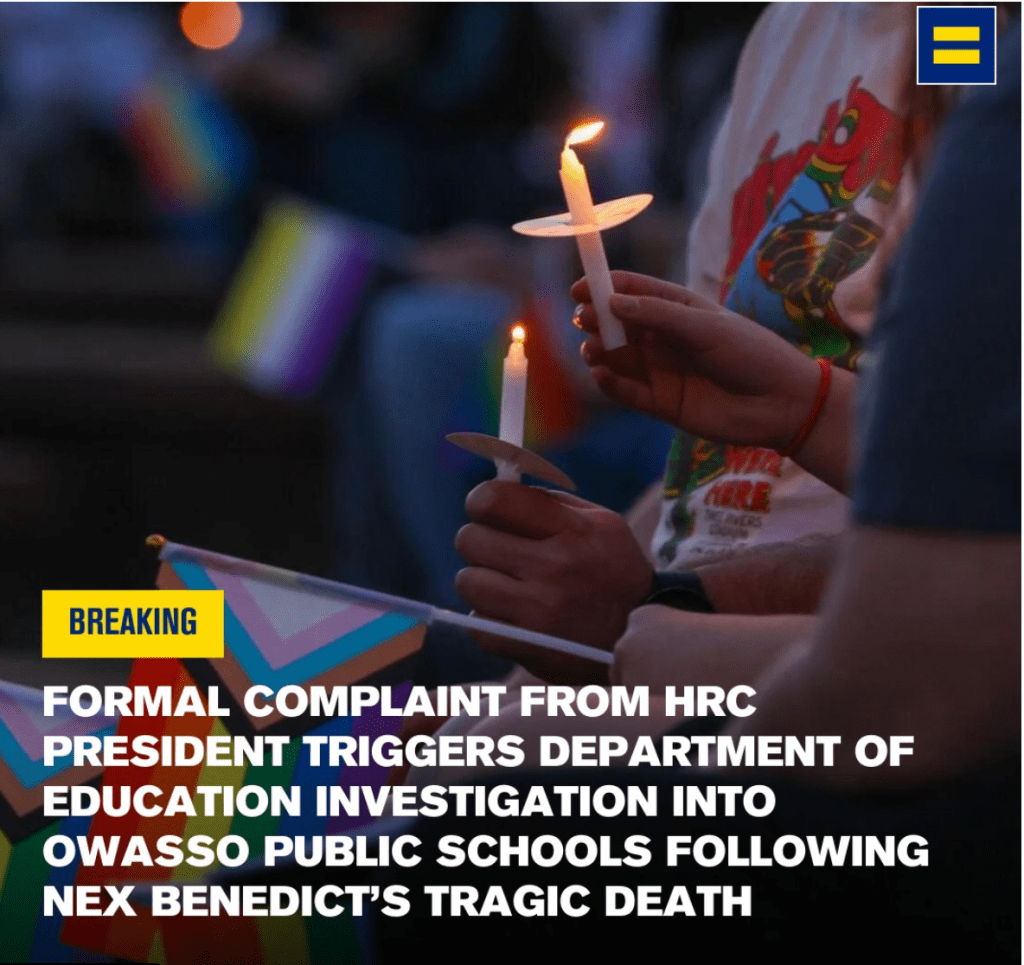


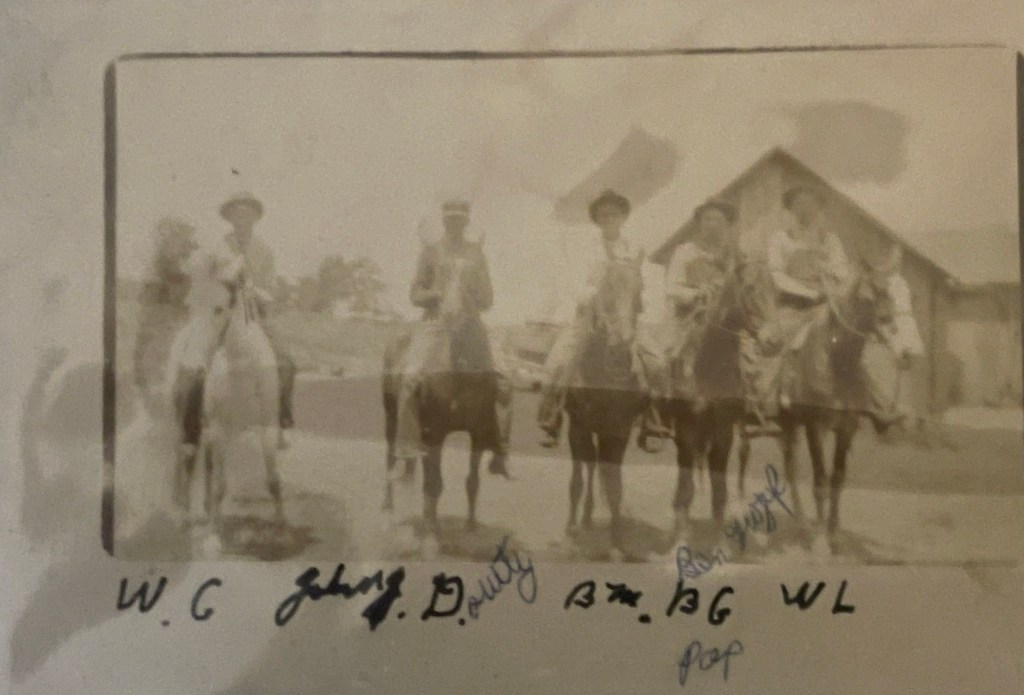

 benandsteve.com