Island of Pure Silence – The Couldn’t Breed It Out

By Benjamin GroffMedia© | benandsteve.com | ©2025 
3–4 minutes

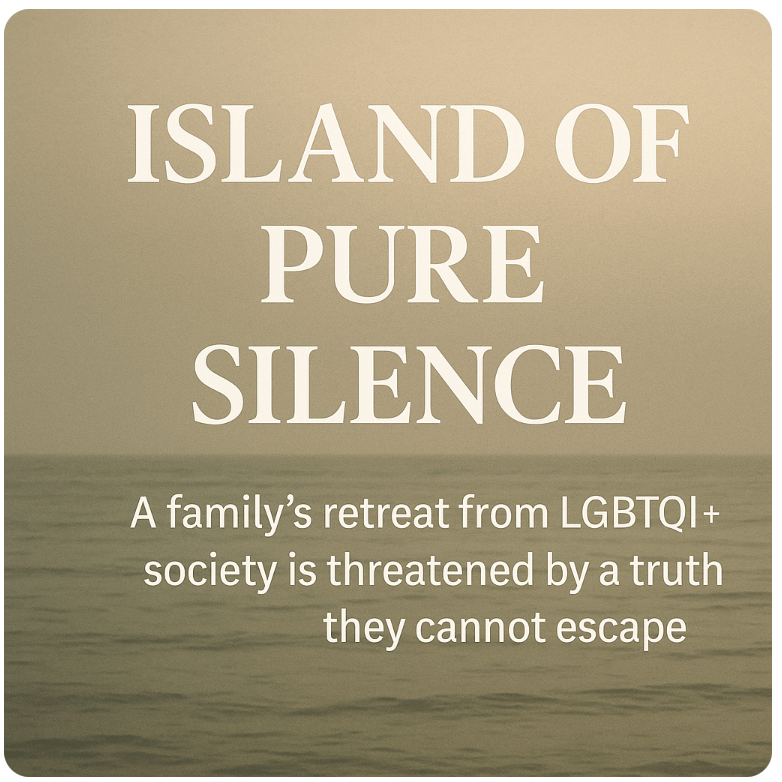
They called it Eden’s Key — though nothing about what came next resembled paradise.

Five families pooled their fortunes to buy a remote private island. They were unrelated and united only by ideology. The island is miles from any shipping lane. Their goal was singular and chilling. They wanted to build a bloodline so ‘pure’ it would never produce what they considered deviation. This included homosexuality, bisexuality, transgender identity, or anything that threatened their narrow vision of human perfection.

These pilgrims to the island had checked and rechecked each other’s families. There had been no known, reported, or openly known LGBTQI+ members in any of the families. There had also been no mental healthcare admissions involving anyone belonging to the family trees going to the island. There would have been seven families in total but two families didn’t pass the bloodline background. The group was made up of a doctor, chemist, preacher, farmer, carpenter, and a dentist. The plan was for each profession and trade to pass these skills to children. Children who were to be born into families on the island.

They constructed homes of pale stone and imported perfect soil for perfect gardens. Children were raised with strict doctrine. They were taught that love came only in prescribed forms. Anything else was seen as a contamination from a broken world.

And for the first generation, it appeared to work.

The island thrived. Crops grew. Marriages were arranged. Babies were born. And the elders congratulated one another on their success, believing they had outwitted nature itself.

But nature is patient.

Subtle fractures began to surface by the time the third generation came of age. There were lingering glances. Forbidden letters were exchanged. Hands brushed too long in passing. Whispers floated through palm-lined walkways. A daughter cried in secret over feelings she did not understand. A son locked himself in his room for hours. He stared at the ocean, hoping it can answer questions no one else can.

The Council called it sickness.

They tightened rules. Curfews sharpened. Surveillance increased. Shame became the island’s true currency.

Each new generation revealed an undeniable truth. The same percentage of LGBTQI+ identities emerged as existed beyond their shores. The very diversity they sought to erase bloomed organically within their controlled experiment.

The elders gathered in panic, pouring over family trees and blood records, searching for a contaminant that did not exist. The realization crept in slowly and bitterly — they had not escaped the world. They had recreated it.

And worse, they had bred it themselves.

Years later, a young woman named Elia stood on the highest ridge of the island. She held the hand of another girl. Both were trembling. Both were defiant. They were not sick. They were not broken. They were simply human. The ocean wind tangled their hair as the sounds of distant arguments echoed below.

“We were never the disease,” Elia whispered. “Fear was.”

When the first boats began to arrive — outsiders, journalists, doctors, activists — the island’s mythology unraveled. The story of Eden’s Key became a caution whispered across the world. It reminds us that identity can’t be engineered out of humanity.

The families who once prized isolation now faced the same reckoning their ancestors had tried so desperately to avoid.

And from the ruins of control rose a new truth, written not in doctrine but in courage:

You can’t uproot what lives in the soul.

Somewhere on that windswept island, between salt air and forgiveness, a generation finally chose love over fear. In doing so, they found a freedom their founders never imagined possible.


By Benjamin GroffMedia© | benandsteve.com | ©2025 

Marriage Rights at the Crossroads: A Nation in Reflection

By Benjamin H. Groff II | Truth Endures / The Story Teller

3–5 minutes

A Decade After Obergefell

Will You Lose Your Rights To Marry Who You Love?

Ten years after the Supreme Court’s landmark Obergefell v. Hodges decision recognized same-sex marriage as a constitutional right, America finds itself again revisiting questions many thought were settled.

The Court’s ruling in 2015 declared that marriage, in all its forms, is protected by the Fourteenth Amendment. This includes guarantees of liberty and equal protection. As new petitions rise, the conversation has returned to the surface. Shifting public attitudes also contribute to this discussion. Who holds authority over marriage — the individual, the state, or the Constitution itself?


The Current Question Before the Court

A pending petition related to former Kentucky clerk Kim Davis has reignited national attention. Her case asks whether local officials refuse to issue marriage licenses on religious grounds. It also questions whether Obergefell overstepped by forcing states to recognize marriages they once prohibited.

The Supreme Court has not agreed to hear the case. Still, its presence on the docket is enough to open old wounds. It also raises new questions. Some legal analysts believe the current Court will not directly overturn Obergefell. Yet, it will narrow its reach through religious-liberty rulings. It also does so through state-level exceptions. Others assert that stability — not upheaval — best serves the nation and the families already bound under its promise.


Two Visions of Marriage and Rights

One side views marriage equality as part of America’s long arc toward inclusion. They view it as a civil institution that, once granted, should not be rescinded. They see equality before the law as non-negotiable. They fear that revisiting the issue will fragment the nation’s sense of fairness.

The other side argues that Obergefell disrupted centuries of state authority. It affected religious conscience. They believe that restoring local decision-making better reflects democratic process. They point to the tension between personal faith convictions and federal mandates as a conflict yet unresolved.

Between those poles lies a broad middle. These are citizens who do not agree on doctrine. They understand that marriage, whether between a man and woman or same-sex partners, carries profound human meaning. Many simply wish to preserve stability, protect liberty, and allow space for faith and freedom to coexist.


Faith, Law, and Living Together

Scripture has long influenced how societies view marriage. For some, biblical passages define its structure and purpose; for others, they offer moral insight without prescribing civil law. The tension between religious belief and constitutional law is not new. This tension echoes past debates over interracial marriage, divorce, and women’s rights.


In every era, society has had to ask two questions. What happens when faith and law collide? How do we live together without tearing the fabric of our community apart?


Why the Debate Still Matters

Even if the Court declines to hear new challenges, more than two dozen states have laws banning same-sex marriage. These laws are dormant on their books. If Obergefell were ever overturned or weakened, those statutes will return overnight, affecting benefits, inheritance, adoption, and family recognition.

At the same time, many Americans share a common belief. Conservatives and liberals alike think the government shouldn’t dictate the deepest personal choices of its citizens. This belief runs deep in the country’s DNA. – Barred from Hospital Rooms – Declined Visits By Family Funerals – Loss of Shared Property.


A Time for Reflection, Not Division

It is that America is less divided on love than on language. Many citizens who believe marriage is sacred still believe in equal dignity; many who support equality still respect faith’s voice.


The challenge before the nation is to find balance. This also is a challenge for the Supreme Court. It involves preserving both religious liberty and individual freedom. This must be done without sacrificing the dignity of either.

Marriage remains one of the few institutions that bridges our private and public lives. It does this whether one calls it a covenant before God or a contract under law. The real question is not who can marry. It is whether we can continue to respect those who see it differently. Is it a divine institution? One which a person be married and divorced five times, as long as it is to the opposite sex. Or, is it a civil contract between two people which protects their lives, property and future? Capable of being entered into by any two people.


Closing Thought

History rarely moves backward. Nonetheless, it does pause to consider and to recalibrate. It also reminds us that liberty requires both conviction and compassion. As this conversation unfolds, we argue less to win and more to understand.


© Benjamin H. Groff II — Truth Endures / benandsteve.com

The Consequences of Women Losing Voting Rights

2–3 minutes

What If Women Lost the Right to Vote Today?

Imagine waking up one day and discovering that half the population no longer has a voice in governance. It seems unimaginable. But, by exploring this dystopian scenario, we gain a clearer understanding. Women’s full participation is vital to a healthy democracy.


1. Democracy at Risk: Representation Crumbles

Eliminating women’s voting rights would erode democratic legitimacy. According to Pew Research, no nation has fully rescinded women’s suffrage after granting it. Afghanistan is a rare case. Instability there led to temporary rollbacks of voting rights for women (1).

Political representation would skew drastically without the inclusion of women. This would undermine policies related to education, healthcare, family leave, and equity. These are issues where women often drive progress (2). Removing half the electorate opens the door to unbalanced, unaccountable leadership that ignores countless lived experiences.


2. Social and Economic Inequities Would Widen

The ripple effect of eliminating women’s voting rights would be immediate and profound:

  • Policy Backslides: In response to women’s demands, early 20th-century legislation emerged. Acts like the Sheppard-Towner Act (maternity care), the Women’s Bureau, and the Cable Act were major milestones. They were built on women’s political influence (3). Lose voting rights, and such gains evaporate.
  • Stalled Progress for Women of Color: Even after the Nineteenth Amendment in 1920, women of color still faced systemic barriers. Voting was made difficult for them. These barriers persisted in many forms. This was especially true for Black, Native, Latinx, and Asian Americans. These barriers weren’t fully lifted until the Voting Rights Act of 1965 (4). Removing voting rights today would re-introduce even greater marginalization.

3. The 19th Amendment Is Not a Safety Net

The 19th Amendment constitutionally affirms women’s right to vote. Changing that would need another amendment. This presents an extraordinarily high legal and political hurdle. Legal scholars and court precedents affirm its permanence (5).

Still, we must stay vigilant. Recent developments remind us that the spirit of equality is always at risk. These include potential threats to voting access via legislation like the SAVE Act. There is also rhetoric from political figures undermining democratic foundations.  (6).


Final Thought

Losing the right to vote wouldn’t be just a policy shift—it’d be a moral and societal unraveling. Not only would women’s voices vanish from ballots, but the very foundations of inclusive democracy would start to crumble. That’s why protecting voting rights isn’t optional—it’s essential.


By Benjamin GroffMedia© | benandsteve.com | 2025 

Challenges and Resilience in the LGBTQI+ Community Today –– Beyond PRIDE With A New Pope!

By Benjamin GroffMedia© | benandsteve.com | 2025 Truth Endures©

5–7 minutes

Navigating the Crossroads: Challenges and Resilience in the LGBTQI+ Community

In recent years, the LGBTQI+ community has observed both significant strides toward equality and alarming setbacks that threaten these advancements. As societal acceptance grows in some areas, legislative and social challenges persist, underscoring the need for continued advocacy and awareness.

Mental Health: A Silent Crisis

Mental health disparities continue to be a critical issue within the LGBTQI+ community. According to The Trevor Project’s 2024 National Survey, 39% of LGBTQ+ youth seriously considered attempting suicide in the past year. The rates rise to 46% among transgender and nonbinary youth. Factors contributing to this crisis include discrimination, lack of access to affirming care, and societal stigma. (1)

Intersex youth face even more pronounced challenges. A study highlighted troubling findings about intersex respondents. It showed that 77% had someone try to change their sexuality or gender identity. Over 10% had undergone conversion therapy. (2)

Healthcare Access: Barriers and Disparities

Photo by Celia Daniels on Pexels.com

Access to quality healthcare is a fundamental right, yet many LGBTQI+ individuals face significant obstacles. The Center for American Progress reported that in 2024, 45% of transgender adults postponed medical care due to affordability issues. Additionally, 60% of intersex adults faced the same issue. Additionally, 37% of transgender adults avoided seeking care out of fear of discrimination. (3)

The political landscape further complicates access to necessary care. A survey by FOLX Health revealed that 90% of trans and nonbinary Americans feared the 2024 presidential election. They were concerned it would negatively impact their healthcare access. Notably, 20% had already lost access due to anti-LGBTQ policies. (4)

Legislative Challenges: A Double-Edged Sword

Legislation plays a pivotal role in shaping the experiences of LGBTQI+ individuals. In 2024, nearly 500 anti-LGBTQ+ bills were proposed across the United States, with 46 enacted into law. These laws have had profound effects, with over 70% of LGBTQ+ adults reporting negative impacts on their mental health.

Conversely, there have been positive legislative developments. Thirty-seven pro-equality bills were signed into law, focusing on areas like parenting rights and health and safety. (5)

Community Initiatives: Resilience and Support

Amid these challenges, community-led initiatives have emerged as beacons of hope. In Connecticut, drag performances educate on health and suicide prevention. They create inclusive spaces for dialogue and support. (6)

The introduction of the Pride in Mental Health Act aims to bolster mental health resources for LGBTQ+ youth. It recognizes the unique challenges they face. The act highlights the importance of affirming care. (7)

Conclusion: A Call to Action

Photo by Gotta Be Worth It on Pexels.com

The LGBTQI+ community continues to navigate a complex landscape of progress and adversity. While strides have been made in visibility and rights, significant work remains. We need to guarantee fair access to healthcare. Protection under the law is also necessary. Furthermore, societal acceptance must be achieved.

Allies, policymakers, and community members must advocate for inclusive policies. They should support mental health initiatives. It’s essential to foster environments where LGBTQI+ individuals can thrive without fear of discrimination or harm.


Recent Developments Impacting the LGBTQI+ Community

Posted by Movie and Television Show Writer and Actor Del Shores on Facebook –

LGBTQ+ Rights Under Attack in 2025 — And the Fight Continues! But we, as a community, stand firm and resilient.

I posted it many years ago before we could legally marry someone we loved. Before United States v. Windsor struck down DOMA in 2013, and before Obergefell v. Hodges in 2015, we finally gave our love full legal recognition nationwide.

And it became one of the most shared things I’ve ever posted.

WHERE WE ARE NOW, 2025!

 2025 has seen an alarming surge in anti-LGBTQ+ bills, with over 500 introduced in the U.S. alone.

 Over 774 are specifically anti-trans, and 700 of those are still active.

 Texas leads the charge with 127 of these hate-fueled bills.

Many of these bills are pushed by the GOP, wrapped in the Bible, and weaponized with false righteousness. It’s the same tactic — just a different year with more hateful rhetoric than ever. 

When I wrote “Southern Baptist Sissies” in 2000. I dreamed it would one day feel like a period piece — a snapshot of a fight we’d won. And yet, in 2025, my character Mark’s words still guide me as I fight for and with my LGBTQ+ family and our beautiful allies:

“Sometimes I close my eyes, and I create a perfect world. A world of acceptance and understanding and love. A world where there’s hope. Even if the hope is just whispered, I hear it.”

To the trans community: we see you, love you, and stand with you in unwavering solidarity.

To the so-called Christians using the Bible to harm: you’re using it wrong.

Romans 13:10 — “Love does not harm its neighbor; therefore, love is the fulfillment of the law.”

Let’s love louder, let’s love more, and let’s love without boundaries.

Let’s keep whispering — and shouting — that hope.

“Dear friends, let us love one another, for love comes from God. Everyone who loves has been born of God and knows God. Whoever does not love does not know God because. God is love.” 1 John 4: 7-8.

#ProtectTransKids #LGBTQHistory#SouthernBaptistSissies#HopeIsARevolution#TransRightsAreHumanRights#FaithNotFear 


A NEW POPE

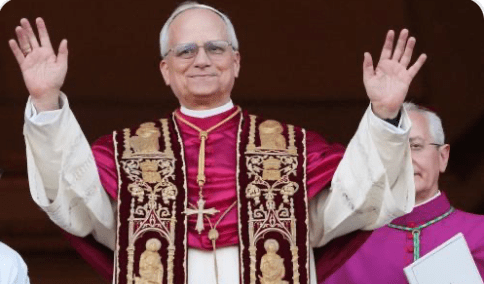
The election of Pope Leo XIV—formerly Cardinal Robert Francis Prevost—marks a historic moment. He becomes the first American to lead the Catholic Church. His choice follows the death of Pope Francis. Pope Francis was noted for his progressive stances on social issues. These included LGBTQ+ inclusion .(1)

Implications for the LGBTQI Community

Pope Leo XIV’s past statements suggest a more conservative approach to LGBTQ+ issues compared to his predecessor. In 2012, he expressed concern about popular culture. He believed it was fostering “sympathy for beliefs and practices that are at odds with the Gospel.” He specifically cited the “homosexual lifestyle” and “alternative families comprised of same-sex partners and their adopted children.” He has opposed the inclusion of teachings on gender in schools. He describes the promotion of gender ideology as confusing. (2)

Pope Leo XIV has not publicly addressed LGBTQ+ issues since his election. His earlier positions show a potential shift from the more inclusive tone set by Pope Francis. Pope Francis had endorsed civil unions for same-sex couples. He also allowed blessings for same-sex unions. This signaled a more welcoming approach. (3)

Awaiting Future Developments

As Pope Leo XIV begins his papacy, the global Catholic community will be observing his leadership closely. This includes LGBTQ+ members. They will watch how it will shape the Church’s stance on inclusion and diversity. His actions in the coming months will offer clearer insights. His statements will reveal the direction he intends to take on these critical issues.

Sources – References:

Favicon
Favicon
Favicon
Favicon
Favicon

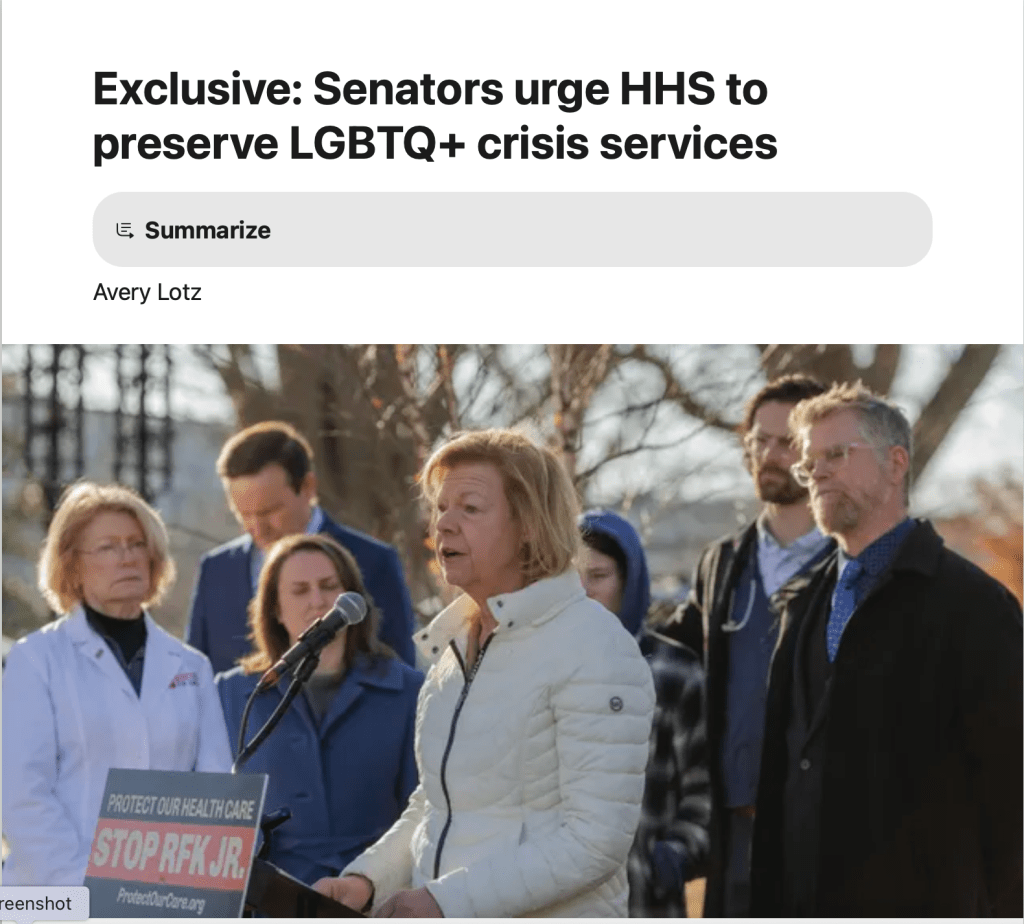
 Senator Ed Markey.  CT Insider HRC+1HRC+1 Axios+2Center for American Progress+2KUNC+2HRC+6Teen Vogue+6The Trevor Project+6.  Center for American Progress. euronewsThem+1Center for American Progress+1. The Trevor Project+4American Art Therapy Association+4Brittany Bate+4.

Grassroots Movement Transforms American Politics

GROFF MEDIA 2024© TRUTH ENDURES IMDBPRO

Presented by benandsteve.com By: Benjamin Groff II©s

3–4 minutes

The Grassroots Movement for Economic and Political Justice

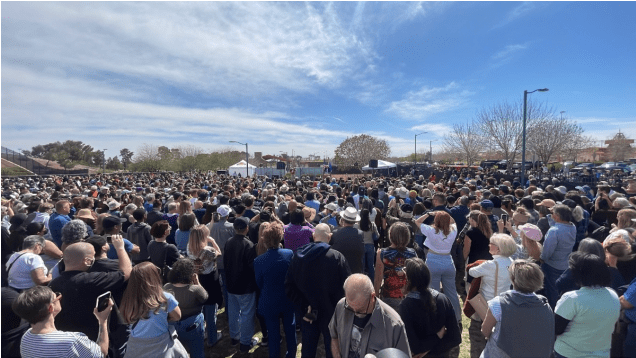
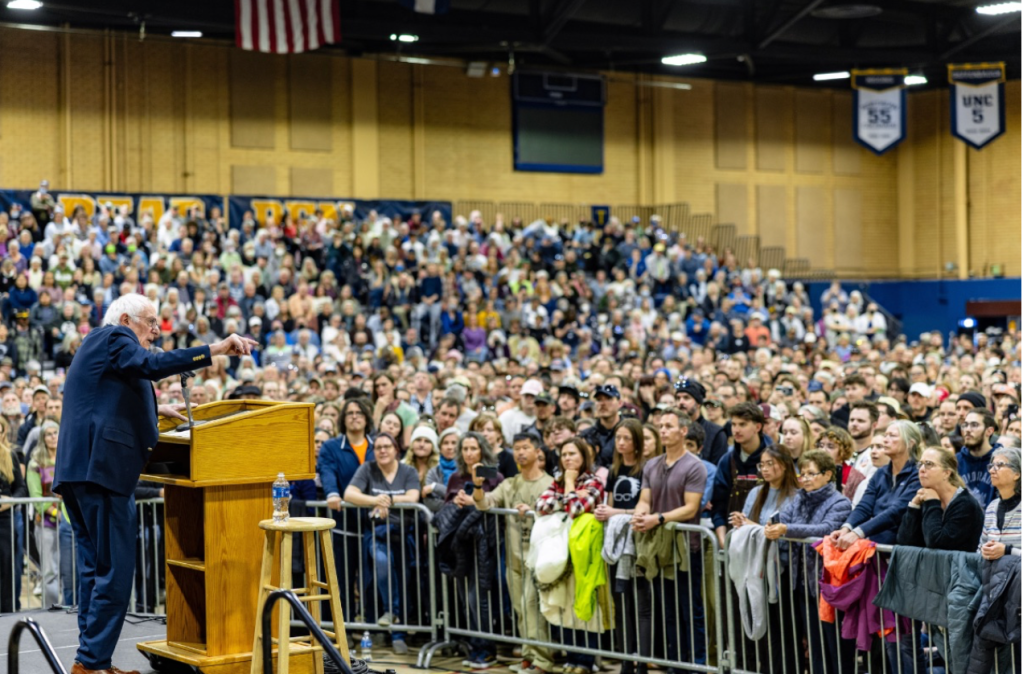
Arizona Rally March 2025
Senator Bernie Sanders and Representative Alexandria Ocasio-Cortez mark a defining moment in American politics. Tempe, Arizona Rally 2025 Groff Media©

The recent rallies by Senator Bernie Sanders and Representative Alexandria Ocasio-Cortez mark a defining moment in contemporary American politics. Across five rallies in three states, tens of thousands gathered. They made a resounding call for change. This signals widespread dissatisfaction with the current political and economic systems. The overwhelming attendance at these events reveals a deep-rooted movement. It is fueled by a demand for economic fairness. There is also a call for political integrity and grassroots-driven reform.

Greeley Colorado, Groff Media©

One of the key takeaways from these rallies is the rejection of Trumpism, oligarchy, and authoritarianism. The presence of thousands in North Las Vegas, Tempe, Greeley, Denver, and Tucson shows collective opposition to massive income inequality. Wealth inequality has left many working-class Americans behind. This movement directly responds to a political system. In this system, billionaires hold disproportionate power. They use their wealth to influence elections and dictate policy. The rallies were not simply campaign events; they were gatherings of individuals. They were determined to reclaim democracy from corporate interests. They also wanted to challenge political elites.

Tucson, Arizona, Groff Media©

Moreover, the movement echoes historical struggles that have shaped the United States. Sanders draws parallels between this modern fight and past movements that have successfully challenged oppression. These include the abolitionist, labor, civil rights, and women’s rights movements. These historical precedents offer a blueprint for today’s progressive movement. They emphasize that real change arises when ordinary people organize. Real change occurs when they take action against systemic injustice.

A critical part of this movement is grassroots organization. Sanders and Ocasio-Cortez stress the need to mobilize people in all 50 states through consistent engagement. Mobilizing thousands of people means not only attending rallies but also translating that enthusiasm into political action. Encouraging progressives to run for office at all levels is crucial. This includes positions from school boards to state legislatures. It is a core strategy to enact lasting change. Local elections, often overlooked in the national political discourse, hold immense power in shaping policies that affect daily life.

Denver, Colorado, Groff Media©

Additionally, the movement extends beyond electoral politics. It calls for strong communities where people support one another despite economic and social challenges. The emphasis on solidarity reflects the understanding that political change is inseparable from fostering a culture of mutual aid. It also involves building collective strength. The movement creates networks of engaged citizens. The goal is to counteract the feelings of loneliness that many experience in today’s economic landscape. It also addresses feelings of helplessness.

This movement does not overstate the urgency. Sanders highlights the significance of this moment not only for current generations but also for future ones. Climate change, economic disparity, and political corruption are existential issues that need immediate action. The message is clear: now is the time for mobilization, not despair. The fight for a fair and just society depends on ordinary people. They must be willing to challenge entrenched power structures. They must demand a system that works for all.

The rallies led by Senator Bernie Sanders and Representative Alexandria Ocasio-Cortez signify a pivotal moment in U.S. politics, reflecting widespread dissatisfaction with inequality and a demand for economic justice.
Arizona, Nevada, Colorado,

In conclusion, the rallies held across Nevada, Arizona, and Colorado exemplify the strength of a growing progressive movement in America. The record-breaking turnouts illustrate a profound discontent with the status quo and a wish for systemic change. By organizing, running for office, and building community solidarity, this movement can redefine the future of American democracy. The path ahead is not easy. History has shown that when people unite for justice, they can overcome even the most powerful obstacles.

LOVE ENDURES THE TEST OF TIME ESPECIALLY DURING A TIME WHEN LOVE COULD BE CHALLENGED

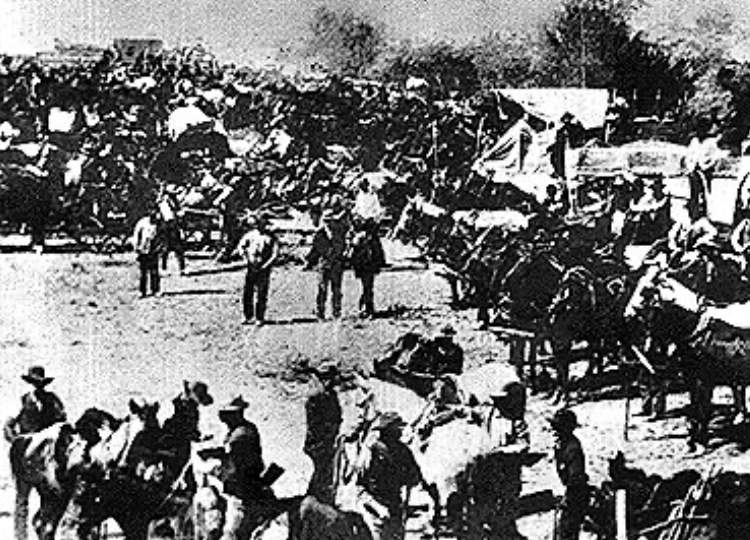
In the vast expanse of the Indian Territory, amidst the rugged terrain and the promise of new beginnings, two souls found each other amidst the chaos of land claims and dreams of prosperity. Vol Wilhelm Groff, a spirited young man with a penchant for adventure, and Joseph McElroy, a quiet and contemplative soul, crossed paths in the unforgiving landscape of Oklahoma in the year 1905.

The Indian Territory was a land of opportunity, where dreams clashed with harsh reality, and where individuals staked their claims in the hopes of carving out a future for themselves. Val and Joseph were among those brave souls, drawn to the promise of a better life on the frontier.

Their meeting was serendipitous, a chance encounter amidst the chaos of land rushes and bustling settlements. Val, with his infectious enthusiasm, captured Joseph’s attention from the moment they first locked eyes. Despite their differences in temperament, they found a deep connection that transcended words.

Val and Joesph
Photo Taken In Okarche Oklahoma

As they worked side by side, staking their claims and building their homesteads from the ground up, their bond grew stronger with each passing day. Amidst the challenges of frontier life, they found solace in each other’s presence, drawing strength from their shared dreams and aspirations.

But theirs was a love that dared not speak its name in the harsh reality of the early 20th century. In a world where societal norms dictated strict conformity, Val and Joseph had to tread carefully, concealing their love from prying eyes.

Yet, despite the obstacles they faced, their love endured, a beacon of hope in a world fraught with uncertainty. Through the trials and tribulations of frontier life, they remained steadfast in their devotion to each other, finding solace in the quiet moments shared beneath the starry Oklahoma sky.

As the years passed and the Indian Territory evolved into the state of Oklahoma, Val and Joseph’s love stood the test of time, a testament to the enduring power of love in the face of adversity. And though their names may have been forgotten by history, their love story lived on, a reminder that true love knows no bounds, not even the vast expanse of the American frontier.