Once upon a time on Cloverfield Farm, there was a little dog named Spot. Despite his name, he didn’t have a single spot on his smooth, white coat. All the other animals had their own unique markings—some had spots, some had stripes, and even Patch the cat had a patch over one eye. Spot often felt left out, especially when the other animals teased him.
“Hey, Spot! Where are your spots?”
the goats would bleat, snickering amongst themselves.
“Spot doesn’t even look like a Spot,”
the chickens clucked, pecking around the yard as Spot’s ears drooped in embarrassment.
Tired of feeling like he didn’t belong, Spot decided he’d make his own spots. One day, he found some mud by the pond and rolled around in it, making little brown splotches all over himself. He trotted proudly into the barn, thinking he looked just like everyone else.
But the cows mooed with laughter.
“Those spots don’t look real, Spot,”
they teased.
“You’re still plain!”
Spot tried again the next day, sneaking into the farmer’s house and dipping his paws in paint from an art set left out on the porch. This time, he dotted his fur with black paint, carefully pressing little paw prints all over his coat. Spot thought he looked quite spotty now, but as he strutted around the barnyard, the animals just laughed louder.
One day, feeling disheartened, Spot wandered to the edge of the pasture and lay down beneath a big shady tree. Just then, a large bull—well, he looked like a bull—ambled over and lay beside him.
“What’s the matter, Spot?”
asked the bull.
“Oh, everyone teases me because I don’t have any spots,”
Spot sighed.
“I’ve tried everything to fit in, but they always laugh.”
The bull nodded thoughtfully.
“You know, Spot, they laugh because they don’t understand. And by the way, I’m not a bull—I’m a steer.”
Spot’s eyes widened.
“A steer?”
The steer chuckled.
“Yes. I may look like a bull, but I’m not. And that’s okay. I learned a long time ago that who you are inside doesn’t need to match what everyone thinks they see on the outside. And it doesn’t have to match what they want, either.”
Spot tilted his head, listening.
“You see, Spot,”
continued the steer,
“everyone has something that makes them different. And sometimes, animals make fun of others because they don’t want their own differences noticed. It’s easier for them to point at you than to face their own insecurities. But those differences are what make each of us unique.”
Spot thought about this for a moment.
“So… you think it’s okay that I don’t have spots?”
“More than okay,”
said the steer with a warm smile.
“You don’t need spots to be special. Being you is what matters. When you’re proud of who you are, those who tease you may just stop because they’ll see that you don’t need their approval.”
Spot felt something warm and happy inside. For the first time, he realized that maybe being himself was enough.
After that, Spot didn’t roll in mud or try to paint on spots. Instead, he ran and played with the animals, joining in with confidence. He still got a few teasing remarks, but now he just wagged his tail and smiled.
And little by little, the other animals started to see Spot differently. The cows noticed how fast he could run, the goats admired his cleverness, and even Patch the cat stopped by to share stories with him under the big shady tree. Spot was no longer “the dog without spots”—he was simply Spot, the friend who was comfortable being himself.
And from then on, Cloverfield Farm was a happier place for everyone.
A recent news segment broadcasted by MSNBC-TV News says that former President Donald Trump reportedly made a controversial remark regarding the cost of burying a Hispanic woman he described as a “f–King Mexican” who had been killed and mutilated at a Texas Army base by a fellow soldier. The burial expenses reportedly amounted to approximately $80,000. Trump allegedly expressed frustration, saying it cost “too fucking much money” to provide the soldier with a proper burial.
This statement, if accurate, raises significant concerns about the former president’s attitude toward the treatment of military personnel, particularly those of Mexican heritage, as well as the costs associated with honoring fallen soldiers. The issue transcends one demographic and speaks to broader implications about how different groups—Mexicans, military members, and their families—are treated and respected within the national discourse.
John Kelly says Trump is a Fascist!”
In addition to this disturbing comment, the report also highlighted another alarming remark by Trump, where he expressed a desire for military generals akin to those in Nazi Germany under Adolf Hitler. Given its historical connotations, this remark should be receiving widespread attention in both mainstream and military-focused media, especially during a presidential election cycle.
However, despite their gravity, these statements have not dominated headlines in the way one might expect. The lack of focus on such inflammatory remarks is concerning, particularly given their implications for how a future Trump administration might handle military leadership and diverse communities.
These statements deserve heightened scrutiny from Spanish-speaking news outlets, military programs, and even women’s rights advocates, as they touch on crucial issues of race, leadership, and the treatment of soldiers. The implications of a leader aspiring to emulate Hitler’s generals, combined with dismissive comments about the costs of burying a soldier, suggest dangerous intentions for the future should Trump get re-elected.
The absence of widespread discussion on these matters is troubling, as the importance of holding political leaders accountable for their statements must be balanced, especially when they potentially foreshadow harmful policies.
The Damning Implications of Donald Trump’s Threat of Mass Deportations on Americans
Former President Donald Trump has once again put mass deportations at the forefront of his political agenda, threatening to implement a sweeping policy of deporting millions of undocumented immigrants if he gets re-elected. This proposal raises numerous concerns about the economic, social, and moral ramifications for the United States, with devastating consequences not only for immigrant communities but also for the country as a whole.
Economic Fallout
Mass deportations would have a profound negative impact on the U.S. economy. Undocumented immigrants contribute significantly to various sectors, including agriculture, construction, hospitality, and healthcare. Removing millions of workers from these industries would lead to severe labor shortages, driving up production costs and potentially creating inflationary pressures that affect all Americans. Businesses would need help filling vacancies, especially in labor-intensive jobs that many Americans are unwilling or unable to take on. The ripple effect would result in reduced productivity, increased costs for products and services, and a contraction in critical industries, including food production and construction.
Additionally, undocumented immigrants contribute billions of dollars to local and federal taxes each year, including sales and property taxes. Their removal would shrink this tax base, creating budgetary shortfalls for essential services like education, healthcare, and infrastructure. The cost of enforcing mass deportations—estimated to be in the hundreds of billions—would burden the federal government and taxpayers.
Social Impact
The human cost of mass deportations cannot be understated. Deportations would tear apart families, many of which include U.S. citizens. An estimated six million U.S.-born children live with at least one undocumented parent, and these children would face traumatic separations that could lead to long-term psychological harm. Communities, particularly those with large immigrant populations, would experience destabilization as families and social networks get disrupted, potentially altering the fabric of our society.
The fear and uncertainty generated by the threat of mass deportations would create a climate of mistrust between migrant communities and law enforcement, causing it to be more challenging for authorities to solve crimes or maintain order in immigrant-dense areas. Many undocumented individuals contribute to the community fabric by volunteering, attending schools, and participating in religious and civic organizations, and their forced removal would erode these social bonds.
Moral and Political Implications
Mass deportations also raise profound moral questions about America’s identity as a nation built on immigration. For centuries, the U.S. has stood as a beacon of hope and opportunity for people fleeing persecution, poverty, and violence. Deporting millions of people en masse, many of whom have resided in the U.S. for decades, sends a harsh message that contradicts these ideals. Such a policy risks deepening racial and ethnic divisions, stoking xenophobia, and inciting further polarization in an already divided political landscape, threatening the unity of our nation.
Politically, Trump’s plan for mass deportations is likely to galvanize opposition not just from immigrant rights groups but also from many sectors of society, including businesses, religious organizations, and community leaders who recognize the humanitarian and economic risks of such an approach. The request is likely to face legal challenges as well, potentially sparking a constitutional debate over due process, civil liberties, and the limits of executive power, offering a glimmer of hope for the preservation of our democratic principles.
Broader Impact on National Security and Foreign Relations
Mass deportations could also have negative consequences for national security. If immigrants are too afraid to report crimes or cooperate with law enforcement, it could undermine efforts to fight human trafficking, drug smuggling, or other criminal activities. Additionally, the U.S.’s standing in the global community could get tarnished as other nations criticize the harshness of the policy, straining diplomatic relationships with key allies, particularly in Latin America.
Conclusion
Donald Trump’s threat to implement mass deportations would have dire consequences for Americans. It would inflict severe economic damage, cause profound social harm, and challenge the nation’s moral fabric. Rather than solving immigration issues, such a policy would exacerbate existing problems while undermining the values of inclusivity and opportunity that the U.S. has long championed. The broader national and international fallout from this approach would have far-reaching effects on the country’s domestic stability and global reputation.
Levi grew up feeling different from his peers, struggling with his attraction towards boys amidst societal pressures. A formative encounter with Aaron led to a heartfelt kiss that marked a turning point for Levi. As they matured, their bond evolved into a deep friendship, helping Levi embrace his uniqueness throughout adulthood.
From a young age, Levi had always felt like there was something inside him that set him apart from the other boys. In grade school, while his friends chased girls, teased them, and laughed about crushes, Levi felt a quiet unease. He played along, trying to fit in, pretending to share the same interests. But deep down, something felt different, something he couldn’t quite put into words.
As Levi grew older and entered his teenage years, that difference became more defined. His friends would talk excitedly about the girls they liked—their eyes lighting up as they spoke of first dates, dances, and love letters. But Levi never shared in that excitement. He tried to force himself to like girls the way they did, to feel the same way, but no matter how hard he prayed, his feelings never changed. Levi would lie in bed at night, praying, asking God to make him normal. To take away the strange, confusing feelings he didn’t understand. His internal struggle was a constant companion, a silent battle that no one else could see.
But it wasn’t just his lack of attraction to girls that confused him. As Levi matured, he turned to dressing in modern menswear—sharp, tailored clothing, stylish undergarments, and the kinds of outfits no one in his small farming town ever discussed. His friends were indifferent to clothes, such as hand-me-downs or work overalls, but Levi found comfort in dressing differently. The way certain fabrics felt, the sleek designs, appealed to him in a way he couldn’t explain. He was terrified someone would find out about these thoughts, this quiet fascination, and mock him. But more than that, he didn’t know why it would matter so much to others. Why was his difference such a secret? Why did it feel dangerous to admit? The societal pressures to conform to a certain image were always there, lurking in the background, ready to pounce on any sign of deviation.
Deep inside, Levi knew he longed for something more than stylish clothes or acceptance. He yearned for a relationship with another boy—something that mirrored the love and companionship he saw between boys and girls. It wasn’t a desire he could fully explain, nor was it something anyone had ever taught him. It was natural to him, rising from some deep place in his heart. But even that natural feeling terrified him because he knew it wasn’t something people around him would accept.
One summer afternoon, when Levi was sixteen, a boy from a neighboring town came to visit the farm. His name was Aaron, and he was there with his father to discuss some work with Levi’s father. Aaron was taller than Levi, with a quiet confidence about him, and there was something about him that made Levi feel both nervous and excited. The two boys quickly became friendly, and after lunch, they decided to take a walk down to the lake that sat on the edge of Levi’s family’s land.
As they walked, the conversation flowed easily, and soon, they reached the clear, calm waters of the lake. The sun was hot, and Aaron suggested they go for a swim. Levi hesitated initially, feeling unsure, but the warmth of the day and Aaron’s easygoing nature won him over. Before long, they had stripped to nothing and jumped into the water, laughing and splashing like carefree children.
But as they swam and played, something unspoken hung between them. Levi could feel the subtle closeness of their glances at each other. They wrestled and splashed in the water, and then, almost without realizing it, they were close. The playful energy gave way to something more profound. Aaron’s hand lingered on Levi’s arm, and Levi felt his heartbeat quicken. In a moment that felt as natural as breathing, their lips met.
The kiss was soft and hesitant, but it felt right. For the first time in his life, Levi was clear-minded. This—this feeling—was what he had been searching for. It wasn’t wrong. It wasn’t strange. It was safe, it was natural, and it made perfect sense. The emotions welled up inside him, and before he could stop himself, tears began to fall down his cheeks. When he looked over, he saw Aaron was crying, too.
They both knew, in that quiet moment by the lake, that they had found something rare and precious in each other. But they also knew it would be fleeting. Their fathers’ farms were miles apart, and they would only see each other on rare occasions when their fathers met for work. It was a bittersweet realization, but it didn’t matter for the moment. They had found one another, and for the first time, Levi knew he wasn’t alone. As they dried off and dressed, the weight of the world seemed a little lighter on Levi’s shoulders. He felt a sense of peace and acceptance that he had never experienced before. The kiss had changed everything, and yet, it had changed nothing. They were still the same people, but now, they had a shared secret, a bond that transcended words.
As the years passed, Levi and Aaron grew older. They drifted apart romantically as life pulled them in different directions, but their bond remained strong. They stayed great friends, sharing the ups and downs of life and guiding one another through the challenges of adulthood. They never spoke about that summer kiss again, but it remained an unspoken memory that tied them together.
Levi never stopped feeling different, but he learned to embrace his uniqueness as he grew into adulthood. He found that love and connection could take many forms, and though his path wasn’t the same as others, it was his own. And he walked it proudly.
The End.
LGBT History Month is an annual month-long observance of lesbian, gay, bisexual and transgender history, and the history of the gay rights and related civil rights movements. It was founded in 1994 by Missouri high-school history teacher Rodney Wilson!
As we approach the upcoming elections, it’s crucial to remember that Americans are empowered to shape the nation’s trajectory every four years through their votes. When exercised responsibly and carefully reflecting on our past and present, this powerful right allows us to make decisions that align with our shared values and hopes for the future. Informed voting is not just a privilege—it’s a responsibility that enables us to build a future reflective of our ideals.
It’s sometimes helpful to step back and gain perspective to understand the present. Our current situation may seem overwhelming, but history often shows us that our challenges are more complex than we remember. Reflecting on past leadership and decisions not only reassures us but also guides us toward a more thoughtful approach to what lies ahead, providing a sense of reassurance and guidance.
Under the Trump administration, America experienced a turbulent period domestically and internationally. Families traveling abroad faced significant challenges, particularly when trying to return to the U.S. Students awaiting critical funding for their education found themselves in bureaucratic limbo. The economy saw dramatic fluctuations, with the stock market swinging between highs and lows and housing prices manipulated to benefit the wealthy. Trump’s philosophy favored personal gain over the nation’s welfare, leaving many Americans to navigate an unstable economy.
Trump’s handling of the COVID-19 pandemic was a defining moment of his presidency, marked by widespread criticism. His dismissive attitude toward the virus allowed it to sweep across the country unchecked, leading to hundreds of thousands of preventable deaths. He offered unscientific remedies, such as suggesting the use of disinfectants and promoting unproven drugs, and downplayed the severity of the crisis, causing further confusion and panic. His response to local disasters, for instance, his visit to Puerto Rico, where he threw paper towels into the crowd, reflected a troubling lack of empathy and leadership.
Moreover, during his presidency, Trump distanced himself from the traditions of decency and respect that past leaders upheld. He neglected to offer condolences to families of prominent Americans who passed, such as Barbara and George Bush, choosing instead to focus on personal leisure like golfing. Trump’s lack of emotional support marked a stark departure from the dignified conduct expected of a sitting president.
Domestically, Trump’s immigration policies, which included strict border controls and deportation of undocumented immigrants, led to labor shortages, particularly in the service industry, where businesses struggled to find staff. His administration’s aggressive stance on immigration had unintended consequences, with many sectors unable to recover after being stripped of their workforce.
On the international stage, Trump’s cozy relationships with authoritarian leaders in North Korea and Russia raised alarms about national security. His handling of classified information, especially the top-secret documents stored at Mar-a-Lago, left Americans wondering what was compromised and who had access to it.
By contrast, the Biden administration has worked tirelessly to restore stability and dignity to the president’s office. Under Biden’s leadership, the economy has rebounded, and significant investments have been made in infrastructure, including road repairs, bridge replacements, and expanded internet access. His administration, though not without flaws, has prioritized the well-being of the American people, bringing a sense of civility and optimism back to the White House, highlighting the profound impact of leadership on democracy.
While sometimes criticized for being cautious, Biden’s approach to governance is rooted in diplomacy and careful planning. He brought America back to a position of respect globally, fostering relationships with allies and upholding democratic values. As Vice President, Kamala Harris has quietly supported these efforts, often working behind the scenes but prepared to step into leadership if needed.
While no administration is perfect, it’s essential to recognize the progress made under Biden, especially compared to the chaos that marked Trump’s time in office. Biden inherited a nation with a 12% unemployment rate and shuttered businesses. Yet, within a year, he and Harris turned things around, rebuilding a country on the brink of collapse.
As we move forward, it’s critical to remember where we came from and who has been steering
Take A Ride With Kamala on Air Force 1 – Ridin’ With Biden! Click on Image above!
Your participation in the 2024 election is set to be a pivotal moment in American politics. With control of the presidency and Senate hanging in the balance, a handful of key Senate races across the nation will determine which party holds the majority, shaping the country’s legislative future for years to come. Your vote and support are critical at this crucial time.
Currently, Democrats hold a slim 51-49 majority in the Senate, which includes three Independents who caucus with us. With 34 Senate seats up for grabs in November, Republicans are determined to flip the chamber. One notable challenge is in West Virginia, where Senator Joe Manchin’s retirement is likely to result in a Republican win. The stakes are high, and the outcome will have lasting consequences on the direction of national policy.
Several factors will contribute to the intense battle for Senate control:
National political climate: The overall political environment, particularly the presidential race between Donald Trump and Kamala Harris, will heavily influence down-ballot Senate races.
State demographics and voting patterns: States like Montana, where Trump won decisively in 2020, present tough challenges for Democratic incumbents.
Candidate quality and campaigns: The strength of individual candidates, their campaigns, and their ability to connect with voters will be pivotal, with fundraising, messaging, and strategy all influencing the results.
Key issues: Voters are likely to prioritize topics like inflation, immigration, abortion, and healthcare, with candidates attempting to address these concerns.
Senate Races to Watch
At least seven Democratic-held seats are highly competitive this fall, particularly in battleground states. Montana, for example, is a race to watch closely. Senator Jon Tester (D-MT) is trailing Republican challenger Tim Sheehy. In a state that Donald Trump won by a significant margin in 2020, Tester faces an uphill battle. The polling shows similar challenges for Democratic candidates in other key races, such as Texas and Florida.
In Texas, Trump is ahead of Harris by seven points, while Republican Senator Ted Cruz leads his challenger Colin Allred by just four points. In Florida, Trump holds a 13-point lead over Harris, and Senator Rick Scott leads Democratic challenger Debbie Mucarsel-Powell by nine points.
An independent candidate, Dan Osborn, is running against Republican incumbent Deb Fischer in Nebraska. Should Osborn win and decline to caucus with either party, it could further complicate the Senate’s balance of power. However, past independent bids in similar states have failed to unseat Republican incumbents.
The Arizona Senate Race
The Arizona Senate race is particularly significant, as it could tip the balance of power in the Senate. Incumbent Independent Senator Kyrsten Sinema’s retirement has opened the door for a competitive contest between Democrat Ruben Gallego and Republican Kari Lake.
Ruben Gallego, a five-term Democratic congressman and Iraq War veteran, emphasizes his pragmatic leadership and strong support for LGBTQ rights. His record includes co-sponsoring the Equality Act and advocating for transgender rights, veterans, and LGBTQ individuals. Polls show Gallego leading Lake by an average of 50% to 42%, with strong support among likely voters.
Kari Lake, a former newscaster and staunch ally of Donald Trump, has built her campaign around issues like inflation and immigration. However, her embrace of election denialism and divisive rhetoric has limited her appeal among moderate Republicans and independents. Despite her efforts, Lake trails in most polls, and Arizona’s shifting demographics favor Gallego’s chances.
LGBTQ Rights in Arizona
The Arizona race has taken on additional significance for LGBTQ rights. Gallego’s commitment to equality and his consistent voting record, including support for the Respect for Marriage Act, stands in stark contrast to Lake’s history of inflammatory remarks and policies hostile to the LGBTQ community. Lake has made derogatory comments about LGBTQ issues and aligned herself with far-right figures, which has raised concerns among civil rights advocates.
Join the Fight for Equality in 2024
This election will shape the future of American politics, and Arizona could play a key role in determining the balance of power in the Senate. We need you to join us in this fight for equality. Help us get out the vote this Saturday as we canvass neighborhoods with Equality Arizona and Equality Utah. Every Arizona vote matters, and together, we can make a difference!
Ralph and Kevin had been friends for over twenty years, sharing a modest two-bedroom apartment in a cozy part of the city. Both were in their fifties and lived parallel lives, working different jobs—Ralph as a graphic designer and Kevin as a financial advisor—but always finding time for each other. They joked about finding “the one” someday, but their hope had always been tinged with sarcasm. At their age, they felt the ideal guy might never show up.
But then something shifted.
It started on an ordinary Monday morning. They sat at the kitchen table, sipping their coffees, when Kevin casually mentioned he had met someone the night before. “His name is Mendez,” he said, a sly smile across his face. “And Ralph, he’s… everything.”
Ralph’s stomach did a somersault. He had indeed met someone, too. Just last night, after his art gallery event, he found himself in a dimly lit bar, the kind that seemed to exist in a world of its own. And there, perched at the corner of the bar, was Mendez—a man who could only be described as strikingly handsome, with dark eyes that seemed to hold a universe of secrets, a soft-spoken charm that was as disarming as it was alluring, and a smile that could light up the darkest of rooms.
“Funny you say that,” Ralph replied. “I met someone, too. His name’s also Mendez. We hit it off.”
Kevin chuckled, taking a long sip from his coffee. “What are the odds?”
Their conversations in the following days were filled with similar stories of their encounters with Mendez. Kevin would describe how they had shared a romantic evening stroll by the river, and Ralph would excitedly mention how they had gone dancing the same night. Their descriptions of this enigmatic Mendez were eerily similar—his chiseled jawline, his gentle laugh, the way he seemed to know exactly what to say to make them feel like the only person in the room. Yet neither of them suspected anything was off. After all, Mendez was a common enough last name, right?
But as the weeks passed, their mutual friends noticed something strange. At morning coffee with their usual crowd, Ralph and Kevin would each gush about their dates from the night before. They discussed romantic dinners, late-night jazz clubs, and private rooftop moments. Their stories mirrored one another so closely that their friends couldn’t help but wonder—were they seeing the same man?
“Wait a minute,” said Lisa, a close friend, during one of their coffee meetups. “You both met this guy named Mendez? And you’re telling me he took you both to the same jazz club on different nights?”
The group laughed, but the tension between Ralph and Kevin grew. Were they falling for the same guy? They started to second-guess every detail—his favorite wine, his weekend plans, the way he called them “his secret muse.”
Still, neither wanted to believe it. Kevin would ask, “Did your Mendez talk about his job?”
Ralph would reply, “Yeah, he mentioned something about being in real estate.”
“Same here. But, come on, we’re seeing different guys. That’s impossible.”
Finally, the tension reached a breaking point. One Saturday night, the two friends finally agreed to go out together to introduce themselves to their respective Mendez. They picked a lively nightclub known for its cool vibe and easy conversation. Ralph’s heart raced as he considered the possibility of confronting the truth.
When they arrived, they scanned the crowd, both eager and nervous. And then, there he was—Mendez, standing by the bar, smiling warmly at them.
Only to their utter surprise, there were two of them.
Ralph and Kevin exchanged bewildered glances as the two men, identical except for subtle differences, made their way over. The Mendez brothers—Marco and Luis—stood side by side, charming as ever.
Kevin burst into laughter. “You’ve got to be kidding me!” he exclaimed, his amusement contagious.
Ralph shook his head, grinning in disbelief. “Twins? Really?”
The four sat down, exchanging stories and laughing about the coincidence. As it turned out, Marco had met Kevin at one bar, and Luis had met Ralph at another. They had no idea their new romantic interests were roommates.
It wasn’t the love triangle they had feared—it was something far better, a delightful twist that brought them closer.
And just like that, Ralph and Kevin realized that sometimes, the universe works in mysterious—and surprisingly humorous—ways, leaving them and their friends in fits of laughter.
The concept of a “chosen people” has sparked debates throughout history, especially when tied to moral, societal, and political questions. In modern times, the idea of being “chosen” is often reimagined or repurposed to justify decisions that affect minority groups.
Recently, the U.S. House Committee on Education and the Workforce advanced a controversial bill, H.R. 736, that aims to force schools to out transgender students to their guardians. The bill, titled the “PROTECT Kids Act,” requires schools receiving federal funding to notify guardians if a student wishes to change their gender markers, pronouns, or preferred names. The legislation also seeks to dictate which school facilities these students can use, including bathrooms and locker rooms.
This legislative action raises an important question: who gets to decide the fate of vulnerable groups, and under whose authority do they claim this right? Much like the ancient notion of being “chosen” by God, this modern political move asserts dominance over others, deciding for them what is best based on a rigid set of beliefs.
The bill passed the House in 2023 as part of the “Parents Bill of Rights Act” (H.R. 5) but faced bipartisan solid opposition. Every Democrat and five Republicans voted against it, while most supported it. Despite the potential for this bill to move through the House, it is unlikely to pass the Senate or gain approval from President Joe Biden.
Opponents of the legislation, including the Congressional Equality Caucus, condemned it as an attack on transgender students’ safety. Chair Mark Pocan highlighted how, in the wake of a tragic school shooting, Republicans chose to focus on targeting vulnerable students instead of addressing genuine safety concerns.
The question of who is “chosen” can be expanded beyond ancient religious contexts to current identity, rights, and protection issues. The targeting of trans students under the guise of protecting children raises more profound philosophical questions about power, authority, and the consequences of imposing one’s beliefs on others.
The biblical idea of a “chosen people” once symbolized favor and responsibility, but that label often becomes a tool to exclude and control in modern times. This recent bill serves as a reminder that decisions made in the name of protection or moral righteousness can have far-reaching, often damaging, effects on those they claim to protect.
In the end, it is crucial to ask when the power to choose the fate of others—whether through divine claim or political force—became justified. And who truly benefits from these decisions?
Every day after school, the weight of the small, tightly-knit town in the heart of the Oklahoma hills seemed to press harder on Danny’s shoulders. The rumors, the whispers behind his back, and the constant need to mask who he was took a toll on him.
At sixteen, he was already an expert at blending in, concealing his true self beneath layers of false smiles and careful words. But the act drained him. In stark contrast, the woods were the only place where he could breathe and feel free, a sanctuary that beckoned him from behind his family’s modest home.
The woods were the only place where he could breathe and feel free. Nestled behind his family’s farmstyle home, the sprawling expanse of forest beckoned him like a sanctuary. It was his escape, a world where no one judged him or cared who he loved and where he could be.
Every day, as soon as the final school bell rang, Danny would hurry home, change out of his school clothes, and grab his two loyal companions—Scout, an energetic Border Collie, and Rusty, a golden retriever with a heart as big as the sky. The moment he stepped into the woods, the weight on his chest began to lift, with the dogs by his side, their presence adding to the sense of freedom.
He knew every trail like the back of his hand, each winding path, every hidden meadow, and the secret spots that felt like they belonged to him alone. He would venture deep into the canyons, where the towering cliffs seemed to embrace him, sheltering him from the outside world. The sound of the wind whispering through the trees and the rustling leaves underfoot became his symphony.
The lake, with its glassy surface reflecting the changing colors of the sky, was his favorite spot. Here, he could sit for hours, watching Scout and Rusty chase each other along the shore, their barks echoing off the canyon walls. The beauty and tranquility of the place calmed his restless heart. It was here, in the stillness, that he could let his thoughts wander freely.
He often imagined what it would be like to live without fear, to love whomever he chose openly. But such thoughts were dangerous in a town like his. The smallness of the place meant that everyone knew everyone, and secrets were as rare as rain in the summer. So, he kept his dreams tucked away, only allowing them to surface in these moments of solitude.
As the sun set in the western sky, casting long shadows across the landscape, Danny would reluctantly begin the journey home. Sensing his mood, the dogs would walk quietly beside him, their once energetic bounces replaced by a calm understanding. The return to reality was always bittersweet, but their silent support made it bearable.
But each day, the promise of the woods and the solace they offered kept him going. The hidden trails became his refuge, where he could escape the daily blues of school and the oppressive weight of his secret identity. In the forest, Danny was free, even if only for a few precious hours.
And so, the days passed, with each walk bringing him closer to understanding himself and finding the courage he needed. The woods were patient, waiting for the day Danny would no longer need to hide when he could step out from the shadows and into the light of his truth.
Until then, the hidden trails remained his sanctuary, where he could find peace and strength, one step at a time.
Reasoning: This story underscores the resilience of individuals and communities in the face of societal and political challenges. By reflecting on the journey of an older gay couple who have navigated the tumultuous landscape of LGBTQ+ rights over decades, the narrative aims to emphasize both progress and ongoing struggles. The juxtaposition of their personal history with a contemporary political event draws attention to society’s persistent absurdities and injustices, ultimately advocating for continued vigilance and activism.
The older man gazed into the mirror, his eyes reflecting the many memories that spanned decades. They reminded him of his first visit to the Valley of the Sun. Back then, he was a young man, brimming with energy and a deep yearning to be outdoors. He spent every afternoon splashing in the swimming pool with his husband.
Like many others, they had moved to Arizona shortly after 9/11, whose lives had been upended by the crisis and the subsequent changes in their employers’ operations. The man and his husband had been together for nearly forty-three years, marked by immense change. They witnessed their rights get granted, taken away, increased, and reduced. They experienced the joy of gaining the Right to marry, only to face the threat of that Right being stripped away again by those who sought to erase it from the Constitution.
Today, the couple sat together, watching television. On the screen, a man was pouting about the low attendance at his campaign rally, blaming weather forecasters for giving poor weather reports. He suggested that the forecasts were intentionally misleading to hurt attendance at his event. Ironically, his opponent held a rally in the same city, and the venue overflowed with supporters.
The man’s complaint didn’t hold water but was a familiar narrative. The couple faced countless absurd accusations and unfounded criticisms throughout their lives. Yet, these baseless claims often gained traction, much like the current political spectacle on TV. Despite the challenges, the couple remained steadfast, their love and commitment enduring through each wave of societal change.
Their story was one of resilience. It was a testament to the progress and a reminder of the ongoing struggles. They stood together in the face of adversity, embodying the strength and determination to navigate an unjust and unpredictable world. Their journey was far from over, and they knew the fight for equality and acceptance was ongoing. But they found solace in each other, drawing strength from their shared history and the promise of a better future.
The spectacle they saw from the orange blob smearing the screen was nothing to fear. They had been dealing with such bleak freaks ever since Anita Bryant’s stint selling orange juice in Florida. The two had overcome the attempts to destroy their beings then, and they knew, along with allies, it could be done again. It was just sad that there were still people in 2024 so set on destroying others because they were so small-minded.
Together, they will make it –– regardless of how life challenges the two!
In the quiet town of Maplewood, where everyone knew each other’s business, Frank Henderson was known for his stern opinions and narrow views. A man set in his ways often muttered under his breath about the changing world, particularly about his new neighbor, Adam. Adam was young, openly gay, and unashamedly himself, much to Frank’s chagrin.
Frank had lived in Maplewood his whole life, where traditions ran deep. Frank’s meeting new people within the community gets resisted. He prided himself on his neat lawn, spotless car, and strict adherence to the values he had grown up with. He watched behind his curtains as Adam moved in, noting the rainbow flag that fluttered proudly from the porch. Frank scoffed, shaking his head. “Not in my neighborhood,” he muttered to himself.
Days turned into weeks, and Frank’s irritation only grew. He avoided Adam, never engaging in more than a curt nod if their paths crossed. He dismissed his wife, Martha, whenever she suggested they invite Adam over for dinner, insisting they didn’t need to associate with “those kinds of people.”
But everything changed one fateful night.
It was a typical summer evening when the sound of shattering glass pierced the stillness. Frank bolted upright from his recliner, his heart racing. He rushed to the window and saw flames licking the side of his garage. His car! Panic surged as he stumbled outside, yelling for Martha to call 911.
A voice called out from the darkness as he struggled with the garden hose, trying in vain to douse the growing flames. “Frank! Frank, let me help!” It was Adam, running toward him with a fire extinguisher in hand.
For a moment, Frank hesitated, pride and prejudice warring within him. But as the fire roared louder, he swallowed his pride. “Alright, over here!” he shouted, pointing to the source of the fire.
Together, they fought the flames, Adam’s quick thinking and calm demeanor providing the guidance Frank desperately needed. Within minutes, the fire was under control, and the garage and car were saved from destruction. As the fire trucks pulled up, Frank found himself leaning against the charred wall, breathing heavily.
“Thank you,” he said, turning to Adam. The words felt foreign on his tongue, but he meant them. “I… I don’t know what I would have done without you.”
“Thank you,” he said, turning to Adam. The words felt foreign on his tongue, but he meant them. “I… I don’t know what I would have done without you.”
Adam smiled, brushing ash from his hands.
“No problem, Frank. I’m just glad I can help.”
In the days that followed, Frank found himself reevaluating his views. He watched as Adam continued to go about his life, kind and friendly to everyone he met. Frank began to notice the little things—how Adam helped Mrs. Johnson with her groceries or how he always waved to the children playing in the street.
As the sun dipped below the horizon one evening, Frank made his way next door. He knocked hesitantly, feeling out of place. Adam opened the door, surprise flickering across his face.
“Frank, hi! What can I do for you?”
Frank shifted uncomfortably.
“I wanted to say thanks again for the other night. And ––– I was wondering if you’d like to come over for dinner. Martha makes a mean pot roast.”
Adam’s smile widened.
“I’d love to. Thank you, Frank.”
Over pot roast and mashed potatoes, a tentative friendship began forming that night. They talked about everything—life, love, and the struggles each had faced. Frank truly listened, and for the first time, he saw Adam as more than just his gay neighbor. He saw him as a person, someone who had shown him kindness when he needed it most.
As the months passed, Frank’s views continued to soften. He began to understand that love and kindness knew no boundaries and that people were more than the labels society placed on them. He found himself defending Adam when others in the town gossiped, challenging the bigotry he once held so dear.
In the end, it was a simple act of bravery and compassion that changed Frank’s heart. He learned that neighbors were more than just the people who lived next door; they were the ones who stood by you in times of need and who showed you the power of acceptance and love. And in that quiet town of Maplewood, Frank Henderson became a testament to the idea that it’s never too late to change, grow, and embrace the world with an open heart.
— benandstevecom Galaxy8News (@benandstevecom) July 20, 2024
TAKE A STAND AND VOTE BLUE ~ WHEREVER YOU ARE ~ REGARDLESS OF YOUR VIEW ~ SAVE AMERICA AND VOTE BLUE!
At Groff Media, we dedicate our efforts to making a statement and standing up for those less fortunate. Our mission is to provide a powerful voice for those who might otherwise go unheard, championing their stories and advocating for their rights. Through compassionate storytelling, fearless journalism, and an unwavering commitment to social justice, we strive to amplify marginalized voices, foster empathy, and drive meaningful change. We are optimistic about our goal to create a more inclusive and equitable society, and we appreciate your support in valuing and hearing everyone’s story.
Report on Legislative Threats to LGBTQ Equality in Congress
Recent legislative actions in Congress have raised significant concerns among proponents of LGBTQ equality. Extreme opponents of LGBTQ rights are using federal government funding bills to introduce harmful provisions, commonly referred to as “poison pills,” which specifically target the civil liberties of LGBTQ individuals, with a particular focus on the transgender community. These measures threaten to undermine the rights and dignity of LGBTQ people and restrict access to essential, life-saving care for trans individuals.
Current Legislative Landscape: In recent months, several bills that fund various federal government operations have included provisions that:
Ban access to gender-affirming healthcare for transgender individuals, which is recognized by major medical associations as life-saving and essential.
Introduce measures that broadly attack the rights and dignity of LGBTQ individuals, potentially reversing decades of progress in the fight for equality and civil rights.
Impact on Transgender People: The inclusion of these poison pills in government funding bills is particularly alarming for the transgender community. Gender-affirming care, which includes hormone therapy, mental health services, and surgical interventions, is critical for the well-being and survival of many transgender individuals. Banning access to this care not only jeopardizes the health of trans people but also exacerbates mental health issues, leading to higher rates of depression, anxiety, and suicidal ideation.
Broader Implications for LGBTQ Rights: Beyond the transgender community, these legislative measures threaten the broader LGBTQ population by:
Reinforcing stigma and discrimination, which can lead to increased rates of hate crimes and societal exclusion.
Undermining legal protections that have been established to ensure equal treatment and prevent discrimination based on sexual orientation and gender identity.
Sending a message that the rights and dignity of LGBTQ individuals are negotiable and can be sacrificed for political gain.
Call to Action: It is imperative that we, as concerned citizens, take a stand against these harmful legislative tactics. We must let our leaders in Congress know that we do not support efforts to undermine the civil liberties of LGBTQ individuals. Specifically, we urge members of Congress to:
Oppose any government funding bill that includes provisions attacking the rights and dignity of LGBTQ people.
Reject any measures that ban access to life-saving gender-affirming care for transgender individuals.
Stand firm in the commitment to equality and justice for all, ensuring that the rights of LGBTQ individuals are protected and upheld.
Conclusion: The fight for LGBTQ equality is far from over, and current legislative actions pose a serious threat to the progress that has been made. It is crucial for advocates, allies, and concerned citizens to remain vigilant and vocal in opposing these regressive measures. By urging our representatives to reject any government funding bills containing poison pills, we can help safeguard the rights and dignity of LGBTQ individuals and continue the march toward a more just and inclusive society.
TAKE A STAND AND VOTE BLUE ~ WHEREVER YOU ARE ~ REGARDLESS OF YOUR VIEW ~ SAVE AMERICA AND VOTE BLUE!
At 94, Mabel Johnson had seen her share of life’s trials and tribulations. From the Great Depression to the advent of the internet, she had weathered it all with resilience and grace. But now, in 2024, Mabel faced a new and unprecedented challenge. She knew what to do as she stood in her late husband’s workshop, surrounded by his carefully curated collection of firearms.
Her son, David, lived 1100 miles away with his husband, Alex. They had built a life together filled with love and laughter. But the political climate was changing, and the radical policies of the so-called 2025 Plan, championed by a rising wave of extremists, threatened everything they held dear. The hate-mongers on the Right had made their intentions clear: to eradicate the freedoms and rights of the LGBTQ+ community.
Mabel’s husband, George, had been an avid collector of firearms. His collection was extensive, ranging from vintage rifles to state-of-the-art automatic weapons. Though Mabel had never been a fan of guns, she understood their power and the protection they could offer. Looking over the arsenal, she felt George’s presence and strength guiding her.
Determined to protect her son and his husband, Mabel loaded the weapons into the back of her old station wagon. It was a journey she had to make alone. Mabel left a note for her neighbors, letting them know she was visiting family and might be gone for a while. With a deep breath, she set off on the long drive.
The miles rolled by as Mabel drove through vast countryside, bustling cities, and quiet towns. Memories of David’s childhood filled her thoughts, from his first steps to his high school graduation. She remembered the day he came out to her and George, the fear in his eyes, and the relief when they embraced him with unconditional love. They had always supported him, and now, more than ever, he needed their strength. The road was long and lonely, but Mabel’s determination and love for her son kept her going.
As she crossed state lines, Mabel listened to the news on the radio. Reports of violent clashes and hate-filled rallies filled the airwaves. The world seemed unraveling, and she feared for David’s safety. But she pressed on, determined to reach him in time.
After three days of relentless driving, Mabel finally arrived at David and Alex’s home. The two men rushed out to greet her, their faces etched with worry and relief. David enveloped his mother tightly, tears streaming down his face. The relief was palpable, and Mabel knew she had made the right decision.
“Mama, what are you doing here?” he asked, his voice choked with emotion. “I came to protect you,” Mabel replied, her voice steady despite her exhaustion. “I brought your father’s collection. You’ll need it.”
David and Alex helped her unload the weapons, their faces a mix of shock and gratitude. They knew the gravity of the situation and the lengths Mabel had gone to ensure their safety. Mabel shared her plan as the three sat around the kitchen table that night. They would train, learn to defend themselves and stand united against the impending threats. It wasn’t just about the weapons but also about resilience, love, and the unbreakable family bond.
Mabel became a fixture in David and Alex’s home in the following weeks. She taught them everything George had taught her about firearms, and they spent countless hours preparing for whatever might come their way. Inspired by Mabel’s bravery, the community began to rally together, forming a network of support and defense. Neighbors who had never spoken before now stood side by side, united in their determination to protect their loved ones and their rights.
David and Alex knew they were not alone as the political climate grew more hostile. With Mabel, they faced the future with unwavering determination and hope. The journey had been long and arduous, but it was a testament to the power of love and the lengths a mother would go to protect her son.
They stood firm in the face of hate, ready to defend their rights and home. And Mabel, at 94, proved that courage and love knew no age limits.
They stood firm in the face of hate, ready to defend their rights and home. Mabel, at 94, proved that courage and love knew no age limits. The couple then gathered other LGBTQI+ couples and members of the community and built teams like possies in the tens of thousands in cities and counties around the country, saving the land and freedom from extremists.
In the quaint town of Sudsville, population 700, lived Jon and Lester, the town’s two oldest gay men. They had been partners for over fifty years, and their love story is a beautiful testament to the endurance of true love. Every year, they led the pride parade, a tradition that had grown into the town’s most anticipated and celebrated event.
Jon and Lester, who met in their twenties at a small cafe in a neighboring town, were not just partners, but also symbols of courage and resilience. Their connection was instant and deep, and they soon became inseparable. As the years passed, they faced many challenges, but their love grew more assertive. They moved to Sudsville in their thirties, seeking a quieter life where they could be themselves without fear of judgment. Initially, their presence was met with curiosity and a hint of apprehension from the townsfolk, but Jon and Lester’s kindness and willingness to help their neighbors soon won everyone over.
Sudsville’s first pride parade was a modest affair. Jon and Lester walked hand in hand down the main street, accompanied by a handful of supportive friends and neighbors. The event was a small but significant step for the town, beginning a new era of acceptance and inclusivity.
Over the years, the parade grew in size and significance, mirroring the town’s growing acceptance and inclusivity. People from all around, including area towns and even distant cities started to flock to Sudsville to participate in the celebration. The parade became a symbol of love, unity, and pride, drawing thousands of participants each year. Local businesses thrived during the event, with hotels, restaurants, and shops bustling with activity and generating hundreds of thousands of dollars in revenue.
Jon and Lester, who became local celebrities, were not just a couple but a living testament to the power of love. Their love story inspired countless people. They would ride in a beautifully decorated vintage car at the front of the parade, waving to the crowd and blowing kisses. Their smiles radiated joy and pride, and their presence reminded them of the power of love and the importance of being true to oneself.
The townsfolk embraced the parade with open arms, and in doing so, they transformed Sudsville into a vibrant and welcoming place. The event featured colorful floats, lively music, and performances by talented artists. The streets became adorned with rainbow flags, and the atmosphere was emotive with excitement and celebration.
Each year, Jon and Lester would give a heartfelt speech at the end of the parade, thanking everyone for their support and sharing their hopes for a more inclusive future. Their words resonated deeply with the crowd, leaving many in tears and inspiring a renewed commitment to acceptance and love.
Jon and Lester grew older as the years went by, but their passion for the parade never waned. They continued to lead the event with the same enthusiasm and love, their bond as strong as ever. The pride parade became a beloved tradition, not just for Sudsville but for the entire region.
Jon and Lester’s legacy lived on. Their love story became etched into the hearts of everyone who had the privilege of knowing them. The parade they had started continued to flourish, a testament to their enduring love and the power of acceptance. Sudsville, once a quiet little town, had become a beacon of pride and inclusivity, all thanks to the love and courage of two extraordinary men.
Once upon a time, in a vibrant city filled with the hum of life and possibility, nine unique individuals found themselves drawn together by fate and a shared desire for community. They each came from different walks of life, each with their own story, but together, they formed an extraordinary family. They rented a grand, old house with enough room to fit all their needs and began a new chapter together.
Chapter 1: A Home for All
The Housemates
Jack and Ethan: Two gay men who had been friends since college. Jack, an art teacher, was known for his quick wit and infectious laughter. Ethan, a software developer, was the grounded, logical thinker of the two.
Lea and Dana: A lesbian couple who had been together for five years. Lea was a passionate chef with a love for experimenting in the kitchen, while Dana was a dedicated nurse with a calming presence.
Sam and Alex: Two transgender individuals who had met at a support group and quickly became close friends. Sam, a writer, was transitioning from female to male, while Alex, a photographer, was transitioning from male to female.
Casey: An asexual individual who worked as a librarian. Casey loved books more than people, but they had a kind heart and a gentle soul that drew others to them.
Jordan: A person who identified as queer. Jordan was an artist with a flair for the dramatic, always the life of the party with their bold fashion choices and vibrant personality.
Taylor: A nonbinary individual who worked as a graphic designer. Taylor’s calm demeanor and wise advice made them the glue that held the group together.
Riley: A bisexual individual who was a musician. Riley’s guitar playing filled the house with music, creating an atmosphere of joy and creativity.
Chapter 2: The Golden House
Their new home was a sprawling Victorian mansion with high ceilings, large windows, and enough bedrooms to give everyone their own space. The house had a warm, welcoming vibe, with cozy nooks perfect for reading, a large kitchen for communal meals, and a garden in the back where they could relax and enjoy the sunshine.
Chapter 3: Building a Family
The first few weeks were filled with unpacking, decorating, and getting to know each other’s quirks and habits. They quickly settled into a routine, finding comfort in each other’s company. Each night, they gathered for dinner, sharing stories and laughter around the table.
Jack and Ethan often collaborated on creative projects, combining Jack’s artistic skills with Ethan’s technical expertise. Lea and Dana brought everyone together with their delicious meals, hosting impromptu cooking classes and tasting sessions. Sam and Alex supported each other through their transitions, with the entire household offering love and encouragement.
Casey introduced everyone to the joy of a quiet afternoon spent reading, often organizing book club meetings where they would discuss their latest literary finds. Jordan’s art adorned the walls of the house, each piece a testament to their vibrant spirit. Taylor’s design skills transformed the house into a beautiful, functional space, while Riley’s music provided a constant soundtrack to their lives.
Chapter 4: Challenges and Triumphs
Of course, living together wasn’t always easy. There were disagreements and misunderstandings, but they learned to navigate them with patience and love. They celebrated each other’s victories and offered support during tough times, proving that family isn’t just about blood—it’s about the people who stand by you, no matter what.
Chapter 5: A Forever Home
Over time, the house became more than just a place to live; it became a sanctuary, a safe haven where they could be their true selves. They hosted community events, inviting friends and neighbors to join their extended family. Their home was filled with love, acceptance, and the unshakable belief that everyone deserves to belong.
In the end, they became the best of friends, each bringing something unique and irreplaceable to their little family. They lived their lives with the same spirit of joy, love, and humor that made the Golden Girls iconic, proving that true friendship knows no bounds.
And so, in their grand old house, this extraordinary group of individuals found their happily ever after, not in spite of their differences, but because of them. They showed the world that love, in all its forms, is what makes a house a home.
While sedated during surgery, Mark, who has a yearning desire to be proud member of the LGBTQI+ Community, started drifting slowly to sleep as he counted backward from 100. Mark could remember getting to 92 before the lights went out. Finally, Mark thought he could get finally rest. But relaxing wasn’t in store for Mark. He had a propensity to get upset over the most minor things, and this time, when he discovered that he was only dreaming and had to go to work where coworkers would look at him with stares and give verbal undertones of name-calling, he knew some of them. I have to go hear these slurs and think about what they are saying about me.
Mark blurted out, “I wished to the Gods, Heavens, and Earth that I had never been born – it’s not fair to always suffer being someone you didn’t ask to be! A member of the LGBTQI+ Community, huh? I don’t know if I am all that big of a member, the way I have to hide who I am from my family!” His voice trembled with a mix of anger and sadness, the weight of his secret becoming unbearable.
It was the beginning of Spring, and it so happened. Mark was Irish and had some luck in his corner; the powers of Gods, Heavens, and Earth joined together to help Mark never be born, something that they had arranged before to help people who had momentarily lost their way.
Mark was rushing around when he heard a knock at the door. He stopped, wondering who it could be. No one ever came to visit. Mark thought it could be a family member but then ruled that out; not a single person from his family ever asked where Mark lived, so how could they find him?
The knock came again; it couldn’t be someone he knew from town; he never brought anyone back to his place for any reason. There was no reason for someone to knock on his door. So he slowly eased up to the door and looked out of the peephole but didn’t see anyone. As he was looking – a swift KNOCK KNOCK KNOCK, it happened again! Which scared Mark nearly to death. His heart raced, his palms grew sweaty, and a knot formed in his stomach.
Who the hell could be out there? He swung the door open and in walked a little person. The person was no taller than Mark’s waist, with a mischievous twinkle in his eyes and a knowing smile on his face.
“Hi Ya Mark”
He said,
“My name is Charley, and I am here to talk about your never being born,”
he said, his voice calm and reassuring.
Mark’s mouth dropped open, and they stood in shock, not sure what to say. Other than to say ––
Did someone put you up to this?
Charley told him no one had put him up to anything and that he was there to show him the world without Mark. Mark blinked, still trying to process the bizarre situation unfolding before him. The small man named Charley stood confidently in the doorway, his eyes twinkling with a strange, knowing light.
“I must be dreaming,”
Mark muttered to himself, shaking his head.
“You’re not,”
Charley replied, stepping into the room.
“Close the door, Mark. We’ve got a lot to cover and not much time.”
Reluctantly, Mark shut the door, curiosity and fear mingling in his chest. He gestured for Charley to sit, and they both settled into the living room.
“Alright, Charley,”
Mark said, crossing his arms.
“Explain this whole ‘never being born’ thing.”
Charley nodded.
“Mark, you’ve been carrying a heavy burden for a long time. Feeling out of place, misunderstood, and unloved can make anyone wish they were never born. But before you decide that the world would be better off without you, let me show you what that world would look like.”
With a wave of his hand, Charley transformed the living room. The walls melted away, revealing a bustling small town square. The air was crisp, and the sound of children’s laughter filled the air. It was a place Mark recognized from his childhood, but it felt different—stranger, colder.
“Where are we?”
Mark asked, looking around.
“This is your hometown,”
Charley said.
“But it’s a version of it where you never existed.”
Mark noticed familiar faces among the crowd, but something was off. His childhood friends seemed distant, their laughter forced and hollow. He saw his parents, too, looking worn and weary, more so than he remembered.
“Why do they look so sad?”
Mark asked, a lump forming in his throat.
“Your presence, Mark, even if you didn’t realize it, brought light to many lives,”
Charley explained.
“Your compassion, your laughter, and even your struggles inspired others more than you know.”
They moved through the scenes of his life, showing how his absence left voids in the lives of those he knew. His best friend from school, who had confided in Mark during a dark time, now seemed lost and without support. His sister, who had looked up to him, now wandered aimlessly, lacking the guidance and love he had provided. The scenes were filled with a sense of emptiness, a stark contrast to the vibrant memories Mark had of these moments.
“I had no idea,”
Mark whispered, tears welling up in his eyes.
Charley nodded sympathetically.
“You may feel small, Mark, but the impact of your life is profound. Every kind word, every act of defiance against prejudice, every moment of being true to yourself ripples outwards.”
The scene changed again, this time to Mark’s workplace. He saw his coworkers, the ones who had often looked at him with disdain or made cruel remarks. However, without Mark’s quiet courage, the workplace culture would have become even more toxic. There was no one to challenge the status quo, no one to show strength in the face of bigotry.
“People can be cruel,”
Charley said,
“but your bravery gives others the courage to be better.”
Mark watched as the scenes shifted faster now, showing countless small moments where his existence had made a difference. A neighbor he had helped in passing, a stranger he had smiled at, a community event he had organized—all these moments seemed insignificant at the time, but together they painted a picture of a life well-lived.
Finally, they returned to Mark’s living room. He sat down, overwhelmed by the journey they had taken.
“I never realized,”
Mark said quietly, his voice filled with a mix of regret and understanding, as he looked at Charley.
“I thought I was just… there.”
His words hung in the air, heavy with the weight of his newfound self-awareness.
“You are much more than just there, Mark,”
Charley replied, his voice filled with warmth and encouragement.
“You are a vital part of the world, and your presence is a gift.”
Mark’s face softened, a glimmer of self-acceptance and understanding shining in his eyes.
As Charley spoke, Mark felt a warmth spread through him, a sense of peace he hadn’t felt in a long time. The weight of his struggles seemed a bit lighter, the pain of rejection a bit duller.
“So, what happens now?”
Mark asked.
Charley smiled.
“Now, you wake up. And remember, Mark, the world needs you just as you are.”
With that, the room began to blur, and Mark felt himself being pulled back to consciousness. He awoke in the hospital recovery room, the beeping of machines and the murmurs of nurses around him. He felt different—changed.
As he recovered and returned to his daily life, Mark carried the memories of his journey with Charley. He faced his challenges with renewed strength, knowing that his existence mattered deeply. He began to advocate more fiercely for himself and others, finding allies and building a community where acceptance thrived.
Mark found peace within himself, realizing that his identity was not a curse but a gift. He embraced his life fully, knowing that being true to himself was the greatest impact he could have on the world.
And so, Mark came full circle, from despair to understanding, from wishing to never exist to cherishing every moment. He lived his life with purpose, knowing that he was exactly where he was meant to be.
Under a potential Trump presidency in 2025, the LGBTQI community, known for its resilience, might face several challenges, considering Trump’s past policies and the positions of his administration. Here’s an overview of what could be expected and how the strong and determined members of the LGBTQI community can prepare:
Expected Policies and Actions
Reversal of Protections: Trump’s previous administration saw rollbacks on protections for LGBTQI individuals, especially in areas like healthcare, education, and employment. This trend might continue, with potential new policies aimed at:
Reversing anti-discrimination protections in healthcare.
Allowing religious exemptions that permit discrimination against LGBTQI people.
Rescinding guidelines that protect transgender students in schools.
Judicial Appointments: Trump is likely to appoint conservative judges who might be less supportive of LGBTQI rights. This could impact rulings on marriage equality, adoption rights, and discrimination cases.
Military Policies: Trump previously attempted to ban transgender individuals from serving in the military. The Trump Administration could reinstate a similar policy affecting LGBTQI service members.
Federal Funding and Grants: LGBTQI organizations and programs could see reduced federal funding and support. Such a move might impact HIV/AIDS programs, community health initiatives, and anti-bullying campaigns in schools.
Preparation Strategies for the LGBTQI Community
Legal Preparation:
Know Your Rights: Stay informed about your federal, state, and local legal rights. People Rights Groupssuch as the Human Rights Campaign (HRC) or the ACLU provide resources and legal assistance.
Legal Documents: Ensure legal papers (like wills, powers of attorney, and healthcare proxies) are in orderand up to date to protect relationships and rights, especially in states with less LGBTQI-friendly laws.
Advocacy and Community Engagement:
Support Advocacy Groups: Get involved with or support organizations that advocate for LGBTQI rights, such as GLAAD, Lambda Legal, and the National Center for Transgender Equality. These groups often lead efforts to fight discriminatory policies and provide resources.
Local Politics: Engage in local and state politics, where significant protections and policies often get enacted. Support candidates and initiatives that champion LGBTQI rights.
Healthcare and Mental Health:
Healthcare Providers: Seek out LGBTQI-friendly providers and ensure access to comprehensive, non-discriminatory healthcare services.
Mental Health Support: Access mental health resources and support networks, especially as policy changes can create stress and anxiety. Organizations like The Trevor Project offer crisis intervention and suicide prevention services for LGBTQI youth.
Education and Workplace Preparedness:
Workplace Rights: Familiarize yourself with workplace anti-discrimination policies and report discriminatory practices. The EEOC, Employment Opportunity Commission, may also be a resource for addressing workplace discrimination.
Education Resources: Support and advocate for inclusive policies in schools to ensure a safe, educational environment for LGBTQI students. Work with school boards and administrators to promote anti-bullying programs and inclusive curricula.
Community Solidarity:
Build Networks: Strengthen community networks and support systems. Local LGBTQI centers and online communities can provide vital support and resources.
Visibility and Awareness: Continue to raise awareness about LGBTQI issues through social media, public events, and community engagement. Visibility can help counteract hostile policies and promote acceptance.
Conclusion
While a potential Trump presidency in 2025 could pose significant challenges for the LGBTQI community, preparation, and proactive engagement, as outlined in this guide, can effectively mitigate some of the impacts. By staying informed, supporting advocacy efforts, and building strong community networks, LGBTQI individuals and allies can work together with confidence and empowerment to protect and advance their rights.
In the vibrant city of Rainbow Heights, where diversity and acceptance painted the streets with colors of pride, lived a superhero like no other. The Gay Tweedles, adorned in a dazzling costume of shimmering sequins and a cape that flowed like a river of rainbows, was both a protector and a symbol of love and unity.
Every day, The Gay Tweedles would soar above the city, not just as a protector, but as a friend to the LGBTQI community. Their charismatic charm and sparkling wit made them a beacon of hope and resilience, inspiring everyone to embrace their true selves.
One sunny morning, The Gay Tweedles decided to share some crucial safeguards with the community, ensuring everyone could live their lives with confidence and security. They gathered a crowd in the heart of Rainbow Heights, where the iconic Pride Fountain stood, its waters gleaming with all the rainbow colors.
“Good morning, my fabulous friends! Today, we will discuss how we can all protect ourselves daily. And remember, safety doesn’t have to be boring—it can be as fabulous as we are! Let’s take these steps together and make our community even stronger.”
The crowd cheered, eagerly anticipating the superhero’s advice. With a twirl of the hero’s cape, The Gay Tweedles began.
1. Stay Connected and Informed
“First things first, darlings—stay connected! Join local LGBTQI groups and online communities. Knowledge is power, and staying informed about your rights, resources, and support networks can make a difference. Plus, you’ll make fabulous friends along the way!”
2. Be Aware of Your Surroundings
“As much as we love to shine, we must be aware of our surroundings. Trust your instincts; if something doesn’t feel right, don’t hesitate to leave the area. Your safety comes first, always.”
3. Have a Safety Plan
“Create a safety plan, my lovelies. Ensure your family and friends know your whereabouts, especially when meeting new people. Set up emergency contacts and safe words—communication is key!”
4. Use Technology Wisely
“Technology can either be our best friend or one of our worst enemies. Use the privacy settings on social media, and be cautious about sharing your personal information online. Safety apps are also available that can alert your loved ones if you’re in danger.”
5. Advocate and Support Each Other
“Never underestimate the power of advocacy. Stand up for each other and support those who may be more vulnerable. We must lift each other, whether speaking out against discrimination or offering a listening ear.”
6. Self-Defense and Mental Health
“Consider taking self-defense classes—not only will you learn to protect yourself, but it’s also a great way to boost your confidence. Please remember that mental health is as important as physical safety. Seek support when you need it, and offer it when you can.”
With each piece of advice, The Gay Tweedles performed a little dance move, making the crowd laugh and cheer. They concluded with their signature motto,
“Stay fierce, fabulous, and safe!”
The Gay Tweedles’ message resonated deeply with the community. The practical tips and the sense of unity and support that filled the air empowered them. The superhero’s entertaining approach not only made the vital information memorable and engaging but also instilled a sense of confidence and security in the audience.
As the crowd dispersed, people chatted excitedly about the new safeguards they would implement in their lives. Rainbow Heights felt even more vibrant, with its residents armed with knowledge and a renewed sense of solidarity.
And so, The Gay Tweedles continued their mission, spreading joy, love, and wisdom wherever they went. Their legacy was not just one of protection but of empowerment and celebration of every individual’s right to live authentically and safely.
In the picturesque town of Petersville, cradled in a valley embraced by undulating hills, two dogs stood out. Hank and Sam, their bond as unique as it was strong, were a sight to behold. They roamed the town freely, their tails wagging in unison, a living testament to a companionship that transcended norms. Unowned yet cherished, they embodied the spirit of communal love.
The townspeople had long accepted Hank and Sam as part of their daily lives. Local business owners took turns leaving out food bowls, ensuring the dogs were well-fed. The town’s veterinarian, Dr. Lisa, ensured they were up-to-date on all their vaccinations, offering them the same care she gave to her pets. Hank and Sam were more than just dogs; they symbolized Petersville’s collective heart.
Despite the warm community, Petersville had its share of challenges. Among them was a group of rigid, unyielding townsfolk who harbored deep-seated biases against anything they deemed different. These individuals, led by a man named Harold, were vocal about disapproving of anyone or anything that didn’t fit into their narrow definition of normal.
One crisp autumn day, an event occurred that would test the town’s unity and challenge its deepest prejudices. Hank and Sam, as usual, were seen trotting through the main square. They played together, rolling in the fallen leaves, their bond evident to anyone watching. Their interactions were not just affectionate, but also pure and simple, a testament to the innocence of their love.
Word of the dogs’ behavior spread quickly. While most of Petersville adored the dogs regardless, Harold and his group saw this as a sign that something needed to change. They began to murmur about “unnatural” behavior and “influences,” pushing for a town meeting to address the “problem.” The meeting was held in the town hall, which had seen decades of heated debates and resolutions. Harold stood at the podium, his face flushed with anger.
“These dogs,” he began, “are a bad influence. What kind of message are we sending to our children by allowing this—– display to continue?”
The room fell into a hush as Dr. Lisa stepped forward, her voice steady and resolute. “Hank and Sam are not just dogs,” she declared.
“They are ambassadors of love and companionship. They harm no one, and their presence brings joy to all. Are we going to condemn them for loving each other?”
Her words struck a chord with many in the room. People began to murmur in agreement, recalling the countless times the dogs had lifted their spirits with their playful antics and gentle presence. Yet, Harold remained unmoved.
It was then that little Emily, a girl no older than seven, stood up. She held a drawing she had made of Hank and Sam playing in the park.
“Hank and Sam make me happy,” she said softly. “They love each other, and that’s okay. My mommy says love is always okay.”
Her innocent words pierced through the tension. The townspeople began to reconsider their stance, seeing the situation through the eyes of a child who saw the world in simpler, purer terms. Gradually, the room shifted from division to a shared sense of understanding.
In the following days, the mood in Petersville changed. Harold and his group grew quieter, their influence waning in the face of the community’s collective decision to embrace love in all its forms. Hank and Sam continued their carefree lives, blissfully unaware of the transformative power of their love, which had helped resolve the turmoil in the town.
The dogs remained Petersville’s beloved mascots, their presence a constant reminder that love is love, no matter the form it takes. As the seasons changed and the town grew, Hank and Sam’s legacy lived on, teaching acceptance and equality through their simple, unwavering bond. In time, even the most rigid hearts softened, and Petersville became known not just for its picturesque landscapes but also for its capacity to grow, change, and love unconditionally.
Joe and Nora had always kept their lives private, guarded by the fear of misunderstanding and judgment. Living in a small town, they worked together at ALBERTS, a large store that sold everything from pillows to housewares. With his kind eyes and soft-spoken nature, Joe worked in the bedding section while Nora managed dinnerware with her quick wit and warm smile. They weren’t a couple, just very supportive friends who shared a bond few could understand.
One evening, they attended a support group meeting for intersexuals, people who are born with physical sex characteristics that don’t fit typical binary notions of male or female bodies. This condition could include a variety of chromosomal, gonadal, or anatomical differences. The support group was a sanctuary for Joe and Nora where they could be themselves without fear.
The meeting is held each week in a modest community center. Joe and Nora entered the room, greeted by a circle of welcoming faces. Some were new, nervously looking around, while others were familiar, offering warm smiles and nods. They took their seats, feeling a sense of relief wash over them.
“Hi, everyone,”
began the group leader, Alex, a tall person with a gentle demeanor.
“Welcome to our new members and our returning friends. Let’s start by sharing how our week has been.” Joe and Nora listened as each spoke, their stories weaving a tapestry of shared experiences and struggles. When it was Joe’s turn, he hesitated but found his voice.
“This week has been tough,” he said. “At work, I’ve been having trouble with a coworker who keeps commenting on my appearance. It’s not the first time, but it’s getting harder to ignore.”
Nora squeezed his hand supportively.
“I’ve been there too,” she added. “Just yesterday, a customer asked me why I don’t dress more ‘feminine.’ They don’t realize how hurtful their words can be.”
The group members nodded in understanding, offering words of encouragement and advice. The meeting continued, filled with vulnerability, laughter, and shared strength. By the end, Joe and Nora felt recharged, ready to face the world again.
However, events at work would soon test the renewed strength. The following day at ALBERTS, a series of events forced them to confront their secrets. It began when a memo was posted on the employee bulletin board, announcing mandatory medical checks for all staff. The store management wanted to ensure everyone was fit for their roles, a policy that made Joe and Nora uneasy.
Later that day, during a busy shift, Nora overheard two coworkers whispering about her. “Do you think she’s hiding something?” one of them said. “I heard she never talks about her personal life,” the other replied.
Joe faced similar suspicions while helping a customer who made a thinly veiled comment about how
“transparency is important for team cohesion.” That evening, as they closed the store, Joe turned to Nora.
“I think it’s time,” he said quietly. “We can’t keep hiding who we are.”
Nora nodded. “I agree. But how do we even begin to explain?”
They decided to call a meeting with their team, knowing it was a risk but feeling necessary. The next day, they stood together in the break room, facing their curious and concerned coworkers. Joe took a deep breath.
“We wanted to talk to you all because there’s been a lot of speculation and assumptions about us.”
Nora continued,
“We are intersexual. This means we were born having physical sex features that don’t fit the usual binary notions of either male or female bodies. It’s a part of who we are but doesn’t define our abilities or worth.”
The room was silent, the weight of their words sinking in. Some faces showed confusion, others empathy. Their manager, who had been skeptical, stepped forward.
“I appreciate your honesty,” he said. “Thank you for trusting us with your story.”
Slowly, their coworkers began to ask questions, not out of suspicion but a genuine desire to understand. Joe and Nora answered patiently, feeling the tension ease with each word. By the end of the meeting, they felt a sense of relief and acceptance.
From that day forward, life at ALBERTS changed. There were still challenges, but Joe and Nora no longer felt like they were hiding. They had found a supportive community at work, just as they had in their support group. Together, they continued their journey, knowing they were not alone.












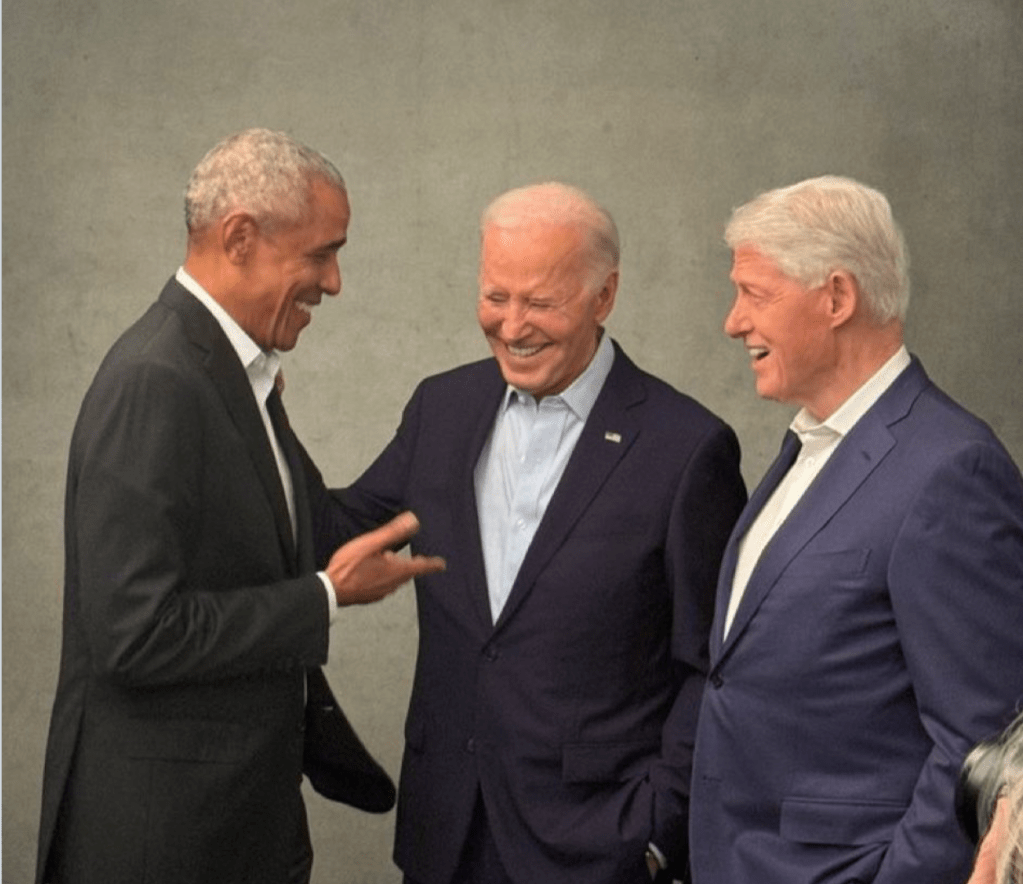
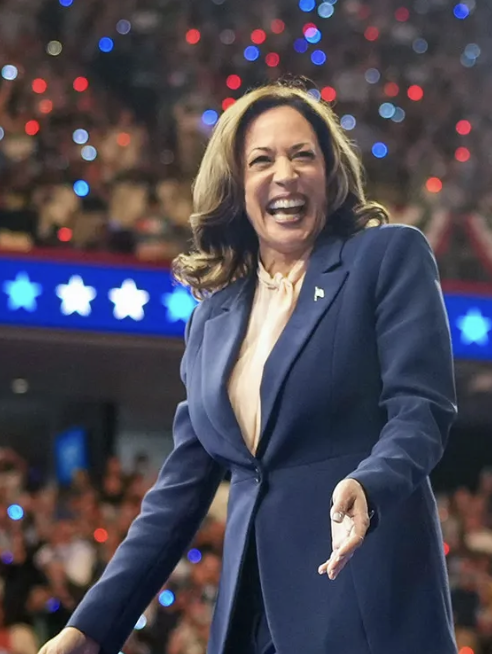



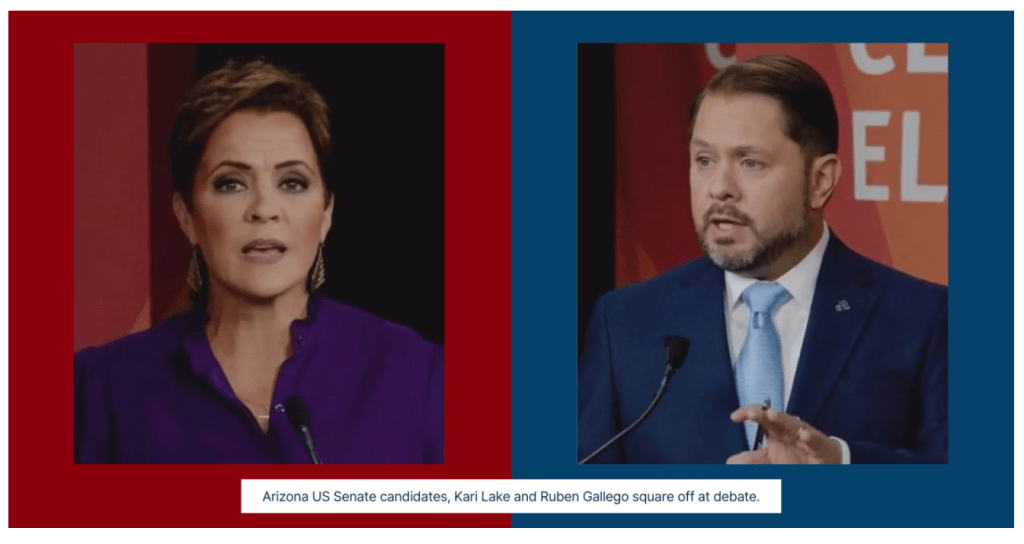










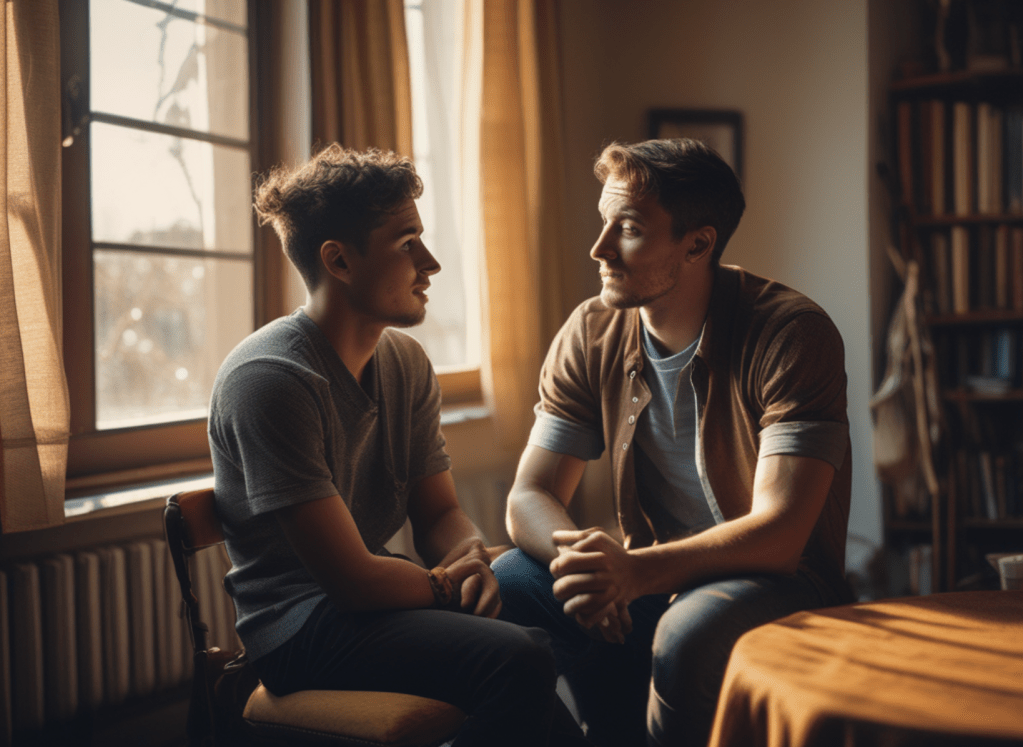
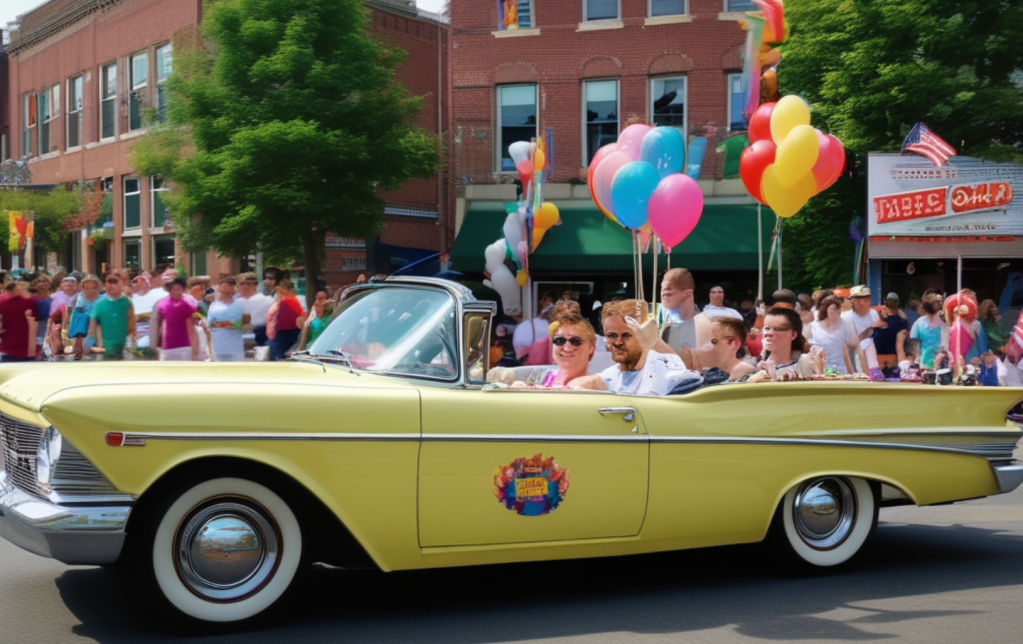
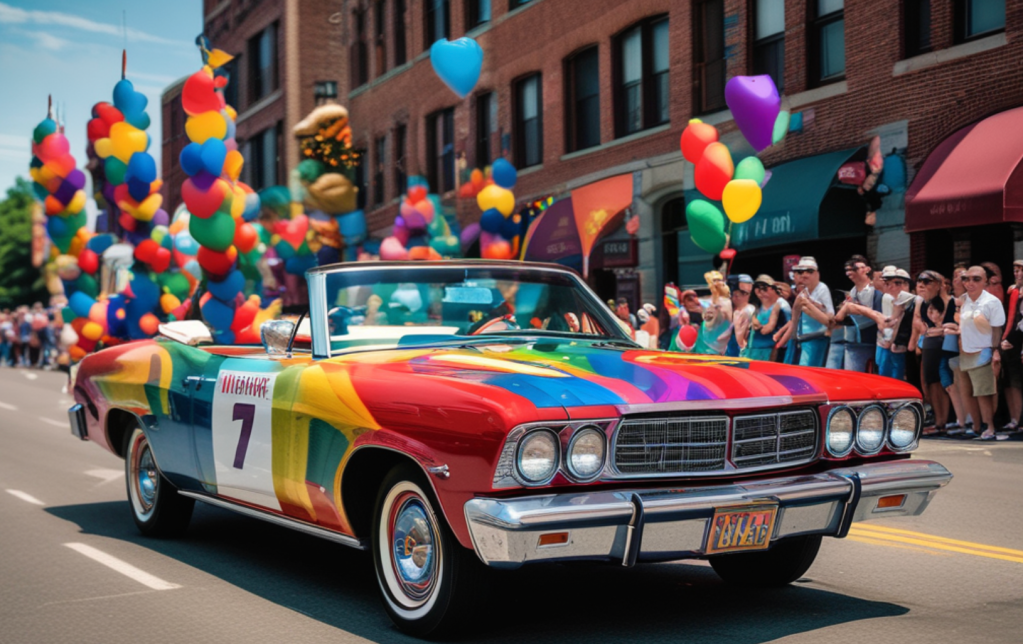


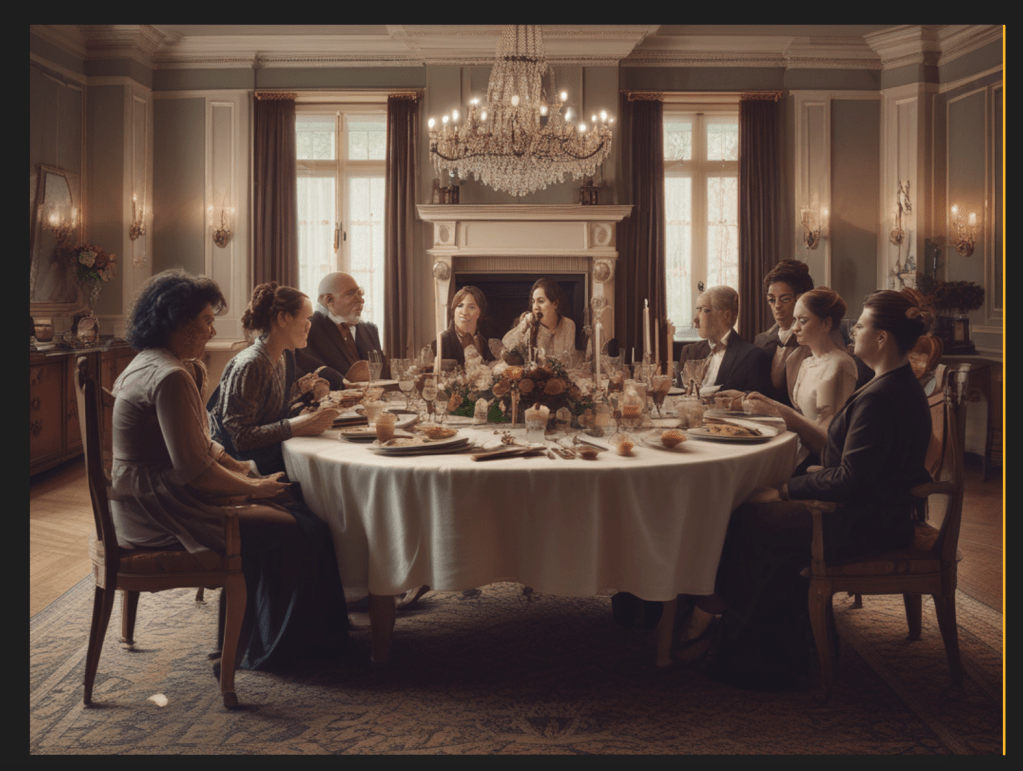


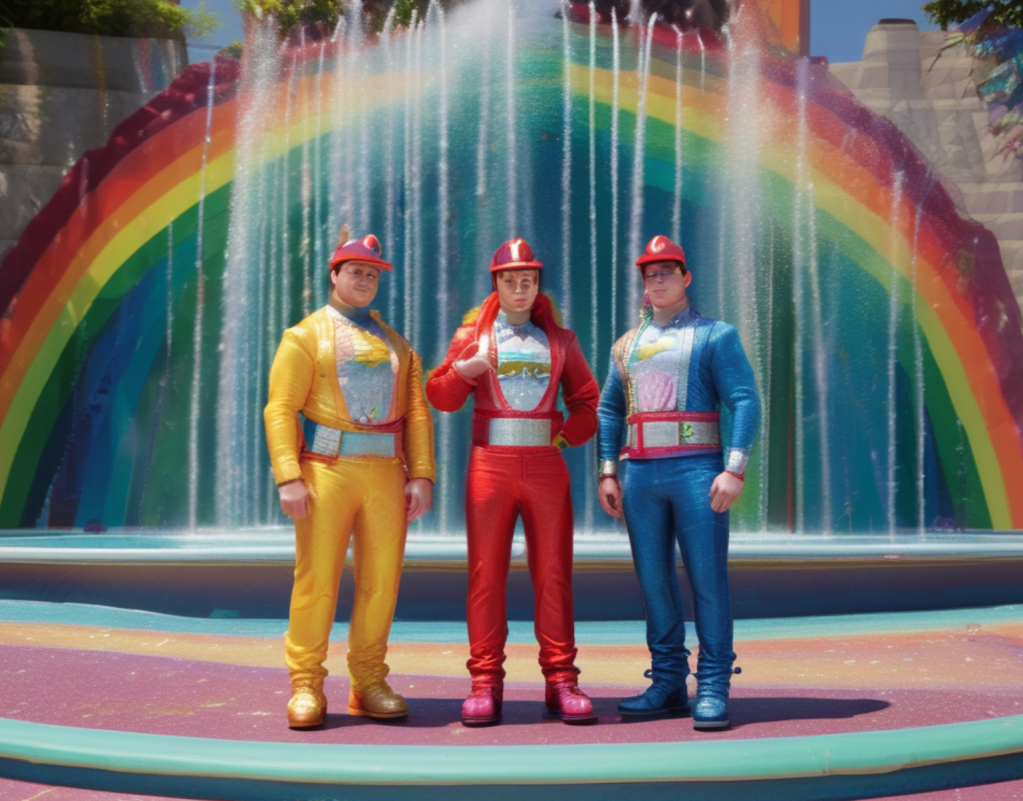
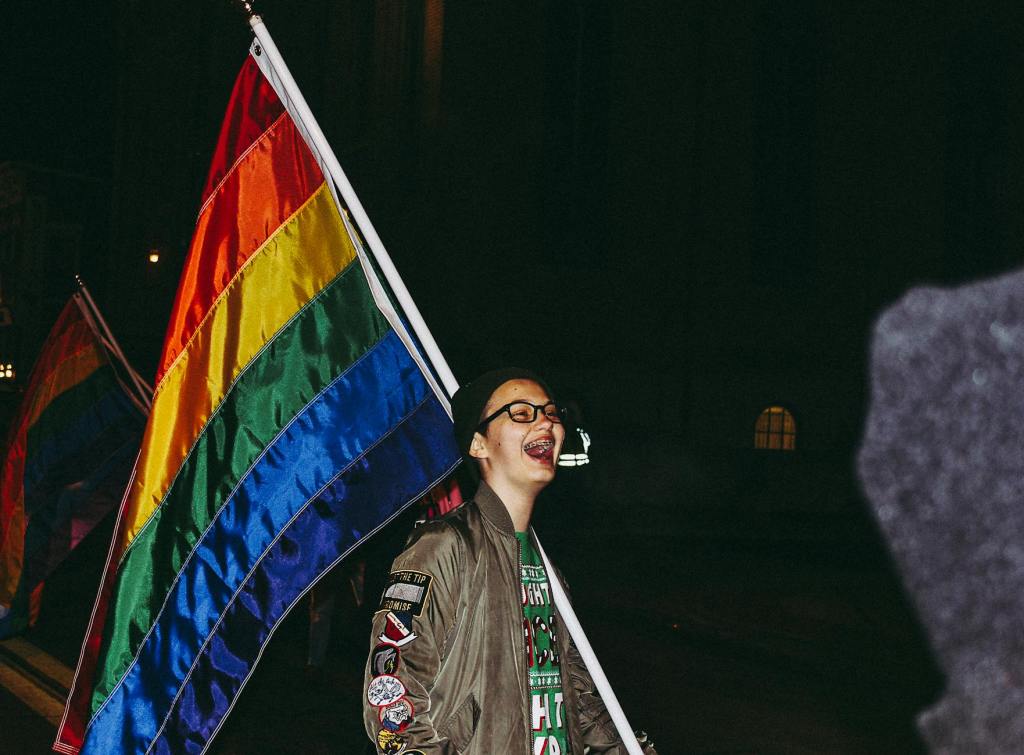



 benandsteve.com