
By Benjamin GroffMedia© | benandsteve.com | 2025 Truth Endures©
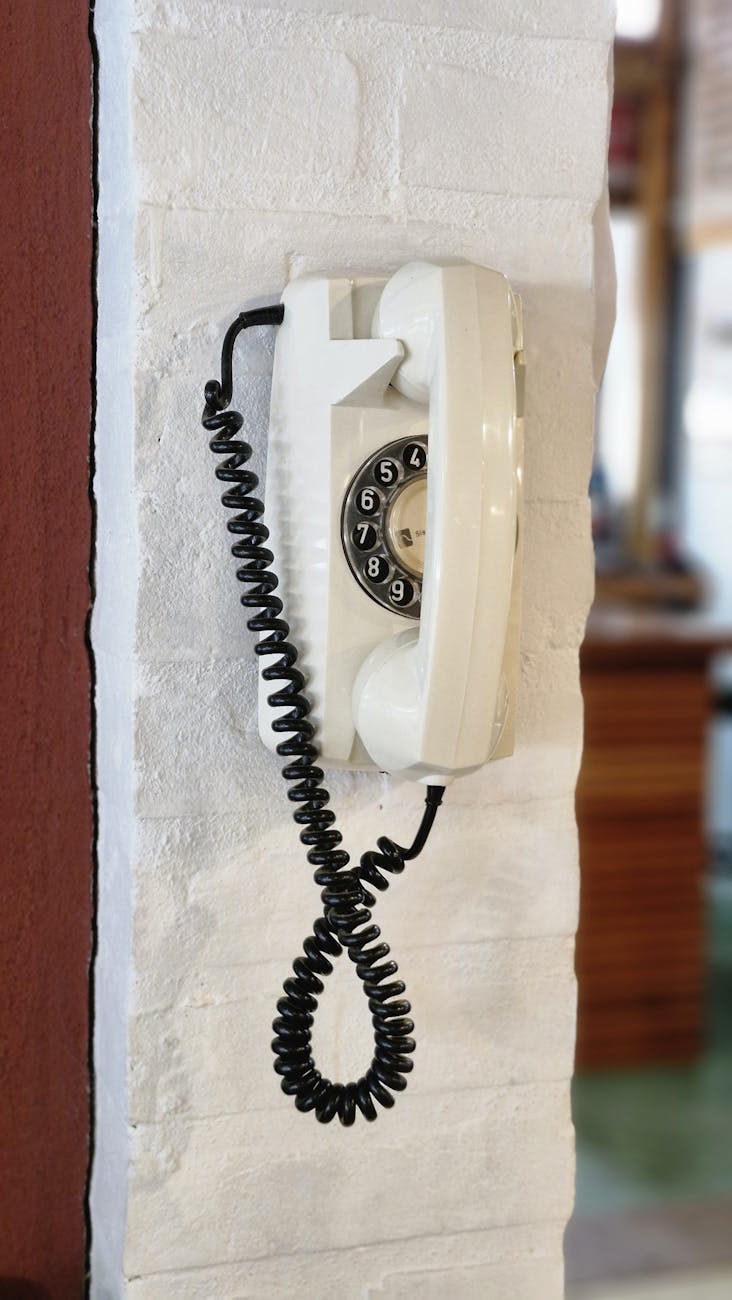
When Phones Were Tied To The Wall
I remember when the telephone was sacred. It wasn’t sacred in the biblical sense. It was sacred in how a thing becomes sacred through ritual and reverence. It hung on the kitchen wall. It was a beige rotary with a coiled cord. The cord always managed to tangle itself, no matter how carefully we stretched it. There was no strolling around the yard while chatting, no slipping it in your pocket. That phone was anchored to the wall, and in a way, so were we.
Back then, if you were expecting a call, you waited—at home. You couldn’t run errands or mow the lawn and hope they’d “just leave a message.” There was no voicemail, and answering machines were still considered a luxury or a spy device. If you missed a call, that was it. Maybe they’d try again. Or, they wouldn’t.
There was an entire culture built around the act of calling. If the phone rang during dinner, it was a dilemma. Do you get up and answer it? That would offend Mom, who just set the casserole on the table. Or do you let it ring and risk missing something important? ‘Important’ means anything—a job offer or a family emergency. More often than not, it was just Aunt Margaret from Tulsa, who forgot about time zones again.
It’s Your Dime!

Long-distance calls were a whole other beast. Before area codes were common knowledge, calling someone more than a town away was a financial decision. “Unlimited minutes” became a birthright later. You thought twice, maybe three times. Sometimes, you waited until Sunday after 7 p.m., when the rates went down. You’d hear people say,
“Make it quick; it’s a long distance,”
And suddenly, the air would tighten. Conversations became lean and efficient. There was no room for small talk when every second cost a dime.
And God help you if you live in a house with teenagers.
We had one line for the whole family. If someone was on the phone, that was it: no call waiting, no second line, no privacy. I sometimes sat on the front steps, listening to my older sister whisper sweet nothings to her boyfriend. At the same time, she stretched the phone cord into the hall closet for “privacy.” This meant insulation from our relentless teasing.
My Name Is In The Phone Book!
Phone books were gospel—fat and yellow and always near the phone. If someone’s number changed, you had to physically write it down in the back of the book. Otherwise, you risked losing it forever. If you didn’t know someone’s number, you called the operator, who answered with an almost magical,
“Information, how may I help you?”
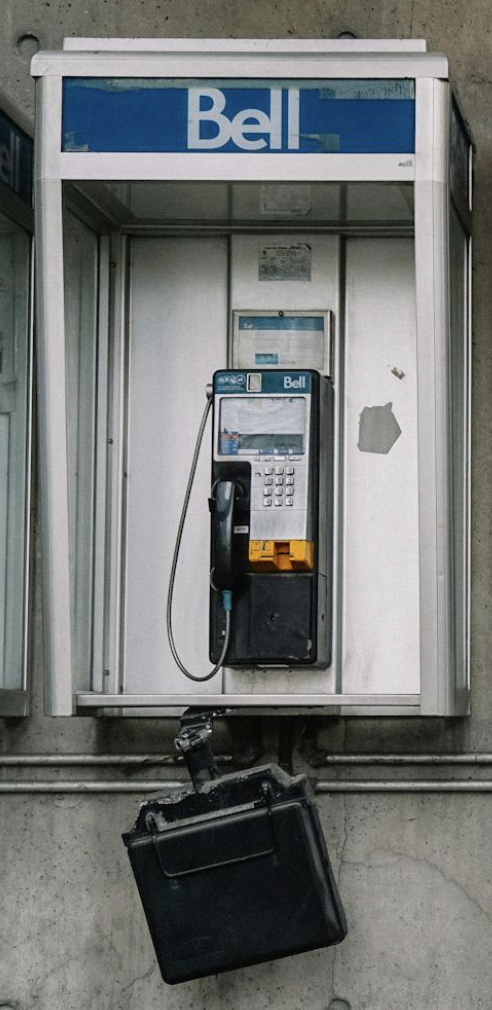
There was a time when arriving in a new town didn’t mean turning on a GPS. It didn’t involve scrolling through social media, either. Instead, it meant pulling up to a phone booth and flipping through the phone book. Every booth had one, thick and heavy, usually hanging from a little metal chain to keep it from wandering off. If you were looking for someone, all you needed was their name. You’d find their phone number listed alphabetically, and right next to it—their home address.
It was all just there, in plain ink, as ordinary as the weather report. Privacy wasn’t the concern it is today. Back then, being listed in the phone book was considered part of being a community member. It was how people stayed connected. Out-of-town relatives, old friends, and even traveling salespeople brought to your doorstep with just a name and a little patience. And it meant something to have your name listed in the phone book.
It’s funny now how phones used to ring, and everyone rushed to answer. It was exciting—an event. Now our phones ring, and we stare at the screen half the time like it’s a burden. Back then, it was a connection. A real, human voice carried over copper lines and across miles. There was a weight to it. You felt the distance.
It Is So Nice To Hear From You!

And maybe that’s what I miss the most—not the inconvenience, not the cords or the costs, but the intention. Calls were planned. Conversations were meaningful, not disposable. There was something beautiful about the limits. There was something grounding about a phone that couldn’t follow you around. There was honesty in waiting for someone to call and hoping they’d find you home.
Because that was the world then—tied to the wall, rooted in place, and always listening. It was a simpler time in many ways. Yet, it would confuse anyone who had never experienced the rotary telephone era.





 benandsteve.com