Island of Pure Silence – The Couldn’t Breed It Out

By Benjamin GroffMedia© | benandsteve.com | ©2025 

3–4 minutes

They called it Eden’s Key — though nothing about what came next resembled paradise.

Five families pooled their fortunes to buy a remote private island. They were unrelated and united only by ideology. The island is miles from any shipping lane. Their goal was singular and chilling. They wanted to build a bloodline so ‘pure’ it would never produce what they considered deviation. This included homosexuality, bisexuality, transgender identity, or anything that threatened their narrow vision of human perfection.

These pilgrims to the island had checked and rechecked each other’s families. There had been no known, reported, or openly known LGBTQI+ members in any of the families. There had also been no mental healthcare admissions involving anyone belonging to the family trees going to the island. There would have been seven families in total but two families didn’t pass the bloodline background. The group was made up of a doctor, chemist, preacher, farmer, carpenter, and a dentist. The plan was for each profession and trade to pass these skills to children. Children who were to be born into families on the island.

They constructed homes of pale stone and imported perfect soil for perfect gardens. Children were raised with strict doctrine. They were taught that love came only in prescribed forms. Anything else was seen as a contamination from a broken world.

And for the first generation, it appeared to work.

The island thrived. Crops grew. Marriages were arranged. Babies were born. And the elders congratulated one another on their success, believing they had outwitted nature itself.

But nature is patient.

Subtle fractures began to surface by the time the third generation came of age. There were lingering glances. Forbidden letters were exchanged. Hands brushed too long in passing. Whispers floated through palm-lined walkways. A daughter cried in secret over feelings she did not understand. A son locked himself in his room for hours. He stared at the ocean, hoping it can answer questions no one else can.

The Council called it sickness.

They tightened rules. Curfews sharpened. Surveillance increased. Shame became the island’s true currency.

Each new generation revealed an undeniable truth. The same percentage of LGBTQI+ identities emerged as existed beyond their shores. The very diversity they sought to erase bloomed organically within their controlled experiment.

The elders gathered in panic, pouring over family trees and blood records, searching for a contaminant that did not exist. The realization crept in slowly and bitterly — they had not escaped the world. They had recreated it.

And worse, they had bred it themselves.

Years later, a young woman named Elia stood on the highest ridge of the island. She held the hand of another girl. Both were trembling. Both were defiant. They were not sick. They were not broken. They were simply human. The ocean wind tangled their hair as the sounds of distant arguments echoed below.

“We were never the disease,” Elia whispered. “Fear was.”

When the first boats began to arrive — outsiders, journalists, doctors, activists — the island’s mythology unraveled. The story of Eden’s Key became a caution whispered across the world. It reminds us that identity can’t be engineered out of humanity.

The families who once prized isolation now faced the same reckoning their ancestors had tried so desperately to avoid.

And from the ruins of control rose a new truth, written not in doctrine but in courage:

You can’t uproot what lives in the soul.

Somewhere on that windswept island, between salt air and forgiveness, a generation finally chose love over fear. In doing so, they found a freedom their founders never imagined possible.


By Benjamin GroffMedia© | benandsteve.com | ©2025 

The Heartwarming Story of Jello: From Community Beloved Dog to Honorary Mayor of Millbrook

Jello, a spirited dog with golden fur, floppy ears, and a tail that wagged like a metronome, lived in the quaint town of Millbrook. He was a free spirit, beloved by all, and a fixture of the community, embodying the warmth and unity of Millbrook.

Jello had his routines. Every morning, he would trot to the bakery where Mrs. Thompson would have a fresh scone waiting for him. Then, he’d visit the school playground, where children would shower him with affection and sneak him bits of their lunches. Jello often spent afternoons lounging in the sun outside the library, where Mr. Caldwell would read to him from the latest novels. By evening, he would make his rounds at the town square, greeting everyone with a joyful bark before curling up under the big oak tree for the night. The community’s love for Jello was palpable, creating a sense of unity and togetherness.

The townspeople adored Jello so much that someone humorously suggested nominating Jello for Mayor when the mayoral election came around. The idea quickly gained traction. “Who better to represent our town than Jello?” they said. “He’s loyal, kind, and brings everyone together.” And so, in an unprecedented turn of events, Jello’s name appeared on the ballot.

As the election drew near, excitement buzzed through Millbrook. Posters of Jello, donning a makeshift mayoral sash, adorned shop windows and bulletin boards. The slogan “A Mayor Who Cares” echoed through the streets. But a week before the election, something terrible happened: Jello went missing.

Panic spread like wildfire. Where could he be? The entire town, deeply concerned, rallied to search for him. Kids formed search parties, calling his name through the woods and fields. Shopkeepers closed early to join the search; even the local police were on high alert. There were flyers everywhere: ‘Missing: Jello. Our Town Hero. Please Help!’. The town’s reaction to Jello’s disappearance was a testament to their deep empathy and concern.

As days passed with no sign of Jello, whispers of foul play began to circulate. The thought was too dreadful to bear, but the town’s unity shone through their worry. They held candlelight vigils, their collective hope a beacon in the darkness, a testament to their resilience and unity.

On the eve of the election, a familiar bark echoed through the town square just as hope was waning. It was Jello, looking a bit dirty and tired but otherwise unharmed. The townspeople greeted Jello with cheers and tears of joy. Mr. Caldwell, who had been leading a search party near the old mill, found him trapped in an abandoned shed, likely having chased a squirrel inside and gotten stuck.

The town’s relief was palpable. Shopkeepers cleaned him up, fed him his favorite treats, and gave him more attention. Election day arrived, and with Jello safe and sound, the town celebrated their unusual but heartwarming choice for Mayor. After tallying the votes, it was no surprise that Jello won by a landslide. Although the title of Mayor was symbolic, the gesture embodied the spirit of Millbrook: a community united by love, kindness, and the belief that sometimes the best leaders remind us of the simple, unspoken bonds we share.

Jello, the dog who roamed freely but belonged to everyone, was now the honorary Mayor of Millbrook. His tale became a cherished legend, reminding all who heard it of the power of community and the unexpected ways in which leaders can emerge.

LOVE ENDURES THE TEST OF TIME ESPECIALLY DURING A TIME WHEN LOVE COULD BE CHALLENGED

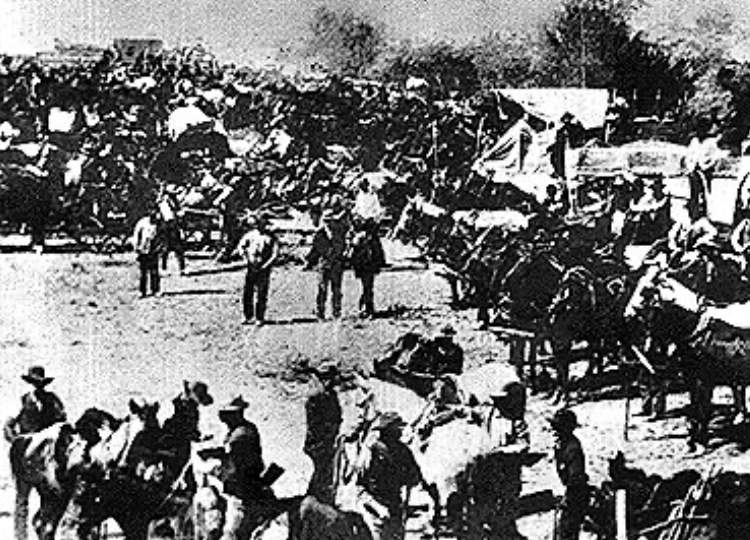
In the vast expanse of the Indian Territory, amidst the rugged terrain and the promise of new beginnings, two souls found each other amidst the chaos of land claims and dreams of prosperity. Vol Wilhelm Groff, a spirited young man with a penchant for adventure, and Joseph McElroy, a quiet and contemplative soul, crossed paths in the unforgiving landscape of Oklahoma in the year 1905.

The Indian Territory was a land of opportunity, where dreams clashed with harsh reality, and where individuals staked their claims in the hopes of carving out a future for themselves. Val and Joseph were among those brave souls, drawn to the promise of a better life on the frontier.

Their meeting was serendipitous, a chance encounter amidst the chaos of land rushes and bustling settlements. Val, with his infectious enthusiasm, captured Joseph’s attention from the moment they first locked eyes. Despite their differences in temperament, they found a deep connection that transcended words.

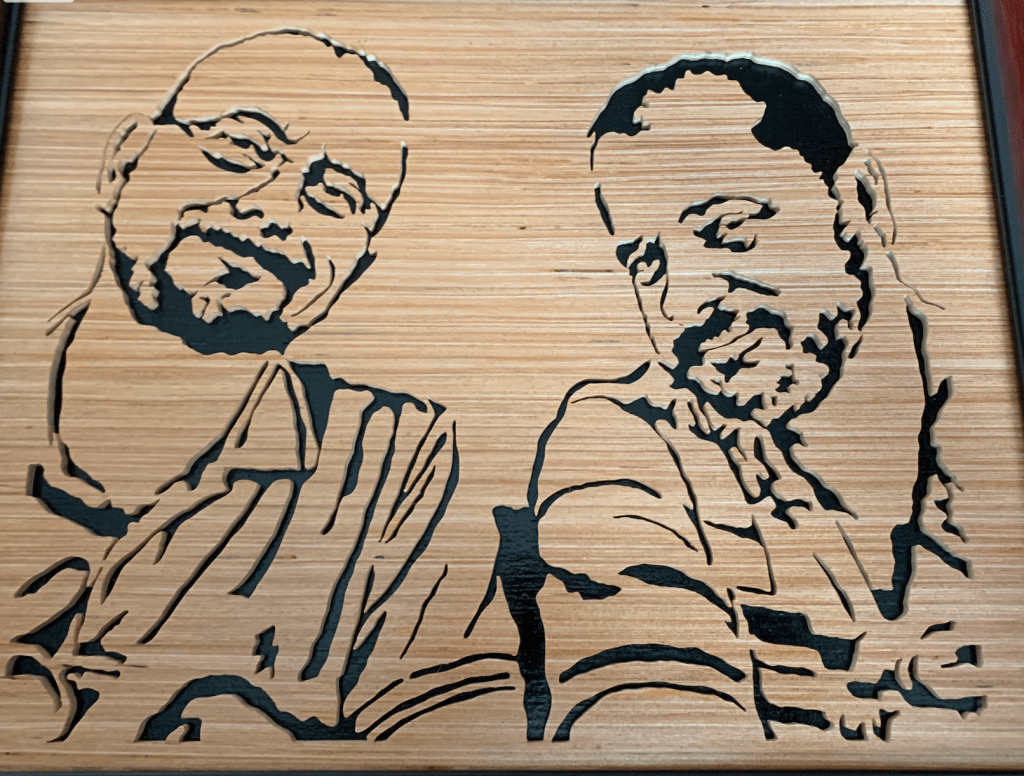
Val and Joesph
Photo Taken In Okarche Oklahoma

As they worked side by side, staking their claims and building their homesteads from the ground up, their bond grew stronger with each passing day. Amidst the challenges of frontier life, they found solace in each other’s presence, drawing strength from their shared dreams and aspirations.

But theirs was a love that dared not speak its name in the harsh reality of the early 20th century. In a world where societal norms dictated strict conformity, Val and Joseph had to tread carefully, concealing their love from prying eyes.

Yet, despite the obstacles they faced, their love endured, a beacon of hope in a world fraught with uncertainty. Through the trials and tribulations of frontier life, they remained steadfast in their devotion to each other, finding solace in the quiet moments shared beneath the starry Oklahoma sky.

As the years passed and the Indian Territory evolved into the state of Oklahoma, Val and Joseph’s love stood the test of time, a testament to the enduring power of love in the face of adversity. And though their names may have been forgotten by history, their love story lived on, a reminder that true love knows no bounds, not even the vast expanse of the American frontier.