Javier stood at the edge of the city park. Staring out at the bustling streets of his new home in America. The golden autumn leaves danced in the wind, starkly contrasting the memories of his war-torn homeland. Javier had come to the United States to find refuge and hope. Yet, the events unfolding around him now gave him an unsettling sense of déjà vu.
Back in his home country—a place he no longer dared to name aloud—Javier had watched the slow unraveling of society. It had once been a proud nation. Families like his owned small businesses. Children played freely in the streets. Communities were bound together by tradition and trust. Corruption spread throughout the country. Drug lords rose to power. Oligarchs infiltrated and bought influence with cold, hard cash. They sowed fear and discord, and before long, even the police and the government served their interests alone. The people were left with nothing but fear and silence.
He had fled that darkness, believing that America would offer something different. And for a time, it did. He found work, made friends, and even started to dream again.
But the cracks were showing. The unchecked greed was too familiar. The political maneuvering was too familiar. The way drugs crept into the neighborhoods under the guise of prosperity was too familiar. He watched politicians make promises while corporations tightened their grip on the economy. He saw his neighbors losing faith, their voices drowned out by the same wealth-driven forces he had left behind.
“No more tomorrows forever,”
Javier muttered under his breath, a phrase his grandfather used to say when hope felt like an illusion. He feared that history was repeating itself, that this land of opportunity was sliding down the same treacherous path.
One evening, Javier visited a local diner. He often met with his friend Michael there. Michael was an old war veteran who deeply loved the country he had served. Javier shared his concerns over cups of bitter coffee, finding solace in Michael’s understanding and wisdom.
“I’ve seen this before, amigo. Back home. The greed, the power, the division. It starts small, but it grows until there’s nothing left.”
Michael nodded, his tired eyes scanning the newspaper headlines.
“You ain’t wrong, son. This country’s got its problems. But we fight. We speak up. That’s the difference.”
Javier wasn’t so sure. He thought of his own country. There, people had fought and lost. Bullets and bribes had silenced voices for freedom. Yet, deep down, Javier wanted to believe Michael. He tried to think that this place still had a chance, that people could push back against the tide.
Javier left the diner. He looked around at the city skyline. The shining towers and the streets were filled with life. The battle wasn’t over yet, and maybe—just maybe—he could do something to help stop history from repeating itself.
The next day, he enrolled in a local community initiative to support struggling neighborhoods. Passionate individuals like himself led this initiative. They aimed to give resources and support to those most affected by the societal issues he had observed. He would share his story. He shared a warning and his hope. He believed past mistakes didn’t have to define the future. America still had tomorrow’s worth fighting for.
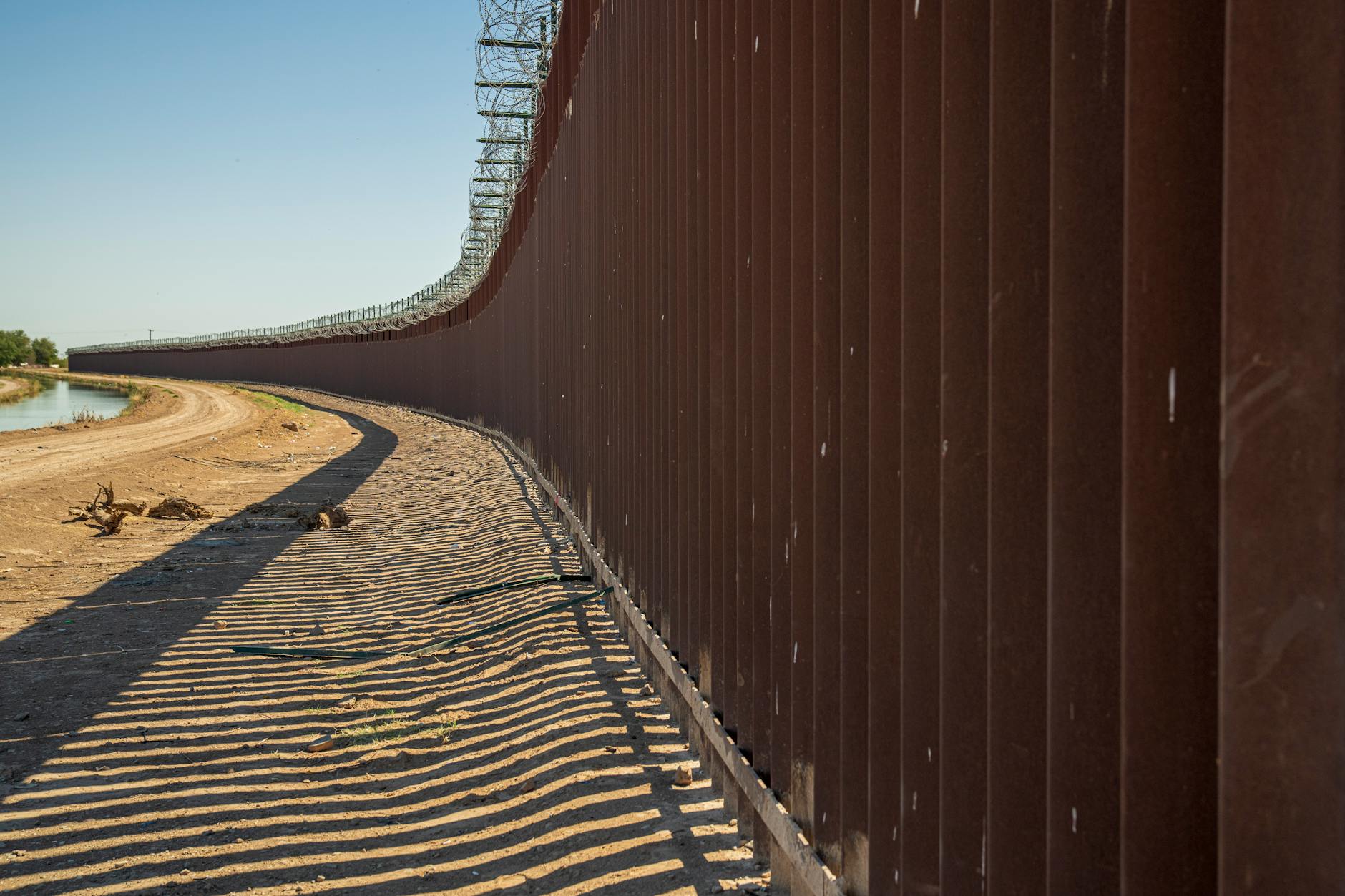
I want to delve into the Border Issue, a topic that often dominates national news and political discussions. As a resident of Mesa, Arizona, and a frequent traveler across the state, I’ve never encountered the dramatic scenes that the media often depicts. There have been no families from Central America camping in my front yard or streams of people crossing into nearby towns. This stark contrast between media portrayals and my personal experiences is a puzzle that I’m eager to explore.
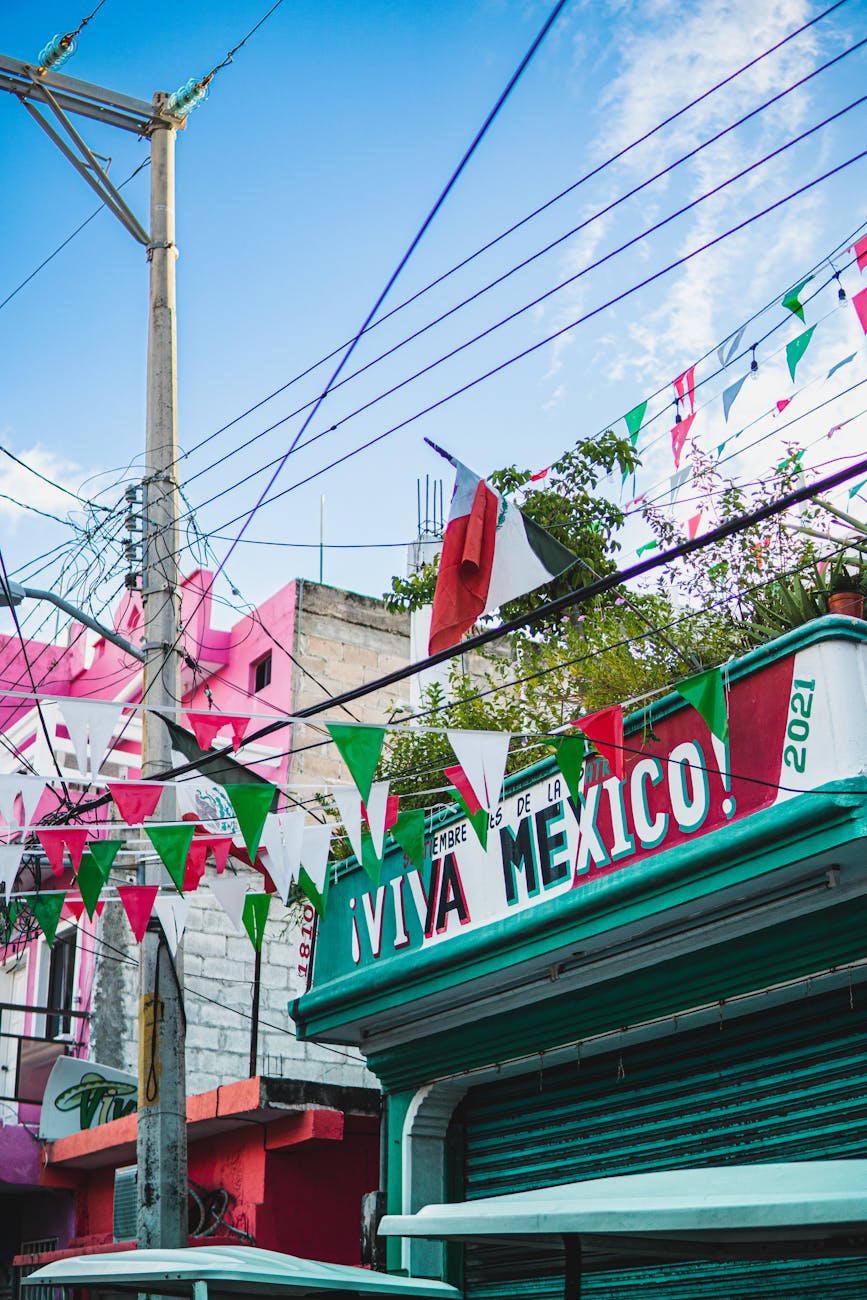
It’s interesting to note that I know individuals who firmly believe in these media portrayals. Some have even ventured to Mexico, confident that the Border Patrol would ensure their safety. Upon their return, I eagerly inquired about their experiences, expecting tales of chaos. To my surprise, they described the areas as eerily quiet—almost like ghost towns. They reported no issues crossing the border and found the most challenging part of the journey to be the drive itself.
Despite these personal accounts, the news continues to show what’s framed as thousands of people crossing the border here in Arizona. While I acknowledge that some may exploit entry points or policies, I struggle to find evidence of this on the ground. It raises questions: where are these images and reports coming from, and are they truly reflective of the situation here?
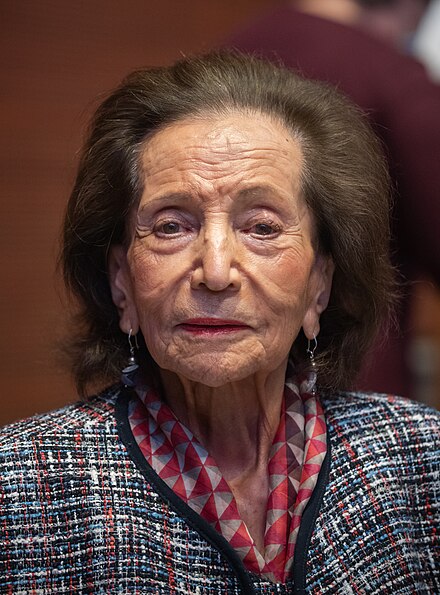
Ifigenia Martha Martínez y Hernández (16 June 1925 – 5 October 2024)
Ifigenia Martha Martínez y Hernández, a distinguished Mexican economist, diplomat, and politician, passed away on 5 October 2024 at the age of 99. Throughout her life, she was a pillar of Mexican political and economic thought, serving her country with dedication and vision.
Born on 16 June 1925, Martínez completed her undergraduate studies in economics at the National Autonomous University of Mexico (UNAM) and pursued further education, earning a master’s degree in economics from Harvard University. Her passion for academia and public service led her to become the head of the Faculty of Economics at UNAM, a position she held from 1966 to 1970. Her influence extended beyond the classroom, shaping the next generation of Mexican economists.
Martínez was not only a scholar but also a trailblazing politician. Over her illustrious career, she was affiliated with several prominent political parties, including the Institutional Revolutionary Party (PRI), the Party of the Democratic Revolution (PRD), which she co-founded with Cuauhtémoc Cárdenas and Porfirio Muñoz Ledo, and the National Regeneration Movement (Morena). Her commitment to Mexico’s development and progress led her to serve multiple terms in the Chamber of Deputies, first elected in 1976, and later in 1994, 2009, and 2024. She also held a seat in the Senate, representing the Federal District in 1988 and serving again in 2018 through proportional representation.
One of the crowning moments of her political career occurred just days before her passing, when she presided over the inauguration of Claudia Sheinbaum as President of Mexico on 1 October 2024. In a historic ceremony, she had the honor of handing Sheinbaum the presidential sash, symbolizing a peaceful and democratic transfer of power.
Ifigenia Martínez’s legacy will live on through her immense contributions to Mexican politics, her advocacy for social justice, and her unwavering commitment to her nation’s well-being. She leaves behind a lasting imprint on Mexico’s political landscape and will be remembered for her intellect, leadership, and grace.
She is survived by a grateful nation, which honors her profound impact on its history.
Welcome to our home chat page, where you will find a wealth of information. Thank you for stopping by. You can visit the main page of our website which has all the goods, this is only a primer! If you go there, you can check the various pages and find on your tour there are plenty of subjects to conquer any interests most people may have. If you are a member of our community and we are missing a view contact us through our contact pages. Again thank you for finding benandsteve.com find a sample of things here!
This Is An Important News Tip That You Should Take Note Of -And, It Should Be In The Mail Boxes Of Everyone You Know!
These 40 House Republicans voted against millions of dollars in federal funding that they secured for their districts
83 House Republicans voted against a bill to fund large portions of the federal government.
40 did so despite securing millions of dollars in funding for their districts.
It’s another example of “vote no, take the dough.”
On Wednesday, 83 House Republicans voted against a roughly $460 billion package of bills to fund large swaths of the federal government.
Forty of them did so despite requesting — and securing — millions of dollars in federal funding for a variety of projects in their districts.
Take Rep. Lauren Boebert for example. The Colorado Republican announced on Wednesday that she would vote against what she dubbed the “Swamp Omnibus,” slamming the bill as a “monstrosity” that “funds the Green New Deal.”
That’s despite the bill including more than $20 million that she herself had requested for projects across the state’s 3rd congressional district, which she recently abandoned to seek reelection in a safer district on the other side of the state.
Read the complete report by visiting BUSINESS INSIDER HERE!
Click the image to get more details!
Visit the image above for details
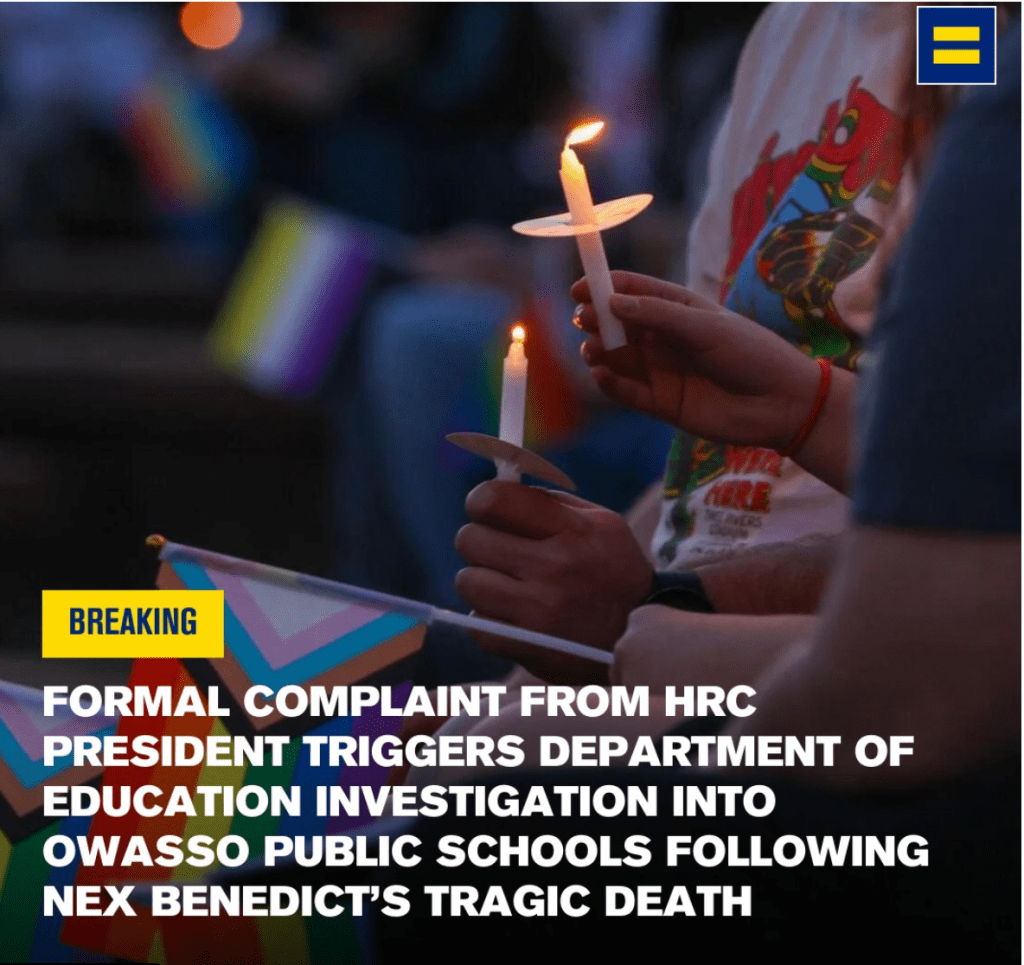
Congressman Mark Pocan (D-WI) has laid out a path forward for LGBTQ+ equality, which prioritizes defeating Donald Trump in November and pushing the right’s more extreme elements out of the mainstream Republican party. Americans can be convinced to support LGBTQ+ rights, but Trumpism — or, in Pocan’s words, “that hate, base-only mentality” — must be divorced from the Republican party.
Because, outside the most right-wing parts of the GOP base, there isn’t much support for lawmakers spending so much time attacking LGBTQ+ rights. Continue reading the report here…
Missing My Dad’s Funeral
At thirteen, I went to sleepaway camp, consumed by crushes, the Red Hot Chili Peppers, and my father’s worsening battle with aids. By Emily Ziff Griffin
The Last Dance with My Dad Emily Ziff Griffin on a trip with her father before he died of AIDS.
My first memory in life is of my father moving out. We lived in a two-bedroom apartment on the second floor of a carriage house on a quiet, dead-end lane in Brooklyn Heights. It was 1980, and he was leaving because he’d finally admitted to my mother that he was gay. I watched from the doorway of my room as my dad and his friend carried a wide wooden dresser down the stairs. I was two years old, and that moment etched itself in my mind, along with the texture of the apartment’s kitchen floor—white linoleum with little black specks.
My dad eventually settled in the upper half of a brownstone a few blocks away, in a three-story apartment that became the headquarters of an advertising agency my parents started together soon after they separated. I spent Wednesday nights there, along with every other weekend. After work, my father would come downstairs and prepare a small bowl of Lay’s potato chips, and we would watch “CBS Evening News” with Dan Rather. A story about the hijacking of T.W.A. Flight 847, in which passengers with Jewish-sounding names were isolated and threatened, left me concerned. My father wasn’t religious, but he was Jewish, and so was our last name. “They usually let the women and children go,” my mother assured me later when I suggested I use her German name if I ever got a passport.
After the news, my dad would listen to Ella Fitzgerald and cook dinner—steamed artichokes, maybe roasted fish—and I would play “office” alone at one of the desks upstairs, writing important memos and answering phantom calls. “I’m sorry, he’s unavailable—can I take a message?” I’d say, satisfied by the smooth click of the phone connecting with its cradle. My father was a marketing executive who had worked with the Brooklyn Academy of Music in the seventies before he and my mom started their company. He would often take me to see modern dance in Manhattan. Alvin Ailey, Trisha Brown, and Paul Taylor were all clients, and he took every opportunity to expose me to their work. Walking through the lobby of City Center was like striding alongside a prince. My dad was tall, handsome, young, and at the height of his creative powers. He dressed in Armani suits and bold neckties that signaled a hint of irreverence. Everyone in the dance world knew him. It was Dad’s domain, and I felt important because of his identity. In my regular life, I was terrified that my friends would discover that he was gay and that my family wasn’t like everyone else’s. In the theatre, the lights would dim, the curtain would rise, the music would start, and my father would take my hand as the dancers took the stage. For my father, it was one way we connected. We never learned to discuss hard things, but we shared this liminal space where bodies told stories, and words weren’t necessary.
It was very different at my mother’s house, which was quiet and small, a mere six hundred square feet, and where she often seemed tired or, as I imagine now, being a mother myself, weighed down by things. On Sunday nights, we watched the detective procedural “Murder, She Wrote.” Unlike in the world chronicled by Dan Rather, in this show, the crime—the problem—was always solved. On Mondays, it was “Kate & Allie,” a sitcom about two divorced moms who share an apartment. Perhaps their story gave my mother comfort as a young woman whose livelihood intermingled with her ex-husband, who had unceremoniously left her for another man. At the very least, these shows provided enjoyment and filled empty spaces when we didn’t feel like talking.
I found myself looking for normalcy in other people’s real-life families. I would often go to the Millers’ down the street (all names except those belonging to family members made a change in this story). Their daughter, Callie, was around my age, and if I slept over on a Saturday night, on Sunday, the family would invite me to church, where Callie’s father was an Episcopal reverend. We were not religious ourselves—my father didn’t go to the temple, and my mother was a Midwestern Protestant who referred to Christians as “God people.” But, even at seven and eight years old, I loved going to church, the smoke of frankincense and organ tones so deep and rich they seemed to vibrate inside my body. There were no surprises, and I liked bing told God would take care of me. And then, when I was nine, my mom and I left the neighborhood for a slightly more prominent place. We were just a mile away, but I quickly drifted apart from Callie and her family. As I moved into adolescence, I longed for the feeling of escape and safety I had found with them. By then, my father had been diagnosed with aids, something I did not feel I could discuss openly with anyone, not even my parents.
In December of 1991, when I was thirteen, I took the train to Baltimore to visit my best friend from sleepaway camp. Samantha Silverman took up space. She played lacrosse and was opinionated and seemingly unafraid of boys and life. She was also the youngest of three—her older sister was away at college, and her brother Teddy was in high school. Teddy was tall, played water polo, and was obsessed with the Red Hot Chili Peppers. I had never heard of the band, but when I visited Sam, I pretended I had.
I loved being at their house. Sam’s mother, Carol, worked part-time at a local news channel but was first and foremost a mom. She’d put a package of Velveeta in the microwave with a jar of salsa and served it with a mountain of chips and a direct gaze that said, “Come, sit, be, enjoy.” She wore voluminous cashmere sweaters that draped over her soft middle; hugging her felt like embracing a warm cloud. She was a mom who smiled and giggled. They had money—Sam’s dad was a surgeon—and plush wall-to-wall carpeting and a family room with a giant L-shaped sofa and a wide-screen TV, where we spent all our time. It seemed inevitable by then that my father was going to die. I was still afraid to talk about his illness with anyone, yet it was always there, hulking like a monster’s shadow. At least at Sam’s house, the shadow stayed outside, banished by the delicious snacks and the warm cloud of a mother, by a good friend and her handsome older brother. The Chili Peppers’ “Blood Sugar Sex Magik” had been released only a few months earlier, and Teddy would disappear into his room to blast the album. At the same time, I would think of excuses to talk to him, never mind that he was five years older and had a girlfriend and that I was just a kid.
On New Year’s Eve, the Chili Peppers performed on MTV, all shirtless and buff, sweaty with effort. The lead singer, Anthony Kiedis, his long hair swaying behind him, sang “Give It Away,” whose lyrics we (or maybe even more accurately, I) interpreted at the time as unabashedly demanding a girl’s virginity. A silver handprint was pressed onto the crotch of his black skater shorts, like a ghostly mark of desire. Watching him, I imagined that Teddy wanted to cradle a bass guitar and feel the thump and hum of the music surrounding him, to be held by a crowd, to be cheered for and adored. I don’t remember if it was that night or the next, but I found myself alone with Teddy in the family room at some point. Everyone else had gone to bed. We were watching a movie and decided to watch another when it ended. He lay on the floor; I sat on the couch. I pictured him getting up and moving toward me. He would kiss me, and I would let him. We would laugh at the impossibility of it even as it was happening. I would, at that moment, capture this elusive other life I wanted so badly—one where I was unique enough to overcome such barriers as the girlfriend, the age difference, the “sister’s friend” status, and, though it was something he didn’t even know about, the gay father with aids. I don’t know if Teddy was engaged in a parallel fantasy because I didn’t dare to ask, and he never made a move.
The next day, my mother called. My father had been found in his apartment unconscious and was now in the hospital. He was stable, but he couldn’t walk, and he was having trouble speaking. They suspected an infection. They thought he would be OK, but given the nature of aids, they weren’t sure. I said nothing about any of this to the Silvermans. Now, it seems outrageous and heartbreaking that I felt I needed to keep silent, but at that time, many people were afraid to come near an HIV-positive person. The Silvermans might have been angry. They might have been worried. Worse, they might have loved me anyway, and I found it necessary to hide my vast need for their love.
I took the train back to New York and gazed through the window at the bare trees. I felt heat coming through the vents and inhaled the smell of stale coffee drifting down the aisle. I thought about wanting the impossible: Teddy to kiss me, my father to live. The two desires had no overt relationship, yet they seemed to exist in tandem, as though one miracle could make the other possible.
Back in Brooklyn, I went to the local record store and bought “Blood Sugar Sex Magik” on CD. The album was like the tides—throbbing, aggressive tracks like “Suck My Kiss” and “Give It Away” interspersed with softer, more contemplative songs. It sounded like I felt. I wanted to scream into a microphone. I tried to kiss Teddy Silverman and tell him that I thought he was hot and my dad was dying.
That night, I spoke to my father on the phone, and the cord wrapped around my fingers like an anchor. Slurring his words, a mix of fear and steadfastness in his voice. Despite how he sounded, he was calling to let me know he was OK. I told him that I loved him. I didn’t allow myself to cry.
Later, I looked out my bedroom window at the dark winter sky, the neighborhood asleep as Kiedis’s voice drifted through the air: “It’s hard to believe that there’s nobody out there. . . .”
Within days, I went back to eighth grade, and my father went to stay with his parents at their home in Rye, New York. My grandparents, Ruth and Solomon, raised my father and his sister in the Bronx, then, as their circumstances improved, moved to Chappaqua and eventually to Rye, on the other side of Westchester County. Solomon had managed a successful career as a paint distributor, but Ruth had built most of their wealth as an advertising executive.
Their house was grand—two sprawling stories overlooking Long Island Sound, most covered in cream carpeting, like at the Silvermans’. The bathrooms smelled like baby powder and old lipstick. It was late January, cold and barren outside. My father had been relegated to a guest room downstairs, far in every sense from the upstairs living spaces where the family would gather on holidays. As the Sound churned silently beyond the windows, he worked on walking again. My father had been there for a couple of weeks by the time I went to visit. On my first morning, my grandparents and I watched from the hallway outside his room as he slowly made his way up the wide, carpeted staircase. We acted amazed, like encouraging a toddler’s amble across the floor. When he reached the sixth step and turned to come down, my grandmother said, “Tomorrow it will be seven.” My father’s face fell. Decades later, I understand her comment more as a defense against reality than an attempt to shame him into progressing faster. She, too, was trying to keep the monster’s shadow at the door.
In any case, my father wanted to return to his apartment, and within several weeks, he was well enough to do so. By then, he was living in a one-bedroom on the Upper West Side of Manhattan—a lifelong goal. I slept on a convertible sofa in the living room when I visited. My dad was back home, but he still couldn’t walk. Kaposi’s sarcoma now covered his legs in purple lesions. During the day, he had a nurse named Lester who would lift him in and out of his wheelchair and take him for walks. One of his friends, or sometimes my mother or I, would stay with him at night. I don’t remember what we did for dinner—I must have helped serve takeout or bake a frozen pizza. I also don’t remember discussing anything in particular, not how sick he was. One night, while staying there, I was awakened from a deep sleep. My father was calling for me. I stumbled into his room, and he showed me his bedpan, full of excrement. He told me to get surgical gloves from the bathroom, come back and retrieve the pan, dump the contents in the toilet, remove the gloves, and wash my hands. His eyes were glassy, his voice soft—he was embarrassed. I nodded and left his room. I turned on the bathroom light and saw myself in the mirror. Small breasts. Pimples. Long, wavy hair. I was a child and yet not a child. Had I ever even been a kid? I was shaking slightly as my hands reached for the bedpan. I wondered if I could catch aids. Afterward, I went back to the living room. I thought about the Millers and the prayer that they would say at bedtime, which ended, “If I should die before I wake, I pray the Lord my soul to take. . . .” Those words were supposed to be a safeguard against eternal suffering after death. But what about eternal suffering before death? I didn’t want the Lord to keep my father’s soul. I wanted my father to survive.
I didn’t know, as I lay there in the dark, my hands still damp from washing them, that this would be the last night I would spend in my father’s home. After, my parents concluded it was too much responsibility for me to be there alone, too complicated, too risky. They were right. Spring came, and my father got sicker and sicker, more and more frail. School ended, and it was a relief to know I was heading back to Evergreen, the sleepaway camp in Maine where I had gone every summer for the past five years. It was the same camp my father had attended when he was young, and I would be there for eight weeks. The day before I left, my mother and I went to my father’s apartment to spend time with him. I stood on his right as he lay in bed. His fingernails were longer than they should have been. His hands were skin and bones, nothing like the strong hands I had once held in the dark at City Center. I bent down and kissed his hollow cheek. I told him that I loved him. I told him I would miss him and see him when I got back, though there was little doubt in my mind that this was our last goodbye. He kissed me and nodded. Yes, he said. We’ll see each other then. I walked out, past the wide wooden dresser he’d once carried down the street, and into the stark hallway of his modern doorman building, my mother behind me. The following day, I went to camp. It wasn’t until I was sitting with Sam Silverman under the pine trees the first night, loons calling on the lake, a campfire crackling against the chill, that I felt I could breathe.
Days passed, and I settled into camp life. I water-skied over the lake’s glassy surface, my legs solid underneath me, the hum of the boat’s engine the only Sound. I played tennis, where I raged against the ball, screaming through every shot. I thought about my father, but the sunlight, the familiar routines, and a crush I was developing on a boy named Ben Goodstein kept the dark shadows away. On Saturday, July 4th, I woke up in my cabin, which I shared with Sam, two other girls, and a counselor. It was drizzling. The five of us dressed brushed our teeth and hurried to breakfast in ponchos and duck boots. Halfway through the otherwise unremarkable meal, Lynn, the camp director, came to our table and told me she needed to see me after breakfast.
A weird electric wave spread through me. I knew what this meant. I looked at Sam. “You have to come with me,” I said. But she had no idea why Lynn wanted to see me, no idea that seven months earlier, I had left her family’s home in Baltimore while my father was at the hospital in admittance. In some ways, she had no idea who I was.
When Lynn returned at the end of the meal, I asked if Sam could come with me, but Lynn said she needed to speak to me alone. I followed her out the side entrance of the dining hall, across the grass, to the bungalow she shared with her husband, Bill. I glanced at the wood structures that dotted the path: the sailing shed and the other cabins. How long had they stood there? The camp had been in Lynn’s family for decades. My dad had been a camper, then worked there, building the radio station and heading up the theatre program. He and Lynn were the same age; they had been friends. Were these buildings here when they were kids? Had my father walked this exact path before me?
We entered Lynn’s cabin, where Bill awaited us, and we all sat down. “I think I know what this is,” I said. Bill told me that my father had died that morning. I didn’t think about it at the time, but my dad’s death was a loss for Lynn, too. Bill said that I should call my mother.
I went to the phone in the next room. The windows faced the lake. No longer bright and blue under the shining sun, it was almost black as clouds twisted overhead. I dialed my father’s number. My mom answered. Her voice was high and bright with emotion. She said everyone was there—my father’s parents, sister, long-distance boyfriend, and best friend. She said they thought he was gone the night before, but he wasn’t. “He waited for the Fourth,” she said, “so there would be fireworks.” That was very him, I thought. He had always had a sense of occasion.
And then my mother asked me, “Do you want to come home?” Though I had known on some level that my father would not survive my two months away, I hadn’t considered what would happen when he died. I had made no plan. My mother said that my aunt was adamant that I come home and that I would regret it for the rest of my life if I didn’t. But my mom had once told me that when I was born after the chaos of delivery had passed and she was alone with me in her arms, she had looked down at my face and said, “You are not my property.” I was a child, yes, but I was also my person, capable of making decisions about my life. So what did I want to do?
I pictured myself surrounded by adults with tear-stained faces. They’d squeeze my shoulders and leave lipstick marks on my cheeks. Worse, some might be hysterical, and everyone would be looking at me. That poor girl, they’d be thinking as they watched to see what I would do, what I had to say. I didn’t have anything to say. On the way to the dining hall, I wanted to be with my friends, see the pine trees overhead, and feel the crunch of gravel under my feet.
“I want to stay at camp,” I told my mother. “OK,” she said. To this day, being able to stay at camp is one of the greatest gifts my mother ever gave me. My father’s illness had made everything about my life feel abnormal. I didn’t want to go back to that, not yet. Though Lynn and Bill knew the truth, we told my cabinmates that my dad had died of cancer. It seemed more manageable and safer that way. Everyone looked at the floor; none of us knew what else to say.
Because it was raining, there was bingo in the dining hall. I went, but because my dad had just died, I didn’t have to play. I sat alone on the upper level, watching the other campers play below me. My thoughts filled with spaces of drones and letters that were the announcer calls. He’s gone. Gone where? Should I be crying? I didn’t want people’s pity.
I got up and went outside. I walked down to the lake. My father used to swim in this water. I pictured him in the distance as a boy, his arms gliding like oars, his legs kicking to keep him afloat. I thought about him in his apartment where I’d left him, in the bed across from the expansive wooden dresser. I looked to the sky. I wanted a bolt of lightning—a bird. I wanted my father to appear, glowing like a saint. I wanted him to tell me that everything would be all right, that he was still with me. A row of Sunfish sailboats rattled against their moorings. I could feel the kids inside looking at me through the dining hall windows. I went back inside.
After lunch, I found Ben. I told him that my dad had died that morning. He looked confused, then concerned. He reached forward and hugged me. “I’m sorry,” he said. I said that it was OK, the way you might after you accidentally dropped a sandwich on the ground, like, It sucks, but, hey, that’s the way it goes sometimes.
That night was the Fourth of July carnival. Everyone dressed in red, white, and blue and went to a clearing by the lake where partiers placed games. Somebody gave us paper tickets that we could use for throwing a whipped cream pie at a counselor or swinging a sledgehammer like an axe to ring a bell. There was the buzz of girls gossiping, the hoots and hollers of prize-winning kids. The tug of Sam’s hand on my arm—Let’s go here, now there—meant I could be like every other kid that night. I could run, play, laugh. I could whisper about the guy approaching her or how good Ben looked in his chambray button-down and jeans. I could put aside everything except what was right in front of me.
At the end of the carnival, we all headed to the lakefront for fireworks. Fireworks. My mom’s words rocketed through my mind as I sat on the damp ground. My father waited for this. The show was for him, and my being there, watching it, meant that we were together. I sat, with Sam Silverman on one side and Ben Goodstein holding my hand on the other, looking out at the water as the first bloom of sparkling light erupted overhead. I heard the Chili Peppers in my head: “The stare she bares cut me / I don’t care, you see, so what if I bleed?” What if I had told my father a real goodbye? What if I had told everyone the truth? What if I had let people see me cry?
I had entered an alternate reality, not like the one found in a chapel or the rooms of someone else’s house. One that was real—indelible and mine. One in which there was loss, yes, but there was also light bursting in the sky. There was a hand in mine. My mother was back home, honoring my father in the way he deserved. There was my grandmother, Ruth, telling the stories of her son’s young life. And somewhere, there was music, a curtain rising, and dancers ready to take the stage.
~CREDITS~
New Yorker Favorites • A reporter’s relationship with Kurt Cobain before and after the singer’s death. • Who owns London’s most mysterious mansion? • The politics behind the creation of “Harriet the Spy.” • The aesthetic splendor of “The Simpsons.” • Fiction by Alice Munro: “Passion.” Sign up for our daily newsletter to receive the best stories from The New Yorker. Emily Ziff Griffin is a screenwriter, producer, author, and essayist. Her début novel, “Light Years,” was published in 2017.
Because LEVITICUS is so damn important to daily living, and the Christian nation this world is.
The verse tells us we are wasting billions yearly by blocking the borders of nations. If we believe in a God, it is all one, and there are no lines of division. The arguments over the border are sinful in that we are saying God’s people are not allowed to generate among their own. Attempts to vote in favor of those who would cast a vote to block the borders of a nation would be an act of blasphemy. Rev. Groff, Roads End Ranch Chapel.




 benandsteve.com