Killed Walking Along The Highway – How A Killer Is Captured –– By Two Keen Deputies!

Groff Media 2024© Truth Endures IMDbPro

Presented by benandsteve.com By: Benjamin Groff II©

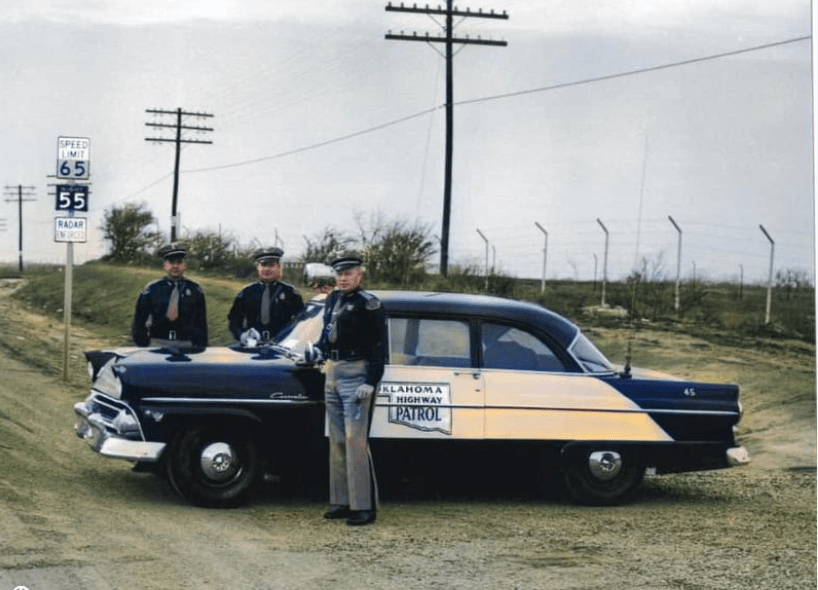
On a dark, silent night in 1980, the highways through Caddo County near the rural communities of Gracemont and Binger, Oklahoma, were deserted. Residents had long settled in their homes, leaving the quiet stretches of U.S. Highway 281 nearly void of movement. It was a time when law enforcement in rural Oklahoma had limited resources and technology, making cases like this all the more challenging to solve.

That night, an Indigenous man, Jasper Williams, had set out on foot from his home, heading south along a dirt road that eventually led to the pavement of Highway 281. It was common for community members to walk from one home to another, no matter the distance, and Jasper was going to a friend’s house. The night was pitch black, with no moonlight or streetlights to guide him, save for the faint outline of the highway stretching before him.

As Jasper walked, visibility was almost nonexistent. The road was shrouded in darkness, with no nearby lights to help him stay clear of the highway’s center. At some point, as he walked around six miles north of Gracemont—almost midway between there and Binger—tragedy struck. Jasper was hit by a passing vehicle, which left him severely injured on the side of the road. By daylight, he was found deceased, having bled to death, with no car in sight and no immediate reports of an accident.

Upon closer inspection, deputies discovered fragments of evidence scattered on Jasper’s clothing and body: broken glass, bits of chrome, a hubcap, and remnants of a car’s signal light and headlight assembly, as well as traces of paint. With these clues, investigators determined the incident might not be an ordinary accident but potentially a case of vehicular homicide.

Deputy Hamilton drove a
Ford Ranchero

The case was assigned as a homicide due to the absence of witnesses, the lack of any report from the driver, and the fact that the vehicle fled the scene. Caddo County Deputies Hamilton and Ware—both of whom have since passed—took on the painstaking task of finding the person responsible. Armed with the physical evidence, they began an exhaustive search of autobody shops across the county and surrounding areas, hoping to find a vehicle with damage matching the debris at the scene.

After several weeks, their search finally paid off. The deputies located a damaged vehicle that matched the evidence they’d collected. The owner was identified and subsequently interviewed, leading to the arrest of a man named Larry Johnson.

During questioning, Johnson admitted he had left a bar in Binger around 2 a.m. on the night Jasper was killed. On his drive home, he confessed to drifting in and out of sleep, initially thinking he had hit an animal, possibly a dog. However, he chose not to stop. Later, after hearing news of the fatal accident, he realized he was likely the driver involved but continued to hope he was wrong.
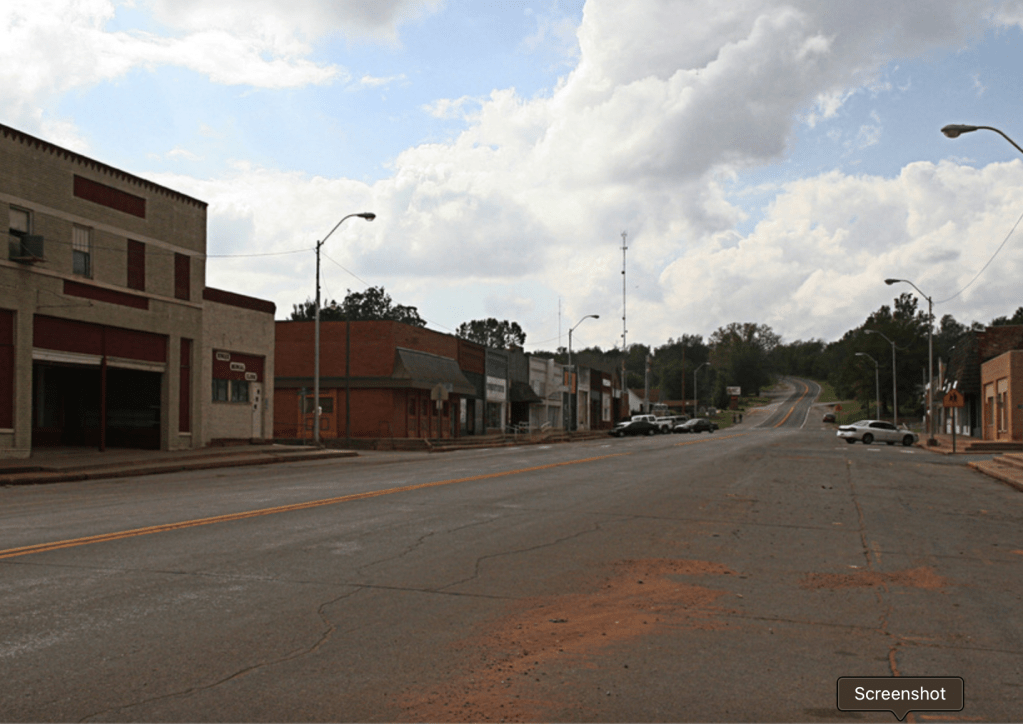
Binger Main St. There Were
Bars On Both Sides of Street.

Johnson was later tried in Caddo County, where a jury found him guilty of manslaughter. He was sentenced to serve 15 years at Oklahoma’s Granite Reformatory.

Note: Some names, dates, and details have been altered to protect individuals’ privacy.

In The Heat Of A Phoenix Stakeout, Two Police Officers Survive The Night By Having Each Other’s Back!

A Story By Benjamin Groff© Groff Media 2024© Truth Endures -“Heat of the Night”

The sweltering summer heat of Phoenix had already claimed its territory, with temperatures still hanging in the triple digits long after the sun had sunk below the horizon. Officers Danny Vega and Clyde “CJ” Johnson sat in their aging, air-conditioner-less police unit parked under a flickering streetlight in a worn-out neighborhood. Their mission was to monitor the run-down house across the street, where they suspected a group of outlaws—wanted for heinous crimes from murder to rape and child abuse—were holed up.

Vega, a seasoned officer in his mid-thirties, wiped the sweat off his brow and leaned back in his seat.

“Man, it feels like we are cooking in here,”

he muttered, glancing at his partner, who sat silently. CJ, a younger officer relatively new to the force, looked straight ahead, his face a mask of concentration.

The silence between them was thick, palpable, as though the heat had baked it into something more solid than discomfort. Danny had been paired with CJ only a few months ago, and though they worked well enough together, there was a distance, an unspoken tension. Vega was a no-nonsense, street-smart officer who had grown up in Phoenix, and he was not sure what to make of the rookie—an out-of-towner who seemed too clean, too by the book for the brutal reality of their work.

CJ shifted in his seat, his uniform sticking to his skin. He glanced sideways at Vega.

“Think they are really in there?”

CJ’s voice was steady, but the doubt lingered.

Vega shrugged, his gaze never leaving the house.

“I would not be surprised. The word is out on them. They have no place else to hide. This neighborhood – it is the perfect cover. No one asks questions here.”

The hours passed slowly, sweat dripping from their faces and soaking through their uniforms. The house across the street remained dark and silent. The only noise came from the occasional shout in the distance or the hum of insects in the oppressive night air.

At some point, Vega pulled a crumpled cigarette from his pocket. He held it momentarily as if debating whether to light it.

“You smoke?”

he asked CJ.

CJ shook his head.

“Quit a couple of years back. My old man, well, it killed him, so I figured I would try to live a bit longer.”

Vega raised an eyebrow.

“Good for you.”

He tossed the cigarette out the window, respecting the sentiment. It was the most they had spoken since starting the stakeout, but Vega was not about to get personal.

Still, the night stretched on, and there was nothing but the two of them and the quiet of the deserted street. CJ finally broke the silence.

“You ever wonder if this is it? Like sitting here, baking alive, waiting for something to happen?”

Vega snorted.

“All the time. However, it is the job. It is what we signed up for.”

CJ leaned forward, resting his forearms on the steering wheel.

“Yeah, but I did not sign up to just sit and watch while guys like those,” he nodded toward the house, “hurt people and get away with it.”

Vega studied him for a moment, something clicking into place.

“You think I do not feel the same?”

CJ did not respond right away, and Vega continued.

“Look, kid, I have been doing this a while. It eats at one, they know. But rushing in and losing one’s head is how one makes mistakes. And mistakes? One will cost them or someone else their life.”

CJ turned to face him, eyes intense.

“So we just wait?”

Vega’s jaw tightened.

“Yeah. We wait. We stay smart. We stay sharp.”

A crackle of the radio interrupted them. The dispatcher’s voice was hushed but urgent.

“Unit 12, suspects confirmed inside the target location. SWAT en route. Hold position.”

Vega nodded to CJ, who picked up the receiver.

“Copy that. Holding position.”

The tension ramped up as the house finally stirred with movement. Shadows flitted past the windows. The outlaws were inside, and the knowledge settled like a weight between the two officers.

The time they crawled—minutes that stretched into an hour—SWAT was not coming fast enough. Vega kept his eyes trained on the house while CJ’s fingers drummed on the wheel, nerves on edge.

Suddenly, a door to the house slammed open. A figure darted out—one of the suspects, carrying a duffel bag. Without thinking, CJ moved, reaching for the door handle.

“Wait!

Vega hissed, grabbing his arm.

“Let him go. SWAT will be here any minute.”

However, CJ’s body was coiled, ready to spring.

“He is getting away.”

Vega tightened his grip.

“No, he is not. He will circle back. Trust me.”

CJ’s jaw clenched, but he held back, fighting the urge to act. It took everything in him to stay in the car. Seconds later, the figure disappeared into the shadows of the alley.

Vega let out a slow breath.

“Good call, staying put.”

CJ glanced at him, eyes wide with disbelief.

“Good call? He has gone!”

“No,”

Vega said, his voice calm.

“He is not.”

A low rumble filled the air, and CJ turned to see SWAT units pulling into the street, lights flashing, breaking the stillness. Vega gave him a tight smile.

“See? Patience.”

The raid unfolded quickly after that, with the SWAT team storming the house and bringing out the suspects in cuffs. CJ and Vega watched from the sidelines, the rookie still coming to grips with how close he had been to jumping the gun.

When it was over, they sat back in their sweat-soaked seats, exhausted but relieved.

CJ broke the silence again.

“You were right back there. About not rushing in.”

Vega chuckled.

“Guess the old-timer knows a thing or two.”

CJ smiled, the first real smile Vega had seen from him.

“Thanks, man. For having my back.”

Vega nodded.

“You would do the same for me.”

As the sun rose, casting long shadows over the empty street, the two men sat in the heat of the Phoenix dawn, no longer just partners but something more—a bond forged in sweat, silence, and survival.

Moreover, in that shared quiet, they realized that they had each other’s back no matter what came next.

Reminiscences

A True Story By: Benjamin Groff© Groff Media 2024© Truth Endures

When the youngest officer on duty is the only resource available, the weight of responsibility rests heavily on his shoulders, underscoring the significance of his role.

Our town’s police force was small, with just twelve officers. Eight were assigned to the streets, patrolling, responding to calls, controlling traffic, and maintaining visibility. The remaining four worked in the office, answering phones, dispatching calls over the radio, and managing the jail’s inmates. The officers rotated between desk and patrol duties, ensuring they stayed sharp and well-versed in all aspects of the job.

Most shifts saw only one officer on patrol and one in the office. This lean staffing was the backdrop when I first joined the police department and met Chief Marion Toehay Jr., known to me simply as Junior or Chief.

Junior and I formed a friendship that spanned over fifty years. Together, we witnessed the stark realities of life and death, often arriving too late to save those in peril. The helplessness we felt in those moments was crushing, made worse by the accusing stares of grieving families who saw us as their last hope.

One such event took place at a State Park east of the City. We arrived in a secluded area and noticed a boat stalled in the middle of the lake. The people onboard were waving and shouting, but their words got lost in the distance. As we waved back, trying to assess the situation, it became clear the boat was sinking.

We shouted for them to stay with the boat, realizing quickly that we couldn’t reach them from where we stood. We jumped back into the car and raced toward the dam, sirens blaring and lights flashing. Junior was on the radio, desperately calling for the Lake Patrol or anyone with a boat to respond. But the only way to reach the sinking boat was to drive fifteen miles around the lake on rural roads.

When we arrived, only the boat’s nose remained visible, bobbing on the water. A man clung to it, the sole survivor. He told us that a father and his two children had drowned, trying to swim to shore instead of staying with the boat.

At that time, the Oklahoma Lake Patrol was often assigned to different lakes, a reality dictated by tight state budgets. Law enforcement presence on lakes was inconsistent, as it may still be today in some areas. The Lake Patrol recovered the bodies of the father and his children that night and the following day.

Junior and I found ourselves witnessing several drownings, often by tragic coincidence, whenever we were near the lake or river. It seemed almost inevitable.

The department was also where I encountered my first homicide—a brutal murder-suicide that has stayed with me. A couple going through a divorce ended their marriage in violence. The husband had hidden in their home, and when his wife returned to gather belongings, he slipped up behind her and shot her in the back of the head. She crumpled to the floor, unaware of his presence or intent.

He then went to the bedroom, entered the ensuite, and used a shotgun loaded with double-ought buckshot to end his own life. The blast obliterated his face, leaving a gruesome scene with skull fragments embedded in the ceiling and blood splattered across the walls. Fingerprints confirmed his identity, but everyone in town knew who he was.

That was my first assignment at 18, in a department stretched thin. A pow-wow was happening in town, and every officer was working overtime. The City’s ambulance had to transport a critically ill prisoner to a hospital 50 miles away, and someone had to accompany them. It fell to me. Despite having just finished a 12-hour shift, I boarded the ambulance at 7:00 AM, the roads shrouded in fog as we responded to Code 3. The nurse was upset that I’d handcuffed the combative prisoner to the stretcher, and the driver got lost on the way. It was chaotic, but in many ways, it was one of the best times of my life.

The Legend of Chuck McCready: The Philly Cheesesteak Incident

A Story By: Benjamin Groff© Groff Media 2024© Truth Endures

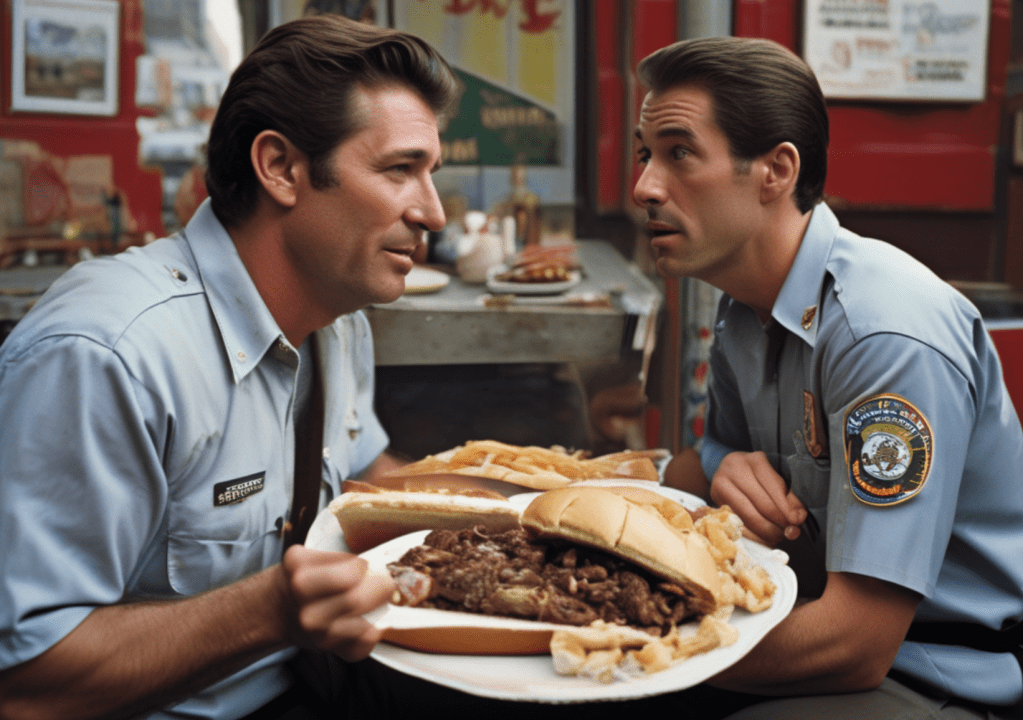
In the late 1980s, in the heart of Philadelphia, there was a small, hole-in-the-wall cheesesteak joint called “Tony’s Grub Hub.” The scent of sizzling beef and onions filled the air, and the line for a classic Philly cheesesteak often wrapped around the block. Among the regulars was a local character named Chuck McCready, a fierce, well-loved figure in the neighborhood known for his larger-than-life personality and his deep, almost spiritual love for Philadelphia’s favorite sandwich.

Chuck was a man of principle and passion who never took kindly to the concept of “rules,” especially those that got in the way of a good meal. One fateful evening, Chuck was seated at his usual spot in Tony’s, about to dig into his third cheesesteak of the night—a massive, dripping monster of a sandwich stuffed with extra meat, onions, and a double helping of cheese whiz.

But as Chuck was about to take his first bite, a group of police officers entered the establishment. They had received reports of someone fitting Chuck’s description causing a disturbance in the area earlier that day. They approached Chuck, asking him to step outside for questioning.

Not one to back down, Chuck looked up from his cheesesteak, his hands still clutching the sandwich, and growled, “What’s the charge? Eating a cheesesteak? A succulent Philly cheesesteak?”

The officers, taken aback by his unexpected response, insisted he come quietly. Now fully immersed in the moment, Chuck stood up, holding his half-eaten cheesesteak high like a wand. “This is America, baby!” he bellowed, “Home of the free, where a man can enjoy his meal in peace!”

What happened next was a chaotic scene of Chuck getting dragged out of the restaurant, still holding his cheesesteak, shouting about his rights, and demanding to know why a man couldn’t enjoy a simple meal without being harassed. As the officers tried to force him into the squad car, Chuck continued his tirade: “Is this how we treat a cheesesteak lover in Philly? America is a democracy! My actions are freedom manifest!”

The incident was caught on camera by a passerby and quickly went viral. With Chuck’s impassioned defense of his right to eat a cheesesteak, the video resonated with people across the country. Memes of Chuck McCready declaring “This is freedom manifest!” while clutching a cheesesteak became an overnight sensation.

Years later, Chuck McCready became a folk hero, a symbol of defiance and the right to enjoy life’s simple pleasures. His story was told and retold, often with embellishments, but always with the same core message: no one comes between a man and his cheesesteak in America. His iconic catchphrase, “What’s the charge? Eating a cheesesteak?” became a rallying cry for those who valued freedom and a good meal.

Chuck McCready, the man who stood up for his right to enjoy a succulent Philly cheesesteak, became a legend in the city of brotherly love and is forever remembered as the Cheesesteak Defender.

Taking A Seat At The Police Department

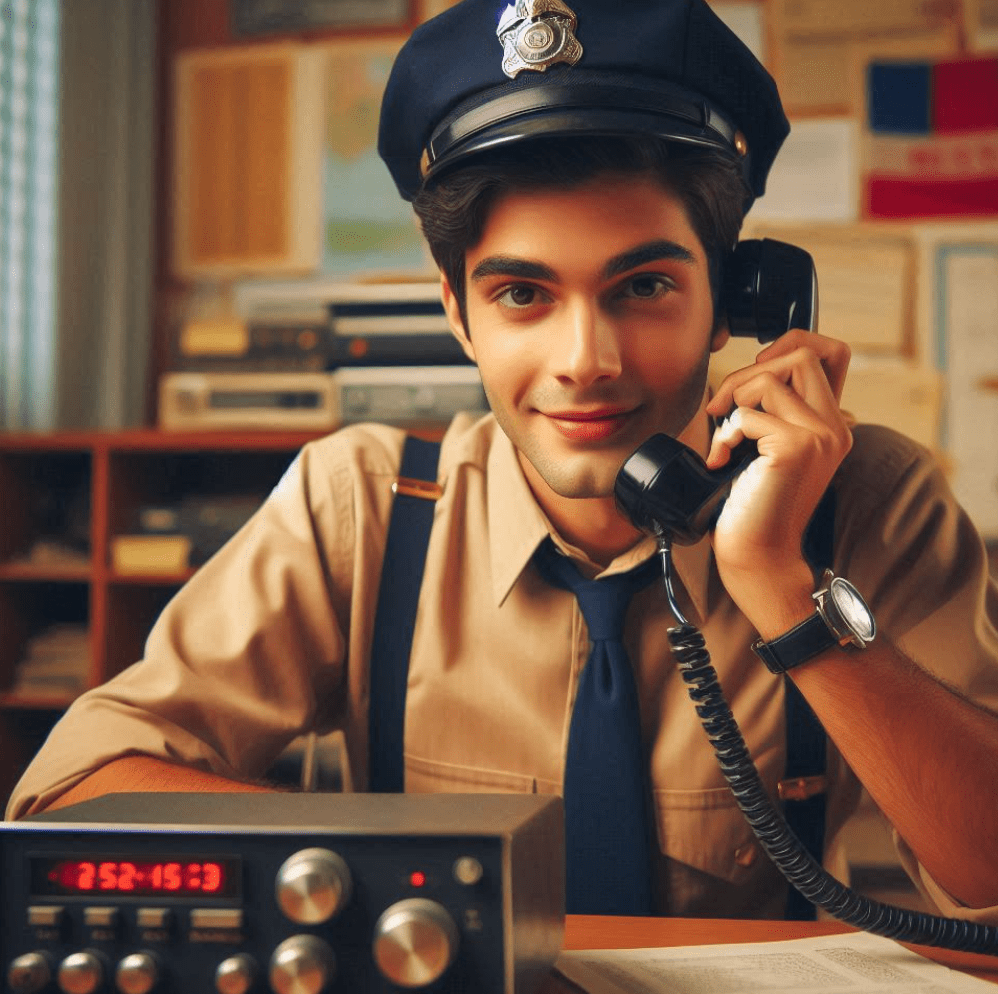
It was late spring when the boy took his seat behind the radio at the communications center for the first time. The Dispatch Center, located just inside the lobby’s front entry, led to a stairway that accessed the firefighters’ sleeping quarters, the chief’s and detectives’ offices, and the jail cells.

The city was a blend of lifetime residents with deep roots, newcomers raising families amidst burgeoning industry, and transients. Housing was scarce for recent arrivals. When available, it was expensive and often beyond the reach of a single income, leading to overcrowded living conditions. This frequently caused disputes.

A person might lease a property and sublet to ten or fifteen others. When conflicts arose and one tenant was asked to leave, the police were often called. Each time, officers had to explain it was a civil matter; the leaseholder needed a court order for eviction. Police couldn’t simply eject someone because of a sudden change in the leaseholder’s terms. However, if an arrest was made due to a disturbance, officers could advise the leaseholder to restrict the arrested individual from returning. Openings in housing were rare unless someone died, and there were plenty of deaths in the coming years.

A local motorcycle gang, known for drug dealing and various crimes, frequently had members as guests in our jail. Their threats were often more comical than serious, but every raid on their dens brought more threats. It wasn’t uncommon for lone riders to shoot out the windows of the dispatch center late at night.

After several incidents, the chief began posting officers on the roof with automatic rifles. This tactic worked, as the shootings ceased during their watch.

The boy worked well with a rotating line of female communications officers. The Captain worked the day shift, while the boy was assigned to nights. The women rotated between days and nights each month.

Soon, the boy became known as the Comm Commander for his authoritative style on the radio and in operating the jail. Edna, Gail, Linda, Pam, Patty, and Sheila were the women who became part of his years at Elk City, each leaving a personal mark on his story.

Yet, the Captain was the most significant influence during those dispatch days. It’s clear that the Comm Commander remembered these individuals throughout his life as he journeyed along many paths. More to follow.

The Move Into My LawMans Career

A Story By Benjamin H Groff© Groff Media Copyright 2024©

In his senior year of high school, he went to work at a neighboring police department thirty miles from where they lived. He worked as a jailer-dispatcher. He had just turned 17 years old, and His dad provided authorization from the school and local city government to go to work. Once he had been hired, there was no stopping his progress. He had listened to the police scanner for years and even volunteered at our local police department as a dispatcher and ambulance driver. He was only 16 then. This, to him, was the big time he was getting paid—the town at a rough character about it. A man had been killed behind the police department in the alley not too long before I went to work there. The killer was still at large.

He excelled in his duties. The chief appreciated his attendance record and punctual arrival to shifts. The assistant chief requested he be the only dispatcher assigned to his shift. He gained a reputation throughout the western state for His broadcasting style and etiquette—application of the police 10-code and professional stature that he applied in the tone of his broadcast. He was known as a no-nonsense type of communications officer. If he gave a call, the information was correct, and the officers could be sure he would stay with them through their response. If they needed help and he lost contact with them, neighboring agencies knew he could pull back up out of the blue. And they respected the ability.

Change is inevitable, and when he graduated high school, a neighboring agency offered me a position that would allow me to broaden his skills. It allowed him to gain telecommunication abilities and work with a county-wide agency, and he still had contact with his old pals at the smaller agency, just less often. The training opportunity exposed him to new experiences, and he was closer to home, but he lacked a feeling of being fulfilled. Something was missing that he couldn’t place my finger on. The period was during the oil boom in Oklahoma, and there was a flurry of activity everywhere. It was not uncommon that he held down employment in other adventures while working for these agencies. One had to. The pay needed to be better for making a serious living. He got offers from colleges and employers the first month after graduating high school. I had planned to work through school, so he planned to keep working at one of my jobs. Plans change. One hundred miles away, a city was beaming on the horizon. They had put a notice out they were hiring a crew of new communication officers and would be building a new administration building to host the center. It appeared intriguing. A visit to their department one morning caused further interest.


When a very experienced face met me at the door and asked how they could help me, He recognized it immediately from a statewide broadcast when he heard the voice. As soon as he spoke, they recognized mine. He explained he had word that they were hiring and that he wanted to spread his wings, move away from home, and get out on his own. The boy was also looking for a larger organization with which to become affiliated. The Captain had an application in the boy’s hand and sat in the chief office within thirty minutes. He accepted an offer within the hour and left town within two hours of arriving, trying to think of how to express my two-week notice to his current employer. Even worse, the boy was working out how he would tell my mom and dad he would be moving out. Not that he had not been gone most of the time with my jobs, but it is the idea that their youngest child was moving out and going on his own.


He went to work the following day. Things changed rapidly in law enforcement, now as they did then. The chief had quit after a heated argument with the mayor over funding, and in his boyish manner, he thought it was as good a time as any to throw his hat in the ring to make a statement. Knowing he already had a job made it much easier, so the boy gave his notice. Now, he just had Mother and Dad to tell. He told my dad first. It wasn’t the worst news Pop had by the mood he was already in, but it may have come close. After he went for a ride on his horse and came back in, he said to wait to tell the boy’s mother for a few days and catch her in a good mood. The kid’s mother reminded him of Eunice, off the Carol Burnett show. Or was it that Eunice reminded him of his mother? She always made him laugh doing the funniest of things.

Today, we briefly describe his first year of official employment in law enforcement and how the boy got started. Each stage is more detailed, and there are many more incidental stories about events that would take place in each department. The writer may tell you the stories in a different order, but as they are related to other incidents, those are coming soon.

True Law Enforcement Stories: Unveiling Events of Small Town Policing

A Story By Benjamin H Groff© Groff Media Copyright 2024©

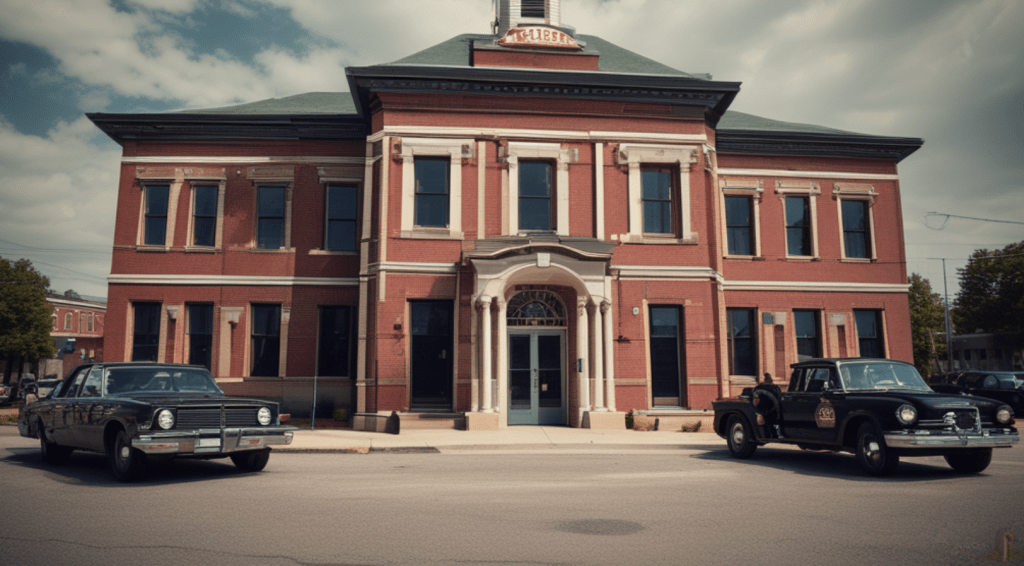
In a town of fifteen thousand residents, the local police department comprised fifteen police officers and eight communication officers who also served as correctional officers. This team was dedicated to serving their community. The city had constructed the building in the early 1900s, and it shared its space with the fire department, which employed full-time firefighters. The fire crew typically had five to six members on duty during a twenty-four-hour shift. Together, these two services provided the city with around-the-clock emergency care, forming a unique and committed staff.

Among the day shift employees was Captain Bickerstaff, better known as “Bick,” a forty-year veteran of the department. He oversaw the Communications and Correctional Divisions, which included receiving incoming calls from the community, dispatching calls to units, and managing the intake and monitoring of prisoners. His team of seven staff members, each with their own distinctive character, included Edna, Gail, Pam, Sheila, Patty, and Ben.

The patrol division had a rotating roster of officers, with frequent personnel changes. As their stories unfold, the names of these officers will emerge. Future narratives will consist of true events from the law enforcement career, with certain details altered to protect privacy.

Upcoming stories include “The Dead Prisoner,” “Officer Down,” “Suspect in Trooper Killing, In Custody,” “OH SHIT!” and “The Missing Man,” among many others.

Stay tuned for these captivating and informative stories, and be sure to share them with your friends and family!

Heroic Night in Cedar Hollow: The Legend of Fred Harper

A Story By Benjamin H Groff© Groff Media Copyright 2024©

Fred Harper was a man of simple routines. The mild-mannered police officer of Cedar Hollow, a quaint town of 700 nestled between rolling hills and dense forests, had a nightly patrol route that rarely changed. He preferred it that way. Cedar Hollow was a peaceful place where not much happened, and Fred liked it that way.

His nightly rounds consisted of checking the locked doors of businesses, shining his flashlight into the occasional darkened alley, and waving at the few night owls who might be walking their dogs or taking a late-night stroll.

But on this particular night, the tranquility of Cedar Hollow was shattered by a series of unexpected events, disrupting Fred’s usual routine.
It all began with a frantic call from Mary Jenkins, the usually composed wife of the mayor. Her voice was filled with urgency as she relayed the news about Helen’s labor.

Fred’s heart raced. He’d never delivered a baby before. He rushed to his squad car and sped to Helen’s house. When he arrived, he found Helen in the living room, breathing heavily, with Mary by her side. The tension in the room was palpable, and Fred could feel the weight of the situation on his shoulders.

Upon Fred’s arrival, Mary’s relief was palpable. “Fred, thank God you’re here,” she exclaimed, her face a picture of relief. “You need to help her. Now.”

Fred took a deep breath, remembering the emergency childbirth training he’d received years ago. With Mary’s assistance, he coached Helen through the contractions. After what felt like an eternity, but was in reality only a few intense minutes, the cries of a newborn filled the room. Fred cradled the baby in his arms, his uniform shirt now soaked with sweat.

Just as he handed the baby to a tearfully grateful Helen, his radio crackled to life. “Fred, we need you at the fire station. There’s a fire behind the building, and no one can start the engine.”

Leaving Helen and the baby in Mary’s capable hands, Fred raced to the fire station. Flames were licking the sky, dangerously close to City Hall. Fred jumped into the fire engine, praying his training would return to him. He managed to start the engine and drove it to the blaze. With no other firefighters in sight, he took hold of the hose and aimed it at the inferno. Neighbors, awakened by the commotion, formed a bucket brigade to help douse the flames. Together, they managed to keep the fire from spreading and saved City Hall.

As the last embers got extinguished, Fred’s radio buzzed again. “Officer Harper, there’s a break-in at the bank. Thieves are trying to rob the place.”

Exhausted but determined, Fred headed to the bank. He found a group of masked men attempting to pry open the vault. Drawing his service weapon, he shouted, “Freeze! Cedar Hollow Police!” The thieves, startled by his sudden appearance, attempted to flee. Fred, with unwavering courage, managed to subdue two, but the others escaped into the night. He secured the captured thieves and called for backup from neighboring towns.

The thieves, startled by his sudden appearance, attempted to flee. Fred managed to subdue two, but the others escaped into the night. He secured the captured thieves and called for backup from neighboring towns.
Just as he thought the night couldn’t get any worse, the call came in: “Fred, there’s been a four-car accident at the intersection. Significant injuries reported, and the town’s ambulance is thirty miles away.”

Fred’s mind raced as he arrived at the scene of the collision. Cars were crumpled, and injured people strewn across the road. He did what he could, providing first aid and comforting the victims while calling for an ambulance from a neighboring town. The ambulance, however, got lost on the way, and Fred’s patience became stretched to its limit.

As the first rays of sunlight lit up the sky, Fred finally saw the flashing lights of the neighboring town’s ambulance. He directed them to the injured, ensuring everyone received their needed care. The lady and her newborn, the fire at the station, the bank heist, and now the accident had been the most eventful night in Cedar Hollow’s history.

When the town woke up to a new day, Fred was utterly exhausted. His uniform was torn and dirty, and his body ached from the night’s exertions, but he was filled with a sense of accomplishment. He had faced every challenge alone and come through for his community.

As the townsfolk learned of the night’s events, they became filled with deep admiration and gratitude for Fred. They hailed him as a hero, their voices echoing through the streets of Cedar Hollow. But Fred, the humble officer, just smiled and said, “I was just doing my job.” His modesty only added to the townsfolk’s reverence for him, strengthening the bond of respect and unity within Cedar Hollow.

And Fred Harper, the humble police officer of Cedar Hollow, became a legend. In a town where life was usually quiet and uneventful, the night of chaos and heroism is a stark contrast, etching Fred’s name into the town’s history and leaving a profound mark on Cedar Hollow’s narrative.

Gigglewood Midnight Squad: Adventures of an Unconventional Police Team

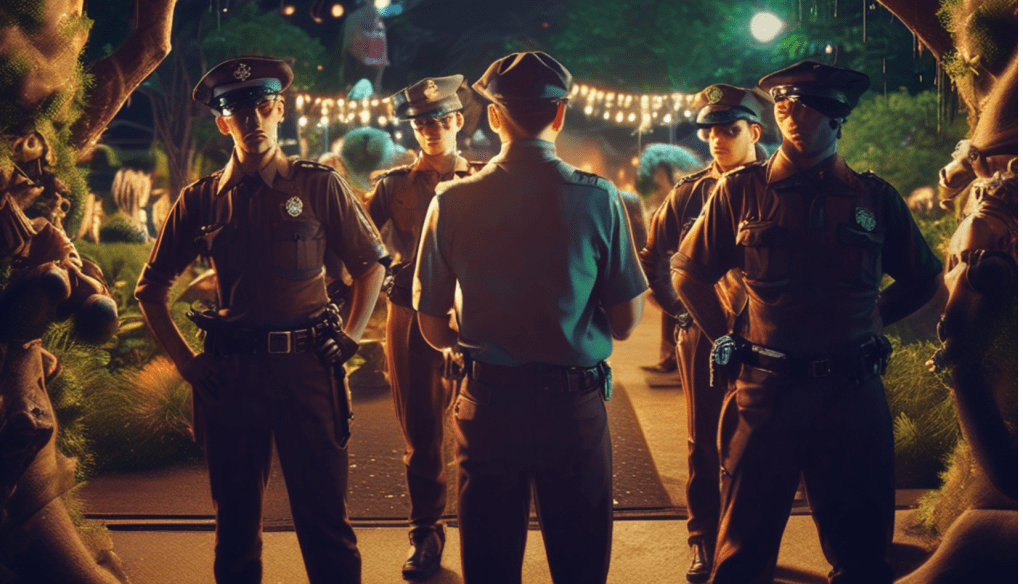
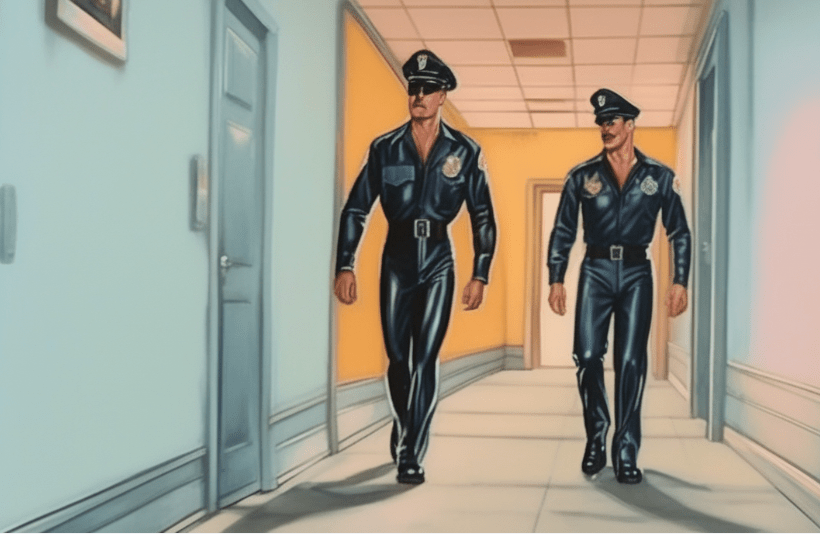
In the bustling city of Gigglewood, a place known for its vibrant nightlife and quirky inhabitants, the streets came alive at night, lit up not just by neon signs but also by the laughter and antics of its most beloved, albeit unconventional, police team: the Midnight Squad, comprised of six dazzlingly attractive officers, their presence was always a spectacle. They donned the sexiest, tight-fitting uniforms that accentuated their gym-sculpted bodies, causing heads to turn and hearts to flutter.

Officer Mia Valentine, the squad’s fearless leader, was known for her killer curves and unrelenting determination. A bisexual dynamo with a wicked sense of humor, Mia could easily switch from laying down the law to cracking up her team. Her second-in-command, Officer Alex Steel, was a trans man with the charm of a movie star and the strength of a superhero. Alex’s journey inspired the whole team, and his quick wit often saved them from the trickiest of situations. “Hey, Alex, ready to save the day again?” Mia would often tease, to which Alex would reply with a smirk, “Always, boss.”

Officers Jen and Lily were inseparable, both on and off duty. The two women, partners in every sense, had a knack for getting themselves into and out of ridiculous predicaments. Jen’s tech skills and Lily’s strategic mind made them a formidable duo, though their constant banter often left their colleagues in stitches.

Then there were Officers Mark and Kyle, whose bromance blossomed into a full-fledged romance. Their goofy camaraderie and over-the-top displays of affection often lightened the mood during tense moments. With his boyish charm and impressive physique, Mark was the team’s undercover expert, able to blend in with any crowd. Meanwhile, Kyle, a former gymnast, was their go-to for anything requiring agility and acrobatics, often using his skills to distract the bad guys during high-stakes operations.

One balmy night, the Midnight Squad faced their most absurd challenge yet. A call came in about a mysterious disturbance at the Gigglewood Zoo. “Looks like we’ve got a situation with the animals,” Mia said, raising an eyebrow. “Let’s roll, team!” The absurdity of the situation was not lost on the squad, and it only served to heighten their determination and sense of humor.

The squad arrived at the zoo to find it eerily quiet. As the officers cautiously approached the entrance, a peacock suddenly strutted by wearing a tiny police hat. “This is definitely not part of the zoo’s usual dress code,” Mia whispered, her hand on her holster. 

“I have a bad feeling about this,” 

Alex muttered, his eyes scanning the shadows.

Jen and Lily, always up for a challenge, split off to check the reptile house. They soon discovered that all the snakes had somehow gotten loose and were now tangled together in a giant, writhing ball. The sight was both terrifying and strangely mesmerizing, like a scene from a horror movie directed by a clown. 

“Why does it always have to be snakes?” 

Jen groaned. 

Lily just shook her head, pulling out a bag of marshmallows. 

“Let’s lure them back with something they can’t resist,” 

She said, handing Jen a stick. 

They proceeded to toast marshmallows and lure the snakes back into their enclosure with the sugary treats.

“You know, Jen, this is probably the weirdest thing we’ve ever done,”

Lily said, trying to stifle a laugh.

“And that’s saying something,”

Jen replied, a mischievous twinkle in her eye.

Meanwhile, Mark and Kyle headed to the primate exhibit, only to find that the monkeys had broken into the zookeeper’s bananas and energy drinks stash.

“Looks like they’re planning a wild night,”

Mark joked, as they watched the monkeys swing wildly from tree to tree, their fur standing on end from the caffeine rush.

 “Monkey rave,” 

Kyle exclaimed as they watched the primates swing wildly from tree to tree. 

“We need to tire them out,” 

Mark suggested, grabbing a nearby boom box. Moments later, the air filled with the sounds of the latest dance hits, and Mark and Kyle led the monkeys in an impromptu dance-off until the exhausted primates fell asleep in a heap.

Back at the central plaza, Mia and Alex stumbled upon the mastermind behind the chaos: a rogue parrot with a flair for mischief.

 “Polly wants a key to the city,”

 It screeched, perched atop the mayor’s statue. 

Mia rolled her eyes. 

“Not tonight, featherbrain,”

She said, brandishing a net.

The parrot led them on a merry chase through the zoo, but Alex, with his agility and speed, cornered it in the butterfly house.

“Nice try,” 

He said, gently capturing the bird. 

“But you’re coming with us.”

With the zoo back in order, the Midnight Squad regrouped.

 “Another night, another crisis averted,”

 Mia said, looking at her team with pride. 

“And another story for the ages,”

 Mark added, wrapping an arm around Kyle.

As they returned to the station, the team couldn’t help but laugh at the absurdity of it all. They were a ragtag bunch, each with their quirks and charms, but together, they were unstoppable. The Midnight Squad wasn’t just a team; they were a family, united by their love for each other and their city, ready to face whatever craziness the night would bring next. The audience is invited to share in this sense of belonging and unity, making them feel a part of the Midnight Squad’s unique world.

Riverton Police: A Night in the Life of Detectives Jake and Sam

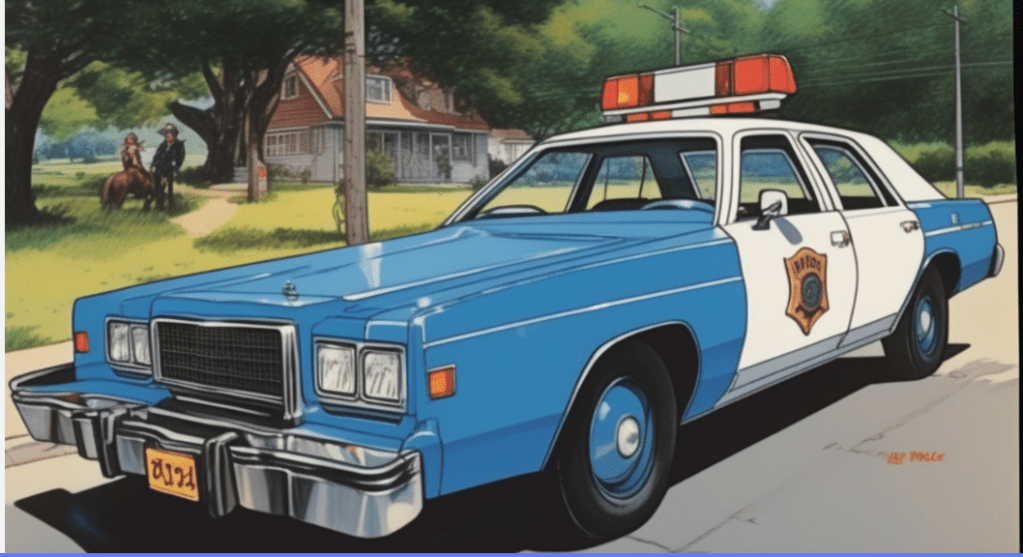
The city of Riverton never slept, nor did Detectives Jake Harris and Sam O’Reilly. Partners for over a decade roamed the nocturnal streets with the kind of synergy only best friends could muster. Their squad car, an unremarkable blue-and-white cruiser, was a beacon of hope for some and a symbol of fear for others.

Jake, with his gruff exterior and piercing blue eyes, was the kind of cop who could read a crime scene like a book. Sam, a lean figure with a quick wit and a knack for defusing tense situations, complemented Jake perfectly. Together, they led the department in felony arrests, arriving at calls faster than anyone else and building relationships with the community that others could only dream of.

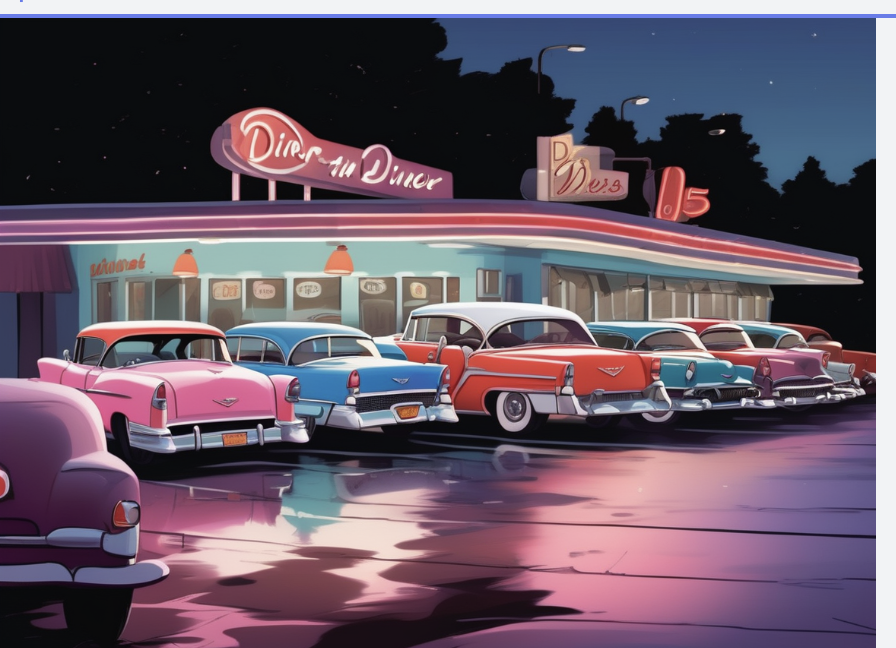
One brisk autumn night, their radio crackled to life with a call that made their hearts race: an armed robbery in progress at the 24-hour diner on 5th and Maple. Without a word, Jake hit the lights and sirens, and they sped through the dimly lit streets. They arrived in just under three minutes, a record even for them.

The diner was eerily quiet as they approached, save for the distant hum of neon lights. Inside, a masked man brandished a gun, demanding cash from the terrified cashier. Jake motioned for Sam to flank the back entrance while he took the front.

Jake entered slowly, his voice calm but authoritative. ––––

“Riverton PD, drop the weapon and come out with your hands up.”

The gunman whipped around, eyes wide with panic.

From the rear, Sam’s voice cut through the tension.

“No, you won’t. You don’t want to hurt anyone. Put the gun down, and we can talk.”

The gunman’s grip on the weapon faltered. In that split second, Jake lunged forward, disarming him with a swift, practiced motion. Sam was at his side instantly, cuffing the man and guiding him to the squad car.

As they processed the scene, the cashier, a young woman named Maria, approached them with tears in her eyes.

“Thank you. I don’t know what would’ve happened if you hadn’t come.”

Jake gave her a reassuring nod. “Just doing our job, ma’am.”

The rest of the night was a blur of paperwork and patrols. But their most memorable interaction came just before dawn. While cruising through a quieter part of town, they spotted a boy sitting alone on a bench, clutching a backpack to his chest. They pulled over, and Sam approached him gently.

“Hey there, buddy. Everything alright?”

The boy, who couldn’t have been more than ten, looked up with tear-streaked cheeks.

“I ran away from home. My parents are always fighting.”

Sam sat next to him, listening with the patience of a father and says –––

“I get it, kid. Sometimes, home can be tough. But running away won’t solve anything. Let’s get you back home and see if we can help sort things out.”

Jake contacted the boy’s parents while Sam spoke with him. The sun was peeking over the horizon when they returned the boy home. Now more worried than angry, the parents hugged their son tightly and thanked the officers.

As they drove back to the station, Jake glanced over at Sam, sighs then says –––

“Another night, another set of stories, huh?”

Sam chuckled. “Wouldn’t have it any other way.”

In Riverton, one could become a legend in the shadows, and for Jake and Sam, every night was another chance to protect and serve, forging connections and fighting crime in ways that others could only admire.