The Lost Shopper: A Remarkable Time-Travel Mystery

GROFF MEDIA 2024© TRUTH ENDURES IMDBPRO

Presented by benandsteve.com By: Benjamin Groff II©s

3–4 minutes

The Lost Shopper

Harold Wexley left his house on a crisp October morning in 1977. He carried a shopping list, which his wife, Martha, had scribbled on the back of an old envelope. The list read bread, milk, eggs, and a pound of ground beef. That was all he needed. The sun was high, and the air smelled like damp earth. He had a pocket full of change jingling as he walked toward Miller’s Grocery, just six blocks away.

Harold never returned home.

Martha waited—first hours, then days. The police took her report, shook their heads, and assured her that most missing persons had turned up. Neighbors speculated wildly. Some thought maybe Harold had amnesia. Others guessed he’d run off with some floozy. He had just vanished into thin air.

The years passed, and Martha grew old. The town changed. Miller’s Grocery shut down in the ’90s, replaced by a chain supermarket. The world moved on.

Then, in 2024, something impossible happened.

Found Where He Was Lost

At precisely 9:17 a.m. on a Saturday, an employee at the local SaveMore supermarket screamed, sending a ripple of confusion through the store.

Harold Wexley stood in aisle seven, between the cereal and baking goods. He wore the same corduroy jacket. He also wore brown slacks and scuffed loafers. These were the clothes he wore when he left home 47 years earlier. Harold was still clutching the shopping list in his hand. His hair had not grown. His skin had not aged.

When the police arrived, Harold blinked at them in utter confusion.

“What’s all the fuss about?”

He asked, his voice scratchy from disuse.

“I just came in to pick up a few things.”

The officer, utterly dumbfounded, asked,

“Sir, do you know what year it is?”

Harold laughed.

“What question is that? It’s 1977.”

The grocery store manager rushed ahead.

“Sir, this place wasn’t even here back then. This store opened in 1999!”

Harold frowned, rubbing his temple. He looked down at the list in his hand. The ink had not faded. The paper wasn’t brittle. His clothes smelled faintly of Martha’s lavender detergent.

But Martha was gone. His house was gone. His entire world had disappeared. He had been standing in this store, this spot. It was as if no time had passed.

The Mystery Remains

Scientists, journalists, and conspiracy theorists all descended upon Harold. Tests revealed that he was, biologically, still 42 years old. He remembered nothing beyond walking into Miller’s Grocery on that fateful day. He hadn’t eaten in 47 years. He hadn’t aged.

Some claimed he had slipped into a time loop. They believed the store had somehow preserved him in a pocket of frozen time. Others whispered about aliens, government experiments, or divine intervention.

Harold, meanwhile, was only concerned with one thing.

“Can someone tell me where my wife is?”

No one had the heart to answer him.

Epilogue

Harold never adjusted to the modern world. He refused to believe that the year was 2024, even when he saw flat-screen TVs and self-checkout kiosks. He spent his days wandering the grocery store, staring at shelves full of strange new products. He was looking for the familiar brands of his youth.

One night, after closing, a janitor was working late. He swore he saw Harold standing in aisle seven. Then he blinked, and Harold was gone.

The next day, an old yellow envelope with a shopping list was found on the floor. It was written in Martha’s neat handwriting. It seemed to have fallen from Harold’s hand in confusion.

No one ever saw Harold again. Sometimes, in the stillness of the grocery store, employees swore they heard the faint jingle of coins. The coins seemed to come from a pocket that wasn’t there, as if Harold’s spirit still wandered the aisles.

And sometimes, in the stillness of the grocery store, shoppers would listen closely. Even they swore they heard the faint jingle of coins. The sound came from a pocket of a man’s pants. It was from Harold, who had disappeared again.

The Legend of the Wishing Tree: A Magical Tale

GROFF MEDIA 2024© TRUTH ENDURES IMDBPRO

Presented by benandsteve.com By: Benjamin Groff II©s

1–2 minutes

Deep in the heart of the Whispering Wood stood an ancient oak known as the Wishing Tree. Its gnarled branches stretched toward the heavens. The tree’s roots twisted deep into the earth. The soil received whispering secrets from it.

The legend passed from generation to generation. It told of the tree’s magic. The tree would grant a single wish to those who truly believed.

Many travelers sought the Wishing Tree. Only a rare few with pure hearts and sincere desires ever found it. The forest guided them. The wind carried soft murmurs. These murmurs led them down winding paths until they stood before the towering oak. Beneath its emerald canopy, the air shimmered with an almost otherworldly glow.

One such seeker was a young girl named Elara. She had heard the tales from her grandmother, who had once made a wish upon the tree as a child. With hope in her heart, Elara ventured into the forest. She followed the rustling leaves and the whispering wind. Soon, she stood before the grand tree.

Kneeling upon the moss-covered roots, she closed her eyes, her heart beating with anticipation, and whispered her wish.

“I wish for our village never to go hungry again.”

Elara’s voice carried the hope. It also carried the love of her people.

The tree remained silent, its leaves barely stirring. But then, a single golden acorn dropped into Elara’s hands. She gasped as warmth spread through her fingers.

Understanding the tree’s silent message, she carried the acorn home and planted it in the center of her village.

Days turned to weeks, and soon, a miraculous tree sprouted. Its branches bore fruits of all kinds—apples, pears, oranges, and even wheat grains. The villagers rejoiced, their hearts filled with joy and relief, never knowing famine again. Elara knew, in her heart. Now a guardian of the magical grove, she understood that belief and kindness were the magic behind the Wishing Tree.

And so, the legend continued, whispered among the trees, waiting for the next believer to find their way.

Thanksgiving At The Police Department

Groff Media 2024© Truth Endures IMDbPro

Presented by benandsteve.com By: Benjamin Groff II©

3–4 minutes

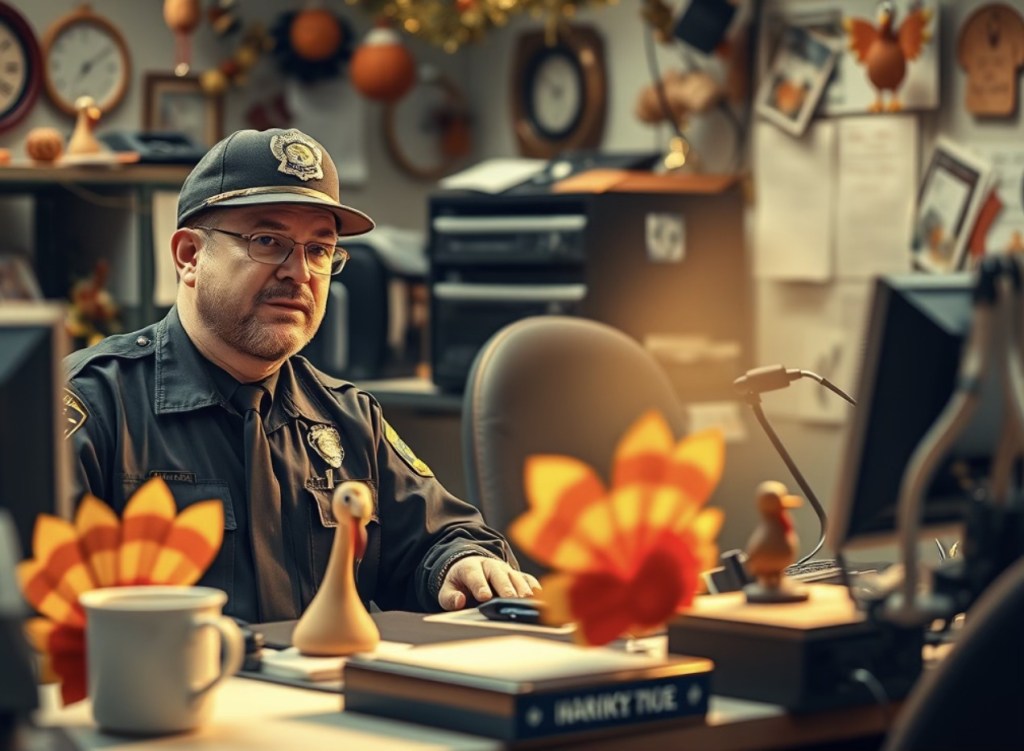
Thanksgiving at the Elk City Police Department was a paradox of warmth and chaos. While dispatchers decorated their consoles with paper turkeys and the smell of leftover pie filled the air, the holiday calls kept coming. It was supposed to be a day of gratitude and family, but for the officers on duty, it was one of their busiest days of the year.

Officer Jim Layfette, a ten-year veteran of the force, leaned back in his chair and sipped lukewarm coffee.

“Thanksgiving,”

he muttered to his rookie partner, Dan Thomas.

“The one day everyone thinks they can play Jerry Springer.”

Their first call came just before 2 p.m., a disturbance at a modest home on Fourth Street. Two brothers were at each other’s throats over who was more entitled to the last slice of pumpkin pie. When Layfette and Thomnas arrived, the brothers were outside, yelling loud enough to drown out the TV playing the Cowboys game.

“Seriously?”

Thomas asked as they broke up the fight.

“Welcome to the holiday shift,”

Layfette replied. The brothers were separated and sent home with stern warnings and a firm reminder that family arguments weren’t worth a trip to jail.

“Unit 4, you’ve got a 10-16 on Elm Street. Argument over stuffing. Use caution—reporting party says it’s ‘too moist.'”

As the day wore on, the calls became more bizarre. At a small rental house on the edge of town, a woman had locked her husband out because he had insulted her mother’s green bean casserole. He stood in the front yard, arms crossed and shivering in a light jacket, refusing to apologize. Thomas handed him a blanket from the patrol car while Layfette gave him a brief lecture on tact.

“Is it that bad?”

The husband asked.

Layfette smirked.

“I’ve had worse. Just say sorry and move on.”

By evening, the call volume skyrocketed. In one house, a drunken uncle had tried to carve the turkey with a chainsaw. In another, two cousins had turned a friendly card game into a shouting match that ended with one flipping the table. When Layfette thought the shift couldn’t get weirder, the radio crackled with another call.

The dispatcher, Chris, kept things lively with dry humor.

“Unit 4, you’ve got a 10-16 on Elm Street. Argument over stuffing. Use caution—reporting party says it’s ‘too moist.'”

Layfette couldn’t suppress a laugh at the Elm Street house when the elderly matriarch opened the door.

“I didn’t call you,”

she said with a sigh.

“It was my daughter. She’s too sensitive. But if you could take the turkey with you.”

“No, ma’am, thanks for the offer,” 

Layfette replied.

Officers gathered at the station to share a potluck meal and stories of their day. Amidst the oddball arguments and creative resolutions, a sense of camaraderie and shared experience began to emerge. Thomas, who had started the shift apprehensive about the chaos, was beginning to see the humor in it all, feeling a part of the team.

“It’s like therapy,” 

Layfette told him as they sat in the patrol car during a lull.

“Families blow off steam, and we get to play referee. It beats the usual stuff.”

By the end of their shift, Layfette and Thomas had responded to a dozen calls. No one had been seriously hurt, and most of the disputes ended with hugs and laughter. This sense of accomplishment and the fact that they had kept the peace on a chaotic day filled them with a deep sense of fulfillment and pride.

As they handed off their patrol car to the next shift, Layfette gave Thomas a pat on the shoulder.

“Congratulations, rookie. You survived your first Thanksgiving shift.”

He grinned.

“And I thought holidays were supposed to be relaxing.”

“Not here,” 

Layfette said with a chuckle.

“Welcome to the Elk City PD.”

They left the station to find the night unusually quiet, as though the town had finally run out of steam. It was a well-spent Thanksgiving for the officers—keeping the peace one turkey-fueled feud at a time.

The Story Of The Unchecked Mayor

Groff Media 2024© Truth Endures IMDbPro

Presented by benandsteve.com By: Benjamin Groff II©

In a small city, one man’s election as Mayor marked a drastic turning point. Traditionally, city decisions required approval from a council of six members, with a majority vote ensuring every person wielded only a little power. But soon after taking office, the Mayor and his political allies on the council pushed through changes that redefined his role. They granted him unprecedented authority to make sweeping decisions for the city and its residents, bypassing the usual oversight.

But that initial optimism soon eroded, giving way to a profound sense of disappointment and betrayal. The Mayor began filling oversight boards and committees with his chosen people—none of whom had relevant experience. They promised to “clean house” and end wasteful spending, but their true motives quickly surfaced.

The Commissioner of Streets and Lights, handpicked by the Mayor, promptly fired the street crew and supervisors, many of whom had worked for the city for over fifteen years and were approaching retirement. The Commissioner hired the Mayor’s son’s paving company in their place, and he also contracted two out-of-town electricians for lighting maintenance. These new hires lacked the skills to handle the city’s infrastructure needs, but the Mayor’s orders were clear. The supposed “savings” were diverted into three hidden accounts linked to companies the Mayor quietly operated on the side.

The Mayor restructured Water and Trash Services similarly. Water management was outsourced to a neighboring town with little regard for the community’s best interests. Trash collection was reduced to once a week, and a company from two towns away was hired, offering only minimal service. The Mayor’s promised savings got funneled into an account controlled solely by the Mayor.

Every city department followed the same grim trajectory. Once-dedicated employees were let go and replaced by disinterested newcomers complaining about their low wages and minimal benefits. City services deteriorated rapidly, with potholes on the streets, frequent power outages, and overflowing trash bins, leaving residents dismayed as their quality of life declined.

The townspeople soon noticed their bills creeping upward—first by ten dollars, then by thirty, with no explanation or improvement in service. This financial strain, coupled with crumbling city infrastructure, directly resulted from the Mayor’s unchecked power and self-serving decisions, placing a heavy burden and stress on the residents.

Residents registered with the opposing political party received letters citing dubious code violations and demanding fines. Those who contested were slapped with even more violations, driving many to leave the city altogether. Once most of his opposition had been driven out, the Mayor enacted a new ordinance requiring his remaining supporters to pay a “privilege to live here” fee. When citizens objected, he sent his security force to arrest vocal dissenters, warning others of eviction if they did not comply.

The Mayor’s reign of intimidation didn’t stop there. He established a “Mayor’s Court,” where anyone accused of a crime—even minor infractions—was jailed indefinitely. Their families could “buy” their release, but only at exorbitant prices, often reaching hundreds of thousands of dollars. The city had become a prison, and its leader was a dictator.

Many residents clung to the hope that this nightmare would end with the Mayor’s death. But when he passed away, the townspeople were horrified to learn that city law now dictated his son would inherit his office.

This tale serves as a stark warning: when voting, beware of who you trust with power. Sometimes, that choice can cost more than you ever imagined.

The Man Who Worked Everywhere

A Story By: Benjamin Groff© Groff Media 2024© Truth Endures

Leroy Jones lived a simple life three towns away from the bustling city where he believed he worked. Each morning, he would wake up at precisely 6:00 a.m., put on his neatly pressed work clothes, and head out the door with his lunchbox. The route was always the same—past the old gas station, through the sleepy neighborhoods, and over the rickety bridge that creaked with every car that crossed it. Leroy never noticed the subtle changes in his surroundings as he arrived at his “workplace” each day.

But Leroy’s workplace wasn’t just one place. Each day, he entered a different building, convinced it was the office where he had been employed for the last 25 years. On Monday, he might stroll into a bakery, slipping on an apron as if it were the most natural thing in the world. He would knead dough, chat with customers, and even operate the register when needed. The bakery staff never questioned his presence; he was just another part of their daily routine, his dedication to the ‘job’ unwavering.

On Tuesday, Leroy would find himself in a mechanic’s garage, wiping grease from his hands and sliding under cars to fix mysterious engine problems. He’d swap stories with the other mechanics, his laughter echoing through the shop as if he had been working there for years.

Wednesday brought Leroy to an office building downtown. He would sit at a desk, typing furiously at a computer, answering phones, and filing paperwork. The office workers treated him like any other coworker, nodding in acknowledgment as they passed by his desk.

Thursday saw him behind the counter of a small bookstore, recommending novels and arranging displays with a meticulous eye. Customers appreciated his suggestions, never questioning why a man in his mid-fifties seemed to know every book in the store by heart.

By Friday, Leroy had somehow found his way into a local diner, flipping burgers and pouring coffee for the regulars who called him “Jonesy” with fond familiarity. The servers giggled at his jokes, and the manager would give him a friendly pat, grateful for his hard work.

The strangest part was that no one noticed anything odd about Leroy’s ever-changing jobs. It was as if he belonged everywhere he went, seamlessly fitting into each new role without question. And Leroy himself was blissfully unaware of the peculiar situation. He was content, believing he was fulfilling his duties as an employee, no matter where he happened to be.

The only thing that remained constant was the distance Leroy traveled each day. Three towns away, in his cozy tiny home, his family never suspected a thing. They would ask about his day, and Leroy would share stories that seemed to fit together perfectly, a jigsaw puzzle of experiences from countless workplaces. His wife would smile and nod, proud of her hardworking husband, who, in her mind, had always been reliable and steadfast.

But as the weeks turned into months, a subtle shift began. The people in the various businesses Leroy frequented started to notice something odd. The baker couldn’t recall hiring him, the mechanic couldn’t remember his first day, and the office workers had no recollection of his name on the payroll. Yet, none of them could bring themselves to confront him. After all, Leroy was a good worker and brought a certain charm to their lives that they didn’t want to lose.

One crisp autumn morning, as Leroy entered a flower shop he had never seen before, something unusual happened. The shopkeeper, a kind older woman with silver hair, watched him arrange a bouquet with practiced hands. She approached him with a gentle touch, placing a hand on his shoulder.

“Leroy, do you know where you are?” she asked softly.

Leroy paused, looking around the shop as if seeing it for the first time.

“Why, I’m at work, of course,” he replied warmly.

The shopkeeper nodded, her eyes filled with understanding and sadness.

“Yes, Leroy. You are. But perhaps it’s time to go home now.”

Leroy looked at her, confusion flickering across his face. “Home?”

She guided him to the door, her voice calm and soothing.

“Yes, home. Where you’ve always belonged.”

As Leroy stepped outside, the fog that had clouded his mind for so long began to lift. He looked around at the unfamiliar street, realizing for the first time just how far he had wandered. He turned back to the shopkeeper, who gave him a gentle smile and a wave.

Leroy walked slowly back to his car, the pieces of his life starting to come together in a way that made sense for the first time in years. He drove back the three towns to his quiet, tiny home, where his family waited for him, unaware of the strange journey he had been on. As he stepped through the door that evening, a profound sense of peace washed over him. He was truly home, and he knew he would never leave again.

The businesses he had worked at never saw him return, but they never forgot the man who had, for a brief time, been a part of their lives.

And Leroy? He never spoke of those days again, content to leave the mystery behind, embracing the life he had always known, finally at peace with the place he truly belonged.

The Bird That Couldn’t Fly Forward. A Case For The NSA And NASA

A Story By: Benjamin Groff© Groff Media 2024© Truth Endures

The bird that couldn’t fly forward. A family of birds hatched in a tree on a busy street in Brooklyn, on a branch above Olive Avenue. The tree stretched out over the sidewalk, and Cindy and Chad, two twins inside a set of apartments, could see the birds as they hatched. They called the birds Larry, Harry, and Barry. After characters from a children’s program, they watched each day.

Larry and Harry had wings with feathers that reasonably matched one another, but Harry had one white feather on his left wing that set him apart. Barry had white feathers on both wings and a white feathered head. He could have similar makings of a bald eagle, only had he been larger. The two kids enjoyed watching the mother feed the birds and often would get upset at how Larry and Harry seemed to bully Barry—sometimes stealing food that the mother was feeding to give to the birds.

When the birds grew older, their mother began nudging them out of the nest to teach them to fly. They would plummet to the ground, only to be lifted by the mother and nudged out of the nest again until they began to flap their wings and fly. Larry and Harry flapped their wings and began to fly short distances, finding branches to land on and steadying their weight before the mother would unbalance them and make them fly further. Barry was a different story.

When nudged out of the nest, Barry flapped his wings in the wrong rotation; his feathers seemed to ruffle in the opposite direction, and he began to fly backward. The kids sat in the window and laughed at first, thinking the bird would stop this funny maneuver and change his movement to flying forward, but his backward flying motion intensified.

Barry appeared to have an inner radar that guided him around obstacles that would be in his way that other birds would typically use their eyesight. He managed to fly better than typical birds and became famous in the neighborhood. People took videos and photos of the backward-flying bird and posted them on the internet, and Barry, the Backward Flying Bird, became a Viral Sensation worldwide.

NASA, NSA, and the National Security Agency also began noticing. Is this bird some device planted by an adversary, or did someone utilize some secret plan that was supposed to remain hidden at NASA? How could an animal mysteriously fly around and go backward?

As Barry’s fame spread, his unique ability to fly backward attracted the attention of curious onlookers and influential organizations. The NSA and NASA couldn’t ignore the viral videos any longer. The agencies began to speculate that Barry might be a highly advanced drone or an experiment gone awry. Was he an alien probe sent to observe Earth? Or a covert government project that had somehow been released into the wild? They needed to find out—and fast.
Cindy and Chad noticed unmarked vans parked on their street and people in suits and dark glasses speaking into earpieces one bright morning. The twins immediately knew that Barry had drawn more attention than anticipated. They watched anxiously from their window as the agents set up strange equipment under the tree where Barry and his brothers had hatched.

“They’re going to take him away!”

Chad exclaimed, worried.

“We can’t let that happen,”

Cindy said with determination.

The twins, fueled by their determination and love for Barry, quickly devised a plan. They now knew Barry’s flight pattern by heart; they had spent countless hours watching him. They waited until the agents were distracted, then quietly slipped out of their apartment, sneaking up to the tree.

“Barry!”


Cindy whispered, holding out her hand. Amazingly, Barry recognized her voice and fluttered down, hovering just above her palm, still flying backward. Their bond was unbreakable, a testament to the power of friendship.
At that moment, one of the agents noticed them.

“Hey! Get away from that bird!”

He shouted, but it was too late. Cindy and Chad sprinted down the street with Barry flying backward above them, just out of reach.

The chase through Brooklyn was both thrilling and chaotic. Barry’s backward flight confused the agents, unsure how to capture a bird that never flew where they expected. Barry expertly navigated through alleyways, over fences, and even under bridges, always just one step—or flap—ahead.

Meanwhile, the twins led him toward a nearby park, hoping to find some refuge. As they ran, Chad had an idea.

“We need to get him to the highest point in the park,”

He said. He can use that to his advantage.

They raced to the top of a hill, where a tall statue stood. Barry, sensing what they wanted him to do, flew to the top of the statue and perched there, still facing backward. The agents surrounded the park, closing in on them, but something unexpected happened.

Barry began to spin in circles, faster and faster, like a small whirlwind. The wind picked up around him as he did, swirling the leaves and dust into a mini-tornado. The agents, caught off guard, were forced to step back.

“Look at him!”

Chad shouted, amazed.

Barry created a vortex of air, using his unique flying ability to generate a mighty wind that pushed the agents back. The twins realized that Barry’s backward flying wasn’t just a quirk but a gift. And now, it was saving them.

The wind grew stronger, and soon, the agents were struggling to stay on their feet. With a final burst of energy, Barry released the vortex, sending a wave of air that knocked the agents off balance and caused them to tumble down the hill. The twins cheered as Barry floated down, landing gently on Chad’s shoulder. It was a victory, a testament to the power of uniqueness and friendship.

By the time the agents recovered, it was clear they were outmatched. Barry wasn’t just any bird; he was unique and had proven it.

Realizing they couldn’t take him away, the agents called off their operation. Later, they approached the twins with respect, not threats.

“We were wrong about Barry,”

One of the agents admitted.

“He’s not a threat—he’s remarkable. We want to study him, but only if you agree.”

Cindy and Chad looked at each other, then at Barry, who was now perched between them.

“You can study him,”

Cindy said carefully,

“but only if he stays free. He’s not just a bird—he’s our friend.”

The agents agreed, and from that day on, Barry became a symbol of curiosity and wonder. Scientists from NASA and the NSA studied his flight patterns from afar, learning from him without interfering in his life. Barry, the Backward Flying Bird, became an even bigger sensation, hailed as a hero for saving the day in Brooklyn.

Cindy and Chad’s bravery was recognized, too. The twins were invited to NASA to meet with scientists and learn about aerodynamics, space, and more. Their friendship with Barry became the subject of documentaries, books, and even a children’s program that other kids watched and loved.

Ultimately, Barry continued to fly backward, defying all logic and expectation. And while he may have seemed like a small bird in a big city, to Cindy and Chad—and the world—he was nothing short of extraordinary.


Horace Thistle’s Clocks ––– Capturing A Family’s Most Precious Moments!

A Story By: Benjamin Groff© Groff Media 2024© Truth Endures

A unique and gifted clockmaker named Horace Thistle resided in the quaint town of Willowbrook, nestled amidst rolling hills and whispering pines. Horace’s talent surpassed the ordinary mechanics of time. His clocks were not mere timekeepers; they were enchanting devices that could capture and immortalize moments in a delicate dance of gears and hands.

Horace’s shop, Timeless Treasures, stood at the heart of the town square. Its windows were full of clocks, each more intricate than the last. People from all walks of life visited his shop, drawn by the promise of clocks that measured time in a way no other timepieces could.

“Good day, Mr. Thistle,” David greeted, eyes scanning the wondrous creations that lined the walls.
“Welcome, Thompsons,” Horace replied with a warm smile. “How may I assist you today?”

One crisp autumn day, the Thompson family, filled with anticipation, stepped into the shop. Sarah and David Thompson, accompanied by their two young children, Emily and Ben, had been intrigued by the rumors of Horace’s magical clocks. They had come to see if these whispers held any truth.

Sarah stepped forward, holding Emily’s hand. “We’ve heard that your clocks can mark special moments in our lives. Is that true?”

Horace’s eyes twinkled. “Indeed, it is. My clock’s design is to capture the essence of your family’s milestones. Each tick is a memory; each chimes a celebration.”

Intrigued and excited, the Thompsons made a decision that would forever change their lives. They chose to commission a clock from Horace. He asked them to share their most cherished moments, and as they spoke, he listened intently, his hands working with the precision of a maestro composing a symphony.

Over the next few weeks, Horace poured his heart and soul into crafting the Thompson family’s clock. He inscribed the day Sarah and David met on the clock face, their wedding day marked with a delicate engraving of intertwined rings. The birthdates of Emily and Ben are each adorned with tiny, twinkling stars.

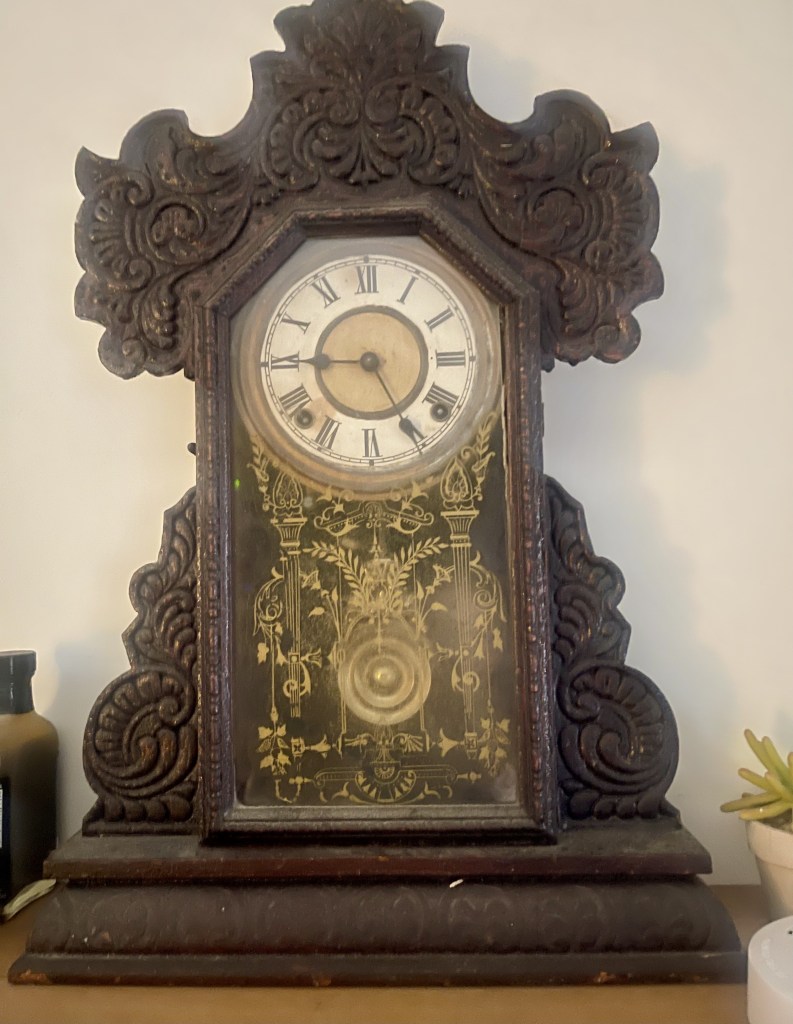
When the clock was finally ready, the Thompsons returned to the shop. Horace unveiled the masterpiece—a grand wooden clock with ornate carvings and delicate details. As the family gathered around, he wound the clock and set it in motion.

The clock’s hands began to move, but not steadily. Instead, they danced, slowing down during moments of joy and speeding up during excitement. Each tick resonated with the laughter of birthdays, the warmth of holidays, and the quiet comfort of everyday moments.

The Thompson family’s clock became a cherished heirloom as the years passed. It recorded Emily’s first steps, Ben’s school achievements, and countless family gatherings. Each time they look at it, they will remember the love and memories that had shaped their lives.

Word of Horace’s extraordinary clocks spread far and wide, and families from distant towns came to Willowbrook, seeking their own Timeless Treasures.

Horace welcomed them all, listening to their stories and weaving their memories into the fabric of time.

So, in the little town of Willowbrook, the clockmaker who could capture moments continued to craft his magical clocks, ensuring that no memory was ever lost to the relentless march of time.

Winning Big, By Realizing How Not To Spend It – A Jackpot In Vegas

A Story by: Benjamin Groff© Groff Media2024© Truth Endures

Vernon and Bernice had traveled from Pumpkin Center, Oklahoma, to Las Vegas to attend a conference paid for by Bernice’s employer, the Magic Pipe Copper Company. The company was not involved in magic, pipes, or cups despite its name. Its primary function was to handle hotel bookings, changes, and cancellations. Any calls unrelated to these services got transferred to another company, Heads Turning Company, which was not affiliated with the Magic Pipe Copper Company.

Bernice’s conference was to begin tomorrow, and Vernon had saved for his part of the trip for nearly a year, knowing he would get to go about Las Vegas alone while Bernice attended the conference during the daytime. Bernice had told Vernon that she didn’t mind if he gambled but didn’t want him to go overboard and go broke. He promised her that he would tell her immediately if their finances changed. She told him that if you win something big, it better be enough for us to live forever because the company would probably fire me for it. She was kidding, but Vernon thought she was serious. He had read about a company in Russia that had all but killed an employee who won big in Las Vegas and tried to stay in the USA with their winnings. Vernon was from a small town and never caught on to the more significant influences of life.

As Bernice left for her conference, she kissed Vernon and said,

“You behave today, and we will go to the all-you-can-eat buffet tonight!”

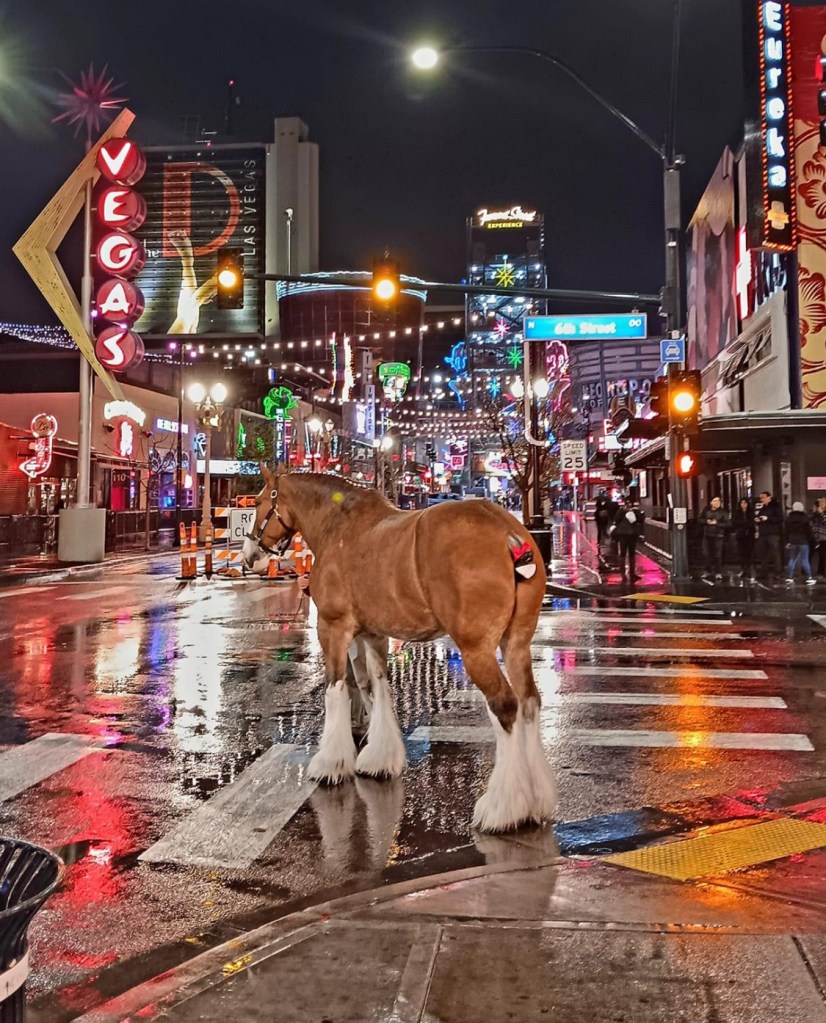
He agreed and returned her kiss. After she left, Vernon hurried around, finished dressing, and checked his cash. He was sure he kept his big bills hidden. Some were in his zipper-hidden belt; some were in his socks under his feet and inside his shoes, and some were in a pocket hidden inside his waistband. Then he had a hundred and fifty folded into a money clip. In his wallet, he kept fifty-ones. To make it look like that was all his money should a robber hold him up. He checked the news for a quick update, and the headlines reported that a horse was blocking Fremont Street near downtown Las Vegas. Suitable for Vernon, he had planned to stay inside the casino most of the morning.

As Vernon left the couple’s hotel room, he double-checked to ensure he locked the room door and had the key card to get back in. Check. Everything was in order. Vernon walked to the elevator and proceeded to the ground floor.

The doors opened onto the Gaming Floor, and one-armed bandits were ringing and rolling, lights were flashing, and loud sounds were banging. All of the attractions caught Vernon’s attention and drew him in closer.

A lady sitting behind one of the machines screamed,

“I just won $1000!” and began jumping up and down.

A man a few rows over hollered,

“I won $100!”

Vernon thought, here I am with my money clip and $150. I have to see what I can win. Vernon sat down, put $20.00 in a slot machine, hit ‘bet everything,’ and rolled suddenly. The screen lit up with “JACKPOT,” and the machine went wild. Nothing came out of the machine, but the sounds were incredible. And people began crowding in around Vernon. People were making all kinds of gestures and comments; Vernon, not knowing what he had just done, said, I don’t know what happened; did I break it? A lady in the crowd said,

“Did you break it? Ha! HE WANTS TO KNOW IF HE BROKE IT”

The crowd erupted into laughter and cheers, their excitement palpable.

The lady replied to Vernon,

HONEY, you didn’t break it. You might have broken the house but didn’t break the machine. You just won a bunch of money—from the looks of things, you just won about Fifty Million Dollars!

Vernon was left in a state of shock. How did a mere $20 bill transform into this? And how was he going to break the news to his wife? He still needed to collect the money, but should he? These thoughts raced through Vernon’s mind when a man in a suit suddenly approached him.

Are you the one who played this machine?

Vernon replied,

Yes, I put in $20 and played, and it started doing this.

The man put a key into the machine, printed a paper, and told Vernon to come. The crowd cheered him as he left. The man took Vernon to the Hotel’s office and asked him to be seated. He then told Vernon that he had just won $92 million and asked if he would like that paid out in cash, check, or wired to his bank. The man told him the law requires him to pay taxes on the winnings, which the bank had already performed. That is why he was only getting $52 million. Vernon was speechless. He said his wife was attending a conference and asked if she had to pay her share too, and the man said no, this takes care of everything. Vernon said how about the business that she works for? Will they get any of it like the guy from Russia had to? The man laughed and said no, this is the United States; for now, with our form of government, those things do not happen here. However, if we allow the wrong people into leadership, that could easily change. So be careful of who you support when you go to vote.

Vern told the man he wanted all but twenty thousand deposited in their home banking account and would take the twenty thousand in cash. Vernon liked it in a bag that wouldn’t draw attention. So the man went to the casino and obtained shopping bags for children’s toys. He returned to the office and showed it to Vernon, letting him pick which bags he wanted to put money in. Then, Vernon left carrying twenty thousand dollars out of the office in children’s toy bags. Vernon returned to the hotel room and waited for Bernice to return from her conference.

At 4:00 PM, Bernice returned from her conference. Vernon asked if she was attending the sessions the next day. She said she was. He told her he had seen all he wanted of Las Vegas and was about ready to go home. She suggested he could surely play poker or slots tomorrow, or wondered if he might have lost all his money. Vernon explained he had not lost all his money, but they would be going home with more than they came with, and that is where he wanted to leave it.

Bernice said,


Let me go to the morning session, at least. There will be a bonus for us doing that. Lord knows we can use the money.

Vernon replied

You know we have all the money we need. More than we will ever need.

Bernice suggested he must have fallen and hit his head. Or he had been drinking the tall drinks the bartender was trying to sell because they always needed more cash come payday.

Vernon explained to her that has changed.

Today, Bernice, that all changed. I won a jackpot, and they put $52 million in our checking account and looked in these toy bags. That is the cash I kept for us to go home on.

Bernice nearly fainted as she looked at the cash and suggested he must have robbed a bank. He explained to her he had won on the first spin of the one-armed bandit and showed her a photo of him accepting the winnings at the hotel lobby. She pointed out they offered an increase in comfort for the two to experience, like a suite, free meals, and bar service. They were giving you a complete complimentary setup.

Vernon dryly said –––

They did, but I told them we already had this one paid for.

Bernice, shockingly looking amazed, –––

You know they would give you a suite and a nice upgrade for free.

Vernon, in his state of innocence, pleaded –––

You are the only sweet I want, and I don’t need to upgrade.

Bernice, looking defeated, thinking out loud –––

What do we need all that money for? You will always need help understanding how to use it.

Vernon agreed with her.

The moral of this story is that the people who win jackpots are rarely the ones who truly have any business access to one.

The Secret of Willow Woods

A Story By Benjamin Groff© Groff Media2024© Truth Endures

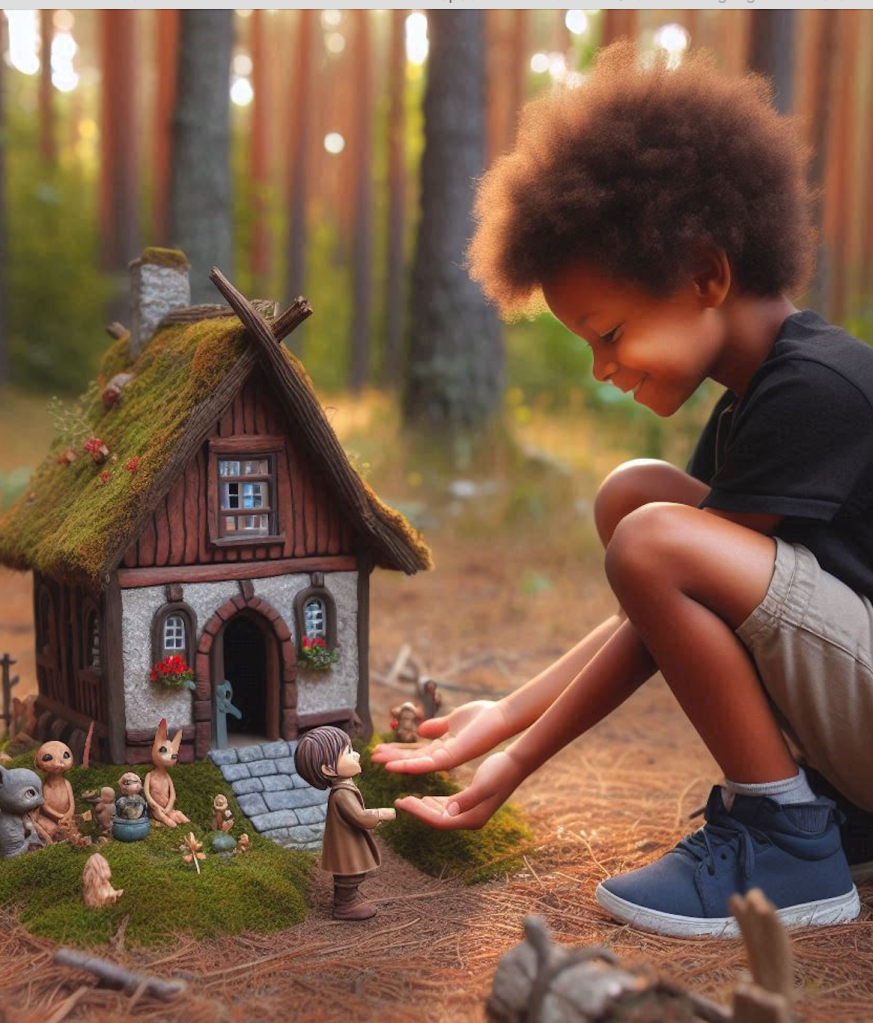
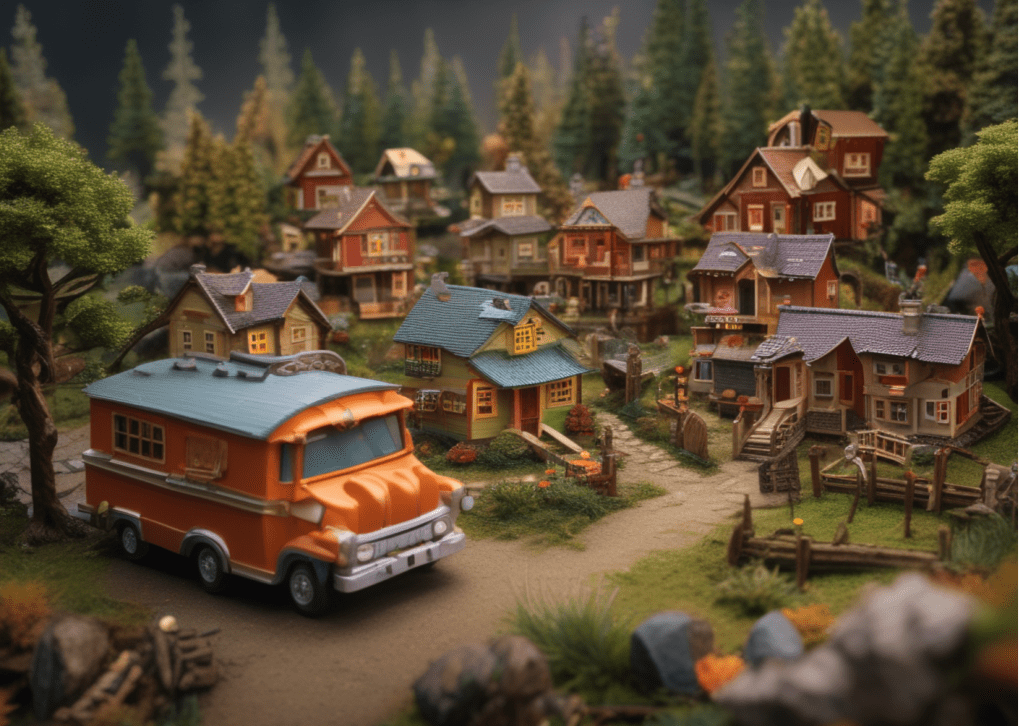
Tommy was a curious little boy who loved exploring. One summer afternoon, he ventured deep into Willow Woods, a place he had always wondered about. As he wandered through the dense trees, he stumbled upon something extraordinary: a hidden community of miniature people no more significant than his pinky finger.

They lived in tiny homes nestled in the roots of trees, complete with a store, a church, and a post office. There were no cars, for they had not mastered making them so small. Instead, they traveled on foot or used small carts pulled by squirrels.

Tommy was amazed and approached cautiously. The miniature people, initially startled, soon realized he meant no harm. Among them was a little person named Nolin, who became fast friends with Tommy. They spent hours together, sharing stories and learning about each other’s worlds.

One day, Tommy had an idea. He brought a toy car from home and showed it to Nolin. The little vehicle fascinated the miniature people. With Tommy’s help, they began to design tiny vehicles that ran on water. Using miniature engines and the natural resources around them, they created a fleet of small, eco-friendly cars.

The community also harnessed wind and solar power to produce electricity. Tiny windmills spun in the breeze, and miniature solar panels soaked up the sun’s rays. The town flourished, becoming a model of sustainable living.

Their actions not only protected their community but also had a positive impact on the environment, inspiring others to follow their lead.

However, Tommy knew he had to keep their secret safe. He feared that if the grown-ups found out, they might destroy everything the miniature people had accomplished. This responsibility weighed heavily on him.

One day, as he was leaving the woods, he overheard some adults talking about expanding the nearby town, which would infringe on the woods. Tommy’s heart sank. He knew he had to act.

Tommy went back to the miniature town and shared his worries with Nolin. Together, they devised a plan. They would build a protective barrier of thorny bushes around the community, making it difficult for anyone to venture close. The miniature people worked tirelessly, and a dense wall of thorns soon surrounded their town.

The adults did start to clear some of the woods, but they stopped short when they encountered the thorny barrier. Declaring it too much trouble, they left that part of the forest untouched.

Tommy was relieved but knew the barrier was only a temporary solution. He solemnly promised Nolin and the miniature people that he would always protect their secret. This promise was not just a word, but a commitment that he upheld throughout his life, visiting them often but never telling anyone about the wonders hidden in Willow Woods.

In the end, there were no winners and no losers. The miniature community continued to thrive, hidden from the world. Tommy grew up, but he always remembered his tiny friends and the promise he made. His word was his bond, shielding the secret community, allowing it to remain a beacon of what the world could be—sustainable, harmonious, and thriving—hidden safely in the heart of Willow Woods. This story is a testament to the power of promises and the impact of small actions on a larger scale. 

The story would have ended there if not for the promise so many years ago. The one Tommy gave said he would always shield the little people from the significant adults and intruders wanting the land for greed. Tommy, a successful businessman who had made millions in his dealings, bought the little people’s world’s land and built a protective barrier around the property. He then placed the property in a revolving Trust that would remain untouched, assuring the little people’s world would always be safe from intruders. This time, Tommy returned to tell Nolan, now an elder of the community getting to say,

“WE WON!”

Being Blindsided By Two Of The Craziest Drivers In Town ––– Leaves Everyone Jumping Out Of The Way.

A Story By Benjamin H Groff© Groff Media Copyright 2024©

In the quaint town of Willow Springs, the residents were known for their simple and predictable way of life. It was a place where everyone knew everyone, and the townspeople tended to accept change skeptically. That is, until the day Leonard and Frank, two elderly blind men, decided to shake things up with an adventure that would change the town forever.


Leonard and Frank, with their mischievous humor and lighthearted attitudes, had been best friends for decades, bonded by their shared experiences and a mutual love for adventure. Despite their blindness, they were known for their spirited attitudes and naughty humor. So, when they heard about the new self-driving car, they were immediately intrigued.


“Frank, can you believe it?”

Leonard exclaimed one morning over tea.

“A car that drives itself! Imagine the freedom it would give us!”


Frank, equally excited, nodded vigorously.

“Let’s do it, Leonard. Let’s buy one!”


The townsfolk of Willow Springs were accustomed to the sight of Leonard and Frank navigating the streets with their canes, always laughing and chatting animatedly. So, the entire town was curious when a shiny, futuristic self-driving car appeared in front of their modest home.


“Have you heard? Leonard and Frank got one of those new self-driving cars!”

Mrs. Thompson whispered to her neighbor.


“Those two? In a car? The two driving, I’ve got to see,”

her neighbor replied.


On a sunny Saturday morning, Leonard and Frank decided to take their new car, which they affectionately named “Freedom,” for its maiden voyage through town. As they settled into the plush seats, the car’s AI voice greeted them.


“Good morning, Leonard and Frank. Where would you like to go today?”


“To the park, please,”

Leonard said confidently.


As “Freedom” smoothly pulled away from the curb, the neighbors watched in a mix of astonishment and amusement. Some cheered, others gasped, and a few crossed themselves, praying for the safety of everyone involved. A dog barked, a child pointed, and a few people even dropped their groceries in shock.


The car moved gracefully through the streets, impeccably adhering to all traffic laws. Leonard and Frank laughed heartily, relishing the novelty of their adventure. They waved to passersby, who stared in disbelief at the sight of two blind men being chauffeured by a car without a driver.


However, things turned unexpectedly when “Freedom” encountered a detour due to road construction. The car, programmed to follow alternative routes, led Leonard and Frank on a scenic drive through the unfamiliar backstreets of Willow Springs. The residents, already on edge, began to panic.


“Where are they going? They don’t know those roads!”

Mr. Jenkins shouted, hopping on his bicycle to follow them.


As word spread, more townspeople joined the impromptu parade, trailing behind Leonard and Frank’s self-driving car. Some were on foot, others on bikes, and a few even in their cars, all trying to keep up with the unexpected journey.


Oblivious to the commotion behind them, Leonard and Frank were having the time of their lives. “Freedom” took them past the old mill, the blooming orchards, and even down the riverbank. It was a tour of Willow Springs like they had never experienced before.


Meanwhile, the crowd grew more extensive and more frantic. Children pointed and laughed, dogs barked, and a few people even attempted to flag the car down, worried about the safety of their beloved town characters. The mayor, Mr. Roberts, received dozens of calls and texts demanding he do something about the situation.


Finally, “Freedom” brought Leonard and Frank to the town square, where the weekly farmer’s market began. As the car came to a gentle stop, the two friends stepped out, greeted by a mixture of cheers, applause, and sighs of relief.


“What a ride!” Frank exclaimed, grinning from ear to ear.


Leonard nodded, equally ecstatic.

“I haven’t had this much fun in years!”


The mayor approached them, catching his breath from running to the square.

“Gentlemen, you certainly know how to cause a stir,”

he said, trying to suppress a smile.


Leonard and Frank looked at each other and burst into laughter.

“We didn’t mean to cause any trouble,”

Leonard said.

“We just wanted to explore a bit.”


“And explore you did,”

The mayor replied.

“But perhaps giving us a little warning would be appreciated next time.”


From that day on, Leonard and Frank became local legends. The story of the two blind men and their self-driving car spread far and wide, bringing a newfound sense of pride and unity to Willow Springs. Initially thrown into chaos, the community embraced the spirit of adventure and innovation, inspired by their two beloved residents.


And Leonard and Frank? They continued to explore, always ready for their next adventure, with “Freedom” leading the way and a town full of friends cheering them on.

The Unforgettable Story of Ethan: A Three-Legged Hero’s Courage and Sacrifice in Willowbrook

A Story By Benjamin H Groff© Groff Media Copyright 2024©

A man named Ethan lived in the quaint village of Willowbrook, nestled among rolling hills and serene landscapes. Ethan was unlike any other in the town; he was born with a third leg. Though some initially viewed him with curiosity and even pity, he became an integral part of the community, his unusual limb symbolizing resilience and strength.


The village cherished its traditions, and none was more beloved than the annual Christmas service held in the old stone church at the heart of Willowbrook. On Christmas Eve, every villager would gather for a night of songs, stories, and the sharing of a festive feast.
However, one fateful Christmas Eve, the peaceful village was disrupted by a band of ruthless hoodlums. Known for their brutal raids, they had been terrorizing nearby towns, leaving a trail of destruction in their wake. The villagers of Willowbrook had heard whispers of their approach but hoped their remoteness would spare them.


As the service commenced, distant hoofbeats grew louder, echoing ominously through the church. Panic spread among the villagers as the doors burst open, revealing the menacing figures of the hoodlums. They forced everyone into the central aisle, threatening violence and demanding valuables.


Ethan, seated near the back, watched the chaos unfold. His heart pounded, not out of fear for himself but for his friends and family. He knew he had to act. As the hoodlums corralled the villagers, Ethan stumbled and fell in the narrow central aisle, his third leg jutting out awkwardly.


Shouts of anger and confusion erupted from the hoodlums as they tripped over Ethan’s leg, one after another. Understanding Ethan’s silent signal, the villagers began to leap over his third leg with practiced ease. The invaders, unfamiliar with the anomaly, continued to fall, rendering themselves unconscious as they hit the stone floor.


Ethan’s bravery gave the villagers the precious moments they needed. The stronger men and women quickly disarmed the stunned hoodlums, binding them with whatever they could find. The church that had been a place of sanctuary became a fortress of courage and quick thinking.
In the aftermath, the village celebrated Ethan as a hero. His act of selflessness and his unique third leg had saved them all. Yet, Ethan, who had always been modest and kind-hearted, succumbed to injuries sustained in the struggle. He passed away that night, surrounded by those he had saved.


Ethan’s story became a legend, and when the townspeople spoke his name, it was done so with reverence and gratitude. A statue was erected in the village square, depicting him with his three legs, a testament to his bravery and the night he saved Willowbrook. Every Christmas Eve, the villagers would gather at the church, now with a plaque dedicated to Ethan, and recount the tale of the man whose unique gift had become their salvation.
The legend of Ethan, the three-legged savior of Willowbrook, lives on, symbolizing how even the most unexpected traits can be the greatest of blessings.

Jamie: The New Face of Laughter in the Land of Sorrow

In a land where laughter was the currency of happiness, the funniest person on earth was Charlie, “Buckles” McGuffin –– who reigned supreme. His wit was sharper than the finest blade, and his laughter was contagious enough to cure the deepest sorrows. As everyone fondly called him, Buckles had the uncanny ability to turn the gloomiest days into festivals of joy with just a word or a gesture.


Then, one fateful day, Buckles was found lifeless in his cozy little cottage. The news spread like wildfire, and an unimaginable hush fell across the country. Once bustling with joy and merriment, the towns and cities became silent, their streets echoing with the void left by his absence. Even the skies seemed to mourn, covered with a blanket of gray clouds that mirrored the people’s collective sorrow.


The days turned weeks and weeks into years, but the silence persisted. The theaters, once filled with roaring laughter, were now empty. The cafes, where friends gathered to share jokes and stories, were now quiet. The country’s heart had stopped beating, its lifeblood of laughter drained with the passing of Buckles. No one could fill the void he left behind, and the silence was a constant reminder of the irreplaceable loss.


Years later, a child named Jamie was born in a small, forgotten village on the outskirts of the country. From the moment he could speak, it was clear that Jamie had a gift. His first word wasn’t “Mama” or “Dada,” but a hilarious mispronunciation of “banana” that had his parents in stitches. As he grew, his knack for humor became more evident. He had an innate ability to see the world in a light that others couldn’t, turning mundane situations into comedic gold.


By the time Jamie was a teenager, his reputation had spread. People would travel from far and wide to hear him speak. His humor was fresh, and his perspective was unique. He didn’t mimic Buckles; he brought something new to the table. His jokes blended innocence and cleverness, and his laughter was a beacon of hope in a land shrouded in sorrow.


Jamie’s rise to fame was meteoric. His performances began to draw crowds that were more significant than any seen since Buckles’ time. Theaters filled with fans once more, and the streets echoed with laughter. It wasn’t long before Jamie’s influence spread beyond his village, reaching the farthest corners of the country. The silence that had gripped the land for years dissipated, replaced by the joyous sound of laughter and celebration.


The people, initially hesitant, found themselves embracing this new wave of humor. Jamie’s presence was a breath of fresh air, a reminder that while no one could ever replace Buckles’, the spirit of laughter and joy could live on. The country began to heal. The wounds became soothed by the gift that Jamie brought. He wasn’t a replacement for Buckles but a new chapter in the book of laughter.


Jamie’s name became synonymous with joy in time, just as Buckles’ had been. Once plunged into darkness, the light of his humor now illuminated the nation. The silence became broken, and in its place, a new era of laughter and happiness began. Buckles’ legacy lived on, not in the form of a shadow but as a foundation upon which Jamie built his own unique brand of comedy, forever changing the land and restoring the laughter that was its lifeblood.

Gigglewood Midnight Squad: Adventures of an Unconventional Police Team

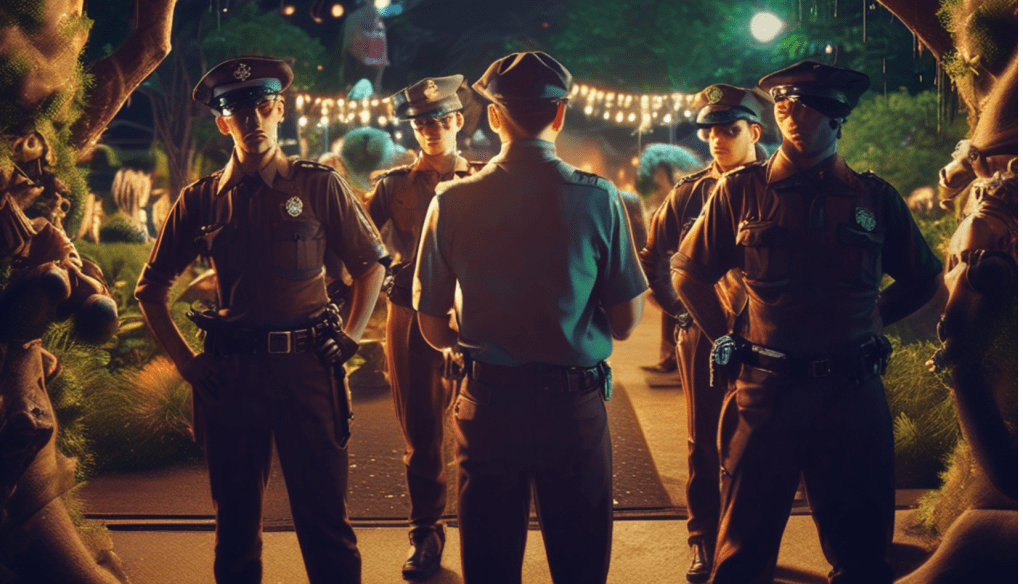
In the bustling city of Gigglewood, a place known for its vibrant nightlife and quirky inhabitants, the streets came alive at night, lit up not just by neon signs but also by the laughter and antics of its most beloved, albeit unconventional, police team: the Midnight Squad, comprised of six dazzlingly attractive officers, their presence was always a spectacle. They donned the sexiest, tight-fitting uniforms that accentuated their gym-sculpted bodies, causing heads to turn and hearts to flutter.

Officer Mia Valentine, the squad’s fearless leader, was known for her killer curves and unrelenting determination. A bisexual dynamo with a wicked sense of humor, Mia could easily switch from laying down the law to cracking up her team. Her second-in-command, Officer Alex Steel, was a trans man with the charm of a movie star and the strength of a superhero. Alex’s journey inspired the whole team, and his quick wit often saved them from the trickiest of situations. “Hey, Alex, ready to save the day again?” Mia would often tease, to which Alex would reply with a smirk, “Always, boss.”

Officers Jen and Lily were inseparable, both on and off duty. The two women, partners in every sense, had a knack for getting themselves into and out of ridiculous predicaments. Jen’s tech skills and Lily’s strategic mind made them a formidable duo, though their constant banter often left their colleagues in stitches.

Then there were Officers Mark and Kyle, whose bromance blossomed into a full-fledged romance. Their goofy camaraderie and over-the-top displays of affection often lightened the mood during tense moments. With his boyish charm and impressive physique, Mark was the team’s undercover expert, able to blend in with any crowd. Meanwhile, Kyle, a former gymnast, was their go-to for anything requiring agility and acrobatics, often using his skills to distract the bad guys during high-stakes operations.

One balmy night, the Midnight Squad faced their most absurd challenge yet. A call came in about a mysterious disturbance at the Gigglewood Zoo. “Looks like we’ve got a situation with the animals,” Mia said, raising an eyebrow. “Let’s roll, team!” The absurdity of the situation was not lost on the squad, and it only served to heighten their determination and sense of humor.

The squad arrived at the zoo to find it eerily quiet. As the officers cautiously approached the entrance, a peacock suddenly strutted by wearing a tiny police hat. “This is definitely not part of the zoo’s usual dress code,” Mia whispered, her hand on her holster. 

“I have a bad feeling about this,” 

Alex muttered, his eyes scanning the shadows.

Jen and Lily, always up for a challenge, split off to check the reptile house. They soon discovered that all the snakes had somehow gotten loose and were now tangled together in a giant, writhing ball. The sight was both terrifying and strangely mesmerizing, like a scene from a horror movie directed by a clown. 

“Why does it always have to be snakes?” 

Jen groaned. 

Lily just shook her head, pulling out a bag of marshmallows. 

“Let’s lure them back with something they can’t resist,” 

She said, handing Jen a stick. 

They proceeded to toast marshmallows and lure the snakes back into their enclosure with the sugary treats.

“You know, Jen, this is probably the weirdest thing we’ve ever done,”

Lily said, trying to stifle a laugh.

“And that’s saying something,”

Jen replied, a mischievous twinkle in her eye.

Meanwhile, Mark and Kyle headed to the primate exhibit, only to find that the monkeys had broken into the zookeeper’s bananas and energy drinks stash.

“Looks like they’re planning a wild night,”

Mark joked, as they watched the monkeys swing wildly from tree to tree, their fur standing on end from the caffeine rush.

 “Monkey rave,” 

Kyle exclaimed as they watched the primates swing wildly from tree to tree. 

“We need to tire them out,” 

Mark suggested, grabbing a nearby boom box. Moments later, the air filled with the sounds of the latest dance hits, and Mark and Kyle led the monkeys in an impromptu dance-off until the exhausted primates fell asleep in a heap.

Back at the central plaza, Mia and Alex stumbled upon the mastermind behind the chaos: a rogue parrot with a flair for mischief.

 “Polly wants a key to the city,”

 It screeched, perched atop the mayor’s statue. 

Mia rolled her eyes. 

“Not tonight, featherbrain,”

She said, brandishing a net.

The parrot led them on a merry chase through the zoo, but Alex, with his agility and speed, cornered it in the butterfly house.

“Nice try,” 

He said, gently capturing the bird. 

“But you’re coming with us.”

With the zoo back in order, the Midnight Squad regrouped.

 “Another night, another crisis averted,”

 Mia said, looking at her team with pride. 

“And another story for the ages,”

 Mark added, wrapping an arm around Kyle.

As they returned to the station, the team couldn’t help but laugh at the absurdity of it all. They were a ragtag bunch, each with their quirks and charms, but together, they were unstoppable. The Midnight Squad wasn’t just a team; they were a family, united by their love for each other and their city, ready to face whatever craziness the night would bring next. The audience is invited to share in this sense of belonging and unity, making them feel a part of the Midnight Squad’s unique world.

New Haven: Rebuilding Humanity After the First Contact War

In 2147, the world was altered irrevocably by the catastrophic aftermath of the First Contact War, a conflict that erupted when humanity made its first contact with an alien civilization. This discovery, instead of being the peaceful meeting of cultures and ideas that many had hoped for, led to a devastating war that ravaged Earth, leaving it a shadow of its former self, with much of the planet in ruins.

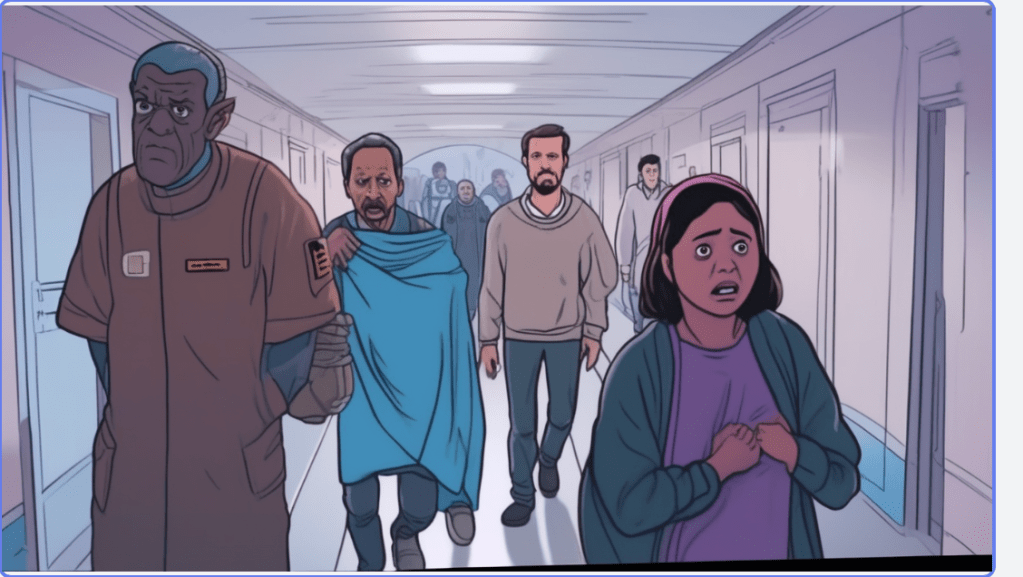
Amidst the desolation, small pockets of survivors, resilient and determined, tried to rebuild their lives. One such place was the settlement of New Haven, a converted underground research facility that provided refuge to humans and non-humans alike. In the dimly lit corridors of New Haven, it was here that a group of survivors, their spirits unbroken, made their way to the main meeting hall.

Leading the group was Dr. Rithian Torvak, a Xelorian biologist from a race that had formed a crucial alliance with humanity against the common enemy. The Xelorians, known for their green, textured skin, and elongated ears, were a race of peaceful scholars who had never engaged in warfare before. Despite the prosthetic arm—a reminder of the war’s brutal cost—he was a source of strength and wisdom, a testament to the unity forged in the face of adversity.

Anaya Patel, a young woman who had become a beacon of hope for many, closely followed Dr. Torvak’s research. Anaya had emerged as a natural leader, her compassionate heart and unyielding spirit rallying the survivors, united in their struggle, through their darkest days. Her parents had perished defending their home, but she had sworn to honor their memory by protecting those who remained.

Beside him, clutching a tattered blue blanket, was Samuel Grant, a former engineer who had lost his family in the initial invasion. Samuel’s eyes appeared haunted, but he found solace in aiding Dr. Torvak with his research, hoping their efforts might lead to a brighter future. His knowledge of pre-war technology was invaluable in keeping New Haven operational.

As they walked through the corridor, the walls echoed with the murmurs of the other residents, each carrying their own stories of loss and survival. The group was heading to a crucial meeting to discuss the latest developments in their efforts to reclaim the surface and search for other survivors.

The corridor opened into a large room filled with makeshift tables and chairs. On one wall, a digital display showed the map of their known world, with red zones marking areas still too dangerous to explore. These zones, remnants of the war, were filled with mutated creatures and unstable terrain, posing a constant threat to anyone who dared to venture into them. The air was thick with a mix of hope and desperation, as the survivors were acutely aware of the dangers that lurked just beyond their reach.

Dr. Torvak stepped forward to address the gathered crowd.

“We have received a transmission from what we believe to be another survivor enclave. This communication could mean there are more of us out there than we thought.”

The room buzzed with whispers. Anaya, her voice steady but filled with emotion, raised her hand, silencing the crowd.

“If there are more survivors, we must find them and bring them here. Every life matters, and together, we can rebuild.”

Her words, a testament to the hope that still burned within them, resonated with the survivors, filling the room with a renewed sense of purpose and determination.

Samuel nodded in agreement.

“We have the technology to send a team, but it will be dangerous. We must prepare for anything.”

Dr. Torvak glanced around the room, his eyes filled with determination.

“We have faced darkness and survived. Now, it is time to reclaim our world, to rebuild what we have lost, and to forge a future where all races can live in peace.”

His words, a rallying cry for the survivors, echoed in the room, filling them with a renewed sense of determination and unity.

As the meeting concluded, the survivors of New Haven felt a renewed sense of purpose. They knew the road ahead was perilous, but they believed, with a flicker of hope in their hearts, they could overcome any obstacle together. In the shadows of their broken world, they found the strength to hope, fight, and dream of a brighter, more peaceful tomorrow.

Despite their broken world, hope remained to rebuild even in the presence of a mixed culture of individuals—all who were put together not out of choice but out of a twist of fate!

Victor: A Man of Mystery and Resilience | Uncovering the Lost Relic in Haunting Mansion

A forgotten mansion, shrouded in mystery, stood in the heart of the old city, nestled among the cobblestone streets and gothic architecture. Its grandiose facade, though worn by time, still retained an enigmatic elegance. On a stormy evening, Victor, a man of mystery and resilience, found himself drawn to this mansion, its secrets whispering to him.

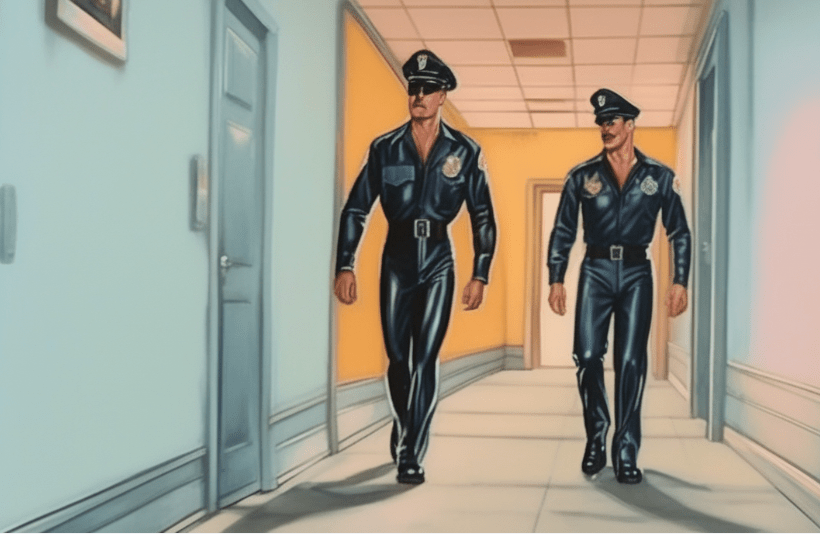
Victor, a man of mystery and resilience, had always been a seeker of the unusual, the arcane. His latest obsession had led him to this mansion, rumored to be the repository of a lost relic. He was a formidable presence in his black leather attire, adorned with silver studs and zippers. His attire, a blend of functionality and style, spoke volumes of his readiness for whatever the night might bring.

The mansion’s interior was a haunting blend of past grandeur and eerie decay. The flickering candlelight cast eerie shadows on the portraits of stern-faced ancestors that lined the walls, their eyes seeming to follow him as he made his way through the dimly lit halls. The air was thick with the scent of old books and the faint, lingering traces of incense, and the floorboards creaked under his weight.

Victor’s destination was the study; a room said to contain a hidden compartment where the relic was concealed. He had done his homework; old blueprints and cryptic notes had led him here. With a determined stride, he entered the study, its heavy wooden door creaking ominously.

The room was a testament to the mansion’s former glory, with rich mahogany shelves lined with ancient tomes, a grand fireplace, and a massive desk that dominated the space. Victor approached the desk, his leather-clad fingers tracing the intricate carvings on its surface. He had a hunch that the key lay in the hidden compartment of the desk itself.

After a meticulous search, Victor’s fingers found a small, concealed latch. A secret drawer slid open with a soft click, revealing a velvet-lined compartment. Inside lay an ornate box, its surface inlaid with mother-of-pearl and silver filigree. Victor’s heart raced as he carefully lifted the box and opened it.

Inside, nestled in velvet, was the relic: an ancient amulet, its center a polished obsidian stone encircled by symbols of power and protection. As Victor held it, a surge of energy coursed through him, confirming the amulet’s authenticity; this was what he had been searching for. The amulet, rumored to hold the key to immortality, was a prize coveted by many.

His triumph was interrupted by the sound of footsteps echoing through the hall. Victor quickly stashed the amulet in his belt pouch and closed the drawer, his senses on high alert. He had been cautious, but it seemed he was not alone in his quest.

The door to the study burst open, and a figure clad in dark robes stepped in. ‘You have something that belongs to me,’ the intruder hissed, eyes glinting with malice. ‘You’re too late,’ Victor replied, his voice steady. ‘The amulet is mine now.’

Victor stood his ground, his hand instinctively moving to the hilt of his concealed dagger. “The amulet is not yours to claim,” he replied coolly. “It belongs to no one but itself.”

A tense silence filled the room, broken only by the distant rumble of thunder. The intruder moved with surprising speed, lunging towards Victor. But Victor was ready. In a swift, fluid motion, he drew his dagger and deflected the attack, the blade glinting in the dim light. His heart pounded in his chest, his senses heightened as he focused on the task at hand.

The fight was a whirlwind of intensity. Victor’s combat training and the intruder’s desperate aggression clashed in a flurry of movement. The air crackled with tension as they circled each other, each seeking an opening. In the end, Victor’s skill and determination prevailed. The intruder, defeated and disarmed, lay on the floor, gasping for breath.

Victor looked down at his defeated opponent, his eyes a mix of pity and resolve. ‘Leave now and never return,’ he ordered, his voice firm but tinged with a hint of sadness. ‘The amulet’s power is beyond your understanding.’

The intruder, cowed and beaten, scrambled to his feet and fled into the night. Victor watched him go, his eyes filled with a mix of pity and resolve. He knew his journey was far from over. The relic’s true power and purpose were yet to be revealed, and he was resolute in his determination to unravel its mysteries.

With the amulet safely in his possession, Victor left the mansion and stepped into the stormy night. Lightning illuminated his path, and the rain washed away the remnants of the battle. As he disappeared into the shadows, one thing was sure: Victor’s legend was only beginning.

The Heartwarming Story of Jello: From Community Beloved Dog to Honorary Mayor of Millbrook

Jello, a spirited dog with golden fur, floppy ears, and a tail that wagged like a metronome, lived in the quaint town of Millbrook. He was a free spirit, beloved by all, and a fixture of the community, embodying the warmth and unity of Millbrook.

Jello had his routines. Every morning, he would trot to the bakery where Mrs. Thompson would have a fresh scone waiting for him. Then, he’d visit the school playground, where children would shower him with affection and sneak him bits of their lunches. Jello often spent afternoons lounging in the sun outside the library, where Mr. Caldwell would read to him from the latest novels. By evening, he would make his rounds at the town square, greeting everyone with a joyful bark before curling up under the big oak tree for the night. The community’s love for Jello was palpable, creating a sense of unity and togetherness.

The townspeople adored Jello so much that someone humorously suggested nominating Jello for Mayor when the mayoral election came around. The idea quickly gained traction. “Who better to represent our town than Jello?” they said. “He’s loyal, kind, and brings everyone together.” And so, in an unprecedented turn of events, Jello’s name appeared on the ballot.

As the election drew near, excitement buzzed through Millbrook. Posters of Jello, donning a makeshift mayoral sash, adorned shop windows and bulletin boards. The slogan “A Mayor Who Cares” echoed through the streets. But a week before the election, something terrible happened: Jello went missing.

Panic spread like wildfire. Where could he be? The entire town, deeply concerned, rallied to search for him. Kids formed search parties, calling his name through the woods and fields. Shopkeepers closed early to join the search; even the local police were on high alert. There were flyers everywhere: ‘Missing: Jello. Our Town Hero. Please Help!’. The town’s reaction to Jello’s disappearance was a testament to their deep empathy and concern.

As days passed with no sign of Jello, whispers of foul play began to circulate. The thought was too dreadful to bear, but the town’s unity shone through their worry. They held candlelight vigils, their collective hope a beacon in the darkness, a testament to their resilience and unity.

On the eve of the election, a familiar bark echoed through the town square just as hope was waning. It was Jello, looking a bit dirty and tired but otherwise unharmed. The townspeople greeted Jello with cheers and tears of joy. Mr. Caldwell, who had been leading a search party near the old mill, found him trapped in an abandoned shed, likely having chased a squirrel inside and gotten stuck.

The town’s relief was palpable. Shopkeepers cleaned him up, fed him his favorite treats, and gave him more attention. Election day arrived, and with Jello safe and sound, the town celebrated their unusual but heartwarming choice for Mayor. After tallying the votes, it was no surprise that Jello won by a landslide. Although the title of Mayor was symbolic, the gesture embodied the spirit of Millbrook: a community united by love, kindness, and the belief that sometimes the best leaders remind us of the simple, unspoken bonds we share.

Jello, the dog who roamed freely but belonged to everyone, was now the honorary Mayor of Millbrook. His tale became a cherished legend, reminding all who heard it of the power of community and the unexpected ways in which leaders can emerge.

The Paradox of Charlie North

The man whose loving heart brought conflict and rift with unexpected rewards he showered on others.

Charlie North was a familiar figure in the small town of Millbrook, known for his heart as expansive as the sky. He would readily abandon his own tasks to assist a neighbor with a leaky roof or chauffeur an elderly friend to a medical appointment. His acts of kindness and warmth were unparalleled, and everyone who crossed paths with Charlie held a special place for him in their hearts.

Yet, Charlie’s well-intentioned nature had a flip side that often led to discord: he was overbearing. His eagerness to assist frequently transformed into a forceful insistence that his approach was superior, and his constant involvement in others’ lives often left them feeling suffocated. This dichotomy of love and overbearingness earned him a mixed reputation.

One sunny morning, Charlie decided to help Mrs. Henderson with her garden. The widow was grateful for the help but soon became overwhelmed by Charlie’s detailed plans and strict schedules. He dictated the type of flowers to plant, the precise soil mixture, and the exact watering schedule. Mrs. Henderson, who enjoyed gardening as a leisurely and personal hobby, felt her joy drained by Charlie’s micromanagement.

“I appreciate your help, Charlie, but I think I’d like to do some of this on my own,”

Mrs. Henderson said, trying to sound polite.

Charlie was taken aback. He wanted to help, but he needed help to see how his thorough plans were anything but beneficial.

“But, Mrs. Henderson, if we don’t follow the schedule, the flowers won’t thrive as they should,”

he insisted.

As the weeks went by, similar incidents unfolded. At the community bake sale, Charlie’s meticulous organization turned into a rigid control. Initially, the townsfolk appreciated his dedication, but soon they felt stifled and unappreciated. The once vibrant community events started to lose their charm, replaced by a silent resentment towards Charlie’s overbearing ways.

One evening, as Charlie sat on his porch, his lifelong friend, Tom, joined him. Tom was one of the few people who could speak candidly to Charlie.

“Charlie, I’ve known you forever,” Tom began gently. “You’ve got a heart of gold, but sometimes you don’t realize how you come across to others.”

Charlie frowned, puzzled. “I just want to help, Tom. I want everything to be perfect for everyone.”

“I know you do, and that’s what makes you so special,”

Tom said, choosing his words carefully.

“But people need space to make their own choices, even if things don’t turn out perfectly.”

Determined to change, Charlie began to pull back. He continued to offer his help, but he consciously tried to listen more and dictate less. Charlie volunteered at the next community event but let others take the lead. He bit his tongue when things didn’t go as he would have planned, learning to appreciate the different ways people approached problems.

It was a difficult adjustment for Charlie, and he often felt the urge to step in and take control. But slowly, he noticed a difference. Mrs. Henderson’s garden flourished in its way; it was not perfect, but vibrant and full of life. The bake sale was a chaotic success, filled with laughter and camaraderie. People began to welcome Charlie’s presence again without the undercurrent of tension that had once accompanied his help.

Over time, Charlie found a balance. He channeled his love and generosity in ways that empowered others rather than overshadowing them. He was still the same Charlie North—big-hearted and always ready to lend a hand—but had learned to temper his overbearing nature. This transformation made him not only loved but truly appreciated, a testament to the power of self-awareness and the enduring strength of a loving soul.

That night, Charlie lay awake, wrestling with Tom’s words. He reflected on the times his help had been more of a hindrance, the faces of his friends and neighbors flashing through his mind—grateful at first but then strained and unhappy.

And so, Charlie’s story became one of growth and redemption, a testament to the power of self-awareness and the enduring strength of a loving soul.

Riverton Police: A Night in the Life of Detectives Jake and Sam

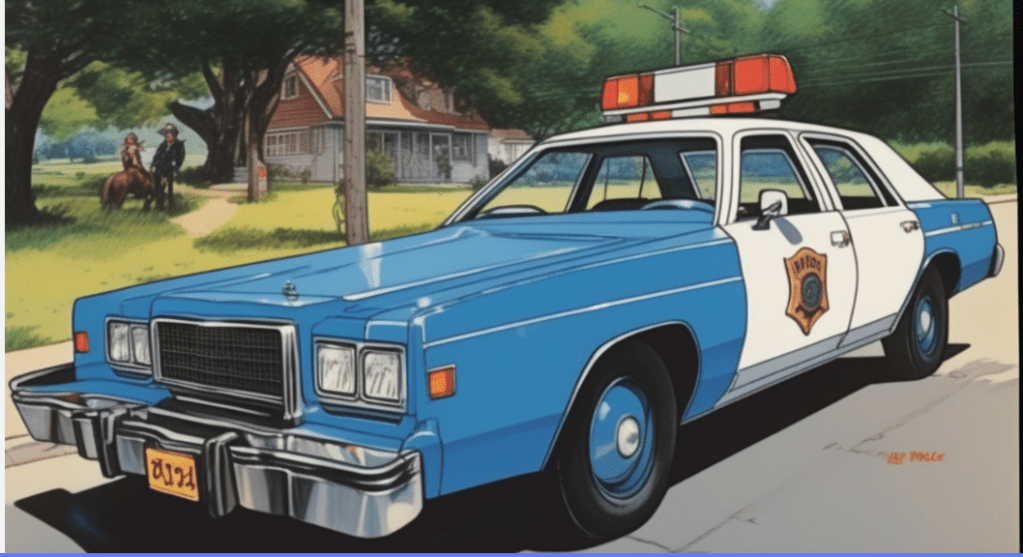
The city of Riverton never slept, nor did Detectives Jake Harris and Sam O’Reilly. Partners for over a decade roamed the nocturnal streets with the kind of synergy only best friends could muster. Their squad car, an unremarkable blue-and-white cruiser, was a beacon of hope for some and a symbol of fear for others.

Jake, with his gruff exterior and piercing blue eyes, was the kind of cop who could read a crime scene like a book. Sam, a lean figure with a quick wit and a knack for defusing tense situations, complemented Jake perfectly. Together, they led the department in felony arrests, arriving at calls faster than anyone else and building relationships with the community that others could only dream of.

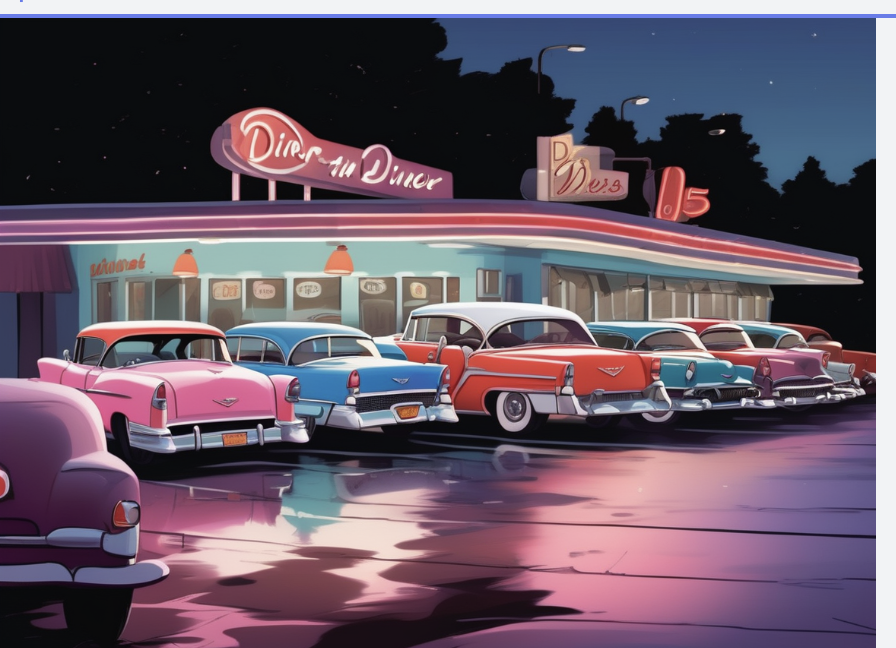
One brisk autumn night, their radio crackled to life with a call that made their hearts race: an armed robbery in progress at the 24-hour diner on 5th and Maple. Without a word, Jake hit the lights and sirens, and they sped through the dimly lit streets. They arrived in just under three minutes, a record even for them.

The diner was eerily quiet as they approached, save for the distant hum of neon lights. Inside, a masked man brandished a gun, demanding cash from the terrified cashier. Jake motioned for Sam to flank the back entrance while he took the front.

Jake entered slowly, his voice calm but authoritative. ––––

“Riverton PD, drop the weapon and come out with your hands up.”

The gunman whipped around, eyes wide with panic.

From the rear, Sam’s voice cut through the tension.

“No, you won’t. You don’t want to hurt anyone. Put the gun down, and we can talk.”

The gunman’s grip on the weapon faltered. In that split second, Jake lunged forward, disarming him with a swift, practiced motion. Sam was at his side instantly, cuffing the man and guiding him to the squad car.

As they processed the scene, the cashier, a young woman named Maria, approached them with tears in her eyes.

“Thank you. I don’t know what would’ve happened if you hadn’t come.”

Jake gave her a reassuring nod. “Just doing our job, ma’am.”

The rest of the night was a blur of paperwork and patrols. But their most memorable interaction came just before dawn. While cruising through a quieter part of town, they spotted a boy sitting alone on a bench, clutching a backpack to his chest. They pulled over, and Sam approached him gently.

“Hey there, buddy. Everything alright?”

The boy, who couldn’t have been more than ten, looked up with tear-streaked cheeks.

“I ran away from home. My parents are always fighting.”

Sam sat next to him, listening with the patience of a father and says –––

“I get it, kid. Sometimes, home can be tough. But running away won’t solve anything. Let’s get you back home and see if we can help sort things out.”

Jake contacted the boy’s parents while Sam spoke with him. The sun was peeking over the horizon when they returned the boy home. Now more worried than angry, the parents hugged their son tightly and thanked the officers.

As they drove back to the station, Jake glanced over at Sam, sighs then says –––

“Another night, another set of stories, huh?”

Sam chuckled. “Wouldn’t have it any other way.”

In Riverton, one could become a legend in the shadows, and for Jake and Sam, every night was another chance to protect and serve, forging connections and fighting crime in ways that others could only admire.

Verdantia: The Rainbow City and the Festival of Lumina

Once upon a time, in a small, unassuming town named Verdantia, an extraordinary phenomenon brought magic to the lives of its residents. Verdantia was known for its picturesque streets lined with red-brick buildings and verdant trees, but what truly set it apart was its ability to produce the most stunning rainbows anyone had ever seen.

One late afternoon, after a sudden downpour, the clouds parted, and the sun cast its golden rays across the wet streets. As the townsfolk went about their business, a magnificent rainbow began to form, arching over the town’s central square. It wasn’t just any rainbow; it was a double rainbow, with vibrant colors so vivid they seemed almost tangible.

The people of Verdantia, who had grown accustomed to the beauty of rainbows, stopped in their tracks, mesmerized by the sight. The rainbow appeared to touch down at two significant landmarks in the town—the spire of the old church and the ancient oak tree standing proudly at the intersection of Main Street and Elm.

As legend had it, Verdantia was a place where rainbows were believed to be portals to realms of wonder and enchantment. The townspeople knew this was no ordinary occurrence. The elders of the town, keepers of its history and secrets, gathered quickly. They had long awaited the appearance of such a rainbow, a sign foretold in their lore that marked the beginning of a special event known as the Festival of Lumina.

The Festival of Lumina was a rare celebration that took place once every hundred years, marked by a rainbow so grand that it stretched across the sky, connecting the past with the future, the ordinary with the extraordinary. This festival was a time when the boundaries between the human world and the world of magic blurred, allowing dreams and reality to intertwine.

As the double rainbow shimmered, a soft, melodic hum filled the air. Children giggled with delight, and adults felt a warm, nostalgic pull at their hearts. The air around the rainbow seemed to sparkle, and for a moment, time itself felt as if it had slowed down. From the base of the rainbow at the church, a figure emerged—a guardian of the ancient lore, known as Seraphina, the Keeper of Light.

Seraphina, with her radiant presence and flowing silver robes, held out a staff that glowed with the colors of the rainbow. She spoke in a voice that resonated like the soft chime of bells, “People of Verdantia, the time has come to celebrate the Festival of Lumina. Today, the veil between worlds is thin, and the magic of the rainbow is at your command.”

The town erupted in joyous celebration. Musicians played enchanting melodies, artisans displayed their finest crafts, and bakers offered sweet treats that seemed to shimmer with a magical glaze. Children ran around, chasing the elusive ends of the rainbow, hoping to find hidden treasures and secret wonders.

As evening fell, the rainbow’s glow intensified, casting a luminous light over Verdantia. The townspeople gathered under the ancient oak tree, where Seraphina led a ritual to honor the rainbow and its magic. She spoke of unity, hope, and the power of dreams, encouraging everyone to embrace the wonder within their hearts.

The Festival of Lumina continued through the night, with stories of old being shared around bonfires, and dances that seemed to weave through the very fabric of the rainbow’s light. As dawn approached, the double rainbow slowly faded, but the magic lingered in the hearts of the people.

Verdantia, forever touched by the beauty and enchantment of the rainbow, became a place where dreams were cherished, and the magic of the Festival of Lumina was remembered and celebrated in smaller ways every day. The rainbow city, as it came to be known, stood as a beacon of hope, joy, and the enduring power of wonder.

Midnight: Guardian of Secrets in Solstice Hollow

In the small, forgotten town of Solstice Hollow, days bled into each other with the relentless monotony of time. The sun hung heavy and perpetually on the horizon, a blazing sphere casting an otherworldly glow over the desolate streets. It was always twilight here, neither night nor day, as if the town existed in a pocket of suspended reality.

The alley in the photograph was known as Whispering Lane, a narrow pathway flanked by crumbling buildings that seemed to sigh with the weight of their own history. Shadows stretched long and lean across the cracked pavement, and the air was thick with the scent of old wood and dust. At the intersection of the lane and Main Street stood an old house, its paint peeling and windows dark, a silent sentinel in this forgotten part of the world.

On the roof of this house sat a black cat, its eyes glinting like emeralds in the perpetual twilight. The cat, known to the townsfolk as Midnight, had been there for as long as anyone could remember. Legend had it that Midnight was not an ordinary cat, but a guardian of secrets, a keeper of the town’s strange and sorrowful tales.

One such tale was that of Eleanor Weaver, a young woman who had lived in Solstice Hollow many decades ago. Eleanor was a spirited and curious soul, always wandering the boundaries of the town, seeking something beyond the endless dusk. She was fascinated by Whispering Lane, drawn to its eerie silence and the whispers that seemed to emanate from the very walls.

One evening, Eleanor ventured further down the lane than ever before. The sun, fixed in its eternal descent, bathed the alley in a warm, golden hue, casting long shadows that seemed to beckon her forward. As she walked, she heard faint murmurs, indistinct yet strangely comforting, as if the lane itself were sharing its secrets with her.

At the end of the lane, where the shadows were deepest, Eleanor discovered a hidden door set into the side of an old brick building. The door was ancient and weathered, its surface etched with cryptic symbols. With a mixture of trepidation and excitement, she pushed it open and stepped inside.

What Eleanor found beyond the door was a realm beyond her wildest imaginings—a place where time flowed differently, and the laws of reality were mere suggestions. She wandered through dreamlike landscapes, met beings of light and shadow, and learned the true nature of Solstice Hollow. She discovered that the town was a sanctuary, a refuge for those who had lost their way in the world. The perpetual twilight was a barrier, a protective veil that kept the town hidden from the rest of existence.

Days turned into weeks, and weeks into months, yet Eleanor felt no urge to return. She had found her place, her purpose, in this otherworldly dimension. But as with all who ventured too far into the unknown, a time came when she had to make a choice: remain in the dreamscape forever, or return to the world she had left behind.

Eleanor chose to return, carrying with her the knowledge and serenity she had gained. She emerged from the hidden door, back into the eternal twilight of Whispering Lane. The townsfolk noticed a change in her—a quiet wisdom in her eyes, a sense of peace that seemed to radiate from her very being. She never spoke of what she had seen, but Midnight, the ever-watchful cat, seemed to understand.

Years passed, and Eleanor’s tale became part of the whispered legends of Solstice Hollow. The hidden door was never found again, and some began to doubt it had ever existed. Yet, on still evenings when the sun cast its golden glow over Whispering Lane, the whispers could still be heard, faint but persistent, as if the alley itself remembered.

Midnight remained on the rooftop, a silent guardian, watching over the town and its secrets. And in the timeless twilight of Solstice Hollow, life continued, a delicate dance between reality and the unknown.