Lessons from the Last Broadcast: Questioning the Airwaves

1–2 minutes

The Last Broadcast

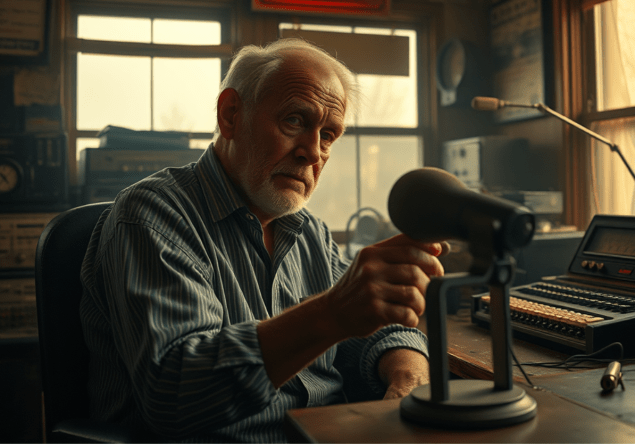
Sam Delaney had been a radio man his whole life. Station manager, on-air talent, janitor when needed—he had done it all. Now, in his seventies, he sat in the empty control room of what was once a bustling AM station. The place smelled of dust and warm circuitry. The walls hummed with silence.

Sam still knew every button by heart. Especially the one marked EBS—Emergency Broadcast System. Back in the day, the FCC’s rules were clear: tones were sacred. The piercing signal wasn’t just a sound; it was a promise. Tornado warnings. Flood alerts. The nation’s line of defense against panic. There had been rules—Title 47 of the CFR, etched into his memory like scripture.

But things had changed. With each new administration, the guardrails loosened. The equal-time law that once kept political chatter balanced had vanished decades ago. A president erased it. He feared his old Hollywood reels would force TV stations to give airtime to his critics. One law changed, and suddenly the airwaves were open territory—bluster, bias, and one-sided noise pumping into homes unchallenged.

Now Sam watched as networks ran those same tones he once revered, but not for weather or disaster. They tested loyalty. They triggered crowds into a frenzy. They commanded obedience in ways he never imagined. Once, tones meant safety. Now, they meant control.

He rubbed the crease in his neck where headphones had rested for thirty years. Outside, the town he had called home was no longer united. Neighbors didn’t trust neighbors. Families split along the fault lines of which voice on the radio they listened to.

Sam leaned into the old microphone. The ON AIR light flickered.

“What if I told you,”

He began. His voice was gravel but steady.

“The lie isn’t in what you’re hearing. It’s in what you stopped questioning.”

He paused, finger hovering over the tone button.

For the first time in his career, he considered sending out a tone. This was not to warn people of a storm but to warn them of themselves.


By Benjamin GroffMedia© | benandsteve.com | ©2025 

The Power of Actuality Reporting in Journalism

1–2 minutes

I came across this news report and was genuinely impressed by its craftsmanship. The reporter doesn’t just tell the story. They show it. They use actuality reporting and a wraparound technique that gives the piece depth and authenticity. It’s the type of journalism that doesn’t just inform—it immerses you. This level of storytelling should be seen and appreciated by more people.

The Day Music Lost Three Legends

By Benjamin GroffMedia© | benandsteve.com | 2025 Truth Endures©

1–2 minutes

The Day the Music Died: February 3, 1959

On a cold February night in 1959, the heartbeat of American rock and roll fell silent in an Iowa cornfield.

Photo by ArtHouse Studio on Pexels.com

Buddy Holly was just 22 years old. He had chartered a small Beechcraft Bonanza plane. His goal was to avoid the grueling winter tour bus ride. This bus ride plagued the “Winter Dance Party” tour across the Midwest. Along with him were Ritchie Valens, just 17, and J.P. “The Big Bopper” Richardson, 28. All three had become major figures in the rapidly evolving American music scene.

The tour itself was chaos. It was poorly routed and underfunded. Bitter temperatures pushed both buses and artists to the limit. Holly was tired. She was freezing and sick. She made a decision: skip the bus and fly ahead to the next stop in Moorhead, Minnesota.

The plane took off around 12:55 a.m. from Clear Lake, Iowa. Minutes later, it crashed into a frozen cornfield, killing everyone onboard. The pilot, Roger Peterson, was just 21.

The news shocked the country. Three of rock and roll’s brightest stars were gone in an instant. Don McLean would later memorialize the event in his 1971 hit, “American Pie,” calling it “the day the music died.”

But in the silence that followed, the music didn’t die. It grew louder. The tragedy marked a turning point—the moment rock and roll lost its innocence and began to grow up. It was the high cost of youthful rebellion, forever frozen in that snow-covered field.

One member of Holley’s band was supposed to ride on the plane. He gave his seat to Ritchie Valens. Instead, he rode on the band’s bus to the next location. That member was Waylon Jennings. He would deal with that decision for many years before making peace with himself. Jennings would become a legend in his own right. He became a country music singer, having hit after hit. He was known as an outlaw in the industry.

The Legacy of Lefty Frizzell: Influencing Country Legends

By Benjamin GroffMedia© | benandsteve.com | 2025 Truth Endures©

1–2 minutes

“The Voice That Taught a Generation”

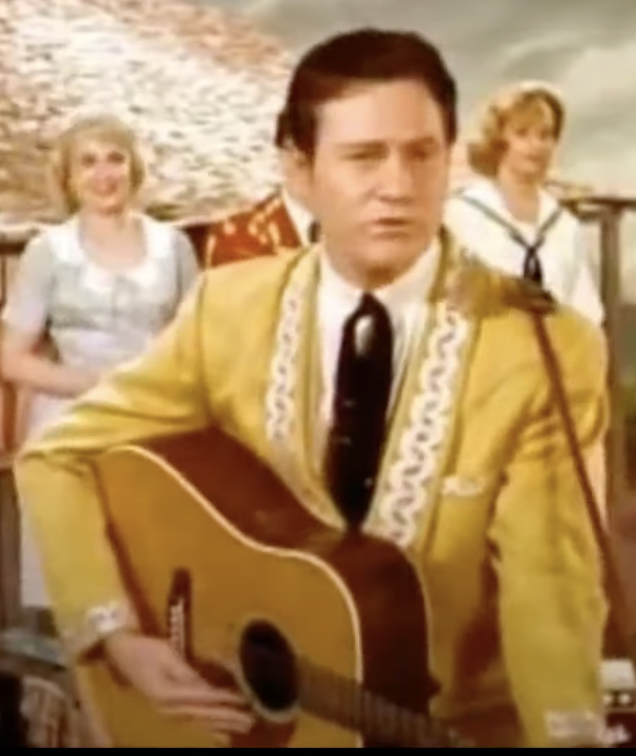
Lefty Frizell

In the summer of 1950, a determined young singer named Lefty Frizzell stood outside Jim Beck’s recording studio. He was in Dallas, Texas. He was ready to make his mark. At just 22, he had already weathered a storm of heartbreak, barroom gigs, and run-ins with the law. Lefty had slicked-back hair and a crooked grin. A battered guitar was slung over his shoulder. He aimed for more than just a break. He was pursuing his destiny.

William Orville Frizzell was born in Corsicana, Texas, in 1928. He earned the nickname “Lefty” as a boy. Stories about how he got the nickname vary, from a boxing match to being left-handed. What was undeniable, though, was his voice. Smooth, elastic, and full of feeling, it wrapped around words in a way that captivated everyone who heard it.

That day in Dallas, Lefty recorded a few songs. He included one he had penned during his time in jail, ‘If You’ve Got the Money (I’ve Got the Time).‘ Within a few weeks, Columbia Records released it, and just like that, Lefty was catapulted into stardom.

By the end of 1950, he had four songs in the country Top Ten—a feat unheard of at the time. His singing style was marked by stretched syllables and graceful phrasing. It would later profoundly influence legends like Merle Haggard, George Jones, and Willie Nelson. We are forever appreciative for this influence.

Yet fame came with a cost. Lefty struggled with alcohol and the pressures of the spotlight. Though his career saw ups and downs, his voice never lost its magic. Even before he died in 1975 at the age of 47, he would sing for country artists. They would still gather around to hear him. They wanted to remember the man who changed the sound of country music forever.

Merle Haggard once said, 

“I can’t think of anyone who has influenced me more.”

Lefty Frizzell didn’t just sing songs—he bent time with his voice and taught a generation how to feel every word.

Lessons from Bill: Radio Adventures and Childhood Memories

By Benjamin GroffMedia© | benandsteve.com | 2025 Truth Endures©

4–7 minutes

I have many stories about growing up. Sometimes, I wonder how I fit everything I did into the years leading to where I am now. As a young teen, I always felt my family was boring. We never seemed to do anything special. But when I share our family stories today, people tell me they spark their forgotten memories. They bring back moments they thought were lost.


One such story involves our neighbors, Bill and his wife, Marie. They rescued every stray dog they found and invited each one into their growing pack.


I first met Bill while riding my bike home from a friend’s house. He had stopped his car to get the mail from his old roadside mailbox. I couldn’t help but stop and say hello. I asked him where he lived. He pointed across the road toward a distant antenna. It stood tall above the trees. “Right under that antenna,” he said with a smile. I had watched that antenna for years. It was massive. It perched on rotating poles to turn the shortwave and CB radio antennas in any direction he wanted. Seeing my interest, Bill invited me to visit the next day—but told me to check with my parents first.


I didn’t know it then, but Bill had been instrumental in bringing electricity to our area through a rural cooperative. He’d helped light up countless homes across several counties. My parents permitted me to visit but warned me not to overstay my welcome.


The next day after school, I finished my chores and pedaled toward Bill and Marie’s. As I left the paved road and turned onto the dirt path, barking erupted. A pack of dogs rushed to greet me, but they wagged their tails instead of attacking and licked my hands. It was like I was the first human they’d seen in years. They crowded around me, gently herding me up the porch steps. I reached for the doorbell, but before pressing it, the dogs nudged me ahead, practically carrying me into the house.


“Hello? Anyone home?”

I called out.


Marie’s sweet voice answered from the kitchen,

“I bet you’re JD’s boy. Bill told me you’d be stopping by. He’ll be out in a minute—say hello to the family.”


She gestured toward the dogs as she named them individually, expecting me to remember each name. There had to be twenty dogs in that living room alone. As I looked around, another thought puzzled me: how did she know I was my dad’s son? I hadn’t even introduced myself yet.
A moment later, Bill entered, smoking his pipe, followed by four more dogs circling his legs. He shook my hand warmly and led me into his den, where I would spend hours learning from him. Bill introduced me to the world of shortwave radio and explained how to get a license. He even lent me a Morse code training record to help me prepare for the exam.


But radios were just the beginning. Bill showed me his greenhouse, where he taught me how starting seedlings early gives a head start in spring. One day, he took me to another outbuilding—a woodworking shop filled with the scent of freshly cut lumber. There, he showed me how he crafted furniture and home goods, staining and treating each piece with care.


When I was almost sixteen, Bill revealed yet another surprise: a mechanic’s shop hidden behind his house. Inside sat an old Datsun pickup.

“I haven’t driven it in years,”

Bill admitted,

“but it’s still here.”


I could feel the gears turning in my head. I was about to get my driver’s license, and that old truck looked like the perfect first car. Before I said anything, I knew I had to check with my dad.
When I asked, my dad said,

“We can look at it.”

To me, that was a yes.


The next day, I returned to Bill’s and asked if he might be interested in selling the truck.
Bill chuckled.

“I never thought about selling it—but if the price is right, maybe.”


“I’ll need a car when I get my license,”

I told him.

“And my dad said we could take a look.”


“Bring your dad down,”

Bill grinned,

“and we’ll talk.”


Dad and I stood in Bill’s mechanic shop a week later, looking over the Datsun. Bill puffed his pipe thoughtfully.

“It ran fine when I parked it. Might go ten miles, might go another hundred thousand. Hard to say with an old truck.”

He smiled at Dad.

“You know how it is with cars.”


Then Bill turned to me.

“I’ll talk price with the boy. You’re too good a horse trader for me to haggle with.”


My dad laughed.

“You know what you’ve got in your savings,”

he told me.

“Don’t spend more than that—and don’t forget tax, title, and insurance.”


At that moment, I felt the weight of adulthood settling on my shoulders. I bartered with Bill for ten minutes, careful with every dollar. Later, I discovered an interesting fact about Bill and my dad. They had been late-night radio buddies for years. They even arranged for a state newspaper courier to toss them papers at a secret highway drop each morning.


I kept visiting Bill and Marie for years. As I grew older, I began to understand Marie’s quiet burdens. They were things I wish I’d been capable of helping with then. I only understood them now, knowing what I know. Bill and his beloved dogs carried on their calm, legendary life on the edge of town.


No one else ever visited them—not like I did. And sometimes, I wonder if that had been the plan all along.


Bill and Marie passed away in the 1990s. Per their wishes, their property was sold to help the local community center. Their home, once full of vibrant life with voices, radio signals, and loyal dogs, became part of something greater. It was destined to be that way.

Every time I turn on a radio, I still feel them with me. When I smell fresh-cut wood or see an old pickup truck, I also think of them. Their stories live on—in mine.

Vern Gosdin’s Legendary Blizzard Concert Experience

GROFF MEDIA 2024© TRUTH ENDURES IMDBPRO

Presented by benandsteve.com By: Benjamin Groff II©s

3–5 minutes

The Night Vern Gosdin Played for Twenty

Harry had worn many hats in his life. One of his most memorable roles was as a news director. He also served as an operations manager at a radio station in the lower Great Plains. His job included ensuring that touring musicians arrived at their venues without issue. He also ensured that their shows went off without a hitch.

Artists like Dan Seals, Davis Daniel, and Vern Gosdin have passed through the area over the years. They brought country music to fans eager to taste Nashville. But one night in particular stood out—the night Vern Gosdin played for twenty.

Gosdin, known as “The Voice,” was a country music legend. His pedigree included stints with the Golden State Boys, The Byrds, and collaborations with George Jones. He had a rich, smooth baritone. It gave life to timeless hits like Set’ Em Up Joe. He also brought If You’re Gonna Do Me Wrong, Do It Right to life. Another classic was Chiseled in Stone. Fans were eager to see him live. He was scheduled to sing at a local college auditorium and field house. This event was set for one Saturday night in January.

On Friday, Harry arrived at the venue to oversee the setup. Everything was in place—sound, lighting, seating—and aligned with the band’s requirements. The only concern was the weather. Forecasts hinted at snow, but the storm was expected to stay north of the region. Gosdin’s tour bus had pulled in behind the venue by noon on Saturday. The final checks were made, and everything looked good to go.

Then, the storm took a turn.

By late afternoon, the sky darkened, and the wind began howling. Within hours, blizzard-like conditions descended on the area, dumping nearly a foot of snow. Whiteout conditions made travel treacherous. The state highway department issued warnings urging motorists to stay off the roads unless it was an emergency.

By showtime, only twenty dedicated souls had managed to reach the venue. The sold-out crowd was nowhere to be seen, trapped by the snow. Their decision to be there showed strong dedication. They braved treacherous conditions as a testament to their love for Vern Gosdin and his music.

Despite the dismal turnout, Vern Gosdin and his band took the stage as if playing to a packed house. Gosdin stepped to the microphone, wore a warm smile, and said, –––

“We made it. For those of you here, we will play!”

The Voice filled the nearly empty hall with his opening number. He sang “I’m Gonna Be Moving,” a gospel tune. It resonated with many of his fans. He followed with “I Can Tell By the Way You Dance.” The concert became extraordinary from that moment on.

The crew saw rows of empty seats. They decided to clear a space near the stage, which was turned into a dance floor. The twenty die-hard fans swayed, twirled, and laughed as Gosdin played every song from his setlist. It was no longer just a concert but an intimate, once-in-a-lifetime experience, a privilege they can claim. Between songs, Gosdin and the band chatted with the audience, taking requests and sharing stories.

The small but mighty crowd erupted into cheers when he played his final song and left the stage. Their enthusiasm filled the hall, and they refused to let the night end.

A minute later, Gosdin and his band returned.

He picked up his guitar for his encore and grinned at his audience. He broke into I’m Moving On. Then, he followed with That Just About Does It. The twenty lucky souls in attendance soaked up every note, knowing they were part of something special.

Outside, more than fifteen inches of snow had blanketed the town. The roads were treacherous, but Gosdin’s bus driver was determined to push ahead. He asked Harry to lead them to the highway, where they would inch their way north. Harry agreed, and with the radio station’s car guiding the way, the tour bus crept through the snow-covered streets.

After twenty miles, the highway finally began to clear. As the bus picked up speed, the driver gave a long honk. It was a final thanks to Harry for helping them through the storm. It was also for an unforgettable night on the Great Plains.

The twenty who braved the blizzard that night in Goodwell, Oklahoma, gained more than a concert experience. They had seen a legend up close. It was a personal meeting in a performance that would be talked about for years to come. The memories of that night, the laughter, and the music will stay with them forever. The sense of community was also unforgettable. This is a testament to the enduring power of live music.

The Evolution of Fun: From Classic TV to Modern Joys

GROFF MEDIA 2024© TRUTH ENDURES IMDBPRO

Presented by benandsteve.com By: Benjamin Groff II©

2–4 minutes

GOOD TIMES REMEMBERED

Crosby & Hope

For many, the good times meant youth spent without barriers. Kids rode bicycles freely around town or through the countryside. They explored wherever curiosity led. They just had to be home before dark or by 10 p.m. It was when running to a friend’s house, unannounced was safe. It felt just as natural for them to show up at yours. We all cherish that time of freedom and spontaneity.


Your version of the good times began when you got first place as a young adult. You also got hooked up to cable television. Gone were the days of only three channels. Now, there were forty or more. Channels like MTV, HBO, and SHOWTIME offered endless entertainment. Some kept their televisions locked on MTV 24/7, not wanting to miss the latest music video premiere. The phrase “I want my MTV” wasn’t just a slogan; it was a way of life.


Icons like Downtown Julie Brown, Max Headroom, Randy of the Redwoods, and JJ Jackson became daily companions. They guided audiences through interviews and music video countdowns. These shows entertained us and shaped our memories, creating connection and nostalgia.


Yet, while MTV rocked for many, others fondly recall Saturday mornings. They spent time with classic cartoon characters. They watched Bugs Bunny, Elmer Fudd, Daffy Duck, and Yosemite Sam. Or they enjoyed Speedy Gonzales, the Flintstones, or the Jetsons. These beloved characters live on today, often appearing in rebranded forms and often in commercials that spark nostalgia.


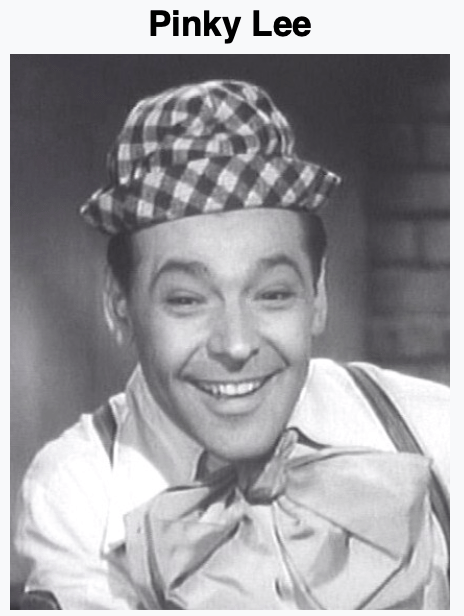
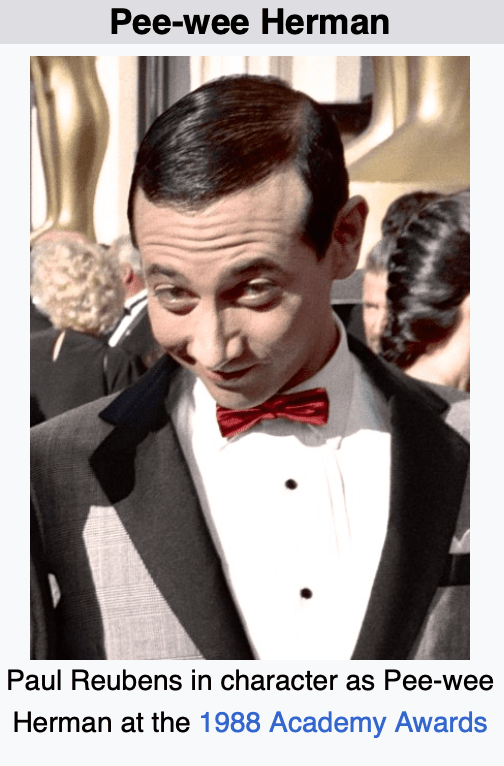
For earlier and later generations, laughter came from entertainers like Pinky Lee or Pee-wee Herman. In the 1950s, Pinky Lee brought his lively antics to television. He appeared first in a primetime variety show. Later, he starred in a children’s program sponsored by Tootsie Roll. His Emmy-nominated show paved the way for future quirky entertainers. Pee-wee Herman was one of them. His distinctive gray Glen plaid suit, red bow tie, and eccentric persona owed much to Lee’s energetic style.


Beyond television, the good times existed in life’s simple pleasures. One was the crackle of a baseball game on the radio during a warm summer evening. Another was the scent of fresh popcorn at a drive-in theater. The excitement of getting that first car was thrilling. Sheer will and a little duct tape held it together.


For some, the best times were spent playing Pac-Man and Donkey Kong in arcade halls. They also glided across the roller rink beneath spinning disco lights. Others made mixtapes from the radio. They hoped the DJ wouldn’t talk over the intro of a favorite song. Others remember cruising on a Saturday night, windows down, music blasting, with no destination—just the pure joy of freedom.
The good times were about more than the entertainment we consumed. They were about the people we shared them with. Families gathered around holiday meals. Friends packed into a car for a spur-of-the-moment road trip. Conversations under a star-filled sky became treasured late-night memories.


Each generation has its version of the good times. These moments shape us and leave lasting impressions. They bring smiles long after they’ve passed. No matter what era you look back on, one thing is sure. The good times do not last forever. But they always roll on in our hearts. They create a sense of continuity and belonging.

What is your favorite best-of-times recollection?

Exciting News! benandsteve.com and our media links are thrilled to be featured on Medioq – Happy Thanksgiving…

Groff Media 2024© Truth Endures IMDbPro

Presented by benandsteve.com By: Benjamin Groff II©

1–2 minutes

benandsteve.com is going places—online and in life. We are proud to announce that we are being listed by Medioq, which connects news and information sites and exchanges information with you online.

“Exciting News! We are thrilled to be featured on Medioq, a premier platform connecting individuals with top-notch media, news, and broadcasting companies worldwide. Explore our profile to stay informed, entertained, and associated with the latest news and updates: https://www.medioq.com/XX/Unknown/1582006558765140/Galaxy8News

Responding To The Last Call ––– The Last Of The Calls As They Were Reported 16

Groff Media 2024© Truth Endures IMDbPro

Presented by benandsteve.com By: Benjamin Groff II©

It had been a long year. On January 5th, 1983, we lost an officer in the line of duty. That spring, three officers were arrested for stealing from a business they’d responded to on an alarm call. By summer, automobile burglaries and thefts were on the rise. The suspects were careful, leaving no evidence. Their modus operandi was smooth and untraceable—no one ever heard, saw, or interrupted these thieves. Most stolen items ranged in value from around $200, making each theft a felony under Oklahoma law.

The city was facing yet another wave of crime. Typically, it had about 10,000 residents, but the recent oil boom brought an influx, swelling the population to around 25,000. The sudden increase in population put a strain on the city’s resources, leading to a rise in crime. Jobs attracted people from all over, but housing needed to catch up. Tent cities sprang up in the southern sector, and parks filled with tents when vacant lots overflowed. Expecting thousands of oil jobs, many newcomers broke and scraped by.

Among the job seekers were newly released inmates from Cook County Detention in Chicago. Judges offered a stark choice: a one-way bus ticket to Elk City, Oklahoma, or a lengthy jail sentence. Most took the bus ticket. Upon arrival, they had to call the detention center from Elk City’s bus depot to check-in. Ducks in the city park began disappearing as desperate people scavenged for food. In response, the city council enacted a law prohibiting the molestation of ducks, with fines and jail time for violations. Signs reading “DO NOT MOLEST THE DUCKS” popped up, adding a hint of levity to an otherwise grim situation.

But ducks were far from the town’s biggest problem. It wasn’t the bars, the transient hotels renting beds by the shift, or even the “ladies of the night.” The real threat seemed to be the string of broad daylight robberies plaguing the community’s three leading grocery stores, and each hit at least once. One robbery even happened just a block from the police station, with the suspects abandoning their getaway vehicle behind the station in a post office lot.

The police department’s image was suffering. Officers worked 12-hour shifts, often doubling up due to the flood of calls, sometimes stacked five to ten deep. I reported at 5 p.m. for a 6 p.m. start to my 12-hour shift one day, noticing a huddle of high-ranking officers and county deputies outside an office. Figuring I’d get briefed later, I didn’t poke around—I had enough court subpoenas already without getting involved in another incident. And this was one situation I was glad to avoid.

“You have got to be kidding me,”

When my Captain came over, he told me they’d just brought in an officer for raping his daughter. This shocking revelation not only shamed the individual officer’s reputation but cast a shadow on the entire department; as police officers failed, the public’s trust in law enforcement was further eroded.

“You have got to be kidding me,” was all I could say.

This scandal was nearly the final blow for our department, already reeling from the recent departure of a chief struggling with personal issues. Within hours, newspapers and television stations caught wind of the arrest, and the phone lines lit up. Callers unleashed waves of abuse, condemning every officer affiliated with the department. The calls went on for days, creating a hostile environment for all officers and making their jobs even more difficult.

The officers arrested earlier in the year were convicted, further damaging the department’s reputation.

Amid this turmoil, my law enforcement career truly began. Although I had worked in various positions and departments, it was in this community that I found my calling. This city is where I started my adult life and career earnestly. I remained loyal to this place, forming memories with people in the booking area, the jail, and the streets. A shift in the workforce followed, which opened doors for me—an unexpected opportunity in a turbulent time. Could it get any worse? The heat was about to get turned up. In coming stories!

(You’ve been reading the back story for the big news over the next forty years involving several lives and lifetimes.)

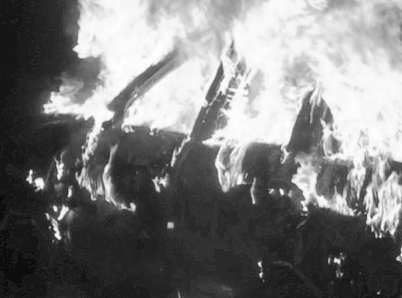
be advised—a signal-82 subject is trapped in a burning vehicle –– The Call I Remember

Groff Media 2024© Truth Endures IMDbPro

Presented by benandsteve.com By: Benjamin Groff II©

In law enforcement, some memories haunt you, especially the ones from the most harrowing nights on the job. I was an emergency dispatcher for a police department in southwest Oklahoma, responsible for dispatching fire, police, and ambulance services across five communities. Nights could get overwhelming, but one Saturday evening stands out.

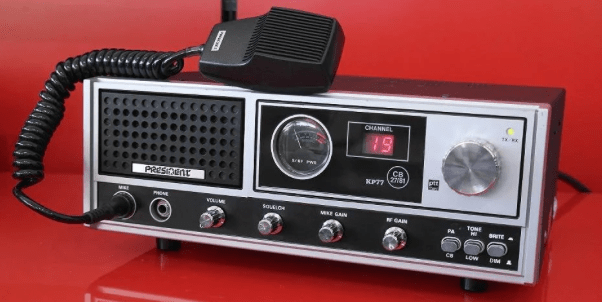
Calls had been constant. Officers were busy responding to domestic disturbances, prowler sightings, burglaries, and other emergencies. In the 1980s, our department monitored Channel 9 on a citizen’s band radio, the go-to emergency frequency.

After 1:00 AM, a call cut through the static:

“Please help—we have an EMERGENCY!”

The voice was frantic. I picked up the station radio and replied, “This is Carnegie Police Department. Go ahead with your emergency traffic.”

The caller explained that a car had veered off the highway east of town, hit a ditch, and burst into flames. The driver was trapped inside. There was no time to lose. I quickly alerted the local police unit, activated the volunteer fire and ambulance lines, and relayed the details.

“Carnegie, Unit 2, be advised—a signal-82 subject is trapped in a burning vehicle near Carlin Lawrence Airport, east of Carnegie on Highway 9.”

The unit acknowledged and responded immediately. Meanwhile, I could hear the fire chief coordinating firefighters over the phone, and the ambulance confirmed they were en route.

Since the crash was outside city limits, I switched to the state’s point-to-point frequency to contact the Oklahoma Highway Patrol.

“Carnegie Police Department to Lawton OHP—rush traffic.”

The “rush traffic” designation signaled an urgent, life-or-death call. The OHP dispatcher responded immediately, and I relayed the details. Within seconds, they were alerting highway patrol units. Nearby sheriff’s deputies also began converging on the scene.

From the initial call, the first responders arrived in just over two minutes. The fire department reached the scene in under seven minutes, and the ambulance arrived by minute eight. The Highway Patrol, coming from the county seat 25 miles away, arrived about 30 minutes later.

Tragically, there was a home nearby, less than half a block from where the car crashed. The residents had slept through the commotion, unaware of the horror unfolding so close. Later, we discovered that the vehicle was registered to someone living in that house— their son. Breaking the news was a gut-wrenching moment for all of us.

The medical examiner arrived around 4:00 AM. Once the flames had subsided, investigators could finally assess the scene. The examiner determined that the driver had died on impact; the fire had not been the cause. If the driver had died from the flames, he would have shown signs of struggling for breath, but there were none. After sending the body for a complete analysis and identification through dental records, investigators believed that he’d likely fallen asleep at the wheel on his way home from a party. There was no indication of intoxication.

The smell of a burning body lingers. For days, sometimes weeks, it haunts those who encounter it. It’s one of the harshest experiences for civilians to witness, let alone the emergency responders who encounter it repeatedly. Nothing truly prepares you for a night like that, even for the most seasoned law enforcement and fire personnel.

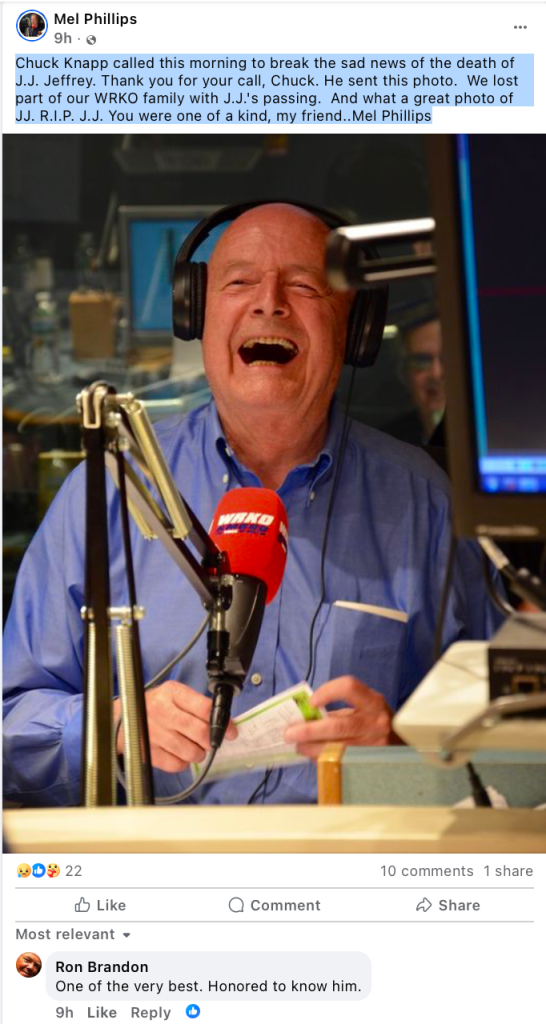
Joseph Noyes “J.J.” Jeffrey, Beloved DJ and Broadcasting Pioneer, Passes Away at 84

In Memoriam By: Benjamin H. Groff II© Groff Media 2024© Truth Endures

Joseph Noyes “J.J.” Jeffrey, a renowned DJ who became a respected station owner, passed away at the age of 84 following a brief battle with cancer. A native of Portland, ME, Jeffrey began his broadcasting career in his home state in the 1950s. His early career included stints at various local stations, where he honed his signature high-energy style and developed a deep passion for Top 40 radio.

Jeffrey’s career took off when he became the afternoon host at WRKO Boston, one of the nation’s premier Top 40 stations. His success in Boston led to similar roles at two of the biggest Top 40 powerhouses of the time: WFIL in Philadelphia and WLS in Chicago. Known for his vibrant personality and memorable catchphrases, Jeffrey quickly became a household name in each of these markets.

In 1975, Jeffrey transitioned from behind the mic to station ownership, partnering with Bob Fuller to launch Fuller-Jeffrey Broadcasting. Their first acquisition was 102.9 WBLM in Lewiston/Portland, ME. Over the next two decades, the company expanded its reach, owning clusters of stations across the country, including in Modesto, Sacramento, Santa Cruz, Santa Rosa, CA, and Des Moines, IA. Fuller-Jeffrey Broadcasting’s portfolio was sold to Citadel in 1999, forming what is now largely Townsquare Media’s clusters in Portland and Portsmouth, NH.

Not one to rest, Jeffrey and Fuller immediately launched Atlantic Coast Radio, building another prominent radio group in Portland, ME. Their stations included the Sports format “WEEI” on 95.5 WPPI Topsham and 95.9 WPEI Saco, “The Big Jab” 96.3 WJJB-FM Gray, and Conservative Talk 1310 WLOB.

J.J. Jeffrey will be remembered for his contributions to the radio industry, both as a beloved on-air talent and as a visionary station owner. He leaves behind a legacy of passion, innovation, and an enduring impact on the world of broadcasting.

Bluegrass Legend – AND LEader of -Warrior River Boys – David Davis Dies

David Davis, leader of the Warrior River Boys since 1984. David tragically lost his life due to injuries sustained in an automobile accident yesterday near Snead, AL, close to his home in Cullman. He was 63 years old.

David’s musical journey was a lifelong testament to his unwavering devotion to bluegrass, a genre that shaped his life from a young age. Born into a family steeped in musical tradition, David became influenced by his father, Leddell, a mandolin player and singer, and his uncle, Cleo, an early member of Bill Monroe’s iconic Blue Grass Boys. His maternal grandfather, J.H. Bailey, an old-time fiddler and banjo player, also played a significant role in his upbringing, filling their home with the rich sounds of traditional music.

David’s love for bluegrass deepened as a child, learning harmony in church and attending a life-changing performance by Bill Monroe at the age of 12. Which set him on a path of musical dedication, mastering the mandolin in Monroe’s style. In his early twenties, David began working with guitarist Gary Thurmond’s Warrior River Boys, eventually taking over the band in 1984 when Gary could no longer tour due to health issues.

Under David’s leadership, the Warrior River Boys toured extensively across the U.S. and signed with Rounder Records in 1989. Over the years, they recorded for Wango and Rebel Records, and in 2018, David returned to Rounder for a tribute album to Charlie Poole, Didn’t He Ramble. His contributions to bluegrass left an indelible mark on the genre, and his music, a source of inspiration for many, will continue to shape and influence future generations.

Our thoughts and prayers are with David’s wife, Cindy, who was also injured in the accident and is currently receiving treatment at a local hospital. We wish her a speedy recovery.

The loss of David Davis is a profound blow to the bluegrass community in Alabama and beyond. His absence, felt deeply, leaves a void that cannot be filled. His presence, leadership, and friendship touched countless lives, and family, friends, and fans will remember Davis not only as a brilliant musician and bandleader but also as a kind and generous spirit. In addition to his musical achievements, David also served his community by driving a school bus for Brewer High School, further exemplifying his commitment to those around him.

The passing of David Davis leaves a void in the hearts of all who knew him. His legacy, however, will continue to resonate through the music he loved and the many lives he touched. He will be deeply missed by the bluegrass community and beyond.

For more information on David Davis Death Click Here.

From A Horse Sale To A “CB” Coffee Break”

A True Story By: Benjamin Groff© Groff Media 2024© Truth Endures

Join Us For a Coffee Break!

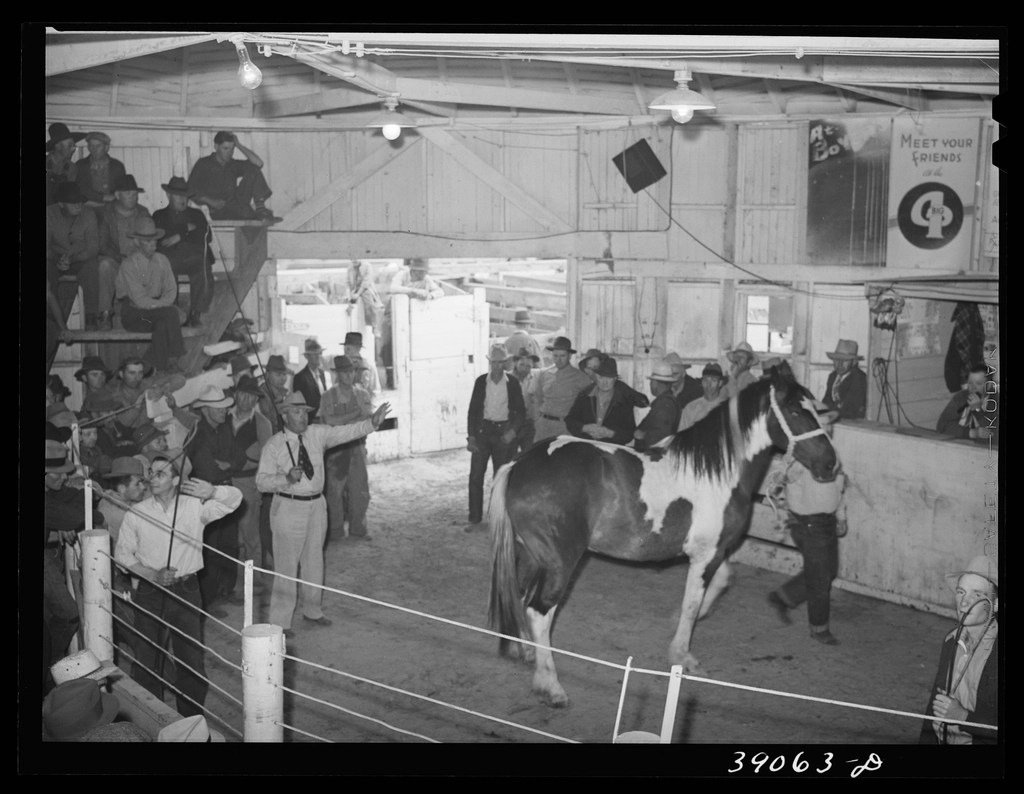
If you’ve read previous stories about my dad and me heading to horse sales during my youth, you’ll know it was a ritual we performed every Friday and Saturday night. It wasn’t just about the horses but the time we spent together and the bond we shared. Somewhere, someplace, we could always find a horse sale. And if the horse sales took a break in the summer, we’d catch a rodeo, no matter how far we had to drive.

I saw more of Oklahoma at night than I ever did during the day. That’s when my dad and I would drive the state highways, venturing wherever the road took us. But this particular trip was different. We were going to our regular sale in the city, about 30 miles from home.

It was the 1970s, and Citizen Band (CB) radio had become all the rage. I had three older brothers, all grown, who installed CB radios in their vehicles, catching my dad’s attention. Before long, we also had one in our pickup, tuned in, and received signals from all over. Dad outfitted our rig with twin whip antennas and a power mic; he even considered adding an amplifier but decided against it after hearing the FCC might crack down on him. My dad always did things by the book. So we were content rolling down the highway, our handles “Big Jake” for him and “Gentle Ben” for me.

We’d pick up reports about ‘Bears in the Air’ and ‘Bear Setups’ just down the road. Although we were doing the speed limit, Dad would ease up on the accelerator to humor me, making me think those reports were helping. On our way to the horse sale that night, we heard a spectrum of new voices on the air—voices we’d never heard before.

I told my dad they were coming in too consistently and clearly to be skip signals; they had to be close.

He said, “Let’s listen to them a minute.”

As we tuned in, these voices discussed being in Indian City and staying set up all night. They invited anyone to come by, mentioning they were at the Coffee Break on the east side of town, near the rodeo grounds. The ‘Coffee Break’ was a popular gathering spot for CB radio enthusiasts to meet, socialize, and share their experiences.

Indian City was the nickname for Anadarko, where we were headed for the horse sale. The town was known for its tourist attraction, Indian City, USA, with teepees and all—a gimmick that drew in visitors.

Dad keyed up the mic and gave a breaker. One of the new voices responded. Dad explained we were headed to a horse sale and might drop by for a cup if the horses weren’t any good later.

They said,

“Come on by! Have you ever been to one of our Coffee Breaks?”

Dad replied,

“That’s a big negatory!”

Well then,” they said,

“park wherever you can and find Booth 12—that’s where we’re set up.

We went to the horse sale, and I spied a horse or two I thought Dad might be interested in. But around 11:00 PM, he nudged me and said,

“Let’s go to the Coffee Break. I want to see what it’s about, and I’m sure you do, too.”

I wanted to say yes, but those two horses had not come up. We had a herd of horses back home, so missing one or two wouldn’t matter. Besides, I was curious about what we’d get into at this place.

When we arrived at the rodeo grounds, the area was full of campers, RVs, and tents—huge tents, at least to me. The tent poles seemed massive, with lighting strung throughout by wire. I wasn’t sure if it was safe, but I trusted my dad as he led the way.

We found what we thought was Booth 12, where a lady sat in a folding lawn chair. She looked up at me and said, 

“Hi, sweetie. You run away from home?”

I quickly replied,

“Oh no, I’m here with my dad; we’re looking for Booth 12.”

She smiled, a crooked grin on her face, and said,

“You’re looking for Honey Badger! HONEY BADGER, GET YOUR ASS OUT HERE!”

From around the corner came a short man with a balding head and a potbelly. He hadn’t shaved in a week and said,

“What is it, Wilda? You don’t have to yell! Oh, hello.”

I whispered to my dad,

“The lady’s name is Wilda,”

Mimicking the style of Sgt—Friday and Officer Bill Gannon on Dragnet.

My dad looked down at me and used his favorite phrase when I tried to do impressions: 

“Don’t be stupid.”

Honey Badger had sharp ears because when he heard Dad’s voice, he said, 

“I know him—that’s Big Jake. We talked to you a few hours ago, and I’ve heard you before when we passed through these parts. I’m Honey Badger. Let me show you around. Wilda, you want to watch the boy?”

Dad told me to stay with Wilda, promising he’d be right back. I wasn’t sure what was happening, but I decided to start searching if I didn’t hear from him by the top of the hour. For all I knew, these could be aliens from another planet up to something strange. I had just turned ten, and the year before, my dad and I had to walk home after the truck we test-drove broke down on our way home from a horse sale. I could take on whatever might be behind those dark tents—or at least that’s what I told myself.

In the meantime, Wilda and I managed to strike up a friendship. She told me they were from Kansas and had retired. Honey Badger worked with honeybees as a hobby, hence his CB name. She said,

“And I’m the Queen Bee; I get on that radio and just Buzz.”

Wilda looked like a much older Ms. Kitty—a short, broad, ancient Ms. Kitty. Her voice reminded me of one of the blonde girls on The Andy Griffith Show who gave Andy and Barney a hard time. She was a sweet soul who must’ve lived quite a life. She got me a hot cup of Pepsi and talked about missing her TV show to come on this trip with Honey Badger. But she said, –––

“It’s worth it. You don’t know when one of you is going to die. You want to do all the things in life you can before you call it quits.”

She shared stories about her and her husband’s adventures, and I did my best to look interested, though I only sometimes followed along.

Dad must have been gone for thirty minutes. I had no idea what he was doing, but I sure had a lot of intelligence gathered from Queen Bee to share with him.

When he finally returned, he scooped me up, thanked Queen Bee for having us over, and assured her we’d made friends on the southern plains that stretched far north.

As we got into the pickup and headed home, I noticed Dad pushed his hat back on his head, just like he did at Christmas when he and one of my uncles secretly toasted shots at my grandparents. He was in such a good mood, so I shared my findings. –––

“So,” I began, “Wilda—or Queen Bee—said they’ve been to several states doing Coffee Breaks because she can’t have kids, and he doesn’t want any. He also has some car problems that he can’t fix. She told me he lost his left nut in the war. But I don’t think he’s still driving the same car he had when he was in the war.”

At the time, I thought whatever Dad had been up to must’ve been a lot of fun because he laughed all the way home. Within a year or two, I realized Honey Badger hadn’t lost a lugnut at all—but maybe it was better when he had.

There are Memorials left behind for those CB Radioer’s who’ve met up and passed on by clicking here.

Taking A Seat At The Police Department

It was late spring when the boy took his seat behind the radio at the communications center for the first time. The Dispatch Center, located just inside the lobby’s front entry, led to a stairway that accessed the firefighters’ sleeping quarters, the chief’s and detectives’ offices, and the jail cells.

The city was a blend of lifetime residents with deep roots, newcomers raising families amidst burgeoning industry, and transients. Housing was scarce for recent arrivals. When available, it was expensive and often beyond the reach of a single income, leading to overcrowded living conditions. This frequently caused disputes.

A person might lease a property and sublet to ten or fifteen others. When conflicts arose and one tenant was asked to leave, the police were often called. Each time, officers had to explain it was a civil matter; the leaseholder needed a court order for eviction. Police couldn’t simply eject someone because of a sudden change in the leaseholder’s terms. However, if an arrest was made due to a disturbance, officers could advise the leaseholder to restrict the arrested individual from returning. Openings in housing were rare unless someone died, and there were plenty of deaths in the coming years.

A local motorcycle gang, known for drug dealing and various crimes, frequently had members as guests in our jail. Their threats were often more comical than serious, but every raid on their dens brought more threats. It wasn’t uncommon for lone riders to shoot out the windows of the dispatch center late at night.

After several incidents, the chief began posting officers on the roof with automatic rifles. This tactic worked, as the shootings ceased during their watch.

The boy worked well with a rotating line of female communications officers. The Captain worked the day shift, while the boy was assigned to nights. The women rotated between days and nights each month.

Soon, the boy became known as the Comm Commander for his authoritative style on the radio and in operating the jail. Edna, Gail, Linda, Pam, Patty, and Sheila were the women who became part of his years at Elk City, each leaving a personal mark on his story.

Yet, the Captain was the most significant influence during those dispatch days. It’s clear that the Comm Commander remembered these individuals throughout his life as he journeyed along many paths. More to follow.

What Is It That Makes Country–Country Music?

The True Legends: From Jimmie Rodgers to Willie Nelson

Country music, a genre deeply ingrained in the tapestry of American culture, draws its strength from the trials, joys, and heartaches of everyday life. From its modest beginnings to its monumental ascent, the narrative of country music is a tapestry woven with characters and stories that resonate with unwavering authenticity and passion. The true legends of country music—Jimmie Rodgers, Hank Williams, George Jones, Hank Locklin, Faron Young, and many others—have left an indelible mark on this genre, each contributing to its legacy with a unique and profound resilience.

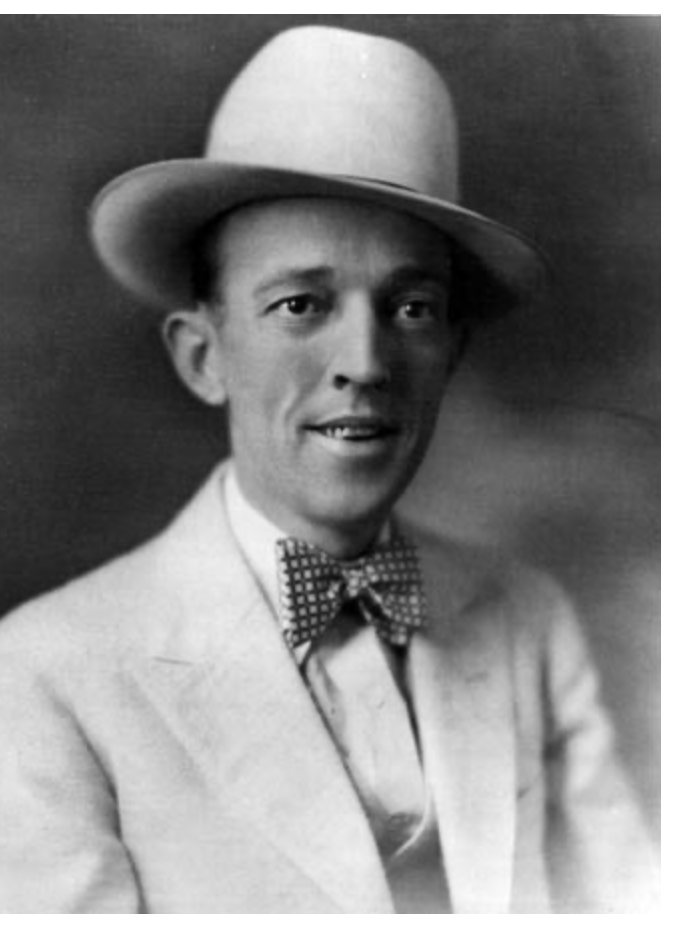
Jimmy Rodgers

Jimmie Rodgers, known as the “Father of Country Music,” was one of the first to bring the genre into the national spotlight. Born in Meridian, Mississippi, Rodgers combined the sounds of rural southern blues with the yodeling of Swiss folk music, creating a distinctive style that captivated audiences. His songs, like “Blue Yodel” and “In the Jailhouse Now,” spoke to the struggles and stories of ordinary folk, setting the stage for future country artists to follow.


Hank Williams, often hailed as the “King of Country Music,” continued this tradition with his poignant lyrics and heartfelt delivery. Songs like “Your Cheatin’ Heart” and “I’m So Lonesome I Could Cry” became anthems of sorrow and longing, touching the hearts of millions. Williams’ influence is so profound that his music still echoes the work of contemporary country artists.

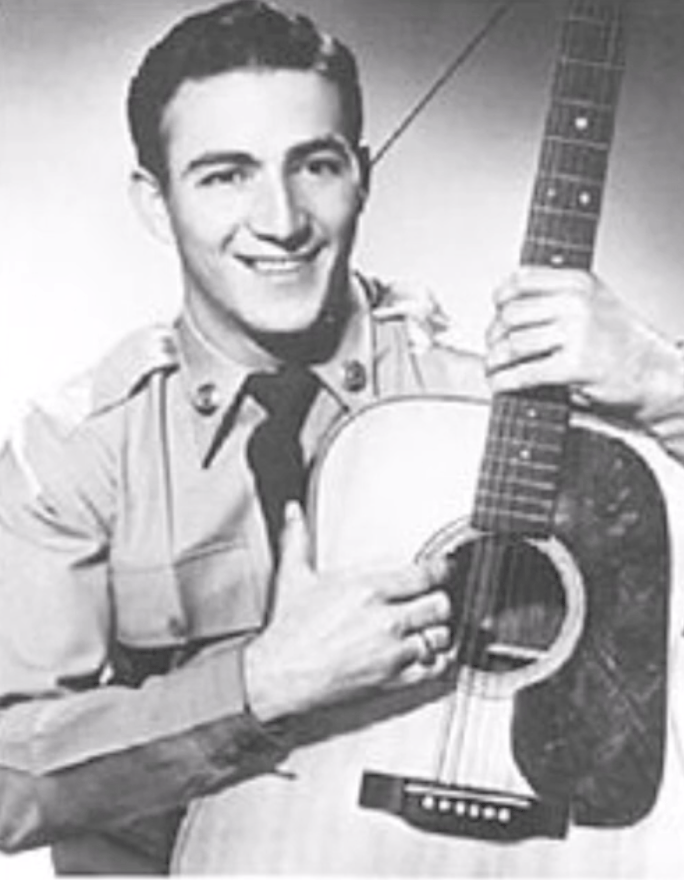
Faron Young

George Jones brought a new depth to country music with his rich, expressive voice. Known for his rollercoaster life and tumultuous relationships, Jones channeled his experiences into his music, producing forever hits like “He Stopped Loving Her Today” and “The Grand Tour.” His ability to convey raw emotion made him a beloved figure in country music, earning him the nickname “The Possum.”

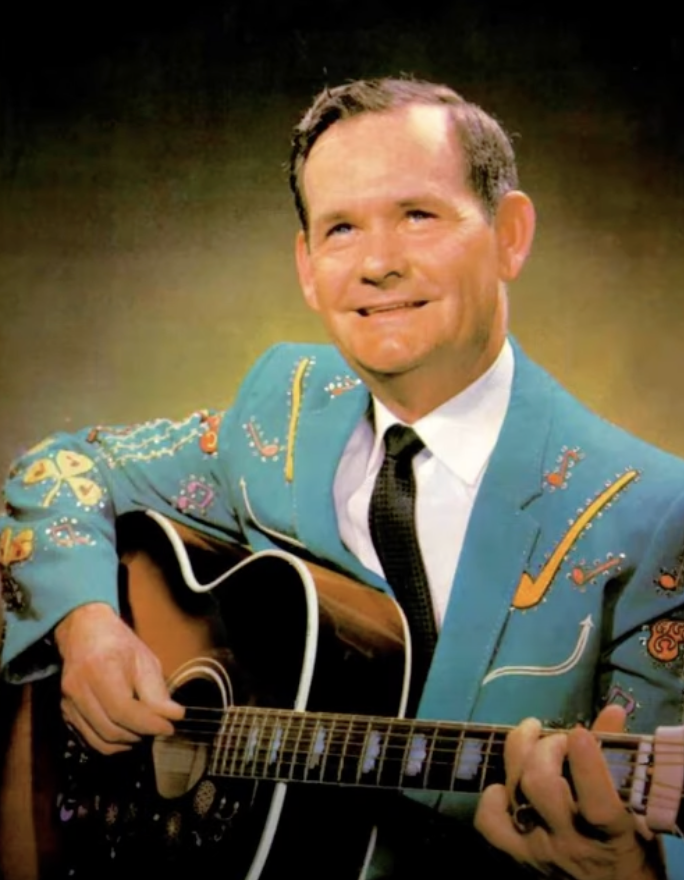
Hank Locklin

Hank Locklin and Faron Young also shaped the country music landscape. With his smooth tenor voice, Locklin was known for hits like “Please Help Me, I’m Falling” and “Send Me the Pillow You Dream On,” showcasing his unbelievable talents to blend traditional country with pop sensibilities. Young, on the other hand, brought a honky-tonk edge to his music with songs like “Hello Walls” and “Live Fast, Love Hard, Die Young,” capturing the rebellious spirit of the genre.

These legends performed everywhere—from the hills and hollows to the bustling streets of New York City. They sang in juke joints, honky-tonks, street corners, and county fairs, sharing their music with anyone who would listen. Their songs spoke of the heart and soul of America, touching on themes of love, loss, cheating, and redemption. They didn’t rely on flashy gimmicks or expletive-laden lyrics; their music and performances were a testament to their genuine connection with the audience. They thrived on the crowd’s energy, dressed to the nines, ready to pour their hearts out on stage.

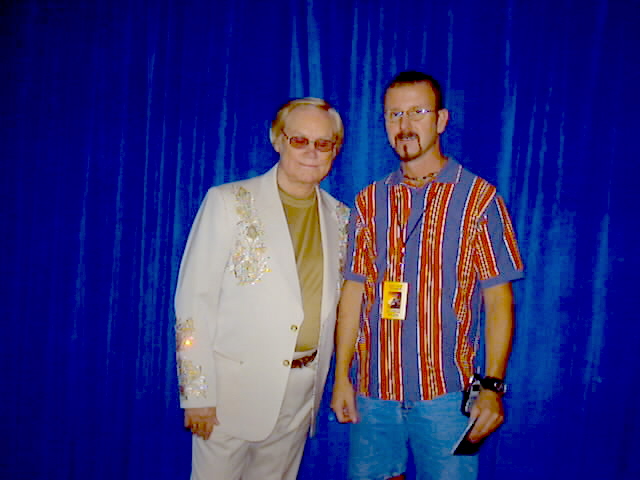
George Jones & Ben G.

Having had the honor of spinning records at AM and FM stations nationwide and serving as a news reporter, I’ve witnessed firsthand how the magic of country music resonates with people. Unfortunately, today’s radio often fails to capture the essence of what made country music great. It has lost its way, drowned in a sea of commercialism and superficiality. As a devoted follower of country music, I find solace in satellite radio, particularly Willie’s Roadhouse, where the spirit of authentic country music lives.

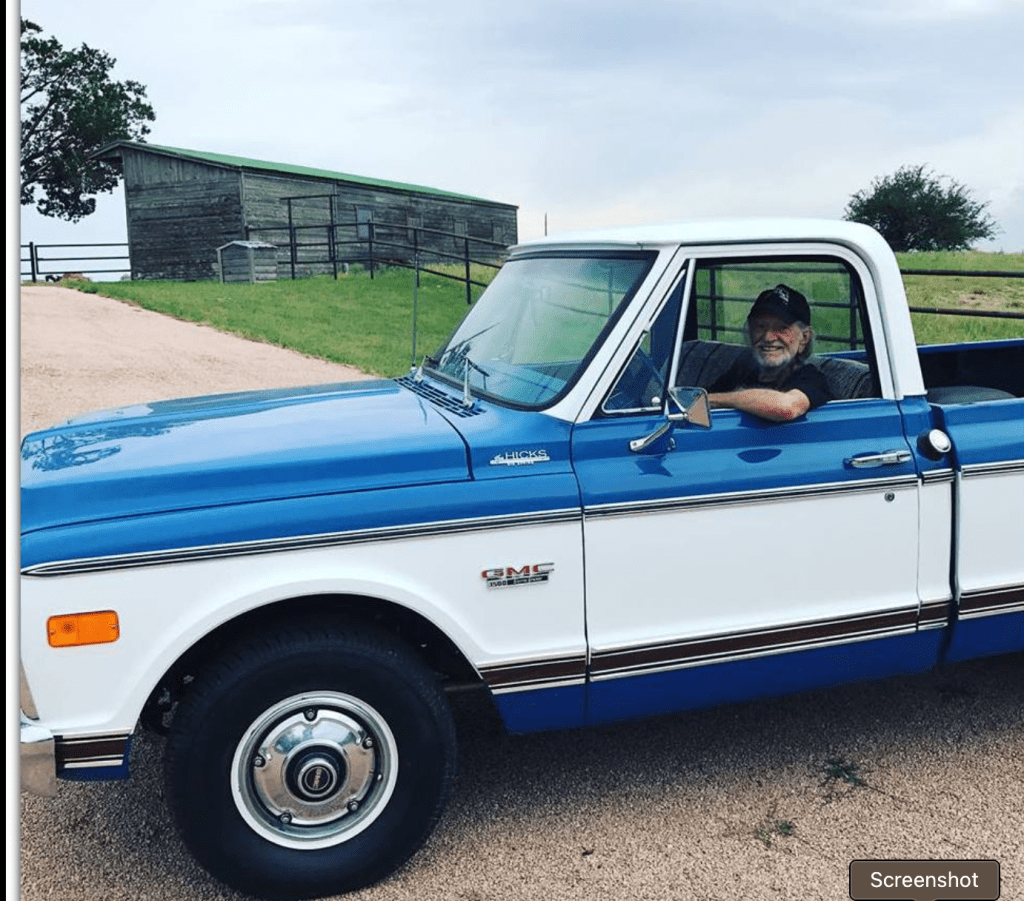
Willie Nelson, one of the few remaining legends from the golden age of the country, continues to be a beacon of authenticity in the genre. His music, characterized by its sincerity and simplicity, reminds us of what country music once was and still can be. His influence and contributions are immeasurable, and I extend my best wishes to him and heartfelt thanks to everyone who has kept the spirit of country music alive. 

Willie Nelson

In conclusion, country music is not just a genre; it is a reflection of the American experience. The legends shaped it with their talent, integrity, and a deep connection to their audience. Their music continues to resonate because it speaks to the universal themes of life—love, heartache, joy, and sorrow. As we look to the future, let us remember and honor these true legends who paved the way. Let their legacy inspire a new generation of country artists to keep the heart and soul of this beloved genre alive, preserving its spirit for generations to come.

IT WAS JUST ANOTHER DAY, UNTIL THE PHONE CALL!

Photo by Anthony ud83dude42 on Pexels.com
  • For all anyone knew, it was just another day. The sun was rising and appeared to be sunny, with average temperatures warming to 75 degrees by midafternoon, with a light wind from the south. That was the weather forecast everyone heard to start the day, as it echoed from speakers in the downtown square broadcasting from the local radio station KBAD. Topping the news from KBAD included a report concerning a house fire, two auto accidents, and a lost dog report. The station did not broadcast national news because the management felt it included more divisive material for the community and the station’s audience. KBAD’s motto promoted the station and its fans as * Kindhearted * Brilliant * Ambitious and * Devoted! It had a unique frequency on the AM Dial at 1000.0khz AM and 100.0mhz FM. The frequency identifier permitted those who wish to find it an easy way to remember its location on the radio dial. Operating by remote control authorization from the Federal Communications Commission, KBAD’s radio tower stood in two separate locations. The FM Broadcast Transmitter and Antenna broadcast on the same tower as many of the local television stations’ antenna services towers near the edge of town. The AM Broadcast Transmitter was with three directional towers west of the city on a hill that permitted the station to fluctuate power between sunrise – sunset – sunrise hours. The AM station reduced power during the daytime, and the signal with increased power would reach a different area than at night. The night signal could reach several states.
Photo by Mwabonje Ringa on Pexels.com

       The day was unfolding as usual, with one of our regular radio programs in full swing. Suddenly, in the midst of a phone-in segment, a caller made a startling revelation –––

“Do you people know that there is a guy hanging from your radio tower west of town? He is just dangling there.”

The Host was surprised by the caller comment and replied

 Sir, this is a live show. Please, this is not a time for pranks.

The caller shot back. – The caller’s voice was urgent, his words cutting through the airwaves.

‘This is not a joke,’ he insisted. ‘There’s a man, about three-fourths of the way up your middle tower, hanging upside down. You need to get him help.’

The Host, with urgency in his voice, told listeners

We take this seriously; our station manager and engineer are coming to the tower, and emergency responders are responding.

The Host then suggested that the caller should have notified 911 before calling the radio station first.

The man hanging upside down had been hired as a contractor to change the red blinking lights once a year to make sure that it met FCC requirements. On his way up, he experienced a fatal heart attack. He was tied off and had his safety gear on, which prevented him from falling when he could not continue climbing or descent. Due to how high he was, a specialized team of climbers had to be dispatched from over three hundred miles away to go to the scene and create a plan to lower him. It took over 24 hours to get the man to the ground safely.