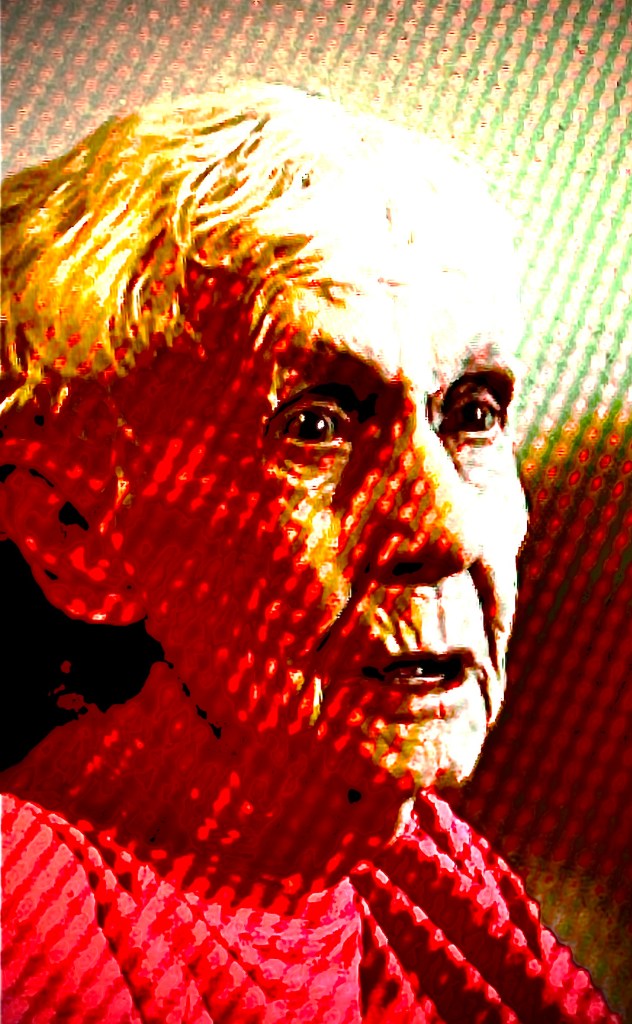
Weiner: The Bravest Piglet of Maplewood Farm

Once upon a time, in a picturesque countryside, set between rolling hills and verdant fields, there was a farm known as Maplewood. This farm was home to various animals, each with unique charm, but none were as spirited and curious as a little piglet named Weiner. The air was always filled with the sweet scent of hay, and the sound of chirping birds and rustling leaves was a constant backdrop to their lives.


Weiner was a tiny, rosy piglet with a button nose and twinkling eyes that sparkled with mischief and curiosity. He lived in a cozy style with his mother and siblings, who were a mix of different farm animals. The farm was a bustling place, with chickens clucking, cows mooing, and sheep baaing. Unlike his siblings, who were content with their daily routine, Weiner always dreamt of adventure. He would often sneak out to explore the farm, befriending every animal he met, from the clucking chickens to the gentle cows.
One sunny morning, while Weiner was innocently frolicking near the edge of the farm, he noticed something unusual. The air felt different, and there was a faint smell of smoke. His tiny heart began to race as he trotted closer to the source. To his horror, he saw a small fire spreading near the barn, where all the hay was stored. The entire farm, his home, could be in grave danger if it reached the barn.


Weiner knew he had to act fast. He dashed back towards the farmhouse, his tiny hooves kicking up dust as he ran. Reaching the farmhouse, he found Farmer Brown sitting on the porch, sipping his morning coffee.


“Oink! Oink!” Weiner squealed frantically, tugging at Farmer Brown’s pant leg. His eyes were wide with fear, and his little body was trembling.


Farmer Brown looked down, puzzled. “What’s the matter, little Weiner?”
Weiner kept squealing and pulled harder, trying to convey the urgency. He was scared, but he knew he had to do something. Sensing something was wrong, Farmer Brown set down his coffee and followed the piglet. As they neared the barn, the smell of smoke became unmistakable.

“Oh no! The barn’s on fire!”

Farmer Brown exclaimed.

He quickly ran to the water pump and started filling buckets. Weiner, thinking swiftly, dashed off again, this time towards the duck pond. There, he found his friend, Daisy, the duck, a wise and gentle creature, and explained the situation in frantic oinks and quacks.


Daisy, understanding the urgency, rallied her duck friends. Together, they formed a line from the pond to the barn, each duck passing water in their beaks. Weiner joined the line, using his snout to help splash water on the flames. The ducks’ feathers glistened in the sunlight as they worked, and Weiner’s tiny hooves splashed in the water, creating a rhythmic sound.


The commotion attracted the attention of the other animals. The cows used their strength to push heavy water troughs closer while the chickens flapped their wings to fan the flames away from the barn. The sheep, not wanting to be left out, used their woolly bodies to smother smaller fire patches. It was a true display of teamwork and unity.


The farm was a flurry of activity. Thanks to Weiner’s quick thinking and the cooperation of all the animals, the fire was soon under control. The flames were extinguished before they could reach the barn, saving the precious hay and the farm itself from disaster. It was a moment of triumph and relief for everyone.


Farmer Brown, covered in soot but immensely grateful, gathered all the animals around. “Thank you, everyone, for your help. But especially you, Weiner. If it wasn’t for your bravery and quick thinking, we could have lost everything.”


Weiner blushed under his pink fur, happy to have helped save his home. From that day on, Weiner was known as the hero of Maplewood Farm. The other animals looked up to him, and he became a symbol of courage and teamwork. Though he still loved to explore, Weiner did so with a new purpose, knowing that sometimes, even the smallest piglet could make the most significant difference.


Maplewood Farm continued to thrive, with Weiner’s tale of heroism becoming a cherished story passed down through the generations. The little piglet who saved the farm had shown everyone that anything was possible with bravery and a little teamwork.

THE END!

Embracing Identity: Eleanor’s Journey from Tomboy to Lady Athlete

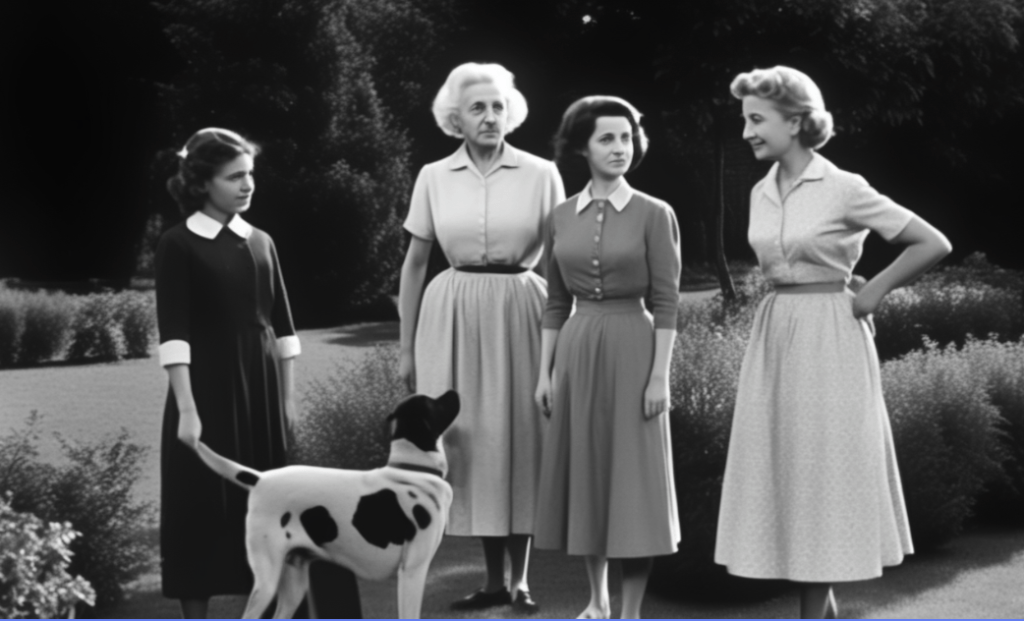
Eleanor’s father sent her to spend two months one summer with her grandmother and two Aunts in the countryside of GoatsManor. Her Aunts, Lilly and Lula, were very precise about how they liked to have the table settings placed each evening. Her Grandmother, Lola, insisted she wears a summer dress to tea at 2 O’clock exactly each afternoon. The ladies explained to Eleanor that she had specific criteria for becoming a lady.

Eleanor was a tomboy turning 14 to 15 years old, and she wished she could still play softball with the youth back in her neighborhood in Boston. Her father, Walter, had become a widower after Eleanor’s mother, Leanne, passed away from cancer two years ago. He was concerned that Elly, as she was known to the neighborhood boys, was becoming less of a lady and more of a roughhouse bar room gal—something he didn’t want for his little girl. So he had called his wife’s mother and aunts and arranged for a summer at GoatsManner.

The first week at GoatsManor was a whirlwind of rules and routines. Eleanor, a tomboy at heart, found herself suffocating in the frilly dresses and precise manners. Her mind often wandered to the dusty baseball diamond and her friends back home. Despite her resistance, her grandmother and aunts persisted, believing that structure and propriety would mold her into a proper young lady.

One hot afternoon, after another tedious tea session, Eleanor wandered into the sprawling fields behind the manor. She needed to clear her head and escape the suffocating expectations. As she walked, she stumbled upon an old barn, its red paint peeling and roof sagging. Curiosity got the better of her, and she pushed open the creaky door.

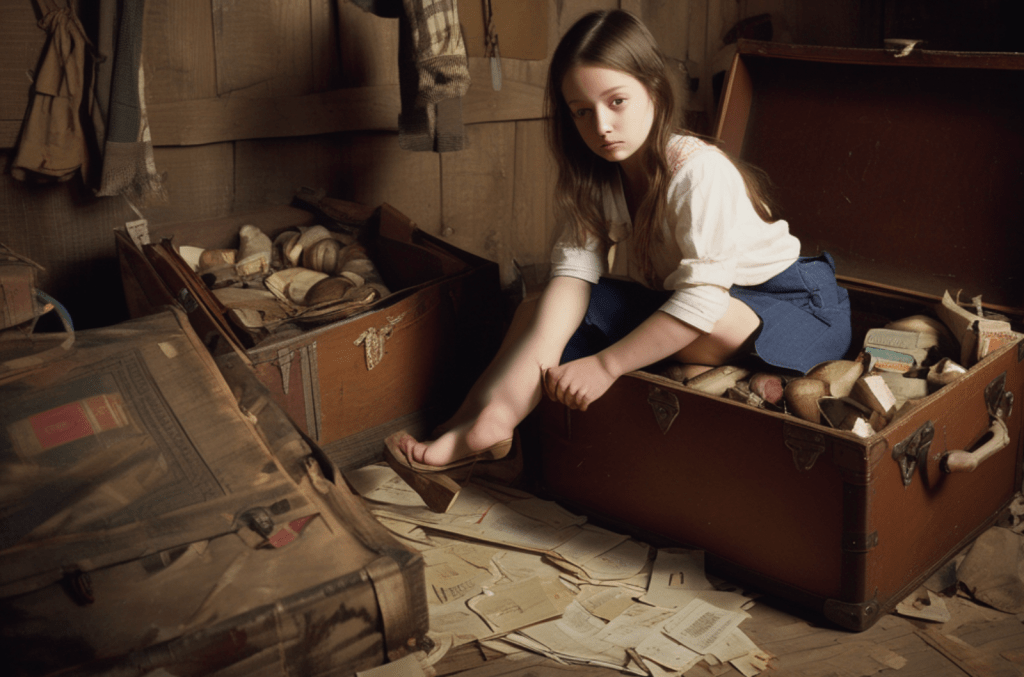
That was the day, Eleanor stumbled upon a hidden treasure: an old, dusty trunk filled with what appeared to be her mother’s childhood belongings. Among the items were a well-worn softball glove, a collection of vintage baseball cards, and a photograph of her mother, Leanne, in a baseball uniform, grinning widely with a bat slung over her shoulder.

Eleanor’s heart raced with excitement and a newfound connection to her mother. She spent hours in the barn, trying on the glove and imagining her mother playing the sport she loved. It was in this dusty sanctuary that Eleanor felt a surge of joy and freedom, a feeling she hadn’t experienced since her mother’s passing. The barn became her refuge, where she could be herself without judgment.

Over the next few weeks, Eleanor made it a habit to visit the barn whenever possible. She practiced throwing and catching, feeling a sense of freedom and joy she hadn’t felt since her mother’s passing. The barn became her refuge, where she could be herself without judgment.
One day, as Eleanor practiced her pitches, she heard a soft applause behind her. She turned to find her grandmother, Lola, watching her with a gentle smile. Eleanor froze, expecting a reprimand, but Lola’s expression was kind.

“I used to watch your mother play out here,” Lola said softly. “She was quite the athlete, just like you.”
Eleanor’s eyes widened in surprise. “You mean Mom played softball too?”

Lola nodded. “Oh, yes. She loved it dearly. She found joy and strength in the game. It’s part of who she was.”
Tears welled up in Eleanor’s eyes as she realized that her mother had shared her passion for softball. She felt a deep connection and renewed sense of purpose to her mother.

From that day on, Lola and Eleanor spent their afternoons in the barn, practicing together. Lola, who had once been a skilled player, taught Eleanor new techniques and shared stories of her mother’s adventures on the field. The bond between grandmother and granddaughter grew stronger with each passing day.


Eleanor still attended the afternoon teas and followed the table-setting rules, but her perspective had shifted. No longer did she feel confined by them. She had found a balance between GoatsManor’s expectations and her own identity. By the summer’s end, Eleanor had become more poised and confident and embraced her love for softball, knowing it was a cherished part of her mother’s legacy.

When it was time to return to Boston, Eleanor left GoatsManor with a newfound sense of self and a heart full of cherished memories. She knew she could be both a lady and a fierce athlete, carrying forward the best of both worlds.

Gigglewood Midnight Squad: Adventures of an Unconventional Police Team

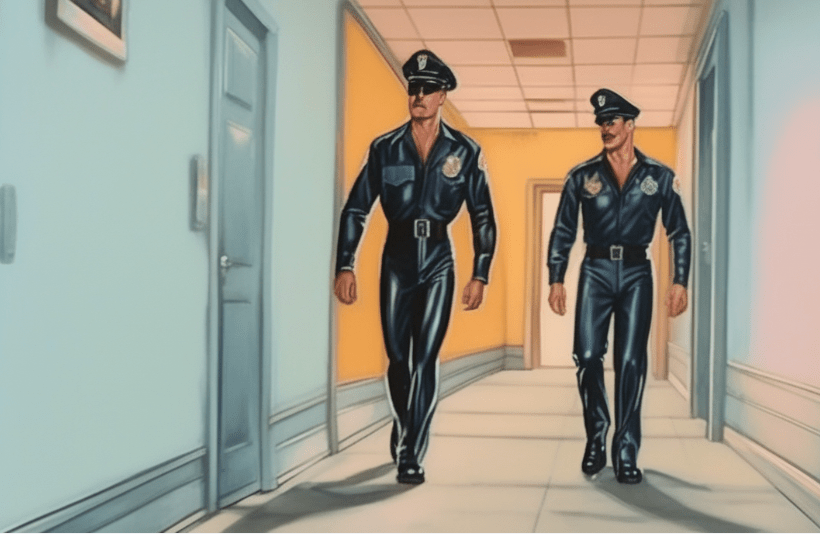
In the bustling city of Gigglewood, a place known for its vibrant nightlife and quirky inhabitants, the streets came alive at night, lit up not just by neon signs but also by the laughter and antics of its most beloved, albeit unconventional, police team: the Midnight Squad, comprised of six dazzlingly attractive officers, their presence was always a spectacle. They donned the sexiest, tight-fitting uniforms that accentuated their gym-sculpted bodies, causing heads to turn and hearts to flutter.

Officer Mia Valentine, the squad’s fearless leader, was known for her killer curves and unrelenting determination. A bisexual dynamo with a wicked sense of humor, Mia could easily switch from laying down the law to cracking up her team. Her second-in-command, Officer Alex Steel, was a trans man with the charm of a movie star and the strength of a superhero. Alex’s journey inspired the whole team, and his quick wit often saved them from the trickiest of situations. “Hey, Alex, ready to save the day again?” Mia would often tease, to which Alex would reply with a smirk, “Always, boss.”

Officers Jen and Lily were inseparable, both on and off duty. The two women, partners in every sense, had a knack for getting themselves into and out of ridiculous predicaments. Jen’s tech skills and Lily’s strategic mind made them a formidable duo, though their constant banter often left their colleagues in stitches.

Then there were Officers Mark and Kyle, whose bromance blossomed into a full-fledged romance. Their goofy camaraderie and over-the-top displays of affection often lightened the mood during tense moments. With his boyish charm and impressive physique, Mark was the team’s undercover expert, able to blend in with any crowd. Meanwhile, Kyle, a former gymnast, was their go-to for anything requiring agility and acrobatics, often using his skills to distract the bad guys during high-stakes operations.

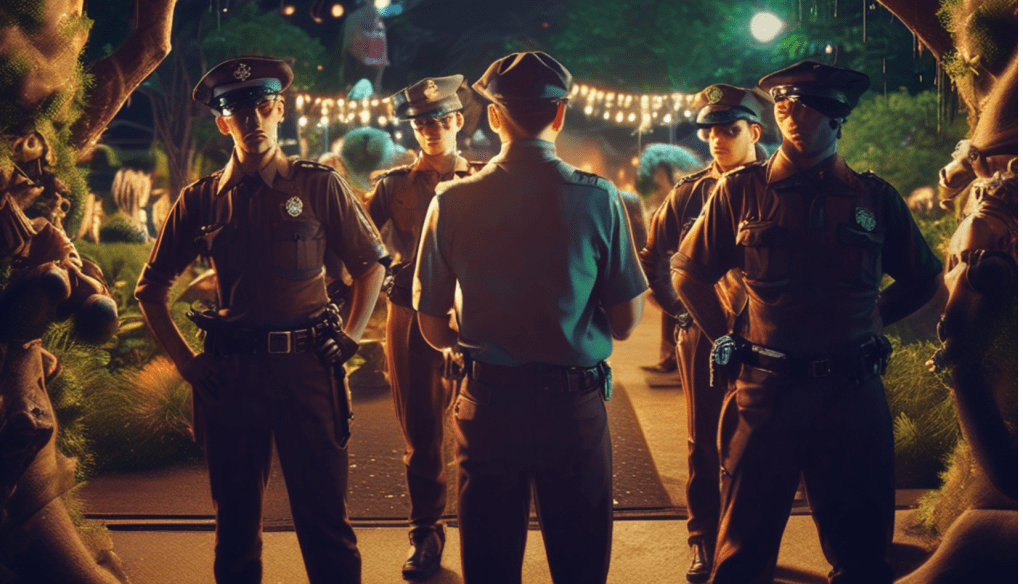
One balmy night, the Midnight Squad faced their most absurd challenge yet. A call came in about a mysterious disturbance at the Gigglewood Zoo. “Looks like we’ve got a situation with the animals,” Mia said, raising an eyebrow. “Let’s roll, team!” The absurdity of the situation was not lost on the squad, and it only served to heighten their determination and sense of humor.

The squad arrived at the zoo to find it eerily quiet. As the officers cautiously approached the entrance, a peacock suddenly strutted by wearing a tiny police hat. “This is definitely not part of the zoo’s usual dress code,” Mia whispered, her hand on her holster. 

“I have a bad feeling about this,” 

Alex muttered, his eyes scanning the shadows.

Jen and Lily, always up for a challenge, split off to check the reptile house. They soon discovered that all the snakes had somehow gotten loose and were now tangled together in a giant, writhing ball. The sight was both terrifying and strangely mesmerizing, like a scene from a horror movie directed by a clown. 

“Why does it always have to be snakes?” 

Jen groaned. 

Lily just shook her head, pulling out a bag of marshmallows. 

“Let’s lure them back with something they can’t resist,” 

She said, handing Jen a stick. 

They proceeded to toast marshmallows and lure the snakes back into their enclosure with the sugary treats.

“You know, Jen, this is probably the weirdest thing we’ve ever done,”

Lily said, trying to stifle a laugh.

“And that’s saying something,”

Jen replied, a mischievous twinkle in her eye.

Meanwhile, Mark and Kyle headed to the primate exhibit, only to find that the monkeys had broken into the zookeeper’s bananas and energy drinks stash.

“Looks like they’re planning a wild night,”

Mark joked, as they watched the monkeys swing wildly from tree to tree, their fur standing on end from the caffeine rush.

 “Monkey rave,” 

Kyle exclaimed as they watched the primates swing wildly from tree to tree. 

“We need to tire them out,” 

Mark suggested, grabbing a nearby boom box. Moments later, the air filled with the sounds of the latest dance hits, and Mark and Kyle led the monkeys in an impromptu dance-off until the exhausted primates fell asleep in a heap.

Back at the central plaza, Mia and Alex stumbled upon the mastermind behind the chaos: a rogue parrot with a flair for mischief.

 “Polly wants a key to the city,”

 It screeched, perched atop the mayor’s statue. 

Mia rolled her eyes. 

“Not tonight, featherbrain,”

She said, brandishing a net.

The parrot led them on a merry chase through the zoo, but Alex, with his agility and speed, cornered it in the butterfly house.

“Nice try,” 

He said, gently capturing the bird. 

“But you’re coming with us.”

With the zoo back in order, the Midnight Squad regrouped.

 “Another night, another crisis averted,”

 Mia said, looking at her team with pride. 

“And another story for the ages,”

 Mark added, wrapping an arm around Kyle.

As they returned to the station, the team couldn’t help but laugh at the absurdity of it all. They were a ragtag bunch, each with their quirks and charms, but together, they were unstoppable. The Midnight Squad wasn’t just a team; they were a family, united by their love for each other and their city, ready to face whatever craziness the night would bring next. The audience is invited to share in this sense of belonging and unity, making them feel a part of the Midnight Squad’s unique world.

New Haven: Rebuilding Humanity After the First Contact War

In 2147, the world was altered irrevocably by the catastrophic aftermath of the First Contact War, a conflict that erupted when humanity made its first contact with an alien civilization. This discovery, instead of being the peaceful meeting of cultures and ideas that many had hoped for, led to a devastating war that ravaged Earth, leaving it a shadow of its former self, with much of the planet in ruins.

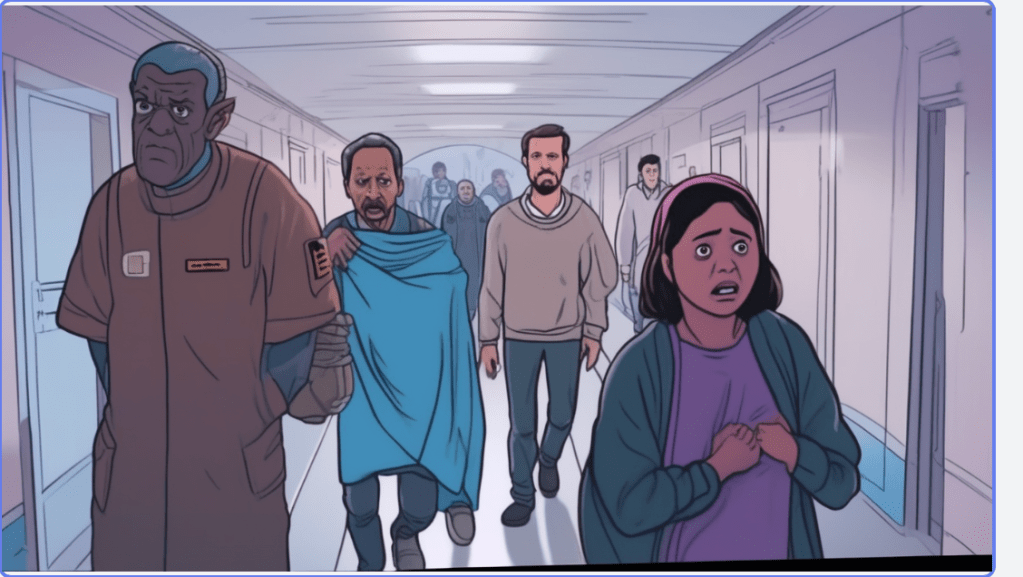
Amidst the desolation, small pockets of survivors, resilient and determined, tried to rebuild their lives. One such place was the settlement of New Haven, a converted underground research facility that provided refuge to humans and non-humans alike. In the dimly lit corridors of New Haven, it was here that a group of survivors, their spirits unbroken, made their way to the main meeting hall.

Leading the group was Dr. Rithian Torvak, a Xelorian biologist from a race that had formed a crucial alliance with humanity against the common enemy. The Xelorians, known for their green, textured skin, and elongated ears, were a race of peaceful scholars who had never engaged in warfare before. Despite the prosthetic arm—a reminder of the war’s brutal cost—he was a source of strength and wisdom, a testament to the unity forged in the face of adversity.

Anaya Patel, a young woman who had become a beacon of hope for many, closely followed Dr. Torvak’s research. Anaya had emerged as a natural leader, her compassionate heart and unyielding spirit rallying the survivors, united in their struggle, through their darkest days. Her parents had perished defending their home, but she had sworn to honor their memory by protecting those who remained.

Beside him, clutching a tattered blue blanket, was Samuel Grant, a former engineer who had lost his family in the initial invasion. Samuel’s eyes appeared haunted, but he found solace in aiding Dr. Torvak with his research, hoping their efforts might lead to a brighter future. His knowledge of pre-war technology was invaluable in keeping New Haven operational.

As they walked through the corridor, the walls echoed with the murmurs of the other residents, each carrying their own stories of loss and survival. The group was heading to a crucial meeting to discuss the latest developments in their efforts to reclaim the surface and search for other survivors.

The corridor opened into a large room filled with makeshift tables and chairs. On one wall, a digital display showed the map of their known world, with red zones marking areas still too dangerous to explore. These zones, remnants of the war, were filled with mutated creatures and unstable terrain, posing a constant threat to anyone who dared to venture into them. The air was thick with a mix of hope and desperation, as the survivors were acutely aware of the dangers that lurked just beyond their reach.

Dr. Torvak stepped forward to address the gathered crowd.

“We have received a transmission from what we believe to be another survivor enclave. This communication could mean there are more of us out there than we thought.”

The room buzzed with whispers. Anaya, her voice steady but filled with emotion, raised her hand, silencing the crowd.

“If there are more survivors, we must find them and bring them here. Every life matters, and together, we can rebuild.”

Her words, a testament to the hope that still burned within them, resonated with the survivors, filling the room with a renewed sense of purpose and determination.

Samuel nodded in agreement.

“We have the technology to send a team, but it will be dangerous. We must prepare for anything.”

Dr. Torvak glanced around the room, his eyes filled with determination.

“We have faced darkness and survived. Now, it is time to reclaim our world, to rebuild what we have lost, and to forge a future where all races can live in peace.”

His words, a rallying cry for the survivors, echoed in the room, filling them with a renewed sense of determination and unity.

As the meeting concluded, the survivors of New Haven felt a renewed sense of purpose. They knew the road ahead was perilous, but they believed, with a flicker of hope in their hearts, they could overcome any obstacle together. In the shadows of their broken world, they found the strength to hope, fight, and dream of a brighter, more peaceful tomorrow.

Despite their broken world, hope remained to rebuild even in the presence of a mixed culture of individuals—all who were put together not out of choice but out of a twist of fate!

Victor: A Man of Mystery and Resilience | Uncovering the Lost Relic in Haunting Mansion

A forgotten mansion, shrouded in mystery, stood in the heart of the old city, nestled among the cobblestone streets and gothic architecture. Its grandiose facade, though worn by time, still retained an enigmatic elegance. On a stormy evening, Victor, a man of mystery and resilience, found himself drawn to this mansion, its secrets whispering to him.

Victor, a man of mystery and resilience, had always been a seeker of the unusual, the arcane. His latest obsession had led him to this mansion, rumored to be the repository of a lost relic. He was a formidable presence in his black leather attire, adorned with silver studs and zippers. His attire, a blend of functionality and style, spoke volumes of his readiness for whatever the night might bring.

The mansion’s interior was a haunting blend of past grandeur and eerie decay. The flickering candlelight cast eerie shadows on the portraits of stern-faced ancestors that lined the walls, their eyes seeming to follow him as he made his way through the dimly lit halls. The air was thick with the scent of old books and the faint, lingering traces of incense, and the floorboards creaked under his weight.

Victor’s destination was the study; a room said to contain a hidden compartment where the relic was concealed. He had done his homework; old blueprints and cryptic notes had led him here. With a determined stride, he entered the study, its heavy wooden door creaking ominously.

The room was a testament to the mansion’s former glory, with rich mahogany shelves lined with ancient tomes, a grand fireplace, and a massive desk that dominated the space. Victor approached the desk, his leather-clad fingers tracing the intricate carvings on its surface. He had a hunch that the key lay in the hidden compartment of the desk itself.

After a meticulous search, Victor’s fingers found a small, concealed latch. A secret drawer slid open with a soft click, revealing a velvet-lined compartment. Inside lay an ornate box, its surface inlaid with mother-of-pearl and silver filigree. Victor’s heart raced as he carefully lifted the box and opened it.

Inside, nestled in velvet, was the relic: an ancient amulet, its center a polished obsidian stone encircled by symbols of power and protection. As Victor held it, a surge of energy coursed through him, confirming the amulet’s authenticity; this was what he had been searching for. The amulet, rumored to hold the key to immortality, was a prize coveted by many.

His triumph was interrupted by the sound of footsteps echoing through the hall. Victor quickly stashed the amulet in his belt pouch and closed the drawer, his senses on high alert. He had been cautious, but it seemed he was not alone in his quest.

The door to the study burst open, and a figure clad in dark robes stepped in. ‘You have something that belongs to me,’ the intruder hissed, eyes glinting with malice. ‘You’re too late,’ Victor replied, his voice steady. ‘The amulet is mine now.’

Victor stood his ground, his hand instinctively moving to the hilt of his concealed dagger. “The amulet is not yours to claim,” he replied coolly. “It belongs to no one but itself.”

A tense silence filled the room, broken only by the distant rumble of thunder. The intruder moved with surprising speed, lunging towards Victor. But Victor was ready. In a swift, fluid motion, he drew his dagger and deflected the attack, the blade glinting in the dim light. His heart pounded in his chest, his senses heightened as he focused on the task at hand.

The fight was a whirlwind of intensity. Victor’s combat training and the intruder’s desperate aggression clashed in a flurry of movement. The air crackled with tension as they circled each other, each seeking an opening. In the end, Victor’s skill and determination prevailed. The intruder, defeated and disarmed, lay on the floor, gasping for breath.

Victor looked down at his defeated opponent, his eyes a mix of pity and resolve. ‘Leave now and never return,’ he ordered, his voice firm but tinged with a hint of sadness. ‘The amulet’s power is beyond your understanding.’

The intruder, cowed and beaten, scrambled to his feet and fled into the night. Victor watched him go, his eyes filled with a mix of pity and resolve. He knew his journey was far from over. The relic’s true power and purpose were yet to be revealed, and he was resolute in his determination to unravel its mysteries.

With the amulet safely in his possession, Victor left the mansion and stepped into the stormy night. Lightning illuminated his path, and the rain washed away the remnants of the battle. As he disappeared into the shadows, one thing was sure: Victor’s legend was only beginning.

Solemn Reflections: Memorial Day and the Spirit of Sacrifice

As the sun rose over the small town of Oakwood, its warm rays illuminated the rows of white headstones in the Oakwood Cemetery. The city, steeped in a rich history of honoring fallen soldiers, had always observed Memorial Day with solemn pride. This day, originally known as Decoration Day, was established after the Civil War to commemorate the Union and Confederate soldiers who died in the war. It has since evolved to honor all Americans who have died in military service.

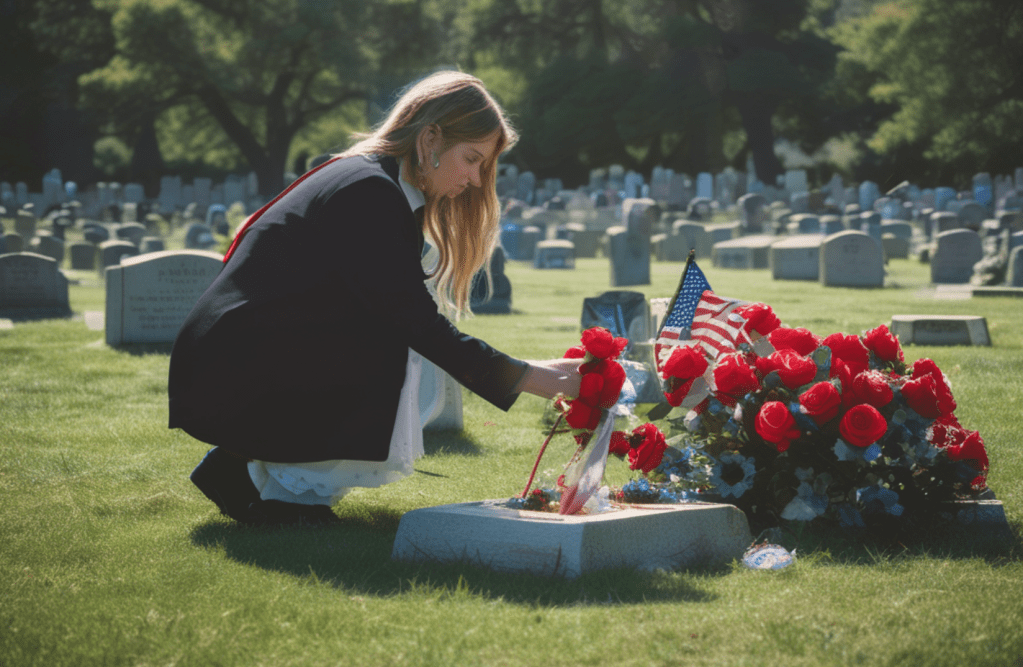
Sarah Thompson stood at the cemetery’s gate, holding a bouquet of red, white, and blue flowers. She was in her late thirties, her eyes reflecting sorrow and strength. Visiting the cemetery was her yearly ritual—a pilgrimage to visit the grave of her brother, Daniel, who had died in Afghanistan a decade ago.

As Sarah walked along the gravel path, she remembered the day they received the news. It had been a bright summer afternoon, much like today. Daniel had always been a source of light and joy in their family, with his infectious laughter and boundless energy. The knock on the door that day had shattered their world.

Sarah reached Daniel’s grave and knelt, gently placing the flowers in front of the headstone. She traced her fingers over his name etched in the cold stone and whispered a prayer. Memories flooded back—playing tag in the backyard, late-night talks about their dreams, and the tearful goodbye when he left for his final deployment.

The cemetery, a place of collective grief and remembrance, began to fill with others who had come to pay their respects. Families, friends, and fellow veterans moved among the graves, their shared sorrow palpable in the air. Some walked in silence, their thoughts a private tribute, while others shared stories, their voices a collective echo of the lives lost.

A familiar voice broke Sarah’s reverie. “Hey, Sarah.”

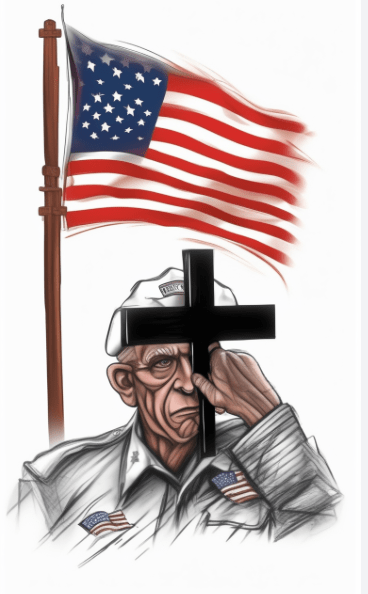
She turned to see Tom, one of Daniel’s best friends from high school, standing nearby. He held a small American flag, which he placed at the base of the headstone. Tom had served alongside Daniel and had been with him during his last moments.

“It’s good to see you, Tom,” Sarah said, her voice soft.

Tom nodded, his eyes filled with shared grief. “I come here every year. Feels like the least I can do.”

They stood in silence for a moment, their hearts heavy with the weight of their loss. Each lost in their thoughts, memories of Daniel flooding their minds. Then Tom began to speak, his voice steady but emotional, his words a testament to the bravery and selflessness of their fallen friend. ‘Daniel was the bravest person I knew,’ he said, his voice breaking with emotion. ‘He always put others before himself. Even in the end, he worried more about us than his safety.’

Sarah smiled through her tears. “That sounds like him.”

The morning wore on, and more people arrived, each carrying their own memories and gratitude. A group of children from the local school, accompanied by their teachers, placed flags on the graves of all the fallen soldiers, a symbol of their respect and understanding of the sacrifices made. The town’s mayor gave a short speech, his words echoing with the collective gratitude and remembrance of the community. A local choir sang ‘America the Beautiful,’ their voices a poignant reminder of the unity and strength that comes from shared values. The collective remembrance was a powerful testament to the sacrifices made by so many.

As the ceremony ended, Sarah and Tom lingered by Daniel’s grave a little longer. They shared stories, laughed, and cried, finding comfort in each other’s company.

“Thank you for being here,” Sarah said as they prepared to leave.

“Always,” Tom replied. “He was my brother, too.”

They returned to the cemetery gate together, the sun now high in the sky. As Sarah looked back one last time at the sea of white headstones, she felt a sense of peace. Memorial Day was not just about remembering the fallen; it was about celebrating their lives and the values they stood for.

Driving home, Sarah contemplated the significance of this day and how she would pass on its importance to her children. She understood that as long as they remembered, Daniel’s spirit would continue to live on. Every Memorial Day, she would return to this hallowed ground, ensuring that the memory of her brother and all those who had made the ultimate sacrifice for their country would never fade.

In checking references part of this story may include referencese similar to others found on the internet. The simularities are incidential and are not included intentional. You can find more these simularities RE: New York. Memorial Day. Monument. Dead Soldier. Wheelchair. Handicapped Boy. | Didier Ruef | Photography. https://www.didierruef.com/gallery-image/Aura/G0000Is39GN2Av9w/I0000aHlCvWVZLNc/C0000EU0LcXmMzWo/ 

The Heartwarming Story of Jello: From Community Beloved Dog to Honorary Mayor of Millbrook

Jello, a spirited dog with golden fur, floppy ears, and a tail that wagged like a metronome, lived in the quaint town of Millbrook. He was a free spirit, beloved by all, and a fixture of the community, embodying the warmth and unity of Millbrook.

Jello had his routines. Every morning, he would trot to the bakery where Mrs. Thompson would have a fresh scone waiting for him. Then, he’d visit the school playground, where children would shower him with affection and sneak him bits of their lunches. Jello often spent afternoons lounging in the sun outside the library, where Mr. Caldwell would read to him from the latest novels. By evening, he would make his rounds at the town square, greeting everyone with a joyful bark before curling up under the big oak tree for the night. The community’s love for Jello was palpable, creating a sense of unity and togetherness.

The townspeople adored Jello so much that someone humorously suggested nominating Jello for Mayor when the mayoral election came around. The idea quickly gained traction. “Who better to represent our town than Jello?” they said. “He’s loyal, kind, and brings everyone together.” And so, in an unprecedented turn of events, Jello’s name appeared on the ballot.

As the election drew near, excitement buzzed through Millbrook. Posters of Jello, donning a makeshift mayoral sash, adorned shop windows and bulletin boards. The slogan “A Mayor Who Cares” echoed through the streets. But a week before the election, something terrible happened: Jello went missing.

Panic spread like wildfire. Where could he be? The entire town, deeply concerned, rallied to search for him. Kids formed search parties, calling his name through the woods and fields. Shopkeepers closed early to join the search; even the local police were on high alert. There were flyers everywhere: ‘Missing: Jello. Our Town Hero. Please Help!’. The town’s reaction to Jello’s disappearance was a testament to their deep empathy and concern.

As days passed with no sign of Jello, whispers of foul play began to circulate. The thought was too dreadful to bear, but the town’s unity shone through their worry. They held candlelight vigils, their collective hope a beacon in the darkness, a testament to their resilience and unity.

On the eve of the election, a familiar bark echoed through the town square just as hope was waning. It was Jello, looking a bit dirty and tired but otherwise unharmed. The townspeople greeted Jello with cheers and tears of joy. Mr. Caldwell, who had been leading a search party near the old mill, found him trapped in an abandoned shed, likely having chased a squirrel inside and gotten stuck.

The town’s relief was palpable. Shopkeepers cleaned him up, fed him his favorite treats, and gave him more attention. Election day arrived, and with Jello safe and sound, the town celebrated their unusual but heartwarming choice for Mayor. After tallying the votes, it was no surprise that Jello won by a landslide. Although the title of Mayor was symbolic, the gesture embodied the spirit of Millbrook: a community united by love, kindness, and the belief that sometimes the best leaders remind us of the simple, unspoken bonds we share.

Jello, the dog who roamed freely but belonged to everyone, was now the honorary Mayor of Millbrook. His tale became a cherished legend, reminding all who heard it of the power of community and the unexpected ways in which leaders can emerge.

The Paradox of Charlie North

The man whose loving heart brought conflict and rift with unexpected rewards he showered on others.

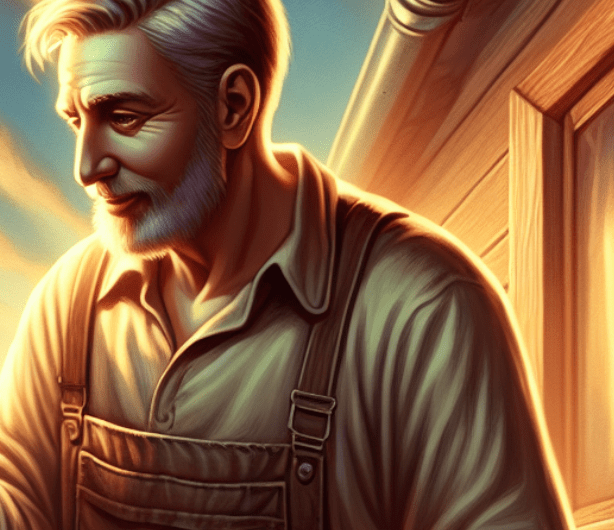
Charlie North was a familiar figure in the small town of Millbrook, known for his heart as expansive as the sky. He would readily abandon his own tasks to assist a neighbor with a leaky roof or chauffeur an elderly friend to a medical appointment. His acts of kindness and warmth were unparalleled, and everyone who crossed paths with Charlie held a special place for him in their hearts.

Yet, Charlie’s well-intentioned nature had a flip side that often led to discord: he was overbearing. His eagerness to assist frequently transformed into a forceful insistence that his approach was superior, and his constant involvement in others’ lives often left them feeling suffocated. This dichotomy of love and overbearingness earned him a mixed reputation.

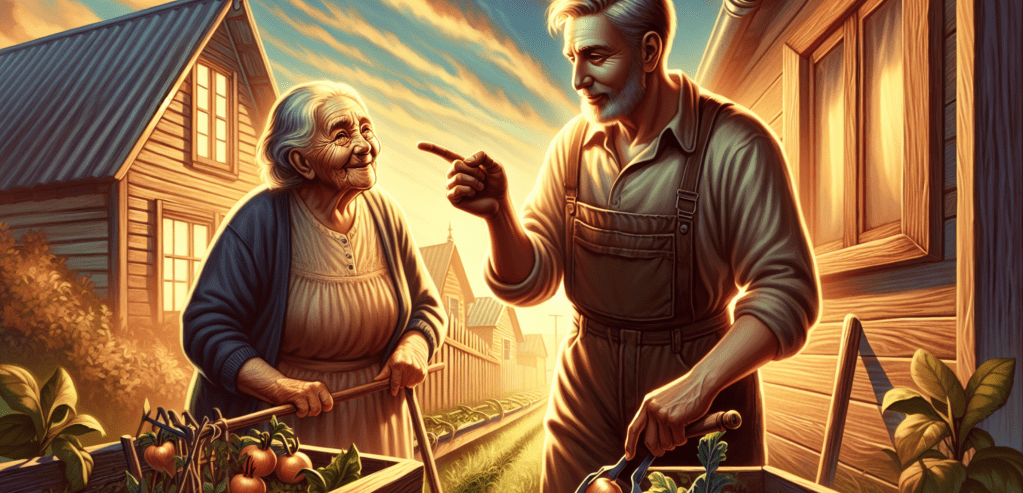
One sunny morning, Charlie decided to help Mrs. Henderson with her garden. The widow was grateful for the help but soon became overwhelmed by Charlie’s detailed plans and strict schedules. He dictated the type of flowers to plant, the precise soil mixture, and the exact watering schedule. Mrs. Henderson, who enjoyed gardening as a leisurely and personal hobby, felt her joy drained by Charlie’s micromanagement.

“I appreciate your help, Charlie, but I think I’d like to do some of this on my own,”

Mrs. Henderson said, trying to sound polite.

Charlie was taken aback. He wanted to help, but he needed help to see how his thorough plans were anything but beneficial.

“But, Mrs. Henderson, if we don’t follow the schedule, the flowers won’t thrive as they should,”

he insisted.

As the weeks went by, similar incidents unfolded. At the community bake sale, Charlie’s meticulous organization turned into a rigid control. Initially, the townsfolk appreciated his dedication, but soon they felt stifled and unappreciated. The once vibrant community events started to lose their charm, replaced by a silent resentment towards Charlie’s overbearing ways.

One evening, as Charlie sat on his porch, his lifelong friend, Tom, joined him. Tom was one of the few people who could speak candidly to Charlie.

“Charlie, I’ve known you forever,” Tom began gently. “You’ve got a heart of gold, but sometimes you don’t realize how you come across to others.”

Charlie frowned, puzzled. “I just want to help, Tom. I want everything to be perfect for everyone.”

“I know you do, and that’s what makes you so special,”

Tom said, choosing his words carefully.

“But people need space to make their own choices, even if things don’t turn out perfectly.”

Determined to change, Charlie began to pull back. He continued to offer his help, but he consciously tried to listen more and dictate less. Charlie volunteered at the next community event but let others take the lead. He bit his tongue when things didn’t go as he would have planned, learning to appreciate the different ways people approached problems.

It was a difficult adjustment for Charlie, and he often felt the urge to step in and take control. But slowly, he noticed a difference. Mrs. Henderson’s garden flourished in its way; it was not perfect, but vibrant and full of life. The bake sale was a chaotic success, filled with laughter and camaraderie. People began to welcome Charlie’s presence again without the undercurrent of tension that had once accompanied his help.

Over time, Charlie found a balance. He channeled his love and generosity in ways that empowered others rather than overshadowing them. He was still the same Charlie North—big-hearted and always ready to lend a hand—but had learned to temper his overbearing nature. This transformation made him not only loved but truly appreciated, a testament to the power of self-awareness and the enduring strength of a loving soul.

That night, Charlie lay awake, wrestling with Tom’s words. He reflected on the times his help had been more of a hindrance, the faces of his friends and neighbors flashing through his mind—grateful at first but then strained and unhappy.

And so, Charlie’s story became one of growth and redemption, a testament to the power of self-awareness and the enduring strength of a loving soul.

Riverton Police: A Night in the Life of Detectives Jake and Sam

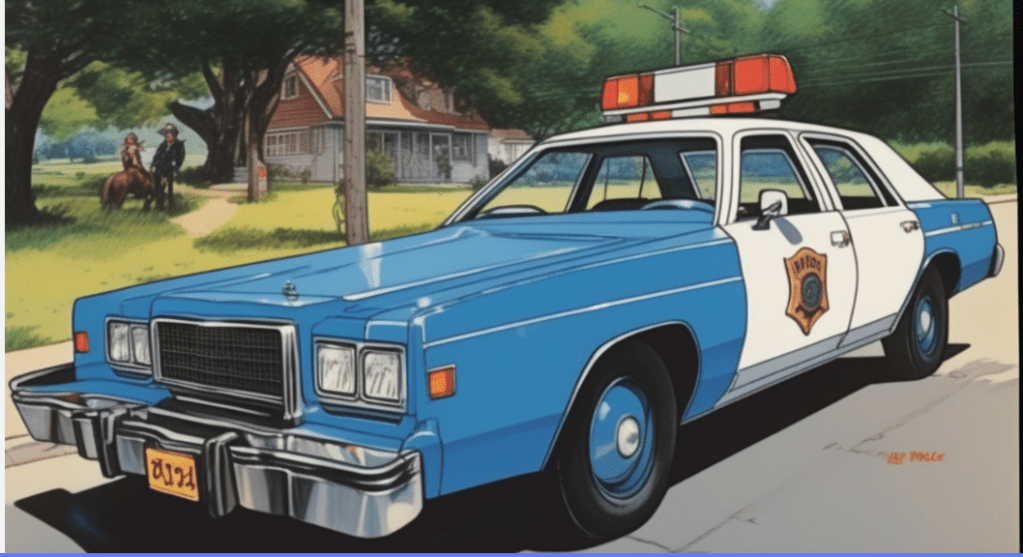
The city of Riverton never slept, nor did Detectives Jake Harris and Sam O’Reilly. Partners for over a decade roamed the nocturnal streets with the kind of synergy only best friends could muster. Their squad car, an unremarkable blue-and-white cruiser, was a beacon of hope for some and a symbol of fear for others.

Jake, with his gruff exterior and piercing blue eyes, was the kind of cop who could read a crime scene like a book. Sam, a lean figure with a quick wit and a knack for defusing tense situations, complemented Jake perfectly. Together, they led the department in felony arrests, arriving at calls faster than anyone else and building relationships with the community that others could only dream of.

One brisk autumn night, their radio crackled to life with a call that made their hearts race: an armed robbery in progress at the 24-hour diner on 5th and Maple. Without a word, Jake hit the lights and sirens, and they sped through the dimly lit streets. They arrived in just under three minutes, a record even for them.

The diner was eerily quiet as they approached, save for the distant hum of neon lights. Inside, a masked man brandished a gun, demanding cash from the terrified cashier. Jake motioned for Sam to flank the back entrance while he took the front.

Jake entered slowly, his voice calm but authoritative. ––––

“Riverton PD, drop the weapon and come out with your hands up.”

The gunman whipped around, eyes wide with panic.

From the rear, Sam’s voice cut through the tension.

“No, you won’t. You don’t want to hurt anyone. Put the gun down, and we can talk.”

The gunman’s grip on the weapon faltered. In that split second, Jake lunged forward, disarming him with a swift, practiced motion. Sam was at his side instantly, cuffing the man and guiding him to the squad car.

As they processed the scene, the cashier, a young woman named Maria, approached them with tears in her eyes.

“Thank you. I don’t know what would’ve happened if you hadn’t come.”

Jake gave her a reassuring nod. “Just doing our job, ma’am.”

The rest of the night was a blur of paperwork and patrols. But their most memorable interaction came just before dawn. While cruising through a quieter part of town, they spotted a boy sitting alone on a bench, clutching a backpack to his chest. They pulled over, and Sam approached him gently.

“Hey there, buddy. Everything alright?”

The boy, who couldn’t have been more than ten, looked up with tear-streaked cheeks.

“I ran away from home. My parents are always fighting.”

Sam sat next to him, listening with the patience of a father and says –––

“I get it, kid. Sometimes, home can be tough. But running away won’t solve anything. Let’s get you back home and see if we can help sort things out.”

Jake contacted the boy’s parents while Sam spoke with him. The sun was peeking over the horizon when they returned the boy home. Now more worried than angry, the parents hugged their son tightly and thanked the officers.

As they drove back to the station, Jake glanced over at Sam, sighs then says –––

“Another night, another set of stories, huh?”

Sam chuckled. “Wouldn’t have it any other way.”

In Riverton, one could become a legend in the shadows, and for Jake and Sam, every night was another chance to protect and serve, forging connections and fighting crime in ways that others could only admire.

Verdantia: The Rainbow City and the Festival of Lumina

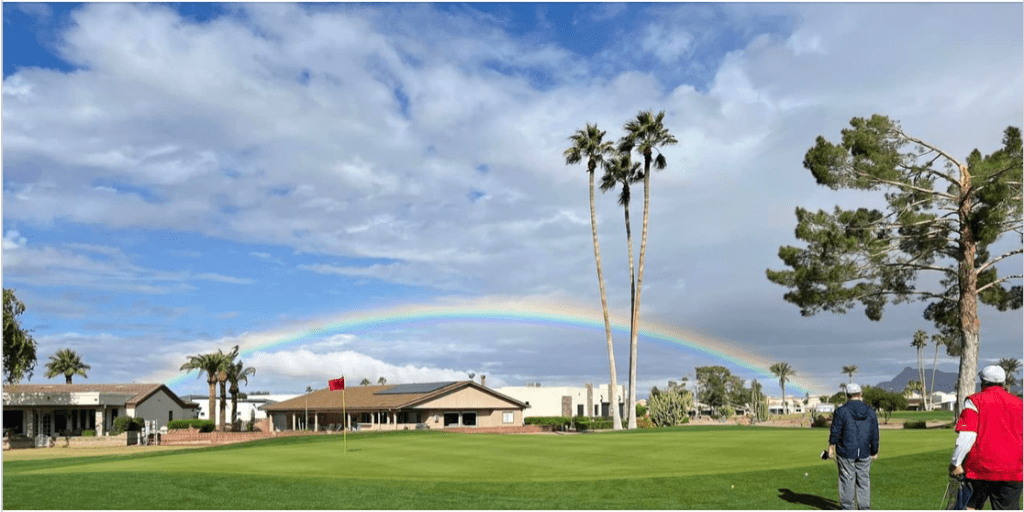
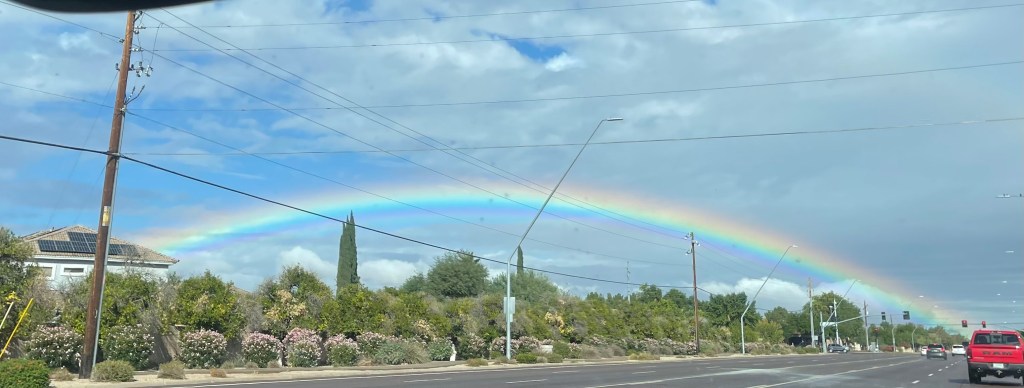
Once upon a time, in a small, unassuming town named Verdantia, an extraordinary phenomenon brought magic to the lives of its residents. Verdantia was known for its picturesque streets lined with red-brick buildings and verdant trees, but what truly set it apart was its ability to produce the most stunning rainbows anyone had ever seen.

One late afternoon, after a sudden downpour, the clouds parted, and the sun cast its golden rays across the wet streets. As the townsfolk went about their business, a magnificent rainbow began to form, arching over the town’s central square. It wasn’t just any rainbow; it was a double rainbow, with vibrant colors so vivid they seemed almost tangible.

The people of Verdantia, who had grown accustomed to the beauty of rainbows, stopped in their tracks, mesmerized by the sight. The rainbow appeared to touch down at two significant landmarks in the town—the spire of the old church and the ancient oak tree standing proudly at the intersection of Main Street and Elm.

As legend had it, Verdantia was a place where rainbows were believed to be portals to realms of wonder and enchantment. The townspeople knew this was no ordinary occurrence. The elders of the town, keepers of its history and secrets, gathered quickly. They had long awaited the appearance of such a rainbow, a sign foretold in their lore that marked the beginning of a special event known as the Festival of Lumina.

The Festival of Lumina was a rare celebration that took place once every hundred years, marked by a rainbow so grand that it stretched across the sky, connecting the past with the future, the ordinary with the extraordinary. This festival was a time when the boundaries between the human world and the world of magic blurred, allowing dreams and reality to intertwine.

As the double rainbow shimmered, a soft, melodic hum filled the air. Children giggled with delight, and adults felt a warm, nostalgic pull at their hearts. The air around the rainbow seemed to sparkle, and for a moment, time itself felt as if it had slowed down. From the base of the rainbow at the church, a figure emerged—a guardian of the ancient lore, known as Seraphina, the Keeper of Light.

Seraphina, with her radiant presence and flowing silver robes, held out a staff that glowed with the colors of the rainbow. She spoke in a voice that resonated like the soft chime of bells, “People of Verdantia, the time has come to celebrate the Festival of Lumina. Today, the veil between worlds is thin, and the magic of the rainbow is at your command.”

The town erupted in joyous celebration. Musicians played enchanting melodies, artisans displayed their finest crafts, and bakers offered sweet treats that seemed to shimmer with a magical glaze. Children ran around, chasing the elusive ends of the rainbow, hoping to find hidden treasures and secret wonders.

As evening fell, the rainbow’s glow intensified, casting a luminous light over Verdantia. The townspeople gathered under the ancient oak tree, where Seraphina led a ritual to honor the rainbow and its magic. She spoke of unity, hope, and the power of dreams, encouraging everyone to embrace the wonder within their hearts.

The Festival of Lumina continued through the night, with stories of old being shared around bonfires, and dances that seemed to weave through the very fabric of the rainbow’s light. As dawn approached, the double rainbow slowly faded, but the magic lingered in the hearts of the people.

Verdantia, forever touched by the beauty and enchantment of the rainbow, became a place where dreams were cherished, and the magic of the Festival of Lumina was remembered and celebrated in smaller ways every day. The rainbow city, as it came to be known, stood as a beacon of hope, joy, and the enduring power of wonder.

Midnight: Guardian of Secrets in Solstice Hollow

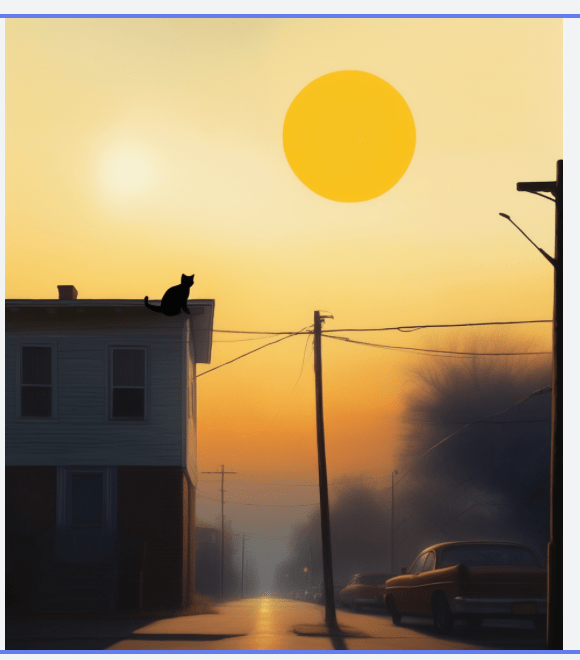
In the small, forgotten town of Solstice Hollow, days bled into each other with the relentless monotony of time. The sun hung heavy and perpetually on the horizon, a blazing sphere casting an otherworldly glow over the desolate streets. It was always twilight here, neither night nor day, as if the town existed in a pocket of suspended reality.

The alley in the photograph was known as Whispering Lane, a narrow pathway flanked by crumbling buildings that seemed to sigh with the weight of their own history. Shadows stretched long and lean across the cracked pavement, and the air was thick with the scent of old wood and dust. At the intersection of the lane and Main Street stood an old house, its paint peeling and windows dark, a silent sentinel in this forgotten part of the world.

On the roof of this house sat a black cat, its eyes glinting like emeralds in the perpetual twilight. The cat, known to the townsfolk as Midnight, had been there for as long as anyone could remember. Legend had it that Midnight was not an ordinary cat, but a guardian of secrets, a keeper of the town’s strange and sorrowful tales.

One such tale was that of Eleanor Weaver, a young woman who had lived in Solstice Hollow many decades ago. Eleanor was a spirited and curious soul, always wandering the boundaries of the town, seeking something beyond the endless dusk. She was fascinated by Whispering Lane, drawn to its eerie silence and the whispers that seemed to emanate from the very walls.

One evening, Eleanor ventured further down the lane than ever before. The sun, fixed in its eternal descent, bathed the alley in a warm, golden hue, casting long shadows that seemed to beckon her forward. As she walked, she heard faint murmurs, indistinct yet strangely comforting, as if the lane itself were sharing its secrets with her.

At the end of the lane, where the shadows were deepest, Eleanor discovered a hidden door set into the side of an old brick building. The door was ancient and weathered, its surface etched with cryptic symbols. With a mixture of trepidation and excitement, she pushed it open and stepped inside.

What Eleanor found beyond the door was a realm beyond her wildest imaginings—a place where time flowed differently, and the laws of reality were mere suggestions. She wandered through dreamlike landscapes, met beings of light and shadow, and learned the true nature of Solstice Hollow. She discovered that the town was a sanctuary, a refuge for those who had lost their way in the world. The perpetual twilight was a barrier, a protective veil that kept the town hidden from the rest of existence.

Days turned into weeks, and weeks into months, yet Eleanor felt no urge to return. She had found her place, her purpose, in this otherworldly dimension. But as with all who ventured too far into the unknown, a time came when she had to make a choice: remain in the dreamscape forever, or return to the world she had left behind.

Eleanor chose to return, carrying with her the knowledge and serenity she had gained. She emerged from the hidden door, back into the eternal twilight of Whispering Lane. The townsfolk noticed a change in her—a quiet wisdom in her eyes, a sense of peace that seemed to radiate from her very being. She never spoke of what she had seen, but Midnight, the ever-watchful cat, seemed to understand.

Years passed, and Eleanor’s tale became part of the whispered legends of Solstice Hollow. The hidden door was never found again, and some began to doubt it had ever existed. Yet, on still evenings when the sun cast its golden glow over Whispering Lane, the whispers could still be heard, faint but persistent, as if the alley itself remembered.

Midnight remained on the rooftop, a silent guardian, watching over the town and its secrets. And in the timeless twilight of Solstice Hollow, life continued, a delicate dance between reality and the unknown.

The WIndscreen Phenomenon

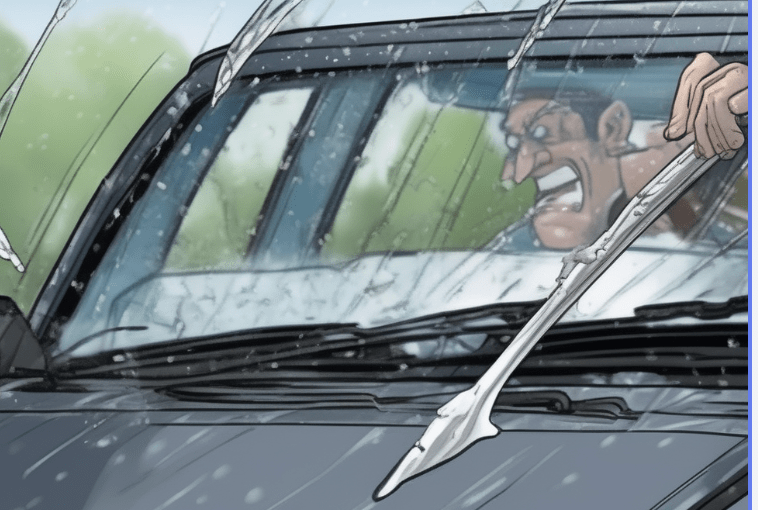
Earl’s Service Station was well known in town. It had to be. It was on the corner of Broadway and Main, downtown. Everybody in the city went to get their cars serviced, and the gasoline tank filled up there; they had to; it was the only gas station in the small town. Working in a gas station, Earl or his son Skip would wash the windows of cars while they were filling up. They would still be trying to scrub the bugs off the windshield on warm summer nights, long after the gas had clicked off.

Cars that didn’t need gas would pull in, and without being asked, he would get out to work on their windshield cleaning with squeegees and sponges. It was on the house because Earl had a “full service” operation. When you bought gasoline there, anytime you stopped in, you got service. Everyone knew that you didn’t have to purchase gasoline for the service. Earl provided the work because that was the reputation of his business.

It was the 1960s, and business ran steadily through the 1970s. However, as the 1980s crept in, a truckstop up the road near the big highway had put in giant tanks that held truckloads of fuel and could undersell Earl. It was self-serve, and the drivers had to clean their windshields. They’d have to check their oil and steering fluid, but now, all that didn’t matter. 

Earl still had enough local customers and monthly charge accounts to keep his business open; repairing flat tires and selling accessories like windshield wipers, fluid, and antifreeze would keep him afloat. And it did through to the time he retired and handed the business over to his son Skip, who had been working in his father’s station since he was out of high school. 

Skip noticed changes over the years, something more than people going to the big station up the road; the cars coming into the service station didn’t have bugs on the windshield. He had watched a television program a month or two earlier and remembered hearing about the windshield phenomenon. 

It had a more scientific explanation, but Skip explained it to a group of local coffee drinkers as locals began noticing changes in their community due to the unnecessary killing of insects using insecticides that are too potent for their intended uses. The next phase would change the growth of trees in the region, which could harbor diseases that would wipe out other natural grasses and trees known to the area. 

The coffee drinkers howled insults at Skip ––– 

Skip, you are the gasoline island science professor.

Another said,  

Yeah, just like the professor on Giggi’s Island or whatever they named that old show.

The coffee drinkers had a good laugh on Skip’s behalf and left it at that. Skip went on about his business, knowing he was on to something. A few days passed, and an agent from the county’s local university agriculture extension program came into the service station for refueling. Skip introduced himself and said ––

 Hey, do you have anything to do with bugs where you work?

The agent said –––

I do. I am responsible for a survey we do every Spring, Summer, Fall, and Winter. We have traps about twenty-five miles outside town and collect and count insects. See their type, how many, where they came from, and if they are locals or travelers. Why do you ask?

Skip replied –––

Windshields. There are hardly any bugs on windshields these days. When I was growing up, it took forever to scrub them off; now, there are hardly any. 

The Agent replied –––

It is because of insecticides. The bugs are getting killed off in masses, and they are not coming back. When they do, it kills everything down the line and up the line. It just goes on and on! 

The agent’s words hit Skip like a ton of bricks. The number of insects was plummeting drastically, and it was a catastrophe in the making. Without insects, entire food chains would collapse. No crops would get pollinated, leading to a scarcity of food for birds, amphibians, reptiles, and even us. The ripple effect was clear-as the frogs die off, the animals that feed on them would also perish, leading to a devastating impact on the entire ecosystem.

Skip said,

WOW! Such a chain of events is indeed a catastrophe; no one knows about it because all attention is focused on global warming.

The agent told Skip,

Well, only some of the attention. We are trying to educate farmers and homeowners living in rural areas about how to use insecticides and pleading with people not to kill off bee colonies. Plus, quit killing insects. We need them, ants and all, to survive. Remember, the insects will die off with global warming affecting them too; they can’t live where their habitat is changing and are no longer welcoming to their living conditions. It isn’t just the insecticides that we are dealing with. Some areas are turning into deserts; others are seeing floods, and others are experiencing storms like never before. These extreme weather events are all linked to global warming, which is also contributing to the decline of insects.

Skip told the agent that he had tried explaining the issue to his buddies at the coffee shop; however, they didn’t think he knew what he was talking about. The agent said you were right and good for you! I am interviewing with the local media. Tell your friends to watch for it this weekend.

On Sunday morning, Skip stopped at the local cafe for coffee with the crew. As he walked in, everyone began cheering. 

“There’s the man” There’s Mr Smarts!”

It wasn’t until Skip sat down that he learned that the Agriculture Agent had referred to him in the interview as what an alert citizen was representative of; he had noticed the changes in his environment and said something.

An ‘alert citizen’ is someone who is observant and proactive in reporting changes in their environment, like Skip. Something so great caused the local agency to alert farmers to stop using all level 1 and 2 pesticides.

At least until the Extension Service looked into the lack of insects in the region. The news article then explained the importance of insects to the livelihood of all living creatures, just as the agent and Skip had talked about.

Learn more about the windscreen phenomenon visit here!

Bella Saves The Day

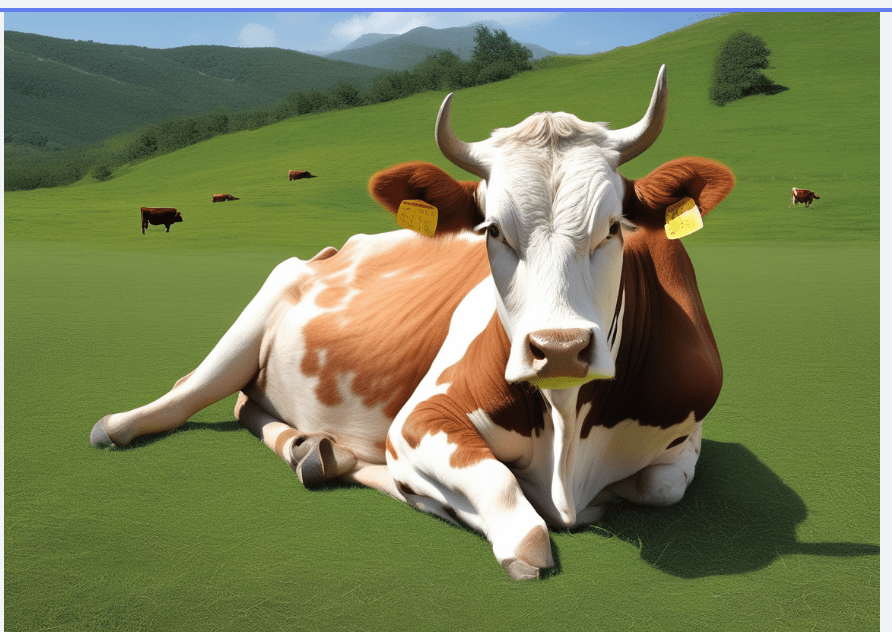
Once upon a time, in the idyllic countryside of Cloverfield, there lived a milk cow named Bella. Bella, with her gentle eyes and a coat that was brown and white as snow, was the heart and soul of a small family farm nestled between rolling hills and vibrant meadows. Her reputation preceded her, known throughout the village for her abundant milk and her kind and serene demeanor.

Each day, Bella’s world would brighten with the first light of dawn. 

As the sun peeked over the horizon, Farmer Joe, a kind-hearted man with a weathered face and a perpetual twinkle in his eye, would greet Bella with a warm smile, his voice filled with affection,

“Good morning, Bella!”

Bella, in turn, would respond with a soft moo, her eyes sparkling with joy at the sight of her favorite human.

Farmer Joe would lead Bella to the milking shed, where she would stand patiently, chewing on sweet clover while Farmer Joe hummed old folk tunes. He had a gentle touch, and Bella never felt any discomfort. As the rhythmic sound of milk filling the pail echoed through the shed, Bella felt a deep sense of contentment, knowing her milk would soon nourish the family and their neighbors.

Bella’s milk was known for its rich and creamy texture. Every morning, Farmer Joe’s wife, Martha, would churn some of the milk into butter and cheese, filling their kitchen with delicious aromas. Martha’s dairy products were the talk of the town, and people from neighboring villages would come to buy them. But Martha always saved a special treat for Bella: a handful of fresh, juicy apples.

After her morning milking, Bella spent her day grazing in the lush pastures, enjoying the company of her fellow cows and the playful calves that bounded around. She had a special friend among the herd, a young and curious calf named Daisy. Daisy followed Bella everywhere, imitating her every move and looking up to her as a wise and gentle mentor.

One day, as Bella and Daisy were grazing near the forest’s edge, they heard a faint, distressed bleating. Bella’s ears perked up, and she looked around to find the source of the sound. It didn’t take long to spot a tiny lamb stuck in a thorny bush, its wool tangled and its eyes wide with fear.

Bella, with her calm and reassuring presence, approached the lamb slowly. Daisy watched in awe as Bella, displaying a courage that belied her gentle nature, gently used her nose to nudge the lamb free from the thorns. Once the lamb was free, it nuzzled Bella in gratitude before scampering to find its flock.

Daisy trotted up to Bella, eyes wide with admiration.

“Bella, you’re so brave!”

she exclaimed.

As the sun began to set, casting a golden glow over Cloverfield, Farmer Joe came to bring Bella and the other cows back to the barn. He noticed a new spring in Bella’s step and the proud look in Daisy’s eyes.

“Had an adventure today, did we?”

he asked, patting Bella affectionately. Bella responded with a contented moo, happy to be home and looking forward to another peaceful night.

Inside the barn, Bella settled into her cozy stall filled with fresh straw. As she lay down, she felt a deep sense of fulfillment. Bella had her family, friends, and the beautiful Cloverfield to call home. She closed her eyes, listening to the soft rustling of the barn and the distant hoot of an owl, grateful for the life she led and the small joys of each day. The tranquility of the night enveloped her, promising a peaceful sleep and a new day filled with possibilities.

And so, Bella the milk cow drifted off to sleep, dreaming of green pastures and new adventures, ready to face whatever the next day would bring with her steady heart and gentle spirit.

George’s Story About Going TO A Horse Sale With His Dad And Friend Maynord

George was a happy-go-lucky sort of kid. His father raised quarter horses, and together, they were buddies. They go nearly everywhere together. George and his father’s friend Maynord, an older gentleman, probably a few years older than George’s father, spoiled George, treating him especially grandly. George didn’t emphasize the letter ‘s’ in some of his words, and some words he would say might need to be clarified. His father was known as a horseman and stern man, yet respected by most people, eyebrows raised to the bible-toting folks.

Maynord had a grown daughter who had already left home, but he and his wife had never had a son. With George, Maynord had the time of his life. As did George. The two were better buddies than Maynord, and George’s father became. But George would never say that to his father. Maynord treated George to parades, cheeseburgers, and ice cream cones and even got him a dog. George named the pooch, Ryder after Maynord’s last name.

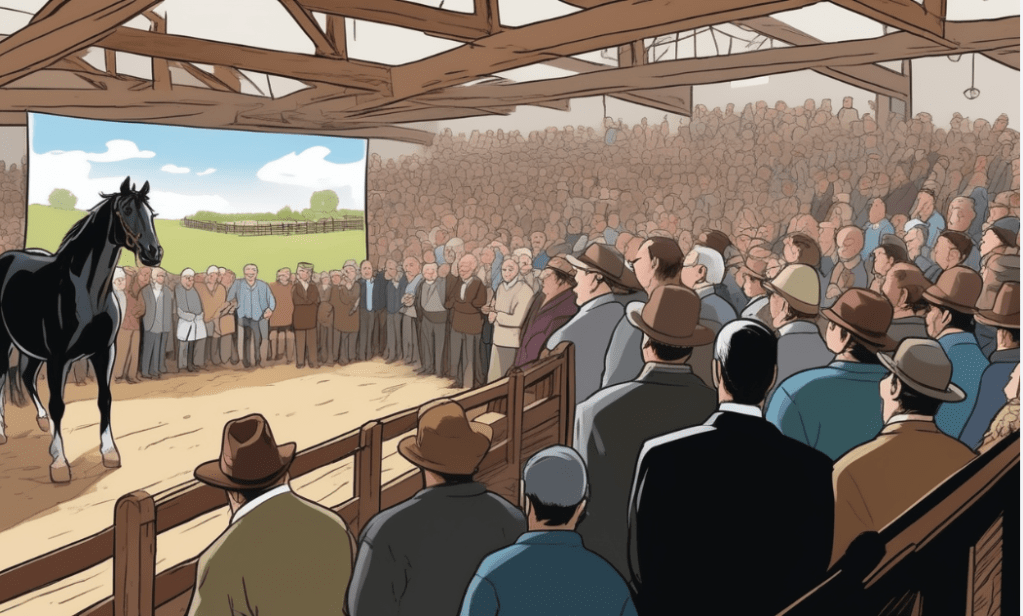
The two looked forward to Friday and Saturday nights. That is when George’s dad would take George and Maynord to auction barns in nearby cities where horses were sold. There, they would watch the many horses come through the sale ring, and the owners talk them up, saying how great of an animal the horse is, and try to sell it for top dollar. Of course, George’s father had always arrived before the auction to watch the horses lead in so he could see how they handled it and whether they were challenging to work with in getting to holding pens. He could also see if any auction workers tried to ride the horses before entering the sale ring and if the horses handled well. There were always little mishaps in the sale ring, a rider losing his grip and falling off, or a horse doing what the owner said it would not do. Or donkeys would be brought in, which always made George and Maynord laugh. They would jokingly suggest George’s father buy several to go with his quarter horses. The biggest thrill of the sales barn adventures was the cafe located within; that is where, halfway through, George and Maynord would slip away and eat cheeseburgers and drink soda pop.

The horse sales, as George and his father referred to them, caused the problem. Maynord didn’t help with the situation because he referred to the auctions as horse sales. And he had never referred to the auctioning of horses as anything else.

It was in the classroom one Monday morning when the third-grade teacher asked the class for each student to stand and say what the most fun activity they took part in over the weekend was. The town had just had a fair, and the teacher expected the students to explain their actions while visiting the celebration. And that is what the students did until coming to George. 

George stood and said –––

“My dad and our friend Maynord took me to the city horse sale, and my dad bought two. 

The teacher said –––

“George, you went where, and your dad what?”

George replied –––

“My dad took me to a horse sale and bought two. His friend Maynord helped with one of them. They made me watch from the pickup.” 

The teacher, turning pale, said –

“George, stop talking; that is enough! Class, that is enough of what we enjoyed this weekend. I will have George explain what he did to the principal.”

George was perplexed. Hasn’t anyone ever watched a horse being sold and loaded into a livestock trailer? Why would the principal need to hear about it? Indeed, he knows about people selling horses.

In the office, the principal was being informed by the teacher about what she had heard and how terrible it was that this father and his friend had taken an 8-year-old boy to whore house and had him watch the goings on with two women. The principal then asked George what exactly did you say to your teacher? 

Which George explained –––

“I just told her ––– My dad, Maynord, and I went to a horse sale, where my dad bought two horses. They made me get in the pickup and watch them while loading the horses so I wouldn’t get hurt or in the way. There have been days, I have even held on to some guys horse when he had too many to handle. But I didn’t get to explain it in such detail because the teacher told me to stop talking before I could tell more about what I was talking about. We go to horse sales every weekend. I don’t know what the big deal is!”

The principal and now the school’s superintendent were both in the office. Their faces were beet red, and they were trying to keep from laughing. The teacher, now understanding the situation, felt overreactive and apologizing. 

Meanwhile, George is confused and asks everyone in the room –––

“Haven’t you all ever heard of horse sales? Horse sales? Horse Sales! A Place where a man can sell his horse? My dad, Maynord and I go to them every Friday and Saturday night, you should come with us and see what it is all about. If you get bored with the horse sale, you can get a cheeseburger, as I sometimes do. I don’t understand what this is all about just because I told my story about going to the horse sale with my dad and Maynord.”

George’s dad, the town barber, was called and told of the situation. He later held court in his barber’s chair with his shop’s regulars. There, they had the bursts of laughter the school officials experienced.

Leaving the office, it was the loudest laughter George can ever remember hearing to this date. It wasn’t until he was older did he understand the rhyming of the words between horse and whores and how it could sound to others when saying to them ––– 

“You are headed to a horse sale to see what you can find.”

A Cure For Monday Blues

Not too long ago, in the quaint town of Willowbrook, there were three inseparable friends: Alex, Maya, and Jake. They worked at the same bustling marketing firm, where Mondays were universally dreaded. However, these three had a secret pact to evade the Monday blues.

On Monday morning, as the sun peeked through the curtains, Alex, the creative genius of the trio, concocted a plan over breakfast. “Guys, I’ve got it! Let’s go on a spontaneous road trip!” Alex exclaimed, a mischievous glint in their eyes.

Maya, the adventurous spirit, beamed with liberation. “Yes! Let’s break free from the chains of mundane Mondays and create unforgettable memories instead!”

“Guys, I’ve got it! Let’s go on a spontaneous road trip!”

Jake, the pragmatic one, hesitated momentarily before a smile spread across his face. “Alright, but let’s make it epic.”

With that, they hastily packed their bags, loaded the car, and set off on an impromptu adventure. They drove through winding country roads, the sun’s golden rays filtering through the lush green trees, belting out their favorite tunes, stopping only for roadside attractions and delectable diners.

As they reached the picturesque town of Willow Grove, they stumbled upon a quaint bed and breakfast nestled amidst rolling hills. The owner, an eccentric but kind-hearted elderly lady named Mrs. Maple, welcomed them with open arms. “You must be tired from your journey,” she said, her eyes twinkling with warmth. “Come in, I’ve prepared some fresh lemonade.”

“We’re on the run from Mondays,” Maya confessed with a wink, and Mrs. Maple chuckled knowingly. “Well then, you’ve come to the right place, my dears. Here, every day feels like a Sunday.”

Their days were filled with laughter, exploration, and newfound friendships. They hiked through lush forests, discovering hidden waterfalls and secret clearings. They picnicked by sparkling streams, the sound of the water providing a soothing backdrop to their conversations. And they shared stories under the starry night sky, the twinkling lights above mirroring the joy in their hearts.
Meanwhile, back at the office, their absence raised eyebrows, but their colleagues couldn’t help but envy their spontaneous escapade. As they stepped back into the familiar hustle and bustle, a mix of nostalgia and determination filled their hearts. They were ready to face the challenges of the week, armed with the memories of their adventure and the strength of their friendship.

As the sun dipped below the horizon on Friday evening, painting the sky in hues of orange and pink, Alex, Maya, and Jake reluctantly bid farewell to Willow Grove. With hearts full of memories and souls rejuvenated, they returned home just in time for the weekend.

And though Monday morning loomed on the horizon, they faced it with a newfound resilience, bolstered by the strength of their friendship. They knew that with friendship and adventure, they could conquer anything—even the dreaded Mondays.

Hank and The Little Red Fire Truck

By: Helena

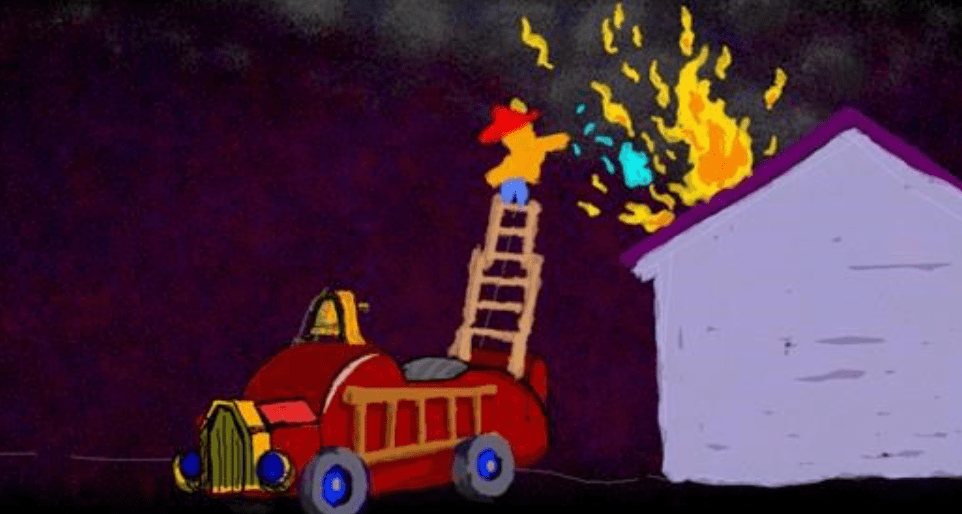
Fire Station 12 stood proudly in the heart of the bustling city, a symbol of protection and service. Named in honor of the fusion of Fire Stations 1 and 2, it held a legacy of bravery and dedication within its walls. At its helm was Hank, the seasoned veteran who had witnessed the evolution of firefighting firsthand.

Hank’s connection to the station ran deep, rooted in the early days when he and the Little Red Fire Truck epitomized heroism. Together, they had faced the fiercest blazes and emerged victorious, earning the community’s admiration. But as time passed, the dynamics shifted, and modernization took hold.

The Little Red Fire Truck, once a beacon of hope, now stood relegated to parades and backup duty. Hank, too, found himself on the sidelines more often, overshadowed by the younger firefighters and their state-of-the-art equipment. Yet, his dedication to the station never wavered.

Fate intervened on a warm afternoon when grass fires raged, and the station buzzed with activity. A desperate call for help echoed through the halls, signaling a mother and child trapped in a burning home. Hank knew he had to act swiftly with the other firefighters tied up on distant calls.

Without hesitation, he usurped the Little Red Fire Truck, a solitary figure against the backdrop of chaos. Ignoring protocol, he raced through the streets, the vintage engine roaring with renewed purpose. Upon Hank’s arrival at the scene, flames licked at the sky, and a crowd gathered, helpless.

Undeterred, Hank sprang into action, orchestrating a daring rescue. With precision born of experience, he deployed the aging truck’s capabilities, tapping into its reservoir of courage and resilience. Hank ventured into the inferno as the flames danced menacingly, emerging triumphant with the mother and child in tow.

The neighborhood erupted in cheers, and the world took notice, captivated by the spectacle of one man and his faithful companion defying the odds. Unbeknownst to Hank, his courage had transcended local acclaim, sparking a global wave of admiration.

But amidst the accolades, Hank remained grounded, his focus unwavering. As he extinguished the last embers of the blaze, a familiar figure approached – the Fire Chief, a mix of pride and relief etched on his face.

In a candid moment, the Chief revealed the bureaucratic hurdles that had hindered the station’s effectiveness, expressing a wish for more like Hank and his beloved Little Red Fire Truck. Yet, Hank, ever humble, pondered the Chief’s words, grappling with the shifting landscape of firefighting.

In the quiet moments that followed, as Hank bid farewell to another day of service, he found solace in the familiar embrace of the Little Red Fire Truck. With a promise to uphold its legacy, he embarked on the journey home, the echoes of the day’s heroics lingering in his heart.

For Hank, retirement loomed on the horizon, a bittersweet inevitability. But as long as the Little Red Fire Truck stood by his side, he knew their legacy would endure, a testament to the timeless virtues of courage, camaraderie, and unwavering resolve.

Mother Comes To The Rescue

When a child gets lost in the forest a mother’s wisdom saves the day!

Once upon a time, in a small town located far away from the big cities between rolling hills and lush forests, there lived a young child named Alex. With their adventurous spirit, Alex was always eager to explore the world around them. But one sunny day, their curiosity led them into a problematic situation.

Alex ventured into the woods near their home on a warm summer afternoon. The air was thick with the scent of pine and earth, and the sunlight filtered through the canopy, casting a dappled pattern on the forest floor. With a sense of excitement bubbling inside them, they wandered deeper and deeper into the dense foliage, chasing after the fluttering wings of butterflies and the rustling of unseen creatures.

As the hours passed, Alex became utterly lost in the enchanting beauty of the forest. But as the sun began to dip below the horizon, panic started to set in. They realized they had strayed too far from home and had no idea which direction to go.

Frightened and alone, Alex’s heart raced in their chest. They called for help, their voice echoing through the trees. But there was no response, just the eerie silence of the forest at dusk. Tears welled up in their eyes as they sank to the ground, feeling a mix of hopelessness and fear.

Meanwhile, in the town, Sarah’s worry had transformed into a fierce determination. When her child didn’t return home at their usual time, she didn’t hesitate. She rallied a group of neighbors and friends, her unwavering love for Alex fueling their efforts.

With flashlights and determination in their hearts, they combed through the woods, calling out Alex’s name. Hours passed with no sign of the lost child, and fear gnawed at Sarah’s heart. Her worry turned into a desperate ache, her determination fueling her every step.

Just as she was beginning to lose hope, Sarah heard a faint cry in the distance. With renewed energy, she followed the sound, pushing through the underbrush until she stumbled upon a clearing where Alex sat, trembling and exhausted.

Relief washed over Sarah like a tidal wave as she rushed to her child’s side, her heart bursting with joy. Tears of happiness streamed down her cheeks as she whispered words of comfort and love, her voice a soothing balm to Alex’s trembling form.

Wrapped in their mother’s arms, Alex felt safe and protected, knowing that no matter their adventures, their mother would always be there to guide them home. And on that fateful day, Sarah’s unwavering love and determination saved Alex’s life, proving that a mother’s love knows no bounds. In the aftermath, they both learned the importance of staying close and the strength of their bond.

A MOTHER’S DAY REUNION


In a secluded cabin, nestled far from the clamor of the town, lived a gentle old soul, known to few but revered by those who understood her quiet strength. Her days were marked by solitude, yet she celebrated holidays and cherished moments as if surrounded by a bustling family. Her resilience was legendary, a testament to the indomitable spirit that dwelled within her.

Despite her solitude, the townsfolk viewed her with a mixture of curiosity and bemusement, dismissing her as a bit eccentric but harmless nonetheless. It wasn’t until a bashful young boy crossed paths with her that her story began to unfold.

In hushed tones, she confided in the boy, recounting a past filled with love, loss, and unspoken. She spoke of a time when her life brimmed with joy, her husband and sons by her side, their laughter echoing through the valley. But the ravages of war tore her family asunder, leaving her to weather the storms of sorrow alone.

With tears glistening in her eyes, she revealed the heart-wrenching fate of each beloved member lost to the cruel whims of fate. Her husband, called to duty in the Great War, her two sons spirited away by the tempest of World War II, and finally, her youngest, whose untimely demise on a desolate road robbed her of closure.

As the boy listened, his heart heavy with empathy, he dared to pose a question that lingered unspoken in the air. What if there was another, a grandson perhaps, who carried the legacy of her lost kin?

The old lady’s incredulous gaze met his, disbelief mingling with hope in her weary eyes. And then, like a beacon in the darkness, came the revelation – the grandson, lost to her for decades, now stood before her, a living link to the family she had mourned for so long.

With trembling hands and a heart brimming with emotion, she embraced the truth that had eluded her for years. In that moment, amidst tears of joy and disbelief, the lonely cabin was transformed into a haven of love and reunion.

As the boy revealed his identity, a grandson born from the ashes of tragedy and hope, the old lady’s heart swelled with a newfound sense of belonging. For in him, she found not just a descendant, but a beacon of love and remembrance, a testament to the enduring bonds of family.

And so, on that hallowed Mother’s Day, amidst the whispers of the past and the promise of the future, the little old lady found solace in the embrace of her newfound kin, her lost loved ones forever immortalized in the cherished memories they had left behind.

She told the boy the story of the little old lady who lived in a secluded cabin far from the bustling road. Few in the town knew she had her people, for she seemed self-sufficient. She would celebrate alone on holidays and special occasions, just as if she had a house full of family. Her resilience was a sight to behold, a testament to the strength of her spirit. 

The townspeople thought she was a bit looney. But she didn’t bother a soul, so they let her be. One day, a shy young boy befriended the lady, and they began to talk. The lady told the boy about a world before when she had a husband and three sons. Her husband had brought her to the valley and began a farm here; she had helped toil the soil. Soon, she gave birth to a son, then another, and by year six, there would be a third son on the farm. Their happiness halted when the Government called the husband away to fight in World War I; she said she got letters from him up until the day she didn’t. 

“He got killed somewhere over there. They never told me exactly where just in France on a battlefield.

The boys took care of the farming and made a good go of it, helping take care of the livestock and bringing income in that would pay for living expenses and build savings for the family, the little old lady explained to the boy. Then, when everything was going so well again, the Government called again and took two of my boys; it was World War II. They were gung-ho to go over there, promising me they would be back and bring a wife with them. Kidding me, they were going to share the wife. Sadly, I got the news on the same day they both died. Iwo Jima, why did they send them both into there? Didn’t they know? Didn’t someone care? I guess not!”  

–– the little old lady said, still wiping tears away after all this time.

The young boy wondered why she was alone and thought maybe the last son had grown up and gone away and never returned. He didn’t want to ask. But the little old lady continued talking. 

“My last son, the last one I had to hold on to, was working the farm and doing well, and I thought maybe he would be what we had dreamed of making this place be. But he was driving home from town and saw a young couple who appeared to have broken down on the side of the road. They were miles away from anyone, and if he didn’t stop, they could have died out there alone, so he stopped to help. As he was giving them a hand, they shot and robbed him, taking a One Dollar bill from his wallet, one that he carried for good luck, and a buckeye that he kept in his left pocket. Then, he rolled him over in a ditch like trash and took off in both cars.”

The young boy had tears in his eyes, thinking of the little old lady’s pain. She continued her story, ––– 

“He never came home. I knew something was wrong. I called the sheriff, and he came out and said he didn’t come home. Days later, they found his car in another state. A man on a tractor discovered his body about a month later. They said it was his. I never got to see him. Not one of my men got a decent send-off because of the way they died. I don’t know if I deserve one, either. I have stayed here, hoping that maybe everything they told me was wrong. And maybe someday, my husband and boys would come back to me. But no one has ever shown up.”

The young man quietly asked the little old lady, ‘ What if a grandson showed up? ‘ The little old lady, stunned, asked, ‘What you say?’ The young man said, ‘What if a grandson appeared instead?’ 

The little old lady replied, “I’d be damned because not one of my boys had been with a woman!” 

The young man told the little old lady, “Well, one of them had, and you just found out about it now! One of your boys in the war that disappeared also had just married his sweetheart way ‘over there.’ She happened to be carrying his child when he had to go to Iwo Jima and got killed. And, he was going to call and tell you that if it weren’t for that battle getting him killed, you would have known about being a grandmother more than 20 years ago. After my mother died, I found pictures and details about my dad and where he is from and tracked him to you, so I know now that you are my family.

With a tear rolling down her cheek, the little old lady quietly says ––– 

“Well, one of them found a way to return on Mother’s Day.”

~ The Hardest Decision ~

In the quiet corners of her home, Sarah sat her mind adrift in a sea of conflicting emotions. Her mother, once vibrant and robust, now frail and in need of constant care, sat in the living room, a mere shadow of her former self. It had been a long and arduous journey, filled with sleepless nights and endless worry. But now, Sarah faced the most challenging decision of all – the decision to place her mother in a nursing home.

“Mom, I need to talk to you about something important!”

“What is it Dear” Her Mother Asked?

The idea had lingered in Sarah’s mind for months, whispered in hushed tones by concerned family members and well-meaning friends. Each time, she pushed it away, unwilling to confront the reality of the situwation. But as her mother’s needs grew more demanding, Sarah knew she could no longer ignore the inevitable.

With a heavy heart, Sarah approached her mother, her hands trembling with uncertainty. “Mom,” she began softly, “I need to talk to you about something important.”

Her mother looked up, her eyes clouded with confusion. “What is it, dear?” she asked, her voice tinged with worry.

Taking a deep breath, Sarah explained the situation as gently as possible. She spoke of the challenges they faced and the toll it was taking on them. She spoke of the nursing home – a place where her mother could receive the round-the-clock care she needed, where she would be safe and well looked after.

Her mother listened quietly, her expression unreadable. When Sarah finished, there was a long silence, broken only by the clock ticking on the wall.

Finally, her mother spoke, her voice barely above a whisper. “I understand, dear,” she said, her words heavy with resignation. “I know you’re doing what’s best for me.”

Tears welled up in Sarah’s eyes as she embraced her mother tightly. “I love you, Mom,” she whispered, her voice choked with emotion.

“I love you too, dear,” her mother replied, returning the embrace with feeble arms.

In the following days, Sarah worked tirelessly to find the perfect nursing home for her mother. She visited countless facilities, asking questions, taking notes, and carefully weighing her options. When she finally found the right one—a place that felt warm and inviting, with caring staff and a peaceful atmosphere—she knew she had made the right choice.

On the day of the move, Sarah held her mother’s hand tightly as they walked through the doors of the nursing home together. There were tears and moments of doubt, but through it all, Sarah remained steadfast in her decision.

As she watched her mother settle into her new surroundings, Sarah felt a sense of relief wash over her. It wasn’t an easy decision, nor one she had ever imagined having to make, but in the end, it was the right one – for both her and her mother.

And as she kissed her mother goodbye, promising to visit often and never forget her, Sarah knew that, even though their journey had taken an unexpected turn, they would face it together, with love and understanding guiding their way.