Tornado Activity in Paraná, Brazil: How Common Is It?

2–4 minutes

By Benjamin GroffMedia© | benandsteve.com | ©2025 


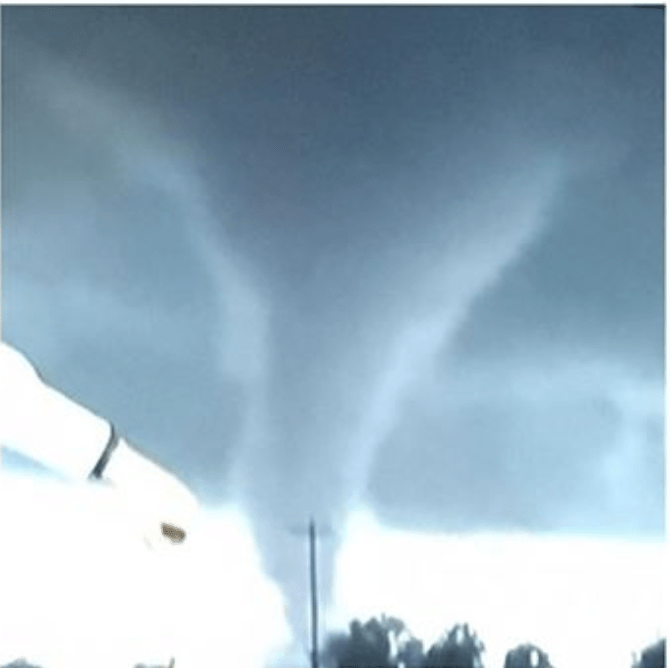
Damage caused by tornado strike in Parana’, Brazil November 6, 2025

The state of Paraná, in southern Brazil, does not experience tornadoes as often as North America’s “Tornado Alley.” In contrast, it is one of the more active regions for severe weather. It experiences more frequent severe weather compared to the rest of South America. Tornadoes here are not everyday events, yet they occur often enough to be taken seriously.

Frequency and Historical Records

  • The southern region of Brazil (Paraná, Santa Catarina, and Rio Grande do Sul) records the majority of the country’s tornadoes.
  • A comprehensive meteorological study found around 310 tornado occurrences in southern Brazil. Approximately 87 of those took place in Paraná during the recorded period.
  • (Source: Universidade Federal de Santa Maria – Ciência e Natura Journal)
  • Another catalog lists at least 106 tornadoes that have historically occurred in Paraná alone. Nonetheless, researchers agree that the actual number is probably higher. Many rural or short-lived tornadoes go unreported.
  • (Source: Wikipedia – List of Brazil Tornadoes)

When and Where Tornadoes Occur
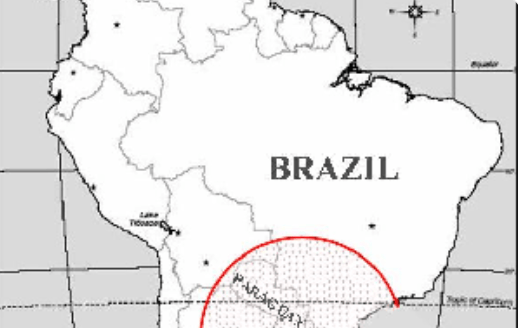
  • The peak season runs from September through March or April, corresponding to the warm, storm-prone months in the Southern Hemisphere.
  • Tornadoes in Paraná are typically linked to cold fronts. They are also linked to severe convective systems (supercell thunderstorms). These systems move north from Argentina and Paraguay across southern Brazil.
  • The western and central portions of the state, especially open agricultural regions, experience the highest number of reported events.

Risk and Impacts

Tornado damage
Nov. 6, 2025
  • While far less frequent than in the U.S. Midwest, Paraná tornadoes can still be destructive.
    • One notable event occurred in 2015, when a tornado struck Marechal Cândido Rondon, destroying homes and injuring residents. Meteorologists later classified it as an EF-2 tornado.
      • Damage paths in Brazilian tornadoes are often shorter. Building standards and awareness levels are low. This means that even small tornadoes can still cause significant losses.
  • Meteorologists note that the public’s perception of tornado risk in Brazil is low. This can make isolated events more dangerous due to a lack of preparation or warning infrastructure.

Summary

Aspect Description

Frequency: Dozens recorded over several decades; under-reported

Peak Season September–March (Southern Hemisphere spring to early autumn)

Most Active Areas Western/Central Paraná

Typical Intensity EF-0 to EF-2, occasionally stronger

Risk Level Low overall, but real — capable of significant local damage

In Perspective
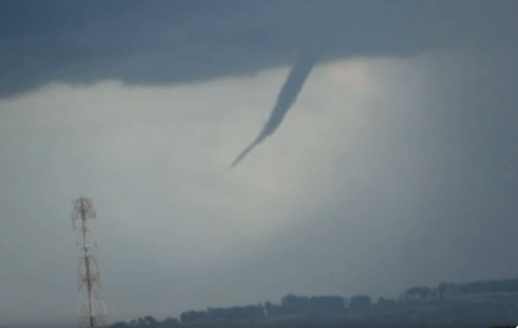
Parana’, Brazil Nov. 6, 2025

Tornadoes in Paraná are uncommon but not rare. They sporadically, mostly during severe summer thunderstorms. For locals, this means staying alert during major storm fronts — not living in fear, but with awareness.

Compared to global hotspots, while Paraná’s tornadoes seem minor. In a region better known for lush farmland and waterfalls, a twisting funnel cloud is a striking sight. It remains one of nature’s most potent spectacles. It is also among the most sobering spectacles.

Late on Friday night, a ferocious whirlwind ripped through the southern Brazilian town of Rio Bonito do Iguaçu. It left behind a scene described by officials as “like a war zone.” With winds exceeding 250 km/h (155 mph), the twister flattened homes. The tornado overturned vehicles and claimed at least six lives — including a 14-year-old girl — while injuring hundreds more. Source (Al Jazeera+2AP News+2)

As emergency crews sift through the rubble, the people of this tight-knit community face an uncertain morning. They wonder where to sleep. They consider how to rebuild. They must reckon with nature’s sudden fury. Source (ABC News+1)

This is not just a storm. It’s a stark reminder of how swiftly life can change. This happens when the skies unleash their full power.


By Benjamin GroffMedia© | benandsteve.com | ©2025 

FALL INTO benandsteve.com THIS AUTUMN

1–2 minutes

🍂  You’re in the Right Place This Fall! 🍂

As autumn rolls in, we want to thank every one of you for stopping by BenAndSteve.com. By coming here, you’ve chosen more than just another news site. You’ve found a space where information, perspective, and community come together.

Here you’ll find a variety of voices, stories, and updates. Plus, it’s a place to connect and share opinions. You can also see how others think. Whether you’re here for fresh news, or thoughtful commentary, we’re proud to offer you fresh news every day. We also give thoughtful commentary. You will find a little inspiration here too.

So grab your favorite fall drink, explore the latest posts, and join the conversation. We’re thrilled you’re part of our growing community—and this October is only the beginning of what’s ahead!


By Benjamin GroffMedia© | benandsteve.com | ©2025 
From the Pages of History: July 11, 1955 — “Nightfall Over Wichita”

By Benjamin GroffMedia© | benandsteve.com | 2025 Truth Endures©

1–2 minutes

Wichita, Kansas – July 11, 1955

The heat had been unrelenting for days. By the evening of July 11th, something darker than the weather was brewing in the Kansas sky. Just after 6:30 p.m., local news reports began buzzing with concern. A fast-moving system was developing west of the city. Radar, still new technology for military meteorologists, was showing rotation in those days it wasn’t shared like it is now.

At 7:04 p.m., a Category F4 tornado touched down near the town of Udall, Kansas. It was the same town that had been devastated just two months earlier in the deadliest tornado in state history. This one skirted the more populated areas. Still, damage was widespread. Barns were flattened, power lines twisted, and wheat fields scraped bare. Miraculously, only minor injuries were reported. Many locals said they were prepared this time, keeping radios on and basements cleared after the trauma of May 25.

The Wichita Eagle published a late edition the next morning. The headline read

“Twister Brushes Wichita – City Spared, Farms Not So Lucky.” 

File Photo

A black-and-white photo captured a twisted silo lying like a crushed can under a red-orange sunrise.

Looking back, July 11, 1955, was a reminder that in the American Midwest, nature rarely knocks. It kicks in the door, and you learn to be ready.

A July Truth: Heat Has a Way of Stripping Us Down to the Basics

By Benjamin GroffMedia© | benandsteve.com | 2025 Truth Endures©

1–2 minutes

Today, the sun feels closer than usual. The heat presses in like a truth we’ve been avoiding—no politics, no noise, just sweat and breath and reality. July does that. It slows everything down, strips away distractions, and leaves us standing face-to-face with ourselves.

Across the country, people are pausing. People stop to wipe their brow. They take a drink of water or just breathe. There’s a strange unity in the stillness that heat brings. We complain, but the heat has a way of making us kinder, more patient. It reminds us we’re all in this together.

Today is a good day to check on a neighbor. Forgive something petty. Laugh with a stranger. Be the breeze someone needs.

Because on days like this, what matters most isn’t the temperature—it’s the connection.

The Wisdom of Old Trees: A Tale of Drought and Survival

By Benjamin GroffMedia© | benandsteve.com | 2025 Truth Endures©

2–3 minutes

“Whispers from the Cottonwood”

Old Man Teller always said, “You don’t need a weather app when the trees are talkin’.” Most folks in town rolled their eyes. They dismissed the words as just another tale from a man with more years behind him than teeth. But Maggie believed him—always had.

Each morning, before the sun stretched across the Oklahoma horizon, Maggie walked down to the creek behind her farmhouse. The tall cottonwood trees stood like ancient guardians. She’d place her hand on the bark and close her eyes. She’d listen. She listened not just with her ears, but with her skin, her breath, her bones.

One autumn, the cottonwoods began shedding their leaves earlier than usual. Not the vibrant yellow fall kind, but pale and crisp, like they’d been drained of color. The crickets were fewer, and the frogs that usually croaked a lullaby at dusk had gone strangely silent. A stillness settled in the evenings—not peaceful, but hollow, like a breath being held too long.

Teller nodded solemnly when Maggie brought it up. “Means drought’s comin’. The earth’s tightening its belt.”

Sure enough, by December the ponds were cracked at the edges and even the cattle seemed quieter. Yet it wasn’t just the drought. Coyotes started howling at midday. Raccoons were foraging in broad daylight. Wild plum bushes flowered in January—six weeks early.

Nature, it seemed, was shouting.

In spring, the winds changed direction. Not from the south like usual, but from the east—harsh, dry, and persistent. That’s when Teller warned the town council: “There’s fire in that wind. Better get ready.” They didn’t listen. But when the wildfires crept dangerously close in May, only Maggie’s house stood untouched. She’d cleared brush months ago, just as the cottonwoods had told her to.

The next year, people started listening more. They noticed the ants building their hills higher before rain. The deer migrating sooner. Even the sky’s color at dusk began to carry meaning again.

Nature doesn’t send memos or push notifications. But it tells you everything—if you’re willing to sit still, pay attention, and speak its language.

And as Old Man Teller liked to remind them, with a wink, “The land was here long before you. Trust it to know what’s comin’.”

Mabel the Cow: A Unique Weather Oracle

GROFF MEDIA 2024© TRUTH ENDURES IMDBPRO

Presented by benandsteve.com By: Benjamin Groff II©

2–4 minutes

THE COW THAT FACED EAST AND WEST

Mabel The Cow
Mabel The Cow That Stood East and West

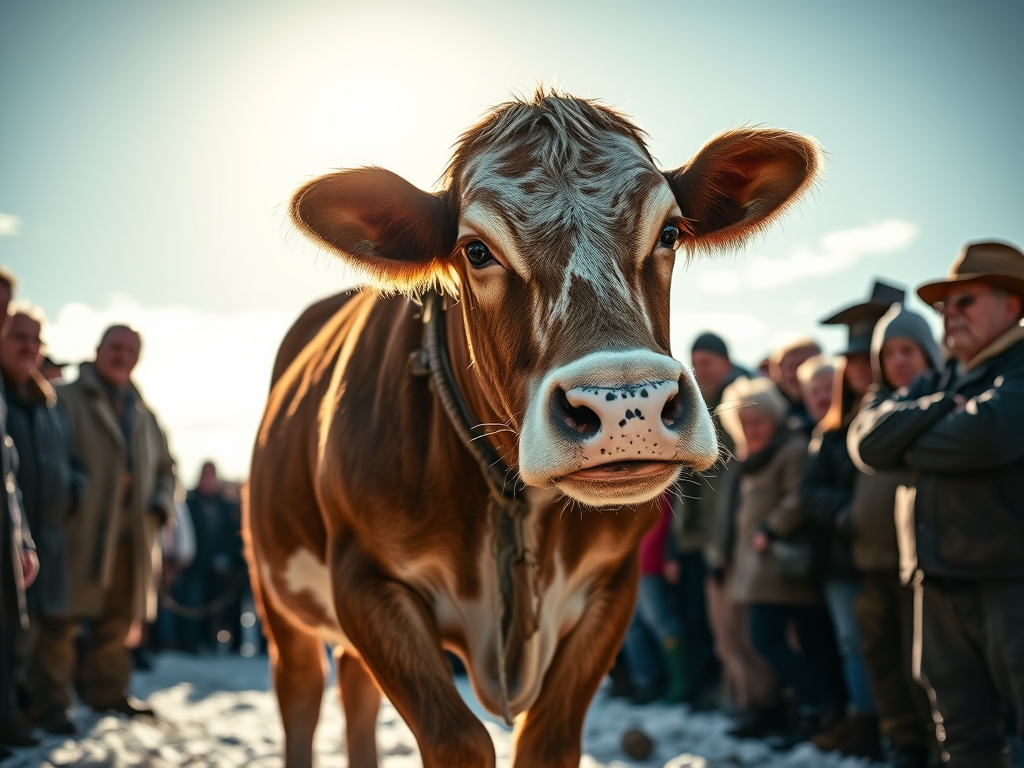
Mabel was no ordinary cow. Unlike her bovine companions, most faced north or south due to the Earth’s magnetic field. She alone possessed the uncanny ability to sense the shifting seasons. Her unique gift made her a figure of fascination and wonder in the town. If she stood facing due west upon stepping from her barn, an early spring was certain. But if she turned east, the town braced itself for six more weeks of winter’s harsh grip.

The people’s trust in Mabel was unwavering. She had consistently met their expectations. She had never let them down. This held true since old Farmer Ed Boyd’s grandfather first noticed her peculiar habit. To them, she was more than just a cow—an oracle of the changing seasons, a symbol of nature’s quiet wisdom. Their collective belief in her was a bond that united the entire community.

On this particular February 2nd, 2025, the excitement was palpable. The air was crisp. The sky was cloudless. The crowd murmured in hushed voices as they watched Farmer Ed lead Mabel from the barn. She had just finished her morning hay and grain, and Ed had completed the daily milking. Now, all eyes were on the old cow.

Mabel stepped into the winter sunlight, surveyed the expectant faces before her, and let out a deep, resonant moo. Then, to everyone’s shock, she did something she had never done before.

She laid down.

Not facing west. Not facing east. But southwest.

A stunned silence fell over the crowd. Uncertainty hung in the air, and people exchanged nervous glances.

“What does it mean?”

whispered Mrs. Thatcher, pulling her shawl tighter around her shoulders.

Farmer Ed scratched his head, bewildered.

“Well, folks, I reckon Mabel’s got somethin’ new to tell us this year.”

Sheriff Dobbs adjusted his hat.

“Maybe it means we’ll have a little of both—some winter, some spring?”

Standing on tiptoe beside his father, Young Tommy Jenkins piped up,

“Or maybe she’s just tired!” 

His innocent humor brought a wave of laughter, momentarily easing the tension.

The laughter helped ease the tension, but the mystery remained. Some of the older farmers nodded knowingly. It was as if they were saying that nature always had its way of keeping folks guessing.

And sure enough, in the next weeks, the weather seemed as indecisive as Mabel had been. One day, warm breezes carried the scent of budding trees. The next day, an icy wind howled through town. It coated the fields with frost. The seasons wrestled for control, neither willing to yield entirely.

By March’s arrival, the town understood—Mabel had been right all along. That year, winter and spring refused to play by the usual rules. It was a season of in-between, cold mornings followed by warm afternoons, snow melting too soon only to return overnight.

From that year onward, the town no longer saw Mabel’s predictions as simple answers. They realized that nature didn’t always give clear signs. It spoke in whispers, patterns, and subtle shifts. Only those who truly paid attention understood these messages.

And so, every February 2nd, the people still gathered at Ed Boyd’s farm. They came not just to see where Mabel would stand. They attended to be reminded of life’s one true certainty—change is always coming.

Mabel, as always, remained the one true expert.

Dan the Electrician Saves Boone

Groff Media 2024© Truth Endures IMDbPro

Presented by benandsteve.com By: Benjamin Groff II©

3–4 minutes

The small town of Boone, nestled in the valley of snow-capped peaks, was no stranger to winter storms. But this one was different. The storm rolled in with icy winds that seemed to pierce every wall and seep through every seam. It coated the town in a thick, glittering layer of ice. The power lines sagged and snapped under the weight. This plunged Boone into darkness. The town’s survival hung in the balance, with temperatures plummeting to subzero.

The urgency of the situation was palpable. Dan Hayes, a seasoned electrician and father of two, was preparing for a quiet evening with his family. His phone buzzed incessantly. Calls came in from neighbors, then from Boone’s mayor himself. The town’s substation, already overwhelmed by the demand for heat, had succumbed to the relentless freeze. Ice had formed on critical equipment, blowing fuses and wiring, leaving the entire town powerless.

“Jimmy, grab my tool bag!”

Dan hollered to his teenage son, who quickly obeyed, bundling up in layers against the cold.

“We’re heading to the substation.”

Driving through the storm in his old but reliable truck, Dan and Jimmy barely see beyond the hood. Fallen branches and icy roads made the journey treacherous. When they finally reached the substation, the sight was worse than Dan expected. The entire structure got encased in ice. Its wires snapped like brittle twigs.

“Jimmy, this is going to take everything we’ve got,”

Dan said, his breath forming clouds in the freezing air.

“I’ll need your help every step of the way.”

Dan quickly assessed the situation, identifying the most critical damage. The main transformer was overloaded, and its fuses were blown. Wires leading to key circuits were severed, and ice threatened to collapse a vital power relay. Dan began carefully thawing the most delicate components using a portable heater from the truck. Meanwhile, Jimmy set up emergency lights and handed his dad tools as he worked.

Word spread that Dan was at the substation. Soon, a small group of townsfolk arrived. This group included the fire chief and a few volunteers. They formed a chain to bring sandbags and materials to reinforce the ice-laden structure. This was a testament to the resilience and unity of the community. One by one, Dan replaced the fried fuses and spliced wires, his fingers numb but his determination unshaken.

Hours passed, and the storm showed no mercy. Dan finished repairing the transformer. Then, the wind knocked a massive branch onto the newly restored lines. This snapped them again.

Dan didn’t flinch.

“We’ve got one shot to do this right,”

He muttered. Calling on his years of experience, he rigged a temporary bypass, rerouting power from a less-affected part of the grid. The fix have been made better, but it would hold until morning.

Finally, as dawn broke and the first rays of sunlight pierced the storm clouds, the lights flickered across Boone. Cheers erupted from the gathered crowd, but Dan was yet to finish. He double-checked every connection, ensuring no one would lose power again that day.

Jimmy looked at his dad with newfound admiration.

“You saved the whole town, Dad.”

Dan smiled, his face weary but proud.

“We did it together, son. Boone’s got a lot of heart, and so do its people. That’s what keeps us warm.”

Back home, Dan and Jimmy were comforted with hot cocoa and blankets from a grateful Mrs. Hayes. Outside, the storm subsided. It left behind a town that had endured the worst. This was thanks to the quiet heroics of a father who wouldn’t let the cold win.

Here Comes Hurricane Milton But Not Before CNN and FOX Can Mull It Over

A Review By Benjamin Groff© Groff Media 2024© Truth Endures

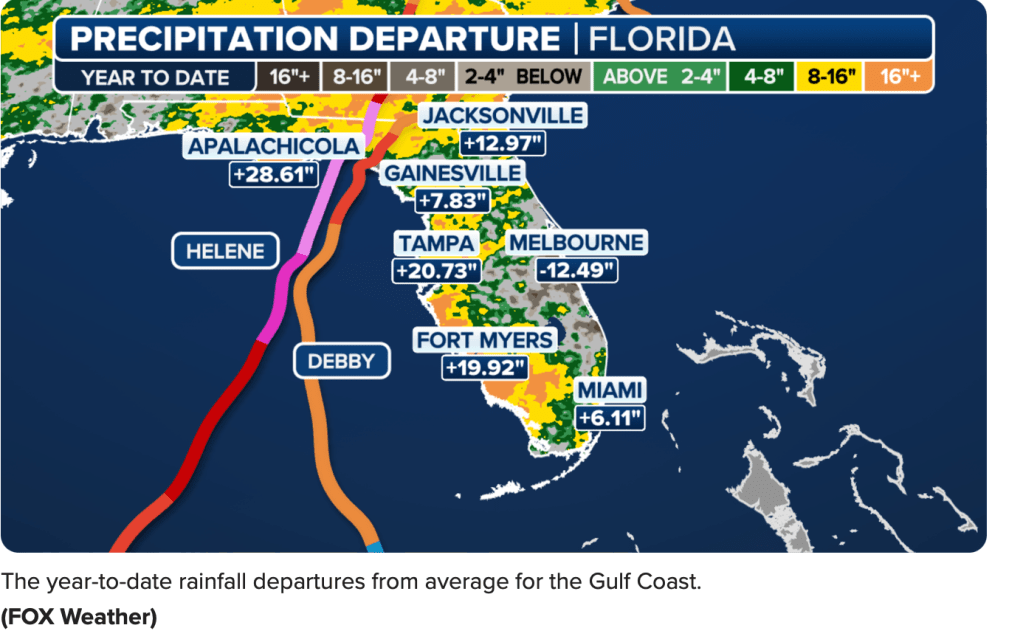
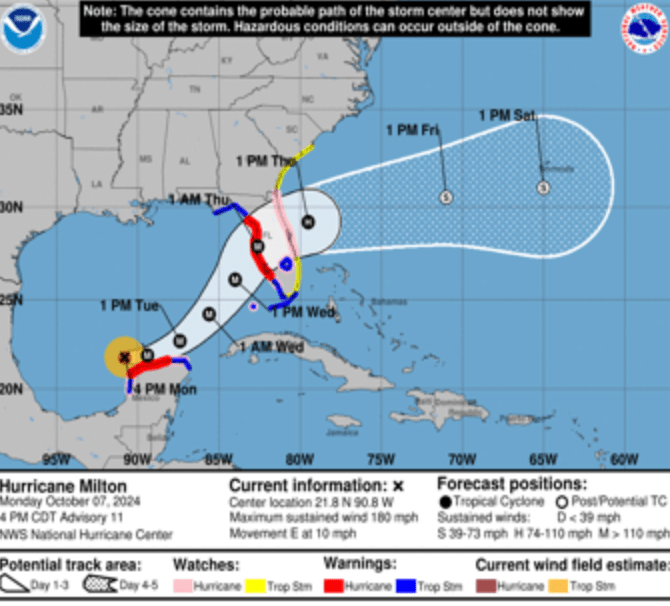
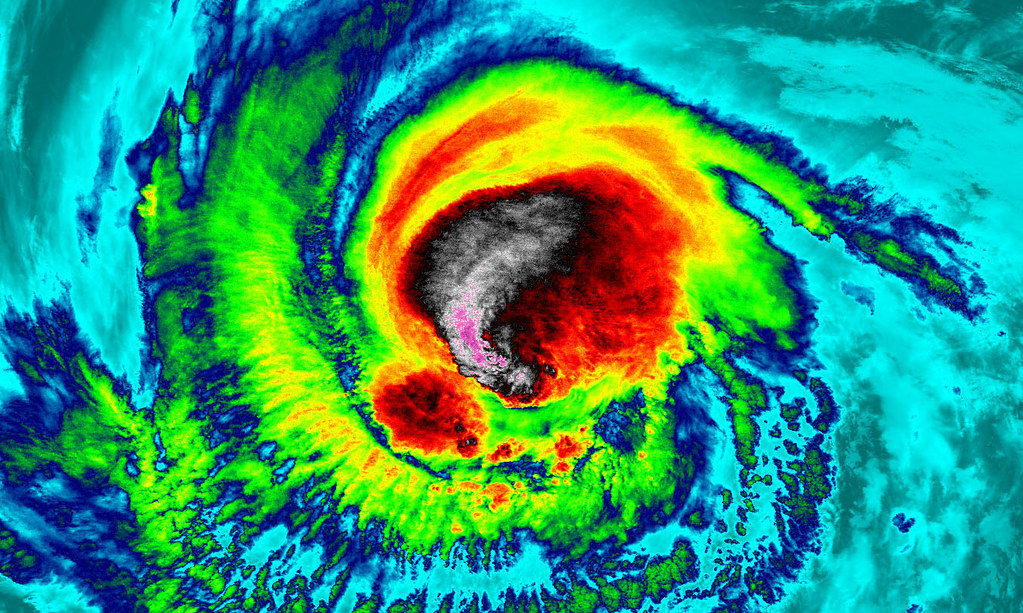
As tropical activity in the Atlantic Ocean quiets down, meteorologists are turning their focus to the Caribbean and Gulf of Mexico, where conditions appear increasingly favorable for the development of the next named storm, possibly forming as early as next week. The National Hurricane Center (NHC) has officially begun monitoring this area, giving it medium odds for tropical development over the next seven days. Beyond that timeframe, forecasters from the FOX Forecast Center suggest that the potential for further intensification exists.

The outlook, however, varies across networks. FOX Weather’s Bryan Norcross reported that while the storm’s primary threat zone stretches from Panama City around the Big Bend of Florida to Sarasota, the possibility of dangerous storm surges could extend even further, particularly into Southwest Florida. Norcross emphasized that while the storm has followed predictions so far, the forecast cone might shift more than usual, leaving some uncertainty. “Nobody should be surprised by sudden changes,” he noted, highlighting the importance of staying prepared.

Meanwhile, CNN’s coverage presented a more urgent scenario, especially concerning a separate storm, Hurricane Helene, which recently prompted evacuations in Florida. Helene’s accelerated approach forced residents to brace for high winds, torrential rainfall, and potentially life-threatening storm surges. With shifts in the storm’s track possible, officials stressed the importance of preparation across the Southeast. Mandatory evacuations were ordered in several coastal counties, including Pinellas, Hernando, and Sarasota, as officials anticipated widespread impacts, including power outages and tornado threats.

While both networks offer different perspectives, the consensus is clear: residents in the affected regions must remain vigilant and ready for the worst, even if the forecast models evolve over time.

CLICK ON THE IMAGE TO VISIT NATIONAL OCEANIC AND ATMOSPHERIC ADMINISTRATION
  1. Damaging hurricane-force winds and a life-threatening storm surge with destructive waves are expected across portions of the
  2. northern coast of the Yucatan Peninsula through tonight.
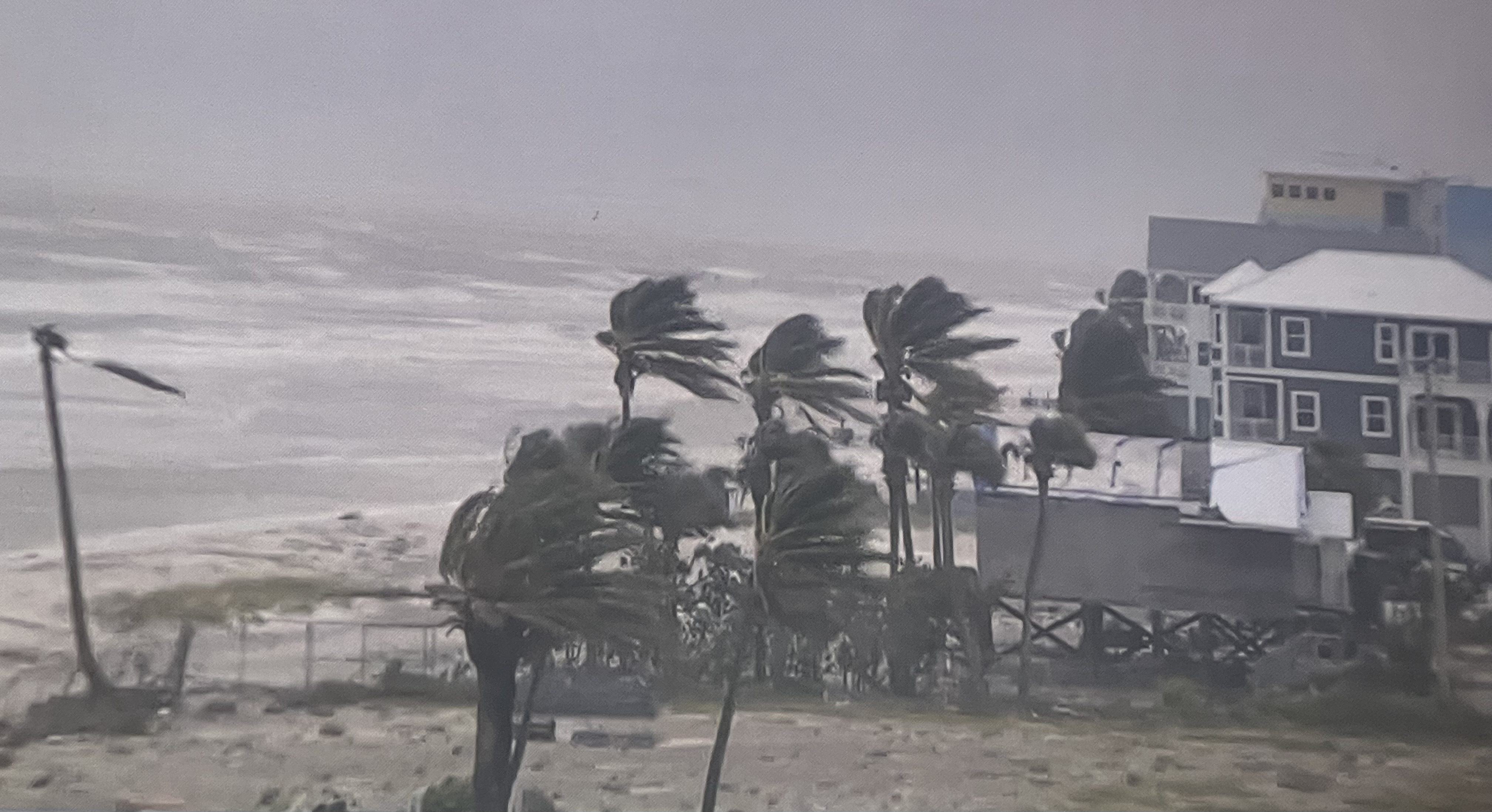
  3. Milton is expected to grow in size and remain an extremely dangerous hurricane when it approaches the west coast of Florida on Wednesday. A large area of destructive storm surge will occur along parts of the west coast of Florida on Wednesday. This is an extremely life-threatening situation and residents in those areas should follow advice given by local officials and evacuate
  4. immediately if told to do so.
  5. Potentially devastating hurricane-force winds are expected along portions of the west coast of Florida where a Hurricane Warning is in effect. Milton is forecast to remain a hurricane as it crosses the Florida Peninsula and life-threatening hurricane-force winds, especially in gusts, are expected to spread inland across a portion of the entire Florida Peninsula.

Preparations to protect life and property in the warning areas should be complete by Tuesday night since tropical storm conditions are expected to begin within this area early

Wednesday.

4. Areas of heavy rainfall will impact portions of Florida today well ahead of Milton, with heavy rainfall more directly related to the system expected later on Tuesday through Wednesday night.

This rainfall will bring the risk of considerable flash, urban, and areal flooding, along with the potential for moderate to

major river flooding

CLICK ON IMAGE TO VISIT NATIONAL HURRICANE CENTER

Hurricane Helene: The Unexpected Reckoning – The Mara Gonzalez Story

A Story By: Benjamin Groff© Groff Media 2024© Truth Endures

The Fall of 2024 was supposed to be quiet—it had just started, at least that’s what the weather forecasters had predicted. But as the Atlantic winds shifted and the sky over the Caribbean darkened, something was brewing—a force no one anticipated. Hurricane Helene, named after the calmest of saints, defied its serene namesake.

It raged towards the coast, catching everyone off guard with a fury unlike any other.

Mara Gonzalez, a lifelong resident of Tallahassee, Florida, knows hurricanes too well. Her family had lived through the destruction of Hermine in 2016 and, even further back, the devastating flood of 1843 that left the area uninhabitable. But Helene was different. It didn’t give them time to prepare. It increased, catching wind over the Gulf of Mexico and swelling from a Category 2 to a dangerous Category 4 within hours.

Mara’s weather app pinged. “Helene upgraded to Category 5. Evacuation recommended for coastal residents.” Her heart sank as she looked out the window, the clouds swirling angrily in the distance.

Her husband, Luis, was packing supplies in the truck—water, canned goods, blankets—everything they had prepared weeks before when the first storm warnings of the season were announced. They had been waiting for something to hit, but nothing ever came. Now, with Helene’s ferocity looming, the preparations seemed rushed. They had planned to ride it out, but the panic spreading through town made Mara reconsider.

“Luis, I think we need to leave,”

She called out, her voice trembling. The wind had already picked up, howling through the streets like a warning cry. Despite her fear, Mara’s determination to protect her family was unwavering.

Luis wiped the sweat from his brow.

“We can still make it inland before the storm hits,”

He reassured her, though his voice wavered.

The children, nine-year-old Sofia and six-year-old Diego sat quietly in the truck’s backseat, their eyes wide with confusion and innocence. They had lived through tropical storms before, but nothing this ominous.

As they made their way out of the neighborhood, Atlanta seemed to be on the move. Lines of cars stretched down the highway, desperate to escape the path of destruction. The radio crackled with reports of the storm’s unexpected growth, and people were urged to evacuate immediately.

But Hurricane Helene wasn’t following any conventional path. As the Gonzalezes drove inland toward Atlanta, the sky darkened further, and the wind picked up speed. The air was thick with the smell of rain and fear. Helene was coming in fast, making landfall quicker than expected. Mara gripped the dashboard as the rain pelted the windshield, blurring their view of the road ahead. The sound of the rain was deafening, and the wind was howling like a pack of wolves, adding to the sense of impending doom.

“Luis, do you think we’ll be safe in Atlanta?”

She asked, her voice barely audible over the pounding rain.

“I don’t know, Mara. We have to keep moving.”

Luis’s hands were tight on the wheel, his knuckles white.

The radio cut out. Silence fell over the car for a moment before the blaring broke it of emergency alerts.

“A tornado is in the storm’s wake, and they are directly in its path.”

“Dad, what’s happening?”

Sofia asked, her voice small and scared.

“Just a bit of rough weather, baby. We’re going to be fine,”

Luis tried to reassure her, but the fear in his voice betrayed him.

The hurricane’s outer bands unleashed their full fury as they approached Tallahassee. Roads flooded, trees were ripped from their roots, and debris littered the streets. The city, usually a haven for those fleeing coastal storms, was under siege by Helene’s wrath.

Mara’s phone buzzed again, this time with a text from her mother, who had stayed behind in Tampa. The water was rising fast; stay safe. I love you all.

Mara’s breath caught as she imagined her mother huddled inside her home, fighting the rising floodwaters. She wanted to scream, to tell her to leave, but the storm had already overtaken the coast.

Hours passed in the chaos, and they found temporary shelter in a school gym, along with hundreds of others who had fled in the nick of time. The wind howled outside as the noises of roofs getting ripped off homes echoed, and power lines crashing down filled the air. Yet, amid this turmoil, there was a sense of unity among the survivors, a shared understanding of the need to support each other.

But Mara couldn’t sleep. She kept thinking about her mother and the others who stayed behind, hoping and praying they’d made it through the worst.

Morning came, but the storm lingered. Helene’s aftermath was unlike anything the city had ever seen. Tampa was submerged, and entire neighborhoods were wiped out. The streets were littered with debris, and the once vibrant city was now a ghost town. Atlanta too, was left battered, with flooding rivaling the disaster of Hurricane Harvey years before. The city was in a state of shock, trying to come to terms with the scale of the destruction.

Mara stood outside the shelter, looking at the devastation, trying to fathom the destruction that stretched as far as she could see. Helene had taken lives, homes, and peace of mind. Yet, as the sun rose, a strange calm settled over the city. People began to emerge, surveying the wreckage but already talking about rebuilding, helping one another, and survival.

“Hurricane Helene may have brought us down,” Luis said, placing a hand on Mara’s shoulder, “but it didn’t break us.” The city was a testament to that. Despite the devastation, people were already talking about rebuilding, helping one another, and survival. The spirit of the community was unbroken, and it was this resilience that would see them through the difficult times ahead.

Mara nodded, her mind racing with thoughts of what was next. There would be losses to mourn, people to find, and a future to rebuild. Helene had come unannounced and left destruction in its wake, but the people’s resilience would rise just as it always had, just as it always would.

Preventing Heatstroke: Why You Should Never Leave Kids or Pets in a Hot Car

A Story By Benjamin H Groff© Groff Media Copyright 2024©

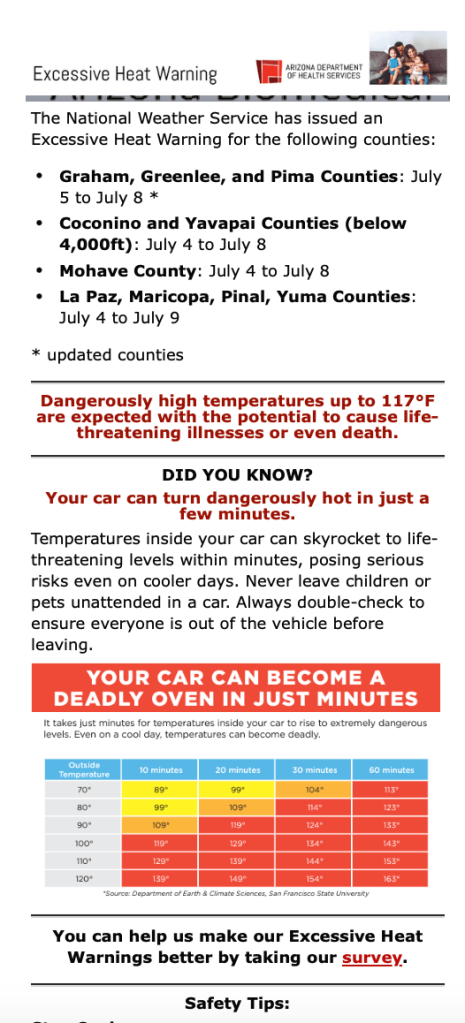
Dangerously high temperatures up to 117°F are expected with the potential to cause life-threatening illnesses or even death.

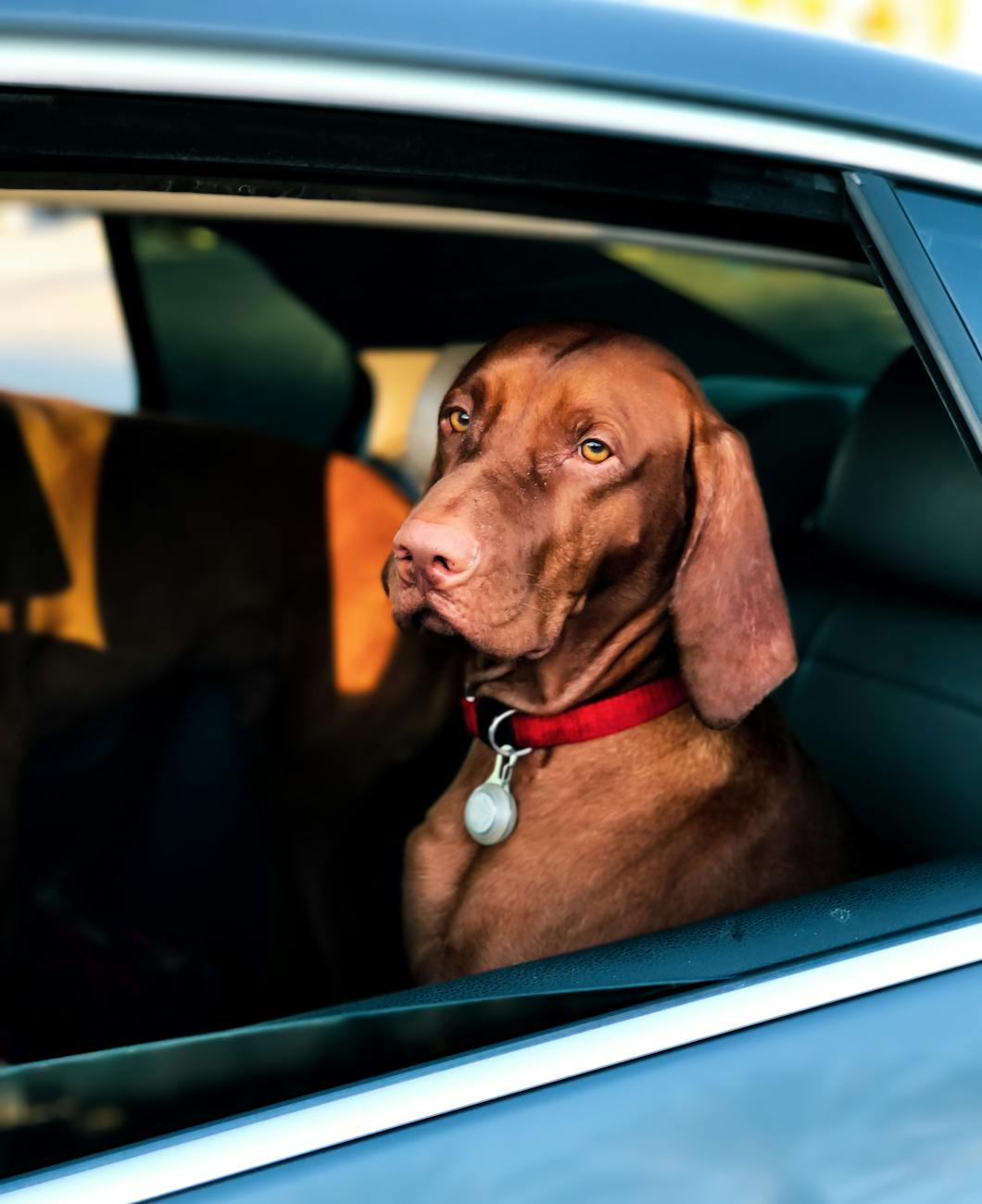
Your car can turn dangerously hot in just a few minutes.

Temperatures inside your car can skyrocket to life-threatening levels within minutes, posing serious risks even on cooler days. Never leave children or pets unattended in a car. Always double-check to ensure everyone is out of the vehicle before leaving. Arizona is included in nationwide alert for heat warnings that could cause serious health concerns, stroke, or even death!

Pride Weekend Heat Safety: Tips for Staying Cool and Healthy

DID YOU KNOW?

During Pride Weekends, it’s essential to stay safe while celebrating, especially with record-high temperatures. Here are some recommendations to protect yourself from heat stroke or heat exhaustion during outdoor events:

  1. Stay Hydrated: Drink plenty of water throughout the day. Avoid alcohol and caffeine as they can contribute to dehydration.
  2. Seek Shade: Take breaks in shaded areas to cool down and give your body a rest from the direct sun.
  3. Wear Appropriate Clothing: Opt for light-colored, loose-fitting clothing that allows your skin to breathe and helps regulate your body temperature.
  4. Use Sunscreen: Apply a broad-spectrum sunscreen with at least SPF 30 and reapply every two hours, or more often if you’re sweating.
  5. Plan Ahead: Check the weather forecast and plan your activities during cooler parts of the day, such as early morning or late afternoon.
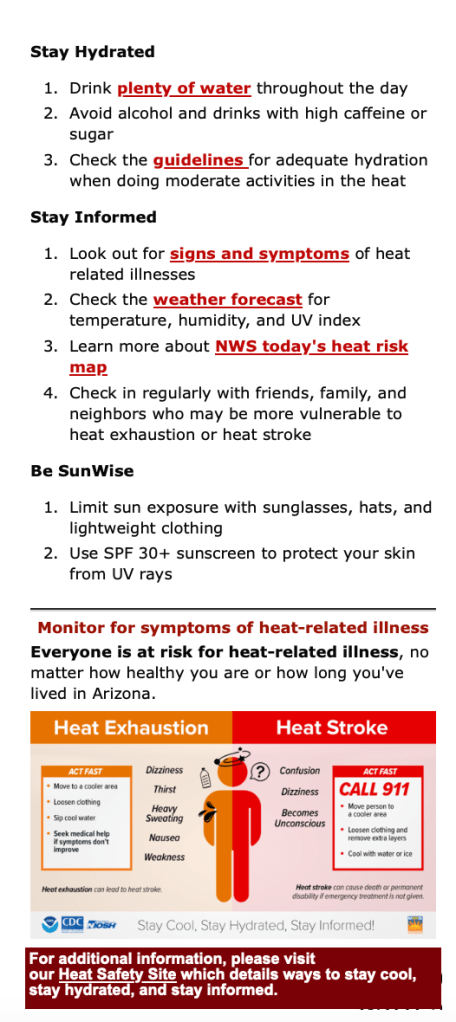
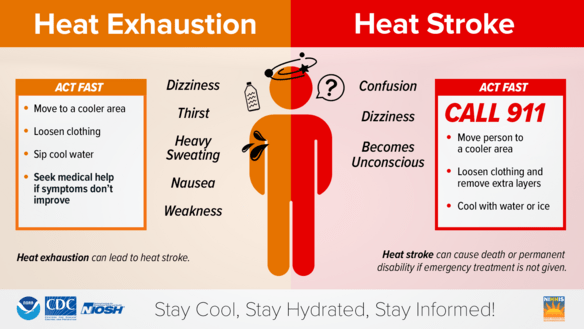
  6. Know the Signs of Heat-Related Illnesses: Be aware of symptoms like dizziness, nausea, headache, and muscle cramps, and seek medical attention if necessary.

By following these tips, you can enjoy the festivities safely and make the most of Pride Weekends without compromising your health.

You need salts and minerals in your body to function properly. However, you must not take salt tablets unless directed by your doctor. The best way to replace them is by eating foods that contain them. Instead of just water, try drinking fruit juice or sports drinks while you exercise or work in the heat.

You can help us make our Excessive Heat Warnings better by taking our survey.

Safety Tips:

Stay Cool

  1. Limit your outdoor activity to when it’s coolest, like morning and evening hours
  2. Find your nearest cooling center for free access to air conditioning and water
  3. Do not leave children or pets alone in a parked car. The temperature inside can rise quickly and become deadly

Stay Hydrated

  1. Drink plenty of water throughout the day
  2. Avoid alcohol and drinks with high caffeine or sugar
  3. Check the guidelines for adequate hydration when doing moderate activities in the heat

Stay Informed

  1. Look out for signs and symptoms of heat related illnesses
  2. Check the weather forecast for temperature, humidity, and UV index
  3. Learn more about NWS today’s heat risk map
  4. Check in regularly with friends, family, and neighbors who may be more vulnerable to heat exhaustion or heat stroke

Be SunWise

  1. Limit sun exposure with sunglasses, hats, and lightweight clothing
  2. Use SPF 30+ sunscreen to protect your skin from UV rays

Verdantia: The Rainbow City and the Festival of Lumina

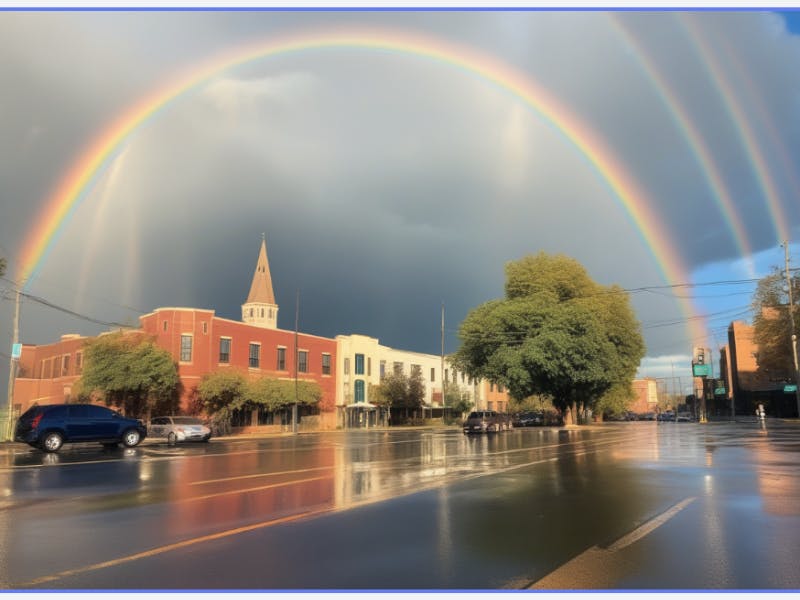
Once upon a time, in a small, unassuming town named Verdantia, an extraordinary phenomenon brought magic to the lives of its residents. Verdantia was known for its picturesque streets lined with red-brick buildings and verdant trees, but what truly set it apart was its ability to produce the most stunning rainbows anyone had ever seen.

One late afternoon, after a sudden downpour, the clouds parted, and the sun cast its golden rays across the wet streets. As the townsfolk went about their business, a magnificent rainbow began to form, arching over the town’s central square. It wasn’t just any rainbow; it was a double rainbow, with vibrant colors so vivid they seemed almost tangible.

The people of Verdantia, who had grown accustomed to the beauty of rainbows, stopped in their tracks, mesmerized by the sight. The rainbow appeared to touch down at two significant landmarks in the town—the spire of the old church and the ancient oak tree standing proudly at the intersection of Main Street and Elm.

As legend had it, Verdantia was a place where rainbows were believed to be portals to realms of wonder and enchantment. The townspeople knew this was no ordinary occurrence. The elders of the town, keepers of its history and secrets, gathered quickly. They had long awaited the appearance of such a rainbow, a sign foretold in their lore that marked the beginning of a special event known as the Festival of Lumina.

The Festival of Lumina was a rare celebration that took place once every hundred years, marked by a rainbow so grand that it stretched across the sky, connecting the past with the future, the ordinary with the extraordinary. This festival was a time when the boundaries between the human world and the world of magic blurred, allowing dreams and reality to intertwine.

As the double rainbow shimmered, a soft, melodic hum filled the air. Children giggled with delight, and adults felt a warm, nostalgic pull at their hearts. The air around the rainbow seemed to sparkle, and for a moment, time itself felt as if it had slowed down. From the base of the rainbow at the church, a figure emerged—a guardian of the ancient lore, known as Seraphina, the Keeper of Light.

Seraphina, with her radiant presence and flowing silver robes, held out a staff that glowed with the colors of the rainbow. She spoke in a voice that resonated like the soft chime of bells, “People of Verdantia, the time has come to celebrate the Festival of Lumina. Today, the veil between worlds is thin, and the magic of the rainbow is at your command.”

The town erupted in joyous celebration. Musicians played enchanting melodies, artisans displayed their finest crafts, and bakers offered sweet treats that seemed to shimmer with a magical glaze. Children ran around, chasing the elusive ends of the rainbow, hoping to find hidden treasures and secret wonders.

As evening fell, the rainbow’s glow intensified, casting a luminous light over Verdantia. The townspeople gathered under the ancient oak tree, where Seraphina led a ritual to honor the rainbow and its magic. She spoke of unity, hope, and the power of dreams, encouraging everyone to embrace the wonder within their hearts.

The Festival of Lumina continued through the night, with stories of old being shared around bonfires, and dances that seemed to weave through the very fabric of the rainbow’s light. As dawn approached, the double rainbow slowly faded, but the magic lingered in the hearts of the people.

Verdantia, forever touched by the beauty and enchantment of the rainbow, became a place where dreams were cherished, and the magic of the Festival of Lumina was remembered and celebrated in smaller ways every day. The rainbow city, as it came to be known, stood as a beacon of hope, joy, and the enduring power of wonder.