Running time: 1h :58m Rating: PG Genre: Period Drama / Thriller
Director: Robert Aldrich Writers: Christopher Knopf, inspired by the works of Jack London
A Ride Through the Great Depression — and Through Human Grit
The film is set in 1933. The Emperor of the North takes place against the backdrop of the Great Depression. During this time, the rails served as a lifeline for the desperate. They also became a battlefield for survival. Ernest Borgnine plays Shack. He is a brutal railroad conductor. Shack rules his train—the Number 19—with an iron fist and a hammer to match. His sworn enemy is the legendary hobo A No. 1, portrayed by Lee Marvin. A No. 1 rides the rails with the confidence of a man. He is cunning and refuses to be beaten by either poverty or authority.
The story becomes a symbolic duel between two men: the enforcer of order and the champion of freedom. Their rivalry becomes a metaphor for a country divided. Some cling to what little control they have. Others have lost everything but their pride.
A Director Who Keeps the Train on Track
Director Robert Aldrich (The Dirty Dozen, Whatever Happened to Baby Jane?) gives the film a muscular rhythm—every whistle blast and rattling wheel pulse with tension. When you think the film will slow, Aldrich revs it up with a fight. He adds a chase or introduces a moment of quiet resolve. His pacing keeps Emperor of the North from ever running off the rails. It balances moments of raw brutality with haunting glimpses of camaraderie among the downtrodden.
A Cast as Strong as Steel
Lee Marvin and Ernest Borgnine headline a powerhouse ensemble. The cast also includes a young Keith Carradine as Cigarette. He plays the eager, inexperienced hobo who idolizes A No. 1 but still has much to learn about survival and respect. The supporting cast, featuring Malcolm Atterbury, Simon Oakland, Sid Haig, Matt Clark, Elisha Cook Jr., and others, adds authenticity to the Depression-era world. Each actor feels carved from the same rough wood as the era itself—grimy, determined, and vividly alive.
A Story About Class, Pride, and the Price of Survival
Though marketed as an adventure, the movie is a study in pride and power. Shack’s tyranny is born out of fear and obsession; A No. 1’s rebellion comes from principle. The screenplay is inspired by Jack London’s tales of survival and the human spirit. It weaves geography and movement into a dance. This dance stretches across boxcars, over bridges, and into the soul of a broken nation.
“Only one man rides the rails — the other rules them.”
By the film’s climax, we’re left asking who truly wins. Is it the man who guards the system, or the man who defies it? Both emerge scarred by the journey. That’s the real message of Emperor of the North. Survival during desperate times demands both strength and sacrifice.
Verdict: ★★★★☆
A rugged, violent, and beautifully shot Depression-era thriller. Borgnine and Marvin deliver performances as fierce as the clanging of the rails themselves. It’s a story about pride and power. It also explores the peril of trying to be “Emperor” when the world has nothing left to give.
🎬 MEMORIES FROM MEMORY LANE — “ON WITH THE SHOW!” STRIKES A NEW NOTE 🎶 From Our Entertainment Desk — May 29, 1929
Ladies and gentlemen, the talkies have gone and done it again! Moving pictures with sound became a reality on August 6th, 1926. Just three short years later, Warner Bros. has given the public something new to hum about—literally.
This week, cinema-goers were treated to On with the Show!—a Technicolor extravaganza. It boasted the peerless pipes of Miss Ethel Waters. She delivered the lilting tune Am I Blue with such warmth that even the ushers were swooning. But here’s the rub: for the first time in motion picture history, audiences were invited to sing along!
That’s right, folks—words flashed upon the screen as Miss Waters crooned, urging patrons to join in from their seats. And join they did! Voices rang out from the front row to the peanut gallery. Some were as sweet as a songbird. Others were a touch off-key. All were in the spirit of merriment.
Picture it—gentlemen in their finest straw boaters. Ladies fanning themselves in the glow of the projector. Everyone is swept up in the chorus together. Why, one might call it the first karaoke moment in show business history. We’ve yet to invent such a word!
If this is the future of the pictures, we say—bring on the music! After all, the best part of a song is not just hearing it… it’s singing it together.
On August 16, 1977, the world stopped spinning — at least in Memphis, Tennessee. That was the day Elvis Presley, the King of Rock and Roll, was found unresponsive in the bathroom of Graceland. The global headlines mourned music’s greatest icon. Meanwhile, things were spinning out of control behind the scenes in the world of law enforcement. And not just in Memphis.
Most people don’t know that Elvis’s death caused a minor frenzy. It affected not just fans, but also federal and local law enforcement. This had everything to do with his name, his guns, and his bizarre honorary narcotics badge.
In 1970, Elvis famously met with President Richard Nixon and requested a federal narcotics badge. He did not intend to arrest drug dealers, well, maybe a few. He believed it would grant him special privileges at airports. It would allow him to carry firearms across state lines without hassle. Nixon, eager to impress a celebrity during a slump in his popularity, gave him the badge. Elvis then began collecting honorary police badges from departments across the U.S., often in exchange for autographs, memorabilia, or a simple smile.
By the time of his death, Elvis had amassed over 100 badges. Some were real, others purely decorative, and a few were questionably obtained. The King had a well-known obsession with guns. He owned dozens of pistols and rifles. He even had a few military-grade toys. When the news of his death broke, more than one law enforcement agency quietly wondered. They asked themselves, ‘What did we give that man?’ And can we please get it back?
According to insiders at the time, several local departments began calling Graceland discreetly. They were hoping to retrieve various “loaned” badges and sidearms. One small-town sheriff reportedly said,
“We didn’t think he’d actually keep the darn thing. It was supposed to be a photo op!”
Even the DEA got involved. They did not act out of malice. Elvis’s collection included a few federal items. These should have never technically left Washington. A flurry of quiet internal memos from late August 1977 hints at an almost comical scramble. They describe recovering government property from the estate of a man. This man had once offered to go undercover as a federal agent “to stop the hippie drug culture.”
This man had once offered to go undercover as a federal agent “to stop the hippie drug culture.”
Meanwhile, fans held candlelight vigils and bought up every Elvis album in sight. Law enforcement agents were busy inventorying his arsenal of firearms and badges. His collection would put most mid-size police departments to shame.
A deputy who had once met Elvis described the moment. They realized the full extent of the collection:
“I walked into that room. I saw enough shiny shields to start a police academy.”
I half expected them to start talking.
Most of the badges were eventually returned. Some were documented as honorary. Yet, a few were mysteriously “lost to history.” They are reportedly still missing to this day. One turned up on eBay years later. This sparked a brief online turf war between Elvis fans and collectors of obscure police paraphernalia.
August 16, 1977, then, marks not just the day the King left the building. It was also the day law enforcement agencies across the country had a new challenge. They found themselves unexpectedly cleaning up behind him. They tried, with straight faces, to explain to their bosses. Why did Elvis Presley have more police gear than some SWAT teams?
Helen Cornelius (December 6, 1941 – July 18, 2025) was the deeply cherished voice of classic country. She was the beloved duet partner to Jim Ed Brown. She passed away on July 18, at the age of 83 FacebookThe Sun Set TV. She was born as Helen Lorene Johnson in Monroe City, Missouri. She was raised on a farm where music flowed naturally in her family. She joined her sisters Judy and Sharon in a local singing trio before forming her own band, The Crossroads.
Cornelius’s early career blossomed in the late 1960s. She worked as a songwriter signed to Screen Gems Music. She penned songs recorded by artists like Barbara Fairchild and Connie Smith Wikipedia+3Wikipedia+3The Sun Set TV+3. After a brief stint with Columbia and MCA Records, her life’s defining moment arrived in 1976. Teaming up with Jim Ed Brown, she recorded “I Don’t Want to Have to Marry You.” It was a No. 1 country smash. This success launched a string of hit duets. These include “Saying Hello, Saying I Love You, Saying Goodbye.” They also include “Lying in Love with You” and “Fools.” There are more HistoryForSale+7Wikipedia+7Country Music Hall of Fame and Museum+7. Their chemistry was undeniable. It earned them the Country Music Association’s Vocal Duo of the Year award. This accolade came in 1977 Country Music Hall of Fame and Museum.
Cornelius also enjoyed solo success. This includes her charting single “Whatcha Doin’ After Midnight Baby.” She toured with iconic acts like The Statler Brothers. She later brought her signature warmth to stage shows. This included a stint in the musical Annie Get Your Gun. She also opened the Nashville South venue in Gatlinburg HistoryForSale+3Wikipedia+3The Sun Set TV+3. In the 2000s, she became a Branson favorite at the Jim Stafford Theater. She made frequent appearances on RFD‑TV’s Country’s Family Reunion series Facebook+5Wikipedia+5The Sun Set TV+5.
Helen was recognized not just for her pure, heartfelt voice. She was also acknowledged for her humility and graciousness. Moreover, the undeniable bond she shared with Jim Ed Brown on stage and in life was noteworthy. Even after their professional split in 1981, she remained a steadfast presence in country music. They reunited for a 1988 tour. She continued to be a steadfast presence in country music 98.1 – Minnesota’s New Country+4Wikipedia+4The Sun Set TV+4.
She is survived by her loving family and legions of fans who still cherish those golden harmonies. Helen Cornelius’s legacy lives on in every record, performance, and the countless artists she inspired. She will be remembered as one of country music’s finest voices. She was a true steward of its heart.
Continued Connection: Remained active in the community through Country’s Family Reunion and Branson theater gigs YouTube+4Wikipedia+4Wikipedia+4.
Her passing marks the end of a storied chapter in country music. Her voice—filled with warmth, purity, and grace—will continue to echo for generations. Rest in harmony, Helen Cornelius.
Buddy Holly was just 22 years old. He had chartered a small Beechcraft Bonanza plane. His goal was to avoid the grueling winter tour bus ride. This bus ride plagued the “Winter Dance Party” tour across the Midwest. Along with him were Ritchie Valens, just 17, and J.P. “The Big Bopper” Richardson, 28. All three had become major figures in the rapidly evolving American music scene.
The tour itself was chaos. It was poorly routed and underfunded. Bitter temperatures pushed both buses and artists to the limit. Holly was tired. She was freezing and sick. She made a decision: skip the bus and fly ahead to the next stop in Moorhead, Minnesota.
The plane took off around 12:55 a.m. from Clear Lake, Iowa. Minutes later, it crashed into a frozen cornfield, killing everyone onboard. The pilot, Roger Peterson, was just 21.
The news shocked the country. Three of rock and roll’s brightest stars were gone in an instant. Don McLean would later memorialize the event in his 1971 hit, “American Pie,” calling it “the day the music died.”
But in the silence that followed, the music didn’t die. It grew louder. The tragedy marked a turning point—the moment rock and roll lost its innocence and began to grow up. It was the high cost of youthful rebellion, forever frozen in that snow-covered field.
One member of Holley’s band was supposed to ride on the plane. He gave his seat to Ritchie Valens. Instead, he rode on the band’s bus to the next location. That member was Waylon Jennings. He would deal with that decision for many years before making peace with himself. Jennings would become a legend in his own right. He became a country music singer, having hit after hit. He was known as an outlaw in the industry.
Staying up late on a Saturday night was a rare privilege. My parents were strict about bedtime but sometimes let me stretch the rules on weekends. That night, I curled up on the living room carpet, my chin propped up on my hands. I stared wide-eyed at the glow of our old television. The movie was Bonnie and Clyde, and it was my first time seeing Gene Hackman.
Left – Gene Hackman as Buck Barrow. Right – Warren Beatty as Clyde.
He portrayed Buck Barrow, Clyde’s older brother—loud, reckless, and desperate. His movements and voice, cracked with both joy and fear, captivated me. He wasn’t just a character. He was a man caught between love and loyalty. He wavered between the thrill of rebellion and the weight of consequence. Despite the inevitable doom of the Barrow gang, Buck was more than a criminal. He was a flawed person yet strangely likable.
The film stuck with me. It made me wonder where the line between right and wrong sits. Was it drawn in law books or people’s choices when they had no good options? I didn’t have answers, but I knew I wanted to understand.
Right – Nathan Lane. Left – Gene Hackman
Years later, another late-night movie changed something in me. This time, I was older—long out of high school, I think—and the film was The Birdcage. The movie is a comedy about a gay couple who pretend to be straight for a conservative family. It challenged societal norms and expectations. I hadn’t planned to watch it but was hooked when I saw Robin Williams and Nathan Lane.
And then there he was again. Gene Hackman appeared this time as a conservative senator. He was trapped in the most absurd, hilarious, and strangely heartfelt situation.
I watched him stumble through a world he didn’t understand, forced to confront something outside his comfort zone. His discomfort was funny. Beneath it, there was something tangible. He clung to the rules he’d built his life around. He struggled with the idea that maybe, just maybe, he was wrong.
By the time the credits rolled, a profound shift had occurred within me. Bonnie and Clyde sparked my curiosity about the limits of the law—who writes the rules, follows them, and breaks them? The Birdcage had prompted a more personal question. It asked who I was and whether I dared live outside the expectations of others. These films, through the characters portrayed by Gene Hackman, ignited a journey of self-discovery and reflection.
In those movies, Gene Hackman embodied two distinct characters. Buck Barrow laughed in the face of fate, and Senator Keeley was trapped in his rigid beliefs. Yet, in both roles, he was undeniably human—flawed, confused, and trying. His characters were not just roles but mirrors reflecting the complexities of the human condition.
Harry had worn many hats in his life. One of his most memorable roles was as a news director. He also served as an operations manager at a radio station in the lower Great Plains. His job included ensuring that touring musicians arrived at their venues without issue. He also ensured that their shows went off without a hitch.
Artists like Dan Seals, Davis Daniel, and Vern Gosdin have passed through the area over the years. They brought country music to fans eager to taste Nashville. But one night in particular stood out—the night Vern Gosdin played for twenty.
Gosdin, known as “The Voice,” was a country music legend. His pedigree included stints with the Golden State Boys, The Byrds, and collaborations with George Jones. He had a rich, smooth baritone. It gave life to timeless hits like Set’ Em Up Joe. He also brought If You’re Gonna Do Me Wrong, Do It Right to life. Another classic was Chiseled in Stone. Fans were eager to see him live. He was scheduled to sing at a local college auditorium and field house. This event was set for one Saturday night in January.
On Friday, Harry arrived at the venue to oversee the setup. Everything was in place—sound, lighting, seating—and aligned with the band’s requirements. The only concern was the weather. Forecasts hinted at snow, but the storm was expected to stay north of the region. Gosdin’s tour bus had pulled in behind the venue by noon on Saturday. The final checks were made, and everything looked good to go.
Then, the storm took a turn.
By late afternoon, the sky darkened, and the wind began howling. Within hours, blizzard-like conditions descended on the area, dumping nearly a foot of snow. Whiteout conditions made travel treacherous. The state highway department issued warnings urging motorists to stay off the roads unless it was an emergency.
By showtime, only twenty dedicated souls had managed to reach the venue. The sold-out crowd was nowhere to be seen, trapped by the snow. Their decision to be there showed strong dedication. They braved treacherous conditions as a testament to their love for Vern Gosdin and his music.
Despite the dismal turnout, Vern Gosdin and his band took the stage as if playing to a packed house. Gosdin stepped to the microphone, wore a warm smile, and said, –––
“We made it. For those of you here, we will play!”
The Voice filled the nearly empty hall with his opening number. He sang “I’m Gonna Be Moving,” a gospel tune. It resonated with many of his fans. He followed with “I Can Tell By the Way You Dance.” The concert became extraordinary from that moment on.
The crew saw rows of empty seats. They decided to clear a space near the stage, which was turned into a dance floor. The twenty die-hard fans swayed, twirled, and laughed as Gosdin played every song from his setlist. It was no longer just a concert but an intimate, once-in-a-lifetime experience, a privilege they can claim. Between songs, Gosdin and the band chatted with the audience, taking requests and sharing stories.
The small but mighty crowd erupted into cheers when he played his final song and left the stage. Their enthusiasm filled the hall, and they refused to let the night end.
A minute later, Gosdin and his band returned.
He picked up his guitar for his encore and grinned at his audience. He broke into I’m Moving On. Then, he followed with That Just About Does It. The twenty lucky souls in attendance soaked up every note, knowing they were part of something special.
Outside, more than fifteen inches of snow had blanketed the town. The roads were treacherous, but Gosdin’s bus driver was determined to push ahead. He asked Harry to lead them to the highway, where they would inch their way north. Harry agreed, and with the radio station’s car guiding the way, the tour bus crept through the snow-covered streets.
After twenty miles, the highway finally began to clear. As the bus picked up speed, the driver gave a long honk. It was a final thanks to Harry for helping them through the storm. It was also for an unforgettable night on the Great Plains.
The twenty who braved the blizzard that night in Goodwell, Oklahoma, gained more than a concert experience. They had seen a legend up close. It was a personal meeting in a performance that would be talked about for years to come. The memories of that night, the laughter, and the music will stay with them forever. The sense of community was also unforgettable. This is a testament to the enduring power of live music.
For many, the good times meant youth spent without barriers. Kids rode bicycles freely around town or through the countryside. They explored wherever curiosity led. They just had to be home before dark or by 10 p.m. It was when running to a friend’s house, unannounced was safe. It felt just as natural for them to show up at yours. We all cherish that time of freedom and spontaneity.
Your version of the good times began when you got first place as a young adult. You also got hooked up to cable television. Gone were the days of only three channels. Now, there were forty or more. Channels like MTV, HBO, and SHOWTIME offered endless entertainment. Some kept their televisions locked on MTV 24/7, not wanting to miss the latest music video premiere. The phrase “I want my MTV” wasn’t just a slogan; it was a way of life.
Icons like Downtown Julie Brown, Max Headroom, Randy of the Redwoods, and JJ Jackson became daily companions. They guided audiences through interviews and music video countdowns. These shows entertained us and shaped our memories, creating connection and nostalgia.
Yet, while MTV rocked for many, others fondly recall Saturday mornings. They spent time with classic cartoon characters. They watched Bugs Bunny, Elmer Fudd, Daffy Duck, and Yosemite Sam. Or they enjoyed Speedy Gonzales, the Flintstones, or the Jetsons. These beloved characters live on today, often appearing in rebranded forms and often in commercials that spark nostalgia.
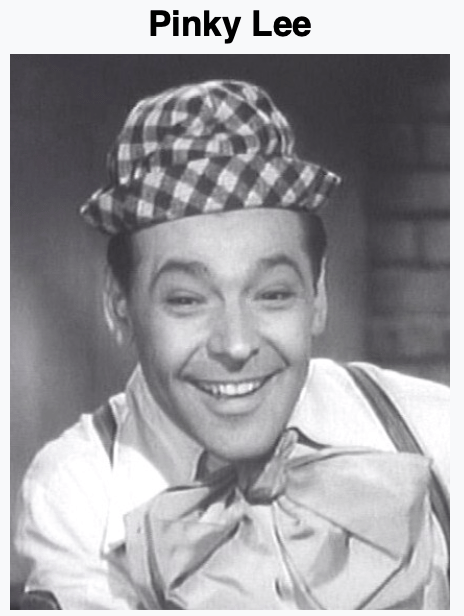
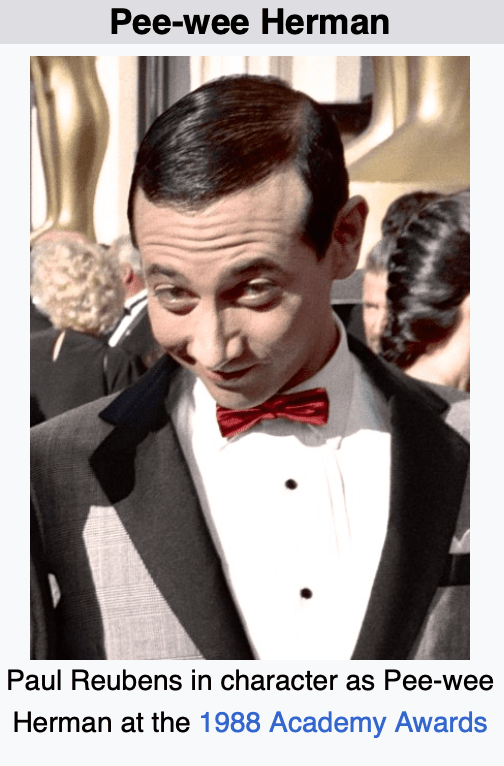
For earlier and later generations, laughter came from entertainers like Pinky Lee or Pee-wee Herman. In the 1950s, Pinky Lee brought his lively antics to television. He appeared first in a primetime variety show. Later, he starred in a children’s program sponsored by Tootsie Roll. His Emmy-nominated show paved the way for future quirky entertainers. Pee-wee Herman was one of them. His distinctive gray Glen plaid suit, red bow tie, and eccentric persona owed much to Lee’s energetic style.
Beyond television, the good times existed in life’s simple pleasures. One was the crackle of a baseball game on the radio during a warm summer evening. Another was the scent of fresh popcorn at a drive-in theater. The excitement of getting that first car was thrilling. Sheer will and a little duct tape held it together.
For some, the best times were spent playing Pac-Man and Donkey Kong in arcade halls. They also glided across the roller rink beneath spinning disco lights. Others made mixtapes from the radio. They hoped the DJ wouldn’t talk over the intro of a favorite song. Others remember cruising on a Saturday night, windows down, music blasting, with no destination—just the pure joy of freedom. The good times were about more than the entertainment we consumed. They were about the people we shared them with. Families gathered around holiday meals. Friends packed into a car for a spur-of-the-moment road trip. Conversations under a star-filled sky became treasured late-night memories.
Each generation has its version of the good times. These moments shape us and leave lasting impressions. They bring smiles long after they’ve passed. No matter what era you look back on, one thing is sure. The good times do not last forever. But they always roll on in our hearts. They create a sense of continuity and belonging.
One has undoubtedly heard the story about the great voodoo queen Marie Laveau from down in Louisiana. Bobby Bare sang about her in his hit song from 1973. The Lyrics were –––
The most famous of the voodoo queens that ever existed
Is Marie Laveau, down in Louisiana
There’s a lot of weird ungodly tales about Marie
She’s supposed to have a lot of magic potions, spells and curses
Down in Louisiana, where the black trees grow
Lives a voodoo lady named Marie Laveau
She got a black cat’s tooth and a Mojo bone
And anyone who wouldn’t leave her alone
She’d go-, another man done gone
She lives in a swamp in a hollow log
With a one-eyed snake and a three-legged dog
She’s got a bent, bony body and stringy hair
And if she ever seen why y’all messing ’round there
She’d go-, another man done gone
And then one night when the moon was black
Into the swamp come handsome Jack
A no good man like you all know
He was looking around for Marie Laveau
He said, “Marie Laveau, you handsome witch
Give me a little a little charm that’ll make me rich
Give me a million dollars and I tell you what I’ll do
This very night, I’m gonna marry you”
Then it’ll be, hmm, another man done gone
So Marie done some magic, and she shook a little sand
Made a million dollars and she put it in his hand
Then she giggled and she wiggled, and she said, “Hey, Hey
I’m getting ready for my wedding day”
But old handsome Jack, he said, “Goodbye Marie
You’re too damned ugly for a rich man like me”
Then Marie started mumbling, her fangs started gnashing
Her body started trembling and her eyes started flashing
And she went-, another man done gone
Oh, if you ever get down where the black trees grow
And meet a voodoo lady named Marie Laveau
If she ever asks you to make her your wife. Man, you better stay with her for the rest of your life
Alternatively, it will be another man done and gone.
Hell! Bobby Bare is taking off on his 1973 Hit Marie Laveau, courtesy of a YouTube posting. Following this sing-a-long, learn the factual story about the real Marie Laveau. As close as what people have been able to trace.
THE STORY ABOUT THE SONG ORIGINS – Supposedly…
On September 10, 2024, her 240th birthday is recognized, and while this will get published the day after it is getting done, so with the notion that it will get a presented avoiding any voo doo spells that could be associated with the partaking of celebrating a late witches birthday. There is more to the story than the song. The lyrics had a backstory that contained information about a man who was about to go on trial in New Orleans for murder. He was a wealthy business owner and had the means to buy the best attorney. However, the case appeared airtight, and his life looked to be going to the gallow. He visited a witch named Marie Laveau, who was known to cast spells on people and could control them. He told her he would give her his earnings for a year and even agreed to marry her if she could sway the jury to find him innocent. She collected items like a black cat’s tooth, a Mojo bone, and other questionable items from around the woods, placed them into a tobacco pouch, buried them beneath a tree for three nights, and then dug them up and gave them to the man. She told them not to go to court without them, and he would be found innocent. Sure enough, when the trial was over, despite the eyewitness’s murder weapon and even the man’s confession, the jury returned an innocent verdict. The man refused to pay Marie Laveau and refused to marry her and laughed at her when she told him he would die by the end of the week if he did not change his mind. It was Monday. On Friday, the man had not returned to pay Marie and was in a local tavern, bragging about his innocent verdict and how he got away with not paying the old lady. As he left his table to go to the bar for a drink, a chandelier fell from the ceiling and hit him, killing him instantly. Whether or not that story is true is still being determined. However, history has recorded Marie Laveau in other areas, has a lengthy record, and she appears to have had a healthy marital life. Bobby Bare has told a similar story during interviews. There have been similar accounts from people in New Orleans. However, fact-finders looked for records, and this is what they found for Ms. Laveau.
Marie Laveau
An Articleby Frank Schneider
The enigmatic Marie Laveau (September 10, 1794 – June 15, 1881), the most famous voodoo queen in the South, has a background that still seems to be vastly under-researched. Her story of resilience begins with her grandmother, Catherine Henry, who, after a long procession of different owners, was finally emancipated by her last one, a free woman of color. Catherine’s original master was the white Creole Henry Roche Belaire, whom Catherine later took his name as her surname. Catherine’s daughter and Marie’s mother, Marguerite, remained with Roche until his death and was sold to another owner who then gave her freedom. After gaining independence, Marguerite became the placéeof the Frenchman Henri D’Arcantel. The exact date that marks Marguerite’s relationship with Charles Laveaux is unknown, but the result of this couple was the birth of a daughter, Marie. On September 10, 1801, Marie was born as a ‘free mulatto.’ Her father, Charles Laveaux, is sometimes referred to as a wealthy white planter, but leaders had discovered he was a free person of color (gen de couleur libre) whose mother’s name was also Marie Laveaux. Nothing is certain of Marie’s childhood, but she may have lived in the St. Ann Street cottage with her maternal grandmother, Catherine Henry.
Marie was a striking figure dressed like a gypsy with a bandana on her head, flashy rings on her fingers and ear, and gold bracelets on her wrists. Her dress was always dark, long, and complete, hanging gracefully from her shoulders. Her eyes, which were large and hazel, sparked like emeralds against her dark skin. This unique appearance, along with her charming personality, contributed to her mystique and influence in New Orleans.
Archival records show that Marie Laveau entered into a marriage contract with Jacques Paris on July 27, 1819. They were married on August 4, 1819. It is widely believed and affirmed that no children came to the marriage. However, some discoveries suggest that two daughters were born of this union; these claims lack concrete verification. The fate of Jacques Paris remains unknown, and his death was never documented. Whatever truly happened to her husband, Marie was still officially known as the “widow Paris.” The marriage mass was performed by Father Antonio De Sadella, the Capuchin priest known as Pere Antonio. After becoming a widow, Laveau became a hairdresser who catered to wealthy white families.
After Jacques Paris, Marie began a relationship with Louis Christophe Dominic Duminy de Glapion that lasted until he died in 1885. All credible records indicate that he was born in Louisiana as the legitimate son of white parents and the descendant of an aristocratic French family. Christophe Glapion was a veteran of the Battle of New Orleans, which occurred below the city at Chalmette on January 8, 1815. It is unclear when or how these two met. Christophe Glapion died on June 26, 1855, and the cause of his death is unknown. Marie Laveau and Christophe Glapion were a together for nearly thirty years. Marie lived for another twenty-six years and is not known to have taken another partner. It is widely thought that fifteen children came from this union, but there is only records to confirm that there were seven. Marie and Christophe’s first child, Marie Heloise, was born on February 2, 1827. She is the daughter who became known as Marie II. At a young age, Marie II entered a relationship with Pierre Crokere, a free man of color. Pierre was a commission broker, builder, and architect. Pierre was twenty-four years older than Marie and died in 1857 at fifty-six.
Voodoo thrived in Haiti and Louisiana, and over the years, it absorbed influences from French and Spanish Catholicism, American Indian spiritual practices, and even Masonic tradition. Voodoo is not just a religion. It is about finding ways to survive conflict and has yet to be verified. Voodoo involved singing, dancing, chanting, and drumming. Voodoo comes from enslaved people who brought it to the Americas from West Africa. Marie began her Voodoo (sometimes spelled Voudou) career sometime in the 1820s, and she is sometimes said to be a descendant of a long line of Voodoo priestesses, all named Marie Laveau. Marie is said to have given private consultations and made and sold gris-gris. Later in life, Marie turned away from her Voodoo practices to dedicate her life to the Church and charitable works, a decision that commands respect. However, it is affirmed by the scholarly community that Marie Laveau was a devout Catholic her entire life.
Marie continued her charitable work during her final years and surrounded herself with her family. One was her youngest daughter, Marie Philomene Glapion, and her children. Philomene entered a relationship with a white man, Emile Alexandre Legendre, who was thirty-two years older than her and married. Philomene and Emile had seven children together, all classified as “colored,” they remained a couple until he died in 1872. Marie died at home in her sleep on June 15, 1881, in her cottage on St. Ann Street, where she had spent more than half a century. Marie’s daughter Philomene made funeral arrangements for the following evening. Her funeral performance provided guidelines to the dignified structure of the Catholic Church without sign of any voodooist demonstration.
We are glad you found benandsteve.com —- this post brings you to a site where you can learn more about different individuals born into this world trying to find normalcy. I often call it “Being Straight In A Gay World!” For so many, they are forced not to live their true selves. And lies are sometimes fatal.
For hoots and to offer you relief from the hard-hitting info and news, we sometimes find pieces to keep a chuckle in the heart from deep inside the benandsteve.com files.
Live on!
Benjamin
You know why I am Gay? Because God Made Me That Way, or That’s The Way The Genes Flow. And It’s NObody’s Damn Business But Mind. You HEAR!
SCOOBY DOO! Looks Like Someone Is Going To Get A Scooby Snack!





 A Note From Benjamin




 benandsteve.com