An Update to My Loyal Supporters, Readers, Friends, Family, and Followers…

By Benjamin GroffMedia© | benandsteve.com | 2025 Truth Endures©

1–2 minutes

Benjamin
Benjamin “I’m Cutting Outta
Here For Surgery!”

From Benjamin – Thursday, July 24 – 7:30 AM


This post is going live as I am entering surgery. The surgery is for an Anterior Lumbar Interbody Fusion. I want to thank all of you for your support, prayers, and encouragement. Your kindness truly means the world to me.

During my recovery, you’ll still see new posts here on the blog. I’ve prepared content in advance. You can continue to enjoy the same quality stories and information. This is what you’ve come to expect from the benandsteve.com blog.

Thanks again for being part of this journey. I look forward to rejoining you soon. Another update will post later today to keep you informed.

I Will Be Back…Or So They Tell Me – A Note Before Surgery

By Benjamin GroffMedia© | benandsteve.com | 2025 Truth Endures©

2–3 minutes

A Note From Benjamin Before Surgery

Benjamin

By the time this post appears, I’ll be less than twenty-four hours from checking into the hospital. I have a scheduled lower back surgery. This operation was first approved in 2020. It was postponed due to the overwhelming strain COVID-19 placed on hospitals at the time.

Now, five years later, the time has come. The need for the surgery has grown unavoidable. It has reached a point where it significantly impacts not just my own quality of life. It also affects those around me—including our ever-faithful dog, Otis. After careful planning and the support of some very good people, the time feels right.

To keep the blog active, I’ve written and scheduled daily posts in advance. These will post – daily over the coming weeks as planned. Once I’m fully back to writing day-to-day pieces again, I’ll let everyone know. That said, if something urgent comes up, I will post an update. If it is of national interest and inspires me, I will do so before then. This is, of course, recovery allowing.

In the meantime, I’m grateful for the many kind gestures, well-wishes, and thoughtful messages already sent. That encouragement has made all the difference. I’m especially mindful of my partner, Steven. He will be holding down the fort. This will be happening while I’m in the care of a trusted medical team. He’ll be shuttling between the hospital and home, making sure Otis gets fresh air, snacks, and his favorite TV channel. We’ve jokingly planned it like a household awaiting a newborn—minus the diapers, thank goodness.

Dr. Christopher Yeung

The procedure itself will be performed by Dr. Christopher Yeung, a well-regarded spine surgeon whose experience includes working with multiple professional sports teams. After an in-depth consultation, I felt confident in both his knowledge and his approach. The surgery, known as an Anterior Lumbar Interbody Fusion, involves accessing the lower spine through the abdomen. An access surgeon helps to safely move internal structures aside. It’s a careful, technical procedure. The recovery is long. It begins with just a few steps on day one and builds slowly through physical therapy. This process continues in the weeks and months ahead.

So for now, I’m focused on the first step: getting checked in and moving ahead. I’m hoping for deep sedation, steady hands, and a smooth path to healing.

Thanks again for walking alongside me, even if just in spirit. I’ll be back in touch when the fog begins to lift.

Embracing the Constant of Change

By Benjamin GroffMedia© | benandsteve.com | 2025 Truth Endures©

2–3 minutes

“The Constant of Change”

There are stories worth telling—stories shaped by the countless experiences we collect in life. In mine, there have been unforgettable moments. I visited with friends, shared laughter, and exchanged hugs. Then I returned home—only to learn the next day that they were gone. No warning. No signs. One moment, they were part of my world; the next, they had vanished from it.

Those moments taught me a truth that often goes unspoken: nothing in life is definite.

Even when it feels like we’re stuck—repeating the same routines, going through the same motions—life is still moving. The world shifts beneath our feet, often without our awareness, certainly without our consent. Change is not something we invite; it’s something that happens. It shows itself in every breath we take. It appears with every face that enters or leaves our lives. It influences every decision made far beyond our control—from government chambers to hospital rooms.

Change is the only constant.

Sometimes, a change is so small it goes unnoticed—until its effects stretch across history. On February 2, 1959, Waylon Jennings gave up his seat on a chartered airplane to the Big Bopper, J.P. Richardson, who was feeling ill. The plane also carried Buddy Holly and Ritchie Valens. It crashed in an Iowa field just minutes after takeoff. Everyone aboard died.

Waylon Jennings

That one seat swap—an act of kindness, -–– saved Jennings’s life. No one was at fault. But that simple moment, that ordinary change in plan, altered the course of music history and Jennings’s own future. He carried the weight of that change for the rest of his life. And yet, that change gave him more years, more music, more life.

That is how change works. Quiet. Sudden. Unfair. Unpredictable. But real.

When everything feels bleak, we must remember: change is still at work. When loss feels unbearable or the path ahead seems hidden, we must remember: change is still at work. What feels like the end today reveals itself as the beginning of something new tomorrow.

Time moves. People change. Life adapts. Always.

And in that, we find our only real choice: acceptance.

Accepting change—no matter how painful—does not mean surrendering to it. It means choosing to live with eyes open, hearts ready, and spirits willing to grow from what has been lost. We don’t have to like every change. But by accepting it, we start to transform with it—and even rise because of it.


Postscript:

After a tragic 1991 plane crash claimed the lives of several members of Reba McEntire’s band, it was Waylon Jennings—haunted by his own near-miss decades earlier—who offered her a few words she never forgot:

“Reba, you’ll never get over it, but you’ll get through it.”

And that’s the final truth about change. We don’t get over it—we live through it. And somehow, life keeps going.

Reflections on the COVID-19 Pandemic and Its Legacy

By Benjamin GroffMedia© | benandsteve.com | 2025 Truth Endures©

3–4 minutes

A Note from the Pandemic

I was being driven to an appointment earlier this week when a reminder flashed on my phone. It was one of those “On This Day” memories—a flashback from five years ago. It was a note I had posted on social media during one of the darkest times I can remember.

It read:

Today, the national death toll in the United States reached 80,000. In the state where I live, the deaths are many. They have brought in refrigerated trailers to hold the bodies. The mortuaries have more bodies than they can carry. The coroner’s office is over capacity. It is being reported that 100 people died in the city where I live yesterday alone.

People separated by COVID-19. Pinterest

That note was one of millions posted by people around the world that day. It was part of a collective cry for help. It was a shared testimony during a global crisis. The crisis tested the very core of our humanity. The COVID-19 pandemic wasn’t just a health emergency—it was a historical reckoning.

The novel coronavirus (SARS-CoV-2), first identified in late 2019, swept through cities and countries with terrifying speed. It took the lives of the elderly and the young. It didn’t care about borders or status. It wasn’t limited by language, ideology, or belief. It was an indiscriminate invader—silent, invisible, and merciless.

Pinterest

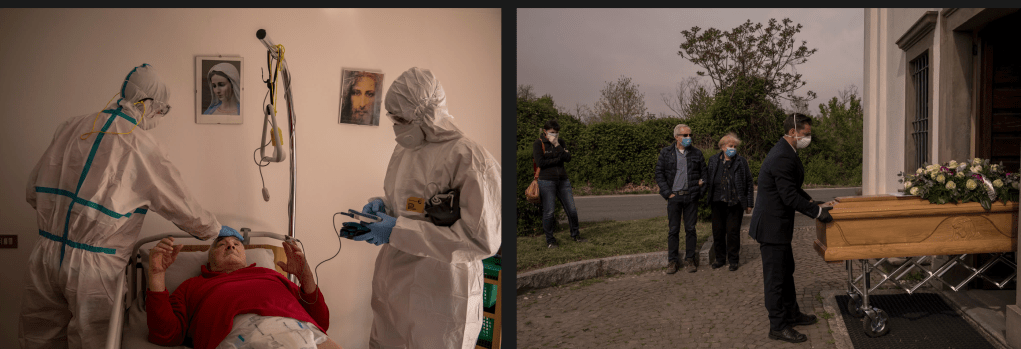
Hospitals filled to capacity. ICUs ran out of beds and ventilators. Nurses worked 12–16 hour shifts in full protective gear. They returned the next day knowing more patients would be gone. They feared coworkers would be gone too. Some had to reuse PPE, others never had proper protection at all. Entire medical teams were decimated. The faces behind the masks—so many of them never seen again by their loved ones.

In some areas, morgues overflowed, and refrigerated trucks became temporary storage for the deceased. Funeral homes struggled to keep up. Families said goodbye to loved ones through screens or from behind glass, incapable of touching them one last time.

Pinterest

Masks became a symbol—of protection, of politics, of protest. While many wore them out of care for others, others rejected them, fueled by fear, misinformation, or political agendas. What should have been a unified public health response fractured along ideological lines.

The spread of disinformation only made things worse. Some media personalities claimed the virus was “just a flu.” Other public figures suggested it was a hoax designed for political or financial gain. Some of those very same people later contracted the virus. A few died from it—some reportedly urging others to take it seriously with their final breaths.

Pinterest

For me, it was personal. I knew approximately twenty—or more—people I had known for most of my life who died from COVID-19. Every day brought another notice: a friend from childhood, a neighbor, someone from church, a former coworker. Sometimes I would hear from relatives who lost someone. Other times, I’d check news from back home and learn that yet another familiar name had been claimed. In places I had once lived, people I had once shared moments and memories with—gone. The virus wasn’t abstract. It carved itself into the story of my life, my family, my friends, and their families.

Pinterest

Vaccines would eventually arrive, faster than any in modern history. But by then, millions had died, and countless others were left with long-term effects—some still suffering today. As of mid-2025, more than 1.1 million Americans have died from COVID-19. Globally, the death toll has surpassed 7 million, though some estimates suggest the real numbers were even higher.

That reminder on my phone was more than just a memory. It was a marker—a scar from a time we lived through together, yet each experienced in our own way.

Pinterest

Let it be said clearly: the virus was real. The loss was real. And for many, the grief still is.

Let that note stand as a record not just of tragedy, but of resilience. Of what we went through—and of what we must remember. Because forgetting invites the risk of repeating it all over again.

Man From MRI Accident – Update

A sad update, the man in a report here a few days ago has died.


61‑year‑old Keith McAllister died after being violently pulled into the MRI scanner at Nassau Open MRI in Westbury, Long Island. He entered the MRI room on Wednesday, July 16, while his wife was undergoing a knee scan. McAllister wore a heavy-weight-training chain (~9–20 lb/4–9 kg) around his neck. Despite prior discussions about the chain with staff, he was allowed in.

When he approached the machine, the strong magnetic field latched onto the chain, yanking him into the scanner. His wife and the technician attempted to free him, but he collapsed in her arms. She recounted shouting, “Turn this damn thing off! Call 911!”.

McAllister was rushed to the hospital, where he suffered multiple heart attacks and was pronounced dead on Thursday, July 17. His wife emotionally described the moment: “He went limp in my arms… I can’t wrap my head around it”.

The Nassau County Police Department is investigating the incident, and experts are emphasizing the critical need for strict MRI safety protocols, especially regarding metal screening. Past tragedies—including a 2001 case involving a child and an oxygen tank—highlight the grave risks of metallic objects around MRI machines.

Summary of key points:

Victim: Keith McAllister, 61

Date of incident: July 16, 2025 (MRI room event)

Date of death: July 17, 2025 (hospital)

Cause: Pulled into MRI by heavy metal chain (~9–20 lb)

Response: Wife and technician tried to assist; police are now investigating

Safety concern: Highlights critical importance of enforcing metal screening protocols

www.cnn.com/2025/07/20/health/mri-machine-death-long-island

The Illinois Folks Would Visit Cordell, Oklahoma Every Year…To See Family

By Benjamin GroffMedia© | benandsteve.com | 2025 Truth Endures©

4–6 minutes

Summer Roads to Oklahoma to Visit Uncle Ben and Aunt Florence

By Benjamin Groff II

Every summer—without fail—a car would ease out of the driveway in Olney, Illinois. It was packed tight with suitcases and ham sandwiches. Kids pressed against window glass. Stories were waiting to be lived again. The road ahead led straight to Cordell, Oklahoma. Uncle Ben and Aunt Florence kept the porch swept. They also kept the table set.

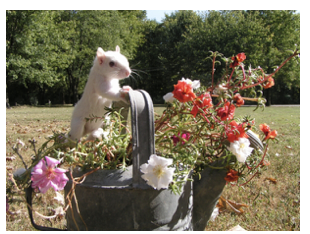
Olney was a quiet place, best known for something that always fascinated me as a child: white squirrels. My grandmother told me about them as if they were magical creatures. They were rare and watchful, darting through yards and city parks. I always hoped I’d see one myself, but somehow we always left too early or came back too late. Still, the idea of them stuck in my imagination like a bright stone in the pocket.

But the real adventure was always in Oklahoma.

Uncle Ben and Aunt Florence lived in a modest home in Cordell. There, the wind blew with purpose. Time slowed enough to sit and stay a while. The cousins from Caddo and Washita Counties began to arrive shortly after us. Many of them had been raised alongside the Illinois kin during the lean years of the 1920s and ’30s.

The car would keep rolling through Binger, Carnegie, Weatherford, and Colony. It traced out a web of family ties that never wore thin. There were hugs that lasted too long and pies that didn’t last long enough. Kids ran barefoot through the same red dirt that had once dusted our grandparents’ boots. The grownups told stories from both sides of the Dust Bowl.

“You remember when that storm blacked out the sky?”
“Your mama used to chase us out of the cellar with a broom!”


And everyone laughed, even if the memories came with a tear or two.

The trips began in the early 1960s. They stretched well into the 1980s. Each summer became a soft echo of the one before. Faces aged, but names stayed familiar. Porch swings creaked. Tin-roof rain was still the best music at night.

Eventually, the trips grew fewer, as the elders passed and the younger ones built lives farther away. But in my mind, a stretch of two-lane highway still runs from the white-squirrel town of Olney. It continues to the wide-open sky of Oklahoma. It’s a road paved with memory and love that survives distance, time, and even silence.

And one day, I still hope to see one of those white squirrels.

One cousin wrote a memory down in a letter to another -––

The tires hummed low against the highway as we crossed into Oklahoma, and I felt it—the shift. Not just in geography, but in memory. It had been years since we’d made this drive from Olney, Illinois. However, the road still felt familiar. It was like an old hymn you didn’t realize you remembered until you started humming along.

I leaned my head against the window, watching the land roll out in shades of tan and green. My thoughts rolled back too. I remembered the summers of my childhood. We’d pile into the car every year and head south to visit Uncle Ben and Aunt Florence in Cordell.

They were waiting when we arrived back then—porch light on, arms wide, iced tea already sweating on the kitchen table. The smell of fried chicken greeted us. We could hear the sound of someone laughing from the backyard before our feet ever hit the ground.

We’d stay for a week or more, using Cordell as home base. Then we’d branch out, visiting cousins scattered across Caddo and Washita Counties—Binger, Carnegie, Gotebo. Some were practically siblings. They were raised alongside our parents during the hard years of the 1920s and ’30s. Those were times when everyone shared everything. The stories from those days came freely over pie and coffee. They were told with the kind of clarity that only comes from having truly lived it.

But this trip—this time—was different.

There were no porch lights waiting. No tea glasses on the counter. Uncle Ben had been gone for years now. Aunt Florence too. And many of the cousins had passed, their homes quiet or sold. This time, we came to remember—not just to visit.

We stopped by the old places. Some were still standing, others just foundations and memories. We drove to the Cordell, Eakly, Colony and Alfalfa, cemeteries. I stood at the resting place of our folks I could remember seeing as if it was yesterday. I could still hear their voices in my head. I spoke softly, unsure if the wind could carry my words back to them, but I tried anyway.

Later that evening, we drove out to Binger. One of the cousins—now gray-haired and slow-moving—met us on the porch with a smile that hadn’t changed in 40 years.

“I didn’t think anyone remembered to come back,” she said.

“We never forgot,” I told her.

And we hadn’t.
Because the roots ran deep.
Deeper than distance.
Deeper than time.

So we returned to Oklahoma—not just to see the land or the gravestones, but to feel that presence again. To walk the same dusty paths, sit under the same wide skies, and remember who we are—and who we loved.

Some journeys are round trips.
Others are returns.
This was both.

As always time came when we had to return. And it always seemed longer going back to Illinois. It was sad to leave. Who would not be here next time we came to visit? Who on our crew would not make the trip next time? Uncle Ben always choked up when he said goodbye. He knew it could be the last time he saw us. Eventually, he was right.

Helen Cornelius Passes Away At Age 83

By Benjamin GroffMedia© | benandsteve.com | 2025 Truth Endures©

3–4 minutes

Helen Cornelius (December 6, 1941 – July 18, 2025) was the deeply cherished voice of classic country. She was the beloved duet partner to Jim Ed Brown. She passed away on July 18, at the age of 83 FacebookThe Sun Set TV. She was born as Helen Lorene Johnson in Monroe City, Missouri. She was raised on a farm where music flowed naturally in her family. She joined her sisters Judy and Sharon in a local singing trio before forming her own band, The Crossroads.

Cornelius’s early career blossomed in the late 1960s. She worked as a songwriter signed to Screen Gems Music. She penned songs recorded by artists like Barbara Fairchild and Connie Smith Wikipedia+3Wikipedia+3The Sun Set TV+3. After a brief stint with Columbia and MCA Records, her life’s defining moment arrived in 1976. Teaming up with Jim Ed Brown, she recorded “I Don’t Want to Have to Marry You.” It was a No. 1 country smash. This success launched a string of hit duets. These include “Saying Hello, Saying I Love You, Saying Goodbye.” They also include “Lying in Love with You” and “Fools.” There are more HistoryForSale+7Wikipedia+7Country Music Hall of Fame and Museum+7. Their chemistry was undeniable. It earned them the Country Music Association’s Vocal Duo of the Year award. This accolade came in 1977 Country Music Hall of Fame and Museum.

Cornelius also enjoyed solo success. This includes her charting single “Whatcha Doin’ After Midnight Baby.” She toured with iconic acts like The Statler Brothers. She later brought her signature warmth to stage shows. This included a stint in the musical Annie Get Your Gun. She also opened the Nashville South venue in Gatlinburg HistoryForSale+3Wikipedia+3The Sun Set TV+3. In the 2000s, she became a Branson favorite at the Jim Stafford Theater. She made frequent appearances on RFD‑TV’s Country’s Family Reunion series Facebook+5Wikipedia+5The Sun Set TV+5.

Helen was recognized not just for her pure, heartfelt voice. She was also acknowledged for her humility and graciousness. Moreover, the undeniable bond she shared with Jim Ed Brown on stage and in life was noteworthy. Even after their professional split in 1981, she remained a steadfast presence in country music. They reunited for a 1988 tour. She continued to be a steadfast presence in country music 98.1 – Minnesota’s New Country+4Wikipedia+4The Sun Set TV+4.

She is survived by her loving family and legions of fans who still cherish those golden harmonies. Helen Cornelius’s legacy lives on in every record, performance, and the countless artists she inspired. She will be remembered as one of country music’s finest voices. She was a true steward of its heart.


Highlights of Helen Cornelius’s life and career:


Her passing marks the end of a storied chapter in country music. Her voice—filled with warmth, purity, and grace—will continue to echo for generations. Rest in harmony, Helen Cornelius.

Going Into A Restricted Area While Wearing Metal – An MRI Nightmare

A Man Entered An MRI Room That He Was Not Approved To Enter. It Nearly Killed Him.

By Benjamin GroffMedia© | benandsteve.com | 2025 Truth Endures©

2–3 minutes

“Do you have any metal on your body?”

It’s a question you’ve probably heard before entering a medical imaging room. It might sound routine—almost too simple to matter. But as one man in Westbury, New York, learned the hard way, ignoring that question can be deadly.

Earlier this week, a 61-year-old man walked into an MRI suite at Nassau Open MRI. He wasn’t a patient—he was a visitor. And according to reports, he entered without permission, unaware (or perhaps unconcerned) about the danger waiting behind the door.

Around his neck hung a heavy metal necklace.

That necklace would soon become a missile.

As the MRI machine powered up, the magnetic field—a force thousands of times stronger than Earth’s natural magnetism—ripped the necklace forward, pulling the man violently toward the magnet. The result was catastrophic. He suffered critical injuries and was rushed to the hospital.

You can read the full report here from the Miami Herald:

🔗 Visitor wearing necklace critically injured inside New York MRI room

MRI machines are marvels of modern medicine. They allow doctors to see deep into the body without needing to cut it open. Yet, the science that powers them relies on an immense magnetic force.

That’s why medical staff ask the same questions again and again:

  • Do you have any metal implants?
  • Are you wearing jewelry?
  • Have you removed your belt, watch, or hairpin?

These aren’t suggestions. They’re essential precautions to prevent precisely what happened in Westbury.

The necklace that injured this man was an everyday item—something many of us wear without a second thought. 

But in the MRI room, it was anything but ordinary.

This tragic incident serves as a sobering reminder:

Always follow MRI safety guidelines. Always respect warning signs. Never assume a machine like this can be taken lightly.

The man who wore the necklace didn’t mean to cause harm. The laws of physics don’t care about intent. In an MRI suite, metal is never safe unless it’s been declared and cleared.

So next time someone asks you,

“Do you have any metal on your body?”

Don’t shrug it off.

Your answer will save your life!

You can read the full report here from the Miami Herald:

The Grand Canyon Is Not for Sale—Unless Trump Says So 

By Benjamin GroffMedia© | benandsteve.com | 2025 Truth Endures©

6–9 minutes

Developers Eye Grand Canyon’s North Rim

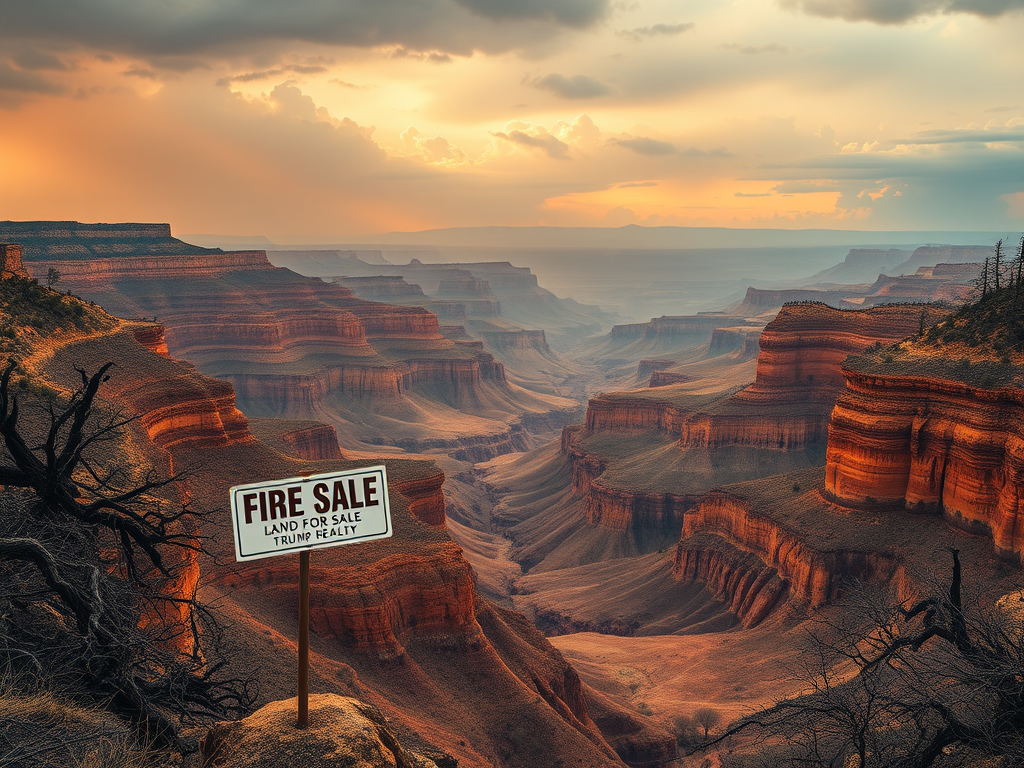
There is a quiet discussion about the concern. People are worried about the destruction of the structures at the Grand Canyon’s North Rim area. Especially if you mention whether Trump will arrange the sale of the property to an investor. Some prospective property companies are considering this, and they have shown interest in the area since it burned last week. The Sale Is –– Not Likely!

It’s doubtful that the U.S. government (i.e., the National Park Service, which manages Grand Canyon National Park) will sell off the burned North Rim properties to private investors. BUT there are always an exception!

“Selling the Canyon: What If the North Rim Was for Sale?”

Private investors will rebuild the lost structures by purchasing the property and assuming control of the North Rim. This would take the burden off the Federal Government. Additionally, it would bring a commercial attraction to the area, increasing yearly traffic compared to the current level. 

Photo by Gizem Gu00f6kce on Pexels.com

We have seen with the Trump Administration that the members of his office do not adhere to general practices. These practices are important to ethical principles. They are not below ignoring court orders, laws, and regulations to do what they please. The Administration can obtain anything it asks for with the current House, Senate, and Supreme Court. If Trump asks for a clear title for the Grand Canyon Properties, he would get one. He wipes it from the National Historical Places Monuments list. He removes select pieces of property from the protections of the National Park System.

Don’t think he would, or should? Try stopping renaming a Military Base after a Civil War figure from the Confederacy. Try stopping a military parade on his birthday. Try stopping him from cutting medical insurance coverage for millions of Americans. Inform him that everyone is entitled to civil liberties and must be permitted due process through a legal hearing.

Then, say selling off property in a National Park will never happen. Many do not believe the House and Senate will support Trump’s actions. They will not give him the papers he needs. This includes doing what he wants with the smoldering remains of the North Rim. It also affects any National Park.

🇺🇸 Enter the Trump Administration

Federal law strictly prohibits the sale of national park lands. Nonetheless, recent administrations—especially under Donald Trump—have shown a willingness to test those boundaries. Presidential influence has set a precedent for reshaping public lands policy. Protections in Bears Ears and Grand Staircase-Escalante have been reduced. Formerly protected lands have been opened to oil and gas leases. The Trustee of the National Land and Parks Service will face a force from the Trump Administration. Survival is uncertain if Trump and Company aim to dismantle it.

Photo by Petr Wolf on Pexels.com

Sources close to high-level real estate firms claim interest has spiked since the North Rim Lodge was destroyed. The timing has raised questions among environmentalists. They wonder if the destruction of federal structures paves the way. An administration unconcerned with precedent or preservation will try a land transfer.

🏛️ Legal Hurdles (and How They Might Be Circumvented)

Legally, the sale of Grand Canyon National Park land is almost impossible under existing statutes. Some fear the standard rules no longer apply. This fear arises from a cooperative Congress. Additionally, an activist Supreme Court and a President with a record of executive overreach contribute to this concern.

There are those close to the Canyon who are saying – “It’s unlikely, but not unimaginable. In 2020, no one thought sacred tribal lands would be opened to mining. Yet it happened. If political winds shift hard enough, even the Grand Canyon is not be safe from the bulldozer.”

Speaking for the Nay side.

Why a sale isn’t feasible:

There are several points to consider. These points explain why the sale of land owned by the Park Service would not transfer to private ownership. This is due to certain reasons and should be considered. Anyone wishing to ought to consider them further.

  1. The North Rim Is Part of a National Park
  2. The North Rim once included the Lodge, cabins, ranger headquarters, and other structures. It is now part of a federally protected unit of the National Park System. That land is held in trust for the public and can’t be sold or transferred to private ownership.
  3. The area is of Historic and Cultural Significance (does it matter?)
  4. The Grand Canyon Lodge was designated a National Historic Landmark in 1982. It was also listed on the National Register of Historic Places (1). Federal law prevents the disposal of such historic properties without a formal and rare delisting process—something that’s practically unheard of.
  5. Park Policy and Public Trust Doctrine now objects to sale or misuse of property.
  6. The NPS mission requires preserving federal land for future generations. Selling land—even after a disaster—is contrary to this mission and the principles of public trust.
  7. Federal Law on Disposal (would have to be changed.)
  8. Federal agencies must prove the land is excess under laws like the Property Act. The Federal Lands & Policy Management Act also requires this. They must prepare environmental assessments. Agencies must also undergo public notice and comment before any disposal occurs. That’s a lengthy, bureaucratic process—and it rarely results in the sale of park lands.

What’s likely to happen instead:

  • Reconstruction & Restoration
  • Park officials and the State of Arizona are more focused on fire investigation. Governor Katie Hobbs is pushing for accountability. There is emphasis on environmental remediation and rebuilding. The North Rim will be closed for the rest of the 2025 season (2).
  • Congressional/Agency Funding
  • Efforts now will center on securing federal and state funding to rebuild the Lodge, cabins, ranger facilities, and other infrastructure.
  • Fire Response Review
  • Investigations are underway into the decision to let the Dragon Bravo Fire burn before it exploded. Arizona’s government has demanded a thorough, independent review (3).
Photo by Kurt Hudspeth on Pexels.com

In short:

The burned structures are integral parts of Grand Canyon National Park—they’re not eligible for sale. Instead, the focus will be on recovery, restoration, and rebuilding what was lost, all within the park’s management framework.

Nevertheless, I reserve this statement. We have observed this with the Trump Administration. The members of his office do not adhere to general practices that are germane to ethical principles. They are not below ignoring court orders, laws, and regulations to do what they please. The current House and Senate, along with the Supreme Court, support the Administration. This means the Administration can obtain anything it asks for. If Trump asks for a clear title for the Grand Canyon Properties, he would get one.

Editor’s Note:

I’ve always had something like a sixth sense—premonitions, you can call them. Strangely, the ones I write about never seem to come true. It’s the ones I keep to myself that have a way of becoming reality. – Peace!

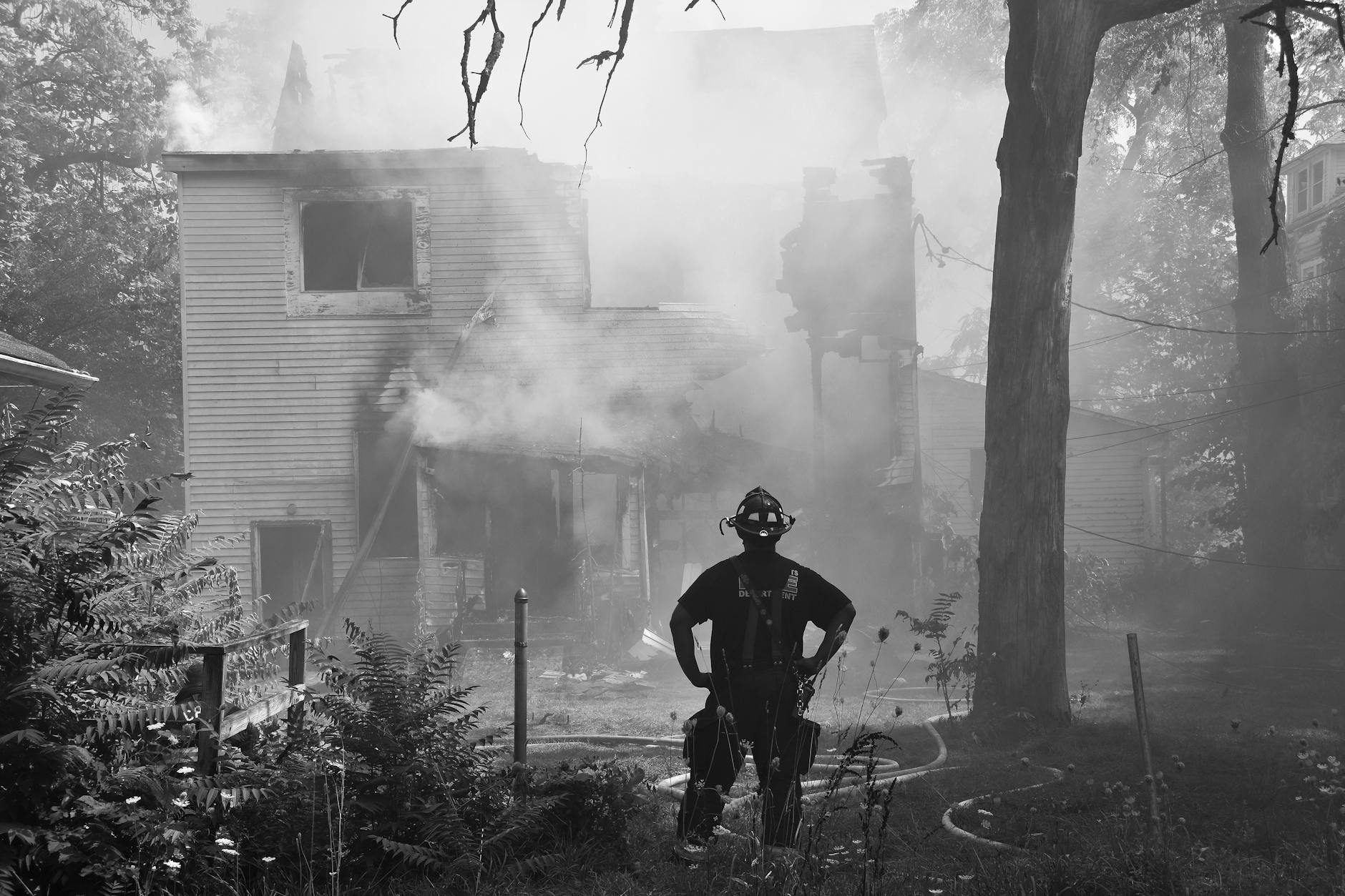
On July 17th, a report came out from an Arizona Television News Outlet. The report identified the location as GRAND CANYON NATIONAL PARK, AZ (AZFamily). Arizona’s Family learned a crucial member of the crew was not called in promptly to help. The Dragon Bravo Fire blew up and burned dozens of buildings over the weekend.

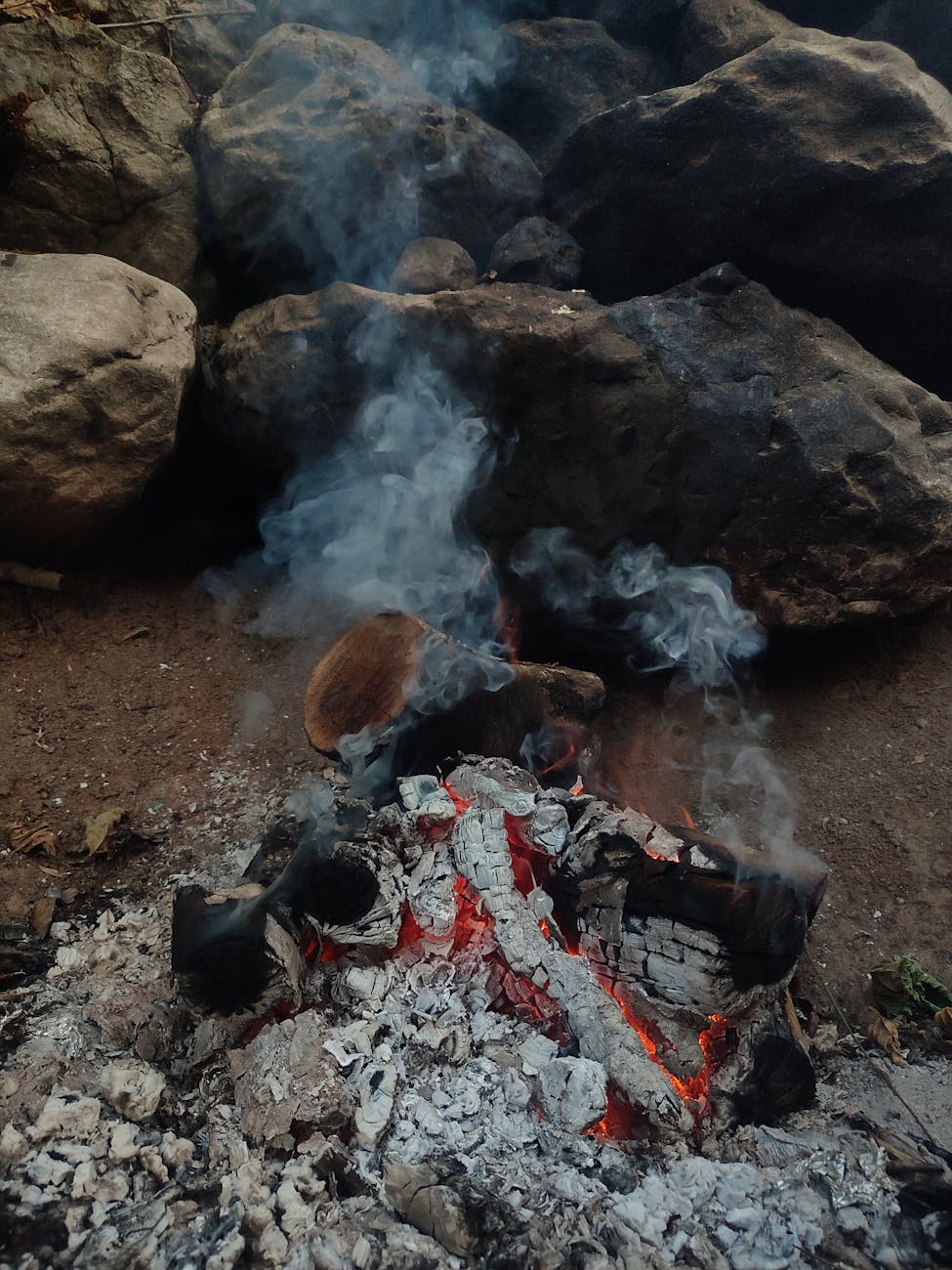
As of Thursday, there is still no containment of the wildfire at the Grand Canyon’s North Rim. Six hundred firefighters are working to put out the flames. The wildfire has grown to more than 11,000 acres.

Meteorologists are key to fire management. The Dragon Bravo Fire didn’t have one on scene until Monday. This was several days after the damage was done.

It adds to concerns about how the fire was handled after being sparked by lightning on the Fourth of July. In this case, aside from the actual flames, the weather played a significant role in the destruction.

Strong winds blew up from within the canyon and fanned the flames. Crews on the ground didn’t have an incident meteorologist with them over the weekend. This expert have been capable of warn them ahead of time.

For days, the National Park Service took a “confine and contain” approach. They allowed flames to consume the underbrush. At the same time, they protected the structures within the national park. Nonetheless, that changed on July 11. Firefighters reported that “strong northwest wind gusts were uncommon to the area. These winds jumped multiple containment features.” 

Ultimately, the result was more than 70 structures destroyed by flames, including the historic lodge.

The entire report can be found by visiting here.

Leaving A Writing That Opens A Window To Their Souls

By Benjamin GroffMedia© | benandsteve.com | 2025 Truth Endures©

2–3 minutes

In Their Own Hand: How Handwriting Revealed the Soul of My Ancestors

I’ve been tracing my family tree for years, patiently tracking each lead and clue like breadcrumbs through time. Some discoveries came through census records, others through photographs or whispered family legends. But nothing has stirred my spirit more deeply than the sight of my great-grandparents’ handwriting—elegant, looping, unmistakably human.

The moment I first held a document written in their own hand, I felt something shift. Their penmanship, carefully practiced and beautifully formed, didn’t just tell me who they were—it revealed how they lived. It was a window to their character, their care, and their time.

The Lost Art of Penmanship

In the 19th and early 20th centuries, good handwriting was a matter of pride, discipline, and social standing. Penmanship was taught rigorously in schools. Techniques like the Spencerian script dominated in the mid-1800s. This was followed by the Palmer Method in the early 1900s. These systems weren’t just about communication—they emphasized grace, control, and personality in each letter’s curve and flow. A person’s handwriting was part of their reputation.

To write beautifully was to show respect: for the reader, for the message, and for oneself. That’s something we’ve largely lost in today’s age of keyboards and quick texts.

A Personal Connection

As I sorted through old family papers—birth certificates, letters, recipe cards—I found myself lingering over the handwriting. There was something intimate about it, something tender. These weren’t just names on a tree or dates on a ledger. These were real people, and here they were, writing. Their fingers once held that pen, their thoughts shaped these lines.

My great-grandmother’s cursive was especially elegant, delicate yet confident. Her capital “L” swept like a violin bow, and her lowercase “r” curled just so. She had taken her time. Her writing carried weight. And somehow, through the shape of her letters, I felt like I knew her.

Handwriting as Legacy

Before voice recordings or home videos, handwriting was how our ancestors captured themselves. They wrote love letters, grocery lists, prayers, and goodbyes. They signed their names to marriage licenses and land deeds, wills and war drafts—leaving behind a fingerprint of the soul.

Today, when we stumble across those scraps, they don’t just offer genealogical evidence. They give us a bridge—a real, living connection to the people who came before us. As the world moves faster, something sacred arises. It comes from slowing down to read their words in their own hand.

Preserving the Past

If you’ve begun your own family history search, don’t overlook the handwritten notes. Scan them, preserve them, study them. Teach younger generations about their significance. They may not understand the loops and flourishes right away—but they’ll feel the legacy behind them.

Because sometimes, a single line of cursive can carry more emotion than a thousand digital files.


Have you come across your ancestors’ handwriting? Share your story in the comments below—or better yet, share an image of it. Let’s celebrate the quiet beauty of those who came before us, one pen stroke at a time.

The Day Music Lost Three Legends

By Benjamin GroffMedia© | benandsteve.com | 2025 Truth Endures©

1–2 minutes

The Day the Music Died: February 3, 1959

On a cold February night in 1959, the heartbeat of American rock and roll fell silent in an Iowa cornfield.

Photo by ArtHouse Studio on Pexels.com

Buddy Holly was just 22 years old. He had chartered a small Beechcraft Bonanza plane. His goal was to avoid the grueling winter tour bus ride. This bus ride plagued the “Winter Dance Party” tour across the Midwest. Along with him were Ritchie Valens, just 17, and J.P. “The Big Bopper” Richardson, 28. All three had become major figures in the rapidly evolving American music scene.

The tour itself was chaos. It was poorly routed and underfunded. Bitter temperatures pushed both buses and artists to the limit. Holly was tired. She was freezing and sick. She made a decision: skip the bus and fly ahead to the next stop in Moorhead, Minnesota.

The plane took off around 12:55 a.m. from Clear Lake, Iowa. Minutes later, it crashed into a frozen cornfield, killing everyone onboard. The pilot, Roger Peterson, was just 21.

The news shocked the country. Three of rock and roll’s brightest stars were gone in an instant. Don McLean would later memorialize the event in his 1971 hit, “American Pie,” calling it “the day the music died.”

But in the silence that followed, the music didn’t die. It grew louder. The tragedy marked a turning point—the moment rock and roll lost its innocence and began to grow up. It was the high cost of youthful rebellion, forever frozen in that snow-covered field.

One member of Holley’s band was supposed to ride on the plane. He gave his seat to Ritchie Valens. Instead, he rode on the band’s bus to the next location. That member was Waylon Jennings. He would deal with that decision for many years before making peace with himself. Jennings would become a legend in his own right. He became a country music singer, having hit after hit. He was known as an outlaw in the industry.

In The City Of Echoes Finding Where You Are Going Can Be Elusive

By Benjamin GroffMedia© | benandsteve.com | 2025 Truth Endures©

2–3 minutes

The City of Echoes

They told him Newvale was easy to navigate—just a grid of neatly intersecting streets, all named with letters and numbers. A1 to Z26, crosscut by 1st to 99th. Clean. Logical. Unmistakable.

That’s what made it so disorienting when Jonah realized he was lost.

He turned down H12 Street, or maybe it was H21. The signage shimmered under a weak afternoon sun. Every block held the same slate-gray buildings with mirrored windows. Every corner had a coffee shop called “BeanSync,” identical inside and out. The same barista. The same music looping—something jazzy and off-tempo that made his nerves vibrate.

He pulled out his phone to get his bearings. No signal.

No GPS. No bars. Just a cheerful little message:
“Welcome to Newvale! You are here.”
The map spun in place, mocking him.

He asked a woman passing by, dressed in a green trench coat.

“Excuse me, which way to Central Station?”

She stopped, smiled with blank politeness, and said,

“Just follow H Street until you reach 12.”

“I’ve already passed twelve blocks.”

She nodded, like that made perfect sense, then walked off.

He turned the corner again—there was “BeanSync,” again. The same man spilled his coffee at the same outside table. The same dog barked twice, then ran to the same hydrant.

Jonah checked the street sign: H12.

He spun around.

So was the last corner.

He began to walk faster, then jog. He changed directions at random—A Street to W Street to Q16. All the same buildings. Same people, repeating like shadows in a broken projector.

Finally, panting, he stopped inside yet another BeanSync.

“Do you serve anything besides Americano?”

He asked the barista.

She smiled.

“Just follow H Street until you reach 12.”

His heart sank.

Behind the counter, a door creaked open. A man stepped out—rumpled, eyes twitching, holding a half-empty cup.

“You’re new?”

the man said.

“Lost?”

“Yes! How do I get out of here?”

The man leaned close.

“You don’t.”

Jonah backed away.

“What do you mean?”

“The city loops. It doesn’t end. It just resets.”

“That’s not possible.”

“Neither is ten identicalbaristas named Kira.”

Jonah turned to look. The barista waved cheerfully.

Back outside, he ran. He tried screaming. No one noticed. Or rather, they all noticed in the same way—heads turned in perfect rhythm, brows raised identically, disinterest coordinated like choreography.

It was dark by the time Jonah found a bench.

Across the street, a woman in a green trench coat asked a passerby,

“Excuse me, which way to Central Station?”

Jonah watched the man smile politely and answer,

“Just follow H Street until you reach 12.”

The woman nodded and walked off.

The bench creaked beside him.

A man sat down. Rumpled. Cup half-full.

“You’re new?”

he asked.

Jonah nodded slowly.

The man sighed, sipping.

“It’s not a city. It’s a maze. It just wears the mask of civilization.”

Jonah looked up. Above the buildings, a flickering billboard blinked to life:

“Welcome to Newvale! You are here.”

Still. Always. Unchanging.

And somewhere, jazz played again.

Looping. Forever.

Professor Incredible: The Accidental Peacemaker

By Benjamin GroffMedia© | benandsteve.com | 2025 Truth Endures©

2–3 minutes

Professor Incredible and the Formula of All Things

Nobody paid much attention to Professor Incredible.

He was a quiet, peculiar man with wild hair and socks that rarely matched. He taught chemistry at the Third-Rate University of Northern Something. His lectures were confusing. His labs were explosive. His office smelled faintly of lemon cake and regret.

One Tuesday afternoon, Professor Incredible was mixing compounds to cure hiccups in parakeets (don’t ask). He tripped over his cat and accidentally spilled three unlabeled vials into a teacup. When he came to after the small puff of smoke cleared, he sipped the tea. Of course, he did. He then scribbled down what he felt was a rather pleasant aftertaste.

That night, he slept peacefully for the first time in years. His arthritis vanished. So did his neighbor’s yappy dog’s aggression. So did the neighborhood’s potholes. So did his runny nose. Something was… different.

The next day, two bickering students visited his office arguing over which was better—crunchy or creamy peanut butter. Absentmindedly, the professor handed them a flask of the leftover formula and said,

“Here. Split this and shake hands.”

They did.

Instantly, they blinked, smiled, and calmly agreed that both were wonderful in different ways. Then they shared a sandwich.

The formula, it turned out, only worked if applied by two people in conflict—who disagreed with equal passion. It didn’t pick a side. It didn’t declare a winner. Instead, it softened anger, lifted empathy, and melted stubbornness into understanding. It didn’t erase problems; it made people care enough to solve them together.

Soon, world leaders were sipping the formula while discussing borders. Rival fans hugged at sporting events. Siblings divided closets in peace. Traffic moved smoother. Even social media got a little less… cruel.

Professor Incredible was offered a Nobel Prize, but declined.

“The formula was an accident,”

he said.

“What matters is what people do with it.”

And so, the world changed—not because the formula was magic, but because people finally heard one another. Understood each other. Worked side by side.

All it took was a little chemistry—and two people willing to try.

The Sunday When Everyone Raised Hell

3–5 minutes

“The Sunday When Everyone Raised Hell”
July 13th,1982

They say the weather talks—but on Sunday, July 13th, it screamed. It moaned, cracked, hissed, and growled. And the whole town of Split Rock hollered right back, like a pack of sinners on Judgment Day.

That Sunday began not in peace, but in conflict. Beer drinkers stumbled out of back porches. Whiskey drinkers followed, squinting into a sky. The sky couldn’t decide between fire or frost. Bible thumpers buttoned up their Sunday best only to find it soaked in sweat—or stiff with ice.

Normally, these folks would be separated by buildings, beliefs, and a healthy dose of silence. But not this time. The Earth tilted at just the wrong angle that morning. It mixed them all together—like oil and water in a cracked jar. Something had to give.


It started at sunrise.

Reverend Dellman, god-fearing and mild-mannered, stepped out with his usual coffee and a copy of The Daily Hymnal. He took one look at his back garden and nearly dropped both coffee and songbook.

“Merciful Lord!”

cried, pointing at the silver glint of frost on his tomatoes.

“It’s July! I rebuke thee!”

By mid-morning, the farmers were in full-blown panic mode. It was cold—then suddenly sweltering. Then cold again. Pete Hargis’ chickens laid hard-boiled eggs, and the pigs were either sunburnt or shivering. Mabel over at the diner attempted to fry bacon on the sidewalk. By 10:03, it had flash-frozen solid. The sizzle was replaced by the crack of ice.

Inside the café, the thermostat spun like a roulette wheel. People gave up trying to adjust. Some came out in denim shorts and fur coats. Others in long johns with flip-flops. A few just wrapped themselves in quilts and wandered the streets like dusty prophets.

At noon, the town square transformed into a chaos carnival. The mayor—Bert Franks, known for his enthusiasm and poor timing—grabbed a megaphone and tried to declare order.

“Citizens! Let us embrace the unexpected! I hereby declare this—”

THWACK!

He was cut off by a slushball to the forehead. Then a flying hot dog bun. And then, mysteriously, a snow shovel.

The townspeople laughed, shouted, moaned, and argued. It wasn’t long before someone pulled out a banjo and another hauled out a cooler. The chaos, like the temperature, escalated fast.


At 2:07 p.m., the sky went black—but not from clouds.

Steam fog rolled in so thick it swallowed up everything past arm’s length. Lightning cracked in one corner. A rainbow arched over the feed store. The wind howled in two directions at once. Cows began to moo in protest—one poor soul spontaneously delivered a churned pat of butter. Children screamed. Not in fear, but in delight. Adults followed suit, except their screams were more… existential.

Dogs barked furiously at the sky. One climbed halfway up a tree before realizing dogs weren’t built for altitude.


Then came Miss Lydia.

Quiet librarian. Never cursed. Never shouted. Never late with a book return. That day she marched down Main Street like a thundercloud in sneakers. Her outfit included a pair of galoshes. She wore a tank top that read “Don’t Test Me.” A neon scarf completed the look. These elements only added to the sense that judgment had arrived.

“THIS IS NONSENSE!” she bellowed. “I WANT A HOT-DAMN GOD DAMN-IT!”

The town gasped.

She wasn’t talking about temperature.

She wanted schnapps. On a Sunday.

Bart, who ran The Dusty Jug Saloon, saw an opportunity. He rolled a brand-new bottle of Hot Damn Schnapps down the sidewalk toward her like it was the holy grail. She caught it, popped the cap, took a long pull—and offered it to the goat tied outside the courthouse. The goat accepted.

By then, no one knew if the town had gone to hell or was simply passing through it.


At sunset, the weather made its final move—brutal heat. A wall of humidity as thick as gravy. People peeled off layers and sweated out their differences on the courthouse lawn. A Bluetooth speaker started playing “Ring of Fire.”

No one stopped it.

A spontaneous conga line formed. The sheriff—usually stiff as a shovel handle—joined in, hat and all. No one judged. Everyone was too dizzy from heatstroke or schnapps.


That night, a sudden cool breeze swept in. The stars blinked into view. The town sat still for the first time all day.

On porches. On sidewalks. Some just lay on the grass, sipping iced tea and fanning themselves with church bulletins.

“It was the damnedest Sunday we ever had,” someone whispered.

And nobody disagreed.


From that Sunday on, every July 13th in Split Rock became Raise Hell for the Weather Day. No matter the forecast, folks gathered to scream at the sky, pass a bottle, and laugh at the madness.

Because when nature throws a tantrum, the people of Split Rock know exactly what to do:

Yell right backYell right back!

One Nation, Re-United, With Liberty And Justice For All…

By Benjamin GroffMedia© | benandsteve.com | 2025 Truth Endures©


It started with a single violin.

On a breezy Saturday morning in Kansas City, a young girl named Ava stood on the steps of Union Station. She was playing a melody her grandfather once taught her. It was soft, trembling, then bold. People stopped. A man on his bike pulled over. A mother hushed her toddler. A retired Marine tapped his foot.

Without a word, a banjo player joined in. Then a trumpet. Someone brought a drum. Across the plaza, a gospel choir leaving rehearsal couldn’t help but add their voices. Tourists lifted their phones, but eventually set them down, choosing instead to simply listen.

The news spread. Within days, public squares from Birmingham to Boise lit up with spontaneous concerts. There were folk and funk, jazz and country, hip-hop, mariachi, and bluegrass performances. No auditions. No politics. Just people showing up and playing.

The sound swept across the country. Arguments quieted. Strangers talked again. Community cookouts popped up. Elders shared stories. Kids danced. People stopped comparing flags and started waving them together.

A Simple Note

It wasn’t shouted or broadcast. It didn’t flash across screens or scroll across headlines.
It was just a single, simple note—played quietly on a porch in a small town.

No one knew where it came from at first. A child said it sounded like home. An old man wiped his eyes. A woman humming nearby forgot why she’d been angry. People paused. They listened.

The note turned into a song—one people didn’t realize they remembered.
Neighbors began to gather. Strangers smiled. Across the country, others started to hear it too.
Not through wires or speakers—but in hearts that had been waiting for something to believe in again.

It wasn’t about sides, slogans, or speeches.
It was about belonging.

One simple note…
And a nation began to find its way back to itself.

They called it the Harmony Movement—but there was no name when it began. Just one song, from one girl, on one morning, reminding a fractured nation what it still shared:

A rhythm.
A voice.
A chance to listen.
And something worth singing for.

From the Pages of History: July 11, 1955 — “Nightfall Over Wichita”

By Benjamin GroffMedia© | benandsteve.com | 2025 Truth Endures©

1–2 minutes

Wichita, Kansas – July 11, 1955

The heat had been unrelenting for days. By the evening of July 11th, something darker than the weather was brewing in the Kansas sky. Just after 6:30 p.m., local news reports began buzzing with concern. A fast-moving system was developing west of the city. Radar, still new technology for military meteorologists, was showing rotation in those days it wasn’t shared like it is now.

At 7:04 p.m., a Category F4 tornado touched down near the town of Udall, Kansas. It was the same town that had been devastated just two months earlier in the deadliest tornado in state history. This one skirted the more populated areas. Still, damage was widespread. Barns were flattened, power lines twisted, and wheat fields scraped bare. Miraculously, only minor injuries were reported. Many locals said they were prepared this time, keeping radios on and basements cleared after the trauma of May 25.

The Wichita Eagle published a late edition the next morning. The headline read

“Twister Brushes Wichita – City Spared, Farms Not So Lucky.” 

File Photo

A black-and-white photo captured a twisted silo lying like a crushed can under a red-orange sunrise.

Looking back, July 11, 1955, was a reminder that in the American Midwest, nature rarely knocks. It kicks in the door, and you learn to be ready.

A July Truth: Heat Has a Way of Stripping Us Down to the Basics

By Benjamin GroffMedia© | benandsteve.com | 2025 Truth Endures©

1–2 minutes

Today, the sun feels closer than usual. The heat presses in like a truth we’ve been avoiding—no politics, no noise, just sweat and breath and reality. July does that. It slows everything down, strips away distractions, and leaves us standing face-to-face with ourselves.

Across the country, people are pausing. People stop to wipe their brow. They take a drink of water or just breathe. There’s a strange unity in the stillness that heat brings. We complain, but the heat has a way of making us kinder, more patient. It reminds us we’re all in this together.

Today is a good day to check on a neighbor. Forgive something petty. Laugh with a stranger. Be the breeze someone needs.

Because on days like this, what matters most isn’t the temperature—it’s the connection.

The Wisdom of Old Trees: A Tale of Drought and Survival

By Benjamin GroffMedia© | benandsteve.com | 2025 Truth Endures©

2–3 minutes

“Whispers from the Cottonwood”

Old Man Teller always said, “You don’t need a weather app when the trees are talkin’.” Most folks in town rolled their eyes. They dismissed the words as just another tale from a man with more years behind him than teeth. But Maggie believed him—always had.

Each morning, before the sun stretched across the Oklahoma horizon, Maggie walked down to the creek behind her farmhouse. The tall cottonwood trees stood like ancient guardians. She’d place her hand on the bark and close her eyes. She’d listen. She listened not just with her ears, but with her skin, her breath, her bones.

One autumn, the cottonwoods began shedding their leaves earlier than usual. Not the vibrant yellow fall kind, but pale and crisp, like they’d been drained of color. The crickets were fewer, and the frogs that usually croaked a lullaby at dusk had gone strangely silent. A stillness settled in the evenings—not peaceful, but hollow, like a breath being held too long.

Teller nodded solemnly when Maggie brought it up. “Means drought’s comin’. The earth’s tightening its belt.”

Sure enough, by December the ponds were cracked at the edges and even the cattle seemed quieter. Yet it wasn’t just the drought. Coyotes started howling at midday. Raccoons were foraging in broad daylight. Wild plum bushes flowered in January—six weeks early.

Nature, it seemed, was shouting.

In spring, the winds changed direction. Not from the south like usual, but from the east—harsh, dry, and persistent. That’s when Teller warned the town council: “There’s fire in that wind. Better get ready.” They didn’t listen. But when the wildfires crept dangerously close in May, only Maggie’s house stood untouched. She’d cleared brush months ago, just as the cottonwoods had told her to.

The next year, people started listening more. They noticed the ants building their hills higher before rain. The deer migrating sooner. Even the sky’s color at dusk began to carry meaning again.

Nature doesn’t send memos or push notifications. But it tells you everything—if you’re willing to sit still, pay attention, and speak its language.

And as Old Man Teller liked to remind them, with a wink, “The land was here long before you. Trust it to know what’s comin’.”

Guthrie’s Arlington Hotel: Hospitality in the Wild West

By Benjamin GroffMedia© | benandsteve.com | 2025 Truth Endures©

4–6 minutes

The Arlington Hotel: First Lady of Guthrie

The Arlington Hotel – Guthrie, Oklahoma Territory, 1889. One of the first hotels in the land-run boomtown of Guthrie, Oklahoma Territory. Owned and operated by the fearless Madame Jeffries Star, the Arlington offered hot meals, open doors, and a warm bed to settlers, drifters, and dignitaries alike, serving as both a rest stop and a symbol of frontier resilience.
This rare 1889 photograph captures the Arlington Hotel.
It was one of the first hotels established in Guthrie.
This occurred just days after the historic Land Run opened the
Unassigned Lands of Indian Territory.

In the spring of 1889, the red dirt of Oklahoma Territory was still freshly turned. The streets of Guthrie were more dust than road. Madame Jeffries Star, a bold woman, put up a hand-painted sign above a wooden doorway. It read: “Arlington Hotel – Meals Served at All Hours.”

It was less a hotel than a grand idea built with timber and tenacity. The two-story structure is captured in a faded photograph from that year. It stood proudly among a sea of tents. Hastily constructed shacks surrounded it. Its clapboard siding gleamed in the midday sun, and smoke curled from the kitchen chimney like a ribbon of welcome.

Guthrie had exploded into existence almost overnight with the Land Run of April 22, 1889. Nearly 10,000 settlers poured in by wagon, horseback, and foot, each staking their claim to this new frontier. But when night fell, those same pioneers found themselves with nowhere to go.

Enter Madame Star.

Suggested to be a woman of mystery. Some said she had once owned a boarding house in Kansas City. Others heard she had performed on stage in New Orleans. No one knew for sure. What people knew, though, was that she was shrewd and tireless. She was capable of running a kitchen, a business, and a town council meeting if needed. They had all read about her.

Guthrie Oklahoma 1989

The Arlington Hotel was the first of its kind in Guthrie. It offered rooms upstairs and meals downstairs. There was always a pot of coffee brewing. Cowboys shared breakfast with lawyers. Surveyors clinked glasses with newspaper journalists. Sometimes, soldiers bunked beside farmers who were too exhausted to argue over who got the corner bed.

Madame Star insisted that the Arlington be open 24 hours a day. “Because,” she would say, “history doesn’t keep office hours, and neither should hospitality.”

Meals were hot but straightforward: bacon and biscuits, black-eyed peas, and strong coffee so thick it would float a horseshoe. In the parlor, people came not just to rest, but to talk, to strike deals, to dream out loud. The hotel quickly became Guthrie’s beating heart—a place where the dust of the land met the polish of civilization.

Legend has it that the first territorial judge was hastily appointed just days after the Land Run. He spent his first night in Oklahoma sleeping in Arlington’s parlor. He used a law book for a pillow.

By the end of 1889, the town had a newspaper, a post office, and a telegraph line. Yet, it had always had the Arlington. At the center of it all was the name Madame Star. The image of a lady with her sleeves were rolled and her apron tied. Shouting instructions to her cook. While she poured hot coffee for a stranger fresh off the train.

She reportedly ran the hotel for nearly a decade. Then she vanished from public life as mysteriously as she had arrived. Some say she married a wealthy cattleman and relocated to the South. Others believe she returned to the stage, this time in Denver. But no one knows for sure. No one really knew what she looked like. Some thought they had seen her moving about the kitchen. Others said they saw her walking up the stairs. But she was too busy to stop and chat.

The photo taken that first year is what remains. It is a time capsule of promise. It shows a wooden hotel standing tall against a treeless prairie. And beneath the sign that reads “Arlington Hotel,” one can make out the name painted in bold:

“Prop. Madame Jeffries Star.”

The story was told up and down the rail lines. Its purpose was to pull more people into Oklahoma from the surrounding area. But, research indicates it seems Madame Jeffries Star isn’t a real historical figure. Instead, it is a name featured in an old promotional caption or photograph related to the Arlington Hotel. One photo description I found reads:

“Photograph of the Arlington Hotel, the first hotel in Guthrie, Oklahoma Territory. Prop. Madame Jeffries Star, meals served at all hours.”(1)

The name Madame Jeffries Star appears in promotional materials or signage tied to the Arlington Hotel. Yet, there’s no supporting historical record, biography, or documentation confirming she was a real person. It’s that Madame Star was a marketing persona—much like later figures including Ronald McDonald or Jake from State Farm.

The Arlington is often referred to as the first hotel in Guthrie, Oklahoma. But to avoid historical disputes, we prefer to say it was “one of the first.” There’s no verified evidence placing a real Madame Star anywhere in the country during that time period.

So who did own the hotel? The earliest known location was at 1st and Vilas, later moving around 1896 to North 2nd. Records suggest that the owner was James Douglas—the only documented proprietor I found.

Interestingly, I also came across references to over fifty other hotels operating in Guthrie between 1889 and 1910. They all did brisk business. This continued until the state capital was moved to Oklahoma City. Many in Guthrie have long considered this decision nothing short of a political robbery.

The Last Chair: A Story of Loss and Recovery

By Benjamin GroffMedia© | benandsteve.com | 2025 Truth Endures©

1–2 minutes

“The Last Chair at the Table”

There used to be four chairs at the table.
Every Sunday, without fail, they were filled.

Anna always brought the rolls.
George never remembered the salad.
And Michael, the youngest, made them laugh so hard someone usually spilled something.
Then there was Claire. The one who set the table. Who kept the tradition.

But life doesn’t ask for permission when it starts rearranging things.

Anna moved three states away for a job that offered better pay and less time.
George passed unexpectedly—just one late afternoon in September, gone with no goodbyes.
Michael, grief-stricken and incapable of facing the silence, stopped coming.

And Claire… she kept setting the table. All four chairs. Every Sunday.

It felt foolish at first—preparing a meal for no one. But over time, the quiet stopped being so loud. She began to remember George’s voice not as an echo of absence, but as a smile in her thoughts. She started writing letters to Anna and cooking Michael’s favorite dish, just in case he came.

And one Sunday, he did.

He didn’t say much—just sat in his chair like it had never been empty.
They ate. They laughed. No one mentioned the salad.

Recovery isn’t about replacing what’s lost.
It’s about honoring it enough to keep living.

Even if all you do is keep setting the table.