Why Walter Higby Makes You Smile

GROFF MEDIA 2024© TRUTH ENDURES IMDBPRO

Presented by benandsteve.com By: Benjamin Groff II©

1–2 minutes

There once was a man named Walter Higby. He traveled from town to town. He wore a tweed coat and a bowler hat. He also carried a cane he didn’t need. Walter was a whimsical figure. He had a peculiar habit. He greeted everyone the same way. This added a touch of whimsy to their lives.

“You do,”

he would say with a sly smile.

Usually caught off guard, the person would blink in confusion.

“What?”

“You remind me of a man,”

Walter would continue.

“Who do?”

The person would ask, leaning in, curious now.

“You do,”

Walter would insist, tapping his cane on the ground for emphasis.

The other person would reply,

“I do?”

Which Walter would say,

“No, you do.”

And the reply would be,

“What?”

Which Walter would, in return, say,

“Remind me of a man.”

By this point, the conversation had become a swirling, nonsensical loop, leaving the other person chuckling or scratching their head. Walter never explained why he did it, nor did he ever stay long enough for anyone to figure him out.

One day, a young boy named Tommy stops Walter before he can walk away. “Mister, why do you say that to people?”

Walter looked down at Tommy and grinned. “Because it makes them think, and it makes them smile. That’s enough, don’t you think?”

Tommy thought for a moment, then nodded. “Yeah, I guess so.”

Walter tipped his hat, tapped his cane, and continued down the road. He was ready to meet the next unsuspecting stranger with his playful riddle. The man spoke in circles and kept wandering, leaving a trail of puzzled and amused people in his wake.

Time-Travel Adventures in a Cozy Home

GROFF MEDIA 2024© TRUTH ENDURES IMDBPRO

Presented by benandsteve.com By: Benjamin Groff II©

3–4 minutes

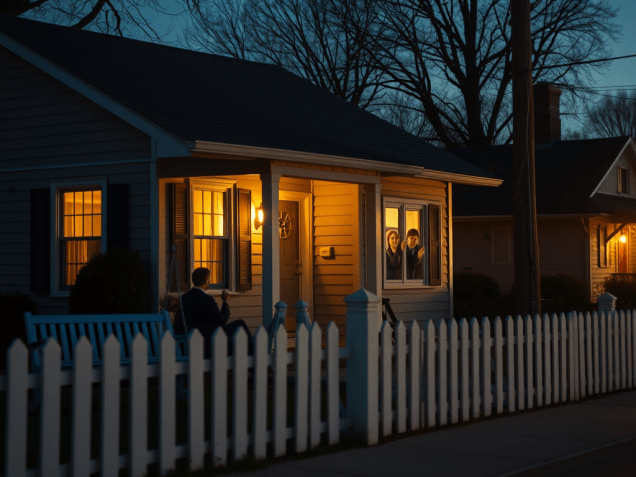
Jane and Mark lived in a cozy little house on a quiet street in nowhere. The house had a white picket fence. A porch swing creaked with every breeze was also part of the house. Life was simple and predictable—until the night the sky split open.

It happened just after dinner. A brilliant ray of golden light shot down from the heavens. It struck the roof of their home with a silent flash. Jane screamed, dropping her fork, while Mark rushed to the window, heart pounding, their minds filled with fear and confusion.

“What was that?” Jane whispered, staring at the glowing beam. It pulsed briefly, then faded away, leaving no trace but a faint shimmer.

They inspected the house, finding no damage, burns, or explanation. But they soon discovered the truth in the strangest way possible.

The next day, Mark walked out to grab the newspaper, and when he stepped back inside, Jane gasped. Jane saw a man in medieval armor standing in the doorway. His eyes were wide with confusion. It wasn’t her husband in his sweatpants and T-shirt.

“Mark?” she stammered.

“Jane! What –– what happened?” Mark looked down at the polished steel covering his chest and arms. “I was outside, and when I came back ––– this happened!”

Jane grabbed his hand and pulled him in. “We need to call someone.”

But before they could dial, their neighbor, Mrs. Clarkson, walked in uninvited, as she often did. When she crossed the threshold, her modern blouse and skirt changed into a flapper dress. Her gray hair was pinned into 1920s finger waves. “My word!” she exclaimed, waving a cigarette holder she didn’t own.

Mark and Jane exchanged terrified glances. Their house was cursed or enchanted or something far beyond their understanding.

Over the next few days, they experimented with the strange phenomenon. Stepping outside and re-entering would send them hurtling through time. Sometimes, they found themselves in ancient Rome. Other times, they landed in the Wild West. Occasionally, they encountered an unsettlingly dystopian future. Even Otis, their golden retriever, came trotting back inside with a Victorian-era bonnet tied to his head.

Jane kept a notebook. “Day three: Entered as myself, exited as a 1970s disco queen. Mark walked in as a cowboy. Not great.”

Eventually, they learned some rules. The effect only lasted while they were inside. Stepping back outside would revert them to their usual selves. But the moment anyone crossed the threshold again, the house chose another era at random.

It wasn’t long before the military took notice. When government agents approached their door, Jane panicked and tried to warn them. “Please, don’t come in!”

Too late. Five suited men instantly transformed into Renaissance courtiers with feathered hats and ruffled collars. “What sorcery is this?” one muttered, spinning in circles.

Mark sighed. “You’re gonna want to take this one up with NASA.”

Despite the chaos, they refused to leave. Strange as it was, the house was still their home. They learned to adapt. They stored era-appropriate clothing in a chest by the door. They prepared themselves for anything from caveman furs to futuristic bodysuits. This showed their resilience and courage in the face of the unknown.

In time, they found unexpected joys in their predicament. They hosted Gatsby-style parties, had tea with Victorian neighbors, and experienced life in eras they never imagined. Their sense of wonder and adventure grew with each new experience.

The little house with the picket fence became legendary. It served as a portal through time. In this house, history was just a step away. Mark and Jane embraced the adventure. After all, who wouldn’t want to live in a place where every day was a different century?

Harold Fenton: The Salesman Who Won Hearts

GROFF MEDIA 2024© TRUTH ENDURES IMDBPRO

Presented by benandsteve.com By: Benjamin Groff II©

3–4 minutes

Harold Fenton was not the world’s most excellent salesman. If there were an award for persistence without progress, Harold would have won it year after year. His thick glasses always slid down his nose. He carried a briefcase that had seen better days. An ever-lasting mustard stain marked his tie. He wandered the same neighborhoods week after week. He sold an assortment of household knickknacks that nobody needed, but they bought them anyway.

“Good afternoon, Mrs. Jenkins!” 

Harold greeted cheerfully as he stepped onto the well-trodden path to her front door. 

“I have a brand-new shipment of vegetable peelers today! They’re sharper, sleeker, and—”

Mrs. Jenkins, a kindly woman in her sixties, smiled warmly. 

“Why, Harold, I still have the five you sold me last month. But you know, one can never have too many peelers. Come on in.”

Harold beamed and entered, opening his battered case to show an array of matching peelers. Mrs. Jenkins sighed as she handed him a few bills. She tucked the latest addition into her kitchen drawer. The drawer now resembled a peeler museum.

Down the street, Mr. Thompson, a retired mechanic, nodded at Harold as he approached. 

“Harold, my boy, back again? What do you have today?”

–––

“A fantastic deal on rubber jar openers!”

Harold declared with gusto. 

“These bad boys can grip the tightest lids with ease.”

Mr. Thompson scratched his head. 

“Well, I reckon I have about twenty of those in my drawer already, but why not?” 

He chuckled, handing Harold a crumpled bill. 

“You’re a persistent fella, I’ll give you that.”

Each household in the neighborhood had its own Harold collection. The Henderson’s had a mountain of Harold’s lint rollers stacked neatly in their laundry room. The Patel family had so many of his never-fail can openers that their entire garage shelf was dedicated to them. And the Cranstons? They jokingly called their basement “Harold’s Home Shopping Network.” It was filled with enough potato mashers to start a catering business.

But no one ever turned Harold away.

“He’s got such heart,”

Mrs. Jenkins often said over tea with the neighbors. 

“Bless him. He tries so hard.”

One day, Harold arrived with a new product—a miracle mop he couldn’t figure out how to show. 

“This mop… uh… well, you see, it swivels… I think. Or it wrings itself. Hold on, I had a pamphlet here somewhere…” 

He fumbled with his case, papers spilling onto the sidewalk.

Mrs. Jenkins and Mr. Thompson exchanged a glance and quickly stepped in. 

“We’ll take a few!” 

They chimed in unison.

Harold left the neighborhood beaming, waving to everyone as he wheeled his suitcase down the block. He whistled a tune with the satisfaction of a man who believed in his mission.

And so the cycle continued. Week after week, Harold brought the same products with the same pitches. The residents kept buying. They did this not out of necessity but of fondness for the bumbling salesman. He brought a little charm and harmless chaos to their otherwise predictable days.

One day, as Harold left Mrs. Jenkins’ house, she whispered to Mr. Thompson, 

“I sure hope he never realizes we’ve got enough peelers to last a lifetime.”

“He won’t,”

Mr. Thompson grinned. 

“And even if he did, I’d still buy another one next week.”

With that, Harold walked down the road. He was ready to bring his boundless enthusiasm. He also carried a suitcase full of peelers to the next unsuspecting yet ever-welcoming home.

Everyone needs to meet a Harold in life.

The Opinionated Gentleman: “I used to like him before I heard what he had to say.”

GROFF MEDIA 2024© TRUTH ENDURES IMDBPRO

Presented by benandsteve.com By: Benjamin Groff II©

2–3 minutes

Richard Pearce considered himself a fair man, a gentleman of discernment. His friendships were plentiful, his network expansive, and his reputation as a conversationalist well-earned.

He had a knack for summing people up with a single statement, a phrase he used so often it had become a trademark:

“I used to like him before I heard what he had to say.”

It wasn’t meant to be cruel—at least, Richard didn’t think so. It was his way of assessing character, of sorting wheat from chaff. But those who knew him best saw it differently.

One sunny afternoon, Richard found himself at a small café in the park. A friend of a friend, Henry Townsend, joined him unexpectedly. Henry, a boisterous man with a ready laugh, was a newcomer to their social circle.

“I hear you’re a man of strong opinions, Richard,”

Henry said as he stirred his coffee.

Richard tilted his head, amused.

“I suppose you can say that. I have a good read on people.”

“Well, let’s see then. What do you think of me?”

Richard smiled politely, his eyes narrowing.

“You’re affable, sharp-witted… but prone to over-explanation.”

Henry laughed heartily.

“Fair enough! And what do you think about James Potter?”

Richard leaned back, swirling his tea.

“Ah, James. I used to like him before I heard what he had to say.”

Henry’s smile faltered.

“What did he say?”

“Oh, something about how he sees charity as a personal failing in those who accept it. Can you imagine? A man with such shallow views.”

Henry’s brows furrowed.

“Did you ask him why he thought that? Maybe he has a deeper story.”

Richard waved the thought away.

“One’s words show their heart, Henry. Why dig further?”

~

Months passed, and Richard’s circle seemed to shrink. The people he dismissed began avoiding him, and conversations grew shorter. Henry, nevertheless, remained a steadfast presence. One day, Richard couldn’t help but ask.

“Why do you stay, Henry? Surely, I’ve said something to offend you by now.”

Henry grinned.

“Oh, plenty of times! But if I left, you would not get the chance to hear what you haven’t heard yet.”

Richard frowned.

“What do you mean?”

“You write people off after hearing one thing. But people aren’t books you can skim, Richard. They’re libraries. If you only read one page, you miss the whole story.”


That evening, as Richard walked home alone, Henry’s words lingered. The café, once bustling with friendly faces, seemed quieter now. For the first time, Richard wondered if he’d been too quick with his judgment, too harsh with his words. He couldn’t help but think, —-

And he couldn’t help but think, ––––

And he couldn’t help but think, that he had been too quick to judge, too eager to dismiss. He couldn’t help but think ––––

I used to like myself before I heard what I had to say.

And, before I realized the impact of my words and the depth of my own biases.

There Once Was A Clown Named Ho Ho!

A True Story By Benjamin Groff© Groff Media 2024© Groff Media 2024© Truth Endures

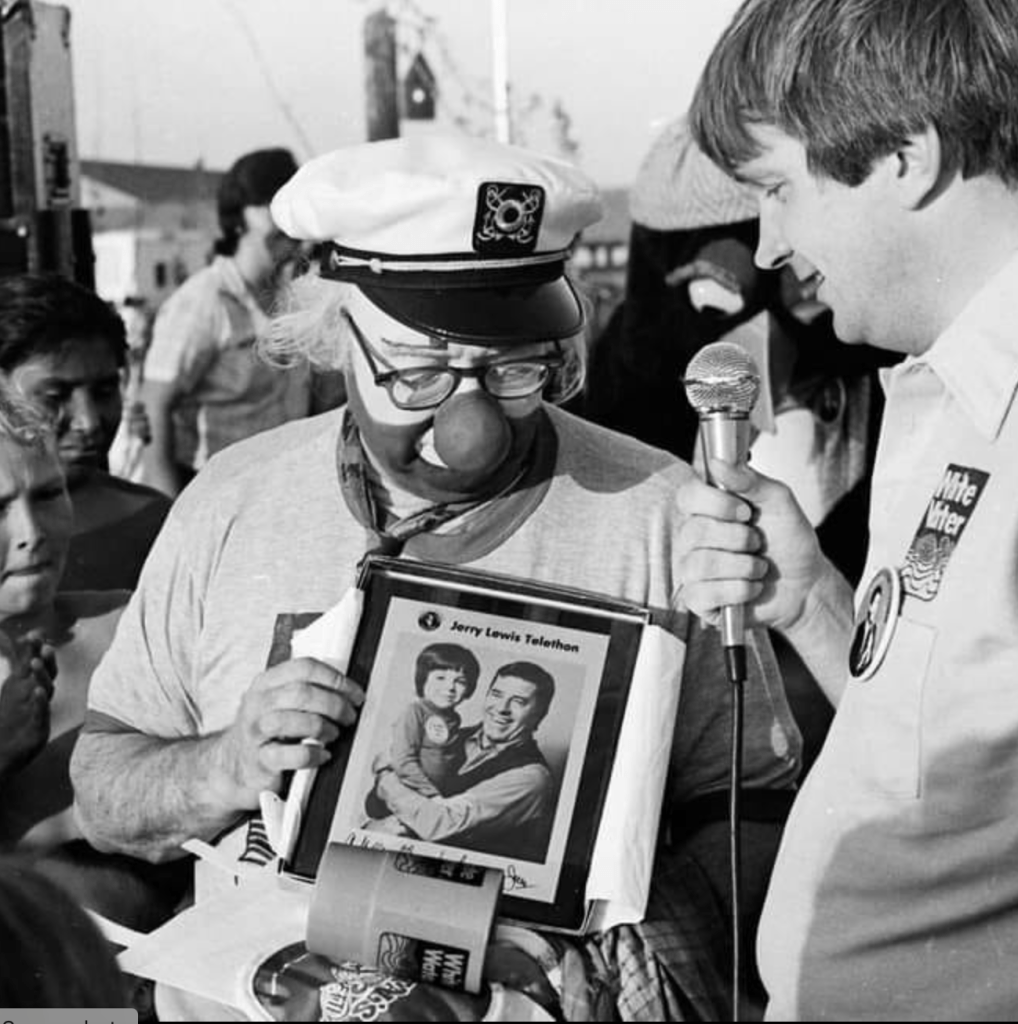
Ho-Ho the Clown, known to Oklahoma City children from the 1960s to the 1980s, was more than a TV character. Born Edward Birchall on July 16, 1923, in Colchester, Connecticut, he carried a heart of gold beneath his red nose and clown makeup. After serving in the Army Air Forces during WWII, Ed pursued his love of entertainment, eventually becoming the beloved Ho-Ho on KOCO-TV.

Behind the character, Ed Birchall was a regular dad raising six kids in Bethany, Oklahoma, with his wife, Beebe. Regina, one of his daughters, recalls him coming home with clown makeup smeared after a long day, trying to balance the unusual demands of being a full-time clown and father. His work often kept him away from family, but they later realized the personal sacrifices he made and how many lives he touched, instilling a deep sense of gratitude and respect.

For 29 years, Ho-Ho brought joy to children with shows like Lunch with Ho-Ho and Ho-Ho’s Showplace. His bright personality and whimsical sidekick, Pokey the Puppet, lit up local TV screens, helping him become a household name. Yet his role as an entertainer extended beyond the studio—Ed frequently visited children’s hospital wards, delighting patients with his warmth and humor. It wasn’t just his clowning that touched people; his kindness, dedication, and how he made every child feel seen.

When Ed passed in 1988, his funeral was a testament to his impact. It took three services to accommodate the thousands of well-wishers, including an honor guard of clowns. Ed Birchall’s legacy, carried on by his children and remembered by the community, continues to bring smiles to those who grew up with Ho-Ho’s charm, fostering a sense of belonging and shared memory among us all.

The Puppeteer Bill Howard Passed away On January 9th, 2013. Bill Howard, who entertained children as “Pokey the Puppet” on the Ho Ho the Clown show on KOCO in Oklahoma City, has died.

Echoes of Laughter: Nights at the Red Barn Café. ~ Cordell, Oklahoma 1968

A Story By: Benjamin Groff© Groff Media 2024© Truth Endures

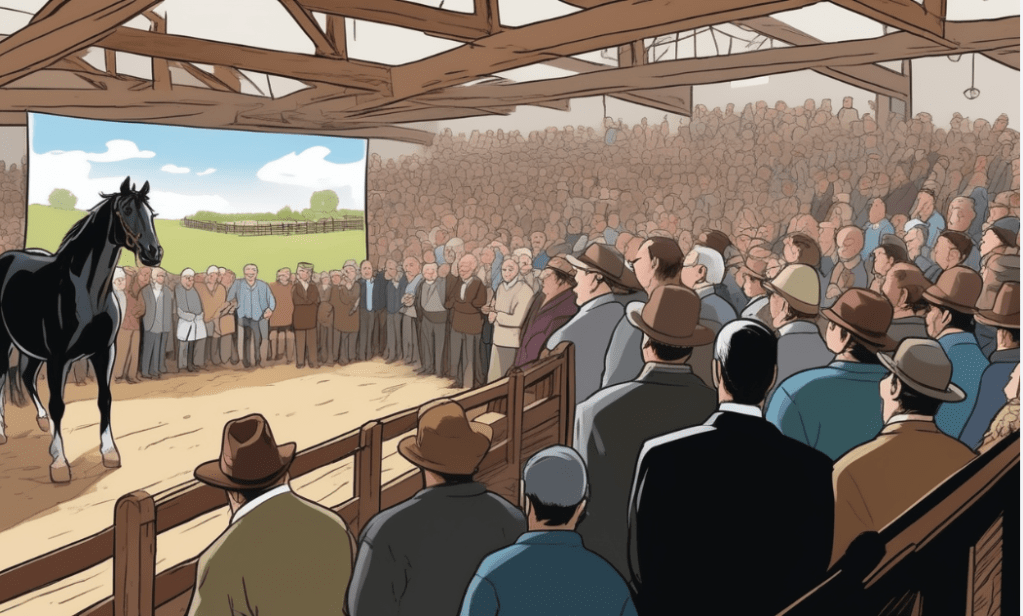
The sun dipped low over the plains, painting the sky with hues of yellow and burnt orange. As dusk embraced the town, a familiar buzz began to build around the old auction barn. Trucks and trailers, caked in red dirt, lined the gravel lot. The air was thick with the mingling scents of hay, leather, and anticipation. But as the final gavel fell and the last winning bidder of the last horse to sell walked up to the young gelding and led him away, the real excitement shifted just east of the heart of Cordell: The Red Barn Café.

Perched on the corner of Main and Elm, the café’s crimson façade glowed warmly under the neon sign that blinked “Open.” Its rustic wooden doors beckoned the weary and the jubilant alike. A symphony of clinking glasses, spirited chatter, and the occasional burst of laughter filled the room.

Photo is simulated image, it does not represent the actual design of the actual Red Barn in Cordell.

Tonight was no different.

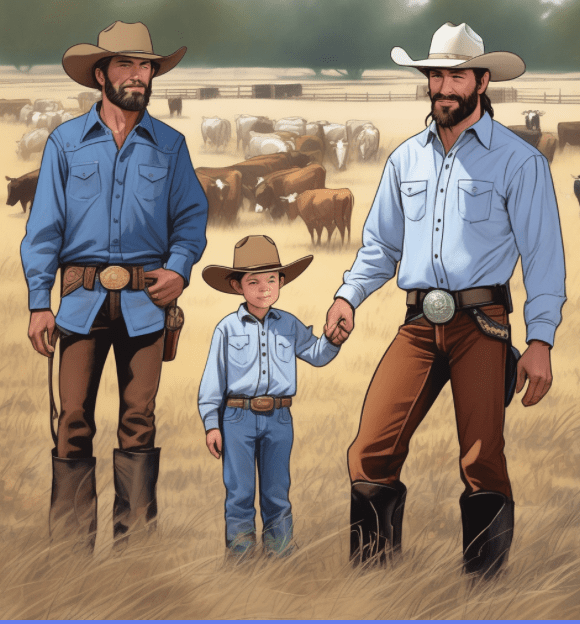
Big Jake JD Groff, a seasoned auction hand with a penchant for tall tales and horse trader, sauntered in, his boots echoing on the worn wooden floor, followed by his son, Benjamin, age 6. Jake tipped his hat to Mary Lou, the ever-smiling waitress who’d been serving slices of pie and pots of coffee since anyone could remember.

“Evenin’, Mary Lou. Got any of that pecan pie left?” Jake drawled.

“For you, Two-Bit? Always,” she winked, scribbling his order.

At the corner booth, a group of cowboys huddled close, their hats resting on the table, revealing sweat-stained brows and sunburned necks. Among them was young Delmer Scott, with a bearded-faced and eager, attending his 100th auction. His eyes sparkled as he recounted his purchase. He was known to everyone as “Scott!”

“Got me a real beauty tonight,” Scott boasted, his voice brimming with pride. “A chestnut mare, strong legs, and a spirit that’d make the wind jealous.” 

Jake, his best friend, said to him,

“‘You SOB, you bought a goddamn jackass, and you know it!”

Scott shot back, Groff,

“you lying bitch, you’re just jealous because you bought a goddamn nearly dead 30-year-old plow horse that is about to keel.”

Old Man Harris, a legend in these parts, chuckled softly, his grey mustache twitching.

“Son, every horse looks like a winner under those auction lights. Wait till you’re trying to saddle her on a cold morning.”

The table erupted in laughter, the kind that warms the soul. This type of banter draws crowds to the Red Barn after auctions every Saturday Night. The food and service are the icing on the cake.

Near the jukebox, which softly crooned Patsy Cline tunes, a group from out of state compared notes. They’d driven from Texas, lured by tales of the Cordell auctions. Amid shared stories and friendly ribbing, they marveled at the community’s camaraderie.

“It’s like we’ve known y’all our whole lives, if we may; it’s the damnest thing we ever saw!” 

One of them mused, raising a mug of steaming coffee.

As the night wore on, tales grew taller. Jake recounted the time he supposedly outbid a millionaire from Tulsa with just “a wink and a handshake,” while Mary Lou swore she saw Elvis pass through town once, stopping by for a slice of her famous pie.

But beneath the banter and jest, there was an unspoken understanding. These nights at the Red Barn Café were more than just post-auction gatherings; they were the threads that wove the community together. In a rapidly changing world, where traditions faded, and new ways emerged, this little café stood as a testament to simpler times.

By 2:00 AM, as the crowd began to thin and the neon sign’s glow dimmed, the stories had been told, deals celebrated, and friendships fortified. Clutching a worn napkin filled with advice scribbled by his newfound mentors, Scott loved the warmth that had little to do with the strong coffee, but be damned if he’d ever say anything about it around Jake!

Benjamin stepped out into the fantastic night with his dad, Jake. He glanced back at the Red Barn Café, its silhouette etched against the starlit sky. Like so many before him, he knew those smoking, cussing, and storytelling friends who gathered had memories forged within their souls that would be cherished for a lifetime.

Decades later, the tales of Saturday nights at the Red Barn Café in Cordell, Oklahoma, would become legends as the world moved on. Stories of laughter, camaraderie, and the indelible spirit of a community bound by shared passions and dreams were only folktales of a time gone by; the Red Barn had been torn down, and its memory erased for generations. The true legends of those days are left to a few who remember Saturday Nights at the Red Barn Cafe in Cordell, Oklahoma!

Winning Big, By Realizing How Not To Spend It – A Jackpot In Vegas

A Story by: Benjamin Groff© Groff Media2024© Truth Endures

Vernon and Bernice had traveled from Pumpkin Center, Oklahoma, to Las Vegas to attend a conference paid for by Bernice’s employer, the Magic Pipe Copper Company. The company was not involved in magic, pipes, or cups despite its name. Its primary function was to handle hotel bookings, changes, and cancellations. Any calls unrelated to these services got transferred to another company, Heads Turning Company, which was not affiliated with the Magic Pipe Copper Company.

Bernice’s conference was to begin tomorrow, and Vernon had saved for his part of the trip for nearly a year, knowing he would get to go about Las Vegas alone while Bernice attended the conference during the daytime. Bernice had told Vernon that she didn’t mind if he gambled but didn’t want him to go overboard and go broke. He promised her that he would tell her immediately if their finances changed. She told him that if you win something big, it better be enough for us to live forever because the company would probably fire me for it. She was kidding, but Vernon thought she was serious. He had read about a company in Russia that had all but killed an employee who won big in Las Vegas and tried to stay in the USA with their winnings. Vernon was from a small town and never caught on to the more significant influences of life.

As Bernice left for her conference, she kissed Vernon and said,

“You behave today, and we will go to the all-you-can-eat buffet tonight!”

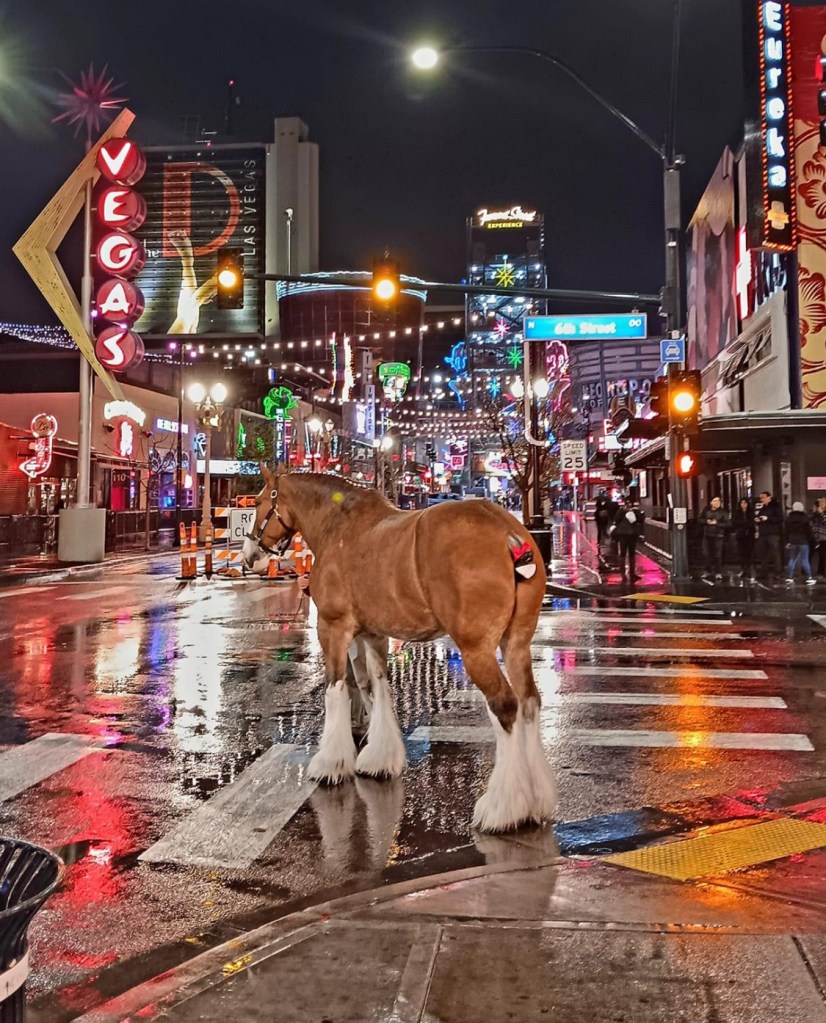
He agreed and returned her kiss. After she left, Vernon hurried around, finished dressing, and checked his cash. He was sure he kept his big bills hidden. Some were in his zipper-hidden belt; some were in his socks under his feet and inside his shoes, and some were in a pocket hidden inside his waistband. Then he had a hundred and fifty folded into a money clip. In his wallet, he kept fifty-ones. To make it look like that was all his money should a robber hold him up. He checked the news for a quick update, and the headlines reported that a horse was blocking Fremont Street near downtown Las Vegas. Suitable for Vernon, he had planned to stay inside the casino most of the morning.

As Vernon left the couple’s hotel room, he double-checked to ensure he locked the room door and had the key card to get back in. Check. Everything was in order. Vernon walked to the elevator and proceeded to the ground floor.

The doors opened onto the Gaming Floor, and one-armed bandits were ringing and rolling, lights were flashing, and loud sounds were banging. All of the attractions caught Vernon’s attention and drew him in closer.

A lady sitting behind one of the machines screamed,

“I just won $1000!” and began jumping up and down.

A man a few rows over hollered,

“I won $100!”

Vernon thought, here I am with my money clip and $150. I have to see what I can win. Vernon sat down, put $20.00 in a slot machine, hit ‘bet everything,’ and rolled suddenly. The screen lit up with “JACKPOT,” and the machine went wild. Nothing came out of the machine, but the sounds were incredible. And people began crowding in around Vernon. People were making all kinds of gestures and comments; Vernon, not knowing what he had just done, said, I don’t know what happened; did I break it? A lady in the crowd said,

“Did you break it? Ha! HE WANTS TO KNOW IF HE BROKE IT”

The crowd erupted into laughter and cheers, their excitement palpable.

The lady replied to Vernon,

HONEY, you didn’t break it. You might have broken the house but didn’t break the machine. You just won a bunch of money—from the looks of things, you just won about Fifty Million Dollars!

Vernon was left in a state of shock. How did a mere $20 bill transform into this? And how was he going to break the news to his wife? He still needed to collect the money, but should he? These thoughts raced through Vernon’s mind when a man in a suit suddenly approached him.

Are you the one who played this machine?

Vernon replied,

Yes, I put in $20 and played, and it started doing this.

The man put a key into the machine, printed a paper, and told Vernon to come. The crowd cheered him as he left. The man took Vernon to the Hotel’s office and asked him to be seated. He then told Vernon that he had just won $92 million and asked if he would like that paid out in cash, check, or wired to his bank. The man told him the law requires him to pay taxes on the winnings, which the bank had already performed. That is why he was only getting $52 million. Vernon was speechless. He said his wife was attending a conference and asked if she had to pay her share too, and the man said no, this takes care of everything. Vernon said how about the business that she works for? Will they get any of it like the guy from Russia had to? The man laughed and said no, this is the United States; for now, with our form of government, those things do not happen here. However, if we allow the wrong people into leadership, that could easily change. So be careful of who you support when you go to vote.

Vern told the man he wanted all but twenty thousand deposited in their home banking account and would take the twenty thousand in cash. Vernon liked it in a bag that wouldn’t draw attention. So the man went to the casino and obtained shopping bags for children’s toys. He returned to the office and showed it to Vernon, letting him pick which bags he wanted to put money in. Then, Vernon left carrying twenty thousand dollars out of the office in children’s toy bags. Vernon returned to the hotel room and waited for Bernice to return from her conference.

At 4:00 PM, Bernice returned from her conference. Vernon asked if she was attending the sessions the next day. She said she was. He told her he had seen all he wanted of Las Vegas and was about ready to go home. She suggested he could surely play poker or slots tomorrow, or wondered if he might have lost all his money. Vernon explained he had not lost all his money, but they would be going home with more than they came with, and that is where he wanted to leave it.

Bernice said,


Let me go to the morning session, at least. There will be a bonus for us doing that. Lord knows we can use the money.

Vernon replied

You know we have all the money we need. More than we will ever need.

Bernice suggested he must have fallen and hit his head. Or he had been drinking the tall drinks the bartender was trying to sell because they always needed more cash come payday.

Vernon explained to her that has changed.

Today, Bernice, that all changed. I won a jackpot, and they put $52 million in our checking account and looked in these toy bags. That is the cash I kept for us to go home on.

Bernice nearly fainted as she looked at the cash and suggested he must have robbed a bank. He explained to her he had won on the first spin of the one-armed bandit and showed her a photo of him accepting the winnings at the hotel lobby. She pointed out they offered an increase in comfort for the two to experience, like a suite, free meals, and bar service. They were giving you a complete complimentary setup.

Vernon dryly said –––

They did, but I told them we already had this one paid for.

Bernice, shockingly looking amazed, –––

You know they would give you a suite and a nice upgrade for free.

Vernon, in his state of innocence, pleaded –––

You are the only sweet I want, and I don’t need to upgrade.

Bernice, looking defeated, thinking out loud –––

What do we need all that money for? You will always need help understanding how to use it.

Vernon agreed with her.

The moral of this story is that the people who win jackpots are rarely the ones who truly have any business access to one.

About that dinner on The River Banks At THe Olympics…A rednecks explanation of what was going on…

Up and dated by the weekend guy B.S. Daily.

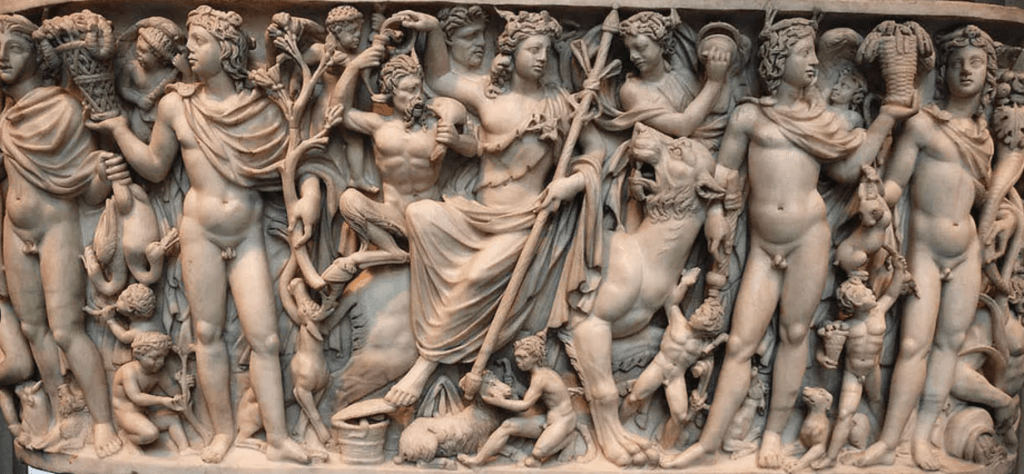
Roman sarcophagus depicting the Triumph of Dionysus and the Seasons
Jug used for cooling water into wine.

Well, let me tell you about Dionysus (y’all can just say “D”) in a way that’s as plain as a hog on ice. Dionysus (D) isn’t just some fancy-pants Greek fella; he’s the god of wine, parties, and having a good ol’ time. U know ‘getting shitfaced.’ Picture him like that one buddy who’s always ready to crack open a cold one and throw a rager out by the bonfire. Take it easy; you might think you be at your last supper, especially is shootin’ starts!

da man in stone

Now, Dionysus (D) ain’t just about drinkin’; he’s got a wild side too. He’s all ’bout lettin’ loose, dancin’ like nobody’s watchin’, and just forgettin’ all your troubles. He’s the life of the party, makin’ sure everyone’s havin’ a blast and feelin’ free as a bird. He’s got that divine touch, turnin’ water into wine and makin’ sure there’s always a good time to be had, showin’ his transformative power in every revelry, getting laid. He will have a long table so all his buds can be bellied up.

Many paintings in Renaissance art depict similar scenes of dudes and chicks gathered around a table for a feast. Many polaroids (photos) do the same in America, we call ’em bar-b-ques. ’em guys on the river bank didn’t have many ticks to get their point across, time was spiraling, especially if you’s a Badtist in Texas watchin’ da’t on TV or if you ain’t in jail – you phone.

So, if you ever wonder why folks love to gather around and get drunk, think of Dionysus (D). The French and Greek’s amit do it more than us’n’s. But if you don’t runn offt before the story is ended you’ll hear he’s the spirit of all those good times, reminding us that every now and then, it’s okay to cut loose, have a nip, fetch u a snort-full and enjoy the ride. Cheers to Dionysus (D), the god of gettin’ down and having a heck of a time. Just remember the gathering is not the last supper, no matter how many bubba’s you have. Some say it was just not clear it was a ho-down, and that was Aunt France’s greatest sin!

A-dam-d-en-dum: NEWS MAKES HEADLINES! MEDIATE NEWS WEBSITE CONFIRMED JUST THIS INFORMATION. BUT USING MORE LIVE BODIES TO CONFIRM DETAILS.

Addendum-update edited by Benjamin Groff© Groff Media2024 ©Truth Endures

Friday night’s Paris Olympics opening ceremony angered people across the world as many interpreted it as a mockery of Leonardo da Vinci’s “The Last Supper ” but the man who organized it said it was actually a nod to Greek mythology.

A portion of the ceremony featured semi-nude drag queen performers around a table, which was immediately interpreted by many — particularly on the right — as an attack on Christianity. The man who choreographed the tableau claimed it was anything but on Sunday morning.

Thomas Jolly, the ceremony’s artistic director, claimed to the French media on Sunday that he was not mocking anyone but merely putting on a “celebration of Greek mythology.”

“There is Dionysus who arrives on this table. He is there because he is the God of celebration in Greek mythology,” Jolly told BFMTV, according to an interpretation from NBC News. “The idea was to have a pagan celebration connected to the gods of Olympus. You will never find in me a desire to mock and denigrate anyone.”

The Paris Olympics X account shared the Dionysus portion of the show Friday, describing it as “interpretation of the Greek God Dionysus” which the organizers said “makes us aware of the absurdity of violence between human beings.However, the scene identified as a parody of “The Last Supper” and the appearance of the blue-painted Dionysus were 44 minutes apart in the ceremony.

While Jolly distanced himself from the controversy, TheWrap and many other outlets reported on an official statement from the Olympics which clearly stated Jolly took his inspiration in that scene directly from Da Vinci.

“For the ‘Festivities’ segment, Thomas Jolly took inspiration from Leonardo Da Vinci’s famous painting to create the setting,” the statement read. “Clearly, there was never an intention to show disrespect towards any religious group or belief.”

Two days and one American company’s boycott of the Olympics later and the controversy has yet to die down. As of Sunday, there were still calls to boycott the Olympics.

UPDATE: This story has been updated with a comment from officials with the Paris Olympics, who said Jolly was inspired by da Vinci’s “The Last Supper” mural. Read the report at Mediate here

Being Blindsided By Two Of The Craziest Drivers In Town ––– Leaves Everyone Jumping Out Of The Way.

A Story By Benjamin H Groff© Groff Media Copyright 2024©

In the quaint town of Willow Springs, the residents were known for their simple and predictable way of life. It was a place where everyone knew everyone, and the townspeople tended to accept change skeptically. That is, until the day Leonard and Frank, two elderly blind men, decided to shake things up with an adventure that would change the town forever.


Leonard and Frank, with their mischievous humor and lighthearted attitudes, had been best friends for decades, bonded by their shared experiences and a mutual love for adventure. Despite their blindness, they were known for their spirited attitudes and naughty humor. So, when they heard about the new self-driving car, they were immediately intrigued.


“Frank, can you believe it?”

Leonard exclaimed one morning over tea.

“A car that drives itself! Imagine the freedom it would give us!”


Frank, equally excited, nodded vigorously.

“Let’s do it, Leonard. Let’s buy one!”


The townsfolk of Willow Springs were accustomed to the sight of Leonard and Frank navigating the streets with their canes, always laughing and chatting animatedly. So, the entire town was curious when a shiny, futuristic self-driving car appeared in front of their modest home.


“Have you heard? Leonard and Frank got one of those new self-driving cars!”

Mrs. Thompson whispered to her neighbor.


“Those two? In a car? The two driving, I’ve got to see,”

her neighbor replied.


On a sunny Saturday morning, Leonard and Frank decided to take their new car, which they affectionately named “Freedom,” for its maiden voyage through town. As they settled into the plush seats, the car’s AI voice greeted them.


“Good morning, Leonard and Frank. Where would you like to go today?”


“To the park, please,”

Leonard said confidently.


As “Freedom” smoothly pulled away from the curb, the neighbors watched in a mix of astonishment and amusement. Some cheered, others gasped, and a few crossed themselves, praying for the safety of everyone involved. A dog barked, a child pointed, and a few people even dropped their groceries in shock.


The car moved gracefully through the streets, impeccably adhering to all traffic laws. Leonard and Frank laughed heartily, relishing the novelty of their adventure. They waved to passersby, who stared in disbelief at the sight of two blind men being chauffeured by a car without a driver.


However, things turned unexpectedly when “Freedom” encountered a detour due to road construction. The car, programmed to follow alternative routes, led Leonard and Frank on a scenic drive through the unfamiliar backstreets of Willow Springs. The residents, already on edge, began to panic.


“Where are they going? They don’t know those roads!”

Mr. Jenkins shouted, hopping on his bicycle to follow them.


As word spread, more townspeople joined the impromptu parade, trailing behind Leonard and Frank’s self-driving car. Some were on foot, others on bikes, and a few even in their cars, all trying to keep up with the unexpected journey.


Oblivious to the commotion behind them, Leonard and Frank were having the time of their lives. “Freedom” took them past the old mill, the blooming orchards, and even down the riverbank. It was a tour of Willow Springs like they had never experienced before.


Meanwhile, the crowd grew more extensive and more frantic. Children pointed and laughed, dogs barked, and a few people even attempted to flag the car down, worried about the safety of their beloved town characters. The mayor, Mr. Roberts, received dozens of calls and texts demanding he do something about the situation.


Finally, “Freedom” brought Leonard and Frank to the town square, where the weekly farmer’s market began. As the car came to a gentle stop, the two friends stepped out, greeted by a mixture of cheers, applause, and sighs of relief.


“What a ride!” Frank exclaimed, grinning from ear to ear.


Leonard nodded, equally ecstatic.

“I haven’t had this much fun in years!”


The mayor approached them, catching his breath from running to the square.

“Gentlemen, you certainly know how to cause a stir,”

he said, trying to suppress a smile.


Leonard and Frank looked at each other and burst into laughter.

“We didn’t mean to cause any trouble,”

Leonard said.

“We just wanted to explore a bit.”


“And explore you did,”

The mayor replied.

“But perhaps giving us a little warning would be appreciated next time.”


From that day on, Leonard and Frank became local legends. The story of the two blind men and their self-driving car spread far and wide, bringing a newfound sense of pride and unity to Willow Springs. Initially thrown into chaos, the community embraced the spirit of adventure and innovation, inspired by their two beloved residents.


And Leonard and Frank? They continued to explore, always ready for their next adventure, with “Freedom” leading the way and a town full of friends cheering them on.

Jamie: The New Face of Laughter in the Land of Sorrow

In a land where laughter was the currency of happiness, the funniest person on earth was Charlie, “Buckles” McGuffin –– who reigned supreme. His wit was sharper than the finest blade, and his laughter was contagious enough to cure the deepest sorrows. As everyone fondly called him, Buckles had the uncanny ability to turn the gloomiest days into festivals of joy with just a word or a gesture.


Then, one fateful day, Buckles was found lifeless in his cozy little cottage. The news spread like wildfire, and an unimaginable hush fell across the country. Once bustling with joy and merriment, the towns and cities became silent, their streets echoing with the void left by his absence. Even the skies seemed to mourn, covered with a blanket of gray clouds that mirrored the people’s collective sorrow.


The days turned weeks and weeks into years, but the silence persisted. The theaters, once filled with roaring laughter, were now empty. The cafes, where friends gathered to share jokes and stories, were now quiet. The country’s heart had stopped beating, its lifeblood of laughter drained with the passing of Buckles. No one could fill the void he left behind, and the silence was a constant reminder of the irreplaceable loss.


Years later, a child named Jamie was born in a small, forgotten village on the outskirts of the country. From the moment he could speak, it was clear that Jamie had a gift. His first word wasn’t “Mama” or “Dada,” but a hilarious mispronunciation of “banana” that had his parents in stitches. As he grew, his knack for humor became more evident. He had an innate ability to see the world in a light that others couldn’t, turning mundane situations into comedic gold.


By the time Jamie was a teenager, his reputation had spread. People would travel from far and wide to hear him speak. His humor was fresh, and his perspective was unique. He didn’t mimic Buckles; he brought something new to the table. His jokes blended innocence and cleverness, and his laughter was a beacon of hope in a land shrouded in sorrow.


Jamie’s rise to fame was meteoric. His performances began to draw crowds that were more significant than any seen since Buckles’ time. Theaters filled with fans once more, and the streets echoed with laughter. It wasn’t long before Jamie’s influence spread beyond his village, reaching the farthest corners of the country. The silence that had gripped the land for years dissipated, replaced by the joyous sound of laughter and celebration.


The people, initially hesitant, found themselves embracing this new wave of humor. Jamie’s presence was a breath of fresh air, a reminder that while no one could ever replace Buckles’, the spirit of laughter and joy could live on. The country began to heal. The wounds became soothed by the gift that Jamie brought. He wasn’t a replacement for Buckles but a new chapter in the book of laughter.


Jamie’s name became synonymous with joy in time, just as Buckles’ had been. Once plunged into darkness, the light of his humor now illuminated the nation. The silence became broken, and in its place, a new era of laughter and happiness began. Buckles’ legacy lived on, not in the form of a shadow but as a foundation upon which Jamie built his own unique brand of comedy, forever changing the land and restoring the laughter that was its lifeblood.

Gigglewood Midnight Squad: Adventures of an Unconventional Police Team

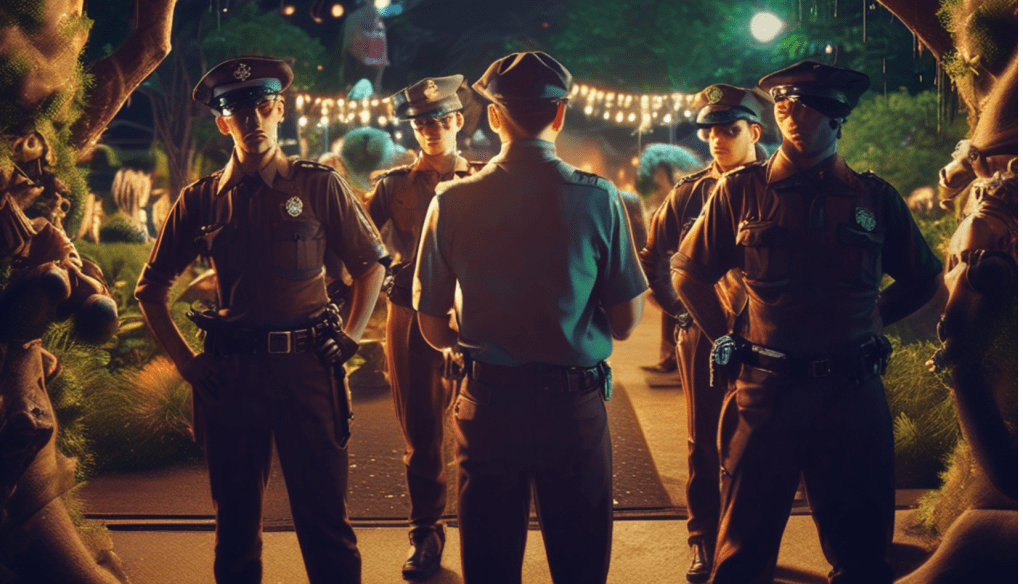
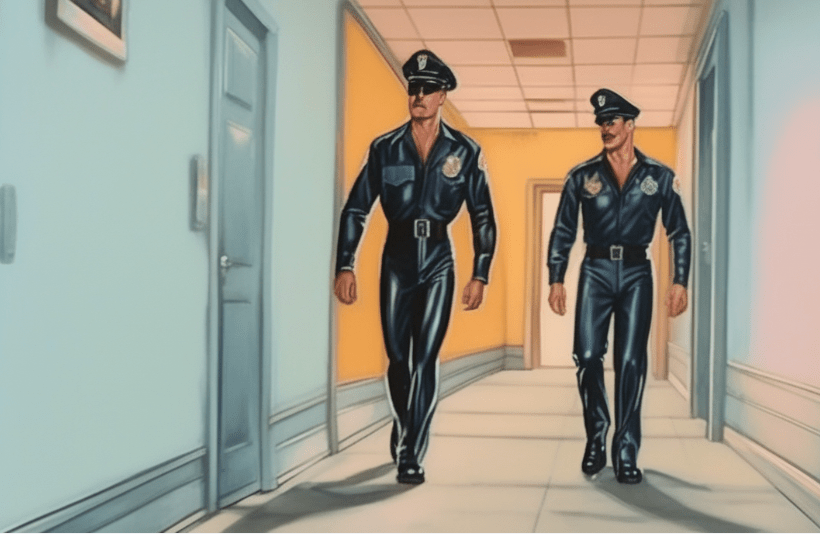
In the bustling city of Gigglewood, a place known for its vibrant nightlife and quirky inhabitants, the streets came alive at night, lit up not just by neon signs but also by the laughter and antics of its most beloved, albeit unconventional, police team: the Midnight Squad, comprised of six dazzlingly attractive officers, their presence was always a spectacle. They donned the sexiest, tight-fitting uniforms that accentuated their gym-sculpted bodies, causing heads to turn and hearts to flutter.

Officer Mia Valentine, the squad’s fearless leader, was known for her killer curves and unrelenting determination. A bisexual dynamo with a wicked sense of humor, Mia could easily switch from laying down the law to cracking up her team. Her second-in-command, Officer Alex Steel, was a trans man with the charm of a movie star and the strength of a superhero. Alex’s journey inspired the whole team, and his quick wit often saved them from the trickiest of situations. “Hey, Alex, ready to save the day again?” Mia would often tease, to which Alex would reply with a smirk, “Always, boss.”

Officers Jen and Lily were inseparable, both on and off duty. The two women, partners in every sense, had a knack for getting themselves into and out of ridiculous predicaments. Jen’s tech skills and Lily’s strategic mind made them a formidable duo, though their constant banter often left their colleagues in stitches.

Then there were Officers Mark and Kyle, whose bromance blossomed into a full-fledged romance. Their goofy camaraderie and over-the-top displays of affection often lightened the mood during tense moments. With his boyish charm and impressive physique, Mark was the team’s undercover expert, able to blend in with any crowd. Meanwhile, Kyle, a former gymnast, was their go-to for anything requiring agility and acrobatics, often using his skills to distract the bad guys during high-stakes operations.

One balmy night, the Midnight Squad faced their most absurd challenge yet. A call came in about a mysterious disturbance at the Gigglewood Zoo. “Looks like we’ve got a situation with the animals,” Mia said, raising an eyebrow. “Let’s roll, team!” The absurdity of the situation was not lost on the squad, and it only served to heighten their determination and sense of humor.

The squad arrived at the zoo to find it eerily quiet. As the officers cautiously approached the entrance, a peacock suddenly strutted by wearing a tiny police hat. “This is definitely not part of the zoo’s usual dress code,” Mia whispered, her hand on her holster. 

“I have a bad feeling about this,” 

Alex muttered, his eyes scanning the shadows.

Jen and Lily, always up for a challenge, split off to check the reptile house. They soon discovered that all the snakes had somehow gotten loose and were now tangled together in a giant, writhing ball. The sight was both terrifying and strangely mesmerizing, like a scene from a horror movie directed by a clown. 

“Why does it always have to be snakes?” 

Jen groaned. 

Lily just shook her head, pulling out a bag of marshmallows. 

“Let’s lure them back with something they can’t resist,” 

She said, handing Jen a stick. 

They proceeded to toast marshmallows and lure the snakes back into their enclosure with the sugary treats.

“You know, Jen, this is probably the weirdest thing we’ve ever done,”

Lily said, trying to stifle a laugh.

“And that’s saying something,”

Jen replied, a mischievous twinkle in her eye.

Meanwhile, Mark and Kyle headed to the primate exhibit, only to find that the monkeys had broken into the zookeeper’s bananas and energy drinks stash.

“Looks like they’re planning a wild night,”

Mark joked, as they watched the monkeys swing wildly from tree to tree, their fur standing on end from the caffeine rush.

 “Monkey rave,” 

Kyle exclaimed as they watched the primates swing wildly from tree to tree. 

“We need to tire them out,” 

Mark suggested, grabbing a nearby boom box. Moments later, the air filled with the sounds of the latest dance hits, and Mark and Kyle led the monkeys in an impromptu dance-off until the exhausted primates fell asleep in a heap.

Back at the central plaza, Mia and Alex stumbled upon the mastermind behind the chaos: a rogue parrot with a flair for mischief.

 “Polly wants a key to the city,”

 It screeched, perched atop the mayor’s statue. 

Mia rolled her eyes. 

“Not tonight, featherbrain,”

She said, brandishing a net.

The parrot led them on a merry chase through the zoo, but Alex, with his agility and speed, cornered it in the butterfly house.

“Nice try,” 

He said, gently capturing the bird. 

“But you’re coming with us.”

With the zoo back in order, the Midnight Squad regrouped.

 “Another night, another crisis averted,”

 Mia said, looking at her team with pride. 

“And another story for the ages,”

 Mark added, wrapping an arm around Kyle.

As they returned to the station, the team couldn’t help but laugh at the absurdity of it all. They were a ragtag bunch, each with their quirks and charms, but together, they were unstoppable. The Midnight Squad wasn’t just a team; they were a family, united by their love for each other and their city, ready to face whatever craziness the night would bring next. The audience is invited to share in this sense of belonging and unity, making them feel a part of the Midnight Squad’s unique world.

Fred and Matilda

Fred and Matilda had been retired for over ten years. They had passed their silver years and were entering their golden years. Both had begun to experience forgetfulness, which was not severe but inconvenient. Fred would forget his wallet when he left home to go to town, or Matilda would forget to put extra tissues in her purse. She needed them to keep her nose wiped due to spring’s seasonal allergy season.

Today, Fred and Matilda left their modest bungalow midcentury home on East Kiowa Street in Corprol, Oklahoma. They traveled thirty miles to see the couple’s son nearby. Due to Fred’s’ safe’ driving, the drive should take just over fifty minutes. He never exceeded fifty miles an hour and usually kept their ’53 Chevrolet Coup topped at 45 miles per hour. Matilda was known for always talking to Fred when he was driving. She never shut up.

Matilda would say to him –––

“Fred, ease to the left, honey; now go back to the right and watch it. Oh no—a car is coming! Now, someone is behind us. Wait, a car is approaching us; I think the guy behind us will pass us.

Fred and Matilda’s son, Bill, looked at the clock at 1:00 PM. His parents should have been at his place at 11:00 AM. He thought they stopped by their old farm and got lost in time, recalling days when they had lived in the farming area for more than forty years, and everyone knew them. Even so, the people from those days mainly had moved on just as they had. So, it was unusual to find a two-hour distraction without calling him to let him know they would be delayed.

Matilda, a constant verbal navigational bird, was a familiar presence to Fred. Her chatter, a constant companion during their drives, was a source of comfort to him. He had grown accustomed to her voice, finding solace in the sound. Fred’s driving was noticeably worse when she wasn’t there, a testament to her voice’s role in his life.

At 3:00 PM, Bill was beside himself. Where were Fred and Matilda? He called their home to make sure they had not decided to go back home and make the trip another day; the phone just rang and rang. He called Fred’s and Matilda’s cell phones, but no one answered. Bill decided it was time to notify authorities.

Bill called the Ninekakh Police Department, and Officer Nadine Smith answered. Nadine had a strong ‘Okie” accent and a sweet demeanor.

“Ninekakh Police Department, Officer Smith, Who can I help today?”

Bill was stunned by the sweetness and tone of Nadine’s voice and how comfortable she made him feel just by answering the call he had placed. Bill said –––

“Hi, my name is Bill Roth. My parents, Fred and Matilda Roth, are late getting to my home outside Singer; they were driving here from Corprol.”

Knowing Bill was concerned and having met the Roths several times, Nadine knew they were not the type to disappear carelessly. Nadine asked –––

“Bill, honey, how old are your parents? Do you know what they are driving, and do you have any identification to help find them? And what were they doing today?”

Bill was quick to answer –––

My parents are driving a blue 53 Chevrolet Coupe two-door in their mid-70s. They were moving from Corpral to Singer to visit me today. They might have stopped by the old farm to remember old times, but I don’t know. They have never really been this late. Fred always wears grey pants, a white shirt, and a baseball cap, and Matilda usually wears a dress, blue or gray, that extends below the knee, with flat shoes; they both have gray hair. They quit taking photographs twenty years ago because both said it made them look like they were aging to get new pictures taken. They won’t even stand still for someone to get them in a cell phone, selfie-type picture.”

Nadine, taking a deep breath, said –––

Wow! Thank you. That is a whole lot of information, but it isn’t. I will get out and look at the highway between the two towns for them and any side roads. Also, I’ll put this out on the radio for other departments to be on the lookout for. Meanwhile, I suggest you stay where you are if they arrive at your place or call you.

Bill was a nervous wreck. Thoughts raced through his mind of where they could be, what could have happened, and then who could have taken them or could they have been robbed. They could have been running off the road by another driver in a road rage incident. Bill remembered the time he got lost hiking with friends and how much worry it brought his parents. He thought to himself, ‘Payback is hell!’ Exhausted from thinking, Bill yells out loud –

“At least they knew where to start looking for me. I was out hiking, and they had a starting point. Hell, I don’t have a clue where these two old farts are!”

As Nadine was patrolling from the Ninekah Sheriff’s Department heading south toward Corprol, she saw a roadside melon and vegetable sales stand, the type set up to sell from the back of an old truck. She pulled over and talked to the farmer who was selling his goods and asked if he had seen anyone matching the description of Fred and Matilda. 

“Yep, I saw them! They were two feisty people. For their age, I was surprised. 

Nadine surprised that her luck had paid off, asked the farmer what he meant, and he replied –––

“Well, this young guy was here too, and he had one of those cell phones out taking pictures of him and his girlfriend; it could have been his boyfriend. I couldn’t tell by looking. Anyway, he got a picture of the two older people and told them he hoped he and his sweety could be just like them when they got to be antique. And that is when all hell broke loose. The older adults didn’t want those pictures going anywhere. The young couple took off, and the others left behind them. I never saw two older adults driving like that. They were laying rubber.

Nadine called Bill and told him what the farmer told her, and Bill, in a chilling voice, responded,

“Christ, it’s Christmas 2015 all over again. They did the same thing when someone took a photo of them in the background at a convenience store on Christmas Eve of 2015. We saw them again in February. The family of the people who took the photos still hasn’t seen their people. The last report anyone ever heard was that they were trying to outrun an old couple driving a Blue 53 Chevy Coupe.”

Officer Nadine Smith ––– Adam 851 Clear from report at 1700 hours, 15 miles south of Singer, on Highway 41, clear.  

Dispatch to Smith, Affirmative, 1700 hours, KMH 253.

Officer Smith drove to Bill’s home, where she discovered a blue 53 Chevrolet Coupe appearing to stick out of an outbuilding on the property. She went to Bill’s Door and rang the bell. When he answered, she asked if his parents had been in contact. He said they had not. 

Smith asked Bill to walk out and look at the car in the shed, which, to his surprise, was his parents’ vehicle.

How did they get past me? And where are they now?

Fred and Matilda, in their enthusiastic but forgetful state, had indeed managed to return home unnoticed. Bill and Officer Smith, both puzzled and concerned, carefully approached the shed where the car was parked. The vehicle, though covered, was the distinctive blue ’53 Chevrolet Coupe.

“Bill, stay behind me,” 

Officer Smith instructed, her hand resting on her holster just in case.

“Let’s check inside,” Bill suggested.

Together, they slowly lifted the cover off the car, revealing it entirely. The sight brought a mix of relief and confusion to Bill’s face. The vehicle looked unscathed as if a chauffeur had driven the couple from a leisurely trip.

As they peered into the car, they noticed the keys were still in the ignition, and Matilda’s purse was on the passenger seat. But there were no signs of Fred and Matilda themselves.

“Where could they have gone?

 Bill murmured, more to himself than anyone else.

Officer Smith walked around the shed, looking for any further clues. Just then, they heard a faint, familiar sound coming from the back of the house. Following the noise, they discovered Fred and Matilda sitting on a swing in the backyard, calmly chatting and sipping on lemonade.

“Dad! Mom! What on earth happened?” 

Bill exclaimed, running towards them.

Fred looked up, somewhat surprised but pleased to see his son.

“Oh, Bill, there you are! We were wondering when you’d find us.”

With a serene smile, Matilda added,

“We decided to take a little detour to the old farm, but then we thought we’d better come back home when it started getting late. We didn’t want to worry you.”

Torn between relief and frustration, Bill tried to keep his voice steady.

“Why didn’t you call me? We’ve been worried sick!”

Fred scratched his head, looking a bit sheepish.

“Well, son, we did mean to call you, but then Matilda realized she left her phone at home, and mine ran out of battery. By the time we returned, we were so tired we just sat down for a rest.”

Upon witnessing the heartfelt reunion, Officer Smith felt a wave of relief wash over her.

Mr. and Mrs. Roth, it’s good to see you’re both safe. You gave us quite a scare.”

Ever the apologetic, Matilda said,

“We’re sorry, dear. We didn’t mean to cause any trouble. We’ll be more careful next time.”

Fred nodded in agreement.

“Yes, we’ll charge the phone next time and keep it with us.”

Bill sighed deeply, his worry slowly dissipating.

“Just glad you’re both okay. Next time, please, let’s avoid any more detours.”

Fred chuckled. “Deal. How about we all go inside and have some of Matilda’s famous apple pie? It’s been a long day.”

As they walked back into the house, Bill couldn’t help but feel grateful for the small blessings—his parents were safe, and despite their forgetfulness, they still had their spirited sense of adventure. It was another reminder of how precious these moments were, even when they came with a bit of worry.

George’s Story About Going TO A Horse Sale With His Dad And Friend Maynord

George was a happy-go-lucky sort of kid. His father raised quarter horses, and together, they were buddies. They go nearly everywhere together. George and his father’s friend Maynord, an older gentleman, probably a few years older than George’s father, spoiled George, treating him especially grandly. George didn’t emphasize the letter ‘s’ in some of his words, and some words he would say might need to be clarified. His father was known as a horseman and stern man, yet respected by most people, eyebrows raised to the bible-toting folks.
Maynord had a grown daughter who had already left home, but he and his wife had never had a son. With George, Maynord had the time of his life. As did George. The two were better buddies than Maynord, and George’s father became. But George would never say that to his father. Maynord treated George to parades, cheeseburgers, and ice cream cones and even got him a dog. George named the pooch, Ryder after Maynord’s last name.

The two looked forward to Friday and Saturday nights. That is when George’s dad would take George and Maynord to auction barns in nearby cities where horses were sold. There, they would watch the many horses come through the sale ring, and the owners talk them up, saying how great of an animal the horse is, and try to sell it for top dollar. Of course, George’s father had always arrived before the auction to watch the horses lead in so he could see how they handled it and whether they were challenging to work with in getting to holding pens. He could also see if any auction workers tried to ride the horses before entering the sale ring and if the horses handled well. There were always little mishaps in the sale ring, a rider losing his grip and falling off, or a horse doing what the owner said it would not do. Or donkeys would be brought in, which always made George and Maynord laugh. They would jokingly suggest George’s father buy several to go with his quarter horses. The biggest thrill of the sales barn adventures was the cafe located within; that is where, halfway through, George and Maynord would slip away and eat cheeseburgers and drink soda pop.

The horse sales, as George and his father referred to them, caused the problem. Maynord didn’t help with the situation because he referred to the auctions as horse sales. And he had never referred to the auctioning of horses as anything else.

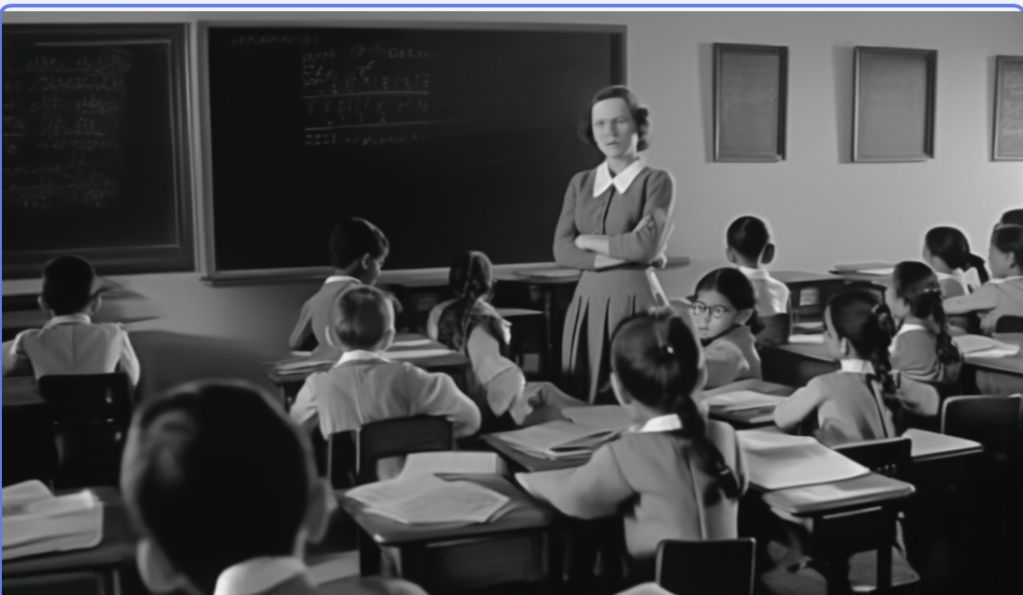
It was in the classroom one Monday morning when the third-grade teacher asked the class for each student to stand and say what the most fun activity they took part in over the weekend was. The town had just had a fair, and the teacher expected the students to explain their actions while visiting the celebration. And that is what the students did until coming to George. 

George stood and said –––

“My dad and our friend Maynord took me to the city horse sale, and my dad bought two. 

The teacher said –––

“George, you went where, and your dad what?”

George replied –––

“My dad took me to a horse sale and bought two. His friend Maynord helped with one of them. They made me watch from the pickup.” 

The teacher, turning pale, said –

“George, stop talking; that is enough! Class, that is enough of what we enjoyed this weekend. I will have George explain what he did to the principal.”

George was perplexed. Hasn’t anyone ever watched a horse being sold and loaded into a livestock trailer? Why would the principal need to hear about it? Indeed, he knows about people selling horses.

In the office, the principal was being informed by the teacher about what she had heard and how terrible it was that this father and his friend had taken an 8-year-old boy to whore house and had him watch the goings on with two women. The principal then asked George what exactly did you say to your teacher? 

Which George explained –––

“I just told her ––– My dad, Maynord, and I went to a horse sale, where my dad bought two horses. They made me get in the pickup and watch them while loading the horses so I wouldn’t get hurt or in the way. There have been days, I have even held on to some guys horse when he had too many to handle. But I didn’t get to explain it in such detail because the teacher told me to stop talking before I could tell more about what I was talking about. We go to horse sales every weekend. I don’t know what the big deal is!”

The principal and now the school’s superintendent were both in the office. Their faces were beet red, and they were trying to keep from laughing. The teacher, now understanding the situation, felt overreactive and apologizing. 

Meanwhile, George is confused and asks everyone in the room –––

“Haven’t you all ever heard of horse sales? Horse sales? Horse Sales! A Place where a man can sell his horse? My dad, Maynord and I go to them every Friday and Saturday night, you should come with us and see what it is all about. If you get bored with the horse sale, you can get a cheeseburger, as I sometimes do. I don’t understand what this is all about just because I told my story about going to the horse sale with my dad and Maynord.”

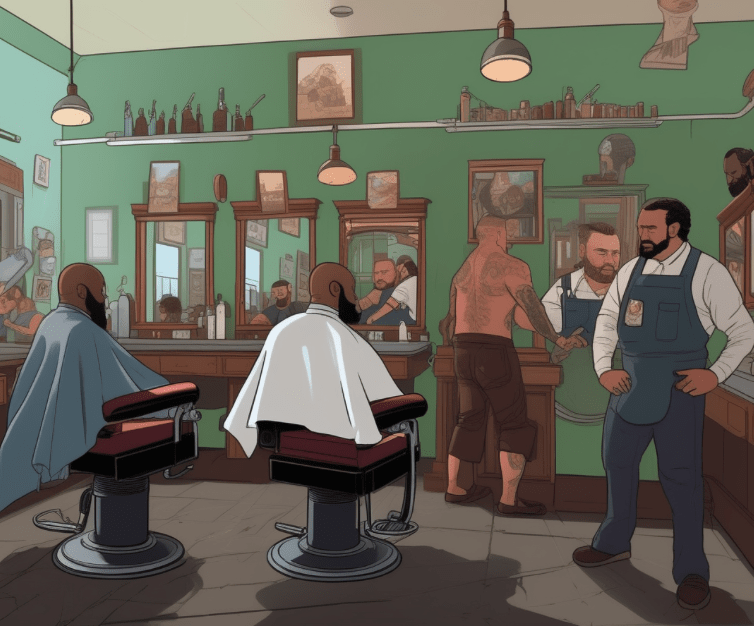
George’s dad, the town barber, was called and told of the situation. He later held court in his barber’s chair with his shop’s regulars. There, they had the bursts of laughter the school officials experienced.

Leaving the office, it was the loudest laughter George can ever remember hearing to this date. It wasn’t until he was older did he understand the rhyming of the words between horse and whores and how it could sound to others when saying to them ––– 

“You are headed to a horse sale to see what you can find.”

We All Need Heroes

flip.it/j7a9pE

Looking for hope sometimes comes from a variety of hard-to-find places. When you are a member of the LGBTQI Community, a blind superhero, a nudge has always been as good as a wink.

One-Time
Monthly
Yearly

Make A One-Time Donation To Help Maintain The Efforts You Find On This Site And The Support Sites Utilized For Information Found At benandsteve.com 

Make a monthly donation

Make a yearly donation

Choose an amount

$5.00
$15.00
$100.00
$5.00
$15.00
$100.00
$5.00
$15.00
$100.00

Or enter a custom amount

$

Your contribution is appreciated.

Your contribution is appreciated.

Your contribution is appreciated.

DonateDonate monthlyDonate yearly

For Your Entertainment And More…