“Herbie” ––– The Tiny Christmas Tree Searches For A Family

This story is pulled from the archives as a celebration for the season edition.
Groff Media 2024© Truth Endures IMDbPro

Presented by benandsteve.com By: Benjamin Groff II©

3–4 minutes

In a quiet forest stood a skinny cedar tree, so different from all the others. The tall, majestic cedars around him stretched their lush branches high. In contrast, the little tree looked scrawny. It had sparse needles and a slightly crooked trunk.

People often came to the forest to select the perfect Christmas tree, always passing him by.

The other trees whispered and rustled in the wind, teasing him.

“Look at you, Herbie,”

They said, giving him the nickname that stuck.

“No one’s ever going to want you.”

Herbie tried to stand tall, but he knew they were right. Year after year, Herbie remained as the big, beautiful trees were chosen and taken away. The forest changed around him. He stayed in his lonely spot. He dreamed of what it would feel like to be wanted.

Then, one crisp winter morning, the tree cutters came again, their saws buzzing. Herbie didn’t expect to get noticed, but this time, something different happened. As they cleared their path, one of the workers stopped, scratched his head, and said,

“Well, let’s take this little one, too. Someone might like it.”

Herbie felt the sharp blade cut through his trunk. Before he could fully understand what was happening, he was bundled with the others and taken to the city.

A sea of magnificent Christmas trees surrounded Herbie at the tree lot. Their branches glistened with dew, and they stood tall and proud. Compared to them, Herbie felt even smaller, and his crooked trunk made him look even more awkward.

Shoppers strolled by, admiring the grand trees and taking them home individually. Herbie overheard a nearby pine whisper,

“Face it, Herbie, you’re not cut out for this. No one’s going to pick you.”

The lot grew emptier daily, and Herbie’s hope dwindled. By Christmas Eve, he was the only tree left, standing under the dim glow of a street lamp. The wind whistled through his sparse branches, and Herbie prepared for the inevitable—being tossed away, unloved.

But just as Herbie’s spirits hit their lowest, a tiny voice broke through the cold night air.

“Mama, look! That one’s perfect!”

Herbie lifted his branches slightly in surprise. A little boy with messy hair and bright, eager eyes was pointing at him.

“Are you sure, Tommy?”

His mother asked, crouching beside him,

“This tree is so small. And, well, it’s not exactly full.”

––––

“Exactly!”

Tommy said with a grin.

“It’s different, just like me. We’ll make it the best Christmas tree ever!”

Herbie’s heart soared as Tommy and his mother carefully carried him home. Tommy got to work in their cozy living room, stringing popcorn and cranberries across Herbie’s branches. His mother tucked shiny ornaments into every gap, and finally, they placed a glowing star on top.

Herbie couldn’t believe it. For the first time, he felt truly beautiful. He wasn’t just a funny-looking tree anymore—a Christmas tree.

On Christmas morning, Herbie watched with joy as Tommy tore through his presents, his laughter filling the room. The warmth of the fire danced on Herbie’s branches, and he realized he had never felt so happy.

When the holiday ended, Herbie feared getting thrown out like many trees before him. But instead, Tommy’s family carried him to their backyard.

Tommy said, patting his trunk as they planted him firmly in the soil.

“You’re part of our family now, Herbie,”

Year after year, as Herbie grew taller and fuller, Tommy would decorate him anew, even in the coldest winters.

Herbie learned that it wasn’t about how perfect he looked or how he compared to the other trees. The love and care he received—and gave—made him truly special.

And so, Herbie stood proudly, knowing he would always be part of something wonderful: a family.

The Day He Lost The Ability To Speak English

By Benjamin GroffMedia© | benandsteve.com | ©2025 

3–4 minutes

Arthur P. Calloway had built a reputation for saying exactly what he thought — and what he thought was rarely kind. He had campaigned against “outsiders.” He railed at city council meetings. He spoke with a confidence born not of wisdom, but volume. English, he often boasted, was the only language this country should ever need.

Arthur opened his mouth one Tuesday morning. He heard flawless Portuguese spill into the quiet of his kitchen. He thought it must be a joke. He assumed it was a trick of the television. It was a dream he had not yet shaken. He tried again. Perfect Mandarin. Then French. Then something that sounded like Arabic, rolling and melodic and utterly foreign to his ears.

“Stop this nonsense,” he commanded himself — only it came out in rapid German, sharp and precise. His heartbeat climbed into his throat.

“Hört auf mit diesem Unsinn!”

Arthur spent the day marching through town in bewilderment, attempting to explain his crisis to clerks, police officers, and neighbors. Every word that escaped him was eloquent and unfamiliar. Some laughed. Some filmed him. A few shook their heads and muttered that he was finally “losing it.”

By afternoon, humiliated and exhausted, he wandered into the small international grocery store he had once tried to shut down. A young woman stood behind the counter. He recognized her instantly. It was Marisol Reyes. She was one of the very people he had publicly accused of “changing the town.” She watched him carefully as he stammered in perfect Spanish.

Her eyes widened. “You never spoke to us before,” she said quietly. “Now you talk like you were born somewhere else.”

“Nunca antes nos habías hablado, ahora hablas como si hubieras nacido en otro lugar.”

Arthur understood.

Arthur’s face burned, but for the first time in years, something softer stirred beneath his anger. Through a strange miracle or curse, he explained everything. He shared his confusion and his fear. He talked about his inability to produce even a single English syllable.

Marisol listened. Not because she owed him kindness, but because she chose it.

Word spread quickly. People from other communities began visiting Arthur, testing his strange gift. He spoke Tagalog with nurses, Swahili with truck drivers, Italian with the old baker whose accent now made perfect sense. Each conversation chipped quietly at the fortress he had built around himself.

Weeks later, as suddenly as it had come, the spell broke. Arthur awoke to find English restored, sitting comfortably on his tongue like an old coat.

But something within him no longer fit.

He returned to Marisol’s store, this time with a hesitant smile and a humility unfamiliar even to himself.

I don’t deserve it,” he said, at last understanding the weight and privilege of those simple words. “But I want to learn. Not just the words. The people.”

Marisol nodded once. Then she gestured to a small bulletin board near the door. It displayed community language classes, cultural nights, and shared meals.

Arthur signed up for every one of them.

The town never quite knew what had caused his transformation. Some called it divine intervention. Others laughed it off as a nervous breakdown. Arthur never explained. He listened more. He spoke less. He walked daily past a world he once hated. Now he heard it. He truly heard it. He listened in every language he had once refused to respect.

And for the first time in his life, he found peace not in being understood… but in understanding.


By Benjamin GroffMedia© | benandsteve.com | ©2025 

The Idiocy Of Name Calling – Woof Whistles And Such!

1–2 minutes

The Great Name-Calling Open

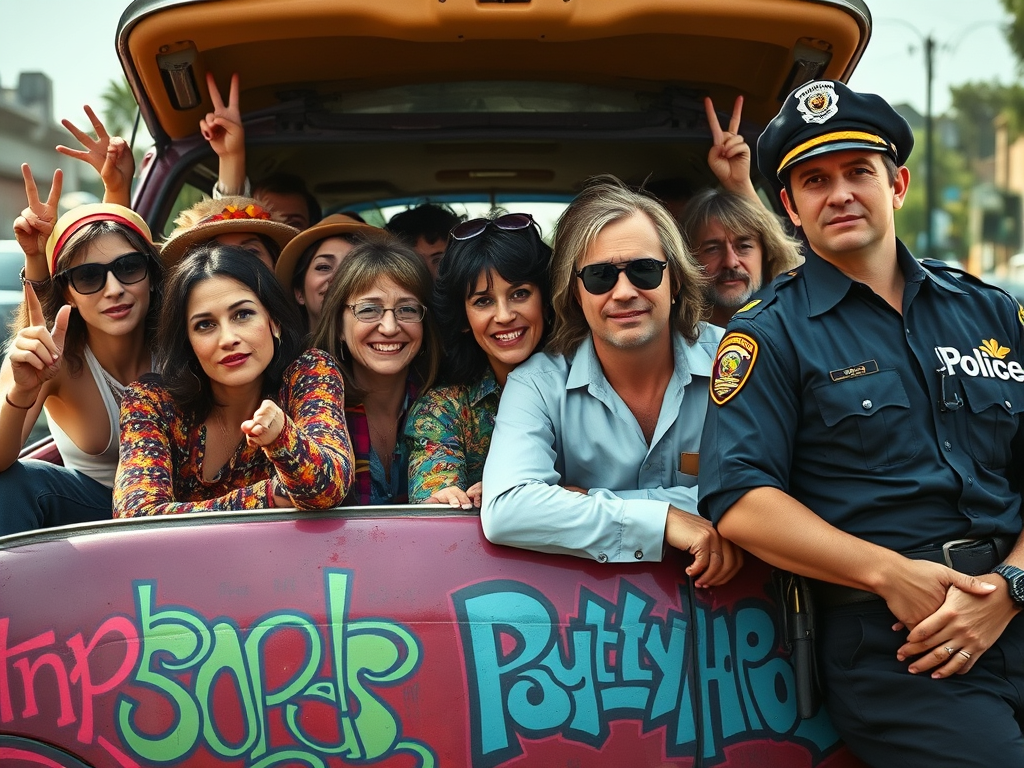
The morning was sunny on the golf course. A group of doctors noticed a team of nurses playing a round a few holes over. One of the doctors cupped his hands and hollered across the fairway:

“Hey! When you walked by the gate, the watchdog said WOOF! WOOF!”

The nurses froze, glaring back. One of them raised her club like a microphone and shouted,

“Oh yeah? When you all walked by the pond, the ducks went QUACK! QUACK!”

The golf course grew quiet. A couple of retirees nearby peeked out of their carts to see what the commotion was. The trash talk had officially begun.

Just then, a police officer—off duty but still in uniform for reasons only he knew—wandered up and added his grievance.

“That’s nothing! I went into a restaurant today and a bunch of teenagers started going OINK! OINK! OINK! at me!”

The doctors and nurses nodded sympathetically, but before long they were all laughing. It seemed no profession was safe from ridicule.

“Well,” said one of the nurses, grinning. “If we’re going to keep score, I went to a rock concert last week. The singer stopped mid-song, pointed straight at the crowd, and called us every name in the book. I felt like I’d paid extra for the insults.”

By now, the golfers had abandoned their shots. The officer had parked his cart. The conversation had spiraled into a full-blown “who got called what” competition. Farmers chimed in about “moo” jokes. Teachers griped about “boring” chants. A barber also complained about being called “clip-clop” at the horse races.

The sun dipped lower, balls went unhit, and nobody remembered the score of the game. One thing was certain: the Great Name-Calling Open had been played on that course. Every profession—dog, duck, pig, or otherwise—walked away laughing.


By Benjamin GroffMedia© | benandsteve.com | 2025 

The Consequences of Women Losing Voting Rights

2–3 minutes

What If Women Lost the Right to Vote Today?

Imagine waking up one day and discovering that half the population no longer has a voice in governance. It seems unimaginable. But, by exploring this dystopian scenario, we gain a clearer understanding. Women’s full participation is vital to a healthy democracy.


1. Democracy at Risk: Representation Crumbles

Eliminating women’s voting rights would erode democratic legitimacy. According to Pew Research, no nation has fully rescinded women’s suffrage after granting it. Afghanistan is a rare case. Instability there led to temporary rollbacks of voting rights for women (1).

Political representation would skew drastically without the inclusion of women. This would undermine policies related to education, healthcare, family leave, and equity. These are issues where women often drive progress (2). Removing half the electorate opens the door to unbalanced, unaccountable leadership that ignores countless lived experiences.


2. Social and Economic Inequities Would Widen

The ripple effect of eliminating women’s voting rights would be immediate and profound:

  • Policy Backslides: In response to women’s demands, early 20th-century legislation emerged. Acts like the Sheppard-Towner Act (maternity care), the Women’s Bureau, and the Cable Act were major milestones. They were built on women’s political influence (3). Lose voting rights, and such gains evaporate.
  • Stalled Progress for Women of Color: Even after the Nineteenth Amendment in 1920, women of color still faced systemic barriers. Voting was made difficult for them. These barriers persisted in many forms. This was especially true for Black, Native, Latinx, and Asian Americans. These barriers weren’t fully lifted until the Voting Rights Act of 1965 (4). Removing voting rights today would re-introduce even greater marginalization.

3. The 19th Amendment Is Not a Safety Net

The 19th Amendment constitutionally affirms women’s right to vote. Changing that would need another amendment. This presents an extraordinarily high legal and political hurdle. Legal scholars and court precedents affirm its permanence (5).

Still, we must stay vigilant. Recent developments remind us that the spirit of equality is always at risk. These include potential threats to voting access via legislation like the SAVE Act. There is also rhetoric from political figures undermining democratic foundations.  (6).


Final Thought

Losing the right to vote wouldn’t be just a policy shift—it’d be a moral and societal unraveling. Not only would women’s voices vanish from ballots, but the very foundations of inclusive democracy would start to crumble. That’s why protecting voting rights isn’t optional—it’s essential.


By Benjamin GroffMedia© | benandsteve.com | 2025 

What Will Happen If PLANS To End Social Security Happens?

3–4 minutes

If Social Security were eliminated, the effects would be wide-ranging. It would touch nearly every part of American life. This is especially true for retirees, people with disabilities, and survivors of deceased workers. Here’s how it would unfold:


Social Security now provides monthly benefits to over 70 million Americans, including retirees, disabled individuals, and surviving spouses or children. Without it, many of these households would lose their main or only source of income overnight.

  • Retirees: Many older Americans rely on Social Security for the bulk of their income—especially those without significant savings or pensions.
  • Survivors: Widows, widowers, and children who now get survivor benefits would lose critical support.
  • Disabled workers: People incapable of work due to disability would lose a major safety net.

Before Social Security, poverty among the elderly was extremely high—estimates put it at around 35–50%. The program cut that rate dramatically. Without it, poverty rates among older Americans will return to pre-1935 levels.


The financial burden of caring for elderly or disabled relatives would shift heavily to families. Those without family support be forced into underfunded state programs or charitable care.

  • Families need to delay retirement, take on extra jobs, or house multiple generations under one roof.
  • Local charities and churches would see rising demand for basic necessities like food and shelter.

Social Security benefits aren’t just “checks”—they fuel spending in local economies. Without those payments:

  • Rural and small-town economies (which often have higher percentages of retirees) see sharp declines in consumer spending.
  • Certain industries—especially healthcare, retail, and housing—would feel immediate impacts.

Because Social Security is one of the most popular federal programs, ending it would be politically explosive. It would lead to intense public backlash, large-scale protests, and significant shifts in voter behavior.

  • States try to create their own replacement programs, but poorer states struggle to fund them.
  • The wealth gap would widen sharply. Those without private retirement savings would be left with little to no safety net.

By Benjamin GroffMedia© | benandsteve.com | 2025 

August 2025 commemorates its 90th anniversary. It marks its unwavering commitment to the financial security and dignity of millions of Americans. President Franklin D. Roosevelt signed the Social Security Act into law on August 14, 1935. Since then, the program has grown into one of the most successful and trusted institutions in American history.

“For 90 years, Social Security has stood as a promise kept. It ensures that older Americans have the support they need. It also aids people with disabilities, as well as families facing loss,”

said Commissioner Frank J. Bisignano.

“As we honor this legacy, we are also building a future. This future is where service is faster, smarter, and more accessible than ever before. Through President Trump’s vision, we are protecting and preserving Social Security. We achieve this by delivering extraordinary customer service through technological improvements. Enhanced process engineering also plays a crucial role.”

In an open letter to the American people, Commissioner Bisignano emphasized the importance of Social Security. He highlighted his commitment to strengthening the agency. He also mentioned the significant improvements to customer service achieved in his first 100 days in office.

Read the Letter:  Commissioner Bisignano’s Open Letter to the American People

Today, Commissioner Bisignano also joined President Donald J. Trump at the White House. The President issued a presidential proclamation. He recommitted to always defend Social Security. He recognized the countless contributions of every American senior. They have invested their time, talent, and resources into our Nation’s future. 

Read the Proclamation: Presidential Proclamation: 90th Anniversary of the Social Security Act

Branded You Are Now – Marked!

When the law decides you no longer exist, freedom isn’t about where you live.

It’s about how far you’re willing to lose yourself to survive.

2–3 minutes

Getting Marked – Freedom at a cost

What if you belonged to a group that the government suddenly decided was a problem?

Not because of anything you did. Not because of a crime. Not even because of your beliefs. You were placed quietly and without your knowledge. The current leaders decided that the category was “unjust.”

Illegal.

It didn’t matter that you’d lived here your whole life. That your parents and grandparents had, too. It didn’t matter your race, your sex, your creed, your record. None of that mattered anymore. The only thing that mattered was that you had been identified.

The rules you thought protected you suddenly didn’t apply.

Your home wasn’t yours. Your job will vanish with a keystroke. The bank will empty your account without notice. You weren’t even a “person” anymore, not in the legal sense described by the Constitution you once believed in.

It happened so fast you couldn’t trace the moment when it began. At first, it was a news story about “reforms.” Then, “temporary measures.” Then, new identification cards, “to streamline services.” People told themselves it was nothing — until the cards became color-coded. Until the colors meant everything.

Now the world feels smaller every day. Friends stop calling, not because they don’t care, but because they’re afraid to be seen caring. Even strangers look at you differently, as if they’re silently choosing whether to turn away or turn you in.

You start making plans. Options. But they’re illusions. Leave the country? Borders are closed to you. Fight back? With what? Every avenue seems to end at the same locked door.

Then one night, in the quiet of your apartment, you find a letter slipped under your door. No name. No return location. Just a single sentence:

“There’s a way out, but you can’t take anything with you.”

Your heart pounds. Hope flares in your chest — real, breathing hope for the first time in months. You imagine stepping across a border, leaving all this behind, starting over somewhere no one knows your name.

But then the weight comes crashing back. You can’t take anything with you. Not your family, if they’re marked. Not your home. Not even the history that made you who you are.

The choice is yours. Stay and lose everything slowly, or leave and lose it all at once.

It’s hope. And it’s despair.

And tonight, both feel exactly the same.

By Benjamin GroffMedia© | benandsteve.com | 2025 

Before It Gets Ignored By Governing Bodies – History Should Be Reported Far And Wide – Like the Camp Logan Disgrace In Texas

Sharing the history that some would rather hide, destroy, or deny is important. This truth must be told. It’s the very principle on which these United States were founded.

4–5 minutes

Sixty-three black soldiers were represented by one lawyer in the
largest court martial in U.S. history, the first of three that followed
the Houston riot of 1917. In total, 110 men out of 118 were found
guilty, and nineteen were sentenced to death by hanging.

Red Paint, Red History: Camp Logan’s Vandalized Truth

In the wake of Hurricane Harvey’s devastation in September, Houston crews were still hauling out debris. They were drying soaked walls when they stumbled upon something different. Red paint was smeared in thick defiance across a freshly rededicated historical marker at the former site of Camp Logan.

The vandals knew what they were doing. The paint wasn’t random—it covered the part of the inscription that told the uncomfortable truth:

Jesse Moore (right), the
great uncle of Angela Holder

These men were not strangers to segregation; most had grown up in the Jim Crow South. But in uniform, with the eagle on their buttons and rifles in their hands, they expected something closer to equality. Houston didn’t see it that way.

White residents and police officers saw armed Black soldiers as a threat. They were considered a dangerous example. This can inspire local Black citizens to demand the same respect. The insults were constant. Slurs were shouted from sidewalks. “Whites Only” signs were on streetcars. There was harassment for daring to walk where white men didn’t think they should.

Tensions reached a breaking point on August 23, 1917. That is when police arrested a Black soldier for intervening in the arrest of a Black woman. A Black military policeman went to inquire about it. There was an argument, gunfire, and rumors. False ones—that he had been killed and that a white mob was heading for the camp.

In a world already wired with racial hostility, that was enough. Over 100 soldiers grabbed rifles and marched into Houston. Two hours later, sixteen white people were dead—five policemen among them-and four Black soldiers had been killed. It was one of the few riots in U.S. history where more white people died than Black people.

The army’s response was swift and merciless. Martial law. The unit was shipped back to New Mexico. Courts-martial—the first one, the largest in U.S. military history.

Of 118 indicted Black soldiers, 110 were found guilty. Nineteen men were hanged, fifty-three sentenced to life in prison. No white civilians were charged. Two white officers faced trial and were released.

Families have carried the weight for generations. Jason Holt still has a 100-year-old letter from his relative, Private Hawkins. It was written to his mother the night before his execution. In it, he tells her not to grieve. He claims his innocence. He also says he is ready to “take his seat in heaven.”

Charles Anderson spoke bluntly. His relative, Sergeant William Nesbit, was among the hanged. “They sent those soldiers into the most hostile environment imaginable. The riot was a problem that arose from community policing in such hostility.”

Even some descendants of those killed admitted the trial was a travesty. “I have no doubt that the men executed were innocent. They had nothing to do with the deaths,” says Sandra Hajtman, great-granddaughter of a policeman who died that night.

In Houston, the story was buried for decades. Newcomers often know nothing about it. That’s changing—slowly—thanks to historians, museums, and family members pushing for recognition, even pardons. Angela Holder, great-niece of Corporal Jesse Moore, has fought for marked graves and posthumous justice. “We tried during the Obama presidency for a pardon… we can try again.”

And then there’s the final image—December 11, 1917—thirteen ropes swaying from a scaffold. The condemned men were silent, unresisting. Nesbit, moments from death, calling to his men: “Not a word out of any of you men now!”

The red paint on that marker wasn’t just vandalism—it was an effort to silence history. But the truth doesn’t scrub away that easily.

If you strip away the paint, you’ll see the exact words that got buried for decades. It serves as a reminder that justice denied is never fully past. The lessons of 1917 are still waiting to be learned.

The Progressive Magazine originally published a report on this topic and in fact has an extended piece on this incident. You can learn more by visiting Progressive Magazine to read the entire report here.

How Western Movies Perpetuate Harmful Stereotypes of Indigenous Peoples

By Benjamin GroffMedia© | benandsteve.com | 2025 Truth Endures©

3–4 minutes

I was watching an old Western on television this past weekend. You know, the kind—cowboys and Indians. Or, as we might say today, American Ranchers and Indigenous Peoples.

The film, likely made in the 1950s, had the signature gloss of that era’s post-war cinema. Still, something about it suggested it was possibly shot even earlier, maybe in the 1940s. It was only later spliced, refitted, and packaged for the screen. The costumes, dialogue, and scenery all hinted at a time when the stereotypes were deeply ingrained in the script. They weren’t even questioned.

I probably watched that movie as a kid. I was sitting next to my father, not giving it a second thought. Back then, it was just another Western. But this time around, with a different set of eyes, what I saw was jarring.

It followed the predictable narrative: the cavalry riding in to tame the West and keep the “Indians” under control. Two delicately dressed white heroines were caught in the middle of a brewing conflict. A white doctor stood out as the lone character who dared to see Native people as human beings. He was mocked and ostracized for his compassion. This was especially true when a malaria outbreak swept through the tribe. He insisted they deserved treatment.

At one point, he stood in a room full of fellow whites. He asked,

“Do you think Indians are not human beings? Human beings like you and me, who deserve to live and be healthy?”

And one of the prim ladies, her hair perfect and her face untouched by empathy replied:

“I don’t know… how could they be?”

To which others in the room nodded and added, 

“That’s right.”

“Of course, they’re not!”

“No way, in God’s name.”

I sat there stunned, wondering:

“How did a line like that ever make it into a movie script?”

Even more troubling:

“How did it get past editors, producers, censors—only to be broadcast, repeated, and absorbed by generations?”

It wasn’t just offensive. It was abusive. And it made me sad.

Is there a historical context to such language? Possibly. But what would a young Native American child feel sitting in front of that screen? Would they see their life reflected as something lesser—something not worthy of protection or dignity? Listening to the white characters, it certainly felt that way.

And it took me back to where I grew up.

I’m from the Kiowa and Comanche Counties area in Oklahoma—Caddo County, specifically. I was raised alongside Native American children, many of whom I called friends.

Later in life, I worked in law enforcement and came to know tribal members through both personal and professional relationships. I learned a great deal from them—about their culture, their pride, their pain.

When I started in law enforcement, the department had an initiation ritual. It involved arresting a man nicknamed Fifteen Thousand. He was a Native man, around 50 years old, who’d been detained countless times—hence the name. His real name was Thomas Kamaulty Sr.

He was the first person I ever arrested as an officer. 

And, in time, Thomas became the first person I ever saw get sober. That meant something.

Ira Hayes

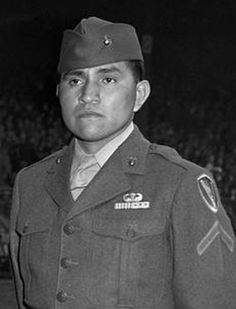
I also think about people like Ira Hayes. He was a Pima Indian from Arizona. Ira helped raise the flag at Iwo Jima during World War II. A hero by every standard. And yet, like Thomas, Ira suffered. Both carried the scars of discrimination and trauma. Both turned to alcohol as a way to numb the soul-deep wounds this country handed them.

We often ask why these cycles exist—but we rarely admit the truth: it’s because we’ve designed them to. We’ve placed people like Thomas, like Ira, into roles and systems. Their suffering can be managed. Their voices are diminished. Their lives are controlled. That was always the plan. And until we stop pretending it wasn’t, the script will keep playing—over and over again.

The Impact of Discrimination on Society and Human Rights

GROFF MEDIA 2024© TRUTH ENDURES IMDBPRO

Presented by benandsteve.com By: Benjamin Groff II©s

2–3 minutes

Discrimination Vs. Inclusion
Discrimination Vs Inclusion.
The difference between darkness and light

Discrimination is an act rooted in fear, ignorance, and an unwillingness to accept the fundamental dignity of all people. It has profound consequences for society. Wanting to deny others housing, clothing, and respect shows a belief that some lives hold less value. Such a stance reveals a deep-seated lack of empathy. It shows an indifference to the struggles of fellow human beings and a troubling inclination toward social division. It speaks volumes about moral values. It reflects the character of those who wish to wield power to diminish the lives of others.

The wish to remove protections that have given minority groups equal footing within society shows a disregard for historical injustices. These injustices have shaped the need for these safeguards. These protections exist not to give anyone an unfair advantage. They guarantee everyone has equal rights, opportunities, and access to resources without prejudice. Seeking to dismantle these safeguards implies a refusal to acknowledge historical injustices. It also shows a disregard for the ongoing struggles faced by marginalized communities. It shows a yearning for a past where exclusion was the norm. It rejects embracing a future that strives for fairness and justice.

Moreover, those who advocate for policies that exacerbate the hardships already endured by vulnerable populations are not merely indifferent. They are complicit in their suffering. If making life more difficult for those struggling is acceptable, what does that say about one’s character? It signals a lack of compassion, an absence of moral responsibility, and a failure to grasp the interconnectedness of humanity. A society that pays no heed to suffering undermines its stability, for one group’s oppression ultimately harms the whole. This is not just a moral issue but a societal one that demands immediate attention and action.

Most revealing is the wish to control who can join legal institutions like marriage. Love and family are not exclusive to a select few but are among the most fundamental aspects of human existence. To decide who can share in these joys is to place oneself in a position of unjust power. It denies them to others. It stems from a belief in personal superiority. It also involves a willingness to impose one’s values on others. This approach restricts their freedoms. It suggests an inability to recognize that love is universal. Love is deserving of legal and social acknowledgment. This is true regardless of the individuals involved.

Ultimately, seeking to discriminate, exclude, and strip away rights reveals one’s insecurity, fear, and wish for control. A society is judged by how it treats its most vulnerable members. Those who work to undermine equality and fairness reveal far more about themselves. They show more about their nature than they do about those they seek to oppress. True strength is found in embracing diversity. Morality involves protecting the rights of all. Decency ensures that everyone has the dignity and respect they deserve.

Jeremiah’s Bridge – A Location Of Tragedy

GROFF MEDIA 2024© TRUTH ENDURES IMDBPRO

Presented by benandsteve.com By: Benjamin Groff II©s

3–5 minutes

Jeremiah’s Bridge

In the early 1900s, a modest bridge spanned the Washita River just west of Anadarko, Oklahoma. Locally known as Jeremiah’s Bridge, it was a vital crossing point. Over time, it became the center of chilling tales whispered among townsfolk.

A popular legend spoke of a grieving mother. She lost her infant son, Jeremiah, to the river’s relentless currents while traversing the bridge. Each night at midnight, a mist reportedly rose from the waters. It embodied the mother’s spirit as she searched and called out for her lost child. This spectral vision drew curious onlookers, solidifying the bridge’s eerie reputation.

However, beneath this sanitized tale lay a darker, harrowing truth. On June 13, 1913, the bridge bore witness to a brutal act of racial violence. Bennie Simmons, an African American man, was accused of raping and murdering 16-year-old Susie Church. He had allegedly done so on Caddo land north of Anadarko.

The Sheriff had gotten word that trouble was expected in town. He reportedly rode his horse to Apache, southwest of the jail. At sundown, a group of horsemen rode into town. A mob, without a fair trial, seized Bennie from his jail cell. They dragged him to a cottonwood tree near the bridge. There, he was doused in coal oil and set ablaze.

As flames consumed him, Bennie’s agonized prayers and screams were drowned out by the mob’s jeers. Unsatisfied, they riddled his body with bullets, ending his life in laughter and ridicule. This atrocity was reported in local newspapers, yet none of the perpetrators faced justice. The riders had all returned home before sunrise and never identified one another. You can verify the hanging by searching the name Bennie Simmons in search engines.

In the mid-1970s, I was still very young when a customer in my dad’s barbershop told him a story. I sat quietly, listening to him tell the story, confessing to being one of the riders. Over the years, pieces of the story have come together. Gradually, I fully understood the gravity of what the man was saying.

In the aftermath, the community took action. They sought to mask the bridge’s gruesome history. This allowed the legend of the mourning mother to overshadow the actual events. Over time, the name “Jeremiah” became associated not with the lost infant of folklore. Instead, it became a distorted remembrance of Bennie Simmons himself. The bridge stood as a silent testament to the fabricated legend. It also represented the suppressed memory of a man’s unjust death.

Another legend about the bridge carried an even more ominous warning. Folklore said that calling out the bridge’s name while standing on it would cause a family member to die. They believed this would happen without fail. Though dismissed as mere superstition, those who dared test the legend often regretted it.

I was one such witness. As a high school student, I accompanied a group of friends to Jeremiah’s Bridge late one night. We had heard the stories and wanted to test our courage. One of my friends, laughing, boldly called out the bridge’s name. The moment was filled with nervous chuckles and unease, but we eventually left, shaking off the eerie tension.

An hour later, everything changed. We stopped by my home. My parents told us that my friend needed to go home right away. His family had been trying to find him. The message was chilling—a relative was near death in a nearby hospital, and the family was being called in. The coincidence was too striking to ignore. That night, we left the bridge with a different fear. It was not just of ghosts. We also felt the weight of history and the unexplainable forces that seemed to linger over the river.

In 1994, decades later, a fertilizer truck caused the collapse of Jeremiah’s Bridge. This event marked the end of its physical presence. Yet, the stories persist. Both the haunting legend and the grim reality urge reflection on the past. They push for recognition of the truths that history often seeks to bury.

Word is they have replaced the structure with a new bridge. I haven’t returned to those parts in many years. The place only holds memories that I choose to keep safely tucked away.

There is also this conversation about the bridge on YouTube.

Chester’s Revolution: A Fight Against Government Oppression

GROFF MEDIA 2024© TRUTH ENDURES IMDBPRO

Presented by benandsteve.com By: Benjamin Groff II©s

4–6 minutes

When the world turns against you, what do you do? This question had boiled under Chester’s contempt for days. He had watched the nation he loved become the opposite of everything it had ever stood for. The people appeared powerless to stop the crazed leaders who were taking control of the institutions and destroying them.

Chester became so incensed that he quit his job. He took about three hundred dollars, bought as many canned food items as possible, and stored them in his home. Chester then purchased one hundred dollars’ worth of bottled water. He had planned for the loss of electricity and home heating petroleum. Chester had medical supplies he thought would handle any matter related to his health. Then, he went and nailed his doors and windows shut. He placed a sign on the outside of his home stating:

I AM HOME – ALIVE – I DO NOT WANT CONTACT WITH THE OUTSIDE WORLD OR ITS DISTURBING GOVERNMENT. THIS HOUSE IS OFF LIMITS TO EVERYONE. PLEASE DO NOT ENTER!

Then, in chalk, on a board that slid in and out from the interior of the home, it read:

DATE – 2-16-2025

Chester planned to update the date every night to let the outside world know he was still alive.

Chester planned to live without listening to what was happening around him. He believed it was the only way he survived. Chester wanted to help others but had no solution, power, or ability. For Chester, this was all he thought he would do.

His home was significant. It had five bedrooms, four bathrooms, two living areas, two kitchens, and a mother-in-law suite. He had inherited it from his parents after they passed. It was paid for, and he had taken control of their Trust. He didn’t have any financial issues.

Every morning, Chester would visit the mother-in-law’s suite. It offered a view of a once-lively park. The government has now abandoned the park. He often spotted young figures lurking behind the trees, their presence a haunting mystery. Why were they there? Why were they hiding? And most puzzling of all, why did they seem to have nowhere else to go?

One day, curiosity got the best of him. He grabbed his hammer. He pulled the nails out around the suite’s window. He cracked it open, trying to hear their conversations.

Two young girls and two young men were hiding behind a tree, whispering urgently. Chester leaned in closer and heard them say:

“Look, it won’t hurt, and we will be free of this world. If we stay any longer, it will only get worse. They will kill us if we don’t beat them to it!”

Chester’s blood ran cold. What in the world were they talking about? Was this some game? Or were they seriously considering group suicide? And was the government truly hunting these kids?

He had heard about new policies stripping rights from the LGBTQI+ community and disenfranchising people of color. But had it escalated to mass executions? Chester had to find out.

He rummaged through an old trunk in his father’s Hollywood memorabilia. It contained all sorts of disguises: wigs, glasses, vintage clothing. Chester dressed as an older, disheveled homeless man and prepared to venture outside for the first time in weeks.

What he would learn would be devastating.

The streets were eerily quiet, yet tension hung in the air like a brewing storm. Checkpoints had been set up at major intersections, where government enforcers—men in military gear with no insignias—patrolled with assault rifles.

Posters were plastered everywhere, declaring:

 “FOR THE SAFETY OF OUR NATION, COMPLIANCE IS MANDATORY.”

 Others simply stated: 

“NON-CONFORMISTS WILL BE RELOCATED.”

Chester approached a group of homeless people warming their hands over a fire in a rusted oil drum. They regarded him warily but allowed him into their circle.

“What’s happening?” 

Chester asked, playing the role of a lost drifter.

A man with hollowed-out cheeks and weary eyes responded,

“They’re rounding people up. Anyone who resists, anyone different. They disappear.”

Chester asked quickly,

“Disappear where?”

The man shook his head.

“No one knows. Some say camps. Others say execution sites.”

Chester’s stomach twisted into knots. The government wasn’t just oppressing people; it was actively erasing them. The kids in the park weren’t paranoid—they were running for their lives.

He couldn’t stay hidden anymore. He had to act.

That night, under the cover of darkness, Chester snuck back to his house and removed the sign from his door. He pried open his windows, unlocked the doors, and gathered supplies. With his home’s ample space and well-stocked provisions, he offered sanctuary to those with nowhere else to go.

The next day, he returned to the park and approached the young people cautiously.

“Come with me,” he whispered. “You don’t have to run anymore.”

At first, they hesitated, but the desperation in their eyes mirrored his determination. One by one, they followed him back to his home. Chester had spent weeks barricading himself from the world, convinced that isolation was the only way to survive. But now, he understood—survival was not just about enduring. It was about resisting.

And Chester was ready to fight back.


“LGBT people are some of the bravest and most potent change agents and leaders I have encountered. They are the most forceful defenders of the vulnerable and voiceless because they know what it’s like to be there.” 

-–– Ronan Farrow -–– a journalist known for his investigative work with the New Yorker and member of the LGBTQI+ Community


No More Tomorrow’s Forever

GROFF MEDIA 2024© TRUTH ENDURES IMDBPRO

Presented by benandsteve.com By: Benjamin Groff II©

2–4 minutes

Javier stood at the edge of the city park. Staring out at the bustling streets of his new home in America. The golden autumn leaves danced in the wind, starkly contrasting the memories of his war-torn homeland. Javier had come to the United States to find refuge and hope. Yet, the events unfolding around him now gave him an unsettling sense of déjà vu.

Back in his home country—a place he no longer dared to name aloud—Javier had watched the slow unraveling of society. It had once been a proud nation. Families like his owned small businesses. Children played freely in the streets. Communities were bound together by tradition and trust. Corruption spread throughout the country. Drug lords rose to power. Oligarchs infiltrated and bought influence with cold, hard cash. They sowed fear and discord, and before long, even the police and the government served their interests alone. The people were left with nothing but fear and silence.

He had fled that darkness, believing that America would offer something different. And for a time, it did. He found work, made friends, and even started to dream again. 

But the cracks were showing. The unchecked greed was too familiar. The political maneuvering was too familiar. The way drugs crept into the neighborhoods under the guise of prosperity was too familiar. He watched politicians make promises while corporations tightened their grip on the economy. He saw his neighbors losing faith, their voices drowned out by the same wealth-driven forces he had left behind.

“No more tomorrows forever,” 

Javier muttered under his breath, a phrase his grandfather used to say when hope felt like an illusion. He feared that history was repeating itself, that this land of opportunity was sliding down the same treacherous path.

One evening, Javier visited a local diner. He often met with his friend Michael there. Michael was an old war veteran who deeply loved the country he had served. Javier shared his concerns over cups of bitter coffee, finding solace in Michael’s understanding and wisdom.

“I’ve seen this before, amigo. Back home. The greed, the power, the division. It starts small, but it grows until there’s nothing left.”

Michael nodded, his tired eyes scanning the newspaper headlines. 

“You ain’t wrong, son. This country’s got its problems. But we fight. We speak up. That’s the difference.”

Javier wasn’t so sure. He thought of his own country. There, people had fought and lost. Bullets and bribes had silenced voices for freedom. Yet, deep down, Javier wanted to believe Michael. He tried to think that this place still had a chance, that people could push back against the tide.

Javier left the diner. He looked around at the city skyline. The shining towers and the streets were filled with life. The battle wasn’t over yet, and maybe—just maybe—he could do something to help stop history from repeating itself.

The next day, he enrolled in a local community initiative to support struggling neighborhoods. Passionate individuals like himself led this initiative. They aimed to give resources and support to those most affected by the societal issues he had observed. He would share his story. He shared a warning and his hope. He believed past mistakes didn’t have to define the future. America still had tomorrow’s worth fighting for.

But deep inside, a lingering voice whispered, 

No more tomorrow’s forever!”

The Man’s Journey For Two People Who Agree On Everthing

GROFF MEDIA 2024© TRUTH ENDURES IMDBPRO

Presented by benandsteve.com By: Benjamin Groff II©

2–3 minutes

A man named Walter Henshaw lived in a small town. This town was nestled between rolling hills. Walter was known for his insatiable curiosity, always pondering life’s mysteries. One evening, as he sat on his front porch watching the sunset, he wondered aloud,

“Is it possible to find two people in this world who agree on everything?”

The thought consumed him, and soon, Walter embarked on a journey around the world to find the answer. He packed his belongings, bid farewell to his friends and family, and set off on his quest.

Walter’s first stop was Paris, where he met a pair of artists who were painting by the Seine. They seemed in perfect harmony, laughing and finishing each other’s sentences. But when Walter asked them if they agreed on everything, they chuckled.

“Of course not,”

One replied.

“He thinks Monet is the greatest, but I prefer Van Gogh.”

Undeterred, Walter traveled to India, where he visited a monastery high in the Himalayas. There, he met two monks who had lived in silence for decades. Walter was sure he had found his answer, but when he posed his question, one monk smiled and said,

“I prefer tea; he prefers coffee.”

Walter traveled onward. He visited the bustling streets of New York City. Then he experienced the serene countryside of Japan. Finally, he explored the vast plains of Africa. He encountered lifelong friends. He met devoted couples. He even found identical-twins everywhere he went. Nonetheless, no two people ever claimed to agree on everything.

After years of traveling, Walter found himself in a small village in South America. He met an elderly couple who had been together for over seventy years. Patiently, they listened as Walter told them about his journey.

The older man chuckled and said,

“Young man, love is not about agreeing on everything. It’s about embracing differences and finding common ground.”

Walter sat in silence, absorbing the wisdom. He realized then that his journey had taught him more than he ever imagined. The beauty of human connection lies not in absolute agreement but in understanding, compromise, and the joy of diversity.

It also reminded him of one chap he had met in the United States who said to him –––

“Show me any two people who agree on everything, sir, and I will show you a pair of liars!”

Returning home, Walter shared his experiences with his friends and family. He had not found two people who agreed on everything. Still, he discovered something even more valuable. He gained an appreciation for the uniqueness that made each person unique.

Once a seeker of perfect agreement, Walter Henshaw sought harmony. He became a storyteller. He wove tales of his adventures and the lessons he had learned. He realized that life wasn’t about finding someone who thinks as you do. Instead, it is about learning to cherish the differences. These differences make life enjoyable and meaningful.

In the end, Walter’s journey had been about connection, not conformity. He found peace knowing that the world was more prosperous because of its endless variety.

English Translation Below – TRADUCCIÓN AL INGLÉS A CONTINUACIÓN

GROFF MEDIA 2024© TRUTH ENDURES IMDBPRO

Presented by benandsteve.com By: Benjamin Groff II©

4–6 minutes

English Translation Below –

Today, I am sharing a translation of instructions initially posted on the BenandSteve.com Facebook page. These instructions were originally written in Spanish. I have translated them to the best of my ability. The English translation is just below.

TRADUCCIÓN AL INGLÉS A CONTINUACIÓN:

Hoy comparto una traducción de las instrucciones publicadas originalmente en la página de Facebook de BenandSteve.com. Estas instrucciones, escritas en español, han sido traducidas lo mejor posible para aquellos que no hablan, leen ni escriben el idioma. Por favor, tengan en cuenta que estas instrucciones no están destinadas a servir como asesoramiento legal, sino más bien como una guía útil para quienes puedan interactuar con las autoridades. Este espacio se ofrece con el propósito de brindar claridad y apoyo a quienes puedan beneficiarse de esta información.

El guía S.I.R.E.N., a menudo promovido por organizaciones de defensa para informar a las personas de sus derechos durante encuentros con la Patrulla Fronteriza o autoridades de inmigración, significa:

S – Mantente Calmo (Stay Calm)

• Mantente tranquilo y evita escalar la situación.

• No corras, resistas ni obstruyas a los oficiales de la ley.

I – Insiste en tu Derecho a Guardar Silencio (Insist on Silence)

• Ejercita tu derecho a guardar silencio.

• No respondas preguntas sobre tu estatus migratorio, dónde naciste o cómo entraste al país.

• Declara: “Estoy ejerciendo mi derecho a guardar silencio.”

R – Rechaza Dar Consentimiento (Refuse Consent)

• No des tu consentimiento para que registren tu persona, tus pertenencias o tu vehículo sin una orden judicial.

• Di: “No doy mi consentimiento para un registro.”

E – Exige Hablar con un Abogado (Engage an Attorney)

• Solicita hablar con un abogado de inmediato.

• No firmes nada sin antes consultar a un abogado.

N – Nunca Mientas (Never Lie)

• Siempre proporciona información verdadera si decides hablar (aunque tienes derecho a no responder preguntas).

• Mentir a los oficiales de inmigración puede tener graves consecuencias.

Estos pasos están diseñados para ayudar a las personas a manejar estas interacciones mientras protegen sus derechos y aseguran que se respeten las garantías legales. Si necesitas recursos o una orientación más detallada, ¡házmelo saber!

Asociación Americana de Abogados de Inmigración (AILA)

Una asociación nacional que promueve leyes y políticas de inmigración justas y aboga por el desarrollo profesional de sus miembros.

Red de Defensores de Inmigración

Un esfuerzo colaborativo entre organizaciones líderes en derechos de inmigrantes que busca aumentar el acceso a la justicia para los inmigrantes.

Unión Americana de Libertades Civiles (ACLU)

Una organización que ha estado involucrada en muchas luchas legales importantes por los derechos de los inmigrantes.

Consejo Americano de Inmigración

Una organización que utiliza investigaciones, programas y esfuerzos legales y de defensa para dar forma a las políticas y prácticas de inmigración.

Centro de Políticas para Inmigrantes de California (CIPC)

Una organización estatal de derechos de los inmigrantes con oficinas en Los Ángeles, Sacramento y Oakland.

Centro de Estudios de Inmigración

Una organización que proporciona experiencia legal, capacitación, investigaciones y publicaciones.

https://www.americanbar.org/groups/public_interest/immigration/resources/immigration-resources/#:~:text=Immigration%20Advocates%20Network.%20The%20Immigration%20Advocates%20Network,strengthen%20the%20capacity%20of%20organizations%20serving%20them..

Si eliges deportarte voluntariamente, busca la ruta más segura.


ENGLISH

Today, I am sharing a translation of instructions initially posted on the BenandSteve.com Facebook page. These instructions were originally written in Spanish. I have translated them to the best of my ability. This is for those who do not speak, read, or write the language. Please note that these instructions are not intended to serve as legal advice. They are meant to be a helpful guide for anyone interacting with authorities. This space is being provided for clarity and support for those benefiting from this information.

The S.I.R.E.N. guide, often promoted by defense organizations to inform people of their rights during encounters with Border Patrol or immigration authorities, means:

S – Keep Calm (Stay Calm)

• Stay calm and avoid escalating the situation.

• Do not run, resist, or hinder law officers.

I – Insist on Your Right to Stay Silent

• Exercise your right to stay silent.

• Do not answer questions about your immigration status, where you were born, or how you entered the country.

• Declares: “I am exercising my right to stay silent.

R – Refuse Consent

• Do not consent to register your person, belongings, or vehicle without a court order.

• Say: “I do not give my consent for a record. “

Engage an Attorney

• Ask to speak to a lawyer promptly.

• Don’t sign anything without consulting a lawyer first.

N – Never Lie (Never Lie)

• Always give truthful information if you decide to speak (although you have the right not to answer questions).

• Lying to immigration officials can have serious consequences.

These steps help people manage these interactions while protecting their rights and respecting legal safeguards. If you need resources or more detailed guidance, let me know!

  • American Immigration Lawyers Association A national association that promotes fair immigration laws and policies and advocates for the professional development of its members 
  • Immigration Advocates Network A collaborative effort between leading immigration rights organizations that aims to increase access to justice for immigrants 
  • American Civil Liberties Union (ACLU): An organization that has been involved in many major legal struggles for immigrant rights 
  • American Immigration Council An organization that uses research, programs, and legal and advocacy efforts to shape immigration policies and practices 
  • California Immigrant Policy Center (CIPC)A statewide immigrant rights organization with offices in Los Angeles, Sacramento, and Oakland 
  • Center for Immigration Studies An organization that provides legal expertise, training, research, and publications 
  • You can also help fight for immigrant rights by speaking out to elected officials, attending town hall meetings, and voicing your support for immigrants and refugees. 

https://www.americanbar.org/groups/public_interest/immigration/resources/immigration-resources/#:~:text=Immigration%20Advocates%20Network.%20The%20Immigration%20Advocates%20Network,strengthen%20the%20capacity%20of%20organizations%20serving%20them.

If you choose to self deport find the safest route.

The Opinionated Gentleman: “I used to like him before I heard what he had to say.”

GROFF MEDIA 2024© TRUTH ENDURES IMDBPRO

Presented by benandsteve.com By: Benjamin Groff II©

2–3 minutes

Richard Pearce considered himself a fair man, a gentleman of discernment. His friendships were plentiful, his network expansive, and his reputation as a conversationalist well-earned.

He had a knack for summing people up with a single statement, a phrase he used so often it had become a trademark:

“I used to like him before I heard what he had to say.”

It wasn’t meant to be cruel—at least, Richard didn’t think so. It was his way of assessing character, of sorting wheat from chaff. But those who knew him best saw it differently.

One sunny afternoon, Richard found himself at a small café in the park. A friend of a friend, Henry Townsend, joined him unexpectedly. Henry, a boisterous man with a ready laugh, was a newcomer to their social circle.

“I hear you’re a man of strong opinions, Richard,”

Henry said as he stirred his coffee.

Richard tilted his head, amused.

“I suppose you can say that. I have a good read on people.”

“Well, let’s see then. What do you think of me?”

Richard smiled politely, his eyes narrowing.

“You’re affable, sharp-witted… but prone to over-explanation.”

Henry laughed heartily.

“Fair enough! And what do you think about James Potter?”

Richard leaned back, swirling his tea.

“Ah, James. I used to like him before I heard what he had to say.”

Henry’s smile faltered.

“What did he say?”

“Oh, something about how he sees charity as a personal failing in those who accept it. Can you imagine? A man with such shallow views.”

Henry’s brows furrowed.

“Did you ask him why he thought that? Maybe he has a deeper story.”

Richard waved the thought away.
“One’s words show their heart, Henry. Why dig further?”
~

Months passed, and Richard’s circle seemed to shrink. The people he dismissed began avoiding him, and conversations grew shorter. Henry, nevertheless, remained a steadfast presence. One day, Richard couldn’t help but ask.

“Why do you stay, Henry? Surely, I’ve said something to offend you by now.”

Henry grinned.

“Oh, plenty of times! But if I left, you would not get the chance to hear what you haven’t heard yet.”

Richard frowned.

“What do you mean?”

“You write people off after hearing one thing. But people aren’t books you can skim, Richard. They’re libraries. If you only read one page, you miss the whole story.”


That evening, as Richard walked home alone, Henry’s words lingered. The café, once bustling with friendly faces, seemed quieter now. For the first time, Richard wondered if he’d been too quick with his judgment, too harsh with his words. He couldn’t help but think, —-

And he couldn’t help but think, ––––

And he couldn’t help but think, that he had been too quick to judge, too eager to dismiss. He couldn’t help but think ––––

I used to like myself before I heard what I had to say.

And, before I realized the impact of my words and the depth of my own biases.

Parallels Between the Chinese Exclusion Act and Modern Immigration Concerns: Lessons from History –– The Danger Of Losing Immigrants

Groff Media 2024© Truth Endures IMDbPro

Presented by benandsteve.com By: Benjamin Groff II©

You can also refer to the NPR Story America’s first major immigration crackdown and the making and breaking of the West  for additional insights and related material that complement this story, offering a deeper exploration of the subject.


3–5 minutes

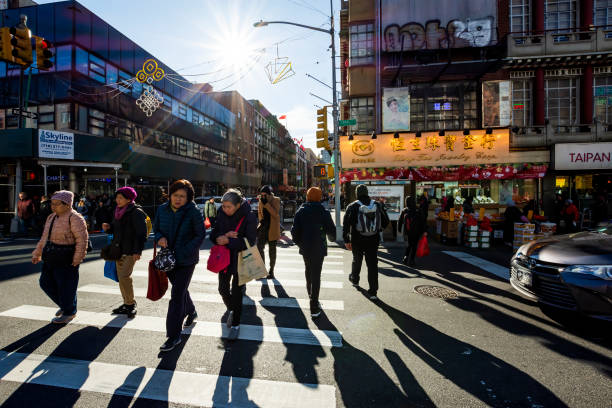
The Chinese Exclusion Act of 1882 marked a pivotal moment in U.S. immigration history, becoming the first significant federal law restricting immigration. It targeted a specific ethnic group driven by economic fears, racial prejudice, and political populism. A review of this historic legislation, alongside the context of its enactment, reveals striking parallels to modern immigration debates. Both historical and contemporary issues illustrate how economic anxieties, cultural misunderstandings, and political opportunism can drive restrictive immigration policies that may ultimately prove disastrous for society.

The Role of Immigrant Labor in Economic Development

In the mid-19th century, Chinese immigrants, despite facing systemic discrimination and being blamed for economic problems, played a crucial role in building the American West. Their resilience and determination were evident in their instrumental role in constructing the transcontinental railroad, tackling some of the most dangerous and demanding jobs in brutal conditions. However, when the Panic of 1873 led to widespread unemployment, populist sentiment scapegoated Chinese immigrants, claiming they were stealing jobs from white workers.

A similar narrative exists today. Immigrant labor is fundamental to the agriculture, construction, and technology industries. Despite this, immigrants are often vilified during economic downturns, accused of taking jobs or lowering wages. This cyclical pattern of scapegoating undermines the reality that immigrants frequently perform jobs that native-born workers are unwilling or unable to do, driving economic growth and innovation. Restrictive immigration policies, such as deportations or bans, risk damaging these essential industries and the broader economy, much like the exclusion of Chinese workers stunted specific sectors in the late 19th century.

Cultural Backlash and Populist Politics

The transcontinental railroad’s completion in 1869 symbolized a remarkable technological achievement but also marked a turning point for Chinese immigrants. Their presence sparked a cultural backlash as they settled in communities like Truckee, California. Fueled by racial prejudice and populist rhetoric, white workers and politicians pushed for their exclusion, culminating in the Chinese Exclusion Act. This act institutionalized xenophobia and created a precedent for racially biased immigration policies.

Today, cultural anxieties continue to shape immigration debates. Concerns about preserving cultural identity and fears of “otherness” fuel resistance to immigrants. Particularly from Latin America, the Middle East, and Asia. Politicians often exploit these fears to rally support, pushing for restrictive measures such as border walls, travel bans, or mass deportations. Such actions not only marginalize immigrant communities but also foster division and xenophobia, hindering social cohesion.

Economic Consequences of Restriction

The long-term economic impacts of the Chinese Exclusion Act highlight the dangers of restrictive immigration policies. By limiting a vital workforce, the law hampered industries reliant on immigrant labor. The exclusion of Chinese workers also set a precedent that discouraged innovation and adaptability in labor markets, contributing to stagnation in certain regions.

Policies that limit immigrant contributions to the workforce have modern parallels. For example, restrictive visa programs and deportations threaten industries like agriculture and technology, which rely heavily on immigrant talent. Moreover, these policies can exacerbate labor shortages, driving up consumer costs and reducing the global competitiveness of U.S. industries. History demonstrates that economic growth thrives on diversity and inclusion, not exclusion.

Lessons from the Past

The Chinese Exclusion Act teaches us that targeting immigrants as scapegoats for economic or social challenges is a shortsighted and counterproductive strategy. Immigration is a cornerstone of American prosperity, fostering innovation, cultural richness, and financial resilience. Policies driven by fear and prejudice, rather than informed analysis, risk repeating the mistakes of the past and should be considered.

Today’s immigration debates echo the populist rhetoric and exclusionary measures of the late 19th century. However, we have the benefit of hindsight to recognize that such policies often create more problems than they solve. To avoid a similar disaster, today’s policymakers must approach immigration with a focus on integration, economic opportunity, and respect for human dignity. By learning from history, we can build a more inclusive and prosperous future, where all individuals feel valued and respected.

You can also refer to the NPR Story America’s first major immigration crackdown and the making and breaking of the West  for additional insights and related material that complement this story, offering a deeper exploration of the subject.

What You Can Do Now As An American.

Groff Media 2024© Truth Endures IMDbPro

Presented by benandsteve.com By: Benjamin Groff II©

Nearly half of Americans who cast ballots in the November 5, 2024, Presidential Election voted for Kamala Harris; the other half for Donald Trump.

At this stage, it’s less about who supported whom and more about what lies ahead. If Trump follows through on his campaign promises, there could be significant changes in government agencies, which might affect the benefits that many Americans depend on. He has openly vowed to bring retribution against those he views as adversaries—potentially including the half of the nation that didn’t vote for him. However, it’s also important to note that not all of his promises may come to fruition, and the political system has checks and balances to prevent extreme actions.

Federal law enforcement agencies involved in national security and other branches focused on homeland security could be dissolved. Trump has publicly stated his intent to dismantle these institutions.

Social programs for adults, older people, and those with disabilities—such as food assistance, school aid, healthcare, and Social Security—are likely to face drastic cuts, potentially leaving them virtually ineffective for those in need. He has said as much.

LGBTQI+ rights and protections are also under threat, as outlined in Project 2025, a policy initiative he supports. If you think this won’t materialize, consider the promises already laid out. The next four years will show us the reality.

If Trump appoints Robert Kennedy Jr. to oversee public health, as he has suggested, food and drug safety regulations could be gutted. Protections that ensure safe food, medications, and clean drinking water could be stripped away, leading to significant health risks.

Trump is likely to have the backing of a Republican-controlled House and Senate. New laws and repeals may come as swiftly and forcefully as debris in a tornado. The U.S. could change drastically, and not only non-supporters would feel the impact—Trump supporters, too, could face serious, unforeseen consequences.

Expect an economic downturn as average Americans encounter hardships unprecedented in recent history. As with the COVID-19 crisis, another wave of upheaval may follow. Trump’s track record shows a tendency for crises, particularly in ventures he leads. The economic future under his leadership looks bleak.

What You Can Do

HOARD – Stock up on canned goods and cash reserves outside traditional banking institutions. Prepare for potential utility outages and find ways to stay connected without reliance on cell phones or computers. Secure a supply of both drinking and non-drinking water to meet various needs.

PROTECT – Prioritize security measures for yourself, your home, and your property, particularly those independent of electricity. Stock up on self-defense tools like bear spray or mace. Ensure that your home’s locks are strong both inside and out. In the event of an intruder, remember: in a fight for survival, any measure is justifiable. There are no rules when fighting for your life. Anything is fair!

These are just a few preparations to consider. With the current political landscape in both Houses and the Supreme Court tilted in Trump’s favor, our democratic processes could be at risk. This election may mark our last chance to elect our President—and our future as a democracy. It’s critical to stay informed, engage in the political process, and support organizations that defend democratic values. Together, we can make a difference.

South of The Border Down Mexico Way, There Isn’t What They Say There Are…

Groff Media 2024© Truth Endures IMDbPro

Presented by benandsteve.com By: Benjamin Groff II© 

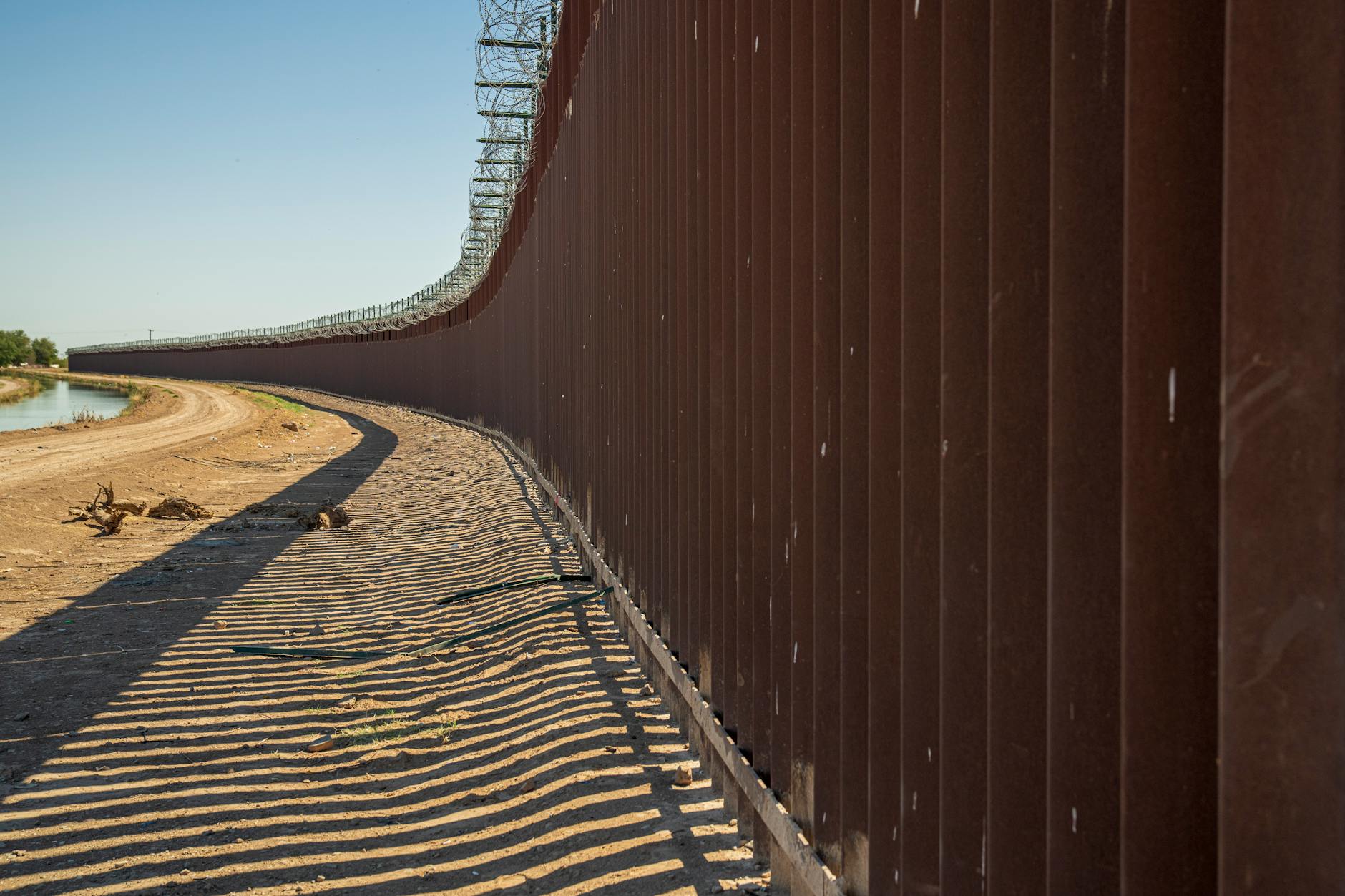
I want to delve into the Border Issue, a topic that often dominates national news and political discussions. As a resident of Mesa, Arizona, and a frequent traveler across the state, I’ve never encountered the dramatic scenes that the media often depicts. There have been no families from Central America camping in my front yard or streams of people crossing into nearby towns. This stark contrast between media portrayals and my personal experiences is a puzzle that I’m eager to explore.

It’s interesting to note that I know individuals who firmly believe in these media portrayals. Some have even ventured to Mexico, confident that the Border Patrol would ensure their safety. Upon their return, I eagerly inquired about their experiences, expecting tales of chaos. To my surprise, they described the areas as eerily quiet—almost like ghost towns. They reported no issues crossing the border and found the most challenging part of the journey to be the drive itself.

Despite these personal accounts, the news continues to show what’s framed as thousands of people crossing the border here in Arizona. While I acknowledge that some may exploit entry points or policies, I struggle to find evidence of this on the ground. It raises questions: where are these images and reports coming from, and are they truly reflective of the situation here?

The Phrase “Make America Great Again” and Its Social Implications

Presented by benandsteve.com By: Benjamin Groff II© 

Groff Media 2024© Truth Endures IMDbPro.

“Make America Great Again,” popularized as a political slogan, has become highly polarizing. To supporters, it often symbolizes a call to return to a time of perceived economic strength, national pride, and social stability. However, for many others, it has come to signify a darker undertone: a desire to revert to an era when certain marginalized groups—such as African Americans, LGBTQ+ individuals, Jewish people, Hispanics, and other minorities—lacked complete protection under the law.

The slogan evokes an ambiguous sense of “greatness,” sparking questions of when America was indeed “great” and for whom. Many point to the slogan as a reference to a mid-20th century America, a period before civil rights advancements began to reshape the nation’s legal and social landscape. This era, regardless of its association with post-war prosperity and expanding economic opportunity, was also marked by segregation, widespread discrimination, and limited civil rights protections for racial and ethnic minorities, women, and LGBTQ+ individuals.

Civil rights legislation and landmark court decisions have progressively addressed these disparities in the past fifty years. The Civil Rights Act, Voting Rights Act, Roe v. Wade, Obergefell v. Hodges, and the repeal of the Defense of Marriage Act represent some of the significant strides made in affording marginalized groups equal rights and protection under the law. Critics argue that calling for a return to pre-1960s values implies a desire to dismantle some of these protections and regain a hierarchical social order that was deeply exclusionary.

The MAGA slogan is seen by many as a coded message suggesting that the progress made by minorities threatens traditional values or destabilizes society. Rhetoric often associated with the slogan—such as fear of “radical left” agendas, immigration restrictions, and questioning of affirmative action—has exacerbated this perception. For example, according to surveys and sociopolitical analyses, minority groups and their advocates often interpret the slogan as a form of resistance against multiculturalism and diversity. This view became reinforced by incidents in which white nationalist groups appropriated the slogan to promote exclusionary ideologies.

Political messaging using the phrase has stirred debates over whether it subtly promotes a return to exclusive societal norms. Advocacy groups for racial, ethnic, and LGBTQ+ rights warn that MAGA rhetoric has indirectly contributed to policy decisions that undermine or reverse hard-won civil liberties, such as efforts to restrict voting access, challenge affirmative action, limit LGBTQ+ protections, and enact immigration controls targeting specific nationalities or religions.

Conclusion

The “Make America Great Again” slogan has thus come to represent more than a call for economic or national rejuvenation; it embodies a divisive struggle over America’s values and the inclusivity of its future. For critics, it suggests a rollback on the inclusivity and rights advancements achieved over the past five decades. It serves as a reminder that the interpretation of slogans in political discourse can carry implicit biases and, in doing so, perpetuate exclusionary beliefs that impact marginalized communities.


The term “Make America Great Again” has a different meaning, and it stands on the grounds that to make America Great Again, there has to be the revoking of rights that have been attained by groups over the last fifty years. Those groups include blacks, Native Americans, Hispanics, Asians, the LGBTQI+ Community, and others. Because of that angle, this space will discuss the topic in the November 1st, 2024 posting.

Understanding the range of meanings attributed to “Make America Great Again” offers insight into the complexities of contemporary American identity and the societal debate over what “greatness” truly entails in an evolving multicultural landscape.

The world is going to POT, and we are watching it go!

A view of the world as it is today by: Benjamin Groff II© Groff Media 2024© Truth Endures IMDbPro

My dad and grandfather are gone now, but neither would support a liar, cheat, rapist, insurrectionist, dictator, or someone who supports one, or generally speaking, a creep or ‘weirdo.’ 

There are other reasons you can look at as well. For instance, a candidate such has a sexual offense judgment against him, and he is under indictment for countless federal crimes; in the last year, one of the candidates was in the air, flying, on their way to being arrested, just as much as he was campaigning at one point. 

One or more of those reasons would have been reason enough to consider looking into the person’s background. And three to four, would have been reason enough to reject a person all together. Someone who was strongly running for public office would have been rejected. Now, the GOP considers it a qualification required for all Republican candidates.

The candidates have endorsements from KKK members. They boast about, a presidential politician having endorsements from dictators. They wallow in such markings, and candidates publicly brag about laws they will violate first, if elected. And this makes them the most qualified candidate. Going as far as boasting about becoming a dictator. Going about telling people this is the last election they will have to worry about voting in. 

Why? Does that mean the Constitution is going to get ripped apart, shredded, and there will no longer be a United States where the people choose its leaders? It appears it doesn’t matter to the people who are numb and following this character. They appear to have zoned out of reality. 

My grandfather, father, uncles, aunts, and even a few dogs and horses I’ve had would not have allowed the goings on to persist. The greatest generation has died chiefly off; fewer of them now than ever are living, which sadly shows in our world. They were the ones who knew what happens when the world that falls to fascism. When reality hits and the world dies. It is beginning as America will turn grey; it will become a black-and-white construct of anything anyone remembers of its being, if these destructionists are permitted to have their way with the country. We only hope enough voters come to the polls and and vote, and save our America!

My dad had a favorite saying: the older I got, the wiser he’d get. And he was right; I wish he were here to help us out of this madness!

JD Groff At Rest And Getting Wiser Every Day!