

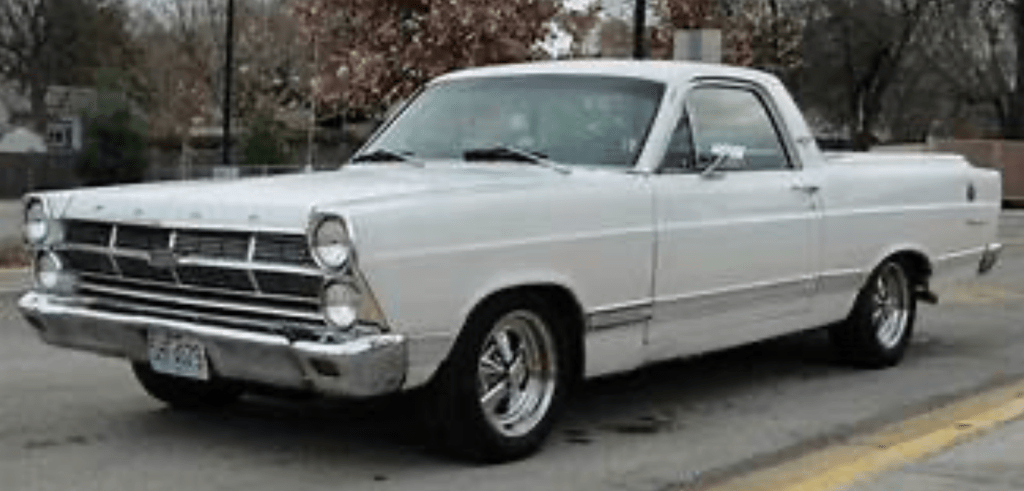
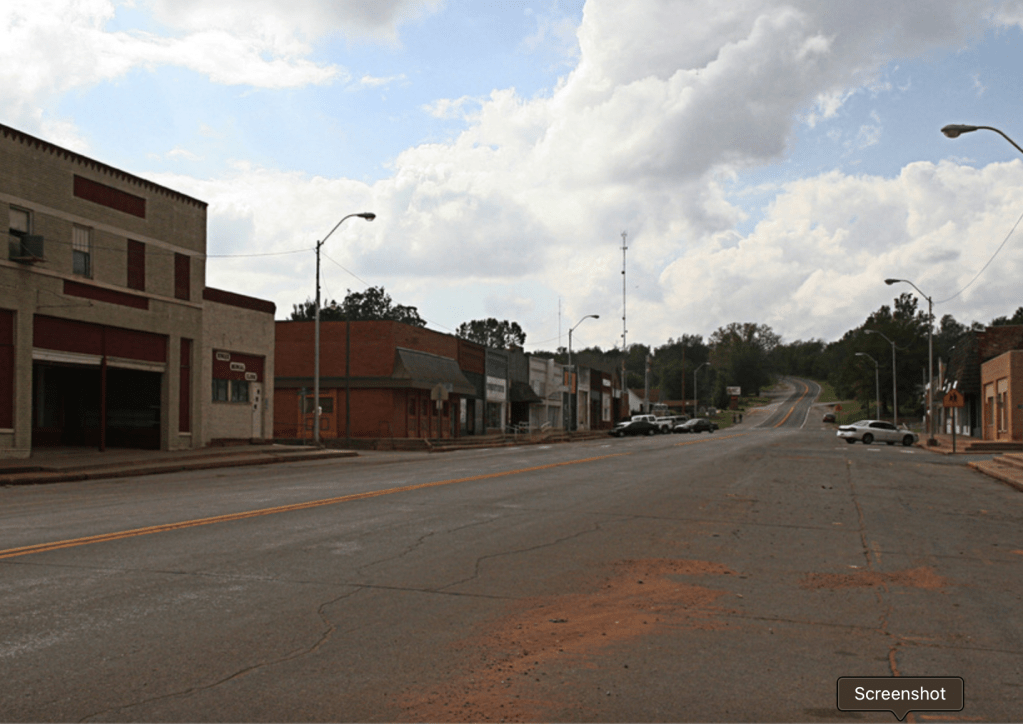
It was a typical summer night in western Oklahoma, and Officer Ben Groff enjoyed a rare night off. He planned to eat at a restaurant on the city’s west side. He drove there in his newly purchased 1985 Dodge Ram. Gaming gold and black under the streetlights, the pickup was his pride and joy. As he cruised along old Route 66, he rolled down the window to enjoy the cool evening breeze.
At an intersection, a red Jeep pulled up beside him. Its driver, a man about Groff’s age, turned down his radio and hollered over the traffic.
“I like your truck; that is slick, man!“
Groff grinned.
“Thanks! Your Jeep’s pretty nice too!”
The man motioned toward the Sonic drive-in up ahead.

“Pull over. Let’s talk!”
Curious and lacking close friends outside the police department, Groff agreed. They parked at Sonic, grabbed burgers, and swapped stories about their vehicles and work. The man introduced himself as Lenny and said he had a knack for making fast friends. Groff, still, couldn’t ignore the possibility that this chance meeting lead to more than small talk. Lenny’s interest in trucks worried Groff. His easy charm also raised Groff’s suspicion.
That night, over beers at Groff’s house, a tentative friendship began to form. But Groff had a strategy. He suspected Lenny was his way into a group linked to a string of thefts plaguing the city. The Chief of Police gave a cautious blessing. Groff embedded himself in this new circle of acquaintances. He balanced camaraderie with the thin line of professional detachment.
Walking the Tightrope
The deeper Groff immersed himself, the more skeptical his fellow officers became. Some resented his approach, accusing him of consorting with known criminals. Others were envious of how the community responded positively to Groff’s efforts. For Groff, the criticism was a necessary price. He knew abandoning the operation would make months of effort meaningless.
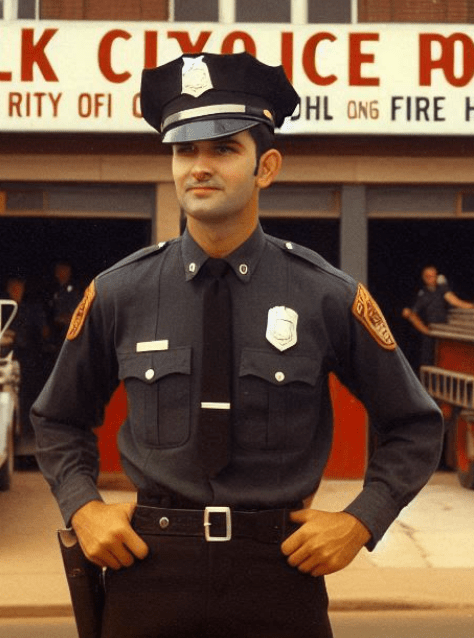
By late November 1985, Groff’s relentless work—juggling undercover meetings, regular patrol shifts, and state-mandated training—was starting to pay off. A critical breakthrough came unexpectedly when one of Lenny’s associates sold Groff a set of truck railings. The thrill of the chase was palpable as Groff made the buy and then cross-referenced recent police reports. Sure enough, a burglary at Bill’s Auto listed truck railings among the stolen items.
It was the break he’d been waiting for.
Closing the Net
The next day, Groff burst into the Chief’s office, his excitement barely contained.
“I’ve got them, Chief! One of them sold me stolen property. If I press him, I can flip him and take down the whole operation!”
The Chief, weary but intrigued, leaned ahead.
“Are you serious? You’re sure this will work?”
Groff nodded.
“I’m sure. But I need to move fast before they catch wind of it.”
“Not alone,”
the Chief said firmly.
“We’ll grab a detective. Let’s do this right.”
The weight of responsibility was heavy on Groff’s shoulders. He agreed but insisted on leading the first confrontation alone. He wanted to avoid spooking the suspect. The Chief and the detective parked discreetly down the street as Groff pulled into the suspect’s driveway.
Groff agreed but insisted on leading the first confrontation alone to avoid spooking the suspect. The Chief and the detective parked discreetly down the street as Groff pulled into the suspect’s driveway.
The suspect, Joey, took his time answering the door. His surprise was clear when he saw Groff in uniform.
“Joey,”
Groff began, his voice steely,
“I know everything—the railings, the bumpers, all of it. This is your one shot to come clean before this place gets torn apart. Don’t blow it.”
Joey’s defiance crumbled.
“How’d you find out?”
he stammered.
Groff played it cool.
“You sold me stolen property. It wasn’t hard to figure out.”
Joey hesitated, then blurted,
“There’s more—way more.”
The Haul
Inside Joey’s attic, Groff and the suspect found a treasure trove of stolen goods. They discovered jewelry, electronics, vehicle accessories, and a firearm. Over $40,000 in items were recovered from Joey’s residence alone. Joey’s confession led to six extra arrests, dismantling a theft ring that had operated for three years.

But the investigation didn’t end there. Interviews with the subjects hinted at more profound corruption, implicating former high-ranking officers in a grocery robbery scheme. Groff pressed for a deeper probe, but political resistance and departmental politics hampered his efforts.
Despite these setbacks, Groff’s work earned him a reputation as a relentless investigator. He was willing to make personal sacrifices to serve justice. The satisfaction of justice served was palpable. Groff’s relentless pursuit of the truth led to the dismantling of a major theft ring. That summer night on Route 66 started a chain of events. It led to one of the most significant cases of his career.











 benandsteve.com