The Sonoran Desert’s Buck Milford – Chapter 4: Yodels and Yellows

By Benjamin GroffMedia© | benandsteve.com | 2025 Truth Endures©

2–4 minutes

Buck Plays a Tune!

The Mexican beagle crickets arrived five days ago. Already, the Arizona Department of Wildlife had received over 300 complaints. Not about damage, mind you—but about the music.

“They’re too dang punctual,”

one retiree griped.


“They hum like my mother-in-law when she’s judging me,”

wrote another.


One anonymous caller just yelled. MAKE IT STOP!” for forty-two seconds before hanging up.

Buck Milford was used to desert weirdness. He’d once ticketed a man for driving a dune buggy made entirely of rattlesnake skins. But nothing prepared him for Carl Sandlins latest idea: The Great Cricket Peace Yodel.

“I’ve been listenin’ to ‘em closely,”

Carl explained, pacing in front of his yurt-slash-taco-stand.

“And I think they respond to pitch. What we got here is a musical species. They ain’t hostile—they just need harmony!”

Carl wore what he called his “diplomatic vest.” It was a sequined denim jacket with fringe. He also equipped himself with an old harmonica, a rusted washboard, and a five-gallon pickle bucket labeled AMBASSADOR DRUM.

Buck just stared at him.

“You sure you haven’t been drinking your aloe again, Carl?”

But Carl was undeterred. That night at 2:00 a.m., he set up two lawn chairs. Fifteen minutes before the crickets’ usual humming ritual, he arranged a battery-powered spotlight. He also prepared a megaphone duct-taped to a broomstick.

“Alright, fellas,”

he said into the megaphone.

“Let’s talk tunes!”

Buck sat in the cruiser, sipping lukewarm coffee, radio off. “This is going to end with him either arrested, abducted, or somehow elected,” he muttered.

At exactly 2:15 a.m., right on schedule, the desert came alive with humming.

But this time… Carl joined in.

He yodeled.

He drummed.

He played a harmonica solo that sounded like a walrus stepping on bubble wrap.

And for thirty glorious seconds… the crickets paused.

Then, they hummed louder than ever.

They didn’t just hum The Andy Griffith Show this time. They mashed it up with Achy Breaky Heart. It sounded suspiciously like a 1996 Taco Bell jingle.

Carl dropped his bucket.

“They answered me, Buck! I think we’re collaborating!”

Buck opened his door.

“Carl, I think they’re angry.”

Suddenly, thousands of beagle crickets surged toward the yurt, drawn to the sounds of tin, harmonica, and misguided ambition. They swarmed Carl’s taco stand, leapt onto the megaphone, and—somehow—turned on his margarita blender.

It spun wildly. Salsa flew.

The crickets began line-dancing.

Buck had seen a lot, but beagle crickets doing synchronized grapevines under a disco light powered by solar lawn gnomes? That was new.

The next morning, the bugs had gone quiet. Carl stood in the rubble of his salsa bar. He was shirtless and proud.

“We made contact,”

he said, eyes shining.

“They danced, Buck. They danced!”

Buck surveyed the scene: overturned lawn chairs, chewed speaker wire, a cricket still stuck in a jar of queso.

“Well, Carl,”

he said,

“either they liked your music—or they mistook you for a piñata.”

Carl smiled.

“Doesn’t matter. Tonight, I’m bringin’ in the banjo!”

SO! CARL. He is bringing in the Banjo! Will it be on his knee? And will someone named Ole Susanna show up in Chapter Five if Carl swings that Banjo too wildly? That is a story for tomorrow. So be sure to check back and see if the Mexican Beagle Crickets have segued into classical jazz. Also, will the Highway Patrol get Buck a larger fly swatter?

The Evolution of Fun: From Classic TV to Modern Joys

GROFF MEDIA 2024© TRUTH ENDURES IMDBPRO

Presented by benandsteve.com By: Benjamin Groff II©

2–4 minutes

GOOD TIMES REMEMBERED

Crosby & Hope

For many, the good times meant youth spent without barriers. Kids rode bicycles freely around town or through the countryside. They explored wherever curiosity led. They just had to be home before dark or by 10 p.m. It was when running to a friend’s house, unannounced was safe. It felt just as natural for them to show up at yours. We all cherish that time of freedom and spontaneity.


Your version of the good times began when you got first place as a young adult. You also got hooked up to cable television. Gone were the days of only three channels. Now, there were forty or more. Channels like MTV, HBO, and SHOWTIME offered endless entertainment. Some kept their televisions locked on MTV 24/7, not wanting to miss the latest music video premiere. The phrase “I want my MTV” wasn’t just a slogan; it was a way of life.


Icons like Downtown Julie Brown, Max Headroom, Randy of the Redwoods, and JJ Jackson became daily companions. They guided audiences through interviews and music video countdowns. These shows entertained us and shaped our memories, creating connection and nostalgia.


Yet, while MTV rocked for many, others fondly recall Saturday mornings. They spent time with classic cartoon characters. They watched Bugs Bunny, Elmer Fudd, Daffy Duck, and Yosemite Sam. Or they enjoyed Speedy Gonzales, the Flintstones, or the Jetsons. These beloved characters live on today, often appearing in rebranded forms and often in commercials that spark nostalgia.


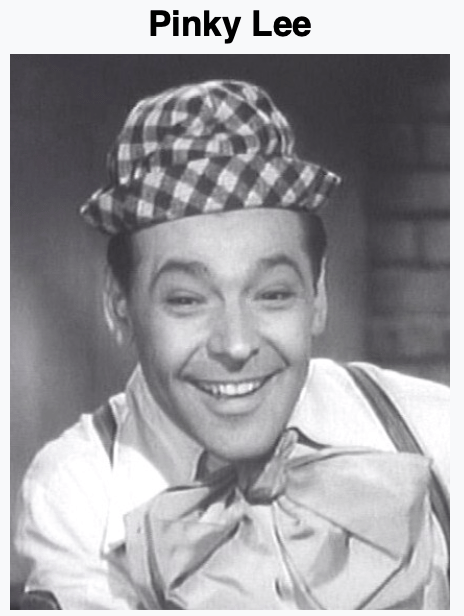
For earlier and later generations, laughter came from entertainers like Pinky Lee or Pee-wee Herman. In the 1950s, Pinky Lee brought his lively antics to television. He appeared first in a primetime variety show. Later, he starred in a children’s program sponsored by Tootsie Roll. His Emmy-nominated show paved the way for future quirky entertainers. Pee-wee Herman was one of them. His distinctive gray Glen plaid suit, red bow tie, and eccentric persona owed much to Lee’s energetic style.


Beyond television, the good times existed in life’s simple pleasures. One was the crackle of a baseball game on the radio during a warm summer evening. Another was the scent of fresh popcorn at a drive-in theater. The excitement of getting that first car was thrilling. Sheer will and a little duct tape held it together.


For some, the best times were spent playing Pac-Man and Donkey Kong in arcade halls. They also glided across the roller rink beneath spinning disco lights. Others made mixtapes from the radio. They hoped the DJ wouldn’t talk over the intro of a favorite song. Others remember cruising on a Saturday night, windows down, music blasting, with no destination—just the pure joy of freedom.
The good times were about more than the entertainment we consumed. They were about the people we shared them with. Families gathered around holiday meals. Friends packed into a car for a spur-of-the-moment road trip. Conversations under a star-filled sky became treasured late-night memories.


Each generation has its version of the good times. These moments shape us and leave lasting impressions. They bring smiles long after they’ve passed. No matter what era you look back on, one thing is sure. The good times do not last forever. But they always roll on in our hearts. They create a sense of continuity and belonging.

What is your favorite best-of-times recollection?

The Guitar from Jimmy Carter’s Grove

Groff Media 2024© Truth Endures IMDbPro

Presented by benandsteve.com By: Benjamin Groff II©

3–4 minutes

Long after leaving the White House, Jimmy Carter found solace in the quiet rhythms of nature. On a sunny morning in Plains, Georgia, Jimmy stood at the edge of a grove. He had planted these trees decades ago. These trees—mahogany, maple, and spruce—weren’t native to the region. Carter had brought their seeds home from his travels. He envisioned them growing tall and strong in the fertile Georgian soil.

Jimmy called what others saw as an unusual hobby his “living legacy.” Each tree had a purpose, and he dreamed of turning their wood into something meaningful. One day, while strumming his old guitar on the porch, the idea struck him: 

What if I made a guitar from the trees I grew with my own hands?

The Craft

Years passed before the time was right. Jimmy carefully chose a mahogany tree for the body. He selected a maple tree for the neck. He also picked spruce for the soundboard. He contacted a local luthier, Sam Wainwright, who had a reputation for crafting instruments with heart and precision.

Sam, skeptical at first, raised an eyebrow when Jimmy proposed the project.

“You’re telling me you’ve been growing trees for years just for this?”

Jimmy chuckled.

“A good guitar starts with good wood. I figured, why not grow my own?”

Sam couldn’t argue with the sentiment. They spent hours examining the wood, carefully cutting it, and shaping it to perfection. Jimmy insisted on being part of every step, from sanding the pieces to carving the intricate rosette around the soundhole.

As they worked, Jimmy shared stories—about his childhood in the rural South, his presidency, and his humanitarian efforts. Sam listened intently, realizing the guitar wasn’t just an instrument but a symbol of patience, purpose, and creativity.

The First Song

Months later, the guitar was finished. Its finish glowed like amber honey. Its tone was warm and resonant. It carried the richness of the wood’s decades-long journey. Jimmy held it in his hands. He marveled at how the trees he had nurtured now sang harmoniously. They created a sound that was not just music. It was a testament to the beauty of nature.

During a warm summer evening, friends and family gathered. Jimmy sat on his porch with the guitar resting comfortably in his lap. He strummed the first chords, their notes floating into the peach-scented air.

The song he played was one he had written himself. It was a simple tune about the roots—both in the ground and in life. It spoke of time, care, and the beauty of watching something grow. The crowd swayed to the music. Their faces lit with admiration for the man who had turned trees into tunes. They felt a sense of nostalgia for the simple, yet profound, message of the song.

A Lasting Legacy

In the years that followed, the guitar became more than an instrument. Jimmy used it to teach music to children, play for visitors, and raise funds for Habitat for Humanity. Each time its strings vibrated, it told a story of persistence and hope.

When asked why he had gone to such lengths to make the guitar, Jimmy would smile and say,

“It reminds us that good things take time. The simplest gifts, like a tree or a song, can bring the most joy.”

The guitar from Jimmy Carter’s Grove wasn’t just a piece of wood strung together. It was a testament to a life rooted in purpose and patience. It symbolized the belief that even the smallest seeds can create something extraordinary.

An original report exists in Guitar World, which you can find here!

Remembering Kris Kristofferson: A Personal Tribute

A Tribute to Kris Kristofferson by Marion Toehay Jr., Friend and Former Chief of Police

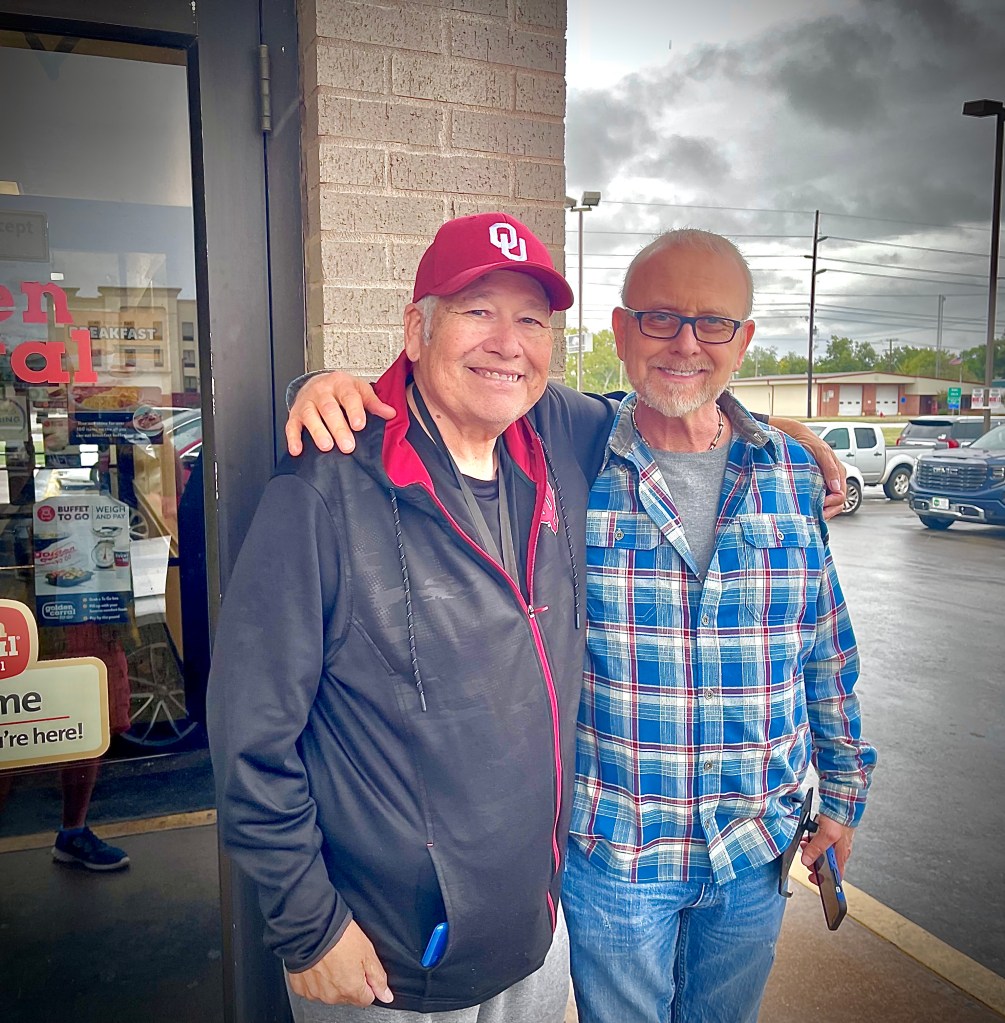
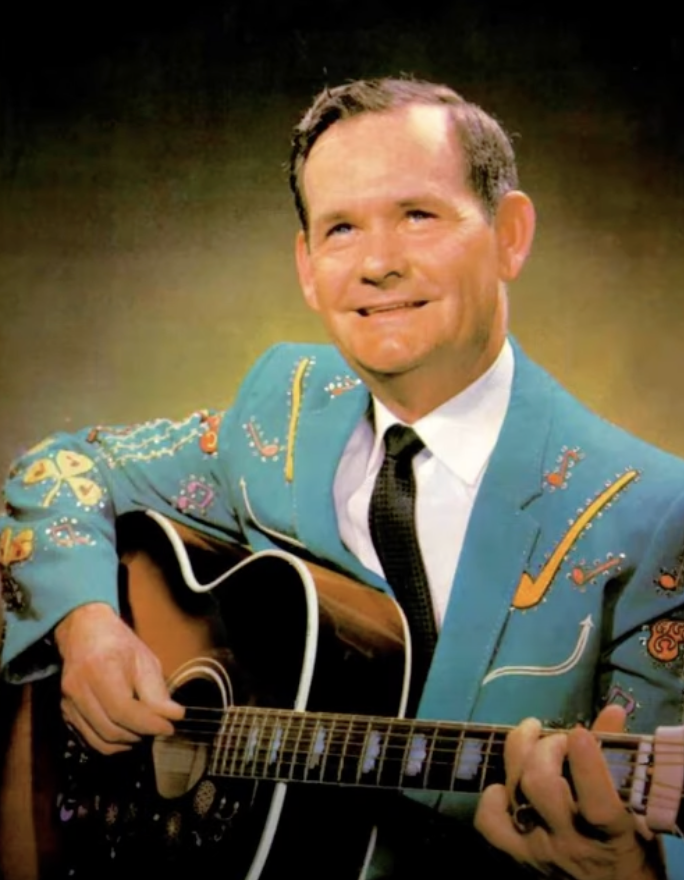
Marion Toehay JR. (Left)
Benjamin Groff (Right)

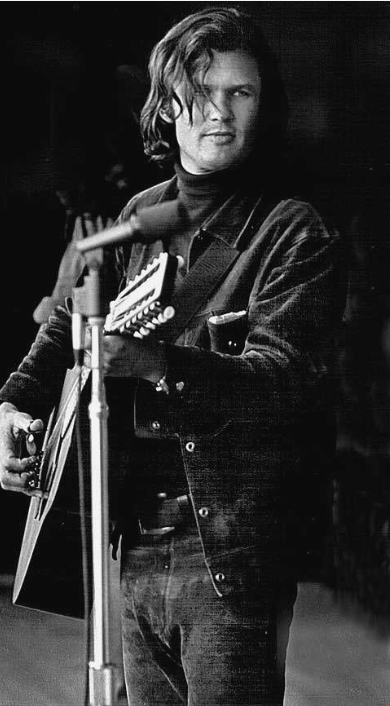
Marion Toehay Jr., a close friend of Benjamin Groff II, who typically authors this page, shares his heartfelt memories today as the world mourns the passing of Kris Kristofferson. The legendary singer-songwriter passed away on Saturday at age 88 in Hawaii. Marion met Kris in the summer of 1968, during the early days of Kristofferson’s career, at the Silver Dollar Saloon in Phoenix, Arizona.

In 1980, Marion became Benjamin’s first Chief of Police in Oklahoma, and today, he reflects on the unforgettable encounter he had with Kris all those years ago:


Kris Kristofferson was one of a kind. I had the chance to meet him when I was just 13 years old, working with my stepdad during the summer of 1968. We were selling produce to bars around Phoenix, Tucson, and the mining towns in the White Mountains. On our last stop in Phoenix, at a place called the Silver Dollar Saloon in what was known as Cowtown, we went inside—and there he was.

I remember seeing Kris Kristofferson stand up from a table and walk right over to us. He greeted my stepdad like an old friend, saying, “Y’all come sit down and have a beer.” At the table with him were none other than Johnny Cash and Waylon Jennings.

My stepdad had always told me he knew Kristofferson, Cash, and Jennings, but up until then, I hadn’t met them myself. Every time we passed through, they just weren’t there. I was starting to think I’d never get the chance to meet them. But that evening, out of nowhere, they were larger than life. It was like a dream come true for me—a 14-year-old kid with a love for country life.

We spent the evening laughing, sharing stories, and, yes, drinking some beer. When we finally headed home, my mom awaited us, wondering why it had taken so long. I told her about meeting Kris, Johnny, and Waylon, and she just smiled and said, “Oh, okay,” as if it was no big deal. She’d met them before, too, thanks to my stepdad. But for me, it was the highlight of the summer—and a memory I’ll never forget.

Hearing about Kris Kristofferson’s passing is sad for everyone who admires him. My family and I send our deepest condolences and hope he rests in peace.

Remembering Jürgen Ahrend –– The Legendary Organ Builder

A Story By: Benjamin Groff© Groff Media 2024© Truth Endures

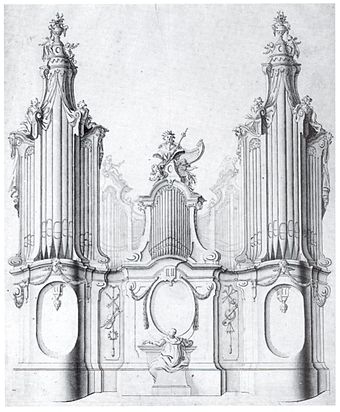
In the picturesque town of Göttingen, Germany, where the echoes of time vibrated through the cobblestone streets, a young prodigy named Jürgen Ahrend unearthed a profound connection to the world. Born on April 28, 1930, Jürgen was no ordinary child; his fascination with music was a beacon of his identity from a tender age. The harmonies of the local church organ would enrapture his imagination, and he would spend hours in silent contemplation, envisioning the creation of such magnificent sounds himself. This early passion for music and organ building is a testament to his lifelong dedication and can inspire us all.

At sixteen, Jürgen began his journey into the world of organ building, serving an apprenticeship with the renowned firm of Paul Ott. From 1946 to 1948, he learned the intricate art of crafting and restoring these majestic instruments. His apprenticeship was more than a mere training period; it was a formative time that solidified his passion and honed his skills. After completing his apprenticeship, Jürgen stayed on as an employee, perfecting his craft each day.

In 1954, Jürgen embarked on a new chapter of his life, forming a partnership with Gerhard Brunzema in Leer–Loga, Lower Saxony. Together, they created a symphony of work, producing 54 new organs and restoring 19. Their collaboration was a harmonious blend of innovation and tradition, each organ they built or restored becoming a testament to their dedication and artistry. However, in 1972, Brunzema left the firm, and Jürgen faced a new challenge. With unyielding determination, he established Jürgen Ahrend Orgelbau, a workshop that would soon become legendary in organ building.

Jürgen’s reputation grew with each project he undertook. His restoration of the Rysum organ and the Arp Schnitger organ in Hamburg’s Hauptkirche St. Jacobi (St. James’s Church) garnered international acclaim. These restorations were not mere repairs; they were acts of reverence, breathing new life into historical treasures. Jürgen’s meticulous attention to detail, his deep respect for the original craftsmanship, and his unwavering commitment to excellence ensured that each organ retained its unique voice, echoing through the centuries. His commitment to excellence is a testament to his dedication and can be felt in every note that resonates with his organs.

In 2009, filmmakers documented Jürgen’s remarkable journey in the film Martinikerk Rondeau. Through extensive interviews, he shared his wisdom, passion, and the philosophy that guided his work. The film offered a glimpse into the mind of a master craftsman, revealing the depth of his commitment to preserving the art of organ building.

As Jürgen approached his later years, he passed the torch to his son, Hendrik, in 2005. Under Hendrik’s leadership, Jürgen Ahrend Orgelbau continued to thrive, carrying forward the legacy of excellence that Jürgen had established. Jürgen’s influence remained palpable, his spirit woven into every pipe, every key, and every note resonating from the organs crafted in their workshop. The continuation of his legacy through his son, Hendrik, ensures that Jürgen’s influence will be felt for generations to come.

On August 1, 2024, Jürgen Ahrend passed away at 94. His life, marked by dedication, artistry, and an unwavering love for music, left an indelible mark on the world. Jürgen’s legacy lives on in the organs he built and restored, in the workshops where future generations of organ builders draw inspiration, and in the hearts of those touched by the music he so lovingly crafted.

Jürgen Ahrend was more than an organ builder; he was a maestro whose work transcended time, a guardian of musical heritage, and a beacon of passion and perseverance. His story is a tribute to the power of art, the importance of preserving history, and the enduring impact of one man’s dedication to his craft.

What Is It That Makes Country–Country Music?

The True Legends: From Jimmie Rodgers to Willie Nelson

Country music, a genre deeply ingrained in the tapestry of American culture, draws its strength from the trials, joys, and heartaches of everyday life. From its modest beginnings to its monumental ascent, the narrative of country music is a tapestry woven with characters and stories that resonate with unwavering authenticity and passion. The true legends of country music—Jimmie Rodgers, Hank Williams, George Jones, Hank Locklin, Faron Young, and many others—have left an indelible mark on this genre, each contributing to its legacy with a unique and profound resilience.

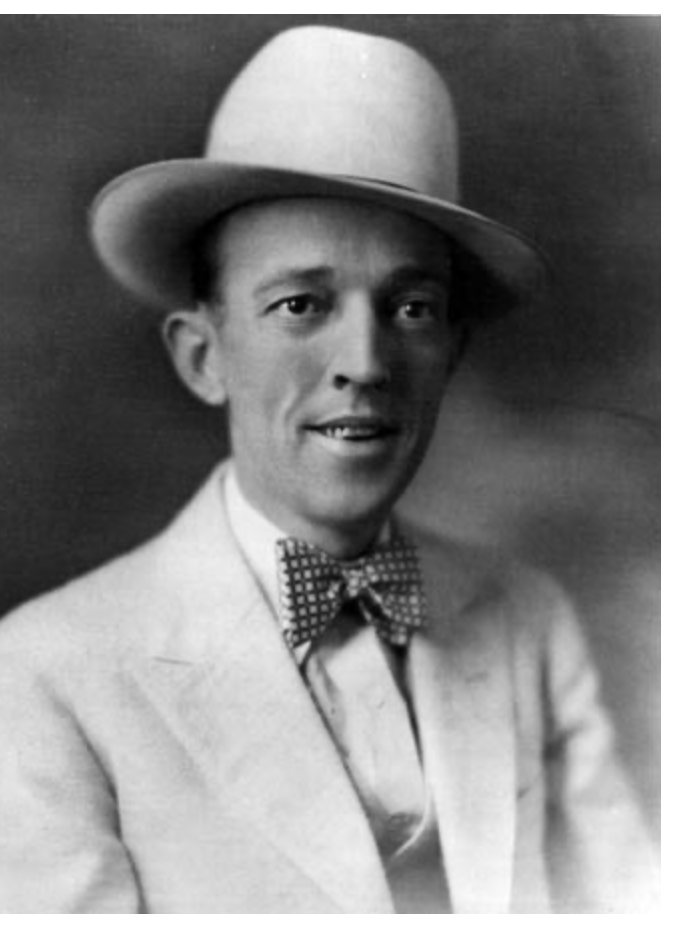
Jimmy Rodgers

Jimmie Rodgers, known as the “Father of Country Music,” was one of the first to bring the genre into the national spotlight. Born in Meridian, Mississippi, Rodgers combined the sounds of rural southern blues with the yodeling of Swiss folk music, creating a distinctive style that captivated audiences. His songs, like “Blue Yodel” and “In the Jailhouse Now,” spoke to the struggles and stories of ordinary folk, setting the stage for future country artists to follow.


Hank Williams, often hailed as the “King of Country Music,” continued this tradition with his poignant lyrics and heartfelt delivery. Songs like “Your Cheatin’ Heart” and “I’m So Lonesome I Could Cry” became anthems of sorrow and longing, touching the hearts of millions. Williams’ influence is so profound that his music still echoes the work of contemporary country artists.

Faron Young

George Jones brought a new depth to country music with his rich, expressive voice. Known for his rollercoaster life and tumultuous relationships, Jones channeled his experiences into his music, producing forever hits like “He Stopped Loving Her Today” and “The Grand Tour.” His ability to convey raw emotion made him a beloved figure in country music, earning him the nickname “The Possum.”

Hank Locklin

Hank Locklin and Faron Young also shaped the country music landscape. With his smooth tenor voice, Locklin was known for hits like “Please Help Me, I’m Falling” and “Send Me the Pillow You Dream On,” showcasing his unbelievable talents to blend traditional country with pop sensibilities. Young, on the other hand, brought a honky-tonk edge to his music with songs like “Hello Walls” and “Live Fast, Love Hard, Die Young,” capturing the rebellious spirit of the genre.

These legends performed everywhere—from the hills and hollows to the bustling streets of New York City. They sang in juke joints, honky-tonks, street corners, and county fairs, sharing their music with anyone who would listen. Their songs spoke of the heart and soul of America, touching on themes of love, loss, cheating, and redemption. They didn’t rely on flashy gimmicks or expletive-laden lyrics; their music and performances were a testament to their genuine connection with the audience. They thrived on the crowd’s energy, dressed to the nines, ready to pour their hearts out on stage.

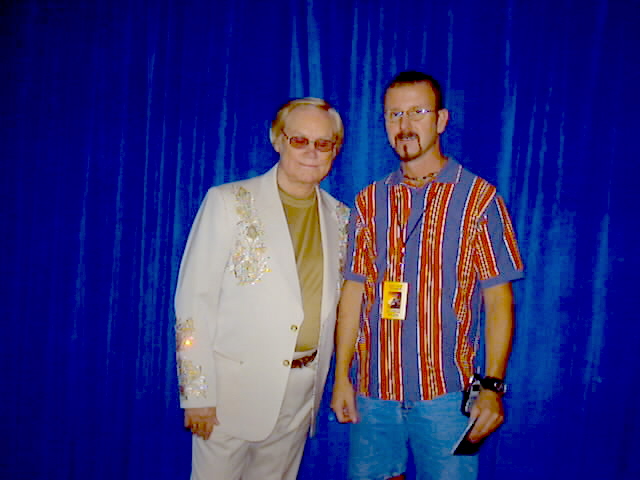
George Jones & Ben G.

Having had the honor of spinning records at AM and FM stations nationwide and serving as a news reporter, I’ve witnessed firsthand how the magic of country music resonates with people. Unfortunately, today’s radio often fails to capture the essence of what made country music great. It has lost its way, drowned in a sea of commercialism and superficiality. As a devoted follower of country music, I find solace in satellite radio, particularly Willie’s Roadhouse, where the spirit of authentic country music lives.

Willie Nelson, one of the few remaining legends from the golden age of the country, continues to be a beacon of authenticity in the genre. His music, characterized by its sincerity and simplicity, reminds us of what country music once was and still can be. His influence and contributions are immeasurable, and I extend my best wishes to him and heartfelt thanks to everyone who has kept the spirit of country music alive. 

Willie Nelson

In conclusion, country music is not just a genre; it is a reflection of the American experience. The legends shaped it with their talent, integrity, and a deep connection to their audience. Their music continues to resonate because it speaks to the universal themes of life—love, heartache, joy, and sorrow. As we look to the future, let us remember and honor these true legends who paved the way. Let their legacy inspire a new generation of country artists to keep the heart and soul of this beloved genre alive, preserving its spirit for generations to come.

QUESTIONING AND REEVALUATING LONG-HELD BELIEFS AND ENCOURAGING DIALOGUE, UNDERSTANDING AND ACCEPTANCE?

The documentary “1946: The Mistranslation That Shifted a Culture” delves into a controversial and thought-provoking topic that challenges conventional beliefs about the Bible and homosexuality. Directed by Sharon “Rocky” Roggio, the film examines the claim that the Bible originally did not mention homosexuality and that references to it were added due to mistranslation and misunderstanding of ancient Greek terms.

The film highlights the work of Christian scholars who delve into forgotten archives at Yale University to uncover the origins of this mistranslation. It argues that conservative Christians began to propagate this mistranslation in the 1970s to scapegoat the LGBTQ+ community and oppose their growing liberation movement.

Roggio, who identifies as a lesbian and is the daughter of an evangelical minister, engages in dialogues with her father throughout the film, attempting to find common ground and challenge his beliefs about homosexuality being a sin. This personal narrative adds depth and emotion to the documentary, as it explores the complexities of faith, identity, and acceptance within a family divided by differing views on sexuality and religion.

The documentary sheds light on the potential harm caused by misunderstandings and misinterpretations of religious texts, highlighting the real-world consequences faced by LGBTQ+ individuals who have been marginalized, discriminated against, and even persecuted due to these beliefs.

Overall, “1946: The Mistranslation That Shifted a Culture” offers a compelling perspective on a contentious issue, urging viewers to question and reevaluate long-held beliefs and encouraging dialogue, understanding, and acceptance.


Photo by Alexander Grey on Pexels.com

Gay, Lesbian, Bisexual and Transgender National Hotline 1-888-843-4564. “The Gay, Lesbian, Bisexual and Transgender National Hotline provide telephone and email peer-counseling, as well as factual information and local resources for cities and towns across the United States.

A Laugh From The Editor

IMG_6884A Note From Benjamin

We are glad you found benandsteve.com —- this post brings you to a site where you can learn more about different individuals born into this world trying to find normalcy. I often call it “Being Straight In A Gay World!” For so many, they are forced not to live their true selves. And lies are sometimes fatal.

For hoots and to offer you relief from the hard-hitting info and news, we sometimes find pieces to keep a chuckle in the heart from deep inside the benandsteve.com files.

Live on!

Benjamin

You know why I am Gay? Because God Made Me That Way, or That’s The Way The Genes Flow. And It’s NObody’s Damn Business But Mind. You HEAR!

THE DAY YOU DECIDED…

We will take care of our sins. You tend to yours…

About Gays And Why Laws, Book Bans, School Boards, And Other Restrictions Attempting To Bash And Attempted Genocide Against Queer Peoples Won’t Stop More People From Increasing The Populations In The LGBTQI Community!

The Day You Decided Who You Are
Photo by cottonbro studio on Pexels.com

We all remember that day. It may be a Spring afternoon following a light rain shower, with flowers peaking from beneath their winter hiding place for a first glimpse of the season’s sun. There we sit. We were pondering between the two choices. Will we be straight or gay? Surely everyone remembers that day, for if it is a choice, everyone faces the same options. You can choose both, they say. That needs to be clarified.


To be or not to be, when we were teens, first discovering who we were, for some, it was challenging to accept, and it took years for those who grew up in communities that were closed-minded and set to one way of life to finally get into their head that they were who they are and not who others expected them to be. They had tried to take the path of least resistance and attempted to take the straight route, not given another choice. But every piece of their biological body screamed at them, telling them something wasn’t right. They were misleading others, lying every minute of their life, and never being their true selves. They either had to leave and be their authentic self or die. Some tried to marry, but after a period, the inner madness kept them from carrying on, and their either killed themselves, came out and took the hell and damnation from the small communities in which they lived, or packed up and disappeared. Many may have turned to alcohol or drugs, appearing to believe it was better to be an addict than what they felt was their true self. If they were lucky, they met their soul mate and were rescued from the prison that so many are forced into by a society that is cruel and judgmental of others. Fortunately for others, they meet their lifemates just out of high school. They seem to know how to manage the world around them and find a world to live and operate in a life they would have otherwise missed out on, creating long-term relationships and being grateful things turned out as they do. They would not have wished to miss on so much love and so many adventures.


Forty-one years later, another couple still see simple rights afforded to their neighbors, rights that are threatened to be stripped from them by bigoted and power-hungry maga-republicans. So a question is asked to these groups suggesting they can kill off the gays. When did they choose to be straight? And, why is allowing this couple to live in peace so bad?

Photo by Joshua Mcknight on Pexels.com

All the books, movies, and internet sites in the world may get banned; however, that will not stop the same amount of new homosexual and bisexual men and women from populating the earth each year. Some evil act does not make them. They are born, just like the couple you are reading about. Just like you!

One couple originates from small towns in Western Oklahoma. Growing up, they were never acquainted with gay anything. Both were church-attending, straight-laced lads all the way. Still, each began slowly dying from living in a suppressive community that had conditioned them to believe they were the worst people on the earth and were going to Hell. That worked until they met after high school and finally began to breathe life through one another. It took a lifetime to overcome the damage God-fearing sermons placed on them. They chose to move to a larger city and begin to grow privately, not making themselves the center attraction of life, but their community knew they coupled. As life continued, so did their love and energy, and now they live in a retirement community. But their rights are under threat daily. Because their property, retirement, and physical and fiscal security are in danger by daily threats of changing laws and bigotry. Research has discovered there should be signs on every front door of any religious establishment reading “for entertainment purposes only, because it does not produce a benefit for the community as a whole, just for the few!”

So When Did You Choose Your Sexual Preference?

And To Screw With It Would Cause Extinction!

This passionate talk from Dr. James O’Keefe, MD, gives us a deeply personal and fascinating insight into why homosexuality is a necessary and instrumental cog in nature’s perfection.

Research shows those making up the LGBTQI Communities are responsible for keeping the human race alive.

So When Did You Decide? When Did You Make Your Decision On Who To Be?

LGBTQI? It Is Natures Response To Maintaining The Magic Balance In Life – And To Screw With It Would Cause Extinction.

Maintaining The Magic Balance In Life

For those desiring more proof that the existence of gays is “born” to history and that the members of the LGBTQI Community do not simply choose to be Gay, this history lesson may help if you are an individual with a mind with enough room to learn new and factual information. 

Another way to arrive at the understanding of whether LGBTQI members are born or are made of people choosing a lifestyle, ask yourself when you decided to be heterosexual (straight). What day did you choose between the options available and determine what life you wanted? Then consider who would ever pick a life where their being would face prejudices, denial of employment, housing, and services if they had a choice not to have to face the constant bigotry bashing them daily. 

If you believe in a Higher Authority, a God. If this is your premise and you still object to these beings walking the earth, take it up with Him. When you do, if you believe scripture, consider Genesis 1:26-28, which announces that human beings are unique and all are in the image of God.

§Then God said, 'Let us make man in our image, according to our likeness, and let them rule over the fish of the sea and the birds of the sky and the cattle and over all the earth.  Genesis 1:26-28

IF HE IS TRUE. AND THERE IS AN ALMIGHTY. AND HE DID SOMETHING WRONG IN DESIGNING CERTAIN INDIVIDUALS TO BE DIFFERENT. THEN YOU SHOULD TELL HIM HE IS WRONG!


Viewing the windows to the right will allow the Facebook Posting to open so the original content can be read.

Remember It…The Day You Decided!

This Is Not A Paid Advertisement

If you are God Fearing, then this message is for you! Our supposed sins will not send you to Hell. But God will ask about yours, i.e., judging others, planting seeds of strife. So the sins you commit are the only ones you should be concerned with. We are fine in answering to the top, should there be anything to comment on. You take care of your side of the street. We will tend to ours!

The Reverend Groff

Demi Lovato’s Album Cover That Is Upsetting The U.K. And Crotchety Old Stiffs

A poster of Demi Lovato wearing a black colored bondage-style outfit and lying on a crucifix-shaped bed is being banished for causing offenseiveness to Christians.

The title of the singer’s new album clearly alluded to a swear word and, together with the image, linked sexuality to a sacred symbol, the UK’s advertising watchdog found.

Polydor Records said it was artwork designed to promote the album and did not believe it to be offensive.

The poster received four complaints. And, now days that is all it takes!

READ ALL ABOUT IT! Visit the original posting for this report by visiting this website by clicking here!

Good Grief – Death And Dying. Why are so many people going to their graves battling for the best prices on final resting plots?

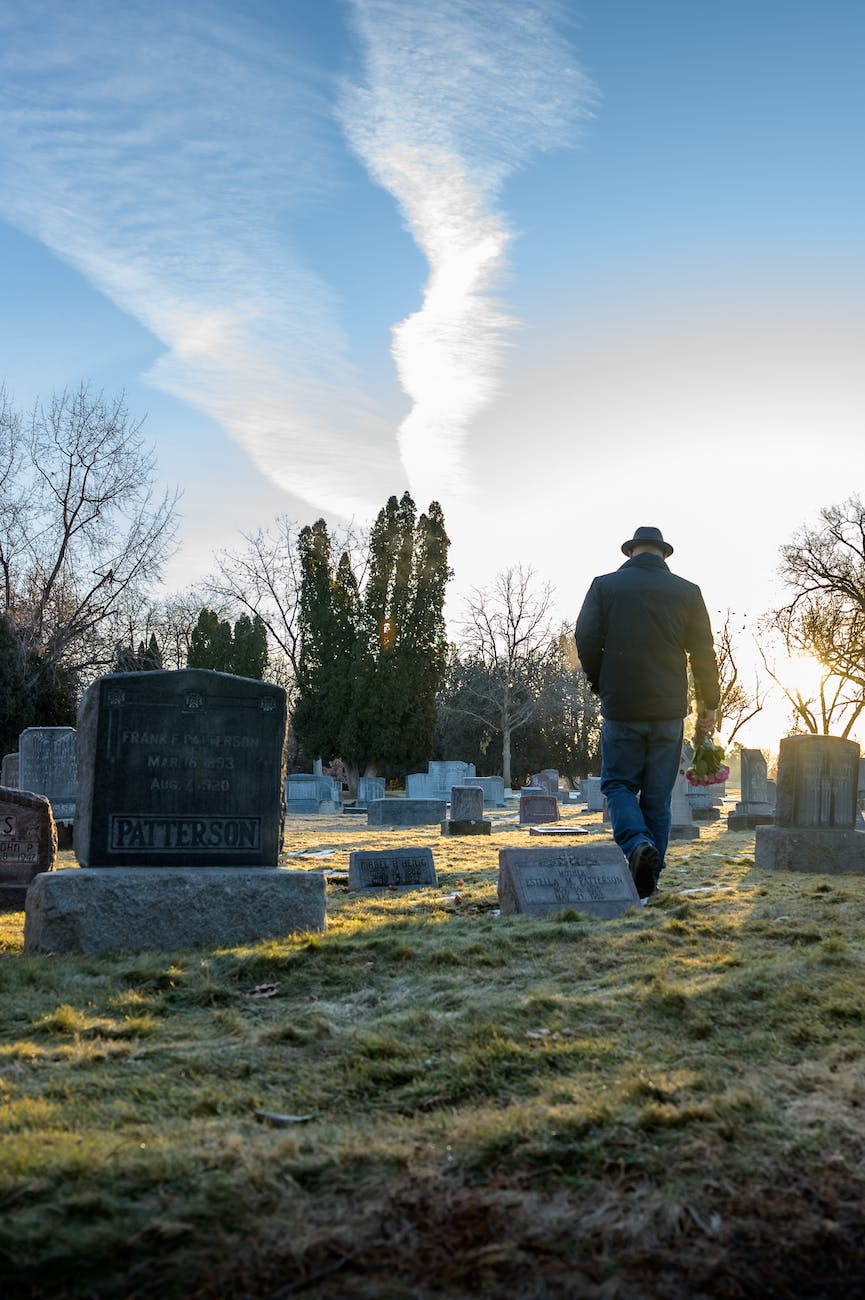
Photo by Brett Sayles on Pexels.com

It’s the hottest place in town regarding most business models in the industry. “Everyone is dying to do business with the local funeral directors and cemeteries,” one potential client said!

People Checking Out And The Funeral Industry – how funeral homes are making killing off people dying!

Read All About It Here!

Guiding Grief

PRIVATE, ON-DEMAND GRIEF VIDEO LIBRARY TO PROVIDE IMMEDIATE HELP

Everyone’s grief journey is different. Guiding Grief™ was created to offer perspectives from those who have experienced all types of grief. While this private resource library can never replace therapy or a support group, these 27 videos were created to give those faced with loss an overview of what they may experience, how normal that is, and how to avoid common mistakes in caring for themselves and making decisions while grieving. Guiding Grief™ is the perfect gift. What better way to begin healing than to learn what helped others?

Find the information you need to have all your concerns met.

Click here!

benandsteve.com and Groff’sHomeOutWest Blog and or Galaxy8News, are not associated with Guiding Grief™ its related pages, owners, or associates. The link to its information intent is to allow an information resource referral only. The reference is not an endorsement but a suggested source to include in establishing facts you need to make important decisions regarding final arrangements for you or a loved one.