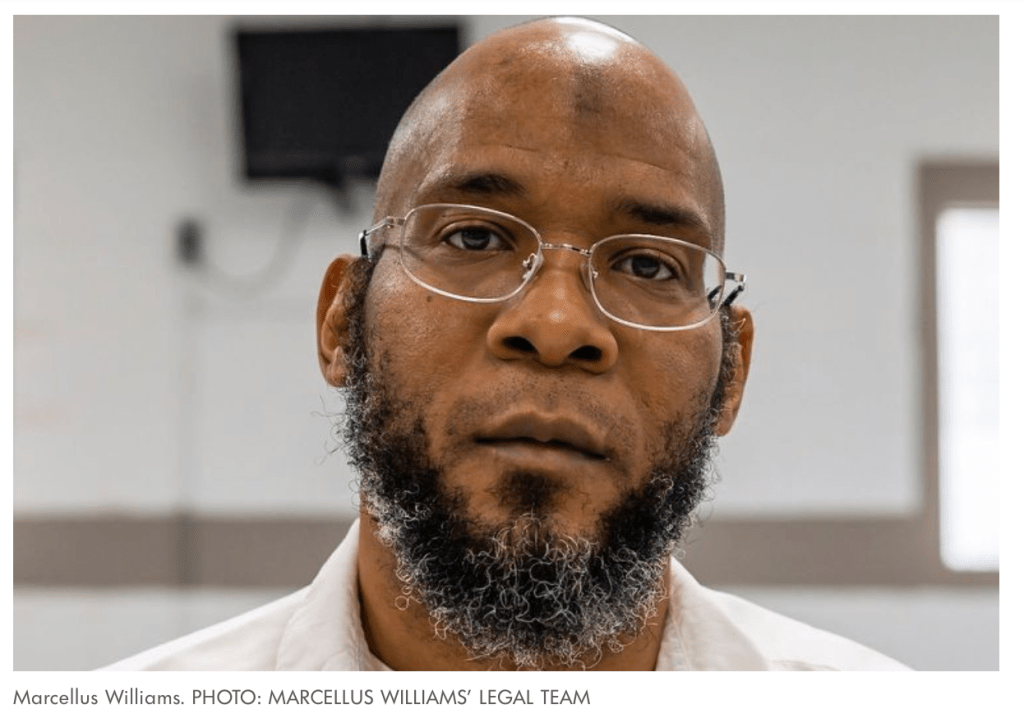
In September 2024, Missouri executed Marcellus Williams despite significant evidence casting doubt on his guilt. Williams was convicted for the 1998 murder of Lisha Gayle, a former St. Louis Post-Dispatch reporter, but recent DNA tests excluded him as the source of evidence found on the murder weapon. While Williams’ legal team sought a stay of execution, and even the prosecution expressed doubts, Missouri proceeded with the lethal injection after Governor Mike Parson dissolved a previous inquiry. His execution sparked widespread outrage, igniting debates on the reliability and ethics of the death penalty.
Williams’ final words were, “All praise be to Allah in every situation,” reflecting his unwavering faith. His attorneys argued that the DNA evidence should have been sufficient to overturn his conviction, but the courts dismissed this claim. In 2017, then-Governor Eric Greitens halted his execution and established a board to review the case, but this effort was reversed by Governor Parson, sealing Williams’ fate.
Even Gayle’s family had called for clemency, asking for Williams’ sentence to be commuted to life without parole. Despite their pleas, the state moved forward with the execution, leading to questions about whether justice had truly been served. The case has raised concerns about rushing death penalty cases and highlighted the dangers of executing potentially innocent individuals.
Williams’ case continues to fuel national debates over capital punishment and the failures of the justice system, particularly when substantial evidence suggests wrongful conviction. His death has become a rallying point for advocates pushing for reforms in the death penalty process, as critics argue that his execution may have been a tragic mistake. Was this mistake a murder carried out by the state of Missouri, and those who had the responsibility to stop it ––– the killers?
The concept of a “chosen people” has sparked debates throughout history, especially when tied to moral, societal, and political questions. In modern times, the idea of being “chosen” is often reimagined or repurposed to justify decisions that affect minority groups.
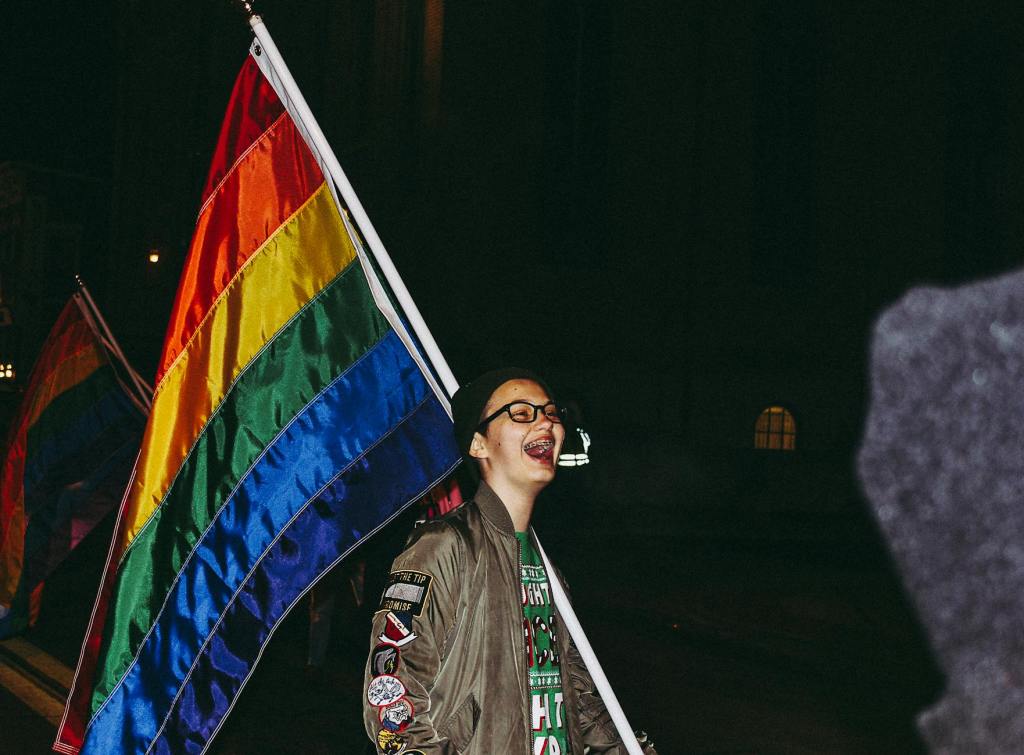
Recently, the U.S. House Committee on Education and the Workforce advanced a controversial bill, H.R. 736, that aims to force schools to out transgender students to their guardians. The bill, titled the “PROTECT Kids Act,” requires schools receiving federal funding to notify guardians if a student wishes to change their gender markers, pronouns, or preferred names. The legislation also seeks to dictate which school facilities these students can use, including bathrooms and locker rooms.
This legislative action raises an important question: who gets to decide the fate of vulnerable groups, and under whose authority do they claim this right? Much like the ancient notion of being “chosen” by God, this modern political move asserts dominance over others, deciding for them what is best based on a rigid set of beliefs.
The bill passed the House in 2023 as part of the “Parents Bill of Rights Act” (H.R. 5) but faced bipartisan solid opposition. Every Democrat and five Republicans voted against it, while most supported it. Despite the potential for this bill to move through the House, it is unlikely to pass the Senate or gain approval from President Joe Biden.
Opponents of the legislation, including the Congressional Equality Caucus, condemned it as an attack on transgender students’ safety. Chair Mark Pocan highlighted how, in the wake of a tragic school shooting, Republicans chose to focus on targeting vulnerable students instead of addressing genuine safety concerns.
The question of who is “chosen” can be expanded beyond ancient religious contexts to current identity, rights, and protection issues. The targeting of trans students under the guise of protecting children raises more profound philosophical questions about power, authority, and the consequences of imposing one’s beliefs on others.
The biblical idea of a “chosen people” once symbolized favor and responsibility, but that label often becomes a tool to exclude and control in modern times. This recent bill serves as a reminder that decisions made in the name of protection or moral righteousness can have far-reaching, often damaging, effects on those they claim to protect.
In the end, it is crucial to ask when the power to choose the fate of others—whether through divine claim or political force—became justified. And who truly benefits from these decisions?
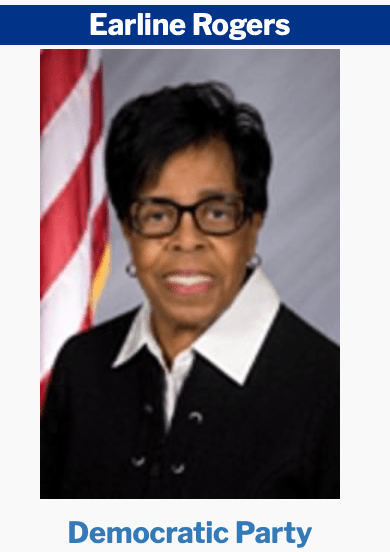
Earline S. Rogers, a distinguished American politician and lifelong education and civil rights advocate, passed away on September 5, 2024, at 89. Rogers dedicatedly served the people of Indiana for over thirty years, first in the Indiana House of Representatives from 1982 to 1990 and then in the Indiana State Senate, representing District 3 from 1990 through 2016.
As a proud member of the Democratic Party and the Indiana Black Legislative Caucus, she championed legislative efforts to support education, working families, and her beloved community of Gary, Indiana.
Born on December 20, 1934, Earline Rogers was a trailblazer from an early age. She earned her Bachelor’s (1957) and Master’s (1971) degrees from Indiana University, Bloomington.
Her career began as an educator in the Gary Community School Corporation, where Earline made a lasting impact by [specific impact]. Her passion for public service led her to the Gary City Council, where she served as a member and President from 1980 to 1982.
Rogers made history with her election to the Indiana House of Representatives in 1982. During her tenure, she spearheaded [specific achievements] and continued to rise, later serving as Minority Whip during her tenure in the Indiana Senate. She was a strong and tireless voice on numerous committees, including Appropriations, Homeland Security, and Transportation, and as the Ranking Minority Member on the Education and Career Development and Family and Children Services committees.
Throughout her career, she was known for improving education and advocating for students, always believing in the power of knowledge to empower and transform lives.
2016, after more than 30 years of public service, Rogers retired from political life, choosing not to seek re-election. Earline’s dedication and influence will continue to shape and inspire future generations through the laws she helped shape and the generations of students she inspired.
Earline Rogers leaves a legacy of courage, compassion, and commitment to public service. Her unwavering dedication to her community, particularly her profound belief in the importance of education as the key to progress and equality, will continue to inspire and connect us all.
She leaves behind a legacy of strength, integrity, and kindness that earned her the respect and admiration of her family, friends, and countless colleagues. Her memory will shine brightly forever in the hearts of those who knew her and the lives she touched throughout her incredible life.
Reasoning: This story underscores the resilience of individuals and communities in the face of societal and political challenges. By reflecting on the journey of an older gay couple who have navigated the tumultuous landscape of LGBTQ+ rights over decades, the narrative aims to emphasize both progress and ongoing struggles. The juxtaposition of their personal history with a contemporary political event draws attention to society’s persistent absurdities and injustices, ultimately advocating for continued vigilance and activism.
The older man gazed into the mirror, his eyes reflecting the many memories that spanned decades. They reminded him of his first visit to the Valley of the Sun. Back then, he was a young man, brimming with energy and a deep yearning to be outdoors. He spent every afternoon splashing in the swimming pool with his husband.
Like many others, they had moved to Arizona shortly after 9/11, whose lives had been upended by the crisis and the subsequent changes in their employers’ operations. The man and his husband had been together for nearly forty-three years, marked by immense change. They witnessed their rights get granted, taken away, increased, and reduced. They experienced the joy of gaining the Right to marry, only to face the threat of that Right being stripped away again by those who sought to erase it from the Constitution.
Today, the couple sat together, watching television. On the screen, a man was pouting about the low attendance at his campaign rally, blaming weather forecasters for giving poor weather reports. He suggested that the forecasts were intentionally misleading to hurt attendance at his event. Ironically, his opponent held a rally in the same city, and the venue overflowed with supporters.
The man’s complaint didn’t hold water but was a familiar narrative. The couple faced countless absurd accusations and unfounded criticisms throughout their lives. Yet, these baseless claims often gained traction, much like the current political spectacle on TV. Despite the challenges, the couple remained steadfast, their love and commitment enduring through each wave of societal change.
Their story was one of resilience. It was a testament to the progress and a reminder of the ongoing struggles. They stood together in the face of adversity, embodying the strength and determination to navigate an unjust and unpredictable world. Their journey was far from over, and they knew the fight for equality and acceptance was ongoing. But they found solace in each other, drawing strength from their shared history and the promise of a better future.
The spectacle they saw from the orange blob smearing the screen was nothing to fear. They had been dealing with such bleak freaks ever since Anita Bryant’s stint selling orange juice in Florida. The two had overcome the attempts to destroy their beings then, and they knew, along with allies, it could be done again. It was just sad that there were still people in 2024 so set on destroying others because they were so small-minded.
Together, they will make it –– regardless of how life challenges the two!
“A Terrible Vulnerability”: Cybersecurity Researcher Discovers Yet Another Flaw in Georgia’s Voter Cancellation Portal
ProPublica is a Pulitzer Prize-winning investigative newsroom. Sign up for The Big Story newsletter to receive stories like this one in your inbox.
Until Monday, a new online portal run by the Georgia Secretary of State’s Office contained what experts describe as a serious security vulnerability that would have allowed anyone to submit a voter cancellation request for any Georgian. All that was required was a name, date of birth and county of residence — information easily discoverable for many people online.
The flaw was brought to the attention of ProPublica and Atlanta News First over the weekend by a cybersecurity researcher, Jason Parker. Parker, who uses they/them pronouns, said that after discovering it, they attempted to contact the Georgia Secretary of State’s Office. The office said it had no records of Parker’s attempts to reach out.
“It’s a terrible vulnerability to leave open, and it’s essential to be fixed,” Parker said.
The issue Parker exposed was “as bad as any voter cancellation bug could be” and “incredibly sloppy coding,” said Zach Edwards, a senior threat researcher at the cybersecurity firm Silent Push, who reviewed the flaw at the request of ProPublica. “It’s shocking to have one of these bugs occur on a serious website.” Edwards said that even a basic penetration test, in which outside experts vet the security of a website before its launch, “should have picked this up.”
ProPublica and Atlanta News First jointly alerted the Secretary of State’s Office to the vulnerability and held the publication of their articles until it was fixed.
“We have updated the process to include an error message letting the individual know their submission is incomplete and will not be processed,” Blake Evans, Georgia’s elections director, said in a statement from the Secretary of State’s Office.
In the days after the portal launched last Monday, The Associated Press and The Current each reported the existence of separate security vulnerabilities that exposed voters’ sensitive personal information, including the last four digits of their Social Security number and their full driver’s license number. The Secretary of State’s Office told the news organizations that it quickly fixed the portal. Democrats warned that the system could be abused, as right-wing activists have been challenging tens of thousands of voter registrations in a different process that a 2021 state law expanded. Over the weekend, ProPublica reported that users of the portal had unsuccessfully attempted to cancel the voter registrations of two prominent Republican officials, Secretary of State Brad Raffensperger and Rep. Marjorie Taylor Greene.
The flaw found by Parker was different from the two previously reported ones. This one would allow any user of the portal to bypass the screen that requires a driver’s license number and submit the cancellation request without it.
The Secretary of State “needs to consider this an all-hands-on-deck” moment “and hire multiple testing and security firms and stop relying on the public’s goodwill and pro bono security researchers to test the quality of their website,” Edwards said. “At this point, we should assume there are other subtle bugs that could have potentially serious impact.” Edwards said that it would have been easy for a malicious actor to automate cancellation requests to get around security measures built into the website and submit thousands of them.
In a video shared with ProPublica, Parker, who is moving from Georgia to another state, demonstrated how the registration cancellation tool could be exploited in roughly a minute. First, they entered their name, date of birth and county of residence to get past the website’s initial screening page. When the portal asked them for a driver’s license number, Parker right-clicked to inspect the browser’s HTML code — a basic option available to anyone — and deleted a few lines of code requiring them to submit their driver’s license number. Parker then hit submit. A window popped up stating that “Your cancellation request has been successfully submitted” and that county election workers would process the request within a week.
Parker said it took them less than two hours of poking around the website to find the vulnerability.
“Incomplete paper and online applications will not be accepted,” Evans said in the statement. (Parker’s cancellation request would have lacked a driver’s license number.) The Secretary of State’s Office did not respond to individual questions about what testing the portal underwent before launch, the system’s security procedures, what happened to Parker’s cancellation request and how the public could be sure of the portal’s security given the recent disclosures of security flaws.
“The Secretary of State’s Office needs to do better,” said Marisa Pyle, the senior democracy defense manager for Georgia with All Voting is Local, a voting rights advocacy organization. “The state needs to be really intentional about how it rolls out these things. It needs to make sure they’re secure and provide their rationale for making them.”
Edwards said that the portal’s vulnerability-plagued rollout showed the necessity of improving the vetting process.
“Georgia should step up and pass a law saying all new websites in which the public interacts with government documents should have an outside review,” Edwards said. The public “should expect” officials “did some due diligence.”
Do you have any information about the Georgia voter registration cancellation portal, voter challenges or anything voter-related that we should know? Contact reporter Doug Bock Clark by email at doug.clark@propublica.org and by phone or Signal at 678-243-0784. If you’re concerned about confidentiality, check out our advice on the most secure ways to share tips.
Two Russian dissidents released in a prisoner swap on Thursday said they refused to sign a petition for mercy to be sent to Russian President Vladimir Putin as requested by prison officials.
During a news conference in Germany, Vladimir Kara-Murza and Ilya Yashin said they did not admit guilt or give Russian officials their consent to be removed, and vowed to return home one day.
Mr Kara-Murza said the deal had saved “16 human lives” and that he had been convinced he would die in prison.
He added that many Russians were “opposed to Putin’s war in Ukraine”.
We require to listen to those who on were brought home. The hell they describe is the future Donald Trump and the GOP dream of for the U.S.A.
— benandstevecom Galaxy8News (@benandstevecom) July 20, 2024
TAKE A STAND AND VOTE BLUE ~ WHEREVER YOU ARE ~ REGARDLESS OF YOUR VIEW ~ SAVE AMERICA AND VOTE BLUE!
At Groff Media, we dedicate our efforts to making a statement and standing up for those less fortunate. Our mission is to provide a powerful voice for those who might otherwise go unheard, championing their stories and advocating for their rights. Through compassionate storytelling, fearless journalism, and an unwavering commitment to social justice, we strive to amplify marginalized voices, foster empathy, and drive meaningful change. We are optimistic about our goal to create a more inclusive and equitable society, and we appreciate your support in valuing and hearing everyone’s story.
Report on Legislative Threats to LGBTQ Equality in Congress
Recent legislative actions in Congress have raised significant concerns among proponents of LGBTQ equality. Extreme opponents of LGBTQ rights are using federal government funding bills to introduce harmful provisions, commonly referred to as “poison pills,” which specifically target the civil liberties of LGBTQ individuals, with a particular focus on the transgender community. These measures threaten to undermine the rights and dignity of LGBTQ people and restrict access to essential, life-saving care for trans individuals.
Current Legislative Landscape: In recent months, several bills that fund various federal government operations have included provisions that:
Ban access to gender-affirming healthcare for transgender individuals, which is recognized by major medical associations as life-saving and essential.
Introduce measures that broadly attack the rights and dignity of LGBTQ individuals, potentially reversing decades of progress in the fight for equality and civil rights.
Impact on Transgender People: The inclusion of these poison pills in government funding bills is particularly alarming for the transgender community. Gender-affirming care, which includes hormone therapy, mental health services, and surgical interventions, is critical for the well-being and survival of many transgender individuals. Banning access to this care not only jeopardizes the health of trans people but also exacerbates mental health issues, leading to higher rates of depression, anxiety, and suicidal ideation.
Broader Implications for LGBTQ Rights: Beyond the transgender community, these legislative measures threaten the broader LGBTQ population by:
Reinforcing stigma and discrimination, which can lead to increased rates of hate crimes and societal exclusion.
Undermining legal protections that have been established to ensure equal treatment and prevent discrimination based on sexual orientation and gender identity.
Sending a message that the rights and dignity of LGBTQ individuals are negotiable and can be sacrificed for political gain.
Call to Action: It is imperative that we, as concerned citizens, take a stand against these harmful legislative tactics. We must let our leaders in Congress know that we do not support efforts to undermine the civil liberties of LGBTQ individuals. Specifically, we urge members of Congress to:
Oppose any government funding bill that includes provisions attacking the rights and dignity of LGBTQ people.
Reject any measures that ban access to life-saving gender-affirming care for transgender individuals.
Stand firm in the commitment to equality and justice for all, ensuring that the rights of LGBTQ individuals are protected and upheld.
Conclusion: The fight for LGBTQ equality is far from over, and current legislative actions pose a serious threat to the progress that has been made. It is crucial for advocates, allies, and concerned citizens to remain vigilant and vocal in opposing these regressive measures. By urging our representatives to reject any government funding bills containing poison pills, we can help safeguard the rights and dignity of LGBTQ individuals and continue the march toward a more just and inclusive society.
TAKE A STAND AND VOTE BLUE ~ WHEREVER YOU ARE ~ REGARDLESS OF YOUR VIEW ~ SAVE AMERICA AND VOTE BLUE!
Once upon a time, in a vibrant city filled with the hum of life and possibility, nine unique individuals found themselves drawn together by fate and a shared desire for community. They each came from different walks of life, each with their own story, but together, they formed an extraordinary family. They rented a grand, old house with enough room to fit all their needs and began a new chapter together.
Chapter 1: A Home for All
The Housemates
Jack and Ethan: Two gay men who had been friends since college. Jack, an art teacher, was known for his quick wit and infectious laughter. Ethan, a software developer, was the grounded, logical thinker of the two.
Lea and Dana: A lesbian couple who had been together for five years. Lea was a passionate chef with a love for experimenting in the kitchen, while Dana was a dedicated nurse with a calming presence.
Sam and Alex: Two transgender individuals who had met at a support group and quickly became close friends. Sam, a writer, was transitioning from female to male, while Alex, a photographer, was transitioning from male to female.
Casey: An asexual individual who worked as a librarian. Casey loved books more than people, but they had a kind heart and a gentle soul that drew others to them.
Jordan: A person who identified as queer. Jordan was an artist with a flair for the dramatic, always the life of the party with their bold fashion choices and vibrant personality.
Taylor: A nonbinary individual who worked as a graphic designer. Taylor’s calm demeanor and wise advice made them the glue that held the group together.
Riley: A bisexual individual who was a musician. Riley’s guitar playing filled the house with music, creating an atmosphere of joy and creativity.
Chapter 2: The Golden House
Their new home was a sprawling Victorian mansion with high ceilings, large windows, and enough bedrooms to give everyone their own space. The house had a warm, welcoming vibe, with cozy nooks perfect for reading, a large kitchen for communal meals, and a garden in the back where they could relax and enjoy the sunshine.
Chapter 3: Building a Family
The first few weeks were filled with unpacking, decorating, and getting to know each other’s quirks and habits. They quickly settled into a routine, finding comfort in each other’s company. Each night, they gathered for dinner, sharing stories and laughter around the table.
Jack and Ethan often collaborated on creative projects, combining Jack’s artistic skills with Ethan’s technical expertise. Lea and Dana brought everyone together with their delicious meals, hosting impromptu cooking classes and tasting sessions. Sam and Alex supported each other through their transitions, with the entire household offering love and encouragement.
Casey introduced everyone to the joy of a quiet afternoon spent reading, often organizing book club meetings where they would discuss their latest literary finds. Jordan’s art adorned the walls of the house, each piece a testament to their vibrant spirit. Taylor’s design skills transformed the house into a beautiful, functional space, while Riley’s music provided a constant soundtrack to their lives.
Chapter 4: Challenges and Triumphs
Of course, living together wasn’t always easy. There were disagreements and misunderstandings, but they learned to navigate them with patience and love. They celebrated each other’s victories and offered support during tough times, proving that family isn’t just about blood—it’s about the people who stand by you, no matter what.
Chapter 5: A Forever Home
Over time, the house became more than just a place to live; it became a sanctuary, a safe haven where they could be their true selves. They hosted community events, inviting friends and neighbors to join their extended family. Their home was filled with love, acceptance, and the unshakable belief that everyone deserves to belong.
In the end, they became the best of friends, each bringing something unique and irreplaceable to their little family. They lived their lives with the same spirit of joy, love, and humor that made the Golden Girls iconic, proving that true friendship knows no bounds.
And so, in their grand old house, this extraordinary group of individuals found their happily ever after, not in spite of their differences, but because of them. They showed the world that love, in all its forms, is what makes a house a home.
Under a potential Trump presidency in 2025, the LGBTQI community, known for its resilience, might face several challenges, considering Trump’s past policies and the positions of his administration. Here’s an overview of what could be expected and how the strong and determined members of the LGBTQI community can prepare:
Expected Policies and Actions
Reversal of Protections: Trump’s previous administration saw rollbacks on protections for LGBTQI individuals, especially in areas like healthcare, education, and employment. This trend might continue, with potential new policies aimed at:
Reversing anti-discrimination protections in healthcare.
Allowing religious exemptions that permit discrimination against LGBTQI people.
Rescinding guidelines that protect transgender students in schools.
Judicial Appointments: Trump is likely to appoint conservative judges who might be less supportive of LGBTQI rights. This could impact rulings on marriage equality, adoption rights, and discrimination cases.
Military Policies: Trump previously attempted to ban transgender individuals from serving in the military. The Trump Administration could reinstate a similar policy affecting LGBTQI service members.
Federal Funding and Grants: LGBTQI organizations and programs could see reduced federal funding and support. Such a move might impact HIV/AIDS programs, community health initiatives, and anti-bullying campaigns in schools.
Preparation Strategies for the LGBTQI Community
Legal Preparation:
Know Your Rights: Stay informed about your federal, state, and local legal rights. People Rights Groupssuch as the Human Rights Campaign (HRC) or the ACLU provide resources and legal assistance.
Legal Documents: Ensure legal papers (like wills, powers of attorney, and healthcare proxies) are in orderand up to date to protect relationships and rights, especially in states with less LGBTQI-friendly laws.
Advocacy and Community Engagement:
Support Advocacy Groups: Get involved with or support organizations that advocate for LGBTQI rights, such as GLAAD, Lambda Legal, and the National Center for Transgender Equality. These groups often lead efforts to fight discriminatory policies and provide resources.
Local Politics: Engage in local and state politics, where significant protections and policies often get enacted. Support candidates and initiatives that champion LGBTQI rights.
Healthcare and Mental Health:
Healthcare Providers: Seek out LGBTQI-friendly providers and ensure access to comprehensive, non-discriminatory healthcare services.
Mental Health Support: Access mental health resources and support networks, especially as policy changes can create stress and anxiety. Organizations like The Trevor Project offer crisis intervention and suicide prevention services for LGBTQI youth.
Education and Workplace Preparedness:
Workplace Rights: Familiarize yourself with workplace anti-discrimination policies and report discriminatory practices. The EEOC, Employment Opportunity Commission, may also be a resource for addressing workplace discrimination.
Education Resources: Support and advocate for inclusive policies in schools to ensure a safe, educational environment for LGBTQI students. Work with school boards and administrators to promote anti-bullying programs and inclusive curricula.
Community Solidarity:
Build Networks: Strengthen community networks and support systems. Local LGBTQI centers and online communities can provide vital support and resources.
Visibility and Awareness: Continue to raise awareness about LGBTQI issues through social media, public events, and community engagement. Visibility can help counteract hostile policies and promote acceptance.
Conclusion
While a potential Trump presidency in 2025 could pose significant challenges for the LGBTQI community, preparation, and proactive engagement, as outlined in this guide, can effectively mitigate some of the impacts. By staying informed, supporting advocacy efforts, and building strong community networks, LGBTQI individuals and allies can work together with confidence and empowerment to protect and advance their rights.
In the vibrant city of Rainbow Heights, where diversity and acceptance painted the streets with colors of pride, lived a superhero like no other. The Gay Tweedles, adorned in a dazzling costume of shimmering sequins and a cape that flowed like a river of rainbows, was both a protector and a symbol of love and unity.
Every day, The Gay Tweedles would soar above the city, not just as a protector, but as a friend to the LGBTQI community. Their charismatic charm and sparkling wit made them a beacon of hope and resilience, inspiring everyone to embrace their true selves.
One sunny morning, The Gay Tweedles decided to share some crucial safeguards with the community, ensuring everyone could live their lives with confidence and security. They gathered a crowd in the heart of Rainbow Heights, where the iconic Pride Fountain stood, its waters gleaming with all the rainbow colors.
“Good morning, my fabulous friends! Today, we will discuss how we can all protect ourselves daily. And remember, safety doesn’t have to be boring—it can be as fabulous as we are! Let’s take these steps together and make our community even stronger.”
The crowd cheered, eagerly anticipating the superhero’s advice. With a twirl of the hero’s cape, The Gay Tweedles began.
1. Stay Connected and Informed
“First things first, darlings—stay connected! Join local LGBTQI groups and online communities. Knowledge is power, and staying informed about your rights, resources, and support networks can make a difference. Plus, you’ll make fabulous friends along the way!”
2. Be Aware of Your Surroundings
“As much as we love to shine, we must be aware of our surroundings. Trust your instincts; if something doesn’t feel right, don’t hesitate to leave the area. Your safety comes first, always.”
3. Have a Safety Plan
“Create a safety plan, my lovelies. Ensure your family and friends know your whereabouts, especially when meeting new people. Set up emergency contacts and safe words—communication is key!”
4. Use Technology Wisely
“Technology can either be our best friend or one of our worst enemies. Use the privacy settings on social media, and be cautious about sharing your personal information online. Safety apps are also available that can alert your loved ones if you’re in danger.”
5. Advocate and Support Each Other
“Never underestimate the power of advocacy. Stand up for each other and support those who may be more vulnerable. We must lift each other, whether speaking out against discrimination or offering a listening ear.”
6. Self-Defense and Mental Health
“Consider taking self-defense classes—not only will you learn to protect yourself, but it’s also a great way to boost your confidence. Please remember that mental health is as important as physical safety. Seek support when you need it, and offer it when you can.”
With each piece of advice, The Gay Tweedles performed a little dance move, making the crowd laugh and cheer. They concluded with their signature motto,
“Stay fierce, fabulous, and safe!”
The Gay Tweedles’ message resonated deeply with the community. The practical tips and the sense of unity and support that filled the air empowered them. The superhero’s entertaining approach not only made the vital information memorable and engaging but also instilled a sense of confidence and security in the audience.
As the crowd dispersed, people chatted excitedly about the new safeguards they would implement in their lives. Rainbow Heights felt even more vibrant, with its residents armed with knowledge and a renewed sense of solidarity.
And so, The Gay Tweedles continued their mission, spreading joy, love, and wisdom wherever they went. Their legacy was not just one of protection but of empowerment and celebration of every individual’s right to live authentically and safely.
Joe and Nora had always kept their lives private, guarded by the fear of misunderstanding and judgment. Living in a small town, they worked together at ALBERTS, a large store that sold everything from pillows to housewares. With his kind eyes and soft-spoken nature, Joe worked in the bedding section while Nora managed dinnerware with her quick wit and warm smile. They weren’t a couple, just very supportive friends who shared a bond few could understand.
One evening, they attended a support group meeting for intersexuals, people who are born with physical sex characteristics that don’t fit typical binary notions of male or female bodies. This condition could include a variety of chromosomal, gonadal, or anatomical differences. The support group was a sanctuary for Joe and Nora where they could be themselves without fear.
The meeting is held each week in a modest community center. Joe and Nora entered the room, greeted by a circle of welcoming faces. Some were new, nervously looking around, while others were familiar, offering warm smiles and nods. They took their seats, feeling a sense of relief wash over them.
“Hi, everyone,”
began the group leader, Alex, a tall person with a gentle demeanor.
“Welcome to our new members and our returning friends. Let’s start by sharing how our week has been.” Joe and Nora listened as each spoke, their stories weaving a tapestry of shared experiences and struggles. When it was Joe’s turn, he hesitated but found his voice.
“This week has been tough,” he said. “At work, I’ve been having trouble with a coworker who keeps commenting on my appearance. It’s not the first time, but it’s getting harder to ignore.”
Nora squeezed his hand supportively.
“I’ve been there too,” she added. “Just yesterday, a customer asked me why I don’t dress more ‘feminine.’ They don’t realize how hurtful their words can be.”
The group members nodded in understanding, offering words of encouragement and advice. The meeting continued, filled with vulnerability, laughter, and shared strength. By the end, Joe and Nora felt recharged, ready to face the world again.
However, events at work would soon test the renewed strength. The following day at ALBERTS, a series of events forced them to confront their secrets. It began when a memo was posted on the employee bulletin board, announcing mandatory medical checks for all staff. The store management wanted to ensure everyone was fit for their roles, a policy that made Joe and Nora uneasy.
Later that day, during a busy shift, Nora overheard two coworkers whispering about her. “Do you think she’s hiding something?” one of them said. “I heard she never talks about her personal life,” the other replied.
Joe faced similar suspicions while helping a customer who made a thinly veiled comment about how
“transparency is important for team cohesion.” That evening, as they closed the store, Joe turned to Nora.
“I think it’s time,” he said quietly. “We can’t keep hiding who we are.”
Nora nodded. “I agree. But how do we even begin to explain?”
They decided to call a meeting with their team, knowing it was a risk but feeling necessary. The next day, they stood together in the break room, facing their curious and concerned coworkers. Joe took a deep breath.
“We wanted to talk to you all because there’s been a lot of speculation and assumptions about us.”
Nora continued,
“We are intersexual. This means we were born having physical sex features that don’t fit the usual binary notions of either male or female bodies. It’s a part of who we are but doesn’t define our abilities or worth.”
The room was silent, the weight of their words sinking in. Some faces showed confusion, others empathy. Their manager, who had been skeptical, stepped forward.
“I appreciate your honesty,” he said. “Thank you for trusting us with your story.”
Slowly, their coworkers began to ask questions, not out of suspicion but a genuine desire to understand. Joe and Nora answered patiently, feeling the tension ease with each word. By the end of the meeting, they felt a sense of relief and acceptance.
From that day forward, life at ALBERTS changed. There were still challenges, but Joe and Nora no longer felt like they were hiding. They had found a supportive community at work, just as they had in their support group. Together, they continued their journey, knowing they were not alone.
The Friendly Hotel, renowned for its around-the-clock security and welcoming atmosphere, primarily serves LGBTQI clientele. It features a restaurant and two nightclubs that cater to the gay community, making it a popular destination.
The front desk was abuzz with guests checking in on a bustling Saturday night. The diligent clerks worked hard, assigning rooms and ensuring the correct amenities. Meanwhile, security guards Steve and Jim began their shift at 8 PM. Their initial task was to patrol the Hotel’s perimeter, ensuring the safety of all guests, particularly the LGBTQI community. They also made regular rounds at the nightclubs, maintaining a vigilant presence. Steve and Jim were not just part of the Hotel’s security team but also recognizable figures in the community. Their reliability and assured presence brought peace and safety, reassuring guests and visitors alike.
As long-time officers at the Friendly Hotel, Steve and Jim were known for their no-nonsense approach. They wouldn’t tolerate any arguing or resistance, often telling it like it was and swiftly ejecting or arresting troublemakers. This firm handling of security contributed to the secure feeling that drew many guests to the Hotel.
On this particular Saturday night, a group gathered outside the hotel gates, shouting anti-gay slurs at guests. Due to their location, Steve and Jim couldn’t move them but kept a watchful eye, urging visitors to avoid the area for safety.
Around 2 AM, the crowd had dwindled to six individuals, who positioned themselves on both sides of the street in front of the Hotel. The street led to other nightclubs nearby, and patrons often walked between these clubs and the Hotel. Steve and Jim reported the dangerous situation to local police, warning that assaults could occur. However, the police did not respond.
At 2:39 AM, Steve and Jim, standing near the street on hotel property, saw two guests leaving the Hotel and heading towards other clubs. Suddenly, the six individuals attacked the two men with pipes, brass knuckles, and other weapons, striking them in the head, stomach, ribs, and legs. The two men collapsed, unconscious and bleeding heavily, as the attackers shouted anti-gay slurs. Steve and Jim rushed to apprehend the assailants, capturing five of them. They handcuffed the suspects and seated them on the sidewalk. Recovered weapons included nunchucks, brass knuckles, metal bars, mace, knives, and a shuriken.
The victims remained unconscious and continued to bleed profusely. The guards tried to apply pressure with whatever supplies they could find. Jim radioed the front desk to call the police, ambulance, and fire rescue. Steve asked if anyone in the crowd had medical training, but no one stepped forward. Emergency services took over thirty minutes to arrive, a typical response time in the gay community during the 80s and 90s.
When the fire department and ambulance finally arrived, they refused to touch the victims. Steve and Jim had to load the victims onto the stretchers and into the ambulances themselves, applying bandages to stop the bleeding. The police department sent only one unit, and the suspects were released a block away without charges. The police filed an incomplete report, and a follow-up investigation concluded insufficient information to pursue further action.
The two assault victims got so severely beaten that they had to be placed in medically induced comas for a week to reduce brain swelling. They lost most of their teeth, had their noses broken, orbital eye sockets crushed, chins broken, and ribs fractured. One suffered a punctured lung, and the other nearly lost an ear.
The story you have just read is an account of actual events experienced by the writer. The Hotel’s original name is no longer in use; it has since been changed and is operated by a different owner. The name used in this story is strictly to serve as a reference for the reader. Any name or likenesses may be coincidental; however, this incident occurred over thirty years ago. The reason for sharing this story is to highlight the results of severe prejudices and their actions in our daily lives. What we say, hear, and do genuinely matter. And how dangerous it can be to turn back the clock in an attempt to make things like they used to be!
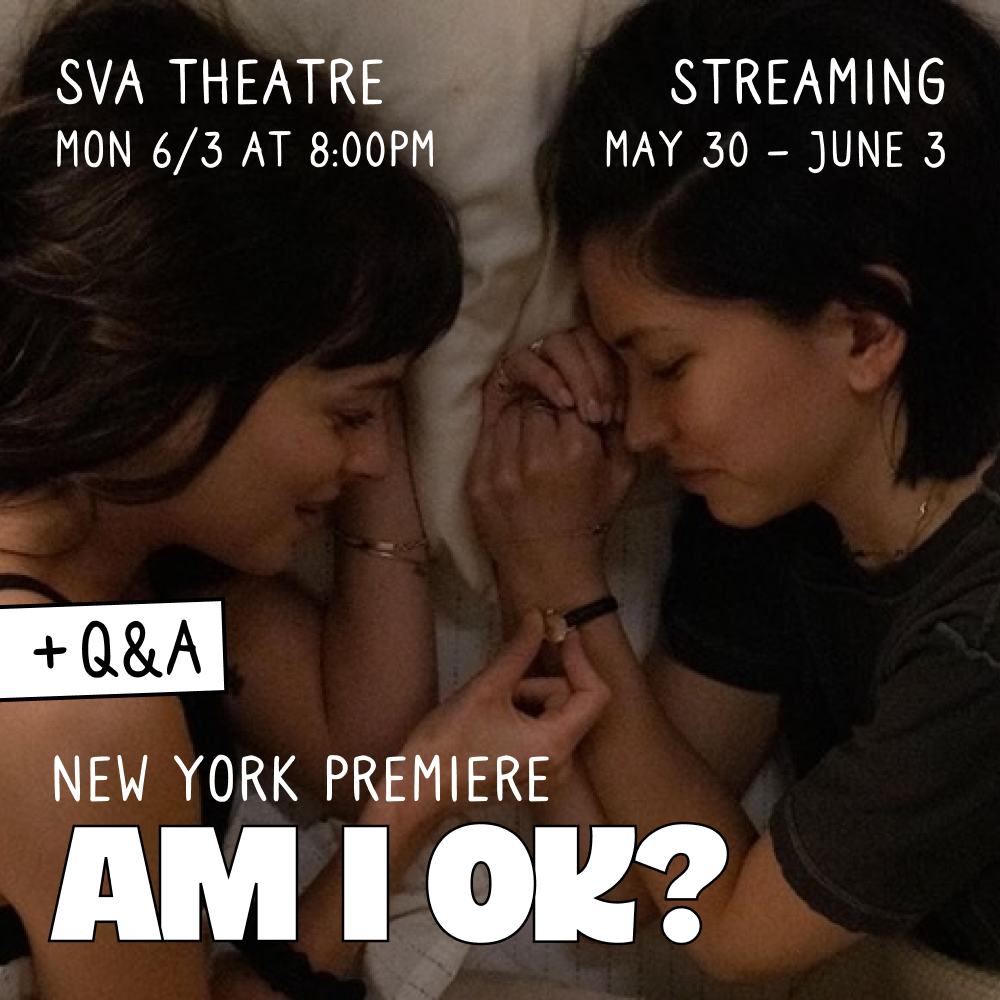
Kick off Pride month with a 5-day festival celebrating our community’s legacy and exciting contemporary stories Showcasing film premieres, filmmaker Q&A’s, and social events May 30 – June 3, 2024
NewFest Pride has it all — premieres of the year’s most anticipated queer films, conversations, parties and outdoor screenings! Check out the full lineup below.
Get A Pass
Membership Plus Members + above get free Virtual Passes.
A HOUSE IS NOT A DISCO (Opening Night Film & Party)
Dir. Brian J. Smith
A compelling, lovingly-captured portrait of Fire Island as queer paradise that sees past and present blur within the iconic beach town as it celebrates its collective legacy and redefines itself for a modern era.
Ticket includes entrance to Opening Night Party at Slate.
MY OLD ASS
Dir. Megan Park
In this fresh coming-of-age story, an 18th birthday mushroom trip brings free-spirited Elliott (Maisy Stella) face-to-face with her wisecracking 39-year-old self (Aubrey Plaza).
HAZE
Dir. Matthew Fifer
A young journalist returns home to investigate the unsolved deaths at an abandoned psychiatric center in this eerie, evocative psychological thriller from writer/director Matthew Fifer (CICADA)
CLOSE TO YOU
Dir. Dominic Savage
Producer and co-writer Elliot Page stars in this emotionally observant drama about returning home as yourself and finding hope in potentially rekindled relationships
FANTASMAS (Episodes 1 & 2)
Dir. Julio Torres
A delightfully wry new series from the imagination of creator, star, writer, and director Julio Torres (LOS ESPOOKYS, PROBLEMISTA)
THE QUEEN OF MY DREAMS
Dir. Fawzia Mirza
Grad student Azra feels worlds apart from her seemingly rigid mother yet uncovers their unexpected connections on a trip to Pakistan in this vibrant festival favorite (TIFF, SXSW) from writer/director Fawzia Mirza. Ticket comes with entrance to Women’s Afternoon Out pre-screening reception
SEBASTIAN
Dir. Mikko Mäkelä
A freelance writer and aspiring novelist on his way to ostensible success in London’s cultural spheres finds a different kind of exhilaration as a sex worker in this Sundance sensation.
AM I OK?
Dirs. Tig Notaro & Stephanie Allynne
Dakota Johnson stars in this uplifting comedy from co-directors Tig Notaro & Stephanie Allynne about self-discovery, life changes, and friendship.
BLACK QUEER PRIDE SHORTS WITH VIMEO
Join NewFest & Vimeo for a celebratory short film showcase by and about Black LGBTQ+ lives, joys, and experiences.
COMING AROUND
Dir. Sandra Itäinen
A young queer woman stands at a crossroads with her devout Muslim mother in a clash between identity and tradition.
THE SUMMER WITH CARMEN
Dir. Zacharias Mavroeidis
While enjoying a day at a clothing-optional queer beach, an aspiring filmmaker and their handsome friend collaborate on a screenplay in this whimsical summer treat.
WE’RE HERE (Season 4 Finale)
Dir. Peter LoGreco
Join NewFest and HBO for an advance screening of the Season Four finale, followed by an exclusive virtual conversation with creators and cast.
TRIXIE MOTEL: DRAG ME HOME (Series Premiere)
Tune in for an advance screening + exclusive virtual Q&A as Trixie and her partner David explore and design a dream home fit for two!
TO WONG FOO, THANKS FOR EVERYTHING! JULIE NEWMAR (Outdoor Screening)
Kick off NewFest’s new partnership with Universal Pictures – “Pride Summer Movie Nights at Rockefeller Center”
IN-PERSON + STREAMING VIP All Access Pass — $185 Discount for NewFest Members All in-person screenings and events (including Opening Night Film & Party, and Women’s Afternoon Out) and virtual screenings. Early access to theater and reserved seats. Learn how to fulfill passes here.
IN–PERSON Individual Film Ticket – $19.50 Discount for NewFest Members In-Person access to a single screening. Does not include A HOUSE IS NOT A DISCO or Women’s Afternoon Out Tickets.
Opening Night Film + Party Ticket – $50 Discount for NewFest Members In-Person access to the Opening Night Film A HOUSE IS NOT A DISCO and the following party.
In-Person All Access Pass — $115 Discount for NewFest Members Includes all in-person screenings, including Opening Night Film & Party, and Women’s Afternoon Out. Learn how to fulfill passes here.
STREAMING Virtual Pass — $30 Discount for NewFest Members Virtual access to select screenings. Does not include in-person Q&A’s, however there are a select number of virtual Q&A’s available. All films screening virtually are available May 30 at 12 PM EST through June 3 at 11:59 PM EST. Streaming anywhere in the United States. Individual tickets are only available for WE’RE HERE and TRIXIE MOTEL: DRAG ME HOME.
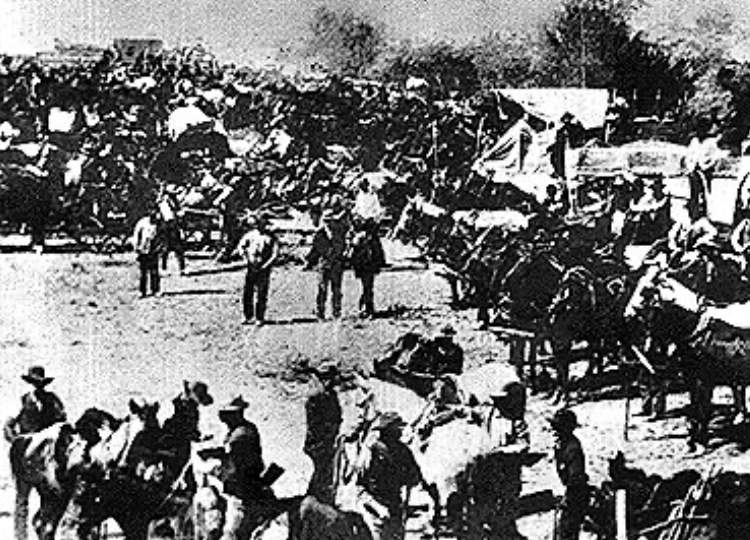
In the vast expanse of the Indian Territory, amidst the rugged terrain and the promise of new beginnings, two souls found each other amidst the chaos of land claims and dreams of prosperity. Vol Wilhelm Groff, a spirited young man with a penchant for adventure, and Joseph McElroy, a quiet and contemplative soul, crossed paths in the unforgiving landscape of Oklahoma in the year 1905.
The Indian Territory was a land of opportunity, where dreams clashed with harsh reality, and where individuals staked their claims in the hopes of carving out a future for themselves. Val and Joseph were among those brave souls, drawn to the promise of a better life on the frontier.
Their meeting was serendipitous, a chance encounter amidst the chaos of land rushes and bustling settlements. Val, with his infectious enthusiasm, captured Joseph’s attention from the moment they first locked eyes. Despite their differences in temperament, they found a deep connection that transcended words.
Val and Joesph Photo Taken In Okarche Oklahoma
As they worked side by side, staking their claims and building their homesteads from the ground up, their bond grew stronger with each passing day. Amidst the challenges of frontier life, they found solace in each other’s presence, drawing strength from their shared dreams and aspirations.
But theirs was a love that dared not speak its name in the harsh reality of the early 20th century. In a world where societal norms dictated strict conformity, Val and Joseph had to tread carefully, concealing their love from prying eyes.
Yet, despite the obstacles they faced, their love endured, a beacon of hope in a world fraught with uncertainty. Through the trials and tribulations of frontier life, they remained steadfast in their devotion to each other, finding solace in the quiet moments shared beneath the starry Oklahoma sky.
As the years passed and the Indian Territory evolved into the state of Oklahoma, Val and Joseph’s love stood the test of time, a testament to the enduring power of love in the face of adversity. And though their names may have been forgotten by history, their love story lived on, a reminder that true love knows no bounds, not even the vast expanse of the American frontier.
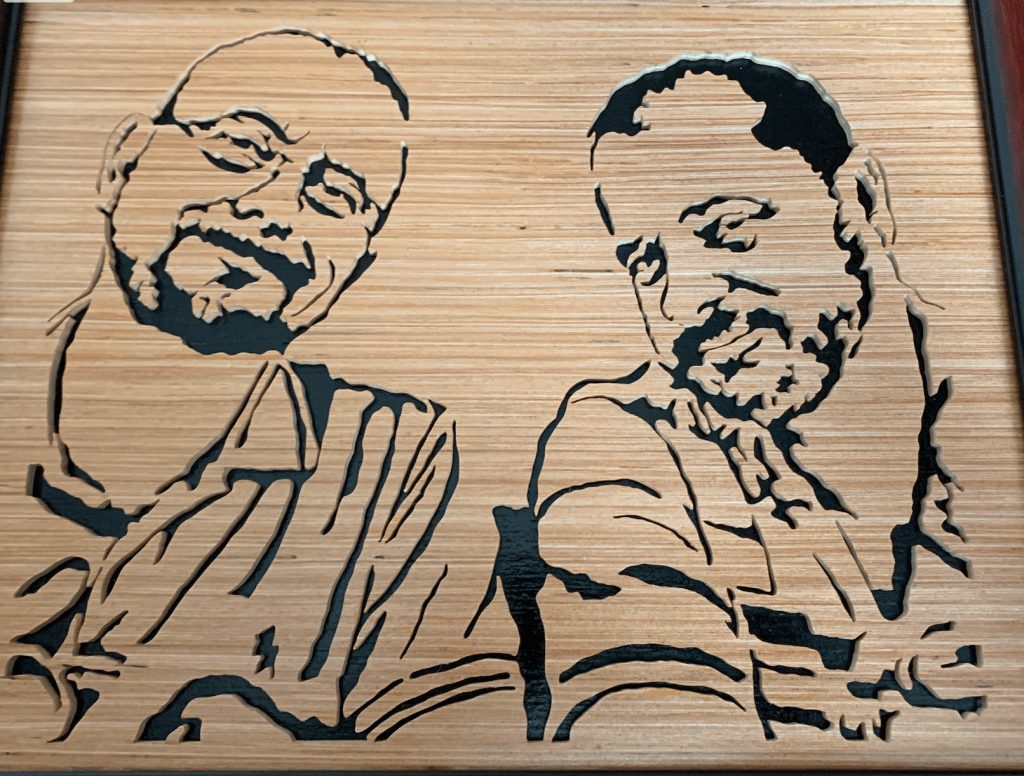
In the picturesque fusion of a town that captures the charm of Mayberry and the boundless frontier of Star Trek, two hearts found a love that defies time and space. Meet Ben and Steve, a couple whose love story is as enchanting as it is enduring—a beacon of hope and resilience that inspires all who witness it.
Ben and Steve
Steve, whose eyes sparkle like the constellations he admires, has always been a dreamer, casting his gaze toward the heavens with wonder and curiosity. On the other hand, Ben embodies justice and bravery, fearlessly chasing down thieves and reclaiming stolen cars. His badge shines brightly as a symbol of his commitment to protecting others.
Their worlds may seem galaxies apart, with Steve whispering messages to the cosmos through his microphone and Ben upholding the law with unwavering dedication. Still, these very differences make their love story so captivating. United by a love transcending boundaries, they lean on each other, their bond unbreakable, and their passion ever-growing.
Their love story began over four decades ago, a chance encounter that set the stage for a lifetime of shared dreams and unwavering commitment. Fourteen years ago, they leaped into matrimony, not just as a legal union but as a testament to their enduring love and resilience. In the face of uncertainty, it was a promise that their love would remain steadfast and accurate, and no matter what challenges lay ahead or rights that might be under threat, they would forever be united.
As the years have passed, their love has only grown stronger. They still greet each day with breakfast together, their laughter and companionship a testament to their enduring friendship and love. When future generations look back, marveling at how they managed to keep the flame of love alive for so long, the answer will be simple: it’s because of Ben and Steve and their unwavering passion and commitment to each other.
So, here’s to the kisses shared and the laughter exchanged, the dreams dreamed, and the challenges overcome. Their happiness is a daily reminder of the power of love, a beautiful reality that reminds us all to believe in the magic of true love. Cheers to Ben and Steve, whose love story inspires and enchants us all, proving that true love is timeless and everlasting.
This election isn’t about pitting the young against the old. It’s about ensuring that Gen Z and Millennials, who constitute a significant third of our nation’s population, have representation that mirrors their presence.
David Hogg Leaders We Deserve PBS Interview
Although remembered as older, numerous influential leaders initiated their activism in their youth. We aim to support these leaders—like John Lewis, who embarked on a mission for vital change at a young age and became one of our country’s most pivotal and influential leaders.
Our goal is straightforward: elect more youthful leaders capable of introducing fresh perspectives into our government.
Numerous barriers have historically prevented young people from entering public service and achieving the representation they deserve. Those who support America for all should make every effort to assist young candidates in overcoming these obstacles.
Visit Leaders We Deserve
After the setbacks of 2016, the 2018 blue wave brought the Democratic Party a renewed recognition of the influence young voters wield. In 2020, Joe Biden’s election, which was largely driven by the substantial turnout from Millennial and Gen Z voters, showcased the power of youthful participation. Your voice matters, and your vote can shape the course of our nation.
Vist The Post On Leaders We Deserve Winning!
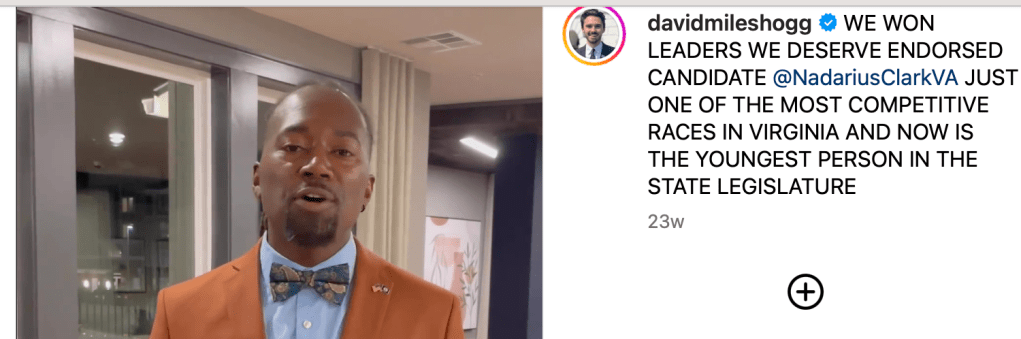
In 2022, young voters reaffirmed their electoral influence, thwarting the anticipated “red wave.” Emerging young leaders like Justin Jones in Tennessee and Maxwell Frost in Florida gained prominence. Groups like “Leaders We Deserve” also celebrated their first endorsement success with Nadarius Clark’s election in Virginia.
Listen To Interviewof radio interview
The benefits of electing young leaders extend beyond Gen Z and Millennials; they enrich the nation and shape our future. Commencing political involvement at a young age capitalizes on time, making it a potent political ally. Gen Z’s potential longevity in Capitol Hill eclipses many, underscoring the urgency of their ascent to power. The time to act is now.
If you resonate with a mission and aspire to bolster the election of deserving leaders in 2024 and beyond, please act to support feasible campaigns like “Leaders We Deserve” to support their endeavors or find a campaign that will help elect a Democratic Candidate to office.
A Vote For Trump Is A Vote Against Democracy! Remember, Vote Blue When You Do!
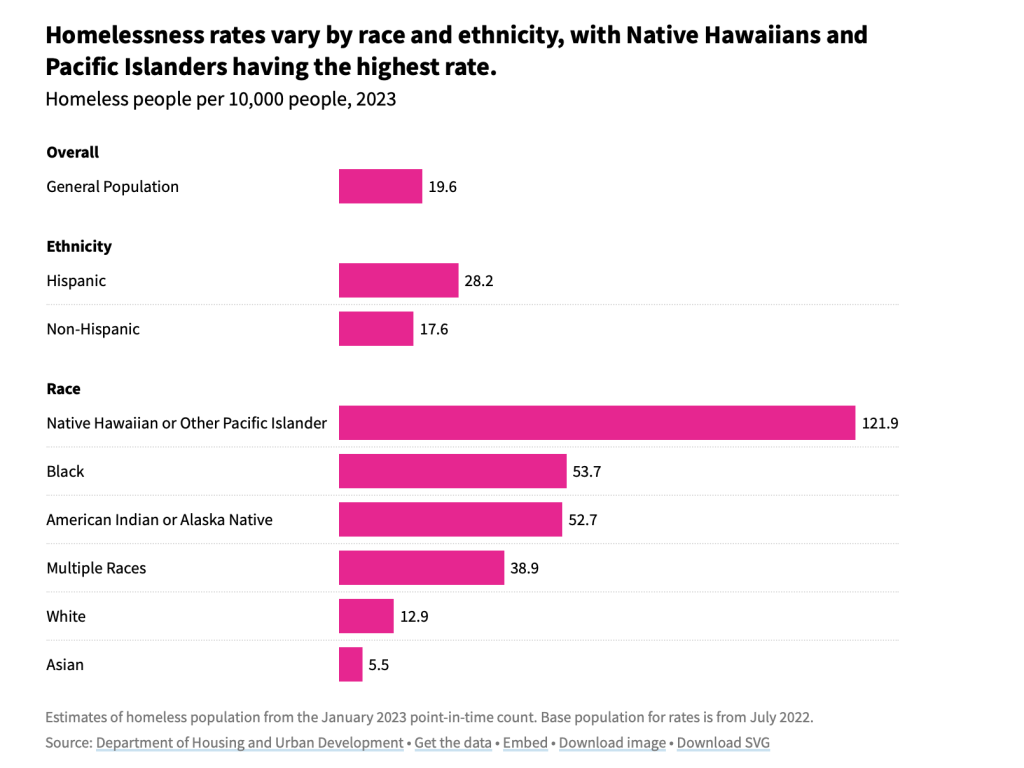
My household has always maintained a relatively liberal understanding of the country’s homeless situation. We disagree with outlawing their right to exist and have a place to live and shelter. They are, after all, doing the best they can with the current housing, employment, transportation, or other issues they face. Let them be!
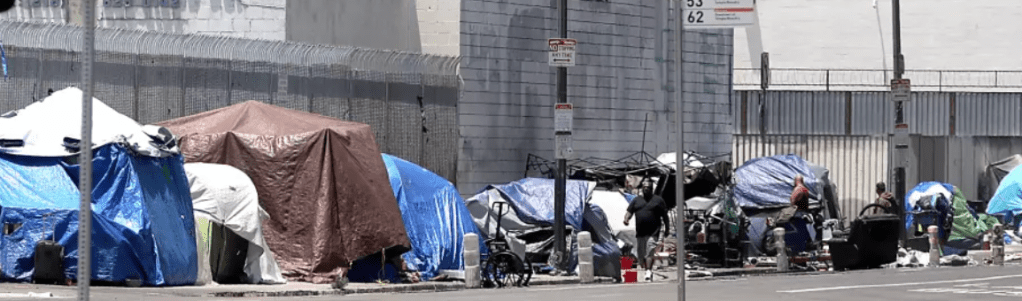
That is what our stance has been all along, until we went out to breakfast this past weekend and the police department was herding a group along the main boulevard we take to our restaurant. They appeared to be the characters you don’t want to run into in a dark alley at night—or daytime, for that matter. For Christ’s sake, were they planning to put roots down behind our neighborhood. We have a wall around the place, but salespeople always jump in and try to knock on doors. We have security but are not the type that can handle these characters. Every winter, we have a homeless troupe that typically arrives and camps near a river, but they are the same people every year, and they are like the snowbirds who flow in and out of the area from the north. These new homeless characters were of a family we never experienced before.
And that is what is scaring so many in America. The police found a suitable place for the troupe to travel on to, and there were no more sights of them after that initial spotting. But that is different for many in the country. These homeless populations inundate their communities, and it is an issue they have never before had to face. What if they are following suit? How many more will come? What problems will they bring with them? Will the property values deflate wherever they plant a stake? Jesus, are they diseased?
California has spent billions of dollars trying to fix its homeless problem and has failed to find a solution. The issue is greater there now than ever. Affordable housing remains unobtainable to those needing it. California is asking people to build tiny homes in their backyards, garages, wherever there is space, and make them available to house people. The problem is, if folks don’t want them in their alleys, will they want them in their garages?
Locally in Phoenix, Arizona. My husband hired an unhoused person years ago and knew she was, although she had not disclosed so on her introduction form. He worked with her schedule to make sure she kept her employment, and within six months, she was able to get a studio apartment, moving from her car. She then told him. He said he knew all along, and that is why he had worked so hard to keep her going, and she turned out to be one of the best employees. Such an example may not be the case with every person, but it is an example of how we can attribute ourselves to improving the situation one person at a time.
While feeling uneasy about sudden changes in your community is natural, it’s important to remember that homelessness is not a choice for many people. They often face a variety of challenges, including mental health issues, substance abuse, lack of affordable housing, and unemployment, which can contribute to their situation.
As for the broader issue of homelessness, it’s clear that a comprehensive and compassionate approach is needed to address the root causes and provide effective solutions. This approach may include increasing access to affordable housing, expanding mental health and addiction services, and providing job training and employment opportunities for homeless individuals.
The Supreme Court now has the issue, and the Lord only knows what they will come up with. But no doubt Texas will pass a law ordering the execution of all homeless people after 30 days of being homeless.
Joe Biden has taken 382 vacation days off to date. That equates to over one full year on vacation out of 3 years as US president. Is he the most ineffective US president in history?
Answered by Benjamin via benandsteve.com
We take your word it was 382. I need President Biden’s schedule to confirm such details. Since the job is 24/7, 365 days a year, you never have any privacy, nor a day without less than twenty interruptions, even when on vacation. The vacation days alone don’t necessarily reflect a president’s effort. Being president is a demanding job that comes with its own set of challenges and responsibilities. While the president must take breaks and maintain a work-life balance, one should consider the number of vacation days in the broader context of one president over another president’s performance, decision-making, and leadership.
Every presidency has challenges and circumstances, and comparing one president’s vacation days to another does not give a comprehensive view of their effectiveness. When evaluating a presidency’s effectiveness, it’s also essential to consider the accomplishments, policies enacted, and challenges faced.
The information provided may be more accurate or presented better to portray a specific narrative. It’s always a good idea to fact-check information and consider multiple perspectives before forming an opinion.
For a fact, here’s what Biden didn’t do:
He never only started his work days around 11 am or 11:3AM, crisis or not.
Never made an ass out of himself on a global stage.
Never has had disregards to promises made during his campaign.
He Never has been impeached.
Biden didn’t get impeached a second time.
Biden never had to survive a Senate trial that most senators later – admit that they should’ve voted and should’ve been guilty.
Biden didn’t get indicted – FOUR TIMES.
It wasn’t Biden who tried overturning the People’s Will in the 2020 *Election by inciting an insurrection!
No Biden didn’t call the Georgia Secretary of State and attempt to *Strong arm him into creating 12,000 more votes in his favor.
Biden didn’t take papers from the national archives and refuse to return them to the United States Government. Going as far as to tell employees to hide the location of the boxes that contained them from authorities. Then, he agreed to return them and never did so. Then, having the stated allegations recorded on the video camera and denying it was real, lying to the FBI (also a crime.)
The list of things President Biden never did could go on, but it would be easier if you tuned into Court TV Monday through Friday.
Those are the differences you can make between Biden and Trump, which is just the start!
The documentary “1946: The Mistranslation That Shifted a Culture” delves into a controversial and thought-provoking topic that challenges conventional beliefs about the Bible and homosexuality. Directed by Sharon “Rocky” Roggio, the film examines the claim that the Bible originally did not mention homosexuality and that references to it were added due to mistranslation and misunderstanding of ancient Greek terms.
The film highlights the work of Christian scholars who delve into forgotten archives at Yale University to uncover the origins of this mistranslation. It argues that conservative Christians began to propagate this mistranslation in the 1970s to scapegoat the LGBTQ+ community and oppose their growing liberation movement.
Roggio, who identifies as a lesbian and is the daughter of an evangelical minister, engages in dialogues with her father throughout the film, attempting to find common ground and challenge his beliefs about homosexuality being a sin. This personal narrative adds depth and emotion to the documentary, as it explores the complexities of faith, identity, and acceptance within a family divided by differing views on sexuality and religion.
The documentary sheds light on the potential harm caused by misunderstandings and misinterpretations of religious texts, highlighting the real-world consequences faced by LGBTQ+ individuals who have been marginalized, discriminated against, and even persecuted due to these beliefs.
Overall, “1946: The Mistranslation That Shifted a Culture” offers a compelling perspective on a contentious issue, urging viewers to question and reevaluate long-held beliefs and encouraging dialogue, understanding, and acceptance.
Gay, Lesbian, Bisexual and Transgender National Hotline 1-888-843-4564. “The Gay, Lesbian, Bisexual and Transgender National Hotline provide telephone and email peer-counseling, as well as factual information and local resources for cities and towns across the United States.
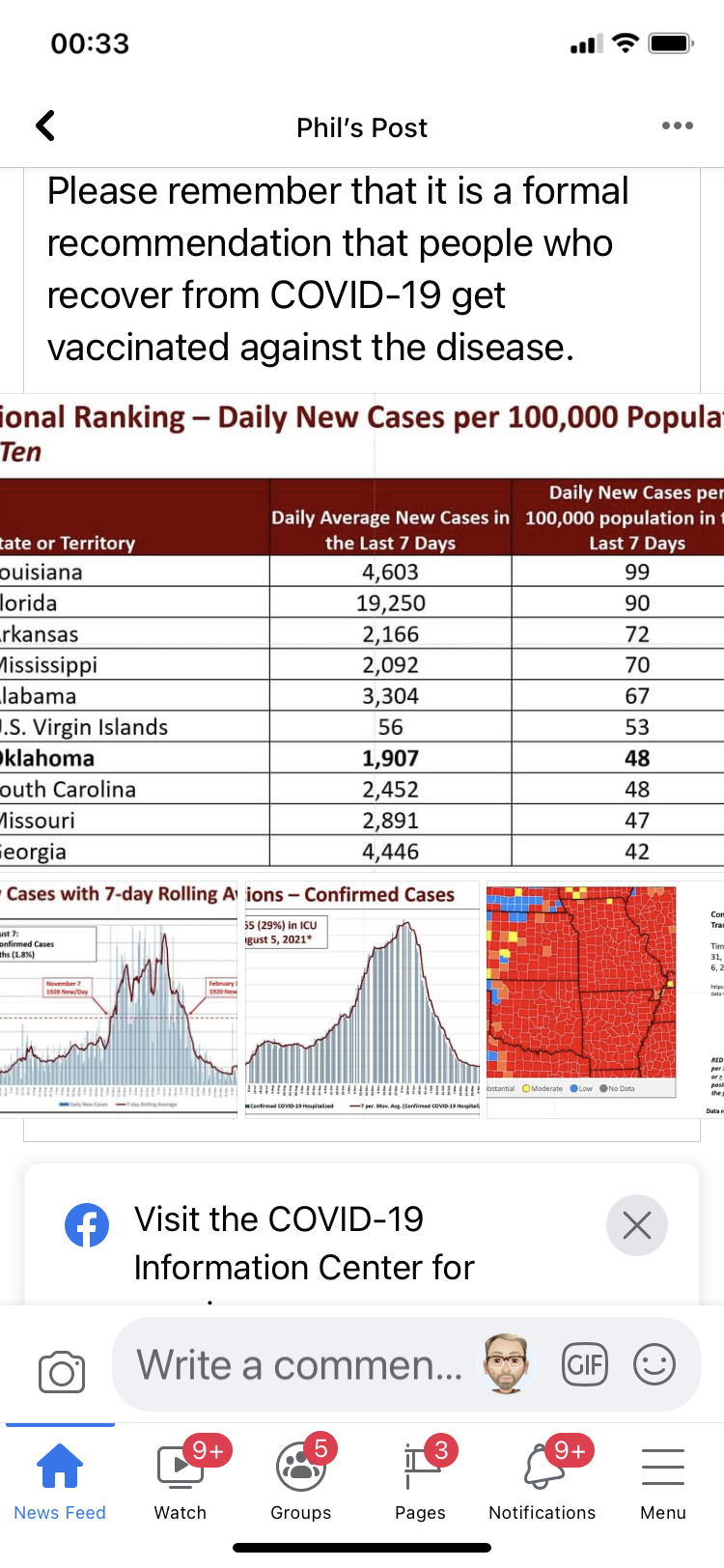
Indeed, the economic conditions at the end of Trump’s term were challenging due to the pandemic, and Biden inherited an economy facing significant headwinds. The pandemic’s impact on the economy was unprecedented, affecting employment, consumption, and global demand.
However, public perception and political narratives often prioritize certain aspects of an administration’s performance while downplaying others. People’s opinions become shaped by various factors, including media coverage, partisan affiliation, personal experiences, and messaging from political leaders.
Trump had shut down the United States of America, a fact that nearly every American forgets today. They need to remember the closed stores, the empty shelves, the closed restaurants, the doctor’s office that had to refuse patients, hospitals that were so full no one could visit, and nursing homes where loved ones had to stand outside and wave to loved ones from the street, and Funeral Homes so full they were using rental refrigerator trucks to store bodies—the toilet paper shortages. That was Trump’s Administration. Biden had to clean it up. He received much blame for what must occur to get the nation back on track. But he got to work, and the country got back to life.
Here are a few points to consider when thinking about why public opinion might differ between Trump and Biden regarding the economy:
Partisan Bias: Political affiliations can heavily influence people’s views on the economy. Republicans may be more inclined to credit Trump for positive economic developments during his term and blame external factors like the pandemic for any downturns. Conversely, Democrats may be more critical of Trump’s handling of the economy and more forgiving of the challenges Biden faced upon taking office.
Messaging and Framing: Political leaders and media outlets shape public opinion. How economic data and policies get reported can influence people’s perceptions of the economy’s performance. Trump was known for touting positive economic indicators during his term, influencing public perception despite the broader challenges.
Another significant factor that shapes public opinion on the economy is personal experience. People’s direct economic situations, such as job loss, financial hardship, or financial gains, can profoundly impact their views. For instance, someone who experienced a job loss or financial hardship during Trump’s term might have a negative view of his economic policies. Conversely, if someone benefited from tax cuts or saw their investments grow, they might have a more positive perception. Complexity of Economic Issues: Economic conditions are influenced by a multitude of factors, including global trends, monetary policy, fiscal policy, and more. It can be challenging for the average person to parse through these complexities and assign credit or blame to a particular administration accurately.
In conclusion, public opinion on the economy is multifaceted, and partisan biases could dominate messaging, personal experiences, and the complexity of economic issues. While the data presented paints a challenging economic picture at the end of Trump’s term, public perception is by broader factors. And it is conveniently forgotten!



















































 benandsteve.com