The Third Night. “That’s The SOB!”

Groff Media 2024© Truth Endures IMDbPro

Presented by benandsteve.com By: Benjamin Groff II©

3–5 minutes

On my third night in the patrol division, a sense of foreboding hung over me. I couldn’t explain it. Maybe it was the intensity of the past two nights or the instincts honed over years in other divisions. Something felt off. I kept this unease to myself—I didn’t want Lt. Wheeler thinking I was jittery about the job. I wasn’t. It was just that sixth sense I’d learned to trust, the one that sometimes whispered when trouble was brewing.

At 2000 hours, we rolled out of headquarters, heading west along Old Route 66, now Third Street in our city. Before we made it far, dispatch radioed in: the Oklahoma Highway Patrol needed us to respond to a Signal 82—an injury accident—since their units were tied up. The details were scarce, but we learned an Elk City ambulance was already en route.

We reached the outskirts about three miles from town when the ambulance reported on-scene: a single-car slide-off with no injuries needing investigation. Routine stuff. Then, the airwaves exploded with an alert: Officer Down. The call came from ten miles further west. A semi-truck pulling a lowboy trailer was reported fleeing the scene.

Adrenaline surged. I radioed the sheriff’s department, letting them know our position and offering to assist. They authorized us to operate in their jurisdiction—a necessary formality. We sped west, scanning every shadow and turn.

Minutes later, a semi barreled out of Berlin Road, ignoring the stop sign as it merged onto Highway 6. I didn’t need to think twice.

“That’s the son of a bitch!”

I yelled, heart pounding.

Lt. Wheeler swung our Ford Crown Victoria into a hard U-turn, tires screaming. The truck’s hydraulic hoses flapped loose, whipping in the wind, as though the trailer had been hastily unhooked. Wheeler hit the lights and siren. The truck swerved to the shoulder but didn’t stop. I grabbed the shotgun as Wheeler directed the spotlight, illuminating the truck’s cab and surrounding darkness. I slipped into the bar ditch, invisible in the shadows, covering Wheeler as he approached.

The driver finally exited and handed over an expired license. Something felt off—more than just the expired ID. Radio chatter hinted at potential damage to the truck’s undercarriage, but we still didn’t know what had happened to the downed officer. Wheeler told the driver to stay put while he inspected the vehicle.

Then it happened.

The driver propped his foot on our patrol unit’s bumper and reached toward his pants leg. My instincts screamed.

“Hands on the hood! Feet on the ground!”

I ordered, the shotgun steady at his head. He froze, and Wheeler shot me a look—half surprise, half reproach—but patted the man down and cuffed him.

By now, a Beckham County deputy arrived. As the suspect squirmed in our back seat, I kept a close watch, retrieving his details for the report. His movements grew erratic, twisting and jerking. I yanked the door open.

“Knock it off!” I barked.

It felt like hours had passed, though it had been only minutes. Finally, the chilling news crackled over the radio: Trooper Guy David Nalley had been shot in the back of the head during a traffic stop. The suspect’s valid driver’s license had been found in Nalley’s hand.

The gravity of the situation hit like a gut punch.

As we transferred the suspect to the deputy’s vehicle, he managed to slip a gun from his boot, kicking it beneath the seat—a grim reminder of the Supreme Court ruling restricting how far we could search without probable cause. Had we known his connection to Nalley, we could have searched him thoroughly.

Soon after, an ambulance carrying Nalley approached, and we provided an emergency escort to the hospital twenty miles away. Inside the ER, chaos reigned. I found myself at the head of Nalley’s stretcher, squeezing an airway bag while nurses and doctors scrambled to save him. Despite their frantic efforts, I knew it was too late.

Outside, the air was heavy with sorrow. Trooper Nalley was gone—a devoted husband, a proud family man, and a true giant in every sense. He was the kind of man you thought of when hearing Jimmy Dean’s “Big John.”

The suspect’s story ended in tragedy too. During a mental evaluation, he took hostages with a gun smuggled in by his wife. He was killed during the standoff. His name isn’t worth remembering.

But Nalley’s is. He served with honor and left a legacy of kindness and courage. That night, I realized something: no amount of training or preparation can truly prepare you for moments like these.

Saying Goodbye to The Old Station – And Hello to A New Destination 16

Groff Media 2024© Truth Endures IMDbPro

Presented by benandsteve.com By: Benjamin Groff II

The days felt strange for those of us who worked nights. As the darkness stretched on, one night blending into the next, daylight seemed more a memory than reality. Law enforcement is more than just a job; it’s a close-knit community, a world. There’s a deep-rooted fellowship among officers and an unbreakable chain of command that’s everything. Yet, that structure was sometimes a challenge for me to accept.

In a large family—four older brothers, two older sisters, a strict father, and a devoted mother—order was part of life. In a rural setting, the school was the only place outside the home where I experienced a different structure. Dad was the highest authority in our household, followed by Mom, then the eldest sibling present, down to the youngest. Dad’s words held firm even in his absence; his authority was an invisible force that needed no reinforcement.

Adjusting to the chain of command in law enforcement took me time, especially after starting in small departments with more relaxed structures. But at Elk City Police Department, things were different. There was a formal hierarchy: chief, assistant chief, major, captain, lieutenant, sergeant, patrolman, and communications officer. Here, I quickly learned that approaching the chief directly with questions or concerns was a breach of protocol, often met with a firm reminder to follow the ranks.

Simple tasks became lessons in patience. Whether I needed a lightbulb replaced or advice on a report, the chain of command required me to go through several levels before reaching a solution; I would have to wait days to get a minor answer. Frustrated, I eventually bit my lip and followed the structure, even if I didn’t like it. My captain called me out over the most minor lapses, like failing to change a burnt lightbulb on time, and I’d swallow my frustration, understanding that order was paramount.

As the community passed a tax to fund a new police station, we began to outgrow the quirks of our aging headquarters at 303 West Fifth Street. The old building, despite its shortcomings, was more than just a structure. It was a part of us, a place where we shared stories, laughed, and supported each other. Built in the 1930s, it had weathered time and neglect. Prisoners on the second floor could flood toilets, causing wastewater to seep into the dispatch and booking area below. But it was our home, filled with memories and camaraderie.

The new station was completed in 1984. Moving was bittersweet, not just for the community, who’d grown used to stopping by the old station for a friendly chat, but for us, too. The new facility was a symbol of progress, outfitted with state-of-the-art security, bulletproof glass, and advanced communication systems. The dispatch had better lighting, new mirrors, and high-tech computers; the National Law Enforcement Telecommunications System and National Crime Information Center computers were side-by-side. Every call was recorded and could be retrieved at any moment.

The jail had electronically controlled gates, holding cells, a kitchen, and a secure emergency exit. Security cameras covered the entire facility, displaying activity on monitors in the booking area. There were dedicated offices for records, evidence, detectives, and the command staff. In every way, it was an upgrade.

On the day of the move, I was instructed by ‘Captain Bick’ to stay home and prepare for the night shift. Despite my eagerness to be part of the transition, I respected his orders. Later that evening, I found myself driving to the old station out of habit. As I parked and entered, I was struck by the emptiness of the dispatch office. This was where I had sent officers out, received urgent calls, and coordinated responses. Now, it was a mere shell of its former self. Assistant Fire Chief Bob, who was also present, chuckled, ‘You’re at the wrong place—no cops here anymore!’

I smiled, feeling a wave of nostalgia, and pointed to the old wall that separated our side from the fire department. ‘Did you know President Carter’s original ‘Beast’ limousine was parked right on the other side of that wall one night? All the fire trucks were cleared out, and our officers watched to ensure no one touched it.’

Bob laughed, “Yeah, I remember that night. I was here too.”

It was hard to let go of stories like that—stories that had lifted people’s spirits and given them a break from their own troubles. With a sigh, I left the old building, heading to the new station, marveling at the thought of a facility so high-tech that even the door lock had a security code… which someone had promptly taped over because officers kept forgetting it.

After settling in, I was tasked with a significant assignment: entering city burglary data into the new computer system. I approached this task with the same dedication I gave every task, and it quickly provided me with valuable insights into the patterns of theft in the city. Over the next two years, this groundwork would prove instrumental in helping us dismantle a significant theft ring. But that’s a story for another time—this one is about the journey to a new place and the adjustments, big and small, that shaped us along the way.

Responding To The Last Call ––– The Last Of The Calls As They Were Reported 16

Groff Media 2024© Truth Endures IMDbPro

Presented by benandsteve.com By: Benjamin Groff II©

It had been a long year. On January 5th, 1983, we lost an officer in the line of duty. That spring, three officers were arrested for stealing from a business they’d responded to on an alarm call. By summer, automobile burglaries and thefts were on the rise. The suspects were careful, leaving no evidence. Their modus operandi was smooth and untraceable—no one ever heard, saw, or interrupted these thieves. Most stolen items ranged in value from around $200, making each theft a felony under Oklahoma law.

The city was facing yet another wave of crime. Typically, it had about 10,000 residents, but the recent oil boom brought an influx, swelling the population to around 25,000. The sudden increase in population put a strain on the city’s resources, leading to a rise in crime. Jobs attracted people from all over, but housing needed to catch up. Tent cities sprang up in the southern sector, and parks filled with tents when vacant lots overflowed. Expecting thousands of oil jobs, many newcomers broke and scraped by.

Among the job seekers were newly released inmates from Cook County Detention in Chicago. Judges offered a stark choice: a one-way bus ticket to Elk City, Oklahoma, or a lengthy jail sentence. Most took the bus ticket. Upon arrival, they had to call the detention center from Elk City’s bus depot to check-in. Ducks in the city park began disappearing as desperate people scavenged for food. In response, the city council enacted a law prohibiting the molestation of ducks, with fines and jail time for violations. Signs reading “DO NOT MOLEST THE DUCKS” popped up, adding a hint of levity to an otherwise grim situation.

But ducks were far from the town’s biggest problem. It wasn’t the bars, the transient hotels renting beds by the shift, or even the “ladies of the night.” The real threat seemed to be the string of broad daylight robberies plaguing the community’s three leading grocery stores, and each hit at least once. One robbery even happened just a block from the police station, with the suspects abandoning their getaway vehicle behind the station in a post office lot.

The police department’s image was suffering. Officers worked 12-hour shifts, often doubling up due to the flood of calls, sometimes stacked five to ten deep. I reported at 5 p.m. for a 6 p.m. start to my 12-hour shift one day, noticing a huddle of high-ranking officers and county deputies outside an office. Figuring I’d get briefed later, I didn’t poke around—I had enough court subpoenas already without getting involved in another incident. And this was one situation I was glad to avoid.

“You have got to be kidding me,”

When my Captain came over, he told me they’d just brought in an officer for raping his daughter. This shocking revelation not only shamed the individual officer’s reputation but cast a shadow on the entire department; as police officers failed, the public’s trust in law enforcement was further eroded.

“You have got to be kidding me,” was all I could say.

This scandal was nearly the final blow for our department, already reeling from the recent departure of a chief struggling with personal issues. Within hours, newspapers and television stations caught wind of the arrest, and the phone lines lit up. Callers unleashed waves of abuse, condemning every officer affiliated with the department. The calls went on for days, creating a hostile environment for all officers and making their jobs even more difficult.

The officers arrested earlier in the year were convicted, further damaging the department’s reputation.

Amid this turmoil, my law enforcement career truly began. Although I had worked in various positions and departments, it was in this community that I found my calling. This city is where I started my adult life and career earnestly. I remained loyal to this place, forming memories with people in the booking area, the jail, and the streets. A shift in the workforce followed, which opened doors for me—an unexpected opportunity in a turbulent time. Could it get any worse? The heat was about to get turned up. In coming stories!

(You’ve been reading the back story for the big news over the next forty years involving several lives and lifetimes.)

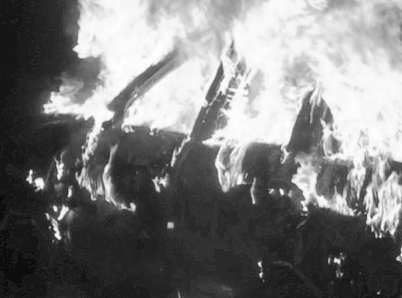
be advised—a signal-82 subject is trapped in a burning vehicle –– The Call I Remember

Groff Media 2024© Truth Endures IMDbPro

Presented by benandsteve.com By: Benjamin Groff II©

In law enforcement, some memories haunt you, especially the ones from the most harrowing nights on the job. I was an emergency dispatcher for a police department in southwest Oklahoma, responsible for dispatching fire, police, and ambulance services across five communities. Nights could get overwhelming, but one Saturday evening stands out.

Calls had been constant. Officers were busy responding to domestic disturbances, prowler sightings, burglaries, and other emergencies. In the 1980s, our department monitored Channel 9 on a citizen’s band radio, the go-to emergency frequency.

After 1:00 AM, a call cut through the static:

“Please help—we have an EMERGENCY!”

The voice was frantic. I picked up the station radio and replied, “This is Carnegie Police Department. Go ahead with your emergency traffic.”

The caller explained that a car had veered off the highway east of town, hit a ditch, and burst into flames. The driver was trapped inside. There was no time to lose. I quickly alerted the local police unit, activated the volunteer fire and ambulance lines, and relayed the details.

“Carnegie, Unit 2, be advised—a signal-82 subject is trapped in a burning vehicle near Carlin Lawrence Airport, east of Carnegie on Highway 9.”

The unit acknowledged and responded immediately. Meanwhile, I could hear the fire chief coordinating firefighters over the phone, and the ambulance confirmed they were en route.

Since the crash was outside city limits, I switched to the state’s point-to-point frequency to contact the Oklahoma Highway Patrol.

“Carnegie Police Department to Lawton OHP—rush traffic.”

The “rush traffic” designation signaled an urgent, life-or-death call. The OHP dispatcher responded immediately, and I relayed the details. Within seconds, they were alerting highway patrol units. Nearby sheriff’s deputies also began converging on the scene.

From the initial call, the first responders arrived in just over two minutes. The fire department reached the scene in under seven minutes, and the ambulance arrived by minute eight. The Highway Patrol, coming from the county seat 25 miles away, arrived about 30 minutes later.

Tragically, there was a home nearby, less than half a block from where the car crashed. The residents had slept through the commotion, unaware of the horror unfolding so close. Later, we discovered that the vehicle was registered to someone living in that house— their son. Breaking the news was a gut-wrenching moment for all of us.

The medical examiner arrived around 4:00 AM. Once the flames had subsided, investigators could finally assess the scene. The examiner determined that the driver had died on impact; the fire had not been the cause. If the driver had died from the flames, he would have shown signs of struggling for breath, but there were none. After sending the body for a complete analysis and identification through dental records, investigators believed that he’d likely fallen asleep at the wheel on his way home from a party. There was no indication of intoxication.

The smell of a burning body lingers. For days, sometimes weeks, it haunts those who encounter it. It’s one of the harshest experiences for civilians to witness, let alone the emergency responders who encounter it repeatedly. Nothing truly prepares you for a night like that, even for the most seasoned law enforcement and fire personnel.

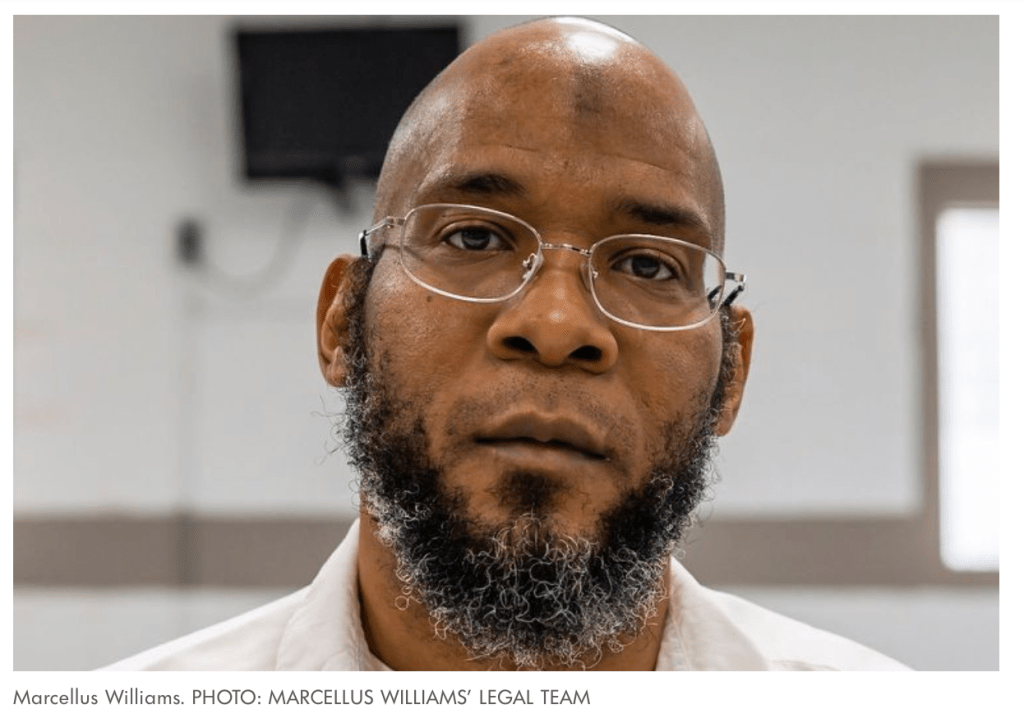
“I AM AN INNOCENT MAN!” Did Missouri Kill An Innocent MAN? Was It Murder?

A Report By: Benjamin Groff© Groff Media 2024© Truth Endures

In September 2024, Missouri executed Marcellus Williams despite significant evidence casting doubt on his guilt. Williams was convicted for the 1998 murder of Lisha Gayle, a former St. Louis Post-Dispatch reporter, but recent DNA tests excluded him as the source of evidence found on the murder weapon. While Williams’ legal team sought a stay of execution, and even the prosecution expressed doubts, Missouri proceeded with the lethal injection after Governor Mike Parson dissolved a previous inquiry. His execution sparked widespread outrage, igniting debates on the reliability and ethics of the death penalty.

Williams’ final words were, “All praise be to Allah in every situation,” reflecting his unwavering faith. His attorneys argued that the DNA evidence should have been sufficient to overturn his conviction, but the courts dismissed this claim. In 2017, then-Governor Eric Greitens halted his execution and established a board to review the case, but this effort was reversed by Governor Parson, sealing Williams’ fate.

Even Gayle’s family had called for clemency, asking for Williams’ sentence to be commuted to life without parole. Despite their pleas, the state moved forward with the execution, leading to questions about whether justice had truly been served. The case has raised concerns about rushing death penalty cases and highlighted the dangers of executing potentially innocent individuals.

Williams’ case continues to fuel national debates over capital punishment and the failures of the justice system, particularly when substantial evidence suggests wrongful conviction. His death has become a rallying point for advocates pushing for reforms in the death penalty process, as critics argue that his execution may have been a tragic mistake. Was this mistake a murder carried out by the state of Missouri, and those who had the responsibility to stop it ––– the killers?

Florida The Land Of Detention

Florida has a new law that is designed to fill prisons.

Commercial Incarceration Facilities Prospering In Florida. Investments in private prisons contracted with Florida show favor with new laws designed to provide continous population on a rotational basis.

Photo by RDNE Stock project on Pexels.com

The growth and prosperity of commercial incarceration facilities in Florida have been a topic of debate and concern for many. Investments in private prisons have indeed increased in recent years, and this growth can be attributed to several factors, including new laws and policies that aim to maintain a steady population within these facilities.

One of the key issues often raised regarding private prisons is the potential conflict of interest that arises when profit motives intersect with the administration of justice. Critics argue that the financial incentives associated with running a for-profit prison may lead to practices that prioritize cost-cutting over the well-being and rehabilitation of inmates.

Photo by RDNE Stock project on Pexels.com

Proponents of private prisons, on the other hand, argue that these facilities can operate more efficiently than their public counterparts, potentially saving taxpayer money. They also point to contractual agreements that often include occupancy guarantees, ensuring a consistent revenue stream for investors.

However, concerns persist about the quality of care and services provided in private prisons, as well as the potential for abuse and neglect. Reports of overcrowding, inadequate medical care, and safety issues have raised alarm bells among advocates for criminal justice reform.

In Florida, the state has entered into contracts with private prison companies to house a portion of its inmate population. With new laws designed to ensure a continuous flow of inmates into these facilities, investors in private prisons may see this as a lucrative opportunity for growth.

Photo by RDNE Stock project on Pexels.com

It’s essential to approach the topic of private prisons with a critical lens, considering both the potential benefits and drawbacks associated with their operation. As the debate continues, policymakers, advocates, and stakeholders must work together to ensure that any expansion of private prisons prioritizes public safety, justice, and the well-being of inmates.

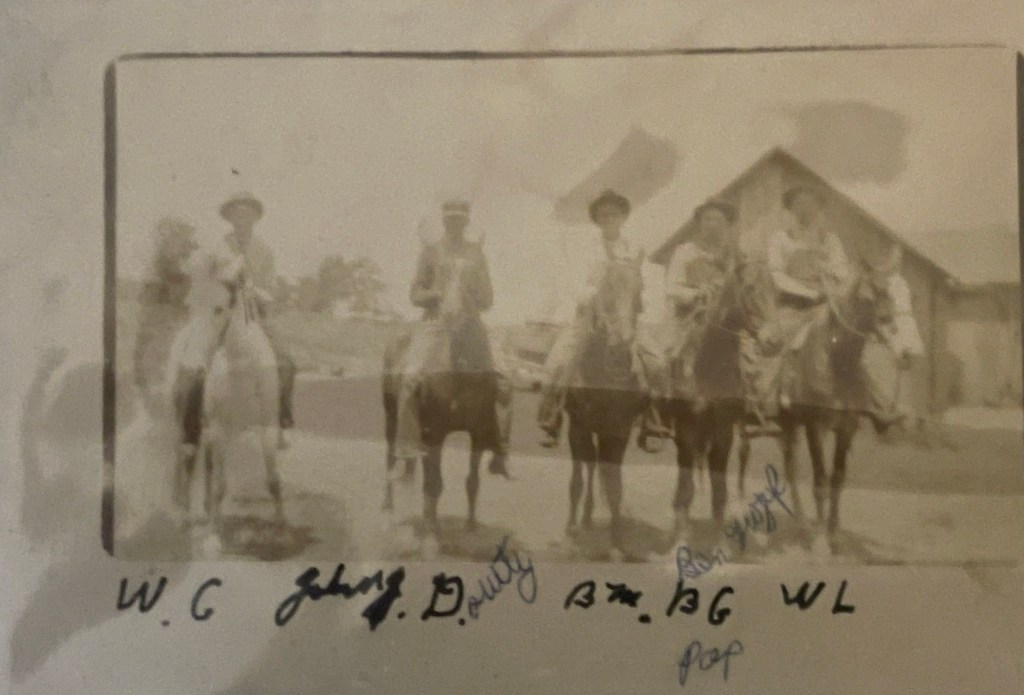
Finding Memories Lost To Generations

I recently sat down and tackled a project I had avoided for years. It involved a collection of hundreds of photos of my family. Photos, as far as I can tell, ever since the invention of the camera. Family members I knew, knew of, or who had died before I was born, all there staring back at me. I recollected many of the stories told to me by my grandparents, dad, and mother. So, with these stories, I want to begin sharing some photos with my regular mix of information. There are several already posted at benandsteve.com on the home page. You will also find updates on other pages on the site. ✌️🏼

After Spewing Hate In A Rant – A White Supremist On A Shooting Spree Killed Her Dad. Now The GOP Is Using The Same Hate Speech

www.huffpost.com/entry/el-paso-shooting-anti-immigrant-rhetoric_n_65bbe7a2e4b0102bd2d84f24

Trying To Make It In The City Angels. L.A., California, Where A Good Job Paying Enough To Afford A Good House Is Hard To Find. Some People Work For The American Dream and Others Find Ways To Get What They Want By Taking From Rightful Owners.

finance.yahoo.com/news/professional-couple-over-200-000-115752472.html

THE DAY YOU DECIDED…

We will take care of our sins. You tend to yours…

About Gays And Why Laws, Book Bans, School Boards, And Other Restrictions Attempting To Bash And Attempted Genocide Against Queer Peoples Won’t Stop More People From Increasing The Populations In The LGBTQI Community!

The Day You Decided Who You Are
Photo by cottonbro studio on Pexels.com

We all remember that day. It may be a Spring afternoon following a light rain shower, with flowers peaking from beneath their winter hiding place for a first glimpse of the season’s sun. There we sit. We were pondering between the two choices. Will we be straight or gay? Surely everyone remembers that day, for if it is a choice, everyone faces the same options. You can choose both, they say. That needs to be clarified.


To be or not to be, when we were teens, first discovering who we were, for some, it was challenging to accept, and it took years for those who grew up in communities that were closed-minded and set to one way of life to finally get into their head that they were who they are and not who others expected them to be. They had tried to take the path of least resistance and attempted to take the straight route, not given another choice. But every piece of their biological body screamed at them, telling them something wasn’t right. They were misleading others, lying every minute of their life, and never being their true selves. They either had to leave and be their authentic self or die. Some tried to marry, but after a period, the inner madness kept them from carrying on, and their either killed themselves, came out and took the hell and damnation from the small communities in which they lived, or packed up and disappeared. Many may have turned to alcohol or drugs, appearing to believe it was better to be an addict than what they felt was their true self. If they were lucky, they met their soul mate and were rescued from the prison that so many are forced into by a society that is cruel and judgmental of others. Fortunately for others, they meet their lifemates just out of high school. They seem to know how to manage the world around them and find a world to live and operate in a life they would have otherwise missed out on, creating long-term relationships and being grateful things turned out as they do. They would not have wished to miss on so much love and so many adventures.


Forty-one years later, another couple still see simple rights afforded to their neighbors, rights that are threatened to be stripped from them by bigoted and power-hungry maga-republicans. So a question is asked to these groups suggesting they can kill off the gays. When did they choose to be straight? And, why is allowing this couple to live in peace so bad?

Photo by Joshua Mcknight on Pexels.com

All the books, movies, and internet sites in the world may get banned; however, that will not stop the same amount of new homosexual and bisexual men and women from populating the earth each year. Some evil act does not make them. They are born, just like the couple you are reading about. Just like you!

One couple originates from small towns in Western Oklahoma. Growing up, they were never acquainted with gay anything. Both were church-attending, straight-laced lads all the way. Still, each began slowly dying from living in a suppressive community that had conditioned them to believe they were the worst people on the earth and were going to Hell. That worked until they met after high school and finally began to breathe life through one another. It took a lifetime to overcome the damage God-fearing sermons placed on them. They chose to move to a larger city and begin to grow privately, not making themselves the center attraction of life, but their community knew they coupled. As life continued, so did their love and energy, and now they live in a retirement community. But their rights are under threat daily. Because their property, retirement, and physical and fiscal security are in danger by daily threats of changing laws and bigotry. Research has discovered there should be signs on every front door of any religious establishment reading “for entertainment purposes only, because it does not produce a benefit for the community as a whole, just for the few!”

So When Did You Choose Your Sexual Preference?

And To Screw With It Would Cause Extinction!

This passionate talk from Dr. James O’Keefe, MD, gives us a deeply personal and fascinating insight into why homosexuality is a necessary and instrumental cog in nature’s perfection.

Research shows those making up the LGBTQI Communities are responsible for keeping the human race alive.

So When Did You Decide? When Did You Make Your Decision On Who To Be?

LGBTQI? It Is Natures Response To Maintaining The Magic Balance In Life – And To Screw With It Would Cause Extinction.

Maintaining The Magic Balance In Life

For those desiring more proof that the existence of gays is “born” to history and that the members of the LGBTQI Community do not simply choose to be Gay, this history lesson may help if you are an individual with a mind with enough room to learn new and factual information. 

Another way to arrive at the understanding of whether LGBTQI members are born or are made of people choosing a lifestyle, ask yourself when you decided to be heterosexual (straight). What day did you choose between the options available and determine what life you wanted? Then consider who would ever pick a life where their being would face prejudices, denial of employment, housing, and services if they had a choice not to have to face the constant bigotry bashing them daily. 

If you believe in a Higher Authority, a God. If this is your premise and you still object to these beings walking the earth, take it up with Him. When you do, if you believe scripture, consider Genesis 1:26-28, which announces that human beings are unique and all are in the image of God.

§Then God said, 'Let us make man in our image, according to our likeness, and let them rule over the fish of the sea and the birds of the sky and the cattle and over all the earth.  Genesis 1:26-28

IF HE IS TRUE. AND THERE IS AN ALMIGHTY. AND HE DID SOMETHING WRONG IN DESIGNING CERTAIN INDIVIDUALS TO BE DIFFERENT. THEN YOU SHOULD TELL HIM HE IS WRONG!


Viewing the windows to the right will allow the Facebook Posting to open so the original content can be read.

Remember It…The Day You Decided!

This Is Not A Paid Advertisement

If you are God Fearing, then this message is for you! Our supposed sins will not send you to Hell. But God will ask about yours, i.e., judging others, planting seeds of strife. So the sins you commit are the only ones you should be concerned with. We are fine in answering to the top, should there be anything to comment on. You take care of your side of the street. We will tend to ours!

The Reverend Groff

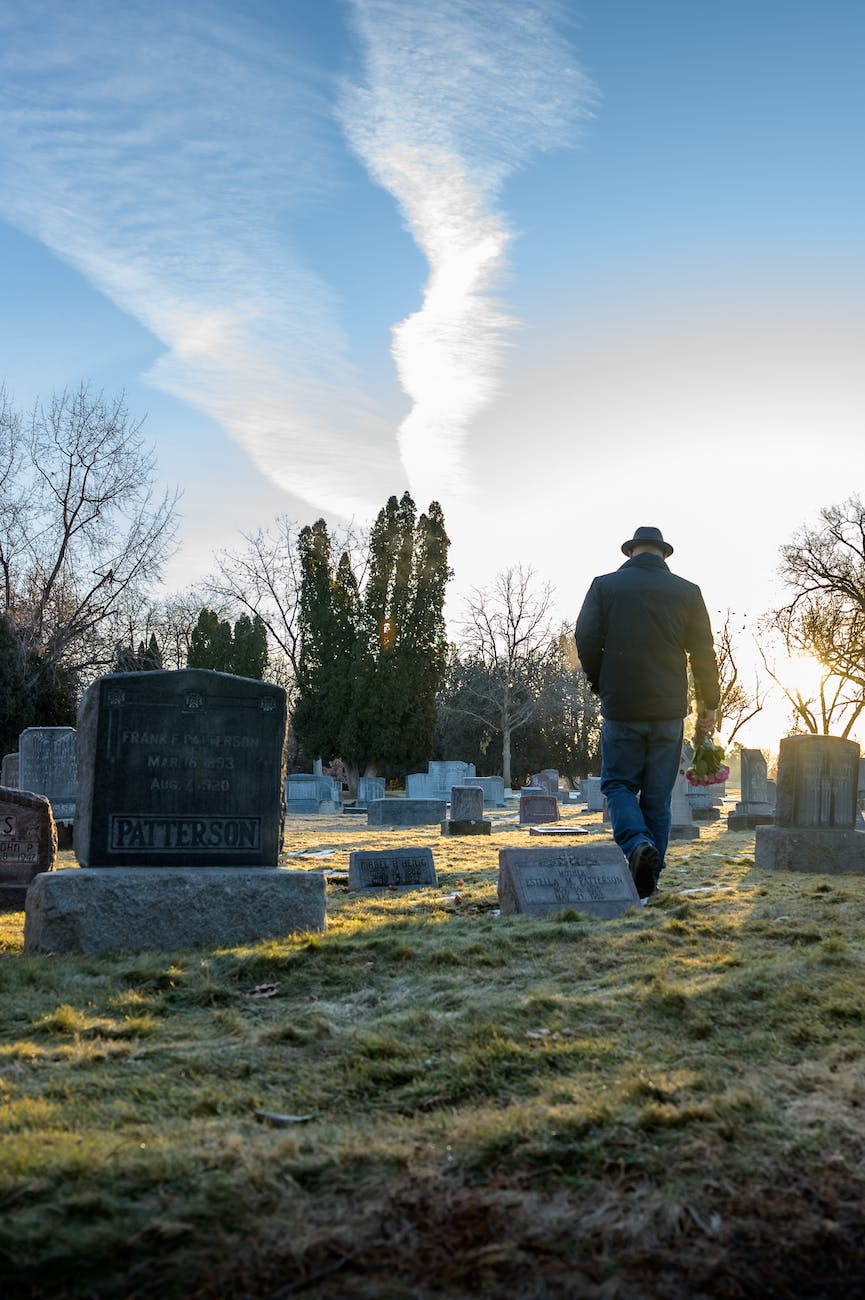
Good Grief – Death And Dying. Why are so many people going to their graves battling for the best prices on final resting plots?

Photo by Brett Sayles on Pexels.com

It’s the hottest place in town regarding most business models in the industry. “Everyone is dying to do business with the local funeral directors and cemeteries,” one potential client said!

People Checking Out And The Funeral Industry – how funeral homes are making killing off people dying!

Read All About It Here!

Guiding Grief

PRIVATE, ON-DEMAND GRIEF VIDEO LIBRARY TO PROVIDE IMMEDIATE HELP

Everyone’s grief journey is different. Guiding Grief™ was created to offer perspectives from those who have experienced all types of grief. While this private resource library can never replace therapy or a support group, these 27 videos were created to give those faced with loss an overview of what they may experience, how normal that is, and how to avoid common mistakes in caring for themselves and making decisions while grieving. Guiding Grief™ is the perfect gift. What better way to begin healing than to learn what helped others?

Find the information you need to have all your concerns met.

Click here!

benandsteve.com and Groff’sHomeOutWest Blog and or Galaxy8News, are not associated with Guiding Grief™ its related pages, owners, or associates. The link to its information intent is to allow an information resource referral only. The reference is not an endorsement but a suggested source to include in establishing facts you need to make important decisions regarding final arrangements for you or a loved one.

You Matter. It is why we share views that do!