Who Is Tim Walz?

By: Heather Cox Richardson From Substack – Reposted By: Benjamin Groff© Groff Media 2024© Truth Endures
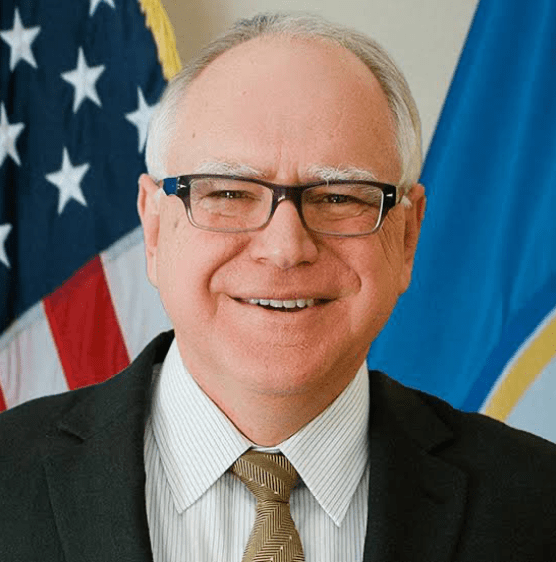
On August 6, 2024 Heather Cox Richardson wrote on Substack the following entry, it was to the point and told exactly what people should know about Tim Walz. He is a decent human being. Who has done a number of things in life. Some of those things came at making human decisions. Fallible to a point, he may be. Who isn’t? Heather’s writing begins next –––

Today Vice President Kamala Harris named her choice for her vice presidential running mate: Governor Tim Walz of Minnesota. Walz grew up in rural Nebraska. He enlisted in the Army National Guard when he was 17 and served for 24 years, retiring in 2005 as a command sergeant major, making him the highest-ranking enlisted soldier ever to serve in Congress, according to the House Committee on Veterans’ Affairs.  

He went to college with the educational benefits afforded him thanks to his service in the Army, and graduated from Chadron (Nebraska) State College. From 1989 to 1990, he taught at a high school in China, then became a social studies teacher in Alliance, Nebraska, where he met fellow teacher Gwen Whipple, who became his wife. They moved to Minnesota, where they both continued teaching and had two children, Hope and Gus, through IVF. 

Walz became the faculty advisor for the school’s gay-straight alliance organization at the same time that he coached the high-school football team from a 0–27 record to a state championship. The advisor “really needed to be the football coach, who was the soldier and was straight and was married,” Walz said in 2018. 

Walz ran for Congress in 2005 after some of his students were asked to leave a rally for George W. Bush because one of them had a sticker for Democratic presidential nominee John Kerry. Walz won and served in Congress for twelve years, sitting on the House Agriculture Committee, the Transportation and Infrastructure Committee, and the Committee on Veterans’ Affairs.

Voters elected Walz to the Minnesota state house in 2018, and in his second term they gave him a slim majority in the state legislature. With that support, Walz signed into law protections for abortion rights, supported gender-affirming care, and legalized the recreational use of marijuana. He signed into law gun safety legislation and protections for voting rights, and pushed for action to combat climate change and to promote renewable energy. 

Strong tax revenues and spending cuts gave the state a $17.6 billion surplus, and the Democrats under Walz used the money not to cut taxes, as Republicans wanted, but to invest in education, fund free breakfast and lunch for schoolchildren, make tuition free at the state’s public colleges for students whose families earned less than $80,000 a year, and invest in paid family and medical leave and health insurance coverage regardless of immigration status. 

While MAGA Republicans are already trying to define Walz as “far left,” his votes in Congress put him pretty squarely in the middle.  His work with Lieutenant Governor Peggy Flanagan to expand technology production and infrastructure funding in the state was rewarded in 2023, when Minnesota knocked Texas out of the top five states for business. The CNBC rating looked at 86 indicators in 10 categories, including the workforce, infrastructure, health, and business friendliness. 

Walz checks a number of boxes for the 2024 election, most notably that he hails from near the battleground states of Wisconsin, Michigan, and Pennsylvania and comes across as a normal, nice guy. He favors unions, workers’ rights, and a $15 minimum wage. He is also the person who coined the phrase that took away the dangerous overtones of today’s MAGA Republicans by dubbing them “weird.” As a student of his said: “In politics he’s good at calling out B.S. without getting nasty or too down in the dirt…. It’s the kind of common sense he showed as a coach: practical and kinda goofy.”

Walz is also a symbol of an important resetting of the Democratic Party. He has been unapologetic about his popular programs. On Sunday, July 28, when CNN’s Jake Tapper listed some of Walz’s policies and asked if they made Walz vulnerable to Trump calling him a “big government liberal,” Walz joked that he was, indeed, a “monster.” 

“Kids are eating and having full bellies so they can go learn, and women are making their own health care decisions, and we’re a top five business state, and we also rank in the top three of happiness…. The fact of the matter is,” where Democratic policies are implemented, “quality of life is higher, the economies are better…educational attainment is better. So yeah, my kids are going to eat here, and you’re going to have a chance to go to college, and you’re going to have an opportunity to live where we’re working on reducing carbon emissions. Oh, and by the way, you’re going to have personal incomes that are higher, and you’re going to have health insurance. So if that’s where they want to label me, I’m more than happy to take the label.” 

Right-wing reactionary politicians have claimed to represent ordinary Americans since the time of the passage of the Voting Rights Act—on August 6, 1965, exactly 59 years ago today—by insisting that a government that works for communities is a “socialist” plan to elevate undeserving women and racial, ethnic, and gender minorities at the expense of hardworking white men. 

Historically, though, rural America has quite often been the heart of the country’s progressive politics, and the Midwest has had a central place in that progressivism. Walz reintegrates that history with today’s Democratic Party. 

That reintegration has left the Republicans flatfooted. Trump and J.D. Vance expected to continue their posturing as champions of the common man, but on that front the credentials of a New York real estate developer who inherited millions of dollars and of a Yale-educated venture capitalist pale next to a Nebraska-born schoolteacher. Bryan Metzger, politics reporter at Business Insider, pointed out that J.D. Vance tried to hit Walz as a “San Francisco-style liberal,” but while Vance lived in San Francisco as a venture capitalist between 2013 and 2017, Walz went to San Francisco for the first time just last month. 

Head writer and producer of A Closer Look at Late Night with Seth Meyers Sal Gentile summed up Walz’s progressive politics and community vibe when he wrote on social media: “Tim Walz will expand free school lunches, raise the minimum wage, make it easier to unionize, fix your [carburetor], replace the old wiring in your basement, spray that wasp’s nest under the deck, install a new spring for your garage door and put a new chain on your lawnmower.” 

Vice President Harris had a very deep bench from which to choose a running mate, but her choice of Walz seems to have been widely popular. Representatives Alexandria Ocasio-Cortez of New York and Joe Manchin of West Virginia, who are usually on opposite sides of the party, both praised the choice, prompting Ocasio-Cortez to post: “Dems in disconcerting levels of array.” 

Harris and Walz held their first rally together tonight in Philadelphia, where Pennsylvania governor Josh Shapiro, who had been a top contender for the vice presidential slot, fired up the crowd. “Each of us has a responsibility to get off the sidelines, to get in the game, and to do our part,” he said. “Are you ready to do your part? Are you ready to form a more perfect union? Are you ready to build an America where no matter what you look like, where you come from, who you love, or who you pray to, that this will be a place for you? And are you ready to look the next president of the United States in the eye and say, ‘Hello, Madam President?’ I am too, so let’s get to work!”

Pennsylvania is a crucial state, and Shapiro issued a statement offering his “enthusiastic support” to the ticket. He pledged “to work to unite Pennsylvanians behind my friends Kamala Harris and Tim Walz and defeat Donald Trump.”

Biden’s Victory Speech: Uniting America for Progress | Biden Wins

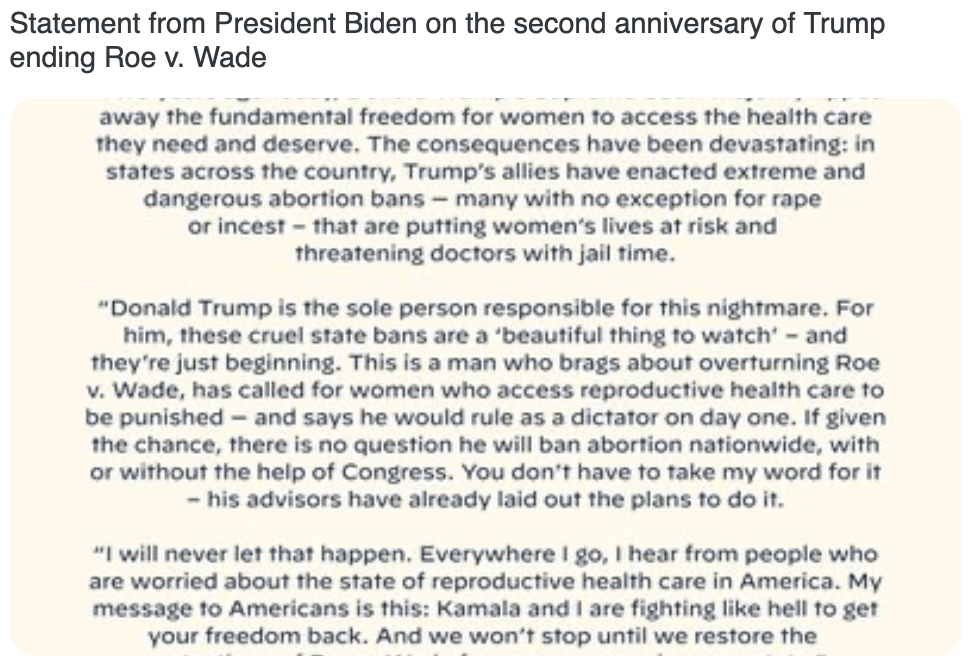
Before the presidential debates on Thursday, posts from supporters of President Biden are getting noticed. President Biden is getting noticed for his comment on the second anniversary of the revocation of ROE vs. Wade, a process that he says is caused by Donald Donald Trump.

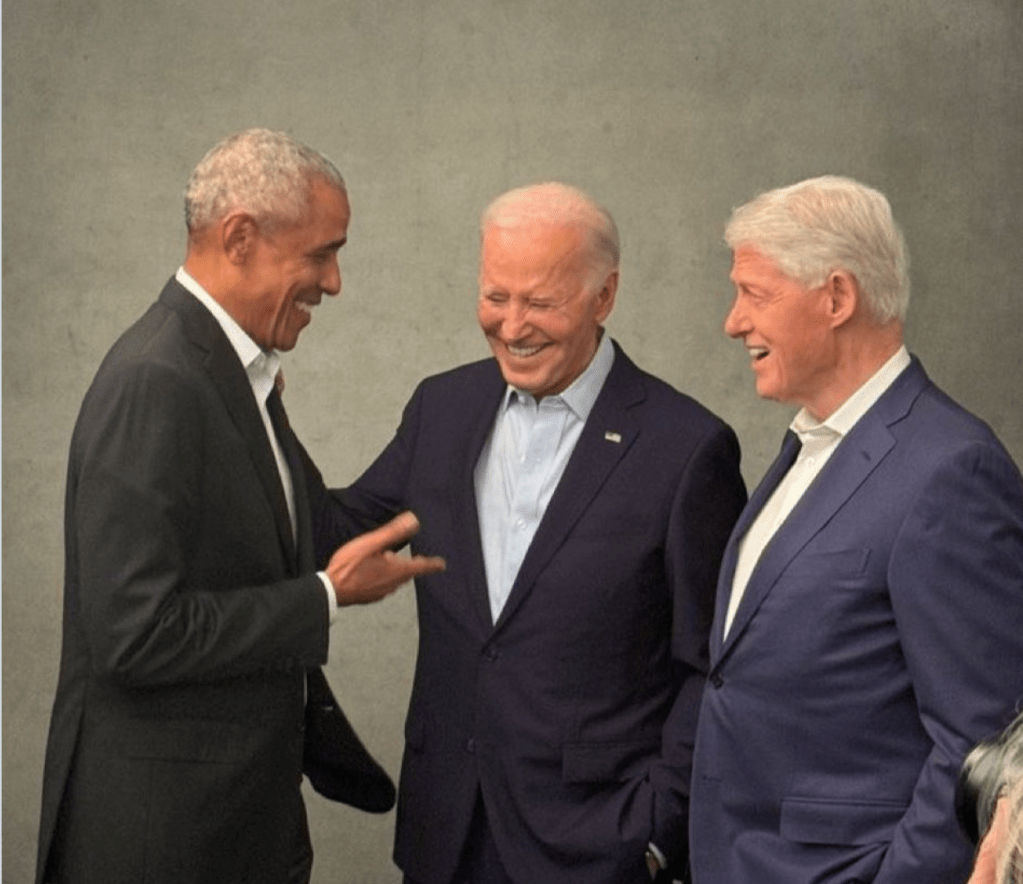
    Three Presidents Who Are Respected Around The World
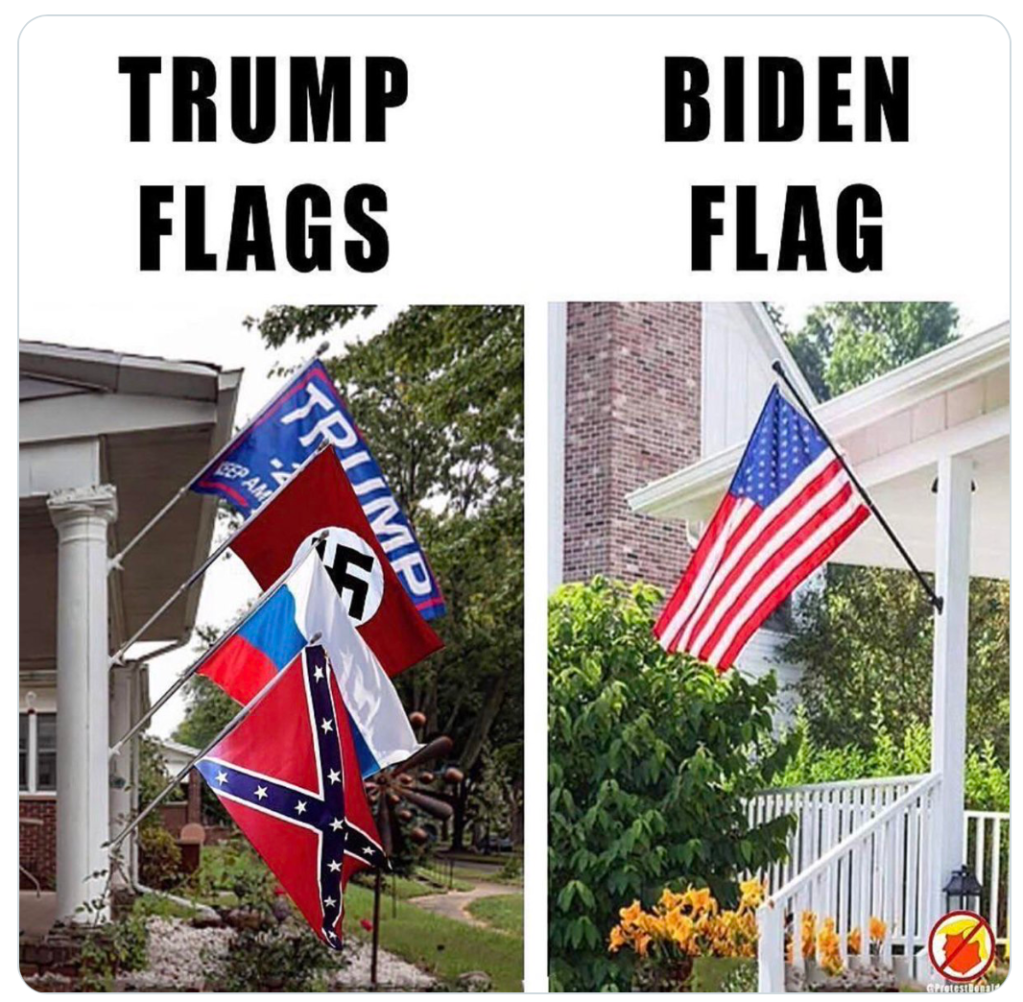
    There Is A Giant Difference Between The Two. When You Vote – It Is For Freedom!

    Former President Donald Trump was widely mocked after claiming to a crowd of supporters that he has “wounds all over my body” that they could see if he took his shirt off.

    Trump delivered the keynote address at the “Road to Majority” conference in Washington, D.C., organized by the conservative Christian political advocacy group, Faith and Freedom Coalition, on Saturday.

    For example, Presidents Abraham Lincoln, James Garfield, William McKinley, and John F. Kennedy were assassinated while still in office.

    Notably, Ronald Reagan was the victim of an attempted assassination in 1981 when a bullet fired by John Hinckley Jr. shot him in the underarm, broke one of his ribs, and punctured one of his lungs, causing significant internal bleeding. Reagan went on to serve two terms in office.

    In one of the more oddball moments in American history, Andrew Jackson in 1835 was attacked by an unemployed house painter whose pistols misfired—and promptly beat his failed assassin with his walking cane.

    And it is perhaps darkly comic that Theodore Roosevelt survived a 1912 assassination attempt after the assassin’s bullet became lodged in a folded copy of a speech Roosevelt was carrying in his breast pocket at the time.

    By contrast, Trump has never been in a similar position. Nor has he ever served in combat or sustained any wounds whatsoever considering he infamously dodged the Vietnam War draft by claiming he had bone spurs in his foot (a fact he has periodically downplayed).

    See the full report here!

    “Why do you back Joe Biden if you advocate for more young people in office?”

    A Reanalysis by Benjamin G. benandsteve.com

    This election isn’t about pitting the young against the old. It’s about ensuring that Gen Z and Millennials, who constitute a significant third of our nation’s population, have representation that mirrors their presence.

    David Hogg Leaders We Deserve
    PBS Interview

    Although remembered as older, numerous influential leaders initiated their activism in their youth. We aim to support these leaders—like John Lewis, who embarked on a mission for vital change at a young age and became one of our country’s most pivotal and influential leaders.

    Our goal is straightforward: elect more youthful leaders capable of introducing fresh perspectives into our government. 

    Numerous barriers have historically prevented young people from entering public service and achieving the representation they deserve. Those who support America for all should make every effort to assist young candidates in overcoming these obstacles.

    Visit Leaders We Deserve

    After the setbacks of 2016, the 2018 blue wave brought the Democratic Party a renewed recognition of the influence young voters wield. In 2020, Joe Biden’s election, which was largely driven by the substantial turnout from Millennial and Gen Z voters, showcased the power of youthful participation. Your voice matters, and your vote can shape the course of our nation.

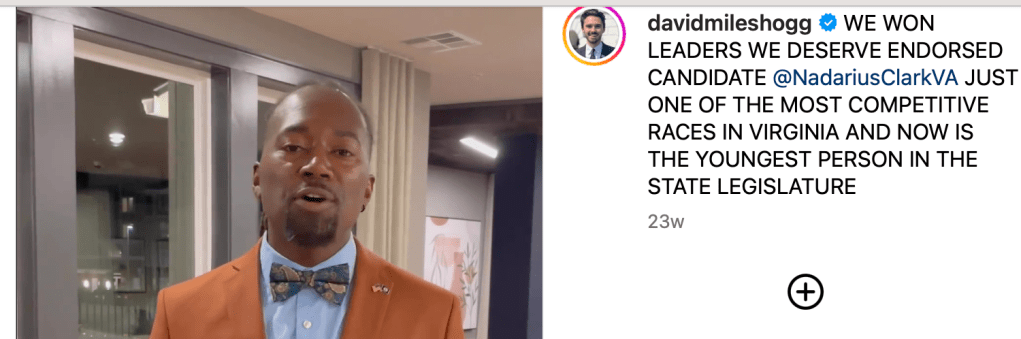
    Vist The Post On Leaders We Deserve Winning!

    In 2022, young voters reaffirmed their electoral influence, thwarting the anticipated “red wave.” Emerging young leaders like Justin Jones in Tennessee and Maxwell Frost in Florida gained prominence. Groups like “Leaders We Deserve” also celebrated their first endorsement success with Nadarius Clark’s election in Virginia.

    Listen To Interview of radio interview

    The benefits of electing young leaders extend beyond Gen Z and Millennials; they enrich the nation and shape our future. Commencing political involvement at a young age capitalizes on time, making it a potent political ally. Gen Z’s potential longevity in Capitol Hill eclipses many, underscoring the urgency of their ascent to power. The time to act is now.

    If you resonate with a mission and aspire to bolster the election of deserving leaders in 2024 and beyond, please act to support feasible campaigns like “Leaders We Deserve” to support their endeavors or find a campaign that will help elect a Democratic Candidate to office.

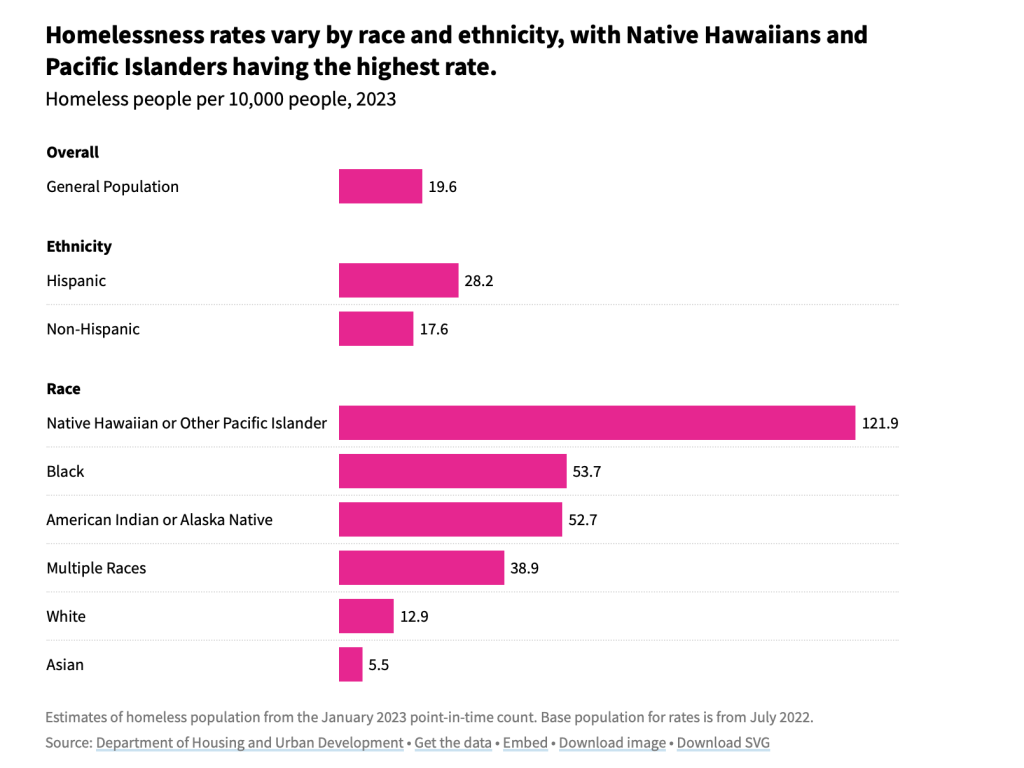
    Challenges and Solutions for Homelessness in America

    Photo by MART PRODUCTION on Pexels.com
    Photo by Timur Weber on Pexels.com

    My household has always maintained a relatively liberal understanding of the country’s homeless situation. We disagree with outlawing their right to exist and have a place to live and shelter. They are, after all, doing the best they can with the current housing, employment, transportation, or other issues they face. Let them be!

    Photo by Rosemary Ketchum on Pexels.com

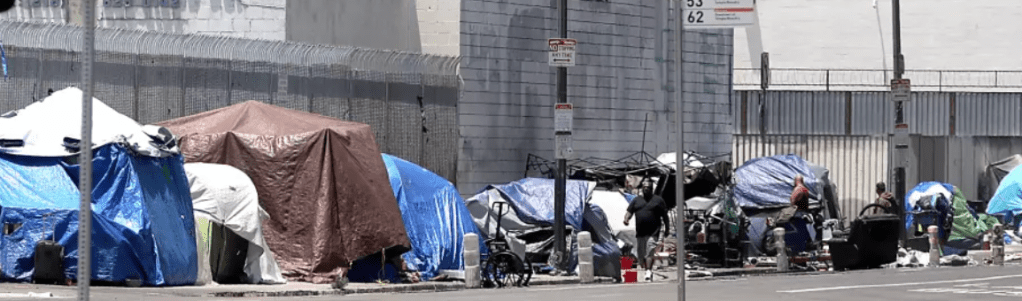
    That is what our stance has been all along, until we went out to breakfast this past weekend and the police department was herding a group along the main boulevard we take to our restaurant. They appeared to be the characters you don’t want to run into in a dark alley at night—or daytime, for that matter. For Christ’s sake, were they planning to put roots down behind our neighborhood. We have a wall around the place, but salespeople always jump in and try to knock on doors. We have security but are not the type that can handle these characters. Every winter, we have a homeless troupe that typically arrives and camps near a river, but they are the same people every year, and they are like the snowbirds who flow in and out of the area from the north. These new homeless characters were of a family we never experienced before. 

    And that is what is scaring so many in America. The police found a suitable place for the troupe to travel on to, and there were no more sights of them after that initial spotting. But that is different for many in the country. These homeless populations inundate their communities, and it is an issue they have never before had to face. What if they are following suit? How many more will come? What problems will they bring with them? Will the property values deflate wherever they plant a stake? Jesus, are they diseased? 

    California has spent billions of dollars trying to fix its homeless problem and has failed to find a solution. The issue is greater there now than ever. Affordable housing remains unobtainable to those needing it. California is asking people to build tiny homes in their backyards, garages, wherever there is space, and make them available to house people. The problem is, if folks don’t want them in their alleys, will they want them in their garages?

    Locally in Phoenix, Arizona. My husband hired an unhoused person years ago and knew she was, although she had not disclosed so on her introduction form. He worked with her schedule to make sure she kept her employment, and within six months, she was able to get a studio apartment, moving from her car. She then told him. He said he knew all along, and that is why he had worked so hard to keep her going, and she turned out to be one of the best employees. Such an example may not be the case with every person, but it is an example of how we can attribute ourselves to improving the situation one person at a time.

    While feeling uneasy about sudden changes in your community is natural, it’s important to remember that homelessness is not a choice for many people. They often face a variety of challenges, including mental health issues, substance abuse, lack of affordable housing, and unemployment, which can contribute to their situation.

    As for the broader issue of homelessness, it’s clear that a comprehensive and compassionate approach is needed to address the root causes and provide effective solutions. This approach may include increasing access to affordable housing, expanding mental health and addiction services, and providing job training and employment opportunities for homeless individuals.

    The Supreme Court now has the issue, and the Lord only knows what they will come up with. But no doubt Texas will pass a law ordering the execution of all homeless people after 30 days of being homeless. 


    Biden’s Time In Office VS. Trump’s.

    Question on Quora –

    Joe Biden has taken 382 vacation days off to date. That equates to over one full year on vacation out of 3 years as US president. Is he the most ineffective US president in history?

    Answered by Benjamin via benandsteve.com 

    We take your word it was 382. I need President Biden’s schedule to confirm such details. Since the job is 24/7, 365 days a year, you never have any privacy, nor a day without less than twenty interruptions, even when on vacation. The vacation days alone don’t necessarily reflect a president’s effort. Being president is a demanding job that comes with its own set of challenges and responsibilities. While the president must take breaks and maintain a work-life balance, one should consider the number of vacation days in the broader context of one president over another president’s performance, decision-making, and leadership.

    Every presidency has challenges and circumstances, and comparing one president’s vacation days to another does not give a comprehensive view of their effectiveness. When evaluating a presidency’s effectiveness, it’s also essential to consider the accomplishments, policies enacted, and challenges faced.

    The information provided may be more accurate or presented better to portray a specific narrative. It’s always a good idea to fact-check information and consider multiple perspectives before forming an opinion.

    For a fact, here’s what Biden didn’t do:

    • He never only started his work days around 11 am or 11:3AM, crisis or not.
    • Never made an ass out of himself on a global stage.
    • Never has had disregards to promises made during his campaign.
    • He Never has been impeached.
    • Biden didn’t get impeached a second time.
    • Biden never had to survive a Senate trial that most senators later – admit that they should’ve voted and should’ve been guilty.
    • Biden didn’t get indicted – FOUR TIMES.
    • It wasn’t Biden who tried overturning the People’s Will in the 2020 *Election by inciting an insurrection!
    • No Biden didn’t call the Georgia Secretary of State and attempt to *Strong arm him into creating 12,000 more votes in his favor.
    • Biden didn’t take papers from the national archives and refuse to return them to the United States Government. Going as far as to tell employees to hide the location of the boxes that contained them from authorities. Then, he agreed to return them and never did so. Then, having the stated allegations recorded on the video camera and denying it was real, lying to the FBI (also a crime.)

    The list of things President Biden never did could go on, but it would be easier if you tuned into Court TV Monday through Friday.

    Those are the differences you can make between Biden and Trump, which is just the start!

    QUESTIONING AND REEVALUATING LONG-HELD BELIEFS AND ENCOURAGING DIALOGUE, UNDERSTANDING AND ACCEPTANCE?

    The documentary “1946: The Mistranslation That Shifted a Culture” delves into a controversial and thought-provoking topic that challenges conventional beliefs about the Bible and homosexuality. Directed by Sharon “Rocky” Roggio, the film examines the claim that the Bible originally did not mention homosexuality and that references to it were added due to mistranslation and misunderstanding of ancient Greek terms.

    The film highlights the work of Christian scholars who delve into forgotten archives at Yale University to uncover the origins of this mistranslation. It argues that conservative Christians began to propagate this mistranslation in the 1970s to scapegoat the LGBTQ+ community and oppose their growing liberation movement.

    Roggio, who identifies as a lesbian and is the daughter of an evangelical minister, engages in dialogues with her father throughout the film, attempting to find common ground and challenge his beliefs about homosexuality being a sin. This personal narrative adds depth and emotion to the documentary, as it explores the complexities of faith, identity, and acceptance within a family divided by differing views on sexuality and religion.

    The documentary sheds light on the potential harm caused by misunderstandings and misinterpretations of religious texts, highlighting the real-world consequences faced by LGBTQ+ individuals who have been marginalized, discriminated against, and even persecuted due to these beliefs.

    Overall, “1946: The Mistranslation That Shifted a Culture” offers a compelling perspective on a contentious issue, urging viewers to question and reevaluate long-held beliefs and encouraging dialogue, understanding, and acceptance.


    Photo by Alexander Grey on Pexels.com

    Gay, Lesbian, Bisexual and Transgender National Hotline 1-888-843-4564. “The Gay, Lesbian, Bisexual and Transgender National Hotline provide telephone and email peer-counseling, as well as factual information and local resources for cities and towns across the United States.

    The Difference Between Scranton Joe And Don The Con. A Whole Lot!

    You’ve undoubtedly heard a comprehensive debate about the economic situation during the transition from Trump to Biden.

    Photo by Andrew Neel on Pexels.com

    Indeed, the economic conditions at the end of Trump’s term were challenging due to the pandemic, and Biden inherited an economy facing significant headwinds. The pandemic’s impact on the economy was unprecedented, affecting employment, consumption, and global demand.

    However, public perception and political narratives often prioritize certain aspects of an administration’s performance while downplaying others. People’s opinions become shaped by various factors, including media coverage, partisan affiliation, personal experiences, and messaging from political leaders.

    Photo by Jozemara Friorili Lemes on Pexels.com

    Trump had shut down the United States of America, a fact that nearly every American forgets today. They need to remember the closed stores, the empty shelves, the closed restaurants, the doctor’s office that had to refuse patients, hospitals that were so full no one could visit, and nursing homes where loved ones had to stand outside and wave to loved ones from the street, and Funeral Homes so full they were using rental refrigerator trucks to store bodies—the toilet paper shortages. That was Trump’s Administration. Biden had to clean it up. He received much blame for what must occur to get the nation back on track. But he got to work, and the country got back to life.

    Here are a few points to consider when thinking about why public opinion might differ between Trump and Biden regarding the economy:

    1. Partisan Bias: Political affiliations can heavily influence people’s views on the economy. Republicans may be more inclined to credit Trump for positive economic developments during his term and blame external factors like the pandemic for any downturns. Conversely, Democrats may be more critical of Trump’s handling of the economy and more forgiving of the challenges Biden faced upon taking office.
    2. Messaging and Framing: Political leaders and media outlets shape public opinion. How economic data and policies get reported can influence people’s perceptions of the economy’s performance. Trump was known for touting positive economic indicators during his term, influencing public perception despite the broader challenges.
    3. Another significant factor that shapes public opinion on the economy is personal experience. People’s direct economic situations, such as job loss, financial hardship, or financial gains, can profoundly impact their views. For instance, someone who experienced a job loss or financial hardship during Trump’s term might have a negative view of his economic policies. Conversely, if someone benefited from tax cuts or saw their investments grow, they might have a more positive perception. Complexity of Economic Issues: Economic conditions are influenced by a multitude of factors, including global trends, monetary policy, fiscal policy, and more. It can be challenging for the average person to parse through these complexities and assign credit or blame to a particular administration accurately.
    Photo by Anna Tarazevich on Pexels.com

    In conclusion, public opinion on the economy is multifaceted, and partisan biases could dominate messaging, personal experiences, and the complexity of economic issues. While the data presented paints a challenging economic picture at the end of Trump’s term, public perception is by broader factors. And it is conveniently forgotten!

    Praying At The State House

    When A Law Maker Takes Amen Corner To The People’s House

    In a scene straight out of a dystopian movie about America’s collapse into christofascism, here’s a video of Arizona State Senator Anthony Kern and his group of anti-abortion zealots on their hand and knees in the the AZ State House Chamber of the state capital, engaging in tongues-praying for the reinstatement of a near-total abortion ban from 1864. 

    Image is not that of any person appearing in report.

    Kern — a former code enforcement officer who was fired for lying and “string of other disciplinary problems” — can be seen on the carpet with his gang of extremists circled around the Arizona state seal in the carpet, babbling fervently for divine intervention to resurrect a Civil War-era law.

    As Public affairs strategist Tony Cani points out, the real kicker is that they didn’t even need to pray; the groundwork for this moment had been meticulously laid out years prior.


    That sounds like a striking and controversial scene, blending elements of politics, religion, and history. The image you’ve painted paints a vivid picture of the tensions surrounding issues like abortion and the intersection of religion and politics in American society.

    Photo by John-Mark Smith on Pexels.com

    It’s always concerning when political figures engage in such public displays of religious fervor to push a specific agenda, especially when it involves legislation that could significantly impact people’s lives. The blending of state and religious symbols in a governmental chamber can raise questions about the separation of church and state, a foundational principle in the United States.

    The fact that Senator Anthony Kern has a history of disciplinary problems adds another layer of complexity to the situation. It raises questions about his credibility and the motivations behind such a public and symbolic act.

    Tony Cani’s observation about the groundwork being laid out years prior underscores the idea that these moments are often carefully orchestrated for maximum impact. It highlights the strategic nature of political theater and the lengths to which some will go to advance their agenda.

    It’s essential for citizens to remain informed and critically evaluate these actions, ensuring that decisions made by elected officials are in the best interest of all constituents and uphold the principles of democracy and justice.

    One could bring up a valid point about the intersection of religion and politics, especially when politicians use religious displays as a means to appear more righteous or to gain public support for their agenda. The scripture from Matthew 6:5-8 that is mentioned highlights the importance of sincerity and humility in religious practice, cautioning against performative acts of piety.

    Photo by Asad Photo Maldives on Pexels.com

    When politicians engage in public displays of religious fervor, it can raise questions about their sincerity and motivations. Are they genuinely acting out of religious conviction, or are they using religion as a tool to advance their political goals? The line between genuine faith and political opportunism can become blurred, leading to skepticism and mistrust among the public.

    It’s essential for voters and citizens to be discerning and critical of such displays, ensuring that they hold their elected officials accountable for their actions and motivations. Blind acceptance of religious or political rhetoric without critical evaluation can lead to the exploitation of faith for political gain.

    Photo by Ric Rodrigues on Pexels.com

    Ultimately, the misuse of religion for political purposes can undermine the true essence of faith, which should be centered on love, compassion, and genuine connection with the divine, rather than on power, control, or political advantage.