Santa’s Mission of Love

This story is pulled from the archives as a celebration for the season edition.

Groff Media 2024© Truth Endures IMDbPro

Presented by benandsteve.com By: Benjamin Groff II©

3–4 minutes

In the heart of a frosty December, Santa Claus sat in his workshop. His eyes scanning the pages of his magical list. It was a heavy year; kindness seemed scarce, and the world became fractured in ways he hadn’t seen before. One town in particular tugged at his heartstrings—Silver Pines, nestled in the Appalachian Mountains. Its beauty hid a darker reality. The LGBTQ+ community, especially gay individuals, faced judgment and outright abuse. Yet, in the face of such adversity, they showed remarkable courage. Letters from people in Silver Pines painted a picture of sorrow, isolation, and a longing yet to be seen.

Santa set down the list with a deep sigh. “No mistakes,” he whispered, stroking his snowy beard. It was a mantra he had held onto since the dawn of time. Every soul was crafted perfectly. Its existence was a thread in the fabric of humanity. His mission was to remind others of this truth.

The night of Christmas Eve was crisp, the air biting but alive with the hum of anticipation. Santa’s sleigh cut through the sky, its bells jingling softly. His bag was lighter than usual. It was not because he carried fewer gifts. His offerings weren’t wrapped in paper this year.

He landed in Silver Pines just past midnight, his boots crunching on the snow-covered streets. Despite the hour, the town was still. He began his journey with his signature magic. He quietly stepped into homes where letters had been written. He spread warmth and comfort to those who needed it most.

At the tiny home, Santa left a handwritten note. Liam and Paul were a gay couple who had faced the brunt of the town’s scorn. It read:

“You are seen. You are loved. You are perfect as you are.”

In another house, a young teen named Oliver found a shimmering snow globe under his tree. He had been wrestling with the fear of coming out. When he shook it, it revealed a rainbow that shimmered against the glass, and inside, a message:

“Your truth is your strength. The world needs your light.”

Throughout the night, Santa wove love into every corner of Silver Pines. He touched the hearts of allies, planting seeds of courage to stand against hatred. He left dreams of acceptance in the minds of those who harbored prejudice. His gifts weren’t toys or trinkets. They were powerful reminders of humanity’s shared essence. Each one carried the potential to transform hearts and minds.

By dawn, the town began to stir. Liam and Paul awoke to find the note, their hearts swelling with hope they hadn’t felt in years. Oliver clutched his snow globe, feeling a new resolve to embrace who he was. The day unfolded slowly. The spirit of Santa’s gifts began to ripple. This ripple ignited a wave of change. This wave would soon engulf the entire town.

People who had once turned away from their neighbors now questioned their biases. Conversations began, tentative at first but growing bolder with time. Acts of kindness, like inviting a marginalized individual to a community event, replaced judgment, and barriers began to crumble.

Santa watched from a distance, his eyes twinkling. The journey wasn’t over—true change would take time—but the seeds had been planted. As he climbed back into his sleigh, he whispered into the cold morning air:

“There are no mistakes in my Father’s design. Love is the gift I give, but it is also the gift you must carry ahead.”

And with that, Santa soared into the sky, his mission not finished but well underway.

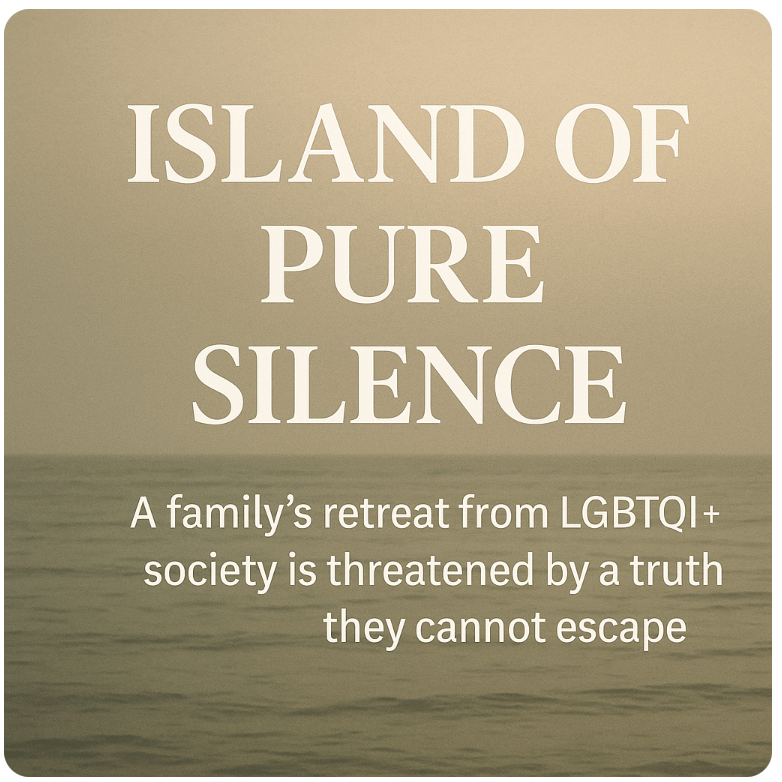
Island of Pure Silence – The Couldn’t Breed It Out

By Benjamin GroffMedia© | benandsteve.com | ©2025 

3–4 minutes

They called it Eden’s Key — though nothing about what came next resembled paradise.

Five families pooled their fortunes to buy a remote private island. They were unrelated and united only by ideology. The island is miles from any shipping lane. Their goal was singular and chilling. They wanted to build a bloodline so ‘pure’ it would never produce what they considered deviation. This included homosexuality, bisexuality, transgender identity, or anything that threatened their narrow vision of human perfection.

These pilgrims to the island had checked and rechecked each other’s families. There had been no known, reported, or openly known LGBTQI+ members in any of the families. There had also been no mental healthcare admissions involving anyone belonging to the family trees going to the island. There would have been seven families in total but two families didn’t pass the bloodline background. The group was made up of a doctor, chemist, preacher, farmer, carpenter, and a dentist. The plan was for each profession and trade to pass these skills to children. Children who were to be born into families on the island.

They constructed homes of pale stone and imported perfect soil for perfect gardens. Children were raised with strict doctrine. They were taught that love came only in prescribed forms. Anything else was seen as a contamination from a broken world.

And for the first generation, it appeared to work.

The island thrived. Crops grew. Marriages were arranged. Babies were born. And the elders congratulated one another on their success, believing they had outwitted nature itself.

But nature is patient.

Subtle fractures began to surface by the time the third generation came of age. There were lingering glances. Forbidden letters were exchanged. Hands brushed too long in passing. Whispers floated through palm-lined walkways. A daughter cried in secret over feelings she did not understand. A son locked himself in his room for hours. He stared at the ocean, hoping it can answer questions no one else can.

The Council called it sickness.

They tightened rules. Curfews sharpened. Surveillance increased. Shame became the island’s true currency.

Each new generation revealed an undeniable truth. The same percentage of LGBTQI+ identities emerged as existed beyond their shores. The very diversity they sought to erase bloomed organically within their controlled experiment.

The elders gathered in panic, pouring over family trees and blood records, searching for a contaminant that did not exist. The realization crept in slowly and bitterly — they had not escaped the world. They had recreated it.

And worse, they had bred it themselves.

Years later, a young woman named Elia stood on the highest ridge of the island. She held the hand of another girl. Both were trembling. Both were defiant. They were not sick. They were not broken. They were simply human. The ocean wind tangled their hair as the sounds of distant arguments echoed below.

“We were never the disease,” Elia whispered. “Fear was.”

When the first boats began to arrive — outsiders, journalists, doctors, activists — the island’s mythology unraveled. The story of Eden’s Key became a caution whispered across the world. It reminds us that identity can’t be engineered out of humanity.

The families who once prized isolation now faced the same reckoning their ancestors had tried so desperately to avoid.

And from the ruins of control rose a new truth, written not in doctrine but in courage:

You can’t uproot what lives in the soul.

Somewhere on that windswept island, between salt air and forgiveness, a generation finally chose love over fear. In doing so, they found a freedom their founders never imagined possible.


By Benjamin GroffMedia© | benandsteve.com | ©2025 

Why Language Choice Is Crucial in Events

3–5 minutes

(inspired by Daria Knupp’s piece at Personify)

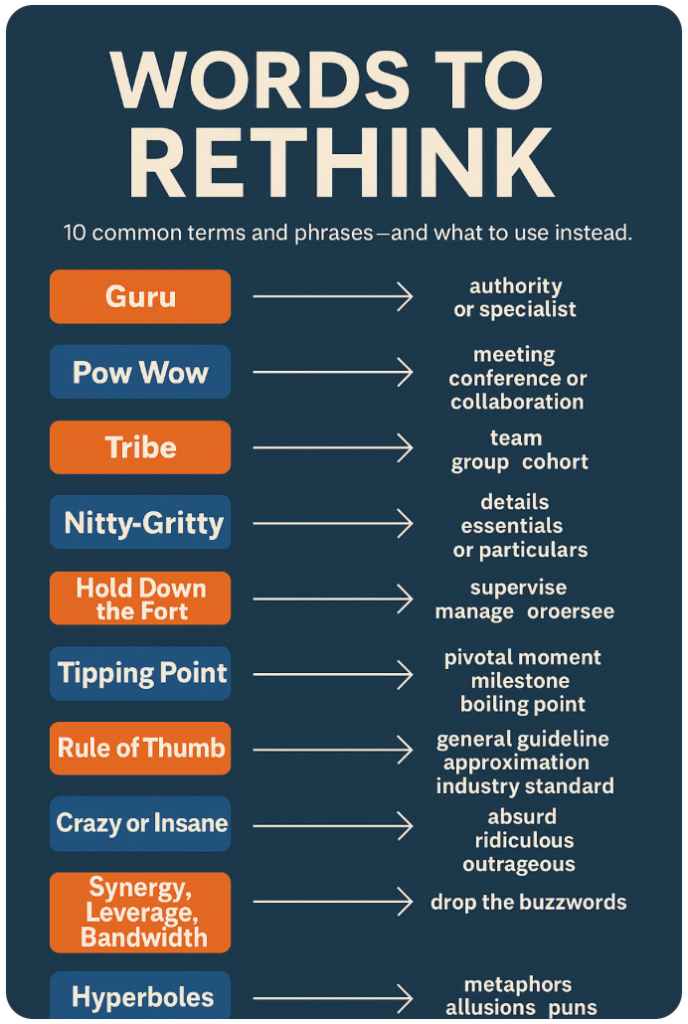
We all know words can inspire, connect, and excite—but they can also alienate, offend, or sound tired. Daria Knupp, Sr. Content Marketing Manager at Personify, recently published a thoughtful article. It lists 10 words and phrases we should stop using in the events industry. We should consider avoiding them everywhere. Her list stopped me in my tracks—and it will surprise you, too.

We use these terms often at conferences, in meetings, and in our everyday work to convey intelligence, wit, and creativity. Nevertheless, some have roots in stereotypes, outdated social theories, or even deeply offensive historical contexts. Here are highlights from Knupp’s list. I also include my own reflections on why they matter. Additionally, I explore how we can do better.

  • “Guru” Originally, the title of the highest spiritual leaders in Hinduism and Buddhism. Using it casually—“event planning guru”—can trivialize a sacred role. Try “expert” or “specialist” instead.
  • “Pow Wow” is not just a “quick meeting.” It’s a sacred Native American gathering of community and celebration. Try “meeting” or “collaboration.”
  • “Tribe” is often used to describe a network or support, but it is tied to outdated and harmful stereotypes. Swap in “team,” “group,” or “cohort.”
  • “Nitty Gritty” Commonly meant “the essentials,” but it was rooted in references to the slave trade. Use “details” or “essentials” instead.
  • “Hold Down the Fort” Seems harmless, but it was initially tied to colonial conflicts with Native Americans. Consider “supervise” or “manage.”
  • “Tipping Point” was popularized by Malcolm Gladwell, but historically referred to racial “thresholds” in neighborhoods. Try “pivotal moment” or “milestone.”
  • “Rule of Thumb” Linked—to wife-beating folklore. Safer to say “general guideline” or “industry standard.”
  • “Crazy” or “Insane” Using mental illness terms casually undermines efforts to destigmatize. Replace with “absurd,” “outrageous,” or “ridiculous.”
  • Buzzwords like “Synergy,” “Leverage,” and “Bandwidth” Overuse makes you sound like a cliché. Switch it up with plainer language.
  • Hyperboles. Nothing wrong with exaggeration—but when overdone, it can make you less credible. Mix in metaphors or puns for variety.

I’ve had very close Native American friends who have been like family to me for nearly fifty years. Through countless conversations, shared meals, and life’s ups and downs, similar concerns about language never arose. We always spoke openly and comfortably with one another, and I thought we understood each other fully.

Now, reading about the origins of these words and their potential to harm, I have to ask myself—was I wrong? Did I unintentionally cause pain, even to the people I love and respect? This personal reflection can make the audience feel empathetic and introspective. Did my long-held assumptions give me a sense of being “above” the issue when in reality I wasn’t?

This is why articles like Daria Knupp’s matter. They challenge us to reevaluate. They help us check our blind spots. They make us confront how easy it is to inherit language without questioning it. This can make the audience feel motivated and empowered. I hope that in sharing this, readers will pause. I hope they think: if language is so powerful, what can we do to use it better?

As Knupp points out, we interact with thousands of attendees, exhibitors, colleagues, and friends. Every word choice carries weight. Being mindful of language isn’t about being “too sensitive”; it’s about making sure everyone feels respected and included. And honestly? It makes us sound more intelligent and up-to-date.

For me, this list was surprising because so many of these phrases have been normalized. Seeing their origins laid out in one place makes me rethink my own habits. It also makes me curious—what other everyday expressions are we using without realizing their history?

Language evolves, and so can we. By phasing out these outdated or offensive terms, we show ourselves as thoughtful professionals and better human beings. Words shape experiences. They can also change them—for the better.


By Benjamin GroffMedia© | benandsteve.com | ©2025 

NOTE: We live in a time when there’s a relentless push to roll back equality. Efforts aim to undo hard-won progress toward balancing the scales between the haves and the have-nots. Reports like this stand as a vital reminder. There will always be voices, somewhere, willing to rise for decency, fairness, and moral courage.


The Island – A Serialized Dystopian Story * Chapter Eight

1–2 minutes

Haven’s Reach: The Spark

It happened on a rainless night in early winter. The Council had banned music in the public square, but a child’s voice broke the silence. A boy no older than ten sang a lullaby his grandmother had taught him, his voice rising above the wind. For a moment, the crowd froze in fear. Then another joined. And another. Soon, the plaza filled with song.

The guards stormed in, batons raised, but the people didn’t scatter. They sang louder. The air trembled with a sound that was part hymn, part rebellion. Harper, standing among them, felt her chest swell. For the first time since Eli’s disappearance, she felt less alone.

The spark was not fire or violence—it was courage in harmony. By dawn, the Council declared the singers enemies of Order. But they had already lit something no decree extinguished.


By Benjamin GroffMedia© | benandsteve.com | ©2025 

Can Your Differences Bring Us Together?

1–2 minutes

What Difference Does It Make?

Photo by cottonbro studio on Pexels.com

What difference does it really make — who we are or who we love? We accept without question that some people like black hair, others like blondes, and some like redheads. Some are tall, some are short, some are in between. Yet history shows us how quickly an innocent difference can become a target.

Imagine if tomorrow there was an eruption of public hatred toward blondes. They dye their hair to avoid detection. Or if short people were suddenly ostracized, they try to stay inside except during “short hours.” Many people already camouflage parts of themselves—how they speak, dress, or behave—to stay safe in public. But not everyone can change.

That’s what today’s reflection is about: What do we do with differences that can’t be hidden or changed? When does society’s discomfort become cruelty? Should people who can’t “blend in” be cast aside, alienated, or worse? We’re at our best when we challenge these questions. We must remind ourselves that our shared humanity matters far more than our differences.

A Hopeful Call-to-Action

If differences can be used to divide, they can also be used to unite. Every person you meet carries something unique—something you can’t see at first glance. Rather than asking people to blend in or hide, we can create a world where authenticity is safe and celebrated. Each act of kindness is important. Each open conversation contributes to understanding. Each refusal to judge by appearance fosters inclusivity. These are steps toward a society that values humanity over uniformity. The question isn’t how we can camouflage ourselves—it’s how we can build a place where no one needs to.


By Benjamin GroffMedia© | benandsteve.com | ©2025 

The House That Heals: A Story of Acceptance and Memory

1–2 minutes

The House on Brookfield Lane

Ethan was only a few miles from home when it happened. A sudden dizziness swept over him, the road blurred, and he pulled his car to the side. When the fog lifted, he realized he couldn’t remember who he was, or where he had been going. All he had was a backpack, a half-filled journal, and the overwhelming instinct that he needed to find shelter.

He wandered until he reached Brookfield Lane, where an old house loomed against the evening sky. As a child, Ethan had feared this place. It was where shadows seemed darker, where kids whispered about ghosts and curses. Though he didn’t remember that fear, his body did—a chill ran through him as he stepped onto the porch. Still, with nowhere else to go, he knocked.

An elderly woman opened the door. “Come in, child,” she said softly, as though she had been expecting him. Ethan stayed, helping with small chores, sharing meals, and slowly growing comfortable in the quiet warmth of the house. In the evenings, they talked. She asked about his life. Even though he couldn’t remember, fragments began returning. He recalled his laughter with friends, the smell of campus coffee shops, and the long nights of studying. Then, something deeper surfaced. It was the secret he had held since high school. He thought he’d never say it aloud. He told her he was gay. Instead of fear or judgment, she smiled. “Love,” she said, “is never something to be ashamed of. It’s what keeps this house alive.”

When his memory finally returned, it shocked everyone. Ethan’s parents had always thought of Brookfield Lane as cursed, a place to avoid. They couldn’t understand how the son they worried about had found comfort, truth, and acceptance there. For Ethan, though, the house became more than a place of fear. It became the place where he embraced who he was. He learned that what we fear most sometimes holds the power to set us free.


By Benjamin GroffMedia© | benandsteve.com | 2025 

The Silence About Straight Shooters

2–3 minutes

Double Standards – Plain Prejudices!

When a massacre occurs, we rush to ask why. We sift through social media posts, interviews, and histories, desperate for something that explains the unexplainable. But what’s telling is not just the reasons we find—it’s the reasons we don’t look for.

The overwhelming majority of mass shooters in the United States are heterosexual men. That’s not speculation; it’s data. Yet how often do you see headlines dissecting a killer’s heterosexuality as the cause of their violence? How often do pundits rush online? They demand to see if the shooter once posted about a girlfriend or wore a wedding ring. They use that as “proof” that straight men are dangerous by design. The answer is simple: never.

And yet, when a shooter identifies as LGBTQ+, or is even rumored to, it suddenly becomes fair game for speculation. Sexuality or gender identity—factors with no proven connection to violence—are treated as the smoking gun. It’s as if identity itself becomes a scapegoat, a convenient villain for people already inclined to mistrust it.

This double standard reveals a lot about our cultural biases. Straight people are allowed complexity. They can be troubled, mentally ill, politically radicalized, or angry at the world. They can also be a hundred other things. But LGBTQ+ people are flattened into caricatures, their entire identities blamed for tragedies they commit. Violence is driven by opportunity, ideology, and access to weapons. It is also driven by often untreated pain—not by who someone loves or how they define themselves.

Maybe the question isn’t why people commit atrocities. Instead, we should ask why we frame some people’s motives through the lens of prejudice. Meanwhile, we let others keep their humanity. Until we answer that honestly, we’ll keep mistaking bigotry for truth—and keep missing the real reasons behind the violence.

Benjamin Groff is a former police officer and radio news anchor. He has hosted programs for CNN and ABC News affiliates in Colorado and Wyoming. His career in law enforcement began in 1980 and lasted more than two decades. This gave him firsthand insight into the criminal mind and public safety. Moreover, it provided him with an understanding of the human stories that often go untold. His writing draws on these experiences, blending street-level truth with a journalist’s eye for the bigger picture.

By Benjamin GroffMedia© | benandsteve.com | 2025 

We Shall Come Rejoicing Marrying Only The He’s And The She’s

By Benjamin GroffMedia© | benandsteve.com | 2025 Truth Endures©

1–2 minutes

The Baptists are at it again. They are raising a protest over who should be allowed to marry. It is as though they alone have the final word.
Yet, let us be clear: They are opposing who can walk into a county or state office. They do not want everyone to ask for a marriage license or enter into a legally recognized civil contract. That is not a religious rite. It is a legal agreement—filed, signed, and validated by the state. What the Baptists are trying to do is assert control over who can enter into that civil contract. Moreover, that is where their argument starts to fall apart.


One can understand a church’s wish to define marriage for its faith tradition. For example, it only performs holy matrimony for male-female couples. That is their theological prerogative. Furthermore, the LGBTQI+ community is better served by choosing faith institutions that embrace and affirm their unions. Those places do exist. They conduct beautiful, sacred ceremonies filled with love and meaning.


The Baptists alleged to be upset over same-sex couples marrying are not fighting for “Holy Sanctioned” marriage. Their effort is a thinly veiled effort to legislate bias. They aim to stir up fear and rally support for political agendas. When the current battle over trans rights no longer generates the same heat, they will seek another issue. This will be the next fire they try to stoke. It will be another wedge to deepen divisions. They will build up the offering plate and feed the partisan machine.


Trying to impose a ceremony on a church that fundamentally rejects it leads to resentment. Such an action only reinforces division. It is counterproductive. The real problem arises when religious institutions try to dictate who can access civil marriage through the state. That is not about faith. That is about politics, prejudice, and, frankly, power.

Challenges and Resilience in the LGBTQI+ Community Today –– Beyond PRIDE With A New Pope!

By Benjamin GroffMedia© | benandsteve.com | 2025 Truth Endures©

5–7 minutes

Navigating the Crossroads: Challenges and Resilience in the LGBTQI+ Community

In recent years, the LGBTQI+ community has observed both significant strides toward equality and alarming setbacks that threaten these advancements. As societal acceptance grows in some areas, legislative and social challenges persist, underscoring the need for continued advocacy and awareness.

Mental Health: A Silent Crisis

Mental health disparities continue to be a critical issue within the LGBTQI+ community. According to The Trevor Project’s 2024 National Survey, 39% of LGBTQ+ youth seriously considered attempting suicide in the past year. The rates rise to 46% among transgender and nonbinary youth. Factors contributing to this crisis include discrimination, lack of access to affirming care, and societal stigma. (1)

Intersex youth face even more pronounced challenges. A study highlighted troubling findings about intersex respondents. It showed that 77% had someone try to change their sexuality or gender identity. Over 10% had undergone conversion therapy. (2)

Healthcare Access: Barriers and Disparities

Photo by Celia Daniels on Pexels.com

Access to quality healthcare is a fundamental right, yet many LGBTQI+ individuals face significant obstacles. The Center for American Progress reported that in 2024, 45% of transgender adults postponed medical care due to affordability issues. Additionally, 60% of intersex adults faced the same issue. Additionally, 37% of transgender adults avoided seeking care out of fear of discrimination. (3)

The political landscape further complicates access to necessary care. A survey by FOLX Health revealed that 90% of trans and nonbinary Americans feared the 2024 presidential election. They were concerned it would negatively impact their healthcare access. Notably, 20% had already lost access due to anti-LGBTQ policies. (4)

Legislative Challenges: A Double-Edged Sword

Legislation plays a pivotal role in shaping the experiences of LGBTQI+ individuals. In 2024, nearly 500 anti-LGBTQ+ bills were proposed across the United States, with 46 enacted into law. These laws have had profound effects, with over 70% of LGBTQ+ adults reporting negative impacts on their mental health.

Conversely, there have been positive legislative developments. Thirty-seven pro-equality bills were signed into law, focusing on areas like parenting rights and health and safety. (5)

Community Initiatives: Resilience and Support

Amid these challenges, community-led initiatives have emerged as beacons of hope. In Connecticut, drag performances educate on health and suicide prevention. They create inclusive spaces for dialogue and support. (6)

The introduction of the Pride in Mental Health Act aims to bolster mental health resources for LGBTQ+ youth. It recognizes the unique challenges they face. The act highlights the importance of affirming care. (7)

Conclusion: A Call to Action

Photo by Gotta Be Worth It on Pexels.com

The LGBTQI+ community continues to navigate a complex landscape of progress and adversity. While strides have been made in visibility and rights, significant work remains. We need to guarantee fair access to healthcare. Protection under the law is also necessary. Furthermore, societal acceptance must be achieved.

Allies, policymakers, and community members must advocate for inclusive policies. They should support mental health initiatives. It’s essential to foster environments where LGBTQI+ individuals can thrive without fear of discrimination or harm.


Recent Developments Impacting the LGBTQI+ Community

Posted by Movie and Television Show Writer and Actor Del Shores on Facebook –

LGBTQ+ Rights Under Attack in 2025 — And the Fight Continues! But we, as a community, stand firm and resilient.

I posted it many years ago before we could legally marry someone we loved. Before United States v. Windsor struck down DOMA in 2013, and before Obergefell v. Hodges in 2015, we finally gave our love full legal recognition nationwide.

And it became one of the most shared things I’ve ever posted.

WHERE WE ARE NOW, 2025!

 2025 has seen an alarming surge in anti-LGBTQ+ bills, with over 500 introduced in the U.S. alone.

 Over 774 are specifically anti-trans, and 700 of those are still active.

 Texas leads the charge with 127 of these hate-fueled bills.

Many of these bills are pushed by the GOP, wrapped in the Bible, and weaponized with false righteousness. It’s the same tactic — just a different year with more hateful rhetoric than ever. 

When I wrote “Southern Baptist Sissies” in 2000. I dreamed it would one day feel like a period piece — a snapshot of a fight we’d won. And yet, in 2025, my character Mark’s words still guide me as I fight for and with my LGBTQ+ family and our beautiful allies:

“Sometimes I close my eyes, and I create a perfect world. A world of acceptance and understanding and love. A world where there’s hope. Even if the hope is just whispered, I hear it.”

To the trans community: we see you, love you, and stand with you in unwavering solidarity.

To the so-called Christians using the Bible to harm: you’re using it wrong.

Romans 13:10 — “Love does not harm its neighbor; therefore, love is the fulfillment of the law.”

Let’s love louder, let’s love more, and let’s love without boundaries.

Let’s keep whispering — and shouting — that hope.

“Dear friends, let us love one another, for love comes from God. Everyone who loves has been born of God and knows God. Whoever does not love does not know God because. God is love.” 1 John 4: 7-8.

#ProtectTransKids #LGBTQHistory#SouthernBaptistSissies#HopeIsARevolution#TransRightsAreHumanRights#FaithNotFear 


A NEW POPE

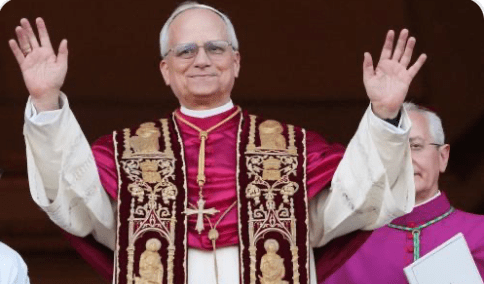
The election of Pope Leo XIV—formerly Cardinal Robert Francis Prevost—marks a historic moment. He becomes the first American to lead the Catholic Church. His choice follows the death of Pope Francis. Pope Francis was noted for his progressive stances on social issues. These included LGBTQ+ inclusion .(1)

Implications for the LGBTQI Community

Pope Leo XIV’s past statements suggest a more conservative approach to LGBTQ+ issues compared to his predecessor. In 2012, he expressed concern about popular culture. He believed it was fostering “sympathy for beliefs and practices that are at odds with the Gospel.” He specifically cited the “homosexual lifestyle” and “alternative families comprised of same-sex partners and their adopted children.” He has opposed the inclusion of teachings on gender in schools. He describes the promotion of gender ideology as confusing. (2)

Pope Leo XIV has not publicly addressed LGBTQ+ issues since his election. His earlier positions show a potential shift from the more inclusive tone set by Pope Francis. Pope Francis had endorsed civil unions for same-sex couples. He also allowed blessings for same-sex unions. This signaled a more welcoming approach. (3)

Awaiting Future Developments

As Pope Leo XIV begins his papacy, the global Catholic community will be observing his leadership closely. This includes LGBTQ+ members. They will watch how it will shape the Church’s stance on inclusion and diversity. His actions in the coming months will offer clearer insights. His statements will reveal the direction he intends to take on these critical issues.

Sources – References:

Favicon
Favicon
Favicon
Favicon
Favicon

 Senator Ed Markey.  CT Insider HRC+1HRC+1 Axios+2Center for American Progress+2KUNC+2HRC+6Teen Vogue+6The Trevor Project+6.  Center for American Progress. euronewsThem+1Center for American Progress+1. The Trevor Project+4American Art Therapy Association+4Brittany Bate+4.

The Impact of Discrimination on Society and Human Rights

GROFF MEDIA 2024© TRUTH ENDURES IMDBPRO

Presented by benandsteve.com By: Benjamin Groff II©s

2–3 minutes

Discrimination Vs. Inclusion
Discrimination Vs Inclusion.
The difference between darkness and light

Discrimination is an act rooted in fear, ignorance, and an unwillingness to accept the fundamental dignity of all people. It has profound consequences for society. Wanting to deny others housing, clothing, and respect shows a belief that some lives hold less value. Such a stance reveals a deep-seated lack of empathy. It shows an indifference to the struggles of fellow human beings and a troubling inclination toward social division. It speaks volumes about moral values. It reflects the character of those who wish to wield power to diminish the lives of others.

The wish to remove protections that have given minority groups equal footing within society shows a disregard for historical injustices. These injustices have shaped the need for these safeguards. These protections exist not to give anyone an unfair advantage. They guarantee everyone has equal rights, opportunities, and access to resources without prejudice. Seeking to dismantle these safeguards implies a refusal to acknowledge historical injustices. It also shows a disregard for the ongoing struggles faced by marginalized communities. It shows a yearning for a past where exclusion was the norm. It rejects embracing a future that strives for fairness and justice.

Moreover, those who advocate for policies that exacerbate the hardships already endured by vulnerable populations are not merely indifferent. They are complicit in their suffering. If making life more difficult for those struggling is acceptable, what does that say about one’s character? It signals a lack of compassion, an absence of moral responsibility, and a failure to grasp the interconnectedness of humanity. A society that pays no heed to suffering undermines its stability, for one group’s oppression ultimately harms the whole. This is not just a moral issue but a societal one that demands immediate attention and action.

Most revealing is the wish to control who can join legal institutions like marriage. Love and family are not exclusive to a select few but are among the most fundamental aspects of human existence. To decide who can share in these joys is to place oneself in a position of unjust power. It denies them to others. It stems from a belief in personal superiority. It also involves a willingness to impose one’s values on others. This approach restricts their freedoms. It suggests an inability to recognize that love is universal. Love is deserving of legal and social acknowledgment. This is true regardless of the individuals involved.

Ultimately, seeking to discriminate, exclude, and strip away rights reveals one’s insecurity, fear, and wish for control. A society is judged by how it treats its most vulnerable members. Those who work to undermine equality and fairness reveal far more about themselves. They show more about their nature than they do about those they seek to oppress. True strength is found in embracing diversity. Morality involves protecting the rights of all. Decency ensures that everyone has the dignity and respect they deserve.

Chester’s Revolution: A Fight Against Government Oppression

GROFF MEDIA 2024© TRUTH ENDURES IMDBPRO

Presented by benandsteve.com By: Benjamin Groff II©s

4–6 minutes

When the world turns against you, what do you do? This question had boiled under Chester’s contempt for days. He had watched the nation he loved become the opposite of everything it had ever stood for. The people appeared powerless to stop the crazed leaders who were taking control of the institutions and destroying them.

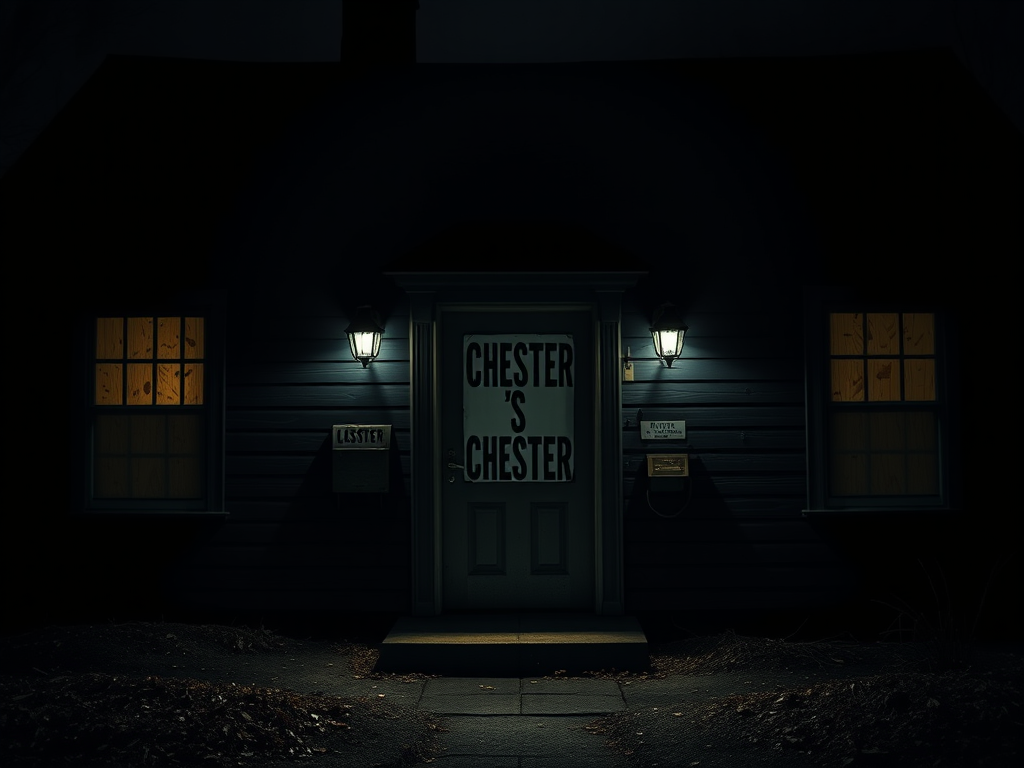
Chester became so incensed that he quit his job. He took about three hundred dollars, bought as many canned food items as possible, and stored them in his home. Chester then purchased one hundred dollars’ worth of bottled water. He had planned for the loss of electricity and home heating petroleum. Chester had medical supplies he thought would handle any matter related to his health. Then, he went and nailed his doors and windows shut. He placed a sign on the outside of his home stating:

I AM HOME – ALIVE – I DO NOT WANT CONTACT WITH THE OUTSIDE WORLD OR ITS DISTURBING GOVERNMENT. THIS HOUSE IS OFF LIMITS TO EVERYONE. PLEASE DO NOT ENTER!

Then, in chalk, on a board that slid in and out from the interior of the home, it read:

DATE – 2-16-2025

Chester planned to update the date every night to let the outside world know he was still alive.

Chester planned to live without listening to what was happening around him. He believed it was the only way he survived. Chester wanted to help others but had no solution, power, or ability. For Chester, this was all he thought he would do.

His home was significant. It had five bedrooms, four bathrooms, two living areas, two kitchens, and a mother-in-law suite. He had inherited it from his parents after they passed. It was paid for, and he had taken control of their Trust. He didn’t have any financial issues.

Every morning, Chester would visit the mother-in-law’s suite. It offered a view of a once-lively park. The government has now abandoned the park. He often spotted young figures lurking behind the trees, their presence a haunting mystery. Why were they there? Why were they hiding? And most puzzling of all, why did they seem to have nowhere else to go?

One day, curiosity got the best of him. He grabbed his hammer. He pulled the nails out around the suite’s window. He cracked it open, trying to hear their conversations.

Two young girls and two young men were hiding behind a tree, whispering urgently. Chester leaned in closer and heard them say:

“Look, it won’t hurt, and we will be free of this world. If we stay any longer, it will only get worse. They will kill us if we don’t beat them to it!”

Chester’s blood ran cold. What in the world were they talking about? Was this some game? Or were they seriously considering group suicide? And was the government truly hunting these kids?

He had heard about new policies stripping rights from the LGBTQI+ community and disenfranchising people of color. But had it escalated to mass executions? Chester had to find out.

He rummaged through an old trunk in his father’s Hollywood memorabilia. It contained all sorts of disguises: wigs, glasses, vintage clothing. Chester dressed as an older, disheveled homeless man and prepared to venture outside for the first time in weeks.

What he would learn would be devastating.

The streets were eerily quiet, yet tension hung in the air like a brewing storm. Checkpoints had been set up at major intersections, where government enforcers—men in military gear with no insignias—patrolled with assault rifles.

Posters were plastered everywhere, declaring:

 “FOR THE SAFETY OF OUR NATION, COMPLIANCE IS MANDATORY.”

 Others simply stated: 

“NON-CONFORMISTS WILL BE RELOCATED.”

Chester approached a group of homeless people warming their hands over a fire in a rusted oil drum. They regarded him warily but allowed him into their circle.

“What’s happening?” 

Chester asked, playing the role of a lost drifter.

A man with hollowed-out cheeks and weary eyes responded,

“They’re rounding people up. Anyone who resists, anyone different. They disappear.”

Chester asked quickly,

“Disappear where?”

The man shook his head.

“No one knows. Some say camps. Others say execution sites.”

Chester’s stomach twisted into knots. The government wasn’t just oppressing people; it was actively erasing them. The kids in the park weren’t paranoid—they were running for their lives.

He couldn’t stay hidden anymore. He had to act.

That night, under the cover of darkness, Chester snuck back to his house and removed the sign from his door. He pried open his windows, unlocked the doors, and gathered supplies. With his home’s ample space and well-stocked provisions, he offered sanctuary to those with nowhere else to go.

The next day, he returned to the park and approached the young people cautiously.

“Come with me,” he whispered. “You don’t have to run anymore.”

At first, they hesitated, but the desperation in their eyes mirrored his determination. One by one, they followed him back to his home. Chester had spent weeks barricading himself from the world, convinced that isolation was the only way to survive. But now, he understood—survival was not just about enduring. It was about resisting.

And Chester was ready to fight back.


“LGBT people are some of the bravest and most potent change agents and leaders I have encountered. They are the most forceful defenders of the vulnerable and voiceless because they know what it’s like to be there.” 

-–– Ronan Farrow -–– a journalist known for his investigative work with the New Yorker and member of the LGBTQI+ Community

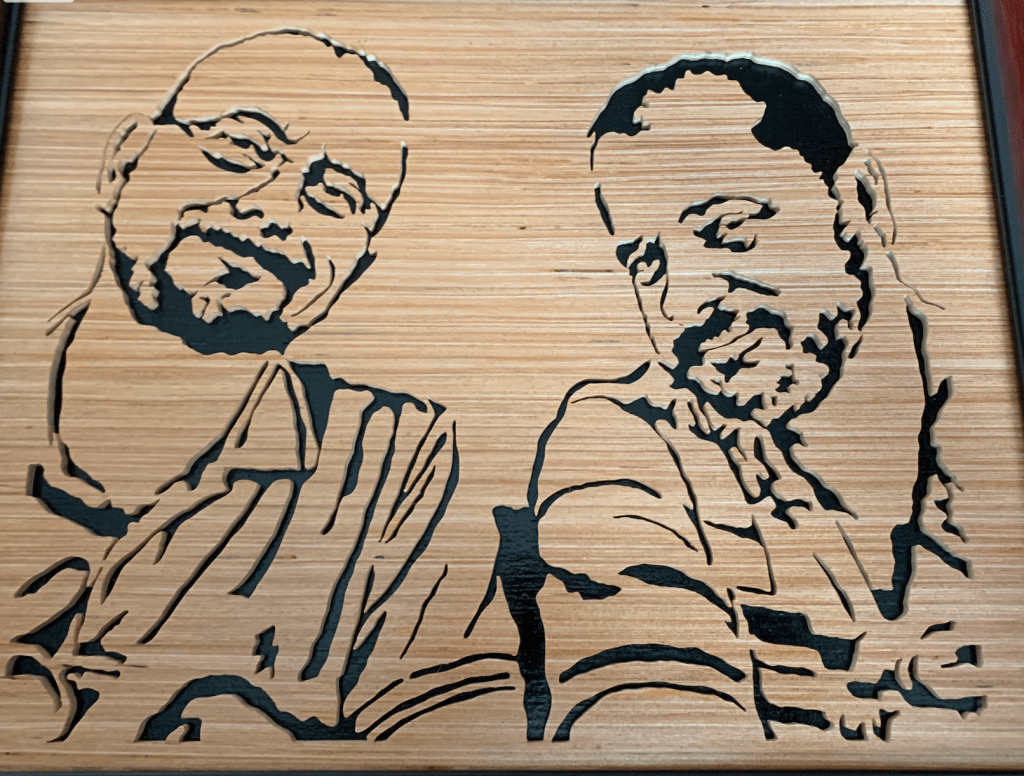
The Enduring Love Story of Henry and Harry

GROFF MEDIA 2024© TRUTH ENDURES IMDBPRO

Presented by benandsteve.com By: Benjamin Groff II©s

4–6 minutes

Henry and Harry met by accident one evening when Henry was riding with Harry’s roommate and fellow police officer, Teddy. Henry and Teddy stopped by Teddy’s house to pick up the legal papers Teddy needed for a court filing. He invited Henry in to meet his roommate, Harry.

When they entered the door, Harry was getting ready for his shift. He walked down a hallway wearing only his trousers and no shirt. Henry and Harry’s eyes locked onto each other as Teddy introduced them. Neither knew the other’s intentions or interests; they nodded and said hello, an electric charge lingering between them.

Harry worked at the police station’s front desk and communications center. Suddenly, Henry worked for the local radio station. He began coming to the station instead of calling on the phone for the day’s latest police activity. Henry would sit patiently. He went through the radio and comment logs. He looked for items to place in his news reports on the radio. Then, he would make small talk with Harry, their conversations stretching a little longer each time.

One day, Henry asked Harry if the officer was off the next weekend. Harry confirmed that he was. Henry explained that his boss wanted him to travel to Loca City. He needed to pick up his son and return him to Elm City. Harry said he’d love to go along for the adventure. Henry explained they go there on Saturday and return on Sunday. This way, he would be there to get the youngster after he got out of church.

When Saturday came, the two left Elm City for the nearly two-hour drive to Loca City. During the drive, they talked, learning more about each other’s pasts, dreams, and fears. At times, their arms brushed against each other on the armrest of Henry’s Ford Thunderbird. Unknown to each were the butterflies fluttering in their stomachs as the pair drove down the highway.

Upon arriving in Loca City, the pair stopped for burgers. Across the street, there was a movie theater. And, of course, they would take in a movie— Friday the 13th: Season of the Witch.

By all standards, the movie was a flop. But the film still had spooky moments, especially for Harry, who jumped and yelped throughout. It was ironic—him being the one who worked for the police department. Afterward, the two laughed at how jumpy Harry had been, and Harry was embarrassed.

It was getting late, and they decided to find a motel for the night. The two found a Holiday Inn Holidome. Henry said he would take care of the room. Harry was asked to watch the car. Harry complied. A few minutes later, Henry returned with room keys and said—

“I’m sorry about this. The hotel only had one room, and it had a queen bed.”

Harry’s reply was accepting.

“I don’t have a problem with it. I slept with my best friends all through hay harvest.”

Once in the room, the television came on. Of all things, it was a rerun of The Tonight Show with Joan Rivers. The two settled in with Joan Rivers rattling on. At some point, one of their elbows flinched into the other. Then, a tickling match ensued. The tickling led to rolling around in the bed, which led to a still moment.

Henry reached up and kissed Harry. That was in 1982. And in 2024, that kiss still lasts.

They demonstrated remarkable courage, enduring the hardships of hiding their relationship to protect their careers. They faced moments of having to pretend to be twin brothers to avoid violent repercussions. They even experienced the loss of family members who couldn’t accept their love. But through it all, they clung to each other, a testament to their resilience and the power of their love.

They were finally capable of marrying. They did so without fanfare—just them and a few close friends. There was a quiet understanding that this was always meant to be. But even then, their love faced challenges. They faced the threat of losing their rights as a married couple. Additionally, there was the ever-existing worry of discrimination in housing, employment, and medical care.

After over forty years together, they pridefully ponder on their journey. The fights, love, laughter, and pain were all part of their story. If anything, the years only strengthened their love. Their relationship is a beacon of hope for enduring love in a world that often challenges it.

Henry reaches for Harry’s hand as they sit on their porch, watching the sun set over their quiet neighborhood. His grip is weaker than it used to be, but the warmth is still the same.

“No matter what they take from us,” Henry says softly, “they can’t take this.”

Harry smiles, his thumb brushing over Henry’s knuckles.

“No, they can’t.”

After all, it is where they began—and will always belong. Their home is their sanctuary. It is where their love has blossomed and endured. Their home is a testament to their resilience and the power of love.

This is a true story. The names and places have been changed to protect the identities of those lives involved.

Should You Stay on Facebook? Weighing the Pros and Cons

GROFF MEDIA 2024© TRUTH ENDURES IMDBPRO

Presented by benandsteve.com By: Benjamin Groff II©

3–4 minutes

To Stay or Go: Evaluating the Benefits of Remaining on Facebook in Light of Controversial Changes

Social media platforms have become integral to modern life, offering communication, connection, and community building avenues. Nevertheless, as these platforms evolve, so do their policies and practices, often sparking debate about their social and ethical implications. Facebook, a leading social media giant, has recently faced criticism. This criticism is due to changes in its policies on hate speech, bigotry, and LGBTQI support. For individuals making the decision about staying on or leaving Facebook, they hold the power to be informed. Weighing the benefits of both options is essential for this empowerment.

The Case for Staying on Facebook

  1. Maintaining Connections: Facebook remains a vital tool for staying in touch with family. It also helps keep connections with friends and acquaintances, particularly those spread across different regions or countries. For many, it is a lifeline to relationships that would otherwise be difficult to nurture.
  2. Community and Advocacy Opportunities: Despite policy changes, Facebook still hosts several groups and communities that support marginalized voices. These include LGBTQI organizations, social justice movements, and local advocacy efforts. By staying, individuals can continue amplifying positive messages and supporting important causes.
  3. Access to Events and Local Updates: Facebook excels as a hub for event coordination and news dissemination. Whether it’s discovering community gatherings, charity events, or public discussions, the platform enables users to stay engaged with their surroundings.

  4. Platform for Countering Negativity: Staying active on Facebook allows users to directly challenge hate speech and bigotry. Individuals can use their presence to make a positive impact through reporting mechanisms, creating supportive content, and fostering constructive dialogues.
  5. Professional Networking and Opportunities: Beyond personal connections, Facebook provides professional opportunities through networking, business pages, and advertising. Leaving the platform will limit exposure to these tools, which can be crucial for entrepreneurs, freelancers, or small business owners.

The Case for Leaving Facebook

  1. Moral and Ethical Stance: Users can take a stand by leaving Facebook. They do this against policies they perceive as harmful or contrary to their values. This protest can send a powerful message to the platform and its advertisers, influencing change.
  2. Reducing Exposure to Toxic Content: With the relaxation of hate speech policies, users face more harmful content. They become increasingly exposed to offensive material. Removing oneself from the platform eliminates the mental and emotional toll of encountering such material.
  3. Privacy and Data Concerns: Facebook has faced ongoing scrutiny over its handling of user data. Leaving the platform reduces one’s vulnerability to data misuse, targeted advertising, and potential privacy breaches.
  4. Encouraging Other Platforms: Exiting Facebook can prompt individuals to explore different social media platforms that better align with their values. Platforms like Mastodon, MeWe, or local community forums offer a more supportive environment.

  5. Reclaiming Time and Focus: Many users realize an unexpected advantage when they leave Facebook. They find they have more time for hobbies, personal growth, and face-to-face interactions. The departure can foster a sense of liberation from the constant pull of notifications and algorithm-driven content.

Finding a Middle Ground

For those hesitant to make a definitive choice, there are ways to balance the benefits of staying and leaving. Users can regain a sense of control over their Facebook experience by reducing engagement. They can also limit time spent on the platform. Unfollowing toxic pages or users and curating a positive feed helps as well. Additionally, prioritizing different platforms for personal or professional connections while maintaining a minimal Facebook presence can further enhance this control.

Conclusion

The decision to stay on or leave Facebook is very personal. It depends on one’s values, priorities, and tolerance for the platform’s evolving policies. Staying permits individuals to keep connections. They can use their presence for positive change. Leaving can signify a powerful ethical stance. It can lead to personal growth. Regardless of one’s choice, it is essential to evaluate Facebook’s role in one’s life. People should make a decision that aligns with their values and well-being.

The Island of No Return

GROFF MEDIA 2024© TRUTH ENDURES IMDBPRO

Presented by benandsteve.com By: Benjamin Groff II©

3–4 minutes

Three men sat at the edge of a dock. Each was worn down by the ceaseless hum of modern life. Their gazes were fixed on a small, uninhabited island that shimmered in the midday sun. A mile off the coast, the island was lush with palm trees, surrounded by crystal-clear water, and untouched by civilization. It was perfect, a blank canvas for a life free from the chaos they had come to despise.

The trio’s leader, Warren, a former corporate executive, was the mastermind behind the escape. To buy the island, he’d sold everything—his penthouse, yacht, and stock portfolio.

“Gentlemen,”

he said, gesturing at the island,

“we’re about to start over. No emails, no alarms, no societal nonsense. Just us and the land.”

Tom, a rugged carpenter with calloused hands, nodded.

“I’ll build us the finest cabins you’ve ever seen. Give me trees and tools, and we’ll have a paradise.”

The third man, Elliott, a quiet botanist, adjusted his glasses and smiled faintly.

“And I’ll make sure we know which plants are safe to eat. Nature will supply for us if we respect it.”

They packed their small boat with essentials: tools, seeds, books, and fishing gear. They agreed to leave their phones behind, cutting ties with the rest of the world. “Once we’re there,” Warren declared, “there’s no turning back.”

Arrival

The island greeted them with pristine beaches and a dense jungle that hummed with life. They worked tirelessly in the first weeks. Tom constructed three sturdy cabins near the shoreline. Warren rigged up a rudimentary system for collecting rainwater. Elliott explored the interior, cataloging edible plants and marking trails.

At night, they sat by a fire, listening to the waves and reveling in the simplicity of their new existence.

“This is freedom,”

Warren said one evening.

“We’ve escaped the madness.”

But as the weeks turned to months, cracks began to form in their idyllic retreat.

Isolation

Elliott was the first to show signs of unease.

“The flora here is fascinating,”

he said one night, staring at the fire,

“but I miss my research. Sharing discoveries with others… it gave my work purpose.”

Tom, who had poured his energy into the building, grew restless after the cabins were completed. 

“There’s only so much wood to chop, so many things to fix. I feel… stagnant.”

Warren dismissed their concerns.

“We didn’t come here for purpose or projects. We came to live. You’ve forgotten why we left.”

But Warren, too, struggled. He’d envisioned a utopia, a life stripped of complications, but the endless quiet gnawed at him. Without the structure of his old life, he felt adrift.

The Turning Point

One stormy night, a ship appeared on the horizon. Its lights pierced the darkness, a beacon of their forsaken world.

“Do we signal it?”

Tom asked, his voice wavering.

Warren’s face hardened.

“No. We agreed: no contact.”

Elliott hesitated.

“What if they’re in trouble? Or what if… what if we are?”

The men argued for hours as the storm raged. Ultimately, they let the ship pass without making contact. But the moment lingered, a reminder of the life they’d left behind—and the choice they’d made to stay.

Conclusion

In time, the men adapted. They found a rhythm in the island’s isolation, but each carried a quiet longing for the world they’d abandoned. They didn’t regret their choice, but they understood it now for what it was: a trade, not an escape.

Years later, the island was still theirs, but they were no longer the same men who had arrived. They had built a new life, not without struggles or sacrifices, but one that was undeniably theirs.

They never saw another ship. They often looked out at the horizon. They wondered what have been if they’d signaled that one stormy night.

America at a Crossroads

Groff Media 2024© Truth Endures IMDbPro

Presented by benandsteve.com By: Benjamin Groff II©

1–2 minutes

America is at a turning point, a moment so profound that many may not see the year’s end without facing life-altering consequences. These changes aren’t their fault. They stem from forces more significant than any single person or group—forces set in motion long ago.

The nation stands on the brink of challenges unseen in living memory. No vote, no leader, no hero can steer us away from what’s coming. The roots of our crisis lie in greed and unchecked ambition, planted by individuals we know and trust—people we’ll sit across from at holiday dinners, unaware they helped build the road to this moment.

As the months unfold, our choices are narrowing. The lives we’ve known, filled with freedom of association, laughter, and uninhibited conversation, are under siege. Soon, those liberties may be reshaped or stripped away entirely, dictated by legislation crafted by those who believe they know better.

Imagine a world where our words must align with an official narrative, where dissent is no longer tolerated. Our daily connections—jokes, debates, and chatter—become whispers of a bygone era. Communication will be monitored, censored, or stifled entirely. Freedom of thought, once a cornerstone of this great land, will be reduced to a memory.

And yet, it is worth remembering:

We let this happen.

Or rather, “they” did.

Those who wielded their votes, believing in promises that veiled agendas, have delivered us to this precipice.

It is “they” who must now reckon with what “they’ve” done to the “Land of the Free and Home of the Brave.”

But reckoning is not enough. As the storm looms, let us not resign ourselves to despair. Let us remember who we are and what we stand for. Even as the path ahead grows darker, there remains a flicker of the courage, resilience, and unity that built this nation. We must nurture that spark, which may guide us back to the light.

What You Can Do Now As An American.

Groff Media 2024© Truth Endures IMDbPro

Presented by benandsteve.com By: Benjamin Groff II©

Nearly half of Americans who cast ballots in the November 5, 2024, Presidential Election voted for Kamala Harris; the other half for Donald Trump.

At this stage, it’s less about who supported whom and more about what lies ahead. If Trump follows through on his campaign promises, there could be significant changes in government agencies, which might affect the benefits that many Americans depend on. He has openly vowed to bring retribution against those he views as adversaries—potentially including the half of the nation that didn’t vote for him. However, it’s also important to note that not all of his promises may come to fruition, and the political system has checks and balances to prevent extreme actions.

Federal law enforcement agencies involved in national security and other branches focused on homeland security could be dissolved. Trump has publicly stated his intent to dismantle these institutions.
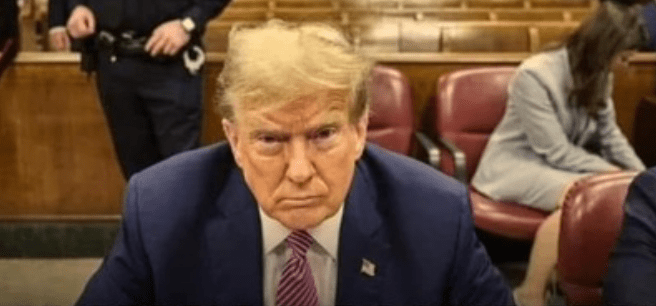
Social programs for adults, older people, and those with disabilities—such as food assistance, school aid, healthcare, and Social Security—are likely to face drastic cuts, potentially leaving them virtually ineffective for those in need. He has said as much.

LGBTQI+ rights and protections are also under threat, as outlined in Project 2025, a policy initiative he supports. If you think this won’t materialize, consider the promises already laid out. The next four years will show us the reality.

If Trump appoints Robert Kennedy Jr. to oversee public health, as he has suggested, food and drug safety regulations could be gutted. Protections that ensure safe food, medications, and clean drinking water could be stripped away, leading to significant health risks.

Trump is likely to have the backing of a Republican-controlled House and Senate. New laws and repeals may come as swiftly and forcefully as debris in a tornado. The U.S. could change drastically, and not only non-supporters would feel the impact—Trump supporters, too, could face serious, unforeseen consequences.

Expect an economic downturn as average Americans encounter hardships unprecedented in recent history. As with the COVID-19 crisis, another wave of upheaval may follow. Trump’s track record shows a tendency for crises, particularly in ventures he leads. The economic future under his leadership looks bleak.

What You Can Do

HOARD – Stock up on canned goods and cash reserves outside traditional banking institutions. Prepare for potential utility outages and find ways to stay connected without reliance on cell phones or computers. Secure a supply of both drinking and non-drinking water to meet various needs.

PROTECT – Prioritize security measures for yourself, your home, and your property, particularly those independent of electricity. Stock up on self-defense tools like bear spray or mace. Ensure that your home’s locks are strong both inside and out. In the event of an intruder, remember: in a fight for survival, any measure is justifiable. There are no rules when fighting for your life. Anything is fair!

These are just a few preparations to consider. With the current political landscape in both Houses and the Supreme Court tilted in Trump’s favor, our democratic processes could be at risk. This election may mark our last chance to elect our President—and our future as a democracy. It’s critical to stay informed, engage in the political process, and support organizations that defend democratic values. Together, we can make a difference.

The Phrase “Make America Great Again” and Its Social Implications

Presented by benandsteve.com By: Benjamin Groff II© 

Groff Media 2024© Truth Endures IMDbPro.

“Make America Great Again,” popularized as a political slogan, has become highly polarizing. To supporters, it often symbolizes a call to return to a time of perceived economic strength, national pride, and social stability. However, for many others, it has come to signify a darker undertone: a desire to revert to an era when certain marginalized groups—such as African Americans, LGBTQ+ individuals, Jewish people, Hispanics, and other minorities—lacked complete protection under the law.

The slogan evokes an ambiguous sense of “greatness,” sparking questions of when America was indeed “great” and for whom. Many point to the slogan as a reference to a mid-20th century America, a period before civil rights advancements began to reshape the nation’s legal and social landscape. This era, regardless of its association with post-war prosperity and expanding economic opportunity, was also marked by segregation, widespread discrimination, and limited civil rights protections for racial and ethnic minorities, women, and LGBTQ+ individuals.

Civil rights legislation and landmark court decisions have progressively addressed these disparities in the past fifty years. The Civil Rights Act, Voting Rights Act, Roe v. Wade, Obergefell v. Hodges, and the repeal of the Defense of Marriage Act represent some of the significant strides made in affording marginalized groups equal rights and protection under the law. Critics argue that calling for a return to pre-1960s values implies a desire to dismantle some of these protections and regain a hierarchical social order that was deeply exclusionary.

The MAGA slogan is seen by many as a coded message suggesting that the progress made by minorities threatens traditional values or destabilizes society. Rhetoric often associated with the slogan—such as fear of “radical left” agendas, immigration restrictions, and questioning of affirmative action—has exacerbated this perception. For example, according to surveys and sociopolitical analyses, minority groups and their advocates often interpret the slogan as a form of resistance against multiculturalism and diversity. This view became reinforced by incidents in which white nationalist groups appropriated the slogan to promote exclusionary ideologies.

Political messaging using the phrase has stirred debates over whether it subtly promotes a return to exclusive societal norms. Advocacy groups for racial, ethnic, and LGBTQ+ rights warn that MAGA rhetoric has indirectly contributed to policy decisions that undermine or reverse hard-won civil liberties, such as efforts to restrict voting access, challenge affirmative action, limit LGBTQ+ protections, and enact immigration controls targeting specific nationalities or religions.

Conclusion

The “Make America Great Again” slogan has thus come to represent more than a call for economic or national rejuvenation; it embodies a divisive struggle over America’s values and the inclusivity of its future. For critics, it suggests a rollback on the inclusivity and rights advancements achieved over the past five decades. It serves as a reminder that the interpretation of slogans in political discourse can carry implicit biases and, in doing so, perpetuate exclusionary beliefs that impact marginalized communities.


The term “Make America Great Again” has a different meaning, and it stands on the grounds that to make America Great Again, there has to be the revoking of rights that have been attained by groups over the last fifty years. Those groups include blacks, Native Americans, Hispanics, Asians, the LGBTQI+ Community, and others. Because of that angle, this space will discuss the topic in the November 1st, 2024 posting.

Understanding the range of meanings attributed to “Make America Great Again” offers insight into the complexities of contemporary American identity and the societal debate over what “greatness” truly entails in an evolving multicultural landscape.

The world is going to POT, and we are watching it go!

A view of the world as it is today by: Benjamin Groff II© Groff Media 2024© Truth Endures IMDbPro

My dad and grandfather are gone now, but neither would support a liar, cheat, rapist, insurrectionist, dictator, or someone who supports one, or generally speaking, a creep or ‘weirdo.’ 

There are other reasons you can look at as well. For instance, a candidate such has a sexual offense judgment against him, and he is under indictment for countless federal crimes; in the last year, one of the candidates was in the air, flying, on their way to being arrested, just as much as he was campaigning at one point. 

One or more of those reasons would have been reason enough to consider looking into the person’s background. And three to four, would have been reason enough to reject a person all together. Someone who was strongly running for public office would have been rejected. Now, the GOP considers it a qualification required for all Republican candidates.

The candidates have endorsements from KKK members. They boast about, a presidential politician having endorsements from dictators. They wallow in such markings, and candidates publicly brag about laws they will violate first, if elected. And this makes them the most qualified candidate. Going as far as boasting about becoming a dictator. Going about telling people this is the last election they will have to worry about voting in. 

Why? Does that mean the Constitution is going to get ripped apart, shredded, and there will no longer be a United States where the people choose its leaders? It appears it doesn’t matter to the people who are numb and following this character. They appear to have zoned out of reality. 

My grandfather, father, uncles, aunts, and even a few dogs and horses I’ve had would not have allowed the goings on to persist. The greatest generation has died chiefly off; fewer of them now than ever are living, which sadly shows in our world. They were the ones who knew what happens when the world that falls to fascism. When reality hits and the world dies. It is beginning as America will turn grey; it will become a black-and-white construct of anything anyone remembers of its being, if these destructionists are permitted to have their way with the country. We only hope enough voters come to the polls and and vote, and save our America!

My dad had a favorite saying: the older I got, the wiser he’d get. And he was right; I wish he were here to help us out of this madness!

JD Groff At Rest And Getting Wiser Every Day!

Why Being Different is Special: Spot’s Lesson

A Story By: Benjamin Groff© Groff Media 2024© Truth Endures

Once upon a time on Cloverfield Farm, there was a little dog named Spot. Despite his name, he didn’t have a single spot on his smooth, white coat. All the other animals had their own unique markings—some had spots, some had stripes, and even Patch the cat had a patch over one eye. Spot often felt left out, especially when the other animals teased him.

“Hey, Spot! Where are your spots?”

the goats would bleat, snickering amongst themselves.

“Spot doesn’t even look like a Spot,”

the chickens clucked, pecking around the yard as Spot’s ears drooped in embarrassment.

Tired of feeling like he didn’t belong, Spot decided he’d make his own spots. One day, he found some mud by the pond and rolled around in it, making little brown splotches all over himself. He trotted proudly into the barn, thinking he looked just like everyone else.

But the cows mooed with laughter.

“Those spots don’t look real, Spot,”

they teased.

“You’re still plain!”

Spot tried again the next day, sneaking into the farmer’s house and dipping his paws in paint from an art set left out on the porch. This time, he dotted his fur with black paint, carefully pressing little paw prints all over his coat. Spot thought he looked quite spotty now, but as he strutted around the barnyard, the animals just laughed louder.

One day, feeling disheartened, Spot wandered to the edge of the pasture and lay down beneath a big shady tree. Just then, a large bull—well, he looked like a bull—ambled over and lay beside him.

“What’s the matter, Spot?”

asked the bull.

“Oh, everyone teases me because I don’t have any spots,”

Spot sighed.

“I’ve tried everything to fit in, but they always laugh.”

The bull nodded thoughtfully.

“You know, Spot, they laugh because they don’t understand. And by the way, I’m not a bull—I’m a steer.”

Spot’s eyes widened.

“A steer?”

The steer chuckled.

“Yes. I may look like a bull, but I’m not. And that’s okay. I learned a long time ago that who you are inside doesn’t need to match what everyone thinks they see on the outside. And it doesn’t have to match what they want, either.”

Spot tilted his head, listening.

“You see, Spot,”

continued the steer,

“everyone has something that makes them different. And sometimes, animals make fun of others because they don’t want their own differences noticed. It’s easier for them to point at you than to face their own insecurities. But those differences are what make each of us unique.”

Spot thought about this for a moment.

“So… you think it’s okay that I don’t have spots?”

“More than okay,”

said the steer with a warm smile.

“You don’t need spots to be special. Being you is what matters. When you’re proud of who you are, those who tease you may just stop because they’ll see that you don’t need their approval.”

Spot felt something warm and happy inside. For the first time, he realized that maybe being himself was enough.

After that, Spot didn’t roll in mud or try to paint on spots. Instead, he ran and played with the animals, joining in with confidence. He still got a few teasing remarks, but now he just wagged his tail and smiled.

And little by little, the other animals started to see Spot differently. The cows noticed how fast he could run, the goats admired his cleverness, and even Patch the cat stopped by to share stories with him under the big shady tree. Spot was no longer “the dog without spots”—he was simply Spot, the friend who was comfortable being himself.

And from then on, Cloverfield Farm was a happier place for everyone.