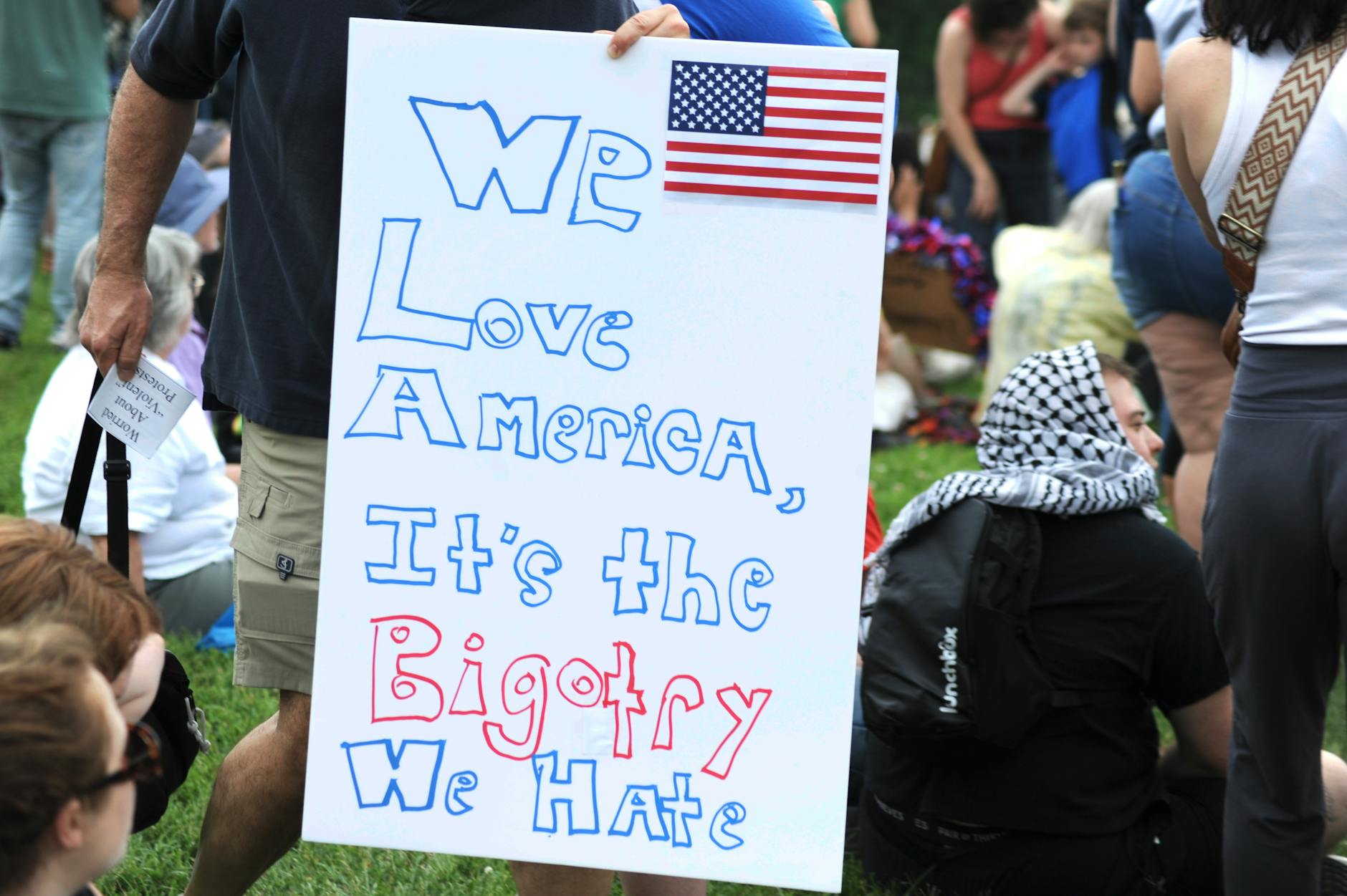
Statues and names aren’t just honors—they’re reminders. By keeping the names of hate in public view, we offer the right context. This turns symbols of division into warnings for the future.
2–3 minutes
Why We Should Keep the Names of Hate in the Public Eye
We’re living in a time of debate across the country. Communities are considering whether to remove statues and rename highways. There’s also discussion on erasing the public memory of people who promoted hate, bigotry, and division. It’s an understandable impulse: why honor those who harmed others? But erasure carries a hidden risk—forgetting.
History teaches us that forgetting the darkest chapters makes it easier for them to repeat. When names are scrubbed away, the context can be lost. Future generations will not know the full weight of what those people stood for. Worse still, without clear memory, others try to rehabilitate these messages. Some try to whitewash them. Others rebrand the hateful messages into something even more dangerous.
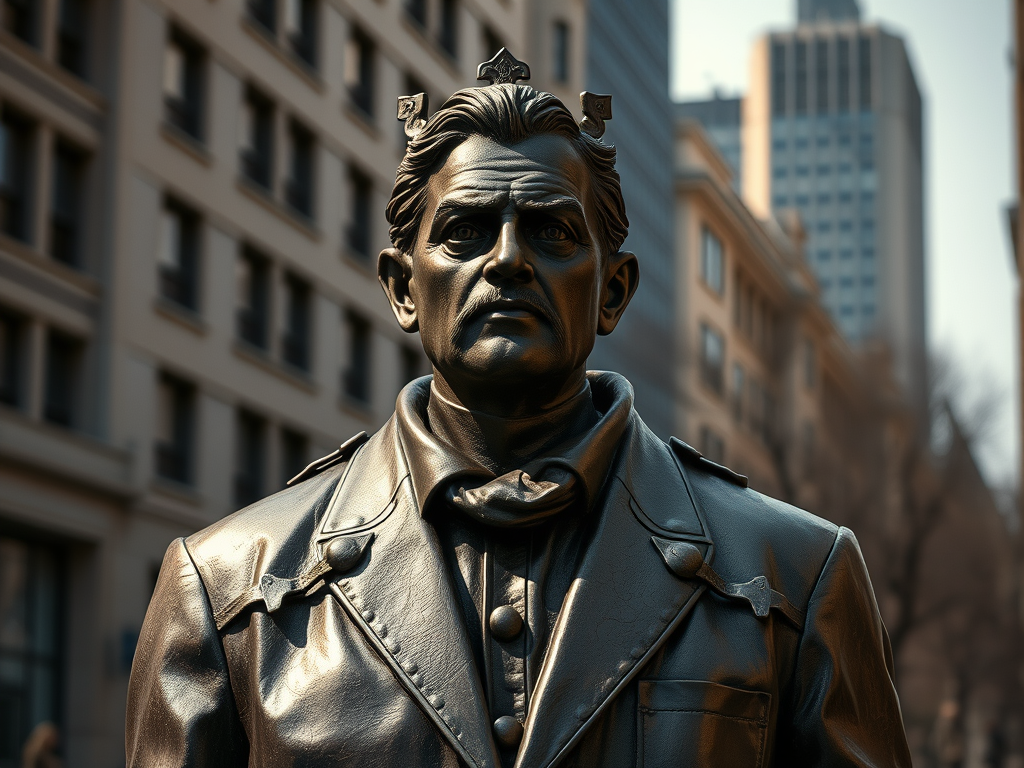
Keeping those names visible—in the right way—turns them from tributes into lessons. A highway named after a segregationist can become an outdoor museum. A statue of a tyrant can stand in a public square. A plaque can explain exactly what they did. It can also explain why it was wrong. By preserving their presence as warnings, not celebrations, we turn the symbols of hate into tools for education.
This is not about reverence. It’s about responsibility. Public memory should hold two things at once. First, the good we want to emulate. Second, the evil we must never repeat. We can’t do that if we pretend the evil never existed.
The Takeaway
We remember the names of those who promoted hate and division. By doing so, we deny them the chance to be rebranded as something they were not. Their actions stay tied to their identities. Their legacy becomes a constant, unavoidable reminder of how close we once came to tearing ourselves apart. If we truly want a brighter, more united future, we need both inspiration—and warning signs along the way.
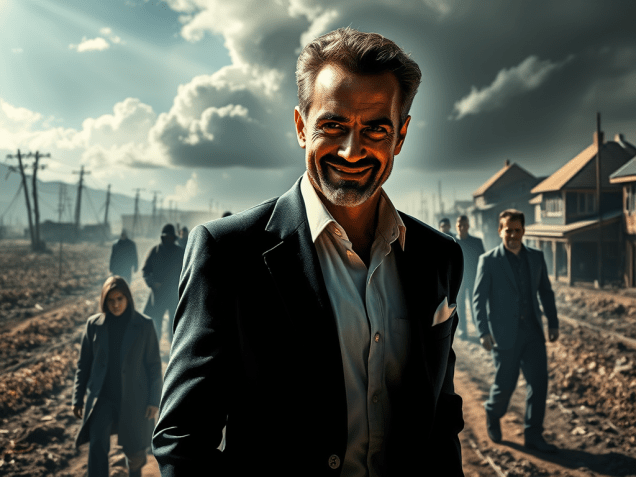
He wasn’t the strongest. He wasn’t the wisest. Yet, he fluttered about with enough charm and bluster. This convinced the people he belonged in power. They laughed at his antics, mistaking arrogance for confidence and confusion for brilliance. By the time they realized he had taken control of their trust, it was too late. He spoke, and they listened.
Whenever things went wrong, he had an answer ready: “It’s a hoax.” Crops failed? A hoax. Jobs vanished? A hoax. Storms swept through the land? A hoax. Even the things they see with their own eyes, he dismissed with a sneer. And they believed him, because it was easier than admitting they had been deceived.
Slowly, their lives unraveled. Families quarreled. Neighbors turned on one another. Their fields lay empty, their towns hollow, their hopes spent. Yet they clung to his words like a drowning man clings to driftwood. In truth, their downfall wasn’t his alone—it was their own. For had they stood up, had they questioned, had they said “enough,” they stopped him. Instead, their faith in his lies became the noose that choked their future.
Moral
A hoax repeated becomes a truth only in the minds of the foolish. To see clearly, one must dare to doubt the man who profits from your blindness.
I was watching an old Western on television this past weekend. You know, the kind—cowboys and Indians. Or, as we might say today, American Ranchers and Indigenous Peoples.
The film, likely made in the 1950s, had the signature gloss of that era’s post-war cinema. Still, something about it suggested it was possibly shot even earlier, maybe in the 1940s. It was only later spliced, refitted, and packaged for the screen. The costumes, dialogue, and scenery all hinted at a time when the stereotypes were deeply ingrained in the script. They weren’t even questioned.
I probably watched that movie as a kid. I was sitting next to my father, not giving it a second thought. Back then, it was just another Western. But this time around, with a different set of eyes, what I saw was jarring.
It followed the predictable narrative: the cavalry riding in to tame the West and keep the “Indians” under control. Two delicately dressed white heroines were caught in the middle of a brewing conflict. A white doctor stood out as the lone character who dared to see Native people as human beings. He was mocked and ostracized for his compassion. This was especially true when a malaria outbreak swept through the tribe. He insisted they deserved treatment.
At one point, he stood in a room full of fellow whites. He asked,
“Do you think Indians are not human beings? Human beings like you and me, who deserve to live and be healthy?”
And one of the prim ladies, her hair perfect and her face untouched by empathy replied:
“I don’t know… how could they be?”
To which others in the room nodded and added,
“That’s right.”
“Of course, they’re not!”
“No way, in God’s name.”
I sat there stunned, wondering:
“How did a line like that ever make it into a movie script?”
Even more troubling:
“How did it get past editors, producers, censors—only to be broadcast, repeated, and absorbed by generations?”
It wasn’t just offensive. It was abusive. And it made me sad.
Is there a historical context to such language? Possibly. But what would a young Native American child feel sitting in front of that screen? Would they see their life reflected as something lesser—something not worthy of protection or dignity? Listening to the white characters, it certainly felt that way.
And it took me back to where I grew up.
I’m from the Kiowa and Comanche Counties area in Oklahoma—Caddo County, specifically. I was raised alongside Native American children, many of whom I called friends.
Later in life, I worked in law enforcement and came to know tribal members through both personal and professional relationships. I learned a great deal from them—about their culture, their pride, their pain.
When I started in law enforcement, the department had an initiation ritual. It involved arresting a man nicknamed Fifteen Thousand. He was a Native man, around 50 years old, who’d been detained countless times—hence the name. His real name was Thomas Kamaulty Sr.
He was the first person I ever arrested as an officer.
And, in time, Thomas became the first person I ever saw get sober. That meant something.
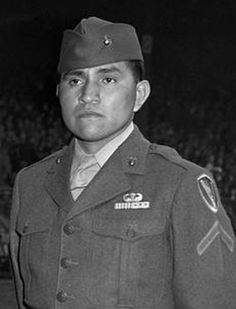
Ira Hayes
I also think about people like Ira Hayes. He was a Pima Indian from Arizona. Ira helped raise the flag at Iwo Jima during World War II. A hero by every standard. And yet, like Thomas, Ira suffered. Both carried the scars of discrimination and trauma. Both turned to alcohol as a way to numb the soul-deep wounds this country handed them.
We often ask why these cycles exist—but we rarely admit the truth: it’s because we’ve designed them to. We’ve placed people like Thomas, like Ira, into roles and systems. Their suffering can be managed. Their voices are diminished. Their lives are controlled. That was always the plan. And until we stop pretending it wasn’t, the script will keep playing—over and over again.
Discrimination Vs Inclusion. The difference between darkness and light
Discrimination is an act rooted in fear, ignorance, and an unwillingness to accept the fundamental dignity of all people. It has profound consequences for society. Wanting to deny others housing, clothing, and respect shows a belief that some lives hold less value. Such a stance reveals a deep-seated lack of empathy. It shows an indifference to the struggles of fellow human beings and a troubling inclination toward social division. It speaks volumes about moral values. It reflects the character of those who wish to wield power to diminish the lives of others.
The wish to remove protections that have given minority groups equal footing within society shows a disregard for historical injustices. These injustices have shaped the need for these safeguards. These protections exist not to give anyone an unfair advantage. They guarantee everyone has equal rights, opportunities, and access to resources without prejudice. Seeking to dismantle these safeguards implies a refusal to acknowledge historical injustices. It also shows a disregard for the ongoing struggles faced by marginalized communities. It shows a yearning for a past where exclusion was the norm. It rejects embracing a future that strives for fairness and justice.
Moreover, those who advocate for policies that exacerbate the hardships already endured by vulnerable populations are not merely indifferent. They are complicit in their suffering. If making life more difficult for those struggling is acceptable, what does that say about one’s character? It signals a lack of compassion, an absence of moral responsibility, and a failure to grasp the interconnectedness of humanity. A society that pays no heed to suffering undermines its stability, for one group’s oppression ultimately harms the whole. This is not just a moral issue but a societal one that demands immediate attention and action.
Most revealing is the wish to control who can join legal institutions like marriage. Love and family are not exclusive to a select few but are among the most fundamental aspects of human existence. To decide who can share in these joys is to place oneself in a position of unjust power. It denies them to others. It stems from a belief in personal superiority. It also involves a willingness to impose one’s values on others. This approach restricts their freedoms. It suggests an inability to recognize that love is universal. Love is deserving of legal and social acknowledgment. This is true regardless of the individuals involved.
Ultimately, seeking to discriminate, exclude, and strip away rights reveals one’s insecurity, fear, and wish for control. A society is judged by how it treats its most vulnerable members. Those who work to undermine equality and fairness reveal far more about themselves. They show more about their nature than they do about those they seek to oppress. True strength is found in embracing diversity. Morality involves protecting the rights of all. Decency ensures that everyone has the dignity and respect they deserve.
In the early 1900s, a modest bridge spanned the Washita River just west of Anadarko, Oklahoma. Locally known as Jeremiah’s Bridge, it was a vital crossing point. Over time, it became the center of chilling tales whispered among townsfolk.
A popular legend spoke of a grieving mother. She lost her infant son, Jeremiah, to the river’s relentless currents while traversing the bridge. Each night at midnight, a mist reportedly rose from the waters. It embodied the mother’s spirit as she searched and called out for her lost child. This spectral vision drew curious onlookers, solidifying the bridge’s eerie reputation.
However, beneath this sanitized tale lay a darker, harrowing truth. On June 13, 1913, the bridge bore witness to a brutal act of racial violence. Bennie Simmons, an African American man, was accused of raping and murdering 16-year-old Susie Church. He had allegedly done so on Caddo land north of Anadarko.
The Sheriff had gotten word that trouble was expected in town. He reportedly rode his horse to Apache, southwest of the jail. At sundown, a group of horsemen rode into town. A mob, without a fair trial, seized Bennie from his jail cell. They dragged him to a cottonwood tree near the bridge. There, he was doused in coal oil and set ablaze.
As flames consumed him, Bennie’s agonized prayers and screams were drowned out by the mob’s jeers. Unsatisfied, they riddled his body with bullets, ending his life in laughter and ridicule. This atrocity was reported in local newspapers, yet none of the perpetrators faced justice. The riders had all returned home before sunrise and never identified one another. You can verify the hanging by searching the name Bennie Simmons in search engines.
In the mid-1970s, I was still very young when a customer in my dad’s barbershop told him a story. I sat quietly, listening to him tell the story, confessing to being one of the riders. Over the years, pieces of the story have come together. Gradually, I fully understood the gravity of what the man was saying.
In the aftermath, the community took action. They sought to mask the bridge’s gruesome history. This allowed the legend of the mourning mother to overshadow the actual events. Over time, the name “Jeremiah” became associated not with the lost infant of folklore. Instead, it became a distorted remembrance of Bennie Simmons himself. The bridge stood as a silent testament to the fabricated legend. It also represented the suppressed memory of a man’s unjust death.
Another legend about the bridge carried an even more ominous warning. Folklore said that calling out the bridge’s name while standing on it would cause a family member to die. They believed this would happen without fail. Though dismissed as mere superstition, those who dared test the legend often regretted it.
I was one such witness. As a high school student, I accompanied a group of friends to Jeremiah’s Bridge late one night. We had heard the stories and wanted to test our courage. One of my friends, laughing, boldly called out the bridge’s name. The moment was filled with nervous chuckles and unease, but we eventually left, shaking off the eerie tension.
An hour later, everything changed. We stopped by my home. My parents told us that my friend needed to go home right away. His family had been trying to find him. The message was chilling—a relative was near death in a nearby hospital, and the family was being called in. The coincidence was too striking to ignore. That night, we left the bridge with a different fear. It was not just of ghosts. We also felt the weight of history and the unexplainable forces that seemed to linger over the river.
In 1994, decades later, a fertilizer truck caused the collapse of Jeremiah’s Bridge. This event marked the end of its physical presence. Yet, the stories persist. Both the haunting legend and the grim reality urge reflection on the past. They push for recognition of the truths that history often seeks to bury.
Word is they have replaced the structure with a new bridge. I haven’t returned to those parts in many years. The place only holds memories that I choose to keep safely tucked away.
There is also this conversation about the bridge on YouTube.
Information Produced and Presented By Organizations Other Than Groff Media 2024
Above, two-time Academy Award nominee Marshall Curry presents A Night at The Garden, a film that revisits a night in February 1939 when “20,000 Americans rallied in New York’s Madison Square Garden to celebrate the rise of Nazism — an event largely forgotten from U.S. history.” As we described it back in 2017, the film documents the following scene:
What you’re looking at is the 1939 “Pro-American Rally” (aka Pro-Nazi Rally) sponsored by the German American Bund at Madison Square Garden on George Washington’s 207th Birthday. Banners emblazoned with such slogans as “Stop Jewish Domination of Christian Americans,” “Wake Up America. Smash Jewish Communism,” and “1,000,000 Bund Members by 1940” decorated the great hall.
New York City Mayor Fiorello LaGuardia—an Episcopalian with a Jewish mother—considered canceling the event, but ultimately he, along with the American Jewish Committee and the American Civil Liberties Committee decreed that the Bund was exercising its right to free speech and free assembly.
A crowd of 20,000 filled the famous sports venue in mid-town Manhattan to capacity. 1,500 police officers were present to render the Garden “a fortress impregnable to anti-Nazis.” An estimated 100,000 counter-demonstrators were gathering outside.…
The most disturbing moment in the short film comes at the 3:50 mark, when another security force—the Bund’s Ordnungsdienst or “Order Service” pile on Isidore Greenbaum, a 26-year-old Jewish worker who rushed the podium where bundesführerFritz Julius Kuhn was fanning the flames of hatred. Valentine’s men eventually pulled them off, just barely managing to save the “anti-Nazi” from the vicious beating he was undergoing.
Made entirely from archival footage filmed that night, A Night at The Garden “transports audiences to this chilling gathering and shines a light on the power of demagoguery and anti-Semitism in the United States.” You can learn more about the film and the 1939 rally at Marshall Curry’s web site.
Any similarity to actual persons, living or dead, or other xenophobic rallies being held this weekend in Madison Square Garden is purely coincidental, of course.
MAGA Is Not The First To Attempt And Bring Down America. A Populist Movement Nearly Destroyed American Democracy Over 110 Years Ago, But Our Democracy Prevailed
Over a century ago, the United States grappled with a political movement that closely resembled today’s MAGA (Make America Great Again) movement, a populist uprising spearheaded by former President Donald Trump. Like MAGA, this earlier movement thrived on populist discontent, nativist sentiments, and rejection of the established order. If not kept in check, it could have reshaped American democracy in ways that might have undermined its democratic institutions, a peril we must remain vigilant against.
One of the most significant instances was during Theodore Roosevelt’s presidency, a man with intricate political loyalties. In 1912, Roosevelt’s Bull Moose Party brought populist elements into the political mainstream, appealing to working-class voters who felt marginalized by the two major parties. While Roosevelt was not anti-democratic, his charismatic leadership style and his ability to rally crowds around a strongman image set a precedent for future political movements that would seek to undermine democratic norms.
Simultaneously, the rise of the “America First” movement and the Ku Klux Klan spanning the 1920s showed how easily populist rhetoric could veer into exclusionary nationalism and nativism. The Klan’s widespread influence reached local, state, and federal government levels, promoting an agenda that sought to disenfranchise non-white citizens, immigrants, and anyone considered “un-American.” This movement found an audience among rural and working-class Americans who felt left behind by the rapid industrialization and modernization of the country.
At the heart of these movements was a profound distrust of the government, elites, and institutions—just like the anti-establishment fervor that fueled the rise of MAGA. These movements aimed to “restore” a vision of America rooted in racial and social hierarchies, often using violent rhetoric and intimidation to achieve their goals. Had these populist forces gained more traction, they could have severely damaged the democratic foundation of the country, ushering in a more authoritarian regime.
It took concerted efforts from citizens and political leaders to resist these dangerous movements and restore democratic norms. In some ways, the lessons from over a century ago echo loudly today: unchecked populism, especially when it flirts with nativism and authoritarianism, can bring democracy to the brink of collapse. However, this history also reminds us of our power to shape the future of our democracy, offering hope and inspiration for positive change.
Today, as MAGA remains a force in American politics, it is crucial to remember that the battle to preserve democracy requires vigilance. While populism can express legitimate grievances of people who feel left behind, it must not be allowed to erode the institutions enabling democracy to function. History teaches us that democracy’s survival depends on our ability to balance widespread anger with reasoned leadership and respect for the rule of law. We all have a role to play in this ongoing struggle, and our vigilance is required to maintain a true Republic of the People!
We are glad you found benandsteve.com —- this post brings you to a site where you can learn more about different individuals born into this world trying to find normalcy. I often call it “Being Straight In A Gay World!” For so many, they are forced not to live their true selves. And lies are sometimes fatal.
For hoots and to offer you relief from the hard-hitting info and news, we sometimes find pieces to keep a chuckle in the heart from deep inside the benandsteve.com files.
Live on!
Benjamin
You know why I am Gay? Because God Made Me That Way, or That’s The Way The Genes Flow. And It’s NObody’s Damn Business But Mind. You HEAR!
SCOOBY DOO! Looks Like Someone Is Going To Get A Scooby Snack!
About Gays And Why Laws, Book Bans, School Boards, And Other Restrictions Attempting To Bash And Attempted Genocide Against Queer Peoples Won’t Stop More People From Increasing The Populations In The LGBTQI Community!
We all remember that day. It may be a Spring afternoon following a light rain shower, with flowers peaking from beneath their winter hiding place for a first glimpse of the season’s sun. There we sit. We were pondering between the two choices. Will we be straight or gay? Surely everyone remembers that day, for if it is a choice, everyone faces the same options. You can choose both, they say. That needs to be clarified.
To be or not to be, when we were teens, first discovering who we were, for some, it was challenging to accept, and it took years for those who grew up in communities that were closed-minded and set to one way of life to finally get into their head that they were who they are and not who others expected them to be. They had tried to take the path of least resistance and attempted to take the straight route, not given another choice. But every piece of their biological body screamed at them, telling them something wasn’t right. They were misleading others, lying every minute of their life, and never being their true selves. They either had to leave and be their authentic self or die. Some tried to marry, but after a period, the inner madness kept them from carrying on, and their either killed themselves, came out and took the hell and damnation from the small communities in which they lived, or packed up and disappeared. Many may have turned to alcohol or drugs, appearing to believe it was better to be an addict than what they felt was their true self. If they were lucky, they met their soul mate and were rescued from the prison that so many are forced into by a society that is cruel and judgmental of others. Fortunately for others, they meet their lifemates just out of high school. They seem to know how to manage the world around them and find a world to live and operate in a life they would have otherwise missed out on, creating long-term relationships and being grateful things turned out as they do. They would not have wished to miss on so much love and so many adventures.
Forty-one years later, another couple still see simple rights afforded to their neighbors, rights that are threatened to be stripped from them by bigoted and power-hungry maga-republicans. So a question is asked to these groups suggesting they can kill off the gays. When did they choose to be straight? And, why is allowing this couple to live in peace so bad?
All the books, movies, and internet sites in the world may get banned; however, that will not stop the same amount of new homosexual and bisexual men and women from populating the earth each year. Some evil act does not make them. They are born, just like the couple you are reading about.Just like you!
One couple originates from small towns in Western Oklahoma. Growing up, they were never acquainted with gay anything. Both were church-attending, straight-laced lads all the way. Still, each began slowly dying from living in a suppressive community that had conditioned them to believe they were the worst people on the earth and were going to Hell. That worked until they met after high school and finally began to breathe life through one another. It took a lifetime to overcome the damage God-fearing sermons placed on them. They chose to move to a larger city and begin to grow privately, not making themselves the center attraction of life, but their community knew they coupled. As life continued, so did their love and energy, and now they live in a retirement community. But their rights are under threat daily. Because their property, retirement, and physical and fiscal security are in danger by daily threats of changing laws and bigotry. Research has discovered there should be signs on every front door of any religious establishment reading “for entertainment purposes only, because it does not produce a benefit for the community as a whole, just for the few!”
So When Did You Choose Your Sexual Preference?
And To Screw With It Would Cause Extinction!
This passionate talk from Dr. James O’Keefe, MD, gives us a deeply personal and fascinating insight into why homosexuality is a necessary and instrumental cog in nature’s perfection.
Research shows those making up the LGBTQI Communities are responsible for keeping the human race alive.
So When Did You Decide? When Did You Make Your Decision On Who To Be?
LGBTQI? It Is Natures Response To Maintaining The Magic Balance In Life – And To Screw With It Would Cause Extinction.
Maintaining The Magic Balance In Life
For those desiring more proof that the existence of gays is “born” to history and that the members of the LGBTQI Community do not simply choose to be Gay, this history lesson may help if you are an individual with a mind with enough room to learn new and factual information.
Another way to arrive at the understanding of whether LGBTQI members are born or are made of people choosing a lifestyle, ask yourself when you decided to be heterosexual (straight). What day did you choose between the options available and determine what life you wanted? Then consider who would ever pick a life where their being would face prejudices, denial of employment, housing, and services if they had a choice not to have to face the constant bigotry bashing them daily.
If you believe in a Higher Authority, a God. If this is your premise and you still object to these beings walking the earth, take it up with Him. When you do, if you believe scripture, consider Genesis 1:26-28, which announces that human beings are unique and all are in the image of God.
§Then God said, 'Let us make man in our image, according to our likeness, and let them rule over the fish of the sea and the birds of the sky and the cattle and over all the earth. Genesis 1:26-28
IF HE IS TRUE. AND THERE IS AN ALMIGHTY. AND HE DID SOMETHING WRONG IN DESIGNING CERTAIN INDIVIDUALS TO BE DIFFERENT. THEN YOU SHOULD TELL HIM HE IS WRONG!
Viewing the windows to the right will allow the Facebook Posting to open so the original content can be read.
Remember It…The Day You Decided!
This Is Not A Paid Advertisement
If you are God Fearing, then this message is for you!–Our supposed sins will not send you to Hell. But God will ask about yours, i.e., judging others, planting seeds of strife. So the sins you commit are the only ones you should be concerned with. We are fine in answering to the top, should there be anything to comment on. You take care of your side of the street. We will tend to ours!
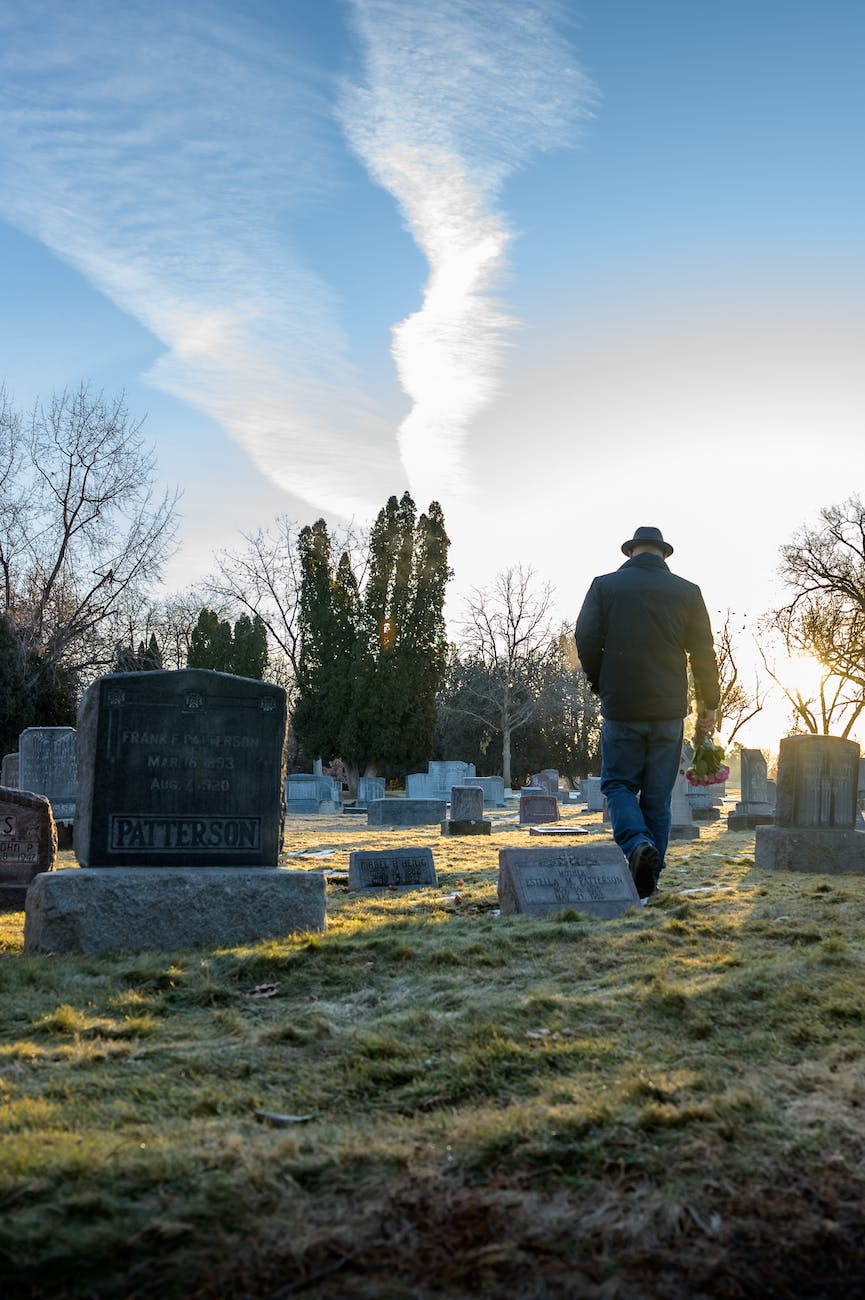
It’s the hottest place in town regarding most business models in the industry. “Everyone is dying to do business with the local funeral directors and cemeteries,” one potential client said!
People Checking Out And The Funeral Industry – how funeral homes are making killing off people dying!
PRIVATE, ON-DEMAND GRIEF VIDEO LIBRARY TO PROVIDE IMMEDIATE HELP
Everyone’s grief journey is different. Guiding Grief™ was created to offer perspectives from those who have experienced all types of grief. While this private resource library can never replace therapy or a support group, these 27 videos were created to give those faced with loss an overview of what they may experience, how normal that is, and how to avoid common mistakes in caring for themselves and making decisions while grieving. Guiding Grief™ is the perfect gift. What better way to begin healing than to learn what helped others?
Find the information you need to have all your concerns met.
benandsteve.com and Groff’sHomeOutWest Blog and or Galaxy8News, are not associated with Guiding Grief™ its related pages, owners, or associates. The link to its information intent is to allow an information resource referral only. The reference is not an endorsement but a suggested source to include in establishing facts you need to make important decisions regarding final arrangements for you or a loved one.




 A Note From Benjamin








 benandsteve.com