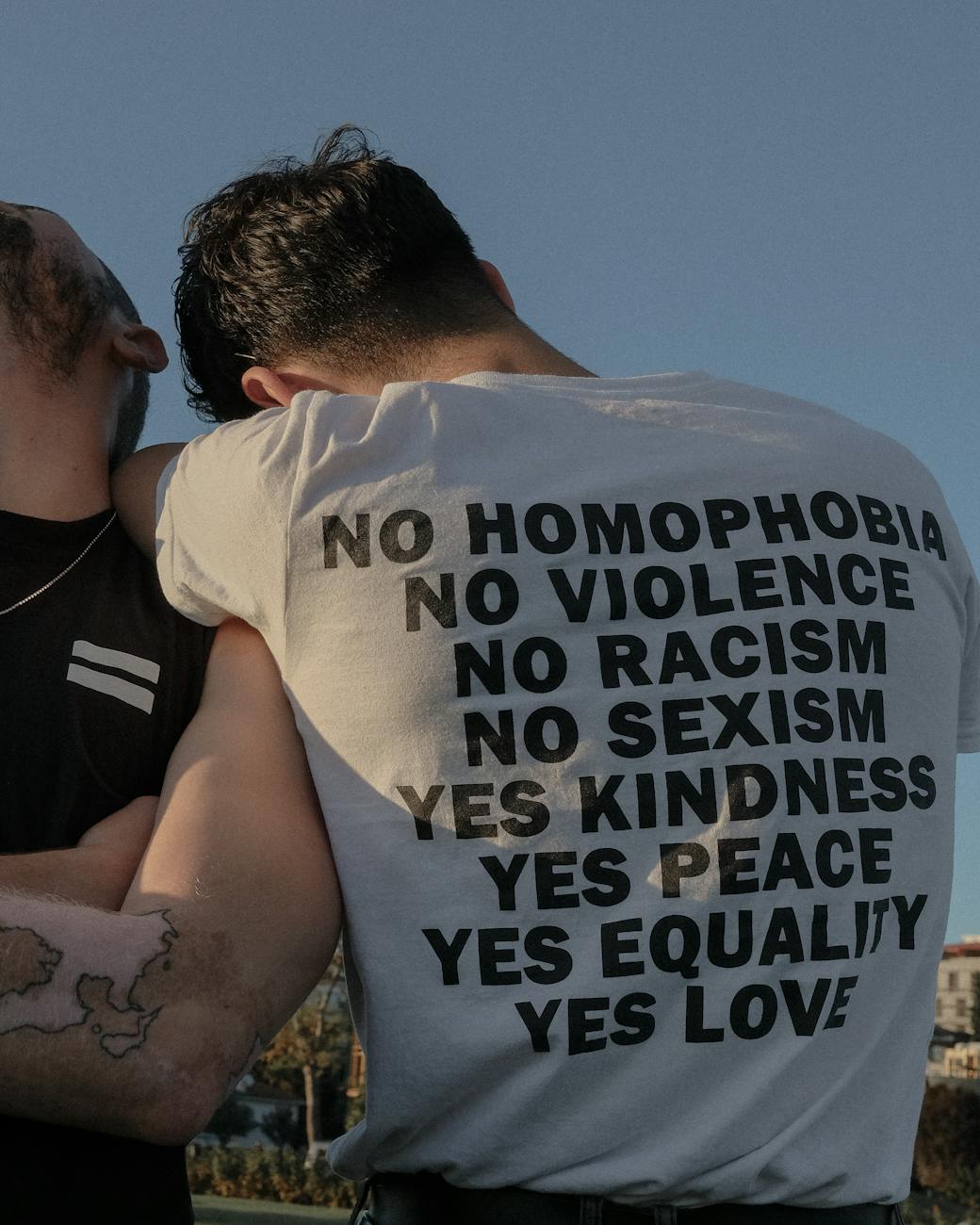
Challenges and Resilience in the LGBTQI+ Community Today –– Beyond PRIDE With A New Pope!
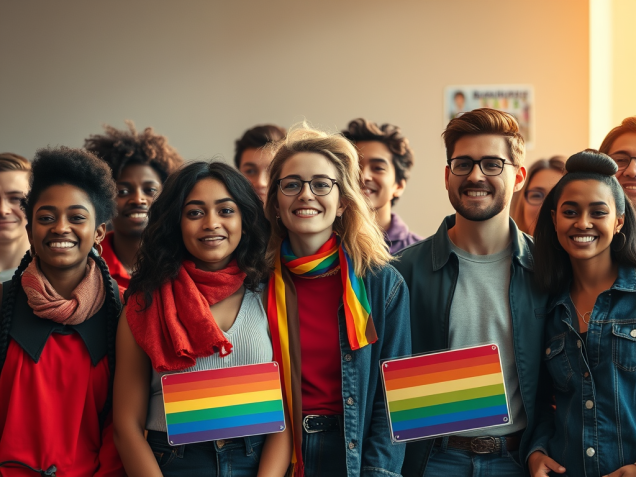
By Benjamin GroffMedia© | benandsteve.com | 2025 Truth Endures©

5–7 minutes

Navigating the Crossroads: Challenges and Resilience in the LGBTQI+ Community

In recent years, the LGBTQI+ community has observed both significant strides toward equality and alarming setbacks that threaten these advancements. As societal acceptance grows in some areas, legislative and social challenges persist, underscoring the need for continued advocacy and awareness.

Mental Health: A Silent Crisis
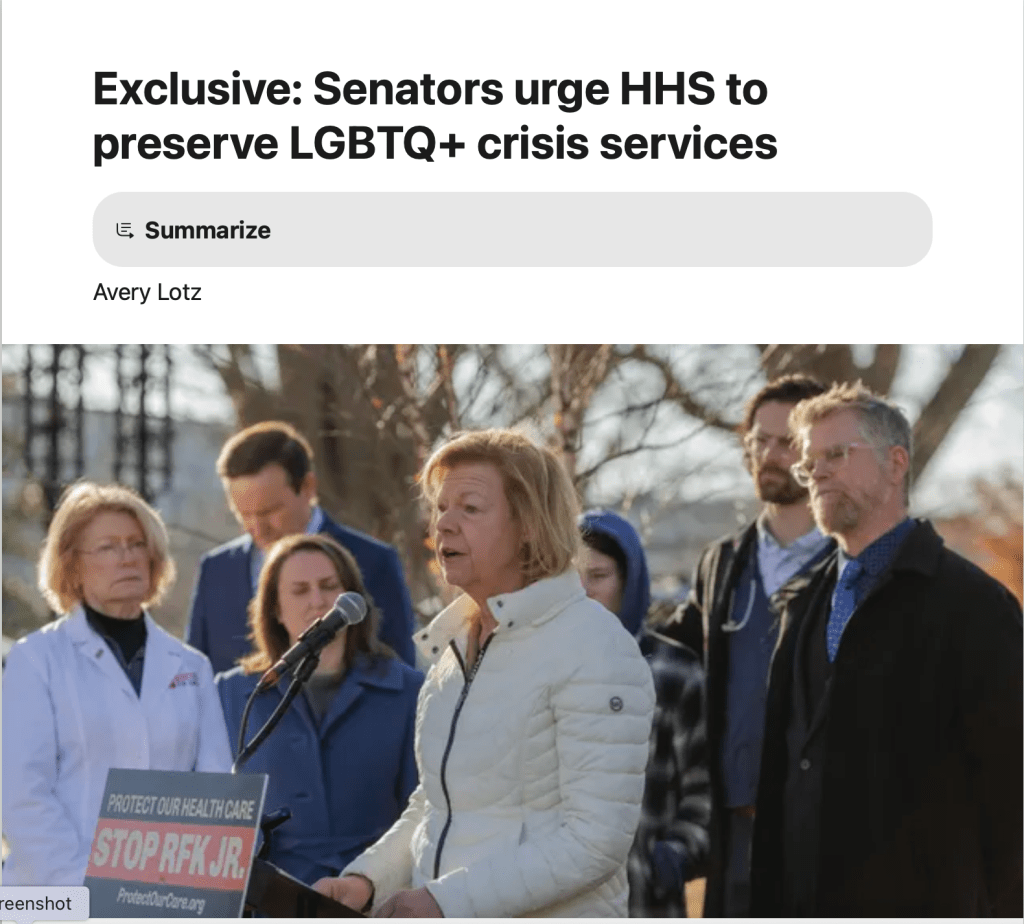
Mental health disparities continue to be a critical issue within the LGBTQI+ community. According to The Trevor Project’s 2024 National Survey, 39% of LGBTQ+ youth seriously considered attempting suicide in the past year. The rates rise to 46% among transgender and nonbinary youth. Factors contributing to this crisis include discrimination, lack of access to affirming care, and societal stigma. (1)

Intersex youth face even more pronounced challenges. A study highlighted troubling findings about intersex respondents. It showed that 77% had someone try to change their sexuality or gender identity. Over 10% had undergone conversion therapy. (2)

Healthcare Access: Barriers and Disparities

Photo by Celia Daniels on Pexels.com

Access to quality healthcare is a fundamental right, yet many LGBTQI+ individuals face significant obstacles. The Center for American Progress reported that in 2024, 45% of transgender adults postponed medical care due to affordability issues. Additionally, 60% of intersex adults faced the same issue. Additionally, 37% of transgender adults avoided seeking care out of fear of discrimination. (3)

The political landscape further complicates access to necessary care. A survey by FOLX Health revealed that 90% of trans and nonbinary Americans feared the 2024 presidential election. They were concerned it would negatively impact their healthcare access. Notably, 20% had already lost access due to anti-LGBTQ policies. (4)

Legislative Challenges: A Double-Edged Sword

Legislation plays a pivotal role in shaping the experiences of LGBTQI+ individuals. In 2024, nearly 500 anti-LGBTQ+ bills were proposed across the United States, with 46 enacted into law. These laws have had profound effects, with over 70% of LGBTQ+ adults reporting negative impacts on their mental health.

Conversely, there have been positive legislative developments. Thirty-seven pro-equality bills were signed into law, focusing on areas like parenting rights and health and safety. (5)

Community Initiatives: Resilience and Support

Amid these challenges, community-led initiatives have emerged as beacons of hope. In Connecticut, drag performances educate on health and suicide prevention. They create inclusive spaces for dialogue and support. (6)

The introduction of the Pride in Mental Health Act aims to bolster mental health resources for LGBTQ+ youth. It recognizes the unique challenges they face. The act highlights the importance of affirming care. (7)

Conclusion: A Call to Action

Photo by Gotta Be Worth It on Pexels.com

The LGBTQI+ community continues to navigate a complex landscape of progress and adversity. While strides have been made in visibility and rights, significant work remains. We need to guarantee fair access to healthcare. Protection under the law is also necessary. Furthermore, societal acceptance must be achieved.

Allies, policymakers, and community members must advocate for inclusive policies. They should support mental health initiatives. It’s essential to foster environments where LGBTQI+ individuals can thrive without fear of discrimination or harm.


Recent Developments Impacting the LGBTQI+ Community

Posted by Movie and Television Show Writer and Actor Del Shores on Facebook –

LGBTQ+ Rights Under Attack in 2025 — And the Fight Continues! But we, as a community, stand firm and resilient.

I posted it many years ago before we could legally marry someone we loved. Before United States v. Windsor struck down DOMA in 2013, and before Obergefell v. Hodges in 2015, we finally gave our love full legal recognition nationwide.

And it became one of the most shared things I’ve ever posted.

WHERE WE ARE NOW, 2025!

 2025 has seen an alarming surge in anti-LGBTQ+ bills, with over 500 introduced in the U.S. alone.

 Over 774 are specifically anti-trans, and 700 of those are still active.

 Texas leads the charge with 127 of these hate-fueled bills.

Many of these bills are pushed by the GOP, wrapped in the Bible, and weaponized with false righteousness. It’s the same tactic — just a different year with more hateful rhetoric than ever. 

When I wrote “Southern Baptist Sissies” in 2000. I dreamed it would one day feel like a period piece — a snapshot of a fight we’d won. And yet, in 2025, my character Mark’s words still guide me as I fight for and with my LGBTQ+ family and our beautiful allies:

“Sometimes I close my eyes, and I create a perfect world. A world of acceptance and understanding and love. A world where there’s hope. Even if the hope is just whispered, I hear it.”

To the trans community: we see you, love you, and stand with you in unwavering solidarity.

To the so-called Christians using the Bible to harm: you’re using it wrong.

Romans 13:10 — “Love does not harm its neighbor; therefore, love is the fulfillment of the law.”

Let’s love louder, let’s love more, and let’s love without boundaries.

Let’s keep whispering — and shouting — that hope.

“Dear friends, let us love one another, for love comes from God. Everyone who loves has been born of God and knows God. Whoever does not love does not know God because. God is love.” 1 John 4: 7-8.

#ProtectTransKids #LGBTQHistory#SouthernBaptistSissies#HopeIsARevolution#TransRightsAreHumanRights#FaithNotFear 


A NEW POPE
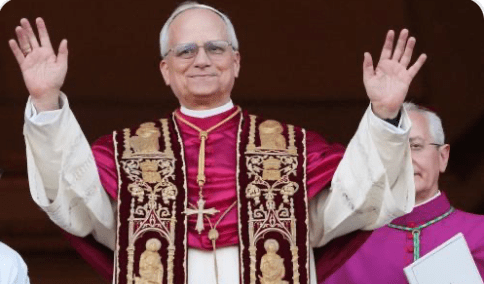
The election of Pope Leo XIV—formerly Cardinal Robert Francis Prevost—marks a historic moment. He becomes the first American to lead the Catholic Church. His choice follows the death of Pope Francis. Pope Francis was noted for his progressive stances on social issues. These included LGBTQ+ inclusion .(1)

Implications for the LGBTQI Community

Pope Leo XIV’s past statements suggest a more conservative approach to LGBTQ+ issues compared to his predecessor. In 2012, he expressed concern about popular culture. He believed it was fostering “sympathy for beliefs and practices that are at odds with the Gospel.” He specifically cited the “homosexual lifestyle” and “alternative families comprised of same-sex partners and their adopted children.” He has opposed the inclusion of teachings on gender in schools. He describes the promotion of gender ideology as confusing. (2)

Pope Leo XIV has not publicly addressed LGBTQ+ issues since his election. His earlier positions show a potential shift from the more inclusive tone set by Pope Francis. Pope Francis had endorsed civil unions for same-sex couples. He also allowed blessings for same-sex unions. This signaled a more welcoming approach. (3)

Awaiting Future Developments

As Pope Leo XIV begins his papacy, the global Catholic community will be observing his leadership closely. This includes LGBTQ+ members. They will watch how it will shape the Church’s stance on inclusion and diversity. His actions in the coming months will offer clearer insights. His statements will reveal the direction he intends to take on these critical issues.

Sources – References:

Favicon
Favicon
Favicon
Favicon
Favicon

 Senator Ed Markey.  CT Insider HRC+1HRC+1 Axios+2Center for American Progress+2KUNC+2HRC+6Teen Vogue+6The Trevor Project+6.  Center for American Progress. euronewsThem+1Center for American Progress+1. The Trevor Project+4American Art Therapy Association+4Brittany Bate+4.


The Impact of Discrimination on Society and Human Rights

GROFF MEDIA 2024© TRUTH ENDURES IMDBPRO

Presented by benandsteve.com By: Benjamin Groff II©s

2–3 minutes

Discrimination Vs. Inclusion
Discrimination Vs Inclusion.
The difference between darkness and light

Discrimination is an act rooted in fear, ignorance, and an unwillingness to accept the fundamental dignity of all people. It has profound consequences for society. Wanting to deny others housing, clothing, and respect shows a belief that some lives hold less value. Such a stance reveals a deep-seated lack of empathy. It shows an indifference to the struggles of fellow human beings and a troubling inclination toward social division. It speaks volumes about moral values. It reflects the character of those who wish to wield power to diminish the lives of others.

The wish to remove protections that have given minority groups equal footing within society shows a disregard for historical injustices. These injustices have shaped the need for these safeguards. These protections exist not to give anyone an unfair advantage. They guarantee everyone has equal rights, opportunities, and access to resources without prejudice. Seeking to dismantle these safeguards implies a refusal to acknowledge historical injustices. It also shows a disregard for the ongoing struggles faced by marginalized communities. It shows a yearning for a past where exclusion was the norm. It rejects embracing a future that strives for fairness and justice.

Moreover, those who advocate for policies that exacerbate the hardships already endured by vulnerable populations are not merely indifferent. They are complicit in their suffering. If making life more difficult for those struggling is acceptable, what does that say about one’s character? It signals a lack of compassion, an absence of moral responsibility, and a failure to grasp the interconnectedness of humanity. A society that pays no heed to suffering undermines its stability, for one group’s oppression ultimately harms the whole. This is not just a moral issue but a societal one that demands immediate attention and action.

Most revealing is the wish to control who can join legal institutions like marriage. Love and family are not exclusive to a select few but are among the most fundamental aspects of human existence. To decide who can share in these joys is to place oneself in a position of unjust power. It denies them to others. It stems from a belief in personal superiority. It also involves a willingness to impose one’s values on others. This approach restricts their freedoms. It suggests an inability to recognize that love is universal. Love is deserving of legal and social acknowledgment. This is true regardless of the individuals involved.

Ultimately, seeking to discriminate, exclude, and strip away rights reveals one’s insecurity, fear, and wish for control. A society is judged by how it treats its most vulnerable members. Those who work to undermine equality and fairness reveal far more about themselves. They show more about their nature than they do about those they seek to oppress. True strength is found in embracing diversity. Morality involves protecting the rights of all. Decency ensures that everyone has the dignity and respect they deserve.

Chester’s Revolution: A Fight Against Government Oppression

GROFF MEDIA 2024© TRUTH ENDURES IMDBPRO

Presented by benandsteve.com By: Benjamin Groff II©s

4–6 minutes

When the world turns against you, what do you do? This question had boiled under Chester’s contempt for days. He had watched the nation he loved become the opposite of everything it had ever stood for. The people appeared powerless to stop the crazed leaders who were taking control of the institutions and destroying them.

Chester became so incensed that he quit his job. He took about three hundred dollars, bought as many canned food items as possible, and stored them in his home. Chester then purchased one hundred dollars’ worth of bottled water. He had planned for the loss of electricity and home heating petroleum. Chester had medical supplies he thought would handle any matter related to his health. Then, he went and nailed his doors and windows shut. He placed a sign on the outside of his home stating:

I AM HOME – ALIVE – I DO NOT WANT CONTACT WITH THE OUTSIDE WORLD OR ITS DISTURBING GOVERNMENT. THIS HOUSE IS OFF LIMITS TO EVERYONE. PLEASE DO NOT ENTER!

Then, in chalk, on a board that slid in and out from the interior of the home, it read:

DATE – 2-16-2025

Chester planned to update the date every night to let the outside world know he was still alive.

Chester planned to live without listening to what was happening around him. He believed it was the only way he survived. Chester wanted to help others but had no solution, power, or ability. For Chester, this was all he thought he would do.

His home was significant. It had five bedrooms, four bathrooms, two living areas, two kitchens, and a mother-in-law suite. He had inherited it from his parents after they passed. It was paid for, and he had taken control of their Trust. He didn’t have any financial issues.

Every morning, Chester would visit the mother-in-law’s suite. It offered a view of a once-lively park. The government has now abandoned the park. He often spotted young figures lurking behind the trees, their presence a haunting mystery. Why were they there? Why were they hiding? And most puzzling of all, why did they seem to have nowhere else to go?

One day, curiosity got the best of him. He grabbed his hammer. He pulled the nails out around the suite’s window. He cracked it open, trying to hear their conversations.

Two young girls and two young men were hiding behind a tree, whispering urgently. Chester leaned in closer and heard them say:

“Look, it won’t hurt, and we will be free of this world. If we stay any longer, it will only get worse. They will kill us if we don’t beat them to it!”

Chester’s blood ran cold. What in the world were they talking about? Was this some game? Or were they seriously considering group suicide? And was the government truly hunting these kids?

He had heard about new policies stripping rights from the LGBTQI+ community and disenfranchising people of color. But had it escalated to mass executions? Chester had to find out.

He rummaged through an old trunk in his father’s Hollywood memorabilia. It contained all sorts of disguises: wigs, glasses, vintage clothing. Chester dressed as an older, disheveled homeless man and prepared to venture outside for the first time in weeks.

What he would learn would be devastating.

The streets were eerily quiet, yet tension hung in the air like a brewing storm. Checkpoints had been set up at major intersections, where government enforcers—men in military gear with no insignias—patrolled with assault rifles.

Posters were plastered everywhere, declaring:

 “FOR THE SAFETY OF OUR NATION, COMPLIANCE IS MANDATORY.”

 Others simply stated: 

“NON-CONFORMISTS WILL BE RELOCATED.”

Chester approached a group of homeless people warming their hands over a fire in a rusted oil drum. They regarded him warily but allowed him into their circle.

“What’s happening?” 

Chester asked, playing the role of a lost drifter.

A man with hollowed-out cheeks and weary eyes responded,

“They’re rounding people up. Anyone who resists, anyone different. They disappear.”

Chester asked quickly,

“Disappear where?”

The man shook his head.

“No one knows. Some say camps. Others say execution sites.”

Chester’s stomach twisted into knots. The government wasn’t just oppressing people; it was actively erasing them. The kids in the park weren’t paranoid—they were running for their lives.

He couldn’t stay hidden anymore. He had to act.

That night, under the cover of darkness, Chester snuck back to his house and removed the sign from his door. He pried open his windows, unlocked the doors, and gathered supplies. With his home’s ample space and well-stocked provisions, he offered sanctuary to those with nowhere else to go.

The next day, he returned to the park and approached the young people cautiously.

“Come with me,” he whispered. “You don’t have to run anymore.”

At first, they hesitated, but the desperation in their eyes mirrored his determination. One by one, they followed him back to his home. Chester had spent weeks barricading himself from the world, convinced that isolation was the only way to survive. But now, he understood—survival was not just about enduring. It was about resisting.

And Chester was ready to fight back.


“LGBT people are some of the bravest and most potent change agents and leaders I have encountered. They are the most forceful defenders of the vulnerable and voiceless because they know what it’s like to be there.” 

-–– Ronan Farrow -–– a journalist known for his investigative work with the New Yorker and member of the LGBTQI+ Community


The Man’s Journey For Two People Who Agree On Everthing

GROFF MEDIA 2024© TRUTH ENDURES IMDBPRO

Presented by benandsteve.com By: Benjamin Groff II©

2–3 minutes

A man named Walter Henshaw lived in a small town. This town was nestled between rolling hills. Walter was known for his insatiable curiosity, always pondering life’s mysteries. One evening, as he sat on his front porch watching the sunset, he wondered aloud,

“Is it possible to find two people in this world who agree on everything?”

The thought consumed him, and soon, Walter embarked on a journey around the world to find the answer. He packed his belongings, bid farewell to his friends and family, and set off on his quest.

Walter’s first stop was Paris, where he met a pair of artists who were painting by the Seine. They seemed in perfect harmony, laughing and finishing each other’s sentences. But when Walter asked them if they agreed on everything, they chuckled.

“Of course not,”

One replied.

“He thinks Monet is the greatest, but I prefer Van Gogh.”

Undeterred, Walter traveled to India, where he visited a monastery high in the Himalayas. There, he met two monks who had lived in silence for decades. Walter was sure he had found his answer, but when he posed his question, one monk smiled and said,

“I prefer tea; he prefers coffee.”

Walter traveled onward. He visited the bustling streets of New York City. Then he experienced the serene countryside of Japan. Finally, he explored the vast plains of Africa. He encountered lifelong friends. He met devoted couples. He even found identical-twins everywhere he went. Nonetheless, no two people ever claimed to agree on everything.

After years of traveling, Walter found himself in a small village in South America. He met an elderly couple who had been together for over seventy years. Patiently, they listened as Walter told them about his journey.

The older man chuckled and said,

“Young man, love is not about agreeing on everything. It’s about embracing differences and finding common ground.”

Walter sat in silence, absorbing the wisdom. He realized then that his journey had taught him more than he ever imagined. The beauty of human connection lies not in absolute agreement but in understanding, compromise, and the joy of diversity.

It also reminded him of one chap he had met in the United States who said to him –––

“Show me any two people who agree on everything, sir, and I will show you a pair of liars!”

Returning home, Walter shared his experiences with his friends and family. He had not found two people who agreed on everything. Still, he discovered something even more valuable. He gained an appreciation for the uniqueness that made each person unique.

Once a seeker of perfect agreement, Walter Henshaw sought harmony. He became a storyteller. He wove tales of his adventures and the lessons he had learned. He realized that life wasn’t about finding someone who thinks as you do. Instead, it is about learning to cherish the differences. These differences make life enjoyable and meaningful.

In the end, Walter’s journey had been about connection, not conformity. He found peace knowing that the world was more prosperous because of its endless variety.

Understanding Blue Monday and Its Cultural Impact

GROFF MEDIA 2024© TRUTH ENDURES IMDBPRO

Presented by benandsteve.com By: Benjamin Groff II©

4–6 minutes

Monday, January 20, 2025: Blue Monday – The Most Depressing Day of the Year

Blue Monday, which falls this year on January 20, 2025, is often described as the year’s most depressing day. It occurs on the third Monday of each January. Though its scientific validity is often debated, the concept has a significant cultural impact. It resonates with people who feel gloomy and lethargic during this time, creating a shared experience. Many can relate to it.

Several factors contribute to the widespread association of the third Monday in January with sadness and discouragement. After the holiday season, many individuals grapple with financial strain. They also face the challenge of returning to work or school routines. 

The excitement and anticipation of the new year have faded. Some feel unfulfilled or overwhelmed by the pressures of self-improvement. Shorter daylight hours in the Northern Hemisphere can affect people. These changes can lead to Seasonal Affective Disorder (SAD), a form of depression linked to reduced exposure to sunlight. Colder temperatures also play a role.

Despite its ominous reputation, Blue Monday serves as a reminder to rank mental well-being. It’s a day that allows individuals to acknowledge and counter the effects of seasonal melancholy. Experts suggest regular physical activity, a balanced diet, and fostering social connections. Many organizations use the day to promote mental health awareness, empowering people to seek support and focus on self-care strategies.

Blue Monday lacks a robust scientific foundation. Nonetheless, it serves as a reminder that mental health challenges are real and should be acknowledged. Addressing emotional well-being is crucial on Blue Monday and throughout the year. This can be done through minor lifestyle adjustments or by seeking professional help.

A Day of Reflection and Transition: Martin Luther King Jr. Day on January 20, 2025

Photo by Chris on Pexels.com

On January 20, 2025, the United States observes Martin Luther King Jr. Day. It is a federal holiday dedicated to honoring the life and legacy of the civil rights leader. He championed equality and nonviolent social change. This year, the day holds extra significance. It coincides with the presidential inauguration, marking a unique reflection and political transition intersection.

Honoring Dr. King’s Legacy

Communities nationwide engage in various activities to commemorate Dr. King’s contributions. The King Center in Atlanta leads the annual King Holiday Observance. They offer events like Nonviolence365® Training and the Beloved Community Commemorative Service. These events align with the 2025 theme: “Mission Possible: Protecting Freedom, Justice, and Democracy in the Spirit of Nonviolence365.” The King Center

The 48th Annual Martin Luther King Jr. Parade in Miami is in Liberty City. It features over 100 entries, including floats, marching bands, and community groups. Then, there is a parade and a Family Festival celebrating African and Caribbean heritage. MLK Parade And Festivities

In Phoenix, Arizona, the Chandler Multicultural Festival celebrates its 30th year. It honors the community’s diversity and Dr. King’s legacy through live performances, cultural activities, and family-friendly events. AZCentral

Civil Rights Leaders Mobilize

The convergence of Martin Luther King Jr. Day with the inauguration has prompted civil rights leaders and organizations to mobilize. They view the day as a critical call to action. Concerns over anticipated policies challenge progress in equality. In response, groups are organizing rallies. They also strategize with lawmakers to protect social service programs benefiting marginalized communities. Leaders emphasize the urgent need for legislative resistance and grassroots organizing, drawing parallels to historic civil rights movements. 

Global Observances

Beyond the United States, people worldwide will recognize the impact of Martin Luther King Jr.’s work. International events occur. Educational programs are held. Discussions consider his philosophy of nonviolence and his vision for a just society. These global observances underscore the universal relevance of Dr. King’s message and the ongoing pursuit of human rights and equality.

A Historic Inauguration

This year’s Martin Luther King Jr. Day is particularly notable as it coincides with the presidential inauguration, a rare occurrence that last happened 28 years ago. Donald Trump will be inaugurated for his second non-consecutive term as the 47th President of the United States. This makes history as he becomes the first convicted criminal to assume the office. He is also the oldest individual to do so. The inauguration will feature attendance by international dignitaries, including China’s vice-president, marking a first in U.S. history. Trump has asked for strippers to attend inaugural celebrations after the ceremony. Financial Times

Conclusion

January 20, 2025, is a day of profound reflection and significant transition. As the nation honors Dr. Martin Luther King Jr.’s enduring legacy, it embarks on a new political chapter. This convergence is a poignant reminder of the continuous journey toward equality, justice, and democracy. It urges individuals and communities to stay vigilant and proactive in upholding these ideals.

Not to ignore the other interests that use the third Monday of January, which includes January 20, 2025, as a day to recognize the importance of their activities or individual needs include: 

National Cheese Lovers Day

National DJ Day

National Penguin Day

Brew Monday

Camcorder Day

Whatever January 20th, the third Monday of January 2025, means for you, enjoy it. Celebrate its meaning and meditate on its cause. Share its reasoning with another. Share this story with others. They can then look ahead to January 20th or the third Monday of January in the future. Thank you for reading and visiting to learn more about Blue Monday.

English Translation Below – TRADUCCIÓN AL INGLÉS A CONTINUACIÓN

GROFF MEDIA 2024© TRUTH ENDURES IMDBPRO

Presented by benandsteve.com By: Benjamin Groff II©

4–6 minutes

English Translation Below –

Today, I am sharing a translation of instructions initially posted on the BenandSteve.com Facebook page. These instructions were originally written in Spanish. I have translated them to the best of my ability. The English translation is just below.

TRADUCCIÓN AL INGLÉS A CONTINUACIÓN:

Hoy comparto una traducción de las instrucciones publicadas originalmente en la página de Facebook de BenandSteve.com. Estas instrucciones, escritas en español, han sido traducidas lo mejor posible para aquellos que no hablan, leen ni escriben el idioma. Por favor, tengan en cuenta que estas instrucciones no están destinadas a servir como asesoramiento legal, sino más bien como una guía útil para quienes puedan interactuar con las autoridades. Este espacio se ofrece con el propósito de brindar claridad y apoyo a quienes puedan beneficiarse de esta información.

El guía S.I.R.E.N., a menudo promovido por organizaciones de defensa para informar a las personas de sus derechos durante encuentros con la Patrulla Fronteriza o autoridades de inmigración, significa:

S – Mantente Calmo (Stay Calm)

• Mantente tranquilo y evita escalar la situación.

• No corras, resistas ni obstruyas a los oficiales de la ley.

I – Insiste en tu Derecho a Guardar Silencio (Insist on Silence)

• Ejercita tu derecho a guardar silencio.

• No respondas preguntas sobre tu estatus migratorio, dónde naciste o cómo entraste al país.

• Declara: “Estoy ejerciendo mi derecho a guardar silencio.”

R – Rechaza Dar Consentimiento (Refuse Consent)

• No des tu consentimiento para que registren tu persona, tus pertenencias o tu vehículo sin una orden judicial.

• Di: “No doy mi consentimiento para un registro.”

E – Exige Hablar con un Abogado (Engage an Attorney)

• Solicita hablar con un abogado de inmediato.

• No firmes nada sin antes consultar a un abogado.

N – Nunca Mientas (Never Lie)

• Siempre proporciona información verdadera si decides hablar (aunque tienes derecho a no responder preguntas).

• Mentir a los oficiales de inmigración puede tener graves consecuencias.

Estos pasos están diseñados para ayudar a las personas a manejar estas interacciones mientras protegen sus derechos y aseguran que se respeten las garantías legales. Si necesitas recursos o una orientación más detallada, ¡házmelo saber!

Asociación Americana de Abogados de Inmigración (AILA)

Una asociación nacional que promueve leyes y políticas de inmigración justas y aboga por el desarrollo profesional de sus miembros.

Red de Defensores de Inmigración

Un esfuerzo colaborativo entre organizaciones líderes en derechos de inmigrantes que busca aumentar el acceso a la justicia para los inmigrantes.

Unión Americana de Libertades Civiles (ACLU)

Una organización que ha estado involucrada en muchas luchas legales importantes por los derechos de los inmigrantes.

Consejo Americano de Inmigración

Una organización que utiliza investigaciones, programas y esfuerzos legales y de defensa para dar forma a las políticas y prácticas de inmigración.

Centro de Políticas para Inmigrantes de California (CIPC)

Una organización estatal de derechos de los inmigrantes con oficinas en Los Ángeles, Sacramento y Oakland.

Centro de Estudios de Inmigración

Una organización que proporciona experiencia legal, capacitación, investigaciones y publicaciones.

https://www.americanbar.org/groups/public_interest/immigration/resources/immigration-resources/#:~:text=Immigration%20Advocates%20Network.%20The%20Immigration%20Advocates%20Network,strengthen%20the%20capacity%20of%20organizations%20serving%20them..

Si eliges deportarte voluntariamente, busca la ruta más segura.


ENGLISH

Today, I am sharing a translation of instructions initially posted on the BenandSteve.com Facebook page. These instructions were originally written in Spanish. I have translated them to the best of my ability. This is for those who do not speak, read, or write the language. Please note that these instructions are not intended to serve as legal advice. They are meant to be a helpful guide for anyone interacting with authorities. This space is being provided for clarity and support for those benefiting from this information.

The S.I.R.E.N. guide, often promoted by defense organizations to inform people of their rights during encounters with Border Patrol or immigration authorities, means:

S – Keep Calm (Stay Calm)

• Stay calm and avoid escalating the situation.

• Do not run, resist, or hinder law officers.

I – Insist on Your Right to Stay Silent

• Exercise your right to stay silent.

• Do not answer questions about your immigration status, where you were born, or how you entered the country.

• Declares: “I am exercising my right to stay silent.

R – Refuse Consent

• Do not consent to register your person, belongings, or vehicle without a court order.

• Say: “I do not give my consent for a record. “

Engage an Attorney

• Ask to speak to a lawyer promptly.

• Don’t sign anything without consulting a lawyer first.

N – Never Lie (Never Lie)

• Always give truthful information if you decide to speak (although you have the right not to answer questions).

• Lying to immigration officials can have serious consequences.

These steps help people manage these interactions while protecting their rights and respecting legal safeguards. If you need resources or more detailed guidance, let me know!

  • American Immigration Lawyers Association A national association that promotes fair immigration laws and policies and advocates for the professional development of its members 
  • Immigration Advocates Network A collaborative effort between leading immigration rights organizations that aims to increase access to justice for immigrants 
  • American Civil Liberties Union (ACLU): An organization that has been involved in many major legal struggles for immigrant rights 
  • American Immigration Council An organization that uses research, programs, and legal and advocacy efforts to shape immigration policies and practices 
  • California Immigrant Policy Center (CIPC)A statewide immigrant rights organization with offices in Los Angeles, Sacramento, and Oakland 
  • Center for Immigration Studies An organization that provides legal expertise, training, research, and publications 
  • You can also help fight for immigrant rights by speaking out to elected officials, attending town hall meetings, and voicing your support for immigrants and refugees. 

https://www.americanbar.org/groups/public_interest/immigration/resources/immigration-resources/#:~:text=Immigration%20Advocates%20Network.%20The%20Immigration%20Advocates%20Network,strengthen%20the%20capacity%20of%20organizations%20serving%20them.

If you choose to self deport find the safest route.

Parallels Between the Chinese Exclusion Act and Modern Immigration Concerns: Lessons from History –– The Danger Of Losing Immigrants

Groff Media 2024© Truth Endures IMDbPro

Presented by benandsteve.com By: Benjamin Groff II©

You can also refer to the NPR Story America’s first major immigration crackdown and the making and breaking of the West  for additional insights and related material that complement this story, offering a deeper exploration of the subject.


3–5 minutes

The Chinese Exclusion Act of 1882 marked a pivotal moment in U.S. immigration history, becoming the first significant federal law restricting immigration. It targeted a specific ethnic group driven by economic fears, racial prejudice, and political populism. A review of this historic legislation, alongside the context of its enactment, reveals striking parallels to modern immigration debates. Both historical and contemporary issues illustrate how economic anxieties, cultural misunderstandings, and political opportunism can drive restrictive immigration policies that may ultimately prove disastrous for society.

The Role of Immigrant Labor in Economic Development

In the mid-19th century, Chinese immigrants, despite facing systemic discrimination and being blamed for economic problems, played a crucial role in building the American West. Their resilience and determination were evident in their instrumental role in constructing the transcontinental railroad, tackling some of the most dangerous and demanding jobs in brutal conditions. However, when the Panic of 1873 led to widespread unemployment, populist sentiment scapegoated Chinese immigrants, claiming they were stealing jobs from white workers.

A similar narrative exists today. Immigrant labor is fundamental to the agriculture, construction, and technology industries. Despite this, immigrants are often vilified during economic downturns, accused of taking jobs or lowering wages. This cyclical pattern of scapegoating undermines the reality that immigrants frequently perform jobs that native-born workers are unwilling or unable to do, driving economic growth and innovation. Restrictive immigration policies, such as deportations or bans, risk damaging these essential industries and the broader economy, much like the exclusion of Chinese workers stunted specific sectors in the late 19th century.

Cultural Backlash and Populist Politics

The transcontinental railroad’s completion in 1869 symbolized a remarkable technological achievement but also marked a turning point for Chinese immigrants. Their presence sparked a cultural backlash as they settled in communities like Truckee, California. Fueled by racial prejudice and populist rhetoric, white workers and politicians pushed for their exclusion, culminating in the Chinese Exclusion Act. This act institutionalized xenophobia and created a precedent for racially biased immigration policies.

Today, cultural anxieties continue to shape immigration debates. Concerns about preserving cultural identity and fears of “otherness” fuel resistance to immigrants. Particularly from Latin America, the Middle East, and Asia. Politicians often exploit these fears to rally support, pushing for restrictive measures such as border walls, travel bans, or mass deportations. Such actions not only marginalize immigrant communities but also foster division and xenophobia, hindering social cohesion.

Economic Consequences of Restriction

The long-term economic impacts of the Chinese Exclusion Act highlight the dangers of restrictive immigration policies. By limiting a vital workforce, the law hampered industries reliant on immigrant labor. The exclusion of Chinese workers also set a precedent that discouraged innovation and adaptability in labor markets, contributing to stagnation in certain regions.

Policies that limit immigrant contributions to the workforce have modern parallels. For example, restrictive visa programs and deportations threaten industries like agriculture and technology, which rely heavily on immigrant talent. Moreover, these policies can exacerbate labor shortages, driving up consumer costs and reducing the global competitiveness of U.S. industries. History demonstrates that economic growth thrives on diversity and inclusion, not exclusion.

Lessons from the Past

The Chinese Exclusion Act teaches us that targeting immigrants as scapegoats for economic or social challenges is a shortsighted and counterproductive strategy. Immigration is a cornerstone of American prosperity, fostering innovation, cultural richness, and financial resilience. Policies driven by fear and prejudice, rather than informed analysis, risk repeating the mistakes of the past and should be considered.

Today’s immigration debates echo the populist rhetoric and exclusionary measures of the late 19th century. However, we have the benefit of hindsight to recognize that such policies often create more problems than they solve. To avoid a similar disaster, today’s policymakers must approach immigration with a focus on integration, economic opportunity, and respect for human dignity. By learning from history, we can build a more inclusive and prosperous future, where all individuals feel valued and respected.

You can also refer to the NPR Story America’s first major immigration crackdown and the making and breaking of the West  for additional insights and related material that complement this story, offering a deeper exploration of the subject.

What You Can Do Now As An American.

Groff Media 2024© Truth Endures IMDbPro

Presented by benandsteve.com By: Benjamin Groff II©

Nearly half of Americans who cast ballots in the November 5, 2024, Presidential Election voted for Kamala Harris; the other half for Donald Trump.

At this stage, it’s less about who supported whom and more about what lies ahead. If Trump follows through on his campaign promises, there could be significant changes in government agencies, which might affect the benefits that many Americans depend on. He has openly vowed to bring retribution against those he views as adversaries—potentially including the half of the nation that didn’t vote for him. However, it’s also important to note that not all of his promises may come to fruition, and the political system has checks and balances to prevent extreme actions.

Federal law enforcement agencies involved in national security and other branches focused on homeland security could be dissolved. Trump has publicly stated his intent to dismantle these institutions.

Social programs for adults, older people, and those with disabilities—such as food assistance, school aid, healthcare, and Social Security—are likely to face drastic cuts, potentially leaving them virtually ineffective for those in need. He has said as much.

LGBTQI+ rights and protections are also under threat, as outlined in Project 2025, a policy initiative he supports. If you think this won’t materialize, consider the promises already laid out. The next four years will show us the reality.

If Trump appoints Robert Kennedy Jr. to oversee public health, as he has suggested, food and drug safety regulations could be gutted. Protections that ensure safe food, medications, and clean drinking water could be stripped away, leading to significant health risks.

Trump is likely to have the backing of a Republican-controlled House and Senate. New laws and repeals may come as swiftly and forcefully as debris in a tornado. The U.S. could change drastically, and not only non-supporters would feel the impact—Trump supporters, too, could face serious, unforeseen consequences.

Expect an economic downturn as average Americans encounter hardships unprecedented in recent history. As with the COVID-19 crisis, another wave of upheaval may follow. Trump’s track record shows a tendency for crises, particularly in ventures he leads. The economic future under his leadership looks bleak.

What You Can Do

HOARD – Stock up on canned goods and cash reserves outside traditional banking institutions. Prepare for potential utility outages and find ways to stay connected without reliance on cell phones or computers. Secure a supply of both drinking and non-drinking water to meet various needs.

PROTECT – Prioritize security measures for yourself, your home, and your property, particularly those independent of electricity. Stock up on self-defense tools like bear spray or mace. Ensure that your home’s locks are strong both inside and out. In the event of an intruder, remember: in a fight for survival, any measure is justifiable. There are no rules when fighting for your life. Anything is fair!

These are just a few preparations to consider. With the current political landscape in both Houses and the Supreme Court tilted in Trump’s favor, our democratic processes could be at risk. This election may mark our last chance to elect our President—and our future as a democracy. It’s critical to stay informed, engage in the political process, and support organizations that defend democratic values. Together, we can make a difference.

The Phrase “Make America Great Again” and Its Social Implications

Presented by benandsteve.com By: Benjamin Groff II© 

Groff Media 2024© Truth Endures IMDbPro.

“Make America Great Again,” popularized as a political slogan, has become highly polarizing. To supporters, it often symbolizes a call to return to a time of perceived economic strength, national pride, and social stability. However, for many others, it has come to signify a darker undertone: a desire to revert to an era when certain marginalized groups—such as African Americans, LGBTQ+ individuals, Jewish people, Hispanics, and other minorities—lacked complete protection under the law.

The slogan evokes an ambiguous sense of “greatness,” sparking questions of when America was indeed “great” and for whom. Many point to the slogan as a reference to a mid-20th century America, a period before civil rights advancements began to reshape the nation’s legal and social landscape. This era, regardless of its association with post-war prosperity and expanding economic opportunity, was also marked by segregation, widespread discrimination, and limited civil rights protections for racial and ethnic minorities, women, and LGBTQ+ individuals.

Civil rights legislation and landmark court decisions have progressively addressed these disparities in the past fifty years. The Civil Rights Act, Voting Rights Act, Roe v. Wade, Obergefell v. Hodges, and the repeal of the Defense of Marriage Act represent some of the significant strides made in affording marginalized groups equal rights and protection under the law. Critics argue that calling for a return to pre-1960s values implies a desire to dismantle some of these protections and regain a hierarchical social order that was deeply exclusionary.

The MAGA slogan is seen by many as a coded message suggesting that the progress made by minorities threatens traditional values or destabilizes society. Rhetoric often associated with the slogan—such as fear of “radical left” agendas, immigration restrictions, and questioning of affirmative action—has exacerbated this perception. For example, according to surveys and sociopolitical analyses, minority groups and their advocates often interpret the slogan as a form of resistance against multiculturalism and diversity. This view became reinforced by incidents in which white nationalist groups appropriated the slogan to promote exclusionary ideologies.

Political messaging using the phrase has stirred debates over whether it subtly promotes a return to exclusive societal norms. Advocacy groups for racial, ethnic, and LGBTQ+ rights warn that MAGA rhetoric has indirectly contributed to policy decisions that undermine or reverse hard-won civil liberties, such as efforts to restrict voting access, challenge affirmative action, limit LGBTQ+ protections, and enact immigration controls targeting specific nationalities or religions.

Conclusion

The “Make America Great Again” slogan has thus come to represent more than a call for economic or national rejuvenation; it embodies a divisive struggle over America’s values and the inclusivity of its future. For critics, it suggests a rollback on the inclusivity and rights advancements achieved over the past five decades. It serves as a reminder that the interpretation of slogans in political discourse can carry implicit biases and, in doing so, perpetuate exclusionary beliefs that impact marginalized communities.


The term “Make America Great Again” has a different meaning, and it stands on the grounds that to make America Great Again, there has to be the revoking of rights that have been attained by groups over the last fifty years. Those groups include blacks, Native Americans, Hispanics, Asians, the LGBTQI+ Community, and others. Because of that angle, this space will discuss the topic in the November 1st, 2024 posting.

Understanding the range of meanings attributed to “Make America Great Again” offers insight into the complexities of contemporary American identity and the societal debate over what “greatness” truly entails in an evolving multicultural landscape.

Concerning Remarks by Former President Trump Regarding Military Burial and Generals

By: Benjamin Groff II© Groff Media 2024© Truth Endures IMDbPro

A recent news segment broadcasted by MSNBC-TV News says that former President Donald Trump reportedly made a controversial remark regarding the cost of burying a Hispanic woman he described as a “f–King Mexican” who had been killed and mutilated at a Texas Army base by a fellow soldier. The burial expenses reportedly amounted to approximately $80,000. Trump allegedly expressed frustration, saying it cost “too fucking much money” to provide the soldier with a proper burial.

This statement, if accurate, raises significant concerns about the former president’s attitude toward the treatment of military personnel, particularly those of Mexican heritage, as well as the costs associated with honoring fallen soldiers. The issue transcends one demographic and speaks to broader implications about how different groups—Mexicans, military members, and their families—are treated and respected within the national discourse.

John Kelly says Trump is a Fascist!”

In addition to this disturbing comment, the report also highlighted another alarming remark by Trump, where he expressed a desire for military generals akin to those in Nazi Germany under Adolf Hitler. Given its historical connotations, this remark should be receiving widespread attention in both mainstream and military-focused media, especially during a presidential election cycle.

However, despite their gravity, these statements have not dominated headlines in the way one might expect. The lack of focus on such inflammatory remarks is concerning, particularly given their implications for how a future Trump administration might handle military leadership and diverse communities.

These statements deserve heightened scrutiny from Spanish-speaking news outlets, military programs, and even women’s rights advocates, as they touch on crucial issues of race, leadership, and the treatment of soldiers. The implications of a leader aspiring to emulate Hitler’s generals, combined with dismissive comments about the costs of burying a soldier, suggest dangerous intentions for the future should Trump get re-elected.

The absence of widespread discussion on these matters is troubling, as the importance of holding political leaders accountable for their statements must be balanced, especially when they potentially foreshadow harmful policies.

Former President Donald Trump has once again put mass deportations at the forefront of his political agenda, threatening to implement a sweeping policy of deporting millions of undocumented immigrants if he gets re-elected. This proposal raises numerous concerns about the economic, social, and moral ramifications for the United States, with devastating consequences not only for immigrant communities but also for the country as a whole.

Mass deportations would have a profound negative impact on the U.S. economy. Undocumented immigrants contribute significantly to various sectors, including agriculture, construction, hospitality, and healthcare. Removing millions of workers from these industries would lead to severe labor shortages, driving up production costs and potentially creating inflationary pressures that affect all Americans. Businesses would need help filling vacancies, especially in labor-intensive jobs that many Americans are unwilling or unable to take on. The ripple effect would result in reduced productivity, increased costs for products and services, and a contraction in critical industries, including food production and construction.

Additionally, undocumented immigrants contribute billions of dollars to local and federal taxes each year, including sales and property taxes. Their removal would shrink this tax base, creating budgetary shortfalls for essential services like education, healthcare, and infrastructure. The cost of enforcing mass deportations—estimated to be in the hundreds of billions—would burden the federal government and taxpayers.

The human cost of mass deportations cannot be understated. Deportations would tear apart families, many of which include U.S. citizens. An estimated six million U.S.-born children live with at least one undocumented parent, and these children would face traumatic separations that could lead to long-term psychological harm. Communities, particularly those with large immigrant populations, would experience destabilization as families and social networks get disrupted, potentially altering the fabric of our society.

The fear and uncertainty generated by the threat of mass deportations would create a climate of mistrust between migrant communities and law enforcement, causing it to be more challenging for authorities to solve crimes or maintain order in immigrant-dense areas. Many undocumented individuals contribute to the community fabric by volunteering, attending schools, and participating in religious and civic organizations, and their forced removal would erode these social bonds.

Mass deportations also raise profound moral questions about America’s identity as a nation built on immigration. For centuries, the U.S. has stood as a beacon of hope and opportunity for people fleeing persecution, poverty, and violence. Deporting millions of people en masse, many of whom have resided in the U.S. for decades, sends a harsh message that contradicts these ideals. Such a policy risks deepening racial and ethnic divisions, stoking xenophobia, and inciting further polarization in an already divided political landscape, threatening the unity of our nation.

Politically, Trump’s plan for mass deportations is likely to galvanize opposition not just from immigrant rights groups but also from many sectors of society, including businesses, religious organizations, and community leaders who recognize the humanitarian and economic risks of such an approach. The request is likely to face legal challenges as well, potentially sparking a constitutional debate over due process, civil liberties, and the limits of executive power, offering a glimmer of hope for the preservation of our democratic principles.

Mass deportations could also have negative consequences for national security. If immigrants are too afraid to report crimes or cooperate with law enforcement, it could undermine efforts to fight human trafficking, drug smuggling, or other criminal activities. Additionally, the U.S.’s standing in the global community could get tarnished as other nations criticize the harshness of the policy, straining diplomatic relationships with key allies, particularly in Latin America.

Donald Trump’s threat to implement mass deportations would have dire consequences for Americans. It would inflict severe economic damage, cause profound social harm, and challenge the nation’s moral fabric. Rather than solving immigration issues, such a policy would exacerbate existing problems while undermining the values of inclusivity and opportunity that the U.S. has long championed. The broader national and international fallout from this approach would have far-reaching effects on the country’s domestic stability and global reputation.

The Quiet Difference

A Story By: Benjamin Groff II© Groff Media 2024© Truth Endures IMDbPro

Levi grew up feeling different from his peers, struggling with his attraction towards boys amidst societal pressures. A formative encounter with Aaron led to a heartfelt kiss that marked a turning point for Levi. As they matured, their bond evolved into a deep friendship, helping Levi embrace his uniqueness throughout adulthood.

From a young age, Levi had always felt like there was something inside him that set him apart from the other boys. In grade school, while his friends chased girls, teased them, and laughed about crushes, Levi felt a quiet unease. He played along, trying to fit in, pretending to share the same interests. But deep down, something felt different, something he couldn’t quite put into words.

As Levi grew older and entered his teenage years, that difference became more defined. His friends would talk excitedly about the girls they liked—their eyes lighting up as they spoke of first dates, dances, and love letters. But Levi never shared in that excitement. He tried to force himself to like girls the way they did, to feel the same way, but no matter how hard he prayed, his feelings never changed. Levi would lie in bed at night, praying, asking God to make him normal. To take away the strange, confusing feelings he didn’t understand. His internal struggle was a constant companion, a silent battle that no one else could see.

But it wasn’t just his lack of attraction to girls that confused him. As Levi matured, he turned to dressing in modern menswear—sharp, tailored clothing, stylish undergarments, and the kinds of outfits no one in his small farming town ever discussed. His friends were indifferent to clothes, such as hand-me-downs or work overalls, but Levi found comfort in dressing differently. The way certain fabrics felt, the sleek designs, appealed to him in a way he couldn’t explain. He was terrified someone would find out about these thoughts, this quiet fascination, and mock him. But more than that, he didn’t know why it would matter so much to others. Why was his difference such a secret? Why did it feel dangerous to admit? The societal pressures to conform to a certain image were always there, lurking in the background, ready to pounce on any sign of deviation.

Deep inside, Levi knew he longed for something more than stylish clothes or acceptance. He yearned for a relationship with another boy—something that mirrored the love and companionship he saw between boys and girls. It wasn’t a desire he could fully explain, nor was it something anyone had ever taught him. It was natural to him, rising from some deep place in his heart. But even that natural feeling terrified him because he knew it wasn’t something people around him would accept.

One summer afternoon, when Levi was sixteen, a boy from a neighboring town came to visit the farm. His name was Aaron, and he was there with his father to discuss some work with Levi’s father. Aaron was taller than Levi, with a quiet confidence about him, and there was something about him that made Levi feel both nervous and excited. The two boys quickly became friendly, and after lunch, they decided to take a walk down to the lake that sat on the edge of Levi’s family’s land.

As they walked, the conversation flowed easily, and soon, they reached the clear, calm waters of the lake. The sun was hot, and Aaron suggested they go for a swim. Levi hesitated initially, feeling unsure, but the warmth of the day and Aaron’s easygoing nature won him over. Before long, they had stripped to nothing and jumped into the water, laughing and splashing like carefree children.

But as they swam and played, something unspoken hung between them. Levi could feel the subtle closeness of their glances at each other. They wrestled and splashed in the water, and then, almost without realizing it, they were close. The playful energy gave way to something more profound. Aaron’s hand lingered on Levi’s arm, and Levi felt his heartbeat quicken. In a moment that felt as natural as breathing, their lips met.

The kiss was soft and hesitant, but it felt right. For the first time in his life, Levi was clear-minded. This—this feeling—was what he had been searching for. It wasn’t wrong. It wasn’t strange. It was safe, it was natural, and it made perfect sense. The emotions welled up inside him, and before he could stop himself, tears began to fall down his cheeks. When he looked over, he saw Aaron was crying, too.

They both knew, in that quiet moment by the lake, that they had found something rare and precious in each other. But they also knew it would be fleeting. Their fathers’ farms were miles apart, and they would only see each other on rare occasions when their fathers met for work. It was a bittersweet realization, but it didn’t matter for the moment. They had found one another, and for the first time, Levi knew he wasn’t alone. As they dried off and dressed, the weight of the world seemed a little lighter on Levi’s shoulders. He felt a sense of peace and acceptance that he had never experienced before. The kiss had changed everything, and yet, it had changed nothing. They were still the same people, but now, they had a shared secret, a bond that transcended words.

As the years passed, Levi and Aaron grew older. They drifted apart romantically as life pulled them in different directions, but their bond remained strong. They stayed great friends, sharing the ups and downs of life and guiding one another through the challenges of adulthood. They never spoke about that summer kiss again, but it remained an unspoken memory that tied them together.

Levi never stopped feeling different, but he learned to embrace his uniqueness as he grew into adulthood. He found that love and connection could take many forms, and though his path wasn’t the same as others, it was his own. And he walked it proudly.

The End.

LGBT History Month is an annual month-long observance of lesbian, gay, bisexual and transgender history, and the history of the gay rights and related civil rights movements. It was founded in 1994 by Missouri high-school history teacher Rodney Wilson!

Providing Pivotal Role For Family Members In Runup To Election Day! How Family Matters…

A Report By: Benjamin Groff II© Groff Media 2024© Truth Endures IMDbPro

During the run-up to any election, families play a pivotal role in supporting and understanding one another. This period, filled with political debates, media coverage, and public discourse, can stir emotions and create an intensely charged atmosphere. The emotional toll of election season can affect even the most resilient individuals, making the support of one’s family crucial and invaluable. Families are the core unit, providing a comforting and reassuring presence. It is essential that the role model (be it a father, older sibling, uncle, or aunt,) when possible, show support, care, and empathy. Doing so should be cultivated, and providing emotional backing and physical presence can help members navigate the turmoil of an upcoming election.

Election seasons amplify the daily stressors people face. Whether it is work pressure, financial struggles, or personal challenges, these become compounded by the uncertainty of political outcomes. Each family member may carry their political convictions, hopes, and anxieties, and these can sometimes clash with those of others. This emotional burden often deepens as people speculate about the possible outcomes—who they hope will win, who they fear will lose, and how the results will shape their future. The thought of losing an election can become so overwhelming that it leads to despair, disappointment, or even anger. For some, this emotional strain can develop into mental health issues, making it vital for families to remain vigilant about one another’s well-being during this time and to seek professional help if needed.

In the most extreme cases, the stress associated with an election’s outcome can drive individuals to become a threat to themselves or others. This is especially true when political messaging often stokes fear, resentment, and division. Individuals who place too much faith in a particular candidate or political party may feel personally attacked when that candidate loses. The sense of loss may not just be political; it can be internalized as a personal failure, leaving individuals feeling disillusioned or even desperate. Families must observe signs of distress, such as prolonged periods of sadness or withdrawal, recognize potential harmful behavior, like verbal or physical aggression, and intervene when necessary. It is crucial to remain proactive, offering emotional support and, if needed, involving professionals or authorities to prevent escalation.

The role of misinformation and campaigns lies in discussing election-induced emotional volatility. Many political campaigns thrive on pushing false narratives, spreading misleading information to sway voters. Misinformation, which includes false or inaccurate information that is spread deliberately to deceive, can reinforce individuals’ beliefs to dangerous levels. The spread of misinformation fuels emotional intensity and gives people a sense of justification for actions that, under normal circumstances, would seem unreasonable or extreme. When individuals have been repeatedly exposed to incorrect information, their convictions can become so ingrained that they believe their behavior—whether confrontation, violence, or drastic action—is justified.

In such situations, the line between reason and irrationality blurs. What may begin as passionate support for a candidate can spiral into dangerous behavior if an individual believes they are defending a “truth” that is, in fact, built on lies. This is why it is imperative for families to communicate openly about politics, encouraging fact-checking and critical thinking. Recognizing when a loved one’s emotional engagement has become unhealthy is not just crucial, but empowering. In these moments, reporting potentially dangerous behavior to the appropriate authorities is not an act of betrayal but one of care and protection for the individual and others around them, reinforcing the sense of responsibility and control within the family.

As elections approach, the pressure intensifies, with it, the emotional strain on families. However, families can also be a force for positive change, weathering the storm of political tension together by staying connected, offering support, and observing each other’s mental health. It is essential to create a space where emotions can be expressed freely but responsibly and where misinformation is challenged rather than accepted at face value. In doing so, families not only protect one another but also contribute to a more balanced and less volatile society during the electoral process, fostering a sense of hope and optimism for a brighter future.

What Happens When the Country is Closed for Average Americans?

A Report By: Benjamin Groff© Groff Media 2024© Truth Endures

A Shift in the Landscape of Freedom

Amid political upheaval, the everyday American—who works a regular job, pays taxes, and seeks a life of routine and stability—may question their future in an increasingly polarized society. As extreme political movements push for agendas that center around ideas of “Project 25” or the return of Trump, advocating for a strict interpretation of Christianity, suppression of women’s rights, and an aggressive nationalistic framework, the real impact may be felt most by the “regular Joe”—the one who wants to live a quiet, predictable life.

For the average person, life may close in on them in such a scenario. The country may become unrecognizable, not in a dystopian fantasy, but in subtle, pervasive ways. It might start with the suppression of individual freedoms—targeting what people can say, wear, or how they worship. Religious dogma could permeate public life, not as a choice but as a mandate, affecting schools, workplaces, and government institutions. The Bible in every building might become symbolic and a requirement, with legal frameworks promoting a particular religious view while leaving others on the margins.

Erosion of Women’s Rights

Regular Americans might witness fundamental changes in the status of women while going about their daily lives. With growing pressure from ultra-conservative elements, efforts to curtail women’s autonomy could accelerate. The reversal of women’s rights, particularly reproductive rights, is already in motion. In this new political order, women might have even fewer choices about their bodies, careers, and participation in public life. For many, this will mark a turning point when personal freedom can no longer be taken for granted.

The Fear of the Unknown

Fear might become customary for those not part of this hard-right movement. The “regular Joe” will likely feel caught between competing narratives. On one side, there is the quiet desperation of wanting to hold on to their everyday life, and on the other, the nagging sense that the world is changing in ways that might soon render them powerless. Whether one is bisexual, straight, or simply someone with no interest in pushing their identity into the political arena, they might start feeling stalked by the system—monitored, judged, and left wondering if their way of life is still valid.

A New “American Dream?”

In this environment, the American Dream could become narrow. No longer about opportunity for all, it may become a dream only accessible to those who fit the suitable mold—racially, religiously, and socially. If one does not align with the ideals of whiteness or conservative sexuality, they could find themselves increasingly ostracized, with opportunities drying up. The path to success might depend less on hard work and more on conformity to ideals driven by far-right ideologues.

The reality could become darker for the person who comes home daily, pats their dog on the head, and watches the news. The content of that evening television might change, with media outlets pushing extreme viewpoints or censorship becoming the norm. Growing anxieties about what tomorrow holds could interrupt quiet moments of relaxation.

Where Do They Go?

If the country starts closing itself to all but those who align with this rigid agenda, the regular Joe may ask, “Where do I go?” It is hard to imagine a physical place for escape in a country that feels increasingly closed off to dissent. For many, the answer might not be in leaving the country but in finding a way to resist quietly—by forming communities with others who feel left behind, advocating for empathy and open-mindedness, and holding on to the idea that the heart of America lies not in exclusion but inclusion.

The danger is not just in the policies themselves but in the erosion of what makes America a place where people of all walks of life can live freely, with differences embraced rather than punished. When that idea is under attack, the question of “Where will you go?” takes on a much deeper meaning because the honest answer is about preserving a sense of home, not just for oneself but for everyone.

In this potential future, where does the regular Joe go? Perhaps they remain right where they are, standing in quiet defiance, continuing to pay their taxes, pat their dog, and live with the hope that balance will one day return to a nation at risk of losing itself.

“I AM AN INNOCENT MAN!” Did Missouri Kill An Innocent MAN? Was It Murder?

A Report By: Benjamin Groff© Groff Media 2024© Truth Endures

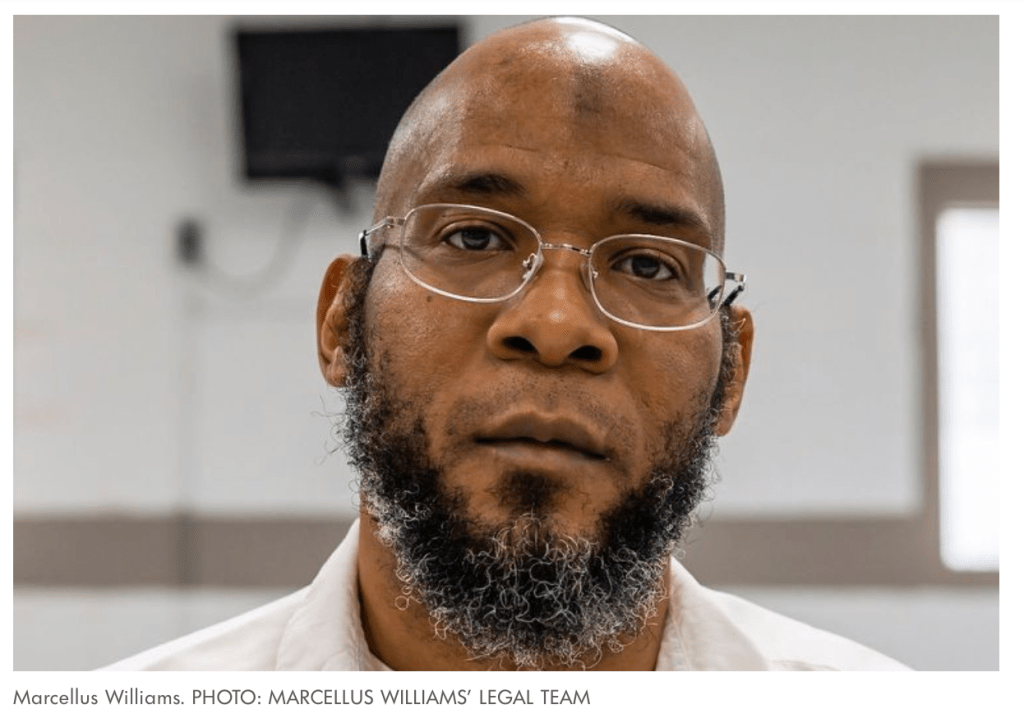
In September 2024, Missouri executed Marcellus Williams despite significant evidence casting doubt on his guilt. Williams was convicted for the 1998 murder of Lisha Gayle, a former St. Louis Post-Dispatch reporter, but recent DNA tests excluded him as the source of evidence found on the murder weapon. While Williams’ legal team sought a stay of execution, and even the prosecution expressed doubts, Missouri proceeded with the lethal injection after Governor Mike Parson dissolved a previous inquiry. His execution sparked widespread outrage, igniting debates on the reliability and ethics of the death penalty.

Williams’ final words were, “All praise be to Allah in every situation,” reflecting his unwavering faith. His attorneys argued that the DNA evidence should have been sufficient to overturn his conviction, but the courts dismissed this claim. In 2017, then-Governor Eric Greitens halted his execution and established a board to review the case, but this effort was reversed by Governor Parson, sealing Williams’ fate.

Even Gayle’s family had called for clemency, asking for Williams’ sentence to be commuted to life without parole. Despite their pleas, the state moved forward with the execution, leading to questions about whether justice had truly been served. The case has raised concerns about rushing death penalty cases and highlighted the dangers of executing potentially innocent individuals.

Williams’ case continues to fuel national debates over capital punishment and the failures of the justice system, particularly when substantial evidence suggests wrongful conviction. His death has become a rallying point for advocates pushing for reforms in the death penalty process, as critics argue that his execution may have been a tragic mistake. Was this mistake a murder carried out by the state of Missouri, and those who had the responsibility to stop it ––– the killers?

The Concept of a ‘Chosen People’ and Modern Political Dominance

By: Benjamin Groff© Groff Media 2024© Truth Endures

When Did God Decide to Have ‘A Chosen People’?

The concept of a “chosen people” has sparked debates throughout history, especially when tied to moral, societal, and political questions. In modern times, the idea of being “chosen” is often reimagined or repurposed to justify decisions that affect minority groups.

Recently, the U.S. House Committee on Education and the Workforce advanced a controversial bill, H.R. 736, that aims to force schools to out transgender students to their guardians. The bill, titled the “PROTECT Kids Act,” requires schools receiving federal funding to notify guardians if a student wishes to change their gender markers, pronouns, or preferred names. The legislation also seeks to dictate which school facilities these students can use, including bathrooms and locker rooms.

This legislative action raises an important question: who gets to decide the fate of vulnerable groups, and under whose authority do they claim this right? Much like the ancient notion of being “chosen” by God, this modern political move asserts dominance over others, deciding for them what is best based on a rigid set of beliefs.

The bill passed the House in 2023 as part of the “Parents Bill of Rights Act” (H.R. 5) but faced bipartisan solid opposition. Every Democrat and five Republicans voted against it, while most supported it. Despite the potential for this bill to move through the House, it is unlikely to pass the Senate or gain approval from President Joe Biden.

Opponents of the legislation, including the Congressional Equality Caucus, condemned it as an attack on transgender students’ safety. Chair Mark Pocan highlighted how, in the wake of a tragic school shooting, Republicans chose to focus on targeting vulnerable students instead of addressing genuine safety concerns.

The question of who is “chosen” can be expanded beyond ancient religious contexts to current identity, rights, and protection issues. The targeting of trans students under the guise of protecting children raises more profound philosophical questions about power, authority, and the consequences of imposing one’s beliefs on others.

The biblical idea of a “chosen people” once symbolized favor and responsibility, but that label often becomes a tool to exclude and control in modern times. This recent bill serves as a reminder that decisions made in the name of protection or moral righteousness can have far-reaching, often damaging, effects on those they claim to protect.

In the end, it is crucial to ask when the power to choose the fate of others—whether through divine claim or political force—became justified. And who truly benefits from these decisions?

The Night Everything Changed ~ Neighbors became inseparable Putting Aside Their Sexuality.

A Story By: Benjamin Groff© Groff Media 2024© Truth Endures

In the quiet town of Maplewood, where everyone knew each other’s business, Frank Henderson was known for his stern opinions and narrow views. A man set in his ways often muttered under his breath about the changing world, particularly about his new neighbor, Adam. Adam was young, openly gay, and unashamedly himself, much to Frank’s chagrin.

Frank had lived in Maplewood his whole life, where traditions ran deep. Frank’s meeting new people within the community gets resisted. He prided himself on his neat lawn, spotless car, and strict adherence to the values he had grown up with. He watched behind his curtains as Adam moved in, noting the rainbow flag that fluttered proudly from the porch. Frank scoffed, shaking his head. “Not in my neighborhood,” he muttered to himself.

Days turned into weeks, and Frank’s irritation only grew. He avoided Adam, never engaging in more than a curt nod if their paths crossed. He dismissed his wife, Martha, whenever she suggested they invite Adam over for dinner, insisting they didn’t need to associate with “those kinds of people.”

But everything changed one fateful night.

It was a typical summer evening when the sound of shattering glass pierced the stillness. Frank bolted upright from his recliner, his heart racing. He rushed to the window and saw flames licking the side of his garage. His car! Panic surged as he stumbled outside, yelling for Martha to call 911.

A voice called out from the darkness as he struggled with the garden hose, trying in vain to douse the growing flames. “Frank! Frank, let me help!” It was Adam, running toward him with a fire extinguisher in hand.

For a moment, Frank hesitated, pride and prejudice warring within him. But as the fire roared louder, he swallowed his pride. “Alright, over here!” he shouted, pointing to the source of the fire.

Together, they fought the flames, Adam’s quick thinking and calm demeanor providing the guidance Frank desperately needed. Within minutes, the fire was under control, and the garage and car were saved from destruction. As the fire trucks pulled up, Frank found himself leaning against the charred wall, breathing heavily.

“Thank you,” he said, turning to Adam. The words felt foreign on his tongue, but he meant them. “I… I don’t know what I would have done without you.”

“Thank you,” he said, turning to Adam. The words felt foreign on his tongue, but he meant them. “I… I don’t know what I would have done without you.”

Adam smiled, brushing ash from his hands.

“No problem, Frank. I’m just glad I can help.”

In the days that followed, Frank found himself reevaluating his views. He watched as Adam continued to go about his life, kind and friendly to everyone he met. Frank began to notice the little things—how Adam helped Mrs. Johnson with her groceries or how he always waved to the children playing in the street.

As the sun dipped below the horizon one evening, Frank made his way next door. He knocked hesitantly, feeling out of place. Adam opened the door, surprise flickering across his face.

“Frank, hi! What can I do for you?”

Frank shifted uncomfortably.

“I wanted to say thanks again for the other night. And ––– I was wondering if you’d like to come over for dinner. Martha makes a mean pot roast.”

Adam’s smile widened.

“I’d love to. Thank you, Frank.”

Over pot roast and mashed potatoes, a tentative friendship began forming that night. They talked about everything—life, love, and the struggles each had faced. Frank truly listened, and for the first time, he saw Adam as more than just his gay neighbor. He saw him as a person, someone who had shown him kindness when he needed it most.

As the months passed, Frank’s views continued to soften. He began to understand that love and kindness knew no boundaries and that people were more than the labels society placed on them. He found himself defending Adam when others in the town gossiped, challenging the bigotry he once held so dear.

In the end, it was a simple act of bravery and compassion that changed Frank’s heart. He learned that neighbors were more than just the people who lived next door; they were the ones who stood by you in times of need and who showed you the power of acceptance and love. And in that quiet town of Maplewood, Frank Henderson became a testament to the idea that it’s never too late to change, grow, and embrace the world with an open heart.

TAKING A STAND. PROVIDING A VOICE FOR THOSE WHO MIGHT OTHERWISE GO UNHEARD!

A Story By Benjamin H Groff© Groff Media Copyright 2024©

At Groff Media, we dedicate our efforts to making a statement and standing up for those less fortunate. Our mission is to provide a powerful voice for those who might otherwise go unheard, championing their stories and advocating for their rights. Through compassionate storytelling, fearless journalism, and an unwavering commitment to social justice, we strive to amplify marginalized voices, foster empathy, and drive meaningful change. We are optimistic about our goal to create a more inclusive and equitable society, and we appreciate your support in valuing and hearing everyone’s story.

Recent legislative actions in Congress have raised significant concerns among proponents of LGBTQ equality. Extreme opponents of LGBTQ rights are using federal government funding bills to introduce harmful provisions, commonly referred to as “poison pills,” which specifically target the civil liberties of LGBTQ individuals, with a particular focus on the transgender community. These measures threaten to undermine the rights and dignity of LGBTQ people and restrict access to essential, life-saving care for trans individuals.

Current Legislative Landscape: In recent months, several bills that fund various federal government operations have included provisions that:

  • Ban access to gender-affirming healthcare for transgender individuals, which is recognized by major medical associations as life-saving and essential.
  • Introduce measures that broadly attack the rights and dignity of LGBTQ individuals, potentially reversing decades of progress in the fight for equality and civil rights.

Impact on Transgender People: The inclusion of these poison pills in government funding bills is particularly alarming for the transgender community. Gender-affirming care, which includes hormone therapy, mental health services, and surgical interventions, is critical for the well-being and survival of many transgender individuals. Banning access to this care not only jeopardizes the health of trans people but also exacerbates mental health issues, leading to higher rates of depression, anxiety, and suicidal ideation.

Broader Implications for LGBTQ Rights: Beyond the transgender community, these legislative measures threaten the broader LGBTQ population by:

  • Reinforcing stigma and discrimination, which can lead to increased rates of hate crimes and societal exclusion.
  • Undermining legal protections that have been established to ensure equal treatment and prevent discrimination based on sexual orientation and gender identity.
  • Sending a message that the rights and dignity of LGBTQ individuals are negotiable and can be sacrificed for political gain.

Call to Action: It is imperative that we, as concerned citizens, take a stand against these harmful legislative tactics. We must let our leaders in Congress know that we do not support efforts to undermine the civil liberties of LGBTQ individuals. Specifically, we urge members of Congress to:

  • Oppose any government funding bill that includes provisions attacking the rights and dignity of LGBTQ people.
  • Reject any measures that ban access to life-saving gender-affirming care for transgender individuals.
  • Stand firm in the commitment to equality and justice for all, ensuring that the rights of LGBTQ individuals are protected and upheld.

Conclusion: The fight for LGBTQ equality is far from over, and current legislative actions pose a serious threat to the progress that has been made. It is crucial for advocates, allies, and concerned citizens to remain vigilant and vocal in opposing these regressive measures. By urging our representatives to reject any government funding bills containing poison pills, we can help safeguard the rights and dignity of LGBTQ individuals and continue the march toward a more just and inclusive society.

What Does It Mean For The LGBTQI+ COMMUNITY IF…There Is A Second Trump Presidency?

Under a potential Trump presidency in 2025, the LGBTQI community, known for its resilience, might face several challenges, considering Trump’s past policies and the positions of his administration. Here’s an overview of what could be expected and how the strong and determined members of the LGBTQI community can prepare:

Expected Policies and Actions

  1. Reversal of Protections: Trump’s previous administration saw rollbacks on protections for LGBTQI individuals, especially in areas like healthcare, education, and employment. This trend might continue, with potential new policies aimed at:
  2. Reversing anti-discrimination protections in healthcare.
  3. Allowing religious exemptions that permit discrimination against LGBTQI people.
  4. Rescinding guidelines that protect transgender students in schools.
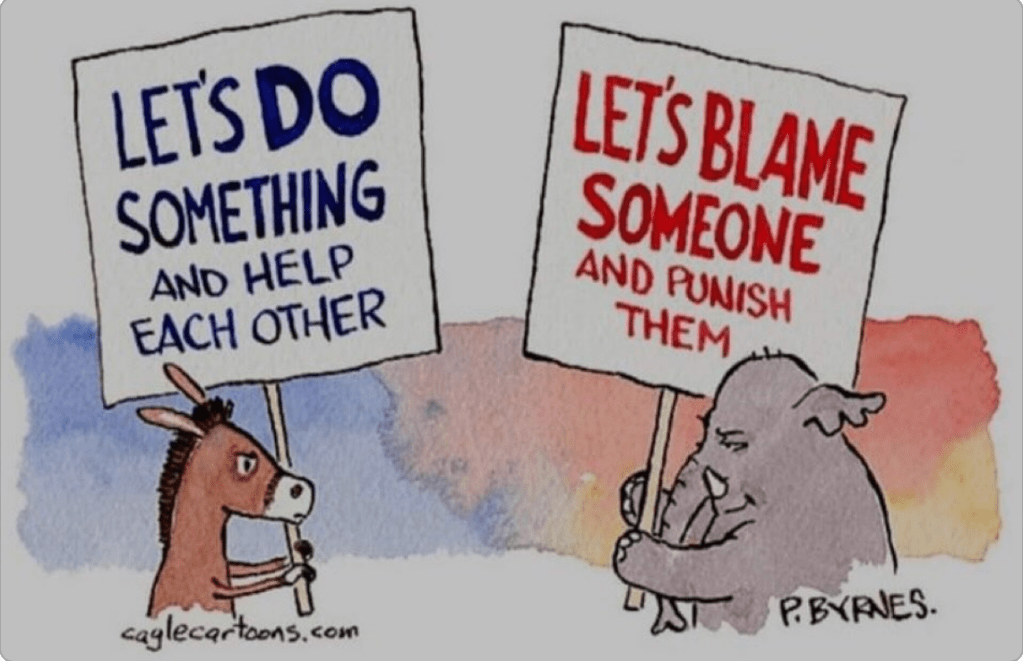
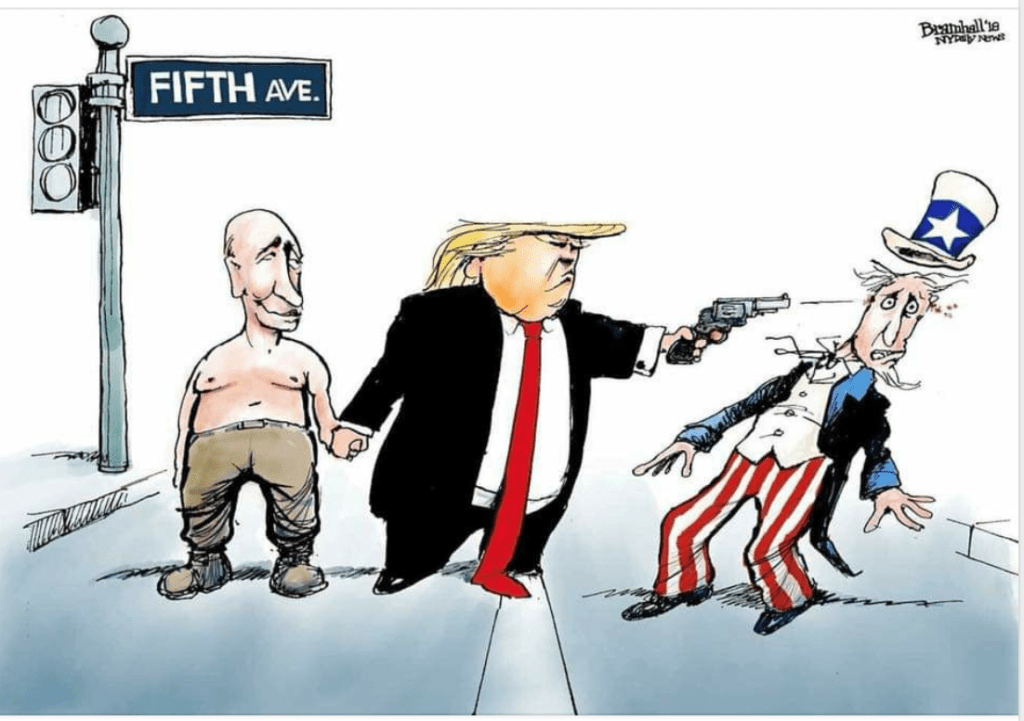
  1. Judicial Appointments: Trump is likely to appoint conservative judges who might be less supportive of LGBTQI rights. This could impact rulings on marriage equality, adoption rights, and discrimination cases.
  2. Military Policies: Trump previously attempted to ban transgender individuals from serving in the military. The Trump Administration could reinstate a similar policy affecting LGBTQI service members.
  3. Federal Funding and Grants: LGBTQI organizations and programs could see reduced federal funding and support. Such a move might impact HIV/AIDS programs, community health initiatives, and anti-bullying campaigns in schools.

Preparation Strategies for the LGBTQI Community

  1. Legal Preparation:
  2. Know Your Rights: Stay informed about your federal, state, and local legal rights. People Rights Groupssuch as the Human Rights Campaign (HRC) or the ACLU provide resources and legal assistance.
  3. Legal Documents: Ensure legal papers (like wills, powers of attorney, and healthcare proxies) are in orderand up to date to protect relationships and rights, especially in states with less LGBTQI-friendly laws.
  4. Advocacy and Community Engagement:
  5. Support Advocacy Groups: Get involved with or support organizations that advocate for LGBTQI rights, such as GLAAD, Lambda Legal, and the National Center for Transgender Equality. These groups often lead efforts to fight discriminatory policies and provide resources.
  6. Local Politics: Engage in local and state politics, where significant protections and policies often get enacted. Support candidates and initiatives that champion LGBTQI rights.
  7. Healthcare and Mental Health:
  8. Healthcare Providers: Seek out LGBTQI-friendly providers and ensure access to comprehensive, non-discriminatory healthcare services.
  9. Mental Health Support: Access mental health resources and support networks, especially as policy changes can create stress and anxiety. Organizations like The Trevor Project offer crisis intervention and suicide prevention services for LGBTQI youth.
  10. Education and Workplace Preparedness:
  11. Workplace Rights: Familiarize yourself with workplace anti-discrimination policies and report discriminatory practices. The EEOC, Employment Opportunity Commission, may also be a resource for addressing workplace discrimination.
  12. Education Resources: Support and advocate for inclusive policies in schools to ensure a safe, educational environment for LGBTQI students. Work with school boards and administrators to promote anti-bullying programs and inclusive curricula.
  13. Community Solidarity:
  14. Build Networks: Strengthen community networks and support systems. Local LGBTQI centers and online communities can provide vital support and resources.
  15. Visibility and Awareness: Continue to raise awareness about LGBTQI issues through social media, public events, and community engagement. Visibility can help counteract hostile policies and promote acceptance.

Conclusion

While a potential Trump presidency in 2025 could pose significant challenges for the LGBTQI community, preparation, and proactive engagement, as outlined in this guide, can effectively mitigate some of the impacts. By staying informed, supporting advocacy efforts, and building strong community networks, LGBTQI individuals and allies can work together with confidence and empowerment to protect and advance their rights.

The Gay Super Tweedles Give Safety Advice From Rainbow Heights

In the vibrant city of Rainbow Heights, where diversity and acceptance painted the streets with colors of pride, lived a superhero like no other. The Gay Tweedles, adorned in a dazzling costume of shimmering sequins and a cape that flowed like a river of rainbows, was both a protector and a symbol of love and unity.

Every day, The Gay Tweedles would soar above the city, not just as a protector, but as a friend to the LGBTQI community. Their charismatic charm and sparkling wit made them a beacon of hope and resilience, inspiring everyone to embrace their true selves.

One sunny morning, The Gay Tweedles decided to share some crucial safeguards with the community, ensuring everyone could live their lives with confidence and security. They gathered a crowd in the heart of Rainbow Heights, where the iconic Pride Fountain stood, its waters gleaming with all the rainbow colors.

“Good morning, my fabulous friends! Today, we will discuss how we can all protect ourselves daily. And remember, safety doesn’t have to be boring—it can be as fabulous as we are! Let’s take these steps together and make our community even stronger.”

The crowd cheered, eagerly anticipating the superhero’s advice. With a twirl of the hero’s cape, The Gay Tweedles began.

1. Stay Connected and Informed

“First things first, darlings—stay connected! Join local LGBTQI groups and online communities. Knowledge is power, and staying informed about your rights, resources, and support networks can make a difference. Plus, you’ll make fabulous friends along the way!”

2. Be Aware of Your Surroundings

“As much as we love to shine, we must be aware of our surroundings. Trust your instincts; if something doesn’t feel right, don’t hesitate to leave the area. Your safety comes first, always.”

3. Have a Safety Plan

“Create a safety plan, my lovelies. Ensure your family and friends know your whereabouts, especially when meeting new people. Set up emergency contacts and safe words—communication is key!”

4. Use Technology Wisely

“Technology can either be our best friend or one of our worst enemies. Use the privacy settings on social media, and be cautious about sharing your personal information online. Safety apps are also available that can alert your loved ones if you’re in danger.”

5. Advocate and Support Each Other

“Never underestimate the power of advocacy. Stand up for each other and support those who may be more vulnerable. We must lift each other, whether speaking out against discrimination or offering a listening ear.”

6. Self-Defense and Mental Health

“Consider taking self-defense classes—not only will you learn to protect yourself, but it’s also a great way to boost your confidence. Please remember that mental health is as important as physical safety. Seek support when you need it, and offer it when you can.”

With each piece of advice, The Gay Tweedles performed a little dance move, making the crowd laugh and cheer. They concluded with their signature motto,

“Stay fierce, fabulous, and safe!”

The Gay Tweedles’ message resonated deeply with the community. The practical tips and the sense of unity and support that filled the air empowered them. The superhero’s entertaining approach not only made the vital information memorable and engaging but also instilled a sense of confidence and security in the audience.

As the crowd dispersed, people chatted excitedly about the new safeguards they would implement in their lives. Rainbow Heights felt even more vibrant, with its residents armed with knowledge and a renewed sense of solidarity.

And so, The Gay Tweedles continued their mission, spreading joy, love, and wisdom wherever they went. Their legacy was not just one of protection but of empowerment and celebration of every individual’s right to live authentically and safely.

Neglected In The Streets – Except for Jim and Steve – Friendly Hotel’s LGBTQIA+ Security Team

The Friendly Hotel, renowned for its around-the-clock security and welcoming atmosphere, primarily serves LGBTQI clientele. It features a restaurant and two nightclubs that cater to the gay community, making it a popular destination.

The front desk was abuzz with guests checking in on a bustling Saturday night. The diligent clerks worked hard, assigning rooms and ensuring the correct amenities. Meanwhile, security guards Steve and Jim began their shift at 8 PM. Their initial task was to patrol the Hotel’s perimeter, ensuring the safety of all guests, particularly the LGBTQI community. They also made regular rounds at the nightclubs, maintaining a vigilant presence.
Steve and Jim were not just part of the Hotel’s security team but also recognizable figures in the community. Their reliability and assured presence brought peace and safety, reassuring guests and visitors alike.


As long-time officers at the Friendly Hotel, Steve and Jim were known for their no-nonsense approach. They wouldn’t tolerate any arguing or resistance, often telling it like it was and swiftly ejecting or arresting troublemakers. This firm handling of security contributed to the secure feeling that drew many guests to the Hotel.


On this particular Saturday night, a group gathered outside the hotel gates, shouting anti-gay slurs at guests. Due to their location, Steve and Jim couldn’t move them but kept a watchful eye, urging visitors to avoid the area for safety.


Around 2 AM, the crowd had dwindled to six individuals, who positioned themselves on both sides of the street in front of the Hotel. The street led to other nightclubs nearby, and patrons often walked between these clubs and the Hotel. Steve and Jim reported the dangerous situation to local police, warning that assaults could occur. However, the police did not respond.


At 2:39 AM, Steve and Jim, standing near the street on hotel property, saw two guests leaving the Hotel and heading towards other clubs. Suddenly, the six individuals attacked the two men with pipes, brass knuckles, and other weapons, striking them in the head, stomach, ribs, and legs. The two men collapsed, unconscious and bleeding heavily, as the attackers shouted anti-gay slurs.
Steve and Jim rushed to apprehend the assailants, capturing five of them. They handcuffed the suspects and seated them on the sidewalk. Recovered weapons included nunchucks, brass knuckles, metal bars, mace, knives, and a shuriken.


The victims remained unconscious and continued to bleed profusely. The guards tried to apply pressure with whatever supplies they could find. Jim radioed the front desk to call the police, ambulance, and fire rescue. Steve asked if anyone in the crowd had medical training, but no one stepped forward. Emergency services took over thirty minutes to arrive, a typical response time in the gay community during the 80s and 90s.


When the fire department and ambulance finally arrived, they refused to touch the victims. Steve and Jim had to load the victims onto the stretchers and into the ambulances themselves, applying bandages to stop the bleeding. The police department sent only one unit, and the suspects were released a block away without charges. The police filed an incomplete report, and a follow-up investigation concluded insufficient information to pursue further action.


The two assault victims got so severely beaten that they had to be placed in medically induced comas for a week to reduce brain swelling. They lost most of their teeth, had their noses broken, orbital eye sockets crushed, chins broken, and ribs fractured. One suffered a punctured lung, and the other nearly lost an ear.


The story you have just read is an account of actual events experienced by the writer. The Hotel’s original name is no longer in use; it has since been changed and is operated by a different owner. The name used in this story is strictly to serve as a reference for the reader. Any name or likenesses may be coincidental; however, this incident occurred over thirty years ago. The reason for sharing this story is to highlight the results of severe prejudices and their actions in our daily lives. What we say, hear, and do genuinely matter. And how dangerous it can be to turn back the clock in an attempt to make things like they used to be!

To learn more on ASSAULTS IN THE GAY COMMUNITY CLICK HERE!