Santa’s Mission of Love

This story is pulled from the archives as a celebration for the season edition.

Groff Media 2024© Truth Endures IMDbPro

Presented by benandsteve.com By: Benjamin Groff II©

3–4 minutes

In the heart of a frosty December, Santa Claus sat in his workshop. His eyes scanning the pages of his magical list. It was a heavy year; kindness seemed scarce, and the world became fractured in ways he hadn’t seen before. One town in particular tugged at his heartstrings—Silver Pines, nestled in the Appalachian Mountains. Its beauty hid a darker reality. The LGBTQ+ community, especially gay individuals, faced judgment and outright abuse. Yet, in the face of such adversity, they showed remarkable courage. Letters from people in Silver Pines painted a picture of sorrow, isolation, and a longing yet to be seen.

Santa set down the list with a deep sigh. “No mistakes,” he whispered, stroking his snowy beard. It was a mantra he had held onto since the dawn of time. Every soul was crafted perfectly. Its existence was a thread in the fabric of humanity. His mission was to remind others of this truth.

The night of Christmas Eve was crisp, the air biting but alive with the hum of anticipation. Santa’s sleigh cut through the sky, its bells jingling softly. His bag was lighter than usual. It was not because he carried fewer gifts. His offerings weren’t wrapped in paper this year.

He landed in Silver Pines just past midnight, his boots crunching on the snow-covered streets. Despite the hour, the town was still. He began his journey with his signature magic. He quietly stepped into homes where letters had been written. He spread warmth and comfort to those who needed it most.

At the tiny home, Santa left a handwritten note. Liam and Paul were a gay couple who had faced the brunt of the town’s scorn. It read:

“You are seen. You are loved. You are perfect as you are.”

In another house, a young teen named Oliver found a shimmering snow globe under his tree. He had been wrestling with the fear of coming out. When he shook it, it revealed a rainbow that shimmered against the glass, and inside, a message:

“Your truth is your strength. The world needs your light.”

Throughout the night, Santa wove love into every corner of Silver Pines. He touched the hearts of allies, planting seeds of courage to stand against hatred. He left dreams of acceptance in the minds of those who harbored prejudice. His gifts weren’t toys or trinkets. They were powerful reminders of humanity’s shared essence. Each one carried the potential to transform hearts and minds.

By dawn, the town began to stir. Liam and Paul awoke to find the note, their hearts swelling with hope they hadn’t felt in years. Oliver clutched his snow globe, feeling a new resolve to embrace who he was. The day unfolded slowly. The spirit of Santa’s gifts began to ripple. This ripple ignited a wave of change. This wave would soon engulf the entire town.

People who had once turned away from their neighbors now questioned their biases. Conversations began, tentative at first but growing bolder with time. Acts of kindness, like inviting a marginalized individual to a community event, replaced judgment, and barriers began to crumble.

Santa watched from a distance, his eyes twinkling. The journey wasn’t over—true change would take time—but the seeds had been planted. As he climbed back into his sleigh, he whispered into the cold morning air:

“There are no mistakes in my Father’s design. Love is the gift I give, but it is also the gift you must carry ahead.”

And with that, Santa soared into the sky, his mission not finished but well underway.

The Quiet Difference

A Story By: Benjamin Groff II© Groff Media 2024© Truth Endures IMDbPro

Levi grew up feeling different from his peers, struggling with his attraction towards boys amidst societal pressures. A formative encounter with Aaron led to a heartfelt kiss that marked a turning point for Levi. As they matured, their bond evolved into a deep friendship, helping Levi embrace his uniqueness throughout adulthood.

From a young age, Levi had always felt like there was something inside him that set him apart from the other boys. In grade school, while his friends chased girls, teased them, and laughed about crushes, Levi felt a quiet unease. He played along, trying to fit in, pretending to share the same interests. But deep down, something felt different, something he couldn’t quite put into words.

As Levi grew older and entered his teenage years, that difference became more defined. His friends would talk excitedly about the girls they liked—their eyes lighting up as they spoke of first dates, dances, and love letters. But Levi never shared in that excitement. He tried to force himself to like girls the way they did, to feel the same way, but no matter how hard he prayed, his feelings never changed. Levi would lie in bed at night, praying, asking God to make him normal. To take away the strange, confusing feelings he didn’t understand. His internal struggle was a constant companion, a silent battle that no one else could see.

But it wasn’t just his lack of attraction to girls that confused him. As Levi matured, he turned to dressing in modern menswear—sharp, tailored clothing, stylish undergarments, and the kinds of outfits no one in his small farming town ever discussed. His friends were indifferent to clothes, such as hand-me-downs or work overalls, but Levi found comfort in dressing differently. The way certain fabrics felt, the sleek designs, appealed to him in a way he couldn’t explain. He was terrified someone would find out about these thoughts, this quiet fascination, and mock him. But more than that, he didn’t know why it would matter so much to others. Why was his difference such a secret? Why did it feel dangerous to admit? The societal pressures to conform to a certain image were always there, lurking in the background, ready to pounce on any sign of deviation.

Deep inside, Levi knew he longed for something more than stylish clothes or acceptance. He yearned for a relationship with another boy—something that mirrored the love and companionship he saw between boys and girls. It wasn’t a desire he could fully explain, nor was it something anyone had ever taught him. It was natural to him, rising from some deep place in his heart. But even that natural feeling terrified him because he knew it wasn’t something people around him would accept.

One summer afternoon, when Levi was sixteen, a boy from a neighboring town came to visit the farm. His name was Aaron, and he was there with his father to discuss some work with Levi’s father. Aaron was taller than Levi, with a quiet confidence about him, and there was something about him that made Levi feel both nervous and excited. The two boys quickly became friendly, and after lunch, they decided to take a walk down to the lake that sat on the edge of Levi’s family’s land.

As they walked, the conversation flowed easily, and soon, they reached the clear, calm waters of the lake. The sun was hot, and Aaron suggested they go for a swim. Levi hesitated initially, feeling unsure, but the warmth of the day and Aaron’s easygoing nature won him over. Before long, they had stripped to nothing and jumped into the water, laughing and splashing like carefree children.

But as they swam and played, something unspoken hung between them. Levi could feel the subtle closeness of their glances at each other. They wrestled and splashed in the water, and then, almost without realizing it, they were close. The playful energy gave way to something more profound. Aaron’s hand lingered on Levi’s arm, and Levi felt his heartbeat quicken. In a moment that felt as natural as breathing, their lips met.

The kiss was soft and hesitant, but it felt right. For the first time in his life, Levi was clear-minded. This—this feeling—was what he had been searching for. It wasn’t wrong. It wasn’t strange. It was safe, it was natural, and it made perfect sense. The emotions welled up inside him, and before he could stop himself, tears began to fall down his cheeks. When he looked over, he saw Aaron was crying, too.

They both knew, in that quiet moment by the lake, that they had found something rare and precious in each other. But they also knew it would be fleeting. Their fathers’ farms were miles apart, and they would only see each other on rare occasions when their fathers met for work. It was a bittersweet realization, but it didn’t matter for the moment. They had found one another, and for the first time, Levi knew he wasn’t alone. As they dried off and dressed, the weight of the world seemed a little lighter on Levi’s shoulders. He felt a sense of peace and acceptance that he had never experienced before. The kiss had changed everything, and yet, it had changed nothing. They were still the same people, but now, they had a shared secret, a bond that transcended words.

As the years passed, Levi and Aaron grew older. They drifted apart romantically as life pulled them in different directions, but their bond remained strong. They stayed great friends, sharing the ups and downs of life and guiding one another through the challenges of adulthood. They never spoke about that summer kiss again, but it remained an unspoken memory that tied them together.

Levi never stopped feeling different, but he learned to embrace his uniqueness as he grew into adulthood. He found that love and connection could take many forms, and though his path wasn’t the same as others, it was his own. And he walked it proudly.

The End.

LGBT History Month is an annual month-long observance of lesbian, gay, bisexual and transgender history, and the history of the gay rights and related civil rights movements. It was founded in 1994 by Missouri high-school history teacher Rodney Wilson!

Meeting Mendez

A Story By: Benjamin Groff© Groff Media 2024© Truth Endures

Ralph and Kevin had been friends for over twenty years, sharing a modest two-bedroom apartment in a cozy part of the city. Both were in their fifties and lived parallel lives, working different jobs—Ralph as a graphic designer and Kevin as a financial advisor—but always finding time for each other. They joked about finding “the one” someday, but their hope had always been tinged with sarcasm. At their age, they felt the ideal guy might never show up.

But then something shifted.

It started on an ordinary Monday morning. They sat at the kitchen table, sipping their coffees, when Kevin casually mentioned he had met someone the night before. “His name is Mendez,” he said, a sly smile across his face. “And Ralph, he’s… everything.”

Ralph’s stomach did a somersault. He had indeed met someone, too. Just last night, after his art gallery event, he found himself in a dimly lit bar, the kind that seemed to exist in a world of its own. And there, perched at the corner of the bar, was Mendez—a man who could only be described as strikingly handsome, with dark eyes that seemed to hold a universe of secrets, a soft-spoken charm that was as disarming as it was alluring, and a smile that could light up the darkest of rooms.

“Funny you say that,” Ralph replied. “I met someone, too. His name’s also Mendez. We hit it off.”

Kevin chuckled, taking a long sip from his coffee. “What are the odds?”

Their conversations in the following days were filled with similar stories of their encounters with Mendez. Kevin would describe how they had shared a romantic evening stroll by the river, and Ralph would excitedly mention how they had gone dancing the same night. Their descriptions of this enigmatic Mendez were eerily similar—his chiseled jawline, his gentle laugh, the way he seemed to know exactly what to say to make them feel like the only person in the room. Yet neither of them suspected anything was off. After all, Mendez was a common enough last name, right?

But as the weeks passed, their mutual friends noticed something strange. At morning coffee with their usual crowd, Ralph and Kevin would each gush about their dates from the night before. They discussed romantic dinners, late-night jazz clubs, and private rooftop moments. Their stories mirrored one another so closely that their friends couldn’t help but wonder—were they seeing the same man?

“Wait a minute,” said Lisa, a close friend, during one of their coffee meetups. “You both met this guy named Mendez? And you’re telling me he took you both to the same jazz club on different nights?”

The group laughed, but the tension between Ralph and Kevin grew. Were they falling for the same guy? They started to second-guess every detail—his favorite wine, his weekend plans, the way he called them “his secret muse.”

Still, neither wanted to believe it. Kevin would ask, “Did your Mendez talk about his job?”

Ralph would reply, “Yeah, he mentioned something about being in real estate.”

“Same here. But, come on, we’re seeing different guys. That’s impossible.”

Finally, the tension reached a breaking point. One Saturday night, the two friends finally agreed to go out together to introduce themselves to their respective Mendez. They picked a lively nightclub known for its cool vibe and easy conversation. Ralph’s heart raced as he considered the possibility of confronting the truth.

When they arrived, they scanned the crowd, both eager and nervous. And then, there he was—Mendez, standing by the bar, smiling warmly at them.

Only to their utter surprise, there were two of them.

Ralph and Kevin exchanged bewildered glances as the two men, identical except for subtle differences, made their way over. The Mendez brothers—Marco and Luis—stood side by side, charming as ever.

Kevin burst into laughter. “You’ve got to be kidding me!” he exclaimed, his amusement contagious.

Ralph shook his head, grinning in disbelief. “Twins? Really?”

The four sat down, exchanging stories and laughing about the coincidence. As it turned out, Marco had met Kevin at one bar, and Luis had met Ralph at another. They had no idea their new romantic interests were roommates.

It wasn’t the love triangle they had feared—it was something far better, a delightful twist that brought them closer.

And just like that, Ralph and Kevin realized that sometimes, the universe works in mysterious—and surprisingly humorous—ways, leaving them and their friends in fits of laughter.

What Does It Mean For The LGBTQI+ COMMUNITY IF…There Is A Second Trump Presidency?

Under a potential Trump presidency in 2025, the LGBTQI community, known for its resilience, might face several challenges, considering Trump’s past policies and the positions of his administration. Here’s an overview of what could be expected and how the strong and determined members of the LGBTQI community can prepare:

Expected Policies and Actions

  1. Reversal of Protections: Trump’s previous administration saw rollbacks on protections for LGBTQI individuals, especially in areas like healthcare, education, and employment. This trend might continue, with potential new policies aimed at:
  2. Reversing anti-discrimination protections in healthcare.
  3. Allowing religious exemptions that permit discrimination against LGBTQI people.
  4. Rescinding guidelines that protect transgender students in schools.
  1. Judicial Appointments: Trump is likely to appoint conservative judges who might be less supportive of LGBTQI rights. This could impact rulings on marriage equality, adoption rights, and discrimination cases.
  2. Military Policies: Trump previously attempted to ban transgender individuals from serving in the military. The Trump Administration could reinstate a similar policy affecting LGBTQI service members.
  3. Federal Funding and Grants: LGBTQI organizations and programs could see reduced federal funding and support. Such a move might impact HIV/AIDS programs, community health initiatives, and anti-bullying campaigns in schools.

Preparation Strategies for the LGBTQI Community

  1. Legal Preparation:
  2. Know Your Rights: Stay informed about your federal, state, and local legal rights. People Rights Groupssuch as the Human Rights Campaign (HRC) or the ACLU provide resources and legal assistance.
  3. Legal Documents: Ensure legal papers (like wills, powers of attorney, and healthcare proxies) are in orderand up to date to protect relationships and rights, especially in states with less LGBTQI-friendly laws.
  4. Advocacy and Community Engagement:
  5. Support Advocacy Groups: Get involved with or support organizations that advocate for LGBTQI rights, such as GLAAD, Lambda Legal, and the National Center for Transgender Equality. These groups often lead efforts to fight discriminatory policies and provide resources.
  6. Local Politics: Engage in local and state politics, where significant protections and policies often get enacted. Support candidates and initiatives that champion LGBTQI rights.
  7. Healthcare and Mental Health:
  8. Healthcare Providers: Seek out LGBTQI-friendly providers and ensure access to comprehensive, non-discriminatory healthcare services.
  9. Mental Health Support: Access mental health resources and support networks, especially as policy changes can create stress and anxiety. Organizations like The Trevor Project offer crisis intervention and suicide prevention services for LGBTQI youth.
  10. Education and Workplace Preparedness:
  11. Workplace Rights: Familiarize yourself with workplace anti-discrimination policies and report discriminatory practices. The EEOC, Employment Opportunity Commission, may also be a resource for addressing workplace discrimination.
  12. Education Resources: Support and advocate for inclusive policies in schools to ensure a safe, educational environment for LGBTQI students. Work with school boards and administrators to promote anti-bullying programs and inclusive curricula.
  13. Community Solidarity:
  14. Build Networks: Strengthen community networks and support systems. Local LGBTQI centers and online communities can provide vital support and resources.
  15. Visibility and Awareness: Continue to raise awareness about LGBTQI issues through social media, public events, and community engagement. Visibility can help counteract hostile policies and promote acceptance.

Conclusion

While a potential Trump presidency in 2025 could pose significant challenges for the LGBTQI community, preparation, and proactive engagement, as outlined in this guide, can effectively mitigate some of the impacts. By staying informed, supporting advocacy efforts, and building strong community networks, LGBTQI individuals and allies can work together with confidence and empowerment to protect and advance their rights.

Unbreakable Love: Lynn and Trisha’s Journey Through Decades of Heartache

In the small, picturesque town of Elmwood, where traditions ran deep, and change was a slow, meandering stream, Lynn and Trisha found each other amidst the rustling leaves of adolescence. The year was 1974, when the world was still catching up to the notions of freedom and acceptance we now hold dear.

Lynn, with her red hair and curious green eyes, was the daughter of the town’s librarian. She spent her days buried in books, finding solace in stories that took her far beyond the confines of Elmwood. On the other hand, Trisha was the spirited daughter of a local fisherman in Seaside, a neighboring town. Beaming with golden hair and bright blue eyesthat mirrored the ocean, she was a breath of fresh, salty air. The scent of fish and saltwater, the sound of seagulls, and the feel of sand between her toes were all part of Trisha’s essence.

They met on a summer day during the annual Elmwood-Seaside fair. Lynn was helping her mother at a book stall when Trisha walked by, her laughter catching Lynn’s attention. ‘What’s so funny?’ Lynn asked, her curiosity piqued. Trisha turned, her eyes sparkling with mischief. ‘Oh, just a silly joke I heard,’ she replied. Their eyes met, and in that fleeting moment, an unspoken connection was forged.

‘Do you want to explore the fair together?’

Lynn found herself asking. Trisha nodded, and they spent the rest of the fair together, sharing secrets and dreams and eventually a tender kiss behind the carousel.

Their love blossomed in secret, as the world around them would never understand the depth of their feelings. They met in hidden glades, exchanged letters, and carved their initials into the old oak tree by the riverbank. But the shadow of societal expectations loomed large. Their clandestine meetings became increasingly fraught with danger and tension as the years passed. They were constantly on edge, fearing discovery and the consequences it would bring. Yet, they persevered, their love growing stronger with each obstacle they overcame.

One fateful night, an acquaintance saw them kissing, and their secret was discovered. The backlash was swift and unforgiving, a harsh reminder of the societal norms they had dared to challenge. Trisha’s parents, staunch traditionalists, sent her away to live with relatives in Flursville, far from the reach of Lynn’s love. Lynn’s parents, heartbroken and confused, forbade her from contacting Trisha. The two girls, now young women, were torn apart, their hearts left aching with the sudden void of each other’s absence.

As the years turned into decades, Lynn, unable to shake off the memory of her first love, immersed herself in her studies and eventually became a successful author. She wrote under a pseudonym, and her stories were often tinged with the bittersweet essence of lost love and yearning. She remained in Elmwood, surrounded by the familiar but always haunted by Trisha’s absence. Her heart, though scarred, still held a flicker of hope, a belief that one day, they would be together again.

Trisha, in Flursville, married out of societal pressure but found no real happiness. Her husband, though kind, could never fill the void Lynn had left. She had two children, poured her love into them, and eventually opened a small bookstore, a tribute to the memories of those sunlit afternoons spent with Lynn. Her thoughts often wandered back to Elmwood, the oak tree by the riverbank, and the girl with brown hair and green eyes. She often found herself wondering what life would have been like if they had been allowed to be together, her heart aching with the unanswered question. Despite her best efforts, she couldn’t escape the feeling that something was missing from her life, a void that could only be filled by Lynn.

It was the summer of 2004 when fate intervened. Lynn’s father passed away, and she returned to Elmwood to settle his affairs. She was now a middle-aged woman, her hair streaked with grey, her eyes still holding the spark of youth. One day, sorting through her father’s belongings, she found a box of old letters, including the ones she had written to Trisha but never sent.

On a whim, she decided to visit Seaside. Walking along the familiar paths, she felt the weight of memories. She stopped by the beach, where the waves kissed the shore, and there, amidst the crowd, she saw her. Trisha, older but still radiant, was there with her grandchildren. Their eyes met once more, and time seemed to stand still. The world around them faded into the background, leaving only the two of them, their love, and the years they had spent apart. In that moment, all the pain and heartache of their separation was washed away, replaced by a sense of peace and belonging.

Lynn approached, her heart pounding. “Trisha?”

Trisha turned, her blue eyes widening in recognition.

“Lynn?” She whispered,

tears welling up.

They embraced, years of longing and love pouring out in that single moment. They talked for hours, sharing their lives, their losses, and their lingering love. The world had changed, and the acceptance they had longed for was now within reach. The weight of their past struggles seemed to lift, replaced by a renewed sense of hope and joy. They were finally together, and nothing else mattered.

With renewed courage and societal acceptance, Lynn and Trisha decided to live the life they had always dreamed of. Lynn moved to Flursville, where Trisha’s children welcomed her with open arms. They bought a little house by the sea, filled it with books and memories, and planted an oak tree in their garden, symbolizing their enduring love. The world had changed, and the acceptance they had longed for was now within reach. Society had evolved, becoming more inclusive and understanding, allowing them to finally be together without fear or judgment.

Once hidden in the shadows, their love story blossomed in the open, a testament to the power of love and the strength of the human spirit. They spent their days writing, exploring, and cherishing every moment together. They were no longer bound by societal constraints, free to love and live as they pleased. Their love, once a secret, was now a beacon of hope for others, a shining example of the enduring power of love.

Lynn and Trisha’s story became an inspiration and a beacon of hope for many. In a world that had once tried to keep them apart, they finally found their forever, together.

History of Gay Pride Parades: From Struggle to Celebration

The story of Gay Pride Parades, also known as LGBTQ+ Pride Parades, begins with a backdrop of systemic discrimination, social stigma, and legal challenges faced by LGBTQ+ individuals. The need for such parades emerged from the historical struggle for recognition, rights, and acceptance. Here’s a concise history of how they became necessary:

Screenshot

In the early 20th century, LGBTQ+ individuals faced severe discrimination and persecution. Homosexuality was criminalized in many parts of the world, and those who identified as LGBTQ+ were often subject to arrest, harassment, and violence. This era was marked by widespread societal stigma, leading many to conceal their identities.

The mid-20th century saw the rise of the homophile movement, with groups like the Mattachine Society and the Daughters of Bilitis advocating for the rights of gay and lesbian individuals. These organizations aimed to improve the public perception of LGBTQ+ people and sought to decriminalize homosexuality. Their efforts laid the groundwork for more visible activism.

The catalyst for the Gay Pride Parades was the Stonewall Uprising in June 1969. The Stonewall Inn, a gay bar in New York City’s Greenwich Village, was a frequent target of police raids. On June 28, 1969, a raid sparked spontaneous and violent demonstrations by the LGBTQ+ community, which lasted several days. The Stonewall Uprising marked a turning point, as it galvanized the LGBTQ+ community and led to the formation of activist organizations like the Gay Liberation Front (GLF) and the Gay Activists Alliance (GAA).

To commemorate the one-year anniversary of the Stonewall Uprising, activists organized the first Christopher Street Liberation Day March on June 28, 1970. This event is widely recognized as the first Gay Pride Parade. It took place in New York City and was followed by similar marches in Los Angeles, Chicago, and San Francisco. The purpose of these marches was to promote LGBTQ+ visibility, celebrate their identity, and demand equal rights.

Throughout the 1970s and 1980s, Pride Parades grew in size and spread to other cities around the world. They became annual events, serving as a platform for activism, community building, and celebration. The AIDS crisis in the 1980s further intensified the need for solidarity and visibility, as LGBTQ+ communities faced immense loss and stigma.

Today, Pride Parades are held in cities worldwide and have evolved into large-scale celebrations that include parades, festivals, concerts, and educational events. They serve multiple purposes: celebrating LGBTQ+ identity and culture, advocating for legal and social equality, and remembering the struggles and achievements of the LGBTQ+ movement.

Despite significant progress, LGBTQ+ individuals still face challenges and discrimination in many parts of the world. Pride Parades remain necessary to combat homophobia, transphobia, and other forms of discrimination. They continue to provide a space for the community to express pride in their identity and to demand full equality and acceptance.

The necessity of Gay Pride Parades stems from a history of marginalization and the ongoing fight for rights and recognition. What began as a reaction to oppression and violence has transformed into a global movement that celebrates diversity, promotes inclusivity, and strives for equality.

A Journey Home For One Last GoodBye

Ethan Ryder Is Set Free From A Lifetime Of Pain And Rensentments…

Ethan Ryder had not set foot in Blare, Arkansas, for nearly twenty years. The dusty roads, the sunbaked fields, and the distant hum of cicadas were all etched into his memory, though the town held little warmth for him. The old farm, once a place of life and growth, now symbolized the past he was finally ready to confront. His parents had passed, leaving the property to him, and with a heavy heart, he decided it was time to sell and settle the lingering ghosts of his youth

.
The farmhouse loomed at the end of the dirt road, its paint peeling and windows cloudy with neglect. Ethan took a deep breath, the scent of earth and decay mingling. Memories flooded back—memories of long, lonely days working the fields, of whispered slurs and judgmental glances from the townsfolk, and of the dark, sleepless nights filled with fear and self-loathing.


Ethan’s childhood had been a series of silent battles, trying to reconcile who he was with who the town expected him to be. As a teenager, he had realized he was gay, a revelation that brought a storm of confusion and dread. Blare was not the type of place where locals embraced this kind of difference. The town was small, its people set in their ways, and the intolerance he faced left deep scars.


He walked through the creaking door, the house’s interior almost unchanged. Dusty furniture stood as it had been for decades, and the old family photographs still lined the walls. Ethan ran a finger along the mantle, picking up a thick layer of dust. The house felt like a time capsule, a reminder of a life he had fought hard to leave behind.
It was in the kitchen that Ethan found a tangible connection to his past: an old, weathered cookbook that had belonged to his mother. She was the one person who had always accepted him, even if she didn’t fully understand. Ethan could still hear her soft, comforting voice as she tried to console him during his darkest moments, a voice that brought him solace even in her absence.
Ethan’s father, on the other hand, was a stern man bound by the town’s rigid expectations. When Ethan came out to him, the silence was more painful than any words could have been. The distance between them had grown insurmountable, and this rift had driven Ethan to leave Blare as soon as he could.


As he explored the farm, Ethan’s steps led him to the barn. This old structure, once his sanctuary, was where he could escape the harsh realities of Blare and dream of a life where he could be himself. Pushing open the heavy doors, he was greeted by the familiar scents of hay and leather, triggering a flood of memories. In this very barn, he had shared his first kiss with another boy, a moment that had both terrified and exhilarated him, marking the beginning of his journey toward self-acceptance.


Standing in the barn, Ethan felt a profound sense of closure. The fear and pain of his youth no longer held him captive. He had built a life far from Blare, surrounded by people who loved and accepted him for who he was. He had found happiness, a concept he had once deemed unattainable, and it was a feeling that washed over him, bringing a sense of peace and relief.
With renewed determination, Ethan began sorting through his parents’ belongings, deciding what to keep and let go. Among the keepsakes was a small wooden box he had never seen before. Inside, Ethan found dozens of letters, all addressed to him. They were from his mother and written after he left. In them, she spoke of her regret for not being able to protect him better, her pride in his courage, and her unwavering love.


As Ethan read his mother’s letters, tears welled up in his eyes. Her words were a soothing balm to his wounded soul, healing the scars of a painful past. Even in her absence, he felt a deep connection to her, a connection that brought him peace and a renewed sense of self. Her letters were not just words on a page, but a testament to her love and understanding, a final gift of closure and acceptance.


By the time Ethan was ready to leave, the farmhouse felt less like a place of pain and more like a chapter that had finally ended. He had faced his past, laid his ghosts to rest, and was ready to move forward. As Ethan drove away from Blare for the last time, the sun setting behind him, Ethan felt a lightness in his heart. He was free.

Photo by Mariah N on Pexels.com

Resilience and Triumph: A Transgender Officer’s Inspiring Journey at Dalfton PD

Sergeant Bill Johnson, 45, served in the patrol division of the Dalfton Police Department and held the position of Range Master at the department’s shooting range for the last twenty years. Dalfton was a small Oklahoma City metro area department, and the officers often assisted other departments.

Officer Johnson was single and also secretly transgender; that is, he is living his birth sexuality but slowly dying to live his real identity. The trouble being in his life, Johnson can’t bring himself to do so until his parents die. When he turned 46, his father and mother both passed away of old age within days of one another. Following their funerals and while on bereavement leave, Johnson takes an extended leave for more than one year. During that time, Bill went to another state and underwent the necessary procedures to become the person he always felt his body called him to be.

Her return to duty after turning 48 as Billie Johnson surprised many, especially because she was female. However, her colleagues had a mixed acceptance. Officers she had worked with for over twenty years, backed up in the most dangerous situations, gave her a cold shoulder. She had explained to her Chief of Police that she wouldn’t be alive another year if this didn’t happen. She had barely managed to live the life she had, saying each day it was torture to exist in a man’s body. But, to have tried to change while her parents were alive would have killed them because of their strict religious views, so she lived a tortured life until they died only for them. Now, thanks to their passing, she is freed from their prison; love has set her free.

Sargent Billie Johnson returned to duty with a mixture of anticipation and trepidation. As the Range Master, she had built a reputation for her expertise and dedication, but now she faced a different challenge. The Dalfton Police Department, though small, was a tight-knit community, and Billie knew that acceptance would vary widely among her colleagues.

On her first day back, Billie entered the station, her heart pounding. Chief Parker was first to greet her. He had always been a staunch supporter of her.

“Welcome back, Billie,”

He said warmly, shaking her hand firmly.

It’s good to have you here.”

Billie smiled, appreciating the genuine welcome. She took a deep breath and made her way to her office, passing by officers who gave her nods, smiles, and the occasional curious glance. She noticed some of her colleagues whispering among themselves, but she chose to focus on the supportive faces around her.

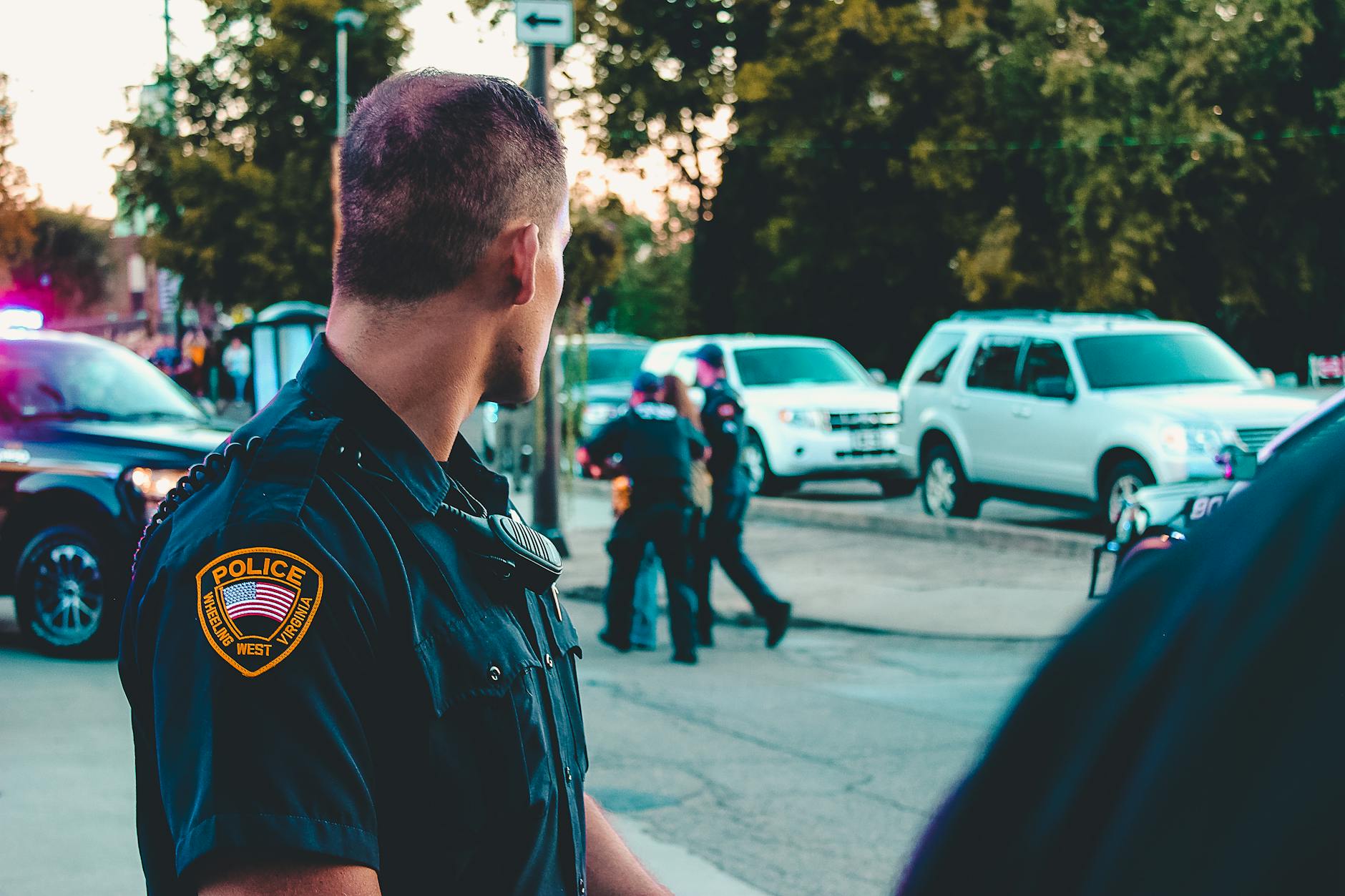
Photo by Gotta Be Worth It on Pexels.com

Her first real test came during her first day at the shooting range. She gathered the officers for a mandatory training session, a duty she had performed countless times before. This time, however, she could feel the tension in the air. Some officers were visibly uncomfortable, while others were neutral or encouraging.

Billie addressed the group with confidence.

“I know this is a change for all of us,” she began. “But my commitment to this department and to each of you has not changed. Let’s focus on what we do best—keeping our skills sharp and supporting each other.”

Throughout the session, Billie demonstrated her usual precision and expertise. Gradually, she noticed that the focus shifted from her identity to the training itself. Officer Morales, one of her long-time colleagues, approached her after the session.

“Hey, Billie,”

Morales said, his tone friendly.

“I just wanted to say that it’s good to have you back. You’ve always been a great Range Master, and that hasn’t changed.”

Billie felt a wave of relief.

“Thanks, Morales. That means a lot.”

Over the next few months, Billie worked tirelessly to prove herself as the skilled officer she had always been and as a supportive and reliable colleague. Slowly but surely, the initial tension began to fade. Some officers, Like Morales, were quick to accept her, while others took more time. A few remained distant, but Billie focused on building bridges where she could.

The turning point came during a high-stakes operation in collaboration with neighboring departments. Billie played a crucial role in planning and executing the operation, showcasing her leadership and tactical skills. The operation was a success, and her colleagues began to see her as Billie Johnson and as the capable and dedicated officer she had always been.
In the aftermath, Officer Simmons, one of the more skeptical officers, approached Billie.

“I have to admit, I had my doubts,”

Simmons said candidly.

“But you’ve proved you’re the same person—if not more vital. I respect that.”

Billie nodded, feeling a sense of accomplishment.

“Thanks, Simmons. We’re all in this together.”

As the months turned into years, Billie became a symbol of resilience and strength within the department. She continued to shine in her assignment, earning respect and admiration from those around her. While there were always challenges, Billie faced them head-on, knowing that living her truth had strengthened her.

Her journey inspired others in the department and the wider community. Billie began to advocate for greater awareness and support for transgender individuals within law enforcement and beyond. Her story became one of courage, acceptance, and the power of living authentically.

Photo by Anete Lusina on Pexels.com

Sargent Billie Johnson, now 50, stood tall, proud of her journey and the person she had become. She knew that while the road had been difficult, it was worth every step. She had found her true self and, in doing so, had made a lasting impact on those around her.

If your child just told you they are Transgender, what should you do? Maybe this site will help you…click here!

Victor: A Man of Mystery and Resilience | Uncovering the Lost Relic in Haunting Mansion

A forgotten mansion, shrouded in mystery, stood in the heart of the old city, nestled among the cobblestone streets and gothic architecture. Its grandiose facade, though worn by time, still retained an enigmatic elegance. On a stormy evening, Victor, a man of mystery and resilience, found himself drawn to this mansion, its secrets whispering to him.

Victor, a man of mystery and resilience, had always been a seeker of the unusual, the arcane. His latest obsession had led him to this mansion, rumored to be the repository of a lost relic. He was a formidable presence in his black leather attire, adorned with silver studs and zippers. His attire, a blend of functionality and style, spoke volumes of his readiness for whatever the night might bring.

The mansion’s interior was a haunting blend of past grandeur and eerie decay. The flickering candlelight cast eerie shadows on the portraits of stern-faced ancestors that lined the walls, their eyes seeming to follow him as he made his way through the dimly lit halls. The air was thick with the scent of old books and the faint, lingering traces of incense, and the floorboards creaked under his weight.

Victor’s destination was the study; a room said to contain a hidden compartment where the relic was concealed. He had done his homework; old blueprints and cryptic notes had led him here. With a determined stride, he entered the study, its heavy wooden door creaking ominously.

The room was a testament to the mansion’s former glory, with rich mahogany shelves lined with ancient tomes, a grand fireplace, and a massive desk that dominated the space. Victor approached the desk, his leather-clad fingers tracing the intricate carvings on its surface. He had a hunch that the key lay in the hidden compartment of the desk itself.

After a meticulous search, Victor’s fingers found a small, concealed latch. A secret drawer slid open with a soft click, revealing a velvet-lined compartment. Inside lay an ornate box, its surface inlaid with mother-of-pearl and silver filigree. Victor’s heart raced as he carefully lifted the box and opened it.

Inside, nestled in velvet, was the relic: an ancient amulet, its center a polished obsidian stone encircled by symbols of power and protection. As Victor held it, a surge of energy coursed through him, confirming the amulet’s authenticity; this was what he had been searching for. The amulet, rumored to hold the key to immortality, was a prize coveted by many.

His triumph was interrupted by the sound of footsteps echoing through the hall. Victor quickly stashed the amulet in his belt pouch and closed the drawer, his senses on high alert. He had been cautious, but it seemed he was not alone in his quest.

The door to the study burst open, and a figure clad in dark robes stepped in. ‘You have something that belongs to me,’ the intruder hissed, eyes glinting with malice. ‘You’re too late,’ Victor replied, his voice steady. ‘The amulet is mine now.’

Victor stood his ground, his hand instinctively moving to the hilt of his concealed dagger. “The amulet is not yours to claim,” he replied coolly. “It belongs to no one but itself.”

A tense silence filled the room, broken only by the distant rumble of thunder. The intruder moved with surprising speed, lunging towards Victor. But Victor was ready. In a swift, fluid motion, he drew his dagger and deflected the attack, the blade glinting in the dim light. His heart pounded in his chest, his senses heightened as he focused on the task at hand.

The fight was a whirlwind of intensity. Victor’s combat training and the intruder’s desperate aggression clashed in a flurry of movement. The air crackled with tension as they circled each other, each seeking an opening. In the end, Victor’s skill and determination prevailed. The intruder, defeated and disarmed, lay on the floor, gasping for breath.

Victor looked down at his defeated opponent, his eyes a mix of pity and resolve. ‘Leave now and never return,’ he ordered, his voice firm but tinged with a hint of sadness. ‘The amulet’s power is beyond your understanding.’

The intruder, cowed and beaten, scrambled to his feet and fled into the night. Victor watched him go, his eyes filled with a mix of pity and resolve. He knew his journey was far from over. The relic’s true power and purpose were yet to be revealed, and he was resolute in his determination to unravel its mysteries.

With the amulet safely in his possession, Victor left the mansion and stepped into the stormy night. Lightning illuminated his path, and the rain washed away the remnants of the battle. As he disappeared into the shadows, one thing was sure: Victor’s legend was only beginning.

Fred and Matilda

Fred and Matilda had been retired for over ten years. They had passed their silver years and were entering their golden years. Both had begun to experience forgetfulness, which was not severe but inconvenient. Fred would forget his wallet when he left home to go to town, or Matilda would forget to put extra tissues in her purse. She needed them to keep her nose wiped due to spring’s seasonal allergy season.

Today, Fred and Matilda left their modest bungalow midcentury home on East Kiowa Street in Corprol, Oklahoma. They traveled thirty miles to see the couple’s son nearby. Due to Fred’s’ safe’ driving, the drive should take just over fifty minutes. He never exceeded fifty miles an hour and usually kept their ’53 Chevrolet Coup topped at 45 miles per hour. Matilda was known for always talking to Fred when he was driving. She never shut up.

Matilda would say to him –––

“Fred, ease to the left, honey; now go back to the right and watch it. Oh no—a car is coming! Now, someone is behind us. Wait, a car is approaching us; I think the guy behind us will pass us.

Fred and Matilda’s son, Bill, looked at the clock at 1:00 PM. His parents should have been at his place at 11:00 AM. He thought they stopped by their old farm and got lost in time, recalling days when they had lived in the farming area for more than forty years, and everyone knew them. Even so, the people from those days mainly had moved on just as they had. So, it was unusual to find a two-hour distraction without calling him to let him know they would be delayed.

Matilda, a constant verbal navigational bird, was a familiar presence to Fred. Her chatter, a constant companion during their drives, was a source of comfort to him. He had grown accustomed to her voice, finding solace in the sound. Fred’s driving was noticeably worse when she wasn’t there, a testament to her voice’s role in his life.

At 3:00 PM, Bill was beside himself. Where were Fred and Matilda? He called their home to make sure they had not decided to go back home and make the trip another day; the phone just rang and rang. He called Fred’s and Matilda’s cell phones, but no one answered. Bill decided it was time to notify authorities.

Bill called the Ninekakh Police Department, and Officer Nadine Smith answered. Nadine had a strong ‘Okie” accent and a sweet demeanor.

“Ninekakh Police Department, Officer Smith, Who can I help today?”

Bill was stunned by the sweetness and tone of Nadine’s voice and how comfortable she made him feel just by answering the call he had placed. Bill said –––

“Hi, my name is Bill Roth. My parents, Fred and Matilda Roth, are late getting to my home outside Singer; they were driving here from Corprol.”

Knowing Bill was concerned and having met the Roths several times, Nadine knew they were not the type to disappear carelessly. Nadine asked –––

“Bill, honey, how old are your parents? Do you know what they are driving, and do you have any identification to help find them? And what were they doing today?”

Bill was quick to answer –––

My parents are driving a blue 53 Chevrolet Coupe two-door in their mid-70s. They were moving from Corpral to Singer to visit me today. They might have stopped by the old farm to remember old times, but I don’t know. They have never really been this late. Fred always wears grey pants, a white shirt, and a baseball cap, and Matilda usually wears a dress, blue or gray, that extends below the knee, with flat shoes; they both have gray hair. They quit taking photographs twenty years ago because both said it made them look like they were aging to get new pictures taken. They won’t even stand still for someone to get them in a cell phone, selfie-type picture.”

Nadine, taking a deep breath, said –––

Wow! Thank you. That is a whole lot of information, but it isn’t. I will get out and look at the highway between the two towns for them and any side roads. Also, I’ll put this out on the radio for other departments to be on the lookout for. Meanwhile, I suggest you stay where you are if they arrive at your place or call you.

Bill was a nervous wreck. Thoughts raced through his mind of where they could be, what could have happened, and then who could have taken them or could they have been robbed. They could have been running off the road by another driver in a road rage incident. Bill remembered the time he got lost hiking with friends and how much worry it brought his parents. He thought to himself, ‘Payback is hell!’ Exhausted from thinking, Bill yells out loud –

“At least they knew where to start looking for me. I was out hiking, and they had a starting point. Hell, I don’t have a clue where these two old farts are!”

As Nadine was patrolling from the Ninekah Sheriff’s Department heading south toward Corprol, she saw a roadside melon and vegetable sales stand, the type set up to sell from the back of an old truck. She pulled over and talked to the farmer who was selling his goods and asked if he had seen anyone matching the description of Fred and Matilda. 

“Yep, I saw them! They were two feisty people. For their age, I was surprised. 

Nadine surprised that her luck had paid off, asked the farmer what he meant, and he replied –––

“Well, this young guy was here too, and he had one of those cell phones out taking pictures of him and his girlfriend; it could have been his boyfriend. I couldn’t tell by looking. Anyway, he got a picture of the two older people and told them he hoped he and his sweety could be just like them when they got to be antique. And that is when all hell broke loose. The older adults didn’t want those pictures going anywhere. The young couple took off, and the others left behind them. I never saw two older adults driving like that. They were laying rubber.

Nadine called Bill and told him what the farmer told her, and Bill, in a chilling voice, responded,

“Christ, it’s Christmas 2015 all over again. They did the same thing when someone took a photo of them in the background at a convenience store on Christmas Eve of 2015. We saw them again in February. The family of the people who took the photos still hasn’t seen their people. The last report anyone ever heard was that they were trying to outrun an old couple driving a Blue 53 Chevy Coupe.”

Officer Nadine Smith ––– Adam 851 Clear from report at 1700 hours, 15 miles south of Singer, on Highway 41, clear.  

Dispatch to Smith, Affirmative, 1700 hours, KMH 253.

Officer Smith drove to Bill’s home, where she discovered a blue 53 Chevrolet Coupe appearing to stick out of an outbuilding on the property. She went to Bill’s Door and rang the bell. When he answered, she asked if his parents had been in contact. He said they had not. 

Smith asked Bill to walk out and look at the car in the shed, which, to his surprise, was his parents’ vehicle.

How did they get past me? And where are they now?

Fred and Matilda, in their enthusiastic but forgetful state, had indeed managed to return home unnoticed. Bill and Officer Smith, both puzzled and concerned, carefully approached the shed where the car was parked. The vehicle, though covered, was the distinctive blue ’53 Chevrolet Coupe.

“Bill, stay behind me,” 

Officer Smith instructed, her hand resting on her holster just in case.

“Let’s check inside,” Bill suggested.

Together, they slowly lifted the cover off the car, revealing it entirely. The sight brought a mix of relief and confusion to Bill’s face. The vehicle looked unscathed as if a chauffeur had driven the couple from a leisurely trip.

As they peered into the car, they noticed the keys were still in the ignition, and Matilda’s purse was on the passenger seat. But there were no signs of Fred and Matilda themselves.

“Where could they have gone?

 Bill murmured, more to himself than anyone else.

Officer Smith walked around the shed, looking for any further clues. Just then, they heard a faint, familiar sound coming from the back of the house. Following the noise, they discovered Fred and Matilda sitting on a swing in the backyard, calmly chatting and sipping on lemonade.

“Dad! Mom! What on earth happened?” 

Bill exclaimed, running towards them.

Fred looked up, somewhat surprised but pleased to see his son.

“Oh, Bill, there you are! We were wondering when you’d find us.”

With a serene smile, Matilda added,

“We decided to take a little detour to the old farm, but then we thought we’d better come back home when it started getting late. We didn’t want to worry you.”

Torn between relief and frustration, Bill tried to keep his voice steady.

“Why didn’t you call me? We’ve been worried sick!”

Fred scratched his head, looking a bit sheepish.

“Well, son, we did mean to call you, but then Matilda realized she left her phone at home, and mine ran out of battery. By the time we returned, we were so tired we just sat down for a rest.”

Upon witnessing the heartfelt reunion, Officer Smith felt a wave of relief wash over her.

Mr. and Mrs. Roth, it’s good to see you’re both safe. You gave us quite a scare.”

Ever the apologetic, Matilda said,

“We’re sorry, dear. We didn’t mean to cause any trouble. We’ll be more careful next time.”

Fred nodded in agreement.

“Yes, we’ll charge the phone next time and keep it with us.”

Bill sighed deeply, his worry slowly dissipating.

“Just glad you’re both okay. Next time, please, let’s avoid any more detours.”

Fred chuckled. “Deal. How about we all go inside and have some of Matilda’s famous apple pie? It’s been a long day.”

As they walked back into the house, Bill couldn’t help but feel grateful for the small blessings—his parents were safe, and despite their forgetfulness, they still had their spirited sense of adventure. It was another reminder of how precious these moments were, even when they came with a bit of worry.


George’s Story About Going TO A Horse Sale With His Dad And Friend Maynord

George was a happy-go-lucky sort of kid. His father raised quarter horses, and together, they were buddies. They go nearly everywhere together. George and his father’s friend Maynord, an older gentleman, probably a few years older than George’s father, spoiled George, treating him especially grandly. George didn’t emphasize the letter ‘s’ in some of his words, and some words he would say might need to be clarified. His father was known as a horseman and stern man, yet respected by most people, eyebrows raised to the bible-toting folks.

Maynord had a grown daughter who had already left home, but he and his wife had never had a son. With George, Maynord had the time of his life. As did George. The two were better buddies than Maynord, and George’s father became. But George would never say that to his father. Maynord treated George to parades, cheeseburgers, and ice cream cones and even got him a dog. George named the pooch, Ryder after Maynord’s last name.

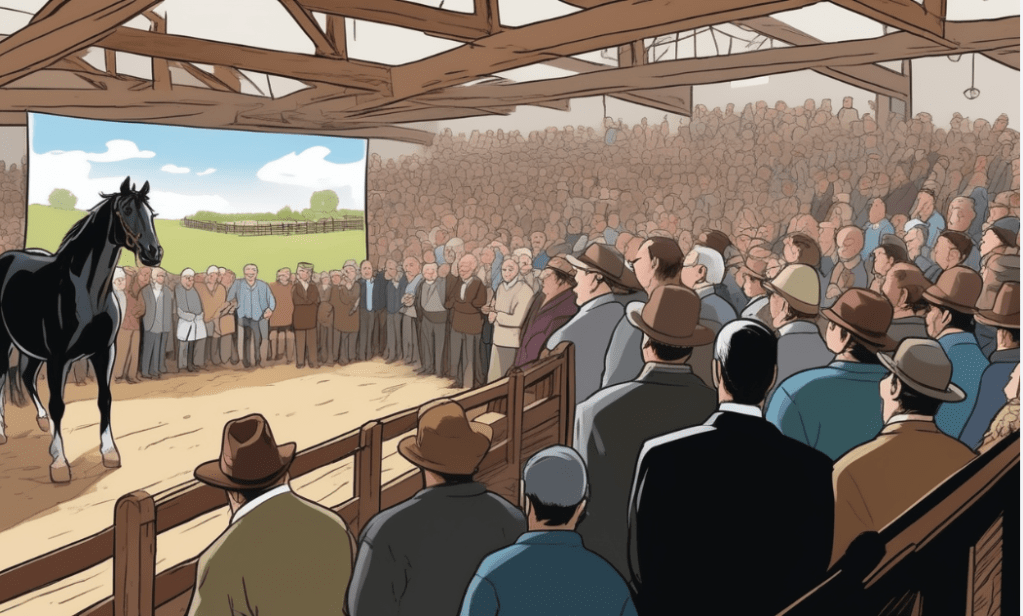
The two looked forward to Friday and Saturday nights. That is when George’s dad would take George and Maynord to auction barns in nearby cities where horses were sold. There, they would watch the many horses come through the sale ring, and the owners talk them up, saying how great of an animal the horse is, and try to sell it for top dollar. Of course, George’s father had always arrived before the auction to watch the horses lead in so he could see how they handled it and whether they were challenging to work with in getting to holding pens. He could also see if any auction workers tried to ride the horses before entering the sale ring and if the horses handled well. There were always little mishaps in the sale ring, a rider losing his grip and falling off, or a horse doing what the owner said it would not do. Or donkeys would be brought in, which always made George and Maynord laugh. They would jokingly suggest George’s father buy several to go with his quarter horses. The biggest thrill of the sales barn adventures was the cafe located within; that is where, halfway through, George and Maynord would slip away and eat cheeseburgers and drink soda pop.

The horse sales, as George and his father referred to them, caused the problem. Maynord didn’t help with the situation because he referred to the auctions as horse sales. And he had never referred to the auctioning of horses as anything else.

It was in the classroom one Monday morning when the third-grade teacher asked the class for each student to stand and say what the most fun activity they took part in over the weekend was. The town had just had a fair, and the teacher expected the students to explain their actions while visiting the celebration. And that is what the students did until coming to George. 

George stood and said –––

“My dad and our friend Maynord took me to the city horse sale, and my dad bought two. 

The teacher said –––

“George, you went where, and your dad what?”

George replied –––

“My dad took me to a horse sale and bought two. His friend Maynord helped with one of them. They made me watch from the pickup.” 

The teacher, turning pale, said –

“George, stop talking; that is enough! Class, that is enough of what we enjoyed this weekend. I will have George explain what he did to the principal.”

George was perplexed. Hasn’t anyone ever watched a horse being sold and loaded into a livestock trailer? Why would the principal need to hear about it? Indeed, he knows about people selling horses.

In the office, the principal was being informed by the teacher about what she had heard and how terrible it was that this father and his friend had taken an 8-year-old boy to whore house and had him watch the goings on with two women. The principal then asked George what exactly did you say to your teacher? 

Which George explained –––

“I just told her ––– My dad, Maynord, and I went to a horse sale, where my dad bought two horses. They made me get in the pickup and watch them while loading the horses so I wouldn’t get hurt or in the way. There have been days, I have even held on to some guys horse when he had too many to handle. But I didn’t get to explain it in such detail because the teacher told me to stop talking before I could tell more about what I was talking about. We go to horse sales every weekend. I don’t know what the big deal is!”

The principal and now the school’s superintendent were both in the office. Their faces were beet red, and they were trying to keep from laughing. The teacher, now understanding the situation, felt overreactive and apologizing. 

Meanwhile, George is confused and asks everyone in the room –––

“Haven’t you all ever heard of horse sales? Horse sales? Horse Sales! A Place where a man can sell his horse? My dad, Maynord and I go to them every Friday and Saturday night, you should come with us and see what it is all about. If you get bored with the horse sale, you can get a cheeseburger, as I sometimes do. I don’t understand what this is all about just because I told my story about going to the horse sale with my dad and Maynord.”

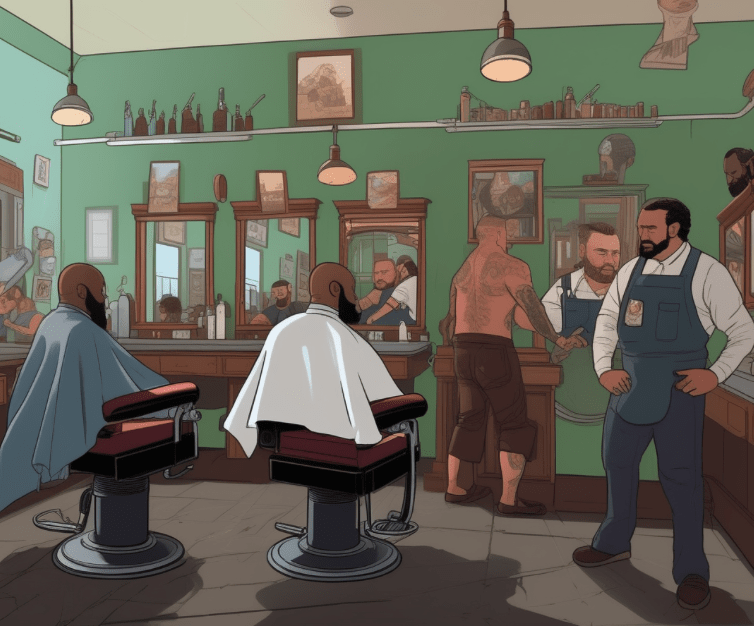
George’s dad, the town barber, was called and told of the situation. He later held court in his barber’s chair with his shop’s regulars. There, they had the bursts of laughter the school officials experienced.

Leaving the office, it was the loudest laughter George can ever remember hearing to this date. It wasn’t until he was older did he understand the rhyming of the words between horse and whores and how it could sound to others when saying to them ––– 

“You are headed to a horse sale to see what you can find.”

~ SHARING IN THE PRIDE ~

NewFest Pride

Navigate this page

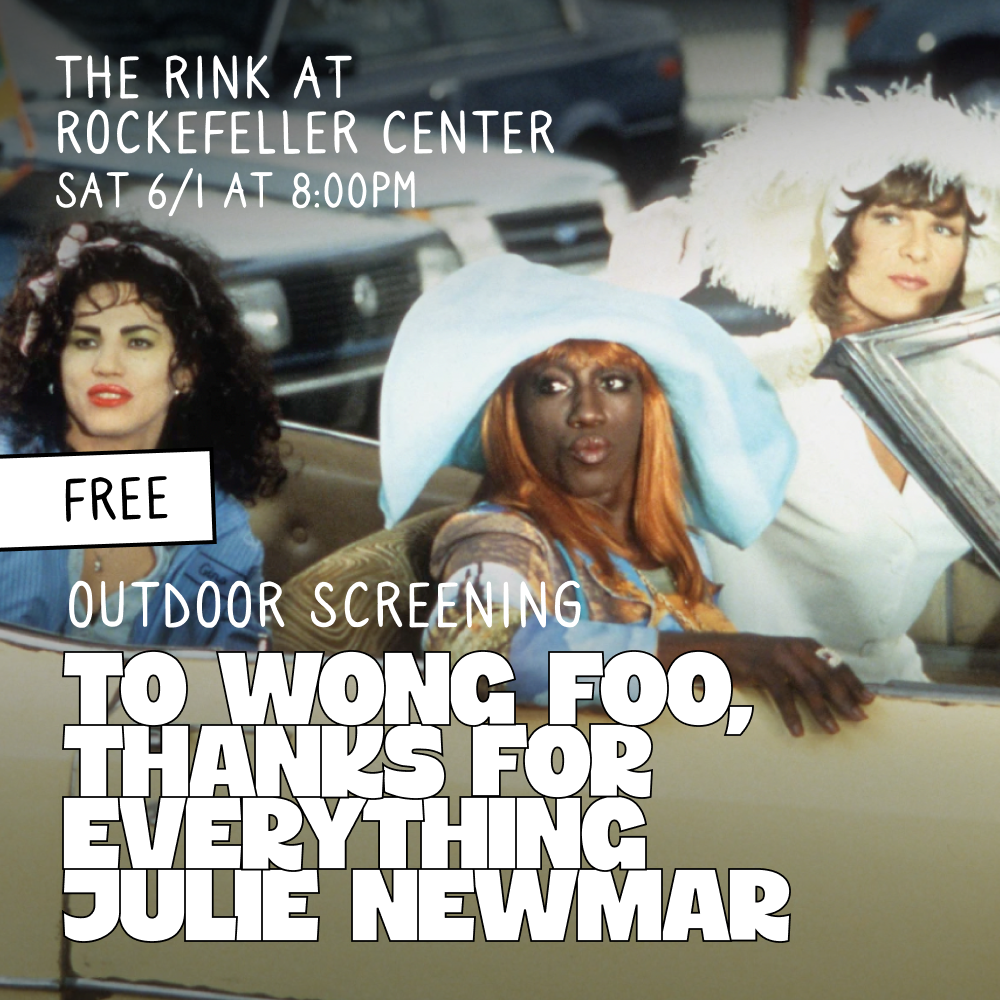
NewFest Pride has it all — premieres of the year’s most anticipated queer films, conversations, parties and outdoor screenings! Check out the full lineup below. 

Get A Pass

Membership Plus Members + above get free Virtual Passes.


Learn more about becoming a NewFest Member 💖

LINEUP

A HOUSE IS NOT A DISCO (Opening Night Film & Party)

Dir. Brian J. Smith

MY OLD ASS

Dir. Megan Park

In this fresh coming-of-age story, an 18th birthday mushroom trip brings free-spirited Elliott (Maisy Stella) face-to-face with her wisecracking 39-year-old self (Aubrey Plaza).

HAZE

Dir. Matthew Fifer

A young journalist returns home to investigate the unsolved deaths at an abandoned psychiatric center in this eerie, evocative psychological thriller from writer/director Matthew Fifer (CICADA)

CLOSE TO YOU

Dir. Dominic Savage

Producer and co-writer Elliot Page stars in this emotionally observant drama about returning home as yourself and finding hope in potentially rekindled relationships

FANTASMAS (Episodes 1 & 2)

Dir. Julio Torres

A delightfully wry new series from the imagination of creator, star, writer, and director Julio Torres (LOS ESPOOKYS, PROBLEMISTA)

THE QUEEN OF MY DREAMS

Dir. Fawzia Mirza

Grad student Azra feels worlds apart from her seemingly rigid mother yet uncovers their unexpected connections on a trip to Pakistan in this vibrant festival favorite (TIFF, SXSW) from writer/director Fawzia Mirza. Ticket comes with entrance to Women’s Afternoon Out pre-screening reception

SEBASTIAN

Dir. Mikko Mäkelä

A freelance writer and aspiring novelist on his way to ostensible success in London’s cultural spheres finds a different kind of exhilaration as a sex worker in this Sundance sensation.

Dir. Sandra Itäinen

Dir. Peter LoGreco

IN-PERSON + STREAMING
VIP All Access Pass — $185
Discount for NewFest Members
All in-person screenings and events (including Opening Night Film & Party, and Women’s Afternoon Out) and virtual screenings. Early access to theater and reserved seats. Learn how to fulfill passes here.


IN–PERSON
Individual Film Ticket – $19.50
Discount for NewFest Members
In-Person access to a single screening. Does not include A HOUSE IS NOT A DISCO or Women’s Afternoon Out Tickets.

Opening Night Film + Party Ticket – $50
Discount for NewFest Members
In-Person access to the Opening Night Film A HOUSE IS NOT A DISCO and the following party. 

Women’s Afternoon Out + THE QUEEN OF MY DREAMS Ticket – $30
Discount for NewFest Members
In-Person access to Women’s Afternoon Out Brunch prior to the screening of THE QUEEN OF MY DREAMS.

In-Person All Access Pass — $115
Discount for NewFest Members
Includes all in-person screenings, including Opening Night Film & Party, and Women’s Afternoon Out. Learn how to fulfill passes here.


STREAMING
Virtual Pass — $30
Discount for NewFest Members
Virtual access to select screenings. Does not include in-person Q&A’s, however there are a select number of virtual Q&A’s available. All films screening virtually are available May 30 at 12 PM EST through June 3 at 11:59 PM EST. Streaming anywhere in the United States. Individual tickets are only available for WE’RE HERE and TRIXIE MOTEL: DRAG ME HOME.

* Virtual passes and individual tickets are discounted for NewFest Members. Haven’t joined yet? Become a member today!

A SMALL TOWN VOLUNTEER AMBULANCE TEENAGE DRIVER

BenG

AT 16 YEARS OLD I VOLUNTEERED AS A DISPATCHER FOR OUR POLICE DEPARTMENT AND AMBULANCE SERVICE. I DROVE HALF THE PEOPLE IN OUR TOWN TO THE HOSPITAL THIRTY MILES AWAY.


In the quaint town of Binger, nestled amidst rolling hills and whispering woods, life moved at its own unhurried pace. It was the 1970s, and I, at the tender age of sixteen, found myself immersed in the h.eart of the community as a volunteer dispatcher and ambulance driver.

Binger boasted a modest population of 850 souls, a close-knit tapestry of neighbors who looked out for one another. Our town’s medical emergencies were once tended to by the local undertaker, a man of solemn demeanor and a heart of gold. But as time marched on, age had caught up with his trusty driver, rendering him unable to steer the old ambulance through the town’s winding streets.

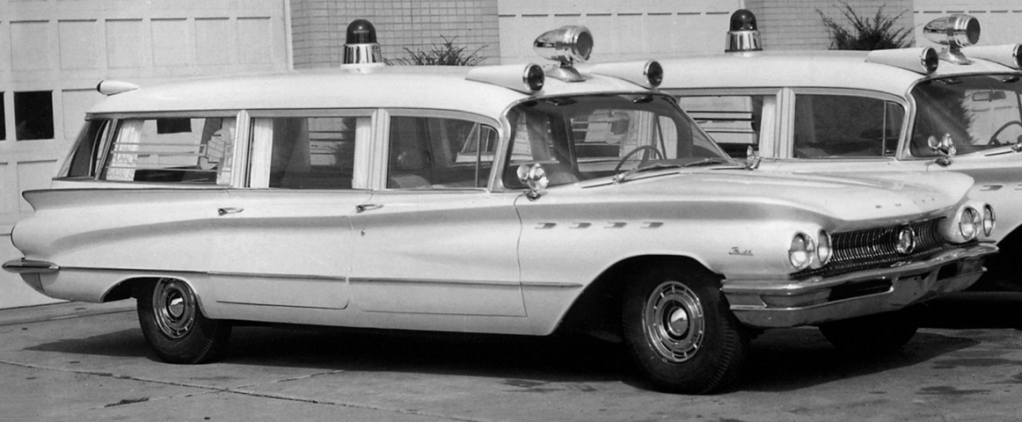
With a sense of duty and a touch of nostalgia, the undertaker donated his faithful 1962 Buick station wagon to serve as our makeshift ambulance. It was a relic of bygone days, rigged with flashing lights, a wailing siren, a sturdy stretcher, and a precious oxygen bottle. Thus, a new chapter unfolded in Binger’s history, with a rotating roster of ten volunteers, including myself, standing ready to answer the call of distress.

In those days, the rhythm of life was punctuated by the shrill ring of the telephone, summoning us into action. I would leap into the driver’s seat, adrenaline coursing through my veins, as I raced through the streets, navigating the twists and turns with practiced precision. The urgency of the situation would lend wings to my feet as I rushed to the aid of my fellow townsfolk.

The years rolled by, and Binger evolved. In 1978, the benevolent gesture of the Chevrolet dealer brought a gleaming new station wagon into our midst, a symbol of progress and prosperity. We felt like modern-day heroes, equipped with state-of-the-art technology to serve our community.

But as the 1980s dawned, change swept across the land. The state enacted stringent laws mandating EMT training and certification for ambulance attendants, a noble but burdensome requirement. Our volunteer organization, unable to meet the new standards, faced dissolution.

With heavy hearts, we bid farewell to an era marked by camaraderie and selflessness. The nearest ambulance service now lay twenty-eight miles away, a stark reminder of the passage of time and the inexorable march of progress.

Yet, amidst the bittersweet farewell, the spirit of Binger endured, a testament to the resilience of small-town values and the enduring bonds of community. And though our roles as volunteer dispatchers and ambulance drivers may have faded into memory, the echoes of our service reverberated through the annals of time, forever etched in the fabric of Binger’s history.

LOVE ENDURES THE TEST OF TIME ESPECIALLY DURING A TIME WHEN LOVE COULD BE CHALLENGED

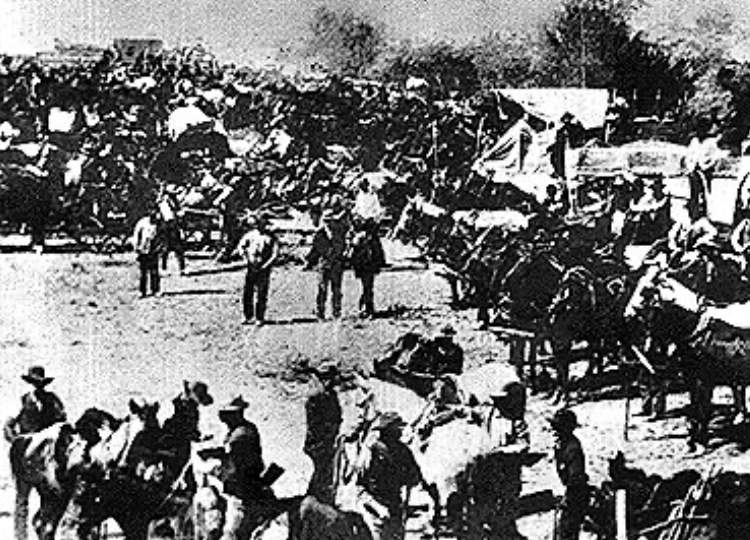
In the vast expanse of the Indian Territory, amidst the rugged terrain and the promise of new beginnings, two souls found each other amidst the chaos of land claims and dreams of prosperity. Vol Wilhelm Groff, a spirited young man with a penchant for adventure, and Joseph McElroy, a quiet and contemplative soul, crossed paths in the unforgiving landscape of Oklahoma in the year 1905.


The Indian Territory was a land of opportunity, where dreams clashed with harsh reality, and where individuals staked their claims in the hopes of carving out a future for themselves. Val and Joseph were among those brave souls, drawn to the promise of a better life on the frontier.

Their meeting was serendipitous, a chance encounter amidst the chaos of land rushes and bustling settlements. Val, with his infectious enthusiasm, captured Joseph’s attention from the moment they first locked eyes. Despite their differences in temperament, they found a deep connection that transcended words.

Val and Joesph
Photo Taken In Okarche Oklahoma

As they worked side by side, staking their claims and building their homesteads from the ground up, their bond grew stronger with each passing day. Amidst the challenges of frontier life, they found solace in each other’s presence, drawing strength from their shared dreams and aspirations.

But theirs was a love that dared not speak its name in the harsh reality of the early 20th century. In a world where societal norms dictated strict conformity, Val and Joseph had to tread carefully, concealing their love from prying eyes.

Yet, despite the obstacles they faced, their love endured, a beacon of hope in a world fraught with uncertainty. Through the trials and tribulations of frontier life, they remained steadfast in their devotion to each other, finding solace in the quiet moments shared beneath the starry Oklahoma sky.

As the years passed and the Indian Territory evolved into the state of Oklahoma, Val and Joseph’s love stood the test of time, a testament to the enduring power of love in the face of adversity. And though their names may have been forgotten by history, their love story lived on, a reminder that true love knows no bounds, not even the vast expanse of the American frontier.

Forty Three Years And Counting

In the picturesque fusion of a town that captures the charm of Mayberry and the boundless frontier of Star Trek, two hearts found a love that defies time and space. Meet Ben and Steve, a couple whose love story is as enchanting as it is enduring—a beacon of hope and resilience that inspires all who witness it.

Ben and Steve

Steve, whose eyes sparkle like the constellations he admires, has always been a dreamer, casting his gaze toward the heavens with wonder and curiosity. On the other hand, Ben embodies justice and bravery, fearlessly chasing down thieves and reclaiming stolen cars. His badge shines brightly as a symbol of his commitment to protecting others.

Their worlds may seem galaxies apart, with Steve whispering messages to the cosmos through his microphone and Ben upholding the law with unwavering dedication. Still, these very differences make their love story so captivating. United by a love transcending boundaries, they lean on each other, their bond unbreakable, and their passion ever-growing.

Their love story began over four decades ago, a chance encounter that set the stage for a lifetime of shared dreams and unwavering commitment. Fourteen years ago, they leaped into matrimony, not just as a legal union but as a testament to their enduring love and resilience. In the face of uncertainty, it was a promise that their love would remain steadfast and accurate, and no matter what challenges lay ahead or rights that might be under threat, they would forever be united.

As the years have passed, their love has only grown stronger. They still greet each day with breakfast together, their laughter and companionship a testament to their enduring friendship and love. When future generations look back, marveling at how they managed to keep the flame of love alive for so long, the answer will be simple: it’s because of Ben and Steve and their unwavering passion and commitment to each other.

So, here’s to the kisses shared and the laughter exchanged, the dreams dreamed, and the challenges overcome. Their happiness is a daily reminder of the power of love, a beautiful reality that reminds us all to believe in the magic of true love. Cheers to Ben and Steve, whose love story inspires and enchants us all, proving that true love is timeless and everlasting.

“Why do you back Joe Biden if you advocate for more young people in office?”

A Reanalysis by Benjamin G. benandsteve.com

This election isn’t about pitting the young against the old. It’s about ensuring that Gen Z and Millennials, who constitute a significant third of our nation’s population, have representation that mirrors their presence.

David Hogg Leaders We Deserve
PBS Interview

Although remembered as older, numerous influential leaders initiated their activism in their youth. We aim to support these leaders—like John Lewis, who embarked on a mission for vital change at a young age and became one of our country’s most pivotal and influential leaders.

Our goal is straightforward: elect more youthful leaders capable of introducing fresh perspectives into our government. 

Numerous barriers have historically prevented young people from entering public service and achieving the representation they deserve. Those who support America for all should make every effort to assist young candidates in overcoming these obstacles.

Visit Leaders We Deserve

After the setbacks of 2016, the 2018 blue wave brought the Democratic Party a renewed recognition of the influence young voters wield. In 2020, Joe Biden’s election, which was largely driven by the substantial turnout from Millennial and Gen Z voters, showcased the power of youthful participation. Your voice matters, and your vote can shape the course of our nation.

Vist The Post On Leaders We Deserve Winning!

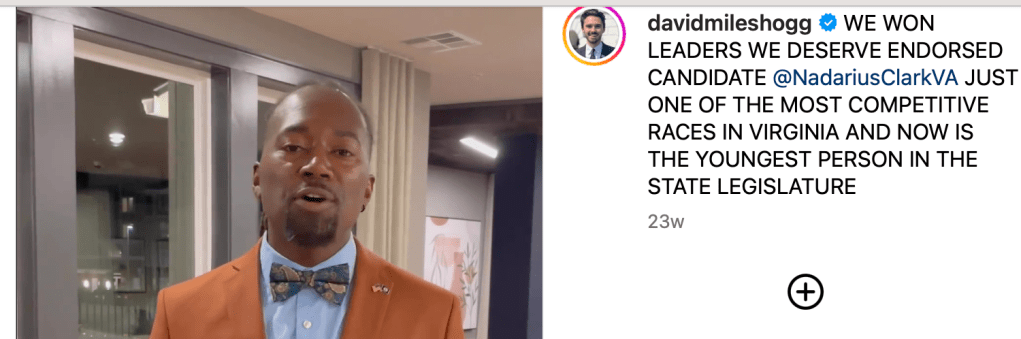
In 2022, young voters reaffirmed their electoral influence, thwarting the anticipated “red wave.” Emerging young leaders like Justin Jones in Tennessee and Maxwell Frost in Florida gained prominence. Groups like “Leaders We Deserve” also celebrated their first endorsement success with Nadarius Clark’s election in Virginia.

Listen To Interview of radio interview

The benefits of electing young leaders extend beyond Gen Z and Millennials; they enrich the nation and shape our future. Commencing political involvement at a young age capitalizes on time, making it a potent political ally. Gen Z’s potential longevity in Capitol Hill eclipses many, underscoring the urgency of their ascent to power. The time to act is now.

If you resonate with a mission and aspire to bolster the election of deserving leaders in 2024 and beyond, please act to support feasible campaigns like “Leaders We Deserve” to support their endeavors or find a campaign that will help elect a Democratic Candidate to office.

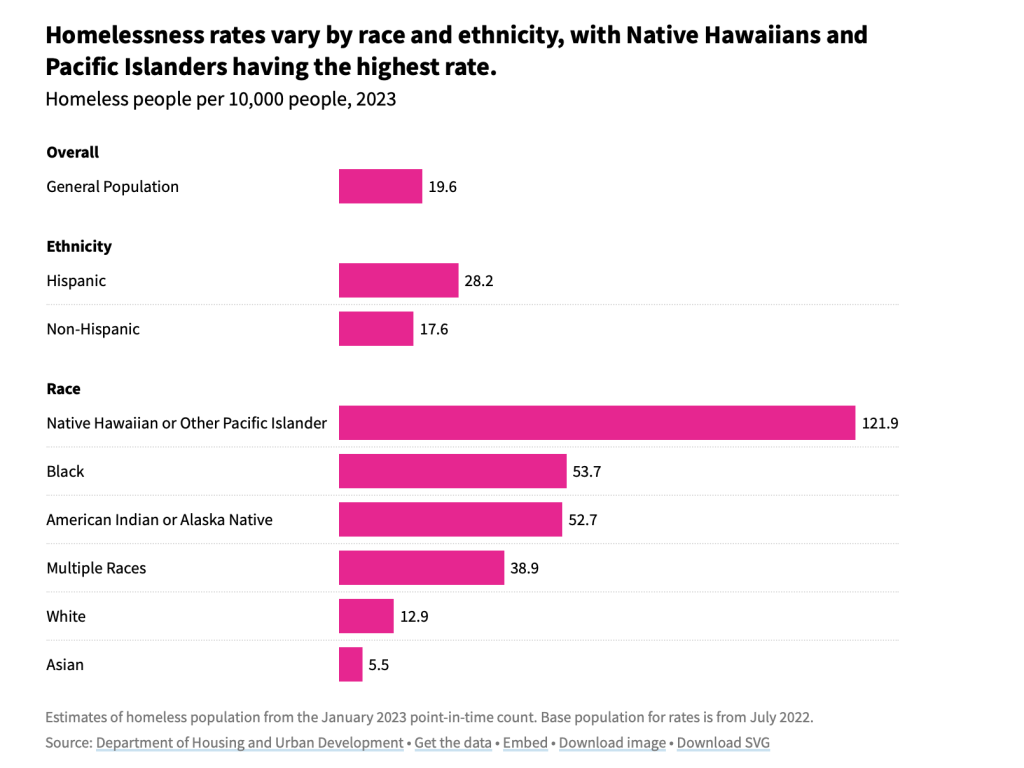
Challenges and Solutions for Homelessness in America

Photo by MART PRODUCTION on Pexels.com
Photo by Timur Weber on Pexels.com

My household has always maintained a relatively liberal understanding of the country’s homeless situation. We disagree with outlawing their right to exist and have a place to live and shelter. They are, after all, doing the best they can with the current housing, employment, transportation, or other issues they face. Let them be!

Photo by Rosemary Ketchum on Pexels.com

That is what our stance has been all along, until we went out to breakfast this past weekend and the police department was herding a group along the main boulevard we take to our restaurant. They appeared to be the characters you don’t want to run into in a dark alley at night—or daytime, for that matter. For Christ’s sake, were they planning to put roots down behind our neighborhood. We have a wall around the place, but salespeople always jump in and try to knock on doors. We have security but are not the type that can handle these characters. Every winter, we have a homeless troupe that typically arrives and camps near a river, but they are the same people every year, and they are like the snowbirds who flow in and out of the area from the north. These new homeless characters were of a family we never experienced before. 

And that is what is scaring so many in America. The police found a suitable place for the troupe to travel on to, and there were no more sights of them after that initial spotting. But that is different for many in the country. These homeless populations inundate their communities, and it is an issue they have never before had to face. What if they are following suit? How many more will come? What problems will they bring with them? Will the property values deflate wherever they plant a stake? Jesus, are they diseased? 

California has spent billions of dollars trying to fix its homeless problem and has failed to find a solution. The issue is greater there now than ever. Affordable housing remains unobtainable to those needing it. California is asking people to build tiny homes in their backyards, garages, wherever there is space, and make them available to house people. The problem is, if folks don’t want them in their alleys, will they want them in their garages?

Locally in Phoenix, Arizona. My husband hired an unhoused person years ago and knew she was, although she had not disclosed so on her introduction form. He worked with her schedule to make sure she kept her employment, and within six months, she was able to get a studio apartment, moving from her car. She then told him. He said he knew all along, and that is why he had worked so hard to keep her going, and she turned out to be one of the best employees. Such an example may not be the case with every person, but it is an example of how we can attribute ourselves to improving the situation one person at a time.

While feeling uneasy about sudden changes in your community is natural, it’s important to remember that homelessness is not a choice for many people. They often face a variety of challenges, including mental health issues, substance abuse, lack of affordable housing, and unemployment, which can contribute to their situation.

As for the broader issue of homelessness, it’s clear that a comprehensive and compassionate approach is needed to address the root causes and provide effective solutions. This approach may include increasing access to affordable housing, expanding mental health and addiction services, and providing job training and employment opportunities for homeless individuals.

The Supreme Court now has the issue, and the Lord only knows what they will come up with. But no doubt Texas will pass a law ordering the execution of all homeless people after 30 days of being homeless. 


Biden’s Time In Office VS. Trump’s.

Question on Quora –

Joe Biden has taken 382 vacation days off to date. That equates to over one full year on vacation out of 3 years as US president. Is he the most ineffective US president in history?

Answered by Benjamin via benandsteve.com 

We take your word it was 382. I need President Biden’s schedule to confirm such details. Since the job is 24/7, 365 days a year, you never have any privacy, nor a day without less than twenty interruptions, even when on vacation. The vacation days alone don’t necessarily reflect a president’s effort. Being president is a demanding job that comes with its own set of challenges and responsibilities. While the president must take breaks and maintain a work-life balance, one should consider the number of vacation days in the broader context of one president over another president’s performance, decision-making, and leadership.

Every presidency has challenges and circumstances, and comparing one president’s vacation days to another does not give a comprehensive view of their effectiveness. When evaluating a presidency’s effectiveness, it’s also essential to consider the accomplishments, policies enacted, and challenges faced.

The information provided may be more accurate or presented better to portray a specific narrative. It’s always a good idea to fact-check information and consider multiple perspectives before forming an opinion.

For a fact, here’s what Biden didn’t do:

  • He never only started his work days around 11 am or 11:3AM, crisis or not.
  • Never made an ass out of himself on a global stage.
  • Never has had disregards to promises made during his campaign.
  • He Never has been impeached.
  • Biden didn’t get impeached a second time.
  • Biden never had to survive a Senate trial that most senators later – admit that they should’ve voted and should’ve been guilty.
  • Biden didn’t get indicted – FOUR TIMES.
  • It wasn’t Biden who tried overturning the People’s Will in the 2020 *Election by inciting an insurrection!
  • No Biden didn’t call the Georgia Secretary of State and attempt to *Strong arm him into creating 12,000 more votes in his favor.
  • Biden didn’t take papers from the national archives and refuse to return them to the United States Government. Going as far as to tell employees to hide the location of the boxes that contained them from authorities. Then, he agreed to return them and never did so. Then, having the stated allegations recorded on the video camera and denying it was real, lying to the FBI (also a crime.)

The list of things President Biden never did could go on, but it would be easier if you tuned into Court TV Monday through Friday.

Those are the differences you can make between Biden and Trump, which is just the start!

QUESTIONING AND REEVALUATING LONG-HELD BELIEFS AND ENCOURAGING DIALOGUE, UNDERSTANDING AND ACCEPTANCE?

The documentary “1946: The Mistranslation That Shifted a Culture” delves into a controversial and thought-provoking topic that challenges conventional beliefs about the Bible and homosexuality. Directed by Sharon “Rocky” Roggio, the film examines the claim that the Bible originally did not mention homosexuality and that references to it were added due to mistranslation and misunderstanding of ancient Greek terms.

The film highlights the work of Christian scholars who delve into forgotten archives at Yale University to uncover the origins of this mistranslation. It argues that conservative Christians began to propagate this mistranslation in the 1970s to scapegoat the LGBTQ+ community and oppose their growing liberation movement.

Roggio, who identifies as a lesbian and is the daughter of an evangelical minister, engages in dialogues with her father throughout the film, attempting to find common ground and challenge his beliefs about homosexuality being a sin. This personal narrative adds depth and emotion to the documentary, as it explores the complexities of faith, identity, and acceptance within a family divided by differing views on sexuality and religion.

The documentary sheds light on the potential harm caused by misunderstandings and misinterpretations of religious texts, highlighting the real-world consequences faced by LGBTQ+ individuals who have been marginalized, discriminated against, and even persecuted due to these beliefs.

Overall, “1946: The Mistranslation That Shifted a Culture” offers a compelling perspective on a contentious issue, urging viewers to question and reevaluate long-held beliefs and encouraging dialogue, understanding, and acceptance.


Photo by Alexander Grey on Pexels.com

Gay, Lesbian, Bisexual and Transgender National Hotline 1-888-843-4564. “The Gay, Lesbian, Bisexual and Transgender National Hotline provide telephone and email peer-counseling, as well as factual information and local resources for cities and towns across the United States.

The Difference Between Scranton Joe And Don The Con. A Whole Lot!

You’ve undoubtedly heard a comprehensive debate about the economic situation during the transition from Trump to Biden.

Photo by Andrew Neel on Pexels.com

Indeed, the economic conditions at the end of Trump’s term were challenging due to the pandemic, and Biden inherited an economy facing significant headwinds. The pandemic’s impact on the economy was unprecedented, affecting employment, consumption, and global demand.

However, public perception and political narratives often prioritize certain aspects of an administration’s performance while downplaying others. People’s opinions become shaped by various factors, including media coverage, partisan affiliation, personal experiences, and messaging from political leaders.

Photo by Jozemara Friorili Lemes on Pexels.com

Trump had shut down the United States of America, a fact that nearly every American forgets today. They need to remember the closed stores, the empty shelves, the closed restaurants, the doctor’s office that had to refuse patients, hospitals that were so full no one could visit, and nursing homes where loved ones had to stand outside and wave to loved ones from the street, and Funeral Homes so full they were using rental refrigerator trucks to store bodies—the toilet paper shortages. That was Trump’s Administration. Biden had to clean it up. He received much blame for what must occur to get the nation back on track. But he got to work, and the country got back to life.

Here are a few points to consider when thinking about why public opinion might differ between Trump and Biden regarding the economy:

  1. Partisan Bias: Political affiliations can heavily influence people’s views on the economy. Republicans may be more inclined to credit Trump for positive economic developments during his term and blame external factors like the pandemic for any downturns. Conversely, Democrats may be more critical of Trump’s handling of the economy and more forgiving of the challenges Biden faced upon taking office.
  2. Messaging and Framing: Political leaders and media outlets shape public opinion. How economic data and policies get reported can influence people’s perceptions of the economy’s performance. Trump was known for touting positive economic indicators during his term, influencing public perception despite the broader challenges.
  3. Another significant factor that shapes public opinion on the economy is personal experience. People’s direct economic situations, such as job loss, financial hardship, or financial gains, can profoundly impact their views. For instance, someone who experienced a job loss or financial hardship during Trump’s term might have a negative view of his economic policies. Conversely, if someone benefited from tax cuts or saw their investments grow, they might have a more positive perception. Complexity of Economic Issues: Economic conditions are influenced by a multitude of factors, including global trends, monetary policy, fiscal policy, and more. It can be challenging for the average person to parse through these complexities and assign credit or blame to a particular administration accurately.
Photo by Anna Tarazevich on Pexels.com

In conclusion, public opinion on the economy is multifaceted, and partisan biases could dominate messaging, personal experiences, and the complexity of economic issues. While the data presented paints a challenging economic picture at the end of Trump’s term, public perception is by broader factors. And it is conveniently forgotten!