The Council struck back swiftly. Patrols doubled. Doors were kicked open in the night. Families disappeared. Loudspeakers blared warnings: “Dissent is death.” The island, once noisy with trade and chatter, fell into a haunted hush.
Harper was taken in for questioning. They asked her about the singers, about the Quiet Ones, about Eli. She said nothing. For hours, they kept her in a windowless cell. When they finally released her, a slip of paper was shoved into her pocket: “The tide rises at midnight. Meet us by the eastern cliffs.”
At the cliffs, Harper found the Quiet Ones gathered. Torches flickered against determined faces.
“The Council has shown us who they are.”
One whispered.
“Now we must show them who we are.”
It was no longer about survival—it was about reclaiming Haven’s Reach.
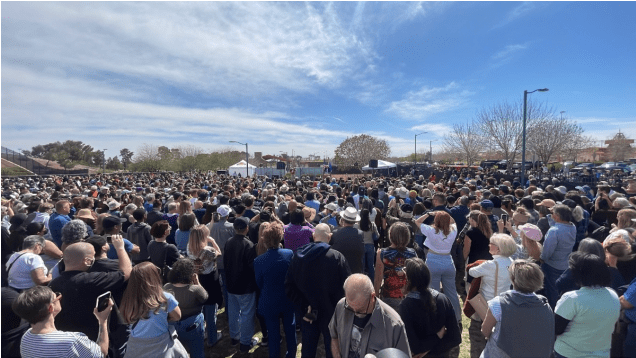
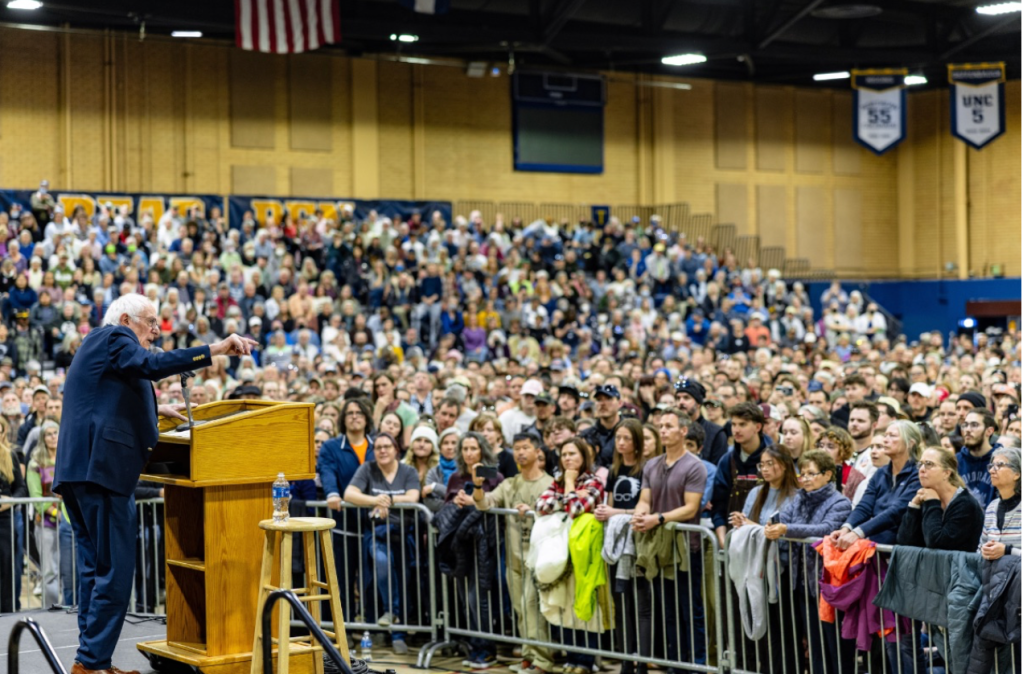
The recent rallies by Senator Bernie Sanders and Representative Alexandria Ocasio-Cortez mark a defining moment in contemporary American politics. Across five rallies in three states, tens of thousands gathered. They made a resounding call for change. This signals widespread dissatisfaction with the current political and economic systems. The overwhelming attendance at these events reveals a deep-rooted movement. It is fueled by a demand for economic fairness. There is also a call for political integrity and grassroots-driven reform.
One of the key takeaways from these rallies is the rejection of Trumpism, oligarchy, and authoritarianism. The presence of thousands in North Las Vegas, Tempe, Greeley, Denver, and Tucson shows collective opposition to massive income inequality. Wealth inequality has left many working-class Americans behind. This movement directly responds to a political system. In this system, billionaires hold disproportionate power. They use their wealth to influence elections and dictate policy. The rallies were not simply campaign events; they were gatherings of individuals. They were determined to reclaim democracy from corporate interests. They also wanted to challenge political elites.
Moreover, the movement echoes historical struggles that have shaped the United States. Sanders draws parallels between this modern fight and past movements that have successfully challenged oppression. These include the abolitionist, labor, civil rights, and women’s rights movements. These historical precedents offer a blueprint for today’s progressive movement. They emphasize that real change arises when ordinary people organize. Real change occurs when they take action against systemic injustice.
A critical part of this movement is grassroots organization. Sanders and Ocasio-Cortez stress the need to mobilize people in all 50 states through consistent engagement. Mobilizing thousands of people means not only attending rallies but also translating that enthusiasm into political action. Encouraging progressives to run for office at all levels is crucial. This includes positions from school boards to state legislatures. It is a core strategy to enact lasting change. Local elections, often overlooked in the national political discourse, hold immense power in shaping policies that affect daily life.
Additionally, the movement extends beyond electoral politics. It calls for strong communities where people support one another despite economic and social challenges. The emphasis on solidarity reflects the understanding that political change is inseparable from fostering a culture of mutual aid. It also involves building collective strength. The movement creates networks of engaged citizens. The goal is to counteract the feelings of loneliness that many experience in today’s economic landscape. It also addresses feelings of helplessness.
This movement does not overstate the urgency. Sanders highlights the significance of this moment not only for current generations but also for future ones. Climate change, economic disparity, and political corruption are existential issues that need immediate action. The message is clear: now is the time for mobilization, not despair. The fight for a fair and just society depends on ordinary people. They must be willing to challenge entrenched power structures. They must demand a system that works for all.
Arizona, Nevada, Colorado,
In conclusion, the rallies held across Nevada, Arizona, and Colorado exemplify the strength of a growing progressive movement in America. The record-breaking turnouts illustrate a profound discontent with the status quo and a wish for systemic change. By organizing, running for office, and building community solidarity, this movement can redefine the future of American democracy. The path ahead is not easy. History has shown that when people unite for justice, they can overcome even the most powerful obstacles.
As the next election looms, it’s vital to pause and consider the potential fallout of inaction. This isn’t about personal feelings towards candidates; it’s about the future course of the United States. A conservative takeover, especially by the far-right factions of the Republican party, presents a grave threat to the core freedoms and values we’ve steadfastly defended for decades. The consequences of inaction could be dire.
If we allow figures like Trump and those who share his extreme ideologies to ascend to power in local, state, and federal offices, we risk a regression of fundamental rights. Women’s rights to make decisions about their bodies, LGBTQ+ rights, voting rights, environmental protections, and access to fair education are all in jeopardy. These rights were hard-fought and could be easily dismissed if we do not act now.
Think about the simple freedoms we take for granted:
the freedom to access accurate information
the freedom to speak up when something is wrong without fear of government retaliation
the freedom to gather with others and protest
In an era where misinformation, conspiracy theories, and autocratic tendencies dominate the discourse, these fundamental liberties hang in the balance.
If you’re reading this, you already grasp the importance of participation. But now, we must move beyond just casting our own votes. We must empower everyone we know—family, friends, colleagues—to vote and, more importantly, vote for candidates who will uphold democracy. Your vote is not just a choice but a powerful tool for shaping the future.
The threat is not about a single issue but about ensuring that the United States remains a nation that upholds all rights, including freedoms, equality, and justice for all.
We have seen glimpses of what a conservative grip on power looks like in recent years—attempts to undermine the electoral process, rollbacks of protections for minority communities, and the emboldening of hate groups. Imagine what that would look like unchecked.
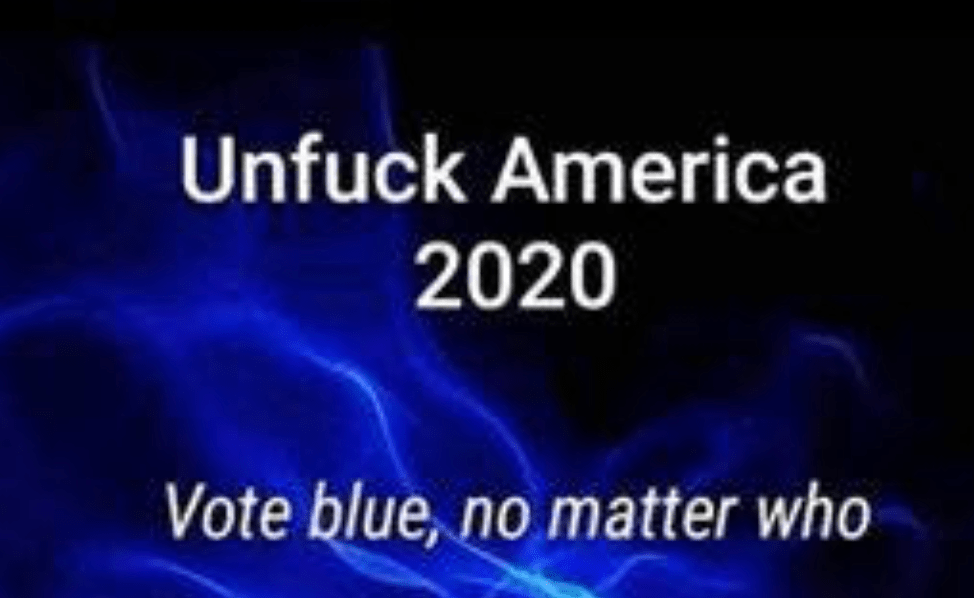
Voting Blue in the next election is not just a partisan decision—it is a vote to preserve the essence of what makes America a place where freedom still means something.
Let us not take that for granted. Let us make sure our voices get heard and our values protected.
In a time of intense political enthusiasm, the nation’s largest city braced for the Democratic National Convention. The convention was monumental, drawing over 200,000 people, including fervent supporters, passionate protestors, and those harboring darker intentions. The city’s population swelled, and the number of people and calls for service pushed authorities’ abilities, as law enforcement officers from seven neighboring states were called to ensure the safety of all in attendance.
The Convention Management needed two massive arenas to accommodate the influx of attendees, all eager to witness the nomination of their party’s candidate. Security was tight, with officers meticulously screening everyone entering the venues. Despite the thorough checks, the atmosphere was tense; no one knew what might happen as the evening unfolded.
As the convention began, volunteers handed out bracelets and necklaces designed to light up in vibrant shades of blue and pink. These accessories, when activated, blinked with a strobe-like effect, adding to the electric atmosphere. However, as the lights flashed rapidly, the joy turned into panic. For some, the blinking lights triggered seizures, turning the arena into a scene of chaos as over five hundred attendees began convulsing.
The sudden medical emergency overwhelmed the official responders. But amid the turmoil, a few quick-thinking attendees with first responder training stepped in, helping to manage the situation. They guided others in assisting the stricken, and together, they stabilized the crisis without needing additional outside help.
Realizing the cause of the seizures, the speaker at the podium urged the crowd to switch their bracelets and necklaces to a steady glow or to turn them off altogether. As the crowd complied, the flashing lights faded, and calm returned to the arena.
But a new and more sinister threat emerged just as the situation seemed to be under control. An embittered and desperate opposing candidate had managed to slip into the venue through a back door. Claiming he had a scheduled meeting with his Democratic opponent, he bypassed security and found his way to a room intended for the candidate.
Unbeknownst to him, the candidate wasn’t there that evening. Instead, a former First Lady entered the room, unaware of the intruder’s presence. As she closed the door behind her, the man, believing he was facing his political rival, prepared to attack. But before he could strike, the former First Lady, trained in Krav Maga, swiftly neutralized him. In a matter of seconds, the would-be attacker was subdued, left crying, and defeated on the floor.
He didn’t know the incident was captured on a security camera, complete with audio. The footage revealed his violent intentions, his use of racist slurs, and his plan to kill who he thought was his opponent. The video also showed the failure of both his and her security teams to prevent the breach, highlighting the danger she faced.
Despite the overwhelming evidence, the authorities neither arrested nor questioned the intruder. Instead, the former First Lady, a Black woman, was detained and interrogated as if she were the aggressor. It wasn’t until the security footage was reviewed that the truth was undeniable: she had acted in self-defense against a deliberate attack.
A week later, authorities showed the video to the public. The opposing campaign scrambled to make excuses, suggesting that the former First Lady should have chosen a different dressing room and their candidate had every right to be where he was. But the damage was done. The public, especially the supporters of the former First Lady and her candidate, were galvanized. They were more determined than ever to prevent such evil from reaching the Oval Office.
Ultimately, what began as a night of political celebration became a defining moment in the campaign. One woman’s bravery, coupled with the quick thinking of ordinary citizens, may have saved her life and the nation’s future.
The tides of change swept through every street, home, and heart in the nation’s heart. It was an era marked by uncertainty and tension as a rising conservative movement began to reshape the very fabric of society. The once-balanced scales of politics now tipped heavily in favor of those who believed in tradition, order, and a return to what they called “the good old days.”
~ Emma Caldwell, a liberal activist and journalist, sat in her small apartment, the glow of her laptop illuminating her worried face. She had spent years fighting for progress—campaigning for equal rights, environmental protection, and social justice. But now, every headline seemed to bring another blow to the causes she held dear, intensifying the urgency of her mission.
~
The latest news was the most disturbing yet: a proposed amendment to the constitution that would severely restrict freedom of speech and assembly, effectively silencing dissent and opposition. Emma’s fingers flew across the keyboard as she typed out an article, her words mixing passion and desperation. She knew that getting the truth out was more important than ever.
Across town, in a grand office overlooking the city, Senator Marcus Reid, a leading figure in the conservative movement, reviewed the day’s agenda. He believed sincerely in his cause, convinced the country had lost its way in a maze of liberal policies and needed to return to its core values. To him, the changes were necessary, even if they were painful.
As the days passed, protests erupted across the nation. Streets filled with a sea of faces—young and old, united by a shared fear of losing their rights. Emma was among them, her camera capturing the raw emotions of the crowd. She interviewed people from all walks of life: the single mother worried about her children’s future, the college student anxious about the loss of academic freedom, the elderly couple who had fought for civil rights decades ago and now saw history repeating itself.
Despite the growing unrest, the conservative agenda pushed forward relentlessly. The lawmakers passed laws at a dizzying pace, each chipping away at the freedoms many had taken for granted. These laws included [specific laws], which directly affected [specific groups of people]. The country seemed to be spiraling into a new era of authoritarianism, and the hope that once burned brightly in the hearts of liberals began to dim.
Emma found herself at a crossroads. Her work was censored, and her voice was stifled by the very government she had once trusted to protect her freedoms. But she refused to give up. Gathering a small group of like-minded individuals, she formed an underground network dedicated to preserving and disseminating information. Their determination was a silent but powerful force, inspiring others with their unwavering resolve.
Senator Reid, now one of the most powerful men in the country, began to sense the growing resistance. He dismissed it at first, confident that his vision was the right path. However, as the underground movement gained momentum, Senator Reid realized that silencing dissent was more complex than passing laws. The human spirit, he discovered, was not so quickly subdued. One evening, Emma received a message from an anonymous source—a high-ranking government official who had grown disillusioned with the conservative regime. The source provided her with classified documents detailing the administration’s plans to tighten their grip on power further.
These documents revealed [specific details], a dangerous revelation, but Emma knew it was the spark needed to ignite a more significant movement.
She leaked the documents to the public with the help of her network. The revelations shook the country, and the streets again filled with protesters. This time, their numbers were more significant, and their resolve was more robust, demonstrating the potential impact of collective action. The conservative government, facing unprecedented pressure, began to falter.
Senator Reid watched as the country he had tried to reshape slipped from his grasp. He had underestimated the people’s power and ability to unite and fight for their rights. As the conservative movement began to crumble, a new era of political awakening dawned.
Emma stood on the capitol’s steps, her camera in hand, capturing the momentous events unfolding before her. She knew the battle was far from over, but she felt a glimmer of hope for the first time in a long while. The changing times had tested the nation’s spirit, but in the end, its people’s resilience and determination prevailed.
My household has always maintained a relatively liberal understanding of the country’s homeless situation. We disagree with outlawing their right to exist and have a place to live and shelter. They are, after all, doing the best they can with the current housing, employment, transportation, or other issues they face. Let them be!
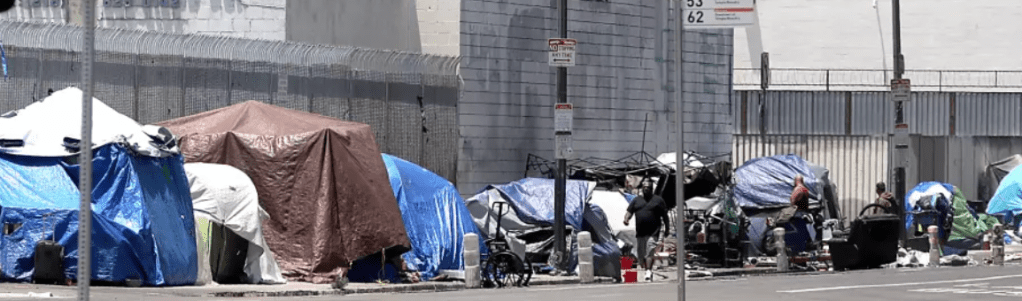
That is what our stance has been all along, until we went out to breakfast this past weekend and the police department was herding a group along the main boulevard we take to our restaurant. They appeared to be the characters you don’t want to run into in a dark alley at night—or daytime, for that matter. For Christ’s sake, were they planning to put roots down behind our neighborhood. We have a wall around the place, but salespeople always jump in and try to knock on doors. We have security but are not the type that can handle these characters. Every winter, we have a homeless troupe that typically arrives and camps near a river, but they are the same people every year, and they are like the snowbirds who flow in and out of the area from the north. These new homeless characters were of a family we never experienced before.
And that is what is scaring so many in America. The police found a suitable place for the troupe to travel on to, and there were no more sights of them after that initial spotting. But that is different for many in the country. These homeless populations inundate their communities, and it is an issue they have never before had to face. What if they are following suit? How many more will come? What problems will they bring with them? Will the property values deflate wherever they plant a stake? Jesus, are they diseased?
California has spent billions of dollars trying to fix its homeless problem and has failed to find a solution. The issue is greater there now than ever. Affordable housing remains unobtainable to those needing it. California is asking people to build tiny homes in their backyards, garages, wherever there is space, and make them available to house people. The problem is, if folks don’t want them in their alleys, will they want them in their garages?
Locally in Phoenix, Arizona. My husband hired an unhoused person years ago and knew she was, although she had not disclosed so on her introduction form. He worked with her schedule to make sure she kept her employment, and within six months, she was able to get a studio apartment, moving from her car. She then told him. He said he knew all along, and that is why he had worked so hard to keep her going, and she turned out to be one of the best employees. Such an example may not be the case with every person, but it is an example of how we can attribute ourselves to improving the situation one person at a time.
While feeling uneasy about sudden changes in your community is natural, it’s important to remember that homelessness is not a choice for many people. They often face a variety of challenges, including mental health issues, substance abuse, lack of affordable housing, and unemployment, which can contribute to their situation.
As for the broader issue of homelessness, it’s clear that a comprehensive and compassionate approach is needed to address the root causes and provide effective solutions. This approach may include increasing access to affordable housing, expanding mental health and addiction services, and providing job training and employment opportunities for homeless individuals.
The Supreme Court now has the issue, and the Lord only knows what they will come up with. But no doubt Texas will pass a law ordering the execution of all homeless people after 30 days of being homeless.
The documentary “1946: The Mistranslation That Shifted a Culture” delves into a controversial and thought-provoking topic that challenges conventional beliefs about the Bible and homosexuality. Directed by Sharon “Rocky” Roggio, the film examines the claim that the Bible originally did not mention homosexuality and that references to it were added due to mistranslation and misunderstanding of ancient Greek terms.
The film highlights the work of Christian scholars who delve into forgotten archives at Yale University to uncover the origins of this mistranslation. It argues that conservative Christians began to propagate this mistranslation in the 1970s to scapegoat the LGBTQ+ community and oppose their growing liberation movement.
Roggio, who identifies as a lesbian and is the daughter of an evangelical minister, engages in dialogues with her father throughout the film, attempting to find common ground and challenge his beliefs about homosexuality being a sin. This personal narrative adds depth and emotion to the documentary, as it explores the complexities of faith, identity, and acceptance within a family divided by differing views on sexuality and religion.
The documentary sheds light on the potential harm caused by misunderstandings and misinterpretations of religious texts, highlighting the real-world consequences faced by LGBTQ+ individuals who have been marginalized, discriminated against, and even persecuted due to these beliefs.
Overall, “1946: The Mistranslation That Shifted a Culture” offers a compelling perspective on a contentious issue, urging viewers to question and reevaluate long-held beliefs and encouraging dialogue, understanding, and acceptance.
Gay, Lesbian, Bisexual and Transgender National Hotline 1-888-843-4564. “The Gay, Lesbian, Bisexual and Transgender National Hotline provide telephone and email peer-counseling, as well as factual information and local resources for cities and towns across the United States.
Indeed, the economic conditions at the end of Trump’s term were challenging due to the pandemic, and Biden inherited an economy facing significant headwinds. The pandemic’s impact on the economy was unprecedented, affecting employment, consumption, and global demand.
However, public perception and political narratives often prioritize certain aspects of an administration’s performance while downplaying others. People’s opinions become shaped by various factors, including media coverage, partisan affiliation, personal experiences, and messaging from political leaders.
Trump had shut down the United States of America, a fact that nearly every American forgets today. They need to remember the closed stores, the empty shelves, the closed restaurants, the doctor’s office that had to refuse patients, hospitals that were so full no one could visit, and nursing homes where loved ones had to stand outside and wave to loved ones from the street, and Funeral Homes so full they were using rental refrigerator trucks to store bodies—the toilet paper shortages. That was Trump’s Administration. Biden had to clean it up. He received much blame for what must occur to get the nation back on track. But he got to work, and the country got back to life.
Here are a few points to consider when thinking about why public opinion might differ between Trump and Biden regarding the economy:
Partisan Bias: Political affiliations can heavily influence people’s views on the economy. Republicans may be more inclined to credit Trump for positive economic developments during his term and blame external factors like the pandemic for any downturns. Conversely, Democrats may be more critical of Trump’s handling of the economy and more forgiving of the challenges Biden faced upon taking office.
Messaging and Framing: Political leaders and media outlets shape public opinion. How economic data and policies get reported can influence people’s perceptions of the economy’s performance. Trump was known for touting positive economic indicators during his term, influencing public perception despite the broader challenges.
Another significant factor that shapes public opinion on the economy is personal experience. People’s direct economic situations, such as job loss, financial hardship, or financial gains, can profoundly impact their views. For instance, someone who experienced a job loss or financial hardship during Trump’s term might have a negative view of his economic policies. Conversely, if someone benefited from tax cuts or saw their investments grow, they might have a more positive perception. Complexity of Economic Issues: Economic conditions are influenced by a multitude of factors, including global trends, monetary policy, fiscal policy, and more. It can be challenging for the average person to parse through these complexities and assign credit or blame to a particular administration accurately.
In conclusion, public opinion on the economy is multifaceted, and partisan biases could dominate messaging, personal experiences, and the complexity of economic issues. While the data presented paints a challenging economic picture at the end of Trump’s term, public perception is by broader factors. And it is conveniently forgotten!
When A Law Maker Takes Amen Corner To The People’s House
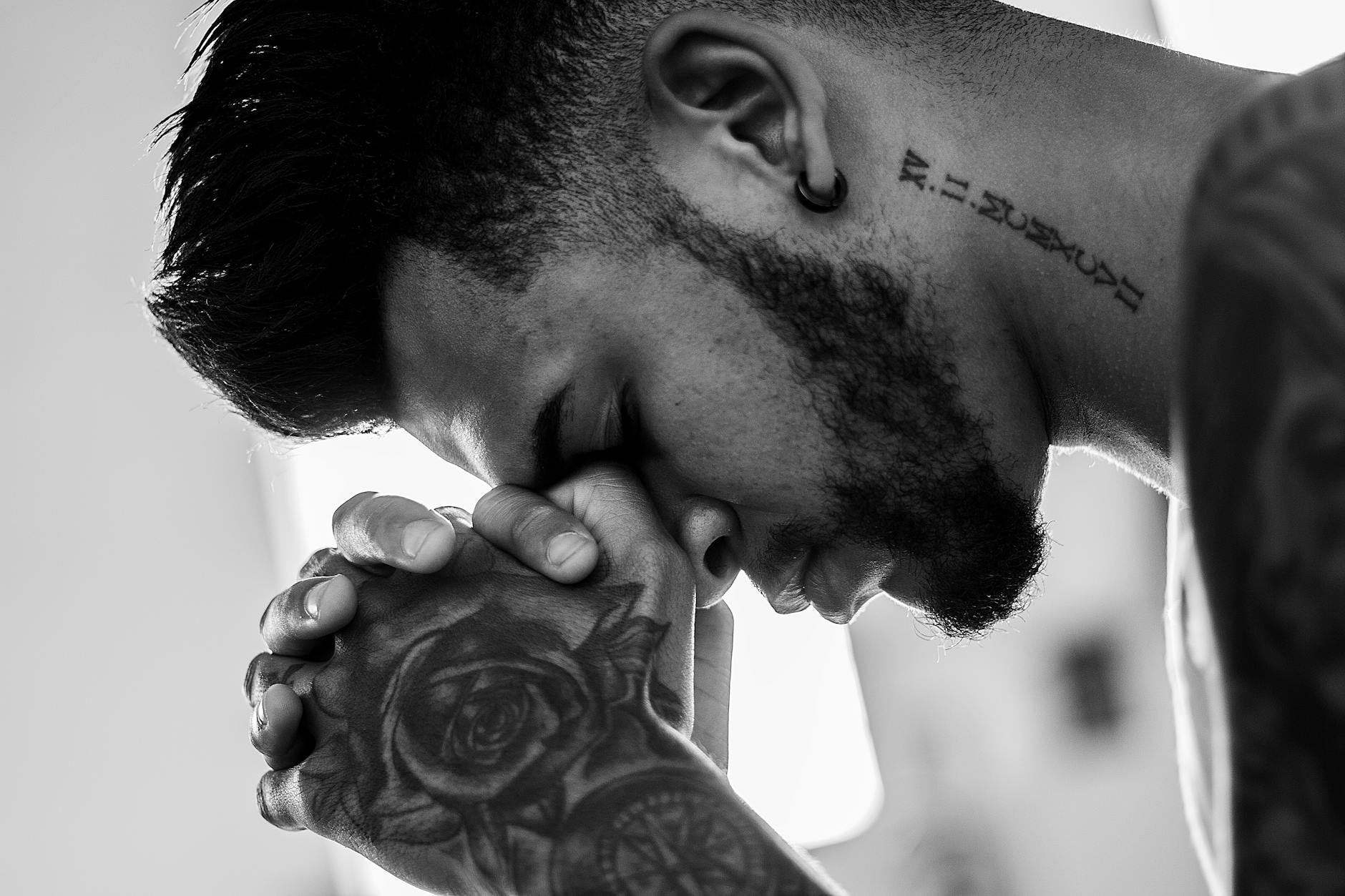
In a scene straight out of a dystopian movie about America’s collapse into christofascism, here’s a video of Arizona State Senator Anthony Kern and his group of anti-abortion zealots on their hand and knees in the the AZ State House Chamber of the state capital, engaging in tongues-praying for the reinstatement of a near-total abortion ban from 1864.
Image is not that of any person appearing in report.
Kern — a former code enforcement officer who was fired for lying and “string of other disciplinary problems” — can be seen on the carpet with his gang of extremists circled around the Arizona state seal in the carpet, babbling fervently for divine intervention to resurrect a Civil War-era law.
As Public affairs strategist Tony Cani points out, the real kicker is that they didn’t even need to pray; the groundwork for this moment had been meticulously laid out years prior.
That sounds like a striking and controversial scene, blending elements of politics, religion, and history. The image you’ve painted paints a vivid picture of the tensions surrounding issues like abortion and the intersection of religion and politics in American society.
It’s always concerning when political figures engage in such public displays of religious fervor to push a specific agenda, especially when it involves legislation that could significantly impact people’s lives. The blending of state and religious symbols in a governmental chamber can raise questions about the separation of church and state, a foundational principle in the United States.
The fact that Senator Anthony Kern has a history of disciplinary problems adds another layer of complexity to the situation. It raises questions about his credibility and the motivations behind such a public and symbolic act.
Tony Cani’s observation about the groundwork being laid out years prior underscores the idea that these moments are often carefully orchestrated for maximum impact. It highlights the strategic nature of political theater and the lengths to which some will go to advance their agenda.
It’s essential for citizens to remain informed and critically evaluate these actions, ensuring that decisions made by elected officials are in the best interest of all constituents and uphold the principles of democracy and justice.
One could bring up a valid point about the intersection of religion and politics, especially when politicians use religious displays as a means to appear more righteous or to gain public support for their agenda. The scripture from Matthew 6:5-8 that is mentioned highlights the importance of sincerity and humility in religious practice, cautioning against performative acts of piety.
When politicians engage in public displays of religious fervor, it can raise questions about their sincerity and motivations. Are they genuinely acting out of religious conviction, or are they using religion as a tool to advance their political goals? The line between genuine faith and political opportunism can become blurred, leading to skepticism and mistrust among the public.
It’s essential for voters and citizens to be discerning and critical of such displays, ensuring that they hold their elected officials accountable for their actions and motivations. Blind acceptance of religious or political rhetoric without critical evaluation can lead to the exploitation of faith for political gain.
Ultimately, the misuse of religion for political purposes can undermine the true essence of faith, which should be centered on love, compassion, and genuine connection with the divine, rather than on power, control, or political advantage.
I recently sat down and tackled a project I had avoided for years. It involved a collection of hundreds of photos of my family. Photos, as far as I can tell, ever since the invention of the camera. Family members I knew, knew of, or who had died before I was born, all there staring back at me. I recollected many of the stories told to me by my grandparents, dad, and mother. So, with these stories, I want to begin sharing some photos with my regular mix of information. There are several already posted at benandsteve.com on the home page. You will also find updates on other pages on the site. ✌️🏼
Billy Idol was doing a cover of “Mony Mony“…a song written and performed originally by Tommy James and the Shondells in 1968. The meaning of MonyMony is simply…Mutual of New York Insurance Company. M-O-N-Y.
Tommy James explained in an interview: “Originally, we did the track without a song. And the idea was to create a party rock record; in 1968 that was pretty much of a throwback to the early ’60s. Nobody was making party rock records really in 1968, those big-drum-California-sun-what-I-sing-money-type songs. And so I wanted to do a party rock record.
And we went in the studio, and we pasted this thing together out of drums here, and a guitar riff here. It was called sound surgery, and we finally put it together in probably a month. We had most of the words to the song, but we still had no title. And it’s just driving us nuts, because we’re looking for like a ‘Sloopy’ or some crazy name – it had to be a two-syllable girl’s name that was memorable and silly and kind of stupid sounding. So we knew what kind of a word we had, it’s just that everything we came up with sounded so bad. So Ritchie Cordell, my songwriting partner and I, are up in my apartment up at 888 Eighth Avenue in New York. And finally we get disgusted, we throw our guitars down, we go out on the terrace, we light up a cigarette, and we look up into the sky. And the first thing our eyes fall on is the Mutual of New York Insurance Company. M-O-N-Y. True story. With a dollar sign in the middle of the O, and it gave you the time and the temperature.
I had looked at this thing for years, and it was sitting there looking me right in the face. We saw this at the same time, and we both just started laughing. We said, ‘That’s perfect! What could be more perfect than that?’ Mony, M-O-N-Y, Mutual of New York. And so we must have laughed for about ten minutes, and that became the title of the song.”
The Story Of My Grandparents May Hold Guiding Strengths For Us Today
(gifted clock)
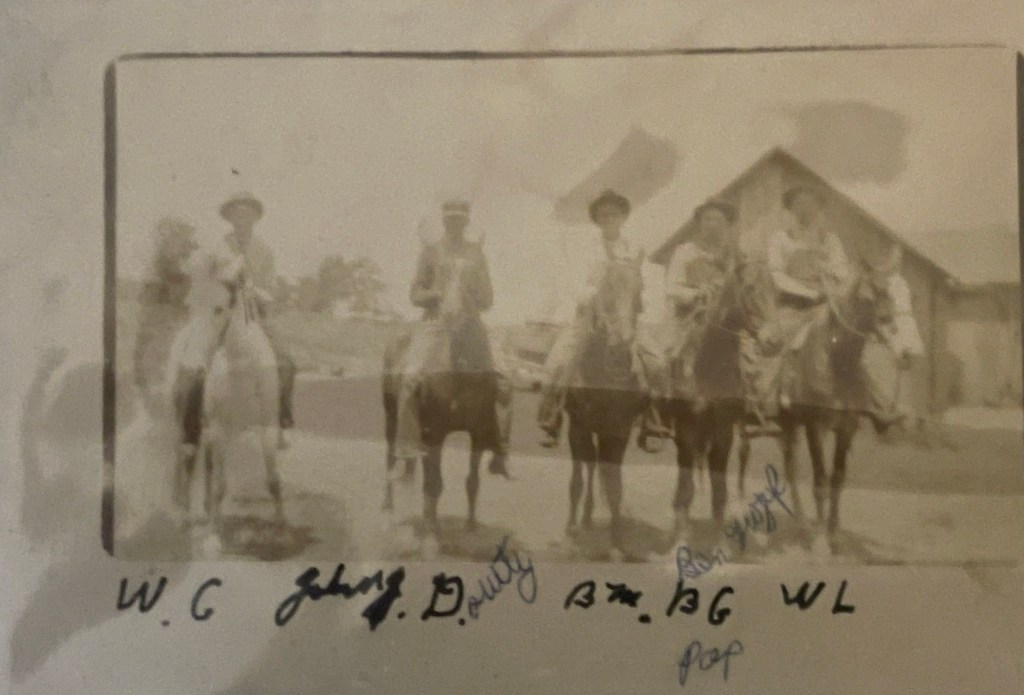
The story of my grandparents’ union goes back to August 10th, 1910. They wed on the Caddo and Washita County Line near where SH-152 is today, West of Cobb Creek. On that day, my grandfather, Benjamin Harrison Groff I., known as “Pop,” and my grandmother, Florence Lula McElroy, known as “Mom,” received a clock from Pop’s brother-in-law and sister, John and Laura Alice Groff Dowty. A piece of further history, Pop’s father was born in Switzerland, and Mom’s Father came into the world in Louisianna before its statehood.
It was in 1908 that Florence traveled with some of her siblings to the area to visit her brother Jim, who had married into the McLemore family. While visiting, she met Benjamin and fell in love; in those days, Ben was to ask her father for a hand in marriage before asking the bride. But Florence’s father was in that 3-state area of Texas, Oklahoma, and Arkansas and unable to travel due to his age. Economically, the to-be groom could not travel to the area. So, the agreement was that the bride’s oldest brother, John, would come to Eakly and consider Benjamin’s request for her hand in marriage. And John rode a horse from far southeast Oklahoma to Eakly, Oklahoma, for the request. The answer must have been yes because they wed.
Mom’s family lived in Southwest Arkansas, Southeast Oklahoma, and parts of Northeast Texas. They were within rock-throwing distance, and they never knew which state they were in. Her father was a Baptist preacher who led a fire and brimstone ministry and led by strict rule. He had fought in the Civil War, but on which side I never knew. The only answer I ever got was, “he fought on the right side.” There were twelve kids in the McElroy family. Some of them were dead by old age when I was born in 1963.
Groff BARN
The Groff family migrated from Illinois, where Pop’s father was a farmer. He was known for having a huge barn in the community. It is one of the only to have been built by his sons and stands without a single piece of iron or nail. The Groff Barn built by Ulrich Groff and his sons remained put together using carpentry skills Ulrich Groff’s father taught him from the old land as late as 2000.
Above a rowdy bunch together the Groff Brothers who built the all wood barn in Illinois, in the 1800s.
OTIS GROFF
in 1905 two sons, Otis and Benjamin, took advantage of the opening of land in Oklahoma and claimed property west of Cobb Creek, north of SH-152 and Highway 58. It was then known as 41 Highway and Alfalfa Road. The brothers built two homes; Benjamin’s was on the property where, over sixty-five years later, the baseball player from Eakly, Michael Moore, and his family would live. It is the same home where the couple, Mom and Pop, would later raise three children and adopt another unofficially, taking in others in need. The father of the boys, Ulrich, came to Oklahoma, but word was he was afraid of being attacked by Indians, so he went back to Illinois.
(Mom & Pop Wedding Day)
On the day of their wedding, sitting in a buggy along a dirt road west of Cobb Creek, a photographer was on hand to record an image of the couple, and then John Dowty handed them a new clock he had bought from a hardware store in Eakly. To keep their love from running out of time. The clock remained in their home, ticking every day since.
The couple had three children: Bennie Ulridge, Dortha Eliouse, and JD.
JD GROFF 14YOA. 1936
My dad, JD, is named after John Dowty. But the Mom and Pop wished to honor a man known as either Big John Dowty or Uncle John Dowty by using just the two initials, without an abbreviation. It sometimes appeared as a curse for my dad because he would go through life telling people who placed periods with J and D that they had incorrectly spelled his name. I have heard him say, “It’s two letters, and you mess it up!”
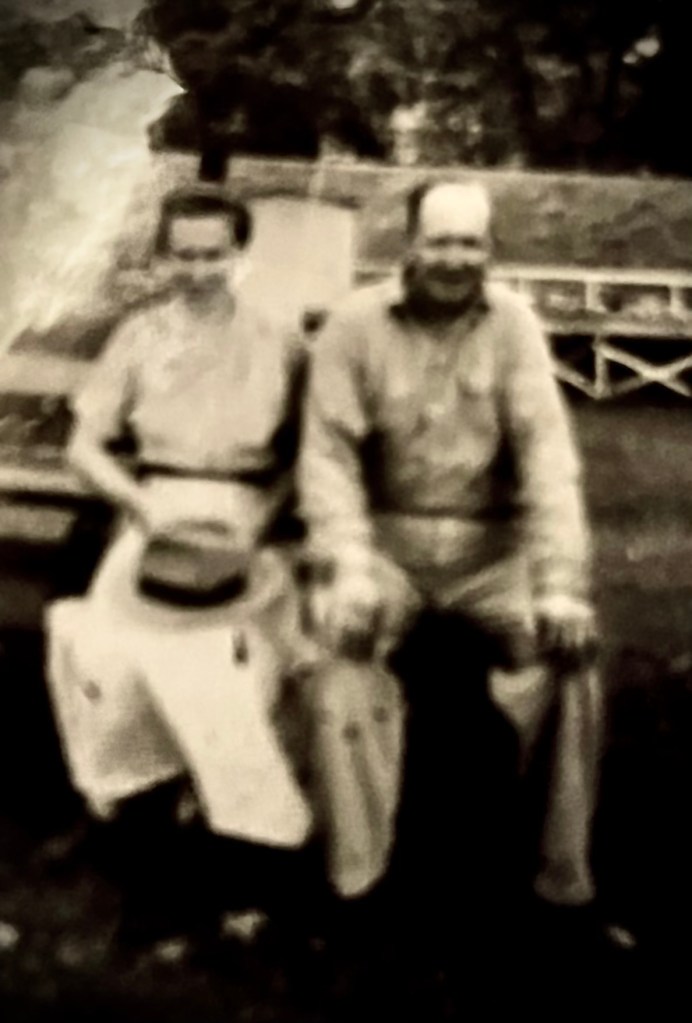
Ben H. ‘Pop’ Groff I
The Clock: Even after retiring from their farm and moving to town, they took the clock, which remained essential to their lives. It remained running, being cleaned at a clock repair once, only when Mom and Pop watched over the repair man like hawks. When they passed, it came to my parent’s home, where it sat on the fireplace mantel and went silent. When the day came for our family to sell our homeplace, I retrieved the clock and brought it to Arizona. My first task was to clean it. It keeps time great. It is picky and must be balanced, and its ticker has to be ‘set’ at just the right spot, or it will stop. It is picky about the key turning the spring up tight. The springs are old. So it is like an old violin and has to be handled with kid gloves. The wood is brittle and old, and the design is very ornate. It may not be to the liking of every modern setting. But, it is over one hundred years old and dear. And it holds many hours of memories of sitting at my grandparents, hearing its tick-tock, listening to their stories, worries, and hopes for the day.
Mom & Pop Groff
The older people were our glue. They would hold yearly family reunions after the harvest had ended. Celebrate every holiday grandly and make weekends and summers the most incredible escapes. Plus, they oozed with class and style. The character and morals they possessed are qualities sorely missed and that are needed today as we try to soar in this world of divided opinions.
When Good Guys And Gals Still Finished First. They Were Made To.
JD Groff & his Horse My Molly’s Reed
My dad was known for doing such things unselfishly. He had a reputation throughout Western Oklahoma as a trustworthy horseman and businessman. I found this article while going through clippings. I discovered that it had been stored in an attic at my parent’s home after my mother sold it to move in with relatives due to her age. I was born in 1963 and have never heard this story. I had listened to my grandmother speak of a story in national newspapers about my dad helping a man, but I thought it had something to do with his being in World War II. He never spoke much of the past and only looked to the future. Something that I became used to and have often found myself doing until I found boxes of memories that took me into the lives of my parents and grandparents and a life that I am proud of bragging about.
(The following piece was first presented on Quora when a question was poised by a Trump supporter.)
I’m a little perplexed by your attitude here – why does it need to be so adversarial?
Let’s be straight here, though: Democrats don’t want to stop you voting for whoever you please. That’s the nature of a democracy: everybody gets a voice, and you can use that voice as you see fit. If you want to vote for Donald Trump, go right ahead – just know that you’re telling us quite a bit about yourself when you make that choice, and it’s not a positive one.
This is the part, I suspect, that some Republicans don’t understand. Democrats largely wouldn’t want to stop you from voting, although we can’t say the same for Republicans, because they do want to stop people voting, judging by all the state-level attempts at voter suppression. What we want is for you to stop making such god-awful decisions when you do vote. We want you to pick someone that raises your aspirations and wants something better for you, rather than the lowest common denominator.
We get it: you want to “own the libs”, and you want someone that will aggressively go after those people who don’t agree with you. I can understand that: you guys don’t like your lifestyle or beliefs being challenged, and when you feel that way, you probably feel under threat, and the response some will take in that situation is to lash out. You’re letting people like Donald Trump do that on your behalf.
Problem is, when you make decisions like that, you’re only thinking about yourself or your local bubble, rather than what’s best for everyone. The United States isn’t a religious, social or political monoculture: it’s an inclusive society that has a diverse range of beliefs, opinions and choices. Any effective government exists not to promote just the well-being of a single group (e.g. white ‘conservative’ Christians), but rather to promote what’s best for everybody.
Your choices aren’t something I’d consider laudable: I won’t stop you making them, because you have to let people make mistakes in order to learn from them. But you’re out of your mind if you don’t think I won’t advocate better choices, or at least encourage you to see your mistakes for what they are.
So, by all means, vote for Donald Trump if you must, but recognise that I’ll disagree with your choice, and encourage you to make better ones. When I look at who to vote for, I’ll always aim for the person who has higher aspirations for the country, for who has a clear desire to break past partisan bickering and legislative logjam, and aim to do what’s best for everyone, including you. You and I both know that Donald Trump is mostly out there to do what’s best for himself, and that you’re okay with that provided he hurts those you don’t agree with.
Just remember that these things have a way of backfiring. You put an aggressive, adversarial and ignorant President into office, particularly one known for cheating, philandering and lying his ass off, and it’s only a matter of time before he turns against you, particularly if he doesn’t feel the need for you anymore.
I think you can do better. Actually, I think you must do better. That’s what being a “true American” is all about, after all: striving towards something that was better than what came before it. It’s rather worrying that too many Americans have forgotten that.
BENANDSTEVEDOTCOM THE INSTAGRAM.COM PAGE
INFORMATION AND MORE THAT MAY BE USEFUL IN DAILY LIFE.




















 benandsteve.com