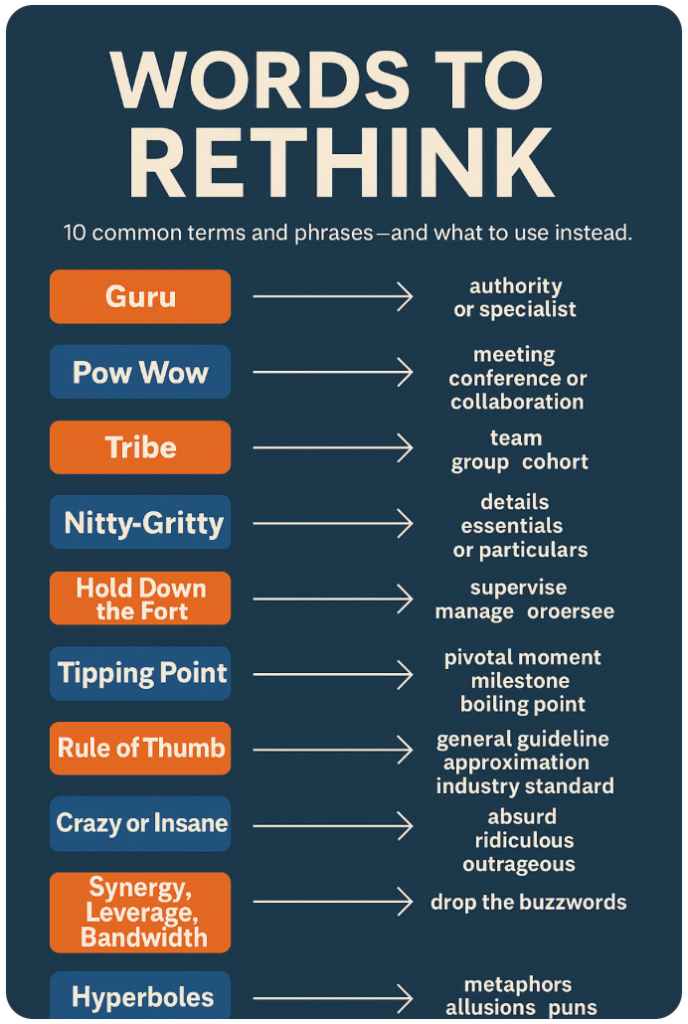
Alice Kessler & Ellen Kessler — Twin Lives, Shared Stardom, and a Final Choice Together

By Benjamin GroffMedia© | benandsteve.com | ©2025 

3–4 minutes

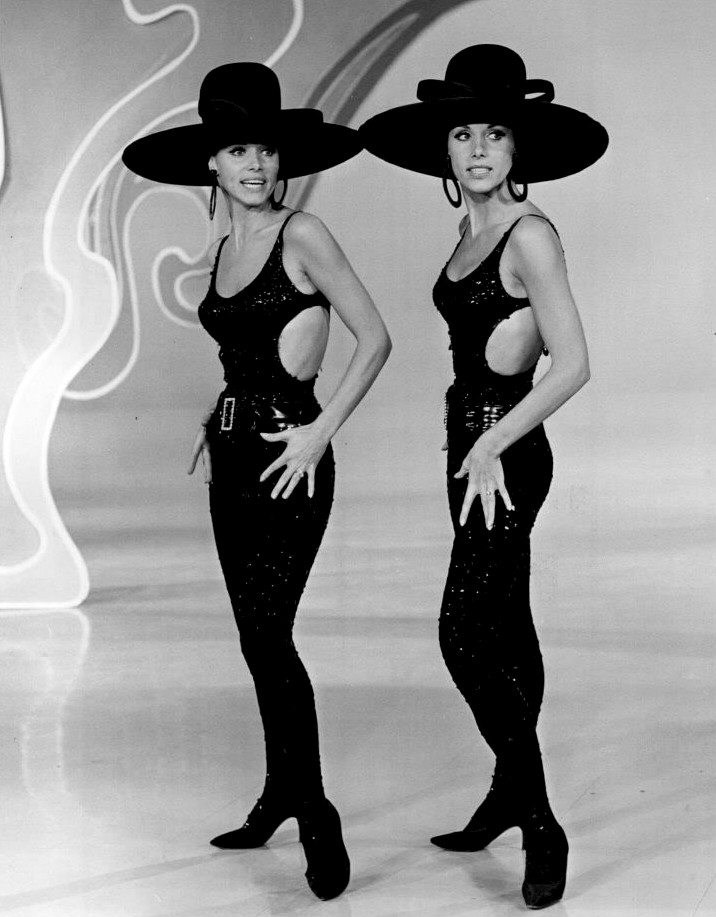
Alice and Ellen Kessler were born on August 20, 1936, in Nerchau, Saxony, Germany. From early childhood, they trained in ballet and performance, eventually emerging as a dazzling twin act in post-war Europe. They became known internationally for their synchronized dancing, singing, and television appearances. They found particular fame in Italy, where they were dubbed “Le gemelle Kessler”.  

They appeared in films like Love and the Frenchwoman and Dead Woman from Beverly Hills . Their careers expanded beyond dance into acting. 

Shared Career, Shared Life 

For decades, they performed as a unit—twins inseparable both on and off stage. Their image of elegance, glamour, and synchronized precision made them icons of entertainment in the 1950s and 1960s. Their bond remained strong even as they stepped away from the spotlight, ultimately returning to Germany and settling near Munich.

Their Final Days & Decision

On November 17, 2025, both Alice and Ellen passed away in Grünwald, Bavaria, Germany, at the age of 89.  Their cause of death is reported as assisted suicide. They made this decision together. It reflects how they had lived life: side by side. 

The sisters had long ago expressed the wish to be cremated together. They wanted their ashes placed in a single urn, according to reports. They had indicated they no longer wished to continue their current life. They chose to end their lives together. 

Why They Made That Choice

While the intimate details of their decision stay personal, the public record suggests the following contributing factors:

  • Age and quality of life: At 89, they faced the realities of aging. Having lived their whole careers, they wished to face death by choice rather than decline.
  • Deep bond: Their identity had been formed around always being together—professionally and personally. The decision to depart together echoes the unity they maintained for nearly nine decades.
  • Autonomy in the final act: In Germany, since 2019, medical aid in dying has been legal under certain conditions. This involves an individual administering prescribed medication themselves. They chose the timing, setting, and manner—affirming their autonomy to the end.

Legacy and Reflection

Alice and Ellen stay symbols of an era of variety-show glamour. They epitomize cross-European entertainment. Their twin synergy is unmatched by few acts. But beyond their performance, their final act raises profound questions about dignity. It also questions companionship and the nature of choice at the end of life.

Their journey is a full-circle narrative for fans, historians, and those intrigued by human stories. They start as childhood ballet students. They become international stars. Finally, they become co-authors of their own end. It shows how life can be lived. It also demonstrates how life can be shared and completed on one’s own terms.

Closing Thoughts Remembering The Kessler Sisters

How many partnerships in life are built to last so long, and so deeply? 

The Kessler twins remind us of devotion not only to craft, but to each other. In their final act, they teach us something tender and unsettling. They reveal the power of choice, the weight of togetherness, and the mystery of closure.

Latest on the Kessler Twins’ passing

NEWS BULLETIN. TUESDAY NOVEMBER 19, 2025

The Kessler Twins have left this world together.

Alice Kessler and Ellen Kessler—German twin sisters who performed as a variety entertainment duo—died by joint assisted suicide at their home in Gruenwald, Germany, on Nov. 17, according to the German Society for Humane Dying (DGHS).

“They had been considering this option for some time,” the association, which advocates for the right to a self-determined death, said in a statement to NBC News. “They had been members of the organization for over a year.”

Explaining that those “who choose this option in Germany must be absolutely clear-headed, meaning free and responsible,” the organization noted that the sisters engaged in thorough discussions with a lawyer and a doctor before setting on this path.

“The decision must be thoughtful and consistent,” the DGHS added, “meaning made over a long period of time and not impulsive.”

Assisted dying is legal in Germany, with the country’s constitutional court ruling in 2020 that an individual has the right to end their life and seek help from a third party under certain circumstances.

MEMORIAL: VIDEO – NOT A DRY EYE IN THE HOUSE


Groff Media ©2025 benandsteve.com Truth Endures

Marketing to Change Minds

1–2 minutes

By Benjamin GroffMedia© | benandsteve.com | ©2025 


Marketing to change people’s views isn’t a new concept—it’s one of the oldest tools of persuasion known to humankind. It begins quietly, almost imperceptibly, with the notion that a particular group or sect isn’t “right” for the community. That whisper grows into a chorus, spreading suspicion from one group to the next. Before long, it becomes an orchestrated campaign designed to win favor with the majority.

Sometimes the purpose is simple—boosting sales or swaying public opinion. Other times it’s darker. It aims to destroy a movement or to silence dissent. It can also trample a people beneath the weight of manipulated perception.

The pattern always begins the same way. A subtle warning disguised as concern. A headline. A slogan. A talking point. Then, as the message gains traction, it becomes sharper, more divisive. The targets shift—left or right, religious or secular, it makes no difference. The goal is control.

In the coming months and years, we will see more of this calculated persuasion. This is marketing that doesn’t sell products but ideas. It spreads fear and hate. It will portray immigrants as criminals, minorities as threats, and neighbors as enemies. The tactic is old, but the technology behind it is new—and more potent than ever.

This isn’t confined to one nation. It crosses oceans and borders, infecting democracies and dictatorships alike. It’s a sickness of the mind and spirit, a global contagion that thrives on division.

To resist it, those who are often isolated in their struggles must unite. Civil rights advocates, faith groups, workers, and artists need to see they are part of the same story. Each citizen must realize their cause is connected. Survival now depends on solidarity. Only by coming together can we create a message stronger than the one designed to tear us apart.


By Benjamin GroffMedia© | benandsteve.com | ©2025 

97-Year-Old Country Doctor Delivers 14 Miracle Babies in Small Town Meadowview

A Golden Story Repost From 2024

5–8 minutes

A Story By: Benjamin Groff© Groff Media 2024© Truth Endures


The town coroner was also the same man who delivered most of the people’s babies in town. He was nearly 97 years old and still doing business. His name was Dr. Doodley. Dr. Doodley began working as a doctor when he graduated from Medical School at age thirty in 1957. He made his home in Meadowview. He had a significant other. He was a gentleman Dr. Doodley had met in college. Together, they raised Dr Doodley’s two nephews. They were the sons of Dr. Doodley’s brother, who got killed in an auto accident along with his wife. The community never questioned the couple’s union. They never questioned the children raised by the two men. Everyone welcomed the couple as they joined in events.

Dr. Doodley was the only doctor in the county. He was on call twenty-four hours a day. He would be available seven days a week. With such a schedule, it was common for the family only to see the older family member on the go. He was known for delivering nearly every child in the county for over 70 years. In as much, he declared dead nearly everyone who passed away in the county. This spanned the past 71 years. He had brought into the world and seen many of the same people leave it. He was known to many as an indirect member of their family for his declarations.

On a foggy Tuesday morning, Dr. Doodley received a call for his services. It was from a lady twelve miles from town. At the home, there was also a man. His wife was gravely ill too. It wasn’t until Dr. Doodley arrived that he discovered two other expecting mothers were present. There was also an older man who appeared about to die.

Dr. Doodley was 97 years old and thought to himself, ––

“I hope I am up to this chore. If all these people require my services, I will have my hands complete.”

A young lady at the home received Dr. Doodley, took his hat, and directed him to the kitchen. She had prepared several pans of hot water, clean towels, and sticks there. Dr. Doodley always required those three things to be available. He liked to have hot water for cleaning. Towels for drying and sticks for placing in people’s mouths to bite down on and grit through pain.

The doctor was known to use the sticks himself on occasion to avoid using curse words when he was stressed.

Mildred was a big lady. She was also Dr. Doodley’s first patient and was expecting twins. Her water had broken, and she was about to deliver. The conditions at the home were not ideal for privacy; there was only one room, and everyone was in it.

Mildred yelled ––

It is happening. They’re coming!

Dr. Doodley crunched his 97-year-old body down while Mildred sisters held her hands, trying to do breathing exercises.

Dr Doodley said to Mildred ––

Honey, you have to push, push like there is no tomorrow.

Mildred yelled ––

I’m trying. They’re fighting.

Dr. Doodley trying to soothe Mildred replied ––

They’re not fighting. They’re just taking their time.

Dr. Doodley smiled and, with a cough, shouted.

Looky here, they are here. Mildred! You did it! You got three! Boy, Girl, Boy!

Mildred, exhausted and sweating, shocked stewed back

What’s that, doc? Did you say Three? I was expecting two. Where is the third one from?

Dr. Doodley smiled and laughed,

Mildred, the third one is from you. You had a little hider in you—what a surprise!

The doctor went to announce the new arrivals to the rest of the family. Upon hearing that Mildred had triplets, two of the older family members dropped dead.

The triplets were the first ever born into the family since the 1800s. It was a blessing of riches for the family to get them. An old Irish family tale had always suggested such. The doctor tried to revive the two family members, but their aged bodies were nonrevivable. So he put on his Coroner hat, declared them dead, and called for the funeral home.

Dr. Doodley turned to the family. He told them their two older family members, Elmer and Magnolia, had passed away. He offered his condolences. As he explained the situation, Mildred’s sister, Ethel, entered labor.

Ethel was bigger than Mildred and only slightly smaller than Minnie, her twin sister, who was also expecting. Neither sister knew what they were expecting. They wanted to keep it a surprise for their families. It was also a surprise for the doctor.

Dr. Doodley barely had time to catch his breath before Ethel’s cries filled the room. With a weary but determined look, he wiped his brow and prepared for the next round. He had seen many things in his 97 years. Yet, he had a feeling that today would be one for the books.

Ethel’s contractions came fast and fierce. Dr. Doodley quickly realized that this delivery would be anything but ordinary. He moved swiftly, calling for more towels and hot water, his voice steady despite the chaos around him.

Ethel, gripping her sister Mildred’s hand, screamed out as the first baby appeared.

“Push, Ethel, just a little more,”

Dr. Doodley encouraged. To his astonishment, another head was crowned instantly after the first.

“Twins!”

He announced, but as he cradled the two newborns, he felt another tiny foot.

“Wait—triplets!”

The room buzzed with excitement and disbelief. But Ethel’s labor still needed to be done. With one final push, a fourth baby emerged, making history in the small town of Meadowview.

“Quadruplets!”

Dr. Doodley gasped, his voice cracking with the thrill of the moment. The room erupted in cheers, even as Minnie, the third sister, began to feel the unmistakable pangs of labor herself.

Dr. Doodley was now running on pure adrenaline. He had delivered quadruplets in his nearly seven decades of practice, but never had he faced such a succession. As Minnie’s labor intensified, he steeled himself for what was to come.

Minnie, the largest of the three sisters, began laboring with a determination that matched her size. The room grew quiet, anticipation thick in the air. The first baby arrived, the second, then the third, and when a fourth followed, the room collectively held its breath.

But Minnie wasn’t done. To the astonishment of all, a fifth baby emerged, followed by a sixth. Dr. Doodley, his hands trembling, delivered each child with care, his heart pounding with the sheer impossibility of it all.

“Six babies!”

He declared, his voice a mix of awe and exhaustion. Minnie lay back, breathless but smiling, as the room buzzed with the excitement of the extraordinary event.

Then in the back of the room a cousin named Sissy screamed ––

Doc I think I need you!

As the doctor walked back to her, he could see she had given partial birth to a child, and he said ––

Oh dear, lets get this corrected, and cleaned up. Lay back and hold your aunts hand while we help you!

And that is when the last baby of the night entered the world.

By the end of that foggy Tuesday, Meadowview had welcomed fourteen new babies. It made history in the sleepy little town.

Dr. Doodley, despite his age, had once again proven why he was the most revered doctor in the county. As he looked at the fourteen newborns swaddled and cooing, he couldn’t help but smile. It was a significant day in the history of Meadowview. An elderly man, nearly a century-old, delivered a miracle. No one would ever forget this event.


By Benjamin GroffMedia© | benandsteve.com | ©2025 

No Virginia, “Immigrants Can’t Get Foodstamps, Welfare Or Free Healthcare”

© Benjamin H. Groff II — Truth Endures / benandsteve.com

4–7 minutes

With the 2026 U.S. election season soon underway, you’ll hear a significant amount of disinformation. One major strand targets immigrants in a wholly prejudicial way. It treats them as one homogenous group of “illegal” residents. It claims they all take “welfare benefits,” “food stamps,” or “public assistance programs.” These terms are used as triggers to motivate a particular set of voters. This is a tactic well understood by the most bigoted of candidates.

In reality, U.S. federal law places strict limits on non-citizens’ access to most benefit programs. Among the relevant statutes is the Personal Responsibility and Work Opportunity Reconciliation Act (PRWORA) of 1996. This act sets the baseline framework that governs immigrant eligibility for federal means-tested benefits. (1)


Key Facts

Undocumented immigrants — those who entered without inspection or overstayed visas — are generally ineligible for most federal public benefits. According to the National Conference of State Legislatures (NCSL), people without authorization in the United States can’t access federal public benefits. People who lack authorization in the United States are unable to access federal public benefits. People without authorization in the United States cannot access federal public benefits. Exceptions exist for certain emergency assistance, disaster relief, and non-cash community-level services. (2)

These benefits include major programs. Examples are the Supplemental Nutrition Assistance Program (SNAP, or “food stamps”). Another example is the Temporary Assistance for Needy Families (TANF) cash-assistance program. They also include non-emergency Medicaid. (3)


Lawfully present immigrants, including lawful permanent residents (green-card holders), face further restrictions. Most must wait five years after achieving “qualified immigrant” status before becoming eligible for many federally funded means-tested benefit programs. (4)

Criminal convictions may further affect eligibility. Individuals convicted of a drug–related felony after August 22, 1996 may be barred from receiving SNAP benefits. This is the case in many states. (5)

State-level variation: Federal law sets the baseline. However, individual states may use state funds to extend certain benefits. These benefits are for immigrants who are otherwise ineligible under federal rules. (6)

Quick Facts:
📌 Law: Personal Responsibility and Work Opportunity Reconciliation Act (PRWORA) of 1996
📌 Undocumented Immigrants: Ineligible for SNAP, TANF, and non-emergency Medicaid
📌 Legal Immigrants: Usually face a 5-year waiting period
📌 State Variations: Some states fund limited local programs
📌 Citizen Children: Eligible for benefits if they meet program rules
📌 Exceptions: Refugees, asylees, trafficking victims are exempt from waiting periods

Benefits for U.S. citizen children: A key exception ensures that children born in the U.S. can receive federal benefits, such as SNAP and Medicaid. This is true regardless of their parents’ immigration status, provided they meet all other eligibility requirements. The parents’ immigration status does not disqualify the U.S. citizen child. (7)

Specific exempt categories: Some immigrants are exempt from certain waiting periods or restrictions. These include refugees, asylees, victims of human trafficking, and certain others. (8)


In Summary

The U.S. benefit system places tight limitations on which non-citizens can receive publicly funded assistance. Eligibility depends heavily on:

  • the individual’s immigration status (unauthorized vs. qualified)
  • how long they’ve been residing legally
  • the particular rules of the specific assistance program.

In short: undocumented immigrants have virtually no access to standard federal welfare programs. They also lack access to food-assistance programs, especially if they have a criminal record. Many legal permanent residents must wait years. There are state-funded alternatives and exceptions. However, the broad public claim that “immigrants all use welfare/food stamps” is factually false. This claim serves as a misleading narrative.


Why this matters

When you hear a politician or political advertisement claim that immigrants are draining public benefits, you’re hearing a distorted narrative. It’s a message crafted to provoke emotional responses. It appeals to anxieties. It does not truthfully engage with the specifics of immigration law and benefit eligibility.

Bookmark this post for future reference—especially in the coming campaign months, when such claims will be ramped up. Having the facts on hand helps you call out hyperbole. It separates rhetoric from reality. This keeps the public conversation grounded in truth.

Constitutional Rights of Immigrants

Despite differences in citizenship status, the U.S. Constitution guarantees core rights to all persons within its jurisdiction — including immigrants, regardless of legal status. The Fifth and Fourteenth Amendments protect every “person” (not merely “citizens”) from deprivation of life, liberty, or property. Due process of law is required. They also protect from denial of equal protection under the law. The First Amendment also ensures freedom of speech, religion, and peaceful assembly for all. These guarantees extend to everyone on U.S. soil, whether they are citizens, lawful residents, or undocumented immigrants.

The Supreme Court has repeatedly affirmed these principles — most notably in Plyler v. Doe (1982). It held that undocumented children are entitled to the same public education rights as others. This is echoed in Zadvydas v. Davis (2001), which found that indefinite detention of immigrants violated constitutional due process. While immigration status can affect eligibility for government benefits, it does not erase the fundamental rights guaranteed by the Constitution.


References

  • U.S. Constitution, Fifth Amendment – Protects all persons from deprivation of life, liberty, or property without due process of law.
  • U.S. Constitution, Fourteenth Amendment, Section 1 – Ensures equal protection and due process for “any person” within the United States.
  • U.S. Constitution, First Amendment – Guarantees freedom of religion, speech, press, and peaceful assembly to all persons.
  • Plyler v. Doe, 457 U.S. 202 (1982) – Supreme Court ruled that denying public education to undocumented children violates the Equal Protection Clause.
  • Zadvydas v. Davis, 533 U.S. 678 (2001) – Affirmed that immigrants, even undocumented, are protected by the Due Process Clause against indefinite detention.
  • Yick Wo v. Hopkins, 118 U.S. 356 (1886) – Early Supreme Court case establishing that equal protection applies to non-citizens as well as citizens.

🗳️ Call to Action: Truth Over Talk

In the months ahead, political noise will grow louder, and facts will often take a back seat to fear. Before sharing or believing any claim about immigrants, take a moment to fact-check it. Look for verifiable data. Check reputable sources and legal references. Misinformation thrives when good people stay silent.

Share true information. Challenge falsehoods when you see them.
By doing so, you defend the truth. You also uphold the American promise of fairness and equality under the law.


By Benjamin GroffMedia© | benandsteve.com | ©2025 

Guardians of Memory: Writing Our Truth Before It’s Rewritten

© Benjamin H. Groff II — Truth Endures / benandsteve.com

1–2 minutes

Tell It Like It Is

There comes a time in every nation’s history when silence becomes more dangerous than speaking. We are living in such a time now. Books are being banned, lessons erased, and truths rewritten to serve new agendas. What once stood as collective memory is being scrubbed clean, leaving behind a shell of what was. But history, real history, lives in the people who lived it — and that means you.

If the history of your people, your town, your family, or your country is under attack, write it down. Don’t wait for permission. Don’t assume someone else will record it for you. Every letter and every diary is a piece of the truth. Every recollection of how life was is also a piece of the truth. This includes the food you ate and the songs that played on your street. This truth is something that no one can erase.

Print it. Bind it. Keep it in a box, a drawer, or a chest. Place it anywhere it can be found by those who come after you. Share copies among your family members. Hide one in a place that time itself will forget. Digital memories are fleeting; servers fail, passwords vanish, and what is “deleted” online is often gone forever. But paper endures.

We have the power, still, to protect the soul of a free people — not through politics, but through preservation. Keep the banned books. Read them. Understand why they were silenced. They are often the keys to liberty’s locked door. The stories, poems, and records we save are not only for nostalgia’s sake. They defend against those who claim freedom was always fragile. They made it seem that way to future generations.

When freedom falters, truth is what leads us back.
Write your book. Tell your story.
Save it as if your grandchildren’s liberty depends on it — because one day, it just will.


By Benjamin GroffMedia© | benandsteve.com | ©2025 

Former Zamalek Midfielder Dies in Car Accident at 51

Groff Media ©2025 benandsteve.com Truth Endures

2–3 minutes

🕊️ Mohamed Sabry (1974–2025)

Mohamed Sabry, Former Zamalek Midfielder, Dies at 51

Mohamed Sabry Former Zamelek Midfielder, Dead at Age 51.

The Egyptian football community is deeply saddened to mourn the loss of Mohamed Sabry. He was the former Zamalek and Egypt national team midfielder. He died in a car accident in Cairo’s Fifth Settlement on Thursday. He was 51. Sabry’s untimely passing marks the end of a remarkable life. He dedicated his life to the sport he loved. He helped define it for a generation of fans.

Sabry was a central figure in Zamalek’s golden era throughout the 1990s and early 2000s. This was a decade of triumphs. It cemented the club’s legacy in African football. Between 1993 and 2003, he lifted 15 major titles. These included three CAF Champions League trophies and two Egyptian Premier League championships. Known for his fierce determination, vision, and leadership on the pitch, Sabry was instrumental. He led Zamalek through some of its most celebrated victories. He earned admiration from teammates, opponents, and supporters alike.

Mohamed Sabry

After news of his passing, tributes poured in from across Egypt and beyond. Zamalek icon Mahmoud Abdel-Razek “Shikabala” described Sabry as “a legend of Egyptian football.” He also called him “a symbol of loyalty and devotion to his club and supporters.” His words reflected the views of many who admired Sabry for his exceptional talent. They saw him as a model of dedication and humility. Fans, former teammates, and rival clubs alike joined in remembering a man whose passion for football transcended the game’s rivalries.

Condolences also came from key figures within Egyptian football. Hossam Hassan, the national team coach, offered his sympathy to Sabry’s family. Al Ahly president Mahmoud El Khatib also conveyed his condolences to the wider football community. Tributes continue to flow. Mohamed Sabry will be remembered as one of Zamalek’s most influential midfielders. His achievements, sportsmanship, and loyalty to his club left an indelible mark on Egyptian football history.


Groff Media ©2025 benandsteve.com Truth Endures

Mohamed Sabry (1974–2025): Remembering a Zamalek Legend

“Buying Warner Bros: The GoFundMe Heard ’Round the World”

2–3 minutes

by Benjamin Groff II – this is a fictional story. It was created by the space in my head. In this space, various ideas loom when I read news articles. This makes them more enjoyable.


A GOFUNDME to buy Warner Brothers?

It started as a joke. It was one of those offhand remarks tossed out online. You’ve had just enough coffee and cable-news frustration to believe you do better than a billion-dollar studio.

“Why don’t we just buy Warner Bros.?” I said. “We’ll start a GoFundMe.”

Within minutes, the idea took on a life of its own. A few shares, a few memes, and by nightfall, the campaign had raised $437.17 — most of it from people who thought they were donating to rescue Bugs Bunny.

Of course, the real Warner Bros. — now a corporate hydra known as Warner Bros. Discovery — is valued somewhere north of $20 billion, give or take a Batman sequel. That means we’d need approximately 500 million people donating $40 each to make an offer. A few folks online said that it was doable “if we all skipped Starbucks for a month.”

I’m not saying I was confident, but I did start designing logos: “People’s Pictures Presents…” and “A Groff–Swint Production.” I figured we’d restore Saturday morning cartoons. We would bring back The Bugs Bunny/Road Runner Show. We should stop rebooting the same superhero franchise every six months.

Within days, the comments on the GoFundMe page turned into a movement. Someone pledged $10 and demanded we greenlight Smokey and the Bandit 2: The Electric Pontiac. Another offered $25 “if y’all promise to fire whoever keeps canceling good shows after one season.”

The campaign hit $3,000. Then I got my first call from a lawyer. Apparently, corporate takeovers by crowdfunding are “not standard procedure.” I told him, “Neither is releasing Space Jam 2, but that didn’t stop you.”

Before long, our story went viral. CNN called it “the most optimistic hostile takeover in entertainment history.” One late-night host joked that Americans had finally united. They did not unite to choose a president. Instead, they united to save Looney Tunes.

We never got close to $20 billion. We didn’t even reach the amount needed for one Warner Bros. parking pass. But something magical happened. Fans from around the world flooded the comments. They shared memories of Saturday morning cereal and cartoons that made them laugh before school. For a moment, it wasn’t about money. It was about taking back a piece of joy that corporations can’t own.

So no, we didn’t buy Warner Bros. But in a way, we did something better. We reminded the world who really owns the stories. They are owned by the people who remember them.

As for me, I left the GoFundMe page up. In case Elon or Oprah feels nostalgic.

Still I have a question. If Fans Owned Hollywood — What Would Change First?


By Benjamin GroffMedia© | benandsteve.com | ©2025 

🎬 The Emperor of the North (1973)

By Benjamin GroffMedia© | benandsteve.com | ©2025 

2–3 minutes

Original title: Emperor of the North Pole

Running time: 1h :58m Rating: PG Genre: Period Drama / Thriller

Director: Robert Aldrich Writers: Christopher Knopf, inspired by the works of Jack London

A Ride Through the Great Depression — and Through Human Grit

The film is set in 1933. The Emperor of the North takes place against the backdrop of the Great Depression. During this time, the rails served as a lifeline for the desperate. They also became a battlefield for survival. Ernest Borgnine plays Shack. He is a brutal railroad conductor. Shack rules his train—the Number 19—with an iron fist and a hammer to match. His sworn enemy is the legendary hobo A No. 1, portrayed by Lee Marvin. A No. 1 rides the rails with the confidence of a man. He is cunning and refuses to be beaten by either poverty or authority.

The story becomes a symbolic duel between two men: the enforcer of order and the champion of freedom. Their rivalry becomes a metaphor for a country divided. Some cling to what little control they have. Others have lost everything but their pride.

A Director Who Keeps the Train on Track

Director Robert Aldrich (The Dirty DozenWhatever Happened to Baby Jane?) gives the film a muscular rhythm—every whistle blast and rattling wheel pulse with tension. When you think the film will slow, Aldrich revs it up with a fight. He adds a chase or introduces a moment of quiet resolve. His pacing keeps Emperor of the North from ever running off the rails. It balances moments of raw brutality with haunting glimpses of camaraderie among the downtrodden.

A Cast as Strong as Steel

Lee Marvin and Ernest Borgnine headline a powerhouse ensemble. The cast also includes a young Keith Carradine as Cigarette. He plays the eager, inexperienced hobo who idolizes A No. 1 but still has much to learn about survival and respect. The supporting cast, featuring Malcolm Atterbury, Simon Oakland, Sid Haig, Matt Clark, Elisha Cook Jr., and others, adds authenticity to the Depression-era world. Each actor feels carved from the same rough wood as the era itself—grimy, determined, and vividly alive.

A Story About Class, Pride, and the Price of Survival

Though marketed as an adventure, the movie is a study in pride and power. Shack’s tyranny is born out of fear and obsession; A No. 1’s rebellion comes from principle. The screenplay is inspired by Jack London’s tales of survival and the human spirit. It weaves geography and movement into a dance. This dance stretches across boxcars, over bridges, and into the soul of a broken nation.

“Only one man rides the rails — the other rules them.”

By the film’s climax, we’re left asking who truly wins. Is it the man who guards the system, or the man who defies it? Both emerge scarred by the journey. That’s the real message of Emperor of the North. Survival during desperate times demands both strength and sacrifice.

Verdict: ★★★★☆

A rugged, violent, and beautifully shot Depression-era thriller. Borgnine and Marvin deliver performances as fierce as the clanging of the rails themselves. It’s a story about pride and power. It also explores the peril of trying to be “Emperor” when the world has nothing left to give.


By Benjamin GroffMedia© | benandsteve.com | ©2025 

🩸 The Making of a Nightmare

When Progress Buried the Past Beneath Big Canyon Lake

By Benjamin Groff II | The Story Teller – benandsteve.com.

3–5 minutes

As The Story Goes –––

No one had seriously thought it would be real. They all thought what they were doing would be forgotten in only a few weeks. But what followed would go on, and on, and on. And not even those with the worst of intentions have predicted the outcome.

It was the summer of 1941, and spring had brought heavy rains to the Big Canyon, flooding the valley below. The farmers had not yet seen the completion of the WPA projects. These projects began in the late 1930s across most of the country. With those projects came new schools, highways, bridges, and community centers. The last of the projects here was the shoring up of valleys. This involved building dams to control runoff waters from creeks, rivers, and streams. When the heavy rains came, the floods were tamed through a spillway cut deep into the earth.

Now that summer was upon them, workers from the CCC and WPA joined forces. They were building what would be known as the Big Canyon Watershed Project. They used mules and draft horses. With these animals, they pulled wedges and plows. The team cleared the valley floor that would soon disappear beneath the rising water. Every blow of an axe and every groan of timber was heard in the thick air. These sounds seemed to signify progress—or so they thought.

The men bunked in rough-hewn cabins and ate in a mess hall that smelled of kerosene and sweat. They joked about ghosts that will one day swim through the drowned cottonwoods or the abandoned family homesteads. But there was one homestead no one wanted to talk about—the Miller place.


The Miller Mystery

The Millers had lived at the base of the canyon for as long as anyone remember. Their house sat crooked beside a spring-fed creek that never dried, even in the harshest drought. Locals said the spring was sacred to the Washita people long before white settlers arrived. When the government bought out the land for the dam, every family took the offered payment—except the Millers.

Old Henry Miller refused to leave. “This land don’t belong to the government,” he told the surveyors. “It don’t even belong to me. It belongs to the water, and she’ll take it back when she’s good and ready.”

They said he vanished one night in late October, just before the final clearing began. The official report listed him as relocated. But the men who worked the next week swore. They heard hammering at night. They saw a lantern flickering deep in the canyon where the Miller house had stood.

When the first rains came that winter, the spillway gates were opened. The lake began to rise. Within days, the Miller place—and whatever was left of it—was gone.


The Haunting of Big Canyon Lake

By the next summer, Big Canyon Lake became a local attraction. Families came from nearby towns to picnic along the shore and marvel at the engineering wonder. Fishermen swore the lake was bottomless. Divers who dared to explore near the old creek bed spoke of hearing faint knocking under the water. It sounded as if someone were still hammering boards together.

A maintenance crew was at the spillway in 1947. They were inspecting it by draining part of the spillway. During the inspection, they found something jammed in one of the lower gates. It was a section of cabin timber—weathered, darkened, with three hand-carved letters burned into it: H. M.

The lake was drained once more in the drought of 1954. When it receded far enough, the foundation of the old Miller place appeared, blackened but intact. And at its center, where the spring once bubbled up, was a hole—dark, deep, and breathing.

No one went near it. The Army Corps sealed the area, and within weeks, the water rose again.


The Nightmare Endures

Locals say Big Canyon Lake is cursed. On calm nights, when the moon hangs over the still water, you can see a lantern light. It flickers beneath the surface. Fishermen have reported hearing someone tapping on their boats, like a muffled warning.

The government calls it folklore.
The people who live nearby call it memory.

As for the Miller land, they say the water finally took it back. It also took the man who tried to keep it.


© Benjamin H. Groff II — Truth Endures / benandsteve.com

The Howard Family Intervention: When the All-American Dream Met the Algorithm

By Benjamin GroffMedia© | benandsteve.com | ©2025 

4–5 minutes

The Howard family always seemed so functional to their neighbors in Bessieville. Their home glowed warmly in the evenings. The paint was always fresh, the hedges trimmed. To the outside world, the Howard’s — Frank, Lois, and their three boys — were the picture of American perfection.

Frank Howard worked as a supervisor at the local airplane plant. Lois split her time between home and the grocery store checkout. Their sons, Mark, Tim, and John, were the type of kids people admired. Others often said, “Now there’s a good family.”

So when Lois stumbled across the box in John’s room, she felt her stomach drop. Inside were pamphlets, flyers, and web printouts — literature no parent ever expects to find.

Frank walked in just as she was holding one, her hand trembling.
“Ann,” he said, “what’s going on?”

“I—I hope this is for a school paper,” she stammered. “I don’t know why he’d have this stuff. There’s so much of it!

Frank thumbed through the stack. “Holy hell. Does he even know what this thing does to people? We raised him better than this.”

Moments later, Mark dropped by to visit. Seeing his parents in his brother’s room, he asked, “What’s up? You two look like you just found a body.”

Ann handed him a pamphlet. Mark’s eyes widened.
“Where’s he get this? Do you think he’s…?”

Both parents answered in unison: “No! God no!”

Before they speculate further, Frank’s phone buzzed. It was their middle son, Tim.
“Hey Pop, I’ve been calling the house — Ma not answering again? Everything okay?”

Frank hesitated. “We just have… a situation. Did you ever notice your brother getting into anything strange lately?”

Tim laughed. “What’d he do, join a cult?”

Ann shouted from across the room: “Yes! That’s exactly what it looks like!”

Within the hour, Tim was racing home. A few fraternity brothers were in tow. He called them his “Frat-Team.”

When they arrived, Frank showed them the contents of the box. One of the frat boys, a computer science major, said, “Let’s check his laptop.” Within minutes, they uncovered a disturbing digital trail. When they turned the screen toward Frank, he muttered, “I need a drink.”

By now, the grandparents had arrived. The house was full. They decided to wait for John’s return, convinced they “save” him from whatever this was.

At 8:30 sharp, the back door creaked open.
“Hey,” John said, stepping inside. “What’s with all the cars? Mom selling Tupperware again?”

“Sit in the yellow chair,” Frank said. His voice left no room for argument. “And don’t say a word.”

John sat, confused.
“Son,” Lois began, “are you… flirting around with extremists?”

John blinked. “What? Ma, I don’t think so.”

Frank held up one of the pamphlets. “Then what’s this?”

Suddenly, John’s tone hardened. His face twisted with anger.
“You people are blind! You sit here preaching love and tolerance while the country rots from the inside out. You call it compassion — I call it weakness!”

The room fell silent.

Grandpa Howard stood, slapped his knee, and gasped.
“My God — he’s a conservative!

Grandma wailed, “Frank! Ann! You’ve got yourselves a Republican!”

Mark leaned back in his wheelchair, groaning. “It’s worse. He’s been indoctrinated. He’s deep into it — the algorithms, the podcasts, the memes…”

Ann sobbed. “How did this happen? We raised him right. We had PBS, not Fox!”

Frank gritted his teeth. “We can fix this. There’s a camp that reverses it. Teaches kids empathy again.”

The frat boys nodded. “Or we can bring him to a few Pride Parades,” one said. “Exposure therapy.”

That’s when John exploded. He cursed his family. He hurled coasters across the room. He shouted about “real patriots” and “fighting the deep state.”

No one noticed the faint red light blinking on one frat boy’s phone. They’d been recording the whole scene.

Moments later, two uniformed officers stepped inside — Toby and Rex. Toby, a family friend, looked bewildered.
“Good Lord, what’s going on here? Is he possessed?

Rex shook his head solemnly. “No. I’ve seen it before. Same thing happened to my parents. They started watching those ‘news’ streams online. By Thanksgiving, they were threatening to burn our pronoun mugs.”

Ann gasped. “Oh sweet Jesus.”

Frank turned toward his son, voice trembling between rage and heartbreak.
“John, listen to me. We can still get you back. But we have to act now. Before it’s too late.”

John sneered. “Too late for what? To stop me from voting?”

And with that, he stormed out the door, leaving the room in stunned silence.

Grandpa finally muttered, “Well, guess the boy’s all grown up now.”

The family sat frozen — the hum of the refrigerator filling the void where laughter used to live.

In the background the local television news reported bloody attacks on black students leaving a GED Class that evening. The suspects identified as young white males. Who used Molotov cocktails yelling white power and God chooses a white America as they escaped on bicycles.

Outside, the streetlight flickered over the Howards’ perfect little home. It was still warm and still well-kept. Now, forever, it is just a little bit haunted.


© Benjamin H. Groff II — Truth Endures / benandsteve.com

Tornado Activity in Paraná, Brazil: How Common Is It?

2–4 minutes

By Benjamin GroffMedia© | benandsteve.com | ©2025 


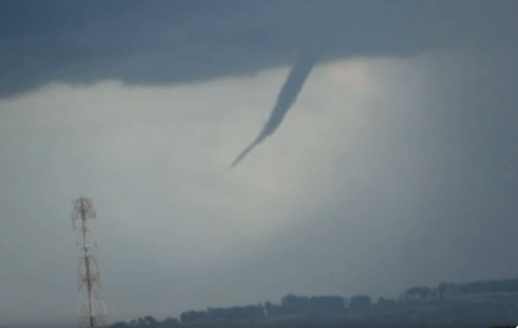
Damage caused by tornado strike in Parana’, Brazil November 6, 2025

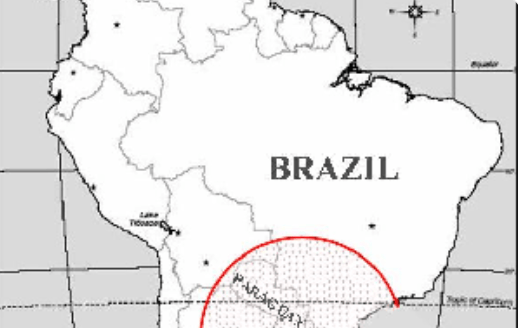
The state of Paraná, in southern Brazil, does not experience tornadoes as often as North America’s “Tornado Alley.” In contrast, it is one of the more active regions for severe weather. It experiences more frequent severe weather compared to the rest of South America. Tornadoes here are not everyday events, yet they occur often enough to be taken seriously.

Frequency and Historical Records

  • The southern region of Brazil (Paraná, Santa Catarina, and Rio Grande do Sul) records the majority of the country’s tornadoes.
  • A comprehensive meteorological study found around 310 tornado occurrences in southern Brazil. Approximately 87 of those took place in Paraná during the recorded period.
  • (Source: Universidade Federal de Santa Maria – Ciência e Natura Journal)
  • Another catalog lists at least 106 tornadoes that have historically occurred in Paraná alone. Nonetheless, researchers agree that the actual number is probably higher. Many rural or short-lived tornadoes go unreported.
  • (Source: Wikipedia – List of Brazil Tornadoes)

When and Where Tornadoes Occur

  • The peak season runs from September through March or April, corresponding to the warm, storm-prone months in the Southern Hemisphere.
  • Tornadoes in Paraná are typically linked to cold fronts. They are also linked to severe convective systems (supercell thunderstorms). These systems move north from Argentina and Paraguay across southern Brazil.
  • The western and central portions of the state, especially open agricultural regions, experience the highest number of reported events.

Risk and Impacts

Tornado damage
Nov. 6, 2025
  • While far less frequent than in the U.S. Midwest, Paraná tornadoes can still be destructive.
    • One notable event occurred in 2015, when a tornado struck Marechal Cândido Rondon, destroying homes and injuring residents. Meteorologists later classified it as an EF-2 tornado.
      • Damage paths in Brazilian tornadoes are often shorter. Building standards and awareness levels are low. This means that even small tornadoes can still cause significant losses.
  • Meteorologists note that the public’s perception of tornado risk in Brazil is low. This can make isolated events more dangerous due to a lack of preparation or warning infrastructure.

Summary

Aspect Description

Frequency: Dozens recorded over several decades; under-reported

Peak Season September–March (Southern Hemisphere spring to early autumn)

Most Active Areas Western/Central Paraná

Typical Intensity EF-0 to EF-2, occasionally stronger

Risk Level Low overall, but real — capable of significant local damage

In Perspective

Parana’, Brazil Nov. 6, 2025

Tornadoes in Paraná are uncommon but not rare. They sporadically, mostly during severe summer thunderstorms. For locals, this means staying alert during major storm fronts — not living in fear, but with awareness.

Compared to global hotspots, while Paraná’s tornadoes seem minor. In a region better known for lush farmland and waterfalls, a twisting funnel cloud is a striking sight. It remains one of nature’s most potent spectacles. It is also among the most sobering spectacles.

Late on Friday night, a ferocious whirlwind ripped through the southern Brazilian town of Rio Bonito do Iguaçu. It left behind a scene described by officials as “like a war zone.” With winds exceeding 250 km/h (155 mph), the twister flattened homes. The tornado overturned vehicles and claimed at least six lives — including a 14-year-old girl — while injuring hundreds more. Source (Al Jazeera+2AP News+2)

As emergency crews sift through the rubble, the people of this tight-knit community face an uncertain morning. They wonder where to sleep. They consider how to rebuild. They must reckon with nature’s sudden fury. Source (ABC News+1)

This is not just a storm. It’s a stark reminder of how swiftly life can change. This happens when the skies unleash their full power.


By Benjamin GroffMedia© | benandsteve.com | ©2025 

Until The End He Was A Pal – A Second Publishing

8–12 minutes

© Benjamin H. Groff II — Truth Endures / benandsteve.com


This story first appeared some time ago, but it felt right to bring it back — with a little update. It’s about the dogs who’ve shared our lives over the years. Each one has left paw prints on our hearts that never fade. We’ve laughed with them, cared for them through their golden years, and mourned them when they left us. Those memories still tug at the heart, but they also remind us how lucky we were to have them.

And now, there’s Otis. The latest addition to our little family. Otis is, without question, a show all on his own. He is full of personality and quirks that can fill a book. He’s mostly happy, sometimes possessive, and always fiercely protective. His love is big, messy, and unconditional — and we smother him right back with ours. He keeps us laughing with his antics and over-the-top expressions. But one word of advice: don’t ever try to take his food away. Let’s just say you will walk away a finger short.

So to start –

It was a lazy Sunday. We had been at the desert retreat. We had bought it and happily named it the Roads End Ranch. It is west of Phoenix, Arizona. The location was so remote. Cattle still stirred throughout the desert region. They crossed the roadways undeterred by speeding cars. These cars carried new homeowners to neighborhoods built further out of the city. Occasionally, you would see a dead cow with all fours extending straight up. It had fallen victim to a collision with someone from the big town. They were speeding over a hill at night. When we first moved to the Roads End, we brought our fearless terrier, “Buddie.” We built him a castle of a doghouse. It had access to an airconditioned tool building. He was all of ten pounds and fattened on hotdogs. He loved them and would fight the biggest opponent before him and win to get his. Earlier in the summer, Buddy appeared sluggish and started drooping.

We thought he had been caught out in the heat. He had refused to take shelter in the tool shed. Instead, he wanted to fight with a ground squirrel that terrorized him daily. But the more we checked on him, the worse he got. We rushed him to a veterinarian, and testing began. They were baffled for two days. They not conclude what was wrong with this terror of the UPS driver. The little black attack dog would hide behind his favorite bush. He watched the driver unload the truck. Then he would rush up to the fence. He raised Cain with a bark so fierce. It startled the driver every time. Buddie was in trouble. Finally, a phone call came. The Vet’s office tech informed us about Buddie’s test results.

The results confirmed what we had feared — Buddie had advanced Valley Fever. The vet told us it can be deadly if not caught early, and they were deeply sorry. The delay in getting his test results back had cost us precious time. We met later that afternoon at the veterinary office to hear the full diagnosis.

Valley Fever, technically known as coccidioidomycosis, is a fungal infection caused by Coccidioides (pronounced kok-sid-ee-oh-OI-deez). Sometimes called “San Joaquin Valley Fever,” it can cause fever, coughing, fatigue, and other flu-like symptoms. There are two species of the Coccidioides fungus, both commonly found in dry, dusty soil throughout the Southwest. Farming, construction, strong winds—anything that stirs up the earth—can send their spores into the air.

When inhaled, those spores can infect the lungs. In humans, Valley Fever can range from mild to severe. Some cases resolve on their own. Others need antifungal medication. But unlike people, pets can’t tell us when something feels wrong. They rely on us to notice.

Buddie was always digging. He often chased ground squirrels. He buried his nose deep into the dirt. His head was below ground as often as it was above. By the time we recognized the signs, the infection had already taken hold. The fungus had consumed his lungs, leaving no hope for recovery. We had lost our boy — and with him, a piece of our hearts.

We said our goodbyes to Buddie. He slowly went to sleep. We brought him home to the Roads End Ranch. We buried him in his favorite corner. This was the one he liked to catch the UPS man. After his passing, we were finished with the idea of having more pals. Losing him had just been too hard. Besides, we were taking care of Steve’s mother, and she was entering hospice and taking up all of our time. It was all we do to her.

We took the best care of Steve’s mother, keeping her in our home through many ups and downs. Then, in June, she passed early one Sunday morning. It was quiet. Nothing was moving, not even our cat. It had been over a year since losing Buddie. And, now we were experiencing loss again. A month of memorials seemed to take place. We remembered her in Arizona. Then, we returned to Oklahoma to lay her to rest.

Then, we came home. The house was empty. It was just the two of us and the cat, Blanche, a spade female, Siamese. We had brought her with us from the move when we left Wichita, Kansas after 9/11, nearly six years earlier. She only became vocal when something got on her nerves or when I talked to her. She would talk back to Steve if he yelled at her, they had a relationship like that. 

A few months passed, and Steve suggested we drive to the South Phoenix animal shelter and look at dogs. He said we didn’t want to get one—just look to get out of the house. So we left. When arriving, we walked through the outdoor kennel area. There were so many dogs, all barking for attention—except for one. He was a hound dog. He looked pitiful. It was like he had lost his last best friend. He was moping over in a corner of his kennel. He was not excited to see anyone. Yet, he came to us. Steve asked to take him for a walk, and the attendants provided a lead. The hound strolled around with us for ten minutes. He did not seem more excited than Eeyore from Winnie The Pooh.

During our walk with this dog, we decide to adopt an 80-pound, six-month-old American Fox Hound. We get him to our car and load him into the backseat. As both of us sit down up front, his head appears between the seats. He looks at the two of us. I asked Steve what are we calling him? We were listening to a song by an artist named Shooter Jennings, whom we both enjoyed. So, our dog found himself named Shooter at that point. We only put a little thought into it.  

Buddie our first dog saved Shooter’s life!

Valley Fever can show up in dogs in many ways. One of the most common signs is unexplained joint pain, often in a front leg. We learned that too late with Buddie. By the time we understood what was happening, the infection had already taken hold. But when Shooter came limping in one afternoon, crying out at even the lightest touch, we didn’t hesitate. We rushed him to the vet, and the diagnosis was clear — Valley Fever again. This time, though, we were ready. Medication was started right away, and Shooter recovered. In a way, Buddie had taught us how to save Shooter. Our first pal had given his life to save our second — a lesson in love we’ll never forget.

Shooter grew into a 120-pound dog, the most loyal hound a person ever asked for. He never made a mistake or mess in the house. He always strives to please us. His life was one of loyalty. He was a big scaredy-cat but the most excellent protector. He hated thunderstorms. He would only go out in the rain if you went with him. You had to hold an umbrella over him while he did his business. He’d keep it and refuse to go outside if you didn’t offer to take the umbrella. If you had a big juicy bone, you lay a towel down on the floor. Tell him to keep it on the towel. Not a piece of the bone would hit any other part of the floor. He stayed put. He was the perfect boy. He loved other people. Too much sometimes. Steve often accidentally tripped our home alarm. The local police department would arrive. That is when you realize naming your dog Shooter was not the best choice. The first time they were here, we yelled, “Shooter, get down!” The look on the officer’s face was priceless. We were using the wrong tone. It wasn’t how we should have been saying it. The officer asked if we were alone and if we were okay. Are you being threatened?

We had to explain that was the dog’s name. We had to go through the whole dog licensing explanation. Fortunately, I had photo identifications made of ‘Shooter’. I offer them, which brought fun to the moment. After that incident, I took action to make sure the 911 center had a note. It stated that a dog named Shooter lived at our location. They should expect to hear us yelling commands at him because he loves everybody. “Shooter” lived until the age of 14. One summer, a micro-burst struck and tore the roof off our home. During the process, we were reduced to living out of one room of our home while it was under repair. “Shooter” had been showing signs of slowing down. We had been concerned we would find him gone some morning, but he was always there to greet us.

While the house was under construction, “Shooter” seemed worse. We called a veterinarian to come to our home. He not be there until the next day because of the damage. That evening, his breathing became labored, and we cuddled with him, holding our pal. He raised his head, let out two last whines, and died. Our “Shooter-boy” was gone. He had been our best friend and closest family member many times. He was filling in for the loss of others who passed. He taught us how to love and be brave during thunderstorms. In the end, I believe he showed us how even to die.

“Shooter”

Today we have Otis. A Jack Russell Terrier. We describe him as a terror. He is a character. And a handful at times. He keeps us busy. Wanting to play, and running in and out of the house. He is very protective of his home. We have to put him in a safe area when we have company. He needs time to adjust to new people being inside. We wait to see what is up with him each day. Never knowing what he will do next.

“OTIS”

Otis is named after the drunk on the Andy Griffith show. This is mainly because when we went to adopt him, he escaped from the shelter. Four people were chasing him around the parking lot and buildings. He finally was captured. And placed in a holding cell. We couldn’t help but love his innocent look he had after his little run from the law. He has an attitude. He will growl when he has had enough of you. Telling you to let him be. If you notice not any single one of our dogs have a single thing in common. Except that they were rescued from animal shelters. And they live a full and happy life.


By Benjamin GroffMedia© | benandsteve.com | ©2025

Leave a comment

This site uses Akismet to reduce spam. Learn how your comment data is processed.

Marriage Rights at the Crossroads: A Nation in Reflection

By Benjamin H. Groff II | Truth Endures / The Story Teller

3–5 minutes

A Decade After Obergefell

Will You Lose Your Rights To Marry Who You Love?

Ten years after the Supreme Court’s landmark Obergefell v. Hodges decision recognized same-sex marriage as a constitutional right, America finds itself again revisiting questions many thought were settled.

The Court’s ruling in 2015 declared that marriage, in all its forms, is protected by the Fourteenth Amendment. This includes guarantees of liberty and equal protection. As new petitions rise, the conversation has returned to the surface. Shifting public attitudes also contribute to this discussion. Who holds authority over marriage — the individual, the state, or the Constitution itself?


The Current Question Before the Court

A pending petition related to former Kentucky clerk Kim Davis has reignited national attention. Her case asks whether local officials refuse to issue marriage licenses on religious grounds. It also questions whether Obergefell overstepped by forcing states to recognize marriages they once prohibited.

The Supreme Court has not agreed to hear the case. Still, its presence on the docket is enough to open old wounds. It also raises new questions. Some legal analysts believe the current Court will not directly overturn Obergefell. Yet, it will narrow its reach through religious-liberty rulings. It also does so through state-level exceptions. Others assert that stability — not upheaval — best serves the nation and the families already bound under its promise.


Two Visions of Marriage and Rights

One side views marriage equality as part of America’s long arc toward inclusion. They view it as a civil institution that, once granted, should not be rescinded. They see equality before the law as non-negotiable. They fear that revisiting the issue will fragment the nation’s sense of fairness.

The other side argues that Obergefell disrupted centuries of state authority. It affected religious conscience. They believe that restoring local decision-making better reflects democratic process. They point to the tension between personal faith convictions and federal mandates as a conflict yet unresolved.

Between those poles lies a broad middle. These are citizens who do not agree on doctrine. They understand that marriage, whether between a man and woman or same-sex partners, carries profound human meaning. Many simply wish to preserve stability, protect liberty, and allow space for faith and freedom to coexist.


Faith, Law, and Living Together

Scripture has long influenced how societies view marriage. For some, biblical passages define its structure and purpose; for others, they offer moral insight without prescribing civil law. The tension between religious belief and constitutional law is not new. This tension echoes past debates over interracial marriage, divorce, and women’s rights.


In every era, society has had to ask two questions. What happens when faith and law collide? How do we live together without tearing the fabric of our community apart?


Why the Debate Still Matters

Even if the Court declines to hear new challenges, more than two dozen states have laws banning same-sex marriage. These laws are dormant on their books. If Obergefell were ever overturned or weakened, those statutes will return overnight, affecting benefits, inheritance, adoption, and family recognition.

At the same time, many Americans share a common belief. Conservatives and liberals alike think the government shouldn’t dictate the deepest personal choices of its citizens. This belief runs deep in the country’s DNA. – Barred from Hospital Rooms – Declined Visits By Family Funerals – Loss of Shared Property.


A Time for Reflection, Not Division

It is that America is less divided on love than on language. Many citizens who believe marriage is sacred still believe in equal dignity; many who support equality still respect faith’s voice.


The challenge before the nation is to find balance. This also is a challenge for the Supreme Court. It involves preserving both religious liberty and individual freedom. This must be done without sacrificing the dignity of either.

Marriage remains one of the few institutions that bridges our private and public lives. It does this whether one calls it a covenant before God or a contract under law. The real question is not who can marry. It is whether we can continue to respect those who see it differently. Is it a divine institution? One which a person be married and divorced five times, as long as it is to the opposite sex. Or, is it a civil contract between two people which protects their lives, property and future? Capable of being entered into by any two people.


Closing Thought

History rarely moves backward. Nonetheless, it does pause to consider and to recalibrate. It also reminds us that liberty requires both conviction and compassion. As this conversation unfolds, we argue less to win and more to understand.


© Benjamin H. Groff II — Truth Endures / benandsteve.com

When Ghosts Were Celebrated in Homes

By Benjamin H. Groff II

2–3 minutes

There was a time when ghosts were not feared, but welcomed. Long before the plastic skeletons and fog machines, the presence of the departed inside a home was seen as sacred. It was viewed as even comforting. Hollywood later turned spirits into screams.

In old America, the line between the living and the dead was not sharply drawn. Much earlier in Europe, this line was also blurred. Families left chairs empty at the table for those who had passed. Candles flickered in windows not to frighten away spirits, but to guide them home. A draft whispered through the house. The hallway creaked, or the boards settled. These sounds were spoken of with gentle reverence: “It’s only Mother checking on us.”

Autumn, of course, was the favored season for such visitations. The harvest was done. The air turned cool and thin. This is a time believed to make the veil between worlds soft as gauze. Many homes, especially in rural places, held small gatherings to honor those who came before. Food was left out overnight. The family Bible was opened to the names of the dead. In some corners, the very hearth hosted a spirit or two. They lingered close to the warmth that once gave them life.

Ghosts were part of the household, not intruders. They were reminders — that life continues, even in unseen ways. The wind brushing the curtains or the rocker swaying gently on its own didn’t make people scream. They didn’t call for help. They smiled. They believed their ancestors had found their way home.

It wasn’t until the age of electricity and industrial noise that ghosts were driven out — or at least, ignored. Modern light replaced candlelight, and superstition was traded for science. Yet, as every October rolls around, the scent of woodsmoke returns to the air. We still sense something ancient moving among us. Maybe that’s why we decorate with skeletons and glowing pumpkins — a way, even now, to say: we remember you.

So the old ways weren’t so strange after all. Maybe ghosts were never meant to be feared. Maybe they were simply waiting to be invited back in.


© Benjamin H. Groff II — Truth Endures / benandsteve.com

Winning the Battle for Health, Security, and Equality in America

By Benjamin H. Groff II

3–5 minutes

We are living in a time when critical issues are being tossed around like poker chips in Washington. These include health care, Social Security, disability support, and the rights of the LGBTQ+ community. The game has gotten meaner, the stakes higher, and the players more reckless. But if history teaches us anything, it’s that ordinary Americans can outshine the biggest machines of power. They can outlast them when they work smart and stay focused.

This isn’t about red or blue. It’s about who gets to live with dignity and who doesn’t.

1. Protecting What We’ve Paid For

Let’s start with the basics: Social Security and Medicare are not entitlements—they’re earned benefits. Working Americans paid into them every payday of their lives. Yet, each election cycle, someone in Congress floats the idea of “sunsetting” or “restructuring” them. That’s political code for cutting.

The smart move? Make every elected official—Republican or Democrat—go on record promising no cuts to Social Security and Medicare. It’s a winning issue across party lines because nearly every voter depends on it, or soon will. The average monthly advantage for retirees is about $2,000. You can’t afford to lose that—and neither can your parents.

2. The Health Care Frontline

Medicare drug price negotiations are already law, and they’re starting to bite down on Big Pharma. Those savings need to be expanded and defended. Keep the issue local—talk about your neighbor’s insulin cost, your pharmacy’s long lines, and your doctor’s limited hours. These stories hit harder than any campaign ad.

If you live in a state that still refuses Medicaid expansion, that’s another battle worth fighting. States like Oklahoma and Missouri proved that when citizens put Medicaid expansion on the ballot, it wins—even in conservative territory. It keeps rural hospitals open and saves lives. Simple as that.

3. Disability Rights Are Human Rights

For millions of Americans, especially seniors and people with disabilities, Medicaid is the real safety net. It funds long-term care, home health aides, and community services. Most people don’t realize that these programs face constant threats. This occurs at both the state and federal levels.

It’s time to make disability policy visible again. Discuss the waiting lists. Talk about the family caregivers working without rest. Tackle the closures of group homes that once kept people safe. Every one of those stories is a vote for compassion and common sense.

4. Standing Up for the LGBTQ+ Community

Across the nation, hundreds of anti-LBGTQ+ bills have been introduced under the banner of “protecting children.” But what they really do is threaten the safety and rights of already vulnerable people—students, families, and workers.

The answer isn’t more shouting matches. It’s telling real stories. These are parents who want their trans kid to live without fear. There is a teacher who wants to keep their job. Or a couple wants the same hospital visitation rights as anyone else. When the conversation becomes personal, hearts shift—and politics follows.

5. Building Alliances That Win

You don’t win these battles alone. You build coalitions that surprise people. Seniors and veterans defend Social Security. Small business owners back drug price reform. Nurses and church groups advocate dignity in care. That’s how movements grow—through unexpected allies who realize they’re all fighting for the same thing.

The revisionist thrives on division. A winning strategy thrives on unity.

6. How to Get Loud, Smart, and Effective

  • Use your voice locally. County health boards, school boards, and hospital districts make real decisions about care and coverage. Attend those meetings.
  • Tell your story. A 30-second video of your experience with health care or benefits will reach more people than a dozen speeches.
  • Learn it. Agencies post new rules all the time—public comments matter. Gather friends, go to Regulations.gov, and leave thoughtful, factual remarks. Bureaucrats read them.
  • Stick to clear messages:
    • “Protect what we’ve paid for.”
    • “Keep care close to home.”
    • “Freedom to make personal medical decisions.”
    • “Dignity for every family.”

7. The Bottom Line

The fight for affordable health care, strong social programs, and equal rights isn’t about party loyalty—it’s about survival. You can’t eat ideology, and you can’t pay for prescriptions with political slogans.

The people who built this country deserve to live out their years in peace, not fear. The next generation deserves to inherit something more significant, fairer, and more human.

That’s how we win. We don’t hate what’s broken. Instead, we protect what still works. We fight like hell to fix what doesn’t.


© Benjamin H. Groff II — Truth Endures / benandsteve.com

Carol Jane “Penny” Pence Taylor * May 11, 1929 – November 4, 2025

2–3 minutes

Groff Media ©2025 benandsteve.com Truth Endures


Carol "Penny" Pence Taylor
Carol Jane “Penny” Pence Taylor

We are deeply saddened to announce the passing of Carol Jane “Penny” Pence Taylor. She was born on May 11, 1929, and passed away on November 4, 2025. Penny was a pioneering American swimmer, Olympian, mentor, and coach. She was also a beloved figure in the sport of swimming. She died in New Orleans, Louisiana, at the age of 96. 

Life & Accomplishments

Penny Pence was born in Indianapolis, Indiana, and as a young woman rose to national prominence as a breaststroke specialist. She represented the United States at the 1948 Summer Olympics in London. She competed in the women’s 200-metre breaststroke at the age of 19. 

In that era, women’s competitive swimming was still evolving. Swimsuits were made of cotton. Goggles were not yet in regular use. Lane lines and pool technology were far less advanced than today. As noted in

Beyond the Olympics, she achieved multiple national titles in breaststroke and medley relay events. At the 1951 Pan American Games, she won gold in the 3×100 m medley relay. She also secured bronze in the 200 m breaststroke. Which is noted in Olympedia+1

After her competitive career, Penny turned to coaching and leadership. She spent more than three decades as a swim coach in the St. Louis area. She served in various roles with U.S. Swimming organizations. She was a team leader at the 1984 and 1992 Olympics. She worked as a deck marshal at the 1996 Games. She was also the chef de mission at several FINA World Championships. Her backgrounds are well documented on Wikipedia

Legacy

At the 1951 Pan American Games, she won gold in the 3×100 m medley relay. She also secured bronze in the 200 m breaststroke.

Penny Pence’s legacy lives on in many ways. She helped lay the groundwork for women’s competitive swimming in the United States. Her efforts bridged the post-war era into the modern age of the sport. Her dedication as an athlete, coach, administrator, and mentor touched countless swimmers. She had the rare perspective of having raced in the era when the butterfly wing-style was emerging in breaststroke events. Later, she guided new generations. 

A Life Remembered

Penny was admired for her determination, her attention to detail, and her lifelong commitment to the sport she loved. She stayed involved with swimming well into her later years. She attended major events. She offered counsel and shared stories of an era when competitive swimming was very different from today. 

You will find many references to her through Swimming World Magazine

In Tribute

A private celebration of her life is being planned.

Her family requests donations in her name instead of flowers. These can be made to a local swim club. Alternatively, they can be directed to a scholarship fund supporting young swimmers.

Her memory reminds us of the value of perseverance, service, and passion for the sport.

Penny Pence has left the pool. Still, her ripple effect continues in the lanes. It also continues in the lives of all whom she touched. She will be deeply missed and fondly remembered.


A service provided by By Benjamin GroffMedia© | benandsteve.com | ©2025 

🐕‍🕯️ The Legend of the Kyrkogrim — Sweden’s Black Guardian of the Church

By Benjamin H. Groff II | Truth Endures | The Story Teller

2–3 minutes

Tales are whispered across the cold stones of Scandinavia. They speak of an “evil dog” that once haunted the churches of Sweden. But those who truly know the legend say the creature was never evil at all. It was the kyrkogrim — a guardian spirit born not of sin, but of sacrifice.

A Dog Buried Beneath Holy Ground

In the centuries when churches first rose across the Nordic lands, builders followed a chilling custom. To guarantee their new sanctuaries would stand against evil, they buried a living creature beneath the cornerstone. This creature was often a black dog. Its final, terrified breath was thought to bind its soul to the ground, forming a spiritual sentinel.

That spirit became the kyrkogrim: the Church Grim. It was always black as midnight. It was condemned to patrol the churchyard. Its duty was to watch over the graves and keep the devil himself from defiling holy ground.

The Protector and the Omen

By day, the kyrkogrim was invisible. But when night fell and candles flickered low, villagers spoke of seeing the great black hound. It was pacing near the church doors. Its eyes glowed like coals in the dark. It was said to snarl at grave robbers and frighten off witches. Yet, for all its protection, it carried a darker burden.

To see the kyrkogrim was to get a warning. The watcher’s death, it was said, would soon follow. The same spirit shielded the church from evil. It also bore the scent of the grave. This grim paradox kept villagers both thankful and fearful of its presence.

The First Soul of the Graveyard

Long before Christianity spread through Scandinavia, ancient peoples offered animal sacrifices to bless new structures and sacred sites. Early Christian builders, inheriting these customs, altered them to fit their faith. The dog buried beneath the first church became “the first soul” in the graveyard. This ensured that no human would have to linger eternally as the church’s guardian.

Thus, the kyrkogrim was not a monster. Instead, it was a martyr. It symbolized the uneasy blend of pagan ritual and Christian devotion. It was the bridge between two worlds: the old gods of the land and the new God of the heavens.

Echoes Through Time

Even today, stories of the kyrkogrim persist in Swedish folklore. Some say the black dog still walks among the headstones on stormy nights, especially near churches centuries old. Others claim that every church has its own silent watcher — unseen, but always there.

What began as a superstition has evolved into something deeper. It reflects the human need to guard what we hold sacred. The kyrkogrim, once buried in darkness, lives on in story — a faithful spirit that never abandoned its post.


By Benjamin GroffMedia© | benandsteve.com | ©2025 

What Is Antifa And Do You Belong To It?

3–4 minutes

Antifa, short for “anti-fascist,” is a decentralized, far-left political movement that opposes fascism, racism, and other forms of far-right extremism.

It is not a single, unified organization with a national leader or headquarters. Rather, it is a loose network of autonomous local groups and individuals. They share a common ideology. 

History

  • European origins: Modern anti-fascist movements have historical roots in early 20th-century Europe. Groups like Germany’s Antifaschistische Aktion fought against rising fascism and Nazism in the 1920s and 1930s.
  • American development: In the United States, groups like the Anti-Racist Action (ARA) influenced the modern movement in the 1980s. They confronted Neo-Nazi skinheads at punk rock concerts.
  • Resurgence: Antifa gained significant public attention and saw a revival in activity after the 2016 U.S. presidential election. This was especially true during clashes with far-right groups. These occurred at events like the 2017 “Unite the Right” rally in Charlottesville, Virginia.

Beliefs and ideology

  • Anti-authoritarianism: Adherents subscribe to a range of left-wing views. These include anarchism, socialism, and communism. They hold anti-authoritarian and anti-capitalist positions.
  • Direct action: The movement prioritizes direct action over electoral politics. They believe it is necessary to disrupt what they see as hateful and oppressive activities. These disruptions are crucial before such activities can grow.
  • Confrontation: Supporters believe that hate speech is not free speech and advocate for the active suppression of fascist organizing efforts. 

Tactics

Antifa tactics range from nonviolent to militant and vary widely among autonomous groups. 

  • Nonviolent techniques: These include community organizing, publicizing the activities of far-right groups (“doxing”), and distributing flyers.
  • Militant techniques: Some adherents use confrontational tactics, including physical violence and property damage, which critics condemn as counterproductive and dangerous.
  • “Black bloc”: During protests, some activists engage in “black bloc” tactics. They dress in all black with their faces covered. This is done to keep anonymity and solidarity.

Controversy and criticism

  • Terrorist label: For several years, President Donald Trump has said he would label Antifa as a terrorist organization. As recently as September 2025, he reiterated this stance. Still, legal and civil rights experts have stated such a designation would be unconstitutional. They argue it is challenging to apply to a decentralized movement rather than a structured group. Former FBI Director Christopher Wray has also described it as an ideology rather than an organization.
  • Use of violence: Antifa’s use of violence has been condemned by both Republican and Democratic politicians. Some critics draw false equivalencies between Antifa violence and far-right extremist violence.
  • Misinformation: The movement has often been the topic of persistent disinformation campaigns. Right-wing groups and social media accounts promote false rumors and hoaxes about its activities. 

Right now in U.S. politics, “Antifa” is not a formal organization. Instead, it is a loosely applied label meaning “anti-fascist.” It refers to people who oppose far-right extremism. In recent years, some political figures have used the term as a catch-all. Donald Trump is included among those who use it this way. They apply it to anyone who protests or opposes their policies. That means the word is often used more as a political weapon than a precise description.

If someone opposes the GOP or criticizes Trump’s policies, that alone does not make them “Antifa.” Certain media outlets or political figures call them that. It’s a rhetorical strategy to stigmatize opposition. This labeling is not a reflection of an actual membership or affiliation. Historically, in the U.S., dissent against a party or president has always existed without being automatically labeled as extremist.

So, in short: at the “current rate” of framing, you are called Antifa if you oppose Trump. Nonetheless, that’s a label applied by others. It is not an actual classification or legal designation. It’s essential to recognize the difference between rhetoric and reality.


By Benjamin GroffMedia© | benandsteve.com | ©2025 

Why Language Choice Is Crucial in Events

3–5 minutes

(inspired by Daria Knupp’s piece at Personify)

We all know words can inspire, connect, and excite—but they can also alienate, offend, or sound tired. Daria Knupp, Sr. Content Marketing Manager at Personify, recently published a thoughtful article. It lists 10 words and phrases we should stop using in the events industry. We should consider avoiding them everywhere. Her list stopped me in my tracks—and it will surprise you, too.

We use these terms often at conferences, in meetings, and in our everyday work to convey intelligence, wit, and creativity. Nevertheless, some have roots in stereotypes, outdated social theories, or even deeply offensive historical contexts. Here are highlights from Knupp’s list. I also include my own reflections on why they matter. Additionally, I explore how we can do better.

  • “Guru” Originally, the title of the highest spiritual leaders in Hinduism and Buddhism. Using it casually—“event planning guru”—can trivialize a sacred role. Try “expert” or “specialist” instead.
  • “Pow Wow” is not just a “quick meeting.” It’s a sacred Native American gathering of community and celebration. Try “meeting” or “collaboration.”
  • “Tribe” is often used to describe a network or support, but it is tied to outdated and harmful stereotypes. Swap in “team,” “group,” or “cohort.”
  • “Nitty Gritty” Commonly meant “the essentials,” but it was rooted in references to the slave trade. Use “details” or “essentials” instead.
  • “Hold Down the Fort” Seems harmless, but it was initially tied to colonial conflicts with Native Americans. Consider “supervise” or “manage.”
  • “Tipping Point” was popularized by Malcolm Gladwell, but historically referred to racial “thresholds” in neighborhoods. Try “pivotal moment” or “milestone.”
  • “Rule of Thumb” Linked—to wife-beating folklore. Safer to say “general guideline” or “industry standard.”
  • “Crazy” or “Insane” Using mental illness terms casually undermines efforts to destigmatize. Replace with “absurd,” “outrageous,” or “ridiculous.”
  • Buzzwords like “Synergy,” “Leverage,” and “Bandwidth” Overuse makes you sound like a cliché. Switch it up with plainer language.
  • Hyperboles. Nothing wrong with exaggeration—but when overdone, it can make you less credible. Mix in metaphors or puns for variety.

I’ve had very close Native American friends who have been like family to me for nearly fifty years. Through countless conversations, shared meals, and life’s ups and downs, similar concerns about language never arose. We always spoke openly and comfortably with one another, and I thought we understood each other fully.

Now, reading about the origins of these words and their potential to harm, I have to ask myself—was I wrong? Did I unintentionally cause pain, even to the people I love and respect? This personal reflection can make the audience feel empathetic and introspective. Did my long-held assumptions give me a sense of being “above” the issue when in reality I wasn’t?

This is why articles like Daria Knupp’s matter. They challenge us to reevaluate. They help us check our blind spots. They make us confront how easy it is to inherit language without questioning it. This can make the audience feel motivated and empowered. I hope that in sharing this, readers will pause. I hope they think: if language is so powerful, what can we do to use it better?

As Knupp points out, we interact with thousands of attendees, exhibitors, colleagues, and friends. Every word choice carries weight. Being mindful of language isn’t about being “too sensitive”; it’s about making sure everyone feels respected and included. And honestly? It makes us sound more intelligent and up-to-date.

For me, this list was surprising because so many of these phrases have been normalized. Seeing their origins laid out in one place makes me rethink my own habits. It also makes me curious—what other everyday expressions are we using without realizing their history?

Language evolves, and so can we. By phasing out these outdated or offensive terms, we show ourselves as thoughtful professionals and better human beings. Words shape experiences. They can also change them—for the better.


By Benjamin GroffMedia© | benandsteve.com | ©2025 

NOTE: We live in a time when there’s a relentless push to roll back equality. Efforts aim to undo hard-won progress toward balancing the scales between the haves and the have-nots. Reports like this stand as a vital reminder. There will always be voices, somewhere, willing to rise for decency, fairness, and moral courage.


Detective Roff’s Unusual Suspect: The Furry Bandit

3–5 minutes

Surveying the town, the Detective realized he was facing a unique challenge. His task was to apprehend the suspect responsible for the laundry mat break-in. Some witnesses described the suspect as an unusual figure. He towered at 6’5 and had distinctive pointy ears. His face was furry.

Wanda, the laundry mat attendant, was first to be interviewed by Detective Jim Roff. She told him the suspect had furry knuckles, too. She had watched through the office’s one-way mirror. He pried open washing machines’ coin boxes. Then, he filled a pouch in his front coat pocket. A coat, she said, was very blue and sparkly.

Merle was standing on the sidewalk outside. He was picking up cigarette butts along the walkway. He said the thief bumped into him while making his getaway. A few of the coins managed to roll down into the parking lot, where Merle had captured them.

“Fifty cents,”

Merle said.

Detective Roff asked Merle if he knew the person who had broken into the machines. Merle told the Detective that the suspect was known on the streets as Carpet Face.

Merle told the Detective,

“The dude used to work for a local carpet layer.” He got right down to his face, stretching the carpet across the floor. They called him Carpet Face. But I don’t think that is why he was named Carpet Face.”

The Detective asked out loud,

“Then why did he have such a furry appearance?”

A doctor who had seen the incident spoke up,

“It’s because of his genes.”

Detective Roff replied,

“His Blue Jeans?”

The Doctor laughed,

“No, his g-e-n-e-s”. “

“Oh,”

Roff said,

My bad.”

“That is ok, he should have been nicknamed Furboy. His real name is Lickery Nickery. He lives on the south side of town. His home is in an alleyway near an old garage. This garage is falling off Hickery Street.”

Doctor Badd, sadly proclaimed, Dr. Badd listed in the phone book as ‘Badd Doctor,’ played a significant role in the case. He informed the Detective that he had been discreetly treating Nickery, attempting to help him achieve a more conventional appearance. Yet, all his efforts with various medications had been in vain.

Detective Roff got into his police car and drove to the area where Nickery was supposed to live. Sure enough, there stood the suspect. Tall, furry, and stirring outside an old garage in an alleyway. Nickery still had a pouch attached to his waist just below a bright blue coat. As the Detective approached, Nickery stood in an offensive position. Detective Ross had brought Dr. Badd with him. This was in case medical attention was required. It would be needed as a result of the pending arrest of either the suspect or the Detective.

Nickery almost instantly stood ready for the capture. He told the Detective he had broken into the machines and taken the coins. It was his only way to get funds to buy food. The Detective asked him about his old carpet-laying job. Nickery told him he was fired after the clients saw him stretching carpet in their home. This frightened them.

The Detective asked Nickery.

“So you thought a life of crime was the answer?”

Nickery -ugh Carpet Face replied in kind,

“Not really, I thought it was a way to get food.”

Dr. Badd chimed in at this point and said,

“I have literally tried everything and can’t get anything to work.”

Detective Roff looked at Nickery, then at Dr. Badd, and finally at the furry blue coat.

The Detective, after a moment of contemplation, shared his insight with the others. He said, “Gentlemen, sometimes the most straightforward solution is the one we fail to see.”

Both stared back at him, puzzled. That’s when Roff pulled a small electric trimmer from his pocket.

“Try this.”

The hum of the clippers filled the alley. Within minutes, Carpet Face began to look less like a legend and more like a man. The crowd that had gathered gasped. Children laughed. Wanda from the laundry mat even clapped.

Nickery blinked at his reflection in a car window and whispered,

“I… I look normal.”

“You look like yourself,”

Roff corrected.

“Now go make something of it.”

And he did. Lickery Nickery was once the scourge of washing machines everywhere. He became a barber’s apprentice. Then he became a shop owner. Finally, he became a beloved mayor. His campaign slogan?

~ Sometimes the simplest solution is the one we overlook. ~


By Benjamin GroffMedia© | benandsteve.com | 2025