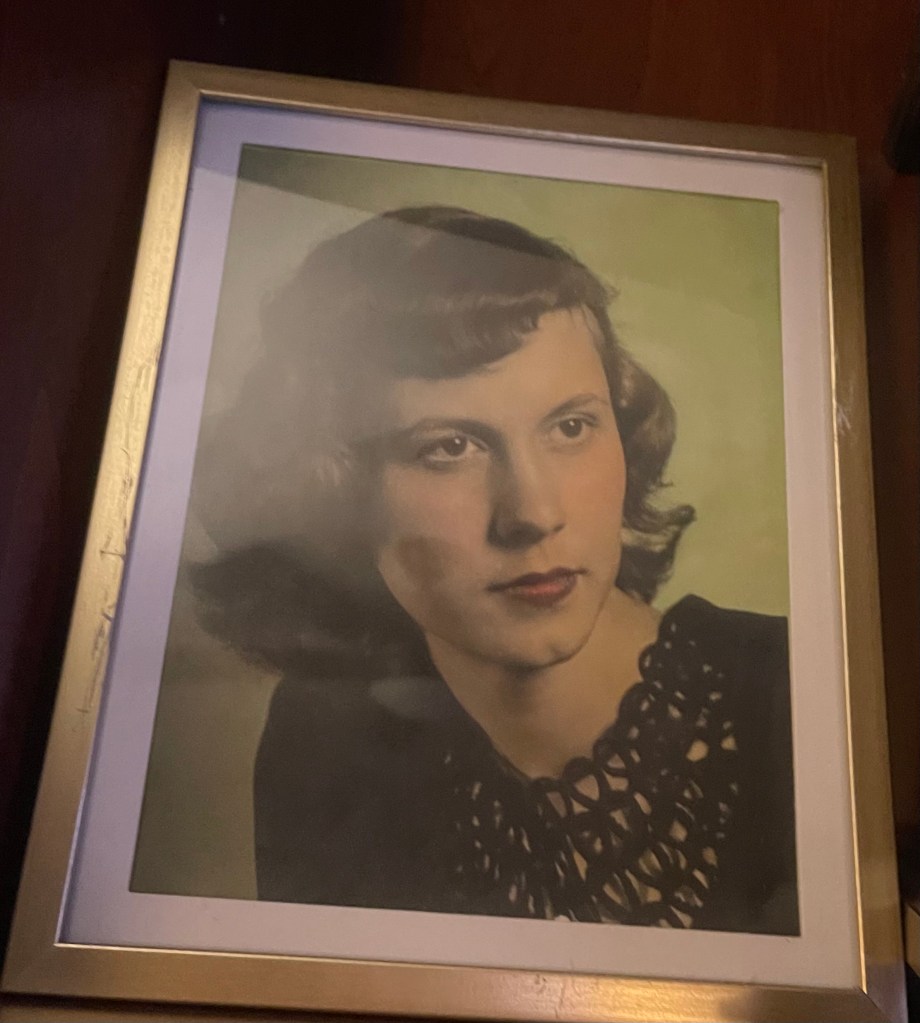
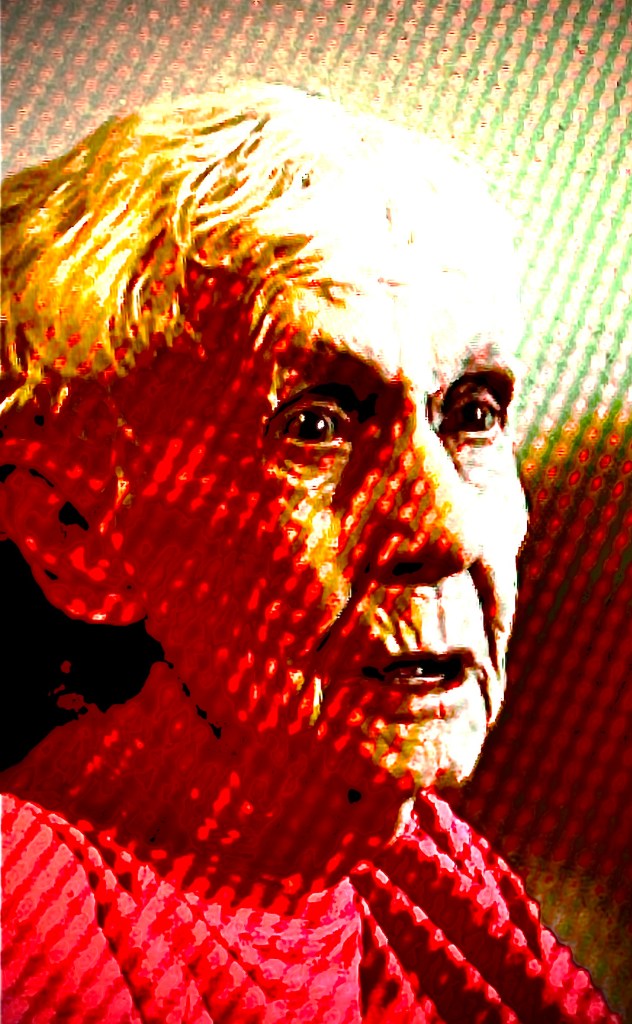
In the quiet corners of her home, Sarah sat her mind adrift in a sea of conflicting emotions. Her mother, once vibrant and robust, now frail and in need of constant care, sat in the living room, a mere shadow of her former self. It had been a long and arduous journey, filled with sleepless nights and endless worry. But now, Sarah faced the most challenging decision of all – the decision to place her mother in a nursing home.
“Mom, I need to talk to you about something important!”
“What is it Dear” Her Mother Asked?
The idea had lingered in Sarah’s mind for months, whispered in hushed tones by concerned family members and well-meaning friends. Each time, she pushed it away, unwilling to confront the reality of the situwation. But as her mother’s needs grew more demanding, Sarah knew she could no longer ignore the inevitable.
With a heavy heart, Sarah approached her mother, her hands trembling with uncertainty. “Mom,” she began softly, “I need to talk to you about something important.”
Her mother looked up, her eyes clouded with confusion. “What is it, dear?” she asked, her voice tinged with worry.
Taking a deep breath, Sarah explained the situation as gently as possible. She spoke of the challenges they faced and the toll it was taking on them. She spoke of the nursing home – a place where her mother could receive the round-the-clock care she needed, where she would be safe and well looked after.
Her mother listened quietly, her expression unreadable. When Sarah finished, there was a long silence, broken only by the clock ticking on the wall.
Finally, her mother spoke, her voice barely above a whisper. “I understand, dear,” she said, her words heavy with resignation. “I know you’re doing what’s best for me.”
Tears welled up in Sarah’s eyes as she embraced her mother tightly. “I love you, Mom,” she whispered, her voice choked with emotion.
“I love you too, dear,” her mother replied, returning the embrace with feeble arms.
In the following days, Sarah worked tirelessly to find the perfect nursing home for her mother. She visited countless facilities, asking questions, taking notes, and carefully weighing her options. When she finally found the right one—a place that felt warm and inviting, with caring staff and a peaceful atmosphere—she knew she had made the right choice.
On the day of the move, Sarah held her mother’s hand tightly as they walked through the doors of the nursing home together. There were tears and moments of doubt, but through it all, Sarah remained steadfast in her decision.
As she watched her mother settle into her new surroundings, Sarah felt a sense of relief wash over her. It wasn’t an easy decision, nor one she had ever imagined having to make, but in the end, it was the right one – for both her and her mother.
And as she kissed her mother goodbye, promising to visit often and never forget her, Sarah knew that, even though their journey had taken an unexpected turn, they would face it together, with love and understanding guiding their way.
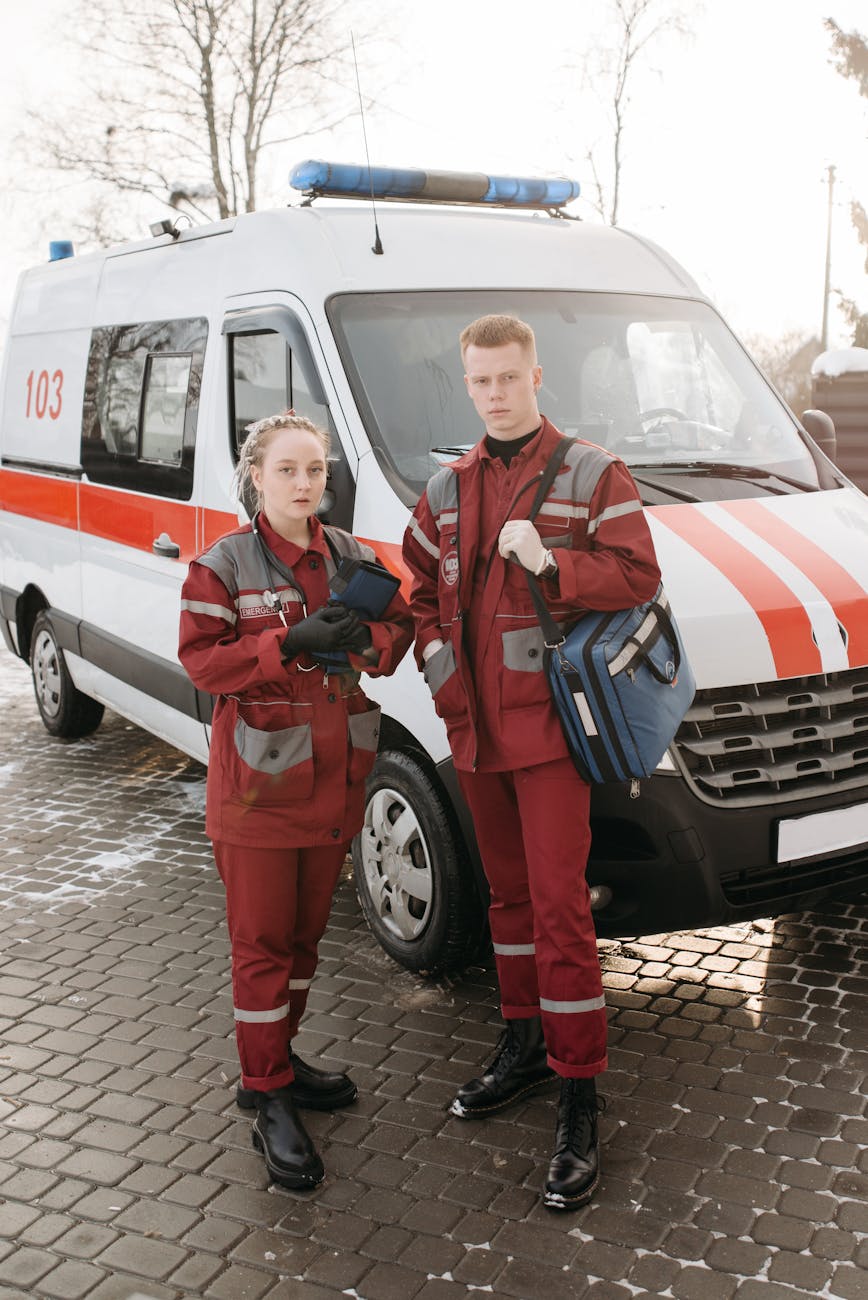
AT 16 YEARS OLD I VOLUNTEERED AS A DISPATCHER FOR OUR POLICE DEPARTMENT AND AMBULANCE SERVICE. I DROVE HALF THE PEOPLE IN OUR TOWN TO THE HOSPITAL THIRTY MILES AWAY.
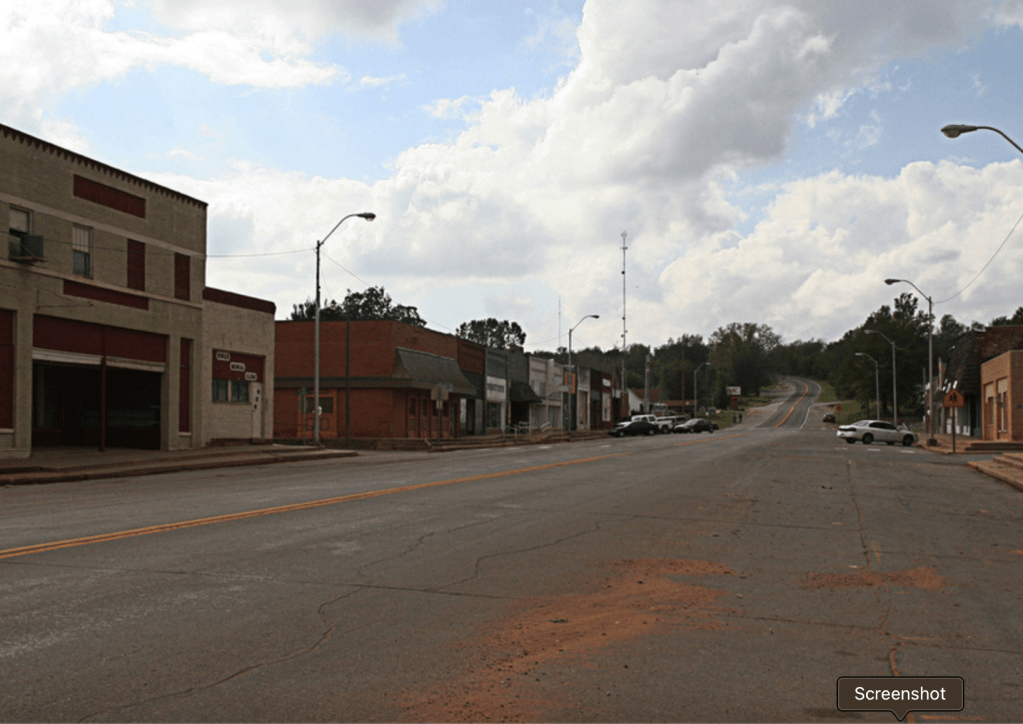
In the quaint town of Binger, nestled amidst rolling hills and whispering woods, life moved at its own unhurried pace. It was the 1970s, and I, at the tender age of sixteen, found myself immersed in the h.eart of the community as a volunteer dispatcher and ambulance driver.
Binger boasted a modest population of 850 souls, a close-knit tapestry of neighbors who looked out for one another. Our town’s medical emergencies were once tended to by the local undertaker, a man of solemn demeanor and a heart of gold. But as time marched on, age had caught up with his trusty driver, rendering him unable to steer the old ambulance through the town’s winding streets.
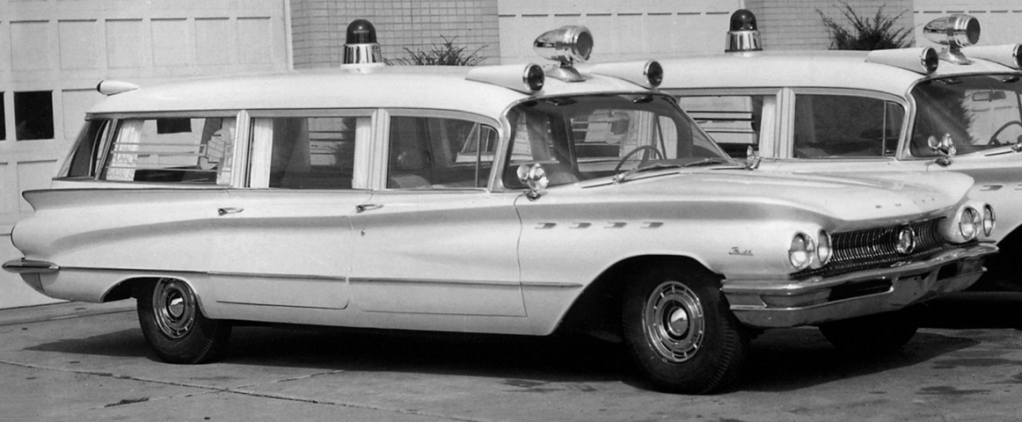
With a sense of duty and a touch of nostalgia, the undertaker donated his faithful 1962 Buick station wagon to serve as our makeshift ambulance. It was a relic of bygone days, rigged with flashing lights, a wailing siren, a sturdy stretcher, and a precious oxygen bottle. Thus, a new chapter unfolded in Binger’s history, with a rotating roster of ten volunteers, including myself, standing ready to answer the call of distress.
In those days, the rhythm of life was punctuated by the shrill ring of the telephone, summoning us into action. I would leap into the driver’s seat, adrenaline coursing through my veins, as I raced through the streets, navigating the twists and turns with practiced precision. The urgency of the situation would lend wings to my feet as I rushed to the aid of my fellow townsfolk.
The years rolled by, and Binger evolved. In 1978, the benevolent gesture of the Chevrolet dealer brought a gleaming new station wagon into our midst, a symbol of progress and prosperity. We felt like modern-day heroes, equipped with state-of-the-art technology to serve our community.
But as the 1980s dawned, change swept across the land. The state enacted stringent laws mandating EMT training and certification for ambulance attendants, a noble but burdensome requirement. Our volunteer organization, unable to meet the new standards, faced dissolution.
With heavy hearts, we bid farewell to an era marked by camaraderie and selflessness. The nearest ambulance service now lay twenty-eight miles away, a stark reminder of the passage of time and the inexorable march of progress.
Yet, amidst the bittersweet farewell, the spirit of Binger endured, a testament to the resilience of small-town values and the enduring bonds of community. And though our roles as volunteer dispatchers and ambulance drivers may have faded into memory, the echoes of our service reverberated through the annals of time, forever etched in the fabric of Binger’s history.
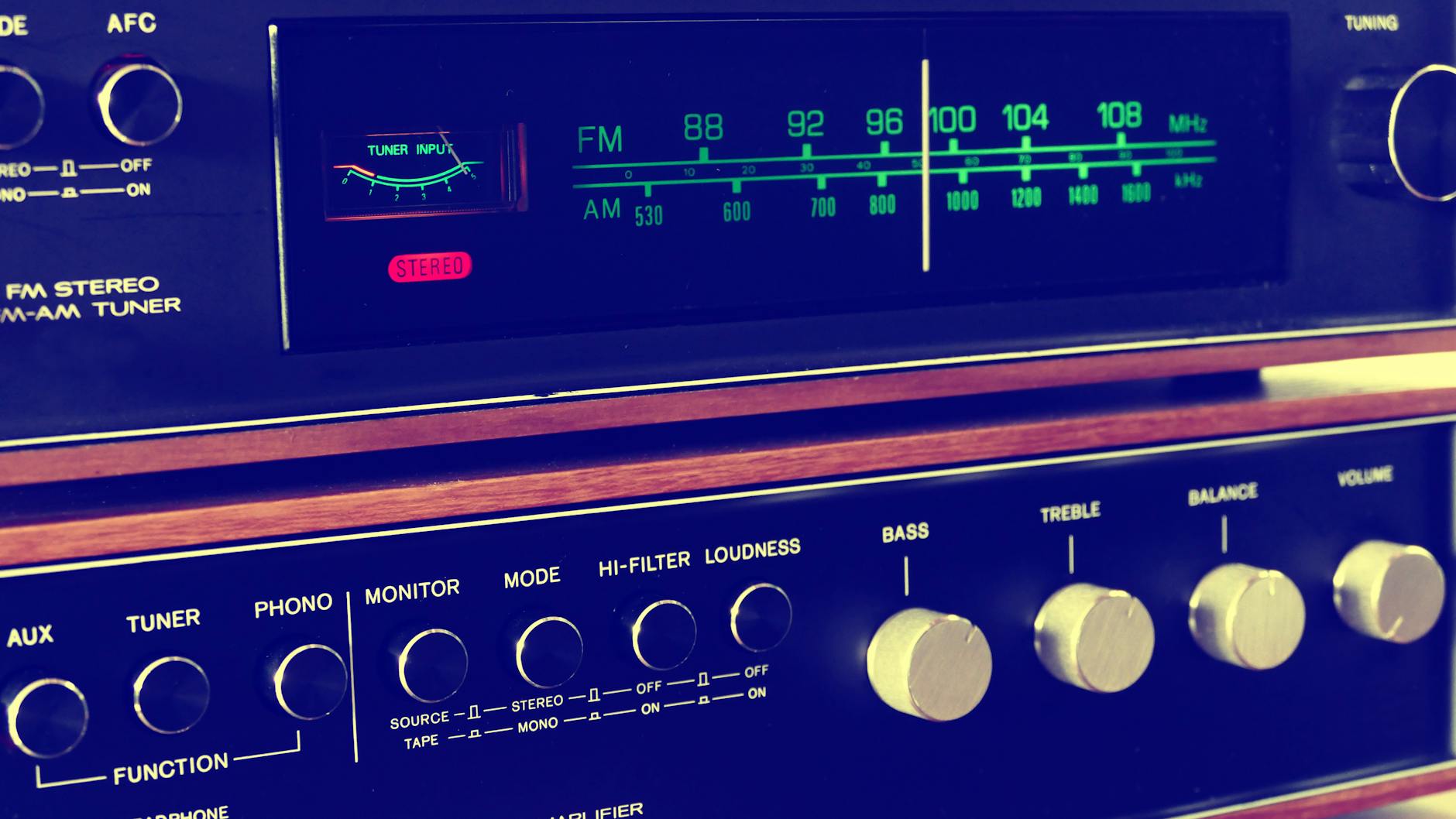
For all anyone knew, it was just another day. The sun was rising and appeared to be sunny, with average temperatures warming to 75 degrees by midafternoon, with a light wind from the south. That was the weather forecast everyone heard to start the day, as it echoed from speakers in the downtown square broadcasting from the local radio station KBAD. Topping the news from KBAD included a report concerning a house fire, two auto accidents, and a lost dog report. The station did not broadcast national news because the management felt it included more divisive material for the community and the station’s audience. KBAD’s motto promoted the station and its fans as * Kindhearted * Brilliant * Ambitious and * Devoted! It had a unique frequency on the AM Dial at 1000.0khz AM and 100.0mhz FM. The frequency identifier permitted those who wish to find it an easy way to remember its location on the radio dial. Operating by remote control authorization from the Federal Communications Commission, KBAD’s radio tower stood in two separate locations. The FM Broadcast Transmitter and Antenna broadcast on the same tower as many of the local television stations’ antenna services towers near the edge of town. The AM Broadcast Transmitter was with three directional towers west of the city on a hill that permitted the station to fluctuate power between sunrise – sunset – sunrise hours. The AM station reduced power during the daytime, and the signal with increased power would reach a different area than at night. The night signal could reach several states.
The day was unfolding as usual, with one of our regular radio programs in full swing. Suddenly, in the midst of a phone-in segment, a caller made a startling revelation –––
“Do you people know that there is a guy hanging from your radio tower west of town? He is just dangling there.”
The Host was surprised by the caller comment and replied
Sir, this is a live show. Please, this is not a time for pranks.
The caller shot back. – The caller’s voice was urgent, his words cutting through the airwaves.
‘This is not a joke,’ he insisted. ‘There’s a man, about three-fourths of the way up your middle tower, hanging upside down. You need to get him help.’
The Host, with urgency in his voice, told listeners
We take this seriously; our station manager and engineer are coming to the tower, and emergency responders are responding.
The Host then suggested that the caller should have notified 911 before calling the radio station first.
The man hanging upside down had been hired as a contractor to change the red blinking lights once a year to make sure that it met FCC requirements. On his way up, he experienced a fatal heart attack. He was tied off and had his safety gear on, which prevented him from falling when he could not continue climbing or descent. Due to how high he was, a specialized team of climbers had to be dispatched from over three hundred miles away to go to the scene and create a plan to lower him. It took over 24 hours to get the man to the ground safely.
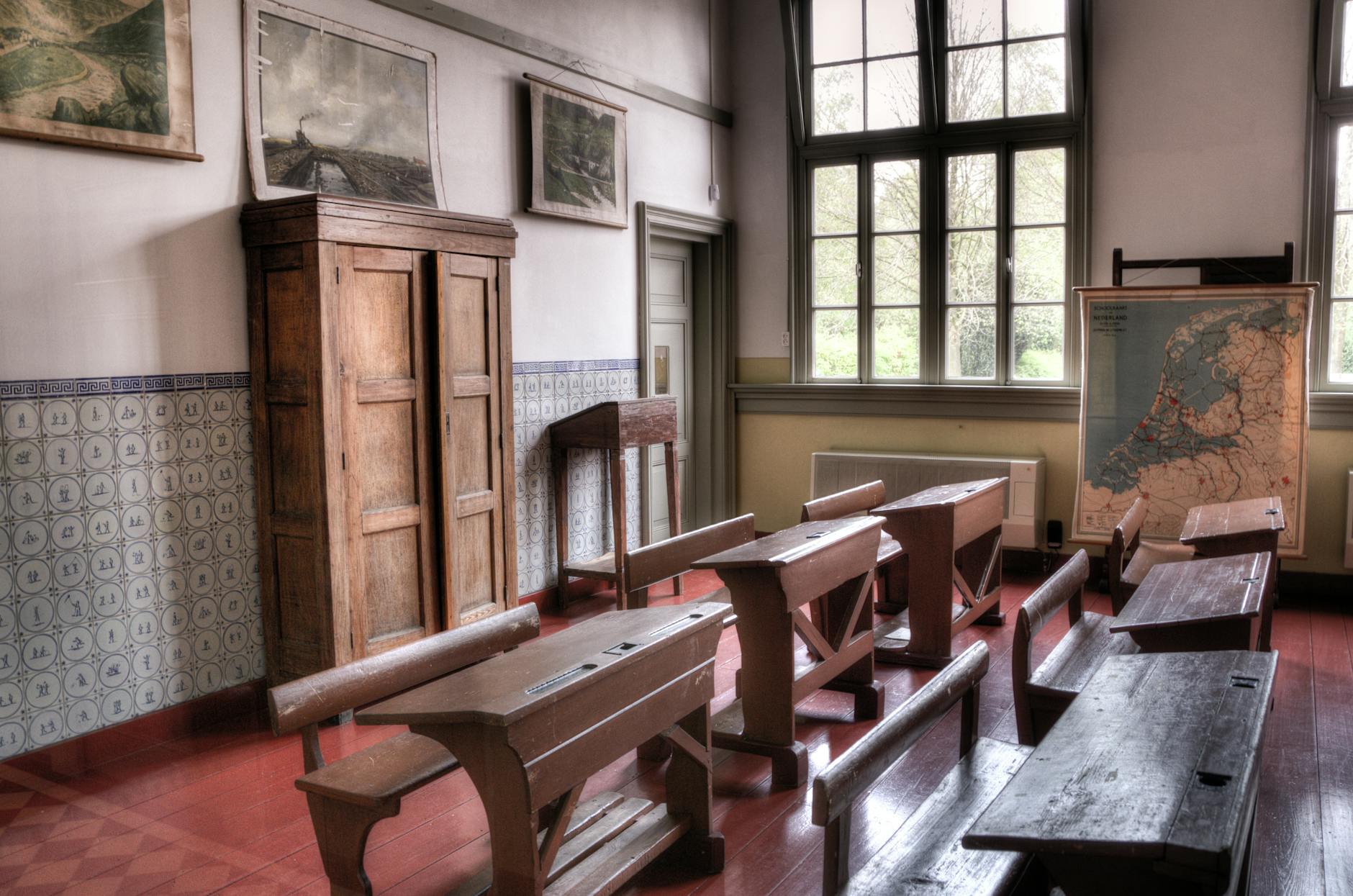
If there was anything Bud hated more than waking up to catch the school bus, it was getting to school and sitting in a classroom all day long. He couldn’t keep his mind on anything in a book. He could often find himself gazing out a classroom window and dreaming of riding his horse: anything but reading, writing, or arithmetic. His teacher knew his fondness for drifting into daydreams and would call his attention back to reality, usually asking if he knew what they were discussing. He didn’t, but he tried to fake it, bringing laughter to his classmates. It was test time, and it mattered, so he tried hard to pay attention because Bud didn’t want to be held back a year and have to repeat a grade level.
The week came for the test, and Bud had tried hard to study, fitting time between his farm chores and breaking his new horse, Rose. Unlike any horse Bud had ever owned, she was a delight to have. She even became friendly with Bud, meeting him at the pen gate and following him around as he cleaned out the barn. Staying in the pen was unusual; typically, horses would take to the pasture when the gates were open and get their exercise and run. She might go out for a spin, but she would return and spend most of the time with Bud, nudging him as he did his work. Which sometimes became a nuisance since scooping out the barn required much physical work, and she wanted his attention. After his chores, he always gave her a rub down, which Rose seemed to eat up. As he took the brush and rubbed down her back and hips, she would extend her neck into the air and twist her upper lip in a pleasing gesture. Bud thought this was strange for a horse someone had never touched until a few months ago. But what Bud doesn’t know is Rose would only let his father and Bud have anything to do with her.
Bud finished the rub down and told Rose,
“Well, girl, I have to take tests tomorrow, and I won’t be here on time, so don’t give up on me. I will be here, but I will be late.”
Rose nudged Bud’s shoulder; he thought maybe she understood.
The next day, Bud hated getting up at sunrise to catch the bus and go to school. He could do so many better things, but he did anyway. At school, those tests were waiting. He managed to get through all the day tests and, thanks to the new testing system, learned he had passed them all. He hoped the teacher would pass him on to the next grade. It depends on more than just grades at the school; it also includes conduct, attendance, and interests in subjects. The school would only send that notification in the middle of the summer. The excellent news for Bud is the last test meant that school was over for the season, and he was free for the summer. Once he got home, he didn’t have to catch that school bus for another three months.
It was later than usual when Bud rolled in on the school bus; it had run the route backward due to it being the last day of school and letting the students at the end of the route get home first for the last day of school. It was a trade-off for getting home first all the other days of the year for Bud. She was angry when he got to the Barn and Rose’s pen, nickering up a storm. Bud came in with hay, a gallon of oats, and a brush. He put the oats and hay in her feed bin, and as she began to eat, he gave her a rubdown. Which she immediately melted into.
Bud said to Rose as he calmed her,
“There, I told you I was going to be late. Calm down. I have a few more horses to take care of, too. I always come to you first!”
She gave him a gentle nudge, burying her head into his shoulder. He scratched her forehead. She closed her eyes and buried her head in his chest. Bud fed the other horses, returned to Rose, gave her another quick rubdown, and ensured she had fresh water.
Bud said to Rose patting her on the hips,
“I have to eat too –– so I will be here first thing in the morning. We have work to do!”
He closed the pen gate and went to the house. The day was about to come to a close. Now, he was looking forward to waking up at sunrise; he had Rose to get to and a day of riding.
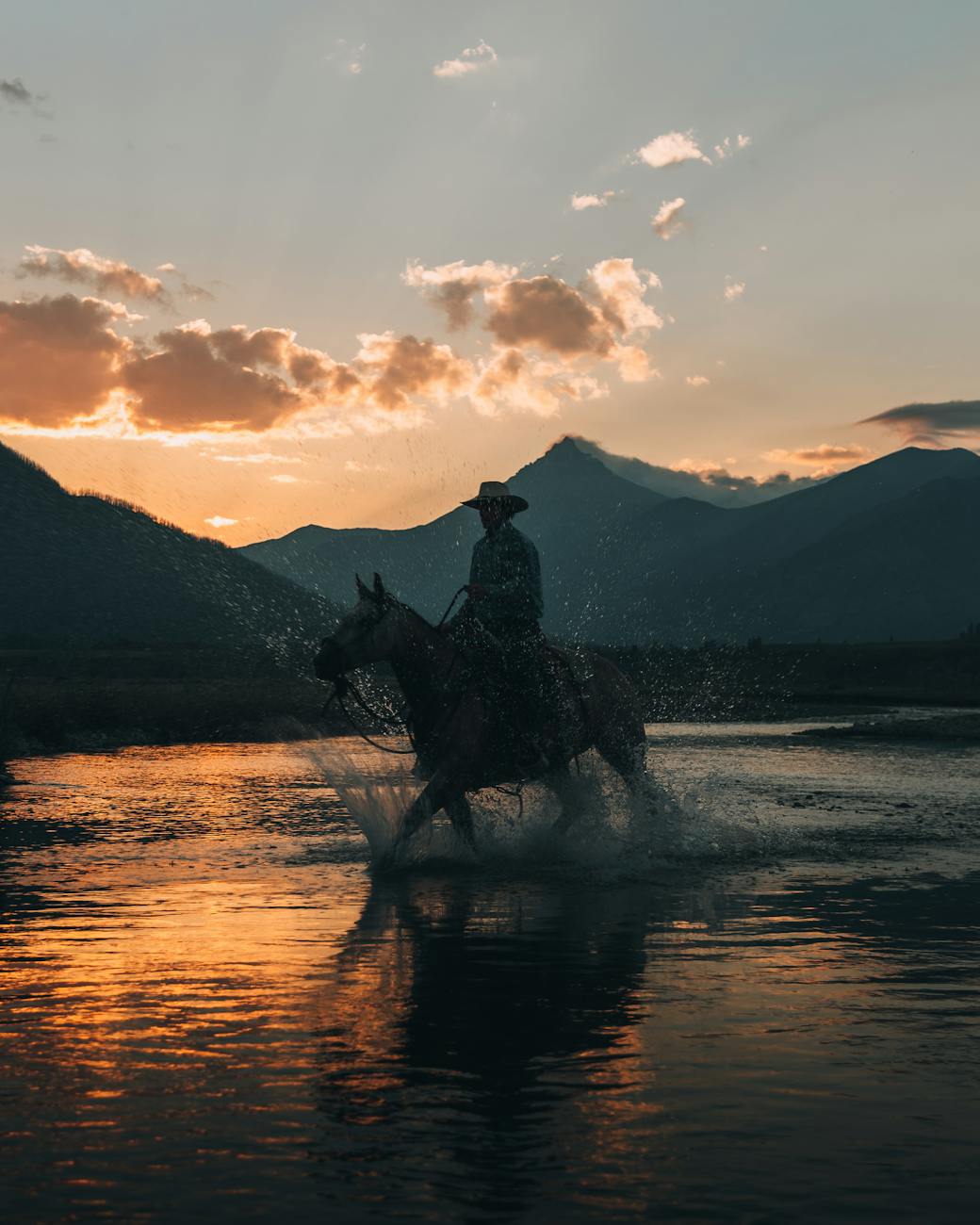
Sunrise came sooner than Bud thought it would, and it was a bit tougher to get up than he thought it would, but he managed to get to the floor and get going the following day. He grabbed a quick bite of breakfast and was off to the barn and Rose’s pen. Bud found his horse ready to see him; Bud gave her a brush down and then saddled her up. He told her we leave the riding arena today and go to work.
Bud slipped on a bridal and a new set of roping reins that lightly touched Rose’s neck. She noticed that the thick plow reins were gone and that the light touch of the new reins seemed more to her liking. As Bud stepped into the left stirrup, rounded his right leg over Rose’s back, and settled into the western-made saddle, Rose shifted her feet and became comfortable with his mount. Having him aboard brought a prance to her step. When the two rode with others, comments were being made about how the Rose and Bud appeared so confident together, and the Rose’s stride was so prideful. She had a specila gate, rather than at a walking pace or when she loped. Rose had a trot that went a step beyond that of a fox trot and a lope that didn’t bounce Bud. She was the Caddilac ride!
On the first day, Rose proved to be as great of a horse as those riding five- and six-year-olds. She took every step. Rose never shied away from anything, and in every task Bud asked of her, Rose met. Bud even got off her several times to fix a fence post or pull up a wire along a fence line, and she never left his side; the other riders had to tie their horses off and walk back to them after fixing fence lines, but Rose, stayed right along wherever Bud went.
A month into summer, Bud’s father suggested he begin training Rose to cut cattle. To do so, Bud would begin having Rose train on turning goats in the roping arena. Rose took to it like she was born to do it. She was so swift at turning with the goats that she nearly caused Bud to lose his mount several times. However, Bud learned to sit with Rose, and the two became masters in cutting goats, cattle, or dogs if needed.
By the end of summer, Rose had become well-muscled and was turning four years old. She had begun to fill out. Bud’s father suggested that he breed the horse and get a colt from the horse for next spring, saying that he had a good horse. So Bud’s father made arrangements with a neighboring horseman to have Rose visit his stud, and a few weeks later, the news came that Rose would be expecting a colt next spring. While waiting, Bud began getting Rose ready to show in the upcoming county fairs.
Rose stood proudly in the county and several city fairs, and walking alongside Bud, she won several Blue and Red ribbons. It was a great experience to prepare her for riding in parades and rodeos. Bud did bring Rose to town several times; she walked proudly and enjoyed the crowds of people who looked on as she pranced down the streets or through the rodeo arenas.
Bud grew up fast, and so did Rose; she had several colts over the years. Bud would train them like he had Rose, usually selling them and putting them in a savings account when he got older. Rose remained loyal to Bud, and they rode nearly daily, even with school going on. It was something for Bud to look forward to after getting out of school. Living so far out in the country, neighbors weren’t nearby, and Rose was his best friend, at least closest to home.
When Bud turned 17, he got a pickup with the money he had saved. This was also the time his father began downsizing his horse farm. Rose was one of the last horses left in the place. One morning, Bud’s father came to him and said ––
“You know, Rose is at a good point for selling, and you will be moving away in a few months. You should think about selling her to your brother. And your saddle, too.”
Bud was heartbroken because he knew his father was right. He had been thinking about what to do for months. He knew that he would be leaving home for his first job in a few months, one that would require him to move away and that would not allow him to have Rose. Plus, his father had aged and was becoming unable to care for horses. That was the reason for the downsizing. Bud’s father had already sold all his horses and saddle. Something Bud never thought he would see happen.
Bud slept on it overnight; the following day, he talked to Rose, and she didn’t nudge him back when he spoke to her. He knew she understood. And she, too, was heartbroken. He closed the gate on her pen and walked away.
A new neighbor moved down the road. His name was George. He had two strong mules that could pull a plow, a milk cow, and a rooster, but no hens. It looked like he had just taken up living in an old hut abandoned by old farmers who once lived in the area and had gone on. Bill and Nora lived down the road, and further up the hill lived John and his wife, Laura.
Bill, on his horse, was on his way to check on John and Laura when he passed George’s new living setup. Seeing George’s farming efforts, Bill decided to stop and extend a warm welcome. He introduced George to the rest of the neighbors, John, Laura, and his wife, Nora, and invited him to visit anytime. Bill emphasized the mutual reliance of neighbors and assured George that their door was always open, fostering a sense of community and support.
Bill, after his brief encounter with George, continued his journey to John and Laura’s home. He shared the news of their new neighbor, George, and they all agreed on a plan. They decided to reach out to George and invite him for a warm community dinner on Sunday, a gesture that would help him feel welcomed to their little community.
That night, Bill fed his animals on his farm and locked his barn. He and his wife settled down in their home with a cozy fire flickering in the fireplace. They sat and thought about how lucky they were to have their little farm and life. It was to be a cool night but not cold, and Nora left their bedroom window cracked to let fresh air in as they slept. It must’ve been after midnight when Bill and Nora’s dog “Blue” started barking, and Bill yelled for him to lay down and go to sleep, saying to Blue,
“We’ll go hunting tomorrow, dog!”
The dog, looking miffed, he had heard something unusual but obeyed Bill and lay down, all the while staring out the door, watching for something to move.
The following day, Bill went out to feed his livestock and noticed hay, corn, and other items had gone missing from his barn. The back barn door swung open –– Bill recalled –– it had not been the night before. He saddled his horse and rode to John’s, and they, too, had been missing several things: pots and pans, a chicken, and a piece of meat from their smokehouse. Bill told John not to say anything to George until they knew the new neighbor had anything to do with the missing items. Just because George was new to the area didn’t mean he had taken anything.
On his way home, Bill stopped by to check on George. But, it looked like George was still asleep, and his wife, whom Bill hadn’t met, was timid and only waved through the door. So Bill rode his horse back home.
When he got home, Bill had a hunch and got some stiff bailing wire used to bundle hay. He stuck it into his corn cobs, which he stored in his feed storage bins. He then slid a small band onto a few of his best hens’ legs. That night, Bill and Nora went to bed and again had their window cracked open, and Blue was guarding them next to the bed. Sometime after midnight, Blue began barking and scratching at the door. And again, Bill told him to lie down. But this time, Bill knew why Blue was barking.
The following day, Bill went to his barn, and sure enough, the corncobs he had placed the wire on were gone. Some hay and the hens he had slipped the bans on their legs were gone. Bill returned to the house, had breakfast, and told Nora he was going over to Georges. When he arrived, the neighbor was out in his yard, and the two men met. And Bill asked George if he could see George’s mules. As they were looking at the mules, George saw a corncob and broke it open, and there was a wire. The wire he had stuck in it the night before.
Bill turned to George and said,
“George, this corncob is mine. I put this wire in there last night. I will find the same thing if I break open a few more corncobs. And, I have seen several hens you have today that you didn’t have yesterday, and they have a ban on their legs. I know because I placed it on them last night as well. John is also missing some meat and old pots and pans up the road, and I’ve heard talk from other neighbors about missing things around. We don’t do such things around here!”
George apologized and said that he would bring the items he took back before the day’s end.
At sundown the following day, Bill and John were talking, and they had not heard from George but knew he was at home. George had not returned anything. Other men who were missing items met Bill, and they said ––
“we need to teach George we don’t steal.”
They all agreed. The men went and hitched a team of horses up to a wagon and put an old whiskey barrel and some rope in it. They then went to George’s. When he came out onto his porch, the men surrounded him, tied him up, and put him in the wagon. Some of the men’s wives came to stay with George’s wife while the men took him out in the wagon.
They climbed a tall, steep mountain that was clear of trees on one side. When they got to the top, they set the whiskey barrel out and told George to get inside. He did. Then they tacked on the top. George could only see one small hole in the side of the barrel.
The men told “George, this is your punishment for stealing from us. You are to be in this barrel overnight”, but they were interrupted.
A big ole bear came sniffing out of the woods, and the men jumped on the wagon and took off. Looking out of the hole, George couldn’t see what was going on, but the bear backed up to the barrel, sticking its tail in the hole. When it did, George grabbed it and scared the bear, causing it to run down the mountainside. As it did, the barrel rolled, banged, thumped, jumped, flew, hit, and jarred the barrel. Causing to fall to pieces when it hit the bottom of the mountain. George was beaten and bruised but alive, and the neighbor men in the wagon were all waiting on him. Two of them got on each side of him and helped him into the wagon; another handed him a jar of salve, telling him it would take care of every scratch on him. When he healed, the other men told him to hitch his mules up to his wagon and come by their place, and they’d have some items to help him start farming and set up a house with his wife. Bill and John told him that he never had to steal again in his life. All he had to do was be a good neighbor and help others when they needed it, and others in the community would help him. Bill said, “If you are having trouble, don’t starve. We’ll help you out, just like you will help us out when we need it.”
If you are having trouble, don’t starve. We’ll help you out, just like you will help us out when we need it.
Then, all the farmers and people who lived in the area came together on a sunny afternoon and celebrated having new neighbors, George and Bessie. There was food, games and their fellowship built lifetime bonds. From then on George was the best neighbor and went on to pass on the lessons he learned from Bill and John and the other farmers and neighbors who had turned him away from stealing.
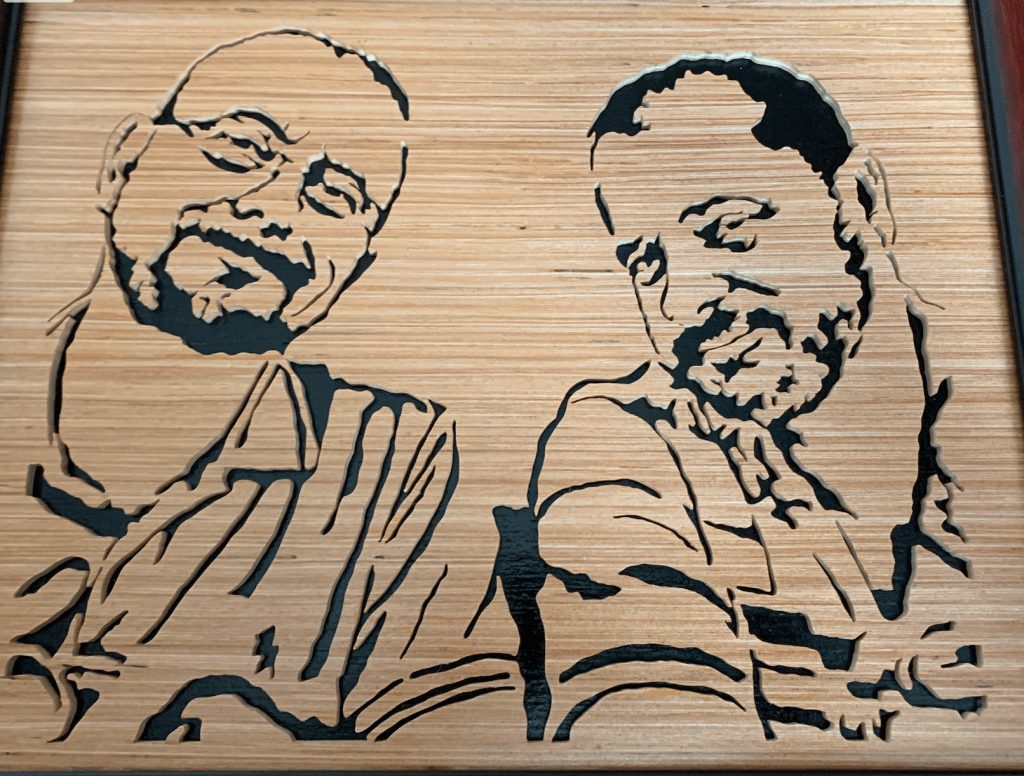
In the picturesque fusion of a town that captures the charm of Mayberry and the boundless frontier of Star Trek, two hearts found a love that defies time and space. Meet Ben and Steve, a couple whose love story is as enchanting as it is enduring—a beacon of hope and resilience that inspires all who witness it.
Ben and Steve
Steve, whose eyes sparkle like the constellations he admires, has always been a dreamer, casting his gaze toward the heavens with wonder and curiosity. On the other hand, Ben embodies justice and bravery, fearlessly chasing down thieves and reclaiming stolen cars. His badge shines brightly as a symbol of his commitment to protecting others.
Their worlds may seem galaxies apart, with Steve whispering messages to the cosmos through his microphone and Ben upholding the law with unwavering dedication. Still, these very differences make their love story so captivating. United by a love transcending boundaries, they lean on each other, their bond unbreakable, and their passion ever-growing.
Their love story began over four decades ago, a chance encounter that set the stage for a lifetime of shared dreams and unwavering commitment. Fourteen years ago, they leaped into matrimony, not just as a legal union but as a testament to their enduring love and resilience. In the face of uncertainty, it was a promise that their love would remain steadfast and accurate, and no matter what challenges lay ahead or rights that might be under threat, they would forever be united.
As the years have passed, their love has only grown stronger. They still greet each day with breakfast together, their laughter and companionship a testament to their enduring friendship and love. When future generations look back, marveling at how they managed to keep the flame of love alive for so long, the answer will be simple: it’s because of Ben and Steve and their unwavering passion and commitment to each other.
So, here’s to the kisses shared and the laughter exchanged, the dreams dreamed, and the challenges overcome. Their happiness is a daily reminder of the power of love, a beautiful reality that reminds us all to believe in the magic of true love. Cheers to Ben and Steve, whose love story inspires and enchants us all, proving that true love is timeless and everlasting.
This election isn’t about pitting the young against the old. It’s about ensuring that Gen Z and Millennials, who constitute a significant third of our nation’s population, have representation that mirrors their presence.
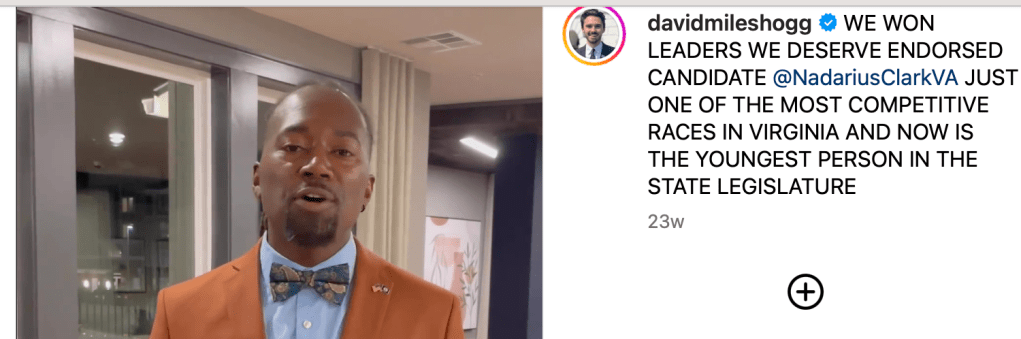
David Hogg Leaders We Deserve PBS Interview
Although remembered as older, numerous influential leaders initiated their activism in their youth. We aim to support these leaders—like John Lewis, who embarked on a mission for vital change at a young age and became one of our country’s most pivotal and influential leaders.
Our goal is straightforward: elect more youthful leaders capable of introducing fresh perspectives into our government.
Numerous barriers have historically prevented young people from entering public service and achieving the representation they deserve. Those who support America for all should make every effort to assist young candidates in overcoming these obstacles.
Visit Leaders We Deserve
After the setbacks of 2016, the 2018 blue wave brought the Democratic Party a renewed recognition of the influence young voters wield. In 2020, Joe Biden’s election, which was largely driven by the substantial turnout from Millennial and Gen Z voters, showcased the power of youthful participation. Your voice matters, and your vote can shape the course of our nation.
Vist The Post On Leaders We Deserve Winning!
In 2022, young voters reaffirmed their electoral influence, thwarting the anticipated “red wave.” Emerging young leaders like Justin Jones in Tennessee and Maxwell Frost in Florida gained prominence. Groups like “Leaders We Deserve” also celebrated their first endorsement success with Nadarius Clark’s election in Virginia.
Listen To Interviewof radio interview
The benefits of electing young leaders extend beyond Gen Z and Millennials; they enrich the nation and shape our future. Commencing political involvement at a young age capitalizes on time, making it a potent political ally. Gen Z’s potential longevity in Capitol Hill eclipses many, underscoring the urgency of their ascent to power. The time to act is now.
If you resonate with a mission and aspire to bolster the election of deserving leaders in 2024 and beyond, please act to support feasible campaigns like “Leaders We Deserve” to support their endeavors or find a campaign that will help elect a Democratic Candidate to office.
A Vote For Trump Is A Vote Against Democracy! Remember, Vote Blue When You Do!
My household has always maintained a relatively liberal understanding of the country’s homeless situation. We disagree with outlawing their right to exist and have a place to live and shelter. They are, after all, doing the best they can with the current housing, employment, transportation, or other issues they face. Let them be!
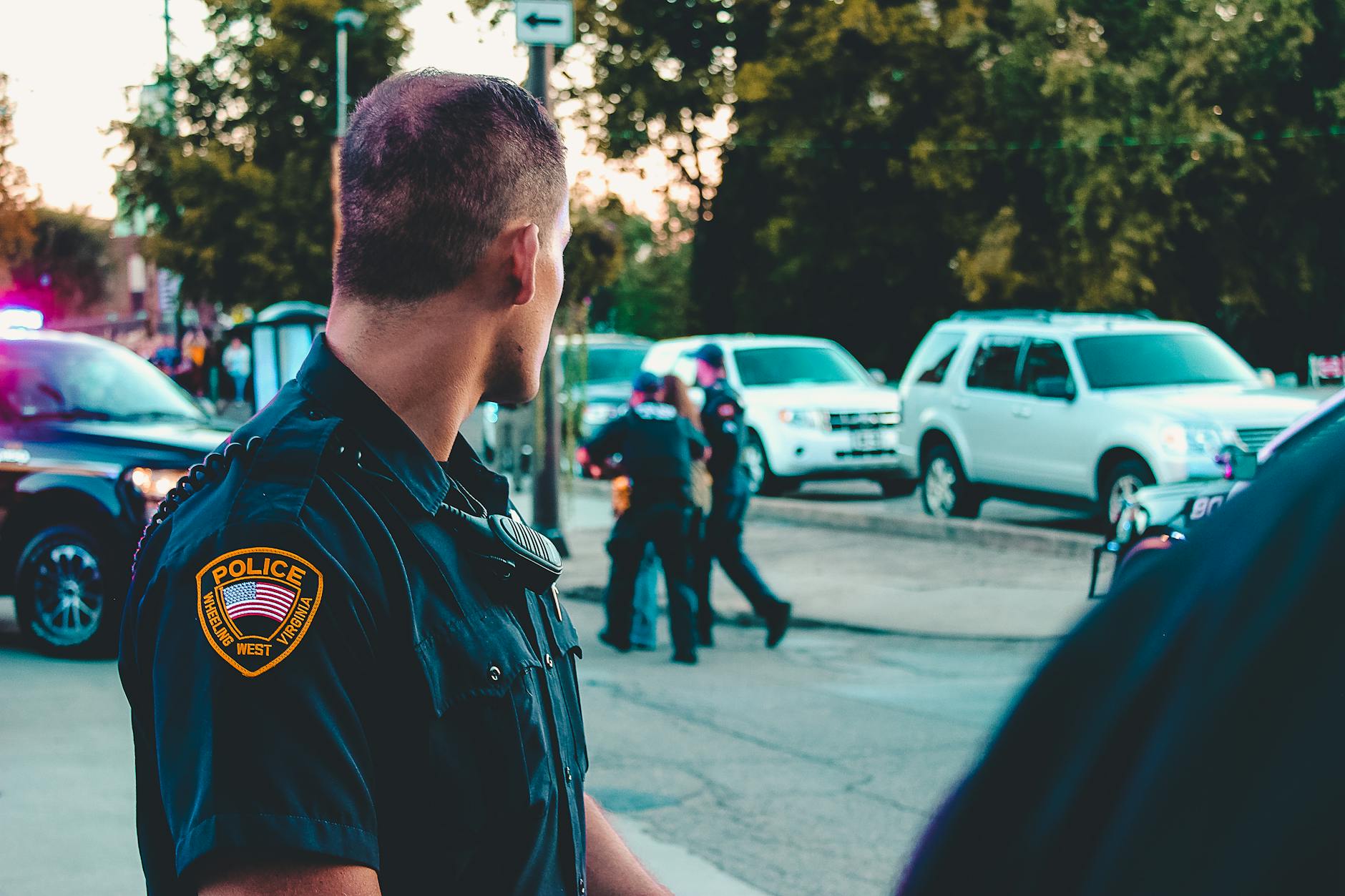
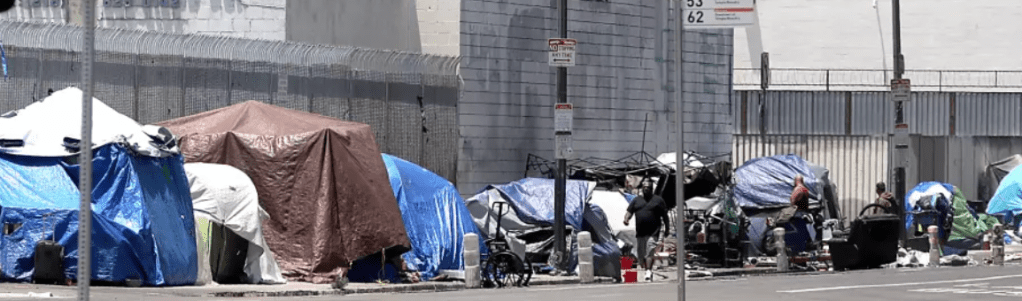
That is what our stance has been all along, until we went out to breakfast this past weekend and the police department was herding a group along the main boulevard we take to our restaurant. They appeared to be the characters you don’t want to run into in a dark alley at night—or daytime, for that matter. For Christ’s sake, were they planning to put roots down behind our neighborhood. We have a wall around the place, but salespeople always jump in and try to knock on doors. We have security but are not the type that can handle these characters. Every winter, we have a homeless troupe that typically arrives and camps near a river, but they are the same people every year, and they are like the snowbirds who flow in and out of the area from the north. These new homeless characters were of a family we never experienced before.
And that is what is scaring so many in America. The police found a suitable place for the troupe to travel on to, and there were no more sights of them after that initial spotting. But that is different for many in the country. These homeless populations inundate their communities, and it is an issue they have never before had to face. What if they are following suit? How many more will come? What problems will they bring with them? Will the property values deflate wherever they plant a stake? Jesus, are they diseased?
California has spent billions of dollars trying to fix its homeless problem and has failed to find a solution. The issue is greater there now than ever. Affordable housing remains unobtainable to those needing it. California is asking people to build tiny homes in their backyards, garages, wherever there is space, and make them available to house people. The problem is, if folks don’t want them in their alleys, will they want them in their garages?
Locally in Phoenix, Arizona. My husband hired an unhoused person years ago and knew she was, although she had not disclosed so on her introduction form. He worked with her schedule to make sure she kept her employment, and within six months, she was able to get a studio apartment, moving from her car. She then told him. He said he knew all along, and that is why he had worked so hard to keep her going, and she turned out to be one of the best employees. Such an example may not be the case with every person, but it is an example of how we can attribute ourselves to improving the situation one person at a time.
While feeling uneasy about sudden changes in your community is natural, it’s important to remember that homelessness is not a choice for many people. They often face a variety of challenges, including mental health issues, substance abuse, lack of affordable housing, and unemployment, which can contribute to their situation.
As for the broader issue of homelessness, it’s clear that a comprehensive and compassionate approach is needed to address the root causes and provide effective solutions. This approach may include increasing access to affordable housing, expanding mental health and addiction services, and providing job training and employment opportunities for homeless individuals.
The Supreme Court now has the issue, and the Lord only knows what they will come up with. But no doubt Texas will pass a law ordering the execution of all homeless people after 30 days of being homeless.
Joe Biden has taken 382 vacation days off to date. That equates to over one full year on vacation out of 3 years as US president. Is he the most ineffective US president in history?
Answered by Benjamin via benandsteve.com
We take your word it was 382. I need President Biden’s schedule to confirm such details. Since the job is 24/7, 365 days a year, you never have any privacy, nor a day without less than twenty interruptions, even when on vacation. The vacation days alone don’t necessarily reflect a president’s effort. Being president is a demanding job that comes with its own set of challenges and responsibilities. While the president must take breaks and maintain a work-life balance, one should consider the number of vacation days in the broader context of one president over another president’s performance, decision-making, and leadership.
Every presidency has challenges and circumstances, and comparing one president’s vacation days to another does not give a comprehensive view of their effectiveness. When evaluating a presidency’s effectiveness, it’s also essential to consider the accomplishments, policies enacted, and challenges faced.
The information provided may be more accurate or presented better to portray a specific narrative. It’s always a good idea to fact-check information and consider multiple perspectives before forming an opinion.
For a fact, here’s what Biden didn’t do:
He never only started his work days around 11 am or 11:3AM, crisis or not.
Never made an ass out of himself on a global stage.
Never has had disregards to promises made during his campaign.
He Never has been impeached.
Biden didn’t get impeached a second time.
Biden never had to survive a Senate trial that most senators later – admit that they should’ve voted and should’ve been guilty.
Biden didn’t get indicted – FOUR TIMES.
It wasn’t Biden who tried overturning the People’s Will in the 2020 *Election by inciting an insurrection!
No Biden didn’t call the Georgia Secretary of State and attempt to *Strong arm him into creating 12,000 more votes in his favor.
Biden didn’t take papers from the national archives and refuse to return them to the United States Government. Going as far as to tell employees to hide the location of the boxes that contained them from authorities. Then, he agreed to return them and never did so. Then, having the stated allegations recorded on the video camera and denying it was real, lying to the FBI (also a crime.)
The list of things President Biden never did could go on, but it would be easier if you tuned into Court TV Monday through Friday.
Those are the differences you can make between Biden and Trump, which is just the start!
The documentary “1946: The Mistranslation That Shifted a Culture” delves into a controversial and thought-provoking topic that challenges conventional beliefs about the Bible and homosexuality. Directed by Sharon “Rocky” Roggio, the film examines the claim that the Bible originally did not mention homosexuality and that references to it were added due to mistranslation and misunderstanding of ancient Greek terms.
The film highlights the work of Christian scholars who delve into forgotten archives at Yale University to uncover the origins of this mistranslation. It argues that conservative Christians began to propagate this mistranslation in the 1970s to scapegoat the LGBTQ+ community and oppose their growing liberation movement.
Roggio, who identifies as a lesbian and is the daughter of an evangelical minister, engages in dialogues with her father throughout the film, attempting to find common ground and challenge his beliefs about homosexuality being a sin. This personal narrative adds depth and emotion to the documentary, as it explores the complexities of faith, identity, and acceptance within a family divided by differing views on sexuality and religion.
The documentary sheds light on the potential harm caused by misunderstandings and misinterpretations of religious texts, highlighting the real-world consequences faced by LGBTQ+ individuals who have been marginalized, discriminated against, and even persecuted due to these beliefs.
Overall, “1946: The Mistranslation That Shifted a Culture” offers a compelling perspective on a contentious issue, urging viewers to question and reevaluate long-held beliefs and encouraging dialogue, understanding, and acceptance.
Gay, Lesbian, Bisexual and Transgender National Hotline 1-888-843-4564. “The Gay, Lesbian, Bisexual and Transgender National Hotline provide telephone and email peer-counseling, as well as factual information and local resources for cities and towns across the United States.
Indeed, the economic conditions at the end of Trump’s term were challenging due to the pandemic, and Biden inherited an economy facing significant headwinds. The pandemic’s impact on the economy was unprecedented, affecting employment, consumption, and global demand.
However, public perception and political narratives often prioritize certain aspects of an administration’s performance while downplaying others. People’s opinions become shaped by various factors, including media coverage, partisan affiliation, personal experiences, and messaging from political leaders.
Trump had shut down the United States of America, a fact that nearly every American forgets today. They need to remember the closed stores, the empty shelves, the closed restaurants, the doctor’s office that had to refuse patients, hospitals that were so full no one could visit, and nursing homes where loved ones had to stand outside and wave to loved ones from the street, and Funeral Homes so full they were using rental refrigerator trucks to store bodies—the toilet paper shortages. That was Trump’s Administration. Biden had to clean it up. He received much blame for what must occur to get the nation back on track. But he got to work, and the country got back to life.
Here are a few points to consider when thinking about why public opinion might differ between Trump and Biden regarding the economy:
Partisan Bias: Political affiliations can heavily influence people’s views on the economy. Republicans may be more inclined to credit Trump for positive economic developments during his term and blame external factors like the pandemic for any downturns. Conversely, Democrats may be more critical of Trump’s handling of the economy and more forgiving of the challenges Biden faced upon taking office.
Messaging and Framing: Political leaders and media outlets shape public opinion. How economic data and policies get reported can influence people’s perceptions of the economy’s performance. Trump was known for touting positive economic indicators during his term, influencing public perception despite the broader challenges.
Another significant factor that shapes public opinion on the economy is personal experience. People’s direct economic situations, such as job loss, financial hardship, or financial gains, can profoundly impact their views. For instance, someone who experienced a job loss or financial hardship during Trump’s term might have a negative view of his economic policies. Conversely, if someone benefited from tax cuts or saw their investments grow, they might have a more positive perception. Complexity of Economic Issues: Economic conditions are influenced by a multitude of factors, including global trends, monetary policy, fiscal policy, and more. It can be challenging for the average person to parse through these complexities and assign credit or blame to a particular administration accurately.
In conclusion, public opinion on the economy is multifaceted, and partisan biases could dominate messaging, personal experiences, and the complexity of economic issues. While the data presented paints a challenging economic picture at the end of Trump’s term, public perception is by broader factors. And it is conveniently forgotten!
When A Law Maker Takes Amen Corner To The People’s House
In a scene straight out of a dystopian movie about America’s collapse into christofascism, here’s a video of Arizona State Senator Anthony Kern and his group of anti-abortion zealots on their hand and knees in the the AZ State House Chamber of the state capital, engaging in tongues-praying for the reinstatement of a near-total abortion ban from 1864.
Image is not that of any person appearing in report.
Kern — a former code enforcement officer who was fired for lying and “string of other disciplinary problems” — can be seen on the carpet with his gang of extremists circled around the Arizona state seal in the carpet, babbling fervently for divine intervention to resurrect a Civil War-era law.
As Public affairs strategist Tony Cani points out, the real kicker is that they didn’t even need to pray; the groundwork for this moment had been meticulously laid out years prior.
That sounds like a striking and controversial scene, blending elements of politics, religion, and history. The image you’ve painted paints a vivid picture of the tensions surrounding issues like abortion and the intersection of religion and politics in American society.
It’s always concerning when political figures engage in such public displays of religious fervor to push a specific agenda, especially when it involves legislation that could significantly impact people’s lives. The blending of state and religious symbols in a governmental chamber can raise questions about the separation of church and state, a foundational principle in the United States.
The fact that Senator Anthony Kern has a history of disciplinary problems adds another layer of complexity to the situation. It raises questions about his credibility and the motivations behind such a public and symbolic act.
Tony Cani’s observation about the groundwork being laid out years prior underscores the idea that these moments are often carefully orchestrated for maximum impact. It highlights the strategic nature of political theater and the lengths to which some will go to advance their agenda.
It’s essential for citizens to remain informed and critically evaluate these actions, ensuring that decisions made by elected officials are in the best interest of all constituents and uphold the principles of democracy and justice.
One could bring up a valid point about the intersection of religion and politics, especially when politicians use religious displays as a means to appear more righteous or to gain public support for their agenda. The scripture from Matthew 6:5-8 that is mentioned highlights the importance of sincerity and humility in religious practice, cautioning against performative acts of piety.
When politicians engage in public displays of religious fervor, it can raise questions about their sincerity and motivations. Are they genuinely acting out of religious conviction, or are they using religion as a tool to advance their political goals? The line between genuine faith and political opportunism can become blurred, leading to skepticism and mistrust among the public.
It’s essential for voters and citizens to be discerning and critical of such displays, ensuring that they hold their elected officials accountable for their actions and motivations. Blind acceptance of religious or political rhetoric without critical evaluation can lead to the exploitation of faith for political gain.
Ultimately, the misuse of religion for political purposes can undermine the true essence of faith, which should be centered on love, compassion, and genuine connection with the divine, rather than on power, control, or political advantage.
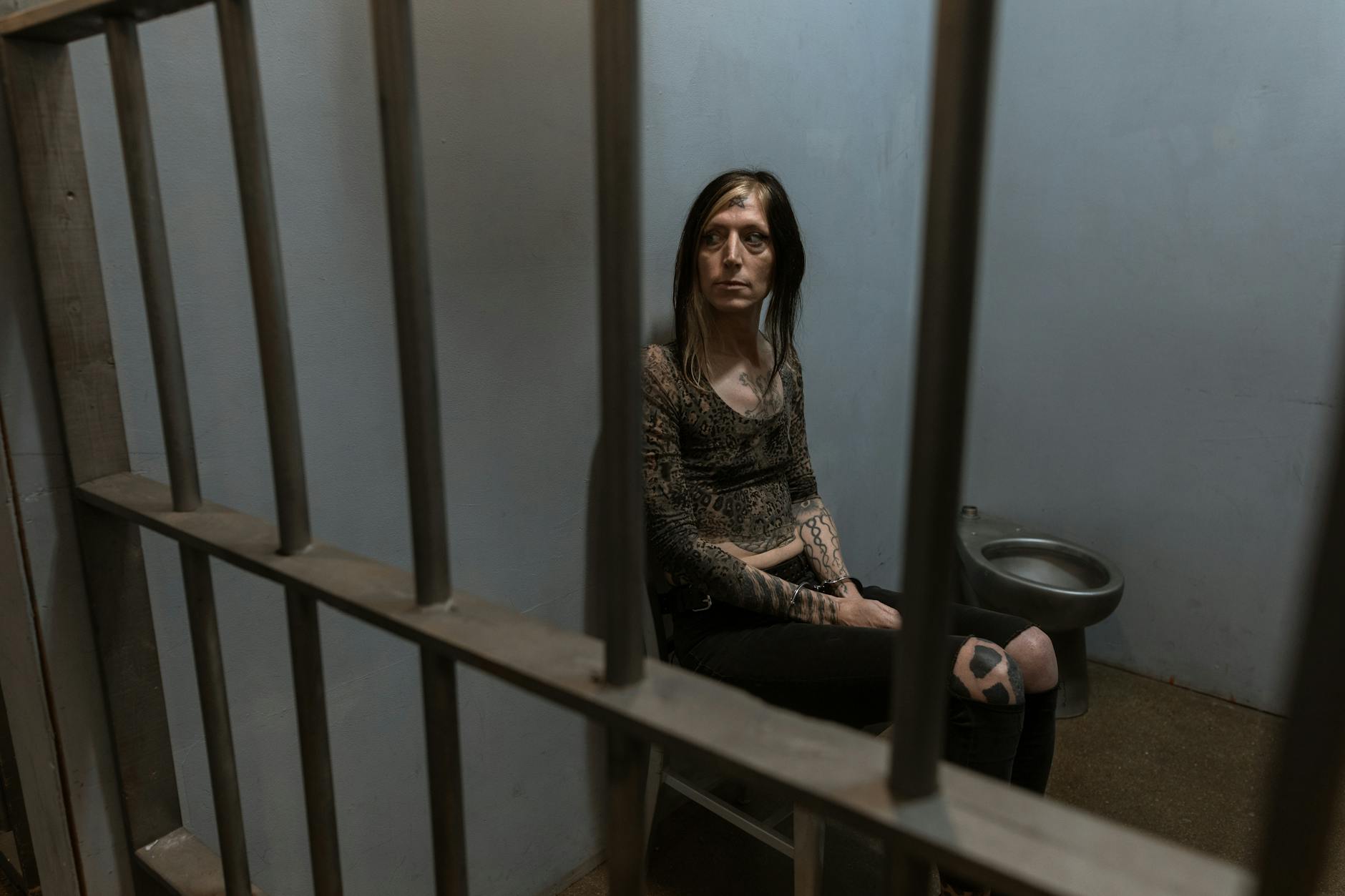
Florida has a new law that is designed to fill prisons.
‘We will catch you and we will prosecute you’: Florida Gov. Ron DeSantis is cracking down on retail theft – how he’ll ‘distinguish’ the state from ‘lawless jurisdictions’ https://t.co/ksBOXG9D7V via @flipboard
— benandstevecom Galaxy8News (@benandstevecom) April 17, 2024
Commercial Incarceration Facilities Prospering In Florida. Investments in private prisons contracted with Florida show favor with new laws designed to provide continous population on a rotational basis.
The growth and prosperity of commercial incarceration facilities in Florida have been a topic of debate and concern for many. Investments in private prisons have indeed increased in recent years, and this growth can be attributed to several factors, including new laws and policies that aim to maintain a steady population within these facilities.
One of the key issues often raised regarding private prisons is the potential conflict of interest that arises when profit motives intersect with the administration of justice. Critics argue that the financial incentives associated with running a for-profit prison may lead to practices that prioritize cost-cutting over the well-being and rehabilitation of inmates.
Proponents of private prisons, on the other hand, argue that these facilities can operate more efficiently than their public counterparts, potentially saving taxpayer money. They also point to contractual agreements that often include occupancy guarantees, ensuring a consistent revenue stream for investors.
However, concerns persist about the quality of care and services provided in private prisons, as well as the potential for abuse and neglect. Reports of overcrowding, inadequate medical care, and safety issues have raised alarm bells among advocates for criminal justice reform.
In Florida, the state has entered into contracts with private prison companies to house a portion of its inmate population. With new laws designed to ensure a continuous flow of inmates into these facilities, investors in private prisons may see this as a lucrative opportunity for growth.
It’s essential to approach the topic of private prisons with a critical lens, considering both the potential benefits and drawbacks associated with their operation. As the debate continues, policymakers, advocates, and stakeholders must work together to ensure that any expansion of private prisons prioritizes public safety, justice, and the well-being of inmates.
It’s essential to approach discussions about transgender issues with understanding and openness rather than defensiveness. Each person’s experience and understanding of gender identity is unique, and our language should reflect that diversity.
Acknowledging the differences between transgender and cisgender individuals doesn’t diminish anyone’s identity; it respects the nuances of each experience. Language is a tool for communication, and its meaning can evolve over time. It’s crucial to listen carefully and ask questions to ensure we understand each other’s perspectives accurately.
The rigid social structures of the past are giving way to more fluid and inclusive understandings of gender and identity, especially among younger generations. Embracing this change and learning from it can help us create a more inclusive society for everyone.
As older generations, we have a responsibility to engage in these conversations and advocate for understanding and acceptance. Our experiences can offer valuable insights, but we must also be willing to learn from the perspectives of younger generations.
We must stand together against discrimination and fight for the rights and dignity of all individuals, regardless of their gender identity or sexual orientation. By educating ourselves and others, voting for inclusive policies, and speaking out against hate, we can work towards a more just and equitable society for all.
Billy Idol was doing a cover of “Mony Mony“…a song written and performed originally by Tommy James and the Shondells in 1968. The meaning of MonyMony is simply…Mutual of New York Insurance Company. M-O-N-Y.
Tommy James explained in an interview: “Originally, we did the track without a song. And the idea was to create a party rock record; in 1968 that was pretty much of a throwback to the early ’60s. Nobody was making party rock records really in 1968, those big-drum-California-sun-what-I-sing-money-type songs. And so I wanted to do a party rock record.
And we went in the studio, and we pasted this thing together out of drums here, and a guitar riff here. It was called sound surgery, and we finally put it together in probably a month. We had most of the words to the song, but we still had no title. And it’s just driving us nuts, because we’re looking for like a ‘Sloopy’ or some crazy name – it had to be a two-syllable girl’s name that was memorable and silly and kind of stupid sounding. So we knew what kind of a word we had, it’s just that everything we came up with sounded so bad. So Ritchie Cordell, my songwriting partner and I, are up in my apartment up at 888 Eighth Avenue in New York. And finally we get disgusted, we throw our guitars down, we go out on the terrace, we light up a cigarette, and we look up into the sky. And the first thing our eyes fall on is the Mutual of New York Insurance Company. M-O-N-Y. True story. With a dollar sign in the middle of the O, and it gave you the time and the temperature.
I had looked at this thing for years, and it was sitting there looking me right in the face. We saw this at the same time, and we both just started laughing. We said, ‘That’s perfect! What could be more perfect than that?’ Mony, M-O-N-Y, Mutual of New York. And so we must have laughed for about ten minutes, and that became the title of the song.”
The Story Of My Grandparents May Hold Guiding Strengths For Us Today
(gifted clock)
The story of my grandparents’ union goes back to August 10th, 1910. They wed on the Caddo and Washita County Line near where SH-152 is today, West of Cobb Creek. On that day, my grandfather, Benjamin Harrison Groff I., known as “Pop,” and my grandmother, Florence Lula McElroy, known as “Mom,” received a clock from Pop’s brother-in-law and sister, John and Laura Alice Groff Dowty. A piece of further history, Pop’s father was born in Switzerland, and Mom’s Father came into the world in Louisianna before its statehood.
It was in 1908 that Florence traveled with some of her siblings to the area to visit her brother Jim, who had married into the McLemore family. While visiting, she met Benjamin and fell in love; in those days, Ben was to ask her father for a hand in marriage before asking the bride. But Florence’s father was in that 3-state area of Texas, Oklahoma, and Arkansas and unable to travel due to his age. Economically, the to-be groom could not travel to the area. So, the agreement was that the bride’s oldest brother, John, would come to Eakly and consider Benjamin’s request for her hand in marriage. And John rode a horse from far southeast Oklahoma to Eakly, Oklahoma, for the request. The answer must have been yes because they wed.
Mom’s family lived in Southwest Arkansas, Southeast Oklahoma, and parts of Northeast Texas. They were within rock-throwing distance, and they never knew which state they were in. Her father was a Baptist preacher who led a fire and brimstone ministry and led by strict rule. He had fought in the Civil War, but on which side I never knew. The only answer I ever got was, “he fought on the right side.” There were twelve kids in the McElroy family. Some of them were dead by old age when I was born in 1963.
Groff BARN
The Groff family migrated from Illinois, where Pop’s father was a farmer. He was known for having a huge barn in the community. It is one of the only to have been built by his sons and stands without a single piece of iron or nail. The Groff Barn built by Ulrich Groff and his sons remained put together using carpentry skills Ulrich Groff’s father taught him from the old land as late as 2000.
Above a rowdy bunch together the Groff Brothers who built the all wood barn in Illinois, in the 1800s.
OTIS GROFF
in 1905 two sons, Otis and Benjamin, took advantage of the opening of land in Oklahoma and claimed property west of Cobb Creek, north of SH-152 and Highway 58. It was then known as 41 Highway and Alfalfa Road. The brothers built two homes; Benjamin’s was on the property where, over sixty-five years later, the baseball player from Eakly, Michael Moore, and his family would live. It is the same home where the couple, Mom and Pop, would later raise three children and adopt another unofficially, taking in others in need. The father of the boys, Ulrich, came to Oklahoma, but word was he was afraid of being attacked by Indians, so he went back to Illinois.
(Mom & Pop Wedding Day)
On the day of their wedding, sitting in a buggy along a dirt road west of Cobb Creek, a photographer was on hand to record an image of the couple, and then John Dowty handed them a new clock he had bought from a hardware store in Eakly. To keep their love from running out of time. The clock remained in their home, ticking every day since.
The couple had three children: Bennie Ulridge, Dortha Eliouse, and JD.
JD GROFF 14YOA. 1936
My dad, JD, is named after John Dowty. But the Mom and Pop wished to honor a man known as either Big John Dowty or Uncle John Dowty by using just the two initials, without an abbreviation. It sometimes appeared as a curse for my dad because he would go through life telling people who placed periods with J and D that they had incorrectly spelled his name. I have heard him say, “It’s two letters, and you mess it up!”
Ben H. ‘Pop’ Groff I
The Clock: Even after retiring from their farm and moving to town, they took the clock, which remained essential to their lives. It remained running, being cleaned at a clock repair once, only when Mom and Pop watched over the repair man like hawks. When they passed, it came to my parent’s home, where it sat on the fireplace mantel and went silent. When the day came for our family to sell our homeplace, I retrieved the clock and brought it to Arizona. My first task was to clean it. It keeps time great. It is picky and must be balanced, and its ticker has to be ‘set’ at just the right spot, or it will stop. It is picky about the key turning the spring up tight. The springs are old. So it is like an old violin and has to be handled with kid gloves. The wood is brittle and old, and the design is very ornate. It may not be to the liking of every modern setting. But, it is over one hundred years old and dear. And it holds many hours of memories of sitting at my grandparents, hearing its tick-tock, listening to their stories, worries, and hopes for the day.
Mom & Pop Groff
The older people were our glue. They would hold yearly family reunions after the harvest had ended. Celebrate every holiday grandly and make weekends and summers the most incredible escapes. Plus, they oozed with class and style. The character and morals they possessed are qualities sorely missed and that are needed today as we try to soar in this world of divided opinions.
When Good Guys And Gals Still Finished First. They Were Made To.
JD Groff & his Horse My Molly’s Reed
My dad was known for doing such things unselfishly. He had a reputation throughout Western Oklahoma as a trustworthy horseman and businessman. I found this article while going through clippings. I discovered that it had been stored in an attic at my parent’s home after my mother sold it to move in with relatives due to her age. I was born in 1963 and have never heard this story. I had listened to my grandmother speak of a story in national newspapers about my dad helping a man, but I thought it had something to do with his being in World War II. He never spoke much of the past and only looked to the future. Something that I became used to and have often found myself doing until I found boxes of memories that took me into the lives of my parents and grandparents and a life that I am proud of bragging about.
(The following piece was first presented on Quora when a question was poised by a Trump supporter.)
I’m a little perplexed by your attitude here – why does it need to be so adversarial?
Let’s be straight here, though: Democrats don’t want to stop you voting for whoever you please. That’s the nature of a democracy: everybody gets a voice, and you can use that voice as you see fit. If you want to vote for Donald Trump, go right ahead – just know that you’re telling us quite a bit about yourself when you make that choice, and it’s not a positive one.
This is the part, I suspect, that some Republicans don’t understand. Democrats largely wouldn’t want to stop you from voting, although we can’t say the same for Republicans, because they do want to stop people voting, judging by all the state-level attempts at voter suppression. What we want is for you to stop making such god-awful decisions when you do vote. We want you to pick someone that raises your aspirations and wants something better for you, rather than the lowest common denominator.
We get it: you want to “own the libs”, and you want someone that will aggressively go after those people who don’t agree with you. I can understand that: you guys don’t like your lifestyle or beliefs being challenged, and when you feel that way, you probably feel under threat, and the response some will take in that situation is to lash out. You’re letting people like Donald Trump do that on your behalf.
Problem is, when you make decisions like that, you’re only thinking about yourself or your local bubble, rather than what’s best for everyone. The United States isn’t a religious, social or political monoculture: it’s an inclusive society that has a diverse range of beliefs, opinions and choices. Any effective government exists not to promote just the well-being of a single group (e.g. white ‘conservative’ Christians), but rather to promote what’s best for everybody.
Your choices aren’t something I’d consider laudable: I won’t stop you making them, because you have to let people make mistakes in order to learn from them. But you’re out of your mind if you don’t think I won’t advocate better choices, or at least encourage you to see your mistakes for what they are.
So, by all means, vote for Donald Trump if you must, but recognise that I’ll disagree with your choice, and encourage you to make better ones. When I look at who to vote for, I’ll always aim for the person who has higher aspirations for the country, for who has a clear desire to break past partisan bickering and legislative logjam, and aim to do what’s best for everyone, including you. You and I both know that Donald Trump is mostly out there to do what’s best for himself, and that you’re okay with that provided he hurts those you don’t agree with.
Just remember that these things have a way of backfiring. You put an aggressive, adversarial and ignorant President into office, particularly one known for cheating, philandering and lying his ass off, and it’s only a matter of time before he turns against you, particularly if he doesn’t feel the need for you anymore.
I think you can do better. Actually, I think you must do better. That’s what being a “true American” is all about, after all: striving towards something that was better than what came before it. It’s rather worrying that too many Americans have forgotten that.
BENANDSTEVEDOTCOM THE INSTAGRAM.COM PAGE
INFORMATION AND MORE THAT MAY BE USEFUL IN DAILY LIFE.































 benandsteve.com