No Virginia, “Immigrants Can’t Get Foodstamps, Welfare Or Free Healthcare”

© Benjamin H. Groff II — Truth Endures / benandsteve.com

4–7 minutes

With the 2026 U.S. election season soon underway, you’ll hear a significant amount of disinformation. One major strand targets immigrants in a wholly prejudicial way. It treats them as one homogenous group of “illegal” residents. It claims they all take “welfare benefits,” “food stamps,” or “public assistance programs.” These terms are used as triggers to motivate a particular set of voters. This is a tactic well understood by the most bigoted of candidates.

In reality, U.S. federal law places strict limits on non-citizens’ access to most benefit programs. Among the relevant statutes is the Personal Responsibility and Work Opportunity Reconciliation Act (PRWORA) of 1996. This act sets the baseline framework that governs immigrant eligibility for federal means-tested benefits. (1)


Key Facts

Undocumented immigrants — those who entered without inspection or overstayed visas — are generally ineligible for most federal public benefits. According to the National Conference of State Legislatures (NCSL), people without authorization in the United States can’t access federal public benefits. People who lack authorization in the United States are unable to access federal public benefits. People without authorization in the United States cannot access federal public benefits. Exceptions exist for certain emergency assistance, disaster relief, and non-cash community-level services. (2)

These benefits include major programs. Examples are the Supplemental Nutrition Assistance Program (SNAP, or “food stamps”). Another example is the Temporary Assistance for Needy Families (TANF) cash-assistance program. They also include non-emergency Medicaid. (3)


Lawfully present immigrants, including lawful permanent residents (green-card holders), face further restrictions. Most must wait five years after achieving “qualified immigrant” status before becoming eligible for many federally funded means-tested benefit programs. (4)

Criminal convictions may further affect eligibility. Individuals convicted of a drug–related felony after August 22, 1996 may be barred from receiving SNAP benefits. This is the case in many states. (5)

State-level variation: Federal law sets the baseline. However, individual states may use state funds to extend certain benefits. These benefits are for immigrants who are otherwise ineligible under federal rules. (6)

Quick Facts:
📌 Law: Personal Responsibility and Work Opportunity Reconciliation Act (PRWORA) of 1996
📌 Undocumented Immigrants: Ineligible for SNAP, TANF, and non-emergency Medicaid
📌 Legal Immigrants: Usually face a 5-year waiting period
📌 State Variations: Some states fund limited local programs
📌 Citizen Children: Eligible for benefits if they meet program rules
📌 Exceptions: Refugees, asylees, trafficking victims are exempt from waiting periods

Benefits for U.S. citizen children: A key exception ensures that children born in the U.S. can receive federal benefits, such as SNAP and Medicaid. This is true regardless of their parents’ immigration status, provided they meet all other eligibility requirements. The parents’ immigration status does not disqualify the U.S. citizen child. (7)

Specific exempt categories: Some immigrants are exempt from certain waiting periods or restrictions. These include refugees, asylees, victims of human trafficking, and certain others. (8)


In Summary

The U.S. benefit system places tight limitations on which non-citizens can receive publicly funded assistance. Eligibility depends heavily on:

  • the individual’s immigration status (unauthorized vs. qualified)
  • how long they’ve been residing legally
  • the particular rules of the specific assistance program.

In short: undocumented immigrants have virtually no access to standard federal welfare programs. They also lack access to food-assistance programs, especially if they have a criminal record. Many legal permanent residents must wait years. There are state-funded alternatives and exceptions. However, the broad public claim that “immigrants all use welfare/food stamps” is factually false. This claim serves as a misleading narrative.


Why this matters

When you hear a politician or political advertisement claim that immigrants are draining public benefits, you’re hearing a distorted narrative. It’s a message crafted to provoke emotional responses. It appeals to anxieties. It does not truthfully engage with the specifics of immigration law and benefit eligibility.

Bookmark this post for future reference—especially in the coming campaign months, when such claims will be ramped up. Having the facts on hand helps you call out hyperbole. It separates rhetoric from reality. This keeps the public conversation grounded in truth.

Constitutional Rights of Immigrants

Despite differences in citizenship status, the U.S. Constitution guarantees core rights to all persons within its jurisdiction — including immigrants, regardless of legal status. The Fifth and Fourteenth Amendments protect every “person” (not merely “citizens”) from deprivation of life, liberty, or property. Due process of law is required. They also protect from denial of equal protection under the law. The First Amendment also ensures freedom of speech, religion, and peaceful assembly for all. These guarantees extend to everyone on U.S. soil, whether they are citizens, lawful residents, or undocumented immigrants.

The Supreme Court has repeatedly affirmed these principles — most notably in Plyler v. Doe (1982). It held that undocumented children are entitled to the same public education rights as others. This is echoed in Zadvydas v. Davis (2001), which found that indefinite detention of immigrants violated constitutional due process. While immigration status can affect eligibility for government benefits, it does not erase the fundamental rights guaranteed by the Constitution.


References

  • U.S. Constitution, Fifth Amendment – Protects all persons from deprivation of life, liberty, or property without due process of law.
  • U.S. Constitution, Fourteenth Amendment, Section 1 – Ensures equal protection and due process for “any person” within the United States.
  • U.S. Constitution, First Amendment – Guarantees freedom of religion, speech, press, and peaceful assembly to all persons.
  • Plyler v. Doe, 457 U.S. 202 (1982) – Supreme Court ruled that denying public education to undocumented children violates the Equal Protection Clause.
  • Zadvydas v. Davis, 533 U.S. 678 (2001) – Affirmed that immigrants, even undocumented, are protected by the Due Process Clause against indefinite detention.
  • Yick Wo v. Hopkins, 118 U.S. 356 (1886) – Early Supreme Court case establishing that equal protection applies to non-citizens as well as citizens.

🗳️ Call to Action: Truth Over Talk

In the months ahead, political noise will grow louder, and facts will often take a back seat to fear. Before sharing or believing any claim about immigrants, take a moment to fact-check it. Look for verifiable data. Check reputable sources and legal references. Misinformation thrives when good people stay silent.

Share true information. Challenge falsehoods when you see them.
By doing so, you defend the truth. You also uphold the American promise of fairness and equality under the law.


By Benjamin GroffMedia© | benandsteve.com | ©2025 

The Silence About Straight Shooters

2–3 minutes

Double Standards – Plain Prejudices!

When a massacre occurs, we rush to ask why. We sift through social media posts, interviews, and histories, desperate for something that explains the unexplainable. But what’s telling is not just the reasons we find—it’s the reasons we don’t look for.

The overwhelming majority of mass shooters in the United States are heterosexual men. That’s not speculation; it’s data. Yet how often do you see headlines dissecting a killer’s heterosexuality as the cause of their violence? How often do pundits rush online? They demand to see if the shooter once posted about a girlfriend or wore a wedding ring. They use that as “proof” that straight men are dangerous by design. The answer is simple: never.

And yet, when a shooter identifies as LGBTQ+, or is even rumored to, it suddenly becomes fair game for speculation. Sexuality or gender identity—factors with no proven connection to violence—are treated as the smoking gun. It’s as if identity itself becomes a scapegoat, a convenient villain for people already inclined to mistrust it.

This double standard reveals a lot about our cultural biases. Straight people are allowed complexity. They can be troubled, mentally ill, politically radicalized, or angry at the world. They can also be a hundred other things. But LGBTQ+ people are flattened into caricatures, their entire identities blamed for tragedies they commit. Violence is driven by opportunity, ideology, and access to weapons. It is also driven by often untreated pain—not by who someone loves or how they define themselves.

Maybe the question isn’t why people commit atrocities. Instead, we should ask why we frame some people’s motives through the lens of prejudice. Meanwhile, we let others keep their humanity. Until we answer that honestly, we’ll keep mistaking bigotry for truth—and keep missing the real reasons behind the violence.

Benjamin Groff is a former police officer and radio news anchor. He has hosted programs for CNN and ABC News affiliates in Colorado and Wyoming. His career in law enforcement began in 1980 and lasted more than two decades. This gave him firsthand insight into the criminal mind and public safety. Moreover, it provided him with an understanding of the human stories that often go untold. His writing draws on these experiences, blending street-level truth with a journalist’s eye for the bigger picture.

By Benjamin GroffMedia© | benandsteve.com | 2025 

GARY INDIANA CRIME RATES HIGHER THAN CHICAGO

4–5 minutes

Indiana Governor Michael Braun

Why Isn’t Indiana Governor Mike Braun

Being Given National Guard Help?

Chicago is often spotlighted for its crime statistics. Yet, Gary, Indiana consistently ranks higher in many key crime metrics. This is true even when compared on a per-capita basis.

Chicago often dominates headlines for crime. Yet, FBI data and neighborhood crime indexes reveal a different story. Residents in Gary, Indiana, face significantly higher per-capita risks of violent and property crimes. According to NeighborhoodScout, Gary’s violent crime rate stands at roughly 1,180 per 100,000 residents—nearly double Chicago’s rate of 673.5.

President Trump reportedly plans to send National Guard troops to Chicago to tackle crime. If crime is really the concern, those service members should go just across the border to Gary. Decades of statistics show even higher rates staring them in the face. This report includes the data and sources to prove it. So the real question is: why isn’t the Guard going to Indiana? Maybe they know they can’t go back there.


  • Violent crime in Gary is approximately 11.8 per 1,000 residents, or 1,180 per 100,000, significantly above national averages and surpassing Chicago’s violent crime rate of 673.5 per 100,000.ReolinkNiche
  • Your odds of being a victim of violent crime in Gary are about 1 in 112. This is compared to Chicago’s overall violent crime rate.NeighborhoodScout
  • Property crimes are also markedly higher: a 1 in 35 chance in Gary versus substantially lower in Chicago.NeighborhoodScout

Gary’s elevated crime levels have been well-documented over the years. These range from a ‘1993 Murder Capital’ billboard warning to recent statistics. Recent data shows some of the highest violence and theft rates in the nation.The TraceMacrotrends
Despite improvements in some categories, Gary remains one of Indiana’s most dangerous cities. It often exceeds Chicago in both violent and property crime rates.


CityViolent Crime (per 100,000)Property Crime Odds
Gary, IN~1,1801 in 35 victims
Chicago, IL673.5Lower than Gary’s rate

Yes—Gary, Indiana, a smaller city just southeast of Chicago, has higher crime rates than Chicago on a per-capita level. Though Chicago may grab more headlines, Gary’s challenges with both violent and property crime are even more severe.

  • Violent Crime Rate: Gary records approximately 11.8 incidents per 1,000 residents, making it the highest violent crime rate in the state Reolink+1.
  • Property Crime Chance: On an individual level, the chance of being a victim in Gary is 1 in 112 for violent crime. The odds are 1 in 35 for property crime. NeighborhoodScout.
  • Daily Crime Risk: Overall, you face a 1 in 27 chance per year of becoming a crime victim in Gary. Check more on Areavibes.
  • Safety Map Insights: Neighborhood safety varies widely. In central areas, residents face up to a 1 in 67 chance of violent crime. In safer southwestern zones, that drops to 1 in 137 Reddit.
  • Citywide Crime Index: Gary’s total crime rate runs at about 59.75 incidents per 1,000 residents, compared to roughly 33.37 nationally nextdoor.com.
  • Recent Trends: Encouragingly, Gary’s Police Department reported a notable drop in violent crime and fatal traffic accidents in 2024. They also noted increased proactive patrols in Gary, Indiana.

  • Comparative Crime Index (Gary vs. Chicago):
    • Violent Crime: Chicago reports about 21% more violent crime overall. Still, because of its much higher population, the individual risk remains lower than in Gary BestPlaces.
    • Property Crime: Chicago’s rate is approximately 30% lower than Gary’s  BestPlaces.
  • Detailed Numbers (NeighborhoodScout): The chance of being a victim of violent crime in Chicago is about 1 in 167. In Gary, it is 1 in 112. Property crime risk in Chicago is about 1 in 29, slightly better than Gary’s 1 in 35 NeighborhoodScoutAreavibes.

  • Lake County averages around 395 violent crimes per 100,000 residents. This figure is slightly higher than national averages near 360 per 100,000. Axios+1Wikipedia+1.
  • Economic Impact: Crime-related costs, including emotional and tangible losses, are significant across the county.

Quick Comparison Table

LocationViolent Crime RiskProperty Crime RiskNotes
Gary, IN1 in 112 (high risk)1 in 35 (high risk)Among “most dangerous” cities in Indiana
Chicago, ILLower individual riskSlightly lower than GaryLarger scale but safer per capita
Lake County, INSlightly above averageMixedCrime concentrated in urban pockets like Gary

  • Gary, Indiana, has significantly higher violent and property crime rates—both per-capita—than Chicago. Despite Chicago’s national notoriety, individuals face greater personal risk in Gary.
  • Lake County overall carries elevated crime levels, but the burden is not uniform—it’s concentrated in areas like Gary.
  • Positive note: There are signs of progress, especially in Gary. Proactive policing has reduced violent crime. It has also improved safety initiatives.

By Benjamin GroffMedia© | benandsteve.com | ©2025 

About the Author:

Benjamin Groff is a former police officer and radio news anchor. He has hosted programs for CNN and ABC News affiliates in Colorado and Wyoming. His career in law enforcement began in 1980 and lasted more than two decades. This gave him firsthand insight into the criminal mind and public safety. Moreover, it provided him with an understanding of the human stories that often go untold. His writing draws on these experiences, blending street-level truth with a journalist’s eye for the bigger picture.

Branded You Are Now – Marked!

When the law decides you no longer exist, freedom isn’t about where you live.

It’s about how far you’re willing to lose yourself to survive.

2–3 minutes

Getting Marked – Freedom at a cost

What if you belonged to a group that the government suddenly decided was a problem?

Not because of anything you did. Not because of a crime. Not even because of your beliefs. You were placed quietly and without your knowledge. The current leaders decided that the category was “unjust.”

Illegal.

It didn’t matter that you’d lived here your whole life. That your parents and grandparents had, too. It didn’t matter your race, your sex, your creed, your record. None of that mattered anymore. The only thing that mattered was that you had been identified.

The rules you thought protected you suddenly didn’t apply.

Your home wasn’t yours. Your job will vanish with a keystroke. The bank will empty your account without notice. You weren’t even a “person” anymore, not in the legal sense described by the Constitution you once believed in.

It happened so fast you couldn’t trace the moment when it began. At first, it was a news story about “reforms.” Then, “temporary measures.” Then, new identification cards, “to streamline services.” People told themselves it was nothing — until the cards became color-coded. Until the colors meant everything.

Now the world feels smaller every day. Friends stop calling, not because they don’t care, but because they’re afraid to be seen caring. Even strangers look at you differently, as if they’re silently choosing whether to turn away or turn you in.

You start making plans. Options. But they’re illusions. Leave the country? Borders are closed to you. Fight back? With what? Every avenue seems to end at the same locked door.

Then one night, in the quiet of your apartment, you find a letter slipped under your door. No name. No return location. Just a single sentence:

“There’s a way out, but you can’t take anything with you.”

Your heart pounds. Hope flares in your chest — real, breathing hope for the first time in months. You imagine stepping across a border, leaving all this behind, starting over somewhere no one knows your name.

But then the weight comes crashing back. You can’t take anything with you. Not your family, if they’re marked. Not your home. Not even the history that made you who you are.

The choice is yours. Stay and lose everything slowly, or leave and lose it all at once.

It’s hope. And it’s despair.

And tonight, both feel exactly the same.

By Benjamin GroffMedia© | benandsteve.com | 2025 

Challenges and Resilience in the LGBTQI+ Community Today –– Beyond PRIDE With A New Pope!

By Benjamin GroffMedia© | benandsteve.com | 2025 Truth Endures©

5–7 minutes

Navigating the Crossroads: Challenges and Resilience in the LGBTQI+ Community

In recent years, the LGBTQI+ community has observed both significant strides toward equality and alarming setbacks that threaten these advancements. As societal acceptance grows in some areas, legislative and social challenges persist, underscoring the need for continued advocacy and awareness.

Mental Health: A Silent Crisis

Mental health disparities continue to be a critical issue within the LGBTQI+ community. According to The Trevor Project’s 2024 National Survey, 39% of LGBTQ+ youth seriously considered attempting suicide in the past year. The rates rise to 46% among transgender and nonbinary youth. Factors contributing to this crisis include discrimination, lack of access to affirming care, and societal stigma. (1)

Intersex youth face even more pronounced challenges. A study highlighted troubling findings about intersex respondents. It showed that 77% had someone try to change their sexuality or gender identity. Over 10% had undergone conversion therapy. (2)

Healthcare Access: Barriers and Disparities

Photo by Celia Daniels on Pexels.com

Access to quality healthcare is a fundamental right, yet many LGBTQI+ individuals face significant obstacles. The Center for American Progress reported that in 2024, 45% of transgender adults postponed medical care due to affordability issues. Additionally, 60% of intersex adults faced the same issue. Additionally, 37% of transgender adults avoided seeking care out of fear of discrimination. (3)

The political landscape further complicates access to necessary care. A survey by FOLX Health revealed that 90% of trans and nonbinary Americans feared the 2024 presidential election. They were concerned it would negatively impact their healthcare access. Notably, 20% had already lost access due to anti-LGBTQ policies. (4)

Legislative Challenges: A Double-Edged Sword

Legislation plays a pivotal role in shaping the experiences of LGBTQI+ individuals. In 2024, nearly 500 anti-LGBTQ+ bills were proposed across the United States, with 46 enacted into law. These laws have had profound effects, with over 70% of LGBTQ+ adults reporting negative impacts on their mental health.

Conversely, there have been positive legislative developments. Thirty-seven pro-equality bills were signed into law, focusing on areas like parenting rights and health and safety. (5)

Community Initiatives: Resilience and Support

Amid these challenges, community-led initiatives have emerged as beacons of hope. In Connecticut, drag performances educate on health and suicide prevention. They create inclusive spaces for dialogue and support. (6)

The introduction of the Pride in Mental Health Act aims to bolster mental health resources for LGBTQ+ youth. It recognizes the unique challenges they face. The act highlights the importance of affirming care. (7)

Conclusion: A Call to Action

Photo by Gotta Be Worth It on Pexels.com

The LGBTQI+ community continues to navigate a complex landscape of progress and adversity. While strides have been made in visibility and rights, significant work remains. We need to guarantee fair access to healthcare. Protection under the law is also necessary. Furthermore, societal acceptance must be achieved.

Allies, policymakers, and community members must advocate for inclusive policies. They should support mental health initiatives. It’s essential to foster environments where LGBTQI+ individuals can thrive without fear of discrimination or harm.


Recent Developments Impacting the LGBTQI+ Community

Posted by Movie and Television Show Writer and Actor Del Shores on Facebook –

LGBTQ+ Rights Under Attack in 2025 — And the Fight Continues! But we, as a community, stand firm and resilient.

I posted it many years ago before we could legally marry someone we loved. Before United States v. Windsor struck down DOMA in 2013, and before Obergefell v. Hodges in 2015, we finally gave our love full legal recognition nationwide.

And it became one of the most shared things I’ve ever posted.

WHERE WE ARE NOW, 2025!

 2025 has seen an alarming surge in anti-LGBTQ+ bills, with over 500 introduced in the U.S. alone.

 Over 774 are specifically anti-trans, and 700 of those are still active.

 Texas leads the charge with 127 of these hate-fueled bills.

Many of these bills are pushed by the GOP, wrapped in the Bible, and weaponized with false righteousness. It’s the same tactic — just a different year with more hateful rhetoric than ever. 

When I wrote “Southern Baptist Sissies” in 2000. I dreamed it would one day feel like a period piece — a snapshot of a fight we’d won. And yet, in 2025, my character Mark’s words still guide me as I fight for and with my LGBTQ+ family and our beautiful allies:

“Sometimes I close my eyes, and I create a perfect world. A world of acceptance and understanding and love. A world where there’s hope. Even if the hope is just whispered, I hear it.”

To the trans community: we see you, love you, and stand with you in unwavering solidarity.

To the so-called Christians using the Bible to harm: you’re using it wrong.

Romans 13:10 — “Love does not harm its neighbor; therefore, love is the fulfillment of the law.”

Let’s love louder, let’s love more, and let’s love without boundaries.

Let’s keep whispering — and shouting — that hope.

“Dear friends, let us love one another, for love comes from God. Everyone who loves has been born of God and knows God. Whoever does not love does not know God because. God is love.” 1 John 4: 7-8.

#ProtectTransKids #LGBTQHistory#SouthernBaptistSissies#HopeIsARevolution#TransRightsAreHumanRights#FaithNotFear 


A NEW POPE

The election of Pope Leo XIV—formerly Cardinal Robert Francis Prevost—marks a historic moment. He becomes the first American to lead the Catholic Church. His choice follows the death of Pope Francis. Pope Francis was noted for his progressive stances on social issues. These included LGBTQ+ inclusion .(1)

Implications for the LGBTQI Community

Pope Leo XIV’s past statements suggest a more conservative approach to LGBTQ+ issues compared to his predecessor. In 2012, he expressed concern about popular culture. He believed it was fostering “sympathy for beliefs and practices that are at odds with the Gospel.” He specifically cited the “homosexual lifestyle” and “alternative families comprised of same-sex partners and their adopted children.” He has opposed the inclusion of teachings on gender in schools. He describes the promotion of gender ideology as confusing. (2)

Pope Leo XIV has not publicly addressed LGBTQ+ issues since his election. His earlier positions show a potential shift from the more inclusive tone set by Pope Francis. Pope Francis had endorsed civil unions for same-sex couples. He also allowed blessings for same-sex unions. This signaled a more welcoming approach. (3)

Awaiting Future Developments

As Pope Leo XIV begins his papacy, the global Catholic community will be observing his leadership closely. This includes LGBTQ+ members. They will watch how it will shape the Church’s stance on inclusion and diversity. His actions in the coming months will offer clearer insights. His statements will reveal the direction he intends to take on these critical issues.

Sources – References:

Favicon
Favicon
Favicon
Favicon
Favicon

 Senator Ed Markey.  CT Insider HRC+1HRC+1 Axios+2Center for American Progress+2KUNC+2HRC+6Teen Vogue+6The Trevor Project+6.  Center for American Progress. euronewsThem+1Center for American Progress+1. The Trevor Project+4American Art Therapy Association+4Brittany Bate+4.

English Translation Below – TRADUCCIÓN AL INGLÉS A CONTINUACIÓN

GROFF MEDIA 2024© TRUTH ENDURES IMDBPRO

Presented by benandsteve.com By: Benjamin Groff II©

4–6 minutes

English Translation Below –

Today, I am sharing a translation of instructions initially posted on the BenandSteve.com Facebook page. These instructions were originally written in Spanish. I have translated them to the best of my ability. The English translation is just below.

TRADUCCIÓN AL INGLÉS A CONTINUACIÓN:

Hoy comparto una traducción de las instrucciones publicadas originalmente en la página de Facebook de BenandSteve.com. Estas instrucciones, escritas en español, han sido traducidas lo mejor posible para aquellos que no hablan, leen ni escriben el idioma. Por favor, tengan en cuenta que estas instrucciones no están destinadas a servir como asesoramiento legal, sino más bien como una guía útil para quienes puedan interactuar con las autoridades. Este espacio se ofrece con el propósito de brindar claridad y apoyo a quienes puedan beneficiarse de esta información.

El guía S.I.R.E.N., a menudo promovido por organizaciones de defensa para informar a las personas de sus derechos durante encuentros con la Patrulla Fronteriza o autoridades de inmigración, significa:

S – Mantente Calmo (Stay Calm)

• Mantente tranquilo y evita escalar la situación.

• No corras, resistas ni obstruyas a los oficiales de la ley.

I – Insiste en tu Derecho a Guardar Silencio (Insist on Silence)

• Ejercita tu derecho a guardar silencio.

• No respondas preguntas sobre tu estatus migratorio, dónde naciste o cómo entraste al país.

• Declara: “Estoy ejerciendo mi derecho a guardar silencio.”

R – Rechaza Dar Consentimiento (Refuse Consent)

• No des tu consentimiento para que registren tu persona, tus pertenencias o tu vehículo sin una orden judicial.

• Di: “No doy mi consentimiento para un registro.”

E – Exige Hablar con un Abogado (Engage an Attorney)

• Solicita hablar con un abogado de inmediato.

• No firmes nada sin antes consultar a un abogado.

N – Nunca Mientas (Never Lie)

• Siempre proporciona información verdadera si decides hablar (aunque tienes derecho a no responder preguntas).

• Mentir a los oficiales de inmigración puede tener graves consecuencias.

Estos pasos están diseñados para ayudar a las personas a manejar estas interacciones mientras protegen sus derechos y aseguran que se respeten las garantías legales. Si necesitas recursos o una orientación más detallada, ¡házmelo saber!

Asociación Americana de Abogados de Inmigración (AILA)

Una asociación nacional que promueve leyes y políticas de inmigración justas y aboga por el desarrollo profesional de sus miembros.

Red de Defensores de Inmigración

Un esfuerzo colaborativo entre organizaciones líderes en derechos de inmigrantes que busca aumentar el acceso a la justicia para los inmigrantes.

Unión Americana de Libertades Civiles (ACLU)

Una organización que ha estado involucrada en muchas luchas legales importantes por los derechos de los inmigrantes.

Consejo Americano de Inmigración

Una organización que utiliza investigaciones, programas y esfuerzos legales y de defensa para dar forma a las políticas y prácticas de inmigración.

Centro de Políticas para Inmigrantes de California (CIPC)

Una organización estatal de derechos de los inmigrantes con oficinas en Los Ángeles, Sacramento y Oakland.

Centro de Estudios de Inmigración

Una organización que proporciona experiencia legal, capacitación, investigaciones y publicaciones.

https://www.americanbar.org/groups/public_interest/immigration/resources/immigration-resources/#:~:text=Immigration%20Advocates%20Network.%20The%20Immigration%20Advocates%20Network,strengthen%20the%20capacity%20of%20organizations%20serving%20them..

Si eliges deportarte voluntariamente, busca la ruta más segura.


ENGLISH

Today, I am sharing a translation of instructions initially posted on the BenandSteve.com Facebook page. These instructions were originally written in Spanish. I have translated them to the best of my ability. This is for those who do not speak, read, or write the language. Please note that these instructions are not intended to serve as legal advice. They are meant to be a helpful guide for anyone interacting with authorities. This space is being provided for clarity and support for those benefiting from this information.

The S.I.R.E.N. guide, often promoted by defense organizations to inform people of their rights during encounters with Border Patrol or immigration authorities, means:

S – Keep Calm (Stay Calm)

• Stay calm and avoid escalating the situation.

• Do not run, resist, or hinder law officers.

I – Insist on Your Right to Stay Silent

• Exercise your right to stay silent.

• Do not answer questions about your immigration status, where you were born, or how you entered the country.

• Declares: “I am exercising my right to stay silent.

R – Refuse Consent

• Do not consent to register your person, belongings, or vehicle without a court order.

• Say: “I do not give my consent for a record. “

Engage an Attorney

• Ask to speak to a lawyer promptly.

• Don’t sign anything without consulting a lawyer first.

N – Never Lie (Never Lie)

• Always give truthful information if you decide to speak (although you have the right not to answer questions).

• Lying to immigration officials can have serious consequences.

These steps help people manage these interactions while protecting their rights and respecting legal safeguards. If you need resources or more detailed guidance, let me know!

  • American Immigration Lawyers Association A national association that promotes fair immigration laws and policies and advocates for the professional development of its members 
  • Immigration Advocates Network A collaborative effort between leading immigration rights organizations that aims to increase access to justice for immigrants 
  • American Civil Liberties Union (ACLU): An organization that has been involved in many major legal struggles for immigrant rights 
  • American Immigration Council An organization that uses research, programs, and legal and advocacy efforts to shape immigration policies and practices 
  • California Immigrant Policy Center (CIPC)A statewide immigrant rights organization with offices in Los Angeles, Sacramento, and Oakland 
  • Center for Immigration Studies An organization that provides legal expertise, training, research, and publications 
  • You can also help fight for immigrant rights by speaking out to elected officials, attending town hall meetings, and voicing your support for immigrants and refugees. 

https://www.americanbar.org/groups/public_interest/immigration/resources/immigration-resources/#:~:text=Immigration%20Advocates%20Network.%20The%20Immigration%20Advocates%20Network,strengthen%20the%20capacity%20of%20organizations%20serving%20them.

If you choose to self deport find the safest route.

— THIS IS A SPECIAL REPORT — Concerning georgia’s Voter Cancelation Portal!

by Doug Bock Clark Posted by Benjamin Groff© Groff Media 2024© Truth Endures

“A Terrible Vulnerability”: Cybersecurity Researcher Discovers Yet Another Flaw in Georgia’s Voter Cancellation Portal

ProPublica is a Pulitzer Prize-winning investigative newsroom. Sign up for The Big Story newsletter to receive stories like this one in your inbox.

Until Monday, a new online portal run by the Georgia Secretary of State’s Office contained what experts describe as a serious security vulnerability that would have allowed anyone to submit a voter cancellation request for any Georgian. All that was required was a name, date of birth and county of residence — information easily discoverable for many people online.

The flaw was brought to the attention of ProPublica and Atlanta News First over the weekend by a cybersecurity researcher, Jason Parker. Parker, who uses they/them pronouns, said that after discovering it, they attempted to contact the Georgia Secretary of State’s Office. The office said it had no records of Parker’s attempts to reach out.

“It’s a terrible vulnerability to leave open, and it’s essential to be fixed,” Parker said.

The issue Parker exposed was “as bad as any voter cancellation bug could be” and “incredibly sloppy coding,” said Zach Edwards, a senior threat researcher at the cybersecurity firm Silent Push, who reviewed the flaw at the request of ProPublica. “It’s shocking to have one of these bugs occur on a serious website.” Edwards said that even a basic penetration test, in which outside experts vet the security of a website before its launch, “should have picked this up.”

ProPublica and Atlanta News First jointly alerted the Secretary of State’s Office to the vulnerability and held the publication of their articles until it was fixed.

“We have updated the process to include an error message letting the individual know their submission is incomplete and will not be processed,” Blake Evans, Georgia’s elections director, said in a statement from the Secretary of State’s Office.

In the days after the portal launched last Monday, The Associated Press and The Current each reported the existence of separate security vulnerabilities that exposed voters’ sensitive personal information, including the last four digits of their Social Security number and their full driver’s license number. The Secretary of State’s Office told the news organizations that it quickly fixed the portal. Democrats warned that the system could be abused, as right-wing activists have been challenging tens of thousands of voter registrations in a different process that a 2021 state law expanded. Over the weekend, ProPublica reported that users of the portal had unsuccessfully attempted to cancel the voter registrations of two prominent Republican officials, Secretary of State Brad Raffensperger and Rep. Marjorie Taylor Greene.

The flaw found by Parker was different from the two previously reported ones. This one would allow any user of the portal to bypass the screen that requires a driver’s license number and submit the cancellation request without it.

The Secretary of State “needs to consider this an all-hands-on-deck” moment “and hire multiple testing and security firms and stop relying on the public’s goodwill and pro bono security researchers to test the quality of their website,” Edwards said. “At this point, we should assume there are other subtle bugs that could have potentially serious impact.” Edwards said that it would have been easy for a malicious actor to automate cancellation requests to get around security measures built into the website and submit thousands of them.

In a video shared with ProPublica, Parker, who is moving from Georgia to another state, demonstrated how the registration cancellation tool could be exploited in roughly a minute. First, they entered their name, date of birth and county of residence to get past the website’s initial screening page. When the portal asked them for a driver’s license number, Parker right-clicked to inspect the browser’s HTML code — a basic option available to anyone — and deleted a few lines of code requiring them to submit their driver’s license number. Parker then hit submit. A window popped up stating that “Your cancellation request has been successfully submitted” and that county election workers would process the request within a week.

Parker said it took them less than two hours of poking around the website to find the vulnerability.

“Incomplete paper and online applications will not be accepted,” Evans said in the statement. (Parker’s cancellation request would have lacked a driver’s license number.) The Secretary of State’s Office did not respond to individual questions about what testing the portal underwent before launch, the system’s security procedures, what happened to Parker’s cancellation request and how the public could be sure of the portal’s security given the recent disclosures of security flaws.

“The Secretary of State’s Office needs to do better,” said Marisa Pyle, the senior democracy defense manager for Georgia with All Voting is Local, a voting rights advocacy organization. “The state needs to be really intentional about how it rolls out these things. It needs to make sure they’re secure and provide their rationale for making them.”

Jake Braun, the author of a book on cybersecurity flaws in election systems and lecturer at the University of Chicago, said that there is a long history of elections-related websites suffering from easily exploitable security failures, including Russians hacking election infrastructure during the 2016 election and public-interest competitions in which participants breached replicas of state election websites in minutes. Online elections infrastructure, he said, “needs more standards and better standards.”

Edwards said that the portal’s vulnerability-plagued rollout showed the necessity of improving the vetting process.

“Georgia should step up and pass a law saying all new websites in which the public interacts with government documents should have an outside review,” Edwards said. The public “should expect” officials “did some due diligence.”

Do you have any information about the Georgia voter registration cancellation portal, voter challenges or anything voter-related that we should know? Contact reporter Doug Bock Clark by email at doug.clark@propublica.org and by phone or Signal at 678-243-0784. If you’re concerned about confidentiality, check out our advice on the most secure ways to share tips.

The Nightmare They Escaped Is Part Of The Plan In Project 2025

Click the here for full report!

Two Russian dissidents released in a prisoner swap on Thursday said they refused to sign a petition for mercy to be sent to Russian President Vladimir Putin as requested by prison officials. 

During a news conference in Germany, Vladimir Kara-Murza and Ilya Yashin said they did not admit guilt or give Russian officials their consent to be removed, and vowed to return home one day. 

Mr Kara-Murza said the deal had saved “16 human lives” and that he had been convinced he would die in prison.

He added that many Russians were “opposed to Putin’s war in Ukraine”.

We require to listen to those who on were brought home. The hell they describe is the future Donald Trump and the GOP dream of for the U.S.A.

TAKING A STAND. PROVIDING A VOICE FOR THOSE WHO MIGHT OTHERWISE GO UNHEARD!

A Story By Benjamin H Groff© Groff Media Copyright 2024©

At Groff Media, we dedicate our efforts to making a statement and standing up for those less fortunate. Our mission is to provide a powerful voice for those who might otherwise go unheard, championing their stories and advocating for their rights. Through compassionate storytelling, fearless journalism, and an unwavering commitment to social justice, we strive to amplify marginalized voices, foster empathy, and drive meaningful change. We are optimistic about our goal to create a more inclusive and equitable society, and we appreciate your support in valuing and hearing everyone’s story.

Recent legislative actions in Congress have raised significant concerns among proponents of LGBTQ equality. Extreme opponents of LGBTQ rights are using federal government funding bills to introduce harmful provisions, commonly referred to as “poison pills,” which specifically target the civil liberties of LGBTQ individuals, with a particular focus on the transgender community. These measures threaten to undermine the rights and dignity of LGBTQ people and restrict access to essential, life-saving care for trans individuals.

Current Legislative Landscape: In recent months, several bills that fund various federal government operations have included provisions that:

  • Ban access to gender-affirming healthcare for transgender individuals, which is recognized by major medical associations as life-saving and essential.
  • Introduce measures that broadly attack the rights and dignity of LGBTQ individuals, potentially reversing decades of progress in the fight for equality and civil rights.

Impact on Transgender People: The inclusion of these poison pills in government funding bills is particularly alarming for the transgender community. Gender-affirming care, which includes hormone therapy, mental health services, and surgical interventions, is critical for the well-being and survival of many transgender individuals. Banning access to this care not only jeopardizes the health of trans people but also exacerbates mental health issues, leading to higher rates of depression, anxiety, and suicidal ideation.

Broader Implications for LGBTQ Rights: Beyond the transgender community, these legislative measures threaten the broader LGBTQ population by:

  • Reinforcing stigma and discrimination, which can lead to increased rates of hate crimes and societal exclusion.
  • Undermining legal protections that have been established to ensure equal treatment and prevent discrimination based on sexual orientation and gender identity.
  • Sending a message that the rights and dignity of LGBTQ individuals are negotiable and can be sacrificed for political gain.

Call to Action: It is imperative that we, as concerned citizens, take a stand against these harmful legislative tactics. We must let our leaders in Congress know that we do not support efforts to undermine the civil liberties of LGBTQ individuals. Specifically, we urge members of Congress to:

  • Oppose any government funding bill that includes provisions attacking the rights and dignity of LGBTQ people.
  • Reject any measures that ban access to life-saving gender-affirming care for transgender individuals.
  • Stand firm in the commitment to equality and justice for all, ensuring that the rights of LGBTQ individuals are protected and upheld.

Conclusion: The fight for LGBTQ equality is far from over, and current legislative actions pose a serious threat to the progress that has been made. It is crucial for advocates, allies, and concerned citizens to remain vigilant and vocal in opposing these regressive measures. By urging our representatives to reject any government funding bills containing poison pills, we can help safeguard the rights and dignity of LGBTQ individuals and continue the march toward a more just and inclusive society.

What Does It Mean For The LGBTQI+ COMMUNITY IF…There Is A Second Trump Presidency?

Under a potential Trump presidency in 2025, the LGBTQI community, known for its resilience, might face several challenges, considering Trump’s past policies and the positions of his administration. Here’s an overview of what could be expected and how the strong and determined members of the LGBTQI community can prepare:

Expected Policies and Actions

  1. Reversal of Protections: Trump’s previous administration saw rollbacks on protections for LGBTQI individuals, especially in areas like healthcare, education, and employment. This trend might continue, with potential new policies aimed at:
  2. Reversing anti-discrimination protections in healthcare.
  3. Allowing religious exemptions that permit discrimination against LGBTQI people.
  4. Rescinding guidelines that protect transgender students in schools.
  1. Judicial Appointments: Trump is likely to appoint conservative judges who might be less supportive of LGBTQI rights. This could impact rulings on marriage equality, adoption rights, and discrimination cases.
  2. Military Policies: Trump previously attempted to ban transgender individuals from serving in the military. The Trump Administration could reinstate a similar policy affecting LGBTQI service members.
  3. Federal Funding and Grants: LGBTQI organizations and programs could see reduced federal funding and support. Such a move might impact HIV/AIDS programs, community health initiatives, and anti-bullying campaigns in schools.

Preparation Strategies for the LGBTQI Community

  1. Legal Preparation:
  2. Know Your Rights: Stay informed about your federal, state, and local legal rights. People Rights Groupssuch as the Human Rights Campaign (HRC) or the ACLU provide resources and legal assistance.
  3. Legal Documents: Ensure legal papers (like wills, powers of attorney, and healthcare proxies) are in orderand up to date to protect relationships and rights, especially in states with less LGBTQI-friendly laws.
  4. Advocacy and Community Engagement:
  5. Support Advocacy Groups: Get involved with or support organizations that advocate for LGBTQI rights, such as GLAAD, Lambda Legal, and the National Center for Transgender Equality. These groups often lead efforts to fight discriminatory policies and provide resources.
  6. Local Politics: Engage in local and state politics, where significant protections and policies often get enacted. Support candidates and initiatives that champion LGBTQI rights.
  7. Healthcare and Mental Health:
  8. Healthcare Providers: Seek out LGBTQI-friendly providers and ensure access to comprehensive, non-discriminatory healthcare services.
  9. Mental Health Support: Access mental health resources and support networks, especially as policy changes can create stress and anxiety. Organizations like The Trevor Project offer crisis intervention and suicide prevention services for LGBTQI youth.
  10. Education and Workplace Preparedness:
  11. Workplace Rights: Familiarize yourself with workplace anti-discrimination policies and report discriminatory practices. The EEOC, Employment Opportunity Commission, may also be a resource for addressing workplace discrimination.
  12. Education Resources: Support and advocate for inclusive policies in schools to ensure a safe, educational environment for LGBTQI students. Work with school boards and administrators to promote anti-bullying programs and inclusive curricula.
  13. Community Solidarity:
  14. Build Networks: Strengthen community networks and support systems. Local LGBTQI centers and online communities can provide vital support and resources.
  15. Visibility and Awareness: Continue to raise awareness about LGBTQI issues through social media, public events, and community engagement. Visibility can help counteract hostile policies and promote acceptance.

Conclusion

While a potential Trump presidency in 2025 could pose significant challenges for the LGBTQI community, preparation, and proactive engagement, as outlined in this guide, can effectively mitigate some of the impacts. By staying informed, supporting advocacy efforts, and building strong community networks, LGBTQI individuals and allies can work together with confidence and empowerment to protect and advance their rights.

“A Second Chance: How a Scruffy Terrier Saved a Man From Despair”

Born in a county of less than 12,000 people in the southwest part of the state, Jason grew up in the shadow of his grandfather’s church. Papa Preacher, as he was known, was a fire and brimstone verse-thrower who would have been at home in the 1870s. He led the county revivals in a Save Your Soul from Satan telethon of services every Spring and Fall. Everyone showed up, or people’s names were trashed in the community. 

Jason had heard since the time he could walk how homosexuals would be sent straight to the pits of Hell, with the gnashing of teeth, torture the likes never seen, and burning forever more. From birth, he was scared to believe everything his grandfather said was true.

When Jason began to get older and experienced puberty, his reactions to life differed from those of other teenage boys. His attraction to girls was nonexistent. He had no desire to look at a girl in a way that would be sexual. He had many girls who were friends, but he never wanted to date one or have any relationship other than friendship with any of them. However, when it came to his male friends and older classmates, that was a different story—one he didn’t understand. Jason had never known a person who was gay. He had never been around any books, magazines, or pamphlets that contained gay content. Nor had Jason watched any movies concerning gays. The only thing he knew about gays or the LGBTQI+ Community was that they slept with the same sex and were going to Hell forever! 

Now, he was having intense feelings for other young men, and it was showing. In gym class, he began showing up late or not going at all to avoid going to the locker room. He got roughed up when showering once when he got an erection, and he didn’t mean to. He thought it was difficult enough just trying to hide his excitement walking through the hallways between classes. At least he could use his school books to cover up any problems that could arise. 

What Jason couldn’t cover up was the summer vacation when a foreign exchange student from Germany was staying with a local family, and he was discovered by the local police necking and nearly nude while parked in Jason’s four-wheel drive. They were both in college and of legal age to make their own decisions, but the local police ensured Jason’s grandfather heard about it. The officer then went to the local coffee shop and told the local crowd about it, and soon, the whole town was talking. The foreign exchange student didn’t understand what the big deal was after all, to him, it was well-accepted where he came from, and this upset was so uncalled for. But for Jason, it was the end of his life as he knew it. And, he began to shut down. He was withdrawing and ending communications with everyone. He holed up at home for weeks, sleeping nearly all the time. Then, he began staying awake for days at a time. Finally, he had established a plan to say goodbye. 

Jason sat in his dimly lit living room, the world’s weight pressing down on him. The gun in his hand felt heavy, not just physically but emotionally. His eyes, red from hours of crying, stared at the floor. The only sound was the steady ticking of the old grandfather clock in the corner, a reminder of the seconds slipping away.

He had tried an hour earlier. As he pulled the trigger, his body betrayed him, flinching just enough to send the bullet harmlessly through the open window. He had cursed himself for his cowardice, not knowing that his hesitation had saved a life outside. In the quiet street beyond, a small dog had narrowly missed getting hit, the sound of the shot startling it but not injuring it.

Now, Jason sat there, lost in his thoughts. He had tried to change, to conform to the expectations of his family, church, and society. But he couldn’t change who he was. The rejection, the whispers, the outright hostility—they had all taken their toll. He felt alone, unloved, and hopeless.

Unbeknownst to Jason, the small dog he had unknowingly spared was wandering through the neighborhood. The dog, a scruffy terrier mix with a keen sense of empathy, was drawn to the house. Jason left the door slightly ajar, leaving it open in desperation and distraction. The dog slipped inside, its little paws padding softly on the wooden floor.

Jason didn’t notice the dog at first. He, too, was wrapped up in his sorrow, the cold metal of the gun pressed against his temple. It wasn’t until he felt a soft nudge against his leg that he looked down. Sitting in front of him was the scruffy terrier, its eyes wide and filled with a kind of unconditional love that Jason had never experienced before.

The dog wagged its tail, its eyes never leaving Jason’s. It was as if the dog understood his pain and wanted to offer comfort. Jason lowered the gun, his hand trembling. He reached out hesitantly, and the dog nuzzled his hand, licking his fingers gently.

Tears welled up in Jason’s eyes. He hadn’t felt such warmth in so long. The dog climbed into his lap, curling up as if it was fate to find him in his darkest moment. Jason hugged the dog tightly, sobbing into its fur. The presence of the small, warm creature gave him a glimmer of hope, a reason to hold on.

Hours went by as Jason sat there with the dog in his arms. The sun began to rise, casting a gentle glow through the windows. The new day felt like a second chance, a new beginning. He didn’t know what the future held, but he knew he couldn’t give up.

The dog had saved him in more ways than one. It had given him a reason to keep going, a reminder that love and hope could come from the most unexpected places. Jason decided to name the dog Chance for the second chance it had given him. They would face whatever came next, knowing they had each other together.

In the following days, Jason began to reach out for help, reconnecting with supportive friends and finding solace in a community that accepted him for who he was. And through it all, Chance was by his side, a loyal companion who had come into his life when he needed it most. The love and companionship of his furry friend reminded him daily that he was worthy of love and happiness, just as he was.

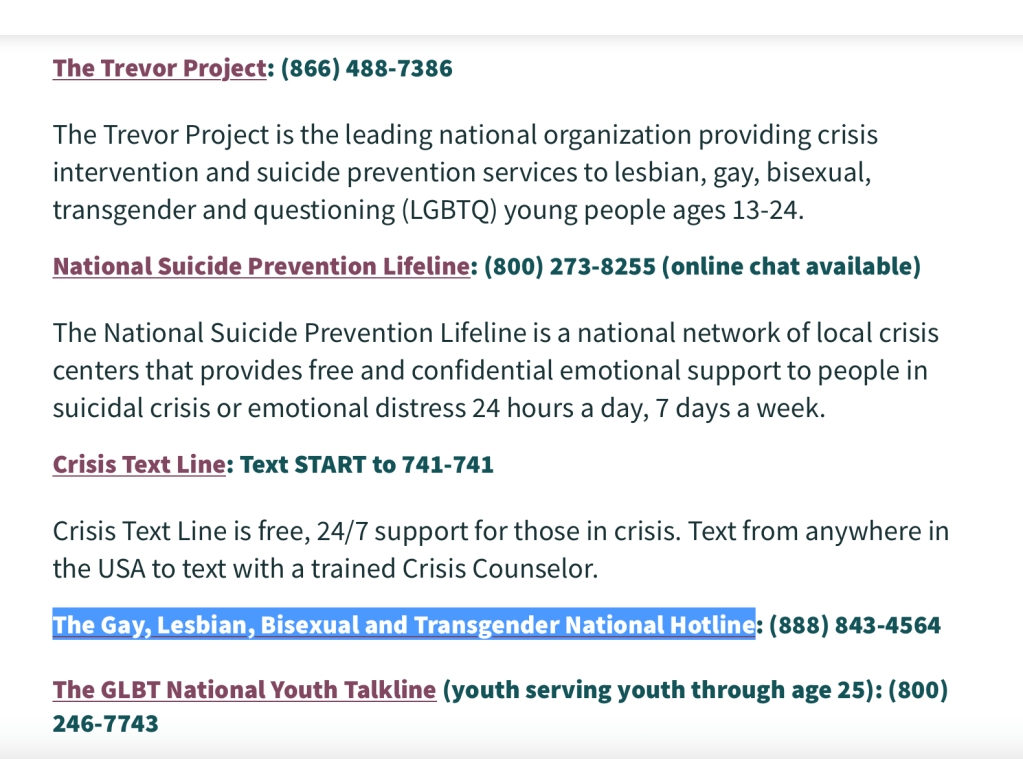
That evening, Jason turned his television off, the only channel he had been told he could watch and remain a good Christian and child of God. While flipping to another TV station, he came across a public service announcement about PFLAG and went to their website out of curiosity to learn more. It was there that Jason heard about the Trevor Project and The Gay, Lesbian, Bisexual, and Transgender National Hotline. He reached out for direction and soon became part of the most prominent family he knew. And he grew to be the happiest he ever had in life. Today – Jason isn’t going through Hell on Earth trying to stay out of a place many people question. And he wakes up with a rainbow in his life every day!

~ SHARING IN THE PRIDE ~

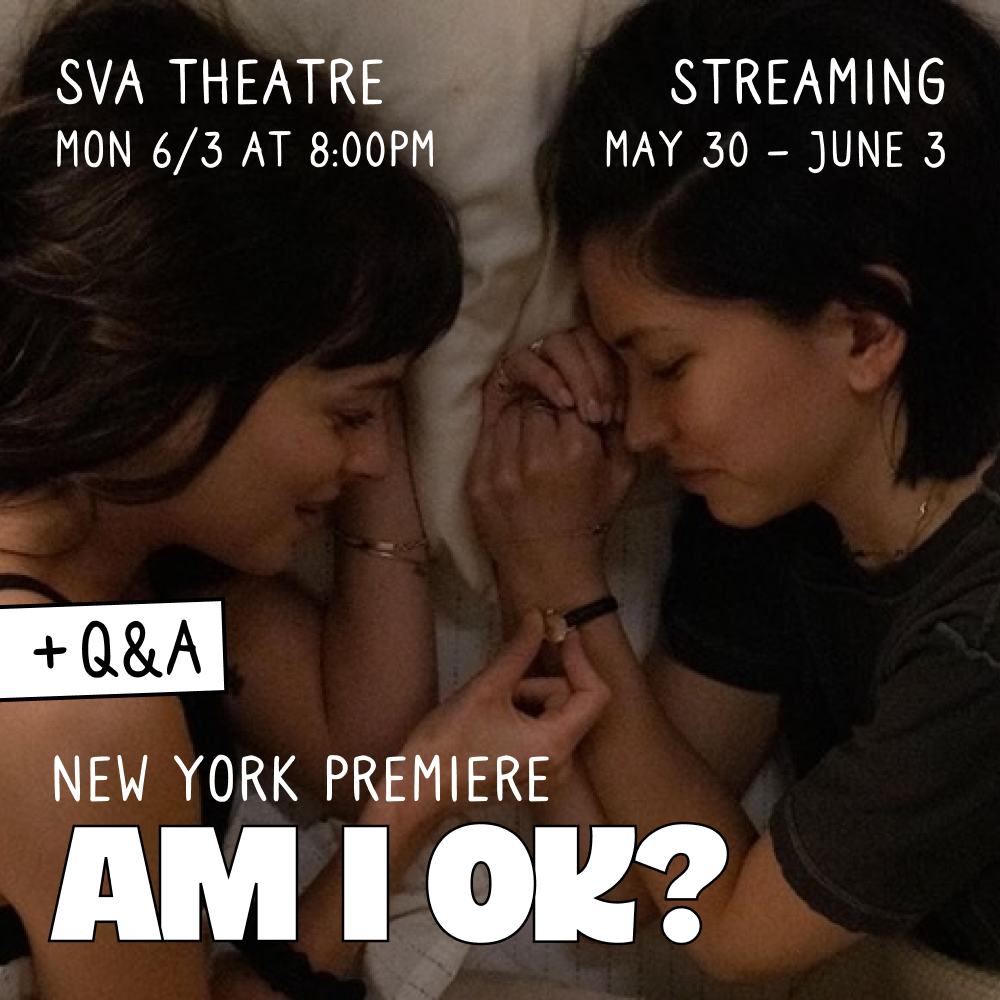
NewFest Pride

Navigate this page

NewFest Pride has it all — premieres of the year’s most anticipated queer films, conversations, parties and outdoor screenings! Check out the full lineup below. 

Get A Pass

Membership Plus Members + above get free Virtual Passes.


Learn more about becoming a NewFest Member 💖

LINEUP

A HOUSE IS NOT A DISCO (Opening Night Film & Party)

Dir. Brian J. Smith

MY OLD ASS

Dir. Megan Park

In this fresh coming-of-age story, an 18th birthday mushroom trip brings free-spirited Elliott (Maisy Stella) face-to-face with her wisecracking 39-year-old self (Aubrey Plaza).

HAZE

Dir. Matthew Fifer

A young journalist returns home to investigate the unsolved deaths at an abandoned psychiatric center in this eerie, evocative psychological thriller from writer/director Matthew Fifer (CICADA)

CLOSE TO YOU

Dir. Dominic Savage

Producer and co-writer Elliot Page stars in this emotionally observant drama about returning home as yourself and finding hope in potentially rekindled relationships

FANTASMAS (Episodes 1 & 2)

Dir. Julio Torres

A delightfully wry new series from the imagination of creator, star, writer, and director Julio Torres (LOS ESPOOKYS, PROBLEMISTA)

THE QUEEN OF MY DREAMS

Dir. Fawzia Mirza

Grad student Azra feels worlds apart from her seemingly rigid mother yet uncovers their unexpected connections on a trip to Pakistan in this vibrant festival favorite (TIFF, SXSW) from writer/director Fawzia Mirza. Ticket comes with entrance to Women’s Afternoon Out pre-screening reception

SEBASTIAN

Dir. Mikko Mäkelä

A freelance writer and aspiring novelist on his way to ostensible success in London’s cultural spheres finds a different kind of exhilaration as a sex worker in this Sundance sensation.

Dir. Sandra Itäinen

Dir. Peter LoGreco

IN-PERSON + STREAMING
VIP All Access Pass — $185
Discount for NewFest Members
All in-person screenings and events (including Opening Night Film & Party, and Women’s Afternoon Out) and virtual screenings. Early access to theater and reserved seats. Learn how to fulfill passes here.


IN–PERSON
Individual Film Ticket – $19.50
Discount for NewFest Members
In-Person access to a single screening. Does not include A HOUSE IS NOT A DISCO or Women’s Afternoon Out Tickets.

Opening Night Film + Party Ticket – $50
Discount for NewFest Members
In-Person access to the Opening Night Film A HOUSE IS NOT A DISCO and the following party. 

Women’s Afternoon Out + THE QUEEN OF MY DREAMS Ticket – $30
Discount for NewFest Members
In-Person access to Women’s Afternoon Out Brunch prior to the screening of THE QUEEN OF MY DREAMS.

In-Person All Access Pass — $115
Discount for NewFest Members
Includes all in-person screenings, including Opening Night Film & Party, and Women’s Afternoon Out. Learn how to fulfill passes here.


STREAMING
Virtual Pass — $30
Discount for NewFest Members
Virtual access to select screenings. Does not include in-person Q&A’s, however there are a select number of virtual Q&A’s available. All films screening virtually are available May 30 at 12 PM EST through June 3 at 11:59 PM EST. Streaming anywhere in the United States. Individual tickets are only available for WE’RE HERE and TRIXIE MOTEL: DRAG ME HOME.

* Virtual passes and individual tickets are discounted for NewFest Members. Haven’t joined yet? Become a member today!

LOVE ENDURES THE TEST OF TIME ESPECIALLY DURING A TIME WHEN LOVE COULD BE CHALLENGED

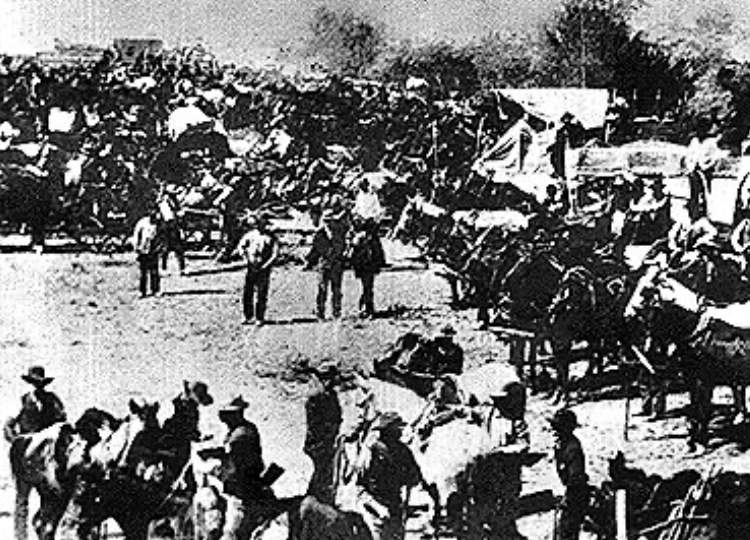
In the vast expanse of the Indian Territory, amidst the rugged terrain and the promise of new beginnings, two souls found each other amidst the chaos of land claims and dreams of prosperity. Vol Wilhelm Groff, a spirited young man with a penchant for adventure, and Joseph McElroy, a quiet and contemplative soul, crossed paths in the unforgiving landscape of Oklahoma in the year 1905.

The Indian Territory was a land of opportunity, where dreams clashed with harsh reality, and where individuals staked their claims in the hopes of carving out a future for themselves. Val and Joseph were among those brave souls, drawn to the promise of a better life on the frontier.

Their meeting was serendipitous, a chance encounter amidst the chaos of land rushes and bustling settlements. Val, with his infectious enthusiasm, captured Joseph’s attention from the moment they first locked eyes. Despite their differences in temperament, they found a deep connection that transcended words.

Val and Joesph
Photo Taken In Okarche Oklahoma

As they worked side by side, staking their claims and building their homesteads from the ground up, their bond grew stronger with each passing day. Amidst the challenges of frontier life, they found solace in each other’s presence, drawing strength from their shared dreams and aspirations.

But theirs was a love that dared not speak its name in the harsh reality of the early 20th century. In a world where societal norms dictated strict conformity, Val and Joseph had to tread carefully, concealing their love from prying eyes.

Yet, despite the obstacles they faced, their love endured, a beacon of hope in a world fraught with uncertainty. Through the trials and tribulations of frontier life, they remained steadfast in their devotion to each other, finding solace in the quiet moments shared beneath the starry Oklahoma sky.

As the years passed and the Indian Territory evolved into the state of Oklahoma, Val and Joseph’s love stood the test of time, a testament to the enduring power of love in the face of adversity. And though their names may have been forgotten by history, their love story lived on, a reminder that true love knows no bounds, not even the vast expanse of the American frontier.

Forty Three Years And Counting

In the picturesque fusion of a town that captures the charm of Mayberry and the boundless frontier of Star Trek, two hearts found a love that defies time and space. Meet Ben and Steve, a couple whose love story is as enchanting as it is enduring—a beacon of hope and resilience that inspires all who witness it.

Ben and Steve

Steve, whose eyes sparkle like the constellations he admires, has always been a dreamer, casting his gaze toward the heavens with wonder and curiosity. On the other hand, Ben embodies justice and bravery, fearlessly chasing down thieves and reclaiming stolen cars. His badge shines brightly as a symbol of his commitment to protecting others.

Their worlds may seem galaxies apart, with Steve whispering messages to the cosmos through his microphone and Ben upholding the law with unwavering dedication. Still, these very differences make their love story so captivating. United by a love transcending boundaries, they lean on each other, their bond unbreakable, and their passion ever-growing.

Their love story began over four decades ago, a chance encounter that set the stage for a lifetime of shared dreams and unwavering commitment. Fourteen years ago, they leaped into matrimony, not just as a legal union but as a testament to their enduring love and resilience. In the face of uncertainty, it was a promise that their love would remain steadfast and accurate, and no matter what challenges lay ahead or rights that might be under threat, they would forever be united.

As the years have passed, their love has only grown stronger. They still greet each day with breakfast together, their laughter and companionship a testament to their enduring friendship and love. When future generations look back, marveling at how they managed to keep the flame of love alive for so long, the answer will be simple: it’s because of Ben and Steve and their unwavering passion and commitment to each other.

So, here’s to the kisses shared and the laughter exchanged, the dreams dreamed, and the challenges overcome. Their happiness is a daily reminder of the power of love, a beautiful reality that reminds us all to believe in the magic of true love. Cheers to Ben and Steve, whose love story inspires and enchants us all, proving that true love is timeless and everlasting.

“Why do you back Joe Biden if you advocate for more young people in office?”

A Reanalysis by Benjamin G. benandsteve.com

This election isn’t about pitting the young against the old. It’s about ensuring that Gen Z and Millennials, who constitute a significant third of our nation’s population, have representation that mirrors their presence.

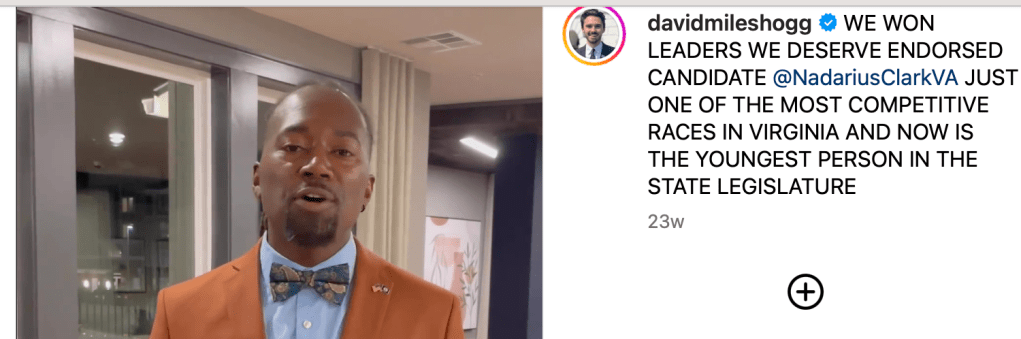
David Hogg Leaders We Deserve
PBS Interview

Although remembered as older, numerous influential leaders initiated their activism in their youth. We aim to support these leaders—like John Lewis, who embarked on a mission for vital change at a young age and became one of our country’s most pivotal and influential leaders.

Our goal is straightforward: elect more youthful leaders capable of introducing fresh perspectives into our government. 

Numerous barriers have historically prevented young people from entering public service and achieving the representation they deserve. Those who support America for all should make every effort to assist young candidates in overcoming these obstacles.

Visit Leaders We Deserve

After the setbacks of 2016, the 2018 blue wave brought the Democratic Party a renewed recognition of the influence young voters wield. In 2020, Joe Biden’s election, which was largely driven by the substantial turnout from Millennial and Gen Z voters, showcased the power of youthful participation. Your voice matters, and your vote can shape the course of our nation.

Vist The Post On Leaders We Deserve Winning!

In 2022, young voters reaffirmed their electoral influence, thwarting the anticipated “red wave.” Emerging young leaders like Justin Jones in Tennessee and Maxwell Frost in Florida gained prominence. Groups like “Leaders We Deserve” also celebrated their first endorsement success with Nadarius Clark’s election in Virginia.

Listen To Interview of radio interview

The benefits of electing young leaders extend beyond Gen Z and Millennials; they enrich the nation and shape our future. Commencing political involvement at a young age capitalizes on time, making it a potent political ally. Gen Z’s potential longevity in Capitol Hill eclipses many, underscoring the urgency of their ascent to power. The time to act is now.

If you resonate with a mission and aspire to bolster the election of deserving leaders in 2024 and beyond, please act to support feasible campaigns like “Leaders We Deserve” to support their endeavors or find a campaign that will help elect a Democratic Candidate to office.

Challenges and Solutions for Homelessness in America

Photo by MART PRODUCTION on Pexels.com
Photo by Timur Weber on Pexels.com

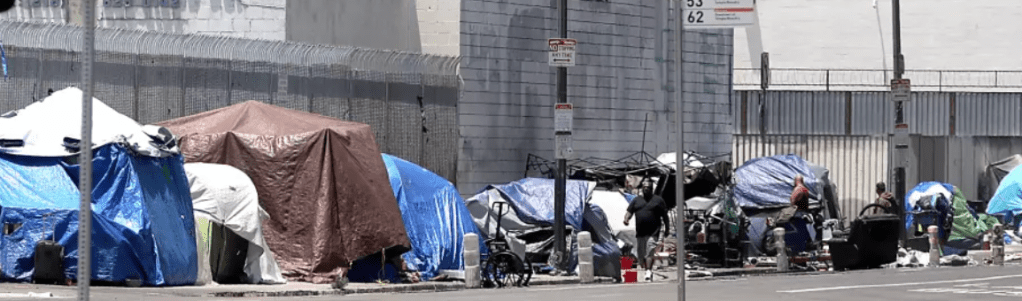
My household has always maintained a relatively liberal understanding of the country’s homeless situation. We disagree with outlawing their right to exist and have a place to live and shelter. They are, after all, doing the best they can with the current housing, employment, transportation, or other issues they face. Let them be!

Photo by Rosemary Ketchum on Pexels.com

That is what our stance has been all along, until we went out to breakfast this past weekend and the police department was herding a group along the main boulevard we take to our restaurant. They appeared to be the characters you don’t want to run into in a dark alley at night—or daytime, for that matter. For Christ’s sake, were they planning to put roots down behind our neighborhood. We have a wall around the place, but salespeople always jump in and try to knock on doors. We have security but are not the type that can handle these characters. Every winter, we have a homeless troupe that typically arrives and camps near a river, but they are the same people every year, and they are like the snowbirds who flow in and out of the area from the north. These new homeless characters were of a family we never experienced before. 

And that is what is scaring so many in America. The police found a suitable place for the troupe to travel on to, and there were no more sights of them after that initial spotting. But that is different for many in the country. These homeless populations inundate their communities, and it is an issue they have never before had to face. What if they are following suit? How many more will come? What problems will they bring with them? Will the property values deflate wherever they plant a stake? Jesus, are they diseased? 

California has spent billions of dollars trying to fix its homeless problem and has failed to find a solution. The issue is greater there now than ever. Affordable housing remains unobtainable to those needing it. California is asking people to build tiny homes in their backyards, garages, wherever there is space, and make them available to house people. The problem is, if folks don’t want them in their alleys, will they want them in their garages?

Locally in Phoenix, Arizona. My husband hired an unhoused person years ago and knew she was, although she had not disclosed so on her introduction form. He worked with her schedule to make sure she kept her employment, and within six months, she was able to get a studio apartment, moving from her car. She then told him. He said he knew all along, and that is why he had worked so hard to keep her going, and she turned out to be one of the best employees. Such an example may not be the case with every person, but it is an example of how we can attribute ourselves to improving the situation one person at a time.

While feeling uneasy about sudden changes in your community is natural, it’s important to remember that homelessness is not a choice for many people. They often face a variety of challenges, including mental health issues, substance abuse, lack of affordable housing, and unemployment, which can contribute to their situation.

As for the broader issue of homelessness, it’s clear that a comprehensive and compassionate approach is needed to address the root causes and provide effective solutions. This approach may include increasing access to affordable housing, expanding mental health and addiction services, and providing job training and employment opportunities for homeless individuals.

The Supreme Court now has the issue, and the Lord only knows what they will come up with. But no doubt Texas will pass a law ordering the execution of all homeless people after 30 days of being homeless. 


Biden’s Time In Office VS. Trump’s.

Question on Quora –

Joe Biden has taken 382 vacation days off to date. That equates to over one full year on vacation out of 3 years as US president. Is he the most ineffective US president in history?

Answered by Benjamin via benandsteve.com 

We take your word it was 382. I need President Biden’s schedule to confirm such details. Since the job is 24/7, 365 days a year, you never have any privacy, nor a day without less than twenty interruptions, even when on vacation. The vacation days alone don’t necessarily reflect a president’s effort. Being president is a demanding job that comes with its own set of challenges and responsibilities. While the president must take breaks and maintain a work-life balance, one should consider the number of vacation days in the broader context of one president over another president’s performance, decision-making, and leadership.

Every presidency has challenges and circumstances, and comparing one president’s vacation days to another does not give a comprehensive view of their effectiveness. When evaluating a presidency’s effectiveness, it’s also essential to consider the accomplishments, policies enacted, and challenges faced.

The information provided may be more accurate or presented better to portray a specific narrative. It’s always a good idea to fact-check information and consider multiple perspectives before forming an opinion.

For a fact, here’s what Biden didn’t do:

  • He never only started his work days around 11 am or 11:3AM, crisis or not.
  • Never made an ass out of himself on a global stage.
  • Never has had disregards to promises made during his campaign.
  • He Never has been impeached.
  • Biden didn’t get impeached a second time.
  • Biden never had to survive a Senate trial that most senators later – admit that they should’ve voted and should’ve been guilty.
  • Biden didn’t get indicted – FOUR TIMES.
  • It wasn’t Biden who tried overturning the People’s Will in the 2020 *Election by inciting an insurrection!
  • No Biden didn’t call the Georgia Secretary of State and attempt to *Strong arm him into creating 12,000 more votes in his favor.
  • Biden didn’t take papers from the national archives and refuse to return them to the United States Government. Going as far as to tell employees to hide the location of the boxes that contained them from authorities. Then, he agreed to return them and never did so. Then, having the stated allegations recorded on the video camera and denying it was real, lying to the FBI (also a crime.)

The list of things President Biden never did could go on, but it would be easier if you tuned into Court TV Monday through Friday.

Those are the differences you can make between Biden and Trump, which is just the start!

QUESTIONING AND REEVALUATING LONG-HELD BELIEFS AND ENCOURAGING DIALOGUE, UNDERSTANDING AND ACCEPTANCE?

The documentary “1946: The Mistranslation That Shifted a Culture” delves into a controversial and thought-provoking topic that challenges conventional beliefs about the Bible and homosexuality. Directed by Sharon “Rocky” Roggio, the film examines the claim that the Bible originally did not mention homosexuality and that references to it were added due to mistranslation and misunderstanding of ancient Greek terms.

The film highlights the work of Christian scholars who delve into forgotten archives at Yale University to uncover the origins of this mistranslation. It argues that conservative Christians began to propagate this mistranslation in the 1970s to scapegoat the LGBTQ+ community and oppose their growing liberation movement.

Roggio, who identifies as a lesbian and is the daughter of an evangelical minister, engages in dialogues with her father throughout the film, attempting to find common ground and challenge his beliefs about homosexuality being a sin. This personal narrative adds depth and emotion to the documentary, as it explores the complexities of faith, identity, and acceptance within a family divided by differing views on sexuality and religion.

The documentary sheds light on the potential harm caused by misunderstandings and misinterpretations of religious texts, highlighting the real-world consequences faced by LGBTQ+ individuals who have been marginalized, discriminated against, and even persecuted due to these beliefs.

Overall, “1946: The Mistranslation That Shifted a Culture” offers a compelling perspective on a contentious issue, urging viewers to question and reevaluate long-held beliefs and encouraging dialogue, understanding, and acceptance.


Photo by Alexander Grey on Pexels.com

Gay, Lesbian, Bisexual and Transgender National Hotline 1-888-843-4564. “The Gay, Lesbian, Bisexual and Transgender National Hotline provide telephone and email peer-counseling, as well as factual information and local resources for cities and towns across the United States.

The Difference Between Scranton Joe And Don The Con. A Whole Lot!

You’ve undoubtedly heard a comprehensive debate about the economic situation during the transition from Trump to Biden.

Photo by Andrew Neel on Pexels.com

Indeed, the economic conditions at the end of Trump’s term were challenging due to the pandemic, and Biden inherited an economy facing significant headwinds. The pandemic’s impact on the economy was unprecedented, affecting employment, consumption, and global demand.

However, public perception and political narratives often prioritize certain aspects of an administration’s performance while downplaying others. People’s opinions become shaped by various factors, including media coverage, partisan affiliation, personal experiences, and messaging from political leaders.

Photo by Jozemara Friorili Lemes on Pexels.com

Trump had shut down the United States of America, a fact that nearly every American forgets today. They need to remember the closed stores, the empty shelves, the closed restaurants, the doctor’s office that had to refuse patients, hospitals that were so full no one could visit, and nursing homes where loved ones had to stand outside and wave to loved ones from the street, and Funeral Homes so full they were using rental refrigerator trucks to store bodies—the toilet paper shortages. That was Trump’s Administration. Biden had to clean it up. He received much blame for what must occur to get the nation back on track. But he got to work, and the country got back to life.

Here are a few points to consider when thinking about why public opinion might differ between Trump and Biden regarding the economy:

  1. Partisan Bias: Political affiliations can heavily influence people’s views on the economy. Republicans may be more inclined to credit Trump for positive economic developments during his term and blame external factors like the pandemic for any downturns. Conversely, Democrats may be more critical of Trump’s handling of the economy and more forgiving of the challenges Biden faced upon taking office.
  2. Messaging and Framing: Political leaders and media outlets shape public opinion. How economic data and policies get reported can influence people’s perceptions of the economy’s performance. Trump was known for touting positive economic indicators during his term, influencing public perception despite the broader challenges.
  3. Another significant factor that shapes public opinion on the economy is personal experience. People’s direct economic situations, such as job loss, financial hardship, or financial gains, can profoundly impact their views. For instance, someone who experienced a job loss or financial hardship during Trump’s term might have a negative view of his economic policies. Conversely, if someone benefited from tax cuts or saw their investments grow, they might have a more positive perception. Complexity of Economic Issues: Economic conditions are influenced by a multitude of factors, including global trends, monetary policy, fiscal policy, and more. It can be challenging for the average person to parse through these complexities and assign credit or blame to a particular administration accurately.
Photo by Anna Tarazevich on Pexels.com

In conclusion, public opinion on the economy is multifaceted, and partisan biases could dominate messaging, personal experiences, and the complexity of economic issues. While the data presented paints a challenging economic picture at the end of Trump’s term, public perception is by broader factors. And it is conveniently forgotten!

Florida The Land Of Detention

Florida has a new law that is designed to fill prisons.

Commercial Incarceration Facilities Prospering In Florida. Investments in private prisons contracted with Florida show favor with new laws designed to provide continous population on a rotational basis.

Photo by RDNE Stock project on Pexels.com

The growth and prosperity of commercial incarceration facilities in Florida have been a topic of debate and concern for many. Investments in private prisons have indeed increased in recent years, and this growth can be attributed to several factors, including new laws and policies that aim to maintain a steady population within these facilities.

One of the key issues often raised regarding private prisons is the potential conflict of interest that arises when profit motives intersect with the administration of justice. Critics argue that the financial incentives associated with running a for-profit prison may lead to practices that prioritize cost-cutting over the well-being and rehabilitation of inmates.

Photo by RDNE Stock project on Pexels.com

Proponents of private prisons, on the other hand, argue that these facilities can operate more efficiently than their public counterparts, potentially saving taxpayer money. They also point to contractual agreements that often include occupancy guarantees, ensuring a consistent revenue stream for investors.

However, concerns persist about the quality of care and services provided in private prisons, as well as the potential for abuse and neglect. Reports of overcrowding, inadequate medical care, and safety issues have raised alarm bells among advocates for criminal justice reform.

In Florida, the state has entered into contracts with private prison companies to house a portion of its inmate population. With new laws designed to ensure a continuous flow of inmates into these facilities, investors in private prisons may see this as a lucrative opportunity for growth.

Photo by RDNE Stock project on Pexels.com

It’s essential to approach the topic of private prisons with a critical lens, considering both the potential benefits and drawbacks associated with their operation. As the debate continues, policymakers, advocates, and stakeholders must work together to ensure that any expansion of private prisons prioritizes public safety, justice, and the well-being of inmates.